Search Results for: natural sunscreen SPF 50

Korean Skin Care That is Exploding in Popularity

Unlock Radiant Skin with Korean Skin Care That is Exploding in Popularity

The allure of glass-like skin has found its epicenter in the heart of Korea, where Korean skin care has transcended borders and become a quintessential benchmark for excellence in the beauty industry. Rooted in traditions that celebrate skin as a pivotal substrate of beauty, Korean beauty rituals have meticulously evolved into a comprehensive approach towards skin health. Embracing the philosophy that a proactive and preventative routine leads to lasting skin vitality, Korean skincare products have been crafted to perfect every aspect of skin care, catering to many needs and skincare desires.

With an impressive arsenal of K-beauty essentials at its behest, this Asian beauty trend combines advanced scientific innovation with time-tested natural ingredients, yielding various products designed to promote a healthy, youthful, and radiant complexion. It’s no wonder that skincare enthusiasts and novices alike are turning towards Korean skincare products — a testament to their potency and the palpable results they deliver.

Key Takeaways

  • Korean skin care emphasizes a comprehensive, step-by-step regimen that caters to every facet of skin health.
  • The global popularity of Korean skincare products stems from their innovative use of natural ingredients, coupled with cutting-edge technology.
  • K-beauty essentials are renowned for their unique formulations that target a wide range of skin concerns with precision and care.
  • Korean beauty trends highlight the importance of preventive care, recognizing that maintaining skin’s natural balance is key to a glowing complexion.
  • The growing fascination with K-beauty routines reflects an international appreciation for Korean culture’s dedication to meticulous skin care practices.
  • Korean skincare products provide an effortless segue into achieving radiant skin, making them a favored choice for both their efficacy and sensory appeal.

The Rise of K-Beauty: Understanding Its Global Impact

The ascendance of Korean beauty products on the global stage is more than a fleeting fad; it’s a revolution that’s redefining beauty standards internationally. Rooted in a deep understanding of dermatological health and cosmetic innovation, K-beauty trends are shaping the way consumers think about skin care. From Seoul’s meticulous skin care regimes to the glowing, dewy skin featured in Korean dramas, the influence of these products and trends has created an insatiable demand worldwide.

One of the critical components of K-beauty is its deference to both tradition and technology. The result is an approach to beauty that’s both holistic and cutting-edge, balancing nature with science in a way that resonates with consumers across diverse cultures. This unique blend has given Korean beauty products their well-deserved acclaim, propelling them to the forefront of the beauty industry.

The global impact of Korean beauty products can be traceable through their widespread accessibility. From dedicated K-beauty stores sprouting in major cities to K-beauty sections in local drugstores and high-end department stores, these products are now accessible to a global clientele eager to engage with their benefits. This reach demonstrates the significant market influence of K-beauty, as it carves a substantial niche in the cosmetic and skin care arenas.

  • The innovative packaging and sophisticated formulations of K-beauty favorites that focus on both aesthetics and functionality.
  • The surge of interest in ingredients (such as snail mucin and ginseng) that were once considered exclusive to the Korean market.
  • The intensive research and development that Korean cosmetic companies invest in to deliver products ahead of global beauty trends.
  • The fusion of traditional practices with contemporary skin care needs that K-beauty represents, bringing the best of both worlds to the consumer.
  • The commitment to gentle yet effective products, often tailored for sensitive skin, which has contributed to a broad consumer base.

“Korean beauty products have not just introduced new concepts in skin care; they’ve initiated a global dialogue about the philosophy of beauty and well-being. It’s about embracing a routine that is as enjoyable as it is effective, a narrative warmly welcomed by international consumers.”

As a testament to their international appeal, K-beauty brands are often the first port of call for consumers seeking innovative solutions to their skin care dilemmas. With the waves they’re making across continents, these trends and products are indisputably significant players in today’s beauty industry.
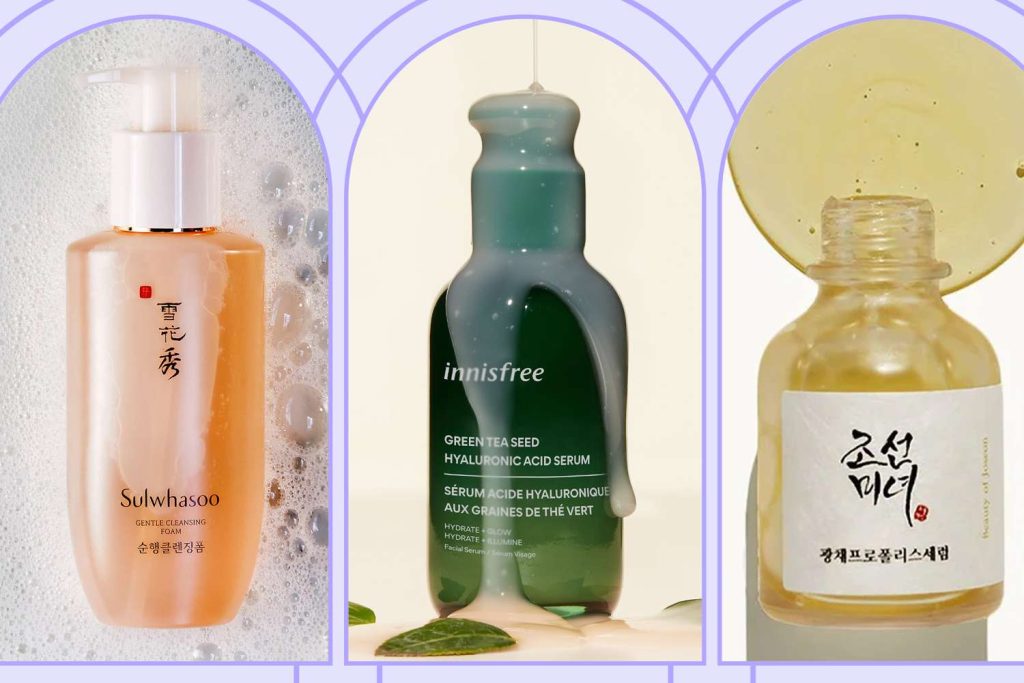
Korean Skin Care That is Exploding in Popularity

The Fundamentals of a Korean Skincare Routine

Adapting the Korean skincare routine is an investment in your skin’s health. It is much more than a simple regimen; it is a ritual that embodies the essence of Korean cultural appreciation for meticulous care and patience. Layer by layer, this routine unfolds to reveal the secrets to a radiant complexion, leveraging an array of Korean skincare products that work in harmony to cleanse, hydrate, and treat the skin.

Double Cleansing: The Cornerstone of K-Beauty

Double cleansing is the first and non-negotiable step in a Korean beauty routine. Masters of skincare, Koreans believe in a clean canvas as a pivotal foundation for subsequent skincare steps. This skin care routine starts with an oil-based cleanser to dissolve makeup and draw out oil-soluble impurities, followed by a water-based cleanser to address dirt, sweat, and remaining debris. Here’s a methodology that ensures a thorough cleanse:

  1. Apply an oil cleanser to dry skin, massaging gently to break down makeup.
  2. Rinse with warm water and follow up with a foam or gel cleanser.
  3. Gently massage the second cleanser onto the face, then rinse, setting the stage for a truly receptive skin surface.

Hydration and Layering: The Korean Approach to Moisturizing

Following cleansing, hydration takes precedence in the routine. The Korean practice utilizes layering techniques to ensure that the skin remains plump and moist, enabling it to repair and defend itself effectively. The art of layering also involves applying skincare products in a specific order, optimizing absorption and benefit. Typically, the progression is from the lightest consistency to the richest, as detailed below:

StepProduct TypeFunction
1TonerRebalances pH and preps skin
2EssenceHydrates and aids cell turnover
3EmulsionLightweight moisturizer
4Serum/AmpouleConcentrated treatment
5CreamSeals in moisture and nutrients

Essence and Serums: Targeted Treatments for Glowing Skin

At the heart of a Korean skincare routine lies the use of essences and serums—specialized formulations targeted to address specific skin concerns. This step is what sets Korean skincare apart, allowing for a tailored approach focused on individual skin needs. From anti-aging peptides to brightening vitamin C, these powerful concoctions are packed with active ingredients designed to have a transformative impact. The table below highlights the role of essences and serums:

Skin ConcernEssence or Serum IngredientExpected Benefit
PigmentationNiacinamideImproves skin tone
AgingRetinolStimulates collagen production
AcneSalicylic AcidClears pores and reduces inflammation
DrynessHyaluronic AcidEnhances hydration levels
SensitivityCentella AsiaticaSoothes irritation and redness

Korean Skin Care

The ethos of Korean skin care lies in a disciplined, holistic approach that extends far beyond the surface to achieve and sustain healthy, glowing skin. With a focus on preventive care and a regimented routine, these specialized methodologies have set the standard in the beauty world by emphasizing nourishment and protection. Each step in the famed Korean skincare routine plays a pivotal role in maintaining the skin’s natural balance while ensuring that every layer—from the deepest to the surface—is addressed with suitable Korean beauty products.

Embracing a myriad of innovative ingredients, from the depths of the sea to the peaks of its rich landscapes, Korea has harnessed unique elements that contribute to the effectiveness of these products. Synergizing ancient wisdom with leading-edge science, the country has birthed formulas that cater to various skin types and concerns, designed to deliver results that are as impressive as they are consistent.

The admiration for Korean skin care isn’t just about the promise of perfect skin—it’s the entire experience that has enchanted beauty enthusiasts globally. The textures, the scents, and the indulgent rituals all coalesce to form a skin care experience that is both transformative and pleasurable. Here’s an overview of what makes the Korean skincare routine a jewel in the crown of beauty rituals:

  • Double Cleansing: A meticulous two-step method to rid the skin of impurities and prepare it for the subsequent skincare steps.
  • Layered Hydration: Multiple layers of hydration using varying textures from toners to creams to lock in moisture and active ingredients.
  • Essences and Serums: The heart of the routine, used to directly target specific skin concerns with potent, focused ingredients.
  • Protection and Nourishment: Ensuring the skin is shielded from environmental stressors while being fed nourishing ingredients for optimal skin health.

What sets the Korean skincare routine apart is its intrinsic nature of customization. Every individual’s regimen can be handpicked from a diverse range of Korean beauty products, each designed to affiliate with different skin types and personal care needs. Below is a snapshot of the multi-step routine that embodies the essence of this revered beauty practice:

StepActivityBenefits
1Cleansing (Oil-Based and Water-Based)Thoroughly cleanses skin, removes makeup, and clears clogged pores.
2ToningRestores skin’s pH balance and enhances absorption of other products.
3Applying EssenceDeeply hydrates and prepares the skin for treatment products.
4Treatment (Serums, Ampoules)Provides targeted solutions for specific skin issues.
5MoisturizingImproves skin barrier function and prevents moisture loss.
6Sun ProtectionGuards against UV damage and prevent premature aging.
“The artistry of a Korean skincare routine exemplifies centuries-old traditions fused with modern-day science, paving the way for universally coveted beauty products that are as effective as they are luxurious.”

A substantial shift from the traditional Western approach, where minimalism often takes precedence, Korean skincare rejoices in a layered, leisurely process that values precision over speed. In the dynamic realm of skin care, where the search for the elixir of youth and radiance reigns supreme, the Korean beauty products and routines have established a legacy, signifying their enduring impact on our collective quest for eternal beauty. Indeed, to partake in a Korean skincare routine is to practice the art of skin preservation, with a touch of indulgence and a dash of ritualistic self-care.
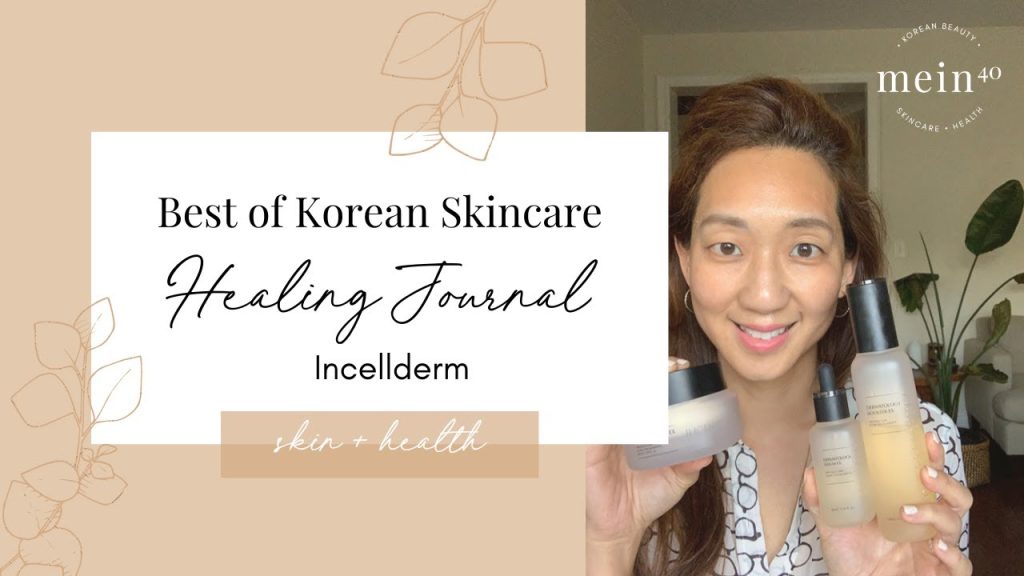
Korean Skin Care That is Exploding in Popularity

Natural Ingredients in Korean Beauty Products

The enduring appeal of traditional Korean skincare is its commitment to natural ingredients known for nourishing skin. These elements have been the cornerstone of cultural beauty rituals for centuries, and now, they are an integral part of what makes K-beauty formulations so respected globally. This reverence for the natural and the gentle is what sets Korean beauty apart, creating a tapestry of products that blend the historical with the cutting-edge. As we delve into the heart of K-beauty, we uncover the rich tapestry of innovative natural components that contribute to its effectiveness and allure.

How Traditional Korean Ingredients Nourish Skin

Efficacy, rooted in tradition, is what defines Korean beauty. Natural ingredients such as ginseng, green tea, and rice water are not just trendy buzzwords but are entrenched in the fabric of Korean culture for their healing and nourishing skin properties. Ginseng revitalizes, green tea protects against free radicals, and rice water brightens, making each ingredient a cherished treasure in skincare rituals.

Innovative Use of Natural Components in K-Beauty Formulations

It’s not just about the venerable history of these ingredients; it’s also about the innovative strides in incorporating these natural components into modern K-beauty formulations. Through continual research and technological advancements, these traditional ingredients are optimized to address contemporary skin concerns, ensuring that they meet the needs of today’s discerning consumer while staying true to the essence of Korean skincare.

Natural IngredientBenefitsFound in K-Beauty Products
GinsengAnti-aging, revitalizing, boosts skin’s radianceSerums, Creams, Masks
Green TeaAntioxidant, soothing, protects skinCleansers, Toners, Lotions
Rice WaterBrightening, clarifying, enhances skin textureEssences, Emulsions, Face Washes

With such powerful components at play, it is clear that Korean skincare is more than superficial application; it is a synthesized blend of nature and science. Harnessing the full potential of natural ingredients, it provides a nurturing embrace for the skin, echoing the traditions of the past while paving the way for the innovations of the future.

Korean Beauty Products for Different Skin Types

The radiant, dewy finish emblematic of Korean beauty products is not a one-size-fits-all solution; it is the culmination of personalized skincare that considers individual needs and concerns. In the realm of K-beauty, diversity thrives, offering an extensive selection to cater to different skin types. Navigating through the myriad of options can be daunting, but understanding which Korean skincare routine or product matches your skin type ensures not just efficacy but also delights in daily rituals.

Here, we explore how K-beauty stands out in its inclusivity, addressing the needs of every skin concern with targeted innovations:

Skin TypeConcernRecommended K-Beauty ProductsKey Ingredients
DryHydrationHydrating essences, Rich moisturizersHyaluronic Acid, Squalane
OilyOil ControlOil-free gel creams, BHA tonersGreen Tea, Salicylic Acid
CombinationBalanceEmulsions, Water-based serumsTea Tree Oil, Centella Asiatica
NormalMaintenanceEssences, Lightweight lotionsBamboo Sap, Propolis
SensitiveCalmingRecovery creams, Soothing masksAloe Vera, Panthenol
AgingRejuvenationAnti-aging serums, Collagen-infused creamsRetinol, Peptides
Acne-ProneClaritySpot treatments, Pimple patchesCalamine, Salicylic Acid

Discovering the right Korean beauty products for your skin type is a journey toward a bespoke skincare routine that can efficaciously address specific conditions. Be it the infusion of hydrating essences for those battling skin dryness or salicylic acid treatments designed for acne-prone surfaces, the segmentation within the K-beauty universe is comprehensive. Catering to the spectrum of different skin types and their unique needs is the cornerstone of K-beauty’s widespread success and enduring appeal.

  • For oily skin, matte-finish sunscreens and sebum-regulating sheet masks are quintessential, keeping shine at bay.
  • Those with dry skin may find solace in sleeping masks that lock moisture overnight for a supple morning complexion.
  • Combination skin benefits from multi-masking—applying different masks to various facial zones to target distinct issues.
  • The luxurious textures of anti-aging creams offer a sensorial and beneficial experience to those concerned with signs of aging.

Selecting the right Korean skincare routine for your skin doesn’t just result in visual benefits; it also instills a deep sense of self-care that aligns with Korea’s dermatological ethos—a meticulous balance of aesthetic and health.
Korean Skin Care That is Exploding in Popularity

K-Beauty Trends and Innovations

The ever-evolving Korean beauty industry continues to captivate the world with its groundbreaking strides in skincare technology. Enthusiasts and experts alike eagerly anticipate the latest k-beauty trends – each promising to revolutionize the way we approach skin health and aesthetics. In this dynamic landscape, technological advancements and skincare innovations frequently set new standards for product efficacy and user experience.

Recent Breakthroughs in Korean Skincare Technology

Recent developments have unveiled innovations focusing on the precise delivery of active ingredients. This cutting-edge Korean skincare technology ensures that solutions for specific skin concerns are more effective than ever. Formulations are now crafted to penetrate deeper layers of skin, allowing for targeted action and visibly improved outcomes.

Popular K-Beauty Products That Are Making Headlines

Amid the myriad of advancements, certain popular k-beauty products have stood out, gaining acclaim for their impressive results. These include:

  • Sheet masks: Offering a potent dose of essence and ease of use, these have become a staple in the Korean beauty routine.
  • Snail mucin-infused creams: Celebrated for their ultra-hydrating properties and ability to improve skin texture and reduce signs of aging.
  • Acne pimple patches: These discrete yet powerful treatments quickly and effectively target blemishes without drying out the skin.

Each product reflects the Korean beauty industry’s commitment to creating sophisticated, user-focused solutions that align with the demands of diverse skin types while adhering to a philosophy of gentle care and maintenance.

Product TypeMain FunctionActive IngredientsUser Experience
Sheet MasksDeep HydrationHyaluronic Acid, Tea Tree ExtractInstantly refreshing, with long-lasting effects
Snail Mucin CreamsRepair and MoisturizeSnail Secretion Filtrate, Glycolic AcidDewy finish, visible reduction in fine lines
Acne Pimple PatchesTargeted Blemish TreatmentHydrocolloid, Salicylic AcidDiscreet and protective, minimizes scarring

As k-beauty trends and skincare innovations continue to push the boundaries of beauty and wellness, consumers worldwide can look forward to even more astounding and efficacious products in their skincare journeys.

How to Incorporate Korean Beauty into Your Skin Care Routine

Entering the world of Korean beauty can transform your skin care routine into an indulgent and effective regimen. Customizing your routine with K-beauty essentials allows you to harness innovative formulas and achieve the coveted Korean glow. Whether you’re a seasoned skin care enthusiast or new to the game, the gradual integration of K-beauty products can lead to a delightful self-care practice rich in tradition and modern science.

Customizing Your Routine with K-Beauty Essentials

To customize skincare effectively with Korean beauty products, start by identifying your skin type and main concerns. K-beauty offers a plethora of products designed to address everything from dryness and wrinkles to acne and hyperpigmentation. Selecting the right cleansers, toners, essences, and moisturizers is key to creating a skin care routine that nurtures and protects your skin.

Take the time to research ingredients that are beneficial for your specific skin issues. For example, those with dry skin might look for products containing hyaluronic acid, while people battling acne may opt for formulations with tea tree oil or BHA.

Here’s a simple guide to customize skincare with K-beauty essentials:

  • Cleansers: Choose a gentle oil-based cleanser to remove makeup and sunscreen, followed by a water-based cleanser for a thorough clean.
  • Toners: Select a hydrating toner that helps to balance your skin’s pH and prepare it for the next steps.
  • Essences: Incorporate an essence to deeply hydrate and aid in cellular turnover, enhancing the effectiveness of other products.
  • Moisturizers: Opt for a moisturizer that is appropriate for your skin type, providing essential hydration without causing congestion.

By carefully choosing each product, you’ll be able to build a skin care routine that resonates with your personal skin goals and enhances your natural beauty.

Steps to Transition Smoothly to a Korean Skincare Regimen

To ensure a seamless transition to Korean skincare regimen, introduce new products gradually. This approach helps your skin to adjust without becoming overwhelmed, which is crucial when experimenting with new ingredients and formulations. Follow these steps to shift smoothly and enjoy the full benefits of Korean skincare products:

  1. Integrate one new product at a time, starting with a cleanser, and allowing your skin to adapt for a few days.
  2. Add a toner to your routine next, as it is relatively easy for the skin to tolerate and offers immediate hydration benefits.
  3. Once your skin has settled with the toner, incorporate an essence or serum, such as one with nourishing ingredients like snail mucin or propolis.
  4. After your essences and serums are well-tolerated, bring in a moisturizer appropriate for your skin type to seal in all the active ingredients and hydration.
  5. Finally, include a dedicated SPF product in the morning routine to protect your skin from UV damage, a critical step in Korean skincare routines.

Patience is key when curating a K-beauty regimen. With each new product introduced, monitor your skin’s reaction and give it time to reveal the benefits. A thoughtful, measured transition to Korean skincare regimen not only minimizes potential adverse reactions but also sets the foundation for a sustainable and enjoyable skin care journey.

DIY Korean Skincare Solutions and Tips

In the expansive universe of Korean beauty, DIY Korean skincare has carved out its unique niche, offering personalized and natural alternatives to store-bought essentials. One such revered ingredient is flaxseed, a powerhouse of nutrients with remarkable skin care benefits. Known for its skin-tightening effects, flaxseed is an accessible and effective component for those looking to explore the realm of DIY skincare solutions. A topical application of a flaxseed gel mask can provide temporary firmness to the skin, along with a brightness often associated with a healthy complexion.

When attempting this Korean-inspired natural remedy, careful preparation is key. Boiling flaxseeds in water yields a thick, gel-like substance that, when applied to the skin, delivers a concoction rich in healthy fats and vitamin E. However, it is important to note that skin care tips from knowledgeable enthusiasts often suggest soaking the seeds instead of boiling. This method is recommended to preserve the delicate essential fatty acids that could be destroyed by heat. By allowing the seeds to soak, either overnight or for 24 hours, one can extract a gel that retains the full spectrum of benefits flaxseeds have to offer.

Whether choosing to boil or soak, the resultant gel can be smoothly transferred into a clean syringe for stylish and simplified application. After applying it on the face and allowing it to settle for a few minutes, it can then be washed off to reveal a complexion that’s perceptibly tighter and more radiant. While this DIY treatment might not be a permanent fix, it certainly aligns with the spirit of K-beauty, which celebrates both the efficacy and the ritualistic joy of skincare routines. As the beauty world continues to globalize and innovate, these DIY Korean skincare practices offer exciting avenues for personal exploration and skin health empowerment.
Korean Skin Care That is Exploding in Popularity

FAQ

Why has Korean skin care gained such explosive popularity?

Korean skin care has gained massive popularity due to its comprehensive and effective approach to achieving radiant skin. The multi-step regimens, use of natural ingredients, and focus on hydration and nourishment have proven to be successful in producing healthy, glowing complexions. This focus on skin health, coupled with innovative product formulations, has positioned K-beauty as a leading trend in the global beauty market.

What are the impacts of K-beauty trends on the global beauty industry?

K-beauty trends have influenced the global beauty industry by introducing advanced product formulations and refreshing beauty standards. Consumers worldwide have embraced the meticulous skin care routines and innovative ingredients typical of Korean beauty, integrating them into their daily regimens and heightening the demand for K-beauty products.

What is double cleansing, and why is it important in a Korean skincare routine?

Double cleansing is a two-step process that is essential in a Korean skincare routine. It starts with an oil-based cleanser to remove makeup and sunscreen, followed by a water-based cleanser to clean deeper into the pores and remove sweat and dirt. This method ensures a thorough cleanse, promoting a clearer and purer skin complexion.

How does hydration play a role in Korean skincare?

Hydration is a key element of Korean skin care, often achieved through layering techniques. Products are applied from the thinnest to thickest texture, allowing each layer to be fully absorbed, thus maximizing moisture retention and ensuring deep hydration for the skin.

What are essences and serums, and how do they fit into the Korean beauty routine?

Essences and serums are concentrated treatments that address specific skin concerns like aging, pigmentation, or acne. They are a core part of the Korean beauty routine, designed to deliver a high concentration of active ingredients directly to the skin for targeted effects.

What natural ingredients are commonly used in Korean skincare products?

Traditional Korean skincare incorporates a variety of natural ingredients known for their skin benefits. Common ingredients include ginseng, known for its anti-aging properties; green tea, which contains powerful antioxidants; and rice water, which can brighten and soothe the skin. These ingredients have been used for centuries in Korea and are now central to the effectiveness of many K-beauty products.

How do recent breakthroughs in technology affect Korean skincare?

Recent technological breakthroughs in Korean skincare involve enhancing product formulations with unique delivery systems that target skin concerns more effectively. These advancements allow active ingredients to penetrate deeper into the skin and offer solutions that are tailored to various skin types and conditions.

What are some popular K-beauty products that have received global recognition?

Some K-beauty products gaining international acclaim include sheet masks, which offer potent skin benefits in a single use; snail mucin-infused creams, renowned for their repairing and hydrating properties; and acne pimple patches, which protect and heal breakouts quickly.

How can someone customize their skin care routine with K-beauty products?

Customizing a skin care routine with K-beauty products involves understanding one’s skin type and concerns, then selecting products that target those specific needs. Options range from oil-based cleansers to water-based toners and from rich creams to lightweight lotions, allowing for a personalized regimen that fosters optimal skin health.

What are the steps to transition smoothly to a Korean skincare routine?

To smoothly transition to a Korean skincare routine, it’s recommended to gradually introduce new products, one at a time, and observe how the skin reacts to each. Starting with the basics, such as cleanser and moisturizer, and then advancing to include toners, essences, and treatments can help the skin acclimate without overwhelming it.

Can you provide a DIY Korean skincare solution?

Yes, flaxseed gel is a DIY Korean skincare solution that is easy to prepare and provides skin-tightening effects. To create this gel, flaxseeds can be soaked in water, allowing their healing properties to infuse into the liquid, creating a gel-like consistency. This can then be applied to the skin as a face mask, offering anti-inflammatory benefits and temporary skin tightening.

Source Links

Unlock Radiant Skin with Korean Skin Care That is Exploding in Popularity Read More »

Refreshed hero image for: Summer’s Hidden Dangers: What Dermatologists Don’t Tell You!

Summer’s Hidden Dangers: What Dermatologists Don’t Tell You!

The Hidden Dangers of Summer: What Your Dermatologist Isn’t Telling You! is a topic many overlook.

Despite the common focus on summer skin care, few are aware of its potential risks.

The Hidden Dangers of Summer: What Your Dermatologist Isn’t Telling You!

Many are clueless about how these hidden dangers can affect their skin health. But this knowledge gap separates those who maintain healthy skin throughout the year from those who suffer from avoidable damage during the sunny season.

Navigating through these unseen hazards isn’t easy, folks.

Consider, for instance, an individual who recently shared that they suffered severe sunburn after using a new medication without knowing it increased photosensitivity.

This person now fears stepping out in the sun again and worries about potential long-term effects

Table of Contents:

The Hidden Dangers of Summer for Your Skin

Summer’s arrival brings longer days and warmer temperatures, exposing your skin to potential damage. The sun’s ultraviolet rays can lead to long-term harm if not properly managed.

Photosensitivity: A Silent Threat

A lesser-known summer danger is photosensitivity, a condition that heightens the vulnerability of exposed skin to UV radiation. This susceptibility remains even on cloudy days when you might think you’re safe from harmful rays.

Certain medications like antibiotics or acne treatments may trigger this reaction. Photodermatitis—a similar skin reaction—occurs when substances such as certain perfumes or essential oils interact with sunlight upon contact with your skin, leading to an eczema-like response. Cleveland Clinic provides more information about these reactions.

Melasma Unveiled

Beyond causing face sunburns during hotter days, increased exposure to the sun can exacerbate melasma – small patchy brownish facial discolorations common in summers. The American Academy of Dermatology Association (AAD) attributes melasma primarily to estrogen and progesterone hormones, especially among pregnant women or those taking birth control pills who experience heightened sensitivity under sunlight.

This makes wearing high SPF sunscreen daily crucial during summer months, irrespective of whether it’s sunny outside or super cloudy. As per The Skin Cancer Foundation, everyone should use broad-spectrum (protecting against both UVA & UVB rays), water-resistant sunscreen with at least 30 SPF every day they plan on spending time outdoors, regardless of weather conditions.

The Impact of Summer on Acne Breakouts

As the summer months usher in warmer days, a common concern for many is the worsening of acne. This escalation can be attributed to an amalgamation of factors such as increased sweat production, oil secretion, and sunscreen application.

Choosing the Right Sunscreen for Acne-Prone Skin

Finding a suitable sunscreen becomes crucial during these sun-filled months. Unfortunately, some sunscreens may not be suitable for those with acne-prone skin.

A heavy or oily sunscreen could further block your pores, leading to more breakouts. Selecting products that won’t obstruct your pores and potentially cause further breakouts is critical. The American Academy of Dermatology Association suggests using ‘oil-free’ or ‘non-comedogenic’ labeled products that are less likely to exacerbate acne conditions.

In addition to being non-comedogenic, it’s also important to opt for high SPF values, especially if you’re spending prolonged periods outdoors under direct sunlight. The Skin Cancer Foundation advocates daily use of broad-spectrum (UVA/UVB) sunscreen with an SPF 30 or higher irrespective of weather conditions because harmful UV rays penetrate through clouds causing cellular level damage resulting in premature aging and potential development into skin cancer over time despite appearing cloudy outside.

Making Blemishes Worse: Avoid Inappropriate Acne Products

If you’re already dealing with breakout issues, then the type and amount of product applied to the face matter significantly, according to the Cleveland Clinic.

Oftentimes, individuals make the mistake of applying excessive amounts, hoping to speed up the healing process. However, the contrary happens when irritation increases, making blemishes worse instead. Thus, moderation is key here, along with correct usage instructions, following each product’s guidelines closely for optimal results without aggravating the existing condition any further than necessary, thereby maintaining overall health.


Key Takeaway: 


Summer’s heat can escalate acne due to increased sweat, oil, and sunscreen use. It’s crucial to choose non-comedogenic sunscreens for acne-prone skin and apply them properly. Overuse of acne products may worsen blemishes instead of healing them.

The Importance of Wearing Facial Sunscreen Daily

When it comes to your skincare routine, the daily application of facial sunscreen is paramount. The Skin Cancer Foundation and board-certified dermatologists globally endorse this practice as a preventive measure against severe sunburns and premature aging induced by unprotected UV exposure.

Diving into UVA Rays and Their Impact

Sunlight comprises mainly two types of harmful rays: UVA and UVB. Both can damage the skin, but UVA rays pose unique threats due to their ability to penetrate deep into our dermis – the thickest layer in our skin structure.

This penetration triggers long-term effects such as photoaging, which includes wrinkles, age spots, loss of elasticity in the skin, among others. Additionally, repeated exposure escalates the risk for certain potentially fatal cancers like melanoma, making broad-spectrum sunscreen that protects from both types of radiation an essential tool to combat these dangers effectively.

Sunscreen’s Role In Warding Off Skin Damage And Aging

According to Cleveland Clinic studies, a high-quality sunscreen serves as a protective barrier between your delicate facial epidermis and harsh solar radiation, absorbing or reflecting most ultraviolet light before it infiltrates deeper layers and causes harm, including DNA mutations leading toward cancerous growths.

Beyond preventing serious health issues like cancer, wearing face SPF also helps maintain a youthful appearance longer, slowing down signs associated with aging, such as fine lines and sagging. Thus, it becomes an integral component not just for protection but also for your beauty regimen.

Incorporating Sunscreen Into Your Everyday Routine

No matter the season or weather forecast, always apply a generous amount every morning following cleansing and moisturizing steps. Reapply throughout the day, especially if you spend extended periods outdoors during peak hours (10 am – 4 pm).

You might consider investing in cosmetics or makeup products already infused with benefits to ease the application process and ensure continuous protection at all times without having to worry about an extra step of applying separately each time. This summer, take proactive measures to protect yourself from potential harms caused by excessive sun exposure while keeping your glowing complexion intact by incorporating the


Key Takeaway: 


Don’t skimp on the sunscreen. It’s your best defense against harmful UVA and UVB rays that can cause premature aging and even skin cancer. Make it a daily habit, regardless of the season or weather, to maintain healthy, youthful-looking skin.

Recognizing Phototoxic Reactions

The summer months can be a hidden menace to your skin due to phototoxic reactions. These are not just regular sunburns but severe, often painful responses that occur when certain substances on your skin interact with sunlight.

Berloque Dermatitis: The Hidden Dangers of Perfume in the Sun

A typical example is baroque dermatitis, which occurs from an interaction between specific ingredients in perfumes and UV rays. This results in symptoms similar to a harsh sunburn and may leave long-lasting pigmentation changes.

This reaction occurs at the cellular level, where these compounds cause inflammation and hyperpigmentation upon exposure to UV radiation during those hotter days.

Margarita Sunburn: A Surprising Culprit

Limes might seem harmless enough while you’re enjoying them as part of your favorite summertime beverages like margaritas or lemonades; however, they, too, pose risks for triggering phototoxic reactions.

“A substance known as furocoumarins present within limes increases sensitivity towards UVA rays leading up to second-degree burns under intense sunshine.”

Safeguarding Your Skin Against Phototoxic Reactions

To safeguard against such unpleasant experiences this season, we must adopt preventive measures before stepping out into moderate sunlight, especially if wearing fragrances containing potential triggers like bergamot oil or handling citrus fruits outdoors. Ensuring hands are thoroughly washed after preparing drinks using lime juice will help prevent inadvertent splashes causing Margarita Sunburns. Furthermore, integrating new organic skincare products specifically designed for summer use could provide additional protection against the harmful effects of increased exposure, thus enhancing the overall effectiveness of our daily skincare routine throughout warmer months.

How Summer Affects Foot Health

The summer season often involves outdoor activities, which can increase exposure to your feet. Going barefoot during these times can potentially introduce risks such as puncture wounds and infections.

This particularly concerns individuals with diabetes or foot neuropathy who have decreased foot sensation and may not immediately detect an injury.

Safe Foot Practices During Summer

To maintain good foot health during the summer months, avoiding walking barefoot whenever possible is essential. Wearing shoes provides a protective layer between your feet and any harmful objects you could step on.

If circumstances require going shoeless, be sure to thoroughly inspect your feet afterward for signs of injuries like cuts or insect bites. According to Mayo Clinic guidelines, minor injuries should be promptly cleaned with warm water and soap before applying antibiotic ointment, followed by bandages.

In addition, those at higher risk due to conditions such as nerve damage from diabetes should consider wearing firm-soled shoes even when others are going barefoot – advice recommended by the American Diabetes Association that offers more protection against potential punctures than typical flip-flops or sandals do.

Pedicures: Safety Over Style

Safety concerns also extend to popular summertime practices like pedicures; unsanitary tools can spread fungal infections, while cuticle cutting increases susceptibility to bacterial infection.

To ensure safe pedicure procedures, follow the American Academy of Dermatology (AAD) recommendations. They suggest bringing personal nail care kits, including clippers and files, to avoid shared salon equipment and significantly reduce the chances of cross-infection.

Summer’s Hidden Dangers: What Dermatologists Don’t Tell You.

Discover the hidden dangers of summer your dermatologist isn’t telling you. Unveil secrets about sun damage, acne breakouts, and essential skincare tips.

Building an Effective Summer Skincare Routine

With its increased sun exposure and hotter days, the summer season presents unique challenges for maintaining healthy skin. To nourish your skin with the right organic ingredients, establishing an effective skincare routine for summer is essential.

Discovering the Latest Organic Ingredients For Your Skin

Hyaluronic acid, a widely used organic skincare ingredient, helps to keep skin hydrated by drawing water from deep within into the upper layers. This naturally occurring substance draws water into the upper layers of your skin from deep within. The result is optimal hydration levels even on hot days when you might lose more water through sweat.

Beyond this super hydrator, green tea extract is another noteworthy ingredient for summer due to its potent antioxidant properties. Green tea helps protect against environmental damage caused by free radicals while calming inflammation and reducing redness – common issues during warmer months due to heightened UV radiation.

Adapting Your Skincare Routine for Summers

Apart from incorporating beneficial ingredients like hyaluronic acid and green tea extract into your regimen, there are other steps specifically designed for effective summer care you should consider taking in order to avoid long-term skin damage or premature aging caused by unprotected UV exposure.

An essential part involves wearing facial sunscreen daily as recommended by board-certified dermatologists such as those at Cleveland Clinic. Using high SPF sunscreen shields exposed areas from harmful UVA rays, which contribute towards potential severe health implications, including melanoma – one of the deadliest forms, according to the Skin Cancer Foundation.

  • Sunscreen Reapplication: Remember reapplying every two hours or immediately after swimming/excessive sweating ensures continued coverage against damaging solar radiation.
 

Key Takeaway: 


Don’t let summer’s heat beat your skin. Amp up your skincare routine with organic ingredients like hyaluronic acid and green tea extract, stay hydrated, and don’t skimp on sunscreen. Remember to reapply every two hours or after a swim to keep harmful UV rays at bay.

FAQs about The Hidden Dangers of Summer: What Your Dermatologist Isn’t Telling You.

What are the potential dangers of summer?

The sun’s harmful UV rays, photosensitivity due to certain medications and cosmetics, increased acne breakouts from sweat and oil buildup, melasma, phototoxic reactions, and foot health issues are among the hidden dangers of summer.

What does summer do to your skin?

Summer can lead to increased sun damage causing premature aging. It also triggers conditions like melasma and photosensitivity. The heat can cause excessive sweating, leading to clogged pores and exacerbating acne breakouts.

Why is my skin so dry and itchy in the summer?

Your skin might be dehydrated due to high temperatures or overexposure to air conditioning. Also, chlorinated water from swimming pools can strip away natural oils, leaving your skin dry and itchy.

Why does my skin get bumpy in the summer?

Bumps on your skin during summer could result from heat rash caused by blocked sweat ducts. They may also occur due to allergic reactions or insect bites common during this season.

Conclusion

Summer brings joy and warmth but also carries hidden dangers for your skin. The sun’s rays aren’t as innocent as they seem.

Your dermatologist might not have told you about the risk of photosensitivity or how certain medications can increase your vulnerability to UV radiation.

Did you know that summer heat could worsen melasma? Or could a mix of sweat, oil, and sunscreen trigger acne breakouts?

The importance of wearing facial sunscreen daily cannot be overstated. It’s a simple step with profound benefits.

Navigating UV index measures is crucial too. It helps adjust your sun protection strategy according to the day’s radiation levels.

Beware of phototoxic reactions when perfume meets sunlight on your skin – another surprise from summer!

And let’s not forget foot health! Walking barefoot in summer has its risks; puncture wounds are more common than you think.

Now here comes the silver lining.

Building an effective skincare routine specifically tailored for summer can protect against these hazards.

Our Organic Skin Care Store understands these challenges and provides solutions through our range of organic products crafted with ingredients beneficial for your skin during summers.

So why wait?

Summer’s Hidden Dangers: What Dermatologists Don’t Tell You! Read More »
Refreshed hero image for: How To Start An Organic Skin Care Line: A Conclusive Guide For 2023

How To Start An Organic Skin Care Line: A Conclusive Guide For 2023

One of the most remunerative industries for young entrepreneurs is skin care. According to the Consumer Market Outlook, the revenue of the skin care market will increase to roughly 22.7 billion U.S. dollars by 2025!

Hence, it’s a charm for fresh business insiders to excel. If that seems to be up and coming, stick with us! Read on to explore how to start an organic skin care line in 2022 with our ultimate guide.

Let’s uncover all that you need to know step by step.

1-Conduct Your Market Research

Research is a foundation for all new businesses. Before you start investing money and time, it’s a good idea to research the current state of the organic skin care industry. Look at sales figures for existing businesses and consider what type of products are most popular with consumers right now.

That will give you an idea of whether there is a demand for the products you want to sell.

For instance, let us share some cool data with you. The global market value for natural cosmetics and personal care expects a positive increase from almost 34.5 billion dollars in 2018 to roughly 54.5 billion dollars by 2027.

how to start an organic skin care line-skin care industry trends

That’s crazy, though!

Let us be more precise and talk about the organic skin care market.

The organic skin care products market will increase by $1810.76 million by 2024, with a CAGR of 6.93% in 2024.

Also, Anti-Aging products account for the largest market share.

These stats seem pretty overwhelming; but, at the same time, promising too. 

Remember that the skin care industry is quite competitive. You will have to catch a winning spot for your brand to stand out from what’s already there in the market. And that’s where the role of your research will come into play. 

2-Narrow It Down To A Micro Niche

Once you have an idea of the overall market, you can narrow down your focus and find a niche for your business. The skin care niche is highly competitive. Narrow down to micro-niche; as you begin. 

Are you going to specialize in organic facial products? Or are you going to offer a range of natural skin care products, from sunscreen to body lotion? Narrowing your focus will help you target the right customers and give your business a clear direction.

Here are a few questions to help you know how to narrow down your skin care niche:

1-Whats my target audience? 

2-Whats the average age, gender, and income of my ideal customer? (the demographics)

3-What is their skin type?

4-What is their skin tone?

5-Is there anything specific; that they struggle with the most? (You can target it specifically)

6-What are their needs?

7-Whats my buyer’s intent, and what are their pain points?

8-What are your goals, and where do you want your brand to stand? (whether you want it to be a luxury brand, or you want it to be more of a value and budget-friendly)

9-How can you make your products stand out?

Thus, as you keep questioning, you will be able to narrow down to a point from where you can start!

3-Seal the deal with all the legalities!

To start a skin care business, check in with the legal requirements to keep all hindrances at bay!

Here are a few of all the legalities you need to address:

  • Comply with the regulations set by FDA
  • Register your business
  • Catch up with the relevant cosmetic and skin care licenses
  • Consider product liability insurance
  • Check-in with a local business attorney

Read here: How are cosmetics FDA regulated?

                    Guidelines for cosmetic labeling!

4-Line Up With Manufacturers

Once you know what products you want to sell and how much of each type of product you need, it’s time to find suppliers.

Get your Skin Care bottles printed Here!

Research the market for organic skin care ingredients and find a few reputable companies that can provide you with the raw materials you need. Make sure to compare prices and quality before making any final decisions.

Things to consider before working with a skin care line manufacturer

  • Experience
  • Professional attitude
  • Response Time
  • Reviews
  • Location of warehouse
  • Affordability (however, do not compromise the quality)

Here are a few of the best private label skin care companies:

Some of the private label skin care manufacturers offer packaging too. But here we enlist the best companies dedicated to packaging your products:

line up with manufacturers-how to start organic skin care line

5-Carve a story!

Build a relationship with your client. Do not think of your product as a business alone. Think of it as a brand, and build it as a brand. Let your clients know the idea which crafted the beauty of your brand. What led you to carve your idea into a valuable business? Share your narrative with your consumer. As they know you better, they will trust you even more.

6-Create A Pricing Plan

Know the terms

To create an effective pricing plan, here are a few terms to know if you are new to the business.

Cost=Raw Material+Packaging+Labour+Shipping

Cost includes every piece of expense spent on creating a single product).

SRP (Suggested Retail Price)=Cost*5-6

The retail rate is the ideal price paid by your product consumers.

For an organic skin care market, a retail price in the U.S is 5-6 times the cost of crafting a product. 

That yields you a profit margin of about 80%

However, if you do not get the price offerings, you should opt for techniques that can upscale your profit margin. The most important is to reduce the total cost of creating your product.

You should not sell less than three times the total cost.

Remember, find ways to reduce the total cost of creating a product instead of declining the prices you offer!

With this strategy in hand, you will not have to change your retail prices often whenever the cost of raw materials fluctuates.

Wholesale Price=50% of your retail price

If you sell your products in bulk to, for instance, a store or spa, you will sell them for half the retail price.

That yielded about 60% of the margin if your retail price was five times.

Profit Margin=Sale price(retail or wholesale)-cost/sale price*100

Profit margin is the money that you make on every purchase.

Let us do a little maths here. You created a product with a total cost of 10$. If you sell it on a scale of five times the cost, it will be 50$ (retail price). For wholesale rate, this product will be worth 25\$.

50-10=40
40/50*100=80%
Hence, 80% is the profit margin for retail price.

25-10=15
15/25*100=60%
Hence, 60% is the profit margin for the wholesale rate.

Now that you know how to create a pricing plan for organic skincare. Look at a few other tips from experts on pricing your products.

Well, choosing a pricing plan depends on multiple factors. Here are a few tips on how to come up with a pricing plan for a skin care line:

  • Know what you want your brand to be? Is it a premium luxury brand or more of a value with a minimum budget? That again depends on the spending habits of your target clients.
  • Add up the cost of everything from raw materials to labor (including marketing costs).
  • Compare and contrast the prices of already existing similar businesses or products.
  • Remember to value your time, effort, and offerings. People always find time and money for things that provide a change.
  • Take into account the ingredients you use. It is not always necessary to put expensive and rarer ingredients into your products to make them work better. Cut down the cost of the product so that it generates some profit without compromising the quality it offers.
  • Avoid the hotchpotch. Narrow down the long list of ingredients to a few that aggregate all the effects you want to offer. That is, use a few quality components.
  • Be sure that the product you will offer is also needed and that people would be willing to pay you for it.
  • Have your budget ready to market your skin care line as well.

7-Choose A Location Or Build An Online Store

You may choose a base location depending on your ease of selling. Make sure you comply with all the regulations of the place you start to sell. However, with the advent of the social media era, selling online is better, especially when starting.

Now, you can set up an online store without bending over backward. With numerous options online, you can step up by choosing any of them. So, here we have a few of the best eCommerce platforms to set up an online store (along with their price plans):

1-Wix

wix-how to create skin care online store
shopify-how to create skin care online store

5-Weebly

weebly-how to create skin care online store
squarespace-how to create skin care online store

8-Create a marketing plan

Once you have your products, pricing, and suppliers sorted out, it’s time to promote your business. That is where a good marketing plan comes in.

Consider how you can reach your target market (through social media, online ads, or even word of mouth) and put together a marketing strategy that will help you attract and retain customers.

Your Checklist on how to market a skin care line

  • Target the right audience.
  • Set up your online presence.
  • Understand content marketing tactics (write blog posts on your website to improve your site’s authority and to appear more often in search engines).
  • Get your social pages up and running. 
  • Gather social proof.
  • Consider email campaigns.
  • Get in touch with the local stores or spas.
  • Share captivating infographics on Pinterest.
  • Promote your brand on YouTube and Tik Tok 

How To Start An Organic Skin Care Line-Your 2 Minutes Cheat Sheet

  1. Conduct market research in greater detail and question how you would add value to your consumer’s skin care.
  2. Be specific in what you are selling by narrowing yourself to a microniche.
  3. Fulfill all the relevant legal requirements.
  4. Search for credible manufacturers for a faster turnaround.
  5. Build your brand narrative, carving your story.
  6. Sketch a healthy pricing strategy (both for you and your client).
  7. Set up an ideal location for your skin care business (onsite or online).
  8. Scale up your business with an unsurpassed marketing strategy.
how to start an organic skin care line

A Few Quick Facts About The Skin Care Industry!

  • 21% of the American population exclusively buy organic makeovers.
  • The initial investment range to start a skin care line in 2022 is about $2k-$20K.
  • The industry trends for organic skin care are steady. Also, there is an inclination toward natural and organic skin care products, with no or fewer side effects.
  • The revenue potential in starting with a skin care business is about $93K-$929K per annum.
  • The profit potential with a skin care business is about $46K-$279K per annum.
  • The total worth of the skin care industry globally is about $148.3B.
  • By the year 2026, the market size of cosmetics and products dedicated to reverse aging will grow up to $60.26 billion.
  • On average, women in the U.S spent about $3,756 on cosmetics every year.
  • Men on average spent about 20 pounds every month (in the U.K) on skin care products.

Common Questions On How To Start A Skin Care Brand

1-How to start a skin care line with no money?

  • Research more and more. 
  • Come up with a simpler product. 
  • Cut shot the list of ingredients you use.
  • Try to cut the cost to a bare minimum.
  • Choose an economical marketing plan.
  • Do not underrate the power of free social media campaigns.

2-How to start a skin care line from home?

Gather as much information as you can. Research thoroughly. Taking online courses, if possible for you, is one of the best ways you can learn to start a skin care line from home. Or consider contacting a manufacturer and avoiding the hardship of making your own skin care products to sell. Next, sell online from the comfort of your couch.

3-Is the organic skin care business profitable?

The skin care industry is one of the most profitable businesses, with the latest trends inclining toward organic skin care products. The expected revenue generated will be $177 billion in 2025.

4-How much does it cost to start a skin care line?

  • Minimum Budget: $2000
  • Maximum Budget: $20,000 (and above, depending on your brand type)
  • Average Investment: $11,000

5-How long does it require to build up a skin care brand?

The time you require to build up a brand and stabilize a skin care business is about a minimum of 3 months to a maximum of 6 months.

6-What is the gross margin in the skin care industry?

According to Forbes, the gross margin in the skin care and hair care industry is pretty high, with an average of 60-70%

  1. Do your research: Learn about the organic skincare industry, market trends, and consumer preferences.
  2. Identify your niche: Determine your skincare line’s specific target audience and unique selling proposition.
  3. Develop a strong brand story: Create a compelling brand story that resonates with your target audience and reflects the values of your organic skincare line.
  4. Learn organic formulation skills: Acquire knowledge and skills in formulating organic skincare products. This may involve taking courses or getting certified.
  5. Find a reliable manufacturer: Research and select a manufacturer specializing in organic skincare products that can meet your production needs.
  6. Create your skincare brand: Design a visually appealing and cohesive brand identity, including a logo, packaging, and labeling that aligns with your brand story.
  7. Comply with legal requirements: Familiarize yourself with the regulations and requirements for labeling, ingredient listing, and safety standards for skincare products.
  8. Test and refine your products: Conduct thorough testing of your skincare formulations to ensure their efficacy, safety, and compliance with organic standards.
  9. Establish an online presence: Set up a website or store to showcase and sell organic skincare products. Utilize social media and digital marketing strategies to reach your target audience.
  10. Build relationships with suppliers: Establish relationships with suppliers of organic and sustainable ingredients to ensure the quality and integrity of your skincare line.
  11. Continuously educate yourself: Stay updated on industry trends, new ingredients, and formulation techniques to keep your organic skincare line innovative and competitive.

Starting an organic skincare line requires dedication, passion, and a commitment to quality and sustainability. It’s important to conduct thorough research, seek professional guidance if needed, and stay informed about industry regulations and best practices.

The Takeaway

In a nutshell, starting a skin care business has both pros and cons. The skin care industry is one of the most lucrative on one end, and also highly competitive for startups the other way round.

Thus, to ace the skin care market, be specific in your niche. Choose a winner product. Improve it, in terms of quality it offers. Cut down the total cost. Market it to your fullest potential. That will not only generate tons of sales, also you will earn your consumers’ trust. Thus, paying you off in time to come!

How To Start An Organic Skin Care Line: A Conclusive Guide For 2023 Read More »
Refreshed hero image for: How Sun Exposure & Pollution Impact Skin Aging Process

How Sun Exposure & Pollution Impact Skin Aging Process

How do environmental factors, such as sun exposure and pollution, impact the skin’s aging process? For decades, skincare research has focused on understanding how environmental factors such as sun exposure and pollution can affect the skin’s aging process. This blog post will delve into the complex mechanisms behind environmentally-induced skin aging and provide insights on protecting your skin from these external stressors.

We will explore the role of reactive oxygen species in skin aging and their sources, including oxidative stress and its impact on cellular health. Furthermore, we will discuss ultraviolet radiation’s effects on skin aging by examining UVB vs. UVA rays’ impact on skin health and photoaging due to prolonged sun exposure.

In addition to sunlight-related factors, we will also address infrared-A radiation’s impact on skin health by discussing heat-induced inflammation caused by IR-A exposure and strategies for mitigating IR-A-related damage. How do environmental factors like pollution contribute to skin aging? We’ll cover both outdoor pollutants through aryl hydrocarbon receptors’ roles in dermal degradation and indoor pollution sources and strategies for reducing exposure to these harmful substances.

Lastly, our discussion would be incomplete without touching upon topical antioxidants as a protective measure against environmental stressors. We’ll outline the benefits of topical antioxidants and examples of effective antioxidant-rich skincare ingredients that can help combat premature signs of aging due to environmental aggressors.

Table of Contents:

The Role of Reactive Oxygen Species in Skin Aging

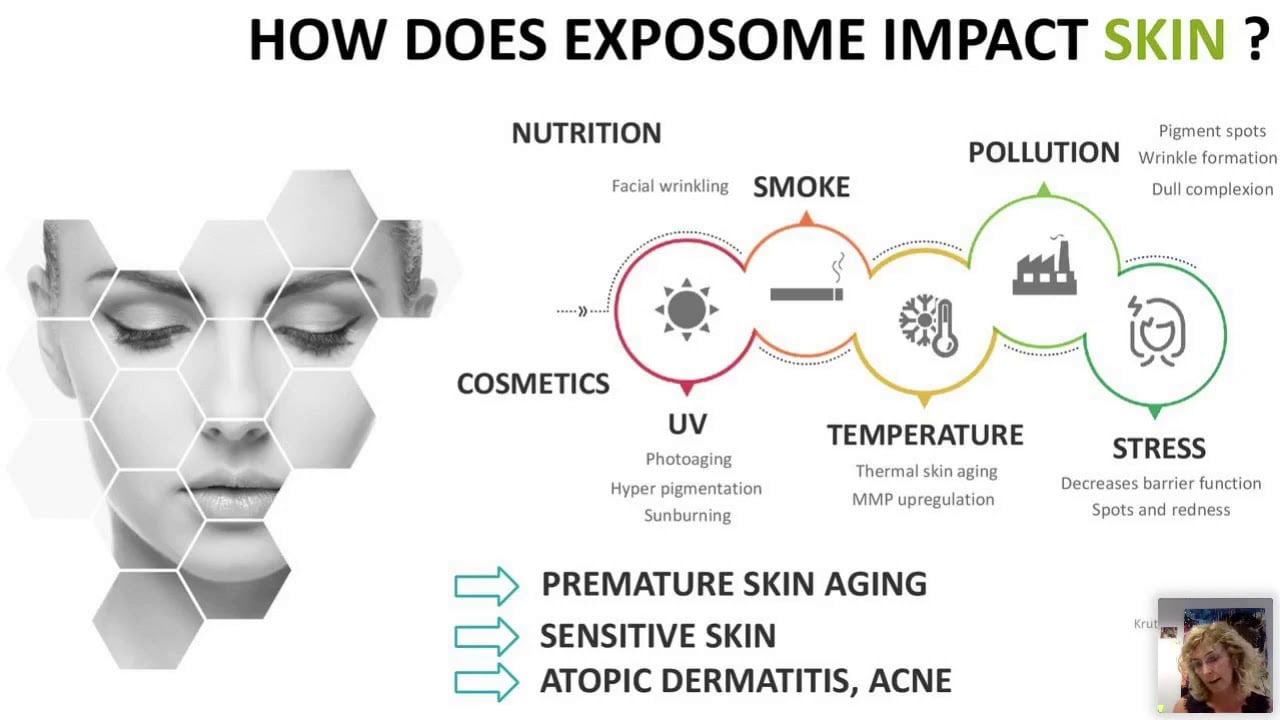
Reactive oxygen species (ROS) play a significant role in accelerating the skin’s aging process. These molecules are generated within cells through various sources, including the nicotinamide adenine dinucleotide phosphate oxidase system, which is crucial for generating oxidative stress that ultimately leads to cellular damage and contributes to skin aging.

Sources of Reactive Oxygen Species Generation

  • Sun Exposure: Ultraviolet (UV) radiation from sun exposure can increase ROS production, causing oxidative stress on our skin cells.
  • Pollution: Airborne pollutants such as particulate matter and cigarette smoke also contribute to ROS formation, further exacerbating oxidative stress levels.
  • Inflammation: Inflammatory processes within the body can generate ROS as part of their normal function but may become harmful when chronic or excessive inflammation occurs.

Oxidative Stress and Its Impact on Cellular Health

Oxidative stress refers to an imbalance between free radicals (such as ROS) and antioxidants within our cells. This imbalance can lead to the deterioration of crucial biomolecules, like DNA, proteins and lipids – all fundamental for sustaining cell health. Over time, this cumulative damage accelerates aging by impairing vital cellular functions such as collagen synthesis (source) and triggering inflammatory responses that further harm our skin’s structure (source).

To counteract the detrimental effects of ROS, our skin relies on a complex network of antioxidants to neutralize these harmful molecules. Nevertheless, conditions such as exposure to sunlight and contamination can surpass our native antioxidant protections, resulting in augmented levels of oxidative strain and subsequent cellular impairment.

To maximize your skin’s protection from environmental damage, it is essential to use topical antioxidants as part of a comprehensive skincare regimen. These powerful ingredients work synergistically with your skin’s natural defense mechanisms to neutralize free radicals before they cause harm.

By understanding the role of reactive oxygen species in accelerating the aging process and taking proactive steps towards reducing their impact through targeted skincare interventions, you can help preserve your skin’s youthful appearance for years to come.

Reactive oxygen species (ROS) involvement in the aging of skin is an essential factor to take into account when examining how external elements impact our epidermis. UV radiation, particularly UVB and UVA rays, has been demonstrated to significantly affect photoaging, which can lead to premature signs of aging.


Key Takeaway: 

Sun exposure and pollution can increase the production of reactive oxygen species (ROS) in our skin cells, leading to oxidative stress and contributing to aging. This imbalance between free radicals and antioxidants damages essential biomolecules like DNA, proteins, and lipids, accelerating the aging process by impairing vital cellular functions such as collagen synthesis. To protect your skin from premature aging caused by environmental factors, it’s crucial to incorporate topical antioxidants into your skincare routine.

How Sun Exposure & Pollution Impact Skin Aging Process

Ultraviolet Radiation and Its Effects on Skin Aging

Exposure to excessive amounts of ultraviolet radiation (UVR), particularly from sunlight, can lead directly to photoaging and even skin cancer. UVR comprises two main types – solar ultraviolet B (UVB) rays responsible for direct DNA absorption resulting in cell damage, while ultraviolet A (UVA) generates additional reactive oxygen species that further oxidize DNA molecules leading directly to photoaging and tumor initiation.

UVB vs UVA Rays’ Impact on Skin Health

Solar UVB rays, which make up about 5% of the total sun exposure, are known for causing sunburns due to their short wavelength. These rays penetrate the outermost layer of our skin called the epidermis, where they cause direct damage by absorbing into cellular DNA. This leads to mutations that can result in various forms of skin cancer such as basal cell carcinoma or melanoma.

In contrast, solar UVA rays, accounting for approximately 95% of total sun exposure, have a longer wavelength allowing their deeper penetration into our dermis – the second layer beneath the epidermis. Here is where they generate reactive oxygen species that contribute to oxidative stress within cells; this process ultimately accelerates aging signs like wrinkles and sagging by breaking down collagen fibers throughout one’s dermal structure.

Photoaging as a Result of Prolonged Sun Exposure

The term “photoaging” refers to premature aging caused primarily by prolonged exposure to harmful UV radiation emitted from sunlight sources such as tanning beds or natural outdoor settings (source). Visibly, prolonged sun exposure can result in premature aging with signs like wrinkles, fine lines, age spots and an uneven skin tone. Moreover, photoaging also leads to a loss in elasticity due to the degradation of collagen and elastin fibers within our dermal layers.

Preventing photoaging requires consistent use of sun protection measures such as wearing a broad-spectrum sunscreen with an SPF rating of at least 30 or higher (source), seeking shade during peak UV hours (10 AM – 4 PM), and donning protective clothing like wide-brimmed hats or sunglasses that block out harmful UVA/UVB rays effectively.

In addition to these preventative steps, incorporating skincare products containing ingredients known for their ability to repair sun-damaged skin can help reverse some effects associated with extrinsic aging caused primarily through prolonged exposure to ultraviolet radiation sources over time.

Ultraviolet radiation significantly impacts the aging process of skin, with prolonged exposure leading to photoaging. To further understand how environmental factors affect skin health, it is important to consider infrared-A radiation and its effects.


Key Takeaway: 

Excessive sun exposure and pollution can lead to premature aging of the skin, also known as photoaging. Ultraviolet radiation (UVR) from sunlight is a major contributor to this process, with UVA rays causing oxidative stress that breaks down collagen fibers and leads to wrinkles and sagging, while UVB rays cause direct DNA damage that can result in various forms of skin cancer. Consistent use of sun protection measures like broad-spectrum sunscreen and protective clothing can help prevent photoaging, along with skincare products containing ingredients known for repairing sun-damaged skin.

Infrared-A Radiation’s Impact on Skin Health

IR-A radiation, in addition to ultraviolet radiation, is a major contributor to skin aging as it causes heat-induced inflammation. The primary mechanism through which IR-A affects the skin is heat-induced inflammation, which can contribute to extrinsic factors affecting overall dermal health preservation efforts throughout one’s lifetime.

Heat-Induced Inflammation Caused by IR-A Exposure

When the skin is exposed to IR-A radiation, it experiences an increase in temperature that triggers an inflammatory response. This process involves the release of pro-inflammatory cytokines and other molecules that cause damage to collagen and elastin fibers within the dermis. These proteins are essential for maintaining firmness and elasticity, so their degradation leads to sagging and wrinkling – common signs of aged skin [1].

Strategies for Mitigating IR-A Related Damage

To protect your skin from infrared-related damage, consider incorporating these strategies into your daily routine:

  • Avoid excessive sun exposure: Limiting time spent outdoors during peak sunlight hours (10 am – 4 pm) can help reduce exposure to UV rays and infrared radiation.
  • Sun protection clothing: Wearing wide-brimmed hats or long-sleeved shirts with UPF-rated fabric provides additional shielding against UVR and IR-a radiation.
  • Sunscreens with antioxidants: Many sunscreens now include antioxidants such as vitamin C or E that may offer some level of protection against IR-A-induced skin damage [2]. Look for products with these ingredients and apply them as directed.
  • Topical antioxidant treatments: Applying skincare products containing antioxidants like green tea extract, resveratrol, or niacinamide can help neutralize free radicals generated by IR-A exposure and minimize inflammation in the skin [3].

Incorporating these strategies into your daily routine can help mitigate the damaging effects of infrared radiation on your skin. By taking a proactive approach to sun protection and incorporating antioxidant-rich skincare products, you can preserve your dermal health and maintain a youthful appearance despite increasing environmental stressors.

Infrared-A radiation can have a significant impact on skin health, from heat-induced inflammation to the potential for long-term damage. Pollution also plays a vital role in extrinsic skin aging; therefore, it is essential to understand how these environmental factors contribute to dermal health.


Key Takeaway: 

Infrared-A radiation in sunlight can cause heat-induced inflammation and damage to collagen and elastin fibers within the dermis. To protect your skin from infrared-related damage, avoid excessive sun exposure during peak hours, wear protective clothing or sunscreen with antioxidants, and incorporate antioxidant-rich skincare products into your routine.

Pollution as an Extrinsic Factor Contributing Towards Skin Aging

Air pollution, such as smog and particulate matter, can harm our skin’s health and accelerate aging by activating Aryl Hydrocarbon Receptors (AHRs), which trigger NF-B gene transcription leading to inflammatory cytokines release and immune modulator generation. These harmful substances activate aryl hydrocarbon receptors (AHRs), which inadvertently induce transcription of NF-B genes, leading to inflammatory cytokines release and immune modulator generation – all detrimental processes regarding overall dermal health preservation efforts being undertaken at any given point throughout one’s lifetime.

The Role of Aryl Hydrocarbon Receptors in Skin Aging

Aryl hydrocarbon receptors are proteins found within cells that are crucial in detecting environmental toxins. When activated by pollutants like polycyclic aromatic hydrocarbons (PAHs) or dioxins, AHRs initiate cellular responses to detoxify these harmful substances. However, this activation also triggers inflammation and oxidative stress pathways that can damage the skin’s structural components, including collagen and elastin fibers responsible for maintaining its elasticity and firmness.

Inflammatory Cytokines and Their Impact on Dermal Health

In response to pollution-induced AHR activation, our skin produces various inflammatory cytokines such as interleukin-6 (IL-6) and tumor necrosis factor (TNF). MMPs, induced by the inflammatory cytokines, catalyze collagen breakdown in our connective tissues, resulting in skin sagging and wrinkles – critical features of premature aging. This breakdown leads to sagging skin, wrinkles formation, and uneven texture – classic signs associated with premature aging due primarily from extrinsic factors impacting overall dermal health preservation efforts being undertaken at any given point throughout one’s lifetime.

Strategies for Reducing Exposure to Outdoor Pollutants

To minimize the harmful effects of pollution on our skin, it is essential to adopt a few protective measures:

  • Avoid high-pollution areas: Avoid heavily trafficked roads and industrial zones where pollutant levels are typically higher. Check local air quality reports regularly and limit outdoor activities during peak pollution hours.
  • Cleanse your skin thoroughly: Use gentle cleansers that effectively remove dirt, oil, and pollutants without stripping the skin’s natural moisture barrier. Look for products containing activated charcoal or clay as they can help absorb impurities from the surface of your skin.
  • Incorporate antioxidant-rich skincare products: Antioxidants like vitamin C, vitamin E, niacinamide, and green tea extract neutralize free radicals generated by environmental stressors such as UV radiation or pollution exposure. By adding these powerful antioxidants to your routine, you can protect your skin from the premature aging effects of external stressors.

Pollution has been linked to accelerated skin aging, so it is important to be mindful of indoor sources and take steps to reduce exposure for optimal dermal health. Gaining insight into the combination of these elements can help us devise ways to reduce our contact with them and keep a healthy skin condition in the long run.


Key Takeaway: 

Exposure to pollution and sun can accelerate skin aging by activating aryl hydrocarbon receptors (AHRs) that induce inflammatory cytokines release, leading to collagen breakdown and wrinkles formation. To reduce exposure, avoid high-pollution areas, cleanse your skin thoroughly with activated charcoal or clay products, and incorporate antioxidant-rich skincare products like vitamin C and green tea extract into your daily routine.

Indoor Pollution Sources and Their Effects on Skin Aging

While outdoor pollution is often the primary focus when discussing environmental factors affecting skin health, indoor pollutants can be just as harmful. These sources of indoor pollution exacerbate existing problems associated with extrinsic factors impacting overall dermal health preservation efforts throughout one’s lifetime.

Common Indoor Pollution Sources

  • Cigarette smoke: A well-known source of harmful chemicals, cigarette smoke contains thousands of toxic substances that can cause oxidative stress and inflammation in the skin, leading to premature aging. Secondhand smoke exposure also poses a risk for non-smokers.
  • Cooking and heating with coal or wood: Burning these materials releases particulate matter into the air, irritating and damaging your skin. Combustion processes such as burning coal or wood, candles, and fireplaces can generate PAHs which promote oxidative stress in cells.
  • Candles and fireplaces: Like cooking with coal or wood, burning candles or using fireplaces releases soot particles that contribute to poor indoor air quality. Scented candles may be a source of VOCs, which have been associated with respiratory problems and potential skin damage.

Strategies for Reducing Exposure to Indoor Pollutants

To minimize your exposure to these common indoor pollution sources while maintaining healthy-looking skin at any age, consider implementing some simple strategies within your home environment:

  1. Improve ventilation: Increase airflow by opening windows regularly or installing exhaust fans where necessary. This helps to remove pollutants and maintain a healthier indoor environment.
  2. Use air purifiers: Air cleaners equipped with HEPA filters can effectively capture particulate matter, reducing the concentration of airborne particles that may irritate your skin.
  3. Avoid smoking indoors: If you or someone in your household smokes, establish designated outdoor areas for smoking to minimize exposure to secondhand smoke inside the home.
  4. Choose safer alternatives: Opt for cleaner-burning candles made from soy or beeswax instead of paraffin wax, which releases more soot when burned. Additionally, consider using electric fireplaces or heaters as an alternative heat source during colder months.

Incorporating these strategies into your daily routine can help reduce indoor pollution levels while supporting overall skin health preservation efforts against extrinsic aging factors throughout one’s lifetime. Remember that maintaining a healthy lifestyle and adopting effective skincare routines are also essential components in combating environmental stressors on our skin caused by sun exposure and pollution.

Reducing exposure to indoor pollution sources is essential for preserving the skin’s youthful appearance and should be included in a skincare routine that includes topical antioxidants. Incorporating topical antioxidants into one’s skincare regimen can help to guard the skin from environmental harm.


Key Takeaway: 

Indoor pollution sources like cigarette smoke, cooking and heating with coal or wood, and candles can contribute to premature aging of the skin. To reduce exposure to these pollutants, improve ventilation, use air purifiers with HEPA filters, avoid smoking indoors, and choose safer alternatives such as soy or beeswax candles.

Topical Antioxidants as a Protective Measure Against Environmental Stressors

Emerging evidence suggests that topical application of antioxidants such as vitamins C and E can help prevent the formation of oxidation products in the skin caused by exposure to UV radiation and other pollutants. By replenishing depleted antioxidant levels in the skin, these treatments may offer some protection against harmful effects while potentially reversing signs associated with extrinsic aging.

Benefits of Using Topical Antioxidants

Topical antioxidants have been shown to provide numerous benefits for maintaining healthy skin. These include:

  • Fighting free radicals: Antioxidants neutralize reactive oxygen species (ROS) generated from sun exposure, pollution, and other environmental stressors, reducing oxidative stress on the skin.
  • Promoting collagen production: Some antioxidants stimulate collagen synthesis, which helps maintain firmness and elasticity in the skin.
  • Brightening complexion: Vitamin C is known for its ability to brighten dull complexions by inhibiting melanin production responsible for hyperpigmentation or dark spots.
  • Soothing inflammation: Certain antioxidants possess anti-inflammatory properties that can calm irritated or inflamed skin conditions like acne or rosacea.

Examples of Effective Antioxidant-Rich Skincare Ingredients

In addition to vitamins C and E, several other potent antioxidant-rich ingredients are found in organic skincare products that can protect your skin from environmental damage. Consider incorporating these into your routine:

  1. Niacinamide: Also known as vitamin B3, niacinamide is a powerful antioxidant that helps improve skin elasticity, reduce redness and inflammation, and minimize the appearance of fine lines.
  2. Green tea extract: Rich in polyphenols like epigallocatechin gallate (EGCG), green tea extract offers potent antioxidant protection against UV radiation and pollution-induced oxidative stress. It also has anti-inflammatory properties to soothe irritated skin.
  3. Ferulic acid: Found in plant cell walls, ferulic acid stabilizes other antioxidants, such as vitamins C and E, while providing its own protective benefits against environmental damage. When combined with these vitamins, it enhances their overall effectiveness.
  4. Astaxanthin: Derived from microalgae or yeast fermentation processes, astaxanthin is a carotenoid pigment with intense antioxidant activity. It can help protect the skin from sun exposure-related damage by neutralizing free radicals from UV radiation.

By selecting organic skincare products with potent antioxidants, such as astaxanthin, you can help protect your skin from the damaging effects of UVR and environmental pollutants. By choosing products containing these powerful ingredients, you’re taking proactive steps toward maintaining healthy, youthful-looking skin for years to come.


Key Takeaway: 

Topical antioxidants like vitamins C and E can protect the skin from harmful environmental factors such as sun exposure and pollution. They fight free radicals, promote collagen production, brighten complexion, and soothe inflammation. Other effective antioxidant-rich skincare ingredients include niacinamide, green tea extract, ferulic acid, and astaxanthin.

FAQs in Relation to How Do Environmental Factors, Such as Sun Exposure and Pollution, Impact the Aging Process of the Skin?

What are the environmental factors affecting the aging process?

Environmental factors that contribute to skin aging include sun exposure, pollution, and oxidative stress. Prolonged sun exposure leads to photoaging, while pollution can cause cellular damage and inflammation. Oxidative stress from free radicals also accelerates skin aging by damaging collagen and elastin fibers.

How do environmental factors affect the skin?

Environmental factors like ultraviolet radiation (UVR), infrared-A radiation (IR-A), pollution, and oxidative stress can lead to premature skin aging. They cause cellular damage, reduced collagen production, inflammation, dryness, uneven pigmentation, or age spots on your complexion.

What are the primary environmental factors that contribute to aging and the appearance of aging?

The primary environmental contributors to visible signs of skin aging are sun exposure (UVR), IR-A radiation from sunlight or heat sources, indoor and outdoor pollutants such as smog or cigarette smoke, and oxidative stress.

How does pollution cause skin aging?

Pollution causes skin-aging effects, including fine lines, wrinkles, and dullness due to increased levels of reactive oxygen species (ROS) in cells leading to DNA damage and inflammatory responses, which break down collagen and elastin fibers responsible for maintaining youthful elasticity in our complexion.

How do natural aging, lifestyle, and environmental factors affect skin conditions?

Natural lifestyle choices like diet and exercise influence overall health, including skin conditions. Environmental factors like sun exposure, pollution, and oxidative stress contribute to premature aging by causing cellular damage, inflammation, and collagen degradation. A balanced lifestyle with proper skin care can help maintain healthy skin.

How does pollution affect aging?

Pollution accelerates aging by increasing oxidative stress, leading to DNA damage and inflammatory responses that break down collagen and elastin fibers responsible for maintaining youthful elasticity in our complexion.

Conclusion

External elements such as sunlight and contamination can significantly affect skin aging. UV radiation from prolonged sun exposure can cause cellular damage and photoaging, while IR-A radiation can negatively affect collagen production. Pollution sources, both outdoors and indoors, can also be detrimental to your complexion.

To counteract these effects, incorporating topical antioxidants into your skincare routine can help protect against oxidative stress. Choosing organic skincare products with ingredients rich in antioxidants is also important for healthier skin.

If you want to improve your skin’s health and combat the effects of environmental factors on aging, consider trying organic skincare products from Organic Skincare. Take care of your skin now to maintain its youthful appearance for years to come!

How Sun Exposure & Pollution Impact Skin Aging Process Read More »
Refreshed hero image for: Creating a Skin Care Routine in the Winter for Dry Skin

Creating a Skin Care Routine in the Winter for Dry Skin

During the winter months, dry skin can become a major issue for many. To help combat this problem, it’s important to establish an effective and customized skin care routine in the winter for dry skin. The best way to do this is by using ingredients and products that are designed specifically to hydrate and nourish your complexion while also protecting against environmental aggressors like cold temperatures or harsh winds. In this blog post, we’ll look at some of these key components of an effective skincare routine in the winter for dry – from moisturizing with hydrating creams and serums to cleansing gently with mild cleansers; exfoliating regularly; wearing sunscreen daily; plus adopting diet and hydration habits that will keep your skin looking healthy all season long!

Table of Contents:

Moisturizing

Benefits of Moisturizing: Moisturizing is an important part of any skin care routine. It helps to keep the skin hydrated and can help reduce dryness, flaking, and irritation. Regular moisturizing can also help protect the skin from environmental damage such as sun exposure or pollution. Additionally, it can improve the appearance of wrinkles and fine lines by plumping up the skin with moisture.

Types of Moisturizers: There are many different types of moisturizers available on the market today, ranging from light lotions to heavy creams. When choosing a moisturizer for your particular needs, it’s important to consider your skin type (dry, oily, combination) as well as what ingredients you prefer in your products (natural/organic). For example, if you have dry or sensitive skin then look for a product that contains hyaluronic acid or glycerin which will help lock in moisture without irritating your skin further. If you have oily or acne-prone skin then opt for something lightweight like a gel-based formula that won’t clog pores but still provides enough hydration.

To get the most out of your moisturizer it is important to apply it correctly. Start by cleansing your face with lukewarm water and patting it dry before applying any product; this will ensure that all dirt and oil has been removed so that nothing blocks absorption into the deeper layers of your dermis where hydration is needed most. After cleansing, use gentle circular motions when applying moisturizer; this helps stimulate circulation which encourages healthy cell turnover resulting in a glowing, radiant complexion. Finally, don’t forget about protecting yourself from harmful UV rays – always finish off with sunscreen even if you plan on staying indoors throughout the day. This extra layer of protection will go a long way towards keeping the delicate facial area safe from premature aging caused by sun damage.

Moisturizing is essential to keeping your skin healthy and hydrated during the winter season. To ensure optimal results, it’s important to choose a moisturizer that suits your skin type. Now let’s move on to Cleansing and discuss how you can properly cleanse your skin in the winter.

Key Takeaway: Moisturizing is an important part of any skin care routine, so it’s important to choose the right product for your skin type. Use gentle circular motions when applying and always finish off with sunscreen for extra protection from sun damage.

Cleansing

Cleansing is an important step in any skin care routine, especially during the winter months when dryness can be a problem. Cleansing helps to remove dirt, oil and other impurities from the skin’s surface that can clog pores and lead to breakouts. It also helps to maintain healthy pH levels on the skin which are essential for maintaining clear and radiant looking complexion.

Benefits of Cleansing: Regular cleansing helps keep your skin clean, fresh and free of bacteria that can cause acne or other blemishes. It also removes makeup residue left behind after cleansing with just water alone, allowing you to get maximum benefit from your moisturizer or serum. Additionally, it helps balance out natural oils on the face so they don’t become too oily or too dry over time.

When choosing a cleanser, make sure it is suitable for your particular skin type; if you have sensitive skin, opt for something gentle such as a cream-based formula, while those with oily or combination should look for something more clarifying like a foaming one.

Finally, remember not to use harsh products containing alcohol or fragrances which may irritate delicate facial tissue further down the line. Instead, stick with mild formulas specifically designed for daily use only.

Cleansing is an essential part of any skin care routine, especially during the winter when our skin tends to be drier. Now let’s move on to exfoliating and learn how it can help keep your skin healthy and glowing.

Key Takeaway: Cleansing is essential for maintaining clear and radiant looking skin, especially in winter. Use a cleanser that suits your skin type: gentle cream-based formulas for sensitive skin, foaming ones for oilycombination, and avoid harsh products containing alcohol or fragrances.

Top Rated
Hydramucine Cleansing Milk
9.7

Gently removes skin impurities, secretions and makeup. Provides a satin finish with a sensation of comfort.

Best Seller
Cleansing Milk
9.5

This creamy and light cleansing milk very gently removes dust particles and make-up.

Editors Choice
Hydra Comforting Cleansing Milk
9.1

The formula has a proprietary blend of humectant vegetable butters that nourishes the skin.

Exfoliating

Exfoliating is an important part of any skin care routine, especially during the winter months when dryness can be a problem. Exfoliation helps to remove dead skin cells and other impurities from the surface of your skin, leaving it feeling softer and smoother. It also helps to unclog pores, reduce breakouts, and even out skin tone. Here are some benefits of exfoliating:

Benefits of Exfoliating:

Exfoliation helps to remove dirt, oil, makeup residue and other impurities that can build up on the surface of your skin over time. This process encourages cell turnover which results in brighter looking complexion with fewer blemishes or discoloration. Regular exfoliation also stimulates collagen production which keeps your skin looking younger for longer periods of time. Additionally, exfoliating will help keep pores clear by removing excess sebum (oil) that can lead to clogged pores and acne breakouts.

Types Of Exfoliators:

There are many different types of exfoliators available on the market today ranging from physical scrubs such as sugar or salt scrubs to chemical peels like glycolic acid or lactic acid peels. Physical scrubs work by manually sloughing off dead cells while chemical peels use acids to dissolve them away without scrubbing action needed. Depending on your individual needs you may want to try one type over another but both have their own set of benefits so it’s best to experiment until you find what works best for you.

Tips For Applying Exfoliator:

When applying an exfoliator it is important not to overdo it, as this could cause irritation or damage delicate facial tissue if done too often or with too much pressure applied during the application and removal process. Start slowly by using gentle circular motions around areas where there is visible buildup, then gradually increase intensity depending on how well the product works for you. Always test a small area first before applying all over face and body. Additionally, make sure not to leave the product sitting on face and body for extended periods as this could result in further irritation due to excessive contact with active ingredients present within the formula itself.

Exfoliating helps to remove dead skin cells and improve the overall appearance of your skin. Now, let’s move on to discussing how important it is to protect your skin from the sun during the winter months.

Key Takeaway: Exfoliating is an important part of any skin care routine, especially during winter. Benefits include brighter complexion, fewer blemishes and stimulating collagen production. Types of exfoliators range from physical scrubs to chemical peels; use gentle circular motions when applying and always test a small area first.

Top Rated
Organics Mineral Exfoliating Wash
9.7

Organic Skin Care Mineral Exfoliating Wash cleanses and sloughs off dead skin cells to rejuvenate thick, scaly, blotchy skin as it balances oil production. 

Best Seller
Acai Exfoliating Peel
9.5

A firming peel solution with cotton round pads for normal to dry or mature skin types. Hydrate your skin deeply and reduce the appearance of fine lines and wrinkles with this active, exfoliating peel solution.

Editors Choice
Eclat Parfait | Perfect Radiance Exfoliating Cream
9.1

Eclat Parfait | Perfect Radiance Exfoliating Cream gently buffs and polishes to reveal smoother, brighter and more radiant skin. 

Sun Protection

Sun Protection is essential all year round, but especially during the winter months when UV rays are still present even if it’s cold outside. It’s important to wear sunscreen every day regardless of the season and weather conditions. Here are some benefits of sun protection:

a. Benefits of Sun Protection

The most obvious benefit of using sunscreen is that it helps protect your skin from harmful ultraviolet (UV) radiation which can cause premature aging, wrinkles, and skin cancer. Sunscreen also helps prevent sunburns which can be painful and damaging to your skin in the long run. Additionally, wearing sunscreen can help reduce inflammation caused by exposure to UV rays as well as reduce redness associated with sunburns or other environmental factors such as wind or cold temperatures. Lastly, wearing sunscreen will help keep your complexion looking bright and healthy by protecting against discoloration caused by too much sun exposure over time.

b. Types of Sunscreen Products and SPF Levels

When choosing a sunscreen product for daily use, look for one that offers broad-spectrum protection from both UVA and UVB rays with an SPF level between 30-50+. There are many different types available including lotions, creams, gels, sprays/mists etc., so you should choose one based on personal preference as well as what works best for your particular skin type or needs (e.g., sensitive skin). For those who prefer more natural products there are now organic options available made with ingredients like zinc oxide or titanium dioxide which provide physical barriers against UV radiation without any chemical additives like oxybenzone or octinoxate found in traditional sunscreens..

c . Tips for Applying Sunscreen Products in the Winter Months

It is important to apply a generous amount of sunscreen before going outdoors during winter months – at least 1 ounce (about 2 tablespoons) per application – making sure not to miss any areas such as ears, neckline etc. Reapply every two hours while out in direct sunlight even if you are only outside briefly; this includes activities like skiing, snowboarding, sledding etc. If you plan on being out longer than two hours make sure to reapply after swimming, sweating heavily or toweling off since these activities may remove some of the protective layer provided by the sunscreen product itself. Finally, do not forget about your lips. Make sure they are protected too either through lip balms containing SPF 15+ or applying regular facial moisturizer/sunscreen directly onto them before heading outdoors.

It is important to take the necessary steps to protect your skin from the sun’s rays during the winter months, so that you can maintain healthy and hydrated skin. Now let’s discuss how diet and hydration habits can help keep your skin looking great during these cold winter months.

Key Takeaway: Sun protection is essential all year round, so use a broad-spectrum sunscreen with SPF 30-50+ and apply generously before going outdoors. Reapply every two hours or after swimmingsweating heavily, don’t forget your lips.

20 Ingredients That Can Be Beneficial For Dry Skin

  1. Hyaluronic acid – helps to retain moisture in the skin [ Top Selling Hyaluronic Acid Serum ]
  2. Glycerin – a humectant that helps to draw moisture to the skin
  3. Ceramides – help to strengthen the skin’s barrier and retain moisture
  4. Shea butter – an emollient that helps to moisturize and soothe the skin
  5. Jojoba oil – an emollient that closely mimics the skin’s sebum
  6. Aloe vera – a natural moisturizer and anti-inflammatory
  7. Avocado oil – is a rich source of fatty acids and antioxidants that can help to moisturize and nourish the skin
  8. Squalane – an oil derived from olives that helps to moisturize and balance the skin
  9. Collagen – a protein that helps to support the skin’s structure and elasticity
  10. Vitamin E is an antioxidant that can help moisturize and protect the skin from environmental damage.
  11. Niacinamide – a form of Vitamin B3 that can help to improve skin barrier function, reduce inflammation, and improve skin hydration
  12. Argan oil – is rich in fatty acids and antioxidants that can help to moisturize and protect the skin
  13. Rosehip oil – is rich in essential fatty acids, vitamins, and antioxidants that can help to hydrate and nourish dry skin [ Top Selling Rosehip Oil Moisturizer ]
  14. Macadamia oil – a luxurious oil that is rich in fatty acids and can help to moisturize and nourish the skin deeply
  15. Oat extract – can help to soothe, calm, and moisturize dry and irritated skin
  16. Calendula oil – a natural anti-inflammatory that can help to soothe and moisturize dry, sensitive skin
  17. Coconut oil – a deeply moisturizing oil that can help to protect and nourish dry skin [ Top Selling Coconut oil Moisturizer ]
  18. Grapeseed oil – a light, easily absorbed oil that is rich in antioxidants and can help to moisturize and protect dry skin
  19. Manuka honey – a natural humectant that can help to draw moisture to the skin and also has antibacterial properties
  20. Green tea – contains antioxidants and anti-inflammatory properties that can help to soothe and protect dry skin.

Top Rated
Hyaluron Sensation Cream
9.7

The special timed-release hyaluronic acid contained in phyris hyaluron sensation cream instantly provides maximum moisture and maintains this effect for several hours, leaving the skin feeling fresh and plumped.

Best Seller
Hyaluronic Time Erase Complex Moisturizer
9.5

Complex Moisturizer reduces the signs of aging by hydrating your complexion and reconstructing your natural moisture barrier. 

Editors Choice
Hyaluron Refill Night Cream
9.1

You want a modern skin care for the night? The Hyaluron Refill Night cream have a silky texture, which is perfectly tailored to nighttime regeneration processes, filling up the skin’s natural moisture reserves overnight. 

Diet and Hydration Habits for Dry Skin in the Winter Months

Eating healthy foods and staying hydrated are important parts of any skin care routine but even more so during the winter months when dryness can be a problem. To help keep your skin healthy and hydrated throughout the colder months, here are some tips on what to eat and how to stay hydrated:

Foods to Include in Your Diet During the Winter Months: Eating nutrient-rich foods is key for maintaining good skin health all year round, especially during the winter. Foods high in antioxidants such as blueberries, strawberries, raspberries, spinach, kale, sweet potatoes and avocados can help protect your skin from environmental damage caused by cold weather. Additionally, fatty fish like salmon or tuna contain omega-3 fatty acids which help reduce inflammation associated with dryness.

Foods to Avoid During the Winter Months: It’s also important to avoid certain types of food that may worsen dryness. Refined carbohydrates like white bread or pasta cause blood sugar levels to spike quickly, leading to dehydration and further exacerbating dryness issues. Processed meats such as bacon or sausage have been linked with an increased risk of acne breakouts due to their high-fat content, so it’s best avoided if you have sensitive skin prone to breakouts.

Staying properly hydrated is essential for keeping your skin looking its best during the winter months when temperatures drop outside. Drinking at least 8 glasses of water per day will ensure that your body has enough fluids for proper functioning, including maintaining healthy-looking skin cells. If plain water isn’t appealing, try adding slices of lemon or cucumber for flavor without added sugars found in juices or sodas, which can contribute towards dehydration over time. You should also limit alcohol consumption since it acts as a diuretic causing you to lose more fluid than you take in, leading again to dehydration-related problems with your complexion.

Key Takeaway: Key takeaway: Eating nutrient-rich foods, staying hydrated with 8 glasses of water a day, and avoiding processed meats and refined carbohydrates can help keep skin healthy during the winter months.

FAQs in Relation to Skin Care Routine in the Winter for Dry

How do you treat dry skin in winter?

Winter can be harsh on skin, leaving it feeling dry and tight. To help keep your skin hydrated during the colder months, start by using a gentle cleanser to remove dirt and impurities without stripping away natural oils. After cleansing, apply a moisturizer that contains hydrating ingredients such as shea butter or glycerin to lock in moisture. Additionally, you may want to use an oil-based serum or facial oil for extra nourishment and protection from the cold weather. Finally, drink plenty of water throughout the day to stay hydrated from within.

What is the best skin care routine for winter?

The best skin care routine for winter focuses on hydration and protection. Start by cleansing your face with a gentle cleanser to remove dirt, oil, and makeup. Follow up with an exfoliating scrub or mask to help slough away dead skin cells. Afterward, apply a moisturizer with SPF to protect against the sun’s harsh rays while keeping your skin hydrated. Lastly, use an overnight cream or serum designed specifically for winter weather conditions such as cold temperatures and dry air. This will help keep your skin nourished and healthy all season long.

Which skin care routine is best for dry skin?

The best skin care routine for dry skin is one that focuses on hydration and nourishment. Start by cleansing with a gentle, sulfate-free cleanser to remove dirt and oil without stripping the skin of its natural oils. Follow up with an organic moisturizer to lock in moisture and keep your skin feeling soft and supple. Lastly, use a weekly exfoliating mask or scrub to help slough away dead skin cells and reveal brighter, healthier-looking skin underneath. By following this simple routine, you can ensure that your dry skin stays healthy and hydrated all day long.

How can I protect my face from dryness in winter?

To protect your face from dryness in winter, it is important to use moisturizers that are specifically formulated for the season. Look for products with ingredients like hyaluronic acid, ceramides, and glycerin which help to lock in moisture. Additionally, try using a gentle cleanser and toner designed for sensitive skin as harsh soaps can strip away natural oils. Avoid hot showers or baths as they can also cause further drying of the skin. Lastly, don’t forget to apply sunscreen every day, even when it’s cold outside; UV rays can still damage your skin.

Conclusion

In conclusion, it is important to keep your skin hydrated and protected during the winter months. With a combination of moisturizing, cleansing, exfoliating, sun protection and healthy diet and hydration habits you can maintain healthy skin in the colder months. It’s also essential to use products that are specifically designed for dry skin in order to get the best results from your skin care routine in the winter for dry.

Are you looking for a way to keep your skin healthy and hydrated during the cold winter months? Organic Skin Care Store has the latest organic ingredients and skin care routines tailored specifically for dry, winter weather. With our natural products, we can help you find relief from tightness, irritation and redness while maintaining a glowing complexion. Don’t let dry winter weather leave your skin feeling dull; visit Organic Skin Care Store today!

Creating a Skin Care Routine in the Winter for Dry Skin Read More »
Refreshed hero image for: Skin Care Tips For Winter

Skin Care Tips For Winter

Skin care fans! It’s time for you to obsess about the health of your skin since it’s winter. And winters may wreak havoc to our skin tone and glow! However, the great news is that with slight modifications in your skin care regimen and by adhering to skin care tips for winter, you can give your face a sure-shot glow, even during a rough season.

In this article, we will cover a complete guide to the best skin care tips for winter that may help to revitalize your skin.

First of all, the most dominant thing in winter is to keep your skin fully hydrated, as hydration is an integral part of maintaining healthy skin free from flakiness and roughness. In addition to this, the body must have an adequate amount of moisture content to avoid dryness.

To keep your skin hydrated and moisturized, follow these skin care tips for winter:

Moisturize While Your Skin Is Still Wet!

Whenever you wash your face or hand, use moisturizers on wet skin. That is one of the top skin care tips for winter. It will help to sustain more moisture in the skin. Do not pat dry them with a towel. That causes the skin to lose moisture content. Therefore, should use moisturizer when the skin is still wet.

Avoid Taking Hot Showers

Unfortunately, there is a common practice of taking hot showers in winters. Which is not only the cause of dryness but also eczema and inflammation. That can leave your skin irritated and Rashed. To avoid this, you must bathe with lukewarm water. According to Baylor College of Medicine, water with 98.6 degrees Fahrenheit or 37 degrees Celcius is considered lukewarm (can depend on individual tolerance). Too hot water will damage the skin surface. The use of bathing soaps and shampoos is a must and, they must contain vital ingredients so that skin may not lose moisture.

Use Sunscreen

Many people do not apply sunscreen while going outside during winters; because the sun rays are not as imminent as during summers. Remember, the UV rays from the sun are the same as harmful as they are in summers. Therefore, your skin must not be left vulnerable or exposed to the environment as they can damage the skin epidermis.

There are also some concerns about dryness that you might encounter while using sunscreen. To avoid this, ‘sunscreen lotion’ is a superb option to give both moisture and protection from sun rays.

Use Lip Balm

Lips are more sensitive than the skin. That is the reason our lips need extra care than our face or skin. Using lip balm provides long-lasting moisture. Ingredients used in a lip balm provide healing and hydration. While choosing a balm, make sure that it must be organic and free from any kinds of sulfates and parabens; otherwise, they may cause acne if the skin is sensitive. They can also irritate the skin. The use of sulfates can clog the pores of the skin.

One of our top picks in this category is Farmhouse Fresh Coconut Beach Hydrating Lip Balm. It combines the goodness of jojoba oil, coconut oil, shea butter along with the Anti Oxidant action of vitamin E. A combo to essentially lock moisture to flaky lips.

skin care tips for winter

Use Humidifiers

The next top skin care tip for winter is the use of humidifiers. Humidifiers generate nano-sized water particles In the surrounding of its installation. These water particles add up moisture to the dry air. To prevent dullness, dryness, and pre maturing skin, many people use humidifiers at home to retain moisture, which increases water vapors in the surroundings. Hence, humidifiers allow dry skin to absorb an adequate amount of moisture.

Care For Feet

In winters, your feet need special care; since they are more likely to get cuts and cracks due to dryness. The part near the toes and heels needs extra care. They need moisturization regularly. For those having to struggle with cracked skin, they must do the following measures:

  1. Soak in lukewarm water.
  2. Apply moisturizers while it is wet.
  3. Exfoliate once a week.
  4. Apply petroleum jelly.

Wear socks and keep them covered. Don’t exfoliate too much in winters as it might have an adverse effect of too much dryness that might lead to inflammation and Rashed irritation.

Alternatively, use Farmhouse Fresh Enrich Mint Foot Rescue Mask! With the goodness of organics, it helps you to get rid of cracked heels. It has loads of shea butter, spearmint, sodium hyaluronate, and essential oils. All to give you a buttery heeling!

Farmhouse Fresh Enrich Mint Foot Rescue Mask

Special Care For Hands

Proper hand care is also needed in winters as skin layers lose total moisture content. Therefore, extra care is needed for hands as well. Use dedicated hand cream to protect skin from getting dry. Use rubber gloves before going outside. Exfoliate gently and use lukewarm water to wash.

Use Eminence Mangosteen Replenishing Hand Cream. The silky mix of Anti Oxidants (mangosteen) with Lactic Acid provides long-lasting hydration and rejuvenates the skin cells of your hands. Studies show anti-aging and anti-oxidant properties of this fruit extract called mangosteen.

Eminence Mangosteen Replenishing Hand Cream

Drink Lots Of Water

In winter, there is a common practice of drinking less water. That is the reason why most people encounter dryness. It is necessary to drink lots of water to keep yourself hydrated. Drinking water according to your body mass index (BMI) is essential. Drinking an adequate amount of water will replenish your skin from inside. It also helps in reducing wrinkles.

Selection Of Skin Care Products

Many people make mistakes while choosing products to be applied to the skin. They are unaware of their skin types and tones. There are a great variety of products available that might confuse you. Therefore, it is necessary to consult your dermatologists regarding your skin type. To understand, we have made a general map that guides you about skin types. We have also mentioned ingredients; so that whenever you find any product, you are aware of what to purchase.

Ingredients To Add To Your Winter Skincare List

Skin care during the winter season is all about moisturizing it. Add the following ingredients to your winter skin care regimen for a healthier, brighter, and plump look to your skin this winter.

The most prominent ingredients to look for if you have dry skin are:

Jojoba Oil

Jojoba oil is a phytonutrient with numerous uses. It reduces inflammation. Moreover, it can reverse some signs of skin aging by improving the appearance of wrinkles. That explains how it helps to calm your dry winter skin.

Shop 100% Organic Jojoba Oil here!

skin care tips for winter; jojoba oil

Shea Butter

Winter skin is devoid of moisture. That makes it dry and dull-looking, making it less plump. Also, it may augment the appearance of fine lines and wrinkles. However, the good news is that many organic moisturizers and ingredients may halt this damage. You may have heard about shea butter. There are several good reasons for skin care fans to use shea butter. As a moisturizer, shea butter may do wonders for your skin.

Shea butter nourishes stressed-out skin. With its effects on calming inflammation on your skin. It also consists of fatty acids that may improve the skin barrier. Use shea butter for your face as well as on your body.

Shea butter may help fade and heal scars. Also, it may prevent acne breakouts. When your skin is dry, there is overproduction of sebum. That may clog pores, leading to skin breakouts. Shea butter with some anti-oxidants is a potent combo!

Shop Farmhouse Fresh Coconut Cream Shea Butter For The Body here! It consists of Shea butter, essential oils with other organic extracts. All together to nourish dry skin during winter.

Farmhouse Fresh Coconut Cream Shea Butter

Glycerin

Glycerin is a common ingredient of emollients and moisturizers.

Hyaluronic Acid

Hyaluronic Acid is a unique moisturizing ingredient. That not only locks in skin moisture but also improves its overall appearance and texture.

Read more about the surprising effects of hyaluronic acid on your skin here! 

Shop for Hyaluronic Acid Intensive Hydrating Facial Serums here!

Hyaluronic Acid Intensive Hydrating Facial Serum

Lactic Acid

Lactic Acid is known to make your skin look supple. It softens, hydrates your skin, and gives it radiance. Also, it maintains a lower pH of your skin. That, in turn, supports the skin barrier.

Eminence Strawberry Rhubarb Dermafoliant with Lactic Acid is a vitamin-rich extract that gently exfoliates your skin. It is a soothing blend of strawberries, Lactic Acid, and rice that hydrates your skin at the same time too.

Organic Ingredients For Acne-Prone Skin - strawberry and lactic acid exfoliant

Coconut oil

Coconut oil calms dry and cracked skin. It improves skin barrier function. Also, soothe inflammation of your skin.

Green Tea Extracts

Green tea extracts are rich in anti-oxidants. They fight against the stress your skin encounters throughout the day. Be it pollutants or free radicals. Green tea extracts also glow your skin. At the same time, it is super hydrating too.

Related: 7 Tested Green Tea Benefits On Skin

If you want to add green tea extracts to your skin care list, the BioVegane Organic Green Tea Starter Kit may be a great place to start!

Organic Ingredients For Acne-Prone Skin

Aloe Vera

Aloe vera is an organic ingredient that heals your skin. Also, it retains skin moisture. This winter, soothe your flaky skin with the unique hydrating properties of aloe vera extracts. Say goodbye to your stressed-out skin!

Try AnneMarie Borlind Aloe Vera Shake with unique aloe extracts and hyaluron.

AnneMarie Borlind 2-Phase Aloe Vera Shake; skin care tips for winter

Best Skin Care For Winter Season; Routine For Dry Skin

If your skin is dry, chances are your skin will not be happy during winters. The level of skin moisture affects by both intrinsic and extrinsic factors. 

The intrinsic or internal factors leading to dryness include:

  • Genetic causes
  • Diabetes
  • Reduced level of thyroid in your body
  • Skin disorders like psoriasis

The easiest to manage are external factors. Examples of such factors include:

  • The extent of moisturization (Humidity)
  • Bathing Habits
  • Use of harsh and drying ingredients

According to a study, a consistent skin care regimen leads to significant improvements in dry skin. Here are a few skin care tips for the winter routine that may put your skin at ease for the season!

Start With Gentle, Hydrating Cleansers

Use gentle, hydrating cleansers. You may opt for cleansers with Hyaluronic Acid too. Many organic skin care lines help with cleansing skin without stripping your skin.

Phyris milky cleanser combines silk proteins and rice oil that are promising for dry skin. Thus, it is an excellent option for people with dry skin to try!

Phyris Milky Cleanser

Limited Or No Exfoliation

Exfoliate in moderation. You may skip this step if your skin is grossly dry and irritated.

Opt For Alcohol-Free Toner

You may not need to use a toner. If you need, go for alcohol-free toners. YonKa dry skin toner is alcohol-free. Furthermore, it combines thyme oil with glycerine, especially for people with dry skin.

Slather On Creamy Moisturizers

Use thick creamy moisturizers rich in potent hydrating ingredients. For instance, look for super hydrating ingredients such as Hyaluronic Acid. It holds on your skin moisture and is promising for people with dry skin.

Try Dr. Grandel SensiCode Moisturizing Cream for sensitive skin!

Dr. Grandel SensiCode Moisturizing Cream

Still, You Need A Sunscreen!

Sunscreen is a must for all seasons and all skin types. As with dry skin, use sunscreen with additional moisturization. Moisture Defense SPF 30 is an absolute must to try! It comes with sun-shielding effects along with moisturization.

Moisture Defence Hybrid Sunscreen with anti-oxidant complex promises hydration with sun protection. Grab your moisturizing sunscreen for SPF protection along with moisture retention here!

Moisture Defense

Don'ts of dry skin care regimen during winter

  • Avoid ingredients such as Benzoyl Peroxide and Salicylic Acid.
  • Do not exfoliate often.
  • Limit the use of products loaded with artificial fragrances and alcohol as they may dry your skin even further.

Winter Skin Care Routine For Acne

According to a study, people are more prone to have acne breakouts during the winter season. Dry skin irritates skin immensely and may aggravate breakouts.

Harsh cleansers remove skin moisture. Use gentle and creamy cleansers. Also, look for the label ‘non-comedogenic’ or won’t clog pores on the products. Limit the number of times you cleanse your face, a maximum of two times.

Use moisturizers with ingredients that help to prevent acne breakouts. Also, hydrate with 8-10 glasses of water daily.

Use Hydrating Toners.

Ingredients that help acne-prone skin are:

  • Benzoyl peroxide
  • Salicylic Acid 
  • Retinol

However, these ingredients are drying too. Thus, during winters, they may further irritate your skin. However, you can go for them if your skin is oily. Some organic options for acne-prone skin and hydrate at the same time include:

  • Tea Tree oil
  • Vitamin E 
  • Wheat Germ Oil

Tea Tree Oil

A 12-week study claimed the surprising effects of tea-tree oil for mild to moderate acne. It is an essential oil with potent antimicrobial properties available over the counter.

You may use tea tree oil in the form of acne scrubs. Rejuvenate dull, dry stressed-out skin with our organic alternates. Try Emerge Lab organic tea tree oil scrub with Ascorbic Acid with vitamins E and C.

Tea Tree Oil Acne Scrub

Wheat Germ Oil

Wheat germ oil is an extract of whole wheat grain. It is choke-full of polyunsaturated fatty acids. Also, it has other anti-oxidants, for instance, tocopherols and carotenoids. You may find this oil enriched with jojoba oil and richness of aloe extracts in Grandel Hydro Lipid Supermoisture.

Grandel Hydro Lipid Supermoisture is an incredible product. The beauty of this product is that it combines effective natural ingredients in one place. All gathered to promise super skin hydration and radiance.

Dr. Grandel Hydro Lipid Supermoist - 50ml/1.7 fl oz

Till here, it all sums up your skincare tips, your routine, and the ingredients to look for while choosing a product for you. Which of these skin care tips for winter work best for you? Speak your heart in the comments below!

Skin Care Tips For Winter Read More »
Refreshed hero image for: 7 Brilliant Tips For Skin Condition Rosacea, According To Experts

7 Brilliant Tips For Skin Condition Rosacea, According To Experts

The skin condition rosacea is an incredibly uncomfortable disease to live with. This post will share some dermatologist tips for navigating skin care, choosing skin care, and things to avoid in skin care products for people with rosacea rash.

What Causes Rosacea Rash?

If you have this skin condition rosacea, you already know how challenging it can be to navigate the skin care aisle and select skin care products that do not irritate you, sting, burn, and cause excessive redness and irritation on your skin.

Rosacea rash is an inflammatory skin condition which occurs due to hypersensitivity, to things that come in contact with the skin, and that hypersensitivity manifests with symptoms such as burning, tingling, flushes of redness, heat, and little red bumps that almost look like acne and pimples but are a little different in their underlying nature.

Additionally, avoiding triggers that can cause a flare-up, such as sun exposure, spicy foods, and Alcohol consumption can also be helpful in managing the condition.

1-Keep It Simple!

The key for rosacea skin rash is to keep it simple. Your routine and the products you use should not be excessive, no more than three products. Think about it. Rosacea is a skin disease in which things that come in contact with the skin are very likely to irritate you, so reduce the number of things that you put on your skin.

The three basic tenets of a skin care routine, really for anybody, but in particular for people with rosacea, should be: a gentle cleanser, a moisturizer, and a sunscreen.

2-Use A Gentle Non-Soap Cleanser

My essential skincare tip for rosacea is cleansing your skin. It is important to cleanse your skin with a gentle, non-soap cleanser. Things that settle on the skin from our environment can contribute to prolonged symptoms and exacerbate redness and irritation.

The way you cleanse your skin is also very important.

You need to be very gentle.

Use lukewarm water, avoid extreme temperatures, and just use your finger pads in a circular motion across the face.

Cleansing your skin this way is important for everybody, but in particular for people with skin condition rosacea, because physical touch can cause redness and irritation, and precipitate flares of your disease.

In other words, things like spin brushes, scrub brushes, facial brushes, and harsh washcloths can be your nemesis. So just use your finger pads in a gentle, circular motion and then rinse the cleanser off with lukewarm water.

3-Moisturize Regardless Of Your Skin Type!

My next tip is to use a moisturizer on a daily basis, whether your skin is dry or oily. Moisturizers hydrate the skin by trapping water on the surface of the skin and sealing it in place. They also condition and smooth the skin cells and reduce inflammation and irritation.

skin condition rosacea rash and moisturization

Apply moisturizer on damp skin, immediately after cleansing. This capitalizes on the hydrated status of your skin at the time of cleansing. When there’s water on your skin, moisturizer will really help drive hydration into your skin, which will reduce the severity of rosacea.

We have several studies showing that individuals who use moisturizer along with their prescription topical and oral rosacea medications have better treatment results than if they don’t use a moisturizer.

4-Use A Broad-Spectrum Physical Sunscreen

My next tip will come as no surprise because I mention it every chance I get: protect your skin from the sun by wearing a broad-spectrum sunscreen. Rosacea patients have a challenge, however, in finding a sunscreen that will protect their skin without irritating the rosacea rash.

Select a physical sunscreen. That means when you look at the active ingredients of the sunscreen, the active ingredients should be only zinc oxide or zinc and titanium dioxide, which create a physical barrier to protect the skin. These active ingredients are best tolerated by people with rosacea. They won’t cause irritation, stinging, and burning.

sunscreen for rosacea rash

Other sunscreens include chemical ingredients, chemical filters, things like oxybenzone, avobenzone, octocrylene; these ingredients can be irritating for people with this skin condition, rosacea.

It’s best to select a mineral-only physical sunscreen whose active ingredient is either zinc oxide or zinc plus titanium dioxide. You should also choose broad spectrum sunscreen with an SPF, sun protection factor, of 30 or higher.

Make sure your sunscreen is fragrance free, since fragrance can be problematic for people with rosacea.

Look for ingredients like silicones, which go by the name dimethicone and a few other names I’ll list down below to help you navigate the ingredients.

Silicones are oil-free and tend to be lightweight, so they are well-tolerated in moisturizers and sunscreens for people with rosacea.

Hyaluronic acid is a humectant that will frequently be included in moisturizers and sunscreens and is also well-tolerated in people with rosacea. It helps to hydrate the skin and can help to combat some of the dryness that you might experience with a mineral sunscreen.

Sunscreen needs to be applied on a daily basis, even when it’s cloudy outside or you’re indoors all day, because the sun’s ultraviolet radiation can filter through the clouds and come through your windows, and can contribute to the inflammation of your rosacea rash.

5-Opt For Fragrance-Free Products

When it comes to the ingredients list on skincare products, it can be a daunting task to figure out what to look for and what to avoid.

The number one thing that you should be excluding from your skin care products is fragrance. I always encourage everybody to select fragrance free products, but people with skin condition rosacea in particular have to do this.

People with rosacea have a higher likelihood of developing something called allergic contact dermatitis, meaning you become sensitized against an ingredient and then you develop a skin allergy every time you come in contact with it.

Fragrance is one of the most common allergens in skincare products, plus people with rosacea rash are more likely to have flares of their symptoms regardless of allergy when they come in contact with fragrance.

This is because fragrance compounds can not only function as irritants on the skin and drive inflammation, but they’re also things called vasodilators.

Vasodilators make the blood vessels in our skin dilate and bring more redness into the skin, which is the opposite of what you want to do with rosacea.

Selecting fragrance free products is tricky to navigate because you might be duped into thinking that a product labeled unscented is safe. Unscented is not the same as fragrance free; it often means the product contains a masking fragrance to hide the scent of the product.

Fragrance goes by a lot of names, and manufacturers are not really required to disclose the inclusion of fragrance in their products. I will list these names down below in the description box so you know what specific ingredients to avoid.

6-Ingredients To Avoid

In addition to fragrance, you also want to avoid any type of essential oils: lavender oil, rose oil, rosehip oil. Any type of essential oil, regardless of how it was processed and made, can fragrance ingredients that can irritate and bother the skin of rosacea, even if you can’t smell them.

You also want to avoid any alcohols in your skin care products.

Alcohols are frequently added to sunscreens to stabilize active ingredients. For people in general, alcohol and alcohol denaturants are not something to fear. But alcohol definitely can contribute to irritation and a flare of rosacea rash because it tends to cause dryness, and people with rosacea just don’t tolerate that to the same degree as other skin types..

Menthol is another ingredient to avoid. You’ll find menthol in a lot of face washes and it imparts a tingling sensation.

Peppermint and witch hazel are often added for the same reason. You don’t want to tingle with rosacea. All these ingredients can be really irritating to people with rosacea.

Eucalyptus is frequently added as a preservative; avoid it as well.

7-Beneficial Ingredients

After that long list of things to avoid, you may be wondering if there’s anything at all you can put on your skin! There are some beneficial botanic ingredients for rosacea care, one of which includes niacinamide.

Niacinamide is anti-inflammatory, so it can help reduce redness, and it can also help heal your skin barrier and keep your skin hydrated.

Ceramides are also a good ingredient to consider for skin condition rosacea. They are part of our natural lipid barrier, and when included in moisturizers they can help strengthen our skin barrier.

Licorice root extract is very helpful in rosacea skin care products because, like niacinamide, it can be calming and anti-inflammatory.

So you will find licorice root in a variety of products that are designed to reduce redness and are marketed towards people with rosacea.

From a cosmetic perspective, some products include chromium or color correction with a green tint. This helps to camouflage redness and even out skin tone very nicely.

The Outlook

skin condition rosacea; tips for rosacea skin rash

That concludes my skincare tips for people with rosacea. Remember, the main thing is to keep it simple: cleanse, moisturize, sunscreen. Be really gentle with your skin and avoid any inflammatory ingredients.

7 Brilliant Tips For Skin Condition Rosacea, According To Experts Read More »
Image The MAX Stem Cell Serum with Vectorize Technology – 1oz

Image The MAX Stem Cell Serum with Vectorize Technology – 1oz

Image The MAX Stem Cell Serum with Vectorize Technology

The Max Stem Cell Serum is a revolutionary day and night serum rejuvenates your skin in a new dimension.  The multi-layered technology of nutripeptides work synergistically to plump your skin while stem cell technology in an exclusive complex support natural defense mechanisms and repair cell damage.  Dramatically reduces the appearance of fine lines due to facial expressions, wrinkles and other signs of aging.The unparalleled high concentration of effective ingredients will give you theMAXimum benefit.

For Skin Types: Aging skin, lines and wrinkles due to facial expressions and sun exposure, tired and dull-looking skin.

Image The MAX Stem Cell Serum with Vectorize Technology Benefits: This stem cell serum contains Vectorize-Technology™ that delivers complex of encapsulated ingredients time released up to 48h for long lasting, intense effect. An exclusive complex to combat and prevent aging effects on the skin. Break-through plant derived Stem Cell technology aids in prevention of cell damage and reduces wrinkles due to facial expression as well as relaxes crows feet

Image The MAX Stem Cell Serum with Vectorize Technology Directions: Apply and massage stem cell serum in the morning and evening to cleansed skin for best results. Allow penetration before applying a broad spectrum sunscreen like the PREVENTION+ ultimate protection moisturizer SPF 50.

Image The MAX Stem Cell Serum with Vectorize Technology – 1oz Read More »
Shopping Cart
Scroll to Top
0