Startlingly, over half of all cosmetic products used may be contributing to the rise of skin conditions among adolescents1. As an industry professional, the proliferation of harmful chemicals in cosmetics, specifically those directed at a younger demographic, is particularly troubling. Teens are embracing products laced with dangerous skin care product ingredients to keep away from teens, often due to the influence of savvy social media campaigns targeting their insecurities and desire for instant beauty gratification. With toxic substances in skincare products ranging from endocrine disruptors to skin irritants, educating our teen clients on the risks is imperative.
It’s disconcerting to note that many adolescents might unknowingly damage their skin’s integrity and health, particularly when over 100 popular makeup items harbor PFAS, a group of chemicals with a notorious reputation for accumulating in the body2. There is a pressing need to debunk the allure of trending ingredients online, often masked as the secret to everlasting youth. In reality, these components could lead to a myriad of issues, from irritation and dryness to more profound health implications such as fertility concerns, highlighted by the negative impact of phthalates on male fertility2.
Key Takeaways
- Over 50% of adolescent skin conditions are related to cosmetic products containing allergens and irritants1.
- More than a hundred heavily marketed beauty products carry toxic PFAS, illustrating the alarming presence of dangerous ingredients in the teen skincare market2.
- Educating teens about the true effects of common skincare additives helps prevent long-term health damage, such as the potential fertility risks associated with phthalates2.
- Advocacy for safe teen skincare must include informing about the potential carcinogenic risks of frequent ingredients found in makeup products2.
- Open communication with teens about skincare routines can support better choices, steering them away from potential skin irritants and toward more beneficial alternatives3.
Introduction: The Risky Skincare Trend Among Teens
As we examine the evolving landscape of teen skincare, my concern has grown over the recognized pattern of youngsters, influenced by popular media, gravitating toward products with potentially hazardous additives. In pursuing beauty, many adolescents are unwittingly applying skincare ingredients to avoid for teenagers, placing their health at substantial risk. A study revealed that 595 cosmetics manufacturers reported using 88 chemicals linked to cancer, birth defects, or reproductive harm in over 73,000 products since 20094. This finding underscores the prevalence of dangerous skincare additives in products that may find their way into the hands of teens.
The Impact of Social Media on Teen Skincare Choices
With the push of a button, teens can access an array of beauty influencers presenting the latest skincare miracles. Yet these virtual podiums often fail to filter out risky substances in teen skincare products. The cosmopolitan allure of social media can override caution, leading to unchecked usage of cosmetics that may contain allergens, irritants, and endocrine disruptors.
The cosmetic market’s dilation, evidenced by the doubling of imports into the U.S. over the past decade, notably post-Fiscal Year 20114, means a wider array of products lands on our shelves and feeds into this social media trend. Combine this with the allure of Internet marketing, which now claims 8.4% of cosmetic sales4, and it becomes clear why teens might be drawn to products that aren’t curated for their sensitive skin.
Estheticians as Advocates for Safe Teen Skincare
As an esthetician and industry insider, I implore my fellow professionals to become advocates for safe skincare. More than ever, it is vital that we guide our younger clients away from products laced with dubious chemicals. It’s a startling fact that over 10,000 chemicals are used in cosmetic formulations, yet only 11 have been banned or restricted by the FDA4. This is where our role as educated guardians is crucial. We must lead by example and advise on genuine, skin-appropriate products to ensure the well-being of emerging generations.
Guiding the youth requires knowledge, tact, and persistence. By educating them about harmful ingredients and the beauty of natural skincare, we can help mitigate the risks posed by the myriad of unsafe products that saturate our industry. Insights from the Environmental Working Group, which operates the Skin Deep Cosmetics Safety Database, are invaluable tools to discern which products should be recommended to our younger clientele5.
Retinoids and Retinol: Why They’re Harmful to Teen Skin
Certain skincare ingredients have surged as beauty and personal care trends evolve, especially among younger audiences. Notably, retinoids and retinol have earned a spotlight for their age-defying effects in adult skincare routines. Still, they land among the harmful skincare chemicals to avoid regarding teens’ delicate skin.
The Adverse Effects of Retinol on Adolescent Skin
Alarmingly, reports indicate that children as young as 10 are embarking on complex beauty regimens, enticed by the promises of anti-aging benefits that retinol offers 67. However, incorporating such potent ingredients prematurely may lead to distressing skin conditions such as eczema, rashes, acne, and increased sun sensitivity, particularly during the initial weeks of use 6. The emerging practice of mixing different skincare products, dubbed the “skincare smoothie,” can be even more hazardous as it often results in pH alterations and subsequent skin irritation 6.
Professional Insights on Retinoids and Younger Clients
Dermatologists and skin experts consistently recommend against using adult-oriented products like retinol on young, developing skin. Not only is retinol unnecessary for those under twenty—since collagen production typically doesn’t decline until after this age7—but the misuse of such products, particularly without robust sun protection, can amplify UV damage 6. The trend of intricate, multi-step skincare routines fueled by social media platforms, such as TikTok, overwhelmingly influences youths, steering them towards a hazardous cocktail of skincare ingredients 7. This has propelled the importance of straightforward, gentle skincare practices more than ever, steering clear from aggressive anti-aging additives 7.
Equipped with growing awareness, we can advocate for healthier beauty standards that prioritize safety over trends. Comprehensive education on skincare can help change the narrative, emphasizing that sophisticated personal care procedures are unnecessary and even damaging for young skin. With this knowledge, we can better guide the younger generation to adopt gentle cleansers, light moisturizers, and sunscreens while continuously stressing the harmfulness of risky substances in teen skincare products.
| Ingredient |
Risks to Teen Skin |
Expert Recommendations |
| Retinol |
Inflammation, Sun Sensitivity, Over-exfoliation |
Basic skincare routine, consulting a dermatologist for personalized advice |
| Exfoliating Acids |
Eczema, Rashes, Altered pH and Irritation |
Gentle cleansing, avoiding “skincare smoothies” |
| Fragrance |
Contact Allergies, Increased Risk of Breakouts |
Use fragrance-free products, prioritize sun protection |
In conclusion, while the allure of retinoids and other strong skincare ingredients is undeniable, we must protect teens from these potentially harmful chemicals. A shift towards basic, stress-free routines will contribute to our young clients’ long-term skin health, ensuring they grow into their natural beauty safely and confidently.
The Hidden Dangers of Added Fragrances in Teen Skincare
As someone who delves into the nuance of personal care, I’m alarmed by the undisclosed hazardous elements in personal care products, particularly the added fragrances in teen skincare. These seemingly innocent scents may harbor an insidious array of industrial chemicals; indeed, it’s disconcerting that most individuals use an average of 12 beauty products daily8. This high usage exposes us, particularly the young and vulnerable, to a multitude of potential toxins.
Research indicates the cosmetics industry, with its lax regulation, is free to employ nearly any type of industrial chemical in its formulations8. This practice leads to a worrisome prevalence of ingredients in fragrances linked to health concerns as serious as cancer and birth defects8. PFOA contamination, PAH contamination, 1,4-dioxane, and formaldehyde-releasing preservatives are among the toxic chemicals identified in everyday skincare items such as moisturizers, sunscreens, and even the fragrances themselves8.
Studies reveal a troubling frequency of dermatoses associated with cosmetics, signaling a link between cosmetic use and skin issues, emphasizing the need for greater awareness of the dangers related to fragrances1. Acknowledging the cumulative exposure to these compounds, particularly fragrances, and understanding their potential risks become imperative1.
Findings concerning hormone-disrupting chemicals found in personal care products further exacerbate the implications. Paraben esters, for example, are shown to possess endocrine toxicity risks1. Triclosan, a common bactericide in these products, has been located in human milk, revealing its pervasive presence5. Moreover, the estrogenic activity of certain musk fragrances has been identified, posing additional hormonal concerns5.
Given these pressing concerns, my mantra advocates a pivot towards fragrance-free skincare products, especially for our teens. By doing so, we reduce the exposure to the slew of undisclosed and unregulated hazardous elements in personal care products. It’s more than just a choice—it’s a protective measure.
| Hazardous Chemical |
Common Presence In |
Potential Risks |
| Parabens |
Skincare products |
Endocrine toxicity |
| Triclosan |
Cleansers, Sanitizers |
Hormone disruption |
| Phthalates |
Fragrances, Plastics |
Reproductive system changes |
| Musk Fragrances |
Perfumes, Lotions |
Estrogenic activity |
Entwined with this is the essential role of education. It is crucial to empower teenagers, parents, and estheticians to recognize and opt for products with natural botanical extracts for scent instead of potentially damaging synthesized fragrances.
Indeed, this education on the concealed perils of fragrances and other hazardous elements in personal care products can be a vital tool in fortifying the health and well-being of our adolescents now and for their future.
Unsafe Skincare Ingredients for Adolescents You Should Avoid
As a beauty industry professional, I’m acutely aware of the potential pitfalls that adolescents may encounter when navigating the skincare aisle. Seeing young individuals armed with misinformation about what constitutes a healthy skincare regimen is distressing. Instead of getting swayed by the latest fads, sound skincare advice must be rooted in safety and suitability, particularly when considering the vulnerability of youthful skin.
Young skin is consistently bombarded with retinol, salicylic acid, and peptides— ingredients that excel in addressing mature skin concerns but wreak havoc on the more delicate skin of adolescents, potentially resulting in unwanted irritation or long-term harm6. It’s crucial that we, as protectors of their developing skin, educate on unsafe skincare ingredients for adolescents and cultivate a discerning eye for identifying high-risk ingredients.
Recognizing Irritating Chemicals in Cosmetic Formulas
Alarmingly, influential but unqualified voices often peddle potent anti-aging products to teens. A browse through social platforms and you’re likely to see influencers, some as young as nine, peddling skincare products without a true grasp of the potential repercussions9. Such endorsements are dangerous because teenagers absorb around 64% of what’s applied to their skin, exposing them to hazardous ingredients if not properly informed10.
Identifying High-Risk Ingredients in Over-the-Counter Products
Statistics are grim regarding the European Union’s ban on over 1,300 chemicals in cosmetics for safety reasons, starkly contrasting to the mere 11 banned in the United States10. Fluorine, found in high levels in many cosmetic products, along with parabens like methylparaben and propylparaben, are often hidden enemies. They mimic estrogen and potentially trigger hormonal imbalances in adolescents10. Moreover, carcinogenic preservatives such as formaldehyde can be found in everyday items like nail polish and foaming cleansers that teens might use regularly10.
In the course of nurturing a young person’s approach to personal care, it’s our responsibility to guide them towards products boasting healthy ingredients like jojoba, almond, and glycerin and always to scrutinize product labels for suspect chemicals. It is just as essential to encourage consultation with dermatologists rather than relying on trendy advice from the internet, especially for those with specific skin concerns like acne9. The endorsement of a simple yet effective skincare routine, adequate hydration, and maintaining a balanced diet far outweigh the purported benefits of popular but potentially risky skincare products for tweens6.
Understanding the Perils of Chemical Exfoliants for Teens
As I delve into teen skincare, I’m acutely aware of the widespread use of chemical exfoliants and the importance of recognizing dangerous skin care product ingredients. From my research, I’ve observed that products specifically designed for children, offering the gentleness of hypoallergenic formulations, are a far cry from the harsher chemicals found in products targeting adults11. It’s no secret that adolescents boast a natural richness of collagen, nullifying the need for the collagen-rich products so popular among adults11.
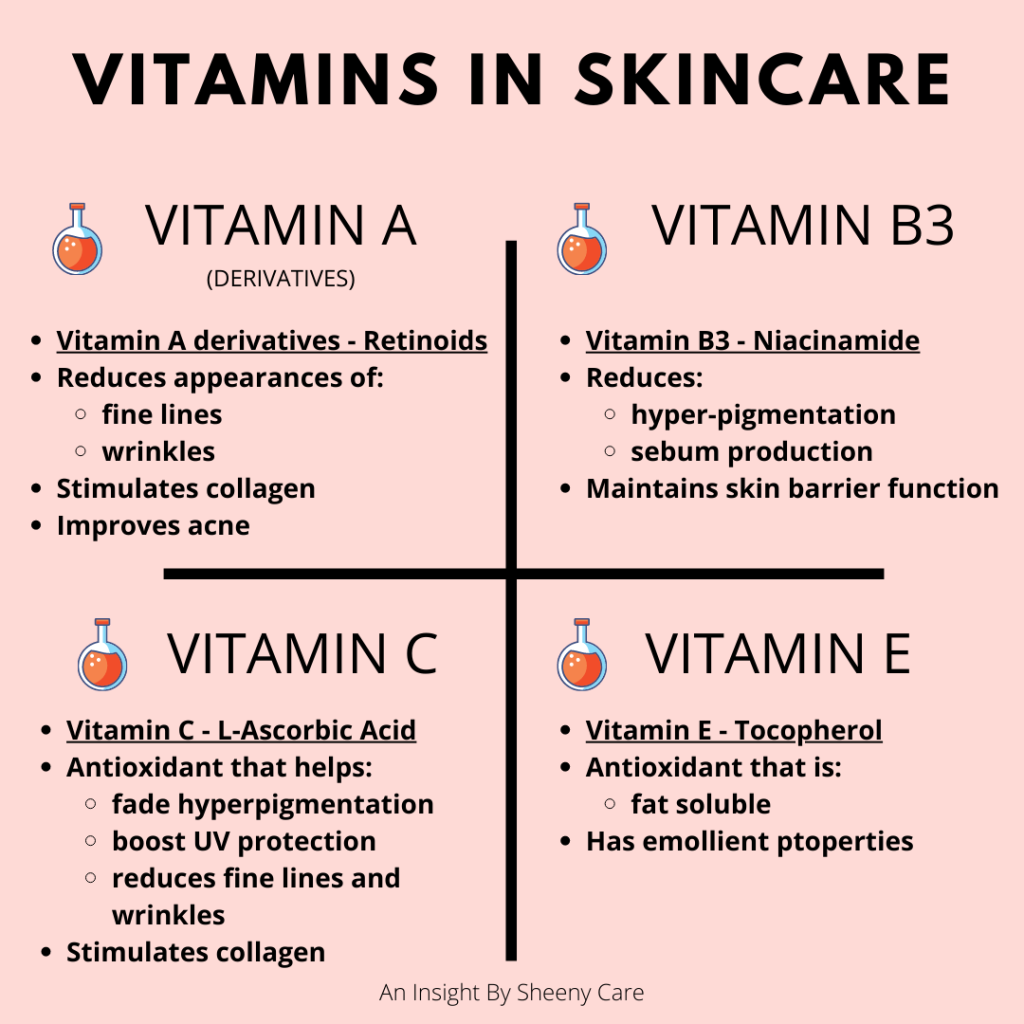
Yet, the lure of achieving flawless skin leads many teens to potent ingredients like retinol and vitamin C serums—products they should sidestep. These strong chemicals, including alpha hydroxy acids and beta hydroxy acids found in exfoliating products, can harm young skin, increasing vulnerability to redness, peeling, and irritation11. Acne vulgaris, a common adversary during teen years, is often combated with chemical peels and topical therapies. Still, the ideal concentration and acid type necessary for treating acne-prone skin haven’t been universally agreed upon12.
Reflecting on acne treatments, it’s clear that medium-depth and superficial peels have found their place, yet the scientific community recognizes the pressing need for more controlled trials to understand their efficacy12 wholly. Superficial chemical peels, which leverage weaker acids like α-hydroxy acids and β-hydroxy acids, have gained notoriety for their capacity to exfoliate without harsh repercussions. Still, they also highlight the fine line between beneficial use and potential skin damage12. Trained professionals and informed guidance become indispensable to ensure teens don’t succumb to the allure of immediate results at the expense of their skin’s long-term health.
My advice to young individuals is to focus on skin health with simpler, safer choices like ceramide-based moisturizers and hyaluronic acid serums, steering clear of the alluring yet possibly deleterious effects of chemical exfoliants11.
In closing, I cannot stress enough the importance of choosing skin care products wisely, avoiding those containing saliently strong, dangerous ingredients. Adopting a skincare routine that prioritizes cleansers, moisturizers, and sunscreen is beneficial not only for maintaining healthy skin but also for circumventing undue skin conditions and allergies that could emerge from using unsuitable products11.
Here’s a comparative look at chemical exfoliants and recommended alternatives:
| Chemical Exfoliant |
Active Ingredient |
Risks |
Safer Alternative |
| Glycolic Acid Peel |
Alpha Hydroxy Acid (AHA) |
Can lead to over-exfoliation in young skin |
Gentle exfoliating wash |
| Retinoic Acid Product |
Vitamin A derivative |
Potential skin barrier damage |
Hyaluronic acid serum |
| Salicylic Acid Scrub |
Beta Hydroxy Acid (BHA) |
Irritation and dryness |
Ceramide-based moisturizer |
In conclusion, let us champion a balanced skincare approach that respects the unique needs of adolescent skin, reducing the risk of harm from aggressive chemical exfoliants and promoting a future of radiant, healthy complexions.
Dangerous Skin Care Product Ingredients to Keep Away from Teens
As we unpack the vast world of skincare, it’s vital to exercise caution, especially when it concerns young, impressionable consumers. My first piece of advice is always to be diligent in evaluating toxic substances found in teen-targeted products. This necessity stems partly from social media trends like TikTok, where the hashtag #teenageskincare has amassed over 26.4 million views13. While digital platforms can be a hub of valuable information, they can also lead to the unsafe adoption of products, such as those issued a warning by Drunk Elephant due to ingredients not recommended for children and tweens13.
Evaluating Toxic Substances in Popular Teen Skincare
I have often observed the detrimental effects these substances can have on juvenile skin, a sentiment echoed by Dr. Blair Murphy Rose, who tends to patients with skincare issues in NYC caused by inappropriate product use13. It’s not just about navigating safe alternatives but also about imparting the know-how that children should circumvent harsh products with high chemical acids or retinol unless advised by a doctor13. It’s startling when dermatologists raise alarms about ingredients like retinol and salicylic acid; these are suitable for mature skin but can ravage the skin of tweens and teens, inciting eczema, rashes, and acne6.
Moreover, mixing skincare ingredients without knowledge can alter pH levels, leading to irritation. This highlights the significance of sticking to a rudimentary skincare routine for the younger demographic6. This basic routine should include a gentle facial cleanser, sunscreen of SPF 30 or higher for the day, and a simple facial moisturizer for the night.
Navigating Safe Alternatives for Young Consumers
While the allure of trends like “Sephora kids” is strong, with children flocking to these retailers, we must guide them towards products tested and created specifically for their tender skin, such as sunscreens and cleansers11. It’s heartening to know that some products are developed with the young user in mind, proving that safe and effective skincare for this age bracket does exist11. Therefore, through patient education and advocacy, on emphasizing reliable skincare ingredients, it’s possible to channel the focus from harsh chemicals to nurturing components. For example, hyaluronic acid serums and plant-based lip balms can be excellent recommendations for kids that ensure skin health without exposing them to unnecessary risks11.
The pathway to healthy adolescent skin isn’t paved with potent anti-aging formulas or aggressive exfoliants; it’s built on practicality and simplicity. Encouraging a healthy lifestyle with sufficient sleep, hydration, and a balanced diet is equally as crucial as the skincare products. Professionals like Dr. Linda Xing reiterate the importance of focusing on sun protection and instilling healthy skin habits early on11.
| Age Group |
Common Skin Concerns |
Safe Skincare Solutions |
| Children & Tweens |
Sensitivity, mild acne |
Gentle cleansers, light moisturizers |
| Teens |
Acne, oiliness, hormonal changes |
Non-comedogenic products, SPF protection |
| Youth (All) |
Preventive care, sun damage |
Sunscreen, safe exfoliating methods |
Ultimately, this information leads to one fact: the real triumph is in driving the approach away from navigating safe alternatives after the fact, to evaluating toxic substances beforehand. Inculcating mindful habits and preferences from the onset is the key to safeguarding the dermal health of our younger generation, steering them clear of hazardous ingredients and towards a radiant future.
Harmful Chemicals in Cosmetics: A Teen Safety Guide
As a dedicated advocate for teen health and well-being, my years researching and writing about skincare have shed light on the pressing issue of risky substances in teen skincare products. I am responsible for using this platform to guide adolescents towards unsafe skincare ingredients they must avoid to safeguard their delicate, developing bodies. The journey of adolescence is already navigated through the ever-changing currents of hormonal flux; adding toxic skincare elements into the mix further complicates this precious time of growth and self-discovery.
The statistical evidence confirming these risks is undeniable: Studies like those conducted by Berglind et al. (2010), De Donno et al. (2009), and Park and Zheng (2012) reveal how certain preservatives, fragrances, and even heavy metals like inorganic and elemental mercury found in cosmetics can lead to skin conditions, skin sensitivity, and pose long-term health risks1. Imagine, products with benzophenone and its derivatives, as well as parabens, have been linked to cancer and endocrine disruption, according to research highlighted by Patisaul and Adewale (2009) and Pastor-Nieto et al. (2017)1. These are not mere hypotheticals; these are realities staring at us from the labels of the very products our teens are using.
My extensive review of the latest research, including the critical work by Yazar et al. (2010), points to a market saturated with personal care products that contain unsafe ingredients, which adolescents may apply repeatedly without understanding the potential for harm1. This is backed by alarming reports of increased interest among teenagers in anti-aging skincare, as noted by observations that young individuals, some as tender in age as 10, are purchasing products laced with ingredients like retinol and exfoliating acids6. The implications are profound, with noted experts recommending basic skincare routines that eschew these aggressive ingredients in favor of gentle, age-appropriate options and emphasizing the importance of sun protection6.
With my guidance, I implore my readers, especially the young and impressionable, to prioritize their health by becoming label detectives. It is critical to scrutinize products for chemicals such as phthalates, known endocrine disruptors, and carcinogens. Adolescents need to be particularly wary of products containing talc, which may unwittingly expose them to asbestos14. And let’s not dismiss heavy metals, like lead, another harmful contender lurking in the shadows of inadequately regulated products14.
| Unsafe Ingredient |
Potential Health Risks |
Safer Alternative Suggestions |
| Phthalates |
Endocrine disruption, Cancer |
Seek out phthalate-free labels |
| Parabens |
Endocrine disruption |
Choose products with natural preservatives |
| Formaldehyde-releasing preservatives |
Irritation, Allergic reactions |
Opt for preservative-free or naturally preserved products |
| Retinol (at high doses) |
Skin sensitivity, Thinning skin barrier |
Use retinol-free products and hydrating ingredients like hyaluronic acid |
| 1,4-Dioxane (contaminant) |
Cancer |
Choose certified organic or toxin-screened products |
| Talc (which may contain asbestos) |
Cancer |
Opt for talc-free powders and makeup |
In conclusion, I extend an earnest plea to my readers: Let us equip our youth with the knowledge and discernment to choose wisely from an array of skincare options. By advising them to prefer products with transparent labeling and established safety records, we are not just protecting their skin; we are nurturing their future, ensuring a safer passage through the years when they blossom into adulthood. Remember, we have the tools and evidence—let us put them to vigilant use. The well-being of our teens depends on it.
The Impact of Social Media Misinformation on Skincare Trends
As we delve into the complexities of skincare trends among teens, the infiltration of social media misinformation has sparked concern among parents and skin health professionals. Eager to achieve the highly coveted “glass skin,” teenagers are increasingly being pulled into skincare routines driven by social media influence, often unaware of the presence of hazardous elements in personal care products they are encouraged to use15. Discerning qualified advice is becoming essential in this digital landscape, flooded with skincare misinformation that may lead to adverse effects like contact dermatitis or a misguided chase for “glass skin” that can further harm their delicate skin1516.
Discerning Qualified Advice from Online Trends
Unveiling the truth amidst a sea of viral videos requires vigilance. The #skincareroutine and #preventativebotox hashtags on platforms like TikTok are watched billions of times, but not all advice they propagate is fitting for the developing skin of adolescents16. Teens and their guardians must engage in discussions about skincare goals that are influenced by social media, encouraging a mindful approach to products and routines that genuinely benefit young skin15. Minimalist skincare routines emphasizing cleansing, applying sunscreen with SPF 30 or greater, and using facial moisturizer are strongly recommended for middle-school-aged children15.
When Skincare Videos Lead to Risky Choices
The use of active ingredients such as salicylic acid, retinols, and peptides can be tempting for their promised results, yet these can also lead to skin irritation or conditions like retinoid dermatitis among tweens and teens15. Exposure to such skincare misinformation not only risks the health of youthful skin but can also pressure families financially; products like Murad Retinol Youth Renewal Night Cream and Spoiled Child’s K-27 Anti-Aging Vitamin C Boosting Serum reach upwards of $58, representing a significant investment16. Peer into the makeup bags of teens using makeup, and the call for non-comedogenic and oil-free products coupled with makeup removal before bedtime becomes loud and clear, preventing the onset of skin issues15.
In confronting the waves of skincare misinformation, alternatives like the skin fasting trend introduced by Mirai Clinical Surface are anchored by Japanese studies advocating the benefits of skin fasting in detoxifying skin17. However, this trend is not without misleading interpretations spread online, such as the idea of fasting from all skincare for an entire week or using water-only cleansing17. Such blanket applications can be particularly risky for individuals with atopic skin, or who have recently undergone face treatments17. It underlines the necessity of educating teens on these trends, highlighting the pros and cons of cultivating informed and personalized skincare decisions.
In aligning data with the narrative of skincare trends, I find it crucial to assert the importance of educating on the potential risks of trending skincare fads and promoting informed, minimalistic skincare routines, especially for a young audience. The emphasis remains on safeguarding the integrity of teen skin health, while also easing the financial burden of products that may compromise their wellbeing151716.
Mitigating Harmful Effects of Trendy Skincare Additives
As a skincare advocate, I recognize the allure of cutting-edge products dominating social media feeds, but I also understand the urgency of mitigating the harmful effects of certain trendy skincare additives. Knowledge is the first step in such mitigation efforts. The Endocrine Society has confirmed the presence of around 85,000 synthetic chemicals, with more than a thousand possible endocrine disruptors lurking in everyday products18. Notably, phthalates serve as plasticizers in numerous items, but these compounds can unsettle the delicate hormonal harmony within young bodies1819.
Teens, often influenced by digital beauty trends, might find themselves exposed to products containing phthalates and PFAS, which could compromise their immune system18 and disrupt metabolic processes, raising the risk for disorders like diabetes18. Moreover, items like lavender-oil-infused lotions, possibly linked to hormonal irregularities18, and makeup brimming with asbestos-contaminated talc19, heighten the concern.
Alarmingly, the FDA’s findings in 2019 highlighted cosmetics with asbestos, a deadly carcinogen, prompting consumer caution19. Furthermore, lead and mercury in cosmetic products paint a dire picture for adolescent health, given their known toxic effects1920. The lack of extensive regulation, with legislation unchanged since 1938, compounds the problem, necessitating a proactive approach from both teens and parents when selecting makeup19.
| Ingredient |
Found In |
Health Concerns |
| Phthalates |
Nail polishes, hair sprays |
Hormone disruption, possible link to breast cancer19 |
| PFAS |
Foundations, concealers |
Fetal harm, hormone imbalance19 |
| Lavender Oil |
Skin lotions, aromatherapy products |
Premature breast development18 |
| Lead |
Kohl eyeliners, galena-based products |
Blood absorption, toxicity to organs1920 |
| Mercury |
Skin lighteners |
Neurological and kidney damage19 |
To steer clear of these risks, I urge the adoption of gentle alternatives rich in natural ingredients. Seeking out transparent brands and scientifically supported treatments can safeguard the vigor of adolescent skin. For me, it’s not merely a cosmetic matter; it’s about ensuring healthy development free from the influence of harmful agents masquerading as beauty shortcuts.
Risky Substances in Teen Skincare Products: A Concern for Parents
As a beacon of guidance in a sea of aggressive marketing tactics, it falls upon me and all responsible caregivers to shield our budding youths from skincare products laced with risky substances. It’s distressing to learn that nearly 70% of children aged 12 years and under have encountered Children’s Makeup and Body Products (CMBPs) in their lifetime21. These products are not mere accessories; they bear hidden risks, with hazardous materials like lead, cadmium, and chromium found in children’s face paints, posing serious health risks21. The scenario intensifies for Hispanic/Latinx communities where children use these products with greater frequency and for relatively brief durations, amplifying potential exposure to deleterious components21.
While the urge to indulge in playful imitation is natural, almost half of the youthful demographic utilizes these CMBPs with playfulness in mind, a scenario pronounced even more within Hispanic/Latinx households21. Unfortunately, what is intended as play can turn perilous. Contact with endocrine disruptors such as phthalates and parabens, commonplace in both adult cosmetics and children’s products, is alarmingly widespread21.
Protecting Teens from Aggressive Marketing Tactics
The commercial charm offensive is fully displayed in the teen skincare market with seductive scents and vibrant hues. Yet, these marketing ploys briskly mask the reality of allergic reactions like contact dermatitis—one of the many adverse health outcomes associated with the careless use of cosmetics21. Behavioral inclinations, such as hand-to-mouth activities in children, further exacerbate this risk, inadvertently heightening their vulnerability to the dangerous elements found in these deceptive products21.
Cultivating a Healthy Skincare Routine for Adolescents
In my efforts to combat these troubling trends, I’ve become a fervent advocate for fostering a healthy skincare routine among adolescents. It is essential that we, as guardians of their vulnerable years, actively promote an understanding of product labels and formulations. This knowledge is a critical defense against the lure of cosmetics teeming with potential toxins that await unchecked due to a stark void—mandated safety approvals21.
To actualize a holistic approach to teen skincare, I incorporate a balanced dialogue about the products conducive to their well-being. Our collective aim must include awakening to the merits of natural ingredients and steering sharply away from the artificial allure of synthetic fragrances and dubious compounds that permeate the current skincare shelves. With a conscientious spirit and discerning eye, we can encourage our youth to embrace routines that offer cosmetic fulfillment and ensure longevity in health and happiness—a lesson empowered by research and underscored by authentic care for their future21.
Hazardous Elements in Personal Care Products, Uncovered
As I delve into the realm of personal care, the discovery of hazardous elements in personal care products mainly targeting the younger demographic, has instigated a call for an urgent re-evaluation of ingredient safety. With advancing safer skincare knowledge, it is imperative to spotlight the hidden dangers these substances pose.
The Worrisome Ingredients List in Teen Products
Recent findings have unearthed unsettling information regarding the presence of mercury in skincare items. These products, often masked as benign creams or cosmetics, may in fact harbor illegal levels of mercury, leading to significant health risks.22 The FDA and health officials have flagged an alarming number of these products over the years, deploying an import alert to block shipments of mercury-laden skin products entering the United States.22
Advancing Knowledge for Safer Skincare Choices
Understanding that hazardous elements in personal care products can have severe repercussions, especially on vulnerable groups such as pregnant women and children, is vital. Mercury exposure can lead to symptoms like irritability and memory problems, making informing and protecting consumers critically important.22 Swift action has been taken against sellers and distributors of mercury-containing products, emphasized through enforcement actions including seizures and possible criminal prosecution.22 By advancing safer skincare knowledge, we can champion the transition to vetted, reliable products that prioritize health over harmful chemical inclusion.
| Element |
Concerns |
Safer Alternatives |
| Mercury |
Neurotoxicity, skin discoloration, scarring |
Products with clear ingredient labels and without mercury |
| Oxybenzone |
Allergic reactions, hormone disruption |
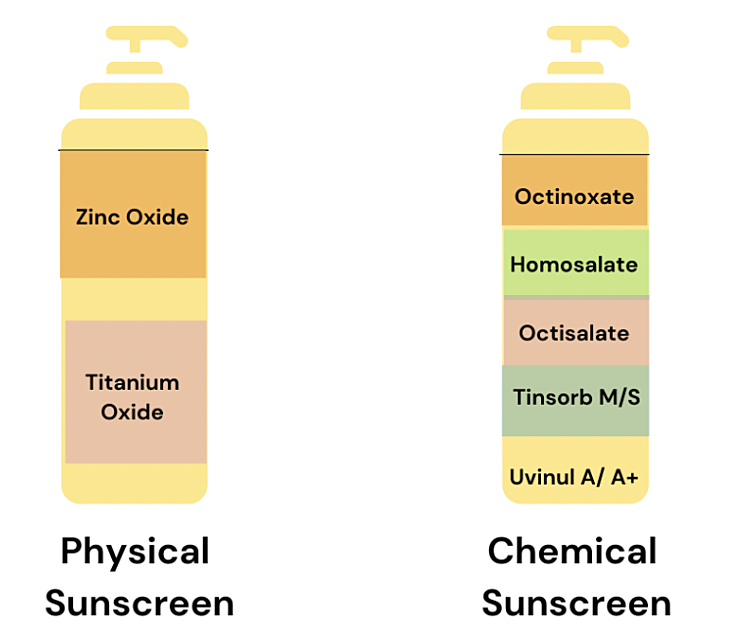
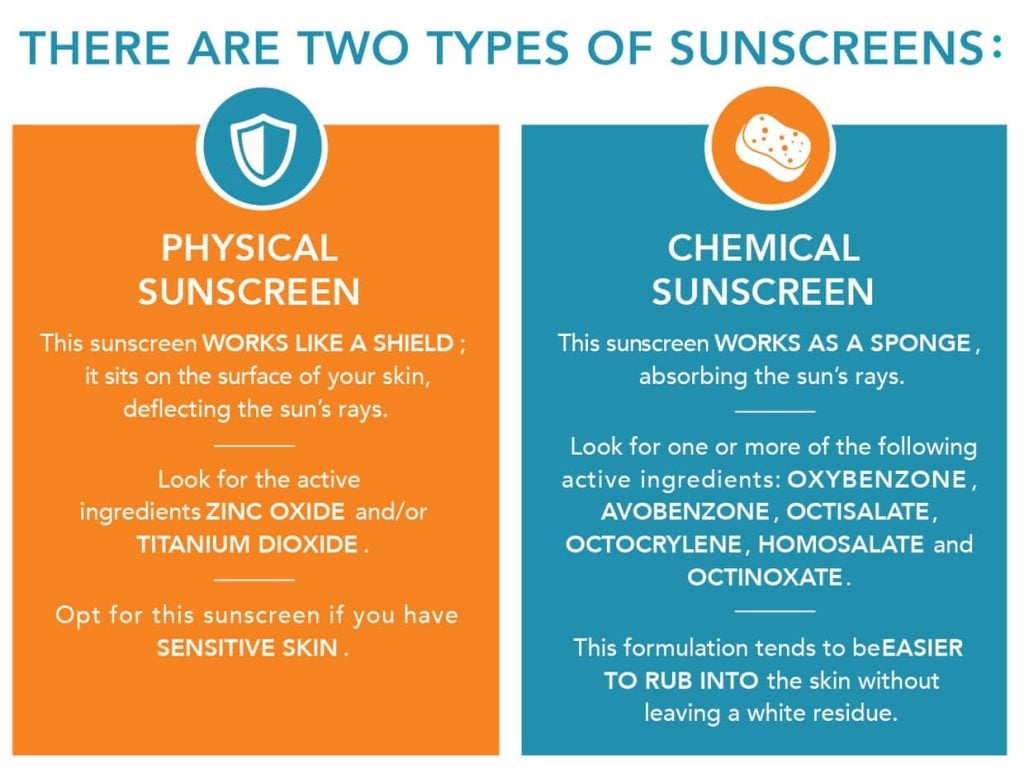
Mineral-based sunscreens (zinc oxide, titanium dioxide) |
| Formaldehyde releasers |
Carcirogenicity, skin irritation |
Preservative-free or with natural preservatives |
It’s time to critically analyze personal care items, especially those sourced abroad that may bypass stringent regulations and carry concealed dangers.22 Consumers often unknowingly bring these items into the U.S., unaware of their potentially unlawful new drug classification under the law or the toxic ingredients they contain.22 Stepping forward as a vigilant participant in this industry, I make it my mission to not only spread the word but to ensure the well-being of young, impressionable consumers eager to make safe, informed skincare choices.
What to Recommend Instead
In my professional journey, I’ve witnessed the allure of the beauty counter too often, with teenagers being drawn to cosmetic products that promise everlasting youth and beauty. Dermatologists are sounding the alarm, noting a worrying trend among children, some as young as 10, pressuring their parents for high-end anti-aging skincare, fueled by social media influencers 2. The lavish routines popularized on platforms like TikTok, featuring pricey items from stores like Sephora and Ulta, are unnecessary and potentially harmful for their tender skin23. With this backdrop, I must present safe skincare alternatives that honor the integrity of adolescent skin.
Teenagers should be directed towards non-toxic skincare products instead of costly products laced with aggressive anti-aging ingredients and artificial fragrances. These products, free from parabens and chemical exfoliants, use natural preservatives and harness the healing power of botanicals. Studies have linked skincare products’ chemical constituents, such as formaldehyde-releasers and paraben esters, to allergic reactions and endocrine toxicity1. In response, I advocate for brands that take a transparent approach to their formulations, offering cleaner ingredient profiles for the betterment of young skin.
It’s not just the content of these products that calls for scrutiny but also their societal impact. Encounters with older customers have revealed their dismay over young girls purchasing items beyond their needs, fostering a premature preoccupation with anti-aging and a rapid introduction to adulthood due to social media and influencer pressures23. To combat this, I champion skincare products that safeguard the skin and encourage a healthy self-image, free from the toxic beauty standards perpetuated online.
As we chart a course through an industry teeming with potential hazards, careful consideration must be given to the safe skincare alternatives we recommend to the next generation. It’s about instilling values prioritizing health over hype and substance over status. The most accurate form of beauty is, after all, one that embraces a natural, vibrant self without yielding to the whispers of a market driven by profit. Our commitment to guiding teens towards non-toxic skincare products reflects a deeper intention to nurture their skin, confidence, and well-being.
Conclusion: Fostering Safer Skincare Practices for Teens
As a committed skincare professional, I recognize my role in fostering safer skincare practices, especially for younger clientele. Incorporating ecological consciousness, I seek to amplify the narrative for protecting adolescent skin health, a mission founded upon indisputable research outcomes. Reports reveal alarming elements like triclosan in the biological systems of Swedish nursing mothers and their environment, with a similar presence in the aquatic ecosystem5. Musings on estrogenic activities of synthetic musk and stark statistics about parabens in breast tumors challenge us to rethink routine exposures5. It’s no surprise that fostering safer skincare habits is beneficial and essential for teens navigating the complexities of growing up amidst many cosmetic choices.
In catering to adolescent concerns such as acne, I’m mindful of the delicate balance required. Statistically, topical treatments and prescription medications foster progress in managing severe acne, yet must be approached with caution due to their potent constituents24. The confluence of data, revealing both the obstacles and pathways to youthful skin integrity, informs my advocacy for non-toxic, gentle formulations tailored to the unique development stages of adolescent physiology. I’m driven to champion products that respect the delicate hormonal milieu of my clients, steering clear of those with phthalates and other disruptors linked to developmental and reproductive anomalies5.
My approach is rooted in education and empowerment—arming teens and their guardians with the knowledge to differentiate between marketing flair and scientifically sound skincare. This initiative aims to cultivate surface-level beauty and deep-seated confidence that their choices contribute to a legacy of health and ecological stewardship. By doing so, we are protecting adolescent skin health and establishing lifelong principles of well-being and self-care.
FAQ
What are some dangerous skin care product ingredients to keep away from teens?
Teenagers should avoid products with retinoids, retinol, harsh chemical exfoliants, added fragrances, parabens, phthalates, and `formaldehyde-releasing preservatives, as these ingredients can be harsh on their developing skin and health.
How does social media impact teen skincare choices?
Social media often promotes skincare products geared towards mature skin, involving influencers who may mistakenly encourage the use of inappropriate products for teenagers, such as those that contain retinol, fragrances, and chemical exfoliants, potentially leading to misuse by teens.
Why are estheticians important for ensuring safe teen skincare?
Estheticians are licensed skincare professionals who can provide educated guidance, helping to counter misinformation and direct teens and their families towards safe, age-appropriate skincare practices that won’t harm their skin.
Why are retinoids and retinol harmful to teen skin?
Retinoids and retinol can cause significant irritation, inflammation, and over-exfoliation in young skin, which is already sensitive and hormonal. These ingredients also necessitate strict sun protection, which teenagers often overlook.
What are the hidden dangers of added fragrances in teen skincare?
Added fragrances contain undisclosed chemicals that can be potential irritants, leading to increased skin sensitivities, reactions, and potentially dermatitis, especially in teens with sensitive skin.
How to recognize irritating chemicals in cosmetic formulas?
Look out for ingredients such as PEGs, methyl and propyl parabens, and triclosan, which can disrupt endocrine functions and cause other adverse health outcomes when included in over-the-counter personal care products.
What should parents and teens know about chemical exfoliants?
Strong chemical exfoliants like glycolic acid and retinoic acid can overly strip and damage adolescent skin. Teens should use gentler alternatives like smooth scrubs or milder exfoliating acids.
How can you evaluate toxic substances in popular teen skincare?
Carefully read product labels and avoid items containing endocrine-disrupting chemicals (EDCs), such as perfumes, makeup, and sunscreens. Instead, search for natural and non-toxic skincare options.
How can teens navigate safe alternatives for young consumers?
Teens and parents should seek out products with clear labeling, opting for skincare items with simple, natural ingredients, free from synthetic fragrances, parabens, and phthalates. Natural alternatives like tea tree oil or glycerin should be considered.
What are the risks of misleading skincare trends from social media?
Social media trends can lead teens to use skincare ingredients unsuitable for their skin type, which may result in damage from misinformed use. It’s important to discern reputable advice from non-professional online trends.
How can teens mitigate the harmful effects of trendy skincare additives?
Teens should educate themselves on the potential risks of trendy skincare ingredients and opt for gentler, science-backed treatments. They should also seek guidance from licensed professionals when selecting skincare products.
What should parents consider when choosing skincare products for their teens?
Parents should teach teens to avoid aggressive marketing tactics by teaching them to read labels, understand product formulations, and foster a healthy skincare routine with natural and safe ingredients.
What are the hazardous elements in personal care products?
Hazardous elements such as oxybenzone in sunscreens, artificial fragrances, and formaldehyde-releasing preservatives are of concern. Awareness and understanding of these ingredients can help in making safer skincare choices.
What non-toxic skincare products can be recommended for teens?
Skincare products without fragrances, chemical exfoliants, and parabens are recommended. Seek out brands that use natural preservatives and botanicals and that are transparent about their ingredient profiles.
How can we foster safer skincare practices for teens?
Educate teens on the importance of avoiding harmful skincare chemicals and encourage a clean, safe, and customized skincare routine that fits their specific skin concerns and promotes overall skin health.
Source Links
- https://www.ncbi.nlm.nih.gov/pmc/articles/PMC6477564/
- https://www.healthline.com/health/beauty-skin-care/ingredients-to-avoid-for-stress-free-skin-care
- https://www.cnn.com/2024/01/12/style/tweens-skin-care-wellness/index.html
- https://www.ewg.org/the-toxic-twelve-chemicals-and-contaminants-in-cosmetics
- https://www.ewg.org/research/teen-girls-body-burden-hormone-altering-cosmetics-chemicals
- https://www.newsweek.com/skincare-anti-aging-damaging-skin-tweens-1865737
- https://www.usatoday.com/story/life/health-wellness/2024/01/26/sephora-kids-are-obsessed-with-retinol-dermatologists-are-concerned/72353463007/
- https://www.safecosmetics.org/toxic-ingredients/
- https://www.cbsnews.com/boston/news/children-skin-care-tiktok-instagram-dermatologist/
- https://www.healthline.com/health/toxic-makeup
- https://www.ctvnews.ca/lifestyle/sephora-kids-skin-care-trend-draws-warnings-from-dermatologists-1.6740753
- https://www.ncbi.nlm.nih.gov/pmc/articles/PMC10608815/
- https://nypost.com/2024/01/19/lifestyle/teens-obsessed-with-skincare-may-be-damaging-skin-experts/
- https://www.safecosmetics.org/chemicals/
- https://www.uclahealth.org/news/kids-skincare-dermatologists-advice
- https://www.cnn.com/2024/01/18/opinions/sephora-kids-skin-care-teen-craze-thomas/index.html
- https://www.skininc.com/business/trends/news/21885565/cause-for-concern-the-skin-fasting-trend
- https://www.niehs.nih.gov/health/topics/agents/endocrine
- https://www.medicalnewstoday.com/articles/327318
- https://www.mdpi.com/2079-9284/10/3/71
- https://www.ncbi.nlm.nih.gov/pmc/articles/PMC9915933/
- https://www.fda.gov/consumers/consumer-updates/mercury-poisoning-linked-skin-products
- https://www.theguardian.com/society/2024/jan/11/uk-parents-urged-not-to-buy-children-anti-ageing-skin-products
- https://organicseries.co.uk/acne-treatment-for-teens-16-best-ideas/