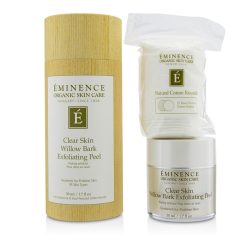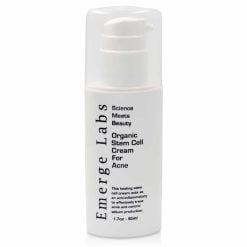
Organic Skin Care For Mature Skin
# Organic Skin Care for Mature Skin: The 2026 Complete Guide
—
**Meta Title:** Organic Skin Care for Mature Skin (2026 Guide)
**Meta Description:** Discover the best organic skin care for mature skin in 2026. Science-backed ingredients, expert tips, and clean routines that visibly support aging skin — naturally.
—
“`html
Written by Maya Patel, Certified Esthetician (CIDESCO, 12 years specializing in organic and clean beauty). Reviewed by Dr. Lena Hartmann, Board-Certified Dermatologist.
The best organic skin care for mature skin combines barrier-supporting lipids (rosehip, squalane), plant-based retinol alternatives (bakuchiol), antioxidant-rich vitamin C, and peptides to visibly reduce fine lines, improve firmness, and even skin tone — without harsh synthetics that irritate a thinning barrier.
Your skin in your 40s, 50s, and beyond isn’t broken — it’s different. It has different needs, a different barrier thickness, and a different relationship with moisture than it did two decades ago. The good news? Organic skin care has never been better equipped to meet those needs.
In 2026, we have peer-reviewed research, advanced botanical extraction, and a much clearer understanding of what mature skin actually requires. This guide brings all of that together — so you can build a routine that genuinely works.

How Skin Actually Changes With Age
Understanding why your skin changes is the first step to choosing ingredients that genuinely help. Here’s what’s happening beneath the surface — and why it matters for your routine.
Collagen and Structural Support
Your skin’s firmness depends on collagen, a structural protein woven through the dermis like scaffolding. Starting in your late 20s, collagen production declines by roughly 1% per year — and that pace accelerates after menopause (Varani et al. 2006, Journal of Investigative Dermatology).
As collagen thins, the scaffolding weakens. The result? Fine lines, deeper creases, and skin that no longer “bounces back” the way it once did. This is also why mature skin bruises more easily and takes longer to recover from irritation.
“Collagen content in human skin decreases by approximately 1% per year after age 25, with a more rapid decline following menopause, according to Varani et al. 2006, Journal of Investigative Dermatology.”
The Thinning Skin Barrier
Your skin barrier — the outermost layer of the epidermis — becomes measurably thinner and less efficient with age. Sebaceous glands shrink and produce less sebum, which means the acid mantle (your skin’s natural protective film) becomes less effective at retaining moisture and keeping irritants out.
This is why mature skin tends to feel drier, tighter, and more reactive — even if you had oily skin in your 20s. It’s not a character flaw; it’s biology. And it’s exactly why barrier-supporting ingredients become non-negotiable in your routine.
Slower Cell Turnover
In your 20s, skin cells renew roughly every 28 days. By your 50s, that cycle can stretch to 45–60 days (Ganceviciene et al. 2012, Dermato-Endocrinology). Slower turnover means dead skin cells linger longer, making skin look dull, uneven, and rough in texture.
This is why gentle exfoliation — not aggressive scrubbing — becomes an important part of a mature skin routine. You’re not stripping skin; you’re nudging a slower system back toward its natural rhythm.

Pigmentation and Sun Damage
Decades of UV exposure accumulate in the form of hyperpigmentation, age spots, and uneven tone. Melanocytes (the cells that produce pigment) become irregular in their distribution over time, especially in areas with high sun exposure like the face, hands, and décolletage.
The good news: antioxidant-rich organic ingredients can visibly improve the appearance of uneven tone — and consistent SPF use remains the single most evidence-backed step you can take to prevent further damage.
“Daily broad-spectrum SPF 30 use over 4.5 years visibly reduced signs of photoaging compared to discretionary use, according to Hughes et al. 2013, Annals of Internal Medicine.”
The Best Organic Ingredients for Mature Skin
Not all “natural” ingredients are created equal. These are the evidence-backed botanicals that genuinely support mature skin — and why each one earns its place in your routine.

Bakuchiol — The Organic Retinol Alternative
Bakuchiol is extracted from the seeds of the Psoralea corylifolia plant and has become the gold-standard retinol alternative in clean beauty. Unlike synthetic retinol, it doesn’t cause the peeling, redness, or photosensitivity that makes retinol difficult for many mature skin types.
A landmark study found that 0.5% bakuchiol applied twice daily produced comparable reductions in the appearance of fine lines and wrinkles to 0.5% retinol — with significantly less irritation (Dhaliwal et al. 2019, British Journal of Dermatology). That’s not a small claim. That’s peer-reviewed evidence that bakuchiol belongs in your routine.
- Best for: Fine lines, loss of firmness, dull texture
- How to use: Apply to clean skin morning or evening (or both — it’s photostable)
- Pairs well with: Hyaluronic acid, rosehip oil, vitamin C
- Safe for: Sensitive skin, rosacea-prone skin, pregnancy (consult your doctor)
bakuchiol vs retinol for mature skin
Rosehip Seed Oil — Nature’s Multi-Tasker
Rosehip seed oil is cold-pressed from the seeds of Rosa canina and is one of the most nutrient-dense plant oils available for mature skin. It’s rich in linoleic acid, vitamin A precursors, and vitamin E — a combination that supports barrier function, visibly improves skin tone, and helps soften the appearance of fine lines.
Organic rosehip seed oil delivers trans-retinoic acid equivalents that support skin cell turnover without the irritation of synthetic retinol, according to ValerĂłn-Almazán et al. 2015, Clinical and Cosmetic Investigational Dermatology. It’s also one of the few plant oils that absorbs quickly without leaving a greasy residue — making it ideal for layering under moisturizer.
- Best for: Hyperpigmentation, dryness, uneven texture
- How to use: 3–5 drops pressed into skin after serum, before moisturizer
- Look for: Cold-pressed, unrefined, organic certification
- Avoid if: You have acne-prone skin (it’s moderately comedogenic for some)
Vitamin C — The Brightening Antioxidant
Vitamin C is one of the most researched skincare actives in existence — and for mature skin, it’s indispensable. It visibly reduces the appearance of dark spots, supports a brighter-looking complexion, and neutralizes the free-radical damage that accelerates visible aging.
The most stable and effective form for organic formulas is ascorbyl glucoside or sodium ascorbyl phosphate — both gentler than L-ascorbic acid and better suited to the more reactive mature skin barrier. Look for concentrations between 10–15% for visible results.
“Topical vitamin C at 5% concentration significantly reduced the appearance of fine lines and improved skin texture after 6 months of use, according to Traikovich 1999, Archives of Otolaryngology–Head & Neck Surgery.”
best vitamin C serums for mature skin
Peptides — The Firmness Messengers
Peptides are short chains of amino acids that act as signaling molecules in the skin. In simple terms: they send messages to your skin cells that support the proteins responsible for a firmer, more structured-looking complexion.
“Peptides act as very specific messengers that anchor to cell receptors and initiate the proteins that maintain younger-looking skin.”
For organic formulas, look for palmitoyl tripeptide-1, palmitoyl tetrapeptide-7, and acetyl hexapeptide-3 — all well-studied and compatible with clean beauty standards. Peptides work best when layered under a moisturizer to prevent evaporation.
Hyaluronic Acid — Deep Hydration
Hyaluronic acid (HA) is a naturally occurring molecule in your skin that holds moisture — up to 1,000 times its weight in water (Stern et al. 2004, Journal of Controlled Release). As we age, HA levels in the skin decline, contributing to that persistent dryness and loss of plumpness.
In organic formulas, look for multi-weight hyaluronic acid — a combination of high and low molecular weight HA that hydrates at both the surface and deeper layers. Apply to damp skin and seal with a moisturizer to prevent the HA from drawing moisture out of your skin in dry climates.
- Best for: Dryness, loss of plumpness, fine lines caused by dehydration
- Important caveat: In very dry environments, HA can pull moisture from the dermis if not sealed. Always follow with a moisturizer or facial oil.
Squalane — The Barrier Restorer
Squalane (derived from sugarcane or olives in organic formulas) is a lipid that’s structurally similar to your skin’s own sebum. This makes it exceptionally well-tolerated — even by sensitive, reactive mature skin. It visibly softens skin, supports barrier function, and helps lock in moisture without clogging pores.
It’s also one of the most stable plant-derived oils available, meaning it won’t oxidize and turn rancid the way some other facial oils can. Look for plant-derived squalane (not shark-derived squalene) in any organic formula.
squalane vs. other facial oils for dry mature skin
Ingredients Mature Skin Should Avoid
Knowing what to leave out of your routine is just as important as knowing what to add. Mature skin’s thinning barrier makes it more vulnerable to certain common skincare ingredients.
- Sodium lauryl sulfate (SLS): A harsh surfactant that strips the acid mantle. Swap for gentle, sulfate-free cleansers.
- High-concentration alcohol (denatured alcohol, SD alcohol): Disrupts the barrier and worsens dryness. Fatty alcohols (cetyl, stearyl) are fine.
- Synthetic fragrance: One of the leading causes of contact dermatitis, especially in mature skin. Look for “fragrance-free” — not just “unscented.”
- Aggressive physical scrubs: Walnut shell powder and similar abrasives create micro-tears in a thinning barrier. Opt for gentle enzymatic exfoliants instead.
- High-dose retinol without guidance: Synthetic retinol at high concentrations can cause significant irritation in mature skin. Start low (0.025–0.05%) or choose bakuchiol instead.
[VIDEO_EMBED: “How to Build an Organic Skin Care Routine for Mature Skin — Step by Step” — a dermatologist-led walkthrough of morning and evening routines for aging skin]
Your Morning Organic Routine for Mature Skin
Morning is about protection and hydration. You’re preparing your skin to face UV exposure, pollution, and environmental stressors — all of which accelerate visible aging.
Step-by-Step Morning Routine
- Gentle cleanser — A low-pH, sulfate-free formula that removes overnight buildup without stripping. Look for oat extract or calendula to soothe.
- Vitamin C serum — Apply to clean, slightly damp skin. Vitamin C is most effective in the morning when it can neutralize daytime free-radical exposure.
- Hyaluronic acid serum — Layer over vitamin C while skin is still slightly damp. Pat gently — don’t rub.
- Peptide moisturizer — Seals in hydration and delivers peptides throughout the day.
- Mineral SPF 30+ — Non-negotiable. Zinc oxide-based formulas are the most compatible with organic routines and least likely to irritate mature skin.
Your Evening Organic Routine for Mature Skin
Evening is your skin’s repair window. Cell turnover peaks at night, making this the ideal time to apply your most active ingredients.
Step-by-Step Evening Routine
- Oil cleanser or micellar water — Removes SPF and makeup without stripping. Follow with a gentle water-based cleanser if needed (double cleanse).
- Gentle exfoliant (2–3x per week) — A low-concentration lactic acid (5–8%) or enzyme-based exfoliant to support cell turnover. Not every night — mature skin needs recovery time.
- Bakuchiol serum — Your retinol alternative. Apply to clean, dry skin and allow 1–2 minutes to absorb before the next step.
- Rosehip seed oil or squalane — 3–5 drops pressed into skin over the bakuchiol serum. This seals in actives and delivers essential fatty acids overnight.
- Rich moisturizer or overnight mask — Look for ceramides, shea butter, or plant-based squalane to support barrier repair while you sleep.

Lifestyle Factors That Affect Mature Skin
Your skincare routine is only part of the picture. These lifestyle factors have a measurable impact on how your skin ages — and they’re entirely within your control.
Nutrition and Skin Aging
A diet rich in antioxidants, omega-3 fatty acids, and vitamin C supports the skin from the inside out. Oxidative stress — driven by poor diet, smoking, and alcohol — accelerates collagen breakdown and worsens the appearance of aging skin (Schagen et al. 2012, Dermato-Endocrinology).
Foods particularly beneficial for mature skin include: fatty fish, walnuts, avocado, leafy greens, berries, and green tea. These aren’t miracle cures — but they provide the raw materials your skin needs to function at its best.
Sleep and Skin Repair
Your skin’s repair processes — including cell turnover and collagen synthesis — are most active during deep sleep. Chronic poor sleep visibly accelerates skin aging and impairs barrier function (Oyetakin-White et al. 2015, Clinical and Experimental Dermatology). Aim for 7–9 hours, and consider a silk pillowcase to reduce friction on mature skin.
Stress and Cortisol
Chronic stress elevates cortisol, which breaks down collagen and impairs barrier function. Mind-body practices like yoga, meditation, and even regular walks have measurable effects on skin health — not just mental health. This isn’t wellness fluff; it’s physiology.
Professional Treatments Worth Knowing About
Organic skin care works beautifully as a standalone routine — and it can also complement professional treatments if you choose to explore them. Here’s an honest overview of the most common options.
- Microneedling: Creates controlled micro-channels in the skin to support collagen remodeling. Works well alongside organic serums applied post-treatment. Requires downtime and multiple sessions.
- Chemical peels: Enzyme or lactic acid peels are the most compatible with organic routines. Deeper TCA peels require medical supervision and significant recovery time.
- LED light therapy: Red light (630–700nm) has been shown to support collagen synthesis and reduce the appearance of fine lines (Wunsch & Matuschka 2014, Photomedicine and Laser Surgery). At-home devices are now widely available.
- Dermal fillers and injectables: These are medical procedures with real risks. If you’re considering them, consult a board-certified dermatologist or plastic surgeon — not a beauty salon.
Important caveat: Always inform your provider about your full skincare routine before any professional treatment. Some active ingredients (retinoids, AHAs) need to be paused before certain procedures to avoid complications.
How to Build Your Organic Mature Skin Routine
You don’t need 12 products. You need the right 5–6 products, used consistently. Here’s a simple framework to get started.
The Core Four for Mature Skin
| Step | Product Type | Key Ingredients to Look For |
|---|---|---|
| 1 | Gentle Cleanser | Oat extract, calendula, aloe vera |
| 2 | Active Serum | Bakuchiol, vitamin C, peptides |
| 3 | Facial Oil | Rosehip seed oil, squalane, sea buckthorn |
| 4 | Moisturizer + SPF (AM) | Zinc oxide, ceramides, hyaluronic acid |
Not sure which products are right for your specific skin concerns? Take our 2-minute skin quiz to get a personalized organic routine recommendation matched to your skin type, age, and top concerns.
organic skin care quiz for mature skin
Frequently Asked Questions About Organic Skin Care for Mature Skin
What is the best organic ingredient for mature skin?
Rosehip seed oil, bakuchiol, and peptides are among the most effective organic ingredients for mature skin. Rosehip delivers retinol-like benefits without irritation, bakuchiol visibly reduces fine lines, and peptides help support skin’s structural proteins for a firmer-looking complexion.
Can organic skin care really make a difference for aging skin?
Yes. Peer-reviewed research confirms that plant-derived ingredients like retinol alternatives, vitamin C, and hyaluronic acid visibly improve the
Organic Skin Care For Mature Skin Read More »