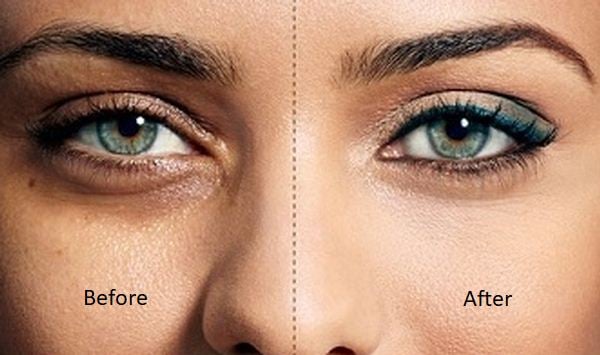
Are you one of the many people who are desperate to get rid of under eyes dark circles? You’re not alone. Dark circles can make us look tired, older and less confident. Fortunately, there are a number of natural remedies, organic skin care products and latest organic ingredients that may help reduce the appearance of those pesky dark circles around your eyes. In this blog post we will discuss how to use these methods safely in order to get rid of under eyes dark circles with minimal effort. From natural remedies such as cold compresses or cucumber slices, to organic skin care products specifically designed for treating discoloration underneath our eye area – learn what works best for you so you can start looking more awake and refreshed again.
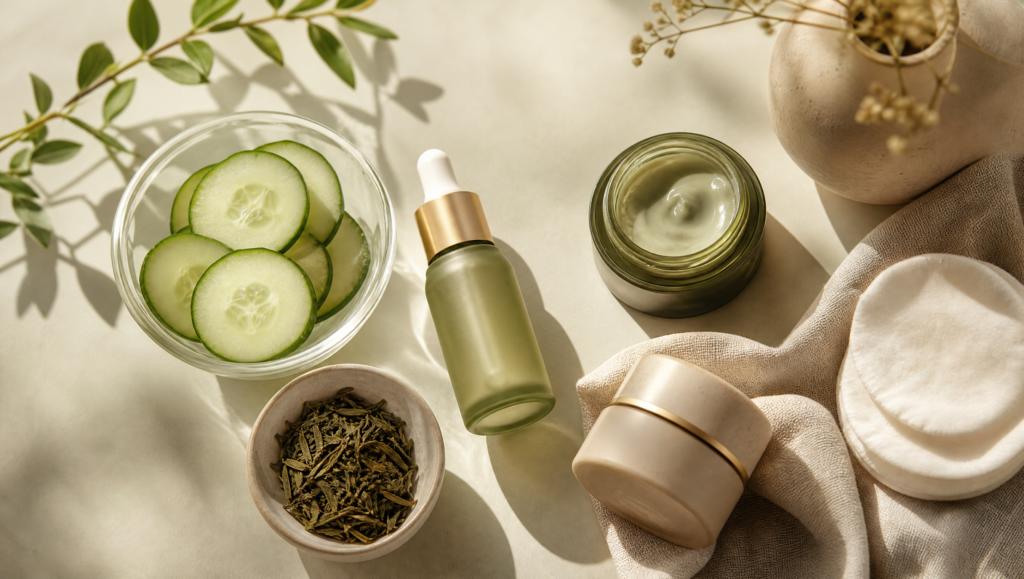
Home remedies are a great way to reduce the appearance of dark circles. Cold compresses can help reduce puffiness and inflammation, while cucumber slices can help hydrate and soothe the skin. Aloe vera gel is also known for its anti-inflammatory properties that can help reduce swelling around the eyes. For best results, apply these home remedies twice daily for at least 10 minutes each time.
Diet and Nutrition:
Eating a healthy diet rich in antioxidants, vitamins, minerals, and essential fatty acids is key to reducing under eye dark circles. Foods such as blueberries, kale, spinach, salmon, walnuts and avocados are all excellent sources of nutrients that can help improve skin health from within. Additionally drinking plenty of water throughout the day helps keep your body well hydrated which will result in healthier looking skin overall.
Regular exercise not only helps maintain good physical health but it also improves circulation, which can help prevent under eye dark circles from forming or worsening over time. Exercises such as walking or jogging increase blood flow throughout the body, including around the eyes, helping them look brighter with improved coloration underneath them too.
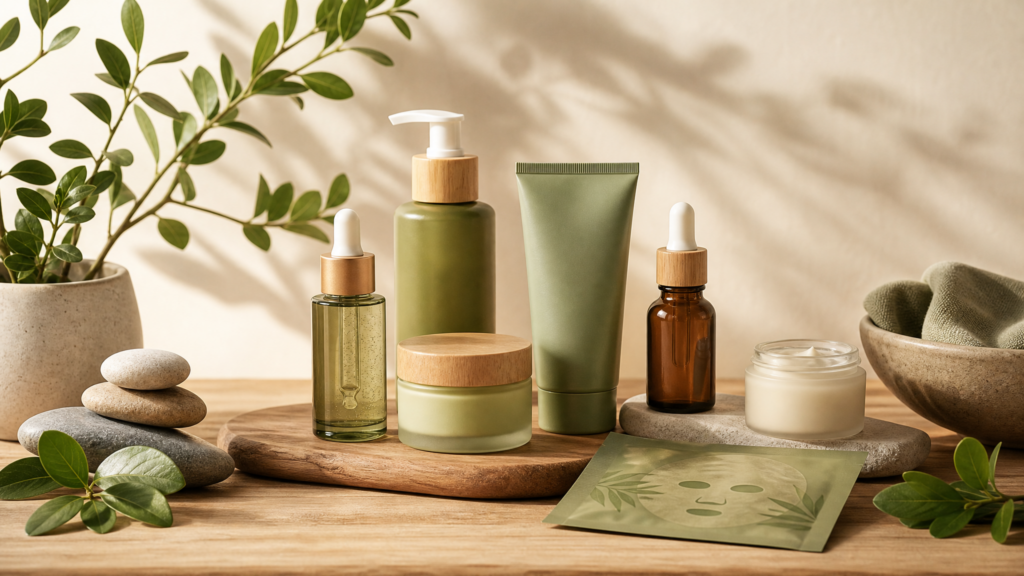
Natural remedies for under eye dark circles can be a great way to reduce their appearance without the use of harsh chemicals. By incorporating organic skin care products into your routine, you can help improve the look and feel of your skin while also addressing any underlying causes.
Organic Skin Care Products for Under Eye Dark Circles
Cleansers:
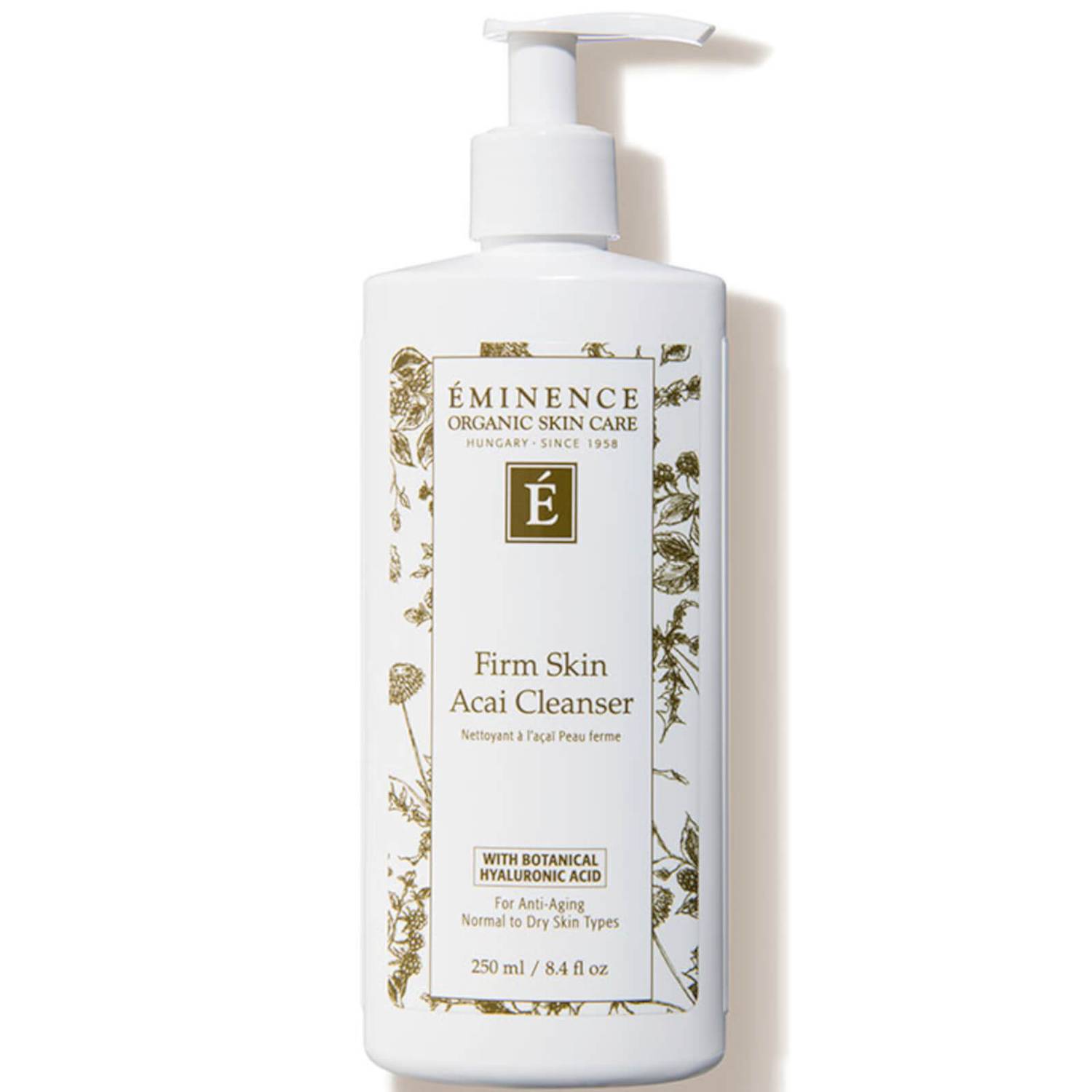
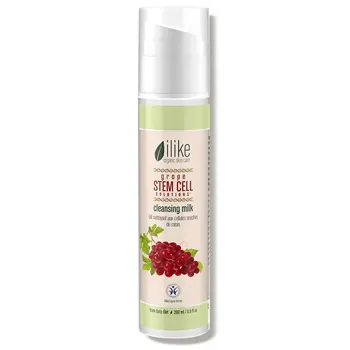
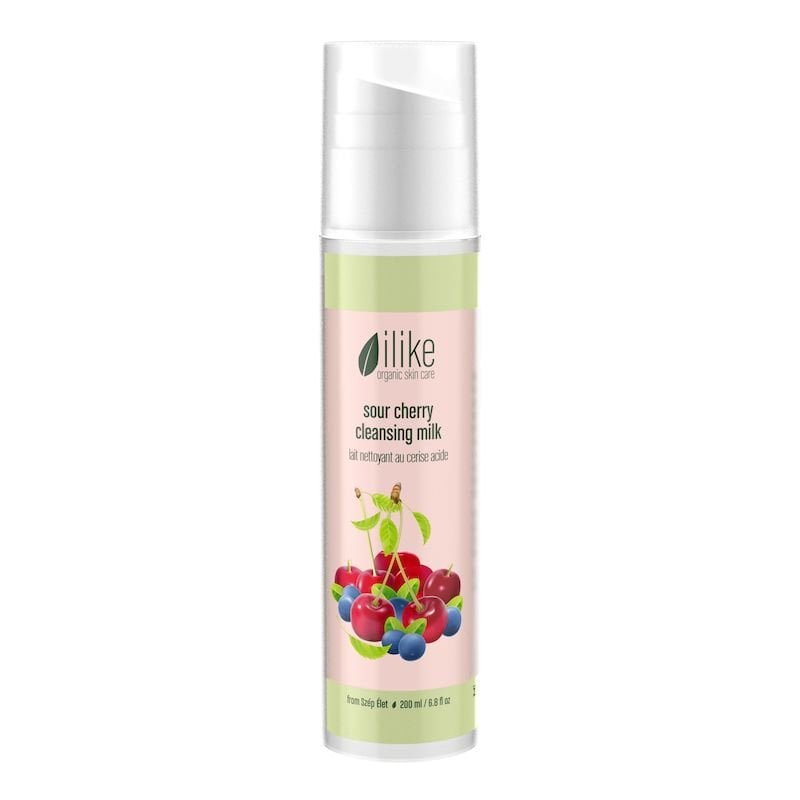
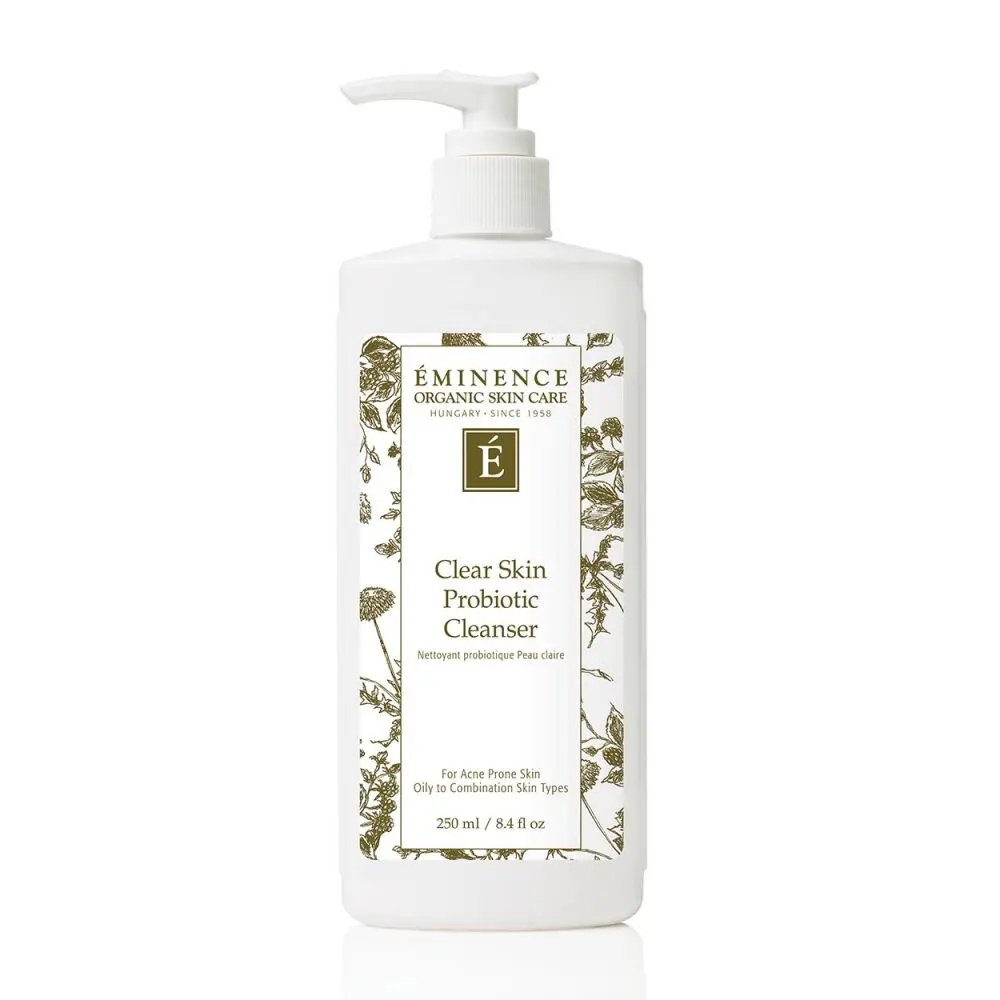
Organic cleansers are an important part of any skin care routine, especially when it comes to reducing the appearance of under eye dark circles. Natural ingredients like aloe vera, honey, and oatmeal can help soothe the delicate area around your eyes while removing dirt and oil from your skin. Look for a gentle formula that won’t strip away natural oils or irritate sensitive skin.
Moisturizers:
A good moisturizer is essential for keeping the delicate skin around your eyes hydrated and healthy-looking. Opt for organic formulas with nourishing ingredients like shea butter, jojoba oil, and vitamin E to help reduce puffiness and keep wrinkles at bay. If you have particularly dry or sensitive skin, look for a product specifically designed for this area that will provide extra moisture without irritating your eyes.
Serums and treatments are powerful products that can target specific issues such as dark circles under the eyes. Look for serums formulated with natural ingredients like caffeine extract, which helps to reduce puffiness by stimulating circulation in the area; hyaluronic acid, which helps plump up fine lines; peptides, which promote collagen production; niacinamide, which brightens dullness; and vitamins C and E, which protect against free radical damage caused by environmental stressors such as pollution or UV rays.
Treatments such as eye masks can also be used to treat dark circles under the eyes if you don’t want to use a serum every day. These treatments typically contain calming ingredients like green tea extract or chamomile extract, along with other nourishing elements such as aloe vera gel or avocado oil that help soothe inflammation while providing intense hydration to tired looking eyes.
Using organic skin care products for under eye dark circles can help to reduce the appearance of dark circles and brighten the area around your eyes. The next heading will discuss the latest organic ingredients that can be used in conjunction with these products to provide even better results.
Key Takeaway: Organic skin care products can help reduce the appearance of dark circles under eyes. Look for cleansers, moisturizers and serums with natural ingredients like aloe vera, honey, oatmeal, shea butter, jojoba oil and vitamin E; treatments such as eye masks may also be beneficial.
Latest Organic Ingredients for Under Eye Dark Circles
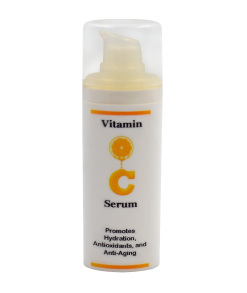
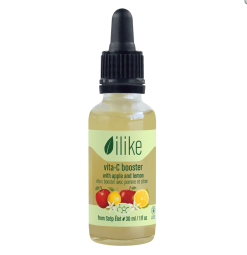
Vitamin C is one of the most popular organic ingredients used to reduce the appearance of under eye dark circles. It helps to brighten and even out skin tone, while also providing antioxidant protection from environmental damage. Vitamin C can be found in many skincare products such as serums, creams, and masks. For best results, look for products that contain a stable form of vitamin C like L-ascorbic acid or magnesium ascorbyl phosphate.
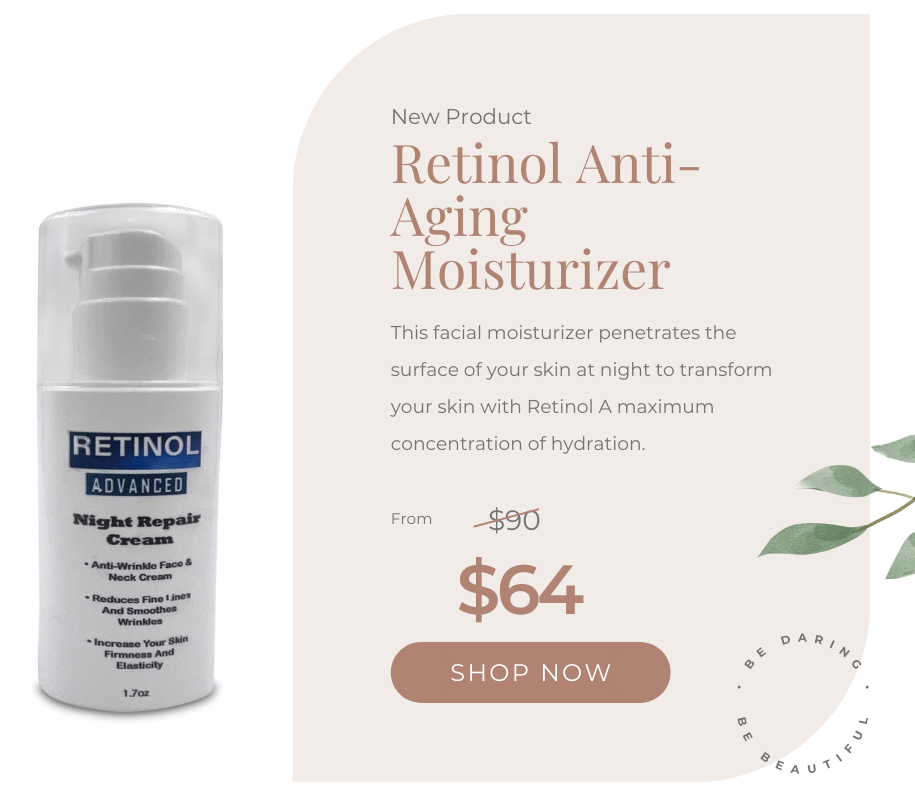
Retinol is another effective ingredient for reducing the appearance of under eye dark circles. Retinol helps to stimulate collagen production which improves skin elasticity and reduces wrinkles around the eyes. It also helps to exfoliate dead skin cells which can help lighten dark circles over time with regular use. Look for retinol products that are specifically formulated for sensitive areas like the eyes such as retinyl palmitate or retinaldehyde based formulas since these are gentler on delicate skin than stronger forms like retinoic acid or tretinoin cream.
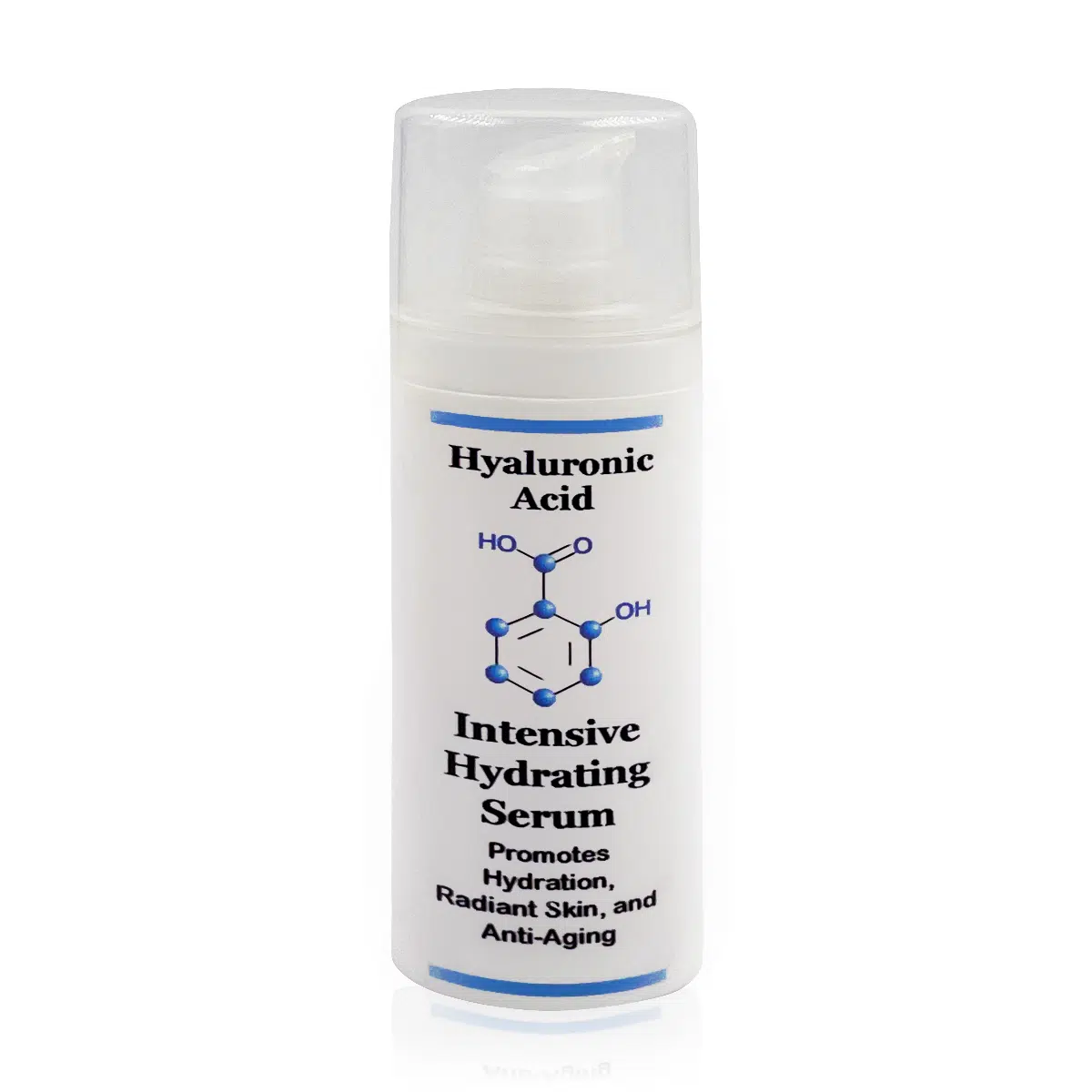
Hyaluronic Acid is an important ingredient when it comes to treating under eye dark circles because it provides intense hydration and nourishment to dry, dehydrated skin around the eyes. Hyaluronic Acid has a unique ability to hold up 1000 times its weight in water so it helps keep your skin plump and smooth while also locking in moisture so your complexion looks more youthful and radiant overall. When shopping for skincare products designed specifically for this area of your face, look for hyaluronic acid based serums or moisturizers.
Using the latest organic ingredients such as Vitamin C, Retinol and Hyaluronic Acid can help reduce under eye dark circles. Now let’s look at some skin care routines to further improve this issue.
Skin Care Routines to Reduce Under-Eye Dark Circles
A proper skin care routine is essential for reducing the appearance of under eye dark circles. Following a consistent morning and evening routine can help improve the tone and texture of your skin, reduce inflammation and redness, and increase hydration.
Morning Routine:
In the morning, it’s important to start with a gentle cleanser that won’t strip away natural oils or irritate delicate skin around the eyes. Follow up with an antioxidant-rich serum that contains ingredients like vitamin C or retinol to brighten dark circles. Finish off by applying a moisturizer with hyaluronic acid to keep your skin hydrated throughout the day.
Evening Routine:
At night, use an oil-based cleanser to remove dirt, makeup, and other impurities from your face without over-drying your skin. Then apply a serum specifically formulated for under eye darkness followed by an eye cream containing peptides or caffeine which can help reduce puffiness in addition to diminishing dark circles over time. Finally, finish off with a rich night cream that will nourish your skin while you sleep so you wake up looking refreshed each morning.
To maintain results after treating under eye dark circles it is important to follow an appropriate skincare routine daily as well as wear sunscreen regularly when outdoors in order to protect against UV rays which can cause further damage if left unprotected. Eating healthy foods such as fruits and vegetables along with drinking plenty of water helps keep your body hydrated from within, contributing towards healthier looking skin overall.
By following a regular skin care routine that includes using organic skin care products, you can help reduce the appearance of under eye dark circles. These natural ingredients provide benefits such as improved skin tone and texture, reduced inflammation and redness, and increased hydration and nourishment – all of which are essential for reducing the look of dark circles.
Key Takeaway: A consistent morning and evening skincare routine is essential for reducing the appearance of under eye dark circles. Use gentle cleansers, antioxidant-rich serums, moisturizers with hyaluronic acid, oil-based cleansers, eye creams containing peptidescaffeine and rich night cream to maintain results. Wear sunscreen regularly and eat healthy foods to keep skin hydrated from within.
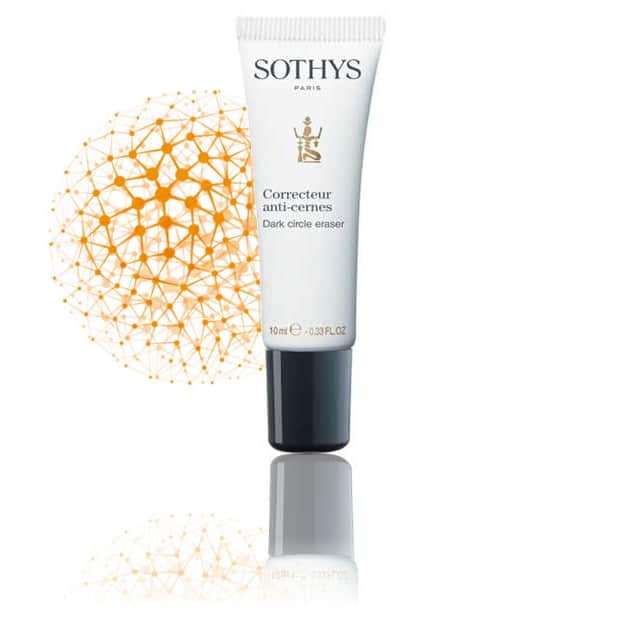
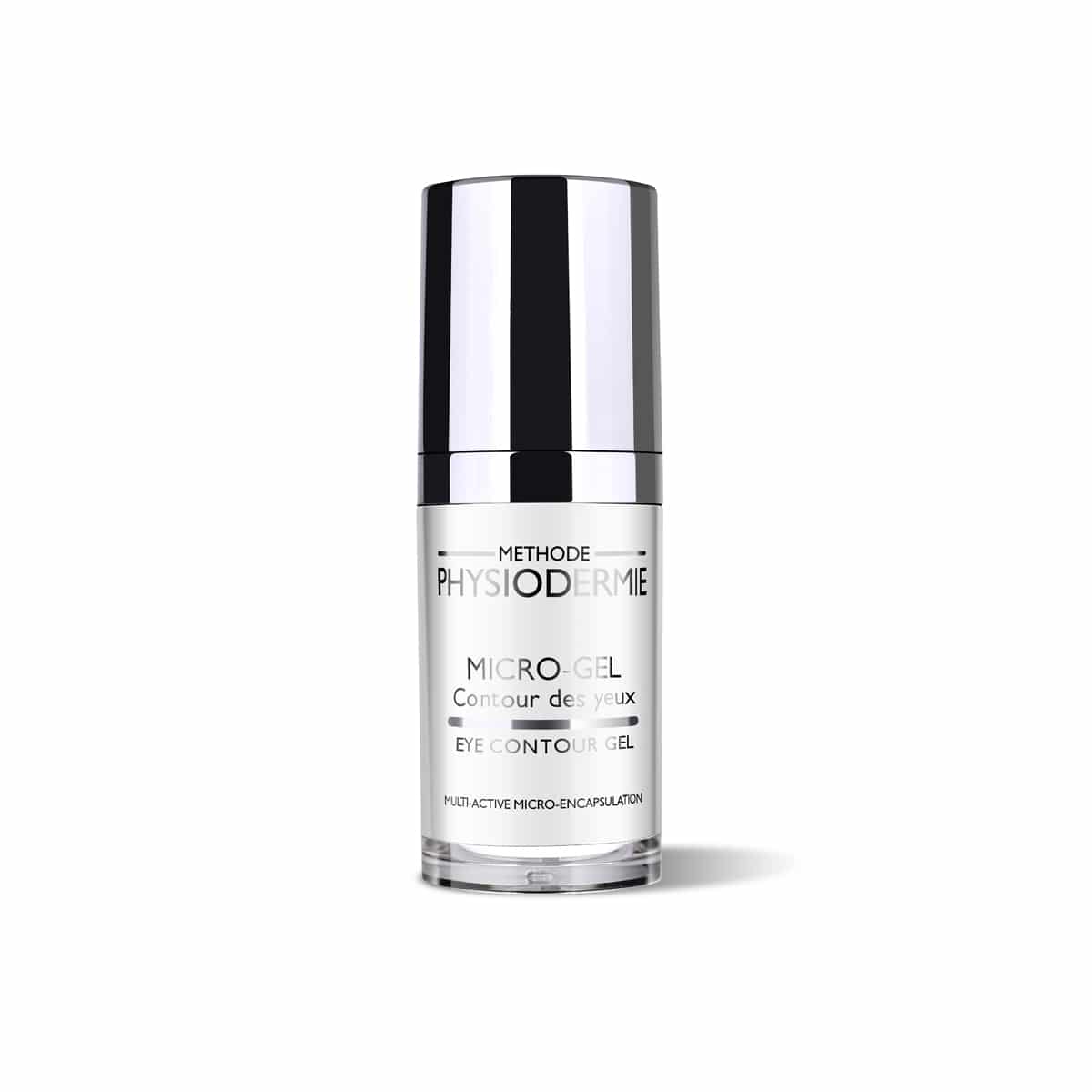
An innovative treatment designed for the delicate eye area
With these powerful ingredients, this serum provides a remarkable reduction in the appearance of wrinkles, puffiness, and dark circles while promoting a youthful appearance in the areas of your eyes others see most.
Advanced Firming Eye Serum starts with our exclusive unique fusion of exclusive Swiss ice wine and the moisture-binding skeleton of Caesalpinia spinosa polysaccharides. Ice wine is made by just a partial fermentation of naturally frozen grapes and is characterized by a unique molecular composition and a much higher concentration of polyphenols.
You’ll see instant results around the areas of your eyes that matter most.
Benefits of Using Organic Skin Care Products for Under Eye Dark Circles
Organic skin care products can be an effective way to reduce the appearance of under eye dark circles. These products are formulated with natural ingredients that help nourish and hydrate the delicate skin around the eyes, while also providing anti-aging benefits.
Improved Skin Tone and Texture:
Organic skin care products contain powerful antioxidants that help protect against free radical damage, which can cause premature aging. They also provide essential vitamins and minerals that promote healthy cell turnover for improved tone and texture. The result is a brighter, more even complexion with fewer wrinkles or fine lines.
Reduced Inflammation and Redness:
Many organic skin care products contain calming ingredients such as aloe vera, chamomile extract, green tea extract, cucumber extract, and other plant extracts that soothe inflammation and reduce redness in the delicate under eye area. This helps to diminish puffiness caused by allergies or lack of sleep.
Increased Hydration and Nourishment:
Organic skin care products are rich in hydrating oils like jojoba oil or coconut oil, which deeply moisturize dry areas without clogging pores or causing breakouts. Natural butters like shea butter or cocoa butter provide long-lasting moisture while also delivering vital nutrients to keep your under-eye area looking smooth and supple all day long.
Organic skincare solutions offer numerous benefits for reducing the appearance of dark circles around your eyes while improving overall health of your delicate facial tissue. These products contain powerful antioxidants that help protect against free radical damage, calming ingredients to soothe inflammation and reduce redness, and hydrating oils and butters to deeply moisturize dry areas. All these components work together to provide improved skin tone and texture, reduced inflammation and redness, increased hydration and nourishment – all without clogging pores or causing breakouts.
Organic skin care products can provide many benefits for treating under eye dark circles, such as improved skin tone and texture, reduced inflammation and redness, and increased hydration. However, it is important to be aware of the common mistakes when using these products in order to get the best results.
6 . Common Mistakes to Avoid When Treating Under Eye Dark Circles
When it comes to treating under-eye dark circles, there are some common mistakes that people make which can lead to ineffective results. Over-exfoliating or over-cleansing the skin is one of these mistakes. Too much exfoliation can strip away natural oils and leave your skin dry and irritated, making it more prone to developing dark circles. It’s important to use gentle cleansers and exfoliators that won’t irritate the delicate area around your eyes.
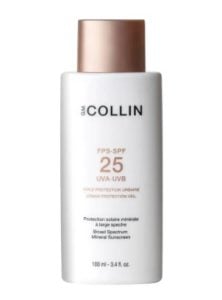
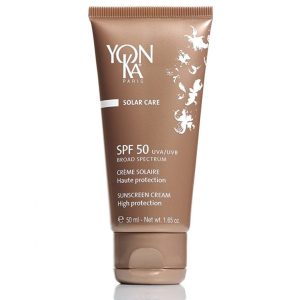
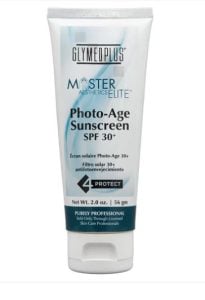
Another mistake is not applying sunscreen regularly. Sun exposure increases melanin production in the skin, leading to darker pigmentation around the eyes – so be sure to apply a broad spectrum SPF 30+ sunscreen every day before you go outside.
Finally, another mistake people often make when trying to treat under eye dark circles is not drinking enough water or eating healthy foods. Staying hydrated helps keep your body functioning optimally and provides essential nutrients for healthy skin cells – both of which can help reduce discoloration caused by dark circles. Eating a balanced diet rich in vitamins A, C and E will also improve circulation in this area of the face and reduce puffiness associated with tiredness or allergies.
It is important to be mindful of these common mistakes when treating under eye dark circles in order to get the best results. By following a healthy skincare routine, using sunscreen regularly, and eating a balanced diet, you can maintain your results for longer periods of time.
7 . Tips to Maintain Results After Treating Under Eye Dark Circles
Dark circles under the eyes can be caused by a variety of factors, including genetics, allergies, lack of sleep and dehydration. Fortunately, there are treatments available to reduce the appearance of dark circles. However, it is important to maintain results after treating them in order to keep your skin looking its best long-term. Here are some tips on how to do that:
Follow an Appropriate Skincare Routine Daily:
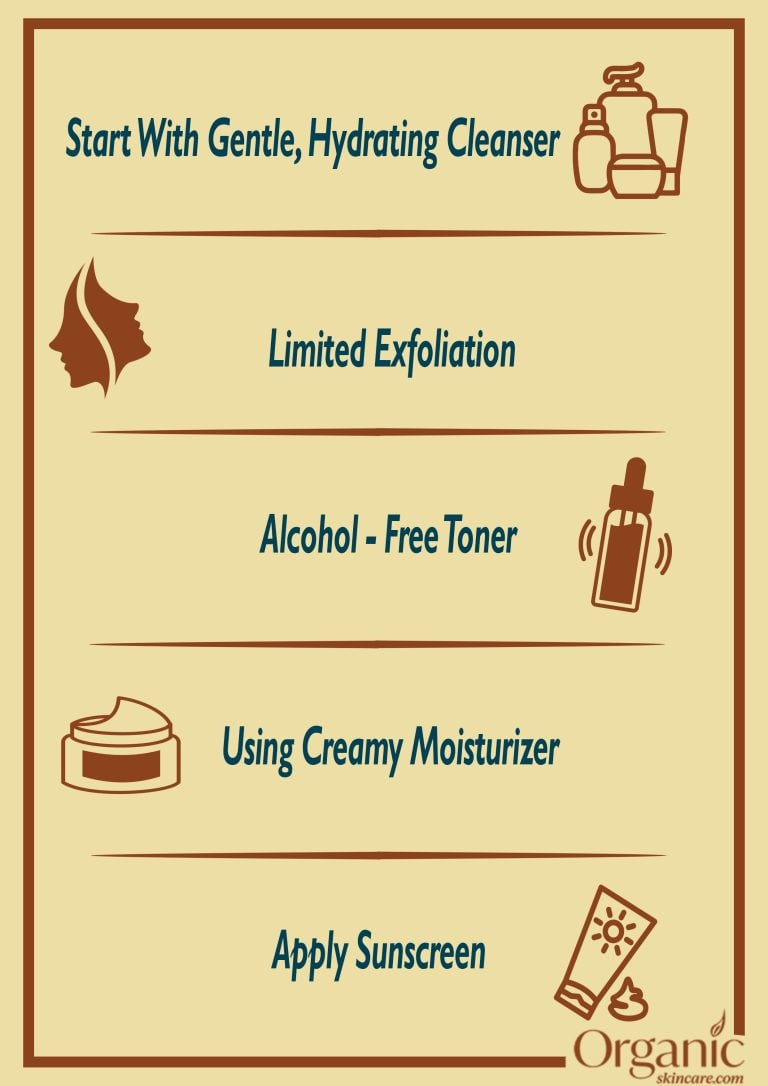
Following a proper skincare routine is essential for maintaining healthy skin and keeping dark circles at bay. Make sure you cleanse your face twice daily with a gentle cleanser and follow up with toner and moisturizer suitable for your skin type. Additionally, use eye cream specifically designed for reducing dark circles around the eyes every night before bedtime.
Use Sunscreen Regularly to Protect Your Skin from UV Rays: Sun exposure can cause further damage to already sensitive under eye area so make sure you wear sunscreen when going out during daytime hours even if it’s cloudy outside or winter season as UV rays can penetrate through clouds too. Choose a broad spectrum SPF 30+ sunscreen that provides both UVA/UVB protection and apply generously all over exposed areas 15 minutes prior sun exposure for maximum protection against damaging rays which could worsen existing dark circles or create new ones.
Eating foods rich in vitamins A & C such as sweet potatoes, carrots and spinach helps promote collagen production which keeps skin elasticity intact thus preventing wrinkles formation around the delicate eye area. Additionally, drinking plenty of water hydrates body cells from within making them look plump and full resulting in reduced puffiness and darkness underneath eyes due to dehydration or fatigue related issues like insomnia etc.
Key Takeaway: Key takeaway: Follow an appropriate skincare routine daily, use sunscreen regularly and eat foods rich in vitamins A & C to reduce the appearance of dark circles under eyes.
FAQs in Relation to How to Get Rid of Under Eyes Dark Circles
How do I get rid of dark circles permanently?
Dark circles are a common skin concern that can be caused by genetics, aging, stress, lack of sleep or an unhealthy lifestyle. To get rid of dark circles permanently, it is important to make healthy lifestyle changes such as getting enough sleep and managing stress levels. Additionally, incorporating organic skin care products into your daily routine can help reduce the appearance of dark circles over time. Look for natural ingredients like vitamin C and hyaluronic acid which help brighten the under-eye area and improve overall complexion. Finally, using eye creams with caffeine or retinol will also help reduce puffiness and discoloration around the eyes.
Can dark circles go away?
Yes, dark circles can go away. To reduce the appearance of dark circles, it is important to take care of your skin with a regular skincare routine that includes using organic products and ingredients. This will help nourish and hydrate the delicate skin around the eyes, as well as reduce puffiness and discoloration. Additionally, getting enough sleep each night helps to improve circulation in this area which can also help diminish dark circles over time.
How can I remove dark circles permanently naturally?
Dark circles can be a difficult problem to tackle, but there are natural remedies that may help. Start by getting plenty of sleep and drinking lots of water to ensure your body is well-hydrated. Applying cold compresses or cucumber slices can reduce puffiness and inflammation around the eyes. Eating foods rich in Vitamin K, such as spinach, kale, broccoli and cabbage can also help reduce dark circles. Additionally, applying almond oil or coconut oil around the eye area before bedtime helps nourish the skin and lighten dark circles over time. Finally, using sunscreen daily will protect delicate skin from sun damage which can cause discoloration under the eyes.
What causes dark under eyes?
Dark under eyes are usually caused by a lack of sleep, dehydration, allergies, or genetics. When the body is not getting enough rest it can cause blood vessels to become more visible and dark circles to appear. Dehydration can also lead to dark circles as the skin becomes thinner when deprived of water. Allergies can cause inflammation which leads to increased blood flow in the area around the eyes resulting in discoloration. Genetics may also play a role as some people naturally have darker skin tones around their eyes than others.
Conclusion
Getting rid of under eyes dark circles can be a daunting task, but with the right organic skin care products, the latest organic ingredients, and a tailored skin care routine you can achieve great results. Make sure to avoid common mistakes such as using too much product or not moisturizing enough, and use natural remedies like cucumber slices to reduce puffiness. Lastly, maintain your results by following a consistent skincare routine that includes getting plenty of sleep and drinking lots of water. With these tips in mind, you should be able to get rid of those pesky under-eye dark circles for good.
Are you looking for a natural and effective way to get rid of those pesky dark circles under your eyes? Look no further! Our organic skin care store offers the latest in organic ingredients, products, and routines designed specifically to reduce dark circles. With our selection of high-quality items, we can help you find an all-natural solution that is tailored to your individual needs. Stop searching around aimlessly – visit us today and start seeing results tomorrow!
We all want to take care of our skin, but it can be hard to find the right products that will nourish and protect without harsh chemicals. DIY organic skin care is an easy way to create your own natural remedies using simple ingredients you may already have in your pantry! Not only do these homemade concoctions provide a healthier alternative for your skincare routine, they also allow you more control over what goes into each product so that you can customize them according to your individual needs. In this blog post we’ll discuss the benefits of diy organic skin care, how to choose the best ingredients for yourself and some recipes and tips on making diy organic skincare at home. So if you’re ready learn more about taking charge of creating healthy solutions tailored just for YOU then read on!
DIY organic skin care is a great way to create natural, cost-effective and customizable products for your skin type. Natural ingredients are the key to healthy, glowing skin. Using natural ingredients like honey, aloe vera and essential oils can help nourish and protect your skin from environmental damage. They also provide antioxidants that can help fight free radicals which cause premature aging.
Cost-effectiveness is another benefit of DIY organic skincare products. You don’t have to spend a fortune on expensive store bought products when you can make them yourself at home with simple ingredients found in most kitchens or pantries. This allows you to save money while still getting quality results without harsh chemicals or preservatives found in many commercial brands.
Customizing your own skincare routine is one of the best benefits of DIY organic skincare products as it allows you to tailor each product specifically for your individual needs and preferences. For example, if you have oily skin then adding tea tree oil into a facial cleanser will help balance out excess sebum production whereas those with dry skin may want to add more hydrating oils such as jojoba or almond oil into their moisturizers for extra hydration.
Overall, DIY organic skincare offers an affordable solution for creating customized products tailored specifically towards individual needs without having to worry about harsh chemicals or added preservatives often found in store bought items. With just a few simple ingredients, anyone can create their own unique concoctions that work perfectly for their specific needs.
DIY organic skin care offers many benefits, from natural ingredients to cost-effectiveness and customization. Now let’s look at how to choose the right ingredients for your skin type.
Key Takeaway: DIY organic skin care is a great way to create natural, cost-effective and customizable products tailored specifically towards individual needs. Benefits include: • Natural ingredients for healthy skin • Cost-effectiveness • Customizable routine
Choosing the Right Ingredients for Your Skin Type
When creating DIY organic skin care products, it is important to know your skin type. Different ingredients work better for different types of skin and choosing the wrong ones can cause irritation or breakouts. Oily skin tends to be shiny, thick and prone to blemishes. Ingredients like tea tree oil, witch hazel and clay are great for oily skin as they help absorb excess oils without drying out the face too much. Dry skin often feels tight after washing and may flake or crack easily. Moisturizing ingredients such as aloe vera gel, shea butter and jojoba oil are ideal for dry skin as they provide hydration while still allowing the pores to breathe. Combination skin is a mix of both oily and dry areas on the face that require special attention when selecting ingredients. For combination skins, look for balancing oils like avocado oil or rosehip seed oil which will help regulate sebum production in both areas without over-drying one area or making another overly greasy.
Oily Skin
Ingredients such as tea tree oil, witch hazel and clay are best suited for those with oily skin due to their ability to absorb excess oils from the face without drying it out too much at once. Tea tree oil has natural antiseptic properties that can reduce inflammation caused by acne breakouts while also helping prevent future outbreaks from occurring; witch hazel helps tighten pores; and clay absorbs any remaining dirt or debris left behind after cleansing so your complexion looks fresh all day long.
Dry Skin
Those with dryer complexions should opt for moisturizing ingredients such as aloe vera gel, shea butter or jojoba oil which provide hydration while still allowing pores to breathe freely throughout the day – this prevents clogged pores which can lead to further issues down the line. Aloe vera gel helps soothe irritated patches of dryness while shea butter acts as an emollient that locks in moisture; jojoba oil provides lightweight nourishment without feeling heavy on your face either.
Combination Skin
For combination skins specifically, look towards balancing oils like avocado oil or rosehip seed oil which will help regulate sebum production in both areas (oily & dry) simultaneously. This ensures neither area becomes overly greasy nor overly dried out during application. Avocado contains fatty acids that act similarly to our own natural lipids found within our epidermis layer providing lasting hydration throughout wear time. Rosehip seed works wonders at evening out discoloration caused by sun damage over time with regular use.
By choosing the right ingredients for your skin type, you can create a personalized organic skincare routine that is tailored to your individual needs. Now let’s explore how to make DIY organic skincare products with recipes and instructions.
Key Takeaway: DIY organic skin care requires choosing ingredients specific to your skin type: Oily – tea tree oil, witch hazel, clay; Dry – aloe vera gel, shea butter, jojoba oil; Combination – avocado oil or rosehip seed oil. These will help balance sebum production and provide lasting hydration without over-drying the face.
Recipes for DIY Organic Skin Care Products
Facial Cleansers: Natural ingredients like honey, coconut oil and oatmeal make for great DIY facial cleansers. Honey is naturally antibacterial and helps to cleanse the skin without stripping it of its natural oils. Coconut oil can be used as a gentle makeup remover while also providing moisture to the skin. Oatmeal is a mild exfoliant that can help remove dead skin cells and dirt from the face. For an extra boost, add essential oils such as lavender or tea tree for their antiseptic properties.
Moisturizers and Serums: Create your own moisturizer with simple ingredients like aloe vera gel, jojoba oil or shea butter which are all excellent sources of hydration for the skin. Aloe vera gel has anti-inflammatory properties that soothe irritated skin while jojoba oil provides long lasting moisture without clogging pores. Shea butter contains vitamins A & E which help to nourish dry patches on the face while keeping it soft and supple throughout the day. Add in some essential oils such as rosehip seed or chamomile to give your moisturizer an extra boost of antioxidants for healthy looking skin.
Exfoliating is key when it comes to achieving smooth glowing skin, but you don’t have to spend money on expensive store bought products – create your own using natural ingredients. Mix together ground oats with yogurt or honey for a gentle exfoliator that will leave your face feeling refreshed without any irritation; add in some almond meal if you want something more abrasive but still gentle enough not to damage delicate facial tissue. To make masks at home try mixing avocado with honey or mashed banana with plain yogurt – both are great sources of nutrients that will nourish tired and dull looking complexions.
Creating your own organic skin care products at home can be an enjoyable and rewarding experience. With the right recipes, safety precautions, and storage tips you can make sure that you are creating high-quality organic skin care products for yourself. Now let’s move on to some helpful tips for making DIY organic skin care products at home.
Key Takeaway: DIY organic skin care is an affordable and effective way to achieve smooth, glowing skin. Use natural ingredients such as honey, coconut oil, oatmeal, aloe vera gel, jojoba oil and shea butter for cleansers, moisturizers and serums; or exfoliators like ground oats with yogurt or honey plus almond meal; and masks made from avocado with honey or mashed banana with plain yogurt.
Tips for Making DIY Organic Skin Care Products at Home
Making your own organic skin care products can be a fun and rewarding experience. It allows you to customize the ingredients to suit your specific needs, while also being cost-effective. However, it’s important to take safety precautions and practice quality control when crafting them at home.
Safety Precautions: When making DIY organic skin care products, always wear protective gloves and goggles as some of the ingredients may cause irritation or even burns if they come into contact with your eyes or skin. Make sure that all tools used are clean and sanitized before use in order to avoid contamination. Additionally, never mix different types of chemicals together as this could create hazardous fumes or even explosions.
Storage Tips: Store all DIY organic skin care products in airtight containers away from direct sunlight or heat sources such as radiators. This will help keep them fresh for longer periods of time and prevent bacteria growth which could lead to spoilage. Also make sure that any unused ingredients are stored separately from finished products so that they don’t accidentally get mixed together during storage.
Quality Control: Always test out small batches of each product before using it on yourself or others in order to ensure its effectiveness and safety for use on the skin. If possible, ask a friend who has similar skin type as yours to try out the product first so you can see how their skin reacts before applying it yourself. Additionally, always read labels carefully when purchasing new ingredients for your DIY projects in order to make sure they are safe for use on human skin without causing any adverse reactions such as rashes or breakouts.
By taking safety precautions, following storage tips, and ensuring quality control when making DIY organic skin care products at home, you can be confident in the results of your efforts. Now let’s look at how to incorporate these homemade products into your routine.
Key Takeaway: DIY organic skin care can be a fun and rewarding experience, but it’s important to take safety precautions such as wearing protective gloves and goggles, storing products in airtight containers away from direct sunlight or heat sources, and testing out small batches before use.
How to Incorporate DIY Organic Skin Care into Your Routine
Incorporating organic skin care into your daily routine is the best way to ensure healthy, glowing skin. Start by washing your face with a gentle cleanser and warm water in the morning and evening. Follow up with an organic toner or serum to balance out your skin’s pH levels. Finally, finish off with a moisturizer that contains natural ingredients like shea butter or jojoba oil for extra hydration.
Weekly Routines: Once a week, you should also exfoliate using either an organic scrub or mask made from natural ingredients such as oatmeal, honey, yogurt or avocado. This will help remove dead skin cells and leave your complexion looking brighter and smoother than ever before. After exfoliating, apply another layer of moisturizer to keep your skin hydrated throughout the day.
On top of weekly exfoliation routines, it is important to give yourself a deep cleanse once every month as well. Try making an all-natural facial steam at home using herbs such as chamomile or lavender which can help open up pores and clear away any dirt or impurities that have built up over time. Finish off this monthly ritual by applying a nourishing face mask made from natural ingredients like honey and banana for extra moisture boost.
The best DIY skin care routine is one that includes natural ingredients, such as honey, aloe vera, and essential oils. Honey can be used to hydrate the skin while also fighting bacteria and inflammation. Aloe vera helps soothe irritated skin and reduce redness. Essential oils are a great way to add fragrance to your routine while providing additional benefits like calming stress or balancing hormones. Additionally, it’s important to use products tailored for your individual needs – whether you have dry or oily skin – in order to get the most out of your DIY skincare routine.
Can I make my own skin care products?
Yes, you can make your own skin care products. With the right ingredients and a bit of creativity, you can create custom formulations that are tailored to your individual needs. You’ll need to research which organic ingredients are best for your skin type and understand how they interact with each other. Once you have all the necessary supplies, it’s just a matter of experimenting until you find what works best for you. The key is to start small and adjust as needed until you achieve desired results.
Which natural ingredient is best for face?
The best natural ingredient for the face depends on individual skin type and needs. For those with dry or sensitive skin, ingredients like jojoba oil, aloe vera, honey, avocado oil, and rosehip seed oil can be beneficial in providing hydration and soothing irritation. For oily or acne-prone skin types, tea tree oil is a great choice as it has anti-inflammatory properties that help reduce redness and inflammation. Additionally, witch hazel helps to balance sebum production while also being gentle enough not to irritate the skin. Finally, turmeric is an excellent antioxidant that helps protect against environmental damage while also brightening the complexion.
Is homemade skin care better?
Homemade skin care products can be beneficial in some cases, as they are often made with natural ingredients that may be better for your skin than those found in store-bought products. However, it is important to note that homemade skin care recipes may not always provide the same level of quality and effectiveness as professionally formulated products. Additionally, since these recipes are not tested or regulated by any governing body, there is no guarantee that the results will meet expectations. Ultimately, it depends on individual preference and needs when deciding whether homemade or store-bought skin care is best for you.
Conclusion
With the right ingredients, recipes, and tips you can easily make your own organic skin care products at home. Whether you’re looking for an all-natural cleanser or a moisturizer with anti-aging benefits, DIY organic skin care allows you to customize your routine according to what works best for your unique skin type. By incorporating these homemade products into your daily regimen, you can achieve healthier and more radiant looking skin without breaking the bank!
Are you looking for ways to get healthier, glowing skin without harsh chemicals and toxins? If so, look no further than DIY organic skin care! With the right ingredients and routine, you can create your own custom organic skincare products that will nourish your skin with natural nutrients. Our store has all of the latest organic ingredients available on the market today as well as helpful tutorials to help guide you in creating an effective yet gentle daily skincare regimen. Start caring for your skin naturally now – shop our selection of quality organic products today!
Are organic skin care products worth it? This is a question that many women ask themselves when considering what type of skin care routine to adopt. With so many options available, ranging from natural and organic ingredients to chemically-based formulas, it can be difficult to determine which option is right for you. Organic skincare has become increasingly popular in recent years due to its potential benefits such as being free of synthetic chemicals and other irritants. In this blog post, we will explore the pros and cons of organic skincare products while also looking at common ingredients found in them along with tips on how best to incorporate these into your daily routine. Are organic skin care products worth it? Read on find out!
Organic skin care products are becoming increasingly popular as people become more aware of the potential dangers of using chemical-based skincare. Natural ingredients, avoiding harmful chemicals, and improved skin health are just a few of the benefits associated with organic skin care products. Natural Ingredients: Organic skin care products contain natural ingredients such as essential oils, plant extracts and butters, vitamins and minerals that nourish your skin without harsh chemicals or synthetic fragrances. These natural ingredients provide gentle yet effective hydration to keep your complexion looking healthy and radiant. They also help protect against environmental stressors like pollution which can cause premature aging. Avoiding Harmful Chemicals: Many conventional skincare products contain potentially dangerous chemicals such as parabens, phthalates, sulfates, formaldehyde releasers, artificial colors and fragrances that can be absorbed into the bloodstream through topical application. By choosing organic skin care products you can avoid these potentially hazardous substances while still achieving great results for your complexion. Organic skincare is designed to work in harmony with your body’s own chemistry to promote healthy cell regeneration and repair damage caused by free radicals from UV radiation or other environmental factors like air pollution or smoking cigarettes. This helps improve overall texture while reducing signs of aging such as wrinkles or age spots over time with regular use. Organic skin care products offer a range of benefits, from natural ingredients to avoiding harmful chemicals and improved skin health. However, there are some drawbacks that should be considered when deciding if organic skin care is worth it.
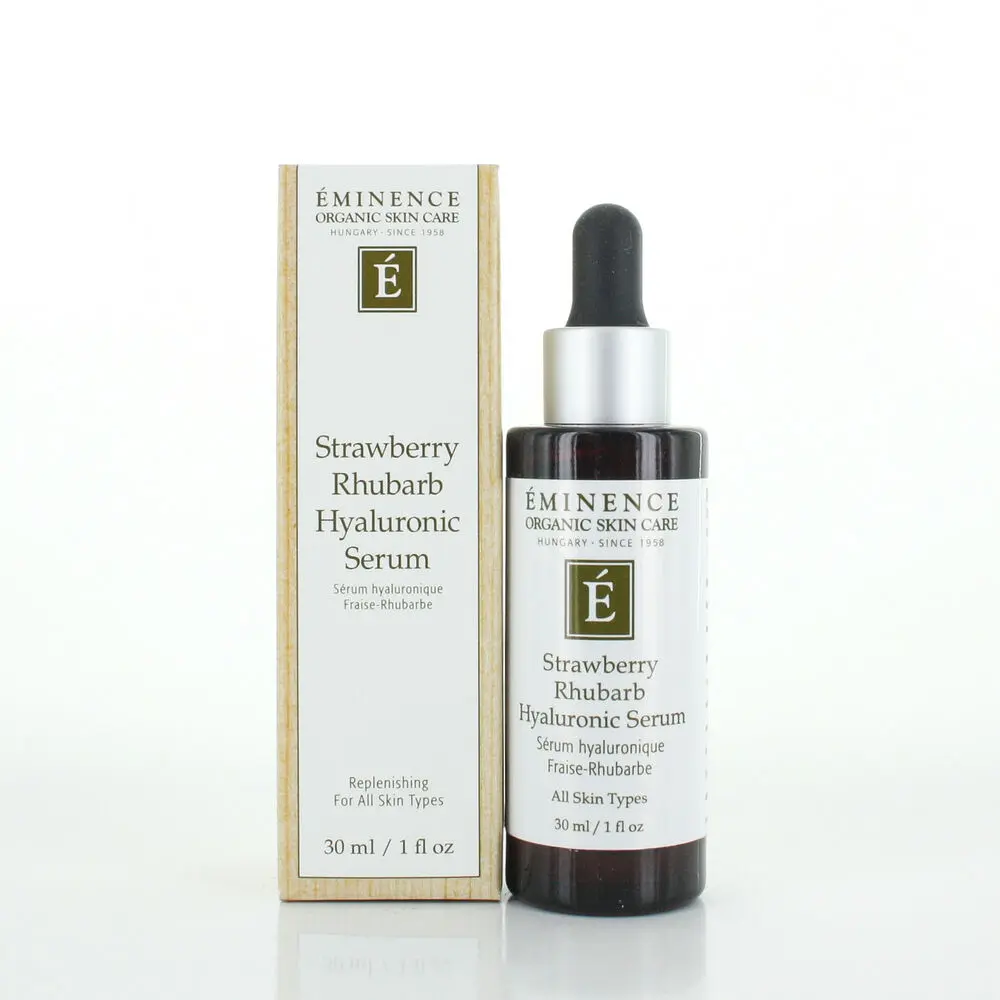
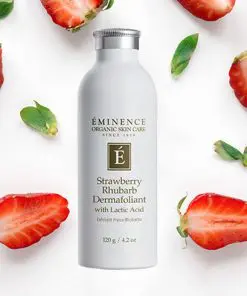
Replenish your thirsty skin with Eminence Strawberry Rhubarb Hyaluronic Serum, a hydrating, healing and exfoliating formula. Strawberry gently exfoliates dead skin and helps reduce pore size while rhubarb works as an astringent and provides vitamin C to improve skin tone.
Organic skin care products can often be more expensive than their conventional counterparts due to the higher cost of natural ingredients and the lack of mass production. While this may make them out of reach for some budgets, it is important to remember that you get what you pay for when it comes to skincare – investing in quality organic products will likely yield better results in the long run. Additionally, many brands offer discounts or sample sizes so consumers can try out different products without breaking the bank.
Availability
Finding organic skin care products can also be challenging since they are not widely available at most drugstores or supermarkets yet. Many specialty stores carry organic lines but these tend to have limited selection compared to traditional beauty retailers. Fortunately, online shopping has made it easier than ever for consumers to find exactly what they’re looking for from anywhere in the world.
Lack of Regulation
The final drawback is that there is no universal standard when it comes to labeling “organic” skincare products – anyone can claim their product is “natural” or “organic” without having any evidence backing up those claims. To ensure you are getting an authentic product free from potentially harmful chemicals and additives, look for certified organic labels like USDA Organic or EcoCert on packaging whenever possible. It’s also helpful to read reviews from other customers who have tried similar items before making your own purchase decision. Although organic skin care products can be beneficial, they come with certain drawbacks such as cost, availability, and lack of regulation. However, these products often contain natural ingredients that have potential benefits for the skin. Let’s explore some common organic skin care ingredients next.
Key Takeaway: Organic skin care products can be worth the cost and effort to find, but consumers should consider a few drawbacks such as: higher cost, limited availability, and lack of regulation. To ensure quality products are purchased, look for certified organic labels like USDA Organic or EcoCert on packaging.
Common Organic Skin Care Ingredients
Common organic skin care ingredients include essential oils, plant extracts and butters, and vitamins and minerals. These natural ingredients can provide a variety of benefits when used in organic skin care products. Essential Oils: Essential oils are derived from plants through steam distillation or cold pressing techniques. They contain therapeutic properties that can help nourish the skin while providing a pleasant scent. Popular essential oils used in organic skincare products include lavender, tea tree oil, rosemary, chamomile, peppermint, eucalyptus, lemon balm and geranium. Plant Extracts & Butters: Plant extracts such as aloe vera gel or shea butter have been used for centuries to soothe dry or irritated skin due to their anti-inflammatory properties. Other common plant extracts found in organic skincare products include jojoba oil (which helps balance sebum production), argan oil (rich in antioxidants) and avocado oil (which is rich in fatty acids). Vitamins A, C and E are often included in organic skincare formulations due to their antioxidant properties which help protect against environmental damage caused by free radicals such as UV radiation from the sun’s rays. Additionally, Vitamin B3 has been shown to reduce inflammation associated with acne breakouts while zinc oxide helps protect against sunburns by blocking UVA/UVB rays from penetrating into the deeper layers of your dermis layer of your epidermis where it can cause more serious damage over time if left unchecked. By incorporating these natural ingredients into your daily routine, you will be able to reap the benefits that come along with using certified organic skincare products without exposing yourself to any potentially harmful chemicals found within traditional cosmetics brands on store shelves today. Organic skin care ingredients like essential oils, plant extracts and butters, and vitamins and minerals can be beneficial for your skin. However, it is important to make sure you are choosing the right product for your specific needs. Read on to learn more about how to select the best organic skin care products for you.
Key Takeaway: Organic skin care products are a great choice for those looking to nourish their skin and protect it from environmental damage. Benefits include: essential oils, plant extracts & butters, vitamins A, C & E and zinc oxide.
Tips for Choosing the Right Organic Skin Care Product for You
When it comes to choosing the right organic skin care product for you, there are a few key things to consider. Reading labels and reviews carefully is essential to ensure that you’re getting what you need from your products. Look for ingredients like essential oils, plant extracts, and vitamins and minerals that will help nourish your skin. Additionally, take into account your skin type and needs when selecting products; if you have dry or sensitive skin, look for moisturizing formulas with calming ingredients such as aloe vera or chamomile extract. It’s also important to look for certified organic products whenever possible; this ensures that the product has been tested by an independent third-party organization and contains only natural ingredients without any harmful chemicals or additives. If a product doesn’t have certification from an organization like USDA Organic or EcoCert Natural & Organic, read through the list of ingredients carefully before purchasing it. Finally, start slow when incorporating organic skin care into your routine; test out different brands and lines of products before committing to one so that you can find something that works best for your unique needs. Use gentle cleansers, moisturizers, and sunscreens regularly as part of your daily regimen; incorporate natural treatments like facial masks or exfoliants once per week, depending on the manufacturer’s instructions. By researching and understanding your skin type, needs, and the ingredients in organic skin care products, you can make an informed decision about which product is right for you. Now that you know how to choose a product, let’s look at how to incorporate it into your routine.
How to Incorporate Organic Skin Care Into Your Routine?
Incorporating organic skin care into your routine can help you avoid these potentially harmful ingredients while providing natural benefits to your skin health. Here are some tips for incorporating organic skin care into your daily routine. Start Slow and Test Out Different Products Before Committing to One Brand or Line of Products: It is important to start slowly when introducing new organic skincare products into your routine, especially if you have sensitive or reactive skin. Start by testing out a few different brands and lines of products before committing to one particular brand or line so that you can find the best fit for your individual needs. If possible, look for certified organic products that meet specific standards set by organizations like COSMOS or ECOCERT in order to ensure quality and safety. Use Gentle Cleansers, Moisturizers, and Sunscreens Regularly: Organic cleansers, moisturizers, and sunscreens should be used regularly in order to maximize their benefits for healthy-looking skin. Look for gentle formulas made with natural ingredients such as essential oils, plant extracts, butter, vitamins, and minerals that nourish the skin without causing irritation or dryness. Be sure to read labels carefully before purchasing any product to know exactly what it contains and how it might affect your specific skin type.
Key Takeaway: Organic skin care products can be beneficial for healthy-looking skin, but it is important to start slowly and test out different brands before committing to one. Look for certified organic products with gentle formulas made from natural ingredients such as essential oils, plant extracts, butters, vitamins and minerals.
FAQs in Relation to Are Organic Skin Care Products Worth It?
Are organic skin care products effective?
Yes, organic skin care products can be effective. Natural ingredients are gentle on the skin and can provide long-term benefits such as improved hydration, reduced inflammation, and protection from environmental stressors. Organic products are also free of harsh chemicals that may cause irritation or damage to the skin. With regular use, these natural ingredients can help improve your overall complexion and leave you with healthy-looking skin.
Is it better to use natural skin care?
Yes, it is better to use natural skin care products. Natural ingredients are gentler on the skin and can help reduce irritation and inflammation. They also contain fewer chemicals that may harm your health in the long run. Additionally, natural skin care products often contain antioxidants and other beneficial nutrients that can help nourish your skin while protecting it from environmental damage. Finally, using organic or all-natural products helps protect our environment by reducing chemical waste runoff into waterways.
Are organic cosmetics any better?
Organic cosmetics are often made with natural ingredients that have not been exposed to harsh chemicals or synthetic materials. This can make them a better choice for those who want to avoid potential skin irritants and other potentially harmful ingredients. Organic products may also be more environmentally friendly, using fewer resources in their production process. Ultimately, it is up to the individual consumer to decide if organic cosmetics are right for them based on their own preferences and needs.
What are the disadvantages of using organic cream?
Organic creams can be more expensive than non-organic products and may not always provide the same level of effectiveness. Additionally, some organic ingredients may cause some people skin irritation or allergic reactions. Organic creams also tend to have shorter shelf life due to their lack of preservatives, so they must be used quickly before expiration. Lastly, it is important to research each ingredient in an organic cream to ensure that it is safe for your particular skin type and condition.
Conclusion
Overall, organic skin care products can be a great choice for those looking to switch up their skin care routine. While there are some drawbacks to using organic skin care products, such as the higher cost and potential lack of effectiveness compared to chemical-based alternatives, many benefits are worth considering. From common ingredients like aloe vera and coconut oil to tips on how to incorporate these products into your daily routine, you can find an organic solution that works best for you. So when it comes down to it: Are organic skin care products worth it? We believe so! Are you ready to make a change in the way that you care for your skin? Organic Skin Care products are worth it! With natural ingredients, they provide gentle yet practical solutions to keep your skin healthy and glowing. Take charge of your skincare routine today by exploring organic options – they can be as powerful as synthetic ones without harsh chemicals or toxins. Let’s take steps together towards healthier, more beautiful skin with organic skin care!
It is essential to take care of your skin if you want to look and feel your best.When it comes to skin care, you need to choose a product that will not harm you.You may also want to choose products that are kind on the environment if you live an eco-friendly lifestyle.
Organic skin care products are healthy for your skin and good for the environment.These products contain essential vitamins, botanicals, minerals, and other ingredients that can heal and restore skin without causing harm to the planet.
There are so many brands of skin care products out there, how can you choose which ones to trust?This is a list of our top picks when it comes to natural organic skin care brands.
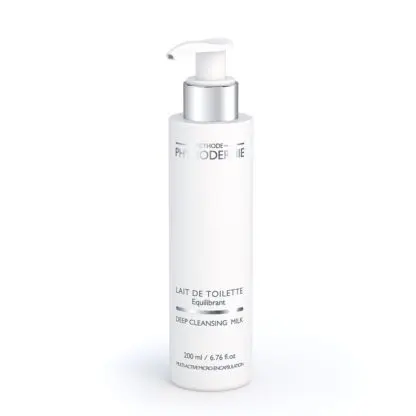
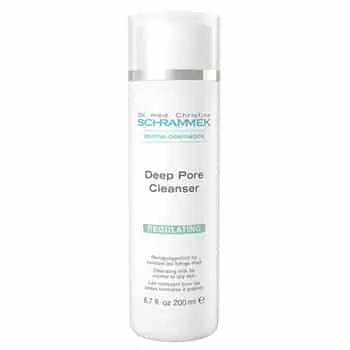
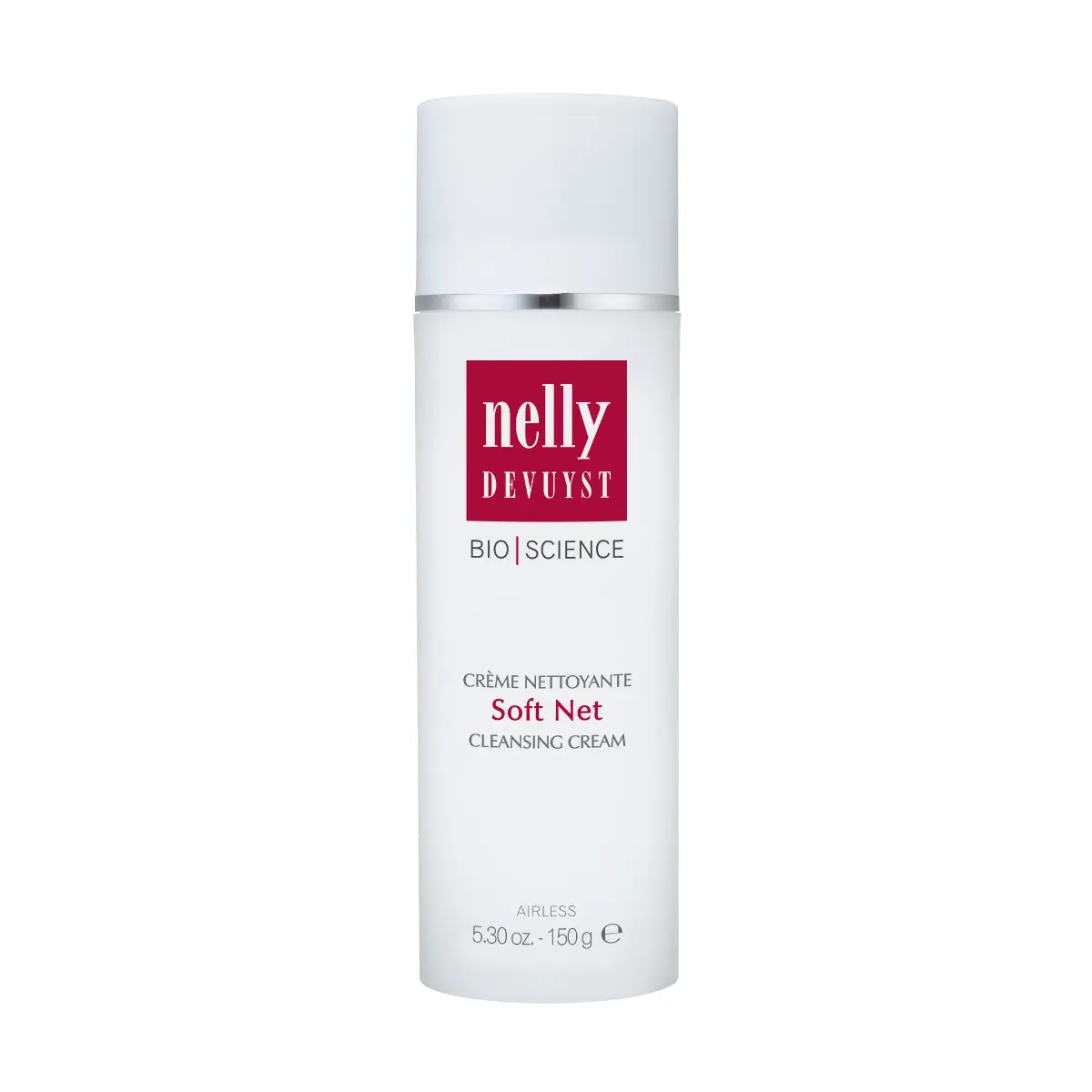
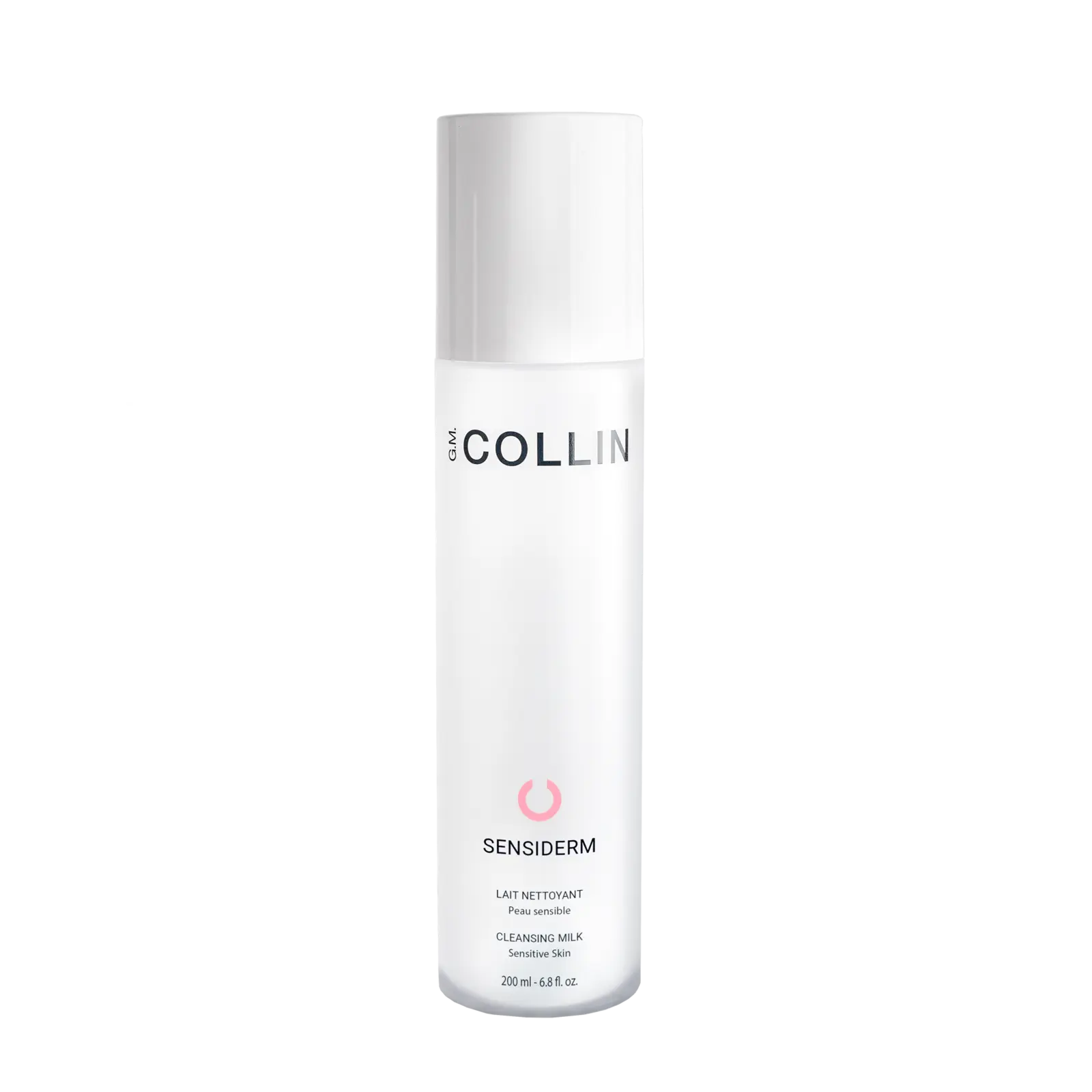
18 Best Natural & Organic Skin Care Cleansing Products From Top Brands
Facial cleansing has the common benefit of removing dirt, oil, and any other undesirable debris.Your skin is constantly covered in bacteria, pollutants and viruses throughout the day.These impurities are removed daily to give your skin a new glowing everyday look.
You can achieve excellent results with consistent skin care, organic skin care products that perform well, and lifestyle considerations.Below are my top picks!
Top Rate Anti-Aging Organic Skin Care Cleansers
Anti-aging cleansers and wash can be used to thoroughly clean the skin. They remove makeup, sweat, and pollution so that your other facial products can absorb.
You need to choose a cleanser that suits your skin so you don’t get any irritations or severe reactions.We understand how difficult it can be to find high-quality skin care products that actually work.
So we did the research for you and picked 3 top-rated toners.
An advanced deep pore resurfacing action supports natural cell turnover to help diminish the appearance of fine lines, wrinkles, and other signs of aging.
Top Rate Acne Cleansers From Organic Skin Care Store
Acne cleansers and wash can be used to thoroughly clean the skin. They remove makeup, sweat, and pollution so that your other facial products can absorb.
You need to choose a cleanser that suits your skin so you don’t get any irritations or severe reactions.We understand how difficult it can be to find high-quality skin care products that actually work.
So we researched for you and picked 3 top-rated Acne Cleansers.
Beach days are always fun until and unless you are affected by sunburn. Not only on beach days, but even on regular days when the sun shines at its peak, one can suffer from sunburn, making your skin itchy and can even cause skin cancer at its worst. Fortunately, derms are successful enough to formulate some combating recipes for us, and here we are to pour some knowledge on this for you!
Firstly, the sun you are seeing above your head emits light, but alongside, it also gives off ultra-violet radiation, which got a heating effect. But do you know? Upon its exposure, it can damage your skin cells by altering their DNA, causing uncontrolled cell division, which we regard this condition as “cancer”!
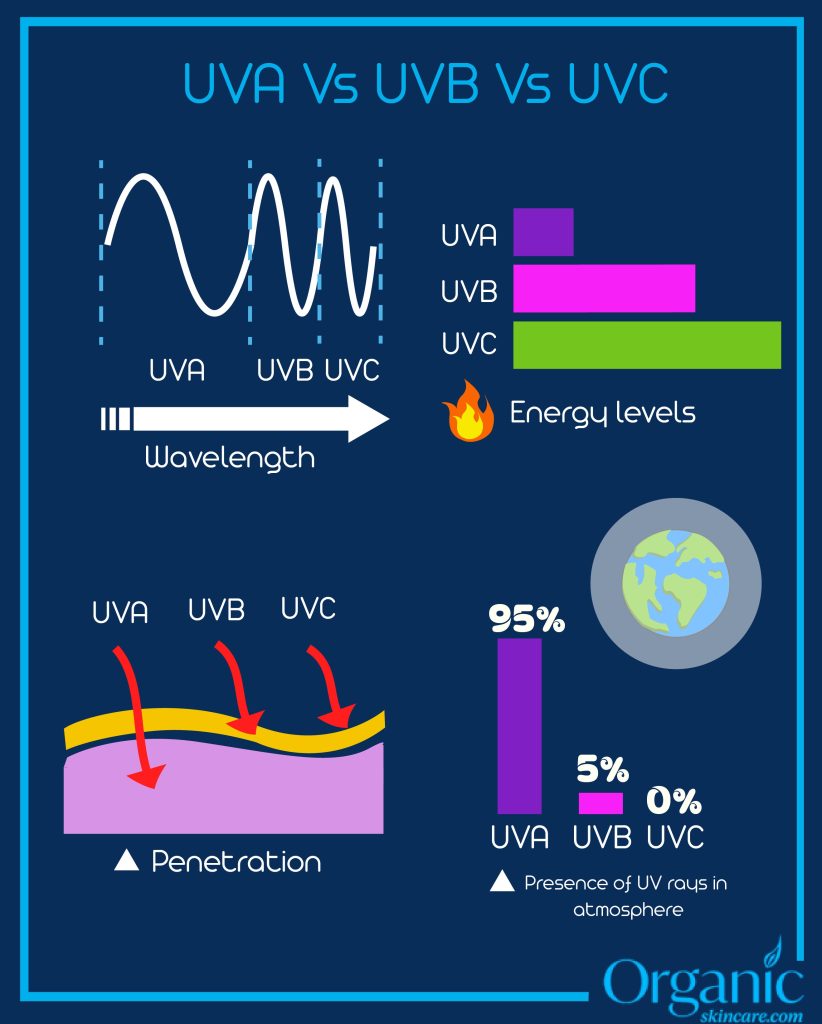
UVA Vs UVB Vs UVC
But to understand this deeply, it’s mandatory to mention that UV rays are of three types;
UVA has a comparatively longer wavelength and the least energy level. Penetrate deeply, causing skin aging and skin cancer.
UVB has a smaller wavelength than UVA, but a larger wavelength than UVC can tan and burn the epidermis.
UVC has the smallest wavelength that only affects the topmost cells of your epidermis. And as it can’t penetrate much deep, it can cause redness and tanning only on the upper epidermis.
In this article, we will try our best to shine some light on this topic and highlight some key ingredients you should look for and sunscreen ingredients to avoid while buying sunscreens!
But before this, it’s better to familiarize yourself with some terminologies you see on the label usually.
You must have seen on the label of the sunscreens “SPF 50” or “SPF 70”. So first, understand;
What is SPF?
SPF, sun protection factor, which self explains, a level of protection it offers against the UV rays. So applying a sunscreen with more SPF offer a greater level of protection against the sun’s UV rays.
What does "FDA proven" mean?
What does “FDA proven” mean? The food and Drug Administration of the united states of America aims to ensure safety for humans and the environment.
FDA-proven/approved drugs satisfy all the safety rules, hence can be used by one without fear!
What is coral-safe?
Two famous UV rays blockers, oxybenzone, and octinoxate are the main constituents of some sunblocks. Unfortunately, their use can lead to coral bleaching. Using coral-safe products ensure benefit for us and safety for the environment!
For attaining beauty and safety at the same time, let’s look for the ingredients you should avoid next time you go sunblock shopping!
Know your sunscreen!
Before diving deep, it is better to compare the two major types of sunscreen; mineral sunscreen and chemical sunscreen.
Mineral sunscreen act as a physical barrier between you and UV rays. Whereas, Whereas chemical sunscreen contains a chemical; that is absorbed in the skin. These chemicals convert UV rays into heat energy, later released from the body.
Although it absorbs UV rays significantly, derms are reluctant to suggest those sunscreens. Upon usage, it harms the environment in several ways:
-Can lead to coral bleaching when washed off with a splash of water! -React with chlorine used as a pool disinfectant to form a toxic insoluble substance -Can harm marine life to a greater extent that forbids the use of oxybenzone-based sunscreens in pools and beaches! Apart from that, it can even harm you!
-Interfere and mimic the adrenal and sex hormones(estrogen and testosterone), causing hormonal imbalance. Not just yet, on worse terms, it can even cause breast cancer and endometriosis. -Skin allergies and irritation due to their use in sunlight
2)Avobenzone:
Avobenzone is less harmful than oxybenzone comparatively, as it lacks toxicity. The only issue is it lacks stability, hence degenerates upon sunlight exposure, not only making it useless but can also form free radicals. These free radicals speed up the aging process and can cause illness. Imagine using this in your sunscreen! So it’s a big ‘NO’ from dermatologists!
3)Homosalate:
Taking about the brighter side, it shields the skin from UVB rays well. However, Homosalate is a weak hormonal disruptor. And some even consider it responsible for increasing the permeability of your skin. That means it can absorb toxic products from the environment in your bloodstream, which is alarming for some. Does it harm the environment? Dermatologists are not sure as fewer data supports this point of view. But as it didn’t decompose quickly, scientists are not expecting positive results. Derms suggest using products with a homosalate of less than 10% concentration.
Attention! The recommended concentration is around 1.4%. So, it’s better to use those sunscreens!
4)Ensulizole:
Derms don’t encourage you to use this as an active ingredient in your sunscreen for a safe site. According to researchers, applying it to your face will form radicles. Radicles gain an electron from a neighboring cell, causing ionization in your skin. Although, the results were from the test carried out on fish scales and bat skin. But similar results can be seen on human skin in the future, so better avoid it!
5)Octocrylene:
Calling it a double-edged sword will define it well! Considering benefits; -Protects from UVA and UVB rays both (this means offering protection from skin aging and skin cancer) -Is photostable (doesn’t decompose quickly on exposure to sunlight) -Have moisturizing properties (form a thin film on your skin to trap moisture, making it hydrated and supple!) -Improve the effectivity of sunscreen (often paired with unstable compounds, preventing radical formation)
That might leave you questioning, “If it’s that good, then why list it in something to avoid? Wait! Read ahead!
Research shows that; -It can disrupt your endocrine system -People with sensitive skin can suffer from skin allergies such as eczema. -It is not coral-safe.
Protip here for sensitive skins! Do a patch test before applying fully on your skin to note any reaction. General protip! Look for products with not more than a 10% concentration of octocrylene, as proven by FDA(Food and Drug Administration).
6)Octinoxate:
Although FDA doesn’t ban this ingredient, researchers highlighted the potential dangers of using more than 7.5% concentration of octinoxate.
Research on animal have shown that octinoxate can; -disrupt hormonal function -cause low sperm count in males -can reduce the size of the uterus
However, researchers are not sure whether it will react likewise to the human body or not. Research on humans suggests it can cause allergies to your skin leading to dermatitis, acne, and rashes.
As it absorbs into the bloodstream, it reflects some potential harm, that is, breast cancer in females.
The environmental concerns are also at stake as it is not coral-safe too.
We are not sure whether it’s safe for humans, but we are aware of the damages to the environment and animals during research. Although it’s your choice, most derms suggest avoiding it!
Hovering over all these ingredients might have eliminated your favorite sunscreen! But remember! FDA approved some sunscreens which do not ignore the optimum concentration. If you are concerned about your health and environment, then it’s good! The article ahead will discuss purely safe sunscreen and FDA approval.
Sunscreen ingredients to avoid when pregnant
If you are going through pregnancy, you better avoid these ingredients. As research suggests, it can harm your mammary glands. As previously stated, it can absorb into the blood, which might harm you and the embryo! They better use mineral sunscreen, which should be non-irritating and non-fragrant too!
Similarly, children pre-puberty should also avoid sunscreen with these ingredients as it can cause hormonal imbalance at an early age, causing early puberty.
Chemist encourages the use of mineral sunscreens generally if you are the one concerned or have sensitive skin. The reason involves the mode of action of mineral sunscreen! Mineral sunscreens, unlike chemical sunscreens, are not absorbed in the bloodstream. That means hormonal disruption, cancer, and traces of toxic chemicals of sunscreen in urine and breastmilk are not likely to happen! It works by sitting between Sunrays and your skin and shielding it from incoming UV rays!
Unfortunately, the most common ingredient in sunscreen is only two, which are zinc oxide and titanium dioxide.
Sunscreen Ingredients To Look For!
Zinc oxide:
ZnO, this simple formula will blow your mind when you are aware of the benefits it can bring!
Zinc oxide filters out the UVA and UVB rays more efficiently than many chemical sunscreens. That is why many new mineral sunscreens depend on natural zinc oxide as an active ingredient. Moreover, it can; -Heal your damaged skin, sunburns, rashes, and inflammation and reduce skin permeability. -Treat your oily skin by limiting the oil production. It closes the open pores and tightens the skin. -Eliminate acne-prone skin
Titanium dioxide:
Just like zinc oxide, titanium oxide also has a broad spectrum of UV protection. It also has anti-aging properties and can heal the long-term impact of sunburn. Zinc oxide and titanium dioxide are used together because of similar behavior!
Apart from this, titanium dioxide is; -Non-irritating -unlikely to cause breakouts and allergies -invisible, will not form a white cast when applied (dark-skinned people can use it too!)
Body Sunscreen VS Facial Sunscreen
Although the primary aim of both types is to save your body from harmful UV rays, some differences will help you understand why we draw a line between the two!
Facial skin is quite sensitive. Overloading the sunscreen with chemicals and oil can make it acne-prone and even cause breakouts. Hence, facial sunscreen is more absorbent, light, and less chemically active. It protects and is not much visible!
Contrary to this, body sunscreens can be oily, thicker, and fragrant. Body skin, which is usually quite mature compared to facial skin, is unlikely to show any reactions.
Finding your required sunscreen might get hectic. But why fear when organic skin care is here?
We offer a wide range of sunscreens, both chemical sunscreens and mineral sunscreens, for you to choose from them!
When trying new skin care products, it is important to do a patch test first in order to avoid any adverse reactions. It is also important to start with a small amount of product and gradually increase usage as tolerated. Be sure to cleanse the skin thoroughly before applying any new products and always follow up with a moisturizer. If any irritation occurs, discontinue use immediately.
Try our top organic skin care brands’ product samples here by clicking here.
The following are some tips for trying new skin care products:
1. Do a patch test first
When trying new skin care products, it is important to do a patch test first in order to identify any potential adverse reactions. This involves applying a small amount of the product to a small area of the skin, such as the forearm or behind the ear, and waiting for several hours to see if any irritation or allergic reactions occur. Doing a patch test is a simple, yet effective way to ensure that you are using your new skin care products safely and effectively. If you experience any irritation or other issues after doing a patch test, it is best to discontinue use of the product and consult with a dermatologist for further advice.
2. Start with a small amount of product
When starting to use a new skin care product, it is important to start with a small amount of the product and gradually increase usage as tolerated. This will help reduce the risk of any adverse reactions occurring. If you do experience any irritation after using a new product, discontinue use immediately and consult with a dermatologist for further advice.
3. Gradually increase usage as tolerated
As you become more familiar with a new product, you can gradually increase usage as tolerated. This will help ensure that your skin can effectively adjust to the new product without any adverse reactions.
4. Cleanse the skin thoroughly before applying any new products
It is essential to cleanse the skin thoroughly before applying any new products. This will help remove any impurities and allow your skin to better absorb the beneficial ingredients in your new skincare products. It is also important to follow up with a moisturizer afterwards, as this will soothe and protect your skin. If you experience any irritation after using a new product.
5. Follow up with a moisturizer to soothe and protect the skin
It is essential to follow up with a moisturizer after using any new skin care products. This will help soothe and protect the skin from any potential irritation. If you do experience any irritation, discontinue use of the product immediately and consult with a dermatologist for further advice. The following are some tips for choosing a moisturizer:
1. Choose a moisturizer that is tailored to your skin type
There are many different types of moisturizers available, so it is important to choose one that is suited to your individual needs and skin type. For example, if you have oily or acne-prone skin, you may want to opt for a lightweight, oil-free moisturizer that will help keep your skin clear and prevent excess oil production.
2. Look for moisturizers that contain ingredients known to soothe and protect the skin, such as aloe vera, shea butter, coconut oil, or hyaluronic acid.
3. Consider using a natural or organic moisturizer if you are concerned about potential skin irritation.
4. If you are still unsure about which moisturizer to choose, consult with an esthetician, dermatologist, or other skin care professional for further advice.
5. Be sure to apply your moisturizer every day, after cleansing and applying any new skin care products, to help keep your skin hydrated, healthy, and looking its best.
6. If irritation occurs, discontinue use and consult a dermatologist for further advice.
If you are looking to try out new skin care products, it is important to take the necessary precautions to minimize the risk of potential skin irritation. This includes doing a patch test, starting with a small amount of product, and following up with a moisturizer to soothe and protect your skin. Additionally, it is important to choose a moisturizer that is tailored to your individual needs and skin type, whether you have oily or acne-prone skin or drier skin. And, if you are looking for extra protection from potential irritation, you may want to consider choosing a natural or organic moisturizer. By taking these steps, you can help ensure that your skin stays healthy and vibrant while trying out new products. Best of luck!
Probiotics aren’t just for your gut health; they contribute to healthy skin, too!
If you’re interested in beauty and health and how the two can be intertwined, it’s likely you’ve heard about probiotic skincare before. Probiotics are live bacteria and yeasts that naturally live in your body. While bacteria may sound like a bad thing when we talk about food and beauty products, fear not: probiotics are the good bacteria that help keep your internal microbiome diverse and strong. Probiotics are great for keeping your body healthy, reducing inflammation, and more when you ingest them. However, there are also benefits to using organic probiotic skincare. That is, skincare infused with live, good bacteria. If you want to know why probiotic skincare could be your skin’s new best friend, here are the top seven benefits of probiotics.
1. They can strengthen your skin’s surface against environmental impacts.
Using skincare with probiotics helps to stabilize your skin’s microbiome, which in turn has many benefits. One such benefit is that your skin will have a renewed strength against impacts of your environment. That could be damage from pollution in the air, sun damage, or wind damage. Any of these environmental impacts can have a negative effect on your skin’s texture and clarity.
2. They improve your skin’s hydration and moisture barrier.
Having stability within your skin’s microbiome through the use of probiotic skincare products also means that your skin will be able to retain moisture better than it normally would. A healthy and table skin environment means a healthy and stable moisture barrier, so your skin can get—and stay—moisturized more easily.
3. They can balance acne-prone skin.
Probiotics, though they are themselves bacteria, can also be beneficial to acne-prone skin. Those who have struggled with acne caused by bad bacteria may shy away from probiotics at first, but probiotic skincare populates your skin with all the good bacteria it needs, which can act as a shield against the bad, acne-causing kind.
4. They can fight irritants that cause redness and inflammation in skin.
Using probiotic skincare products helps introduce your skin to the good bacteria it needs to regulate and shield itself from outside factors. This includes keeping your redness and inflammation levels down, as healthy skin populated with good bacteria is stronger in the fight against irritants. A strong skin microbiome can also keep your skin balanced, reducing the risk of afflictions like rosacea or eczema taking hold of your skin look and texture.
5. They can minimize the appearance off fine lines and wrinkles
Since probiotics contribute to a healthy, balanced microbiome on your skin, they also work to help minimize visual signs of age, namely fine lines and wrinkles. Restoring your skin’s balance can lend itself to improving overall elasticity. That skin elasticity component is key to keeping your skin looking youthful, glowing, and wrinkle-free. Probiotic skincare has also been linked to increased production of collagen, which helps in fighting the look of these visible signs of age.
6. They can improve skin pH.
With all the balancing probiotic skincare does for your skin, it only makes sense that probiotics also balance your pH levels. As your skin ages, its pH becomes higher and thus unbalanced. This also leaves the skin susceptible to lower collagen productions, a loss of elasticity, and more damage. Probiotics help to lower your pH levels, leaving your skin stronger and leveled out. A level pH balance also helps the rest of your skincare products work better, which means more moisture from your moisturizing creams and better results from your skin serums and exfoliants!
One of the best benefits of probiotic skincare products is that they are not just for one skin type. No matter your skin type, you can find a probiotic that will work for you. Probiotics are formulated to provide hydration and anti-aging benefits without irritating skin. From dry skin to oily, and sensitive skin to acne-prone, probiotics will work with your natural skin type and texture, not against it.
If you’re looking to invest in more natural and proven skincare products, probiotics could be the new skincare trend that suits you. Probiotics within your skincare can contribute to improved skin tone, texture, hydration level, and can protect it against further damage. Organic probiotic skincare products are an easy way to give back to your skin and give it much-needed TLC after years of searching for the perfect routine.
Skin care fans! It’s time for you to obsess about the health of your skin since it’s winter. And winters may wreak havoc to our skin tone and glow! However, the great news is that with slight modifications in your skin care regimen and by adhering to skin care tips for winter, you can give your face a sure-shot glow, even during a rough season.
In this article, we will cover a complete guide to the best skin care tips for winter that may help to revitalize your skin.
First of all, the most dominant thing in winter is to keep your skin fully hydrated, as hydration is an integral part of maintaining healthy skin free from flakiness and roughness. In addition to this, the body must have an adequate amount of moisture content to avoid dryness.
To keep your skin hydrated and moisturized, follow these skin care tips for winter:
Moisturize While Your Skin Is Still Wet!
Whenever you wash your face or hand, use moisturizers on wet skin. That is one of the top skin care tips for winter. It will help to sustain more moisture in the skin. Do not pat dry them with a towel. That causes the skin to lose moisture content. Therefore, should use moisturizer when the skin is still wet.
Avoid Taking Hot Showers
Unfortunately, there is a common practice of taking hot showers in winters. Which is not only the cause of dryness but also eczema and inflammation. That can leave your skin irritated and Rashed. To avoid this, you must bathe with lukewarm water. According to Baylor College of Medicine, water with 98.6 degrees Fahrenheit or 37 degrees Celcius is considered lukewarm (can depend on individual tolerance). Too hot water will damage the skin surface. The use of bathing soaps and shampoos is a must and, they must contain vital ingredients so that skin may not lose moisture.
Use Sunscreen
Many people do not apply sunscreen while going outside during winters; because the sun rays are not as imminent as during summers. Remember, the UV rays from the sun are the same as harmful as they are in summers. Therefore, your skin must not be left vulnerable or exposed to the environment as they can damage the skin epidermis.
There are also some concerns about dryness that you might encounter while using sunscreen. To avoid this, ‘sunscreen lotion’ is a superb option to give both moisture and protection from sun rays.
Use Lip Balm
Lips are more sensitive than the skin. That is the reason our lips need extra care than our face or skin. Using lip balm provides long-lasting moisture. Ingredients used in a lip balm provide healing and hydration. While choosing a balm, make sure that it must be organic and free from any kinds of sulfates and parabens; otherwise, they may cause acne if the skin is sensitive. They can also irritate the skin. The use of sulfates can clog the pores of the skin.
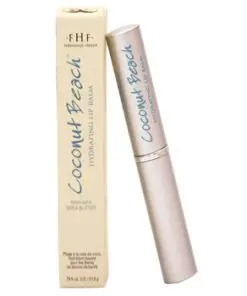
One of our top picks in this category is Farmhouse Fresh Coconut Beach Hydrating Lip Balm. It combines the goodness of jojoba oil, coconut oil, shea butter along with the Anti Oxidant action of vitamin E. A combo to essentially lock moisture to flaky lips.
Use Humidifiers
The next top skin care tip for winter is the use of humidifiers. Humidifiers generate nano-sized water particles In the surrounding of its installation. These water particles add up moisture to the dry air. To prevent dullness, dryness, and pre maturing skin, many people use humidifiers at home to retain moisture, which increases water vapors in the surroundings. Hence, humidifiers allow dry skin to absorb an adequate amount of moisture.
Care For Feet
In winters, your feet need special care; since they are more likely to get cuts and cracks due to dryness. The part near the toes and heels needs extra care. They need moisturization regularly. For those having to struggle with cracked skin, they must do the following measures:
Soak in lukewarm water.
Apply moisturizers while it is wet.
Exfoliate once a week.
Apply petroleum jelly.
Wear socks and keep them covered. Don’t exfoliate too much in winters as it might have an adverse effect of too much dryness that might lead to inflammation and Rashed irritation.
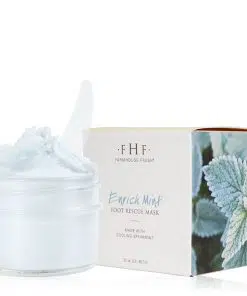
Alternatively, use Farmhouse Fresh Enrich Mint Foot Rescue Mask! With the goodness of organics, it helps you to get rid of cracked heels. It has loads of shea butter, spearmint, sodium hyaluronate, and essential oils. All to give you a buttery heeling!
Special Care For Hands
Proper hand care is also needed in winters as skin layers lose total moisture content. Therefore, extra care is needed for hands as well. Use dedicated hand cream to protect skin from getting dry. Use rubber gloves before going outside. Exfoliate gently and use lukewarm water to wash.
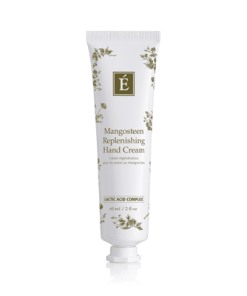
Use Eminence Mangosteen Replenishing Hand Cream. The silky mix of Anti Oxidants (mangosteen) with Lactic Acid provides long-lasting hydration and rejuvenates the skin cells of your hands. Studies show anti-aging and anti-oxidant properties of this fruit extract called mangosteen.
Drink Lots Of Water
In winter, there is a common practice of drinking less water. That is the reason why most people encounter dryness. It is necessary to drink lots of water to keep yourself hydrated. Drinking water according to your body mass index (BMI) is essential. Drinking an adequate amount of water will replenish your skin from inside. It also helps in reducing wrinkles.
Selection Of Skin Care Products
Many people make mistakes while choosing products to be applied to the skin. They are unaware of their skin types and tones. There are a great variety of products available that might confuse you. Therefore, it is necessary to consult your dermatologists regarding your skin type. To understand, we have made a general map that guides you about skin types. We have also mentioned ingredients; so that whenever you find any product, you are aware of what to purchase.
Ingredients To Add To Your Winter Skincare List
Skin care during the winter season is all about moisturizing it. Add the following ingredients to your winter skin care regimen for a healthier, brighter, and plump look to your skin this winter.
The most prominent ingredients to look for if you have dry skin are:
Jojoba Oil
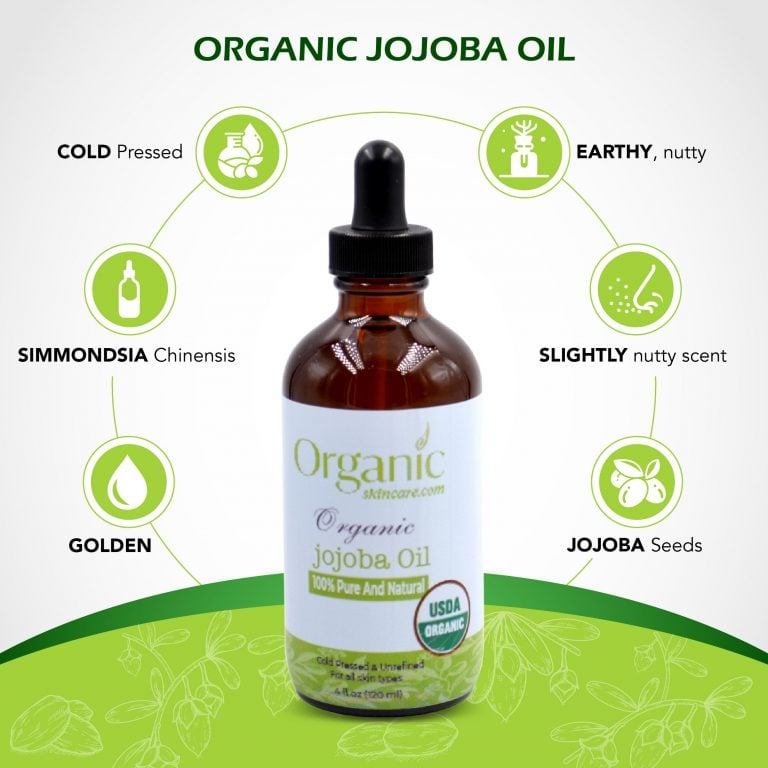
Jojoba oilis a phytonutrient with numerous uses. It reduces inflammation. Moreover, it can reverse some signs of skin aging by improving the appearance of wrinkles. That explains how it helps to calm your dry winter skin.
Winter skin is devoid of moisture. That makes it dry and dull-looking, making it less plump. Also, it may augment the appearance of fine lines and wrinkles. However, the good news is that many organic moisturizers and ingredients may halt this damage. You may have heard about shea butter. There are several good reasons for skin care fans to use shea butter. As a moisturizer, shea butter may do wonders for your skin.
Shea butter nourishes stressed-out skin. With its effects on calming inflammation on your skin. It also consists of fatty acids that may improve the skin barrier. Use shea butter for your face as well as on your body.
Shea butter may help fade and heal scars. Also, it may prevent acne breakouts. When your skin is dry, there is overproduction of sebum. That may clog pores, leading to skin breakouts. Shea butter with some anti-oxidants is a potent combo!
Lactic Acid is known to make your skin look supple. It softens, hydrates your skin, and gives it radiance. Also, it maintains a lower pH of your skin. That, in turn, supports the skin barrier.
Eminence Strawberry Rhubarb Dermafoliant with Lactic Acid is a vitamin-rich extract that gently exfoliates your skin. It is a soothing blend of strawberries, Lactic Acid, and rice that hydrates your skin at the same time too.
Coconut oil
Coconut oil calms dry and cracked skin. It improves skin barrier function. Also, soothe inflammation of your skin.
Green Tea Extracts
Green tea extracts are rich in anti-oxidants. They fight against the stress your skin encounters throughout the day. Be it pollutants or free radicals. Green tea extracts also glow your skin. At the same time, it is super hydrating too.
Aloe vera is an organic ingredient that heals your skin. Also, it retains skin moisture. This winter, soothe your flaky skin with the unique hydrating properties of aloe vera extracts. Say goodbye to your stressed-out skin!
Best Skin Care For Winter Season; Routine For Dry Skin
If your skin is dry, chances are your skin will not be happy during winters. The level of skin moisture affects by both intrinsic and extrinsic factors.
The intrinsic or internal factors leading to dryness include:
Genetic causes
Diabetes
Reduced level of thyroid in your body
Skin disorders like psoriasis
The easiest to manage are external factors. Examples of such factors include:
The extent of moisturization (Humidity)
Bathing Habits
Use of harsh and drying ingredients
According to a study, a consistent skin care regimen leads to significant improvements in dry skin. Here are a few skin care tips for the winter routine that may put your skin at ease for the season!
Start With Gentle, Hydrating Cleansers
Use gentle, hydrating cleansers. You may opt for cleansers with Hyaluronic Acid too. Many organic skin care lines help with cleansing skin without stripping your skin.
Phyris milky cleanser combines silk proteins and rice oil that are promising for dry skin. Thus, it is an excellent option for people with dry skin to try!
Limited Or No Exfoliation
Exfoliate in moderation. You may skip this step if your skin is grossly dry and irritated.
Opt For Alcohol-Free Toner
You may not need to use a toner. If you need, go for alcohol-free toners. YonKa dry skin toner is alcohol-free. Furthermore, it combines thyme oil with glycerine, especially for people with dry skin.
Slather On Creamy Moisturizers
Use thick creamy moisturizers rich in potent hydrating ingredients. For instance, look for super hydrating ingredients such as Hyaluronic Acid. It holds on your skin moisture and is promising for people with dry skin.
Sunscreen is a must for all seasons and all skin types. As with dry skin, use sunscreen with additional moisturization. Moisture Defense SPF 30 is an absolute must to try! It comes with sun-shielding effects along with moisturization.
Moisture Defence Hybrid Sunscreen with anti-oxidant complex promises hydration with sun protection. Grab your moisturizing sunscreen for SPF protection along with moisture retention here!
Don'ts of dry skin care regimen during winter
Avoid ingredients such as Benzoyl Peroxide and Salicylic Acid.
Do not exfoliate often.
Limit the use of products loaded with artificial fragrances and alcohol as they may dry your skin even further.
Winter Skin Care Routine For Acne
According to a study, people are more prone to have acne breakouts during the winter season. Dry skin irritates skin immensely and may aggravate breakouts.
Harsh cleansers remove skin moisture. Use gentle and creamy cleansers. Also, look for the label ‘non-comedogenic’ or won’t clog pores on the products. Limit the number of times you cleanse your face, a maximum of two times.
Use moisturizers with ingredients that help to prevent acne breakouts. Also, hydrate with 8-10 glasses of water daily.
Use Hydrating Toners.
Ingredients that help acne-prone skin are:
Benzoyl peroxide
Salicylic Acid
Retinol
However, these ingredients are drying too. Thus, during winters, they may further irritate your skin. However, you can go for them if your skin is oily. Some organic options for acne-prone skin and hydrate at the same time include:
Tea Tree oil
Vitamin E
Wheat Germ Oil
Tea Tree Oil
A 12-week study claimed the surprising effects of tea-tree oil for mild to moderate acne. It is an essential oil with potent antimicrobial properties available over the counter.
You may use tea tree oil in the form of acne scrubs. Rejuvenate dull, dry stressed-out skin with our organic alternates. Try Emerge Lab organic tea tree oil scrubwith Ascorbic Acid with vitamins E and C.
Wheat Germ Oil
Wheat germ oilis an extract of whole wheat grain. It is choke-full of polyunsaturated fatty acids. Also, it has other anti-oxidants, for instance, tocopherols and carotenoids. You may find this oil enriched with jojoba oil and richness of aloe extracts in Grandel Hydro Lipid Supermoisture.
Grandel Hydro Lipid Supermoistureis an incredible product. The beauty of this product is that it combines effective natural ingredients in one place. All gathered to promise super skin hydration and radiance.
Till here, it all sums up your skincare tips, your routine, and the ingredients to look for while choosing a product for you. Which of these skin care tips for winter work best for you? Speak your heart in the comments below!
Skin health and wellness is an ever-growing area. With the advent of thousands of skin care lines; there is the emergence of newer and better trends now and then. These trends determine the future flow of skin care. What will work and what wouldn’t! Here we dive into the top aesthetic trends in beauty and skin care for the 2022.
Keep reading to explore all about aesthetic trends in skin care with bonus super ingredients that will be a hit for the year 2022.
Organic Skin Care Market Trends And Sales
The organic skin care market trends will continue to rise. According to Technavio, the organic skincare market size will grow by $ 1.81 billion by 2024.
The rise in compound annual growth rate or CAGR will be 6.93 during 2019-2024.
That surge in the skin care market will be highest for North America. North America will record a growth rate of 34.87% more than any other region. The other key markets for organic skincare products will be the US, China, Germany, Canada, France, Japan.
Top Aesthetic Beauty And Skin Care Trends For 2022
Let’s explore the expected aesthetic trends in the beauty and skin care market for the following year; together!
Barrier Supporting Skin Care
The outermost layer of your skin is called the stratum corneum. That is the natural skin barrier. Stratum Corneum is; described as a brick wall. That consists of cells called corneocytes which are mounted together by lipids.
The barrier maintains an acidic pH on your skin. That, in turn, favors the growth of beneficial bacteria. Without the natural skin barrier, all potential pathogens and microbes can infiltrate your skin. Also, this barrier retains your skin’s moisture and prevents water from evaporating.
All the skincare products you apply to your face act directly on your barrier surface. Hence, it is crucial to know what saves and what; destroys this barrier and its functions.
These barrier properties are now recognized more and more. That may make it up as; one of the aesthetic trends in beauty and skincare for 2022. Many skin care lines now incorporate this idea in their products and claim to protect your natural skin barrier.
Studies suggest the role of natural oils in restoring your skin’s homeostasis. Following are the natural oils that maintain the skin’s natural barrier:
Olive oil
Sunflower seed oil
Coconut oil
Argan-oil
Avocado oil
Jojoba oil
Pomegranate seed oil
Almond oil
Bitter apricot oil
Rosehip oil
Shea butter
Eminence Apricot Body Oil uses this idea and revitalizes the look and feel of your skin. It combines grape seed and jojoba oil too.
Marshmallow Melt shea butter creamis chock full of Shea Butter, Cocoa Butter, Jojoba Seed Oil, Soybean Oil, Aloe, Organic Cucumber Extract, and Vitamins A & E. All the natural extracts support the skin barrier’s integrity.
Always use products that match your skin type to protect the barrier. Avoid the use of harsh exfoliators. Also, do not overdo exfoliation.
Microbiome Stability
Many microorganisms are natural inhabitants of human skin.
They constitute an ecosystem. If there is an imbalance in the growth of this normal flora, it favors the growth of pathogenic bacteria. Even some skin diseases attribute to altered microbiota. One of the factors that alter this balance include; changes in skin pH.
The normal pH of human skinon average is below 5. That is optimum for its resident flora. If this pH changes, the resident microflora is dispersed.
Probiotics are the bacteria that make up your microbiome. Studies suggest the role of probiotics in various skin diseases such as acne, eczema, dermatitis, and allergies. Furthermore, probiotics protect skin against UV-induced damage.
On the other hand, prebiotics is nutrients that flourish the probiotics.
You can find combinations of prebiotics and probiotics in various skin care formulations. For instance: Dr. Schrammek ProbioSense Sensitive is an extensive repair of your skin barrier and strengthens skin flora.
Ampoules will be one of the aesthetic trends forecasting 2022 in skincare. They are one of the K-beauty skincare staples, and now we will see more and more people using them.
Ampoules are concentrated ingredients even more potent than serums. The amount of active ingredients present is more than serums. Therefore, ampoules are available for the short-term super-targeted treatment of your skin.
You can use an ampoule once you have cleansed your face but; before a moisturizer. That way, you can lock the effects of ampoules with a moisturizer.
Ampoules may contain vitamins, enzymes, or some organic ingredients. Thus, they may help against skin issues such as age spots, pigmented patches, or acne.
The type of ampoule you need depends on the care your skin needs. Do some research! If you need an aging skin solution, you can use ingredients that specifically help aging skin.
Hyaluronic acid is one of the holy grail anti-aging substances. It restores moisture to your skin to make it look plumper. In addition to this, you can use hydraulic acid that moisturizes skin and give it a glow from the inside. It makes your skin glow and revitalizes the texture.
You can add Dr. Grandel Hyaluron Moisture Flash Ampoules with micro hyaluron to your skincare. It comes with additional benefits of blue micro-algae to make your skin more luminous.
Environmental Sustainability
Nowadays, beauty products are more inclined towards environmental sustainability. Whenever a product gets launched, skincare linesmake sure that these products are cruelty-free, recyclable, vegan, etc. These are newer beauty trends that people are taking seriously into account for all those factors. Thus, beauty brands also consider alternatives that are less harmful or harmless to the environment.
Brands are assuring materials to be used as eco-friendly, thus balancing the Eco cycle. Several companies are looking for alternatives that involve recycled products, adopting organics-derived ingredients. In addition to this, the brands are more cautious in making products that don’t contain any non-renewables. In short, environmental sustainability may be amongst some notable aesthetic trends for the following year.
pH-Balanced Cleansers
Your skin needs to be in equilibrium. According to the National Library of Medicine, the normal skin’s PH is between 4.7 and 5. It can further increase up to 6 with the use of alkaline soaps. The future market will target products with low pH, for example, cleansers. That is the most common thing we apply to our daily skincare routine. Most skincare products even today do not mention the pH level. Thus, with the use of altered ph levels, you might experience skin problems.
Other factors which might affect pH levels are sweating and the use of tap water. Tap water is alkaline. It has a PH value of 8.
Cleansing beauty bars might be an aesthetic trend for 2022 to follow. Many people were concerned if soap bars or beauty bars may be unhygienic and get contaminated with repeated use. However, a study proved that soap is unlikely to cause infection even when; contaminated.
Furthermore, we may see more environmentally safe packaging. Thus, we may see cardboard instead of plastics. That is more easily recyclable.
Skinimalism
Some people might think that applying a bulk of products can make you look good. But these practices are far from trends nowadays. Instead, today’s skincare is more about maintaining healthier skin from the inside. For instance, using different serums, especially vitamin C serums, that help to:
Build collagen in the skin.
Protects from damaging environmental factors.
In the following year, we may see people opting for minimal; but effective skin care routines and skin care. The selection of ingredients and products will depend on their potency and the numerous benefits offered. Furthermore, people will be more inclined towards using organically derived products that can benefit and target all skin types.
The Rise Of Hybrid Products
The use of hybrid products and cosmetics for skincare will be an aesthetic trend rise for 2022. People look for products that conserve both time and money. Therefore, 2 in one or hybrid products will be a hit among beauty trends in 2022.
That is also true for broad-spectrum sunscreens.
Hybrid sunscreens consist of both mineral and chemical ultraviolet filters. Thus they protect against both UVA and UVB.
In the same way, we might see newer hybrid products for the year 2022.
Science-Backed Beauty routines
Many people are unaware of which product suits them best. They are so confused about using certain products that they apply many times. That makes them give up their skincare routine due to their hectic lifestyle. The solution is to research their skin type and what ingredients or products are best for them. Once you are aware of what’s your skin type is, you can choose a routine that is feasible to follow.
Here we have made a basic routine that you can start doing today.
Cleanse
Sunscreen
Moisturize
People will be more inclined towards opting for skincare routinesthat are research-backed. That may also be a top beauty trend for the following year.
Ingredients That Will Be A Hit
Niacinamide
Niacinamide or vitamin B3 is one of the essential nutrients with a wide variety of proven skincare benefits. It can soothe your skin and stabilize the skin’s natural barrier. Thus, improving skin conditions such as rosacea, acne, and bullous diseases. Furthermore, niacinamide reduces the appearance of wrinkles and signs of aging skin.
Ceramides
Ceramidesare lipids that are a natural component of the stratum corneum. Ceramides lipids are the main component of the phospholipid bilayer. Thus, ceramides give your skin barrier properties. That means that it protects skin from environmental damage. Depletion of ceramides in the skin can lead to dry and irritant skin. According to researches, that leads to skin conditions such as sensitive skin, eczema, acne, etc. Ceramides hydrate your skin and make it soft. Ceramides will prevent dirt and grim to pile up in your skin pores and maintain moisture by preventing water loss.
It was there for decades. Allantoinis an extract of the comfrey plant.
If you use glycolic acid or retinol as skin treatments you may need to help with skin irritation. Thus, according to dermatologists, use can ease skin irritation with this organic ingredient.
Allantoin has numerous uses in skincare. It helps to moisturize dry and flaky skin.
Also, allantoin may act as a gentle physical exfoliator. Since; it can improve cellular turnover. However, the evidence in this support is not very strong. But people claim its benefits as an exfoliator.
Since it retains skin moisture, it may help acne breakouts.
Allantoin prevents and reduces wrinkle appearance.
Different skin care products contain allantoin. As a moisturizer, you can use it twice daily. However, if you use it as an exfoliator, limit its use to once a week.
Made from pantothenic acid, also known as a vitamin (B-5) when absorbed in the body. It is a derivative of plant sources. Since trends for 2022 regarding beauty and skincare products are constantly going towards organic; therefore the use of panthenol will be a priority. The core benefits of using panthenol are:
Effective against irritated skin.
Provide softening.
Soothing effect to the skin.
It is used in cleansers and lotions because it helps against water loss, thus maintaining hydration within the skin. These properties compel many organic beauty brands to make panthenol a part of their products.
Bakuchiol is a plant extract of seeds from corylifolia. Fine lines and wrinkles are signs of aging. And most of the products use retinol to reverse these effects. Bakuchiol is an excellent alternative to retinolas it works likewise and treats fine lines, wrinkles, dark spots, and breakouts. And what’s the best part is bakuchiol is not harsh to your skin, unlike retinol. Being vegan and a safe skin substitute of retinol, bakuchiol is; among the hottest ingredients of skincare products in 2022.
In a nutshell, skin care and beauty trends for 2022 will be more oriented towards science-backed skin care. The popularity of products will depend on their efficacy. Skin care fans will opt for minimalism in beauty!
What Causes Freckles? Are They A Cause Of Concern?
Freckles are small macules, usually 1-3 millimeters in diameter and tan or brown. They’re not dangerous—they don’t go on to form skin cancers. However, having a lot of freckles can indicate that you are at an increased risk for skin cancers down the road. So, while you don’t have to be worried about your freckles, having freckles means that your skin is likely more vulnerable to sun induced damage and skin cancer formation.
With summer upon us, freckles have a tendency to darken with sun exposure. Freckles typically appear in the first three years of life, and they’re with you for the long run. People who have pale skin, and either blond or red hair, typically have more freckles. Genetics also play a role.
How To Get Rid Of Freckles?
To be crystal clear, you cannot get rid of freckles completely. They are with you for life. But they lighten with sun avoidance and darken with sun exposure. The number one thing you have to do to keep your freckles from darkening and to fade the ones that you have is to protect your skin from the sun.
Limit Your Exposure To The Sun
Use a broad-spectrum sunscreen every single day, including when you are mostly indoors, to keep your freckles from darkening. UVA rays that come through your window glass can affect the pigment-producing cells in the skin and cause freckles to darken.
When you’re outside, don’t just rely on sunscreen. Wear a broad-brimmed hat and sun-protective clothing, long sleeves, and sunglasses, ideally sunglasses that wrap around.
One thing people don’t realize is that ultraviolet radiation from the sun comes at you from all different angles. It is reflected off of surfaces like the pavement and cars that you walk by, and onto your face. It’s also reflected off of the metallic rim of your sunglasses, so I suggest wearing sunglasses that do not have metal frames.
Aside from just wearing sunscreen and sun protective clothing, hats, and sunglasses, make sure that you don’t stay out in the sun too long, and that you avoid spending time outdoors during the peak sun exposure window, typically the mid-afternoon, when the sun’s rays are at their most intense.
Unless you walk around in a cardboard box nonstop, UV radiation from the sun is going to touch your skin to a certain extent, and the cells that underlie the freckles are really sensitive to UV. That is why you may find that, as hard as you try to avoid the sun, they’re still darkened.
Use Anti-Oxidant Serum To Combat Free Radicals
The other thing that you can try to incorporate into your skin care routine, provided you tolerate it, is an antioxidant serum. This may help reduce the skin’s burden of oxidative stressthat is generated upon exposure to ultraviolet radiation. Oxidative stress further drives pigment production and darkening freckles.
Unfortunately, I can’t tell you what the best antioxidant serum is, because antioxidants and skincare products are not regulated in the same way as medications. Unfortunately, antioxidants are not super stable, and the devil’s in the details as far as the product formulation.
Does it actually get into the skin? Is it actually able to scavenge free radicals? Because there’s so much variability from manufacturer to manufacturer, it can become challenging.
Still, it is worth considering incorporating an antioxidant into your skin care routine. Some of my favorite antioxidants include niacinamide, green tea, and resveratrol.
When To Use Serum
It’s best to use antioxidant serums in the morning because they’re with you as you go through your day and are exposed to environmental stressors. Those environmental factors would otherwise upregulate free radicals in the skin or lead to a production of free radicals on the skin, and drive darkening of your freckles. So apply it in the morning, allow it to absorb and dry fully, and then put your sunscreen on top.
I’ll recommend my favorite antioxidant serums, if you find that any of these products causes irritation or just doesn’t work for you, don’t use it.
$72.00Original price was: $72.00.$36.00Current price is: $36.00.Add to cart
Use Hydroquinone To Lighten Patches
The third tip for lightening freckles is hydroquinone. Unfortunately, hydroquinone is no longer going to be available over the counter here in the US, but you can get it by prescription. Hydroquinone is a topical skin whitening ingredient that works by inhibiting the enzyme tyrosinase. It competes with tyrosine, the substrate for tyrosinase. Tyrosinase is the enzyme that leads to upregulation of pigment production. Hydroquinone also damages the melanosomes, the little pigment packets within pigment producing cells. It can actually lighten freckles that have darkened with sun exposure, and may help you to get rid of freckles over time.
However, I have to tell you guys, the results of hydroquinone can be a little patchy. You don’t always get even lightening, and you really don’t want to use hydroquinone long term.
There is a risk of rebound, worsening hyperpigmentation. It can damage the neighboring normal melanocytes. You only want to apply it to the exact area of hyperpigmentation, which can be challenging in the case of freckles, because they are so small. It can also lead to skin bleaching, and it can be pretty irritating. All of those caveats aside, it is a very evidence-basedway to lighten freckles, so it’s something that you could consider.
Add Retinoids To Your Skin Care Routine
Number four is a retinoid. Retinoids include prescription tretinoin, prescription tazarotine, or over the counter adapalene. It goes by the brand name Differin Gel, for example. Topical retinoids, including adapalene, can lighten sun-induced hyperpigmentation, whether it be sunspots or freckles.
In my opinion, as far as an active ingredient to actively lighten existing freckles, a retinoid is actually a better, more prudent choice. It has other benefits beyond just lightening the freckle, such as removing sun-damaged skin cells, controlling acne, and improving the visible signs of photoaging. Unlike hydroquinone, you can use retinoids daily, long term. They’re safe. You don’t have to worry about skin bleaching or rebound hyperpigmentation.
If you see a dermatologist, they may actually prescribe you something called Tri-Luma, or they may have a compounded cream that has a retinoid as well as hydroquinone plus an anti-inflammatory. That can work quite well for fading hyperpigmentation, but with hydroquinone, you can’t use it long term.
See A Certified Dermatologist
The fifth tip is to see a board-certified dermatologist. There are procedures you can undergo to lighten existing ones, but again, they’re not going to get rid of freckles permanently, so that can be a little costly. Cryotherapy or liquid nitrogen can lighten freckles. However, it does come with a risk of just pigmentation or hypopigmentation to the area treated. The dermatologist has to be very careful not to overtreat, or you can get hypopigmentation, which you wouldn’t be happy with.
A dermatologist can also perform laser treatment to fade freckles. For example, the picosecond laser is an option. Again, unfortunately, these things don’t get rid of the freckles permanently—they come right back with UV exposure—so the investment might not be worthwhile.
Now, I want to be crystal clear. In my personal opinion, freckles are attractive. I don’t think that they need fading or need correcting or you need to get rid of them completely. There are even cosmetics you can buy to create fake freckles. But I do know that some people prefer to lighten their freckles, so that’s why I’m giving you these tips.
The most important thing to realize is that freckles are a manifestation of sun damage. Even though they’re not dangerous themselves, when they darken it is an indicator that you have gotten a lot of sun exposure and serves as a reminder that you need to be more diligent with your sun protection.
You can thank your freckles for serving as a little alarm clock that you’re getting too much sun.
If you find that your freckles are darkening, don’t freak out; just take the opportunity to recheck your routine. Have you been good about sunscreen? It’s really hard to remember. So just use it as an indicator for reevaluating your sun-protective practices.
Skin Care Routine To Get Rid Of Freckles
Build a skin care routine for the rest of the summer that will not only help reduce the chances that your freckles will darken, but will also protect your skin from the damaging effects of ultraviolet radiation.
First thing in the morning, apply an antioxidant serum. Allow it to absorb fully and then apply sunscreen. As you go throughout the day, make sure you reapply sunscreen. If you are indoors most of the day and not going outside at all, just reapply it once or twice to build the habit.
If you’re going to be outside for a prolonged period of time, make sure you reapply the sunscreen every two hours. As you go throughout the day, take a hat with you, put it on. Any time you go outside, take sunglasses with you, put them on, whether it’s sunny or not, to protect not only your eyes, but the skin around your eyes.
I like to carry a lightweight UPF 50 jacket with me that little hand covers to protect my forearms and the backs of my hands. I always put on that or something like that when I go outside for additional protection.
If you’re going to be outside in midday sun exposure, seek shade or bring an umbrella to reduce your UV exposure. Then in the evening before you go to bed, make sure you wash your face to remove any dirt, cosmetics, and pollutants from your skin.
At bedtime, apply a retinoid to the face, arms, wherever you have a lot of UV exposure and your freckles are darkening. Use retinoids at nighttime because they are sensitive. Many of them are sensitive to light and degrade in the presence of light.
That is my recommended summer skincare routine. And as a side note, retinoids help your skin overall handle ultraviolet radiation from the sun better.
The Outlook
So that’s going to bode well for the health of your skin beyond just the freckle issue. These tips will help keep your skin healthy, reduce the chances of those damaging UV rays causing problems like skin cancer formation down the road, and prevent wrinkles, fine lines, impaired skin barrier, and inflammation. So even if you have no interest in fading your freckles, definitely follow some of these suggestions because they will help the health of your skin long term.
The skin condition rosacea is an incredibly uncomfortable disease to live with. This post will share some dermatologist tips for navigating skin care, choosing skin care, and things to avoid in skin care products for people with rosacea rash.
What Causes Rosacea Rash?
If you have this skin condition rosacea, you already know how challenging it can be to navigate the skin care aisle and select skin care products that do not irritate you, sting, burn, and cause excessive redness and irritation on your skin.
Rosacea rash is an inflammatory skin condition which occurs due to hypersensitivity, to things that come in contact with the skin, and that hypersensitivity manifests with symptoms such as burning, tingling, flushes of redness, heat, and little red bumps that almost look like acne and pimples but are a little different in their underlying nature.
Additionally, avoiding triggers that can cause a flare-up, such as sun exposure, spicy foods, and Alcohol consumption can also be helpful in managing the condition.
1-Keep It Simple!
The key for rosacea skin rash is to keep it simple. Your routine and the products you use should not be excessive, no more than three products. Think about it. Rosacea is a skin disease in which things that come in contact with the skin are very likely to irritate you, so reduce the number of things that you put on your skin.
The three basic tenets of a skin care routine, really for anybody, but in particular for people with rosacea, should be: a gentle cleanser, a moisturizer, and a sunscreen.
2-Use A Gentle Non-Soap Cleanser
My essential skincare tip for rosacea is cleansing your skin. It is important to cleanse your skin with a gentle, non-soap cleanser. Things that settle on the skin from our environment can contribute to prolonged symptoms and exacerbate redness and irritation.
The way you cleanse your skin is also very important.
You need to be very gentle.
Use lukewarm water, avoid extreme temperatures, and just use your finger pads in a circular motion across the face.
Cleansing your skin this way is important for everybody, but in particular for people with skin condition rosacea, because physical touch can cause redness and irritation, and precipitate flares of your disease.
In other words, things like spin brushes, scrub brushes, facial brushes, and harsh washcloths can be your nemesis. So just use your finger pads in a gentle, circular motion and then rinse the cleanser off with lukewarm water.
My next tip is to use a moisturizer on a daily basis, whether your skin is dry or oily. Moisturizers hydrate the skin by trapping water on the surface of the skin and sealing it in place. They also condition and smooth the skin cells and reduce inflammation and irritation.
Apply moisturizer on damp skin, immediately after cleansing. This capitalizes on the hydrated status of your skin at the time of cleansing. When there’s water on your skin, moisturizer will really help drive hydration into your skin, which will reduce the severity of rosacea.
We have several studies showing that individuals who use moisturizer along with their prescription topical and oral rosacea medications have better treatment results than if they don’t use a moisturizer.
4-Use A Broad-Spectrum Physical Sunscreen
My next tip will come as no surprise because I mention it every chance I get: protect your skin from the sun by wearing a broad-spectrum sunscreen. Rosacea patients have a challenge, however, in finding a sunscreen that will protect their skin without irritating the rosacea rash.
Select a physical sunscreen. That means when you look at the active ingredients of the sunscreen, the active ingredients should be only zinc oxide or zinc and titanium dioxide, which create a physical barrier to protect the skin. These active ingredients are best tolerated by people with rosacea. They won’t cause irritation, stinging, and burning.
Other sunscreens include chemical ingredients, chemical filters, things like oxybenzone, avobenzone, octocrylene; these ingredients can be irritating for people with this skin condition, rosacea.
It’s best to select a mineral-only physical sunscreen whose active ingredient is either zinc oxide or zinc plus titanium dioxide. You should also choose broad spectrum sunscreen with an SPF, sun protection factor, of 30 or higher.
Make sure your sunscreen is fragrance free, since fragrance can be problematic for people with rosacea.
Look for ingredients like silicones, which go by the name dimethicone and a few other names I’ll list down below to help you navigate the ingredients.
Silicones are oil-free and tend to be lightweight, so they are well-tolerated in moisturizers and sunscreens for people with rosacea.
Hyaluronic acid is a humectant that will frequently be included in moisturizers and sunscreens and is also well-tolerated in people with rosacea. It helps to hydrate the skin and can help to combat some of the dryness that you might experience with a mineral sunscreen.
Sunscreen needs to be applied on a daily basis, even when it’s cloudy outside or you’re indoors all day, because the sun’s ultraviolet radiation can filter through the clouds and come through your windows, and can contribute to the inflammation of your rosacea rash.
When it comes to the ingredients list on skincare products, it can be a daunting task to figure out what to look for and what to avoid.
The number one thing that you should be excluding from your skin care products is fragrance. I always encourage everybody to select fragrance free products, but people with skin condition rosacea in particular have to do this.
People with rosacea have a higher likelihood of developing something called allergic contact dermatitis, meaning you become sensitized against an ingredient and then you develop a skin allergy every time you come in contact with it.
Fragrance is one of the most common allergens in skincare products, plus people with rosacea rash are more likely to have flares of their symptoms regardless of allergy when they come in contact with fragrance.
This is because fragrance compounds can not only function as irritants on the skin and drive inflammation, but they’re also things called vasodilators.
Vasodilators make the blood vessels in our skin dilate and bring more redness into the skin, which is the opposite of what you want to do with rosacea.
Selecting fragrance free products is tricky to navigate because you might be duped into thinking that a product labeled unscented is safe. Unscented is not the same as fragrance free; it often means the product contains a masking fragrance to hide the scent of the product.
Fragrance goes by a lot of names, and manufacturers are not really required to disclose the inclusion of fragrance in their products. I will list these names down below in the description box so you know what specific ingredients to avoid.
6-Ingredients To Avoid
In addition to fragrance, you also want to avoid any type of essential oils: lavender oil, rose oil, rosehip oil. Any type of essential oil, regardless of how it was processed and made, can fragrance ingredients that can irritate and bother the skin of rosacea, even if you can’t smell them.
You also want to avoid any alcohols in your skin care products.
Alcohols are frequently added to sunscreens to stabilize active ingredients. For people in general, alcohol and alcohol denaturants are not something to fear. But alcohol definitely can contribute to irritation and a flare of rosacea rash because it tends to cause dryness, and people with rosacea just don’t tolerate that to the same degree as other skin types..
Menthol is another ingredient to avoid. You’ll find menthol in a lot of face washes and it imparts a tingling sensation.
Peppermint and witch hazel are often added for the same reason. You don’t want to tingle with rosacea. All these ingredients can be really irritating to people with rosacea.
Eucalyptus is frequently added as a preservative; avoid it as well.
7-Beneficial Ingredients
After that long list of things to avoid, you may be wondering if there’s anything at all you can put on your skin! There are some beneficial botanic ingredients for rosacea care, one of which includes niacinamide.
Niacinamide is anti-inflammatory, so it can help reduce redness, and it can also help heal your skin barrier and keep your skin hydrated.
Ceramides are also a good ingredient to consider for skin condition rosacea. They are part of our natural lipid barrier, and when included in moisturizers they can help strengthen our skin barrier.
Licorice root extract is very helpful in rosacea skin care products because, like niacinamide, it can be calming and anti-inflammatory.
So you will find licorice root in a variety of products that are designed to reduce redness and are marketed towards people with rosacea.
From a cosmetic perspective, some products include chromium or color correction with a green tint. This helps to camouflage redness and even out skin tone very nicely.
The Outlook
That concludes my skincare tips for people with rosacea. Remember, the main thing is to keep it simple: cleanse, moisturize, sunscreen. Be really gentle with your skin and avoid any inflammatory ingredients.
Acne is a common ailment, and over 85% of people will experience it at some point in their lives. You have seen the commercials advertising expensive products and quick fixes for acne. Fortunately, there are organic acne treatment options that are incredibly effective.
What Causes Acne
Acne has many potential causes. Unfortunately, you need to figure out why you have acne to treat the underlying issue. Without addressing this issue, your acne may worsen and reach the point of scarring regardless of what products you use.
Hormone Imbalance
Hormones control many aspects of your body, including how much oil your sebaceous glands produce. When your glands are producing excess oil, it sits on your face and clogs up your pores. That is the start of acne.
Hormone imbalance is common around puberty in both boys and girls. Additionally, women are more likely than men to experience significant changes during midlife that can cause acne.
Skin Irritation
Skin irritation and damage are significant factors for acne. Often, this is the result of picking at skin or over-cleansing. Unfortunately, this is one of the more difficult causes to pin down and treat since there are a few ways your skin can become irritated.
Clogged Hair Follicles
Clogged hair follicles do not merely come from oil. Other debris, such as dead skin cells, can cause clogging, as can failure to remove all cosmetic products. When the small hair follicles inside pores cannot grow straight and encounter resistance is when acne strikes.
Bacteria
Your skin is home to numerous strains of bacteria, and unfortunately, these strains are easy to knock out of balance. When this happens, one strain grows too much and can provoke an immune response.
Inflammation
You may be using a product you are allergic to without realizing it. Your skin then becomes inflamed each time and must heal any damage. This damage can quickly become acne, and the breakouts will not stop until you find the offending product.
Stress
Stress does not outright cause acne, but it can make your acne significantly worse. Stress-related hormones can make the sebaceous glands produce even more oil. Mixed with debris and bacteria on your skin, this makes your acne worse.
Medications
Certain medications do affect hormone levels, which in turn can cause acne. These medications should carry a warning label. Your doctor should discuss your options with you if you are known to have severe acne breakouts before beginning a new medication.
Diet
Your body processes food, and certain foods fuel hormone releases. One of the most common examples is foods that raise your blood sugar. In response, your body releases insulin. Excess insulin can increase oil production on your skin.
Why Acne Treatments Do Not Work
Acne treatments, particularly of the non-organic variety, do not work well for more people. Often, people try to treat their acne without understanding the underlying cause or the treatment itself. You can do better by understanding the options.
Chemical Cocktails
Most acne treatments are a chemical cocktail that you likely cannot pronounce the ingredients of. You have few ways to tell which are harmful as well and may make the acne worse. The results are often fleeting.
Failure to Address Hormone Health
Hormone health is one of the primary causes of acne, and imbalances may indicate deeper medical issues. Without talking to your doctor, you cannot ascertain the state of your hormone balance.
Upset Skin Balance
Your skin maintains a delicate balance that includes a biome for bacteria. Unfortunately, many cheap or non-organic acne treatments upset this balance to achieve results. Then when you stop using a product, your skin must find its balance again.
Lack of Moderation
While washing your face or trying out a cool new product feels great, it also affects your acne chances. These attempts to smother your skin into submission genuinely increase your chances of developing acne.
Limited Timetables
Somehow, people got the idea that treating acne for two to three months should permanently solve the problem. Unfortunately, all it does is create an artificial environment for your skin. Once your treatment time is up, the acne usually comes back with a vengeance.
Life Changes That Help Organic Acne Treatment
Making a few life changes can help immensely with acne treatment, regardless of if it’s organic or not. Using these natural solutions may lessen your need for organic acne treatment and medication, leading to a healthier life overall.
Diet
Several different types of foods have been identified as increasing your risk of breakouts. These include processed foods, dairy, and food with a high glycemic index that make your body release insulin.
If you want your diet to help your skin, begin preparing your food from scratch whenever possible and avoid eating out. Additionally, some people find that a primarily organic diet aids in clearing acne as well.
Naturopath Recommendations
A naturopath recommends natural remedies that can help you. Unfortunately, there is no one-size-fits-all solution, and naturopaths have suggested everything from apple cider vinegar to clay masks to supplements.
If you would like to try this route, consult with a local naturopath rather than finding one online.
Examining Your Products
Your skin absorbs everything from your eye shadow to your overnight moisturizer. You should check the ingredients in these products and see if one is irritating you. You can also try swapping the products one by one for organic alternatives.
Discussing Your Medications
If nothing else seems to work, try looking into your medications with your doctor. You may not be fully aware of how some prescriptions function. Your doctor can also recommend alternatives if you want to alter your treatment to get rid of acne.
Do not stop medications without talking to your doctor.
The Right Organic Acne Treatment Products
The right organic acne treatment products make an enormous difference, and the change is often faster than the two months conventional treatments promise. Used in conjunction with the tips in the section above, and you’ll likely find that your acne is infinitely more manageable even if it doesn’t go away entirely.
The acne treatments available on OrganicSkincare.com are powerful and natural. You should immediately notice a difference from conventional options.