New to a sensitive-skin routine? Start with our complete sensitive-skin routine guide — all 7 steps, in order.
Niacinamide is vitamin B3, and on sensitive skin its real job is quiet repair: it helps skin produce more ceramides, the lipids that hold the moisture barrier together, which is why over a few weeks it can visibly calm redness and ease the look of pores and oil. The catch is dose, not enthusiasm. Most reactive skin does best in roughly the 4 to 10% range; very high strengths like 20% add no extra barrier benefit and are more likely to trigger flushing or stinging, so more is not better.
Our pick from the OSC shelf

Phyris Sensitive Calming Serum — $62
Our in-house, esthetician-curated pick for skin that flushes. Its ingredient list genuinely includes niacinamide, sitting mid-list — the gentle, well-tolerated zone rather than the high-dose, flush-risk zone — paired with a barrier-soothing complex (hydrolyzed oat protein, jojoba, sweet almond, and shea lipids) built for the Phyris Sensitive line to support the moisture barrier and visibly calm redness. It is a treatment serum to layer under a moisturizer. Honest tradeoff: it contains fragrance (Parfum) plus rosemary and soybean botanicals, so the most fragrance-reactive or rosacea-prone readers should patch test first, and Phyris does not publish the exact niacinamide percentage.
Prefer niacinamide paired with a gentle retinol alternative? The Eminence Bakuchiol + Niacinamide Moisturizer is our other in-house option (currently restocking — see our bakuchiol guide). The Amazon picks below are buy-now alternatives.
What the research shows
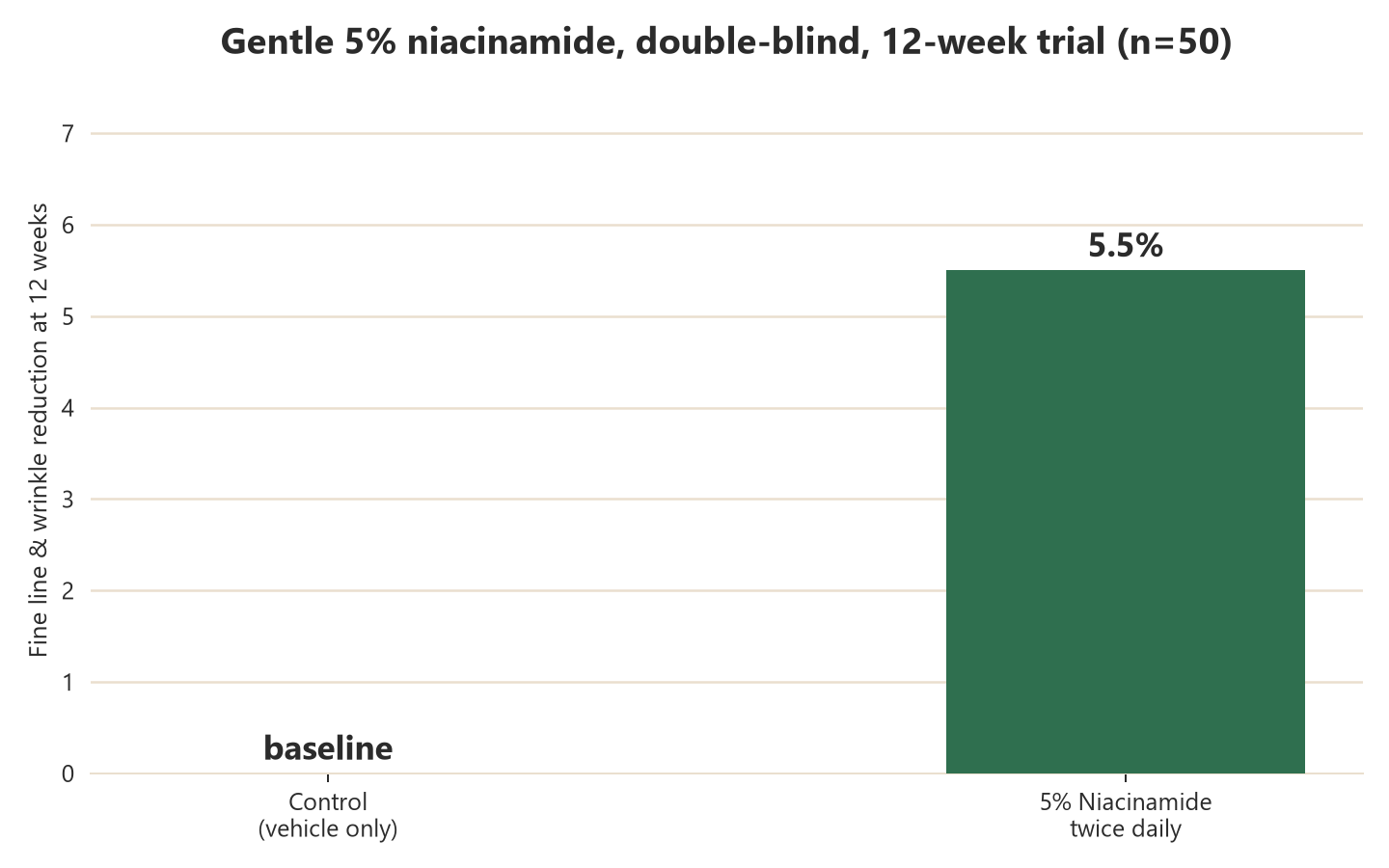
In a 12-week, double-blind, placebo-controlled trial by Bissett and colleagues at Procter & Gamble (International Journal of Cosmetic Science), a gentle 5% niacinamide cream measurably reduced fine lines and wrinkles by about 5.5% versus a matched control, alongside significant improvements in hyperpigmentation, redness, and sallowness — with the study reporting no irritation, burning, or stinging at that concentration. It is exactly why a 4–5% niacinamide formula is the dermatology-studied sweet spot for reactive skin — and what separates a barrier-friendly serum from one chasing faster results at a higher, harsher percentage.
How to choose a niacinamide serum for sensitive skin
Stay in the 4 to 10% range
This is the well-tolerated band where niacinamide supports the barrier and helps regulate oil without the flushing higher strengths can cause on reactive skin. If a label hides the percentage, treat it as a low-strength formula and patch test anyway. The often-cited barrier and redness research used roughly 4 to 5%, so a modest number is enough.
Look for supporting partners: zinc, ectoin, oat, or hyaluronic acid
Zinc PCA pairs with niacinamide to help regulate oil and reduce the look of pores; ectoin, oat, and hyaluronic acid help skin hold water and reinforce the barrier so the serum soothes rather than strips. For sensitive skin these pairings matter more than a high single number.
Choose fragrance-free
Added fragrance is one of the most common triggers for redness and stinging in reactive and rosacea-prone skin. “Unscented” can still contain masking fragrance, so read the INCI for parfum, fragrance, and essential oils before you commit.
Match the texture to your skin
A lightweight, watery serum suits oilier, pore-prone skin, while a serum buffered with glycerin, squalane, or light oils sits better on dry or compromised barriers. Thin, alcohol-forward formulas can sting a stressed barrier.
Plan how it layers
Niacinamide is one of the easiest actives to combine. It sits comfortably with vitamin C in the morning and with retinol or bakuchiol at night, works under SPF, and pairs with exfoliating acids if you space them out. If a vitamin C serum ever feels like too much, niacinamide is the gentler way to work on tone.
Patch test, then go slow
Apply to the inner forearm or behind the ear for a few days before the face, and start every other day. Sensitive skin earns its tolerance gradually, even with a gentle active, and a brief sting in the first week usually means the percentage or another ingredient is too strong.
The 8 best niacinamide serums for sensitive skin on Amazon
Ranked from the gentlest low-percentage formulas up to a higher-strength option, so you can match the dose to your skin. Each owns a distinct use-case.
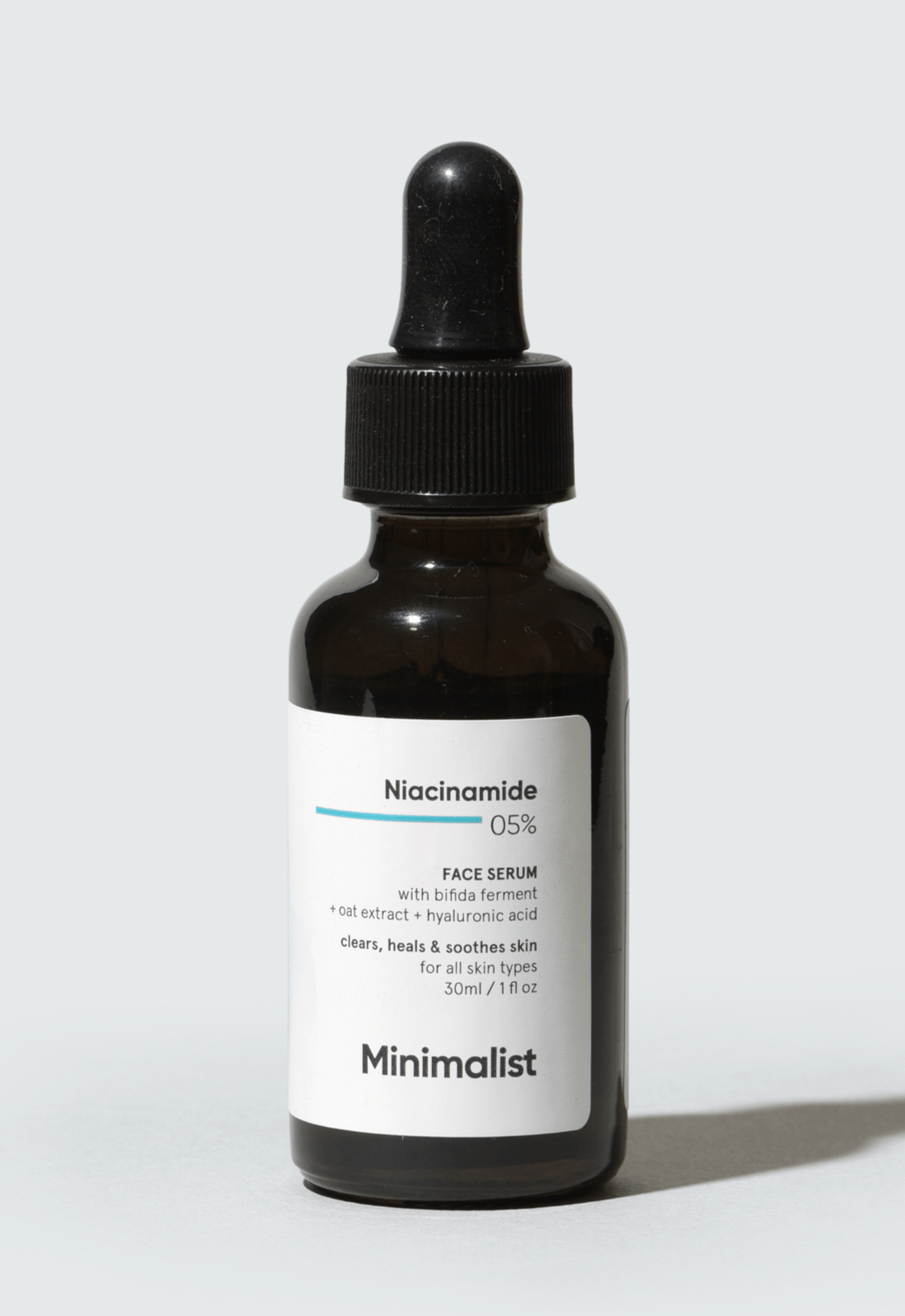
1. Minimalist 5% Niacinamide Serum with Hyaluronic Acid
A 5% niacinamide serum buffered with hyaluronic acid, fragrance-free, and squarely in the gentle band, which makes it a sensible starting point for reactive skin or a barrier that is still settling. The lower percentage supports the moisture barrier and helps even tone without the flushing higher strengths can provoke.
- 5% niacinamide + hyaluronic acid · fragrance-free · in the gentle 4–10% band
- Best first niacinamide for a reactive or compromised barrier
- Tradeoff: milder oil/pore effect than a 10% serum
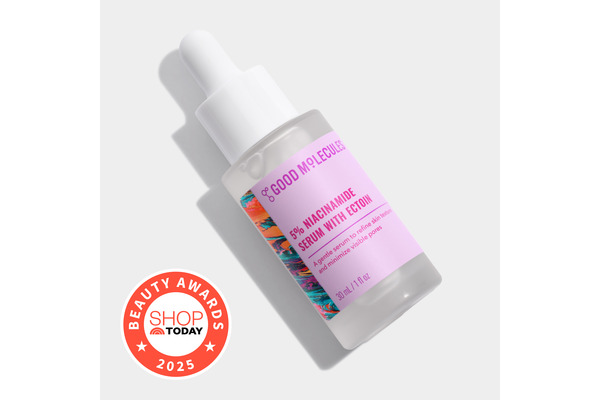
2. Good Molecules Niacinamide Serum with Ectoin
This combines 5% niacinamide with ectoin, an osmolyte that helps skin hold water and supports the moisture barrier, so the soothing partner does as much work as the active. At a few dollars it is among the gentlest budget options for a stressed barrier.
- 5% niacinamide + ectoin · osmolyte barrier support
- Best value pick for a dehydrated or compromised barrier
- Tradeoff: subtle oil/pore effect; benefits build slowly with daily use
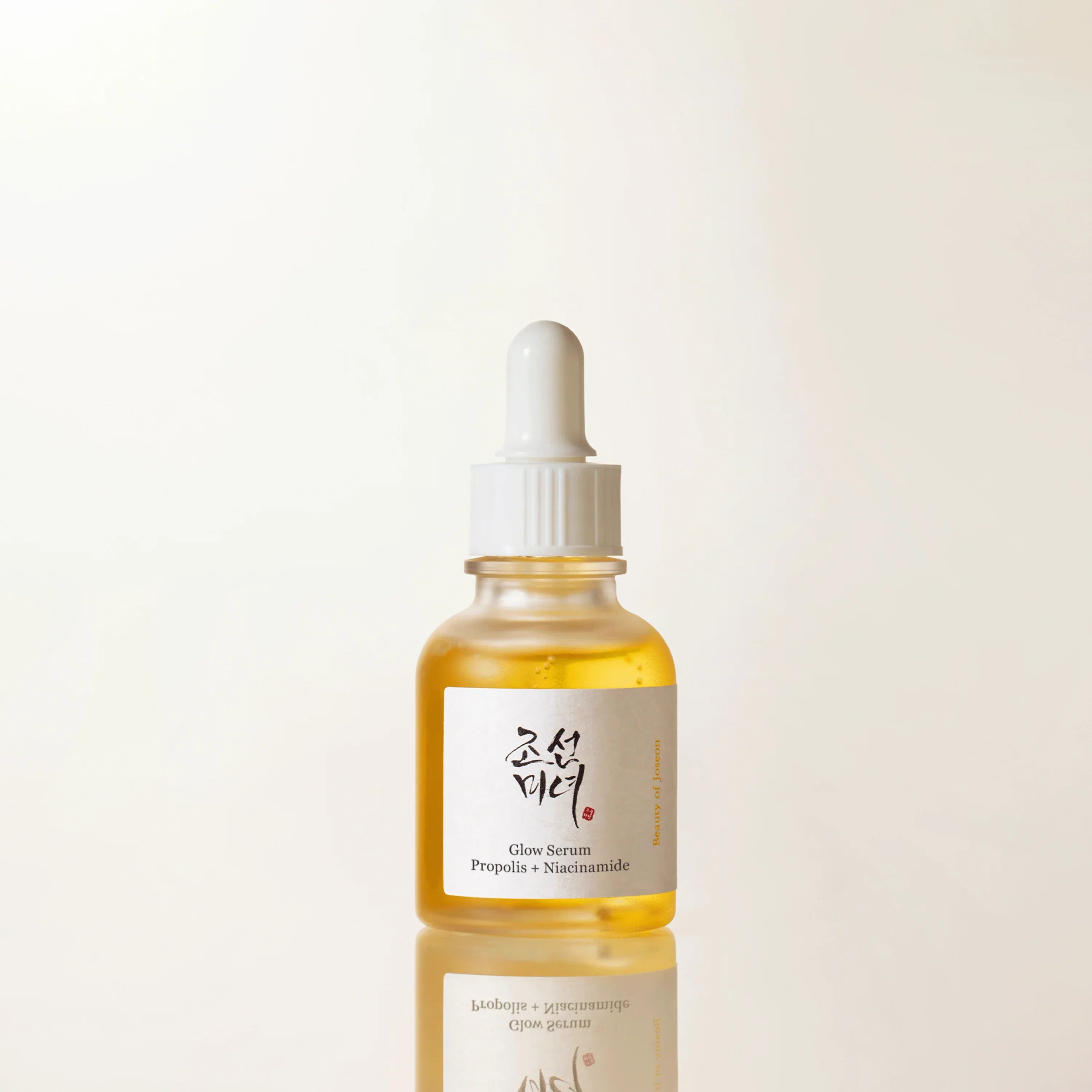
3. Beauty of Joseon Glow Serum: Propolis + Niacinamide
This uses a deliberately low niacinamide level alongside propolis, a humectant-rich soothing ingredient, so it leans calming rather than active-heavy, which suits redness-prone skin that reacts to most serums. It visibly calms redness and adds hydration without a high percentage.
- Low-percentage niacinamide + propolis extract · calming-first, humectant-rich
- Best for rosacea-prone skin that stings on most actives
- Tradeoff: propolis is bee-derived — skip if you react to bee products
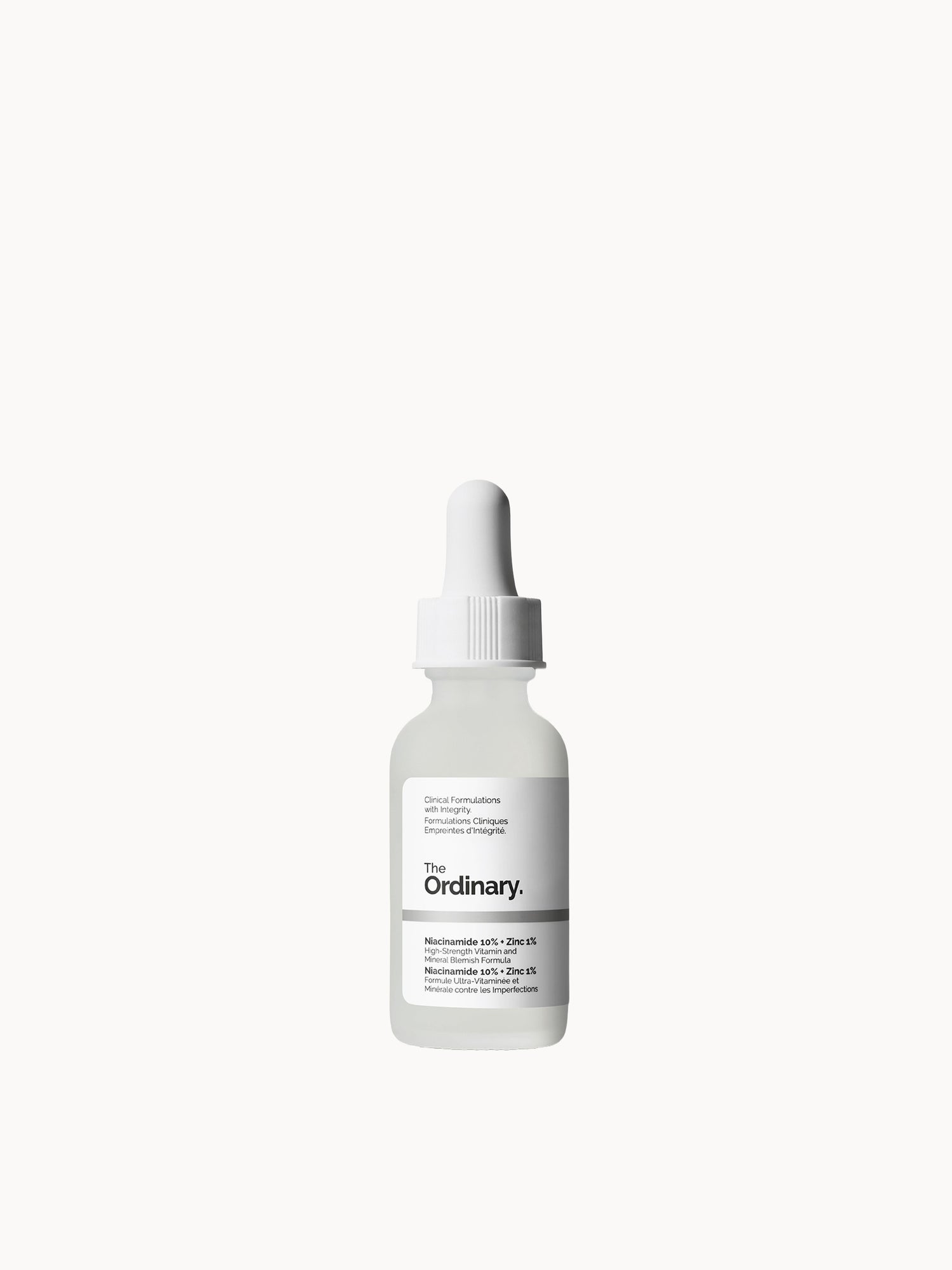
4. The Ordinary Niacinamide 10% + Zinc 1% Serum
This pairs 10% niacinamide with 1% zinc PCA, a combination that helps regulate oil and reduce the look of pores on combination and oily-sensitive skin. It is fragrance-free and inexpensive, which makes it a sensible first trial of the zinc pairing.
- 10% niacinamide + 1% zinc PCA · fragrance-free
- Best low-cost 10%+zinc option for oily-sensitive skin
- Tradeoff: 10% is the ceiling of the gentle range; gel texture can pill — apply on its own first
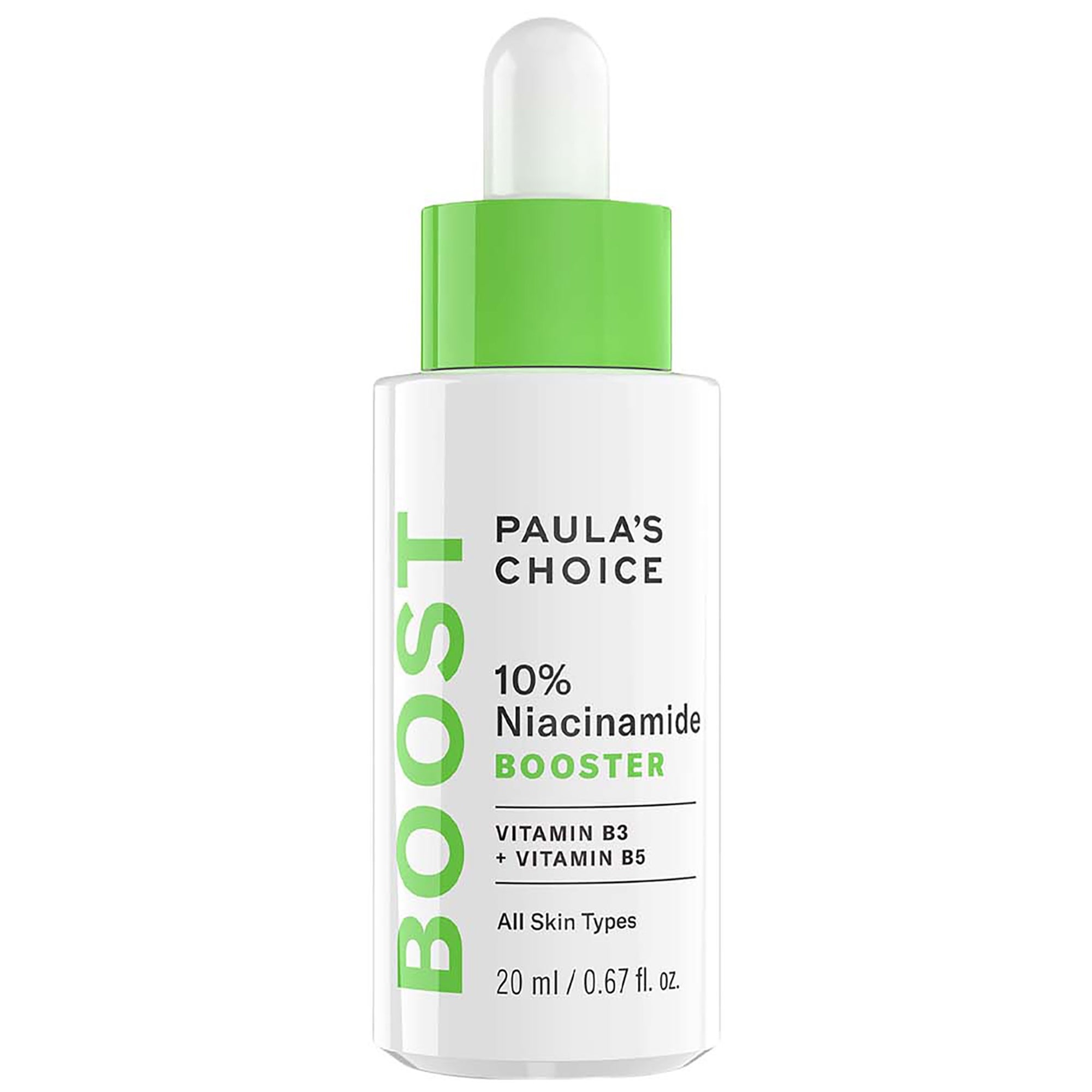
5. Paula’s Choice BOOST 10% Niacinamide Booster
Fragrance-free and made to be used neat or mixed into your moisturizer, which lets reactive skin dilute the 10% and step the strength up as tolerance builds, a level of dose control most serums do not offer. Licorice root extract adds a partner that helps visibly calm redness.
- 10% niacinamide + licorice root extract + hyaluronic acid · fragrance-free
- Best for the careful reader who wants to titrate strength
- Tradeoff: small size, higher price; start diluted on cautious skin
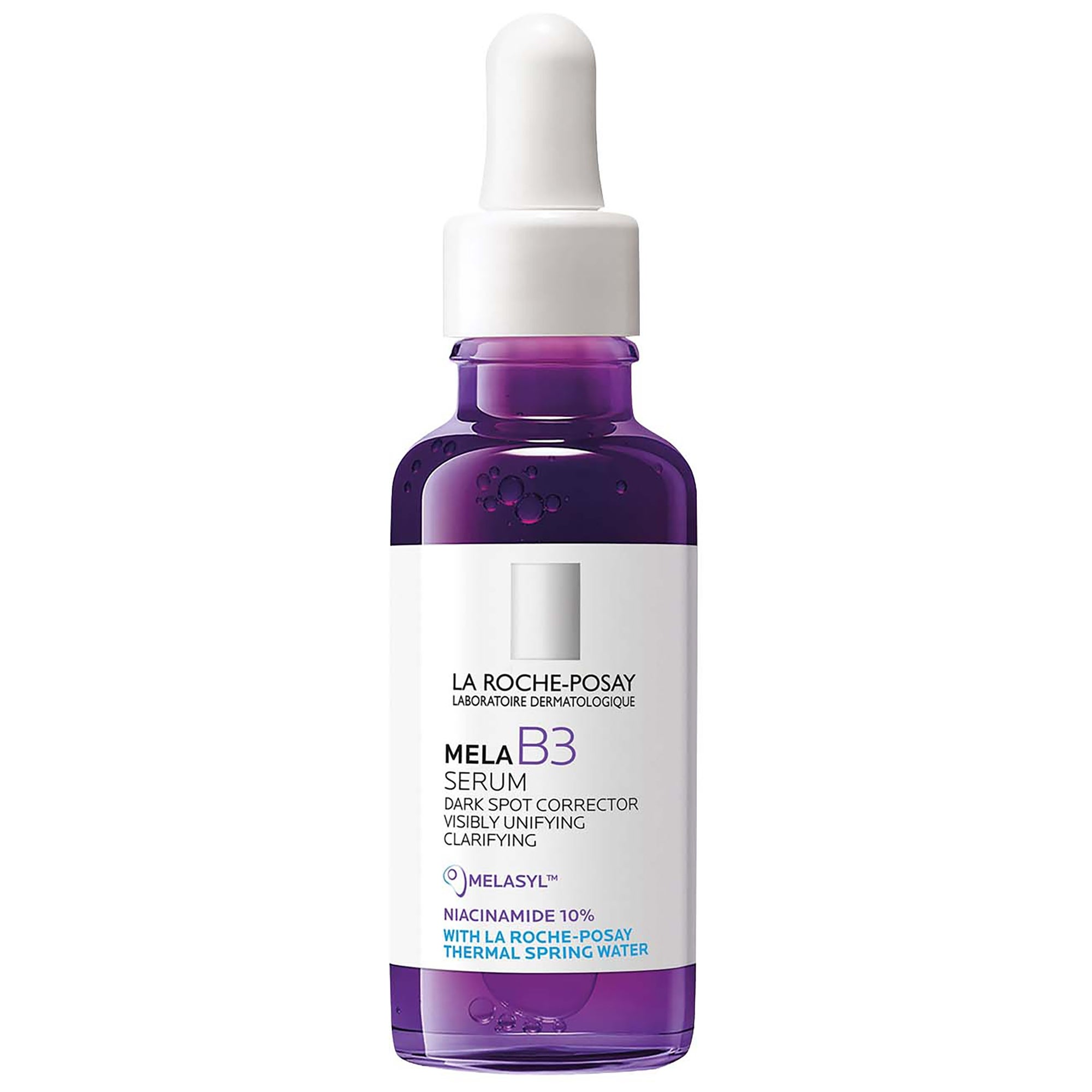
6. La Roche-Posay Mela B3 Serum (Melasyl + 10% Niacinamide)
From a pharmacy brand built around sensitive skin, this 10% niacinamide serum adds Melasyl to target the look of uneven tone, dark spots, and post-blemish marks while niacinamide supports the barrier and visibly calms redness. Many reactive users tolerate it well.
- 10% niacinamide + Melasyl + LHA · targets the look of dark spots / uneven tone
- Best for discoloration-focused reactive skin
- Tradeoff: contains fragrance — not the safest for fragrance-reactive skin; patch-test

7. Geek & Gorgeous B-Bomb 10% Niacinamide Serum
A fragrance-free, ingredient-purist formula that pairs 10% niacinamide with zinc PCA and sarcosine to help regulate oil and reduce the look of pores, which makes it a strong match for oily-sensitive skin. The short ingredient list keeps trigger risk low.
- 10% niacinamide + zinc PCA + sarcosine · fragrance-free · short ingredient list
- Best clean/purist pick for oily-sensitive skin
- Tradeoff: sold on Amazon via a third-party seller — verify price/stock before buying
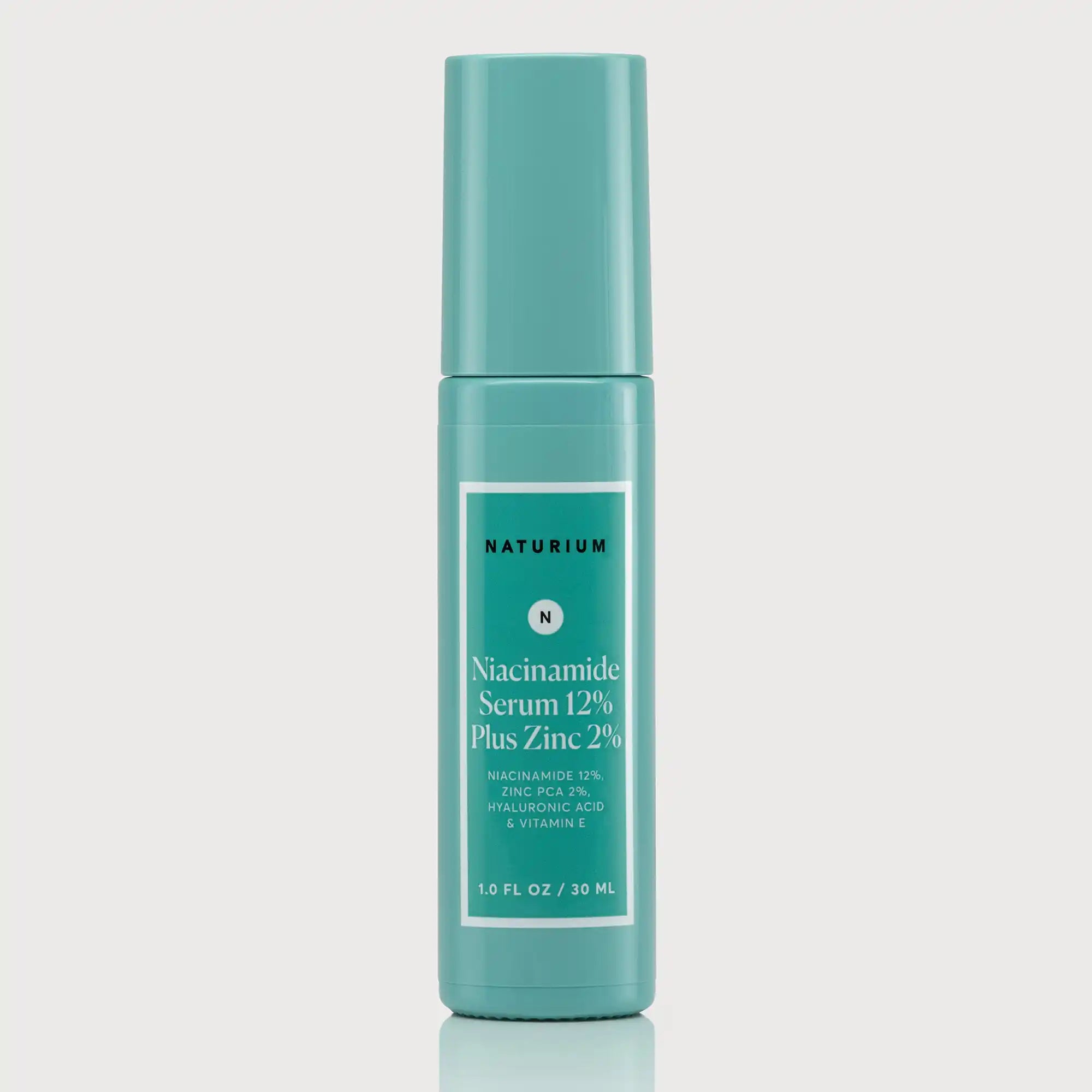
8. Naturium Niacinamide Face Serum 12% Plus Zinc 2%
At 12% niacinamide with 2% zinc, this sits just above the gentle 4 to 10% band, so it is the pick for oilier or more resilient sensitive skin rather than a first serum for very reactive complexions. The higher dose works more assertively on oil and the look of pores, and zinc supports that.
- 12% niacinamide + 2% zinc PCA + hyaluronic acid + vitamin E
- Best for oilier-but-sensitive skin that already tolerates 10%
- Tradeoff: 12% is above the well-tolerated band — patch-test, start every other day, step down if it stings
Frequently asked questions
- What percentage of niacinamide is best for sensitive skin?
- For most sensitive skin, 4 to 10% does the work, supporting the barrier, helping regulate oil, and reducing the look of pores. The barrier and redness research commonly cited used around 4 to 5%, so you do not need a high number. Strengths near 20% offer no extra benefit for sensitive skin and are more likely to cause flushing.
- Can you use niacinamide with vitamin C?
- Yes. The old idea that the two cancel out comes from raw-ingredient lab conditions, not finished serums. In modern formulas they layer well. If you prefer, use vitamin C in the morning and niacinamide at night, or apply niacinamide after your vitamin C has absorbed.
- Should I use niacinamide in the morning or at night?
- Either works, and many people use it twice a day. In the morning it layers well under SPF and can help with oil through the day; at night it supports overnight barrier repair and pairs with retinol or bakuchiol. Consistency matters more than timing.
- Does niacinamide help with redness and rosacea-prone skin?
- Niacinamide can visibly calm redness and supports the moisture barrier, which is often weak in rosacea-prone skin, so many people find it soothing. It is not a treatment or cure for rosacea. If you have diagnosed rosacea, use it as supportive care alongside your dermatologist’s plan.
- Does niacinamide cause purging or flushing?
- Niacinamide does not cause purging, because it does not speed up cell turnover the way retinoids or acids do. A small number of people feel a brief, harmless flush from high percentages; staying in the 4 to 10% range and patch testing usually prevents it.
- How long does niacinamide take to work?
- Oil and the look of pores often look more even within about four weeks of daily use, while barrier strength and redness usually improve over eight to twelve weeks. If a serum stings or worsens redness in the first week, the percentage or another ingredient is likely too strong, so scale back.
Related reading: vitamin C serums · bakuchiol & clean retinol alternatives · mineral facial sunscreens · Eminence Organic Skin Care.