
New to a sensitive-skin routine? Start with our complete sensitive-skin routine guide — all 7 steps, in order.
Mineral sunscreens use two filters, zinc oxide and titanium dioxide, that sit on the skin’s surface and scatter and absorb UV before it reaches deeper layers. Because they are not taken into the skin the way chemical filters are, reactive and redness-prone skin tends to tolerate them with less stinging. The honest tradeoff is texture: mineral formulas can leave a white cast, so the right pick depends as much on finish and tint as on the SPF number.
Our pick from the OSC shelf
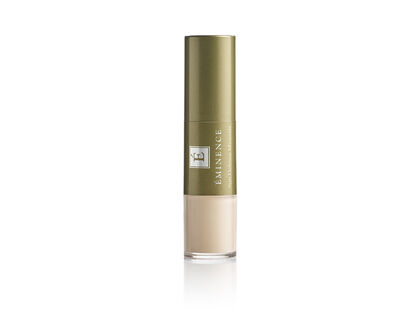
Eminence Organics SPF 30 Sun Defense Minerals — $58
The one we reach for first is from a line we carry ourselves. Sun Defense Minerals is a brush-on mineral powder built on zinc oxide, which makes it a true physical-filter SPF with no chemical filters — and because it is a powder, it is the cleanest way to reapply protection over makeup through the day, the step most people skip. It comes from Eminence’s professional organic range, formulated for sensitive skin. If you want a single product to anchor a clean routine, start here; if you prefer a lotion base, the Amazon picks below cover that.
Also from Eminence when it is back in stock: the Bright Skin Moisturizer SPF 40, a zinc-based daily moisturizer-SPF. Browse the full Eminence Organic Skin Care collection.
What the research shows

In the FDA’s own randomized clinical trial, led by Murali Matta and colleagues (JAMA), participants using chemical sunscreens absorbed common UV filters into their bloodstream at levels the agency itself flags for further study — oxybenzone reached an average of 189 ng/mL, more than 375 times the FDA’s 0.5 ng/mL threshold for requiring additional safety testing, while avobenzone and octocrylene stayed far lower. Zinc oxide and titanium dioxide remain the only two filters the FDA classifies as safe and effective without reservation. It is exactly why a true mineral sunscreen sits on top of the skin instead of moving through it — and what separates physical SPF from a chemical formula still waiting on the safety data to catch up.
How to choose a clean mineral facial sunscreen
Zinc oxide, titanium dioxide, or both
Zinc oxide covers the widest range of UV, including the longer UVA wavelengths tied to aging and pigmentation. Titanium dioxide handles shorter UVB a little better and often feels lighter, but on its own it leaves more of a cast. The most reliable broad-spectrum mineral formulas pair the two, or run zinc oxide high enough (roughly 10 to 20 percent) to carry the protection alone.
Look for non-nano particle size
Non-nano means the mineral particles are larger than 100 nanometers, so they rest on the skin’s surface rather than forming a fine, inhalable dust. This matters most for loose powders and sprays, not creams and lotions. For sensitive skin the practical point is simple: non-nano zinc oxide is the form with the longest safety record and the one dermatologists most often point to.
White cast versus tint, matched to your skin tone
Untinted mineral sunscreens can leave a pale or grey film that reads heavier on deeper skin tones. A tinted formula uses iron oxides to blend the cast into a sheer, skin-matching finish, and iron oxides add a bonus: they help screen visible light, which research links to melasma and pigmentation. If your skin is melanin-rich or pigmentation-prone, a tinted or truly invisible mineral SPF is usually the better daily choice.
SPF 30 or higher, and confirm broad spectrum
SPF measures protection against UVB, the burning rays; broad spectrum or a PA rating (PA+ to PA++++) tells you it also covers UVA, the aging and pigment rays. For daily facial wear, SPF 30 to 50 broad spectrum is the dermatologist-backed range. Higher numbers add small margins and often a heavier feel, so judge a formula on finish and reapplication over a bigger SPF figure.
Scan the INCI for sensitive-skin triggers
A mineral filter does not make the whole formula gentle. Check for added synthetic fragrance (listed as fragrance or parfum), denatured alcohol high on the list, and concentrated essential oils, especially citrus oils, which are common reasons reactive skin reacts. Fragrance-free and low on essential oils is the safer starting point for rosacea-prone and easily irritated skin.
Finish and reapplication, judged honestly
A sunscreen only protects if you actually wear it and reapply, so the texture has to fit your skin and your makeup. Drier skin does better with a dewy, moisturizing base; oily and acne-prone skin does better with a matte, lightweight finish. Plan to reapply every two hours of real sun exposure, which is where powder and stick formats earn their place over a cream you cannot layer.
The 8 best mineral facial sunscreens you can buy on Amazon
Each pick is a physical-filter (mineral) formula suited to sensitive skin. We note which are certified organic and which are clean-but-not-organic, so you can choose on your own terms.
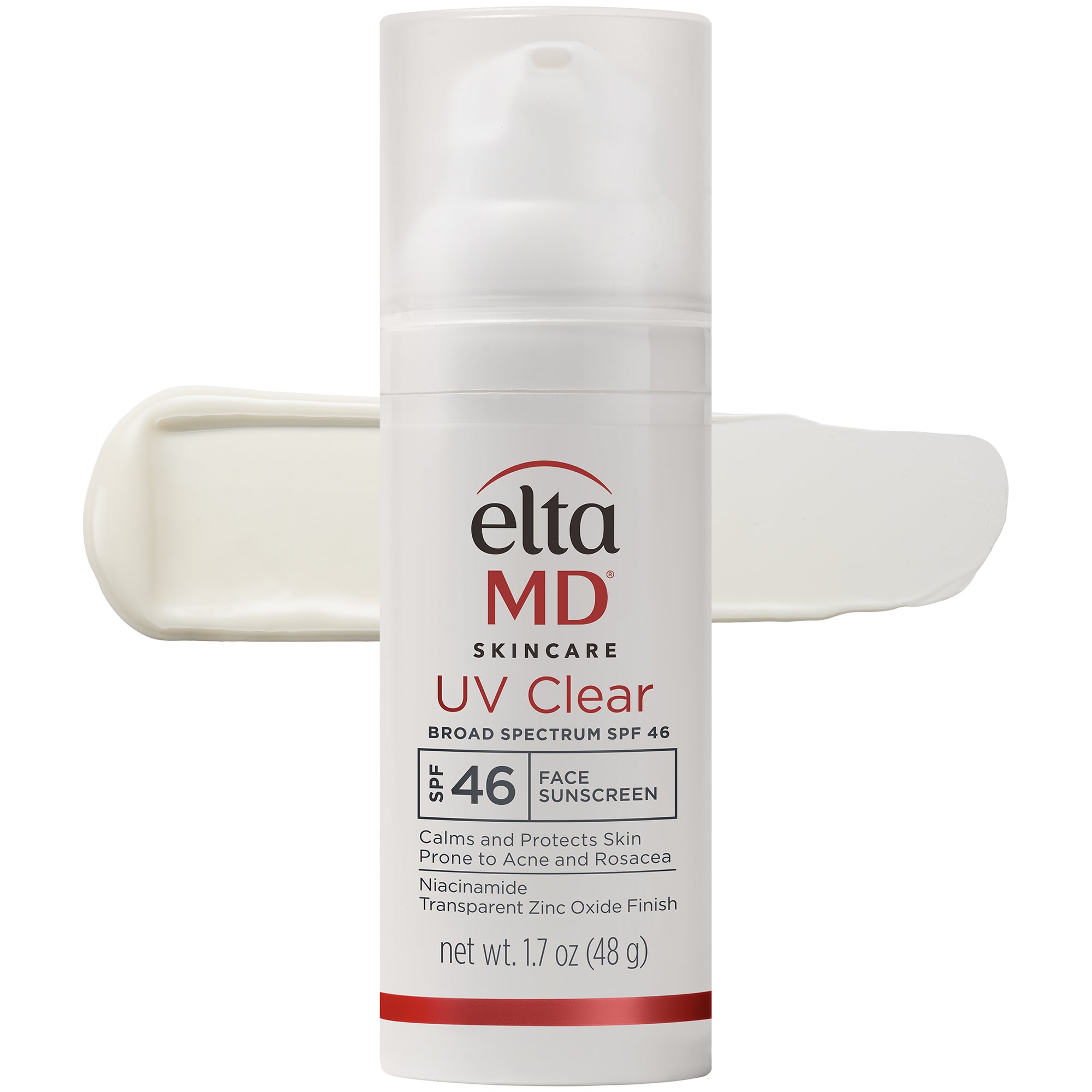
1. EltaMD UV Clear Broad-Spectrum SPF 46
The mineral face SPF dermatologists reach for most when skin is sensitive, redness-prone, and breaks out. The only active is transparent zinc oxide 9%, paired with niacinamide at 5% and hyaluronic acid; it is fragrance-free, oil-free, and non-comedogenic, so it sits light on oily and acne-prone skin without a heavy cast. One caution worth repeating: choose UV Clear or UV Physical, not the look-alike UV Sport or UV Active, which use chemical filters.
- Active: transparent zinc oxide 9%
- SPF 46, broad spectrum · fragrance-free, oil-free, non-comedogenic
- Clean, not organic · tradeoff: apply a generous, even layer
Check price on Amazon →~$39–45
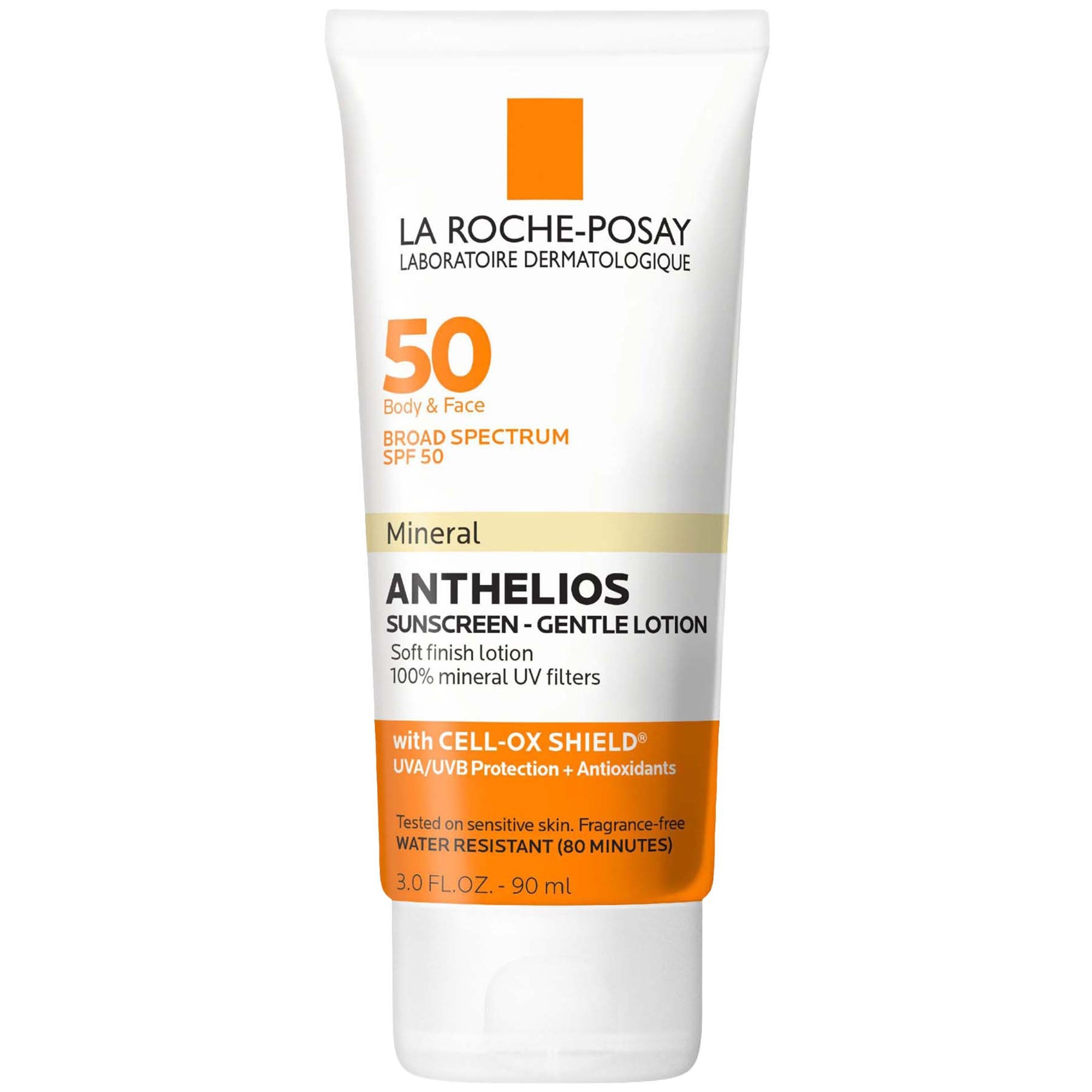
2. La Roche-Posay Anthelios Mineral Sunscreen SPF 50 (Gentle Lotion)
A 100% mineral lotion using titanium dioxide and zinc oxide, oxybenzone-free and oil-free, with the Cell-Ox Shield antioxidant complex for environmental defense. It is fragrance-free and sensitive-skin tested, which is why it is a long-standing dermatologist recommendation for reactive, redness-prone skin. This is the untinted Mineral version — note that the standard Anthelios lines (Melt-In Milk, UVMune) use chemical filters, so look for “Mineral” on the label.
- Actives: titanium dioxide + zinc oxide (100% mineral)
- SPF 50, broad spectrum · oxybenzone-free, oil-free, fragrance-free
- Clean, not organic · tradeoff: untinted, so a faint cast is possible on deeper tones
Check price on Amazon →~$26–32
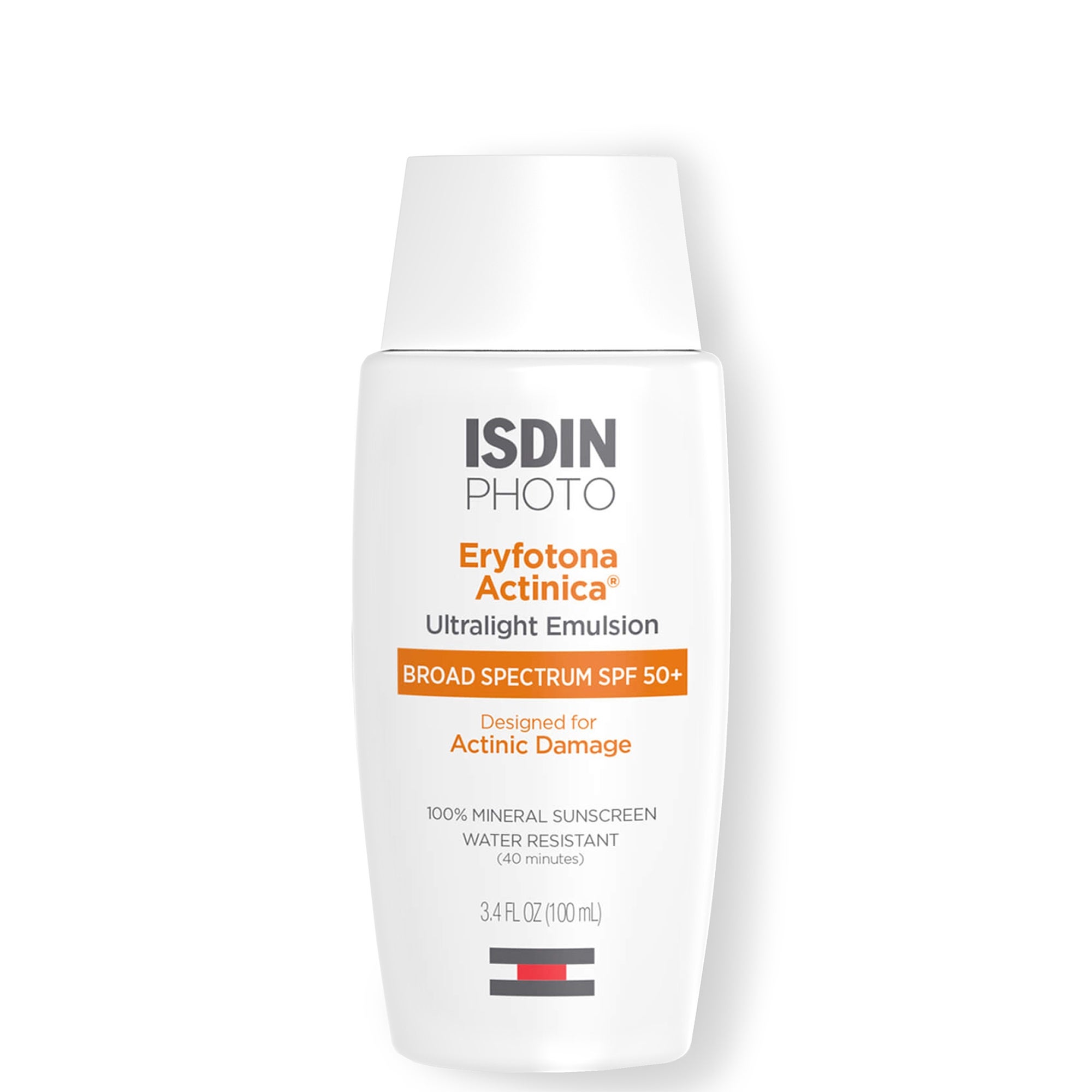
3. ISDIN Eryfotona Actinica Mineral Sunscreen SPF 50+
A lightweight milky emulsion built around zinc oxide, with two extras aimed at the early-aging concern: DNA Repairsomes (a photolyase enzyme studied for helping address existing sun damage) and vitamin E. It is fragrance-free, absorbs with minimal cast, and layers cleanly under makeup. A strong daily choice for skin focused on long-term photoprotection rather than coverage.
- Active: zinc oxide (100% mineral)
- SPF 50+, broad spectrum · DNA Repairsomes + vitamin E
- Clean, not organic · tradeoff: higher price; protection, not coverage
Check price on Amazon →~$60–73
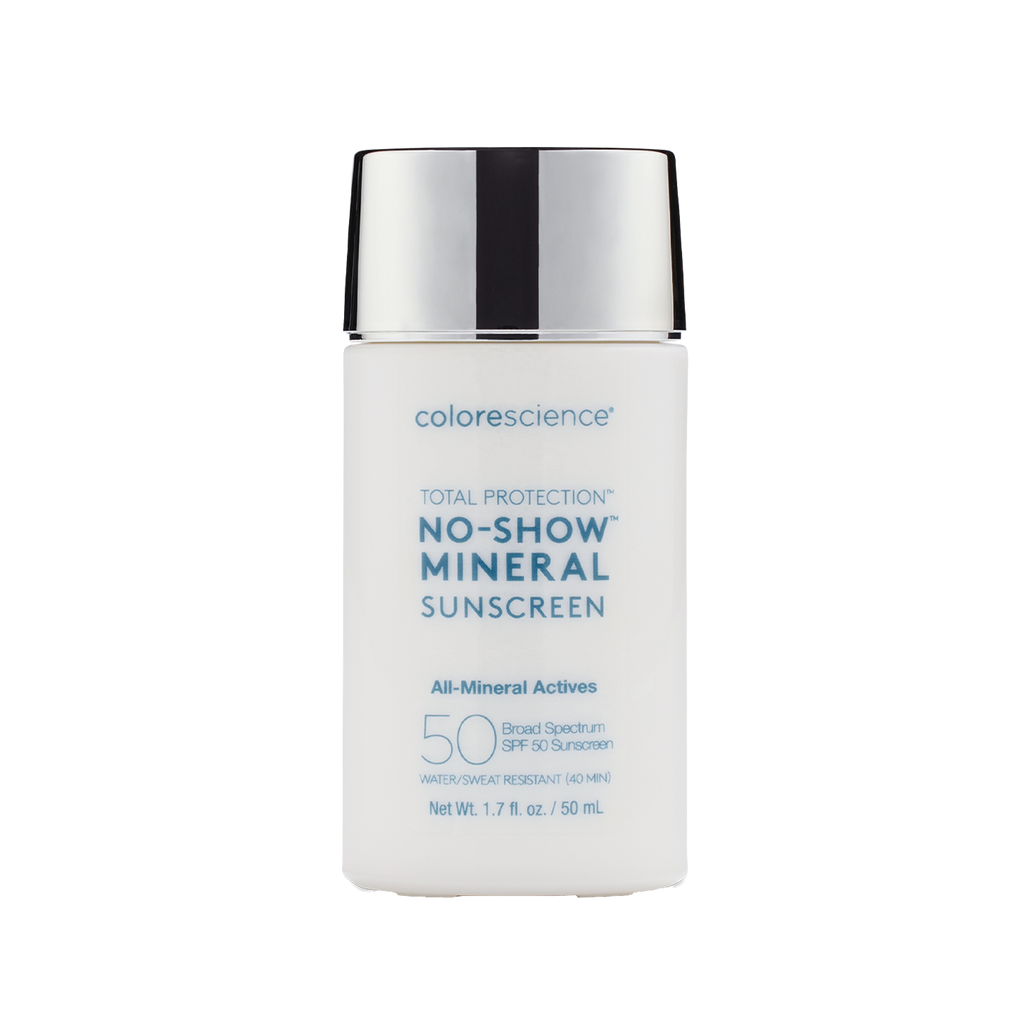
4. Colorescience Total Protection No-Show Mineral Sunscreen SPF 50
A 100% invisible all-mineral formula built around zinc oxide, engineered to disappear on every skin tone rather than leaving the pale film mineral SPFs are known for. A strong daily pick for medium-to-deep complexions that want physical-filter protection without a cast. The tinted Sunforgettable siblings add iron oxides if you prefer a sheer tint and extra visible-light defense.
- Active: zinc oxide (100% mineral)
- SPF 50, broad spectrum · 100% invisible finish · water-resistant
- Clean, not organic · tradeoff: higher price band; untinted

5. Vanicream Facial Moisturizer with Mineral Sunscreen SPF 30
The value anchor for skin that reacts to almost everything. It is free of dyes, fragrance, parabens, lanolin, and formaldehyde-releasers, which is why allergy-prone and eczema-prone skin tolerates it so well, and the filters are zinc oxide and titanium dioxide only. Plain, no-frills, low irritation risk, and the lowest price in this lineup.
- Actives: zinc oxide + titanium dioxide (mineral only)
- SPF 30, broad spectrum · doubles as a daily facial moisturizer
- Clean, not organic · tradeoff: untinted, functional texture
Check price on Amazon →~$13–16

6. Badger Zinc Oxide Mineral Face Sunscreen SPF 30
About as short an ingredient list as mineral SPF gets, which is why it suits the INCI-reader: clear non-nano zinc oxide in a certified-organic base of sunflower oil and vitamin E, formulated as a lightweight face sunscreen. The honest cost is feel and finish, traded for a clean, high-zinc formula from a long-standing organic brand.
- Active: clear non-nano zinc oxide
- SPF 30, broad spectrum · certified-organic base · reef-conscious
- Certified organic · tradeoff: a faint cast and a richer feel

7. Well People Daygleamer Mineral Sunscreen Serum SPF 34
A serum-textured mineral SPF for skin that wants a dewy finish instead of a matte one. Non-nano zinc oxide is blended with niacinamide, aloe, and antioxidant oils for a glow that does not read chalky, and it is EWG Verified, silicone-free, and non-comedogenic. A comfortable everyday option.
- Active: non-nano zinc oxide
- SPF 34, broad spectrum · niacinamide + aloe + antioxidant oils
- EWG Verified · tradeoff: the dewy finish can read shiny on very oily skin

8. Babo Botanicals Sheer Zinc Mineral Sunscreen Lotion SPF 30
A fragrance-free, plant-based lotion built for sensitive and eczema-prone skin, with non-nano zinc oxide and a roughly 70-percent-plus organic content base. It is vegan and reef-conscious — a dependable organic-leaning pick without a luxury price.
- Active: non-nano zinc oxide
- SPF 30, broad spectrum · fragrance-free, vegan, reef-conscious
- ~70%+ organic content · tradeoff: a slight cast, matte feel
Frequently asked questions
- What’s the difference between mineral and chemical sunscreen?
- Mineral sunscreens use zinc oxide and titanium dioxide, which stay on the skin’s surface and scatter and absorb UV. Chemical sunscreens use filters like avobenzone, oxybenzone, octinoxate, and homosalate, which sink into the skin and absorb UV through a chemical reaction. For sensitive and reactive skin, the mineral route is usually the lower-irritation choice, and in 2019 the FDA named zinc oxide and titanium dioxide the only two filters it currently classifies as safe and effective without more data.
- Why does mineral sunscreen leave a white cast, and how do I avoid it?
- Zinc oxide and titanium dioxide are naturally white, so they can leave a pale or grey film, most visibly on deeper skin tones. To reduce it, choose a tinted or invisible formula, apply in thin layers and let each one set, or pick a sheer formula built with well-dispersed particles. A faint cast at first usually softens within a few minutes as the formula settles.
- How do I reapply mineral sunscreen over makeup?
- You cannot rub a cream over makeup without smearing it, so reapply with a format that layers on top. A mineral SPF powder dusted on with a brush, or a mineral SPF setting spray applied generously, both refresh protection without disturbing your base. Aim to top up every two hours of direct sun, and more often if you are sweating.
- Is mineral sunscreen better for rosacea or redness-prone skin?
- For many people with rosacea it is the easier sunscreen to tolerate, because mineral filters stay on the surface and tend to sting less than chemical filters on a reactive barrier. UV is also one of the most documented triggers for facial flushing, so dermatologists routinely include daily broad-spectrum SPF in a redness-aware routine. Look for fragrance-free, alcohol-light formulas, and a skin-tinted option can reduce the appearance of redness while you wear it. Sunscreen does not treat rosacea; it is one supportive part of a routine.
- Is mineral sunscreen reef-safe?
- Reef-safe is a marketing term with no legal definition, so always read the INCI. Non-nano zinc oxide and titanium dioxide are generally viewed as more reef-friendly, while oxybenzone and octinoxate are the two chemical filters tied to coral harm in lab studies and banned from sale in Hawaii and Key West. If reef impact matters to you, choose a non-nano mineral formula and confirm there is no oxybenzone or octinoxate in the list.
- What does non-nano zinc oxide mean, and is it safer?
- Non-nano means the particles are larger than 100 nanometers, so they rest on the skin rather than forming a fine, inhalable dust. The inhalation question only applies to loose powders and aerosol sprays, not to creams and lotions, where the particles are bound in the formula. For most shoppers the takeaway is reassurance: non-nano zinc oxide is the most-studied, longest-used form, which is why it appears on so many sensitive-skin labels.
Related reading: Eminence Organic Skin Care · uneven tone & dark spots.