
New to a sensitive-skin routine? Start with our complete sensitive-skin routine guide — all 7 steps, in order.
Exfoliation works by loosening the bonds that hold dull, dead-looking cells on your skin’s surface, so they shed and reveal fresher, brighter-looking skin underneath. For sensitive skin, the molecule you pick matters more than the strength: enzymes and PHAs (gluconolactone, lactobionic acid) are the gentlest, then large-molecule mandelic acid, then low-percentage lactic acid, while high-strength glycolic and strong salicylic acid are the ones reactive skin should use sparingly or skip. Exfoliating more often does not give you more results; for a sensitive barrier it usually just causes redness and stinging, so steady, low-frequency use is the goal.
Our pick from the OSC shelf
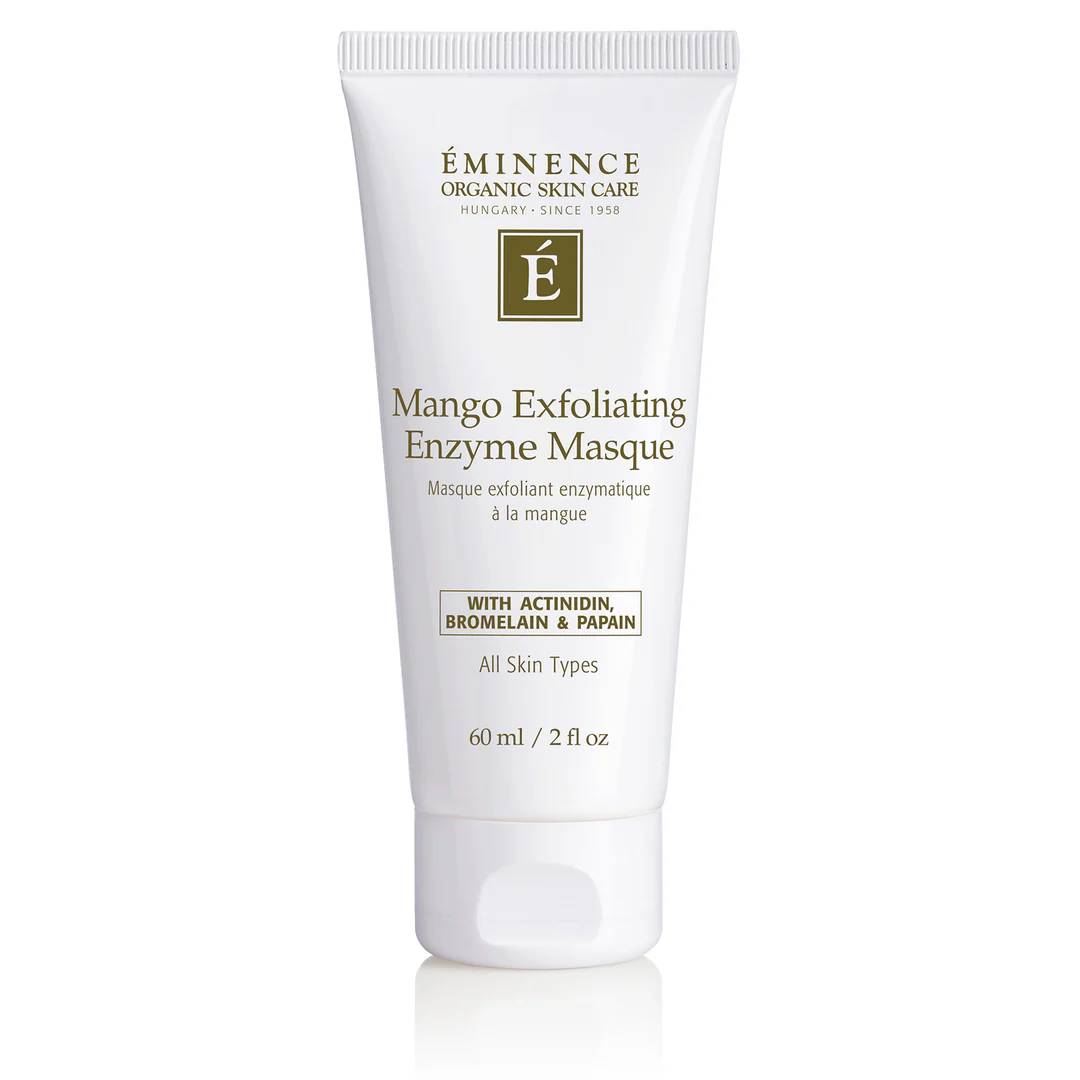
Eminence Organics Mango Exfoliating Enzyme Masque — $67
Enzymatic exfoliation is the gentlest mechanism in the hierarchy, which makes this the natural lead for sensitive skin. The masque uses fruit enzymes — actinidin from kiwi, bromelain from pineapple, and papain from papaya — to loosen the bonds between dull, dead-looking surface cells, so it smooths the look of texture without the acid sting or pH drop that high-strength acids cause on reactive and rosacea-prone skin. A vitamin C blend from mango, pineapple, and Kakadu plum supports a brighter-looking, more even-toned finish. From Eminence Organics, OSC’s flagship certified-organic line; vegan, gluten-free, nut-free. Use it as a 1–2x/week treatment mask.
Want enzyme exfoliation built into your cleanse? The Eminence Barbados Cherry Enzyme Cleansing Powder ($68, in stock) is our second in-house option. The Amazon picks below are leave-on PHA, mandelic, and lactic options you can buy now.
What the research shows
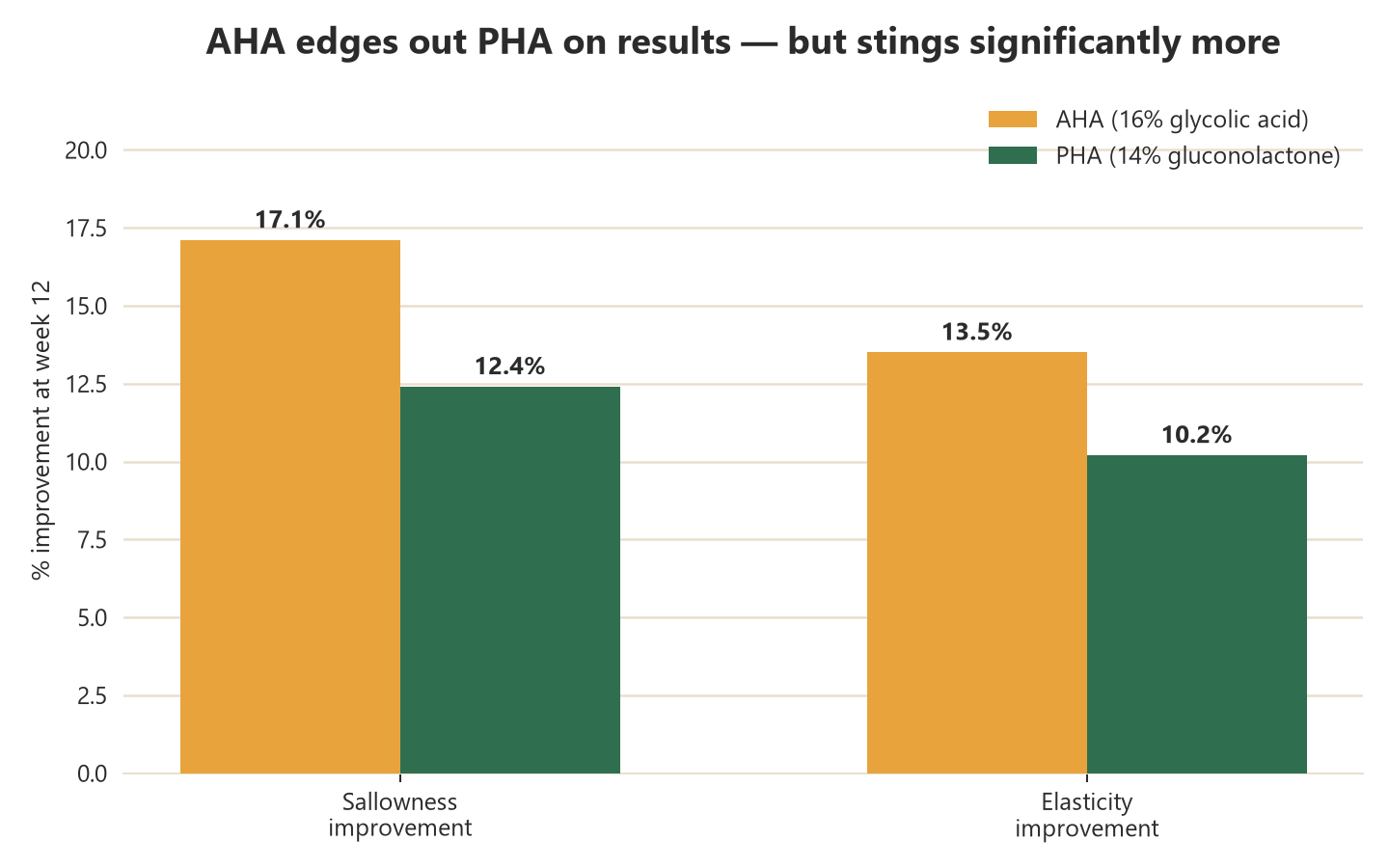
In a head-to-head 12-week trial by Edison, Green, and colleagues (Cutis), a 16%-strength glycolic acid (AHA) regimen scored only modestly higher than a 14%-strength gluconolactone (PHA) regimen on sallowness and elasticity — yet caused significantly more stinging and burning at both the 6- and 12-week marks. It is exactly why a gentle PHA like gluconolactone has earned its reputation as the exfoliant reactive skin can actually tolerate — and what separates an acid routine you can stay consistent with from one that buys a few extra points of polish at the cost of comfort.
How to choose a gentle exfoliant for sensitive skin
Start with the acid type, not the label
The gentleness hierarchy is the whole decision. Enzymes (papain from papaya, bromelain from pineapple) sit on the surface and break down only loose dead-looking cells, so they are the mildest option. PHAs — gluconolactone and lactobionic acid — are large molecules that work slowly and tend to draw in water, so they smooth the look of texture with less stinging. Mandelic acid is a large AHA (about 138 daltons) that penetrates slowly. Low-percentage lactic acid is a gentle true AHA. High-strength glycolic acid is a very small molecule (about 76 daltons) that penetrates fast and is the most likely to sting reactive skin; strong salicylic acid is better reserved for oily, congested skin than for a sensitive barrier.
Check the percentage, and stay low
For sensitive skin, lower is smarter: PHAs around 3–10%, mandelic acid around 5–10%, lactic acid at 5% or under. Treat anything labeled 10%-plus glycolic, or a low-pH professional peel, as occasional or in-clinic only, not a routine product.
Match the format to how much control you want
Rinse-off formats — enzyme masques and cleansing powders — sit on the skin for a short, controlled time and wash away, which lowers the risk of overdoing it. Leave-on serums and toners stay in contact longer and act faster, so they ask for more discipline. Pre-soaked pads are convenient but make it easy to over-apply; use one pad, not three.
Keep the frequency honest
Start at 1–2x per week and hold there for a few weeks before deciding to do more. Sensitive skin almost never needs daily acids. Frequency, not strength, is where most people overshoot. Space your actives, too: do not layer an exfoliant with retinol or bakuchiol on the same night.
Read the fragrance and additive list, then patch test
Added fragrance and high levels of essential oils are common triggers for redness and reactivity. Look for fragrance-free or low-essential-oil formulas, and patch test on the jaw or inner arm for two to three days before applying to the full face.
Daily SPF and an over-exfoliation caution are non-negotiable
Exfoliated skin is more sun-sensitive, so a broad-spectrum SPF 30 or higher every morning is part of exfoliating safely. If your skin starts stinging, feeling tight, or flaking worse, that is over-exfoliation — pause and let the barrier recover before restarting at a lower frequency.
The 8 best gentle exfoliants for sensitive skin on Amazon
Ranked gentlest-first — PHAs and enzymes, then mandelic, then low-percentage lactic — so you can start where your skin is. Each owns a distinct use-case.
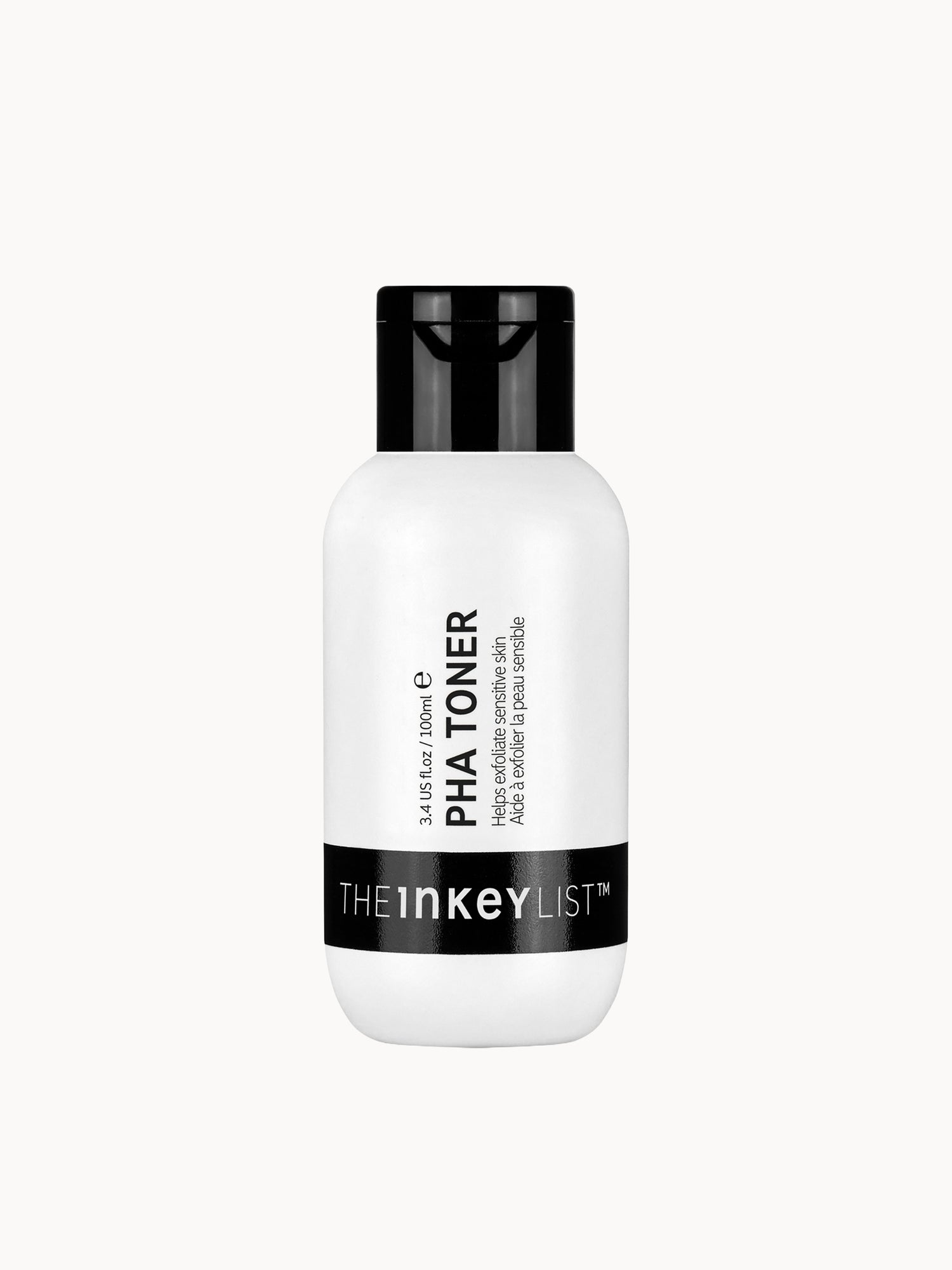
1. The INKEY List PHA Gentle Exfoliating Toner
This toner uses 3% gluconolactone, a polyhydroxy acid whose large molecule works mostly at the surface and also draws in water, so it smooths the look of texture with little of the sting that smaller acids cause. For a barrier that was worn down by over-exfoliation, it is one of the more forgiving places to start. It is fragrance-light and inexpensive, so testing tolerance is low-risk; use it a few evenings a week, not daily, at first.
- 3% PHA (gluconolactone) — the gentlest exfoliant tier · toner
- Best forgiving starting point for a worn-down barrier
- Tradeoff: surface-level and slow — the brand’s 10% Glycolic Toner is NOT a substitute
Check price on Amazon →~$11–15
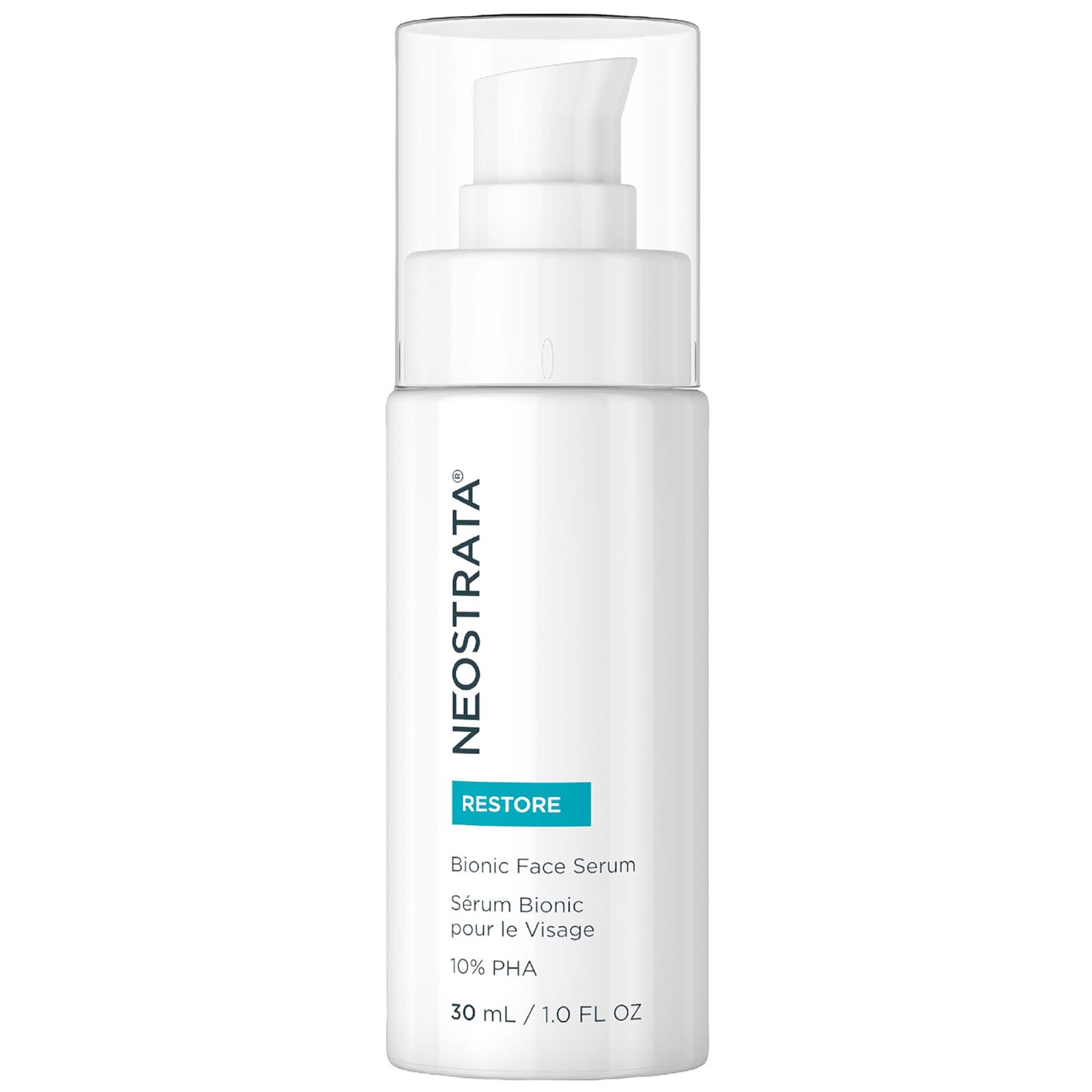
2. NeoStrata Bionic Face Serum (PHA 10, Lactobionic Acid)
Built around 10% lactobionic acid, the most water-binding PHA and an antioxidant in its own right, this fragrance-free serum suits dry, sensitive, or mature skin that wants resurfacing without the tight feeling stronger acids can leave. NeoStrata is the dermatologist-developed brand that helped introduce PHAs, so the formula reads clinical rather than trend-driven. It is the most expensive option here; the tradeoff is a gentler, hydrating path to brighter-looking skin.
- 10% lactobionic acid (PHA) — most water-binding PHA · serum · fragrance-free
- Best for dry/mature/dehydrated sensitive skin
- Tradeoff: priciest pick; works gradually
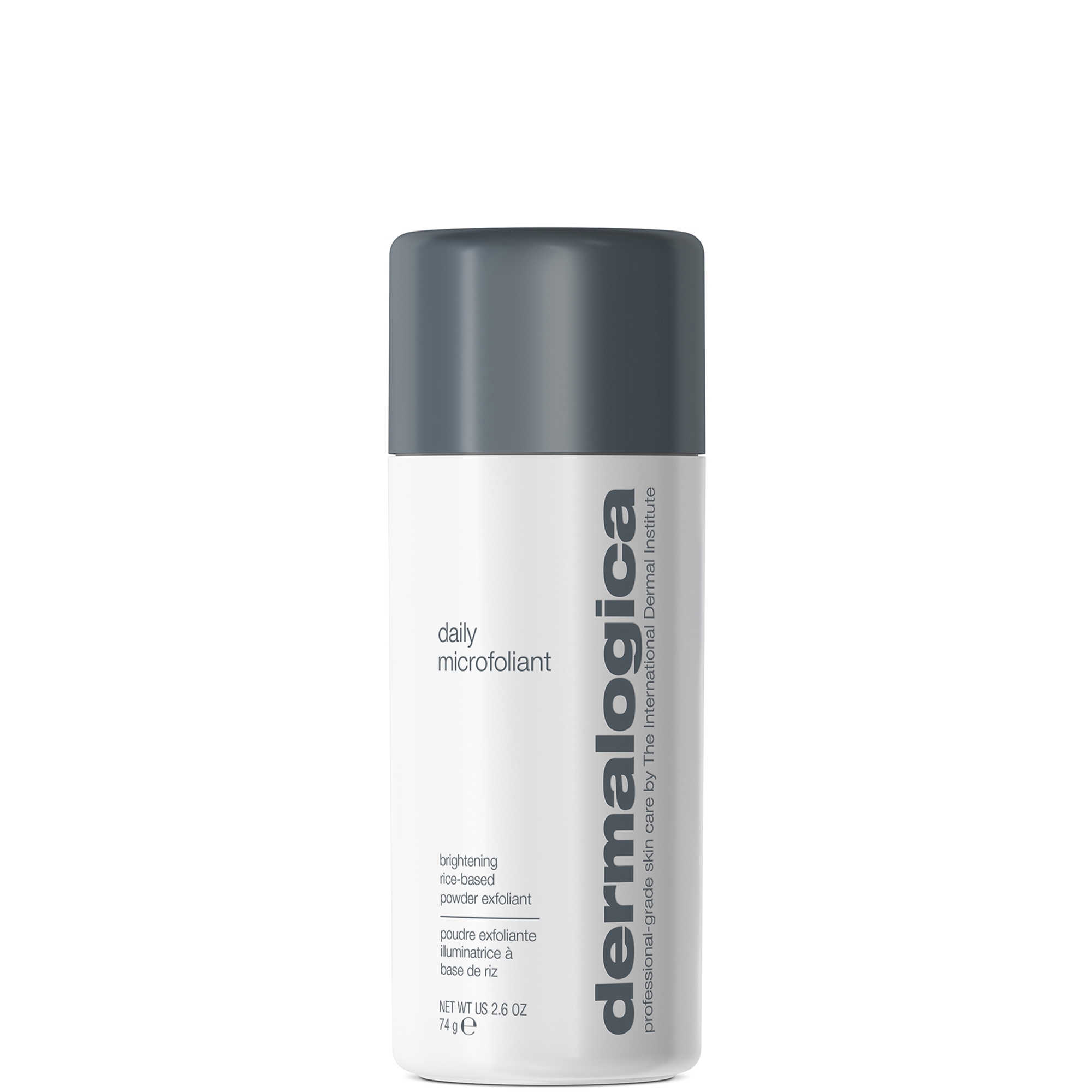
3. Dermalogica Daily Microfoliant Exfoliator
A rice-based powder that activates with water and exfoliates with papain (papaya) and rice-bran enzymes, which loosen dull-looking surface cells rather than dropping skin pH the way free acids do. The powder format lets you control dose and contact time, which suits reactive skin. Honest caveat: it includes a low dose of salicylic acid, so salicylate-sensitive or pregnant readers should check with their clinician before using it.
- Rice-bran + papain (papaya) enzymes, with a low dose of salicylic acid · powder
- Best everyday-friendly enzyme exfoliant on Amazon
- Tradeoff: contains low-dose salicylic — salicylate-sensitive/pregnant readers should check with a clinician
Check price on Amazon →~$19–67

4. By Wishtrend Mandelic Acid 5% Skin Prep Water
Mandelic acid is a large AHA molecule that penetrates slowly and evenly, and at 5% this prep water sits among the gentlest acid exfoliants — a sensible step up once enzymes and PHAs feel comfortable. It tends to suit skin working on the look of uneven tone without the flushing that glycolic can trigger. Apply with a cotton pad once or twice a week to start.
- 5% mandelic acid (large, slow-penetrating AHA) · toner/liquid
- Best step up from enzymes/PHAs to a true acid
- Tradeoff: slower and milder than glycolic — asks for consistency
Check price on Amazon →~$20–25
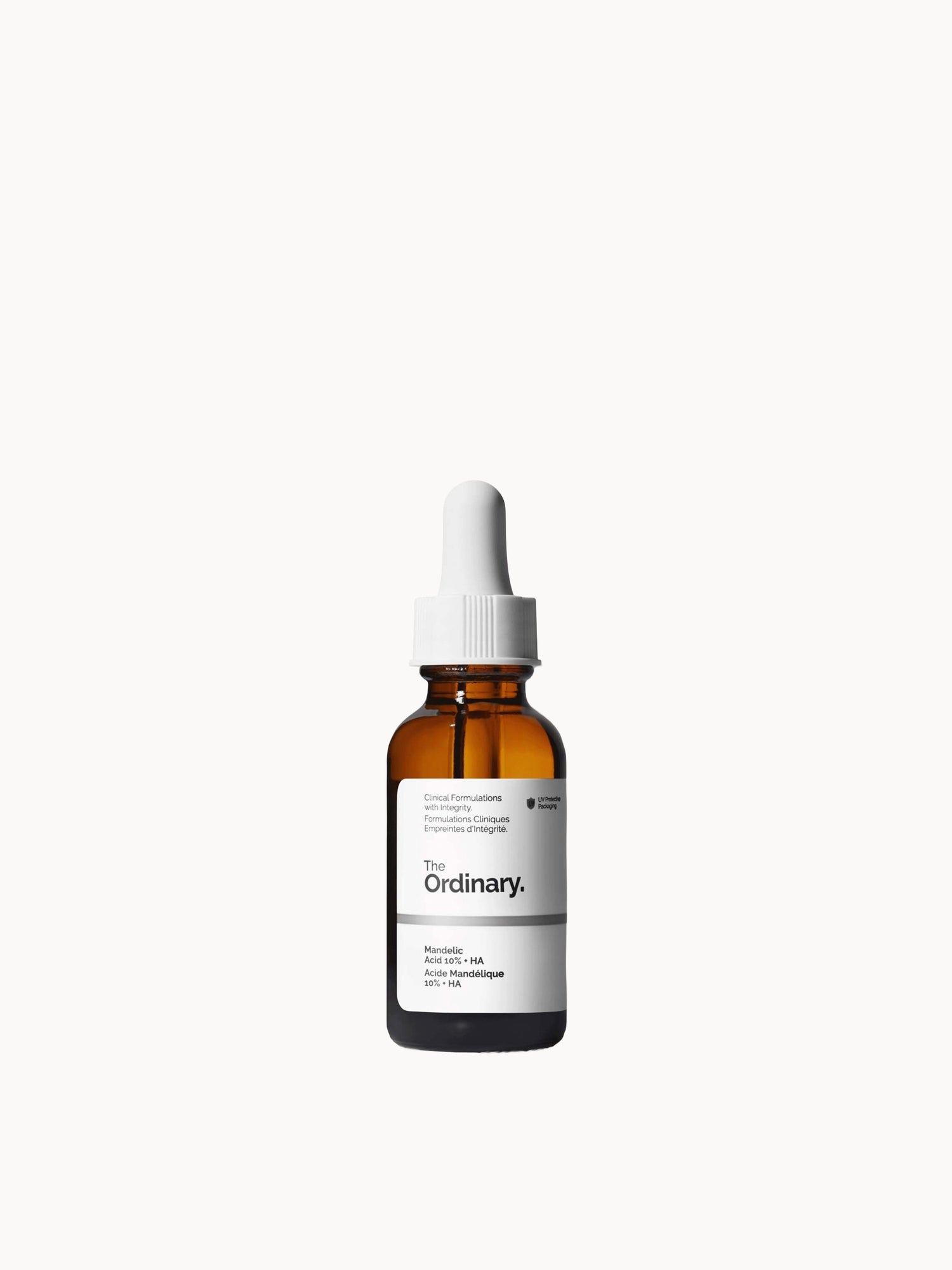
5. The Ordinary Mandelic Acid 10% + HA
A 10% mandelic serum with added hyaluronic acid for around ten dollars, this is a low-cost way to trial mandelic at a working strength; the large molecule keeps it gentler than a 10% glycolic. Treat it as an affordable trial rather than the destination. Build up slowly, and only after lower strengths feel comfortable.
- 10% mandelic acid + hyaluronic acid · serum
- Best low-cost way to trial mandelic at a working strength
- Tradeoff: build up slowly; only after lower strengths feel fine
Check price on Amazon →~$9–12
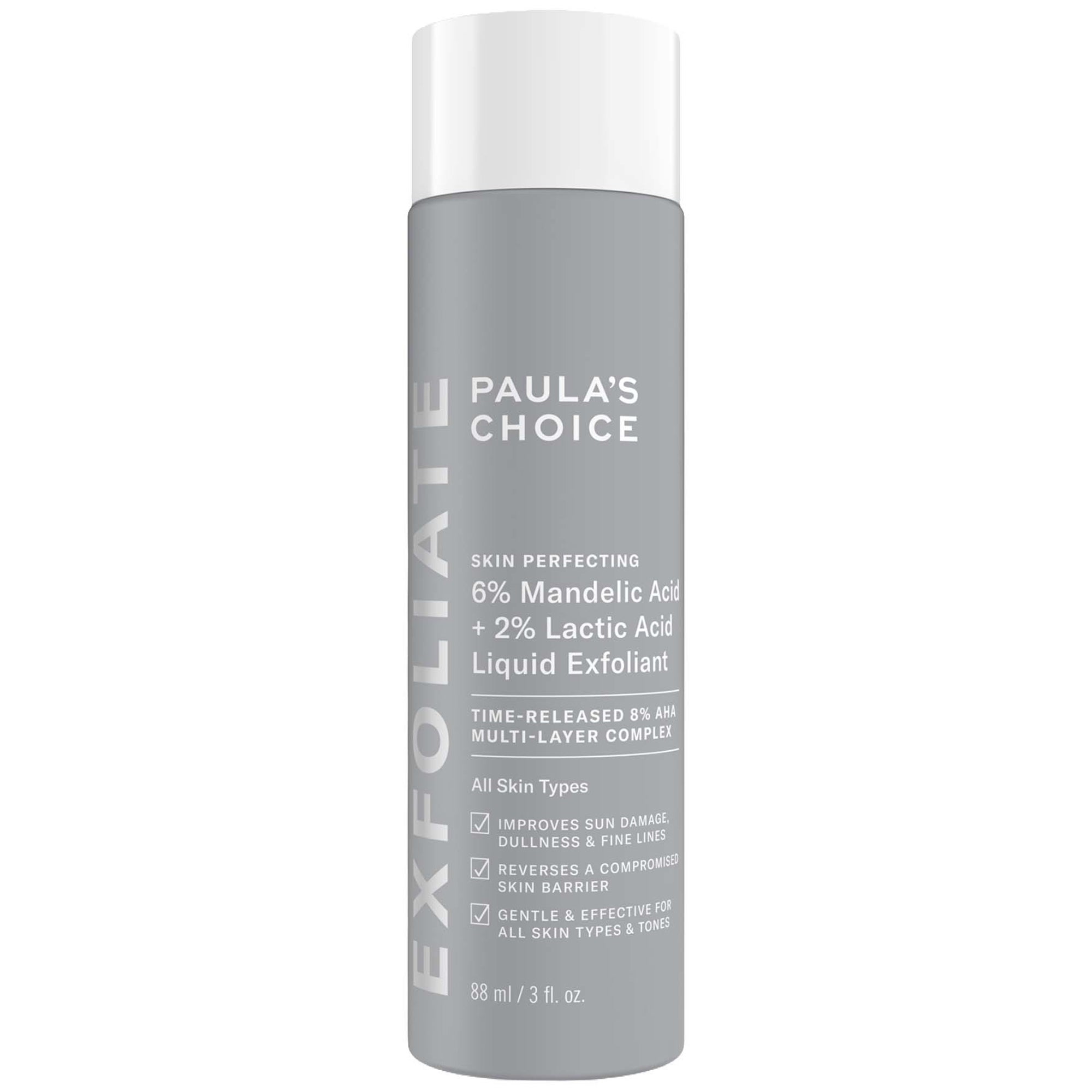
6. Paula’s Choice Skin Perfecting 6% Mandelic Acid + 2% Lactic Acid
This leave-on pairs two of the gentler AHAs — 6% mandelic and 2% lactic — at modest strengths, so it smooths the look of texture and uneven tone with less risk than a single high-percentage acid, and it is fragrance-free. It bridges the gap between PHAs and stronger mandelic options. Two notes: confirm the Amazon listing ships from Paula’s Choice or an authorized seller, and patch test if you are salicylate-sensitive.
- 6% mandelic + 2% lactic (dual gentle AHA) · fragrance-free · leave-on
- Best dual-acid bridge between PHAs and stronger mandelic
- Tradeoff: confirm authorized Amazon seller; patch-test if salicylate-sensitive
Check price on Amazon →~$30–40
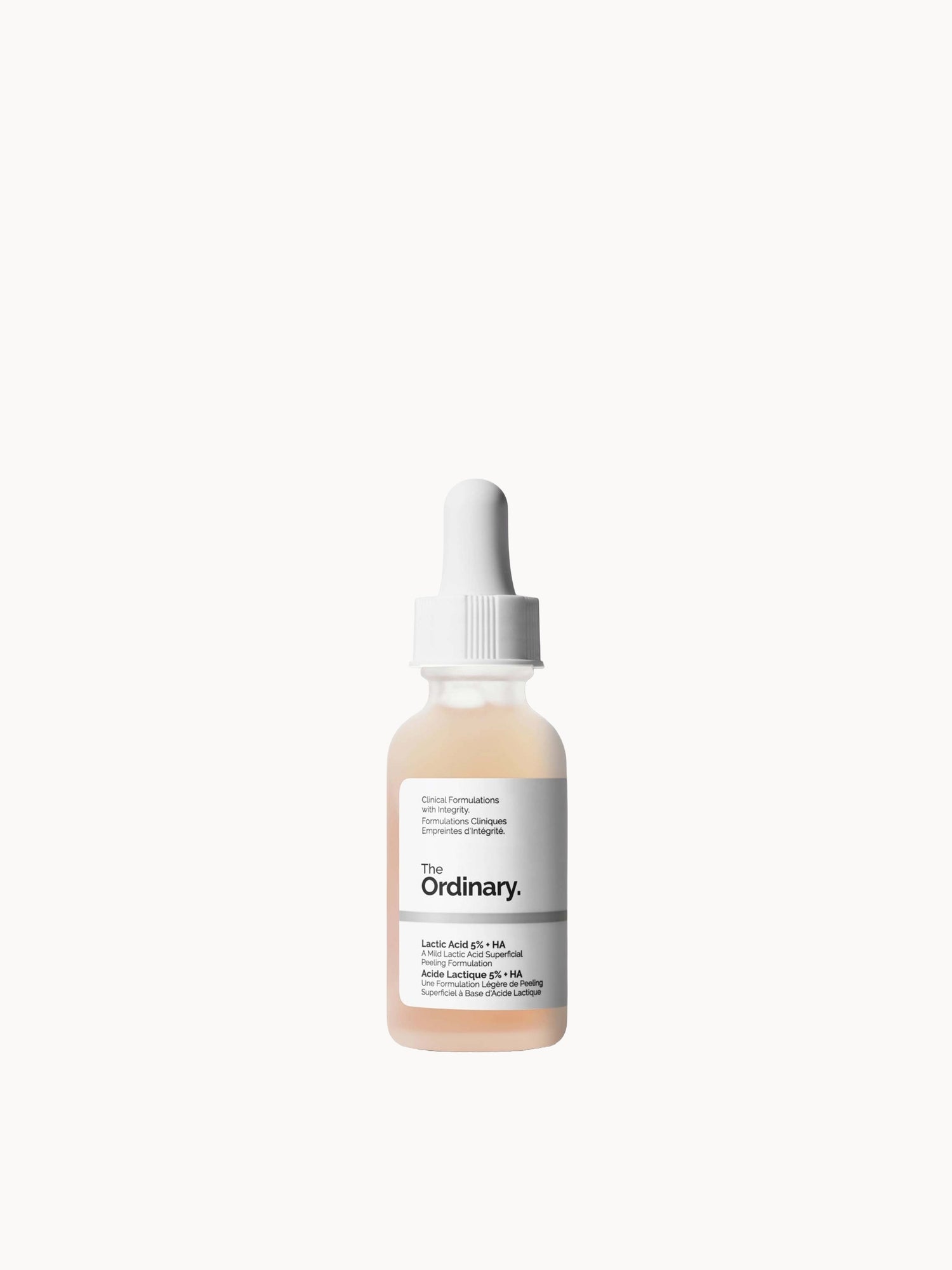
7. The Ordinary Lactic Acid 5% + HA
Lactic acid is the most hydrating of the AHAs, and 5% is its entry rung, buffered further here by hyaluronic acid — a reasonable low-strength lactic for skin easing into chemical exfoliation. It reveals brighter-looking skin gradually rather than dramatically, which is the point for a sensitive barrier. Once 5% feels comfortable over several weeks, a 10% version is the logical next step, not a starting point.
- 5% lactic acid + hyaluronic acid (most hydrating AHA) · serum
- Best gentle low-% lactic for easing into chemical exfoliation
- Tradeoff: gradual by design; 10% is a later step, not a start
Check price on Amazon →~$9–11
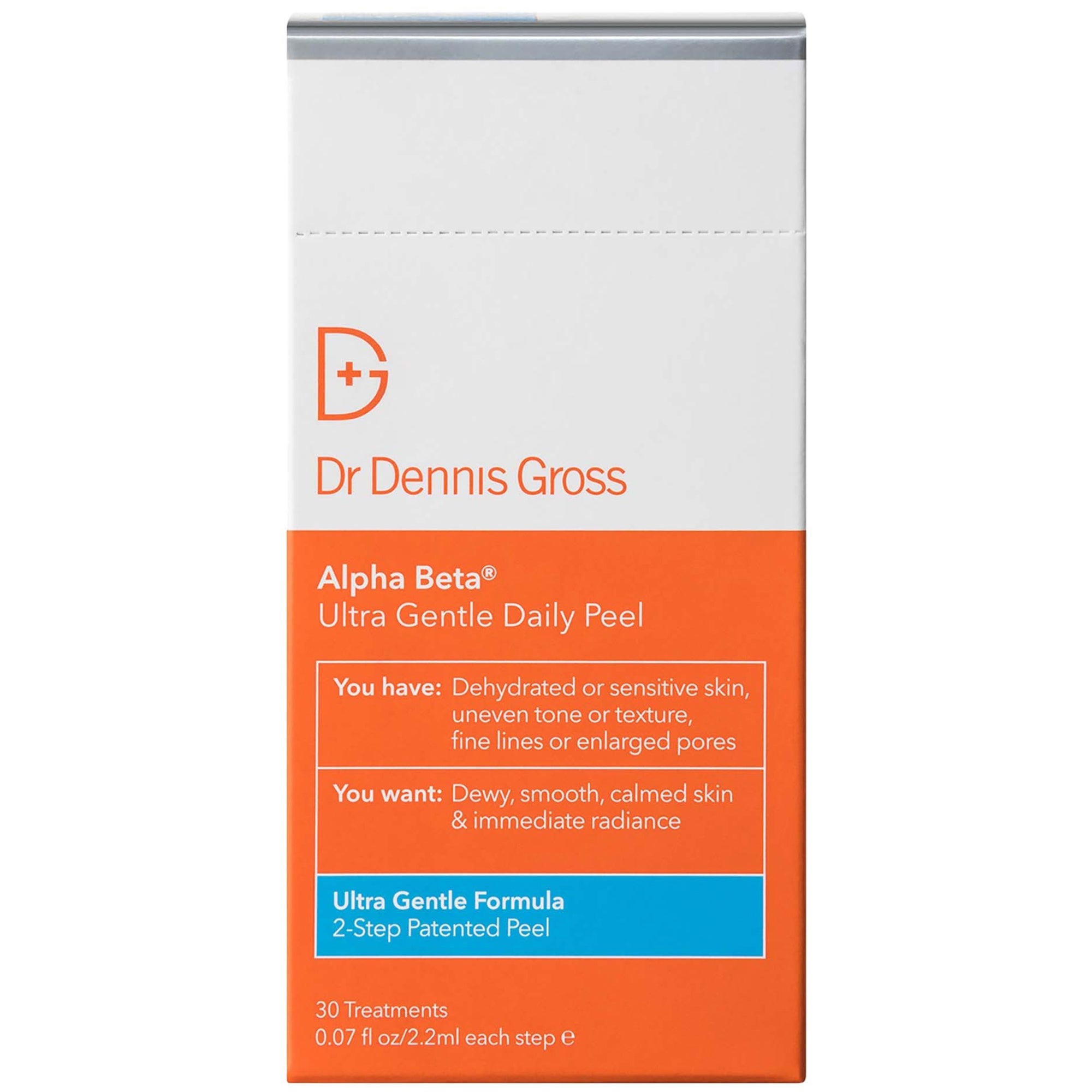
8. Dr. Dennis Gross Alpha Beta Ultra Gentle Daily Peel
These pre-soaked pads use a reduced acid dose aimed at dehydrated and sensitive skin — distinct from the brand’s stronger Universal peel, which reactive skin should skip. The format is convenient and pre-measured, which removes the guesswork of mixing or dosing. That same convenience makes it easy to overdo, so use one pad on exfoliation nights only, not every day, and stop if you feel persistent stinging.
- Low-dose AHA/BHA blend on a pre-soaked pad (Ultra Gentle, not Universal) · pad
- Best convenient pre-soaked option for dehydrated sensitive skin
- Tradeoff: easy to over-apply — one pad on exfoliation nights only; choose Ultra Gentle
Check price on Amazon →~$18–48
Frequently asked questions
- Which exfoliant is best for sensitive skin?
- For most sensitive skin, an enzyme exfoliant or a PHA is the gentlest place to start. Enzymes (papain, bromelain) only break down loose surface cells, and PHAs like gluconolactone are large, slow molecules that also hold water. If you tolerate those well and want a little more, large-molecule mandelic acid or low-percentage lactic acid are the next steps. Save high-strength glycolic acid for skin that has proven it can handle it.
- How often should sensitive skin exfoliate?
- Once or twice a week is enough for most sensitive skin. Begin at once a week, hold for three to four weeks, and only increase if your skin stays calm. If you notice stinging, tightness, or new redness, scale back. More frequent exfoliation does not give faster results; it tends to wear down the barrier.
- AHA vs BHA vs PHA vs enzyme — what is the difference?
- AHAs (glycolic, lactic, mandelic) are water-loving acids that loosen dead cells on the surface; glycolic is the smallest and strongest, mandelic the largest and mildest. BHA (salicylic acid) is oil-soluble, so it works inside pores and suits oily, congested skin more than sensitive skin. PHAs (gluconolactone, lactobionic acid) are larger, slower AHAs that tend to be the gentlest acids and add hydration. Enzymes are not acids at all — they are plant proteins that break down only loose surface cells, which makes them the mildest option of the four.
- Can I use a gentle exfoliant with retinol, bakuchiol, vitamin C, or niacinamide?
- Use them on different days or at different times rather than layering them all at once, especially on sensitive skin. Retinol or bakuchiol and an exfoliating acid on the same night raise the risk of irritation, so alternate evenings. A vitamin C serum is usually fine in the morning while you exfoliate at night. Niacinamide is the easiest companion and can actually support the barrier alongside a gentle exfoliant. When in doubt, simplify and space things out.
- What are the signs of over-exfoliation?
- Common signs are stinging or burning when you apply products, a tight or shiny look, new or spreading redness, more sensitivity than usual, and flaking that worsens instead of improving. If you see these, pause all exfoliation, stick to a plain moisturizer and SPF for one to two weeks to let the barrier settle, then restart at a lower frequency.
- Do I need SPF after exfoliating?
- Yes. Exfoliation lifts away dull-looking surface cells and leaves fresher skin that is more sensitive to the sun, so daily broad-spectrum SPF 30 or higher is not optional — it is part of exfoliating safely. Apply it every morning, even on cloudy days, and reapply through the day if you are outdoors. Skipping SPF undercuts the brighter-looking result you are working toward and raises the risk of new dark spots.
Related reading: niacinamide serums · vitamin C serums · bakuchiol & retinol alternatives · mineral sunscreens · Eminence Organic Skin Care.