
Sensitive Skin: How to Calm Reactivity Without Stripping Your Barrier
Sensitive skin reacts — it stings, flushes, or tightens when the barrier is compromised or overloaded with actives. The fix is usually subtraction, not addition: a short, fragrance-conscious routine of a gentle cleanser, one calming treatment, a barrier-supporting moisturizer, and daily mineral SPF. Introduce anything new one product at a time.
What’s happening in the skin
“Sensitive” describes how skin behaves, not one diagnosis. Visible signs include redness that comes and goes, a warm or tight feeling after cleansing, and stinging when products go on. Often the barrier — the lipid layer that holds water in and irritants out — is temporarily weakened, so skin overreacts to things it would normally tolerate.
Triggers overlap: over-exfoliation, high-strength actives layered too fast, fragrance, hot water, and weather swings all raise reactivity. Because the causes run together, the useful question isn’t “which serum fixes this” but “what can I remove or slow down.” A pared-back routine gives the barrier room to recover, and a recovered barrier tolerates more. Patch-test anything new on the inner forearm for a few days before it touches your face.
Gentle actives that help
A handful of ingredients calm reactive skin instead of provoking it. Niacinamide supports the barrier and eases the look of redness. Bakuchiol offers retinol-style smoothing with a gentler tolerance profile. Ceramides and panthenol help rebuild the lipid barrier. Centella and chamomile soothe visible irritation. Zinc oxide shields from UV without the sting some chemical filters cause.
Niacinamide
Barrier support and a calmer look to redness, usually well tolerated at 5%.
Bakuchiol
A plant-based retinol alternative — slower, but gentler on reactive skin.
Ceramides & barrier lipids
Rebuild the lipid layer so skin holds water and reacts less.
Hyaluronic acid
Lightweight water-binding hydration that rarely irritates.
Zinc oxide (mineral SPF)
Sits on the surface and shields from UV with less stinging risk.
Build it into a routine
The most reliable move for reactive skin is a short, consistent routine rather than a rotating cast of actives. Four steps cover it: a gentle cleanse, one calming treatment, a barrier-supporting moisturizer, and mineral sunscreen every morning. Keep it steady for a few weeks so you can actually tell what is helping.
Ready-made framework: The Organic Sensitive-Skin Routine — cleanse, treat, hydrate, protect, with the exact steps and product slots.
Product picks for sensitive skin
Our picks start with the professional organic products we carry and stand behind. Where a useful format or price point isn’t in our own range, we add a clearly-labeled option from a partner retailer. Every own pick links to its OSC product page; every affiliate pick is disclosed below.

1. Phyris Sensitive Calming Serum (from our catalog)
- Calming complex + niacinamide
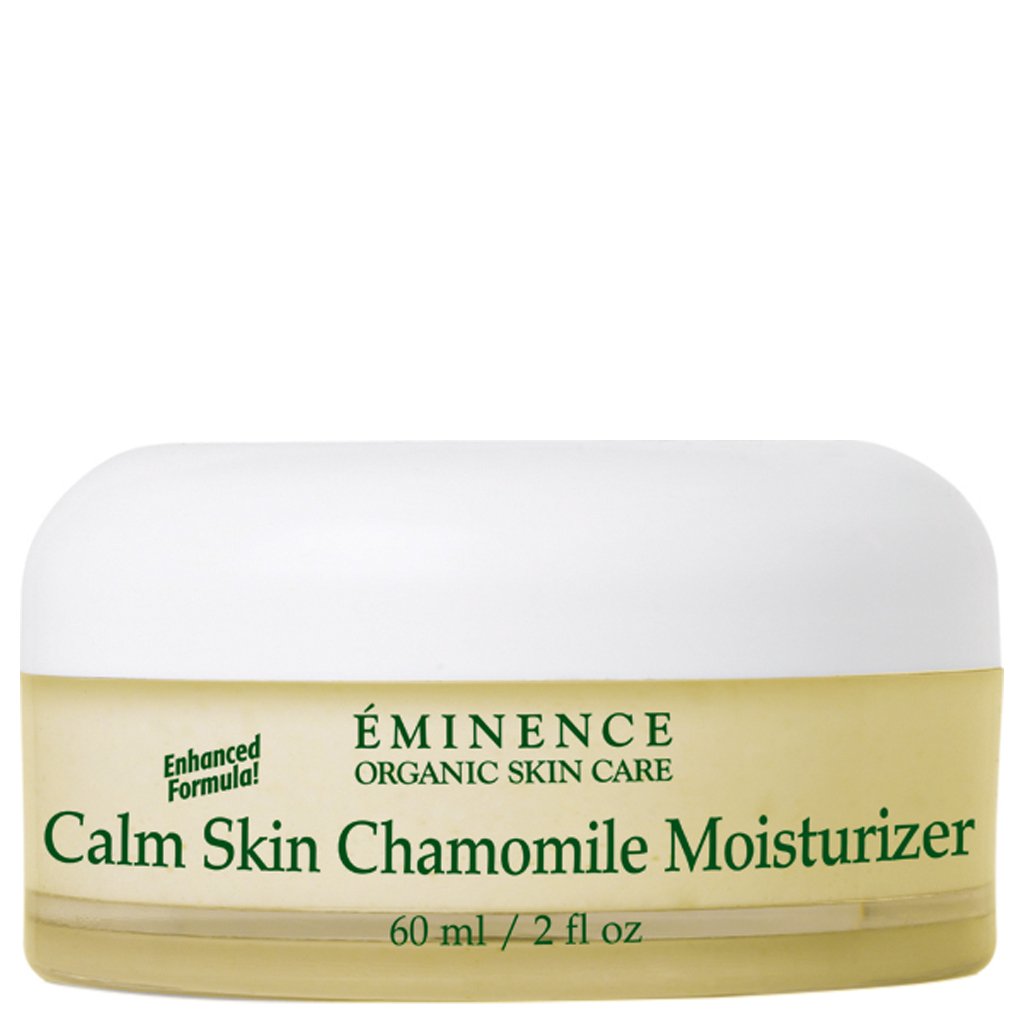
2. Eminence Organics Calm Skin Chamomile Moisturizer (from our catalog)
- Chamomile + calendula
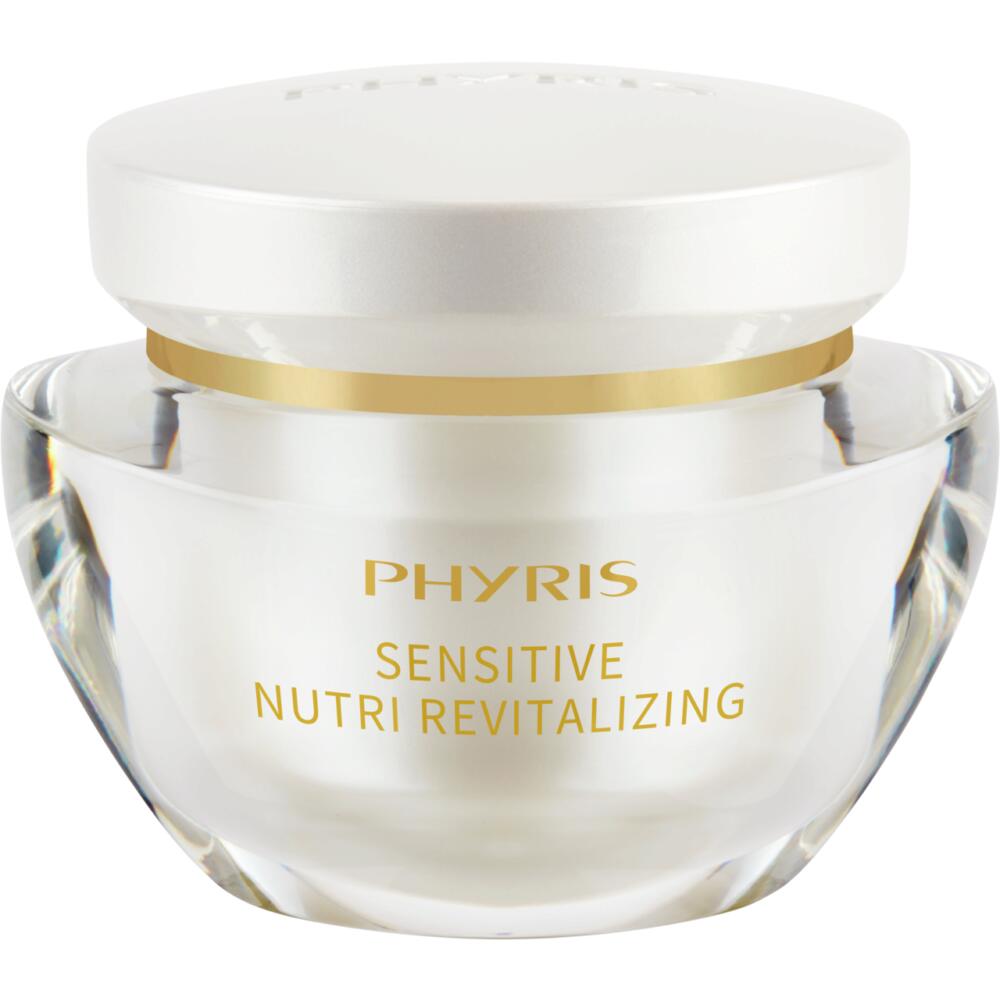
3. Phyris Sensitive Moisturizing Cream (from our catalog)
- Barrier lipids

4. Eminence SPF 30 Sun Defense Minerals (from our catalog)
- Zinc oxide (mineral)
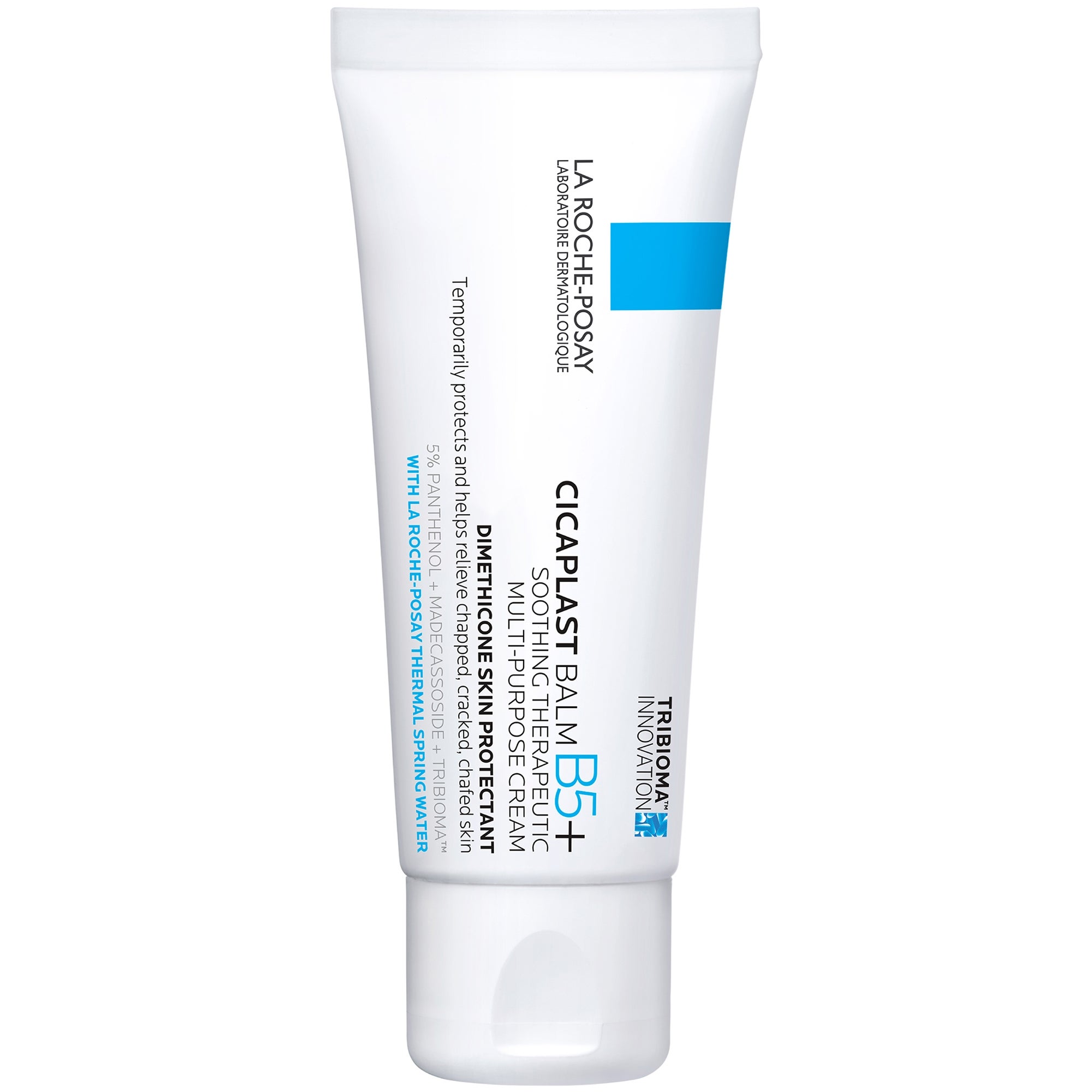
La Roche-Posay Cicaplast Balm B5
- 5% panthenol + madecassoside (centella) + shea + zinc/copper/manganese
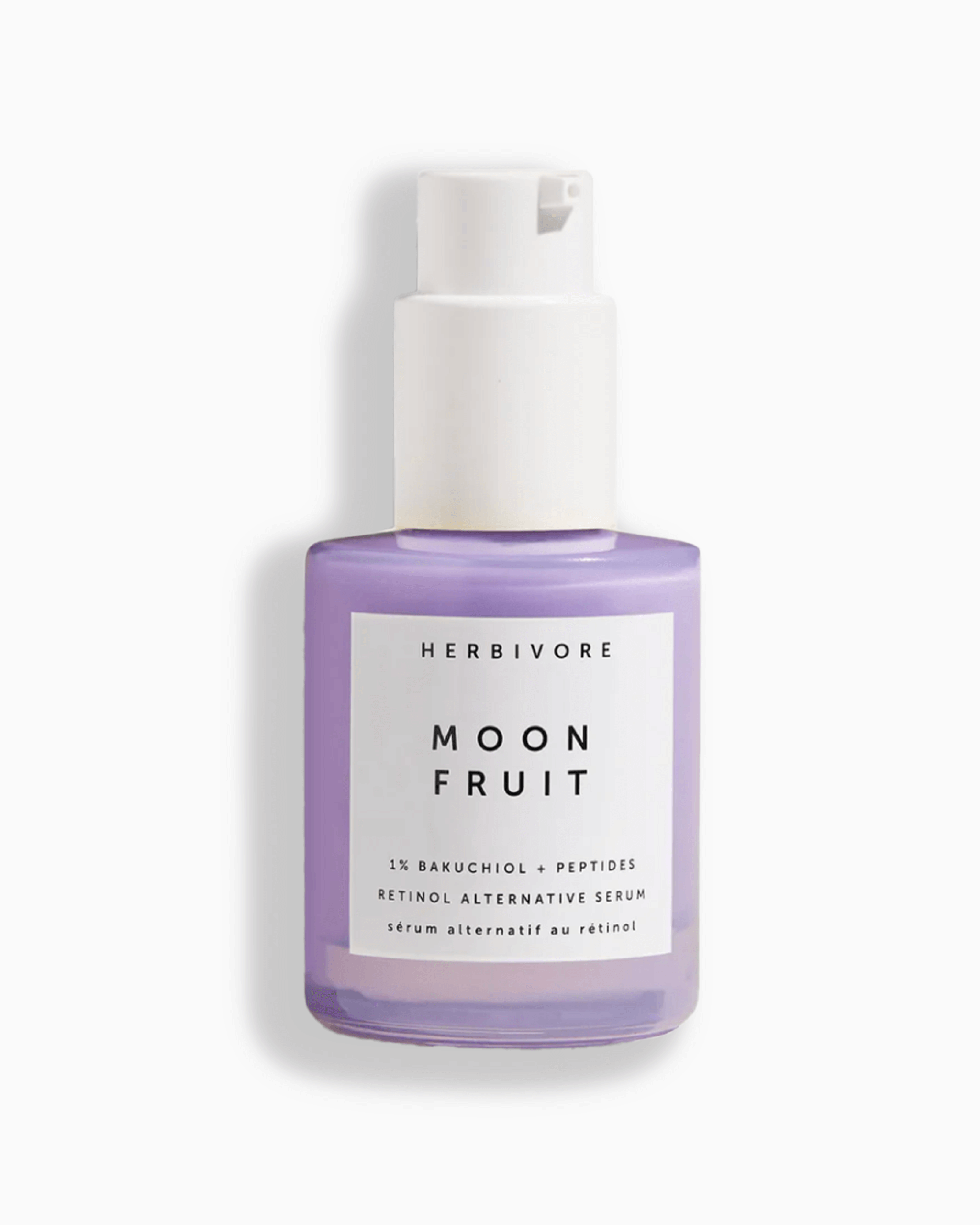
Herbivore Moon Fruit Bakuchiol + Peptides Serum
- Bakuchiol (no retinol) + peptides + fruit extracts
Guides for the common decisions
Still weighing two options? These buying guides walk through the choices reactive skin runs into most — a gentler alternative to retinol, and which sunscreen filter tends to sting less — with mechanism and tradeoffs laid out.
Bakuchiol vs. retinol: which fits your skin → · Mineral sunscreens for sensitive skin → · Barrier-repair moisturizers →
Frequently asked questions
- What actually causes sensitive skin?
- Sensitivity is usually a weakened skin barrier reacting to a trigger rather than a single condition. Over-exfoliation, layering strong actives too quickly, fragrance, hot water, and weather swings all raise reactivity. When the barrier is compromised it holds less water and lets more irritants in, so skin overreacts to things it would normally tolerate.
- Can sensitive skin use a retinol alternative like bakuchiol?
- Often, yes. Bakuchiol is a plant-derived compound that mimics some of retinol’s smoothing action with a gentler tolerance profile, so reactive skin that flushes on retinoids frequently handles it better. It works more slowly than prescription retinoids. Introduce it a few nights a week and pair it with a barrier moisturizer.
- Is fragrance always a problem for sensitive skin?
- Not for everyone, but fragrance (added or from essential oils) is one of the more common triggers for stinging and visible redness. If your skin reacts easily, choosing fragrance-conscious formulas removes a frequent variable, which makes it easier to tell what is actually helping or irritating.
- How do I introduce a new product without a reaction?
- Patch-test first: apply a small amount to the inner forearm or behind the ear once daily for three to five days and watch for redness, itching, or bumps. Then add it to your face one product at a time, waiting one to two weeks before introducing anything else, so you can trace any reaction to its source.
- Do I still need sunscreen if I have sensitive skin?
- Yes. Daily sun protection is one of the most useful steps for reactive skin. Mineral sunscreens that use zinc oxide or titanium dioxide sit on the surface and tend to cause less stinging than some chemical filters, which makes them a common first choice for easily-irritated skin.
- How long until a gentler routine shows a difference?
- Give a pared-back routine at least two to four weeks. Barrier repair is gradual, and the point of keeping the routine consistent is to let skin settle so you can judge what is working. If irritation continues after simplifying, that is a good reason to check in with a dermatologist.
Not sure where to start?
Take the 2-minute skin quiz and get a personalized sensitive-skin routine, matched to your skin type, sensitivities, and budget.