
Ingredient comparison
Bakuchiol vs. Retinol: Which Smoothing Active Fits Your Skin?
The verdict
Bakuchiol and retinol both support smoother-looking, more even skin, but they suit different people. Retinoids carry the deeper, longer research record; bakuchiol is a plant-derived alternative that reactive, sensitive, or pregnancy-conscious skin often tolerates better. Choose bakuchiol for gentleness, retinol for a stronger, longer-documented result, and confirm any pregnancy choice with your provider.
Bakuchiol vs Retinol, side by side
The biggest difference is tolerance versus track record. Retinol is a vitamin-A derivative with strong, well-documented results, but it often brings an adjustment period of dryness, flaking, and sun sensitivity. Bakuchiol is a plant-derived active that works on some similar pathways more gently and gradually, usable morning or night, with a smaller but encouraging evidence base.
| Bakuchiol | Retinol | |
|---|---|---|
| How it works | Plant-derived from Psoralea corylifolia; acts on some of the same retinoid-like pathways to support the look of firmness and texture. Typically used at about 0.5–2%, and stable in light, so it works morning or night. | A vitamin-A derivative with a long, well-documented record for the look of fine lines and uneven tone. Prescription-strength versions are stronger still, and it is used at night because light degrades it. |
| Irritation profile | Generally well tolerated, even by reactive, sensitive skin. It typically does not cause the peeling, dryness, or sun sensitivity associated with retinol, though any active can still irritate some people. | Commonly involves an adjustment period of dryness, flaking, and temporary sensitivity as skin acclimates. Starting low and slow with a buffering moisturizer helps, but reactive skin often finds it harder to tolerate. |
| Pregnancy / nursing note | Bakuchiol is commonly chosen as a gentler alternative by many people who are pregnant or nursing. This is not a medical clearance, so confirm your specific situation with your OB-GYN or provider. | Retinoids are commonly advised to be avoided during pregnancy and nursing. If you are pregnant, planning, or nursing, pause use and confirm the right approach with your OB-GYN or provider. |
| Price band | $$ (~$15–70+) | $ – $$$ (drugstore to prescription) |
| Organic status | Several bakuchiol serums are certified-organic or clean-formulated, which appeals to those avoiding synthetic actives. Formulas and concentrations vary, so check the label for the bakuchiol percentage. | Most retinols are synthetic vitamin-A actives rather than certified-organic. That is not a drawback in itself, but it matters if a plant-derived, clean-formulated routine is your priority. |
When to choose Bakuchiol
Choose bakuchiol if your skin is sensitive, reactive, or easily flushed, if you have struggled with retinol’s dryness and flaking, or if you are pregnancy-conscious and want a gentler plant-derived option. It also suits anyone who prefers a certified-organic or clean-formulated routine and is comfortable trading a little speed for far better tolerance.
- Sensitive, reactive, or redness-prone skin that reacts to stronger actives
- You want an option usable morning or night, without added sun sensitivity
- You are pregnancy-conscious and want a gentler route (confirm with your provider)
- You prefer a certified-organic or clean-formulated serum
When to choose Retinol
Choose a retinoid if your main goal is the strongest, best-documented result for the look of fine lines and uneven tone, and your skin can handle an adjustment period. It suits people who are not pregnant or nursing, tolerate actives well, and are willing to build up slowly while committing to daily sunscreen.
- Your priority is the deepest, longest-studied smoothing evidence
- Your skin tolerates strong actives and an adjustment period
- You are not pregnant or nursing
- You will commit to daily SPF and a low-and-slow start
Picks for each
Below are the bakuchiol serums we’d reach for first — clearly-labeled partner picks we’ve vetted for formula quality and value across different formats and price points. Our own Eminence Bakuchiol + Niacinamide Moisturizer is restocking soon and worth watching for; until it returns, these partner serums are strong choices.
Bakuchiol picks
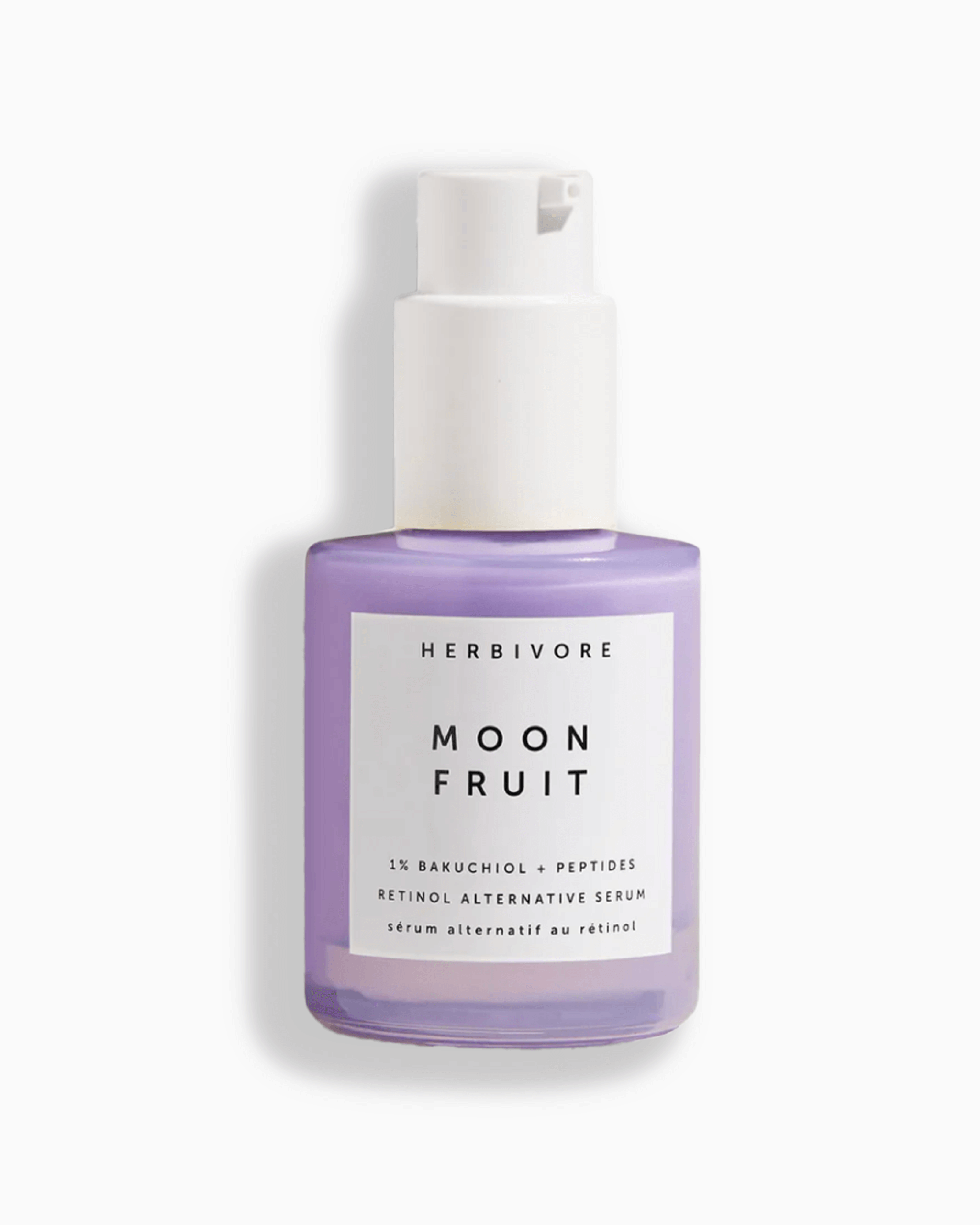
1. Herbivore Moon Fruit Bakuchiol + Peptides Retinol Alternative Serum
- Bakuchiol (no retinol) + peptides + fruit extracts

2. Dermelect Flawless Bakuchiol Treatment
- bakuchiol (no retinol) + squalane, hyaluronic acid, panthenol
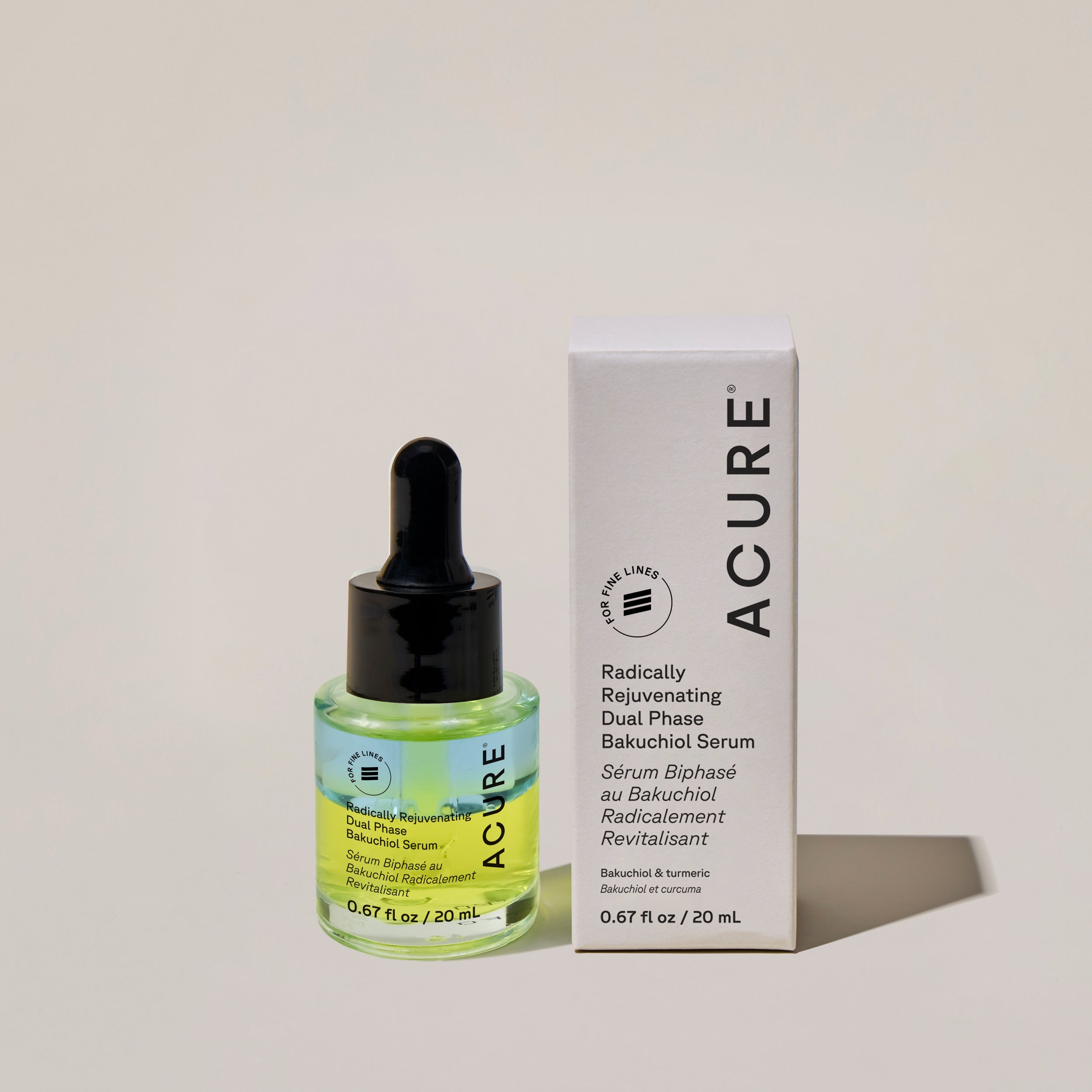
3. Acure Radically Rejuvenating Dual Phase Bakuchiol Serum
- Bakuchiol + blue tansy, turmeric
Retinol picks
We don’t sell retinoids, so there are no product cards here. If you take the retinoid route, start with a low strength a couple of nights a week, buffer with moisturizer, wear daily SPF, and consider a professional’s guidance to ease the adjustment period.
See the full breakdown: Bakuchiol serums & clean retinol alternatives for sensitive skin — our estheticians’ picks, own-brand first, with honest tradeoffs on each.
Frequently asked questions
- Is bakuchiol as effective as retinol?
- Not identically, but early evidence is encouraging. One small 2018 study suggested bakuchiol delivered smoothing comparable to a low-dose retinol with less irritation. Retinoids still hold the deeper, longer research record, so think of bakuchiol as a gentler alternative rather than a like-for-like replacement, especially against prescription strengths.
- Can I use bakuchiol and retinol together?
- Yes, many people layer them, and the two can complement each other. Bakuchiol’s calming, stabilizing profile may help offset some of retinol’s dryness. Introduce them one at a time so you can tell how your skin responds, and ease off either one if you see persistent irritation.
- Which is better for sensitive skin?
- Bakuchiol is usually the easier choice for sensitive, reactive, or redness-prone skin. It tends not to trigger the peeling and stinging that retinol can cause during its adjustment period. If you still react, lower the frequency or concentration, and patch test any new active first.
- Can I use bakuchiol during pregnancy?
- Many people choose bakuchiol during pregnancy as a gentler alternative, since retinoids are commonly advised to be avoided while pregnant or nursing. This isn’t medical clearance, though. Confirm your specific situation with your OB-GYN or provider before adding any active during pregnancy or breastfeeding.
- How long until I see a difference?
- Give either active about 8 to 12 weeks of consistent use before judging results. Bakuchiol tends to work more gradually than retinol, so patience matters. Taking a photo at the start helps you track subtle changes in texture and the look of tone over time.
- Do I still need sunscreen with bakuchiol?
- Yes, daily broad-spectrum SPF is essential with any smoothing routine. Unlike retinol, bakuchiol doesn’t typically increase sun sensitivity, but UV exposure still drives much of the visible aging you’re working to soften. Sunscreen protects your progress regardless of which active you choose.
- What percentage of bakuchiol should I look for?
- Most serums use bakuchiol at about 0.5% to 2%, which is the range studied for visible-texture benefits. Higher isn’t automatically better; formula quality and supporting ingredients matter too. If your skin is very sensitive, start at the lower end and build up as tolerated.
Still not sure?
Take the 2-minute skin quiz and get a routine matched to your skin — it’ll tell you which of these fits.
Not sure which products are right for you? Take our free 60-second organic skin quiz for a routine matched to your skin type and concerns.