

Ingredient comparison
Mineral vs Chemical Sunscreen: Which Suits Sensitive, Redness-Prone Skin?
The verdict
For sensitive, reactive, redness-prone skin, a mineral sunscreen (zinc oxide, titanium dioxide) is usually the gentler first choice — it sits on the surface and shields immediately. Chemical filters feel lighter with no white cast and layer well under makeup, but a few can sting easily-irritated skin.
Mineral vs Chemical, side by side
The biggest difference is where each filter works. Mineral filters sit on top of skin and reflect and absorb UV, giving broad-spectrum protection the moment you apply. Chemical filters absorb into the top layer and convert UV to heat, which delivers a lighter, cast-free finish but needs about fifteen minutes before sun exposure.
| Mineral | Chemical | |
|---|---|---|
| How it works | Zinc oxide and titanium dioxide sit on the skin’s surface, reflecting, scattering, and absorbing UV. Protection is broad-spectrum the moment it’s applied. | Organic filters like avobenzone, octinoxate, octisalate, and homosalate absorb into the top layer and convert UV into heat. They typically need about 15 minutes to become fully active. |
| Irritation profile | Because it stays on the surface, mineral tends to sting less and is a common first choice for easily-irritated, reactive skin. Newer “clear zinc” formulas reduce the classic white cast. | Cosmetically elegant with no white cast, and often more flattering on deeper skin tones. Some people find certain filters stinging, and added fragrance can be a trigger for reactive skin. |
| Pregnancy / nursing note | Mineral filters are commonly chosen during pregnancy for their surface-level action. This is general framing, not medical advice — confirm with your OB-GYN or provider. | Many people continue using chemical filters, but if you’re concerned about specific ingredients during pregnancy, ask your provider. We avoid calling any product “safe” and defer to your OB-GYN. |
| Price band | $ – $$$ (~$15–70+) | $ – $$$ (~$15–70+); broadly comparable to mineral |
| Organic status | Aligns with a clean, organic-leaning routine — several mineral options are certified-organic. This is our house lane. | Chemical UV filters are synthetic by nature, so they fall outside a certified-organic formulation, even when the rest of the formula is clean. |
When to choose Mineral
Choose mineral if your skin is easily irritated, reactive, or redness-prone, if you want protection that works the instant you step outside, or if a clean, organic-leaning routine matters to you. It’s also the filter type commonly chosen during pregnancy — though you should confirm that with your provider.
- Easily-irritated, reactive, or redness-prone skin that stings with many products
- You want broad-spectrum protection active the moment you apply
- A clean, certified-organic-leaning routine is a priority
- You prefer a filter commonly chosen in pregnancy (confirm with your provider)
When to choose Chemical
Choose a chemical or hybrid filter if you want the lightest possible feel with no white cast, especially on deeper skin tones, or if you layer sunscreen under makeup daily. Apply it about fifteen minutes before sun, and patch-test first if your skin tends to sting with fragrance or specific filters.
- You want the lightest, cast-free finish, especially on deeper skin tones
- Sunscreen needs to disappear smoothly under daily makeup
- You don’t mind applying about 15 minutes before sun exposure
- You’ve patch-tested and don’t react to fragrance or specific filters
Picks for each
These are the sunscreens we’d actually reach for, starting with the professional organic products we carry — led by our own Eminence SPF 30 Sun Defense Minerals — then clearly-labeled partner options where a format or price point isn’t in our own range. Mineral is our house lane, so that’s where our shelf runs deepest.
Mineral picks
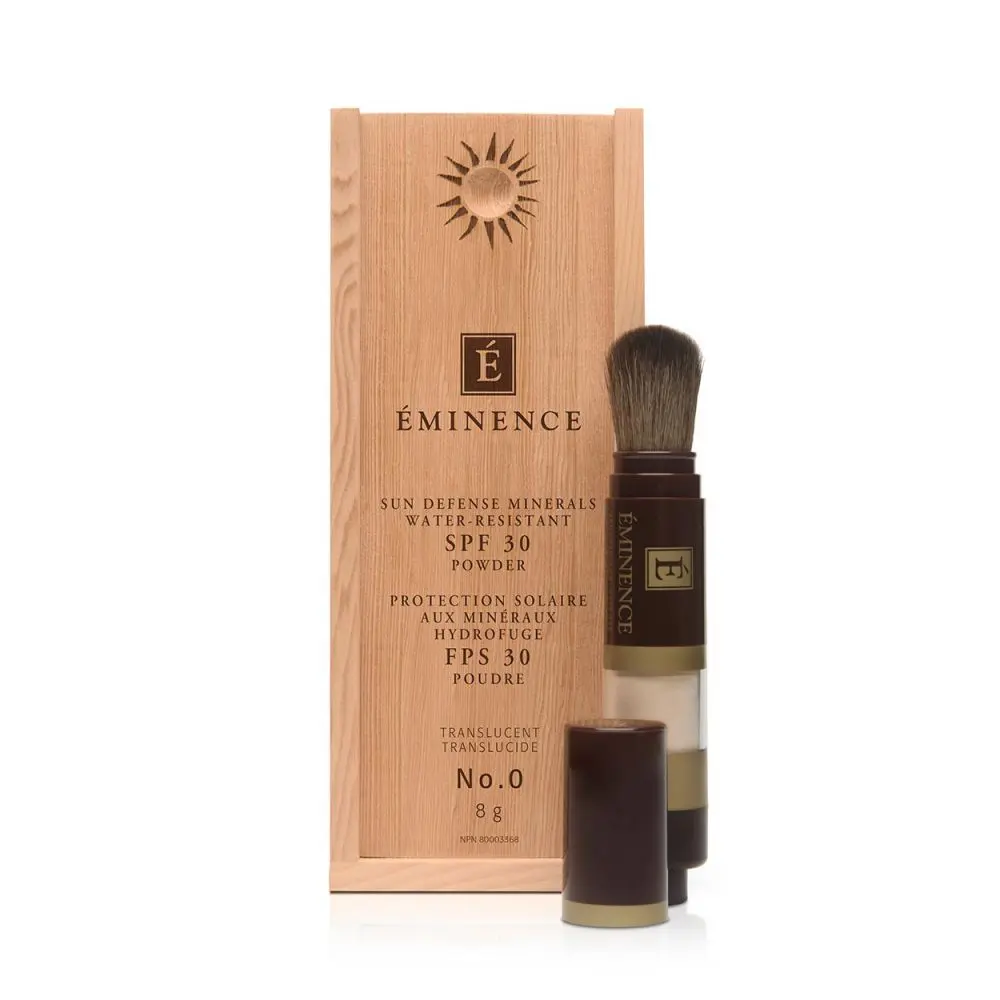
1. Eminence SPF 30 Sun Defense Minerals – 0.28oz (from our catalog)
- Zinc oxide (mineral)

2. Babo Botanicals Sheer Zinc Mineral Sunscreen Lotion SPF 30
- non-nano zinc oxide

3. Badger Zinc Oxide Mineral Face Sunscreen SPF 30
- clear non-nano zinc oxide
Chemical picks
OSC’s lane is mineral, so we don’t carry a pure chemical sunscreen. The single option shown here — EltaMD UV Clear — is a widely-liked zinc-plus-chemical hybrid for those who want a lighter, no-cast finish, and it’s clearly labeled as a partner pick.
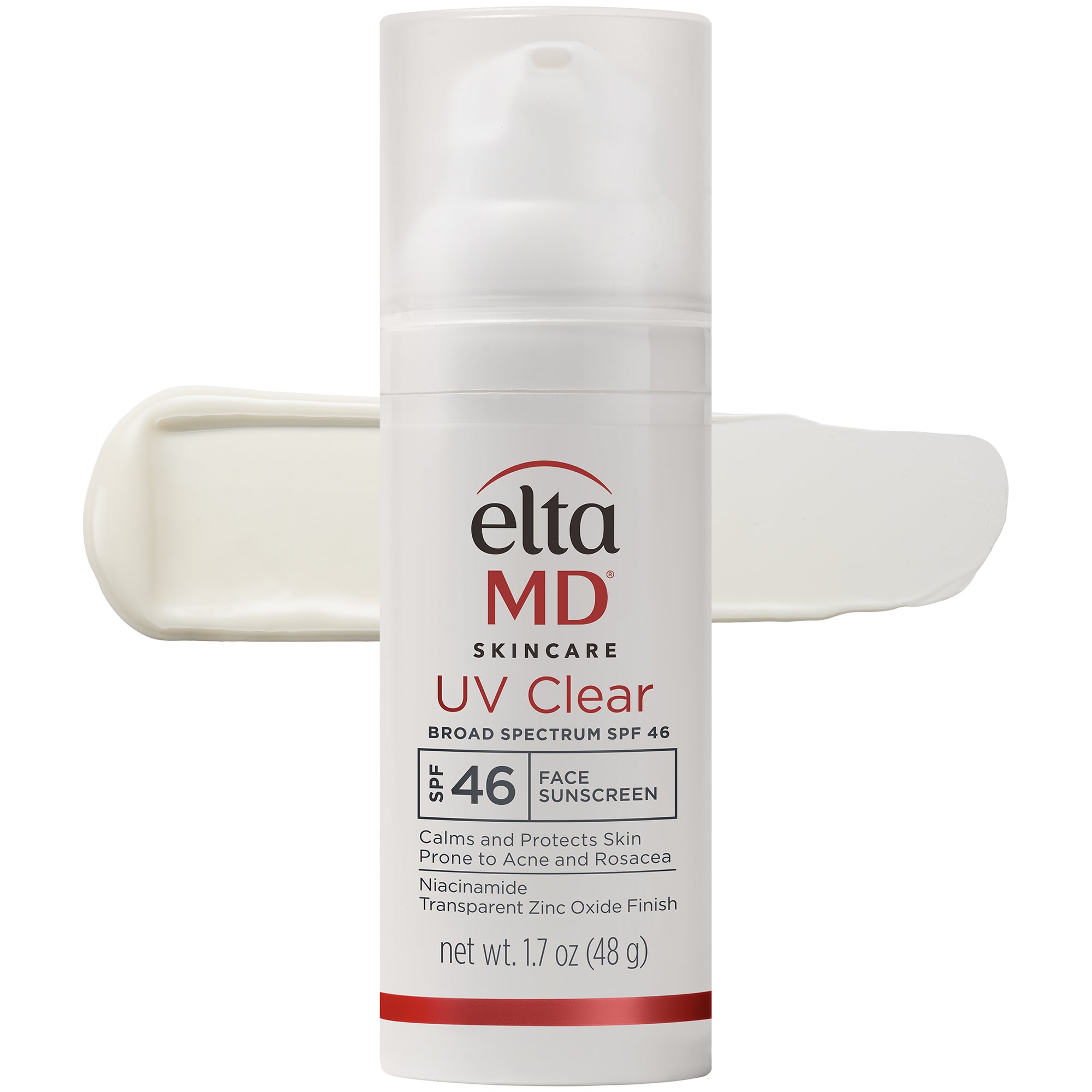
1. EltaMD UV Clear Broad-Spectrum SPF 46 Facial Sunscreen
- transparent zinc oxide 9%
See the full breakdown: Best organic mineral facial sunscreens for sensitive skin — our estheticians’ picks, own-brand first, with honest tradeoffs on each.
Frequently asked questions
- Is mineral or chemical sunscreen better for sensitive skin?
- For most sensitive, reactive skin, mineral is the gentler first choice. Because zinc oxide and titanium dioxide sit on the surface rather than absorbing in, they tend to sting less and are less likely to bother the eye area. That said, some people wear chemical filters comfortably — patch-testing is the only way to know your own skin.
- Does mineral sunscreen leave a white cast?
- It can, though far less than it used to. Traditional zinc oxide leaves a pale film, but newer “clear zinc” and micronized formulas reduce that cast considerably. Tinted mineral options blur it even further and often suit deeper skin tones better than an untinted formula.
- Which is better for redness-prone skin?
- Mineral filters are usually the easier pick for visibly redness-prone skin, since they’re less likely to sting and a tinted version can visually offset redness with a soft neutral tone. Fragrance-free formulas remove one more common trigger. Keep the routine simple and patch-test anything new before daily use.
- Mineral vs chemical sunscreen during pregnancy — which do people choose?
- Many people choose mineral filters during pregnancy because they act at the skin’s surface. This is general, widely-published framing rather than medical advice, and we never call any product “safe.” If you have questions about specific chemical filters, confirm with your OB-GYN or provider.
- Is one type more effective at protecting skin?
- Both can offer excellent broad-spectrum protection when the label says so and you apply enough. The real-world difference is usage: mineral works the instant it’s applied, while chemical filters need about 15 minutes first. The most effective sunscreen is the one you’ll happily reapply every two hours.
- Can I layer sunscreen over my serums?
- Yes. Apply water-based serums first and give them a minute to settle, then your moisturizer, with sunscreen as the final skincare step before makeup. Let each layer absorb before the next so the sunscreen forms an even film — that even layer, more than the exact order, is what actually protects your skin.
- What about hybrid sunscreens that combine both?
- Hybrids pair zinc oxide with organic filters to get broad-spectrum coverage plus a lighter, cast-free feel. They’re a sensible middle ground if pure mineral feels too heavy but you still want some zinc in the mix. The partner pick we reference, EltaMD UV Clear, is one example.
Still not sure?
Take the 2-minute skin quiz and get a routine matched to your skin — it’ll tell you which of these fits.
Not sure which products are right for you? Take our free 60-second organic skin quiz for a routine matched to your skin type and concerns.