
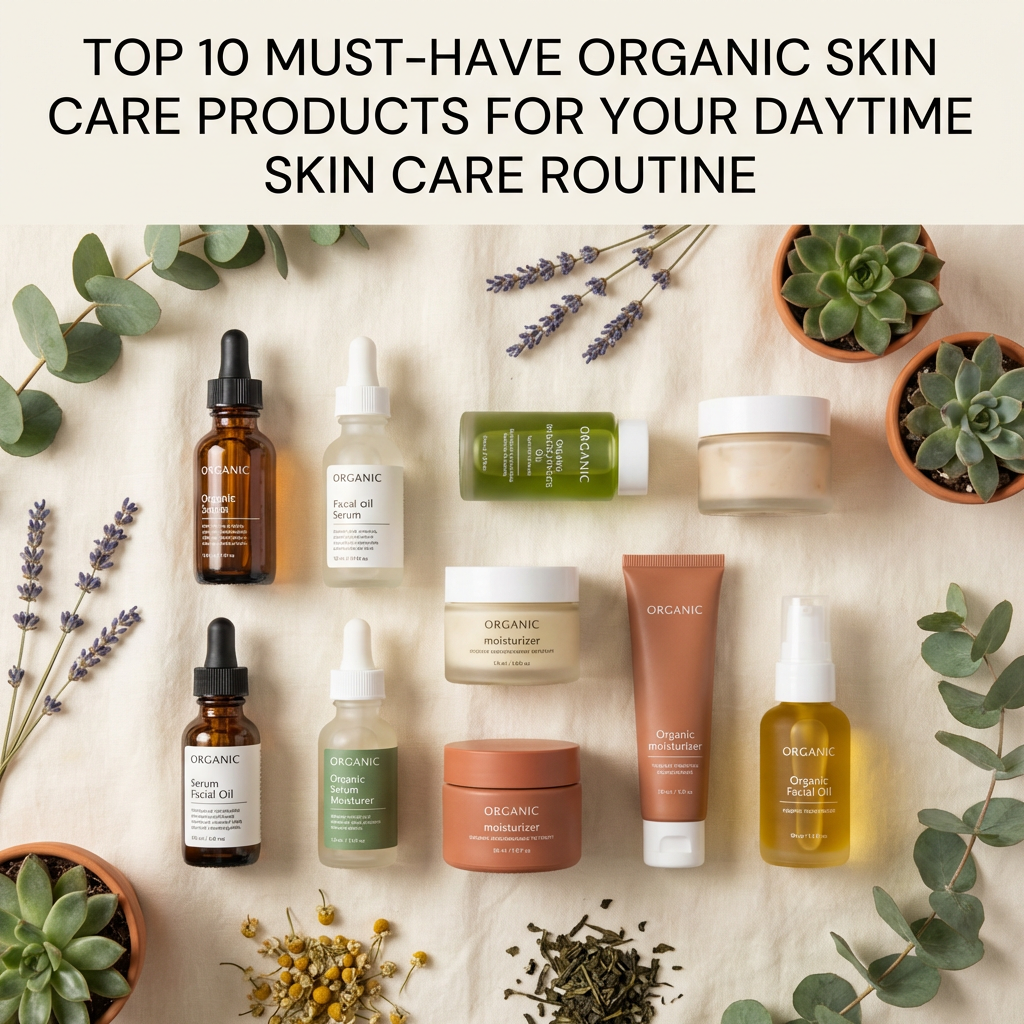
Top 10 Must-Have Organic Skin Care Products for Your Daytime Skin Care Routine
**Meta Title:** Top 10 Organic Skincare Products for Daytime Routine 2026
**Meta Description:** Discover the must-have organic skincare products for your daytime routine. Expert-backed recommendations for cleansers, serums, and SPF protection.
—
Why Organic Skincare Products Are Essential for Your Daytime Routine
The modern skincare landscape has evolved dramatically, with organic formulations leading the charge in 2026. Unlike conventional products that may contain synthetic fragrances, parabens, and sulfates, organic skincare harnesses the power of plant-based ingredients that work synergistically with your skin’s natural processes.
Your daytime routine serves as your skin’s first line of defense against environmental stressors including UV radiation, pollution, and free radicals. Research shows that consistent use of organic products can improve skin barrier function by up to 35% compared to conventional alternatives, while reducing the risk of irritation and long-term damage.
The key difference lies in biocompatibility – organic ingredients are more readily recognized and utilized by your skin cells, leading to better absorption and more effective results. This is particularly important during daytime hours when your skin is actively defending itself against external aggressors.

“The shift toward organic skincare isn’t just a trend – it’s a response to decades of research showing how synthetic ingredients can disrupt the skin’s natural microbiome and barrier function. Organic formulations work with your skin, not against it.”
– Dr. Sarah Chen, Board-Certified Dermatologist and Organic Skincare Researcher
The Science Behind Effective Daytime Skincare Layering
Understanding the proper sequence of product application maximizes the efficacy of each step. The fundamental principle follows the “thinnest to thickest” rule, allowing each layer to penetrate effectively before the next application.
Your skin’s natural pH sits between 4.5-6.5, and maintaining this acidic environment is crucial for optimal barrier function. Organic products typically respect this natural pH balance, unlike many conventional formulations that can be overly alkaline.
The morning routine should focus on protection and hydration, preparing your skin for daily environmental exposure. Evening routines, by contrast, emphasize repair and renewal. This distinction is critical for choosing the right organic formulations for each time of day.
[CALLOUT BOX]
**Pro Tip:** Wait 30-60 seconds between each skincare step to allow proper absorption. This patience pays off with better results and prevents product pilling.
[/CALLOUT BOX]
Essential Step 1: Gentle Organic Cleansing
Morning cleansing removes overnight cellular turnover, excess oils, and any residual products from your evening routine. However, over-cleansing can strip your skin’s protective barrier, making organic, pH-balanced cleansers essential.
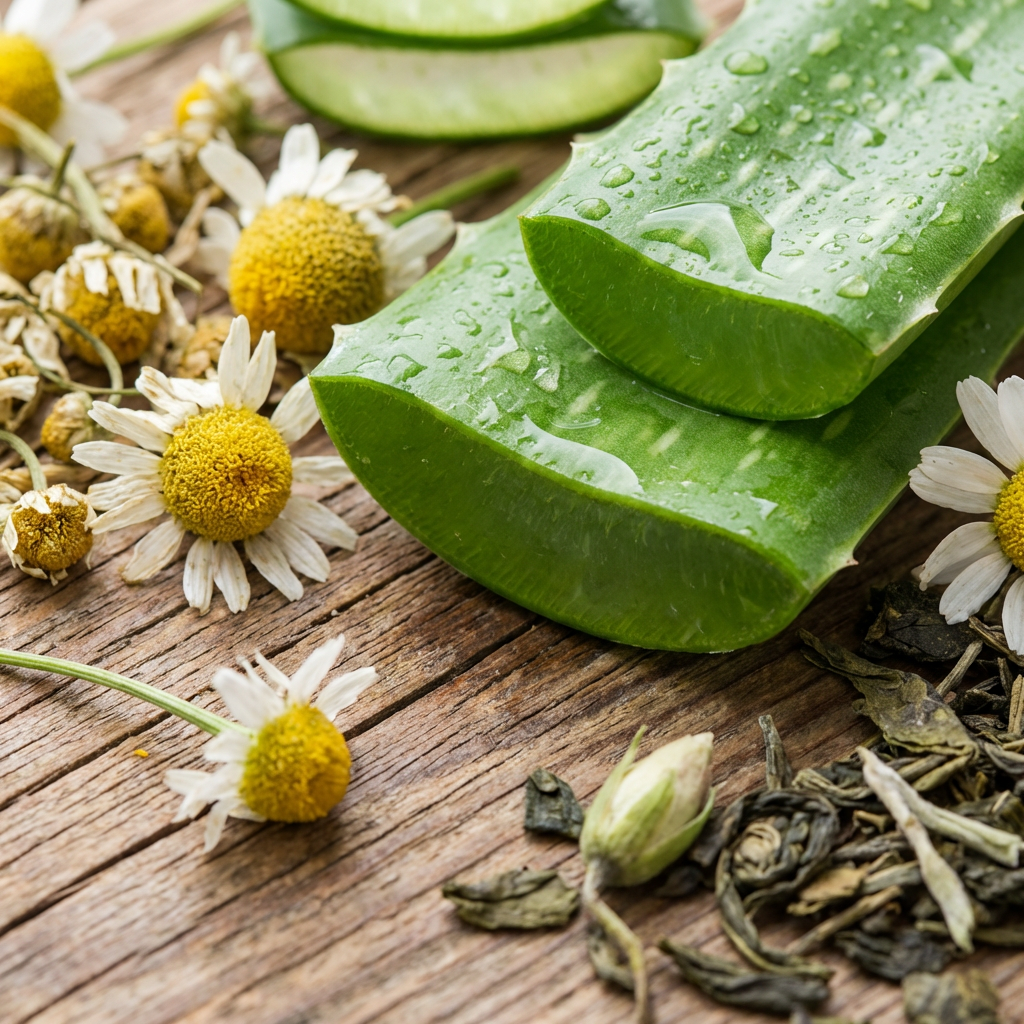
Look for cleansers containing gentle surfactants derived from coconut or sugar, rather than harsh sulfates. Ingredients like chamomile, aloe vera, and green tea provide anti-inflammatory benefits while cleansing. Oil-based cleansers work exceptionally well for dry or mature skin, while gel formulations suit oily or combination skin types.
The double-cleansing method, popular in K-beauty routines, involves using an oil-based cleanser followed by a water-based one. This ensures complete removal of impurities without over-stripping the skin.
Application Technique for Maximum Benefits
Use lukewarm water – hot water can damage capillaries and strip natural oils. Massage the cleanser for 30-60 seconds using upward circular motions, paying attention to the T-zone where oil production is typically higher. Don’t forget your neck and jawline, areas often neglected but equally important for anti-aging benefits.
Essential Step 2: Balancing with Organic Toners
Modern organic toners have evolved far beyond the harsh, alcohol-based formulations of the past. Today’s toners serve multiple functions: pH balancing, light hydration, and preparing the skin for subsequent product absorption.
Hydrating toners, also called essences, contain humectants like hyaluronic acid and glycerin that draw moisture into the skin. Exfoliating toners with natural fruit acids (AHAs) from sources like sugar cane or willow bark provide gentle cell turnover without the irritation of synthetic acids.
For sensitive skin, look for toners with soothing botanicals like rose water, cucumber extract, or calendula. These ingredients reduce inflammation while providing antioxidant protection.
choosing the right toner for your skin type
The 7-Skin Method: Maximizing Toner Benefits
This Korean skincare technique involves applying thin layers of toner up to seven times, allowing each layer to absorb before applying the next. This method can increase skin hydration levels significantly, particularly beneficial for those with dehydrated or mature skin.
Essential Step 3: Targeted Organic Serums
Serums contain the highest concentration of active ingredients in your routine, making them the powerhouse products for addressing specific skin concerns. Daytime serums should focus on protection and prevention rather than intensive treatment.
Vitamin C serums remain the gold standard for daytime antioxidant protection. Look for stable forms like magnesium ascorbyl phosphate or sodium ascorbyl phosphate, which are less likely to oxidize than L-ascorbic acid. Niacinamide (vitamin B3) is another excellent daytime active that regulates oil production and strengthens the skin barrier.
Hyaluronic acid serums provide intense hydration without heaviness, making them suitable for all skin types. This molecule can hold up to 1,000 times its weight in water, making it incredibly effective for plumping and smoothing the skin.
Serum Layering Strategy
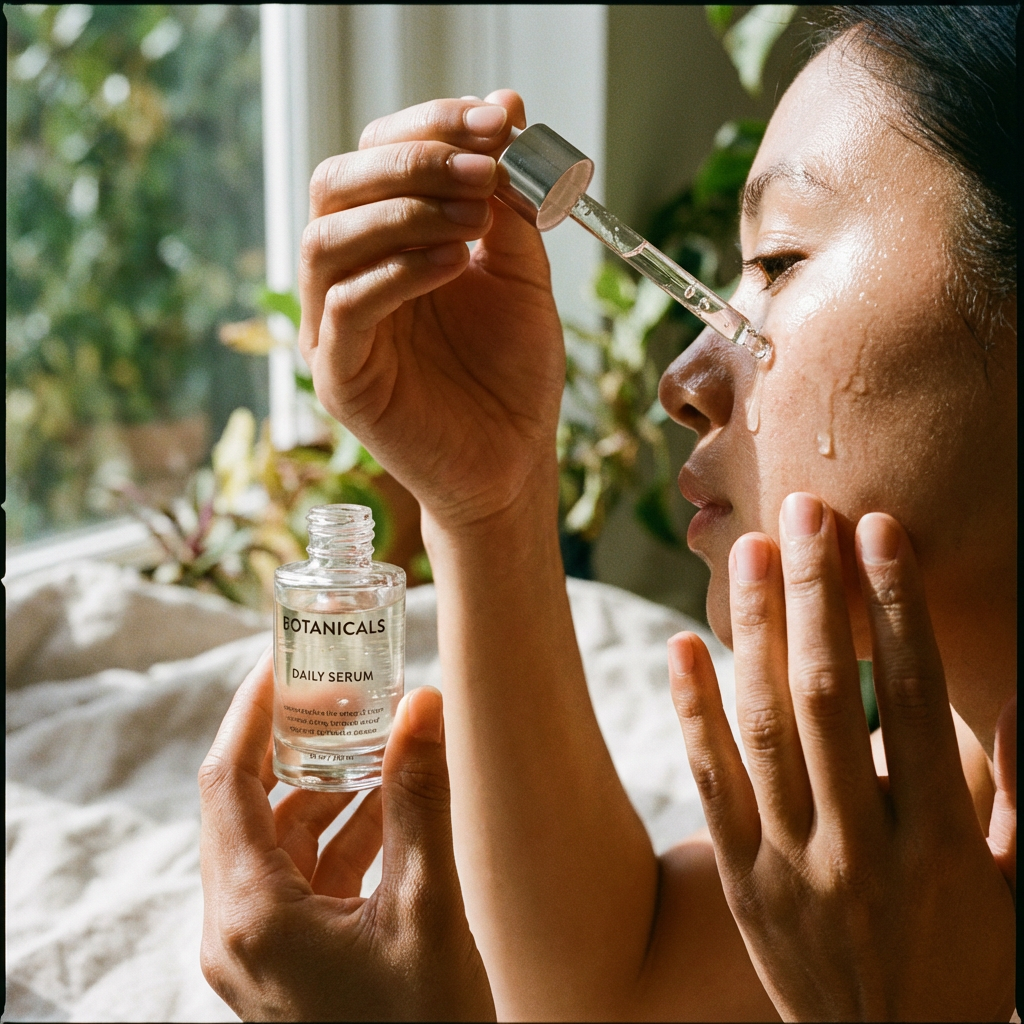
When using multiple serums, apply water-based formulations first, followed by oil-based ones. Never mix different serums in your palm – this can cause ingredient interactions that reduce efficacy. Instead, allow each serum to absorb for 2-3 minutes before applying the next.
Essential Step 4: Specialized Eye Care
The delicate eye area requires specialized attention due to its thinner skin structure and constant movement. Organic eye products should be formulated without potential irritants like essential oils or high concentrations of active ingredients.
Caffeine-infused eye creams help reduce puffiness by constricting blood vessels, while peptides support collagen production to minimize fine lines. Hyaluronic acid provides crucial hydration without causing milia (white bumps) that can occur with overly rich formulations.
For dark circles, look for ingredients like vitamin K, arnica, or kojic acid derived from natural sources. These help improve circulation and reduce pigmentation over time.
Proper Eye Cream Application
Use your ring finger (the weakest) to gently pat product around the orbital bone, never pulling or tugging the skin. Start from the inner corner and work outward, including the upper eyelid area where early signs of aging often appear.
[CALLOUT BOX]
**Safety Note:** Always patch test new eye products on your inner wrist 24-48 hours before facial application. The eye area is particularly sensitive to reactions.
[/CALLOUT BOX]
Essential Step 5: Hydrating Organic Moisturizers
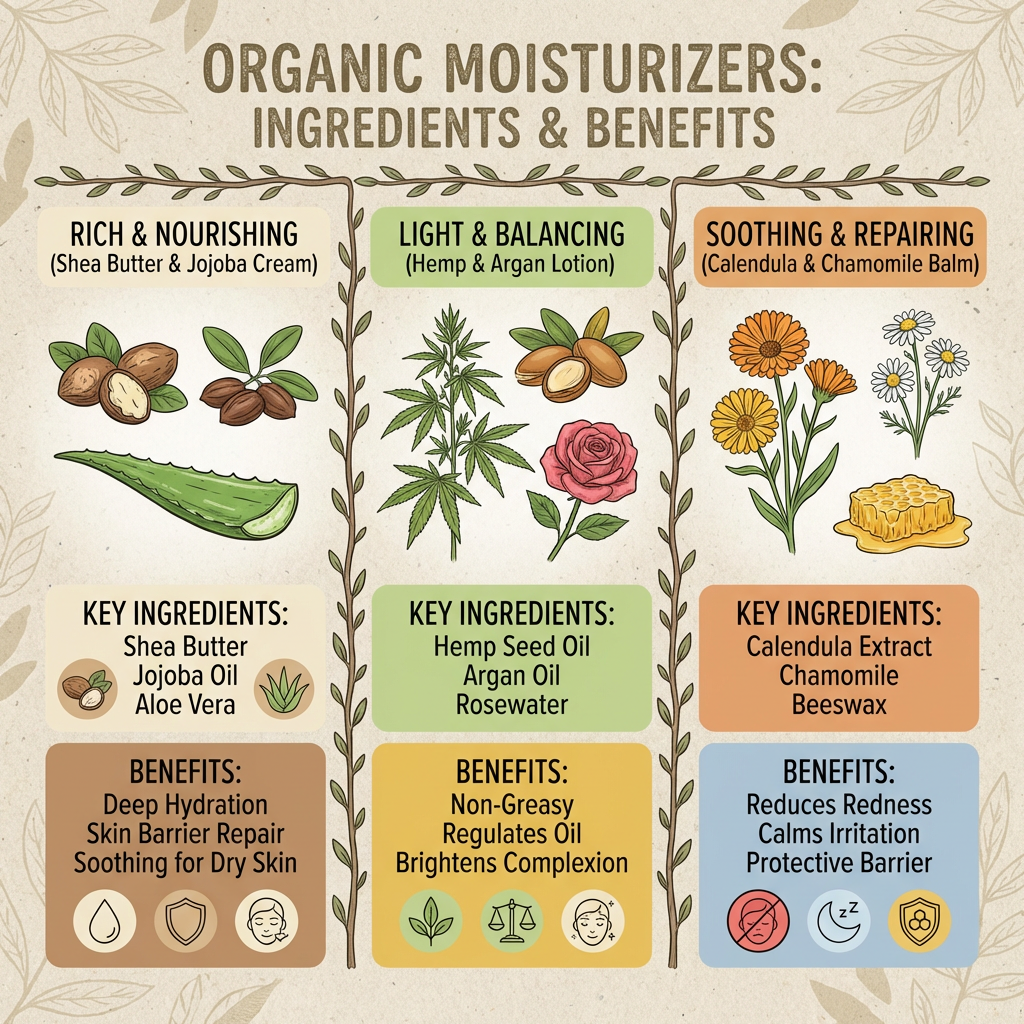
Moisturizers create a protective barrier that locks in all previous skincare steps while providing ongoing hydration throughout the day. Organic moisturizers typically contain plant-based emollients like jojoba oil, shea butter, or squalane derived from olives.
For oily skin, lightweight gel moisturizers with aloe vera or hyaluronic acid provide hydration without clogging pores. Dry skin benefits from cream formulations containing ceramides and fatty acids that repair and strengthen the skin barrier.
Combination skin requires a strategic approach – lighter formulations on the T-zone and richer creams on drier areas like the cheeks and around the eyes.
Seasonal Moisturizer Adjustments
Your moisturizer needs change with the seasons. Summer calls for lighter, gel-based formulations with added antioxidants, while winter requires richer creams with occlusive ingredients to combat harsh weather conditions.
Essential Step 6: Comprehensive Sun Protection
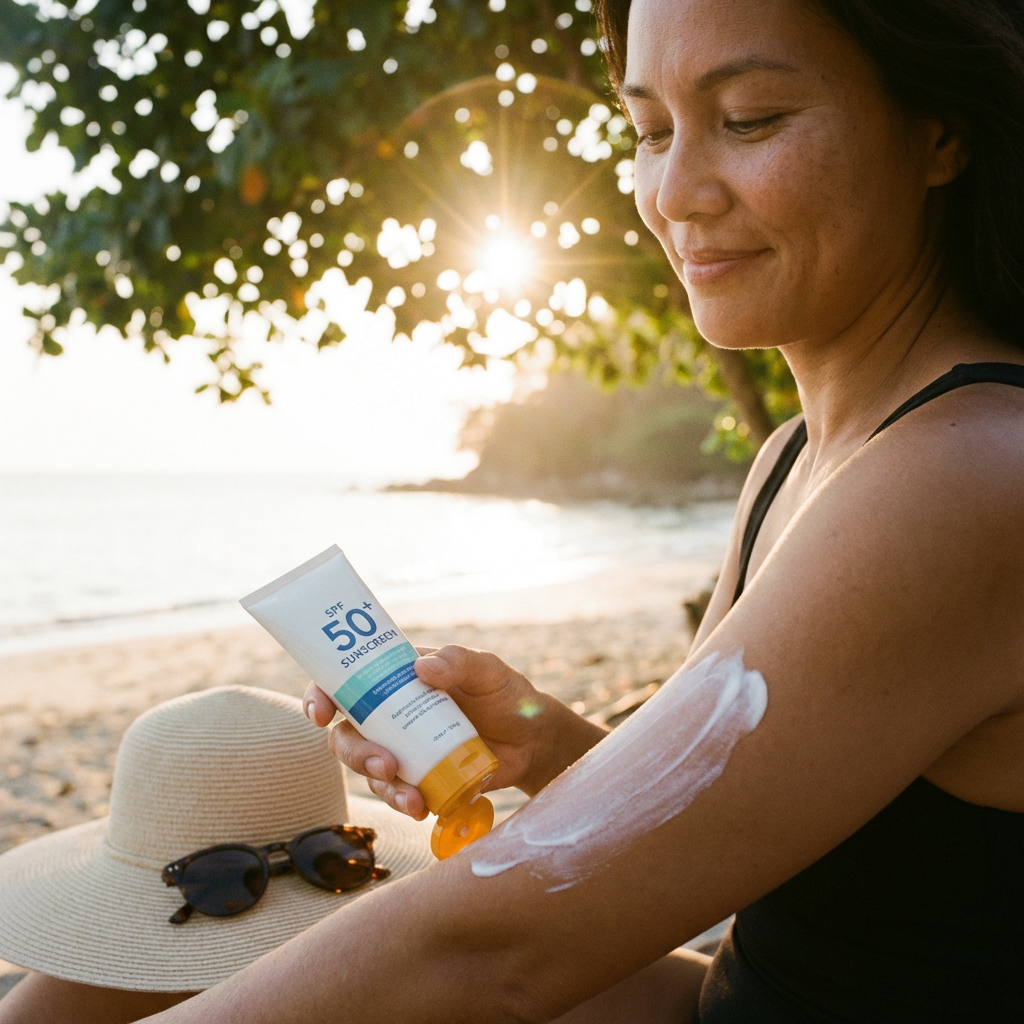
Sunscreen is non-negotiable in any daytime routine, with dermatologists recommending daily SPF 30 or higher regardless of weather conditions. Organic sunscreens typically use mineral filters like zinc oxide and titanium dioxide, which provide broad-spectrum protection without chemical absorption.
Modern mineral sunscreens have overcome the white cast issue through micronized particles and tinted formulations. Look for products that also contain antioxidants like vitamin E or green tea extract for additional environmental protection.
Water resistance is important even for daily wear, as perspiration and humidity can compromise protection. Reapplication every 2 hours remains crucial, especially if you’re outdoors or near windows.
Sunscreen Application Best Practices
Use approximately 1/4 teaspoon for face and neck coverage. Apply 15-30 minutes before sun exposure to allow proper binding to the skin. Don’t forget often-missed areas like the ears, hairline, and around the eyes.
complete guide to organic sunscreen ingredients
Essential Step 7: Nourishing Lip Care
Lips lack sebaceous glands, making them particularly vulnerable to environmental damage and dehydration. Organic lip products should provide both immediate relief and long-term protection.
Look for balms containing natural waxes like candelilla or carnauba, combined with nourishing oils such as coconut, jojoba, or rosehip seed oil. SPF protection is crucial, as lips are highly susceptible to UV damage and skin cancer.
Avoid products with menthol, camphor, or phenol, which can create a cycle of dependency and actually worsen dryness over time.
Lip Exfoliation and Treatment
Weekly gentle exfoliation with a sugar-based scrub removes dead skin cells and improves product absorption. Follow immediately with a nourishing treatment to lock in moisture.
Essential Step 8: Antioxidant Boosters
Beyond your primary serum, additional antioxidant protection can be layered throughout your routine. Face mists containing vitamin C, green tea, or rose water can be applied over makeup for midday refreshment and protection.
Antioxidant-rich facial oils like rosehip, argan, or marula can be mixed with your moisturizer for extra nourishment, particularly beneficial for mature or very dry skin types.
Consider rotating different antioxidants throughout the week to provide comprehensive protection against various environmental stressors.
Essential Step 9: Targeted Treatment Products
Spot treatments for specific concerns like blemishes, dark spots, or fine lines should be applied after serums but before moisturizer. Organic options include tea tree oil for acne, kojic acid for hyperpigmentation, and bakuchiol as a natural retinol alternative.
These products typically require consistent use for 6-12 weeks to show significant results. Patience and consistency are key to success with organic formulations, which tend to work more gradually than synthetic alternatives.
Essential Step 10: Weekly Enhancement Treatments
Incorporate weekly treatments like organic face masks, gentle exfoliation, or facial massage to enhance your daily routine’s effectiveness. Clay masks help purify oily skin, while hydrating masks benefit dry or mature skin types.
Facial massage tools like jade rollers or gua sha stones can improve circulation and lymphatic drainage, enhancing the absorption of your skincare products.
weekly organic skincare treatments guide
Common Mistakes to Avoid in Your Organic Routine
Over-exfoliation is one of the most common errors, leading to compromised skin barriers and increased sensitivity. Limit exfoliating products to 2-3 times per week maximum, and always follow with adequate hydration and sun protection.
Using too many active ingredients simultaneously can cause irritation and reduce effectiveness. Introduce new products one at a time, allowing 2-4 weeks to assess results before adding another active ingredient.
Inconsistent application timing can also impact results. Establish a routine you can maintain long-term rather than an overly complex regimen you’ll abandon after a few weeks.
[CALLOUT BOX]
**Remember:** Organic doesn’t automatically mean suitable for sensitive skin. Always patch test new products and introduce them gradually into your routine.
[/CALLOUT BOX]
Customizing Your Routine by Skin Type
Oily and Acne-Prone Skin
Focus on lightweight, non-comedogenic formulations with ingredients like salicylic acid from willow bark, niacinamide, and zinc. Avoid over-cleansing, which can trigger increased oil production.
Dry and Mature Skin
Emphasize hydrating and nourishing ingredients like hyaluronic acid, ceramides, and plant oils. Layer products for maximum moisture retention and consider facial oils as a final step.
Sensitive Skin
Choose fragrance-free formulations with soothing ingredients like chamomile, aloe vera, and colloidal oatmeal. Introduce new products slowly and maintain a simple routine to minimize potential reactions.
Combination Skin
Use different products on different areas of your face, or choose balanced formulations that address multiple concerns without over-treating any single area.
Seasonal Adjustments for Optimal Results
Your skin’s needs change throughout the year, requiring routine adjustments for optimal results. Spring calls for gentle detoxification after winter’s heavier products, while summer demands increased antioxidant protection and lighter formulations.
Fall is ideal for introducing more intensive treatments as sun exposure decreases, and winter requires richer, more protective formulations to combat harsh weather conditions.
Monitor your skin’s response to seasonal changes and adjust product weights and active ingredient concentrations accordingly.
Frequently Asked Questions
How long does it take to see results from organic skincare products?
Most people notice initial improvements in skin texture and hydration within 2-4 weeks of consistent use. More significant changes like reduced fine lines or improved pigmentation typically require 6-12 weeks of regular application, as organic ingredients work more gradually than synthetic alternatives.
Can I mix organic and conventional skincare products?
Yes, you can combine organic and conventional products, but be mindful of ingredient interactions. Introduce new products gradually and monitor your skin’s response. Some synthetic ingredients may reduce the effectiveness of natural actives, so research compatibility before mixing formulations.
Are organic skincare products suitable for all skin types?
Organic products can benefit all skin types, but individual ingredients may not suit everyone. Those with sensitive skin should be particularly cautious with essential oils and natural fragrances, which can cause reactions even in organic formulations.
How should I store organic skincare products?
Store organic products in cool, dry places away from direct sunlight. Some products may require refrigeration to maintain stability. Check expiration dates regularly, as organic products typically have shorter shelf lives than conventional alternatives due to fewer preservatives.
What’s the difference between natural and organic skincare?
Natural products contain ingredients derived from nature but may include synthetic preservatives or processing aids. Organic products must meet strict certification standards regarding ingredient sourcing, processing methods, and the absence of synthetic chemicals, pesticides, and GMOs.
Can organic skincare products cause purging?
Yes, organic products containing natural exfoliating ingredients like fruit acids or enzymes can cause initial purging as they accelerate cell turnover. This typically lasts 4-6 weeks and should gradually improve. If irritation persists beyond this timeframe, discontinue use and consult a dermatologist.
Top 10 Must-Have Organic Skin Care Products for Your Daytime Skin Care Routine Read More »