“`html
## H2: Understanding Clean Clinical Skincare Integration
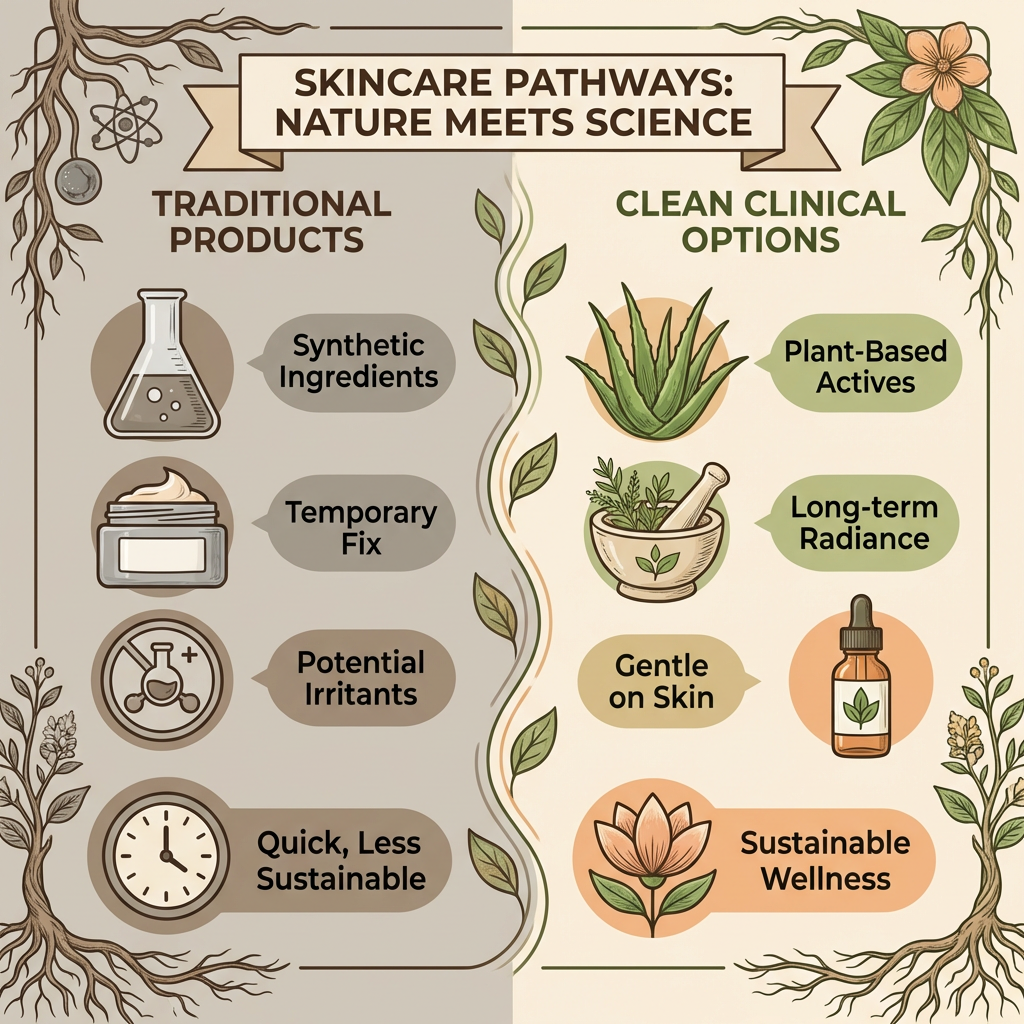
The skincare industry has evolved beyond the false choice between “natural” and “effective.” Clean clinical skincare integration represents a sophisticated approach that harnesses the power of scientifically-proven ingredients while maintaining a commitment to clean, sustainable formulations. This methodology combines clinical-grade actives with plant-based compounds, creating products that deliver measurable results without compromising on ingredient integrity.
Clean clinical integration isn’t simply about adding botanical extracts to conventional formulas. It requires understanding how natural compounds can enhance, stabilize, or deliver clinical actives more effectively. For instance, bakuchiol—a plant-derived retinol alternative—provides similar anti-aging benefits with less irritation, making it suitable for sensitive skin types that cannot tolerate traditional retinoids.
This approach particularly benefits individuals with reactive skin, those seeking pregnancy-safe alternatives, or anyone wanting to minimize exposure to synthetic preservatives and fragrances while maintaining clinical efficacy. The key lies in selecting ingredients based on peer-reviewed research rather than marketing claims.

> “The future of skincare lies not in choosing between natural and synthetic, but in understanding how these ingredients can work synergistically to optimize skin health while minimizing environmental impact.” – Dr. Sarah Chen, Dermatological Research Institute
**Callout Box: Key Benefits of Clean Clinical Integration**
– Reduced irritation potential compared to conventional clinical products
– Enhanced bioavailability through natural delivery systems
– Sustainable sourcing and packaging options
– Suitable for sensitive and compromised skin barriers
– Pregnancy and breastfeeding-safe formulations available
## H2: Science-Backed Clean Ingredients That Deliver Clinical Results
### H3: Peptides and Plant Proteins
Modern clean clinical formulations leverage both synthetic peptides and plant-derived proteins to stimulate collagen production and improve skin texture. Copper peptides, while synthetically produced, can be incorporated into clean formulations alongside supportive botanical extracts like centella asiatica, which enhances peptide absorption and provides additional anti-inflammatory benefits.
Plant proteins from sources like quinoa and rice offer amino acid profiles that support skin barrier function. These ingredients work particularly well for mature skin types experiencing collagen loss, as they provide building blocks for protein synthesis while being gentler than traditional clinical treatments like chemical peels.
### H3: Advanced Vitamin C Delivery Systems
Vitamin C remains one of the most clinically-proven anti-aging ingredients, but traditional L-ascorbic acid can be unstable and irritating. Clean clinical integration utilizes stable vitamin C derivatives like magnesium ascorbyl phosphate or sodium ascorbyl phosphate, often paired with natural stabilizers such as ferulic acid from rice bran or vitamin E from plant oils.
These formulations provide the antioxidant and collagen-stimulating benefits of vitamin C while being suitable for sensitive skin types. The addition of natural co-factors like bioflavonoids from citrus fruits can enhance vitamin C’s effectiveness and provide additional photoprotective benefits.
## H2: Building Your Clean Clinical Routine
### H3: Morning Protocol for Maximum Protection
A clean clinical morning routine should prioritize antioxidant protection and barrier support. Start with a gentle cleanser containing natural surfactants like coco-glucoside, which effectively removes impurities without stripping the skin barrier. This is particularly important for dry or sensitive skin types that can be compromised by harsh sulfates.
Follow with a vitamin C serum that combines stable ascorbic acid derivatives with natural enhancers. Look for formulations that include hyaluronic acid from bacterial fermentation—technically a biotechnology ingredient that’s considered clean and highly effective for all skin types, especially those dealing with dehydration.
The final step involves a broad-spectrum sunscreen that utilizes mineral filters like zinc oxide and titanium dioxide, enhanced with antioxidant-rich plant extracts such as green tea or pomegranate. These formulations provide clinical-level UV protection while supporting the skin’s natural defense mechanisms.
**Callout Box: Morning Routine Checklist**
– Gentle, sulfate-free cleanser with natural surfactants
– Stable vitamin C serum with botanical enhancers
– Hyaluronic acid for hydration (all skin types)
– Mineral sunscreen with antioxidant plant extracts
– Allow 2-3 minutes between each application for optimal absorption
### H3: Evening Repair and Renewal
Evening routines should focus on repair and cellular renewal. Begin with a double cleanse if wearing makeup or sunscreen—start with a plant-based cleansing oil containing ingredients like jojoba or squalane (derived from olives), followed by your morning cleanser.
For active ingredients, alternate between retinol alternatives like bakuchiol or retinyl palmitate in plant-based carriers, and exfoliating acids such as lactic acid derived from fermented sugars or glycolic acid paired with soothing botanicals like aloe vera. This approach is particularly beneficial for acne-prone or aging skin types that need cellular turnover without excessive irritation.
natural retinol alternatives
## H2: Addressing Specific Skin Concerns with Clean Clinical Approaches
### H3: Acne and Blemish-Prone Skin
Clean clinical acne treatment combines proven actives like salicylic acid with anti-inflammatory botanicals such as willow bark extract (a natural source of salicylates) and tea tree oil. This approach addresses multiple acne pathways—excess oil production, bacterial overgrowth, and inflammation—while being gentler than conventional treatments.
Niacinamide, a form of vitamin B3, works exceptionally well in clean formulations when paired with zinc PCA and botanical extracts like licorice root. This combination regulates sebum production, reduces inflammation, and helps fade post-acne marks without the drying effects of benzoyl peroxide.
For those with sensitive, acne-prone skin, look for formulations that include prebiotics and probiotics to support the skin microbiome. These ingredients help maintain the skin’s natural balance while clinical actives address breakouts.
### H3: Anti-Aging and Skin Firmness
Clean clinical anti-aging focuses on stimulating natural collagen production through a combination of peptides, growth factors, and plant stem cells. Ingredients like argireline (a peptide that reduces muscle contractions) can be paired with botanical extracts like ginseng or rosehip oil, which provide additional antioxidants and essential fatty acids.
Plant stem cells from sources like apple, grape, or argan trees offer growth factors that can stimulate cellular renewal. While the science is still emerging, preliminary studies suggest these ingredients may help improve skin texture and firmness when used consistently over time.
plant stem cells skincare
## H2: Ingredient Synergies and Formulation Science
### H3: Understanding Bioavailability and Delivery
Clean clinical integration requires understanding how ingredients interact and enhance each other’s effectiveness. For example, vitamin C and vitamin E work synergistically as antioxidants, with each regenerating the other after neutralizing free radicals. When these are combined with natural enhancers like ferulic acid, the stability and potency of both vitamins increase significantly.
Encapsulation technology using natural materials like liposomes from lecithin or cyclodextrins from corn starch can improve the delivery of active ingredients while maintaining clean formulation standards. These delivery systems are particularly beneficial for sensitive skin types that need gentle but effective ingredient penetration.
### H3: pH Balance and Skin Barrier Optimization
Clean clinical formulations must maintain optimal pH levels to ensure both ingredient stability and skin barrier health. The skin’s natural pH is slightly acidic (around 5.5), and products should support this balance rather than disrupting it. Natural pH adjusters like citric acid or sodium bicarbonate can maintain formulation stability while supporting skin health.
Ingredients like ceramides (which can be plant-derived) and cholesterol work together to strengthen the skin barrier, making it more receptive to active ingredients while reducing sensitivity. This is particularly important for mature or compromised skin types.
## H2: Safety Considerations and Patch Testing
### H3: Understanding Clean vs. Safe
It’s crucial to understand that “clean” doesn’t automatically mean “safe for everyone.” Natural ingredients can still cause allergic reactions or sensitivities, particularly essential oils and plant extracts. Always perform patch testing when introducing new products, regardless of their clean credentials.
Common allergens in clean skincare include lavender oil, citrus extracts, and certain plant proteins. Those with sensitive skin or known allergies should carefully review ingredient lists and consider consulting with a dermatologist before starting new routines.
> “Clean clinical skincare requires the same careful approach as conventional treatments. Natural doesn’t mean risk-free, and proper patch testing and gradual introduction remain essential for optimal results.” – Dr. Maria Rodriguez, Clinical Dermatologist
### H3: Pregnancy and Breastfeeding Considerations
One of the major advantages of clean clinical integration is the availability of pregnancy-safe alternatives to conventional treatments. Bakuchiol can replace retinoids, vitamin C provides safe antioxidant benefits, and natural AHAs like lactic acid offer gentle exfoliation without the concerns associated with stronger chemical peels.
However, even natural ingredients should be used cautiously during pregnancy and breastfeeding. Essential oils, in particular, should be avoided or used in very low concentrations. Always consult with healthcare providers before making significant changes to skincare routines during these periods.
pregnancy safe skincare ingredients
## H2: Evaluating Product Claims and Marketing
### H3: Reading Beyond the Marketing
Clean clinical skincare marketing can be overwhelming, with terms like “clinically proven,” “dermatologist tested,” and “natural” used liberally. Focus on specific ingredient concentrations, third-party testing results, and peer-reviewed research supporting the formulation’s claims.
Look for products that provide transparency about their clinical testing methods and results. Legitimate clean clinical brands will often publish their research or provide detailed information about the studies supporting their ingredient choices.
### H3: Certifications and Standards
Various certifications can help identify truly clean clinical products. Look for certifications from organizations like COSMOS, NATRUE, or EWG Verified, which have specific standards for ingredient safety and environmental impact. However, remember that lack of certification doesn’t necessarily indicate an inferior product—many excellent clean clinical brands choose not to pursue formal certification.
## H2: Building Long-Term Results
### H3: Patience and Consistency
Clean clinical skincare often requires more patience than conventional treatments, as natural ingredients may work more gradually. However, this gentler approach often leads to more sustainable results with less irritation and fewer side effects.
Establish realistic expectations—most clean clinical treatments show initial results within 4-6 weeks, with optimal results appearing after 12-16 weeks of consistent use. This timeline is particularly important for anti-aging treatments and acne management.
### H3: Seasonal Adjustments and Routine Evolution
Your clean clinical routine should evolve with your skin’s changing needs. Seasonal factors, hormonal changes, and aging all affect how your skin responds to ingredients. Be prepared to adjust concentrations, add or remove products, and modify application frequency based on your skin’s feedback.
## H2: Frequently Asked Questions
**Q: Is clean clinical skincare as effective as traditional clinical treatments?**
A: When formulated properly with appropriate concentrations of active ingredients, clean clinical skincare can be equally effective as traditional treatments. The key is choosing products with clinically-proven ingredients at therapeutic concentrations, regardless of whether they’re naturally-derived or synthetic.
**Q: Can I mix clean clinical products with conventional skincare?**
A: Yes, you can integrate clean clinical products into existing routines. However, pay attention to ingredient interactions and pH levels. Start by replacing one product at a time to monitor how your skin responds to the combination.
**Q: Are clean clinical products suitable for all skin types?**
A: Clean clinical formulations can be adapted for all skin types, but individual ingredients may not be suitable for everyone. Sensitive skin types often benefit from clean formulations due to reduced synthetic preservatives and fragrances, while oily skin types may need higher concentrations of active ingredients.
**Q: How do I know if a clean clinical product is working?**
A: Look for gradual improvements in skin texture, tone, and specific concerns over 4-12 weeks. Keep a skin diary or take progress photos to track changes. If you experience persistent irritation or worsening of skin concerns, discontinue use and consult a dermatologist.
**Q: Are clean clinical products more expensive than conventional options?**
A: Clean clinical products often have higher upfront costs due to premium ingredients and sustainable sourcing. However, they may offer better value long-term due to reduced need for additional treatments or products to address irritation from conventional formulations.
“`