

Ingredient comparison
Niacinamide vs. Vitamin C: Which Brightening Active Does Your Sensitive Skin Actually Need?
The verdict
Neither wins outright; they solve different problems. Niacinamide (vitamin B3, 4–10%) is the gentler pick, supporting the barrier and softening the look of redness, visible pores, and uneven tone. Vitamin C is a daytime antioxidant for dullness. Reactive skin often does best starting with niacinamide, then adding a gentle vitamin C derivative.
Niacinamide vs Vitamin C, side by side
The biggest difference is tolerance versus job. Niacinamide is a barrier-supporting, water-based active most sensitive skin tolerates AM or PM, aimed at the look of redness and pores. Vitamin C is an antioxidant used in the morning under SPF for dullness and uneven tone, though high-strength L-ascorbic acid can sting; gentle derivatives ease that.
| Niacinamide | Vitamin C | |
|---|---|---|
| How it works | Vitamin B3, typically 4–10%. Supports the skin barrier and helps soften the look of redness, visible pores, and uneven tone. | An antioxidant that helps defend against daytime free-radical stress and eases the look of dullness and uneven tone. Pairs well with SPF in the morning. |
| Irritation profile | Well tolerated by most, including reactive skin. Fragrance-free formulas are the gentlest choice if you flush or sting easily. | Gentler derivatives (SAP, THD ascorbate, ascorbyl glucoside) suit sensitive skin. Potent L-ascorbic acid is effective but can sting reactive or barrier-compromised skin. |
| Pregnancy / nursing note | Niacinamide is commonly considered a reasonable option to continue, but everyone is different — confirm your specific routine with your OB-GYN or provider first. | Vitamin C is also widely regarded as a reasonable choice many people continue during pregnancy. Still, run your routine past your OB-GYN or provider. |
| Price band | $ – $$ (comparable across both) | $ – $$ (comparable across both) |
| Organic status | Often found in calming, fragrance-free serums. OSC’s own Phyris Sensitive Calming Serum pairs niacinamide with a soothing complex for reactive skin. | OSC’s own vitamin C option is an organic fruit-acid gel mask (ilike Organics Vita-C); several partner serums use gentle derivatives rather than pure L-ascorbic acid. |
When to choose Niacinamide
Choose niacinamide first if your main concerns are visible redness, enlarged-looking pores, or a barrier that feels easily provoked. At 4–10% it is one of the most widely tolerated actives, works morning or night, and layers under almost anything. It is the calmer starting point for reactive, sensitive, or blemish-prone skin.
- Redness-prone or easily-flushed skin that reacts to stronger actives
- Visible pores or uneven tone you want to soften gradually
- You want one active that works both AM and PM and layers easily
- Blemish-prone skin looking for a gentle, barrier-supporting option
When to choose Vitamin C
Reach for vitamin C when dullness and the look of uneven tone are your priority and you want daytime antioxidant support alongside sunscreen. If your skin is reactive, start with a gentle derivative like SAP or THD ascorbate, or an organic fruit-acid mask, rather than high-strength L-ascorbic acid, which can sting.
- Dullness or the look of uneven tone is your top concern
- You want daytime antioxidant support to pair with your SPF
- Reactive skin — choose a gentle derivative (SAP, THD, ascorbyl glucoside)
- You prefer an easier entry point like an organic fruit-acid mask
Picks for each
Below are the niacinamide options we’d reach for, starting with the professional organic products we carry, then clearly-labeled partner options where a format or price point isn’t in our own range. We lead with our own Phyris Sensitive Calming Serum, then note well-formulated partner serums so you can compare fairly.
Niacinamide picks

1. Phyris Sensitive Calming Serum – 30 ml / 1 oz jar (from our catalog)
- Calming complex + niacinamide
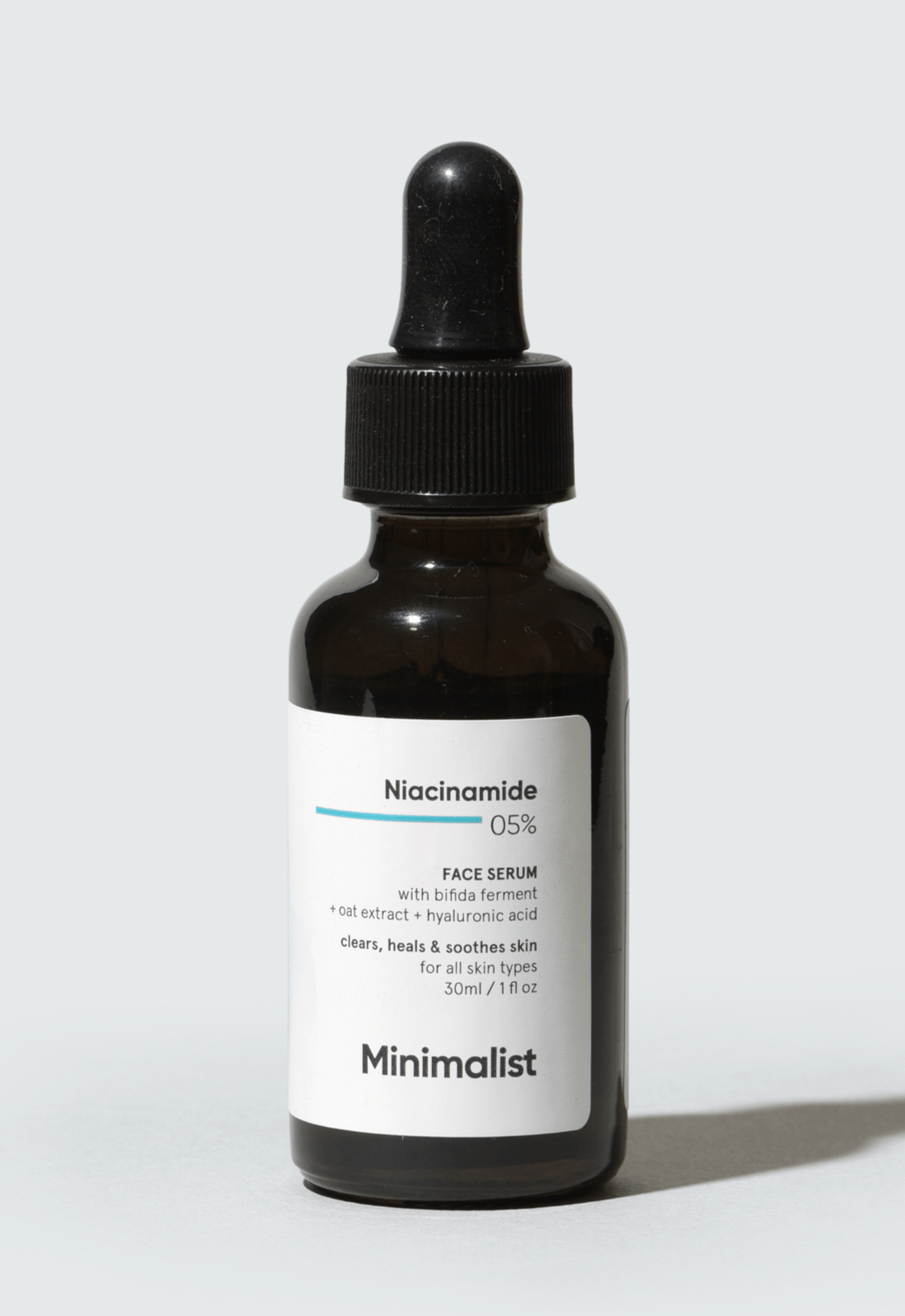
2. Minimalist 5% Niacinamide Serum with Hyaluronic Acid
- Strength: 5% niacinamide + hyaluronic acid; fragrance-free
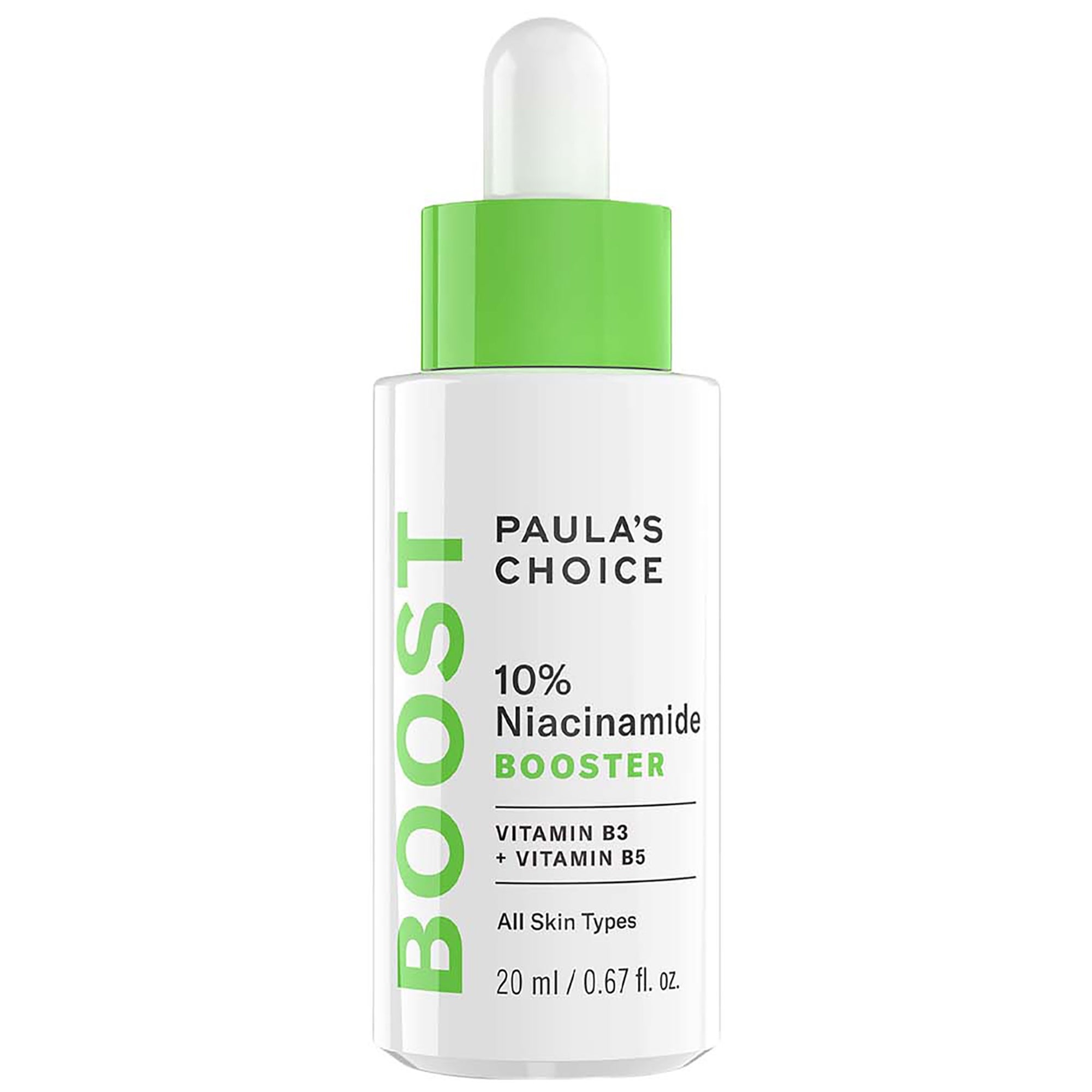
3. Paula’s Choice BOOST 10% Niacinamide Booster
- Strength: 10% niacinamide + licorice root extract + hyaluronic acid; fragrance-free
Vitamin C picks
For reactive skin, a gentle vitamin C derivative (like SAP or THD ascorbate) or an organic fruit-acid mask is usually an easier entry point than high-strength L-ascorbic acid. We start with our own ilike Organics Vita-C Gel Mask, then list partner derivative serums.
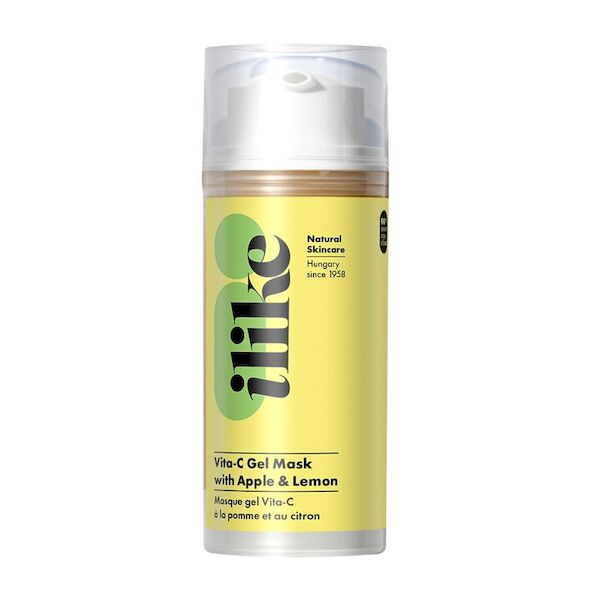
1. ilike Organics Vita-C Gel Mask with Apple and Lemon – 100 ml / 3.4 fl oz (from our catalog)
- Vitamin C + fruit acids

2. Mad Hippie Vitamin C Serum (C + E + Ferulic + Hyaluronic)
- Form: sodium ascorbyl phosphate (SAP) ~10%, non-acidic derivative
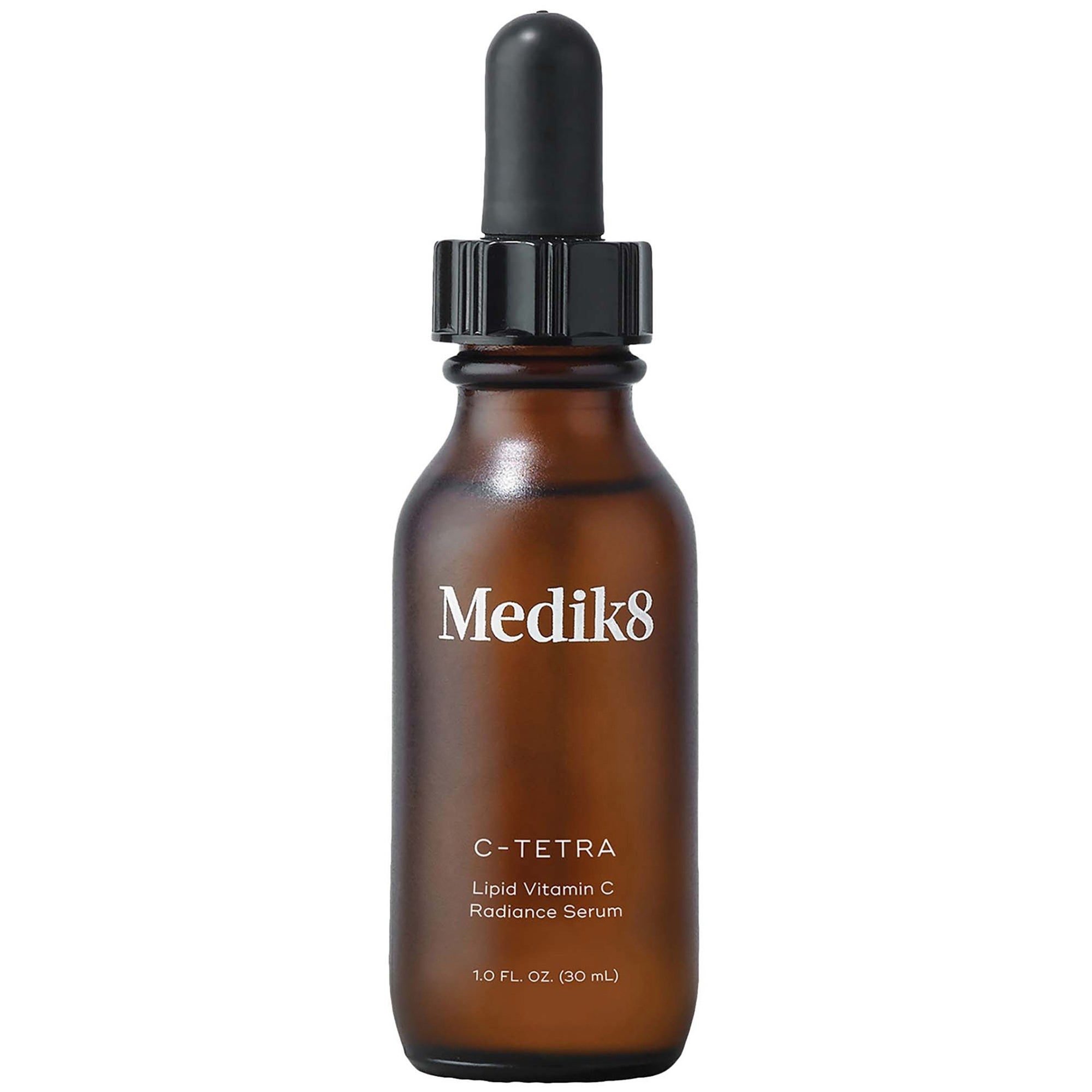
3. Medik8 C-Tetra Vitamin C Serum
- Form: tetrahexyldecyl ascorbate (THD ascorbate) in a squalane base
Full breakdowns: Best niacinamide serums for sensitive skin · Best vitamin C serums for sensitive skin — own-brand first, honest tradeoffs.
Frequently asked questions
- Can I use niacinamide and vitamin C together?
- Yes — the old claim that they cancel each other out is outdated for modern formulas. Many people use niacinamide in the morning and/or evening and a gentle vitamin C in the morning without issue. If you’re new to both, introduce them one at a time so you can tell how your skin responds.
- Which should I start with for sensitive skin?
- Start with niacinamide. At 4–10% it’s one of the most widely tolerated actives and supports the barrier, so it’s a gentle on-ramp. Once your skin is comfortable, add a low-strength vitamin C derivative in the morning. Fragrance-free formulas are the gentlest choice for reactive skin.
- Do I actually need both?
- Not necessarily — it depends on your goals. If redness and visible pores are your main concern, niacinamide alone may be enough. If you also want daytime antioxidant support for dullness and uneven tone, adding a gentle vitamin C is worthwhile. Many people are happy using just one.
- Which helps redness, and which helps dullness?
- Niacinamide is the one associated with softening the look of visible redness and pores while supporting the barrier. Vitamin C is the daytime antioxidant more geared toward brightening the look of dullness and uneven tone. If both bother you, they pair well together.
- Which form of vitamin C is best for sensitive skin?
- Gentler derivatives — sodium ascorbyl phosphate (SAP), THD ascorbate, and ascorbyl glucoside — tend to suit reactive skin better than pure L-ascorbic acid, which is potent but can sting. An organic fruit-acid mask is another low-commitment way to ease in. Patch-test any new vitamin C first.
- Should I use these in the morning or at night?
- Vitamin C fits best in the morning, where its antioxidant support pairs naturally with sunscreen. Niacinamide is flexible and works morning, night, or both. A common routine is a gentle vitamin C in the AM under SPF, with niacinamide layered in AM and/or PM. Apply thinner textures before thicker ones.
- Are niacinamide and vitamin C fine to use during pregnancy?
- Both are commonly considered reasonable options that many people choose to continue during pregnancy, but everyone’s situation is different. Because product formulas vary, it’s best to confirm your specific routine with your OB-GYN or provider. Note that retinoids, by contrast, are commonly advised to avoid during pregnancy and nursing.
Still not sure?
Take the 2-minute skin quiz and get a routine matched to your skin — it’ll tell you which of these fits.
Not sure which products are right for you? Take our free 60-second organic skin quiz for a routine matched to your skin type and concerns.