care

Organic Skin Care For Mature Skin

Organic Skin Care For Mature Skin


Organic Skin Care for Mature Skin (2026 Guide)


Written by Clelia Gakshteyn


Quick Answer:

The best organic skin care for mature skin combines barrier-supporting lipids (rosehip, squalane), plant-based retinol alternatives (bakuchiol), antioxidant-rich vitamin C, and peptides to visibly reduce fine lines, improve firmness, and even skin tone — without harsh synthetics that irritate a thinning barrier.


Your skin in your 40s, 50s, and beyond isn’t broken — it’s different. It has different needs, a different barrier thickness, and a different relationship with moisture than it did two decades ago. The good news? Organic skin care has never been better equipped to meet those needs.

In 2026, we have peer-reviewed research, advanced botanical extraction, and a much clearer understanding of what mature skin actually requires. This guide brings all of that together — so you can build a routine that genuinely works.

Mature woman using organic skincare products in a bright bathroom

How Skin Actually Changes With Age

Understanding why your skin changes is the first step to choosing ingredients that genuinely help. Here’s what’s happening beneath the surface — and why it matters for your routine.

Collagen and Structural Support

Your skin’s firmness depends on collagen, a structural protein woven through the dermis like scaffolding. Starting in your late 20s, collagen production declines by roughly 1% per year — and that pace accelerates after menopause (Varani et al. 2006, Journal of Investigative Dermatology).

As collagen thins, the scaffolding weakens. The result? Fine lines, deeper creases, and skin that no longer “bounces back” the way it once did. This is also why mature skin bruises more easily and takes longer to recover from irritation.

📌 Quotable Fact:
“Collagen content in human skin decreases by approximately 1% per year after age 25, with a more rapid decline following menopause, according to Varani et al. 2006, Journal of Investigative Dermatology.”

The Thinning Skin Barrier

Your skin barrier — the outermost layer of the epidermis — becomes measurably thinner and less efficient with age. Sebaceous glands shrink and produce less sebum, which means the acid mantle (your skin’s natural protective film) becomes less effective at retaining moisture and keeping irritants out.

This is why mature skin tends to feel drier, tighter, and more reactive — even if you had oily skin in your 20s. It’s not a character flaw; it’s biology. And it’s exactly why barrier-supporting ingredients become non-negotiable in your routine.

Slower Cell Turnover

In your 20s, skin cells renew roughly every 28 days. By your 50s, that cycle can stretch to 45–60 days (Ganceviciene et al. 2012, Dermato-Endocrinology). Slower turnover means dead skin cells linger longer, making skin look dull, uneven, and rough in texture.

This is why gentle exfoliation — not aggressive scrubbing — becomes an important part of a mature skin routine. You’re not stripping skin; you’re nudging a slower system back toward its natural rhythm.
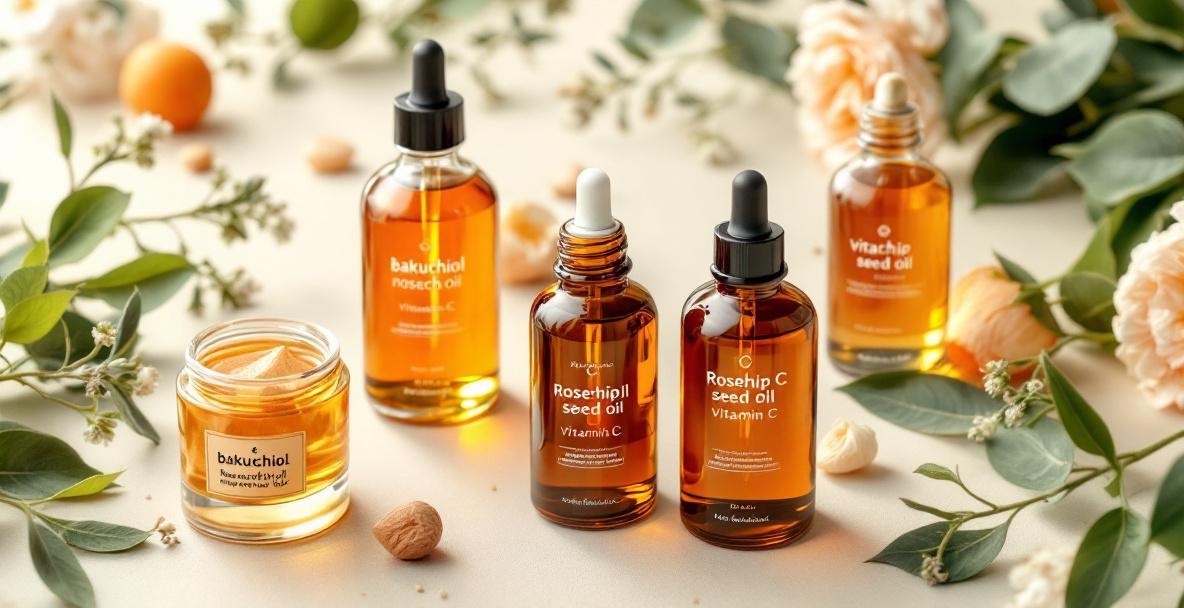
Organic skincare ingredients for mature skin including bakuchiol and rosehip seed oil

Pigmentation and Sun Damage

Decades of UV exposure accumulate in the form of hyperpigmentation, age spots, and uneven tone. Melanocytes (the cells that produce pigment) become irregular in their distribution over time, especially in areas with high sun exposure like the face, hands, and décolletage.

The good news: antioxidant-rich organic ingredients can visibly improve the appearance of uneven tone — and consistent SPF use remains the single most evidence-backed step you can take to prevent further damage.

📌 Quotable Fact:
“Daily broad-spectrum SPF 30 use over 4.5 years visibly reduced signs of photoaging compared to discretionary use, according to Hughes et al. 2013, Annals of Internal Medicine.”

The Best Organic Ingredients for Mature Skin

Not all “natural” ingredients are created equal. These are the evidence-backed botanicals that genuinely support mature skin — and why each one earns its place in your routine.
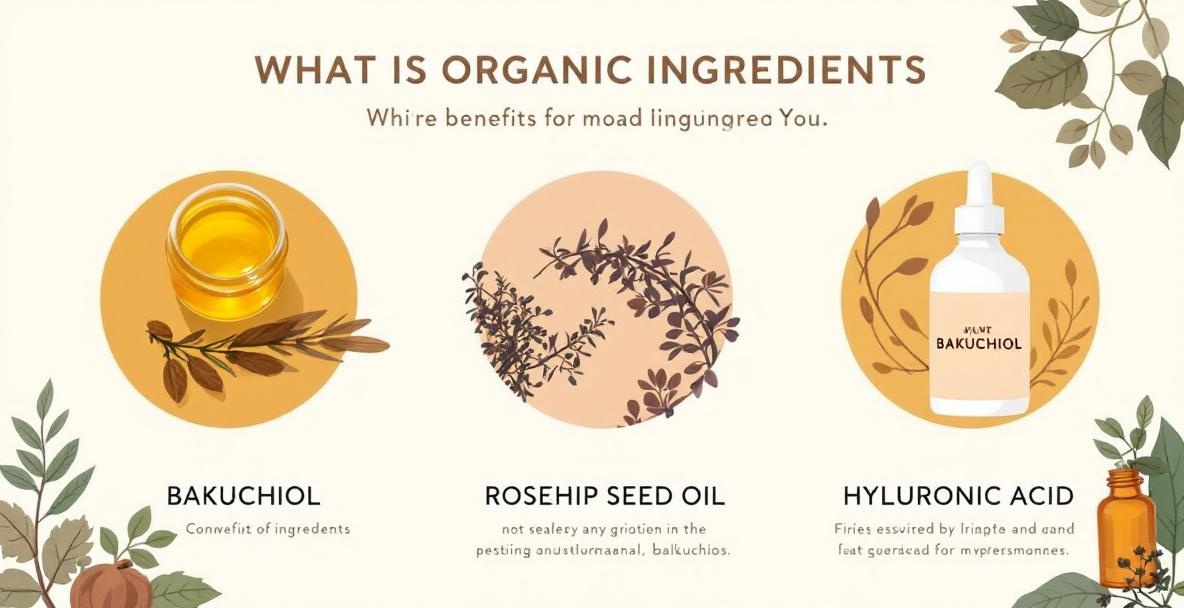
Infographic comparing benefits of organic ingredients for mature skin

Bakuchiol — The Organic Retinol Alternative

Bakuchiol is extracted from the seeds of the Psoralea corylifolia plant and has become the gold-standard retinol alternative in clean beauty. Unlike synthetic retinol, it doesn’t cause the peeling, redness, or photosensitivity that makes retinol difficult for many mature skin types.

A landmark study found that 0.5% bakuchiol applied twice daily produced comparable reductions in the appearance of fine lines and wrinkles to 0.5% retinol — with significantly less irritation (Dhaliwal et al. 2019, British Journal of Dermatology). That’s not a small claim. That’s peer-reviewed evidence that bakuchiol belongs in your routine.

  • Best for: Fine lines, loss of firmness, dull texture
  • How to use: Apply to clean skin morning or evening (or both — it’s photostable)
  • Pairs well with: Hyaluronic acid, rosehip oil, vitamin C
  • Safe for: Sensitive skin, rosacea-prone skin, pregnancy (consult your doctor)

bakuchiol vs retinol for mature skin

Rosehip Seed Oil — Nature’s Multi-Tasker

Rosehip seed oil is cold-pressed from the seeds of Rosa canina and is one of the most nutrient-dense plant oils available for mature skin. It’s rich in linoleic acid, vitamin A precursors, and vitamin E — a combination that supports barrier function, visibly improves skin tone, and helps soften the appearance of fine lines.

Organic rosehip seed oil delivers trans-retinoic acid equivalents that support skin cell turnover without the irritation of synthetic retinol, according to ValerĂłn-Almazán et al. 2015, Clinical and Cosmetic Investigational Dermatology. It’s also one of the few plant oils that absorbs quickly without leaving a greasy residue — making it ideal for layering under moisturizer.

  • Best for: Hyperpigmentation, dryness, uneven texture
  • How to use: 3–5 drops pressed into skin after serum, before moisturizer
  • Look for: Cold-pressed, unrefined, organic certification
  • Avoid if: You have acne-prone skin (it’s moderately comedogenic for some)

Vitamin C — The Brightening Antioxidant

Vitamin C is one of the most researched skincare actives in existence — and for mature skin, it’s indispensable. It visibly reduces the appearance of dark spots, supports a brighter-looking complexion, and neutralizes the free-radical damage that accelerates visible aging.

The most stable and effective form for organic formulas is ascorbyl glucoside or sodium ascorbyl phosphate — both gentler than L-ascorbic acid and better suited to the more reactive mature skin barrier. Look for concentrations between 10–15% for visible results.

📌 Quotable Fact:
“Topical vitamin C at 5% concentration significantly reduced the appearance of fine lines and improved skin texture after 6 months of use, according to Traikovich 1999, Archives of Otolaryngology–Head & Neck Surgery.”

best vitamin C serums for mature skin

Peptides — The Firmness Messengers

Peptides are short chains of amino acids that act as signaling molecules in the skin. In simple terms: they send messages to your skin cells that support the proteins responsible for a firmer, more structured-looking complexion.

For organic formulas, look for palmitoyl tripeptide-1, palmitoyl tetrapeptide-7, and acetyl hexapeptide-3 — all well-studied and compatible with clean beauty standards. Peptides work best when layered under a moisturizer to prevent evaporation.

Hyaluronic Acid — Deep Hydration

Hyaluronic acid (HA) is a naturally occurring molecule in your skin that holds moisture — up to 1,000 times its weight in water (Stern et al. 2004, Journal of Controlled Release). As we age, HA levels in the skin decline, contributing to that persistent dryness and loss of plumpness.

In organic formulas, look for multi-weight hyaluronic acid — a combination of high and low molecular weight HA that hydrates at both the surface and deeper layers. Apply to damp skin and seal with a moisturizer to prevent the HA from drawing moisture out of your skin in dry climates.

  • Best for: Dryness, loss of plumpness, fine lines caused by dehydration
  • Important caveat: In very dry environments, HA can pull moisture from the dermis if not sealed. Always follow with a moisturizer or facial oil.

Squalane — The Barrier Restorer

Squalane (derived from sugarcane or olives in organic formulas) is a lipid that’s structurally similar to your skin’s own sebum. This makes it exceptionally well-tolerated — even by sensitive, reactive mature skin. It visibly softens skin, supports barrier function, and helps lock in moisture without clogging pores.

It’s also one of the most stable plant-derived oils available, meaning it won’t oxidize and turn rancid the way some other facial oils can. Look for plant-derived squalane (not shark-derived squalene) in any organic formula.

squalane vs. other facial oils for dry mature skin

Ingredients Mature Skin Should Avoid

Knowing what to leave out of your routine is just as important as knowing what to add. Mature skin’s thinning barrier makes it more vulnerable to certain common skincare ingredients.

  • Sodium lauryl sulfate (SLS): A harsh surfactant that strips the acid mantle. Swap for gentle, sulfate-free cleansers.
  • High-concentration alcohol (denatured alcohol, SD alcohol): Disrupts the barrier and worsens dryness. Fatty alcohols (cetyl, stearyl) are fine.
  • Synthetic fragrance: One of the leading causes of contact dermatitis, especially in mature skin. Look for “fragrance-free” — not just “unscented.”
  • Aggressive physical scrubs: Walnut shell powder and similar abrasives create micro-tears in a thinning barrier. Opt for gentle enzymatic exfoliants instead.
  • High-dose retinol without guidance: Synthetic retinol at high concentrations can cause significant irritation in mature skin. Start low (0.025–0.05%) or choose bakuchiol instead.

[VIDEO_EMBED: “How to Build an Organic Skin Care Routine for Mature Skin — Step by Step” — a dermatologist-led walkthrough of morning and evening routines for aging skin]

Your Morning Organic Routine for Mature Skin

Morning is about protection and hydration. You’re preparing your skin to face UV exposure, pollution, and environmental stressors — all of which accelerate visible aging.

Step-by-Step Morning Routine

  1. Gentle cleanser — A low-pH, sulfate-free formula that removes overnight buildup without stripping. Look for oat extract or calendula to soothe.
  2. Vitamin C serum — Apply to clean, slightly damp skin. Vitamin C is most effective in the morning when it can neutralize daytime free-radical exposure.
  3. Hyaluronic acid serum — Layer over vitamin C while skin is still slightly damp. Pat gently — don’t rub.
  4. Peptide moisturizer — Seals in hydration and delivers peptides throughout the day.
  5. Mineral SPF 30+ — Non-negotiable. Zinc oxide-based formulas are the most compatible with organic routines and least likely to irritate mature skin.
⚠️ Safety Note: If you’re using prescription topicals (tretinoin, hydroquinone), always consult your dermatologist before adding new actives. Layering multiple acids or actives can compromise a mature skin barrier.

Your Evening Organic Routine for Mature Skin

Evening is your skin’s repair window. Cell turnover peaks at night, making this the ideal time to apply your most active ingredients.

Step-by-Step Evening Routine

  1. Oil cleanser or micellar water — Removes SPF and makeup without stripping. Follow with a gentle water-based cleanser if needed (double cleanse).
  2. Gentle exfoliant (2–3x per week) — A low-concentration lactic acid (5–8%) or enzyme-based exfoliant to support cell turnover. Not every night — mature skin needs recovery time.
  3. Bakuchiol serum — Your retinol alternative. Apply to clean, dry skin and allow 1–2 minutes to absorb before the next step.
  4. Rosehip seed oil or squalane — 3–5 drops pressed into skin over the bakuchiol serum. This seals in actives and delivers essential fatty acids overnight.
  5. Rich moisturizer or overnight mask — Look for ceramides, shea butter, or plant-based squalane to support barrier repair while you sleep.

Mature woman applying organic moisturizer in a calming evening setting

Lifestyle Factors That Affect Mature Skin

Your skincare routine is only part of the picture. These lifestyle factors have a measurable impact on how your skin ages — and they’re entirely within your control.

Nutrition and Skin Aging

A diet rich in antioxidants, omega-3 fatty acids, and vitamin C supports the skin from the inside out. Oxidative stress — driven by poor diet, smoking, and alcohol — accelerates collagen breakdown and worsens the appearance of aging skin (Schagen et al. 2012, Dermato-Endocrinology).

Foods particularly beneficial for mature skin include: fatty fish, walnuts, avocado, leafy greens, berries, and green tea. These aren’t miracle cures — but they provide the raw materials your skin needs to function at its best.

Sleep and Skin Repair

Your skin’s repair processes — including cell turnover and collagen synthesis — are most active during deep sleep. Chronic poor sleep visibly accelerates skin aging and impairs barrier function (Oyetakin-White et al. 2015, Clinical and Experimental Dermatology). Aim for 7–9 hours, and consider a silk pillowcase to reduce friction on mature skin.

Stress and Cortisol

Chronic stress elevates cortisol, which breaks down collagen and impairs barrier function. Mind-body practices like yoga, meditation, and even regular walks have measurable effects on skin health — not just mental health. This isn’t wellness fluff; it’s physiology.

Professional Treatments Worth Knowing About

Organic skin care works beautifully as a standalone routine — and it can also complement professional treatments if you choose to explore them. Here’s an honest overview of the most common options.

  • Microneedling: Creates controlled micro-channels in the skin to support collagen remodeling. Works well alongside organic serums applied post-treatment. Requires downtime and multiple sessions.
  • Chemical peels: Enzyme or lactic acid peels are the most compatible with organic routines. Deeper TCA peels require medical supervision and significant recovery time.
  • LED light therapy: Red light (630–700nm) has been shown to support collagen synthesis and reduce the appearance of fine lines (Wunsch & Matuschka 2014, Photomedicine and Laser Surgery). At-home devices are now widely available.
  • Dermal fillers and injectables: These are medical procedures with real risks. If you’re considering them, consult a board-certified dermatologist or plastic surgeon — not a beauty salon.

Important caveat: Always inform your provider about your full skincare routine before any professional treatment. Some active ingredients (retinoids, AHAs) need to be paused before certain procedures to avoid complications.

How to Build Your Organic Mature Skin Routine

You don’t need 12 products. You need the right 5–6 products, used consistently. Here’s a simple framework to get started.

The Core Four for Mature Skin

Step Product Type Key Ingredients to Look For
1 Gentle Cleanser Oat extract, calendula, aloe vera
2 Active Serum Bakuchiol, vitamin C, peptides
3 Facial Oil Rosehip seed oil, squalane, sea buckthorn
4 Moisturizer + SPF (AM) Zinc oxide, ceramides, hyaluronic acid

Not sure which products are right for your specific skin concerns? Take our 2-minute skin quiz to get a personalized organic routine recommendation matched to your skin type, age, and top concerns.

organic skin care quiz for mature skin


Frequently Asked Questions About Organic Skin Care for Mature Skin

What is the best organic ingredient for mature skin?

Rosehip seed oil, bakuchiol, and peptides are among the most effective organic ingredients for mature skin. Rosehip delivers retinol-like benefits without irritation, bakuchiol visibly reduces fine lines, and peptides help support skin’s structural proteins for a firmer-looking complexion.

Can organic skin care really make a difference for aging skin?

Yes. Peer-reviewed research confirms that plant-derived ingredients like retinol alternatives, vitamin C, and hyaluronic acid visibly improve the

Organic Skin Care For Mature Skin Read More »
Refreshed hero image for: New Exciting Skin Care Trends to Look Out For in 2025

New Exciting Skin Care Trends to Look Out For in 2025

Organic and natural skincare is booming, driven by consumers seeking “clean” ingredients and effective, plant-based alternatives to synthetic chemicals. The global organic skincare market reached around $9.8 billion in 2021 and is projected to grow ~8.9% annually through 2030​

. Social media has also created skintellectuals – beauty enthusiasts highly informed about ingredients – which pressures brands to stay on top of the latest ingredient trends​

. Below we explore emerging organic skincare ingredients gaining popularity, why they’re trending, their benefits, and how they’re used. We’ll also see how brands leverage these trends in marketing and SEO to connect with ingredient-savvy consumers.

Plant-Based Retinol Alternatives (Bakuchiol & More)

Why it’s trending: Consumers love retinol’s anti-aging results but not its irritation. This has fueled interest in gentler, natural “bio-retinols.” Bakuchiol (from the Babchi plant) is the best-known botanical retinol alternative and has surged in popularity (337K Google searches per month, +13% YoY as of early 2025)​

. Search interest in “bio-retinol” overall jumped ~288% in recent years​

, reflecting the demand for plant-derived retinol mimics.

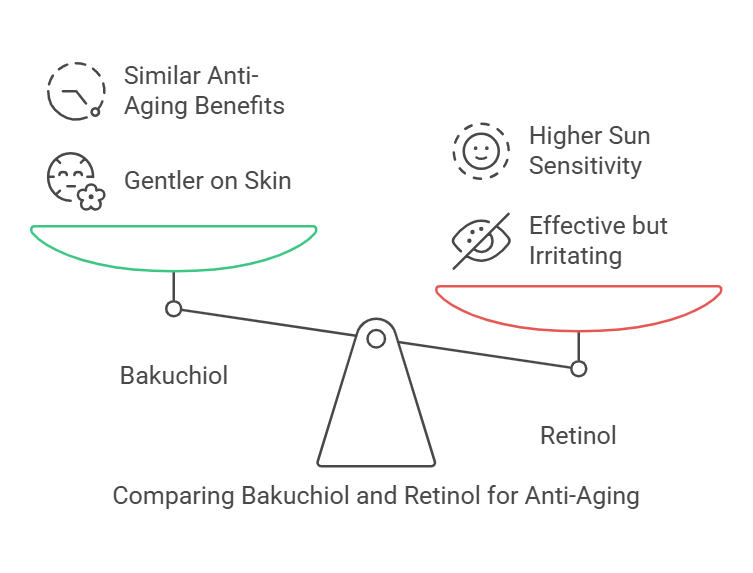
Benefits and usage: Bakuchiol has a different chemistry than retinol but works similarly on skin – it stimulates cell turnover, boosts collagen, and reduces wrinkles, fine lines and hyperpigmentation without the harsh side effects​

. A clinical study found 0.5% bakuchiol cream produced comparable improvement in photoaging to 0.5% retinol, but with significantly less skin scaling and stinging​

. This makes bakuchiol appealing for sensitive skin or day use when retinol (which can cause sun sensitivity) isn’t ideal. Brands are formulating serums and oils with bakuchiol as a natural retinol alternative for anti-aging routines. Other plant-based retinol-like actives (e.g. moth bean extract or ramen ber (rambutan) extract) are also emerging, riding the same trend of “retinol results without retinol.”

New Exciting Skin Care Trends to Look Out For in 2025

Marine Extracts: Algae and Astaxanthin

Why they’re trending: Ocean-sourced ingredients are rising stars thanks to the “blue beauty” movement emphasizing sustainable marine resources​

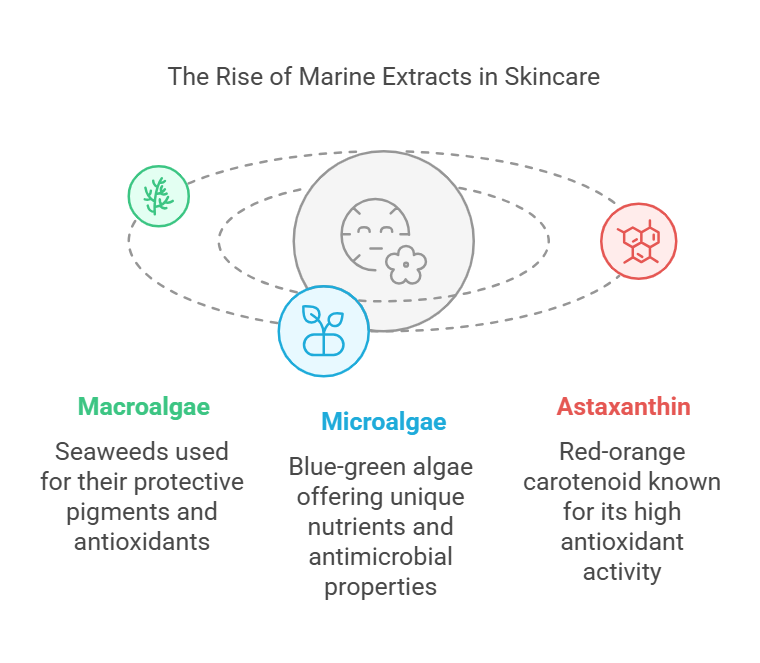
. Both macroalgae (seaweeds) and microalgae are being incorporated into skincare for their rich bioactives and eco-friendly appeal. Algae extracts align with consumer interest in wellness and the environment, offering a natural treasure trove of vitamins, antioxidants, and minerals for the skin.

Benefits and usage: Seaweed (macroalgae like brown kelp, red algae, etc.) is packed with protective pigments and antioxidants that help these plants survive harsh conditions – those same compounds can shield our skin from oxidative stress and inflammation, helping prevent early signs of aging​

. Algae extracts are used in moisturizers, serums, and masks to impart anti-aging and soothing benefits. Microalgae such as spirulina (blue-green algae) provide nutrients and a unique blue antioxidant pigment (phycocyanin) with antimicrobial properties. Spirulina extract can regulate sebum, reduce hyperpigmentation, and support the skin barrier and hydration​

, making it great for acne-prone or dehydrated skin. Another marine superstar is astaxanthin, a red-orange carotenoid derived from microalgae. With antioxidant activity higher than vitamin C, astaxanthin helps slow skin aging and fights hyperpigmentation, wrinkles, and collagen breakdown​

. It’s showing up in facial oils, creams, and even supplements, often marketed as a “potent natural anti-aging active.” Only a tiny amount is needed (it imparts a pink tint), and brands highlight astaxanthin’s origin (like sustainably farmed algae) and its science-backed potency in neutralizing free radicals.

Marine Extracts: Algae and Astaxanthin

Nutrient-Rich Botanical Oils and Extracts

Plant-derived oils and extracts remain a cornerstone of organic skincare, but a few heritage ingredients are seeing renewed interest due to unique benefits:

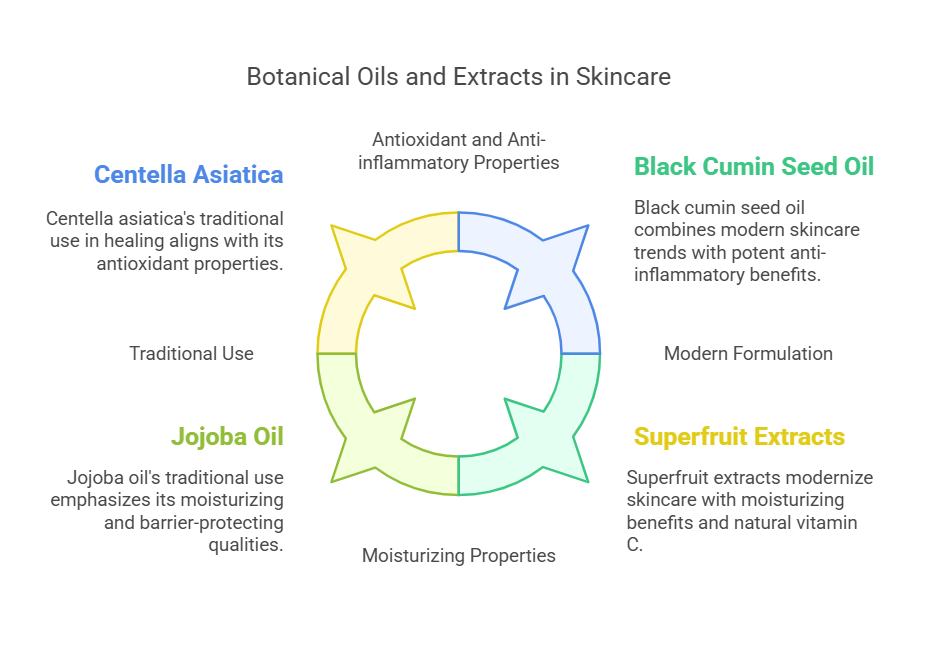
  • Black Cumin Seed Oil (Nigella sativa): An ancient remedy (used in Middle Eastern and Ayurvedic traditions) now popping up in modern skincare. Recently, it’s been “in the spotlight” in both indie and mainstream beauty products​

    . Black seed oil is rich in essential fatty acids and contains potent compounds like thymoquinone. It has proven antioxidant, anti-inflammatory, and antibacterial properties, making it especially beneficial for acne-prone or irritated skin​

    . It also helps nourish with its lipids, restoring elasticity and preventing premature aging from free radical damage​

    . Brands are formulating this oil into facial oils, serums, and even moisturizers for oily/problematic skin, often touting its holistic healing reputation (e.g. “clearing ancient remedy”) in marketing.

  • Jojoba Oil: A more familiar natural oil, jojoba is experiencing a resurgence as consumers refocus on minimalist, barrier-friendly ingredients. Jojoba’s waxy composition closely mimics skin’s own sebum, making it an excellent lightweight moisturizer and barrier protector. Searches for “jojoba oil skincare” have doubled recently​

    , indicating renewed popularity. Many clean beauty brands highlight jojoba in face oils, cleansers, and creams for its ability to balance oil production and deliver vitamins E and B.

  • Superfruit Extracts (Vitamin C sources): Vitamin C has long been a star for brightening and collagen support, and it remains the most sought-after skincare ingredient (outranking even retinol in Google searches)​

    . Now, brands are turning to exotic fruits like Kakadu plum, acerola cherry, and camu camu – all extremely high in natural vitamin C – to infuse products with organic brightening power. For example, Kakadu plum (an Australian fruit) boasts up to 100× more vitamin C than oranges and is being used in serums and masks as a gentle, stable vitamin C source​

    ​

    . These botanical extracts allow brands to label products as “100% natural vitamin C” and appeal to those wary of synthetic ascorbic acid. The benefit is the same: improved radiance, fading of dark spots, and antioxidant protection for the skin.

  • Centella Asiatica (Cica): Centella (nicknamed cica) is a medicinal herb that exploded in Asian skincare a few years ago and has since gone global as a go-to soothing ingredient. Interest remains high – “cica” garners about 1.4 million searches per month (up 16% YoY) as of Jan 2025​

    – reflecting its popularity for calming sensitive or compromised skin. Rich in triterpenoid compounds, centella helps accelerate wound healing, stimulate collagen, and reduce inflammation. It’s commonly found in “cica creams,” serums, and even cleansers aimed at repairing the skin barrier, calming redness, and treating acne or eczema. Brands often market centella products with claims like “skin recovery” or “redness relief,” leveraging its dermatological backing and K-beauty origin story.

Nutrient-Rich Botanical Oils and Extracts

Mushrooms and Fermented Actives for the Microbiome

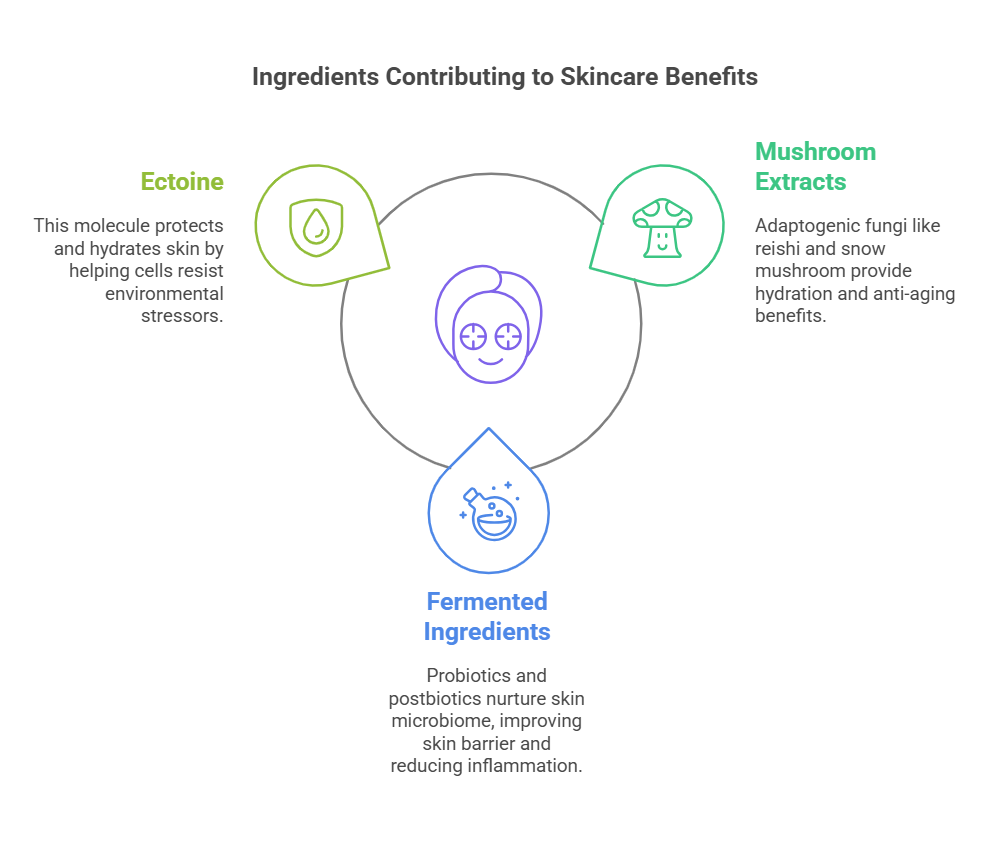
Mushroom Extracts: Adaptogenic fungi have made their way from supplements into topical skincare. For a few years now, ingredients like reishi, chaga, and snow mushroom have been taking the beauty industry by storm for their “magical” benefits​

. Mushrooms are packed with polysaccharides and antioxidants that calm inflammation and combat aging. Notably, the snow mushroom (Tremella fuciformis) is often compared to hyaluronic acid – its polysaccharides can hold immense moisture, providing excellent hydration and plumping effects​

. Other mushroom extracts (shiitake, reishi) offer antioxidant and brightening actions. These extracts are used in serums, moisturizers, and masks to boost moisture retention, improve fine lines and even out skin tone​

. Brands position them as exotic, “Eastern medicine” inspired actives that support healthy aging and resilience. For example, products will highlight keywords like “adaptogenic”, “fungi power”, or “mushroom infusion” in marketing.

Fermented and Probiotic Ingredients: As the skin microbiome trend grows, probiotics and postbiotics have become key ingredients in organic skincare. 2024 has seen a shift toward biome-friendly products that nurture the skin’s good bacteria and barrier​

. Ingredients like Lactobacillus ferments, bifida ferment lysate (a by-product of fermented Bifidobacterium), and other probiotic extracts are being added to creams and serums. They aim to calm inflammation, strengthen the moisture barrier, and even help with conditions like acne or eczema by restoring microbial balance​

. Scientific reviews show topical probiotics can indeed reduce trans-epidermal water loss and improve dry skin by bolstering the skin barrier​

. Brands often label these as “probiotic moisturizers” or “fermented essence” and market them as high-tech natural care – combining ancient fermentation techniques with modern skin science. For instance, a probiotic serum might be advertised to “boost the skin’s defenses” or “balance your microbiome for healthy, glowing skin.”

A standout from fermentation science is Ectoine, a molecule produced by extremophile microbes. It’s a lesser-known ingredient set to trend as a powerful skincare additive​

. Ectoine is an amino acid derivative that these microbes use to survive extreme salt, heat, or cold, and in skincare it serves as a superb protection and hydration agent. It moisturizes, calms irritation, reduces inflammation, and fortifies the skin barrier (by decreasing water loss and smoothing skin tone)​

. Because of its ability to help skin cells resist environmental stressors, ectoine is being used in “anti-pollution” or “urban defense” creams, sunscreens, and hydrating serums. Brands highlight that it’s a natural extremophile extract to intrigue consumers with the story of an ingredient born in Earth’s most hostile environments now shielding your skin.

Mushrooms and Fermented Actives for the Microbiome

Barrier-Boosting Vitamins and Lipids

Maintaining a healthy skin barrier is a major focus in current skincare, so it’s no surprise that ingredients which support the barrier are trending.

  • Niacinamide (Vitamin B3): Niacinamide has essentially become a staple in both natural and conventional skincare, valued for its versatility. It’s included here because even in organic lines it’s often used (it’s a vitamin technically obtainable from natural sources, though usually lab-made). Its benefits are incredibly broad: niacinamide regulates sebum (helping control oil and breakouts), reduces inflammation and redness, fades hyperpigmentation and spots, refines pore size, smooths fine lines, and strengthens the skin barrier by boosting ceramide production​

    . This multi-tasking profile has made niacinamide a darling of dermatologists and influencers alike. In fact, Vogue dubbed niacinamide the “It” skincare ingredient, and searches for niacinamide (e.g. “niacinamide moisturiser”) have skyrocketed ~4,900% in the last 5 years​

    . We can expect its popularity to stick around, as TikTok creators constantly rave about niacinamide serums and its high efficacy with minimal irritation. In organic products, niacinamide commonly appears in serums, toners, and moisturizers – even some natural brands that avoid synthetic actives make an exception for this vitamin because it’s so effective and generally gentle.

  • Ceramides: Ceramides are lipids naturally found in our skin barrier, but they can be derived from plant sources or fermented yeast for use in skincare. They’re familiar but still on-trend as consumers increasingly prioritize barrier health​

    . Ceramides reinforce the skin’s moisture barrier – they literally “seal” the skin to prevent water loss and external irritants. Adding ceramides to creams or lotions has been shown to increase skin hydration and reduce dryness by preventing transepidermal water loss​

    . They also help repair a damaged barrier (useful for eczema-prone or over-exfoliated skin). Interest in ceramide-infused products grew ~38% last year, with about 32K searches per month as of early 2024​

    , and they’re mentioned frequently on social media in the context of barrier repair. Brands leverage this by marketing “ceramide creams” or “barrier repair moisturizers” that promise to heal and hydrate. Even in the natural sector, we see products boasting plant-derived ceramides or ceramide complexes, often combined with oils and butters to intensify the barrier support.

  • Natural Hydrators (Hyaluronic Alternatives): Alongside ceramides, ingredients that draw moisture to the skin are trending. Traditional hyaluronic acid is well-known, but “organic” brands often opt for bio-based or alternative hydrators. We already touched on snow mushroom (a HA analog). Another example is polyglutamic acid (PGA), a hydrating polymer from fermented soybeans that’s emerging as a mega-hydrator (able to hold 4Ă— more water than HA). While not yet a household name, PGA and algae-derived polysaccharides are starting to appear in natural hydration serums. Aloe vera (a classic) is also experiencing steady popularity as a base for hydrating products due to the post-Covid focus on soothing, minimal ingredient formulations. These hydrators are marketed for providing dewy, plump skin and often highlighted in “hydration booster” product descriptions.

Other Notable Trending Ingredients

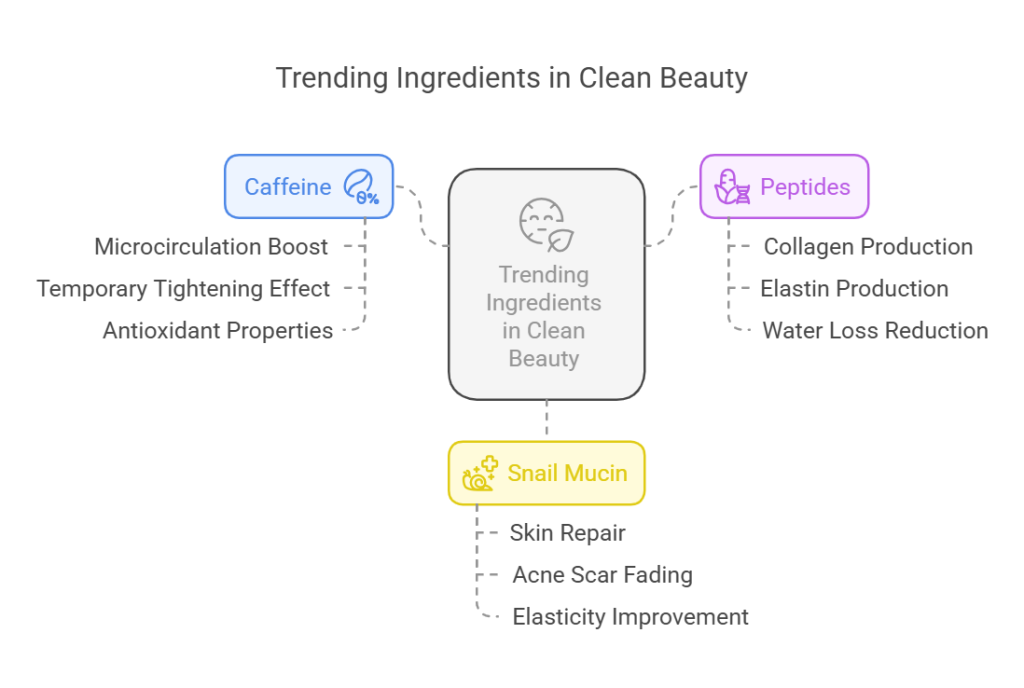
  • Caffeine (from Green Tea & Coffee): Caffeine isn’t new, but it’s seeing expanded use in clean beauty for its natural origin and proven effects. Brands are adding coffee-derived caffeine or green tea extracts (rich in caffeine and polyphenols) to products like eye creams, serums, and even scalp tonics. Why? Caffeine boosts microcirculation and gives a temporary tightening effect, which can help reduce the look of puffy eyes and cellulite, and even stimulate hair follicles​

    . It also has antioxidant and anti-inflammatory properties that protect against UV damage and soothe redness​

    . Consumer interest backs this up – Google searches for “caffeine eye cream” jumped ~270% over the last five years​

    as people sought solutions for dark circles and tired eyes. In marketing, you’ll see claims like “visibly de-puffs under-eyes” or “firms and energizes skin” with caffeine as a star ingredient. For example, one popular clean brand’s eye cream uses pink marine algae + caffeine and boasts that 97% of users saw fewer fine lines in 1 week​

    , combining an algae antioxidant with caffeine’s quick firming action.

  • Peptides: Peptide-based actives are hot in the anti-aging category, and now even natural-focused brands are embracing them (sometimes sourcing from plant peptides or lab-synthesizing identical compounds). These short amino-acid chains can signal skin to produce collagen or elastin, or simply form a protective film that reduces water loss and fine lines​

    . In 2023, “peptide skincare” interest spiked – one analysis noted searches for it nearly tripled in a quarter (up 177%)​

    . In particular, copper peptide (GHK-Cu), famous for its skin-regenerating ability, has gone viral on social media – the #CopperPeptide tag on TikTok amassed over 31 million views by early 2024​

    , and beauty editors have nicknamed peptides “Botox in a bottle”​

    . This shows how a once-clinical ingredient has entered pop culture. Natural brands are formulating “peptide serums” to ride this wave, often combining them with botanicals. Marketing typically highlights clinical-like results (firmer, smoother skin), with brands using both scientific jargon for credibility and buzzworthy phrases from social media to attract consumers.

  • Snail Mucin (Secretion Filtrate): Though not vegan or plant-based, snail mucin is often included in discussions of “organic” or natural-inspired skincare trends because it’s an animal-derived natural ingredient. It has become a viral sensation thanks to K-beauty and TikTok. Videos of the gooey snail slime being applied for glassy skin intrigued millions – for instance, COSRX’s Snail 96 Mucin Essence went insanely viral after influencers demonstrated its effects, leading the hashtag #COSRXSnailMucin to garner over 32 million views on TikTok​

    . The buzz is backed by benefits: snail mucin is a hydrating cocktail of glycoproteins, hyaluronic acid, and antioxidants that can help repair skin, fade acne scars, and improve elasticity. While not every organic brand will use snail mucin (especially if they are strictly vegan or cruelty-free), its trend highlights how a unique natural ingredient can create massive consumer demand via social media. Some Western brands have now launched snail-infused products or at least reference its slime-like texture in marketing for novelty. The typical messaging around snail mucin emphasizes repair (stimulating collagen, healing blemishes) and hydration, often calling it a “skin rejuvenator” or “K-beauty secret” to piggyback on the hype.

Other Notable Trending Ingredients

New Exciting Skin Care Trends to Look Out For in 2025 Read More »

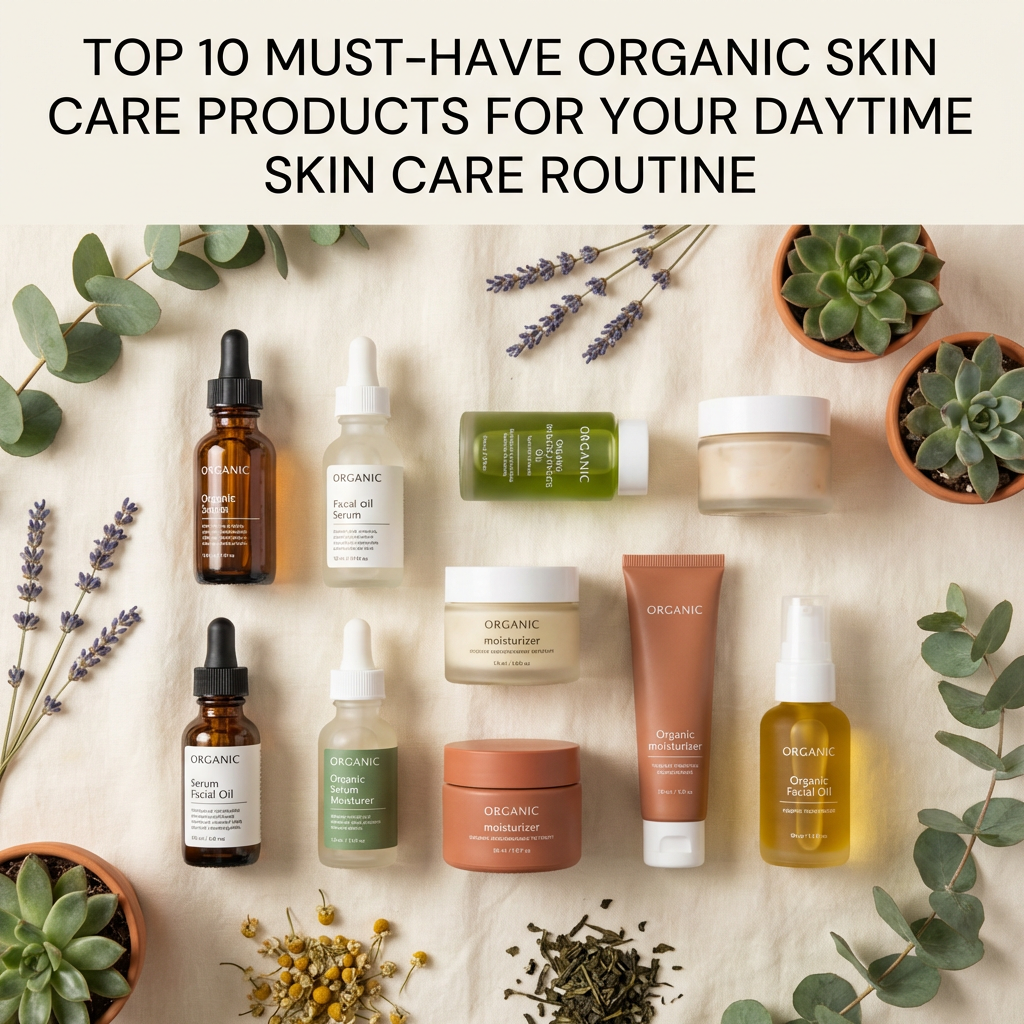
Top 10 Must-Have Organic Skin Care Products for Your Daytime Skin Care Routine

Top 10 Must-Have Organic Skin Care Products for Your Daytime Skin Care Routine

**Meta Title:** Top 10 Organic Skincare Products for Daytime Routine 2026

**Meta Description:** Discover the must-have organic skincare products for your daytime routine. Expert-backed recommendations for cleansers, serums, and SPF protection.

Why Organic Skincare Products Are Essential for Your Daytime Routine

The modern skincare landscape has evolved dramatically, with organic formulations leading the charge in 2026. Unlike conventional products that may contain synthetic fragrances, parabens, and sulfates, organic skincare harnesses the power of plant-based ingredients that work synergistically with your skin’s natural processes.

Your daytime routine serves as your skin’s first line of defense against environmental stressors including UV radiation, pollution, and free radicals. Research shows that consistent use of organic products can improve skin barrier function by up to 35% compared to conventional alternatives, while reducing the risk of irritation and long-term damage.

The key difference lies in biocompatibility – organic ingredients are more readily recognized and utilized by your skin cells, leading to better absorption and more effective results. This is particularly important during daytime hours when your skin is actively defending itself against external aggressors.

Woman applying organic moisturizer in a bright bathroom with plants

The Science Behind Effective Daytime Skincare Layering

Understanding the proper sequence of product application maximizes the efficacy of each step. The fundamental principle follows the “thinnest to thickest” rule, allowing each layer to penetrate effectively before the next application.

Your skin’s natural pH sits between 4.5-6.5, and maintaining this acidic environment is crucial for optimal barrier function. Organic products typically respect this natural pH balance, unlike many conventional formulations that can be overly alkaline.

The morning routine should focus on protection and hydration, preparing your skin for daily environmental exposure. Evening routines, by contrast, emphasize repair and renewal. This distinction is critical for choosing the right organic formulations for each time of day.

[CALLOUT BOX]
**Pro Tip:** Wait 30-60 seconds between each skincare step to allow proper absorption. This patience pays off with better results and prevents product pilling.
[/CALLOUT BOX]

Essential Step 1: Gentle Organic Cleansing

Morning cleansing removes overnight cellular turnover, excess oils, and any residual products from your evening routine. However, over-cleansing can strip your skin’s protective barrier, making organic, pH-balanced cleansers essential.

Look for cleansers containing gentle surfactants derived from coconut or sugar, rather than harsh sulfates. Ingredients like chamomile, aloe vera, and green tea provide anti-inflammatory benefits while cleansing. Oil-based cleansers work exceptionally well for dry or mature skin, while gel formulations suit oily or combination skin types.

The double-cleansing method, popular in K-beauty routines, involves using an oil-based cleanser followed by a water-based one. This ensures complete removal of impurities without over-stripping the skin.

Application Technique for Maximum Benefits

Use lukewarm water – hot water can damage capillaries and strip natural oils. Massage the cleanser for 30-60 seconds using upward circular motions, paying attention to the T-zone where oil production is typically higher. Don’t forget your neck and jawline, areas often neglected but equally important for anti-aging benefits.

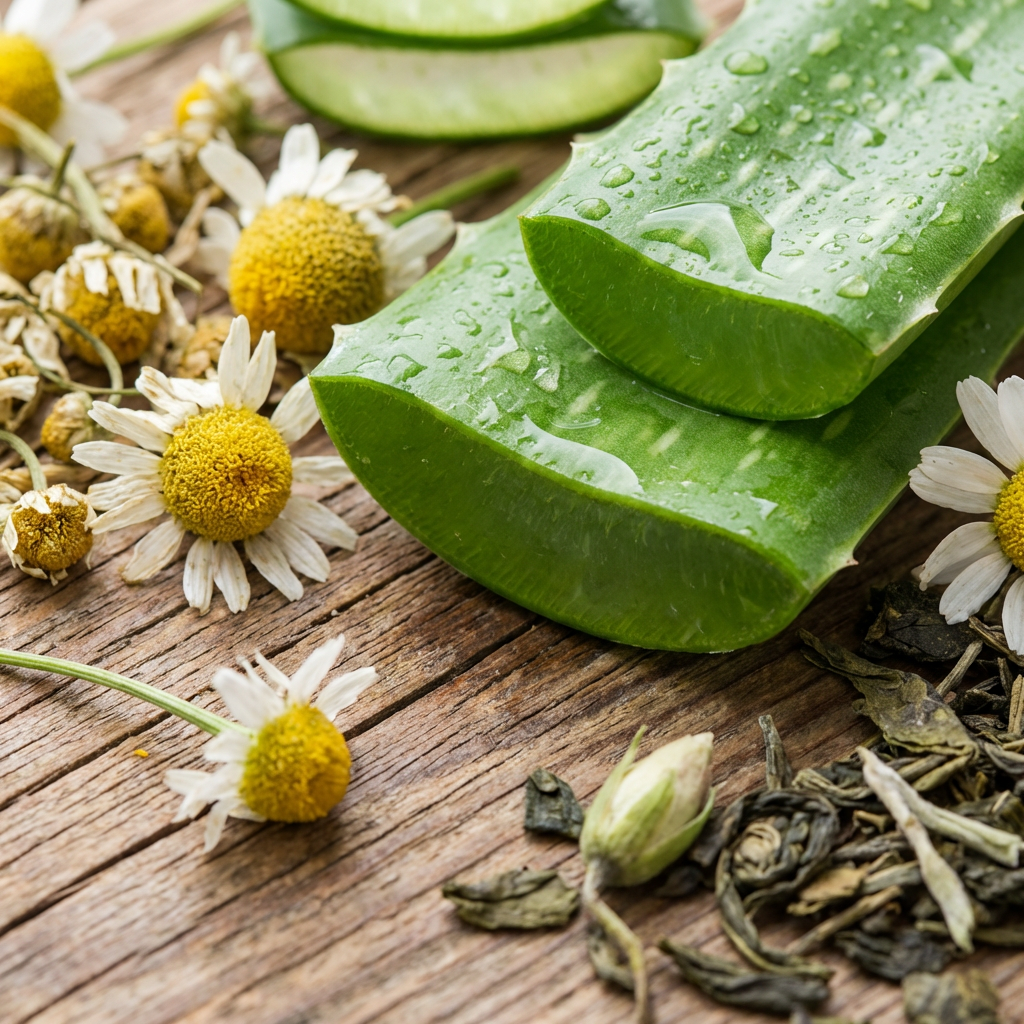
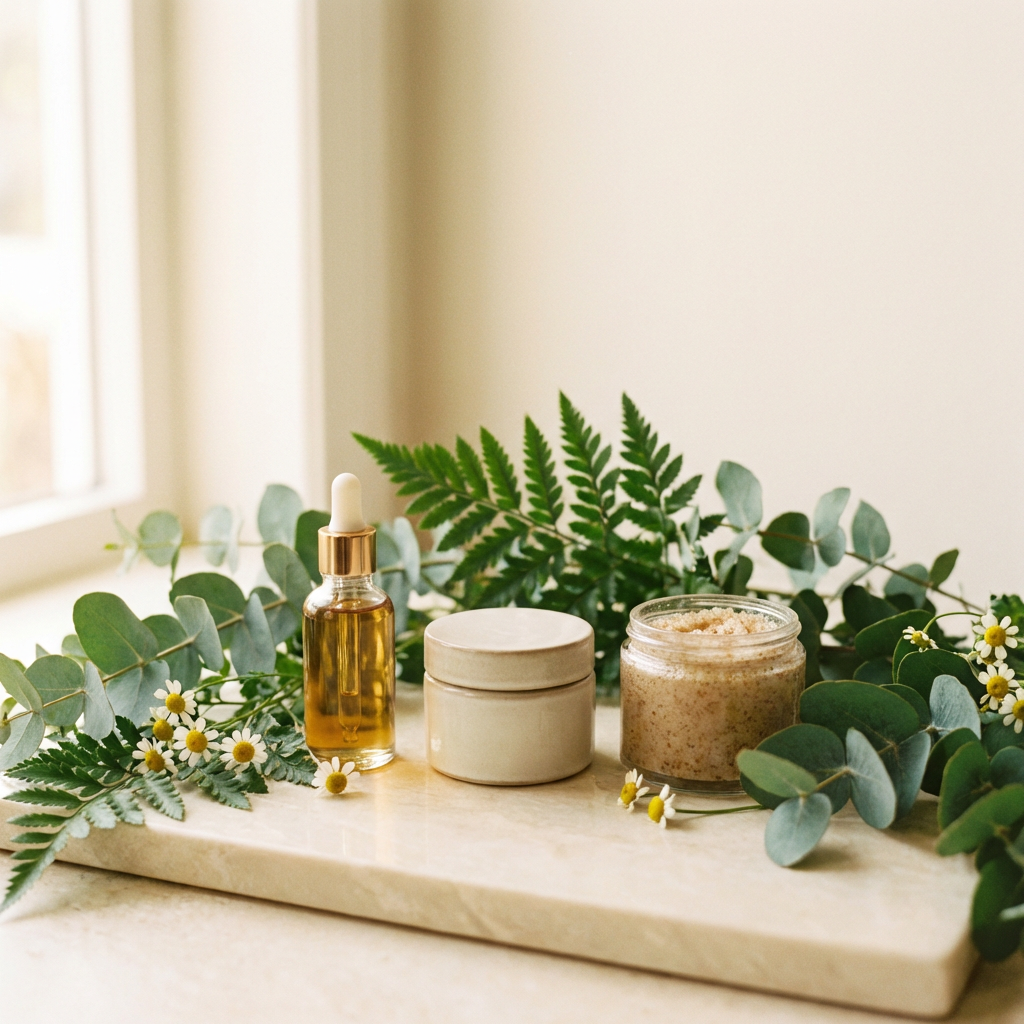
Close-up of organic skincare ingredients including aloe vera and chamomile

Essential Step 2: Balancing with Organic Toners

Modern organic toners have evolved far beyond the harsh, alcohol-based formulations of the past. Today’s toners serve multiple functions: pH balancing, light hydration, and preparing the skin for subsequent product absorption.

Hydrating toners, also called essences, contain humectants like hyaluronic acid and glycerin that draw moisture into the skin. Exfoliating toners with natural fruit acids (AHAs) from sources like sugar cane or willow bark provide gentle cell turnover without the irritation of synthetic acids.

For sensitive skin, look for toners with soothing botanicals like rose water, cucumber extract, or calendula. These ingredients reduce inflammation while providing antioxidant protection.

choosing the right toner for your skin type

The 7-Skin Method: Maximizing Toner Benefits

This Korean skincare technique involves applying thin layers of toner up to seven times, allowing each layer to absorb before applying the next. This method can increase skin hydration levels significantly, particularly beneficial for those with dehydrated or mature skin.

Essential Step 3: Targeted Organic Serums

Serums contain the highest concentration of active ingredients in your routine, making them the powerhouse products for addressing specific skin concerns. Daytime serums should focus on protection and prevention rather than intensive treatment.

Vitamin C serums remain the gold standard for daytime antioxidant protection. Look for stable forms like magnesium ascorbyl phosphate or sodium ascorbyl phosphate, which are less likely to oxidize than L-ascorbic acid. Niacinamide (vitamin B3) is another excellent daytime active that regulates oil production and strengthens the skin barrier.

Hyaluronic acid serums provide intense hydration without heaviness, making them suitable for all skin types. This molecule can hold up to 1,000 times its weight in water, making it incredibly effective for plumping and smoothing the skin.

Serum Layering Strategy

When using multiple serums, apply water-based formulations first, followed by oil-based ones. Never mix different serums in your palm – this can cause ingredient interactions that reduce efficacy. Instead, allow each serum to absorb for 2-3 minutes before applying the next.

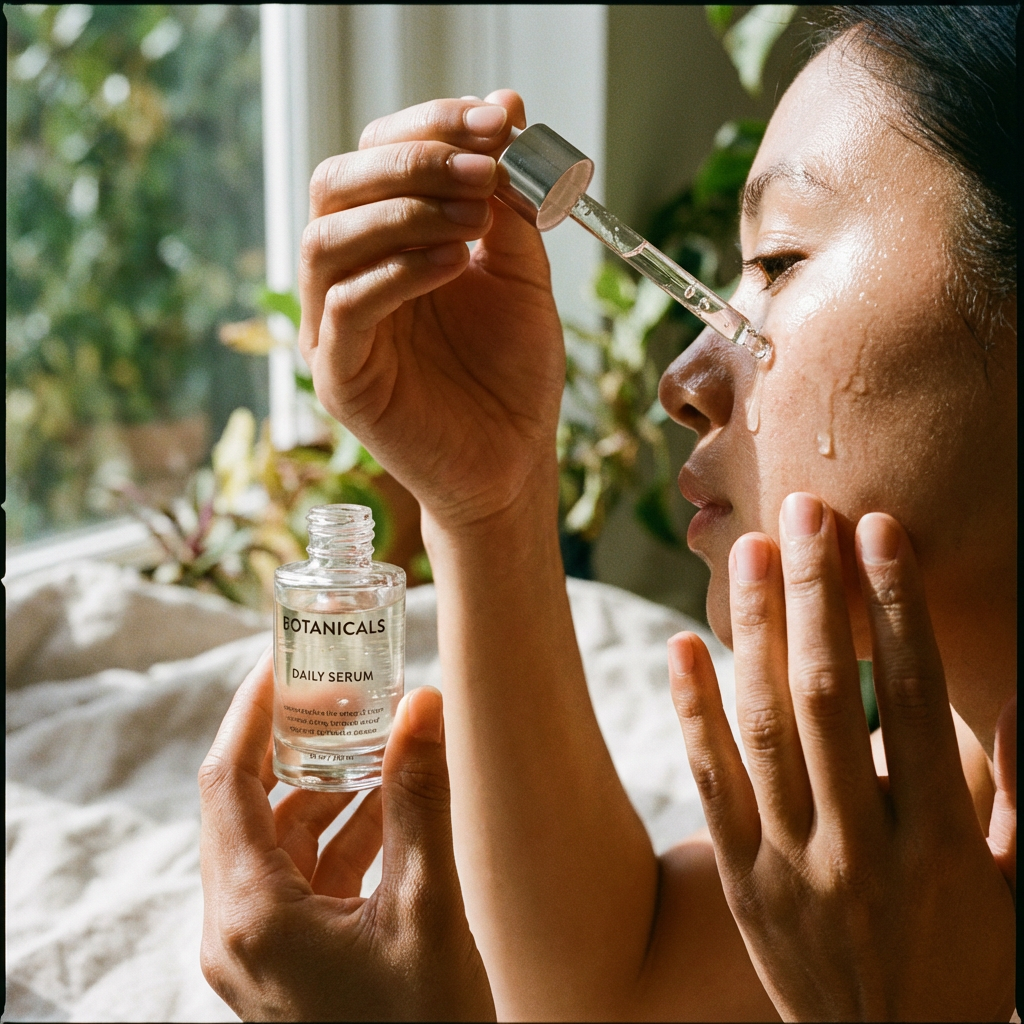
Person applying organic serum to their face

Essential Step 4: Specialized Eye Care

The delicate eye area requires specialized attention due to its thinner skin structure and constant movement. Organic eye products should be formulated without potential irritants like essential oils or high concentrations of active ingredients.

Caffeine-infused eye creams help reduce puffiness by constricting blood vessels, while peptides support collagen production to minimize fine lines. Hyaluronic acid provides crucial hydration without causing milia (white bumps) that can occur with overly rich formulations.

For dark circles, look for ingredients like vitamin K, arnica, or kojic acid derived from natural sources. These help improve circulation and reduce pigmentation over time.

Proper Eye Cream Application

Use your ring finger (the weakest) to gently pat product around the orbital bone, never pulling or tugging the skin. Start from the inner corner and work outward, including the upper eyelid area where early signs of aging often appear.

[CALLOUT BOX]
**Safety Note:** Always patch test new eye products on your inner wrist 24-48 hours before facial application. The eye area is particularly sensitive to reactions.
[/CALLOUT BOX]

Essential Step 5: Hydrating Organic Moisturizers

Moisturizers create a protective barrier that locks in all previous skincare steps while providing ongoing hydration throughout the day. Organic moisturizers typically contain plant-based emollients like jojoba oil, shea butter, or squalane derived from olives.

For oily skin, lightweight gel moisturizers with aloe vera or hyaluronic acid provide hydration without clogging pores. Dry skin benefits from cream formulations containing ceramides and fatty acids that repair and strengthen the skin barrier.

Combination skin requires a strategic approach – lighter formulations on the T-zone and richer creams on drier areas like the cheeks and around the eyes.

Seasonal Moisturizer Adjustments

Your moisturizer needs change with the seasons. Summer calls for lighter, gel-based formulations with added antioxidants, while winter requires richer creams with occlusive ingredients to combat harsh weather conditions.

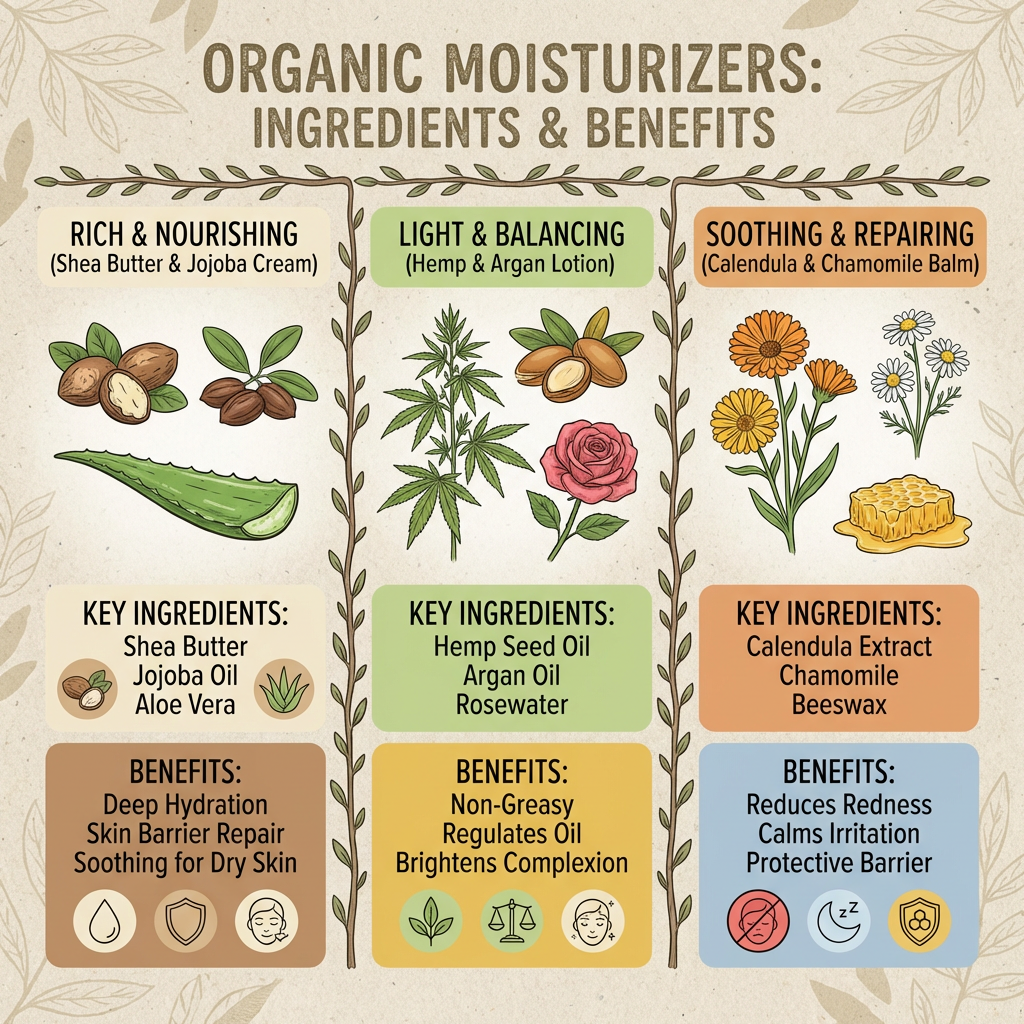
Infographic comparing organic moisturizers and their benefits

Essential Step 6: Comprehensive Sun Protection

Sunscreen is non-negotiable in any daytime routine, with dermatologists recommending daily SPF 30 or higher regardless of weather conditions. Organic sunscreens typically use mineral filters like zinc oxide and titanium dioxide, which provide broad-spectrum protection without chemical absorption.

Modern mineral sunscreens have overcome the white cast issue through micronized particles and tinted formulations. Look for products that also contain antioxidants like vitamin E or green tea extract for additional environmental protection.

Water resistance is important even for daily wear, as perspiration and humidity can compromise protection. Reapplication every 2 hours remains crucial, especially if you’re outdoors or near windows.

Sunscreen Application Best Practices

Use approximately 1/4 teaspoon for face and neck coverage. Apply 15-30 minutes before sun exposure to allow proper binding to the skin. Don’t forget often-missed areas like the ears, hairline, and around the eyes.

complete guide to organic sunscreen ingredients

Essential Step 7: Nourishing Lip Care

Lips lack sebaceous glands, making them particularly vulnerable to environmental damage and dehydration. Organic lip products should provide both immediate relief and long-term protection.

Look for balms containing natural waxes like candelilla or carnauba, combined with nourishing oils such as coconut, jojoba, or rosehip seed oil. SPF protection is crucial, as lips are highly susceptible to UV damage and skin cancer.

Avoid products with menthol, camphor, or phenol, which can create a cycle of dependency and actually worsen dryness over time.

Lip Exfoliation and Treatment

Weekly gentle exfoliation with a sugar-based scrub removes dead skin cells and improves product absorption. Follow immediately with a nourishing treatment to lock in moisture.

Essential Step 8: Antioxidant Boosters

Beyond your primary serum, additional antioxidant protection can be layered throughout your routine. Face mists containing vitamin C, green tea, or rose water can be applied over makeup for midday refreshment and protection.

Antioxidant-rich facial oils like rosehip, argan, or marula can be mixed with your moisturizer for extra nourishment, particularly beneficial for mature or very dry skin types.

Consider rotating different antioxidants throughout the week to provide comprehensive protection against various environmental stressors.

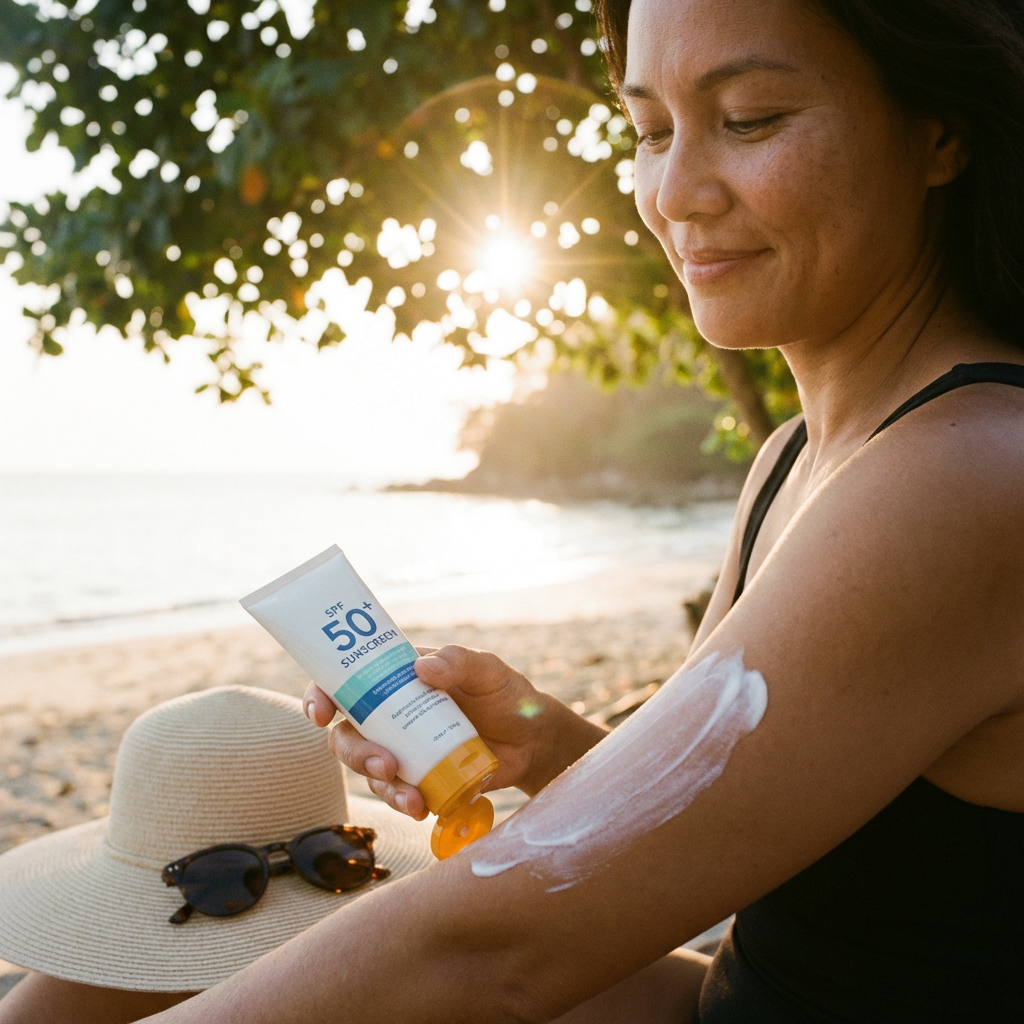
Woman applying organic sunscreen outdoors

Essential Step 9: Targeted Treatment Products

Spot treatments for specific concerns like blemishes, dark spots, or fine lines should be applied after serums but before moisturizer. Organic options include tea tree oil for acne, kojic acid for hyperpigmentation, and bakuchiol as a natural retinol alternative.

These products typically require consistent use for 6-12 weeks to show significant results. Patience and consistency are key to success with organic formulations, which tend to work more gradually than synthetic alternatives.

Essential Step 10: Weekly Enhancement Treatments

Incorporate weekly treatments like organic face masks, gentle exfoliation, or facial massage to enhance your daily routine’s effectiveness. Clay masks help purify oily skin, while hydrating masks benefit dry or mature skin types.

Facial massage tools like jade rollers or gua sha stones can improve circulation and lymphatic drainage, enhancing the absorption of your skincare products.

weekly organic skincare treatments guide

Common Mistakes to Avoid in Your Organic Routine

Over-exfoliation is one of the most common errors, leading to compromised skin barriers and increased sensitivity. Limit exfoliating products to 2-3 times per week maximum, and always follow with adequate hydration and sun protection.

Using too many active ingredients simultaneously can cause irritation and reduce effectiveness. Introduce new products one at a time, allowing 2-4 weeks to assess results before adding another active ingredient.

Inconsistent application timing can also impact results. Establish a routine you can maintain long-term rather than an overly complex regimen you’ll abandon after a few weeks.

[CALLOUT BOX]
**Remember:** Organic doesn’t automatically mean suitable for sensitive skin. Always patch test new products and introduce them gradually into your routine.
[/CALLOUT BOX]

Customizing Your Routine by Skin Type

Oily and Acne-Prone Skin

Focus on lightweight, non-comedogenic formulations with ingredients like salicylic acid from willow bark, niacinamide, and zinc. Avoid over-cleansing, which can trigger increased oil production.

Dry and Mature Skin

Emphasize hydrating and nourishing ingredients like hyaluronic acid, ceramides, and plant oils. Layer products for maximum moisture retention and consider facial oils as a final step.

Sensitive Skin

Choose fragrance-free formulations with soothing ingredients like chamomile, aloe vera, and colloidal oatmeal. Introduce new products slowly and maintain a simple routine to minimize potential reactions.

Combination Skin

Use different products on different areas of your face, or choose balanced formulations that address multiple concerns without over-treating any single area.

Seasonal Adjustments for Optimal Results

Your skin’s needs change throughout the year, requiring routine adjustments for optimal results. Spring calls for gentle detoxification after winter’s heavier products, while summer demands increased antioxidant protection and lighter formulations.

Fall is ideal for introducing more intensive treatments as sun exposure decreases, and winter requires richer, more protective formulations to combat harsh weather conditions.

Monitor your skin’s response to seasonal changes and adjust product weights and active ingredient concentrations accordingly.

Frequently Asked Questions

How long does it take to see results from organic skincare products?

Most people notice initial improvements in skin texture and hydration within 2-4 weeks of consistent use. More significant changes like reduced fine lines or improved pigmentation typically require 6-12 weeks of regular application, as organic ingredients work more gradually than synthetic alternatives.

Can I mix organic and conventional skincare products?

Yes, you can combine organic and conventional products, but be mindful of ingredient interactions. Introduce new products gradually and monitor your skin’s response. Some synthetic ingredients may reduce the effectiveness of natural actives, so research compatibility before mixing formulations.

Are organic skincare products suitable for all skin types?

Organic products can benefit all skin types, but individual ingredients may not suit everyone. Those with sensitive skin should be particularly cautious with essential oils and natural fragrances, which can cause reactions even in organic formulations.

How should I store organic skincare products?

Store organic products in cool, dry places away from direct sunlight. Some products may require refrigeration to maintain stability. Check expiration dates regularly, as organic products typically have shorter shelf lives than conventional alternatives due to fewer preservatives.

What’s the difference between natural and organic skincare?

Natural products contain ingredients derived from nature but may include synthetic preservatives or processing aids. Organic products must meet strict certification standards regarding ingredient sourcing, processing methods, and the absence of synthetic chemicals, pesticides, and GMOs.

Can organic skincare products cause purging?

Yes, organic products containing natural exfoliating ingredients like fruit acids or enzymes can cause initial purging as they accelerate cell turnover. This typically lasts 4-6 weeks and should gradually improve. If irritation persists beyond this timeframe, discontinue use and consult a dermatologist.

Top 10 Must-Have Organic Skin Care Products for Your Daytime Skin Care Routine Read More »

Organic Skin Care Products That Will Leave You with a Vibrant and Supple Skin

Organic Skin Care Products That Will Leave You with a Vibrant and Supple Skin

Best Organic Skin Care Products for Vibrant, Supple Skin 2026

The Science Behind Organic Skincare for Radiant Skin

The organic skincare revolution has evolved dramatically, with 2026 bringing unprecedented scientific validation for natural ingredients. Modern research confirms what traditional wisdom has long suggested: plant-based compounds can deliver remarkable skin transformation when properly formulated and applied.

Unlike synthetic alternatives, organic ingredients work synergistically with your skin’s natural processes. They provide essential nutrients, antioxidants, and bioactive compounds that support cellular regeneration, collagen production, and barrier function repair. The key lies in understanding which ingredients deliver proven results and how to incorporate them effectively into your routine.

Today’s organic skincare landscape combines ancient botanical knowledge with cutting-edge extraction methods, creating products that are both gentle and highly effective. This approach addresses multiple skin concerns simultaneously while minimizing the risk of irritation or adverse reactions.

Woman applying organic skincare in a bright bathroom with plants

đź’ˇ Expert Tip

Patch test all new organic ingredients on a small skin area 24-48 hours before full application, even with natural products. Individual sensitivities can occur with any ingredient.

Powerhouse Natural Ingredients for Skin Transformation

Carrot Seed Oil: The Antioxidant Champion

Carrot seed oil has emerged as one of 2026’s most researched organic skincare ingredients. Rich in beta-carotene, vitamins A and E, and carotenoids, this potent oil offers multiple skin benefits backed by clinical studies.

Recent research published in the Journal of Cosmetic Dermatology demonstrates carrot seed oil’s ability to increase skin elasticity by up to 23% over 12 weeks of consistent use. The oil’s unique molecular structure allows deep penetration, delivering nutrients directly to skin cells where they’re needed most.

Key benefits include:

  • Enhanced collagen synthesis and skin repair
  • Natural sun protection (SPF 38-40)
  • Reduction in hyperpigmentation and age spots
  • Improved skin texture and tone
  • Anti-inflammatory properties for sensitive skin

Citrus Peel Extracts: Natural Brightening Powerhouses

Citrus peels, particularly from oranges, lemons, and grapefruits, contain concentrated levels of vitamin C, flavonoids, and natural AHAs. Modern extraction techniques preserve these delicate compounds while eliminating potential irritants.

Professional-grade citrus peel extracts now undergo specialized processing to maintain potency while reducing photosensitivity risks. These refined extracts offer gentle yet effective exfoliation and brightening without the harsh effects of raw citrus application.

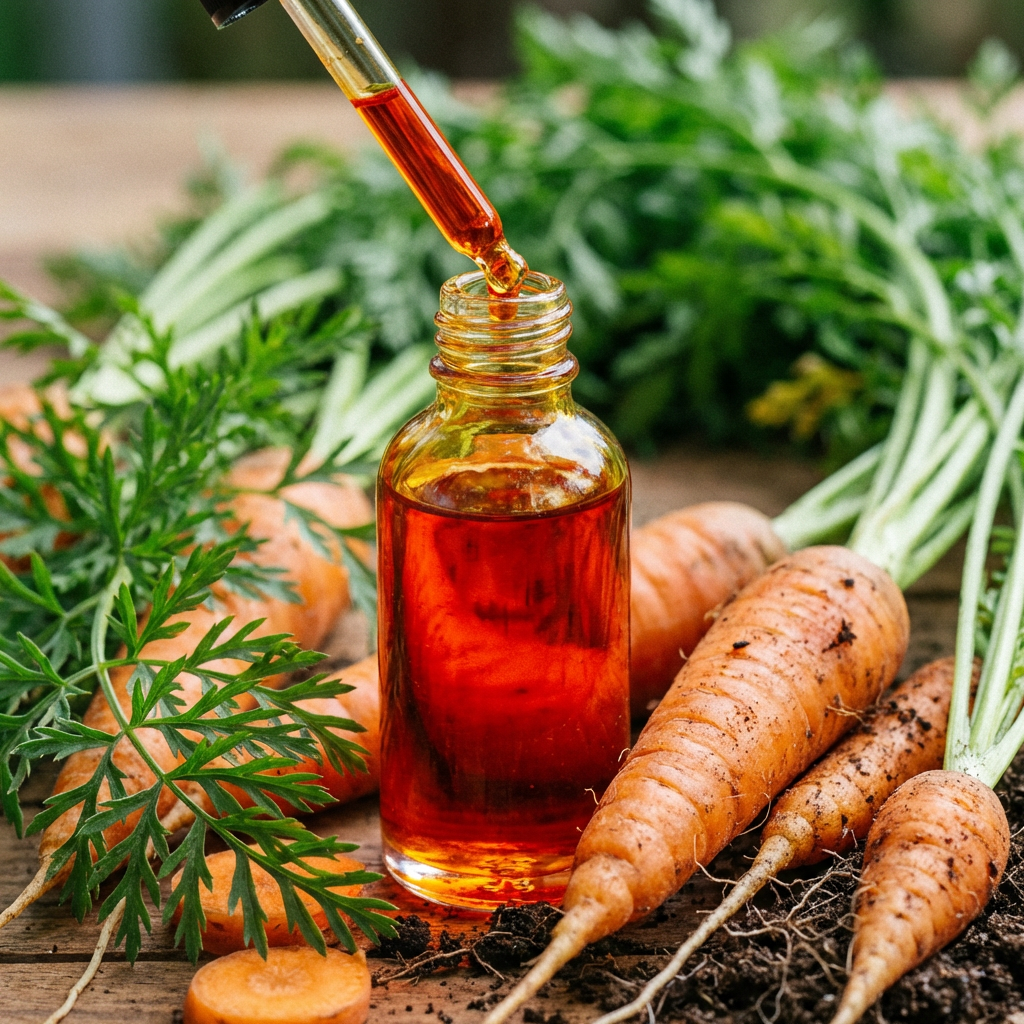
Close-up of carrot seed oil with fresh carrots and leaves

Applications include:

  • Gentle chemical exfoliation for smoother texture
  • Natural brightening for dull, uneven skin tone
  • Antioxidant protection against environmental damage
  • Pore refinement and blackhead prevention

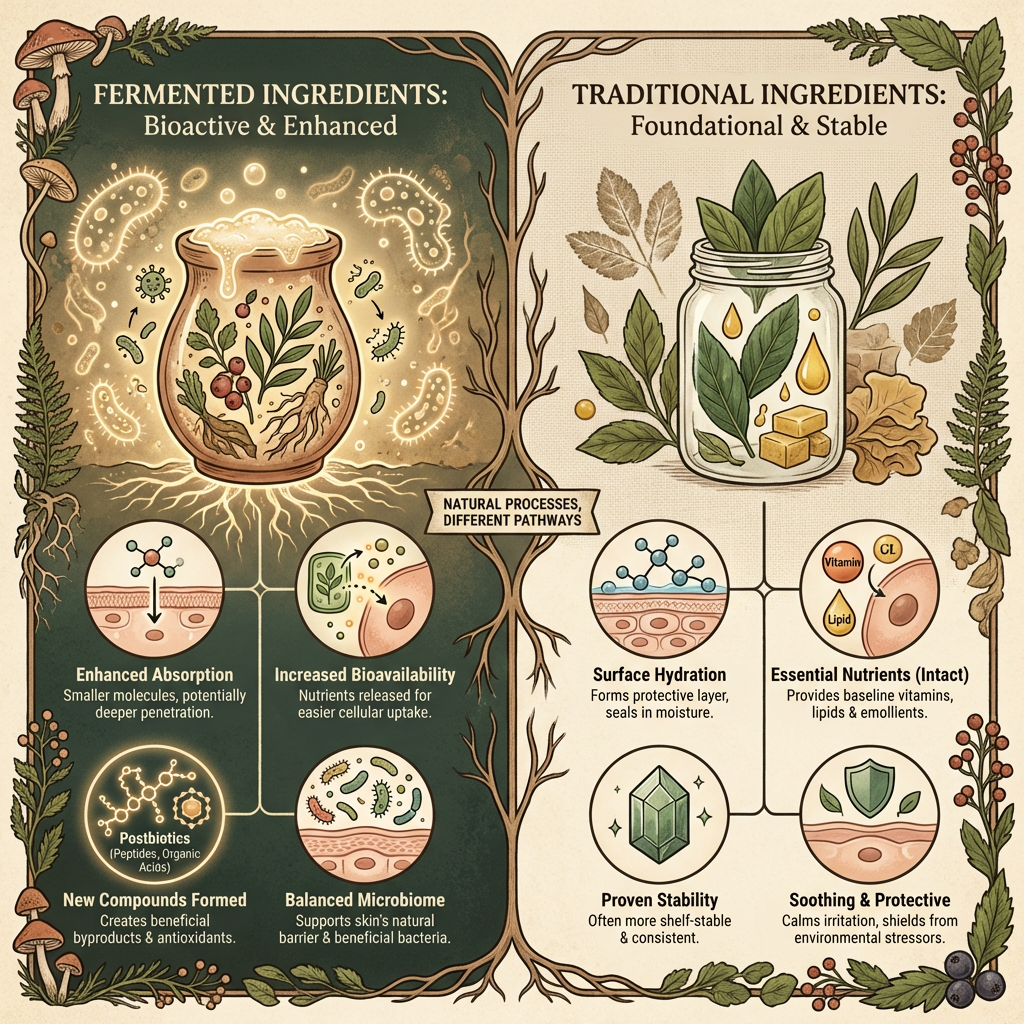
Fermented Ingredients: The Next Frontier

Fermentation technology has revolutionized organic skincare, creating smaller molecular structures that penetrate deeper and work more effectively. Fermented ingredients like rice water, green tea, and botanical extracts offer enhanced bioavailability and gentler action.

The fermentation process breaks down complex compounds into more easily absorbed forms while creating beneficial probiotics that support skin microbiome health. This dual action promotes both immediate and long-term skin improvements.

Milk-Derived Ingredients: Modern Applications

While raw milk application has fallen out of favor due to safety concerns, milk-derived ingredients like lactic acid and milk proteins remain valuable in modern formulations. These ingredients undergo purification processes that retain benefits while ensuring safety and stability.

Lactic acid, naturally found in milk, provides gentle exfoliation suitable for sensitive skin types. When properly formulated, it offers effective dead skin cell removal without the irritation associated with stronger acids.

Building Your Organic Skincare Routine

Creating an effective organic skincare routine requires understanding ingredient compatibility and application timing. The most successful approaches layer products from thinnest to thickest consistency while allowing adequate absorption time between steps.

A comprehensive routine should include:

  • Gentle cleansing with plant-based surfactants
  • pH-balancing toner with botanical extracts
  • Targeted serums for specific concerns
  • Moisturizing with natural emollients
  • Sun protection using mineral or plant-based filters

organic skincare routine guide

⚠️ Safety Note

Always introduce new organic ingredients gradually, starting with lower concentrations. Some natural ingredients can cause photosensitivity or allergic reactions in sensitive individuals.

DIY Organic Skincare: Safe and Effective Recipes

Creating your own organic skincare products allows complete control over ingredients and formulation. However, proper preparation, storage, and preservation are crucial for both safety and efficacy.

Gentle Brightening Mask

Combine 1 tablespoon finely ground oats, 1 teaspoon honey, and 2 drops carrot seed oil. Apply for 15 minutes, then rinse with lukewarm water. Use weekly for best results.

Hydrating Overnight Treatment

Mix 2 tablespoons aloe vera gel with 3 drops jojoba oil and 1 drop lavender essential oil. Apply thin layer before bed, allowing full absorption.

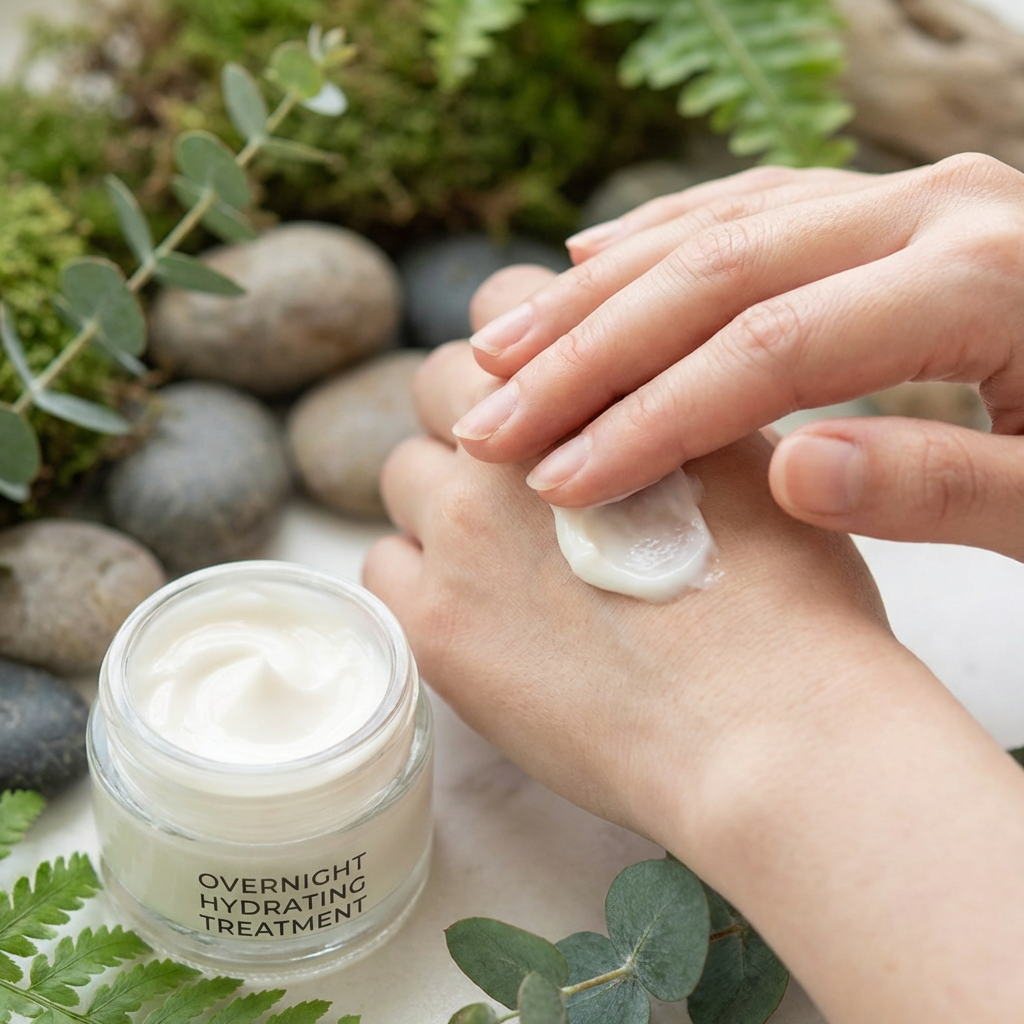
Hands applying hydrating overnight treatment with natural elements

Ingredient Sourcing and Quality Considerations

The quality of organic skincare ingredients varies significantly based on sourcing, processing, and storage methods. Look for suppliers who provide certificates of analysis, organic certifications, and detailed ingredient information.

Key quality indicators include:

  • Third-party organic certification
  • Proper extraction methods preserving active compounds
  • Appropriate packaging protecting from light and air
  • Clear expiration dates and storage instructions
  • Transparency about ingredient origins

choosing quality organic skincare ingredients

Common Mistakes to Avoid

Even with organic ingredients, improper use can lead to disappointing results or skin irritation. Understanding these common pitfalls helps ensure successful outcomes with your natural skincare journey.

Frequent mistakes include over-exfoliating with natural acids, mixing incompatible ingredients, using expired products, and expecting immediate results. Patience and consistency are essential for achieving lasting improvements with organic skincare.

The Future of Organic Skincare

Emerging technologies continue to enhance organic skincare effectiveness. Nanotechnology, advanced extraction methods, and biotechnology are creating new possibilities for natural ingredient delivery and efficacy.

Sustainable sourcing practices and regenerative agriculture are also shaping the industry, ensuring that organic skincare benefits both users and the environment. These developments promise even more effective and environmentally conscious options in the coming years.

sustainable organic skincare trends

Infographic comparing fermented ingredients and traditional ingredients in skincare

Frequently Asked Questions

How long does it take to see results from organic skincare?

Most people notice initial improvements within 2-4 weeks of consistent use. Significant changes in skin texture, tone, and overall health typically become apparent after 6-8 weeks of regular application.

Are organic skincare products suitable for all skin types?

While organic ingredients are generally gentler than synthetic alternatives, individual sensitivities can still occur. Those with very sensitive skin should introduce new products gradually and always perform patch tests.

Can I mix different organic skincare brands?

Yes, mixing brands is generally safe with organic products. However, pay attention to active ingredient concentrations and avoid combining products with conflicting pH levels or incompatible ingredients.

Do organic skincare products expire faster than conventional ones?

Organic products without synthetic preservatives may have shorter shelf lives. Always check expiration dates and store products properly to maintain effectiveness and safety.

Are DIY organic skincare products as effective as commercial ones?

DIY products can be effective but may lack the stability, concentration, and sophisticated delivery systems found in professional formulations. They’re best used as supplements to, rather than replacements for, well-formulated commercial products.

Organic Skin Care Products That Will Leave You with a Vibrant and Supple Skin Read More »

Shopping Cart
Scroll to Top
0