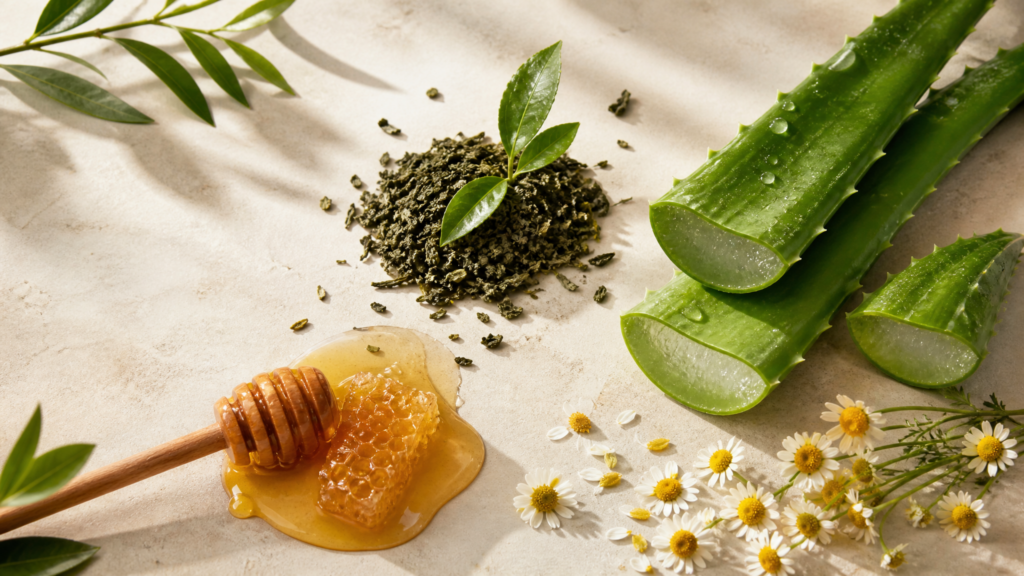
Skin care professionals and their clients are increasingly drawn to natural brightening ingredients due to the rising demand for sustainable, natural, and organic products as well as treatments for hyperpigmentation. Hyperpigmentation is a common issue that can be caused by various factors, such as sun exposure, hormones, or even genetics.
Most individuals who are looking for products to lighten their skin often turn to more aggressive and chemically-laden treatments that promise fast results. While these products can be effective, they also come with many potential risks and side effects. For those with sensitive skin, the ingredients in these harsher treatments may cause sensitivities, redness, and inflammation.
1. Kojic Acid
Kojic acid is a naturally-occurring substance produced as a by-product of the fermentation process during the production of Asian food and drink items such as soy sauce, rice wine, and other fungi. This potent skin-lightening agent works by gently exfoliating the top layers of skin cells to help reveal brighter, smoother skin.
Kojic acid is an effective ingredient for skin lightening, brightening and glowing. It works by preventing the production of melanin, the pigment responsible for giving skin its color. By blocking tyrosine’s formation, it stops melanin from forming and lightens any dark spots on the skin. In addition to this, its antioxidants.
1. Azelaic Acid
Azelaic acid is a natural skin lightening agent derived from three grains: wheat, rye and barley. This powerful acid has various beneficial properties, such as antibacterial, anti-inflammatory and melanin inhibiting effects that make it a great choice for reducing the appearance of skin blemishes and dark spots.
2.Bearberry Extract
Bearberry extract, derived from a plant of the same name, is a natural ingredient with remarkable skin-lightening properties. It contains antioxidants and a compound known as arbutin, which is responsible for its whitening abilities. Arbutin is similar to hydroquinone – the active ingredient in much over-the-counter skin lightening.
3. Citrus Extract
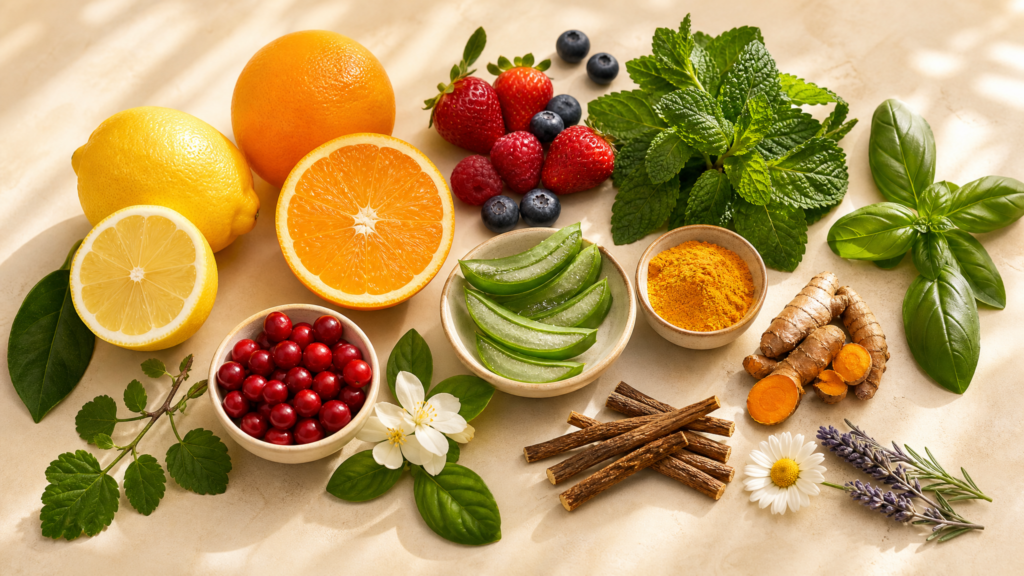
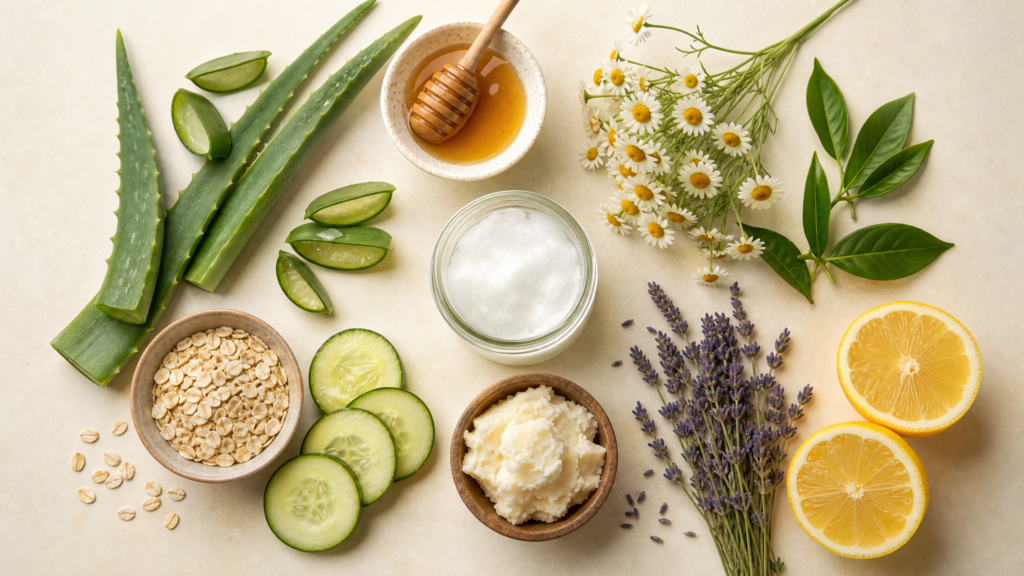
Citrus extracts are derived from citrus fruits such as grapefruit, lemon, lime, pomelo and orange, and it is a source of vitamin P (bioflavonoids) and vitamin C (ascorbic acid). Vitamin C, the hero element, helps to neutralize free radicals, which can cause premature aging of the skin. It is a potent agent that helps to minimize skin damage, build collagen and elastin, reduce melanin production, as well as promote skin peeling and skin growth. Citric acid helps with the skin-lightening mechanism by reducing the cohesion of the cells on the epidermal surface, helping to stimulate cell turnover and renewal.
4. Daisy Flower
Daisy flower extract contains tartaric and malic acids, making it a valuable ingredient with its lightening and exfoliating properties. Daisy flower extract contains a naturally occurring substance called L-arbutin that naturally lightens skin by modulating various pathways of melanin synthesis, including melanocyte and tyrosinase activity. Daisy flower extract also assists in firming the skin, has antiseptic properties, and is effective in fighting wrinkles.
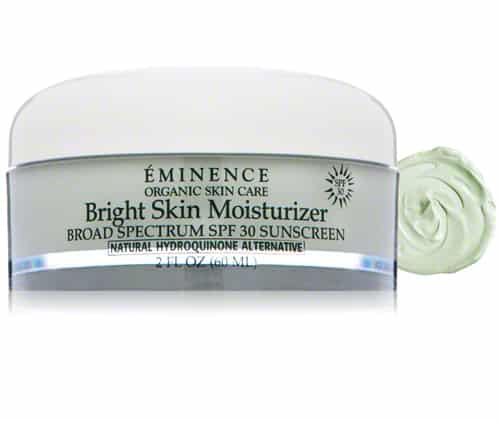
Bright Skin Moisturizer Broad Spectrum SPF 40 Sunscreen hydrates, and protects the skin during sun exposure to prevent premature aging while helping even out the skin tone.
Visibly brightens and evens skin tone. Fades dark spots, age spots, skin discoloration, uneven skin tone, sun spots, freckles, and acne scars. Can be used on the face, hands, chest, knees, elbows, and other sensitive skin areas.
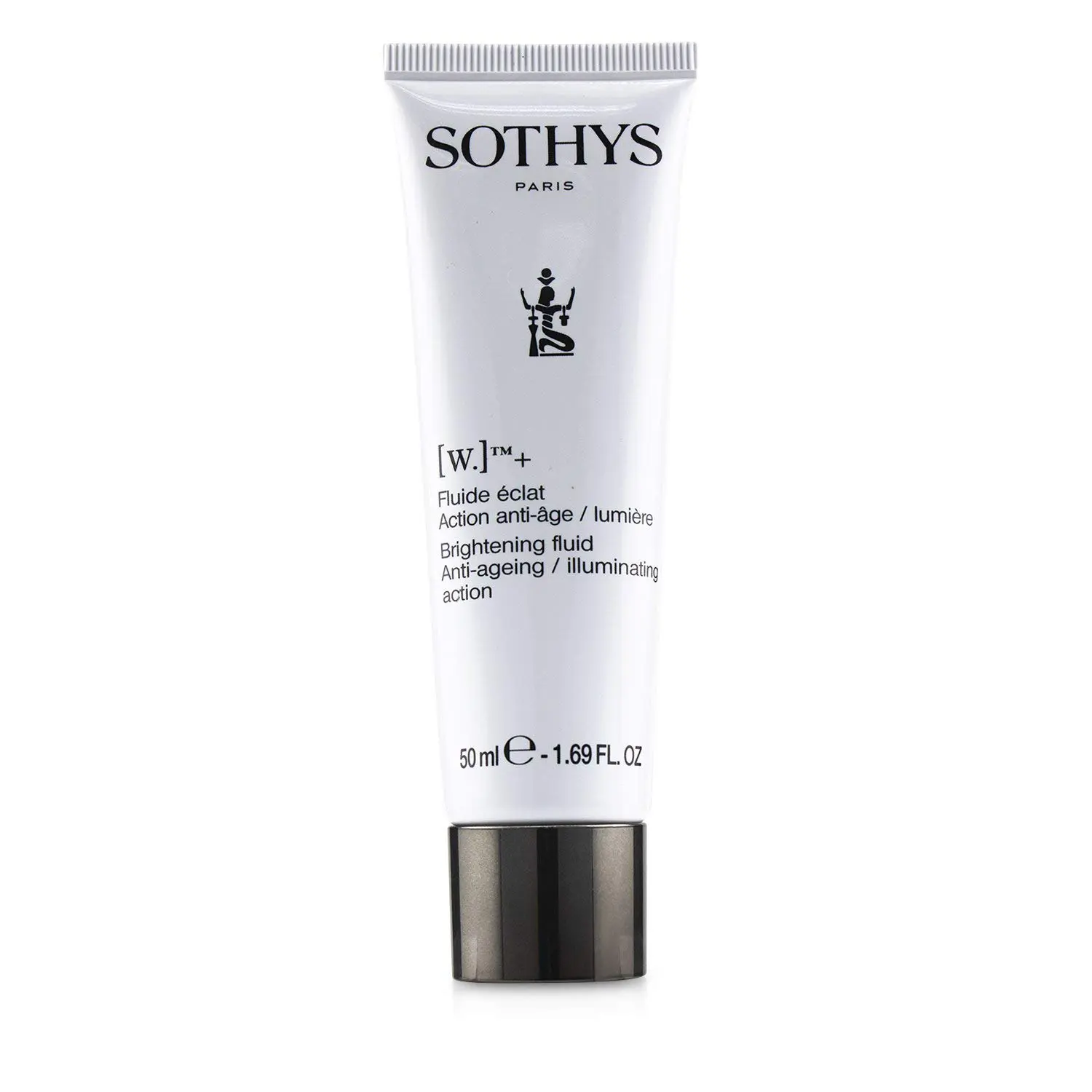
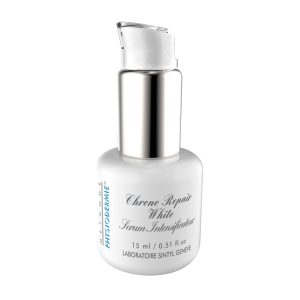
Brightening Fluid helps boost clarity and protects the skin from free-radical damage. W. Complex, which features vitamin C and azeloglycine, stimulates collagen production and reduces the acceleration of melanin pigments to minimize dark spots.
Licorice extract is a potent natural skin lightener often used for the treatment of sun damage, age spots, melasma and other skin problems. Licorice extract also helps control excess oil and calms down puffiness and itching. Glabridin is the compound found in licorice root that lightens dark spots by inhibiting tyrosinase and stopping melanin production. Licorice root also produces liquidity, which enhances lightening by dispersing melanin. Licorice extract also prevents new dark spots from forming and has anti-inflammatory properties.
6. Mulberry Extract
Mulberry extract contain retinoids, ascorbic acid, alpha-tocopherol and riboflavin, all of which are highly beneficial for brightening the skin. Mulberry extract is known for its natural skin brightening properties, and the ability to help fade away dark spots and pigmentation caused by aging and exposure to the sun. It lifts hyperpigmentation by blocking tyrosinase production and decreasing melanin. It also contains powerful antioxidants that can neutralize the harmful effects of environmental pollutants to minimize skin damage.
7. Niacinamide
Niacinamide, also known as vitamin B3, is one of the most effective skin care ingredients at visibly reducing dark spots and hyperpigmentation. Niacinamide is an effective skin lightening compound that works by inhibiting melanosome transfer from melanocytes to keratinocytes. Niacinamide can also reduce the appearance of fine lines and wrinkles, reduce pore size, minimize acne, decrease oil production and even skin tone. The ingredient often works best when combined with other skin lightening treatments and antioxidants. In addition to its skin lightening benefits, niacinamide also boosts the skin’s ceramide levels and is deeply hydrating.
8. Resveratrol
Resveratrol is a naturally occurring antioxidant found in the skin of grapes, giant knotweed, peanuts, all berries, and even dark chocolate. Resveratrol can act as a skin-lightening agent that inhibits tyrosinase activity. It also fights photo-aging by inhibiting the synthesis of melanin, making the skin less pigmented. It also possesses anti-inflammatory and wound-healing properties, is antibacterial, and can help reduce the severity of acne. Resveratrol has also been shown to prevent sun damage from UVA and UVB radiation, helping prevent premature aging and maintain the skin’s youthful appearance.
9. Saffron
Saffron is full of antioxidants, including vitamin C, and it has anti-inflammatory and antibacterial properties. Saffron shows excellent tyrosinase inhibition activity for brightening the skin. Saffron also has the abilities to calm inflammation, increase cell turnover and can help wounds heal faster. As an antioxidant, it can protect against UV damage and pollutants that produce free radicals. Saffron helps skin recover from environmental stressors, is rich in minerals and contains two types of powerful carotenoids: crocin and crocetin. These carotenoids are believed to be effective in damage repair and ensuring overall cellular health. They help the skin recover from daily environmental oxidative damage and sun damage, and they help heal everything from photo damage to loss of skin suppleness.
10. Willow Bark
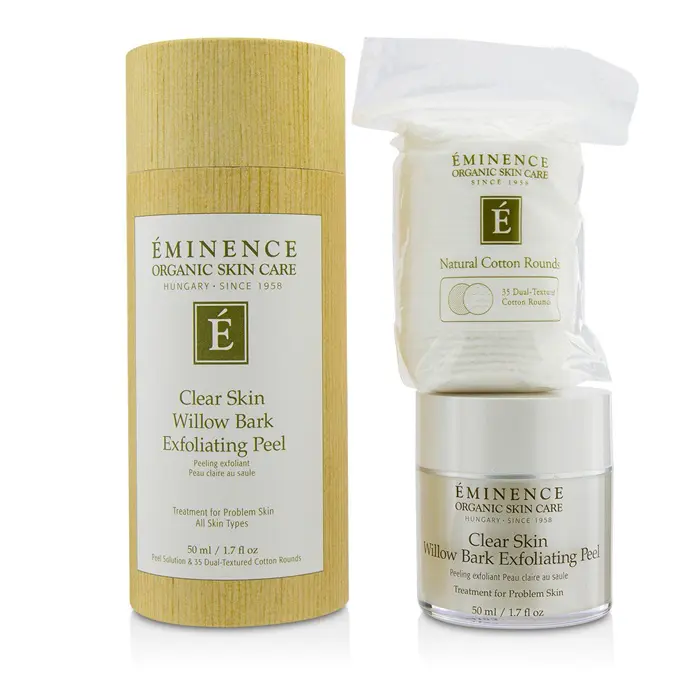
Willow bark extract is derived from the white willow tree and contains flavonoids, polyphenol and tannin compounds in high concentrations. Willow bark contains a compound called salicin that is known to be a potent skin lightening agent. This compound works by inhibiting the production of melanin. By reducing melanin, willow bark can effectively lighten the skin and remove unwanted pigmentation. The polyphenols and flavonoids have powerful antioxidant properties that build up the skin’s barrier against free radicals, external pollutants and environmental damage.
11. Turmeric
Turmeric is a miracle skin-care ingredient that provides numerous benefits for glowing, healthy skin. It’s packed with curcumin, a powerful antioxidant that can help to counteract free radical damage. It can inhibit excess melanin production, therefore lifting hyperpigmentation and preventing the skin from further darkening. Turmeric also can help with lessening acne and psoriasis, reducing inflammation, calming skin rashes, balancing the skin, reducing sun damage, and making the skin more supple.
Expert sensitive-skin guides from our estheticians
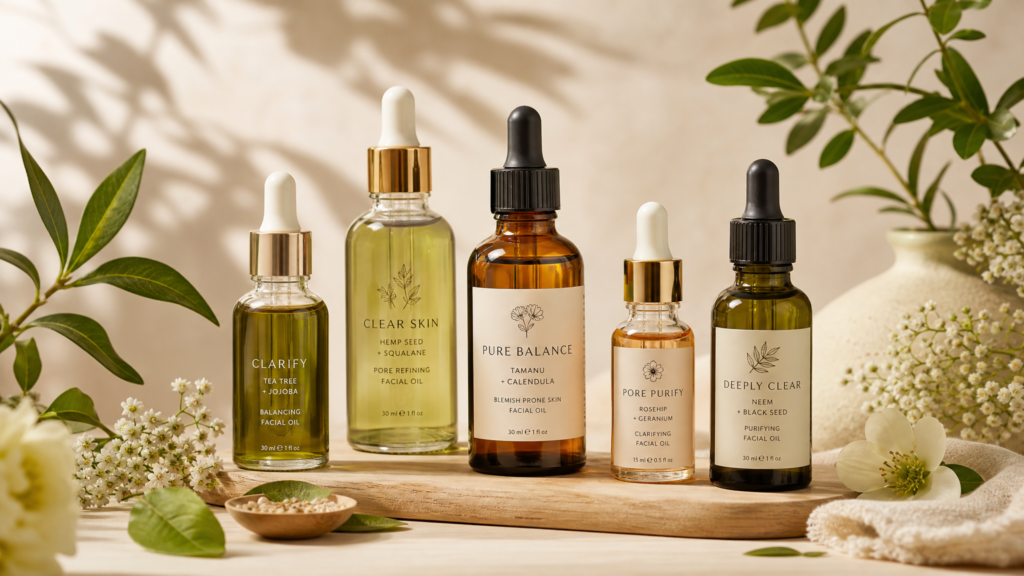
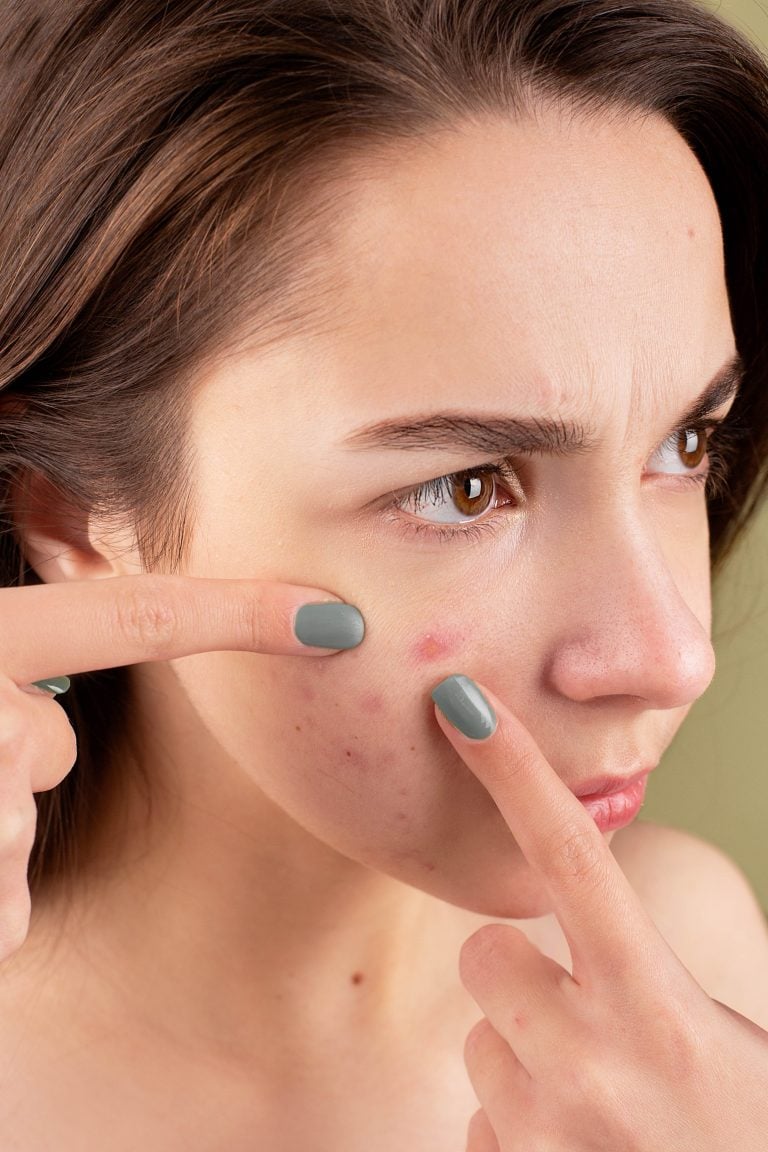
We all use serums, moisturizers, and cleansers to improve the health and appearance of our skin. But many people still need to understand the uses and advantages of facial oils. Either the people are unaware of its benefits or just simply don’t know how to use it. Here we are going to answer some common problems and queries people face while using facial oils in relation to acne, clogged pores, and breakouts. So, the most common question that we came across is:
Can facial oils cause acne or clog pores?
The answer to that question is yes. Facial oils can cause acne or clog pores. While facial oils can provide hydration and nourishment to the skin, certain oils have a high comedogenic rating, which means they tend to clog pores and cause breakouts.
Thus, you must choose from non-comedogenic oils and use them in small amounts, especially if you have oily or acne-prone skin. Also, it’s also essential to properly cleanse your skin to prevent any buildup of oils or dirt that can contribute to clogged pores and breakouts. If you’re unsure about which oils to use for your skin type, it’s best to consult with a dermatologist or skincare professional.
And that makes you wonder, what comedogenicity exactly is.
What is Comedogenicity?
Comedogenicity measures a substance’s likelihood of causing clogged pores. Oils with high comedogenic ratings result from oil and debris within the pores, which further leads to acne.
If the oils present in your skin are not cleansed properly, they combine with dirt and dead skin cells, leading to clogged pores. They can even become worse, causing breakouts.
So, the first thing to look for in a facial oil is that it should be non-comedogenic. These types of facial oils will least likely cause any clogged pores or acne. These types of facial oils are ideal for those with oily or acne-prone skin, as they provide hydration and nourishment to the skin without exacerbating their skin.
Here is a list of all non-comedogenic facial oils that are purely organic and extracted from plants:
But this topic of discussion is related to clogged pores and acne so we will be sorting out those facial oils which are best for clogged pores and acne. Firstly we will be classifying which types of facial oil cause clogged pores.
What oils cause clogged pores?
The types of face oils that might cause clogged pores are:
Coconut oil
Cocoa butter
Wheat germ oil
Almond oil
Soybean oil
Linseed oil
Palm oil
Cottonseed oil
Corn oil
Safflower oil
It’s worth mentioning that everyone’s skin is different, and what may cause clogged pores for one person may not necessarily cause them for another. It’s important to pay attention to your own skin’s reactions to different products and ingredients to determine what works best for you.
Also, you can squint through the list of oils you can apply on your face that wouldn’t clog your pores.
What oil can I use on my face that won’t clog my pores?
Several non-comedogenic oils can be used on the face without clogging pores. Some examples of non-comedogenic oils include:
Argan oil
Jojoba oil
Grapeseed oil
Rosehip oil
Hemp seed oil
Sunflower oil
Sweet almond oil
Apricot kernel oil
Evening primrose oil
Avocado oil
These oils are less likely to cause clogged pores and breakouts, but it’s still important to patch-test a small area of your skin before applying them all over your face. Also, be mindful of the quality of the oil you choose, as some oils may be mixed with other ingredients that could potentially clog pores.
Another very frequent question that most of you are concerned about is:
Do face oils “clear” clogged pores?
The answer to this is that face oils alone may not necessarily clear clogged pores. However, using the right type of face oil can help to balance the skin’s natural oil production and provide hydration, which can help to prevent clogged pores in the first place.
It’s also important to note that incorporating other skincare products and practices into your routine, such as using a gentle cleanser and exfoliating regularly, can help to clear clogged pores and prevent breakouts.
Here is how you can apply a facial oil effectively to your skin:
Make sure to select an oil that is appropriate for your skin type and doesn’t contain any additional ingredients that could potentially irritate.
Apply to clean skin: Always apply face oil to freshly cleansed skin. This will help to ensure that the oil is properly absorbed and won’t mix with dirt, oil, or makeup on your skin.
Use a small amount: It’s important not to use too much face oil, as this can increase the likelihood of clogged pores. Start with just a few drops and gradually increase the amount as needed.
Don’t apply too frequently: You don’t need to apply face oil every day or multiple times a day. For most people, using face oil 2-3 times a week is sufficient.
Give it time to absorb: Allow the oil to fully absorb into the skin before applying any other products, such as moisturizer or sunscreen.
Patch test: Before using a new face oil, do a patch test on a small area of your skin to make sure you don’t have an allergic reaction or sensitivity to the oil.
Does rosehip oil clog pores?
Rosehip oil is considered to be non-comedogenic, meaning it is less likely to clog pores compared to other oils that have a higher comedogenic rating. Rosehip oil is rich in vitamins A and C, antioxidants, and essential fatty acids, which makes it a popular ingredient in skincare products.
While rosehip oil is generally safe for most skin types, it’s important to note that everyone’s skin is different and may react differently to certain ingredients.
If you have particularly sensitive or acne-prone skin, it’s always a good idea to patch-test new products and introduce them slowly into your skincare routine to see how your skin reacts.
It’s also worth noting that while rosehip oil may not clog pores, other ingredients in a skincare product may contribute to clogged pores and breakouts.
A QUICK TIP
It’s important to choose products that are formulated for your skin type and to avoid any ingredients that you know may cause irritation or breakouts.
Now that we have covered a lot of queries regarding clogged pores and breakouts, it’s time that we should discuss some common queries and concerns regarding acne.
What oils should you avoid for acne?
If you have acne-prone skin, it’s important to choose facial oils that won’t clog pores or exacerbate breakouts. Here are some oils that are generally best avoided if you have acne:
Coconut oil – This oil is highly comedogenic, meaning it’s likely to clog pores and cause breakouts for some people.
Wheat germ oil – While it’s a rich source of vitamins and antioxidants, wheat germ oil is also highly comedogenic and can cause breakouts.
Almond oil – While almond oil is generally safe for most skin types, it can be problematic for acne-prone skin due to its high levels of oleic acid, which can clog pores.
Olive oil – Like almond oil, olive oil is high in oleic acid and can be comedogenic for some people.
Soybean oil – This oil is also high in oleic acid and may cause breakouts for some individuals.
Do oils make acne worse?
It depends on the type of oil and how it’s used. Some oils can be beneficial for acne-prone skin, while others may exacerbate breakouts. Here are some things to keep in mind when using oils for acne:
Comedogenic rating: Oils that have a high comedogenic rating may clog pores and make acne worse. It’s important to choose oils with a low or non-comedogenic rating, such as jojoba oil, argan oil, or rosehip oil.
Skin type: Everyone’s skin is different, and some people may be more prone to breakouts than others. It’s important to choose oils that are formulated for your skin type and needs.
Method of application: Using oils in excess or not properly removing them from the skin can contribute to clogged pores and breakouts. It’s important to use oils in moderation and to properly cleanse the skin to avoid buildup.
Other ingredients: Oils used in combination with other acne-fighting ingredients, such as salicylic acid or benzoyl peroxide, can be effective for treating acne. However, some oils may not work well with certain ingredients and could exacerbate breakouts.
In summary, oils can either help or worsen acne depending on the type of oil, skin type, method of application, and other ingredients.
Conclusion
So, these were some common misconceptions and queries answered in this post. The important tips that you must be aware of while using facial oils are:
Use at night: It’s best to use facial oils at night as they can take longer to absorb into the skin, which can interfere with the application of makeup during the day.
Don’t mix with other products: Avoid mixing facial oils with other skincare products, as this can reduce their effectiveness.
Be mindful of your skin type: Different facial oils are better suited for different skin types. Make sure to choose an oil that’s appropriate for your skin type, whether it’s oily, dry, or a combination.
Store properly: Facial oils should be stored in a cool, dry place and away from direct sunlight to prevent them from going rancid.
We hope this post was helpful in finding out all you need to know about facial oils as far as your acne, clogged pores, and breakouts are concerned. Give us your feedback in the comments!
Sensitive-skin buying guides
Esthetician-picked product roundups to go deeper on this topic:
A naturally glowing skin is everyone’s dream! That too with all the organic skin care products that neither harm your skin nor your planet. Get a radiating, flawless smoother face with the best organic skin care products from our top picks! All the top-notch organic skin care products for 2022; are put together for you in one place.
Limited Time Only
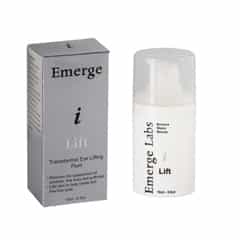
Buy Quantity Of 2 Products Get 5 Free Samples Worth $15 Plus If You Spend $350 Get A $70 Free iLift Eye Serum For Fine Lines, Puffiness, and Dark Circles. Total of $85 of Free Gifts
Packed with sweet Almond Oil, Hazelnut Oil, and Aloe Vera Extracts!
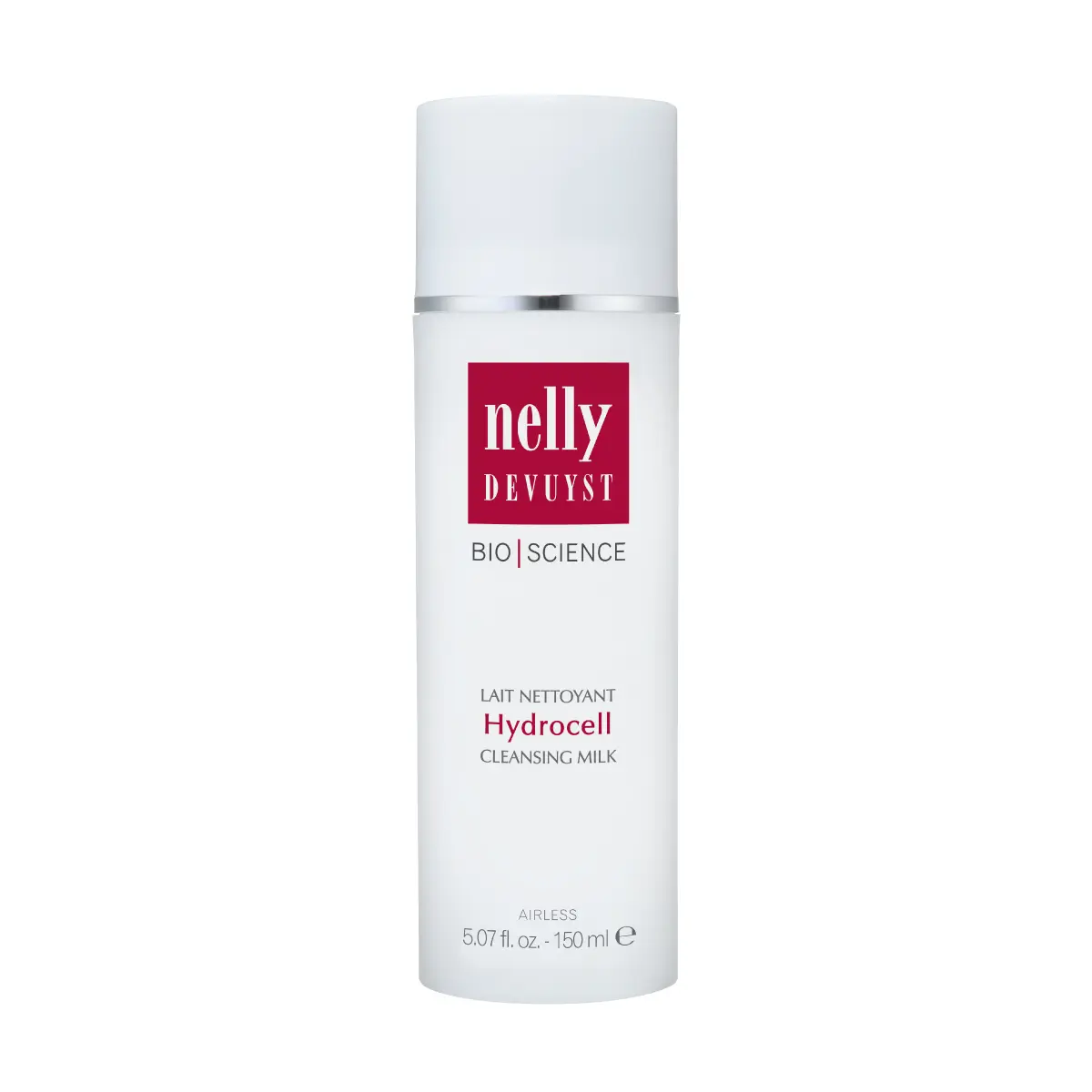
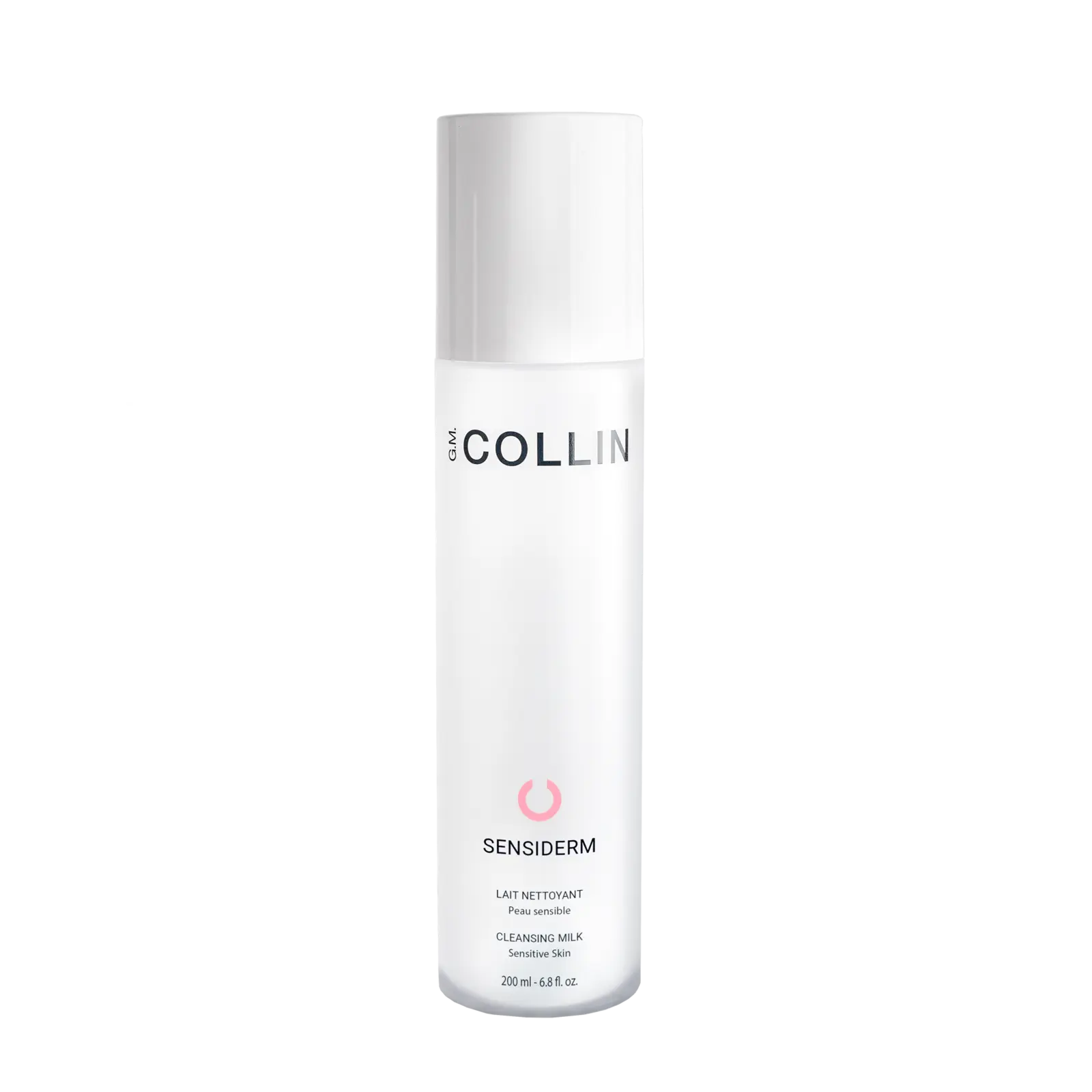
To get clean and moisturized skin, use this cleanser to remove impurities and, most of all, remove any waterproof makeup also.
The key ingredients like sweet almond oil, hazelnut oil, and aloe vera extracts are enough to remove any traces while taking care of the hydrolipidic film.
For the best results from this cleanser, use it with the toner suitable for your skin type and try to see the difference by yourself.
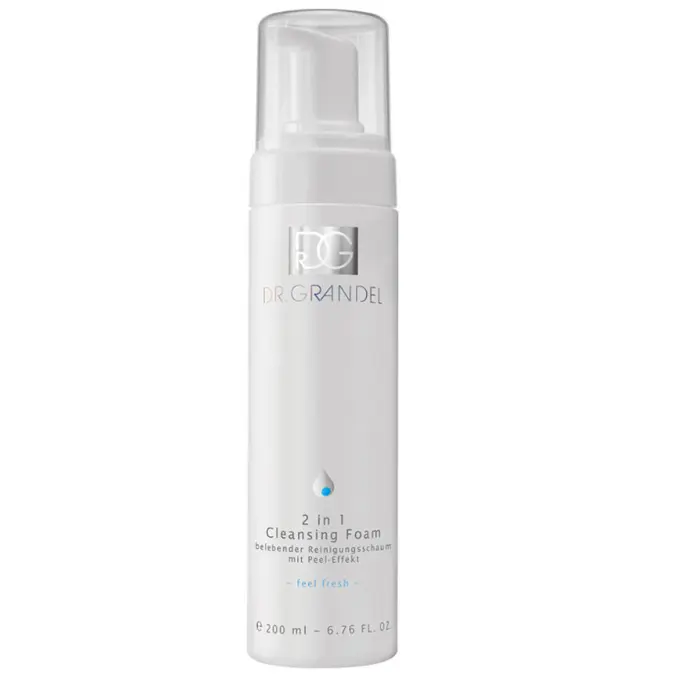
Mild fruit acids, 2-in-1 cleansing action, Plants-based surfactants!
This cleanser gives the best cleansing action with the mild fruits acids working for a fair complexion, giving the face a radiant look.
The cleanser foam is not preferred to apply around the eyes.
For the best results of this cleansing foam, use moisturized hands and massage them around your neck and face with lukewarm water. Buy it to see the difference for yourself!
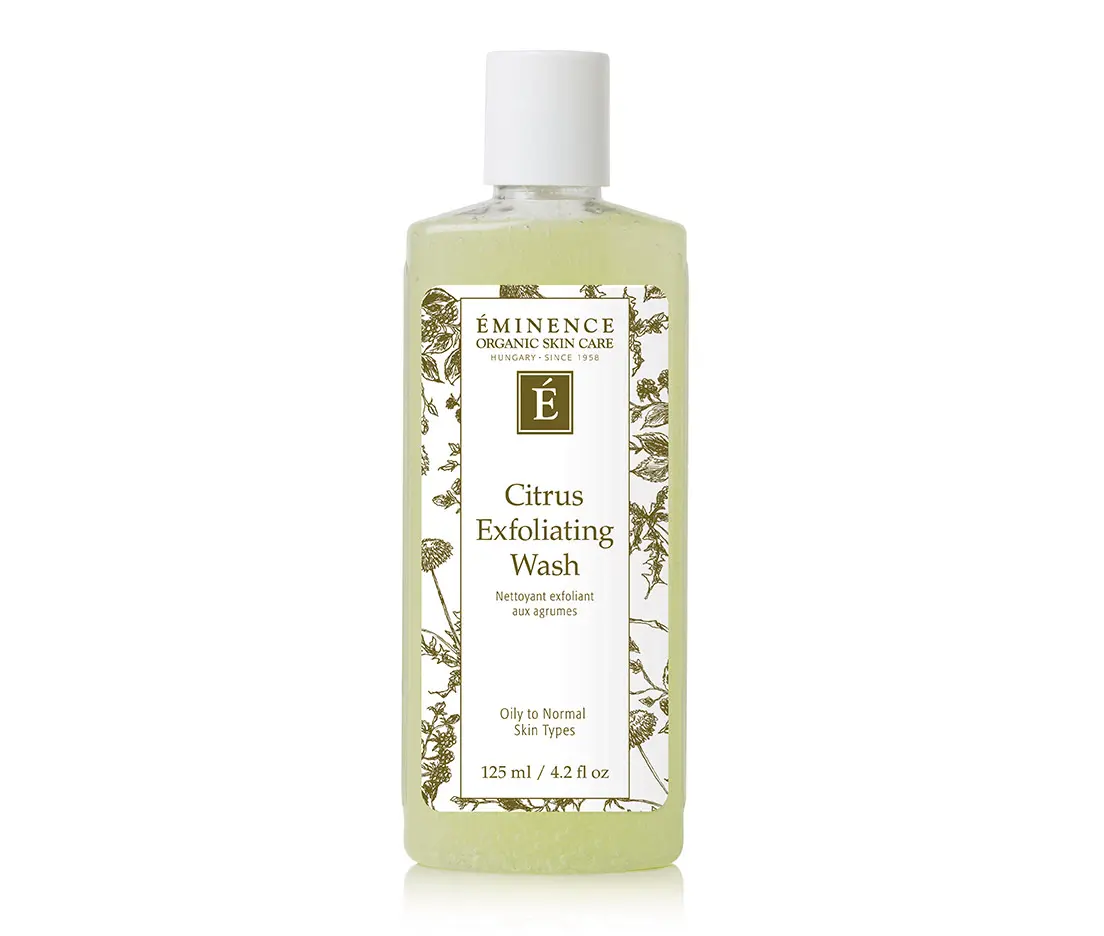
With Eucalyptus, lemon, grapefruit, and other plant extracts, For all skin types, Paraben-free
This innovative enzymatic gel with a fresh spring scent is very effective in exfoliating dead cells and brightening the complexion, which is effective in refining the skin, making it pure and radiant.
It is paraben-free and contains all the ingredients necessary for almost all skin types, even the sensitive.
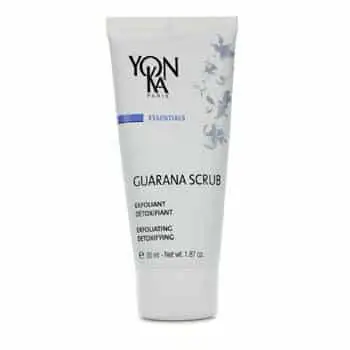
Paraben-free, With plants extracts, 96% natural ingredients, wrinkles, and saggy skin!
This scrub exfoliant has a triple exfoliant action which has three purposes:
To purify.
To polish.
To invigorate
The guarana mixed organic brown is good against wrinkles and saggy skin. The exfoliant on the skin provides a very smooth, brightened, and luminous complexion.
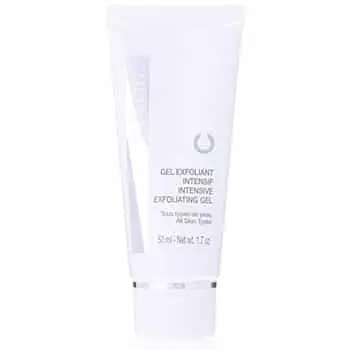
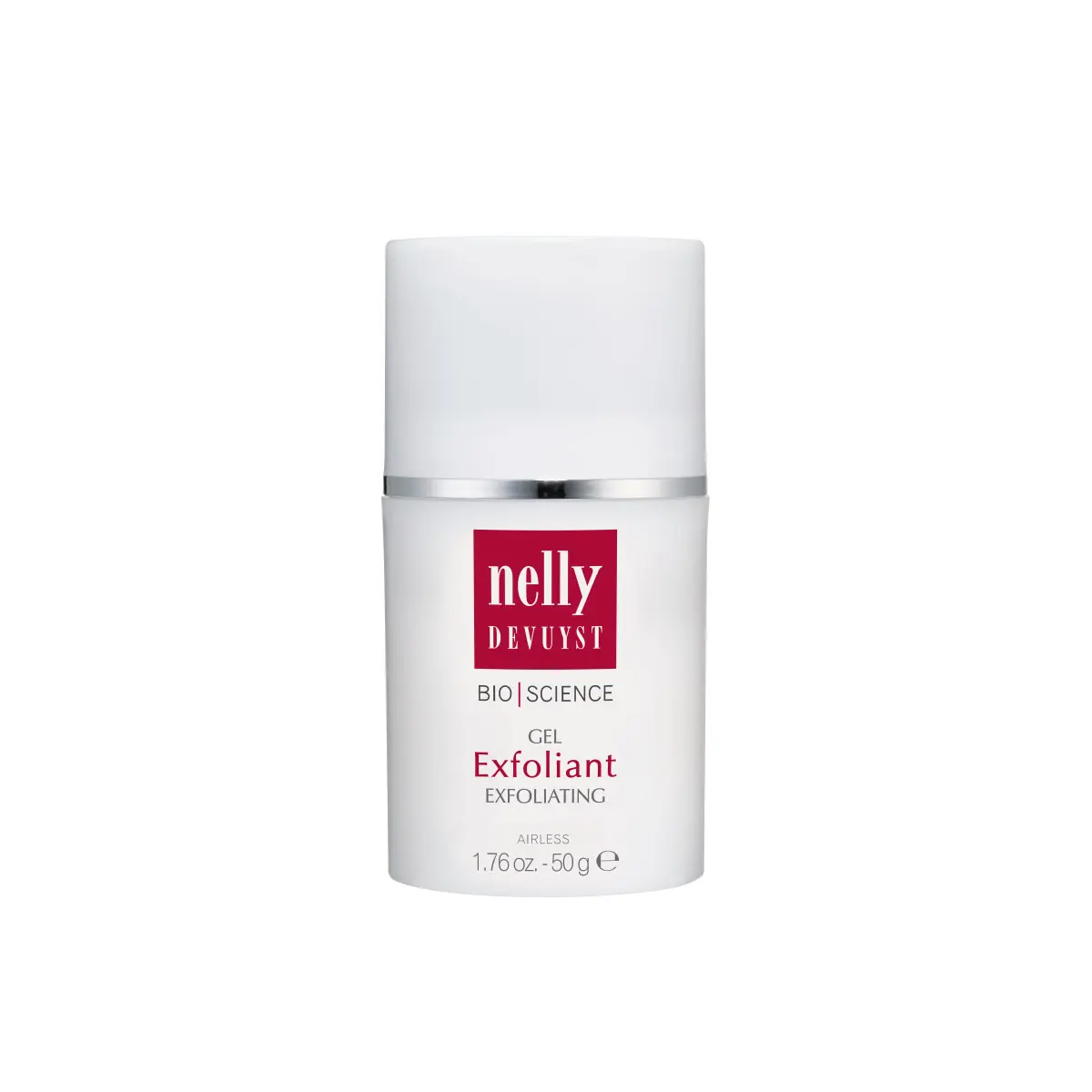
Loaded with soothing bioflavonoids, for sensitive skin!
This sensitive exfoliating gel is effective for those facing the challenges of dead skin cells. This exfoliant gel not only removes them but also gives the tightness needed for the skin.
It has some strong anti-pollutants that remove the toxins and impurities accumulated at the skin’s surface.
It is most suitable for sensitive skin types but can be applied safely to those having other skin types.
Treats your skin with Vitamin C, E, A, and salicylic acid combo!
Vitamin C helps your skin against oxidants and sun damage. Also, brighten up dull and dry-looking skin. Thanks to its gentle hydrating effects! It boosts up collagen formation, reclaiming your youth.
Salicylic acid, sulfur and zinc! For acne blemishes that take forever to leave your skin!
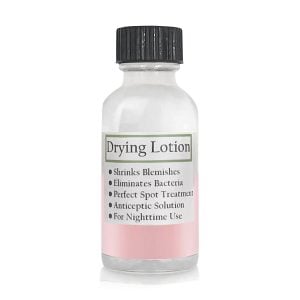
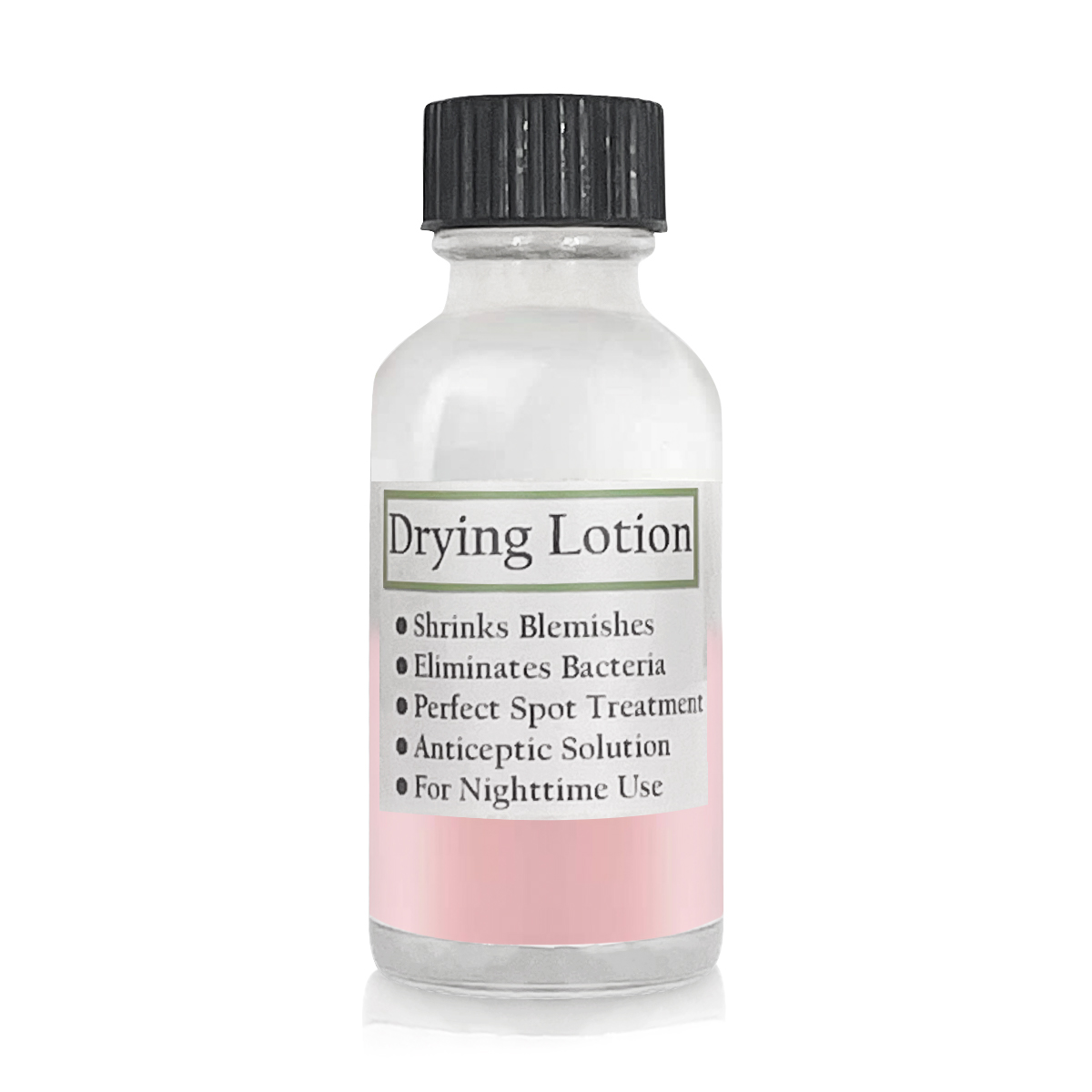
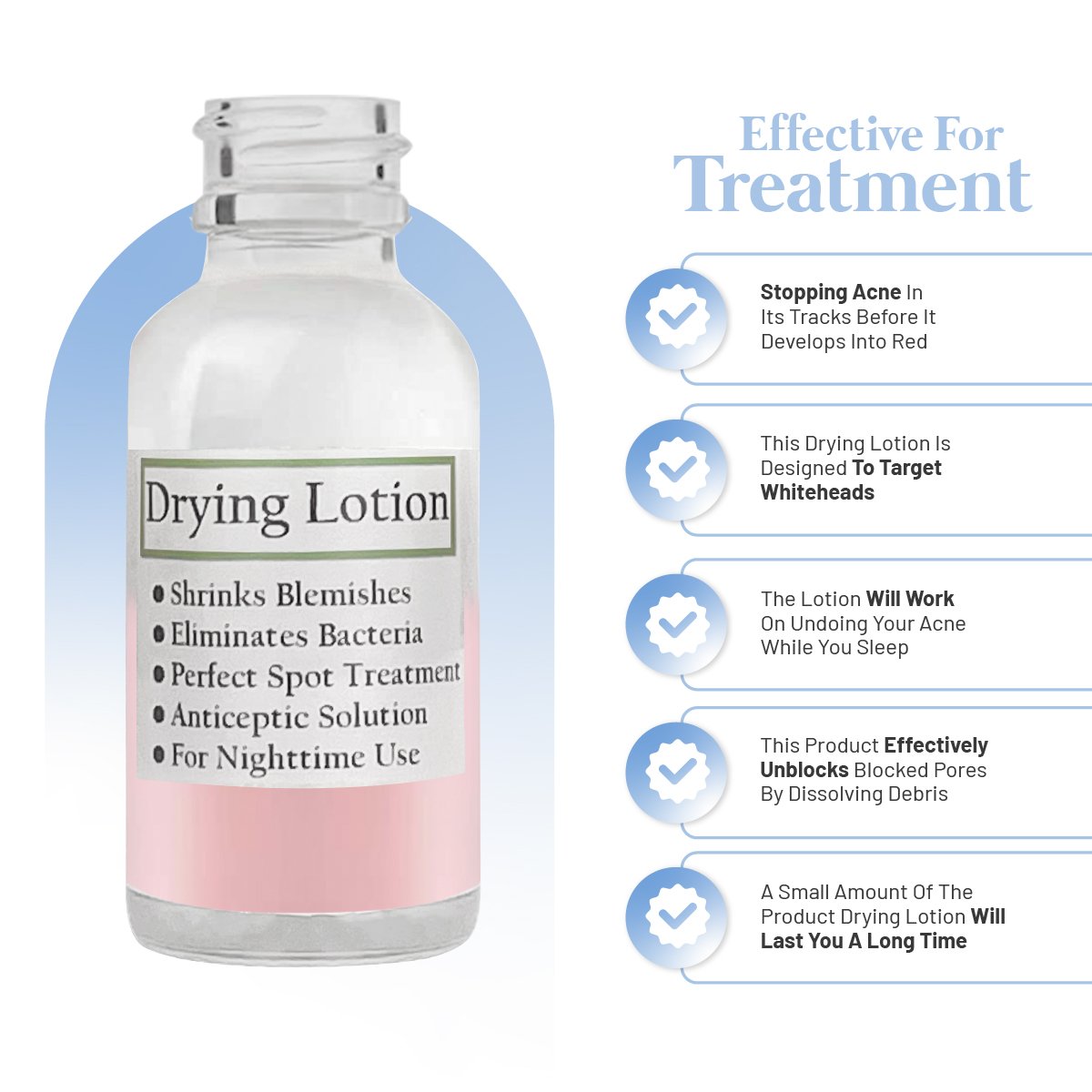
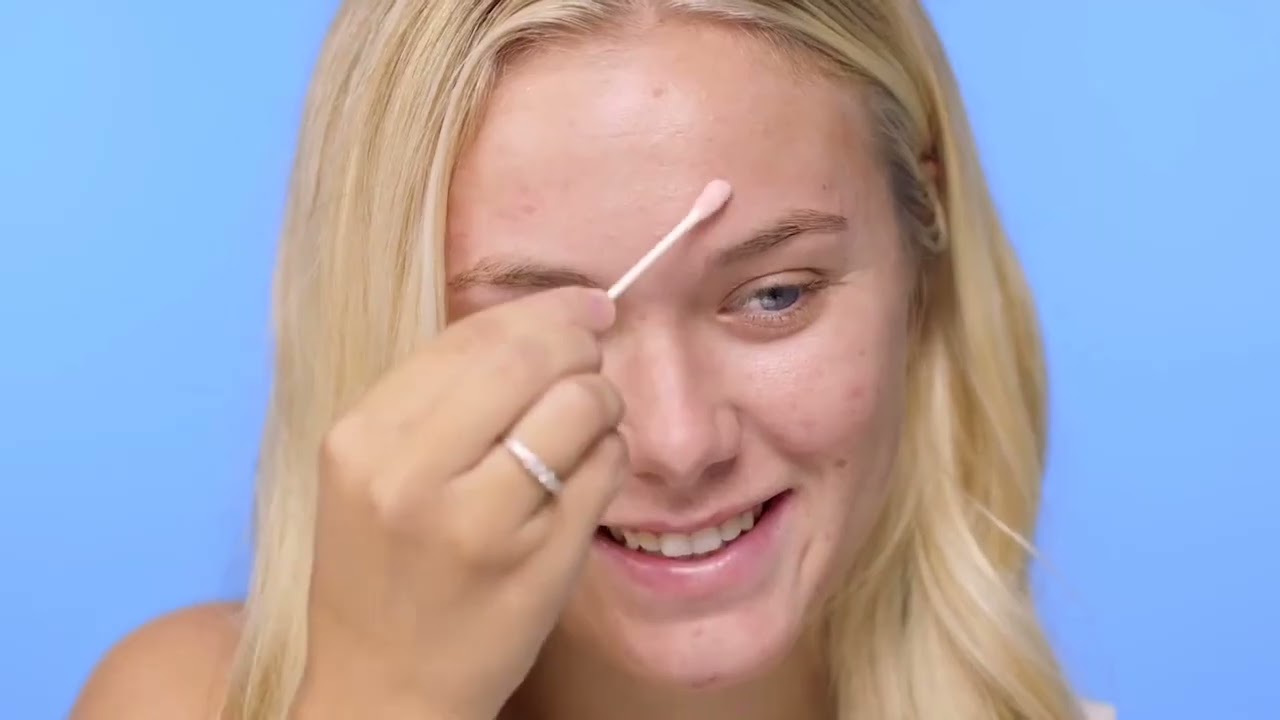
Antidote acne drying lotion reduces the appearance of acne scars. Sulfur, zinc, and salicylic acid exfoliate; deeply cleanse your pores and make the dead cells fall off. Calamine soothes and calms your skin, making it a complete antiseptic solution (and spot treatment).
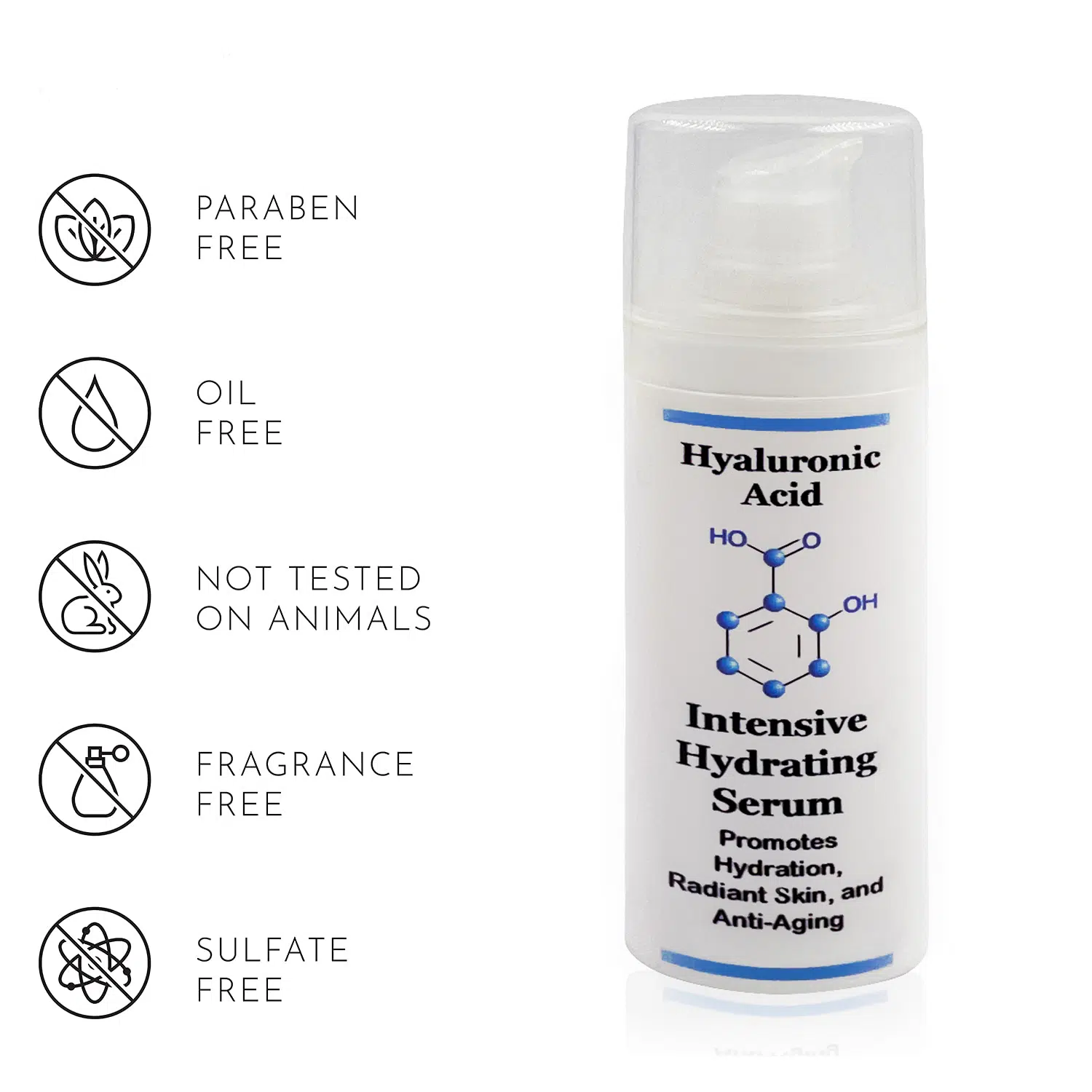
Hyaluronic acid, Retinol, Green Tea, and Kola nut Extracts
Retinols are indispensable when it comes to reversing skin aging. However, sometimes it can cause itching and dryness too. And here is where the action of hyaluronic comes into play.
Hyaluronic acid enlocks moisture into your skin, making it plumper. Moreover, it reduces wrinkles and fine lines.
Green tea extracts further calm your skin and even brightens it up!
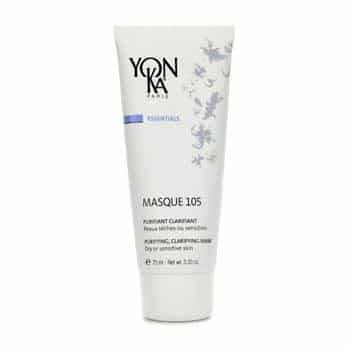
For Dry and Sensitive skin, Paraben free With Montmorillonite, Bentonite Clay, Lavender, and geranium oil Kaolin!
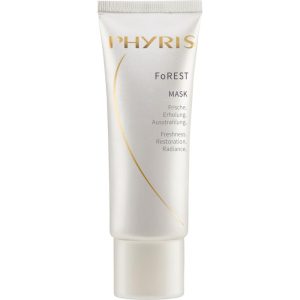
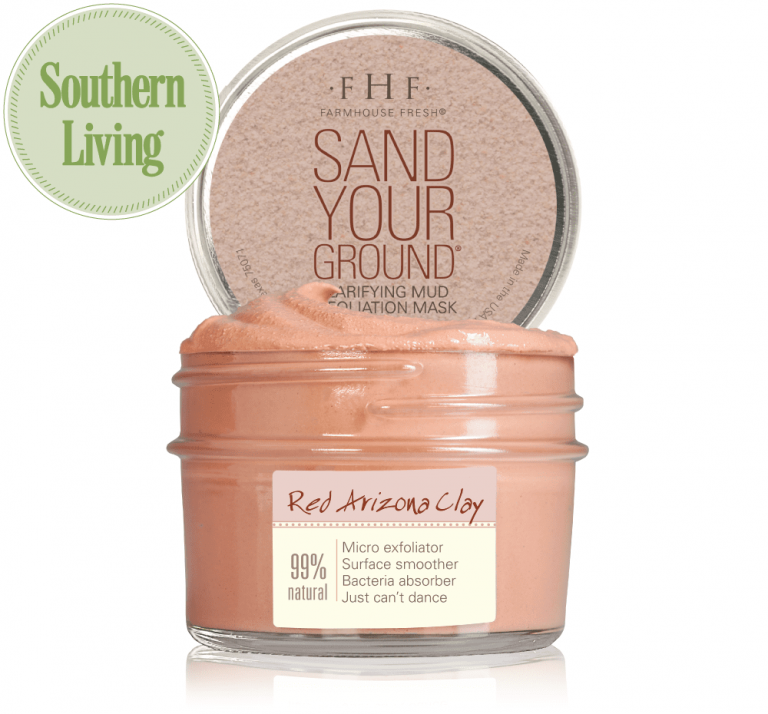
This mask gives purifying, smoothing, and soothing effects.
The mask is enriched with lavender oil to counter irritation, inflammation, and redness. Kaolin helps remove impurities from pores. Geranium oil is beneficial for firming the skin.
With 99% of the natural ingredients used, this mask renews the former radiance of the skin.
Salmon DNA, also called the youth vaccine, is a skin renewing method in recent skin care. It enriches your skin with collagen and elastin, improving its firmness. That makes the skin become soft and fully moisturized.
It contains salmon DNA along with soothing botanicals, which not only hydrate it but are also beneficial in making skin softer and fresh.
The mask is good enough to soothe inflammation and increase skin moisture.
With Organic Beech Bud, Edelweiss Extract, and Essential Oils!
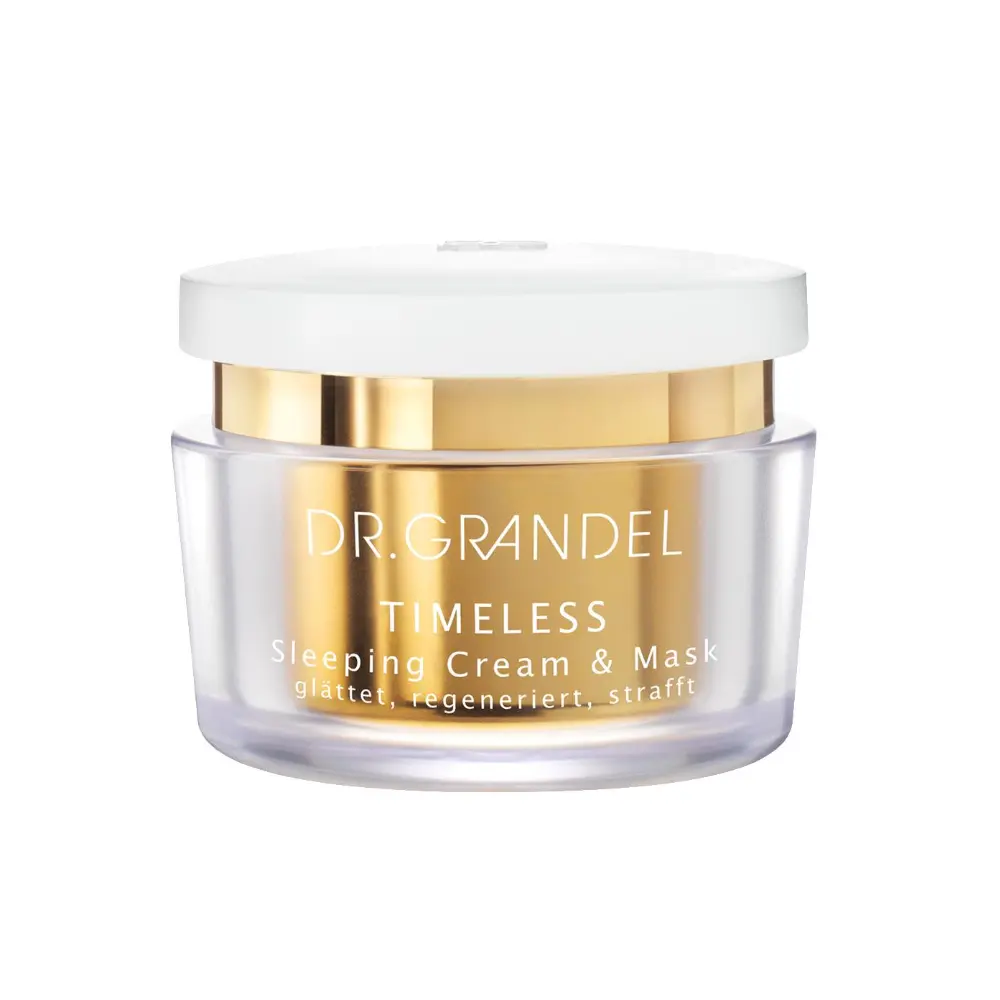
The mask and cream combination will give a smooth, firmer appearance after a good amount of sleep.
The highlighted ingredient used is the “Beech Bud’s extract,” which is effective against dry, dehydrated skin by improving the skin’s moisture. It is also preventive against any fine lines and wrinkles.
An ingredient like Edel Weise extract is a powerful exfoliant that is more effective than vitamin C. It helps to keep the skin free from any kinds of wrinkles.
Natural skin care calms your skin. Avoid using harsh chemicals on your face. Always look for skin care ingredient combinations that go together (combos that are skin care friendly). Build your skin care around it and practice it consistently.
And don’t forget to try the best organic skin care products to rejuvenate your skin and give your skin care regimen a sure-shot boost!
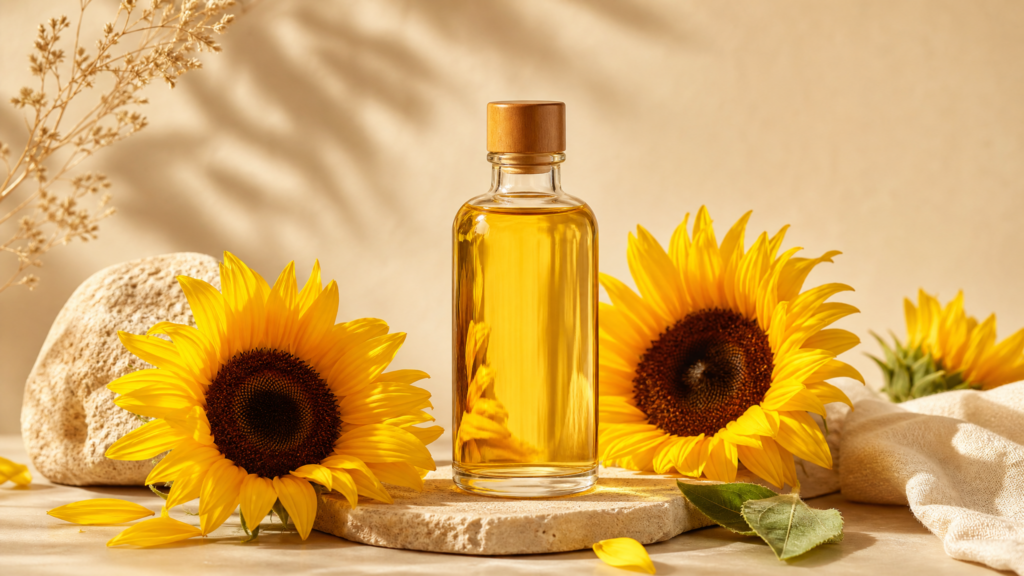
Organic Sunflower oil can be a great addition to a summer skin care routine due to its variety of benefits and compatibility with typical summer skin care products, like sunscreen.
Sunflower oil contains linoleic acid, a nourishing omega-6 fatty acid that benefits skin health. It is ideal for sensitive skin because it generally doesn’t cause skin irritation or redness, according to Anne Beal, M.D., Ph.D., medical researcher and founder of AbsoluteJoi. The oil works well with mild to moderate reactive skin to promote ceramide production and improve the natural skin barrier for better hydration and glow.
Organic Sunflower oil can also help protect skin from photodamage and photoaging, which can worsen during the summer due to increased sun exposure. The oil cannot be used as a replacement for sunscreen, but it is common to find sunscreen with sunflower oil in it to provide protection from UV rays and environmental stressors.
As we age, our skin changes and requires additional attention to retain its youthful look. One of the best ways to do this is by using top organic facial oils for anti-aging and mature skin. Organic facial oils formulated with potent ingredients can nurture your skin while diminishing wrinkles, fine lines, and other indications of aging. But how can one decide which product to opt for? In this blog post we’ll discuss the benefits of organic facial oils for anti-aging and mature skin, types available on the market today as well as tips on choosing a product suitable for your specific needs. We’ll also look at common ingredients found in these top organic facial oils for anti-aging & mature skin plus side effects associated with their use so you know what to expect when incorporating them into your skincare routine.
Benefits of Organic Facial Oils for Anti-Aging and Mature Skin
Organic facial oils can provide a number of benefits for those with mature and aging skin. These botanically-derived oils are loaded with essential lipids, free radical scavengers, vitamins and other advantageous components that can nurture the skin while diminishing the look of wrinkles and fine lines.
Hydration and Nourishment:
Organic facial oils are rich in hydrating properties that help to keep the skin moisturized throughout the day. They also contain essential fatty acids such as omega-3s which help to nourish the skin from within. This helps to reduce dryness and flakiness while providing much needed nutrients for healthier looking skin.
Improved Skin Texture:
The use of organic facial oils can also improve your overall complexion by evening out your tone and texture. By helping to reduce inflammation, these natural products can minimize redness or discoloration caused by sun damage or age spots over time. Additionally, they may even be able to reduce scarring from acne breakouts or other blemishes on your face as well as promote cell turnover for smoother looking skin.
Organic facial oils are a potent anti-aging and mature skin care solution, providing profound hydration, nutrition, refined texture and reduced wrinkles. By using the right type of organic facial oil for your skin type, you can enjoy these benefits while taking steps towards a healthier complexion.
Key Takeaway: Organic facial oils can be advantageous for mature and aging skin, enhancing hydration, nourishment, texture, and complexion.
Types of Organic Facial Oils for Anti-Aging and Mature Skin
Types of Organic Facial Oils for Anti-Aging and Mature Skin
Rosehip Oil – Rich in antioxidants and vitamins A and C, it helps to reduce the appearance of fine lines and wrinkles and improve skin texture.
Argan Oil – Packed with fatty acids and vitamin E, it nourishes and moisturizes the skin, improves elasticity, and reduces the appearance of fine lines.
Jojoba Oil – Known for its moisturizing and anti-inflammatory properties, it can help to reduce the appearance of wrinkles and fine lines and improve skin elasticity.
Marula Oil – Rich in antioxidants and fatty acids, it helps to hydrate and moisturize the skin and reduce the appearance of fine lines and wrinkles.
Sea Buckthorn Oil – Contains high levels of antioxidants and vitamins C and E, it can help to improve skin tone and texture and reduce the appearance of fine lines and wrinkles.
Prickly Pear Seed Oil – Contains high levels of vitamin E and essential fatty acids, it helps to hydrate and nourish the skin and improve its elasticity.
Evening Primrose Oil – Contains high levels of gamma-linolenic acid, which can help to reduce inflammation and improve skin texture and elasticity.
Pomegranate Seed Oil – Contains high levels of antioxidants and vitamins C and E, it can help to reduce the appearance of fine lines and wrinkles and improve skin texture.
Tamanu Oil – Known for its healing properties, it can help to reduce the appearance of fine lines and wrinkles and improve skin elasticity.
Carrot Seed Oil – Contains high levels of vitamin A and beta-carotene, it can help to improve skin texture and reduce the appearance of fine lines and wrinkles.
It’s important to note that while facial oils can be very beneficial for mature skin, it’s always a good idea to patch test first and introduce new products gradually to avoid any adverse reactions.
How to Choose the Right Organic Facial Oil for Your Skin Type
When deciding on the best organic facial oil for your skin type, there are some essential points to think about. For those with dry skin types, look for oils that contain essential fatty acids and antioxidants such as jojoba oil or argan oil. These ingredients help nourish and hydrate the skin while protecting against environmental damage. Oily skin types should opt for lighter oils like rosehip oil which helps balance sebum production without clogging pores. Combination skin types can benefit from using a combination of both heavier and lighter oils depending on their individual needs.
For dry skin types, it’s important to select an oil that will provide ample hydration without leaving behind any greasy residue. Jojoba oil is an excellent choice for dry skin types, due to its omega-9 fatty acids which can help retain moisture while shielding the complexion from oxidative damage and external stressors. Argan Oil is another great choice due to its high content of vitamin E which helps reduce inflammation while improving overall texture and tone of the complexion over time.
Oily skins tend to be more prone to breakouts so selecting an appropriate facial oil is essential in keeping blemishes at bay. Rosehip Oil is lightweight yet deeply hydrating making it perfect for oily complexions as it won’t clog pores or cause further irritation when applied topically. This particular ingredient also contains Vitamin A which has been known to improve cell turnover rate resulting in fewer breakouts over time with regular use.
Combination skins require special attention when selecting a facial oil since they may need different levels of hydration depending on where you apply them on your face (i.e., forehead vs cheeks). In this case, opting for two separate products might be beneficial – one light weight option like rosehip seed or almond kernel followed by something richer like avocado or coconut can work wonders if used correctly together. Lastly, always remember that everyone’s individual needs vary so what works well for someone else may not necessarily be ideal for you – do some research beforehand and find out what ingredients are best suited towards your unique skincare routine.
When selecting an organic facial oil for your skin type, consider the components and their advantages as well as the texture of the item carefully. Now that you’re equipped with the knowledge of how to select an organic facial oil for your skin type, let’s explore ways to make use of it in order to combat aging and mature skin.
Key Takeaway: The key takeaway is that the right facial oil should be chosen based on your skin type, with dry skin types requiring oils high in fatty acids and antioxidants, oily skin types needing lighter oils like rosehip oil, and combination skins benefitting from a mix of both heavier and lighter oils.
How to Use Organic Facial Oils for Anti-Aging and Mature Skin Effectively?
Using organic facial oils for anti-aging and mature skin can be a great way to keep your skin looking youthful and radiant. Organic facial oils are packed with essential fatty acids, antioxidants, vitamins A, C, E & K that help nourish the skin while reducing the appearance of fine lines and wrinkles. It is critical to pick an appropriate oil for your skin type in order to take full advantage of its advantages.
Cleanse Your Face First:
Before applying any facial oil it is important to make sure you cleanse your face first. This will help remove dirt, makeup or other impurities from your pores so that they can absorb all of the beneficial ingredients found in organic facial oils more effectively. Use a gentle cleanser that won’t strip away natural oils from your face such as one made with aloe vera or coconut oil.
Apply The Right Amount Of Oil:
Applying too much oil on your face can cause breakouts due to clogged pores so it’s important not to overdo it when using organic facial oils for anti-aging purposes. Start by dispensing 2-3 drops onto the palm of your hand then use both hands together like a sandwich around the area you want to apply it on before gently patting into place until fully absorbed into the skin.
Once the necessary quantity of product has been applied, it is beneficial to knead it in a rising motion, beginning at the neck and progressing up towards the brow. This helps stimulate circulation while encouraging lymphatic drainage which can reduce puffiness and promote collagen production for a firmer looking complexion. Additionally, massaging also increases absorption rate of active ingredients found within these products making them even more effective.
It is essential to take into consideration that everyone’s skin may respond differently, so if any allergic reactions or breakouts arise after using the products, discontinue use immediately and consult a dermatologist.
Using the right combination of organic facial oils for anti-aging and mature skin can help reduce wrinkles, hydrate, nourish and protect your skin. With proper application, you can maximize the effectiveness of these natural ingredients to promote healthy aging.
Key Takeaway: Organic facial oils can be a great way to reduce signs of aging, but it is essential to use the proper quantity and massage in an upward direction for optimum outcomes.
Common Ingredients Found in Organic Facial Oils for Anti-Aging and Mature Skin
These natural ingredients provide essential fatty acids, antioxidants, vitamins A, C, E & K that can help improve overall skin health.
Essential Fatty Acids:
Essential fatty acids are lipids that play an important role in maintaining healthy skin. They can aid in sustaining moisture, elasticity and decreasing inflammation, thus alleviating redness and irritation. Examples of fatty acid-packed oils include jojoba, argan, rosehip and avocado.
Antioxidants:
Antioxidants are compounds found naturally in plants that have powerful protective properties against free radicals which cause damage to our cells leading to premature aging. A few antioxidant-packed oils for anti-aging skin care can include pomegranate seed, sea buckthorn berry and raspberry seed.
Organic facial oils formulated for mature skin may contain a blend of fatty acids, antioxidants and vitamins A, C, E & K to help diminish the look of wrinkles and fine lines. Yet, caution should be exercised when utilizing such products, as possible adverse effects may arise.
Side Effects of Using Organic Facial Oils for Anti-Aging and Mature Skin
Breakouts:
Organic facial oils are known to cause breakouts due to their high concentrations of fatty acids. Clogging of pores caused by fatty acids in these oils can lead to acne and other skin blemishes. It is important to use a light oil such as jojoba or rosehip seed oil when using organic facial oils on your face. Prior to using any product, it is essential to make sure your face has been adequately cleansed in order to remove dirt and impurities.
Allergic Reactions:
Allergies are another common side effect of using organic facial oils on mature skin. If you have sensitive skin or allergies, it is best to test out a small amount of the product on an inconspicuous area before applying it all over your face. This will help you determine if there is any reaction that could lead to further irritation or inflammation later down the line.
Clogged pores are a frequent outcome of utilizing organic facial oils for anti-aging purposes; coconut oil, avocado oil and other thicker formulas may cause blockages in the skin’s follicles which can lead to breakouts, blackheads or whiteheads. Oils like coconut oil and avocado oil tend to be too thick for many people’s faces, resulting in blocked pores which can lead to breakouts and other unwanted reactions such as blackheads or whiteheads forming on the surface of your skin over time. To avoid this issue altogether, opt for lighter formulas such as grapeseed oil instead which won’t clog up your pores so easily yet still provide ample hydration benefits without leaving behind an oily residue afterwards.
Before employing organic facial oils to combat aging and mature skin, it is essential to evaluate the potential repercussions that may occur. By following the tips on storing these oils properly, you can help ensure that they will remain effective and safe.
Key Takeaway: Organic facial oils may be advantageous in terms of anti-aging, yet it is essential to select the appropriate one and practice precautionary measures such as testing a limited amount on your skin before using so as to prevent any potential risks like breakouts or allergic reactions.
7 .Tips on Storing Organic Facial Oils for Anti-Aging and Mature Skin
They provide nourishment, hydration, and improved texture while reducing the appearance of fine lines and wrinkles. It is vital to store facial oils correctly in order for them to remain effective.
Heat and light can cause oxidation which will decrease the potency of organic facial oils over time. Hence, to preserve their potency, it is prudent to keep them in an environment away from direct sunlight or other sources of heat like radiators and vents. It is also a good idea to store them in dark glass bottles since plastic containers can allow light through which could lead to oxidation as well.
Air exposure can also cause organic facial oils to become less effective so it’s important that they be stored with minimal contact with air if possible. This means avoiding leaving the lid off for extended periods of time or transferring oil from one container into another frequently as this will increase air exposure leading to decreased potency over time. To minimize contact with air try using a pump bottle instead of pouring directly out of the bottle when applying your oil each day and make sure you always close the lid tightly after use.
It’s also important not to leave your organic facial oil open too long before using it as this increases its chance for oxidation due to prolonged contact with oxygen molecules in the air around us all day every day. The best way to ensure maximum freshness is by only opening what you need at that moment rather than keeping a large amount open for days on end – this way you won’t have any leftovers going bad before you get around to using them up.
By following these simple tips on storing your organic facial oils correctly, you can help maintain their effectiveness over time. This will ensure that they continue providing nourishment, hydration, improved texture and reduced appearance of fine lines and wrinkles for years to come.
Key Takeaway: Storing organic facial oils correctly is essential to maximize their effectiveness over time; avoid exposure to heat, light and air by using dark glass bottles with tight lids and only opening what you need at that moment.
FAQs in Relation to Top Organic Facial Oils for Anti-Aging and Mature Skin
Which facial oil is best for anti aging?
The best facial oil for anti-aging is one that contains natural, organic ingredients like rosehip seed oil, argan oil, and jojoba oil. These oils, abounding with antioxidants and fatty acids, may assist in diminishing the sight of wrinkles and fine lines while supplying nourishment to your skin. Additionally, look for oils with vitamin E as it helps protect against environmental damage caused by free radicals. Finally, seek out products that contain other beneficial ingredients such as green tea extract or hyaluronic acid to further boost your anti-aging routine. With these tips in mind you can find an effective facial oil to keep your skin looking youthful.
What oil is good for mature skin?
Oils that are especially beneficial for mature skin include jojoba oil, rosehip seed oil, argan oil, and avocado oil. Jojoba oil, with its high content of antioxidants and fatty acids, can be beneficial in minimizing the look of wrinkles and fine lines on mature skin. Rosehip seed oil provides hydration and anti-aging benefits, with its abundance of antioxidants and fatty acids helping to minimize the visibility of wrinkles. Argan oil is packed with vitamin E which helps to nourish and protect the skin from environmental damage. Lastly, avocado oil is a great source of essential fatty acids that help keep the skin soft and supple while reducing signs of aging. All these oils can be used alone or blended together for maximum benefit.
What oil boosts collagen on face?
One of the best oils for boosting collagen on the face is rosehip oil. This natural, cold-pressed oil contains a high concentration of essential fatty acids and antioxidants that help to reduce wrinkles and improve skin elasticity. Rosehip oil can also safeguard skin from the harm that free radicals may cause, which could result in early signs of aging. Rosehip oil is a light and quickly absorbed solution for those seeking to up their collagen levels in a natural way.
Which is the best natural face oil?
The best natural face oil is one that contains a blend of organic, cold-pressed plant oils. These include jojoba oil, rosehip seed oil, argan oil, and avocado oil. Each of these oils offers distinct qualities that can safeguard and nourish the skin from external harm while providing intense hydration. Moreover, opt for products that feature additional essential oils like lavender or chamomile to take their advantages to the next level. Combining the correct components of natural elements can result in a potent facial oil that will make your skin feel supple and appear luminous.
Conclusion
With a variety of organic ingredients, these oils can help nourish and protect your skin while also providing anti-aging benefits. When selecting the appropriate oil for you, it is important to take into account your skin type and search out particular ingredients that will meet your distinct needs. Additionally, be sure to use the oil correctly by applying it twice daily after cleansing and toning your face. Store the oil in a cool, shaded spot so that its advantageous components remain unaltered. By following these tips on using top organic facial oils for anti-aging and mature skin, you’ll be able to enjoy healthier looking skin in no time.
Are you looking for the best organic facial oils to combat signs of aging and mature skin? With so many options out there, it can be difficult to know which ones are truly beneficial. At Organic Skin Care Store, we offer a wide range of natural and organic ingredients that have been proven effective in treating wrinkles, fine lines and other common issues associated with aging skin. Our products are formulated using only the highest quality ingredients to ensure maximum effectiveness while still being gentle on your delicate complexion. Visit us today and find the perfect solution for your anti-aging needs!
Sensitive-skin buying guides
Esthetician-picked product roundups to go deeper on this topic:
Age comes with privileges.You can stay up late, drive your car, meet someone, or even pick out your first smartphone when you are older.However, the magic of aging fades, and the reality of aging sets in.
My entire career has been in the beauty industry. I have had access to the best products, education, and information which has greatly benefited my aging journey.But, even though you may look and feel great at any age, it is still you!As my sixth decade was rapidly approaching, my thoughts turned to my grandmother. I began looking through old photos.My grandmother looked “old” at 55 and didn’t look much different until her death at age 89.
It’s time to look at the big picture.Does it make me feel or look like my grandmother at my age?No!No! I feel great and have a clean bill. I don’t take any medication.What has changed that has caused me to be so worried about the dreaded sixty?It is my skin perception, you guessed it.
Why Collagen?
I was curious about how my skin was changing and what I could do to make it better.Active organic products, SPF and occasional peels are all I use.My skin is treated both from the inside and out.It doesn’t have the firm plumpness that it used to have.I can see puffiness under my eyes and jowls near my jaw. There are also accordion lines around my chest.
What makes your skin look and feel so young?Collagen is the answer.It accounts for 75% of skin’s protein and one-third overall.Collagen is made by the body combining different amino acids and building blocks of protein from food.
Collagen Types
The majority of the 28 types collagens in the body are types I, II and III.What does each type of collagen do for skin and body aging?
Type I.About 90% of our body’s collagen is Type I collagen.Type I collagen is found in almost all tissues including bones, cartilage and tendons. It is the most abundant in skin.This collagen is made up of packed fibers that are wound into a triple-helix structure. It has amazing strength and elasticity.Collagen I begins to degrade over time. This is most evident in the skin, where you will notice fine lines, wrinkles, and loss of elasticity.
Type II collagen can be found primarily in cartilage.Although it is still a triple-helix structure, Type II collagen has looser-packed fibers.Type II is the cushioning in cartilage that supports your bones and joints.
Type III. Typ III collagen is frequently found alongside type 1.It is found in muscles, organs and arteries.It is a very common component of our skin and helps to hydrate.
Type IV. type IV collagen forms our loose supportive fascia, netting and a web-like structure.This is the layer that forms the cell’s structure.It can also be found in the skin and liver, kidneys, and other internal organs.
Type V. V collagen is required to form the keratin cells surfaces in hair and nails.It is also necessary to create the cells that make a woman’s placenta, or the baby’s life support in the womb.
Collagen Use
Collagen is essential for blood clotting and wound healing, as well as protecting the nervous system.Your lifestyle choices and time will determine how much collagen you lose.A decrease in protein levels will be exacerbated by lifestyle factors such as poor diet, smoking, excessive sun exposure, excessive sugar intake, and alcohol consumption.
The real question is how much collagen is required and which sources are best to supply the recommended daily intake.How can we ensure optimal collagen absorption?
Health authorities currently don’t have an official recommendation for daily intake.A 2019 study by the National Institute for Health found that 2.5 to 15 grams daily of hydrolyzed collapsin peptides was safe and effective.Patients who consumed 2.5g of hydrolyzed collagen peptides daily reported lower joint pain, improved skin health, and better hydration.Patients who have had scarring reported a better skin texture.Patients with scarring reported a better skin texture after taking 5 grams daily.
Collagen Sources
Hydrolyzed collagen, also known as collagen hydrolysate, is the most popular form of collagen supplement.It comes from bovine (cattle), seafood (spines, bones, and roe), chicken (chicken or eggsshells), and other animal sources. The collagen is broken down into small dried particles that can be easily absorbed and used in liquids and food.
Undenatured collagen refers to the liquid raw collagen that is derived from chicken cartilage or chicken feet.Gelatin, another common source, is usually derived mostly from bovine animals and must be prepared before consumption.While there are vegan collagen substitutes, supplements can be made from dairy, gluten and sugar free. However, true collagen is only found in animal sources.Biotin (B7) and vitamin C are also required for the body to make collagen.
Is it possible to get enough collagen through diet alone?The best foods rich in collagen include brisket and chuck.Consuming too much red meat can lead to long-term health problems.If you enjoy fish head soup, collagen can be found in the skin and bones of freshwater fish.
Bone broth is becoming a popular option. It can be found in soup aisles, or you can make it at home.This involves roasting chicken feet or organically grown bone in an oven for 40 minutes.Cover the bones with water and transfer to a slow cooker.For flavor, add onions, carrots and garlic to the slow cooker.Cover the pot with water and simmer for 24 hours. Once it is done, strain the broth into a container.The result is approximately 8 cups of bone broth with 3.8 grams collagen per cup.
Top Tips
There are many collagen products on the market right now. Some are even available to you to sell in your own salon.I tried many supplements over the years but decided to make this a part of my daily nutrition in June 2021.This is what I found to be the most effective and what I have observed over 90 days of consistent collagen supplementation.
Seek a collagen that is all inclusive, meaning it is a combination of both animal and marine collagen.
Make sure it is Eco-cert and comes from trusted, traceable resources with high user reviews and ratings. Credibility is paramount for optimal efficacy.
Price point for quality is a factor. On average, you can expect to spend $1.75-$3.25 a day to add collagen to your hot/cold drinks or protein shakes. I consume mine twice daily.
I prefer a powder form over the many flavored liquid options that require refrigeration. I chose a collagen supplement that is non-flavored, dissolves easily and travels well.
Finally, add support supplements like a multi- vitamin and mineral sources.
Aging Gracefully
There are many opinions in the medical, beauty, and wellness industries about how to age gracefully.Nutrition is crucial to this journey.There are many books that cover nutrition, especially collagen.You can give it a shot if you’re unsure.For me, I’ll take the collagen!
Dull, dry, and dehydrated-looking skin can be a challenge to treat. Many products (such as acne care treatments) can cause dry skin. No matter whatever is the cause, dry skin also causes your skin to irritate and itch. Excess scratch to the skin can make it hyper pigment too, especially; if you are a person with a skin of color. Moreover, dry skin can make your skin show signs of aging even earlier.
What Can I Use Naturally For Dry Skin?
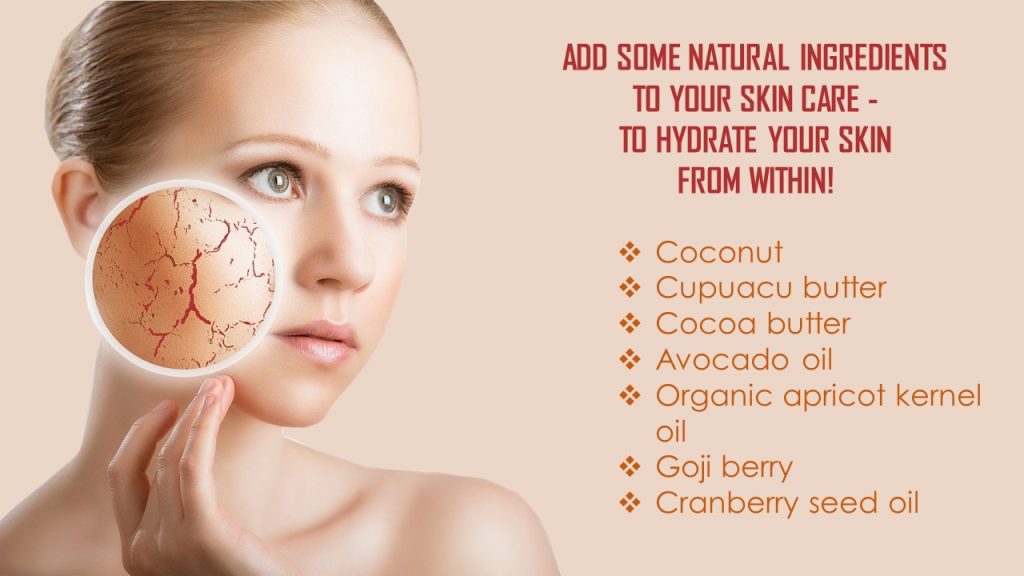
Here we list down ‘The Top 7 Organic Ingredients For Dry Skin’:
Coconut
Cupuacu butter
Cocoa butter
Avocado oil
Organic apricot kernel oil
Goji berry
Cranberry seed oil
So, before we get into further details on how to use organic ingredients for dry skin, let us first look at what causes dry skin in the first place!
What Are The Root Causes Of Dry Skin?
Dry skin lacks oil and water. When dry skin is subject to severe environmental stress, it further escalates to itchy and flaky skin. The root causes of dry skin usually are:
Sun damage
Harsh weather
Using artificial products
Damage By Sun Rays
The sun’s rays can dry up the skin very readily, even causing it to age prematurely. It can damage up to the extent that the skin becomes flaky, losing moisture and elasticity. Therefore, choosing the right sunscreen for your face and body is necessary to ensure that your skin has the best treatment.
Harsh Weather
Harsh weather affects dry skin. The winter season can be very challenging for dry skin. It brings intense dryness absorbing more moisture and oils out of your skin, making it even worse. So, the winter weather has harmful effects relating to dry skin. But by making simple changes to your skin care routine this winter, you can end your misery!
Use Of Artificial Products
Artificial Products play an important role in further worsening your skin. These products destroy the outer epidermis (stratum corneum) of your skin. That makes your skin suffer in the long run.
The main motive here at organic skin care is to establish a go-to place to get pure and luxurious organic products. The objective was to provide skincare brands plant-derived so that your skin is close to nature. That will be helpful in the long run. The skin can only be healthy with the absorption of pure natural and organic ingredients.
Here are some other factors that can cause your face to get dry:
you have a dry skin type genetically
lack of humidity
scrubbing your skin more often
ditching on your moisturizers
using skin care products that dry-out
use of hard water on your face (as it can prevent your moisturizer from absorbing)
use of soap for your face (instead of skin barrier-friendly cleansers)
your skin is showing signs of aging or premature aging
use of things like retinol without hydrating your face well
overbathing or taking hot showers for long hours
some medical problems
Your skincare products need organic ingredients that treat dry skin. Therefore, we have made a list of ingredients available to you that you must look for in your products.
Natural And Organic Ingredients For Dry Skin
Coconut Oil
Coconut is an emollient moisturizer, a potent antioxidant that keeps your skin hydrated and enhances your skin. It moisturizes and treats skin infections (anti-microbial). You may have used it in your kitchen or even as an oil for your scalp. So, there is no wonder that you can use coconut oil for hydration.
Moreover, coconut oil can penetrate deep into the layers of the skin, which helps to hydrate your skin thoroughly.
Coconut oil, derived from coconuts, contains proven anti-inflammatory properties, which are very effective against skin burns and rashes.
has water-loving properties, which act as a super moisturizer
Cupuacu butter is a type of vegetable fat that comes from the seeds of the cupuacu fruit, native to South America. It is rich in essential fatty acids, antioxidants, and phytosterols.
The highlighted property of this butter is that it can retain its moisture in the skin for up to several hours, which makes it a good choice among organic ingredients for dry skin.
Moreover, cupuacu butter is natural sun protection formula. Thus, it saves your skin lipids from UV damage. Also, it protects your skin barrier. That delays aging. And your skin retains moisture even more. Everything put together makes it a holy grail organic ingredient for dry skin.
How to use cupuacu butter?
Here are a few ways to use cupuacu butter for dry skin:
As a moisturizer: Apply a small amount of cupuacu butter directly to the skin, massaging it in gently until it is absorbed.
In a face cream: Mix cupuacu butter with other moisturizing ingredients, such as shea butter or aloe vera gel, to create a nourishing face cream.
In a DIY lotion or body butter: Mix cupuacu butter with other moisturizing ingredients, such as coconut oil or jojoba oil, to create a custom lotion or body butter.
Cocoa Butter
Cocoa butter has an added advantage because of its high content of high fatty, which acts as a protective layer around your skin, preventing loss of any moisture content.
Think of it as a natural emollient that can help hydrate and soothe the skin, leaving it feeling soft and smooth. When used in lotions, creams, and other skincare products, it forms a protective barrier on the skin, helping to lock in moisture and reduce the risk of dryness.
How to use cocoa butter for skin?
Cocoa butter can be used in many ways, depending on your specific needs and preferences. Some common ways to use cocoa butter include:
As a moisturizer: Cocoa butter can be applied directly to the skin to hydrate and soothe dry or irritated skin. You can use melted cocoa butter for this purpose.
As a makeover remover: Use melted cocoa butter as a makeup remover and ditch the makeup wipes!
In cosmetics: Cocoa butter is a popular ingredient in cosmetic products, such as;
lotions
creams
lip balms
When using cocoa butter, it is best to start with a small amount and to apply it gently, as overuse can cause clogging of pores.
It is wise to choose high-quality, pure cocoa butter, as some commercial products may contain additives or other ingredients that can irritate the skin.
Avocado oil
Avocado oil is a rich, nourishing oil used in skincare products for its moisturizing effects. Avocado oil is high in nutrients and antioxidants, which help to keep your skin supple and hydrated. It contains omega-9 fatty acids and plant sterols. These fatty acids act as emollients to nourish and moisturize your skin. Also, it is rich in vitamins A, D, and E, which are all for healthier skin.
When used topically, avocado oil can penetrate deep into the skin to hydrate and nourish it from within, making it a popular choice for dry skin.
It is also said to help soothe and calm irritated skin and may even have anti-inflammatory properties, making it beneficial for those with conditions like eczema and psoriasis. However, as with all skincare products, do a patch test first and consult a dermatologist if necessary.
How to use avocado oil?
You can use avocado oil to help hydrate and nourish dry skin in any way:
As a moisturizer: Apply a few drops of avocado oil directly to the skin, massaging it in gently until it is absorbed. That can be done after a bath or shower, when the skin is still damp, to give you maximum hydration.
In the bath: Add a few drops of avocado oil to a warm bath to help hydrate and nourish the skin while you soak.
In a face mask: Mix avocado oil with other moisturizing ingredients, such as honey or oatmeal, to create a nourishing face mask. Apply to the skin and leave on for 15-20 minutes before rinsing off.
As organic face oil:
Take about 3/4th of organic avocado oil.
Add 1/4th of nourishing oil, such as tea tree oil, argan oil, or castor oil.
Add a few drops of rosehip oil, chamomile oil, or any other essential oil to this mixture.
Shake this mixture well. And here is how you get an organic face oil for face and body hydration. Apply twice a day.
In a DIY lotion or cream: Mix avocado oil with other moisturizing ingredients, such as coconut oil or shea butter, to create a custom lotion or cream.
And as always, watch out for additives or other ingredients that can be irritating to the skin!
Organic Apricot Kernel Oil
Apricot kernel oil resembles skin sebum making it easier to absorb into your skin. That helps to improve your skin tone. Also, it is rich in antioxidants, vitamin E, and fatty acids. Think of it as a nourishing oil moisturizer that gets deep into your skin and hydrates it immensely.
Organic apricot kernel oil is easily absorbable oil derived from the kernels of apricots. It is commonly used in skincare products, particularly for dry or sensitive skin, as it is rich in essential fatty acids and vitamins A and E.
When used topically, apricot kernel oil is said to help hydrate and nourish the skin, leaving it feeling soft and smooth. It is also said to have anti-inflammatory properties and to help soothe irritated skin.
How To Use Organic Apricot Kernel Oil?
Apricot kernel oil can be used on the skin by following these steps:
Cleanse your skin and pat it dry.
Apply a small amount of apricot kernel oil to your fingers.
Gently massage the oil into your skin, focusing on dry or irritated areas.
Leave the oil for at least 20 minutes or overnight for maximum hydration.
Rinse your skin with warm water and pat dry.
Use apricot kernel oil at night before bed. That allows it to absorb well into your skin.
Also, you can use apricot kernel oil in combination with other skincare products, such as moisturizers and serums, for added benefits.
Goji Berries
It is a perfect non-irritating remedy for your skin dehydration. Goji berries are fruits rich in antioxidants and nutrients like vitamin C and beta-carotene. All of which are important for overall skin health. Moreover, goji berries have some building blocks of proteins that help to maintain skin moisture and hydration.
Moreover, goji berries are a part of anti-aging skin care products too. That is because of their potential to help protect the skin from environmental stressors that can cause premature aging.
How to use goji berries?
Here are a few ways to use goji berries for dry skin:
As a face mask:
Soak goji berries in warm water for 10-15 minutes.
Next, blend them into a paste.
Add them to moisturizing ingredients, such as honey or yogurt, to create a nourishing face mask.
Apply to the skin and leave on for 15-20 minutes before rinsing off.
In a tea or toner: Brew goji berries into a tea or toner and use it as a gentle cleansing and moisturizing rinse for the skin.
In a supplement: Take goji berry supplements, such as capsules or powders, to support skin health from the inside out.
Cranberry seed oil
Cranberry seed oil is a plant-based oil extracted from the seeds of cranberries. It is rich in essential fatty acids, antioxidants, and vitamin E, making it popular among organic ingredients for dry skin.
When used topically, cranberry seed oil is said to help hydrate and nourish the skin, leaving it soft and smooth. It is also said to have anti-inflammatory properties and to help protect the skin from environmental stressors.
How to use cranberry seed oil?
Here are a few ways to use cranberry seed oil for dry skin:
As a moisturizer: Apply a few drops of cranberry seed oil directly to the skin. And massage it gently until it is absorbed. That can be done after a bath or shower when the skin is still damp.
In a face oil: Mix cranberry seed oil with other moisturizing oils, such as argan or jojoba oil, to create a nourishing face oil. Apply to the skin and massage in gently.
In a DIY lotion or cream: Mix cranberry seed oil with moisturizing ingredients, such as shea butter or aloe vera gel, to create a custom lotion or cream.
Which Essential Oil Is Best For Extremely Dry Skin?
Essential oils are super-concentrated plant extracts for which studies suggest certain skin benefits. However, essential oils may cause skin irritation, rash, allergies, or adverse effects. So, you must pick up the correct essential oils and speak to your dermatologists before adding them to your skin care regimen.
Dilute essential oils to less than 5% concentration to prevent irritation!
Now let us tell you about essential oils that can provide some relief for extremely dry-out skin:
Sandalwood Oil
Sandalwood oil is extracted from the heartwood of the sandalwood tree and is native to India, Indonesia, and Australia. This versatile oil has many benefits for the skin, from reducing inflammation to promoting a youthful complexion.
Here are the effects of sandalwood oil on the skin:
Moisturizes the skin: Sandalwood oil is a natural moisturizer that hydrates dry and sensitive skin. Also, sandalwood oil is non-greasy and non-comedogenic, making it an excellent choice for oily or acne-prone skin.
Calm irritation and inflammation: Inflammation is a natural response to injury or infection, but it can also contribute to skin conditions such as acne, psoriasis, and eczema. Sandalwood oil has anti-inflammatory effects that calm irritated skin and reduce redness and swelling.
Helpful against microbes: Sandalwood oil has antibacterial properties, which help acne and blemishes.
Promotes a Youthful Complexion: That is due to its ability to stimulate cell growth and regeneration. Also, it is anti-inflammatory and has moisturizing properties. When used regularly, sandalwood oil can help youthful and radiant skin.
Prevents Some Skin Cancers: Some studies suggest the anticancer effects of sandalwood essential oil.
How To Use Sandalwood Oil For The Skin?
Here are some of the most effective methods:
Use as a Facial Oil:
Add a few drops to your regular moisturizer or face oil.
Massage the mixture into your skin.
Focus on areas that are prone to inflammation or dryness.
This method is perfect for dry or mature skin for deeper hydration and nourishment.
Add to Your Bath: For a relaxing and rejuvenating experience, try adding a few drops of sandalwood oil to your bath. The warm water will help to release the oil’s soothing and moisturizing properties, leaving your skin soft and hydrated.
Use as a Spot Treatment:
For those with acne or blemishes, use sandalwood oil as a spot treatment. Apply a small amount of oil directly to the affected area (using a cotton swab or your fingers). The oil’s antibacterial properties will reduce inflammation and prevent new breakouts.
Incorporate into Your Skincare Routine
Moreover, you can incorporate sandalwood into your regular skincare routine by using products that contain oil as an ingredient. Look for products such as:
toners
facial oils
serums
Lavender Essential Oil
Lavender essential oil is a versatile and popular oil known for its calming and relaxing aroma. And it can improve skin health and overall appearance.
Lavender essential oil is also known for its moisturizing effects on the skin. It helps to hydrate and nourish the skin, keeping it soft and supple. That can be especially beneficial for those with dry or mature skin, as it can help to reduce the appearance of fine lines and wrinkles.
Other ways lavender essential oil can help your skin are:
Using lavender essential oil for the skin is easy and convenient. Here are a few tips for incorporating it into your skincare routine:
Add a few drops to your moisturizer or facial oil.
Mix with carrier oil, almond, or jojoba oil, and use it as a face serum.
Use as a spot treatment for breakouts or acne.
Add to your bath water for a relaxing and skin-nourishing soak.
Chamomile Essential Oil
Chamomile essential oil comes from the flowers of its plant and is a member of the daisy family. This essential oil has a sweet, soothing aroma and is a light, pale yellow color.
Moisturizes Skin: Chamomile essential oil is a natural moisturizer that can help to hydrate the skin and prevent dryness. It can be used as a standalone moisturizer or added to other skincare products for an extra hydration boost!
Soothes Inflammation and Redness
Reduces the Appearance of Fine Lines and Wrinkles
Calms Skin Conditions
Treats skin conditions such as eczema, psoriasis, and dermatitis
How to Use Chamomile Essential Oil for Skin
There are several ways to incorporate chamomile essential oil into your skincare routine, including:
Add a few drops to your facial moisturizer.
Use as a standalone moisturizer: Apply a few drops to your skin and massage it gently.
Add to a bath for a relaxing and soothing soak.
Use as an aromatherapy diffuser to promote feelings of peace and tranquility.
Always talk to your dermatologist before you start with essential oils. And do not forget to do a patch test before using essential oils.
What Ingredients Should I avoid For Dry Skin?
Here is a list of ingredients to avoid if your skin type is dry:
soaps (as theyare alkaline, they strip the natural skin barrier)
concentrated retinol
fragrances
alcohol-containing skin care products that dry out too quickly
salicylic acid
glycolic acid
Sensitive-skin buying guides
Esthetician-picked product roundups to go deeper on this topic:
It’s not uncommon to be concerned about the signs of aging skin.
These include wrinkles, sagging, and discoloration. While there’s no proven treatment or strategy to completely reverse skin aging, there are some things that you can do that will benefit the health of your skin.
Watch what you eat
First and foremost, focus on what you put into your body just as much as what you put on your skin. With regard to nutrition and aging, one phenomenon that’s been well studied is the formation of advanced glycation end products and their effect on your skin.
Advanced glycation end products accumulate as we age and explain a lot of the diseases of aging, not only wrinkling and decreased elasticity of the skin, but also cataracts, heart disease, and diabetes.
Glycation occurs when a sugar molecule like fructose or glucose binds to a protein. This generates an advanced glycation end product that’s inflammatory and can damage collagen in the skin.
Advanced glycation end products can either be produced endogenously, as a result of high blood sugar levels, or consumed exogenously in the foods that we eat. These end products crosslink the collagen and elastic fibers in our skin and lead to wrinkles and decreased elasticity, as well as sagging and discoloration.
Unfortunately, advanced glycation end products are highly stable and almost impossible to eradicate. Common sources of advanced glycation end products include packaged crackers, brown colas, sugary donuts and, unfortunately, barbecue grill meats. Endogenous glycation can occur as a result of high blood sugar levels from eating a lot of sugary or processed foods. These inflammatory advanced glycation end products are absorbed by the gut. It’s estimated that glycation of collagen in the skin occurs at about 3.7 percent per year. Diets high in processed, sugary foods can increase the rate of glycation.
Reduce Sun Exposure
Besides watching your diet, be aware that ultraviolet radiation can increase the rate of glycation of collagen in the skin.
Ultraviolet radiation is the number one culprit in aging our skin. Sun exposure damages elastin and causes loss of collagen synthesis. This leads to drooping of the jaw line, wrinkles, discoloration, and thickening of the skin. But most importantly, beyond cosmetic concerns, ultraviolet radiation causes skin cancers.
Of course, you can’t just stop going outside.
Make sure you apply a broad-spectrum, SPF 30 or higher sunscreen to your face and other exposed areas. Don’t forget to apply sunscreen to your neck and ears, as these are common sites of aging as well as pre-malignant skin cancers. Donning a broad-brimmed hat and long sleeves with a tight weave can also provide protection from ultraviolet radiation. Exercise in the early morning and avoid going outdoors between the hours of 10 a.m. and 4 p.m., as this is when the sun is most intense.
Consider a Retinoid Cream
In addition to daily sunscreen use, probably the best-studied cream for anti-aging is a retinoid. A retinoid is a vitamin A derivative that boosts collagen production, increases skin cell turnover, decreases oil production, breaks up clogged pores, and can improve the overall texture of your skin. Ask your doctor or health care provider for a prescription.
When starting a retinoid, it’s important to follow the directions carefully. Irritation is a common side effect. Start with a small amount and be patient as you ease yourself into consistent use.
Retinoids should be applied to a freshly washed face in the evening before bedtime, as they can become unstable when exposed to UV light. Apply a moisturizer following application of the retinoid to decrease irritation of the skin. Remember, topical retinoids are not recommended for women who are pregnant, nursing, or contemplating conceiving.
Consider Cosmetic Procedures
Finally, be smart about what cosmetic procedures you choose. And as I said, while nothing can completely reverse the clock on aging, these choices can help slow down the rate. First of all, try a peel. As you age, your skin turnover rate decreases. Getting a peel can help exfoliate the skin and make it appear brighter and more lustrous. A chemical peel is a deeper process that does the same thing and may also boost collagen production.
You may want to find out if you’re a candidate for laser resurfacing. It’s a relatively new procedure that actually increase collagen production and improve the look of aged skin. Resurfacing can improve skin texture while minimizing wrinkles, discoloration and old acne scars.
In terms of anti-aging skincare, consistency is key, not cost or quantity of products.
In addition to starting every day with a protective sunscreen, make sure you wash the makeup off of your face at night. As we sleep, the skin turns over, renewing and restoring itself from the cares of the day. As we age, the turnover rate slows, so don’t increase the work your skin has to do by leaving a thick layer of makeup on.
You don’t need an expensive, over-the-top skin care regimen to take care of and promote youthful skin. You just need a healthy diet, consistent sun protection and cleansing habits, and maybe a retinol cream to boost collagen production. These simple, organic methods can reduce the effects of aging on your skin.
How To Select The Best Organic Face Moisturizer For Aging Skin
The very first step before you select the best natural moisturizer for mature skin is to:
STEP – 1: Know your skin type
Step – 2: Choose the correct ingredient for your skin type
STEP – 3: Look for a product with the ingredient
STEP – 4: Make sure its safe for your skin (non-comedogenic, non-greasy) and environment
So, now let’s take a look at ingredients to look for natural moisturizers for aging skin.
The Best Organic Moisturizers For Dry And Aging Skin
So, is your skin mature and, at the same time, dry or flaky too? Managing dry skin is a struggle! But how does mature, dry skin differ from a younger one?
A dry skin type lacks moisture or hydration. But dry and mature skin lacks lipids or oils, even more than moisture. Thus, it is safe to say that dry and mature skin needs emollients and moisturizers that act as occlusives to prevent drying out!
So that takes us to a question. Are various moisturizers different in their ability to hydrate our skin? And the answer is YES!
Types Of Skin Moisturizers
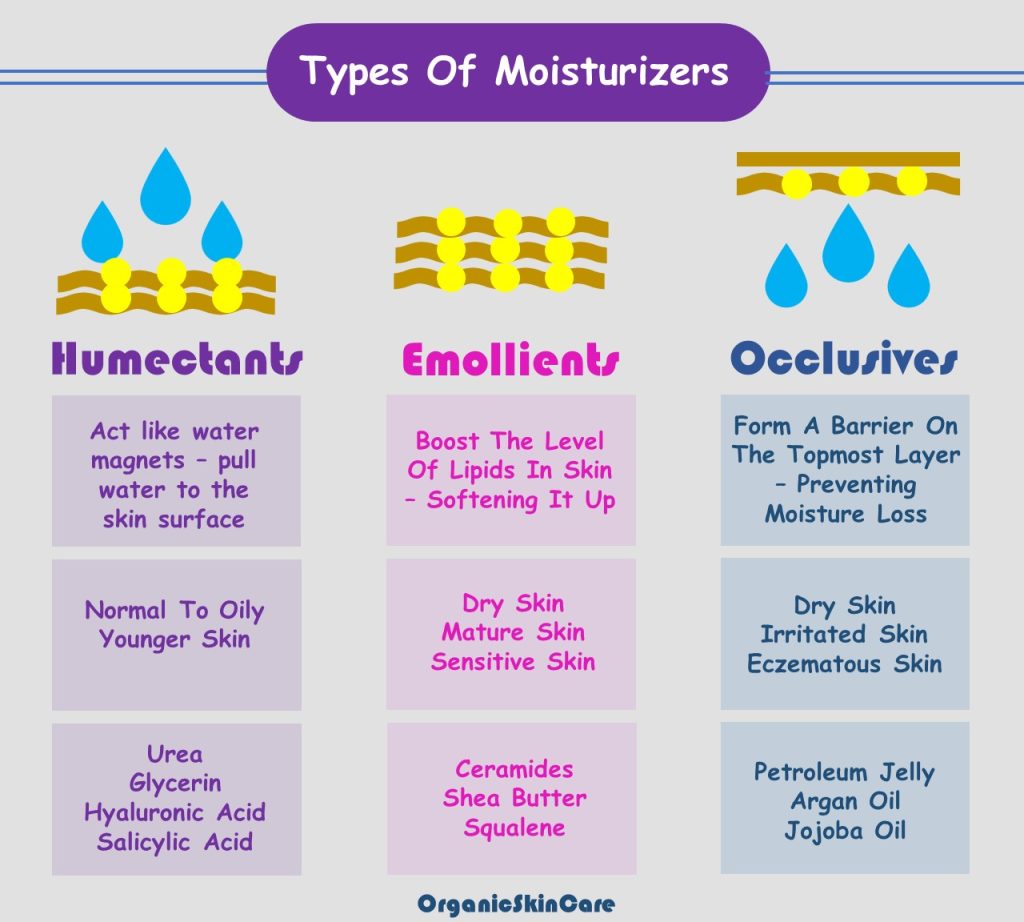
So, there are three types of moisturizers
Humectants
Emollients
Occlusives
Humectants – Water Magnets
Humectants are moisturizers that draw water to the topmost layer of your skin, usually from the environment or sometimes the deeper layer of the skin, that is, the dermis (this only happens if you live in an arid climate, by the way)!
A few examples of humectants are:
Hyaluronic acids
Glycerin
Salicylic Acids
Urea
Honey
Emollients (mature skin needs more of these)
Emollientsimprove the moisture content of your skin by boosting the levels of lipids or fats in your skin.
fatty acids and fatty alcohols
ceramides
shea butter
squalene
cocoa butter
occlusive agents
Fatty emollients include jojoba oil, sunflower oil, castor oil, and octyl stearate.
So dry and mature skin type needs more;
lecithin
wax esters
vegetable waxes
Occlusives – Moisture Barrier
So, occlusive agents are moisturizers that prevent moisture loss through the skin. They help the skin to seal the moisture right there! A few of the occlusives are:
petroleum jelly (the most common and readily available occlusives)
beeswax
silicones
mineral oil
argan oil
jojoba oil
Occlusives are heavier than emollients. So, use occlusives if you have a dry skin type.
Ingredients To Choose The Best Organic Moisturizers
Ceramides
The outermost layer of skin that makes our skin barrier – is the stratum corneum. And ceramides are the lipids that hold the skin cells forming this barrier together! So, what ceramides do is that it makes your skin lock up water, preventing water loss.
But as we age, the fatty content of our skin reduces. That leads to dry and dull-looking skin that makes the appearance of fine lines and wrinkles even more prominent. And that is where you will need ceramides in your skin care!
One more thing when it comes to ceramides is the packaging. It is good to have ceramide products in packaging like airtight bottles or tubes because exposure to light or air can reduce their effectiveness over time. So, avoid packaging such as jars where there is more exposure of the product to light or air!
Ceramides
Quick Facts
What they are
Lipids that makeup about 50% of the epidermis
What they do
Give the outermost layer of skin its barrier properties, replenish your skin with the fatty content that it has lost with age
When to start
Early to mid-twenties, morning and night
Suitable Skin Type
Sensitive
Dry skin
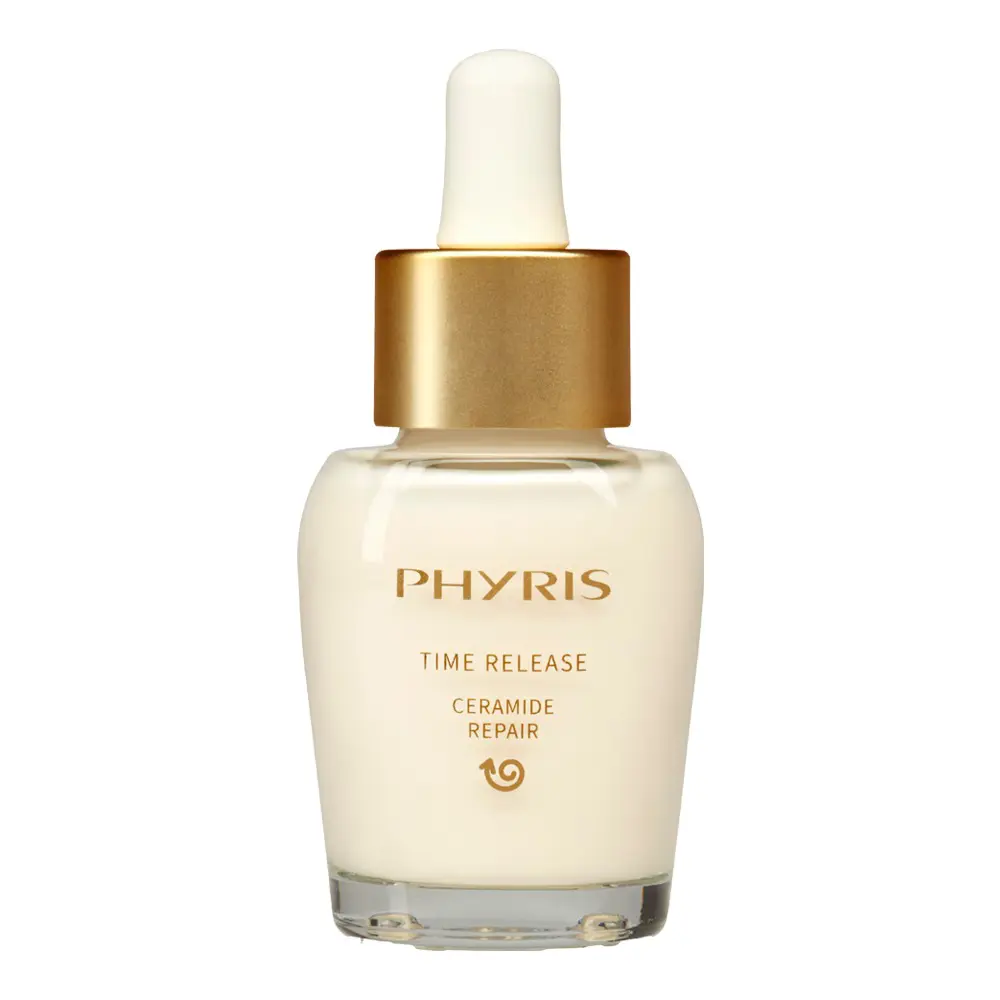
Phyris Ceramide Repair
Regenerating and Hydrating Serum With Ceramides
Includes Ceramides, Vitamin B complex, and Soy Extracts
Strengthens your skin barrier
Instantly supplements stressed skin with suppleness
Pipette bottle packaging is a plus!
Shea Butter
Shea butter is plant oil from nuts you usually get on shea trees found in Africa. It has a nice thick and creamy texture to it. Shea butter works as an emollient. Thus, it leaves your skin super hydrated and makes it look smoother and plumper. It absorbs well and feels non-greasy.
Shea butter also has anti-inflammatory effects. Thus, if your skin is sensitive or eczema prone, you can use shea butter. It can heal your skin and can calm down redness and blotchiness. Thanks to its anti-inflammatory and skin-healing effects!
Moreover, shea butter is one of the best organic moisturizers for mature skin since it can boost collagen formation in the skin and reduce wrinkles too.
Shea Butter
Quick Facts
What they are
Moisturizers – Emollients
What they do
Maintain a healthy barrier, soothe inflammation, heal and upgrade collagen – making your skin look younger
When to Use
Nighttime
Preferred Skin Type
Dry, aging skin (avoid if your skin is way too oily or breakouts prone)
FarmHouse Fresh Fluffy Bunny Shea Butter Cream
A smooth and fluffiest texture butter whip
With the goodness of shea butter, cocoa butter, jojoba seed oil, and aloe
Calms driest of the dry skin
Soothes sunburns
Improve wrinkles, fine lines, and skin texture
Hyaluronic Acid
So, the next one, among the best organic moisturizers for mature, dry skin, is a humectant. Hyaluronic acid is a humectant that draws water to the skin cells. That is, it sucks up moisture and hydrates your skin.
So, if you want something that defies your age by keeping your skin supple, dewy, and hydrated, then you should use hyaluronic acid moisturizers! They come as gel, creams, serums, or even dermal fillers.
Within six weeks of hyaluronic acid face serum use (twice daily with sunscreen), participants had plumper, smoother, and moisturized skin. Moreover, there was a visible cutback on signs of aging too.
Hyaluronic Acid
Quick Facts
What they are
Moisturizers – Humectants
What they do
Make your skin look younger by drawing water to it, improving texture and wrinkles.
When to Use
Twenty onwards, Day and night (twice daily)
Preferred Skin Type
For all skin types
Ilike Hyaluronic Time Erase Complex Moisturizer
Phenomenal improvement in signs of aging
herbal formulae with hyaluronic acid, vitamin E, yucca (reconstruct skin damage from UV), horsetail (anti-oxidant)
revives your skin moisture barrier by adding water to it
Works best for premature aging
Organic Coconut Oil
Coconut oil is an emollient moisturizer that is a rich source of fatty acids that help seal or trap water inside your skin. It can help heal dry, chapped cracks in your skin. Also, it reduces inflammation and redness. It can calm sensitive or itchy skin. Even coconut oil can be helpful with dermatitis or eczema! Coconut oil improves skin elasticity by regenerating collagen.
Did you know that coconut oil even works as an anti-oxidant? So, it is also a free radical scavenger. Moreover, it strengthens the skin barrier. So, everything put together makes it a superhero ingredient for the best organic moisturizers for mature skin.
Organic Coconut Oil
Quick Facts
What they are
Moisturizers – Emollient
What they do
Replenish your skin’s fatty lipids (keeps it soft and plump)
When to Use
Day and night over damp skin (avoid over the face if not your skin type; chest and hairy skin)
Preferred Skin Type
Dry, sensitive, mature skin types (avoid if your skin is prone to acne or very oily)
Eminence Coconut Age Corrective Moisturizer
Features coconut oil and water, swiss green apple stem cells, and a natural retinol alternative complex
Hydrating and age-defying
Coconut prevents moisture loss
Retinol is the holy grail to reverse the signs of aging
Apple stem cells regenerate newer skin cells (activates skin stem cells), repair damaged cells, and protect against UV
Squalene
Another lipid! Squalene is a part of lipids and makes up about 13% of lipids present in your skin. Our skin is the largest organ (exposed to UV rays constantly). The sun’s rays work as oxidants, and over time, it causes damage to skin lipids. That also compromises our skin barrier and its ability to retain moisture.
Thus, by using your skin’s natural lipids in your skin care routine (ceramides or squalene), you replenish it with lost and impaired lipids. That allows your skin barrier to repair, your skin’s hydration to improve, and the signs of aging to fade with time.
Squalene is unique. It quickly and thoroughly absorbs into the skin, humidifies it very well, and makes it flexible and supple without leaving an oily residue! That’s all you will need from a natural moisturizer!
Also, squalene is free radical scavanger. That is, protect your skin from all stressors – sunlight or pollutants. Thus, it protects your skin from senescence or aging and skin damage. Say hello to flawless and smoother skin without texture! Squalene lessens the incidence of skin cancer too.
Squalene
Quick Facts
What they are
Moisturizers – Emollient (also a part of our sebum)
What they do
Replenish your skin’s fatty lipids (make 13% of skin’s lipids)
Anti-oxidant (say no to photodamage and aging)
Skin hydrant
Reduces irritation
Anti-cancer effects
When to Use
After 20 years of age
Daytime (before sunscreen) and night, daily
Over damp skin
Preferred Skin Type
All skin types
Lightweight oil, Non-comedogenic, Non-greasy, thus you can use it with oily skin (if other oils are too heavy for your skin)
BioVegane Organic Goji Day Care Cream
Organic blend that works best for damaged skin
One of the best organic moisturizers for mature skin types (100% vegan)
Loaded with organic Goji Berries, Scots Pine, Black Currant Leaves, Squalene, Shea Butter
Goji berries are native to Asia, and they love it for its age-reversing effects
Scots pine and blackcurrant leaves work as anti-oxidants. Also, they boost collagen, elastin, and hyaluronic acid.
Shea butter – adds silky smooth moisture to the skin
Vegetable Squalene adds moisture without being heavy, greasy, or oily
All put together – to make this moisturizer a great formula that heals and moisturizes mature skin decently!
Salicylic Acid
What? Salicylic acid? Yes, you heard it right! You may have heard about this superhero ingredient only to treat acne, blackheads, or whiteheads. But the fact is that this holy grail for acne works for various skin concerns at different strengths!
Salicylic Acid Strengths
Uses
0.5%
Skin-soothing effect
1-2%
Acne, Blackheads
Up to 50%
Chemical peeling
Can you use salicylic acid as a moisturizer?
Yeah! Salicylic acid can also work as a moisturizer. The reason is that salicylic acid works like a humectant. Thus, it attracts water to the skin’s surface, hydrating it. Also, since salicylic acid is an exfoliant (dissolves the dead skin cells), it promotes skin cell renewal allowing collagen formation to speed up.
Another way to look at it is that as dead cells shed, this brings younger and healthier cells to the top. That way, you ditch dull-looking saggy face. Moreover, if your skin is super dry and you need to use a moisturizer additionally, it will penetrate your skin more effectively (after you use salicylic acid).
Salicylic acid is an astringent that tightens your pores and overall skin likewise.
It comes with 1% salicylic acid and essential oils
Gentle formula to refine skin without drying
Refresh acne-prone skin without losing moisture
Purify, calm, and soothes skin by detoxifying pores
It leaves a softer, subtle matte touch to your skin
Jojoba Oil
Hydrolyzed jojoba oil act like an occlusive moisturizer. Thus, it holds water to your skin and prevents moisture loss through the skin cells without clogging up pores. So, does occlusive jojoba oil makes one of the best organic moisturizers for mature skin? Let’s find out!
Some resources suggest that jojoba oil works like a humectant too. Whatever the mechanism, the result is that jojoba oil is immensely moisturizing. Also, jojoba oil is a natural source of vitamin E. Hence, jojoba oil fights against oxidants and repairs your skin from the harmful effects of the environment. Studies suggest that anti-oxidants produce collagen, which smoothens sagging, and wrinkling.
Jojoba oil mimics the body’s natural sebum. Thus, as you apply it, this reduces the natural sebum production from skin cells. And that moisturizes your skin thoroughly without being excessively oily or clogging pores.
Jojoba Oil
Quick Facts
What they are
Moisturizer – Humectant/Occlusive
What they do
Attract water, prevent moisture loss
Fight against oxidants
Boost collagen
Tame dry, irritated skin
When to Use
Any age
Twice daily
Preferred Skin Type
Sensitive skin
Dry Skin
Mature skin
FarmHouse Fresh Citrus Cilantro Body Oil
A perfect refreshing mix that you can use as the best natural face and body moisturizer for mature skin
Vitamin-rich formula with jojoba oil, vitamin E, cilantro oil, and olive fruit oil is a powerhouse of anti-oxidants and intense moisturization.
They also counter signs of aging.
Moreover, soybean oil, shea butter, and cocoa butter provide additional dewy hydration.
So, here you go! If you are looking for the best organic age-defying moisturizers to add to your skin care, make sure you add emollients. They soften up mature dull, and dry-looking skin by adding skin lipids. Organic moisturizers that include ingredients like ceramides, squalene, and organic coconut oil will rebuild your anti-aging skin care routine; as they tame dry, cracked, wrinkled mature skin – for sure!
Expert sensitive-skin guides from our estheticians
Are you sick of slathering product after product to help your skin against acne? Does every ingredient you apply leave your skin further dry and irritated, causing even more breakouts? If that is you, hold on. The solution to your skin concern could be organic ingredients that help acne – natural and effective but without adverse effects!
So, if you are looking for solutions to treat stubborn acne with natural products, this post is for you! Let us explore organic ingredients for acne-prone skin – gentle on your skin but equally effective!
Green tea is rich in polyphenols. These extracts reduce excess oil production from your skin. Thus, lesser pores clog. All of this help against acne. Hence, green tea extracts are a simple yet effective solution for acne.
You canadd a few green leaves to hot water and let the leaves sit in there for about five minutes. Strain the tea. Let it completely cool before you add to a spray bottle. Use it as a toner in your daily skin care routine.
Else, you can use BioVegane Organic Green Tea Face Serum for a more targeted acne treatment. It comes with 100% organic green tea leaves, gingko and organic licorice extracts!
The Acne Drying Lotion is a fast-acting, effective acne spot treatment. It is formulated with salicylic acid, calamine, and other quick-drying ingredients.
Cucumber water is a natural astringent. It shrinks pore size and cleanses your skin deeply. That is how it also reduces excess oil from the skin. Also, it controls skin swelling and depuffs under the eyes.
Thus, cucumber water is super effective if your skin is oily or if your skin is prone to develop acne.
How To Use Cucumber Water
There are many ways you can add cucumber water to your daily skin care routine.
Combine cucumber water with a clay mask
Create an anti-acne combo with aloe vera
Infuse with honey and yogurt to make a mask
Dilute the essential oil with cucumber water
Spray it directly on your face!
Garlic Extracts
Well, everyone loves garlic for its flavor and culinary uses! However, garlic also works great for oily skin types (prone to develop acne). The reason is garlic extracts reduce inflammation. Also, they are anti-bacterial. Thus, fewer bacteria thrive in the sebum to clog your pores and cause acne!
Another interesting fact about garlic extracts is that it accelerates wound healing. That is, it also can improve the appearance of acne scars!
How To Use Garlic Extracts
Take 2-3 garlic cloves and puree them to a paste. Strain it into a thin cloth to extract the juice it. Apply it directly to your face (or dilute it with water). Let it sit on your face for 10 minutes. Wash away with water.
Use garlic juice with carrier oil. For skin with acne, you can combine it with an anti-acne carrier oil such as jojoba oil, grapeseed oil, or tea tree oil.
Always do a patch test! Some people develop allergies to garlic extracts. Thus, if it causes itches or burns your skin, do not use it.
Bergamot Essential Oil
Another organic ingredient that helps oily and acne-prone skin is bergamot oil. Bergamot oil comes from the bergamot orange tree – Citrus bergamia. Bergamot is native to South-East Asia.
Consider acne as a chronic inflammatory disease. And to treat acne, you need ingredients that calm your irritated skin, making it less inflamed, soothing, and calm. Bergamot is one of those organic ingredients for acne that counters stress and inflammation. Thus, it is safe to say that:
Bergamot extracts counter free radical stress (they are anti-oxidant)
They also suppress inflammation, making them great for both; skin prone to acne as well as for sensitive skin types.
Also, bergamot organic extracts lessen the growth of sebaceous glands (oil-producing glands on your skin)
Promote apoptosis of oil glands (programmed cell death)
Prevents accumulation of fat and oil on the skin
Thus, decreasing the release of inflammatory markers.
Bergamot also calms down your scalp skin, making it great for healthier hair (all you need to do is add a few drops to your shampoo)
The use of bergamot essential oil is superior to its juice extracts!
How To Use Bergamot Essential Oil
You can use bergamot essential oil by combing it with a carrier oil and then using it on your skin. A carrier oil is often plant-based (either from its fruit, seed, or nuts). For instance:
Sweet Almond Oil
Jojoba Oil
Olive Oil
Coconut Oil
Or you can dilute it with a few drops of water and spray it over your face like a toner!
Tip: Use bergamot oil at night because it can sometimes make your skin sensitive to UV light!
Ceramides are a specific type of lipid present in the uppermost layer of your skin. They maintain your skin barrier. Also, they balance the moisture content of your skin.
So, if you use many ingredients on your face to combat acne, chances are your skin is getting drier with its use! That is where the role of plant-based oils, such as strawberry seed oil, comes into play.
It is lighter and leaves your skin smooth and non-greasy. That is why strawberry seed oil is also known to be dry oil! It will stimulate ceramides production on your face and moisturizes without leaving any residue.
Strawberry seed oil works well for:
Acne
Eczema
Psoriasis
Dermatitis
Scar marks
Tip: Always consult your doctor if you have specific skin care concerns that may need medical attention!
How To Use Strawberry Seed Oil
You can combine it with other essential oils, such as evening primrose oil, or camellia oil, with Vitamin E 400IU.
Lactic acid is a gentle exfoliant that replenishes your old and dead skin. Also, it clears your pores that reduces acne and breakouts. Rhubarb is a natural astringent. Also, it has anti-microbial effects.
You can think of strawberry seed oil as a salicylic acid alternative. Everything combined lessens your chance of getting acne with the use of organic ingredients only!
Grapes Extracts
Does that make you wonder how grapes can help you with acne? Let us explain! Grapes are rich in an anti-oxidant called resveratrol that saves your skin from the harsh effects of free radicals. Free radicals make you break down, make you age faster, and also promote blemishes and acne.
Resveratrol also stops the growth of bacteria that cause acne (Propionibacterium acnes).
How To Use Grapes Extracts
You can make a DIY face mask out of grapes and use it for your acne. All you need to do is to mash a few grapes and add fuller earth powder to them. Fuller’s earth is an oil absorbent. Thus, it is effective if you have an oily skin type.
grapes stem cells moisturizer (smoother skin with organic moisture barrier)
grapes stem cells gel mask (a pure anti-oxidant formula that brings your skin back to life)
Yarrow Oil
Yarrow oil has a role in traditional medicine. It reduces inflammation and heals irritated skin, such as eczema-prone skin. Thus, yarrow oil has skin-healing properties. So, it soothes skin prone to acne as well! A study suggests that yarrow oil counters skin inflammation within seven days of treatment. Here is how yarrow oil can transform your skin:
It lessens redness and blotchiness.
Also, it unclogs your pores.
It calms irritation.
Moreover, yarrow oil can help with acne scar marks too.
How To Use Yarrow Oil
All you need to do is to take afew drops of yarrow essential oil and nicely dab it onto your skin. Ilike organics offers you pure yarrow oil combined with vitamins C and E, corn germ oil, and pine oil. This organic combo tightens your skin and regulates seborrheic and skin sensitivity.
Tip: Add yarrow oil to rosehip oil with sensitive skin problems such as rosacea.
Willow Bark Extracts
Willow bark extracts are plant extracts in simple words. They are a natural, gentle alternative to salicylic acid (willow bark extracts contain salicin). Who doesn’t know about the effects of salicylic acid on acne? Just like salicylic acid, willow bark extracts:
Gently exfoliate
Decongest your pores (no more blackheads or whiteheads)
Get your skin away with excess oil
Tip: Like any other exfoliant, follow willow bark extracts with a moisturizer. Avoid using willow bark extracts with other skin-drying ingredients such as retinol and vitamin C.
How To Use Willow Bark Extracts
You can use these extracts:
Gentle exfoliators
Face masks
Acne spot treatment
Eminence offers you a Clear Skin Willow Bark Exfoliating Peel that deep cleanses and smoothens the texture of your skin, making it less susceptible to acne. Gentle salicylic acid with tomato extracts balances excess sebum too.
FarmHouse Fresh Clarifying Mud Exfoliation Mask combines organic willow bark extracts with pumice (clears dead cells), glycerin (excellent moisturizer), and montmorillonite clay (that refines skin texture).
Eminence Clear Skin Targeted Acne Treatment is a potent formula that targets acne. It is enriched with salicylic acid – from willow bark with tea tree oil, a miraculous combo that heals acne.
Jojoba Oil
Jojoba oil is different, since it has an almost similar composition to our sebum. That is what tricks sebum-producing glands that reduce the amount of sebum they produce. Moreover, jojoba oil is:
moisturizing (acts as a humectant, holding water to your skin)
All the ingredients are moisturizing, soothing inflammation, and powerful organic anti-oxidants that can help reduce acne!
Bakuchiol
Bakuchiol is a retinol alternate. It stimulates collagen formation and is also an anti-bacterial. Also, it thoroughly cleanses your pores away from dead cells-say goodbye to both breakouts and blackheads and whiteheads.
Moreover, it suppresses enzymes within oil-producing glands, thus lesser oil produced. Less oil production means less clogging!
One thing that can happen with bakuchiol is purging. Purging can look like a breakout.
Purging occurs when your skin cells rapidly grow, pushing the dead cells and excess sebum onto the skin’s surface. That clogs up the pores causing braekouts.
Tip: You can combine salicylic acid with bakuchiol!
So these are a few of the organics that can help your skin to get better if acne is your main skin care concern. You can ditch the harsh ingredients and still treat acne by incorporating these organic ingredients, especially if your skin is sensitive.
Just figure out which of these best fit your skin type and build your skin care routine around it!
If you’re looking for a comprehensive list of organic skin care ingredients to include in your skin care routine, look no further! We’ve covered some organic ingredients according to each skin care concern. So, you can skim through the whole list; without worrying about your skin type! So, look through these organic skin care ingredients to see which will work best for your skincare regimen.
Organic Ingredients For Oily / Acne-prone skin Type
The first one is for those having oily and acne-prone skin. The reason why we have merged those is that both ingredients are pretty much related to each other. The list of ingredients mentioned below will help both oily/acne-prone skin.
Green tea
Green tea is one of the vibrant ingredients one must look out for on a skin product. The active ingredient in green tea, EGCG, absorbs sebum, which is one of the causes of oily skin.
Cucumber water
Cucumber watercan help soothe your skin from the inside out. Keeping your skin hydrated will flush out toxins and maintain a healthy complexion. It contains pantothenic acid and vitamin B-5 effective in treating acne.
Garlic extracts
Garlic extracts are powerful antibacterial, antiviral, and antiseptic properties derived from allicin. It also kills any acne-causing bacteria. As a result, this gives your skin more nutrients and improves blood circulation.
Bergamot essential
It has antibacterial and anti-inflammatory characteristics that help with acne and pimple therapy. That gives the advantage of a slow aging process and purifying of the skin.
Strawberry seed oil
Strawberry seed oil safeguards your skin from UV radiation and wrinkles reduction. Strawberry seed oil also fights off free radicals, improving metabolism and moisture retention. They boost the look of your skin because they consist of gamma-tocopherol, linoleic, and oleic fatty acids.
Grape
Are you bothered by dark spots and wrinkles? The grape is the organic ingredient that protects your skin from UV radiation and free radicals, which can create wrinkles and dark spots. It is a soothing tool for rejuvenating the skin as a whole.
Yarrow oil
Yarrow oil provides you with a wide range of healing advantages. Yarrow oil is ideal for greasy, acne-prone skin because of its astringent qualities.
Willow Bark Extract
Willow Bark Extract Provides gentle exfoliation for more radiant skin. It Helps:
To reduce acne and excess oil.
Reduce signs of aging.
The appearance of wrinkles.
Refine pores.
It helps alleviate conditions such as psoriasis, eczema, and rosacea. That Keeps skin looking firm and youthful.
Therefore, we have listed some of the best ingredients your skin care products needs!
Coconut
Emollient is a potent antioxidant and a unique characteristic of coconuts. It keeps your skin hydrated and enhances your skin.
Cupuacu butter.
It is also a super-emollient that hydrates your skin. It acts as an elasticity restorer and gives antioxidants and hydration.
Cocoa butter
Cocoa butter has a high fatty acid content, which helps with skin nourishing, elasticity enhancement, and keeping the skin hydrated. Additionally, it hydrates the skin and eliminates scars and other bothersome skin imperfections.
Avocado oil
Avocado oil is high in nutrients and antioxidants, which help to keep your skin supple and hydrated. It contains omega-9 fatty acids and plant sterols, which can nourish and moisturize your skin.
Organic Prunus Armeniaca Kernel Oil
Organic Prunus Armeniaca Kernel Oil is high in antioxidants. Vitamin E with nutritious fatty acids (oleic acid 54-74%, linoleic acid 12-35%). It is a powerful all-purpose emollient with nourishing and moisturizing effects (a high oleic oil, which is effective for dry skin types), easily absorbed into your skin.
Goji berry
It is a perfect non-irritating remedy for your skin dehydration. It contains high Vitamin C that supports tight and firm skin and also helps promote skin elasticity and radiance.
Cranberry seed oil.
Cranberry seed oil is abundant in antioxidants, which protect the skin from environmental stressors. Having lovely skin is always easy with omega-3 to omega-6 fatty acids.
Organic Skin Care Ingredients For Sensitive Skin Type
Aloe leaf
Aloe leaf hydrates the skin by providing enzymes, antioxidants, and vitamins A and C. It also has anti-inflammatory glycol-proteins and soothing properties that improve hydration and natural moisture to the skin, as well as treatment for skin irritation.
Gotu Kola extracts
You will acquaint yourself with a massive skincare deal if you look out for this unique ingredient in a product. It works perfectly for varicose vein treatment. As a result, it improves blood circulation and speeds up your skin healing process.
Horsetail extracts
Horsetail extracts are another potent antioxidant and anti-inflammatory ingredient that promotes anti-aging, acne, rapid irritation, burns, and rashes. It results in rapid healing and recovery of wounds.
Red raspberry
It also has potent antioxidant and anti-inflammatory properties that protect and treat sensitive skin prone to inflammation and redness. It is high in vitamins, phenols, and hydroxyl acids, all of which help to maintain beautiful skin.
Sunflower oil
Sunflower oil contains powerful nutrients that help to fight all skin care issues. It is a repellant against wrinkles, acne, redness, inflammation, and other skin problems. It contains Vitamins-E with emollient, skin softener, and skin moisturizer.
Flaxseed oil
It treats and combats chronic skin issues such as dermatitis, eczema, acne, and many others. The existence of fatty acids helps to reduce inflammation and promote skin beauty.
Patchouli essential oil
It is an active remedy for body odor, inflammation, water retention, constipation, and wound. It also promotes weight loss and aids the wound-healing process and the growth of new skin.
Calendula oil
Calendula oil has antifungal, anti-inflammatory, and antibacterial properties that might make it useful in healing wounds, soothing eczema, and relieving diaper rash. It also serves as a disinfectant.
Organic Juglans Regia Seed Oil
This ingredient contains three essential components of walnut oil that help protect the skin which is:
Antioxidant.
Antibacterial.
Anti-inflammatory.
Antioxidant Action of Organic Juglans Regia Seed Oil(H3):
Organic Skin Care Ingredients That Work For All Skin Types
Sweet Almond oil
Sweet Almond oil is an organic skin moisturizer fortified with Vitamin E to provide a solution that irritates your skin. The benefits of Sweet Almond oil also include
Healthy skin cells.
Protection against UV radiation damage.
Vitamin A to combat acne.
Smoothening of the skin.
Raw sugar cane
Raw sugar cane is a perfect antidote for skin imperfections. The Alpha Hydroxy Acids (AHA) in sugar cane serve as :
Anti-aging remedy.
Reduce blemishes
Combat acne
Keeping the skin exfoliated.
Jojoba oil
Using skincare products containing jojoba oil is one natural way to keep your skin warm and glowing. It contains Vitamins E and B-complex, which are effective for skin repair and nourishment.
Organic Skin Care Ingredients For Aging Skin
Aging skin is very common at a young age. Therefore, essential nutrients are necessary that absorb inside the skin. These ingredients must be organic for a long-term effect on your skin.
Geranium essentials
Geranium essentials is an effective cosmetology ingredient that is beneficial for:
Removal of dead cells.
Reducing aging signs.
Rehydrates wrinkled skin.
Improving regeneration of your skin.
Sweet Orange oil
This substance provides antiseptic, anti-inflammatory aroma-therapeutic benefits and works perfectly to keep the skin texture beautiful, clear, and smooth. It also reduces acne, aging, and other unpleasant skin condition.
Sesame seed oil
It has potent antibacterial properties that help to detoxify the body, improve flawless skin, and treat irritated and damaged skin. It also reduces the appearance of aging in the skin.
Resveratrol
Resveratrol contains a powerful antioxidant that reduces the signs of aging. It protects the skin from free radical damage to enhance your skin.
Kiwi seed oil
Kiwi seed oil is high in Vitamin C, which helps to prevent wrinkles, acne, dark spots, and other skin problems. It is also high in vitamins A and E and fatty acids, which help to improve skin elasticity.
Orange
Orange contains a high concentration of citric acid. It exfoliates your skin, removes acne, and improves your radiance. It is also effective against oxidants that can help hydrate the skin, and delay aging. In addition to it, it boosts healthy collagen production.
Carrot root
Carrot root provides powerful antioxidant properties that help in soothing irritated or dry skin, wrinkles, stretch marks, and other cell-degenerating problems. It is rich in Vitamin-A and many other vitamins that can help boost skin smoothness.
Sweet cherry
Sweet cherry contains an antioxidant called anthocyanins which combat free radicals that can increase the aging process on the skin. It is rich in Vitamins A, B, C, and E, keeping your skin radiant and healthy.
Blueberry seed oil
The blueberry seed oil contains potent polyphenol antioxidants that can help fight against free radicals that can damage the skin. It is rich in phytonutrients and fatty acids to moisturize, regenerate skin cells and improve skin elasticity.
Sage leaf
It contains enough antioxidants to regenerate the skin and combat free radicals, which cause wrinkles, fine lines, and aging. It contains Vitamin A and calcium, which help your skin to regenerate.
Malic acid
It is one of the most effective skincare antidotes which combat skin aging, acne, and dead skin. It is also effective to keep your skin hydrated, soft, and beautiful.
Natural Retinol stimulation
Natural Retinol stimulation can help to improve skin elasticity and collagen production. Retinol is ideal for targeting fine lines, wrinkles, dryness, pigmentation, and sunspots with brightening power as it plumps, smooths, and firms the skin while also evening out tone and texture.
Rosehip Oil
Rosehip oil is high in Vitamin A, which is known to help fight age spots and wrinkles; therefore, rosehip oil is excellent for anti-aging. It also contains molecules small enough to penetrate deep layers of the skin. As a result of it, it increases moisture and collagen levels while decreasing wrinkles and fine lines.
Organic Elderberry Seed Oil is effective against oxidants and soothes irritated or dry skin. This oil is popular among those who have aging skin because of its moisturizing and regenerative properties. Elderberries are rich in anti-aging and free-radical fighting properties, keeping your skin glowing and healthy for a long time. It is the ideal skin tonic, especially for mature, dehydrated skin. Elderberry also aids in the prevention of distressing skin conditions such as breakouts, boils, and scars.
Retinol
Retinol is a vitamin A derivative, so it makes sense that these are natural oils also rich in vitamins, like rosehip and carrot seeds. Rosehip oil is exceptional in regenerating and healing the skin while increasing collagen production and skin elasticity.
Organic Skin Care Ingredients For Pigmentation
Honey
It contains a natural lightening agent that works perfectly for spot removal and skin pigmentation. It has potent antioxidants, antiseptics, and antibacterial agents that fight acne, dehydration, and loose skin. Honey acts as a pore cleanser and enhances skin beauty.
Apple juice
Apple juice is an essential ingredient that contains vitamin C, which helps to keep the skin looking young. It also has potent malic alpha-hydroxy acids, phytonutrients, and phenols, which prove effective against oxidant activity to promote soft and beautiful skin.
Lemon
Lemon has powerful antioxidants which restore the luster of the cluster or sagging skin, rejuvenate the dull complexion, and stimulates the body to fight against harmful bacteria.
Acai berry
Acai berry is rich in antioxidants and phytochemicals and a good source of essential fatty acids, which help with skin radiance.
Rosehip fruit
This potent ingredient comes from the rose plant. It contains a lot of Vitamin C and essential fatty acids, which help to brighten the skin. It also contains antioxidants, which help to prevent free radical damage and hyperpigmentation.
Pineapple enzymes
It contains enzymes known as Bromelain and other components like potassium, magnesium, and phosphorus to fortify the exfoliation benefit and brighten the skin. The effective properties also provide help to exfoliate dead skin cells.
Pomegranate
Pomegranate contains potent antioxidants that protect the outer layer of skin while rejuvenating skin cells in the inner layers. It also improves skin radiance and the overall healing process.
Olive oil
It contains potent antioxidants that protect against the damage caused by free radicals. It contains vitamins A, D, E, and K, which help to rehydrate and soften the skin while improving its beauty.
Shea Butter
Shea Butter has moisturizing, anti-inflammatory properties. It contains vitamins A and E, which keep the skin healthy and protect it from harmful ultraviolet rays.
Stone Crop plant
Stone Crop plant helps reduce pigmentation and lighten the complexion. It also assists in regeneration, firming stressed skin, toning the epidermis, moisturizing, helping reduce signs of aging, and calming sensitive skin.
Organic Bearberry Extract
It is very effective at lightening skin pigment imperfections such as age spots, sun spots, Melasma, and blotchy skin tone for a more uniform, brighter complexion. Bearberry also increases cell turnover and is high in antioxidants.
Organic Rosa Canina Fruit Oil
Though it says fruit oil in its name, the rosehip fruit contains seeds that contain the oil. So this one is the same as Rosa Canina Seed Oil, or Rosehip Oil, known for its high omega fatty acid content (linoleic acid – 51%, linolenic acid – 19%, and oleic acid – 20%) and skin-regenerative properties.
It hydrates, moisturizes, helps exfoliate, and helps brightens skin. It helps boost collagen formation, helps protect against sun damage, reduces hyperpigmentation, It helps reduces scars and fine lines.
Rosehip oil is rich in essential fatty acids and antioxidants, which are integral for tissue and cell regeneration in the skin. Also, this oil is considered a folk remedy for wound healing, scar and fine-line reduction, and other purposes. Rosehip oil contains antioxidants such as vitamins A, C, and E. These vitamins have been shown to collaborate in the fight against visible sun damage. They may also help to prevent photoaging.
From now on, ditch the harsh chemicals, and switch your skin care to organic skin care ingredients! They are safe and work for all skin concerns without irritating your skin. Also, they clean up your pores and you get a flawless clearer face. More hydrated and glowing than ever!
Bright Skin Moisturizer Broad Spectrum SPF 40 Sunscreen hydrates, and protects the skin during sun exposure to prevent premature aging while helping even out the skin tone.
Visibly brightens and evens skin tone. Fades dark spots, age spots, skin discoloration, uneven skin tone, sun spots, freckles, and acne scars. Can be used on the face, hands, chest, knees, elbows, and other sensitive skin areas.
Brightening Fluid helps boost clarity and protects the skin from free-radical damage. W. Complex, which features vitamin C and azeloglycine, stimulates collagen production and reduces the acceleration of melanin pigments to minimize dark spots.
Organic skin care can visibly reduce acne by targeting clogged pores, excess sebum, and surface bacteria — without harsh synthetic chemicals that disrupt your skin barrier. The most effective organic ingredients for acne-prone skin include willow bark extract, tea tree oil, niacinamide, and probiotic cultures. A consistent, gentle routine — cleanse, treat, moisturize, protect — is the foundation of clearer-looking skin.
Premium organic skincare products for acne-prone skin on a marble countertop with natural elements.
What Actually Causes Acne? (The Short Version)
Acne is caused by excess sebum and dead skin cells forming a plug in pores, leading to bacterial growth and inflammation. It affects up to 85% of individuals aged 12 to 24.
Acne starts deep inside your pores. When excess sebum (your skin’s natural oil) mixes with dead skin cells, it forms a plug — called a comedone. That plugged pore becomes the perfect environment for Cutibacterium acnes (formerly Propionibacterium acnes) bacteria to multiply.
Your immune system responds to that bacterial overgrowth with inflammation. The result? Redness, swelling, and the breakouts you know all too well. Acne affects up to 85% of people between ages 12 and 24, but adult acne — especially in women — is increasingly common (Tan & Bhate, 2015, British Journal of Dermatology).
Understanding this process matters because it tells you exactly what your skincare routine needs to do: control oil, clear dead cells, and keep bacteria in check — all without wrecking your skin barrier in the process.
Types of Acne: Know What You’re Dealing With
Not all breakouts are the same. Identifying your acne type helps you choose the right organic ingredients.
Blackheads (open comedones) — Pores clogged with oxidized sebum. Appear dark on the surface.
Whiteheads (closed comedones) — Pores sealed with a thin layer of skin. Appear as small white bumps.
Papules — Small, raised red bumps caused by inflammation. No visible pus.
Pustules — Like papules, but with a white or yellow center filled with pus.
Nodules and cysts — Deep, painful lesions. These are severe and often need professional treatment. If you have cystic acne, please consult a dermatologist alongside any skincare routine.
⚠️ A note on severe acne: Organic skincare works best for mild to moderate acne (blackheads, whiteheads, papules, and pustules). If you have nodular or cystic acne, please see a board-certified dermatologist. Organic routines can complement — but should not replace — professional medical treatment for severe cases.
Why Choose Organic Skin Care for Acne-Prone Skin?
Organic skin care is preferred for acne-prone skin because it avoids harsh chemicals like benzoyl peroxide, which can cause dryness and trigger more breakouts. Organic products work in harmony with the skin’s biology.
Conventional acne treatments often rely on benzoyl peroxide, synthetic retinoids, or harsh sulfate cleansers. These can be effective — but they frequently cause dryness, peeling, and barrier disruption that triggers more oil production and more breakouts. It’s a frustrating cycle.
Organic formulas take a gentler approach. They work with your skin’s biology rather than against it. Many plant-derived ingredients have genuine peer-reviewed evidence behind them — they’re not just “natural” for the sake of it.
There’s also the ingredient transparency factor. Certified organic products are formulated without synthetic fragrances, parabens, or pore-clogging silicones — all of which can aggravate sensitive, breakout-prone skin.
Close-up of willow bark extract, an organic ingredient for acne-prone skin.
The Best Organic Ingredients for Acne-Prone Skin
Willow Bark Extract is a key organic ingredient for acne-prone skin, as it contains salicin that converts to salicylic acid, effectively exfoliating pores without the harshness of synthetic alternatives.
Here’s what the science actually supports. These are the ingredients worth looking for on your labels.
Willow Bark Extract — Nature’s Salicylic Acid
Willow bark contains salicin, which converts to salicylic acid on the skin. It helps exfoliate inside the pore, loosening the dead skin and sebum that cause congestion. It’s gentler than synthetic salicylic acid, making it a good fit for sensitive acne-prone skin.
Quotable Fact: Salicylic acid (the active derived from willow bark) reduces non-inflammatory and inflammatory acne lesions by visibly clearing pore congestion, with effects observed within 4 weeks of consistent use, according to Seidler & Kimball (2010, Journal of Clinical and Aesthetic Dermatology).
Tea Tree Oil — The Antimicrobial Workhorse
Tea tree oil (Melaleuca alternifolia) is one of the most studied plant-based ingredients for acne. Its antimicrobial properties help minimize the look of blemishes by targeting surface bacteria. It works more slowly than benzoyl peroxide but with significantly less dryness and irritation.
A landmark study found that 5% tea tree oil gel was comparable to 5% benzoyl peroxide in reducing acne lesions, with fewer side effects (Bassett et al. 1990, Medical Journal of Australia). Always dilute tea tree oil before applying it directly to skin — undiluted essential oils can cause irritation.
Niacinamide (Vitamin B3) — The Multi-Tasker
Niacinamide is a water-soluble vitamin that does several things acne-prone skin needs at once. It helps visibly reduce the appearance of pores, regulate sebum production, and fade post-acne dark spots.
Quotable Fact: Niacinamide at 5% concentration visibly reduces hyperpigmentation by up to 35% over 8 weeks, according to Bissett et al. (2005, Journal of Cosmetic Dermatology).
Probiotic Cultures — Your Skin’s Microbiome Support
Probiotic-infused formulas are one of the most exciting developments in organic acne care. Research shows that an imbalanced skin microbiome contributes to acne severity. Topical probiotics help restore that balance, visibly calming redness and reducing breakout frequency.
Kober & Bowe (2015, International Journal of Women’s Dermatology) found that topical and oral probiotics show promise in helping reduce the appearance of acne lesions by supporting a healthier skin microbiome environment.
Other Organic Ingredients Worth Knowing
Zinc oxide — Helps visibly calm redness and supports a healthy-looking complexion. Also provides broad-spectrum SPF protection.
Green tea extract (EGCG) — Green tea polyphenols help minimize the look of inflammation and sebum-related congestion (Kim et al. 2006, International Journal of Dermatology).
Rosehip seed oil — Non-comedogenic and rich in linoleic acid, which is often deficient in acne-prone skin. Helps visibly fade post-acne marks.
Aloe vera — Soothes the look of irritated skin and provides lightweight hydration without clogging pores.
Person applying tea tree oil for acne treatment in a bright bathroom setting.
Organic Ingredients to Avoid If You’re Acne-Prone
Avoid highly comedogenic natural ingredients like coconut oil and cocoa butter, which can clog pores and worsen acne. Instead, opt for low-comedogenic alternatives like jojoba oil and aloe vera gel.
Not every “natural” ingredient is acne-friendly. Some plant-based oils are highly comedogenic — meaning they can clog pores and trigger breakouts. Watch out for these on ingredient labels:
Avoid (High Comedogenic Rating)
Use Instead (Low Comedogenic Rating)
Coconut oil
Jojoba oil
Cocoa butter
Rosehip seed oil
Wheat germ oil
Squalane
Flaxseed oil
Hemp seed oil
Shea butter (in heavy concentrations)
Aloe vera gel
Also avoid products with synthetic fragrances, even in “natural” formulas. Fragrance is one of the most common causes of contact dermatitis and can worsen skin sensitivity in acne-prone skin.
Your Step-by-Step Organic Acne Skin Care Routine
A consistent organic skincare routine is crucial for acne-prone skin. Start with a low-pH, sulfate-free cleanser to effectively remove excess oil and impurities without damaging the skin barrier.
A consistent routine is more important than any single product. Here’s a simple, effective framework built around organic ingredients.
Step 1: Cleanse (Morning & Evening)
Your cleanser sets the tone for everything that follows. You want something that removes excess oil and impurities without stripping your skin barrier. Look for a low-pH, sulfate-free formula.
For acne-prone skin that’s also sensitive or reactive, the Eminence Organic Calm Skin Chamomile Cleanser – 8.4 fl. oz. uses sunflower and calendula oils to gently remove impurities while visibly reducing irritation — a great option when your skin is feeling reactive alongside breakouts.
If your primary concern is pore congestion and active breakouts, a probiotic-based cleanser is worth trying. The Eminence Organics Clear Skin Probiotic Cleanser – 8.4 fl. oz helps purify pores and support your skin’s microbiome balance — without the over-drying effect of harsh acne cleansers.
💡 Pro tip: Wash your face for a full 60 seconds. Most people rinse off cleanser in under 20 seconds — not long enough for active ingredients to do their job. Set a timer once and you’ll be surprised.
Step 2: Treat (Evening, or AM + PM for active breakouts)
This is where your targeted organic ingredients go to work. Apply your treatment product to clean, slightly damp skin for better absorption.
For active blemishes: A diluted tea tree oil spot treatment or a willow bark serum helps visibly reduce the look of individual breakouts.
For post-acne dark spots: A niacinamide serum or a vitamin C booster helps visibly even out skin tone over time. If you want to supercharge your moisturizer with brightening botanicals, the Eminence Organics Skin Care Superfood Booster-Powder – 0.35 oz blends botanical Vitamin C, K, and B3 to help visibly reduce the appearance of dark spots left behind by breakouts.
For overall congestion: A gentle exfoliating toner with willow bark or lactic acid 2–3 times per week helps keep pores clear without over-stripping.
[VIDEO_EMBED: How to build an organic skincare routine for acne-prone skin — step-by-step tutorial]
Step 3: Moisturize (Morning & Evening)
This step is non-negotiable — even if your skin feels oily. Skipping moisturizer signals your skin to produce more sebum, which worsens congestion. Choose a lightweight, non-comedogenic formula.
Look for these skin-friendly ingredients in your moisturizer:
Squalane — Mimics your skin’s natural sebum, helping to balance oil production
Hyaluronic acid — Provides hydration without adding oil
Aloe vera — Soothes the look of redness and irritation
Niacinamide — Helps visibly minimize pores and regulate sebum
Step 4: SPF (Every Morning, No Exceptions)
Sun exposure worsens post-acne hyperpigmentation — those dark marks left behind after a breakout heals. Daily SPF is one of the most effective things you can do to prevent them from deepening.
Daily SPF 30 use prevents approximately 24% of visible signs of aging, according to Hughes et al. (2013, Annals of Internal Medicine). For acne-prone skin, choose a mineral SPF with zinc oxide — it’s non-comedogenic and provides broad-spectrum protection without synthetic chemical filters that can irritate sensitive skin.
best organic SPF for acne-prone skin
Lifestyle Factors That Affect Acne-Prone Skin
Lifestyle factors, particularly diet, significantly affect acne. High-glycemic foods can increase insulin levels and sebum production, so reducing these foods may help lower acne lesions.
Your skincare routine matters — but it doesn’t exist in a vacuum. These lifestyle factors have real, research-backed effects on acne.
Diet and Acne
The connection between diet and acne is stronger than once thought. High-glycemic foods (white bread, sugary drinks, processed snacks) spike insulin levels, which in turn increases sebum production.
Quotable Fact: Dietary modifications — including reducing high-glycemic foods and dairy — may help visibly reduce acne lesion counts alongside a consistent skincare routine, according to Kucharska et al. (2016, Postepy Dermatologii i Alergologii).
Dairy is another common trigger for some people, though the research is mixed. If you notice breakouts correlating with dairy consumption, it’s worth an elimination trial. Keeping a simple food-and-skin diary for 4 weeks can reveal patterns you’d otherwise miss.
Stress and Acne
Stress triggers the release of cortisol, which stimulates your sebaceous glands to produce more oil. This is why breakouts often appear before big events — your skin is literally responding to your stress hormones.
Stress management isn’t just good for your mental health — it’s good for your skin. Even 10 minutes of daily mindfulness or light exercise can help visibly reduce stress-related breakouts over time.
Your Pillowcase and Phone Screen
These are two of the most overlooked acne triggers. Your pillowcase accumulates oil, dead skin cells, and bacteria every night. Change your pillowcase every 2–3 days if you’re prone to breakouts. Your phone screen is similarly bacteria-laden — clean it daily and avoid pressing it directly against your cheek.
how to build a clean beauty routine for sensitive skin
Tailoring Your Organic Routine to Your Skin Type
Tailor your organic skincare routine to your specific skin type. For oily skin, use willow bark and niacinamide; for dry skin, opt for squalane and aloe vera; and for combination skin, consider niacinamide and jojoba oil.
Acne-prone skin isn’t one-size-fits-all. Your skin type changes which products and ingredients will work best for you.
Skin Type
Key Concerns
Best Organic Ingredients
Oily + Acne-Prone
Excess sebum, enlarged pores, blackheads
Willow bark, niacinamide, green tea, clay
Dry + Acne-Prone
Tight, flaky skin with occasional breakouts
Squalane, aloe vera, hyaluronic acid, lactic acid
Combination + Acne-Prone
Oily T-zone, dry cheeks, mixed breakouts
Niacinamide, jojoba oil, probiotic cultures
Sensitive + Acne-Prone
Redness, reactive skin, hormonal breakouts
Chamomile, centella asiatica, zinc, aloe vera
Infographic of the step-by-step organic skincare routine for acne-prone skin.
What to Expect: A Realistic Timeline
Expect a gradual improvement with organic skincare: initial purging in weeks 1-2, smoother texture by weeks 3-4, and visible reduction in blemishes by weeks 5-8, especially with niacinamide or vitamin C.
Organic skincare works — but it works on a biological timeline, not an overnight one. Here’s what a realistic progression looks like:
Weeks 1–2: Your skin may purge slightly as exfoliating ingredients bring congestion to the surface. This is normal and temporary.
Weeks 3–4: Skin texture begins to visibly smooth. New breakouts may start to appear less frequently.
Weeks 5–8: Visible reduction in active blemishes. Post-acne marks begin to fade with consistent niacinamide or vitamin C use.
Weeks 8–12: Skin tone appears more even. Pores look visibly smaller with consistent willow bark or niacinamide use.
💡 Patience is the most underrated skincare ingredient. Give any new organic routine at least 6–8 weeks before deciding if it’s working. Changing products too frequently prevents you from ever knowing what’s actually helping.
organic ingredients for post-acne hyperpigmentation
Build Your Organic Acne Routine
To build your organic acne routine, consider products like Eminence Organics Clear Skin Probiotic Cleanser and Calm Skin Chamomile Cleanser, which are designed to support acne-prone skin.
Eminence Organics Skin Care Superfood Booster-Powder – 0.35 oz by OpenWPAgent
Yes, organic skincare can effectively help acne-prone skin. Ingredients like tea tree oil and niacinamide have scientific backing for reducing blemishes without the harsh side effects of conventional treatments.
Can organic skin care really help acne-prone skin?
Yes. Several plant-derived ingredients — including tea tree oil, niacinamide, and willow bark extract — have peer-reviewed evidence supporting their ability to visibly reduce blemishes and help minimize pore congestion without the harsh side effects of some conventional acne treatments.
What is the best organic cleanser for acne-prone skin?
Look for a low-pH, sulfate-free cleanser with probiotic cultures, willow bark, or tea tree oil. These ingredients help purify pores without stripping your skin barrier — which is key, because an over-stripped barrier triggers more oil production and more breakouts.
Is moisturizer necessary for acne-prone skin?
Absolutely. Skipping moisturizer can make acne worse. When your skin is dehydrated, it overproduces sebum to compensate. A lightweight, non-comedogenic moisturizer with ingredients like squalane or aloe vera helps balance oil production and supports your skin barrier.
Which organic ingredients should I avoid if I have acne-prone skin?
Avoid heavy, pore-clogging oils like coconut oil, cocoa butter, and wheat germ oil. These score high on the comedogenic scale and can worsen breakouts. Stick to non-comedogenic oils like rosehip, jojoba, and squalane instead.
How long does it take for an organic acne routine to work?
Most people see a visible improvement in skin texture and blemish frequency within 4–8 weeks of consistent use. Because organic formulas tend to work more
Expert sensitive-skin guides from our estheticians