organic

Refreshed hero image for: 10+ Homemade Organic Face Mask Recipes To Brighten Your Skin

10+ Homemade Organic Face Mask Recipes To Brighten Your Skin

Let me tell you! A spick and span, radiant, flawless, and simply glowing skin is your (and everyone’s) dream skin. According to a survey from 2019, 82.5% of women agree that;

Brighter and glowing skin is the most important characteristic that defines beauty!

Well, let us be honest. Almost every one of us has tried products that glow skin at some point in our lives. But, prolonged use of such products may not be possible for many of us, especially if you have sensitive skin that doesn’t do well with chemicals in products. And that is where organic and homemade face masks for glowing skin come to the rescue!

Let us explore the best face masks for glowing skin at homeall DIY, straight from your kitchen, but ridiculously effective!

Ingredients that promise glowing skin

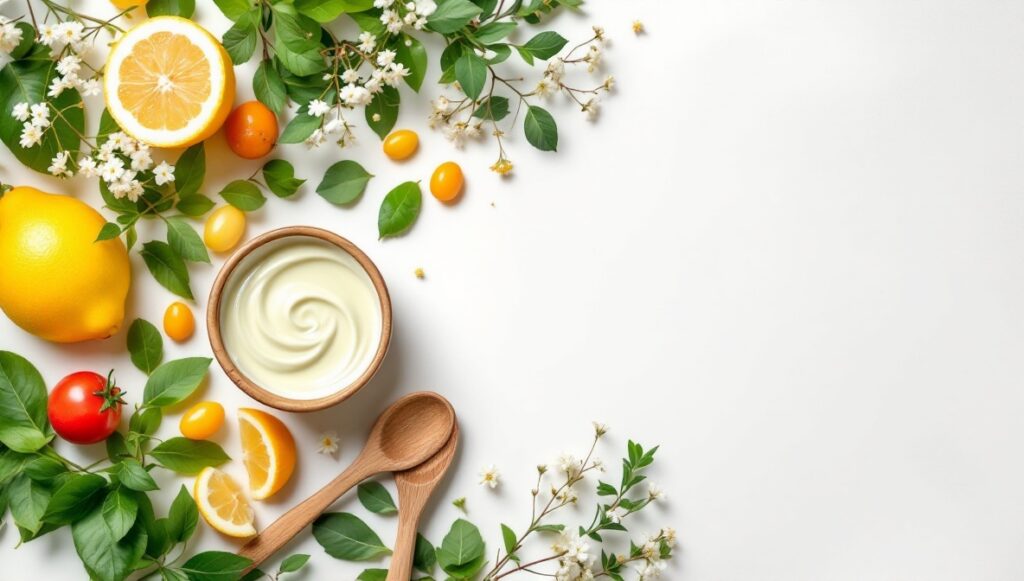
Lemon

This tangy citrus is a powerhouse of antioxidants such as vitamin C. There is a long list of what lemon can do to your skin! 

  • Lemon fights free radicals
  • It boosts up collagen in your skin
  • Lightens or bleaches your skin (thanks to citric acid, which is an AHA)
  • Thus, it glows your skin, lightening dull areas
  • Fades dark spots
  • Removes excess oil and sebum (say bye-bye acne!)

Best For; Oily Skin

That makes it a holy grail when it comes to glowing skin naturally.

face masks for glowing skin

Tomato

Here is what makes tomatoes one of the best face masks for glowing skin;

  • It gently exfoliates dead skin. Thus, newer skin cells get up to the top! It is safer than many harsh exfoliators on the market.
  • Also, it reduces skin oil. 
  • No more clogged pores. As it gently removes dead skin, it also deep cleanses pores.
  • The flavonoids in tomatoes calm down irritated skin.

Best for; Sensitive skin, oily skin

tomatoes-face masks for glowing skin

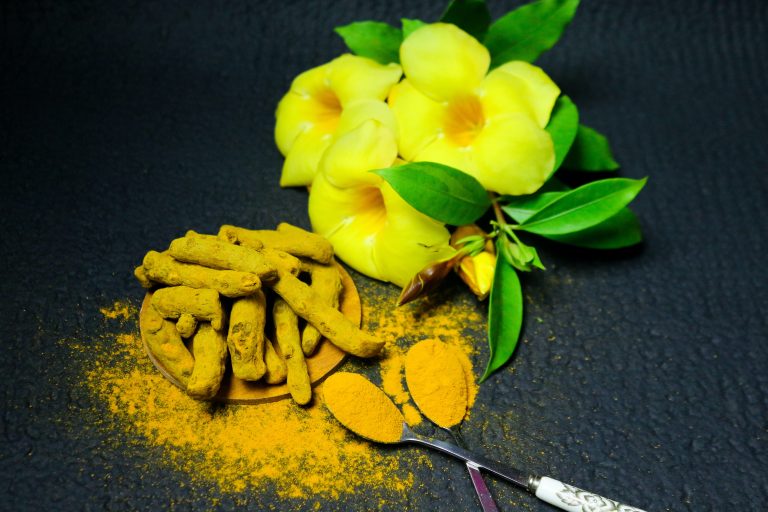
Turmeric (my grand mum swears by it!)

Turmeric is a part of daily spices in Asia. You can find it everywhere without a hassle. The beauty of turmeric is that it counters inflammation on your skin. Also, it knocks down the free radicals-the root cause of dull skin.

  • Turmeric may help with acne. That is because it soothes your skin against breakouts
  • It may reduce dark circles and puffiness under your eyes by improving the blood flow 
  • Also, turmeric protects your skin from skin hazards outdoors (pollution, dirt, and grime)
  • Turmeric helps nourish dry skin and regulates sebum on your skin

Best for; All skin types (including sensitive skin!)
 

turmeric-face masks for glowing skin

Honey

Organic honey is a great source to balance, hydrate, and brighten your skin. Here is why you should use honey for glowing skin:

  • Intensely moisturizing. Honey hydrates your skin without leaving it oilier. It hydrates your skin from the top layers all e way up to the deeper dermis!
  • It makes your skin look younger. Reclaim your youth with this natural, easy-to-use DIY skin care ingredient. Organic honey is rich in antioxidants that repair skin, control the appearance of fine lines, and prevent wrinkles, by and large, under the eye area.
  • Soothes and calm your skin. Organic honey calms down a stressed-out skin. Why? Because it is a rich source of vitamins that act against skin redness and swelling. Some authorities believe it to be effective for eczema and psoriasis too.
  • Honey regulates skin pH. Surprisingly, honey is a source of organic bacteria that balance your skin and optimize its pH. Thus, it makes your skin stabilize its natural barrier. Also, this prevents skin breakouts, making your skin supple and flawless.
  • Fights against bacteria. The use of honey as a natural antiseptic is not new. The anti-microbial properties allow it to fight your skin against bacteria.
  • Honey fades acne scars. That is because it accelerates the skin healing process. 

The incredible effects of honey on the face also depend on its sources. Shop for organic honey here!

Best For; All skin types (mainly drier skin)
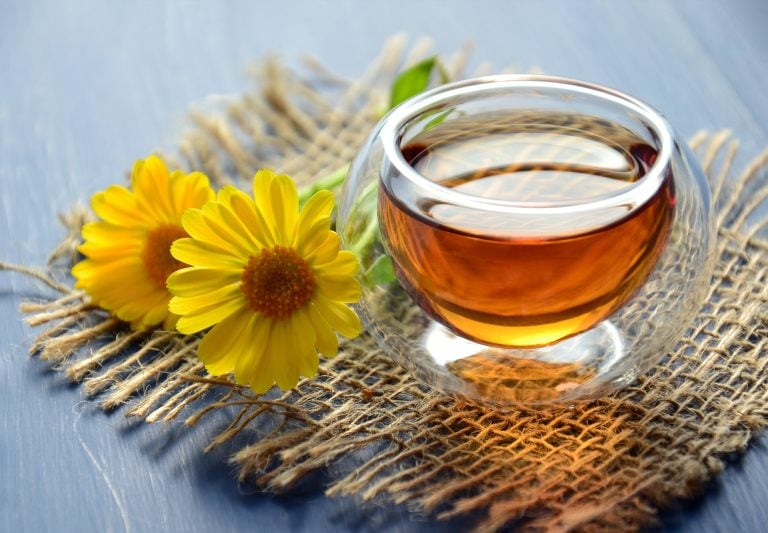
 

honey-face masks for glowing skin

Yogurt

Yogurt is a rich probiotic that restores your skin to default settings! Here is how;

  • Yogurt contains lactic acid. Lactic acid is a gentle exfoliator. It removes dead skin without irritating, leaving your skin more supple, glowing, and radiating.
  • Yogurt is full of probiotics that maintain the natural integrity of your skin barrier. No time for harmful bacteria to settle on and cause breakouts!
  • Also, it makes your skin glow by inhibiting the enzyme tyrosinase. This enzyme forms melanin. Melanin is what pigments your skin. Thus, when you stop it, you get lesser melanin (thus lightening your skin).
  • Yogurt also contains zinc and B vitamins. Both of them work well in fighting against free radicals.
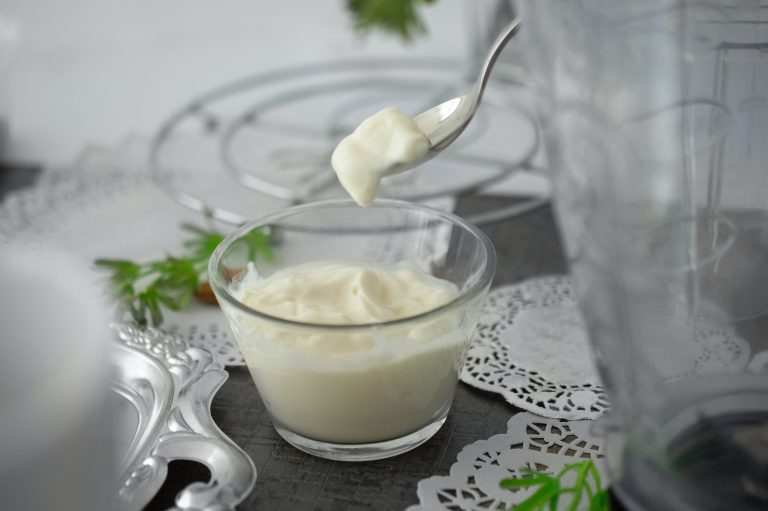
Almond

Add them to your diet, apply them to your skin as a paste, or use almond oil; almond in every form does wonder to your skin. It is a storehouse of zinc, vitamin E, omega-3, and omega-6 fatty acids. 

  • Vitamin E nourishes your skin by fighting sun damage and environmental toxins, making it more supple, smooth, and radiant. Studies suggest that vitamin E reduces oxidative stress on your skin. 
  • Zinc heals your skin. It is a natural exfoliant, tons of which exist in almonds. Get rid of dull skin with this organic goodness of almonds, and rejuvenate your skin! Together, these antioxidants make your skin more youthful and; get that glam glow back.
  • Omega 3 and 6 fatty acids directly affect skin texture and glow. Here is how! Both of them work by reducing, guess what, melanin! Isn’t it surprising that simple kitchen ingredients inhibit your melanin and reduce pigmentation?
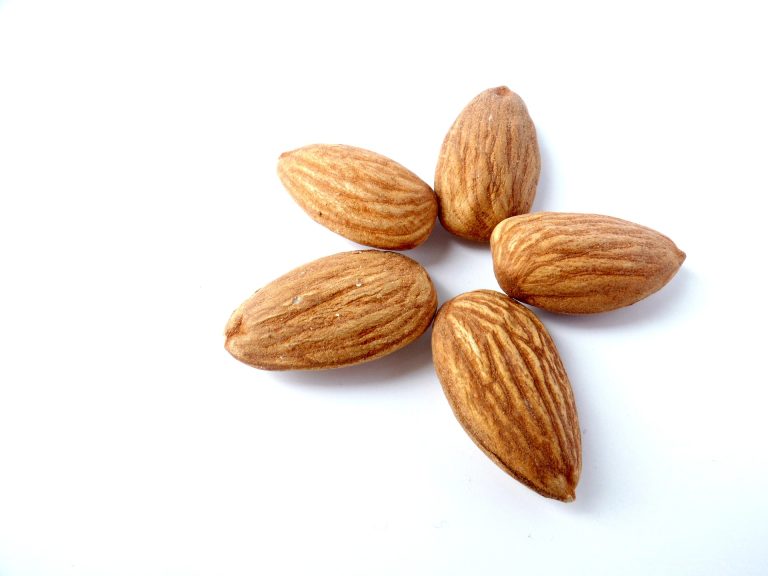
 

face masks for glowing skin-almonds

Aloe Vera

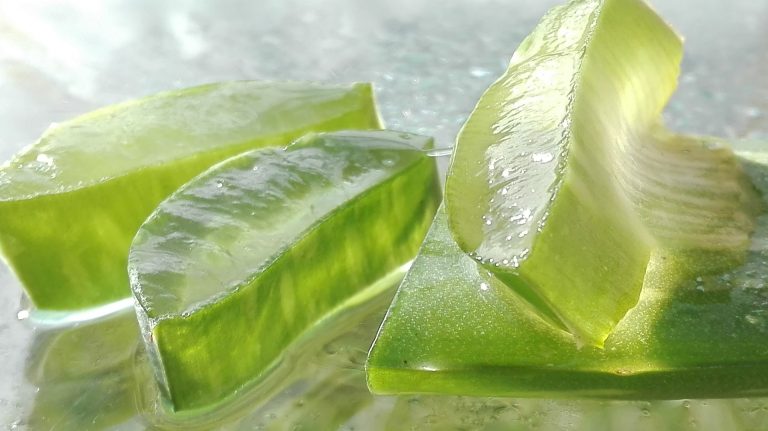
Aloe vera is a plant of a drier climate. Thus, it stores a lot of moisture in it. So, if you want to hydrate your skin naturally, try aloe vera face masks. 

Does aloe vera make my skin glow?

Yes! Aloe vera can make you glow. Also, it:

  •  lightens blemishes
  •  reduces under-eye dark circles
  •  moisturizes
  •  lessens skin puffiness
face masks for glowing skin-aloe vera

Face Mask For An Instant Glowing Skin

No time for a long day at a spa? We got you covered! Try out our best face mask for an instant glow to your skin in three simple steps:

Step-1: CLEANSE

Make sure you cleanse your face before you apply a mask to it. Here is how you do it:

  1. Take a tablespoon of wheat flour.
  2. Add one tablespoon of Greek yogurt to it.
  3. Next, add a teaspoon of milk.
  4. Mix all of them to form a paste.
  5. Apply all over your face.
  6. Massage gently, and wash your face after about 5-7 minutes with cold water.

That cleanses your face thoroughly and prepares your skin for the next steps.

Step-2 EXFOLIATE

For an instant glow with a face mask, make sure you exfoliate your face before jumping to the final step.

  1. Take a tablespoon of brown sugar.
  2. Add two tablespoons of dry milk powder to it.
  3. Next, add a tablespoon of yogurt.
  4. Drizzle 3-4 drops of fresh lemon juice.
  5. That is it! Mix all nicely. Apply all over your face for about 8-10 minutes. Wash your face.

Step-3 FACE MASK

Ready for the final step? Here is a sweet and short face mask recipe that promises an instant glow to your face:

  1. Take a tablespoon of milk.
  2. Add one teaspoon of green tea leaves to it. Or you can open up a green tea bag and use it.
  3. Next, add a tablespoon of almond powder. Or you can grind a few almonds to form a fine powder (make sure there is no moisture in it).
  4. Now, take a vitamin E capsule and open it up with a knife, taking out the oil.
  5. Put in 2-3 drops of coconut oil.
  6. Combine well. Apply liberally all over the face and neck. Wash it with water after about 15 minutes. Make sure you let it completely dry. And ta-dah! The best face mask for an instant glow is ready to brighten up your skin.

Homemade Face Mask for Glowing an Oily Skin

Here we have come up with a few of the best face masks for glowing an oily skin type, with these simple but super effective recipes:

Recipe-1

  1. Take one ripened tomato and blend it to form a puree.
  2. Next, add two teaspoons of pomegranate seed paste to it.
  3. Combine and apply to your oily face. Leave it for about 20 minutes before washing.

Tomatoes are natural astringents that also control sebum production. Pomegranate seeds are a storehouse of antioxidants. Moreover, they shrink the appearance of pores.

Recipe-2

  1. Take a bowl of yogurt/curd.
  2. Add two tablespoons of aloe vera gel.
  3. Next, add two tablespoons of cornmeal to it.
  4. Sprinkle some turmeric powder on it. 
  5. Combine the ingredients well. Rinse with a warm towel or lukewarm water after about 15 minutes.

TipUse it as a face mask for glowing skin or body scrub!


Recipe-3

  1. Take one cup of curd
  2. Add a tablespoon of honey.
  3. Combine 5-6 drops of rosemary essential oil.
  4. Next, add one tablespoon of jojoba oil.
  5. Mix everything well. Apply nicely all over your face. Wash your face after 20 minutes.

It is one of the best face masks for glowing oily skin, controls sebum, reduces acne breakouts, and lessens signs of aging.


Recipe-4

  1. Take two tablespoons of Bentonite Clay.
  2. Add two tablespoons of yogurt to it.
  3. Next, add a pinch of turmeric to it. 
  4. Top it up with 2-3 drops of tea tree oil.
  5. Combine to form a paste, adding a few drops of water if needed.

Bentonite clay heals skin enriched with antioxidants and minerals that repair acne-prone skin. Also, it keeps acne-causing bacteria at bay. Yogurt is a natural source of lactic acid that gently exfoliates and clears skin which is why it works best for oily skin.

Recipe-5

  1. Take three tablespoons of cocoa powder (unsweetened).
  2. Add a tablespoon of fresh cream.
  3. Put in two teaspoons of honey.
  4. Pour one-fourth cup of milk (you can use skimmed milk) into it.
  5. Mix well to form a paste. 

All these ingredients work well to keep your skin oil production in check! Additionally, this is one of the best homemade face masks for dull skin, as it reduces blemishes and fades pigmentation.

Homemade Face Mask for Glowing Dry Skin

Recipe-1

  1. Take three tablespoons of orange juice.
  2. Add two tablespoons of aloe vera gel to it.
  3. Mix well. Apply it and let the goodness of the mask absorb in. Wash it off after 15 minutes.

The citrus juice is rich in vitamin C that makes your skin glowing by reducing signs of aging, pigmentation, and sunburns. Aloe vera is a natural moisturizer that wouldn’t let your skin dry out!

Recipe-2

  1. Take half a tablespoon of kaolin powder.
  2. Add four tablespoons of any organic face cream.
  3. Combine well, adding a few drops of water if needed.

You can use this face mask weekly. Kaolin powder is a mild exfoliant, while face cream will help your skin lock in moisture.

Recipe-3

  1. Take a tablespoon of oats in a bowl.
  2. Put in one tablespoon of honey.
  3. Combine well with one-fourth cup of milk.
  4. Press and squeeze out the excess fluid, if any.
  5. Gently massage it on your skin in circular motions. Wash after 15-20 minutes with lukewarm water.

It is one of the best face masks to glow a dry skin and reduce itchiness and pigmentation.
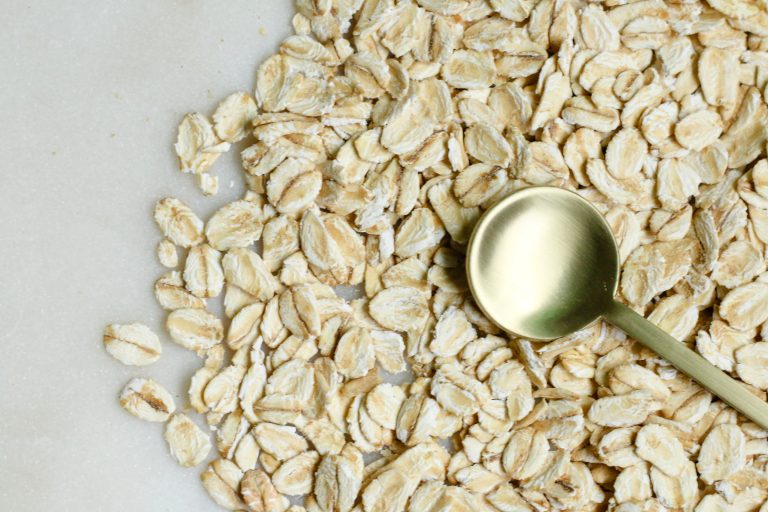
the best face masks for glowing skin at home-oats face mask

Recipe-4

  1. Take one-fourth cup of carrot juice.
  2. Add two teaspoons of sour cream to it.
  3. Next, add one-fourth cup of cornstarch
  4. Mix all the ingredients well. Apply a thin layer to your face. Wash after ten minutes.

This DIY remedy brightens your skin and boosts up the glow. Vitamin A present in carrot juice takes care of all the layers of your skin by:

  • Preventing collagen breakdown (wouldn’t let your skin age or wrinkle)
  • Enhances skin texture
  • Lessen pigmentation
  • Protects your skin from sun damage

Homemade Face Mask for Glowing Skin with Turmeric

Turmeric makes one of the best homemade face mask recipes. Here is how you can make one;

Recipe-1

Key Ingredients

  • One teaspoon turmeric
  • Two tablespoons of chickpeas flour
  • A tablespoon yogurt
  • A teaspoon of honey
  • One teaspoon lemon juice (skip if you have dry skin)

Combine all the ingredients well. Apply to your face. Wash with plain water once it completely dries off. Use it 2-3 times a week for the best results!

Turmeric, with other natural ingredients, makes your skin radiant and glowy. Also, you will notice your skin to experience fewer breakouts. Thanks to the antioxidants present in turmeric!

Alternatively, you can try a homemade face mask for glowing skin with turmeric this way:

Recipe-2

Key Ingredients

  • A pinch of turmeric
  • Half teaspoon cucumber juice
  • One teaspoon of rose water

Mix well. Wait for 15 minutes. Wash with water without using soap. This face mask recipe is the best face mask for sensitive skin. All the ingredients used are proven to calm down a stressed-out skin!

Homemade Face Mask for Glowing Skin with Honey

Honey makes one of the best face masks for glowing skin! Here is a simple step by step guide to using a honey face mask for skin glow:

  1. Take a tablespoon of raw honey in a bowl.
  2. Add four tablespoons of jojoba oil to it.
  3. Mix well. Apply generously all over your face. Rinse off with plain water once it dries off.

This combo of honey with jojoba oil is simple and, at the same time, gives your skin a sure shot glow. That is because jojoba oil also glows and brightens skin.

Homemade Face Mask for Skin Glow With Aloe Vera

  1. Take two tablespoons of aloe gel.
  2. Add 6-8 drops of tea tree oil to it.
  3. Combine well. Slather on all over your face. Wash with lukewarm water as it dries.

Both of these ingredients promise skin glow. You can use it combo thrice weekly.

Here you go! We have given you a comprehensive list of the best face masks for glowing skin at home with organic ingredients (step by step). These homemade face masks are incredibly simple to make and, at the same time, highly effective too.

Which of these remedies suits you best? Speak your heart below!

10+ Homemade Organic Face Mask Recipes To Brighten Your Skin Read More »

Refreshed hero image for: A Science-Backed Organic Anti-Aging Skin Care That Dermatologists Swear By

A Science-Backed Organic Anti-Aging Skin Care That Dermatologists Swear By

Worried about age spots, sagging face with wrinkles, fragile, dry, and dull-looking skin? Your skin is the largest organ of your body and needs special care. Unfortunately, skincare is the most overlooked aspect of health. For more youthful and plump skin, you need a sound age-defying skin care. 

Get along as we craft for you the best organic anti-aging skin care – all science backed!

What happens to the skin as you age

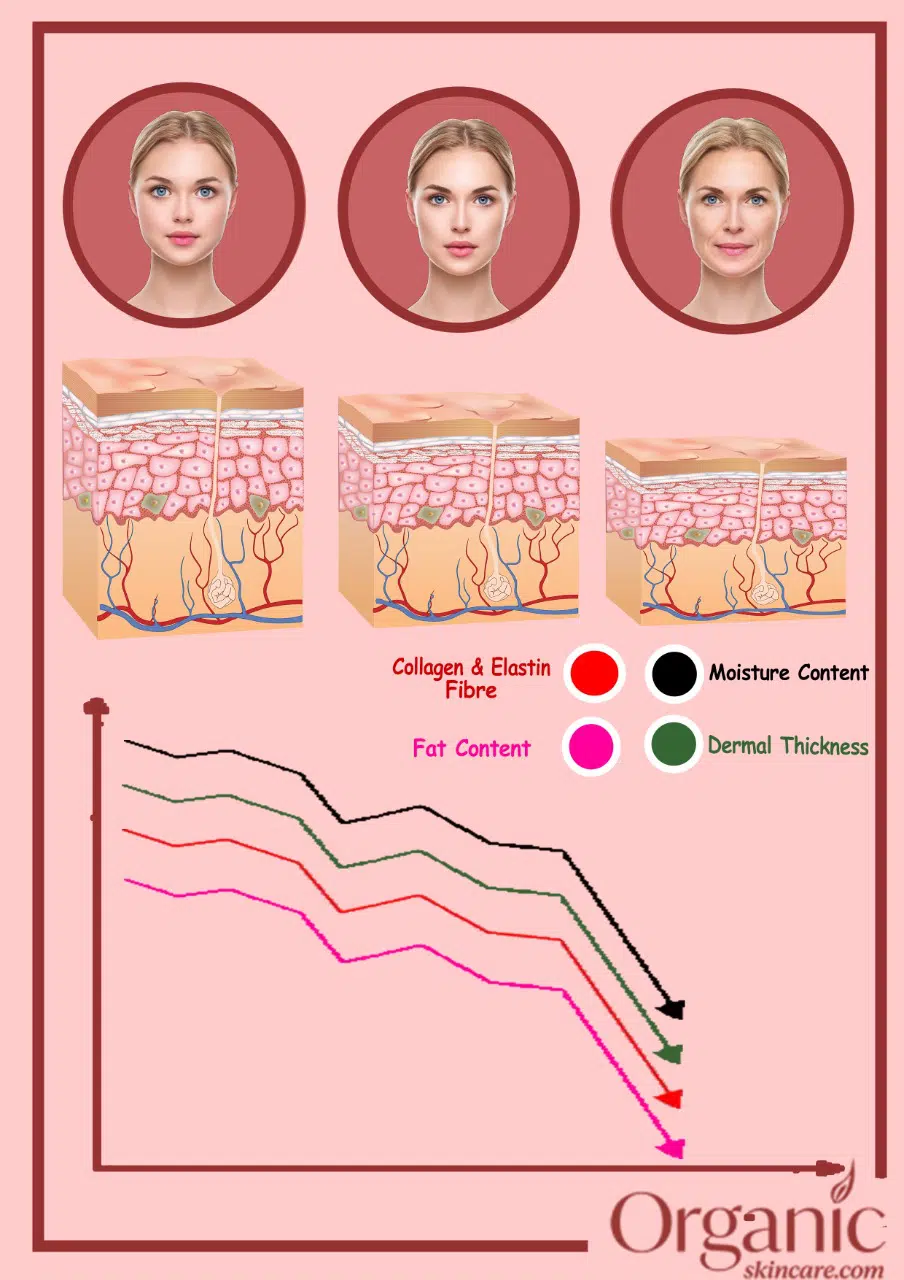
Skin thickness, total fat, and moisture content of your skin reduce; as you age. The collagen and elastin turnover decreases too. That, in turn, causes the skin to lose its elasticity. Therefore, your skin may look dry, less plump, and sags.

As we age, our skin undergoes a number of changes. The most visible sign of aging is often the appearance of fine lines and wrinkles. While it’s natural to experience some level of skin aging, there are steps we can take to help keep our skin looking healthy and youthful. One important step is using organic skin care products. Read on to learn more about the benefits of organic skin care for aging skin.

Some Quick Links:

  1. Best Anti-Aging Products 
  2. Anti-Aging Facial Oils 
  3. Watch a Video
what happens as we age; the best organic anti aging skin care

How to prevent aging skin in the 30s

At this stage, your skin only needs prevention. So, you do not need specific anti-aging treatments. The skin care you do now will reward you in the future.

Always use sunscreen outdoors. Use sunscreen with an SPF of at least 30.

Ingredients to prevent aging skin in your 30s

Following are the ingredients recommended to prevent aging skin:

Glycolic Acid

Glycolic acid peels are chemical exfoliators. They are alpha-hydroxy acid and come from sugar cane.
Studies show glycolic acid to improve collagen synthesis, contributing to skin elasticity. Owing to its small molecular size, it penetrates deeper into your skin to give maximum benefits.

Use glycolic acid as an exfoliator twice weekly or as tolerated. Also, avoid glycolic acid if your skin is very dry or sensitive. However, you can use it with oily, combination, or normal skin.

Shop for Products With Glycolic Acid here!

Niacinamide or B3

Topical niacinamide improves skin texture, redness and fades age spots. Thus, use topical niacinamide for the best organic anti-aging skin care. 

You can use it in the form of a serum. Apply a few drops after cleansing and toning your skin. Also, use it before moisturizers so that they absorb well.

Shop for Niacinamide Serum here!

how to tighten under-eye skin

Vitamin C

Vitamin C can be used as a serum too. Vitamin C protects your skin against oxidants. Also, it reduces associated skin pigmentation.

Shop for Vitamin C serum here!

Vitamin C Serum; the best organic anti-aging skin care

How to prevent aging skin in the 40s

At this stage, the collagen level of your skin starts to decline. Moreover, cellular turnover may begin to reduce as well. Therefore, it is wise to opt for the best organic anti-aging skin care.

Use anti-oxidants to combat free-radicals induced damage.

Ingredients to prevent aging skin in your 40s

Salicylic Acid

Salicylic acid is a beta hydroxy acid. It is well known for its exfoliating properties. That explains its use in acne skin care regimens. But, clinical studies suggest the role of salicylic acid as an anti-aging ingredient as well. The use of 1% Salicylic acid:

  • Removes dead skin cells
  • Stimulates collagen and fibrillin layout
  • Reduces wrinkles depth

But, some people develop irritation with the use of salicylic acid. However, SA, when diluted with sodium hydroxide, yields similar results. That too without irritating skin in most of the people.

How To Use Salicylic acid?

You can use SA with the best organic anti-aging skin care products. These may include; serums or even cleansers.

Since salicylic acid is keratolytic. That is, it dissolves dead skin cells. Thus, it may cause your skin to be more sensitive to the effects of sunlight. So it is wise to use sunscreen with an SPF of at least 30 alongside. 

You can try Salicylic Acid Clarifying Pads as cleansers. They are the easiest ones to use on the planet.

the best organic anti-aging skin care; salicylic acid pads

Retinoids and Retinol

Are Retinoids And Retinol Same?

Retinoid and retinol are both derived from vitamin A. But, what is the difference between retinoids and retinol? Both of them are almost the same. However, they do differ in their potency. 

Retinols are a milder form of retinoids. On the other hand, retinoids are prescription medications. 

Both of them have a variety of implications in skin care. They accelerate cell growth. Also, the turnover of collagen and elastin enhances. 

Retinoids and retinol also treat sunlight-induced damage to your skin. Prolonged sunlight exposure damages skin in the following ways:

  • Initial skin thickening
  • Skin thinning due to chronic damage
  • Further exposure causes pigmentation and a loss of skin elasticity. 

So if you are looking for anti-aging skin care, retinol may seem promising. 

How to use it?

Use it at night; once you have cleansed your face. Next, moisturize your face. Do not forget your sunscreen in the daytime. 

You can use the best organic anti-aging skin care retinol creams available OTC. 

Potent Anti-Oxidant Serums For Aging Skin

The use of antioxidant serums will counter oxidative stress.

Shop for an organic antioxidant serum for aging skin here!

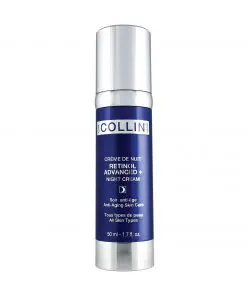
GM Collin Retinol Advanced Night Cream

Best Facial Oils for Aging Skin

Seabuckthorn Oil holds a special place in traditional medicine. 

Seabuckthorn oil prevents UVB-induced photoaging. It promotes collagen layout and reduces inflammatory markers, such as interleukins. That is how it prevents and treats skin aging.

Coconut oil has a wide variety of proven benefits. These include:

  • Locks skin moisture to soothe skin
  • Anticancer agent
  • Effective against Microbes
  • Potent anti-inflammatory ingredient
  • Mild analgesic properties

Rosehip oil “Rosehip oil has been shown to have high levels of vitamin A, lycopene, and beta-carotene, making it a good option for antiaging concerns,” says Dr. Shirazi. It can reduce the appearance of scars, fight inflammation and hyperpigmentation, and increase skin elasticity—all of which start to become more prevalent as we get older.

Argan oil nourishes skin with essential fatty acids like omega 3, 6, and 9, which strengthen the tissues in your skin and help to combat fine lines and wrinkles.

Olive oil is thought to be hydrating, as it contains squalene which helps to keep the skin moisturized and smooth,” says Dr. Garshick. “Olive oil can also help with antiaging as it serves as an antioxidant to help fight free-radical damage.” That said, he notes that as with all oils, it’s best used in moderation if you don’t want to run the risk of clogging your pores.

Avocdo oil According to researchavocado oil is “an excellent source of enrichment for dry, damaged, or chapped skin.” The same study found that the oleic acid in avocado oil helps to increase collagen synthesis, which helps your body grow new, healthy skin cells and leads to a stronger skin barrier and fewer fine lines and wrinkles. The ingredient has also got its fair share of healthy fats, which help to strengthen your skin’s lipid layer.

Almond oil According to researchavocado oil is “an excellent source of enrichment for dry, damaged, or chapped skin.” The same study found that the oleic acid in avocado oil helps to increase collagen synthesis, which helps your body grow new, healthy skin cells and leads to a stronger skin barrier and fewer fine lines and wrinkles. The ingredient has also got its fair share of healthy fats, which help to strengthen your skin’s lipid layer.

Rose oil maintains skin hydration. It also helps to regenerate skin cells and improve cell membrane functions. 

Lavender oil improves blood flow to your skin. That leads to enhanced skin elasticity.

Sandalwood oil suppresses inflammation in the skin cells. Besides, it restores moisture. That explains the role of sandalwood oil as one of the best organic anti-aging skin care ingredients.

Clary Sage oil prevents proteins and DNA from free radicals. Free radicals augment signs of aging. 

Other face oils to use for the best organic anti-aging skin care include:

Anti-aging eye cream

The skin surrounding the eyes is thinner than the rest of the face. Thus this delicate part is most prone to wrinkles. Studies prove that anti-aging eye cream reduces wrinkle depth. They can restore overall smoothness. So, it is imperative to add an eye cream to your aging skin care routine. 

For effective eye cream, look for the ingredients such as;

Niacinamide, peptides, carnosine, and anti-oxidants

Always use SPF 30 in the daytime alongside.

Read here to know about top tips for younger-looking eyes!

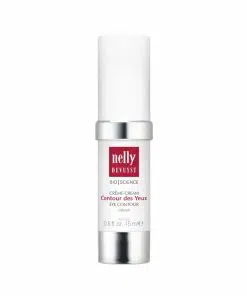
Nelly De Vuyst Eye Contour is an incredible product for anti-aging eye care. The key ingredients include Salmon DNA and allantoin.

A study suggests that salmon DNA promotes hyaluronic acid formation in the skin. That results in reduced moisture loss from the skin; and improves skin elasticity remarkably. 

Allantoin is a chemical found in humans and animals, also extracted from a shrub called comfrey. A study suggests that allantoin improves skin irritation. Thus, if your skin is irritated with skin care treatment and products, allantoin may help. Allantoin improves skin texture by promoting collagen layout. It reduces the appearance of wrinkles and fine lines. 

the best organic anti-aging skin care

You can also use Ilift Eye-Wrinkle Serum for fighting wrinkles around the eyes. It is a unique blend of organic extracts, bio-peptides, and hyaluronic acid. Thus, the combo is incredible for wrinkles, fine lines and gives a perfect moisturizing lift. All in one solution for your anti-aging eye care need in one place.

iLift Eye Wrinkle Serum

Furthermore, can continue with the ingredients mentioned under how to prevent; aging skin in the 20s. Remember what you feed your skin at this stage will pay you in the long run.

How to prevent aging skin in the 40s

Skin further sags, and wrinkles predominate. Moreover, the skin may be dry and dull-looking. At this stage, use the best organic anti-aging skin care, along with skin tightening devices.

Microdermabrasion

Microdermabrasion is a non-invasive cosmetic procedure. It involves the process of exfoliation that removes the outermost layer of skin. That is how it makes the skin more even in tone and texture. Also, it reduces the appearance of fine lines and wrinkles.

Facial massage

Facial massage is a technique that involves stimulating pressure points on your face and neck. You can do facial massages on your own or via a practitioner. The idea is to rejuvenate healthier skin by relaxing the muscles of your face. Also, massage improves blood flow to your skin, promoting happier skin.

Radiofrequency

Radiofrequency is a non-invasive procedure that targets the deeper layer of your skin. It involves heating your dermis with energy waves. With this method, the idea is to stimulate collagen production in your skin.

That is how you can reclaim a more youthful skin in your 40 and 50.

Continue with the use of ingredients mentioned above. Along with them, the use of hyaluronic acid is promising at this point.

A Few Words About Hyaluronic Acid

A younger skin retains moisture. That is a prime factor to differentiate it from older skin. Thus, the younger the skin is, the more pliable it is. Stress, radiations, injury, aging all contribute to moisture loss. Thus, nature has blessed our skin with hyaluronic acid.

Hyaluronic acid has a unique property of moisture retention. However, aging can cause lower levels of hyaluronic acid too. Thus it is wise to add hyaluronic acid to your skin care regimen. It can improve dry skin, making it firmer, and reduce the appearance of fine lines.

Read here to explore all the effects of hyaluronic acid on your skin.

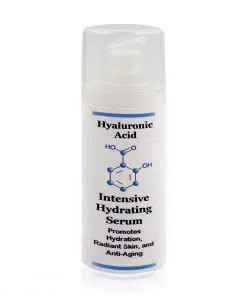
Shop for hyaluronic acid serum here!

Hyaluronic Acid Intensive Hydrating Facial Serum

How to prevent aging skin in the 50s and beyond

The skin at this point may become visibly loosened and stretched. Also, blood vessels become prominent, as do wrinkles. Age spots and pigmentation are visible too.

Now, this is the time to limit the use of anti-aging skin care products. Otherwise, they may further irritate your skin.

Anti-aging essentials to use at this point include;

  • Eye care cream
  • Serum
  • Face oils

Simple Anti-Aging Skin Care Routine

To make the most of the best organic anti-aging skin care, you should follow the correct order of your skin care routine. That allows better penetration of products. Also, some products work better when applied after another.  

5 step anti aging skin care routine; the best organic anti-aging skin care

Step 1: CLEANSING

The first step of simple anti-aging skin care is to cleanse. Use low pH skin cleansers to protect your skin microflora from damage. That is how you can clear away all the dirt and grime and protect your skin’s natural barrier too.

Shop for Best Anti-Aging Facial Cleansers

Step 2: EXFOLIATE

Skin cells renew like other body cells. That is why you need to exfoliate at least twice weekly to get rid of dead skin cells. As a result, newer skin cells will take their place, making your skin look more plump and youthful.

A class of exfoliators called chemical exfoliators; works by inducing inflammatory changes. That, in turn, augments collagen turnover. Well! Isn’t it the holy grail you need for more plump skin?

Chemical exfoliators include alpha-hydroxy acids such as lactic acid and glycolic acid.

Shop for Best Anti-Aging Radiance Exfoliating Products

Step 3: SERUM

Vitamin C serums are potent anti-oxidants that work by promoting collagen layout in your skin. Furthermore, they reduce oxidative stress.

Shop for Best Anti-Aging Serums

Step 4: MOISTURIZATION

As mentioned earlier, aging leaves your skin drier and lustreless. That is, the total water content of the skin declines remarkably. Hence, you need the best organic anti-aging skin care moisturization. That will help you keep your skin hydrated; by preventing water evaporation from your skin.

Shop for Best Anti-Aging Moisturing Creams Products

Step 5: SUNSCREEN

UV rays contribute to aging skin by collagen breakdown. Also, UV damage causes skin thinning. Therefore, the use of quality anti-aging sunscreen is unavoidable. It is a primary step even when it comes to; preventing aging skin in the 20s or treating aged skin later.

You are never too late to start the use of an effective sunscreen. Studies show how a broad-spectrum sunscreen; can reverse aging skin over time.

Shop for Sunscreen Lotion here!

Tips For Aging Skin; What Dermatologists Recommend!

  • Be early to start a sound anti-aging skin care regimen. You may commence anti-aging skin care in your 20s. That way, you can prevent aging skin before it’s too late. 
  • Know what you eat. Add a lot of anti-oxidants to your diet. 
  • Maintain hydration. As you age, your skin loses its ability to retain moisture. 
  • Do not overdo exfoliation.
  • Always look for ingredients that help aging skin and choose anti-aging skin care products.
  • Cleanse before you go to bed. 
  • Use pillowcases that are either satin or silk instead of cotton to prevent sleep lines. Alternatively, you can use special pillows that do not cause sleep lines.
  • Quality sleep heals at the cellular level, your body in general, and your skin in particular. Therefore, you need at least eight hours of sleep; to prevent premature aging of your skin.

Home Remedies For Wrinkles

One way to make the most of organic anti-aging skin care is to try home remedies. All of the following home remedies for wrinkles and aging skin are research-backed and practical to use.

Aloe Vera

Aloe verais a simple organic skin care ingredient; that has numerous effects on the skin. Apply aloe vera gel directly over your skin especially, over under-eye wrinkles. Gently massage for a few minutes, and rinse away with water. 

A surprising study suggests aloe vera extracts to increase the synthesis of collagen and hyaluronic acid by two folds.

Another study proves anti-oxidant, anti-inflammatory, and skin regenerating properties of aloe vera. 

Egg Whites

Egg white reduces skin wrinkles by augmenting collagen synthesis. Take some egg white in a bowl, and give it a mix. Apply over your wrinkles, specifically the under-eye area. Next, wash it with cold water after it completely dies out.

A protective egg membrane is present between eggshell and egg white. This membrane is rich in proteins and bioactive peptides. The study also claims it to be even more promising.

Yogurt Face Scrub

Yogurt and other probiotics restore a lower skin pH. That allows the natural skin barrier to stabilize and the skin microbiome to flourish. Hence, include this simple ingredient for the best organic anti-aging skin care.

Take one-fourth cup of yogurt, and combine it with two tablespoons of gram flour. You can adjust the consistency by adjusting the amount of gram flour. Apply the scrub and let it dry. Rinse away with lukewarm water and pat dry.

Also, you can add some honey to it if you want.

Vitamin C, E, and Raspberry extracts

The aging face is dry, dull, and uneven in tone. Multiple factors such as radiation and oxidants contribute to this process. Therefore, to counter this stress, you need potent anti-oxidants.
Use vitamin C and E as anti-oxidants with effects against pigmented skin as a bonus.

Raspberry extracts have proven benefits to hydrate and revitalize your skin. Hence they specifically fight against wrinkles. That is what makes an aged face smooth and more radiant.

You can make a DIY raspberry face mask. Blend a handful of fresh raspberries in a blender. Add a tablespoon of honey and oatmeal to it and combine. Your raspberry fruit mask is ready to do its magic. Apply over cleansed face and neck for ten minutes and wash it.

Turmeric essential oil

Turmeric is well known to suppress inflammation. It counters oxidative stress and fights against microbes. Furthermore, a study shows that turmeric oil reduces ultraviolet radiation-induced signs of aging.

Turmeric essential oil is a whole medicine for your skin in itself. You can add a few drops of turmeric oil to your face mask and use it. Alternatively, you can use the best organic anti-aging skin care turmeric facial cleansers to serve the purpose.

Physiological changes of aging skin are bound to happen. What you can do is play your part. You cannot completely halt the process. However, with sensible skin care, you can slow the process. Choose ingredients and products that are proven to reduce the signs of aging. Your future self will love you for that. Never skip a broad-spectrum sunscreen. You will enjoy healthier and happier skin for years to come.

A Science-Backed Organic Anti-Aging Skin Care That Dermatologists Swear By Read More »

Refreshed hero image for: 23 Organic Skin Care Face Wash And Cleansers For All Skin Types – How To Choose The Right One For You?

23 Organic Skin Care Face Wash And Cleansers For All Skin Types – How To Choose The Right One For You?

Cleansing is the core of every skincare routine. If you are a skincare minimalist or follow a multistep skin regimen order, face washes and cleansers give you a fresh start! Every step you follow next then yields maximum results. Therefore, it is crucial to opt for the best skin care face wash that works for your skin type.

Come along as we take a deeper dive to know all about skin care face wash and cleansers, according to dermatologists!

Why does a cleanser matter?

The foundational step to a sound skin care regimen is a cleanser. Cleansers help you get rid of dirt and grime from your pores thoroughly and remove any product residue. Thus as you layer your skin, the ingredients are well absorbed, and their effectivity is locked in.

Cleansers work for all skin types. If your skin is dry, cleansers may rip your skin from natural oils. However, hydrating cleansers with ingredients such as hyaluronic acid; retain moisture straight into the epidermis. Oil-based cleansers remove excess oil and sebum. That prevents pores congestion and acne breakouts.

How to work your skin type?

Bare face method

First of all, wash your face with a mild cleanser and gently pat dry. Next, notice your skin for any shine after 30 minutes. Look especially for areas such as the forehead, cheeks, and nose. Reassess after another 30 minutes. If your skin feels grossly dry, you may have dry skin. If it is oily throughout, your skin type may be oily. Likewise, if your skin is oily at the nose and forehead and dries otherwise, you may have combination skin.

Blotting paper method

Alternatively, you may use blotting paper to work your skin type. Pat skin with a blotting paper and look it up in the light. If a lot of oil shows up, you have oily skin, most likely. If oil is revealed only from your T zone, you have combination skin.

Best Face Wash For Oily Skin

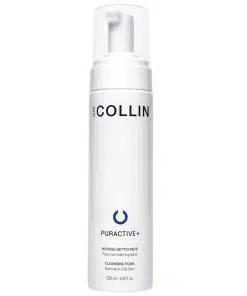
GM Collin Puractive Cleansing Foam

Key ingredients:

Salicylic Acid, Niacinamide

Oily skin is due to excessive sebum secretion. Therefore, with oily skin, you need a thorough cleanse.

A cleanser dedicated to oily skin removes excess sebum by 80%. 

Moreover, it purifies your skin deeply, resulting in toned pure; skin. It shrinks open pores by 80% of the skin resulting in a significant decrease in dirt accumulation. 

Key ingredients include salicylic acid, which removes dead skin cells, preventing clogged pores and excessive oil production.

Niacinamideimproves tone, texture and inflammation.

Every morning, dispense a small amount of product on your damp palm and rub to emulsify. After applying this product gently, rinse off with lukewarm water.

Shop here!

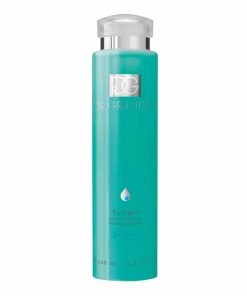
Dr. Grandel Purigel

Key ingredients:

Laureth-8 Sulfate, Hydroxyethylcellulose, Magnesium Laureth Sulfate, Magnesium Laureth-8 Sulfate, Sodium Oleth Sulfate, Magnesium Oleth Sulfate, Buteth-3, Sodium Benzotriazolyl Butylphenol Sulfonate

Laureth-8 Sulfate, Hydroxyethylcellulose, Magnesium Laureth Sulfate, Magnesium Laureth-8 Sulfate, Sodium Oleth Sulfate, Magnesium Oleth Sulfate, Buteth-3, Sodium Benzotriazolyl Butylphenol Sulfonate

Apply with slightly moistened hands to face, neck and décolleté in the morning and evening, massage in and wash off again with luke-warm water or a warm, damp wash mitt.

Rinse with lukewarm water, dry, and follow with OligPur Purifying Toning Gel. We Recommend using it every morning and evening.

Shop here!

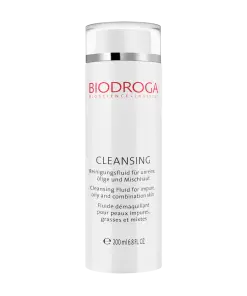
Biodroga Cleansing Fluid (for impure and oily skin)

Key Ingredients:

Zinc gluconate, Allantoin, Chlorhexidine digluconate

Usage of this will give a thorough cleansing effect. Its antimicrobial formula purifies skin from dirt and microbes without harming the natural protecting skin cover. This product is effective for blemishes-prone skin. As skin pH is slightly acidic, the acid mantle covers the skin and provides protection. Cleansing with this product strengthens the acid mantle of the skin. So that leaves the skin clean and fresh, and radiant.

Shop Here!

Best Face Wash For Glowing Skin

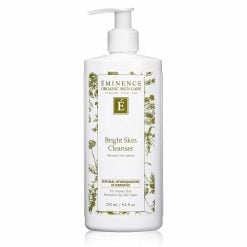
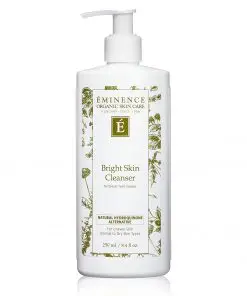
Eminence Bright Skin Cleanser

Key Ingredients:

Bear berries, Gigawhite, Stonecrop

Bearberries is a general term for three different species of shrubs. They contain hydroquinone which is an ingredient known to fade pigmentation patches.

A study suggests that bearberry has some skin bleaching properties. That will allow its use for melanoderma. Therefore, bearberry extracts are a part of skincare cleansers and other products to counter skin pigmentation.

Gigawhite is a blend of seven plant extracts that help skin against pigmentation, including age spots and acne scars.

Eminence Bright Skin Cleanser is a holy-grail organic product to reduce skin pigmentation. Bearberries (natural hydroquinone), Giga white, and stonecrop extracts make this skin care face wash promising for skin brightening.

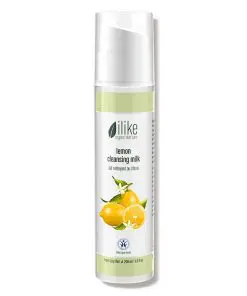
ilike Lemon Cleansing Milk

Key Ingredients:

Lemon Oil, Lemon Balm Oil, Corn Germ Oil, Citric Acid, Phenol Carbonic Acids, Pectins, Vitamins B, C and E

Marine Algae Extracts and some substances derived from them improve skin health. A study from 2008 reveals the following effects of algae extracts on skin:

  • Eliminates impurities.
  • Hydrates.
  • Softens skin.
  • Prepared with fruit, vegetable and herb pulps to preserve the full concentration and potency of ingredients.
  • Can also be used to remove eye make-up.
  • Certified organic ingredients (BDIH, EcoCert partner Biokontroll and EU decree certifictates).

Studies suggest that yeast extracts act on melanocytes. These melanocytes are a group of cells that specialize in producing melanin. Melanin is a pigment responsible for skin protection against ultraviolet light, and importantly, skin darkening. Thus, yeast extracts are now a part of skin care face wash and other products to lighten skin pigmentation.

Furthermore, the application of yeast on skin wounds accelerates healing. 

Free radicals alter the collagen layout of your skin. Thus, they make the signs of aging skin more eminent. Vitamin E works by scavenging free radicals to help you reclaim your youth. You can find some concentration of vitamin E in over-the-counter anti-aging products.

Shop here!

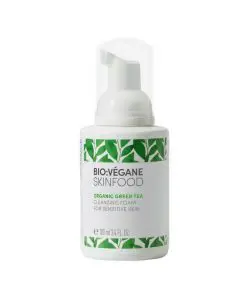
BioVegane Organic Green Tea Cleansing Foam

Key Ingredients:

Organic Green Tea Extracts, Organic Licorice Root, Organic Ginkgo Leaf Extract, Olive Oil

Green tea extracts are rich in flavonoids. These include catechins as well. It reacts with harmful substances on your skin or free radicals, neutralizing them. That improves the moisture content and elasticity of your skin. 

The free radicals scavenging property of green tea extracts makes it a great option if you have sensitive skin.

BioVegane Organic Green Tea Cleansing Foam is a hit if you have sensitive skin. The organic extracts fight free radicals, neutralizing them completely. That leaves your skin thoroughly cleansed.

Read here about 7 Tested Benefits Of Green Tea On Skin!

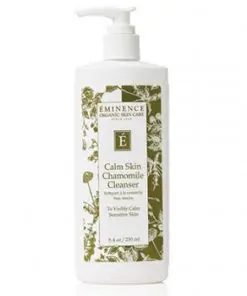
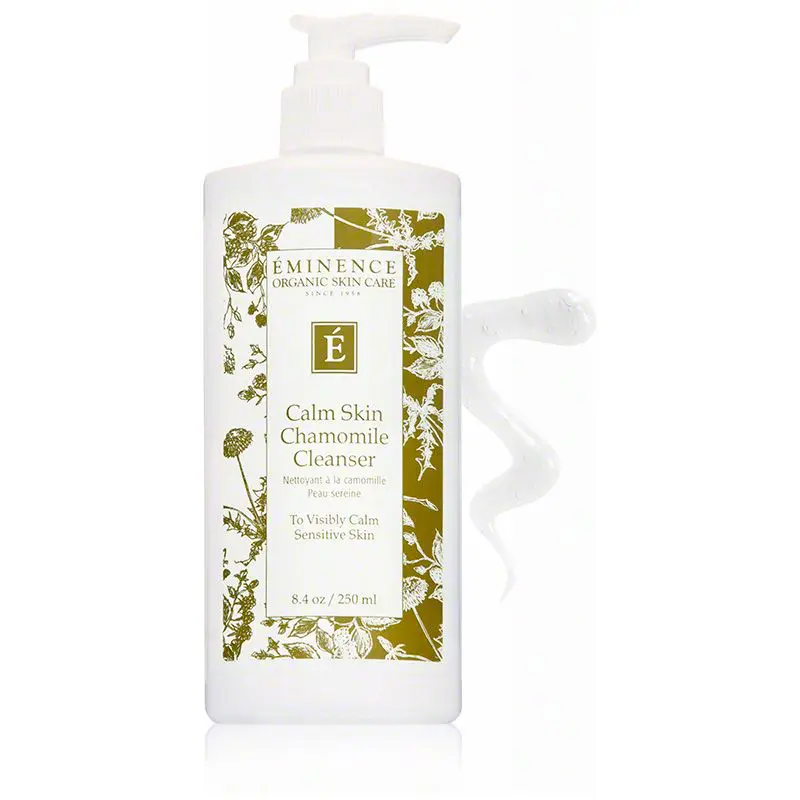
Eminence Organic Calm Skin Chamomile Cleanser

Key Ingredients:

Chamomile Tea, Calendula Oil, Sunflower Oil, Shea Butter, Arnica Flower Extract, Grape Leaf Extract, Rosemary, Biocomplex 

Since ancient times, chamomile was an anti-bacterial and wound healer. Studies suggest that camomile tea extracts can provide your skin with ease against inflammation. It readily counters the redness and signs of inflammation, making it a perfect choice for sensitive skin.

You can find similar potent qualities of combating inflammation with calendula extracts. It reduces allergy markers, soothing your skin. Also, calendula is proven to have effects against oxidative stress.

Studies claim that sunflower oil maintains skin barrier integrity. It calms the skin suppressing redness. At the same time, it maintains hydration of your skin too.

The effects of shea butter studied in various studies showed that:

  • It moisturizes your skin thoroughly.
  • Shea butter counters inflammation significantly.
  • Also, it lowers the signs of aging.

Arnica flower extract has similar anti-inflammatory effects.

If you have skin prone to rosacea, eczema, or frequent breakouts, this product is for you. Eminence Organic Calm Skin Chamomile Cleanser combines all potent ingredients for sensitive skin in one place.

Best Face Wash For Acne

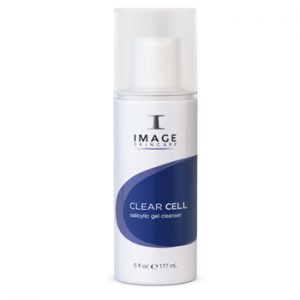
Image Clear Cell Salicylic Gel Cleanser

Key Ingredients:

Salicylic Acid, Peptide and Botanical Complex, Glycerin

Salicylic acid is a beta hydroxy acid that acts as a comedolytic. Therefore, it is highly effective for skin with acne. Salicylic acid works best for non-inflammatory types of acne. They include blackheads and whiteheads. Gel preparations of products with salicylic acid may contain 0.5 to 5% of this acid to get rid of acne. You may use salicylic acid with this concentration once daily.

Salicylic acid can exfoliate the outermost skin layer known as the stratum corneum. So you get clearer pores, free from sebum congestion. Thus, you can use it as a chemical peel in higher concentrations. That is, salicylic acid in higher concentrations is an exfoliant.

Oily skin is more prone to develop congestion of pores because of increased sebum production. Thus, salicylic acid will work great for your skin type if you have oily skin!

skin care face wash

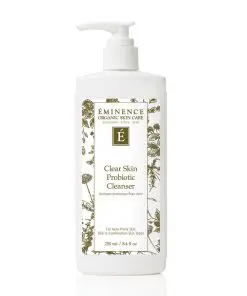
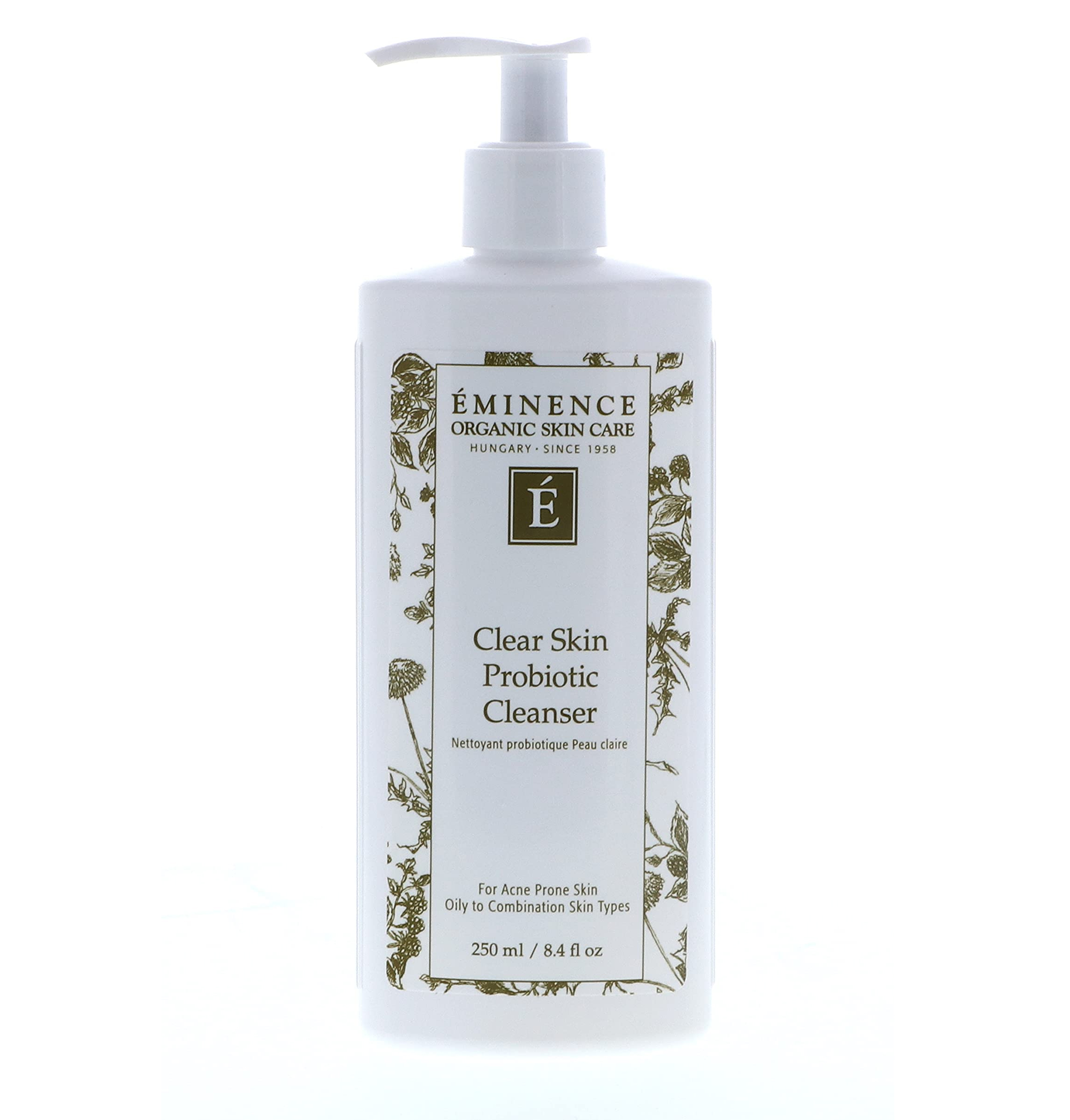
Eminence Organic Clear Skin Probiotic Cleanser

Key Ingredients:

Vitamins A, C, E, Coenzyme Q10, Tea Tree oil, astringent willow bark, Lactic acid, Cucumber juice

Willow bark extract has salicin which is a precursor to salicylic acid. It yields similar effects as that of salicylic acid. However, salicylic acid may sometimes produce redness and itching if your skin is too sensitive. But with salicin, any of these effects are rare, even at greater concentrations. Thus, we may conclude that:

  • Salicin or willow bark extract does not irritate.
  • It cleanses thoroughly, exfoliates gently, and helps your skin against breakouts.
  • Also, it reduces visible signs of aging.

A study compared the results of tea tree oil VS benzoyl peroxide in the management of acne. The effects of tea tree oil were equivalent to benzoyl peroxide in treating acne. The benefits seen with tree oil were a bit slower than benzoyl peroxide. However, the side effects were less using tea tree oil.

Newer skincare trends now direct to use products that are microbe friendly. That is because the changes in the skin microbiome may cause infections and acne breakouts.

Your skin houses thousands of microbial species that make up your microbiome. The stability of these microbes causes skin barrier stabilization. Probiotics mimic these microbes restoring skin physiology.

Eminence Organics Acne Advanced Cleansing Foam combines formulas to counter acne. The goodness of salicylic acid eliminates excess oil and gently cleanses pores to get rid of congestion!

Shop for Eminence Organic Clear Skin Probiotic Cleanser, here!

Best Face Wash For Aging Skin

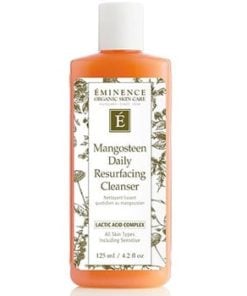
Eminence Organics Mangosteen Daily Resurfacing Cleanser

Key Ingredients:

Mangosteen, Lactic Acid Complex, Red Clover Extracts

Mangosteen is a fruit that looks like a garlic head enveloped in a leather-like covering. However, the taste is an incredible blend of peach, lychee, strawberry, and pineapple. Mangosteen is better known as the powerhouse of antioxidants. It has plant chemicals called xanthones that derive this property. 

Likewise, mangosteen peel extracts show potent anti-aging properties. As you age, there are several changes that your skin undergoes. Therefore, you need a complete skin care regimen for a more youthful look. To care for aging skin requires knowing these changes better. Thus, here is the set of physiological alterations that your skin shows:

  • Skin cells start to lose their integrity. 
  • The regeneration of newer skin cells does not pace with the loss of dead cells.
  • Marked reduction in the cells that lay down collagen occurs, due to which the skin is now less hydrated and plump.
  • The vascularity of skin cells decreases. Thus, the flushing away of the toxins minimizes too.
  • Barrier function impairs.

Mangosteen and its extracts are scientifically proven to halt these skin changes. It acts against enzymes that break down hyaluronic acid and collagen. Thus, it improves skin moisture content, texture, and appearance of fine lines. 

So, the powerhouse of antioxidants and potent anti-aging attributes make mangosteen a holy-grail ingredient for you to add to your skin care routines, such as skin care face wash and cleansers!

Lactic acid is an alpha hydroxy acid. You may catch it as a part of some chemical peels and serums. The way lactic acid works is that it acts as a gentle exfoliator. That is removing the dead skin cells allowing newer ones to replace them. That allows your skin to get a more radiant look. 

A surprising effect of lactic acid is that it maintains skin barrier integrity. That is stratum Corneum. People with sensitive skin may complain of inflammation of their skin; as they use exfoliators. However, lactic acid is a relatively milder option for exfoliation since it is gentle. Thus, you may use it in the long run!

Moreover, lactic acid increases skin thickness, making it more smooth and firm. That improves skin texture and tone too.

Pro tip: 

Always pair sun protection formula with exfoliators such as lactic acid. That is because exfoliators may make your skin more susceptible to the effects of ultraviolet radiation.

Red clover is a bright pink flowering plant that is rich in isoflavones. The extracts of red clover flowers have a variety of roles in traditional medicine. Most importantly, they have a role in post-menopausal females, improving hot flashes, mood, sleep patterns, and even skin and hair health.

A study trial on 109 Post Menopausal females showed immense improvement in skin texture and overall skin status. Similar findings were noted on hair health too.

Eminence Organics Mangosteen Daily Resurfacing Cleanser is a holy-grail product that combines the dynamic skincare face wash properties in one place. It combines mangosteen lactic acid and red clover flower extract that soothes your skin to the point of clean, cleansed, and calm skin!

skin care face wash

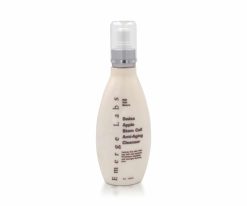
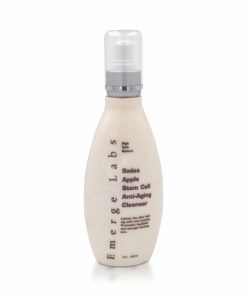
Swiss Apple Stem Cell Anti-Aging Facial Cream Cleanser

Key Ingredient:

Glycerin, Lactic Acid, Camellia Sinensis (Green Tea) Leaf Extract, Camellia Sinensis (White Tea) Matrixyl 3000

With a slightly acidic pH of 5.58, an anti-aging radiance hydrating cleanser does magic by stabilizing the microbiome. One of the features of aging skin is disruption of the skin barrier. With the use of acidic cleaners, the stability of the microbiome and skin barrier improves.

Anti-Aging Radiance Hydrating Cleanser maintains an acidic pH and combines antioxidants as well. With green tea extracts and lactic acid, a potent combo of antioxidants yields skincare face wash which helps against aging skin.

Works for all skin types. Since Swiss Apple Stem Cell Anti-Aging Facial Cream Cleanser is free from irritants such as parabens, sulfates, or phthalates, you can use it with sensitive skin too.

anti-aging skin care face wash

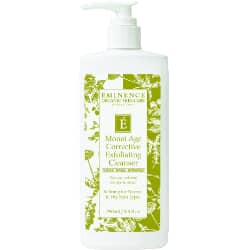
Eminence Monoi Age Corrective Exfoliating Cleanser

Key Ingredients:

Finely grounded olive seeds, botanical enzymes, alpha hydroxyl acids, Monoi coconut oil, vitamin E 

Olive seeds and olive oil are all-rounder ingredients for skincare. A rich infusion of antioxidants! They calm and soothe your skin. With the free radicals scavenging properties, they reduce signs of aging. Also, olives seed extracts are great to step-up your exfoliation routine. They remove the dead skin cells to allow newer ones to show up. All the effects combine to yield an age-defying rinse.

The monoi extract derives from flower extracts infused with coconut oil. Eminence Monoi Age Corrective Exfoliating Cleanser combines finely grounded olive seeds; monoi extract with other essential botanicals. All of which cleanse deeply, shrink pore size, and improve the signs of aging. As a result, you reclaim a more youthful look to your skin with this rinse!

Face Wash For Dry Skin

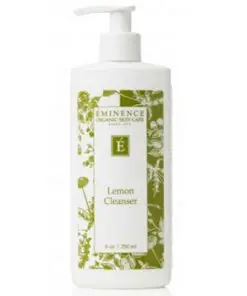
Eminence lemon cleanser

Key Ingredients:

Lemon Grass Tea, Corn Germ Oil, Bioflavonoids, Calendula Oil, Glycerin, Biocomplex, Lemon Oil, Balm Mint Oil

Eminence lemon cleanser is a unique blend of antioxidants with lemon and herb oils. Lemon oil has strong effects to protect skin against damage caused by pollutants and oxidants. Additionally, it restores moisture to dry skin, giving it the soft ever feel!

Furthermore, Coenzyme Q10, vitamin A, and alpha-lipoic acid add a cherry to the top. This rich combo of organics cleanses the skin, making it more supple. Also, they fight free radicals and prevent your skin from breakouts.

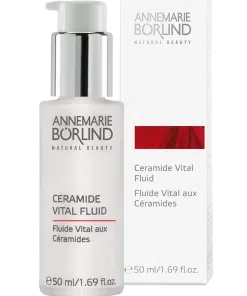
AnneMarie Borlind Ceramide Vital Fluid

Key Ingredients:

Ceramide, Yeast Protein, Vitamin C and E

If you have dry skin, it may feel ever drier after cleansing. Therefore, it is crucial to use skincare face wash and cleansers with ingredients that do not rip you off moisture.

Ceramides are a class of lipids that are naturally present in your skin. With drier skin, you may have reduced levels of ceramides. You may have heard about them doing wonders for your skin, especially if your skin is dry. Well, that is true! Ceramides hold moisture to your skin. That is because ceramides maintain a healthy skin barrier. So, this prevents water evaporation from the surface of your skin. Also, a healthy skin barrier means protection against breakouts and other environmental skin stressors!

AnneMarie Borlind Ceramide Vital Fluid is a natural skincare face wash with ceramides. Furthermore, it adds yeast extracts, vitamin C, and E goodness all combined to give you a hydrating wash without making your skin dry. So, revitalize a fresh start with a rinse that won’t make you dry!

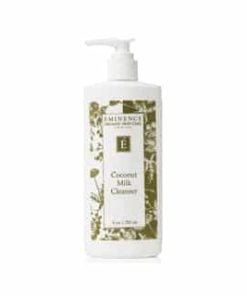
Eminence Coconut Milk Cleanser

Key Ingredients:

Coconut Milk, Corn Germ Oil, Marigold/Calendula Oil, Glycerine, Biocomplex, Rosemary Extract, Salicylic Acid

Coconut milk is a superhero ingredient if you have dry skin. It is one of the best cleansing options you may have on your list. The way coconut milk works is that it cleanses thoroughly (even your makeup). Along with that, it restores the essential oils to your skin. So, get rid of all the debris and dirt without leaving your skin dry.

Coconut oil is rich in healthy oil too. So, it adds moisture to your skin as well. Furthermore, it is rich in antioxidants that soothe and calm drily cracked and chapped skin.

Thus, Eminence Virgin Coconut milk Cleanser is a must-have if your skin needs a moisturized cleanse.

Cleansing oils

The use of oils to cleanse skin may sound unfamiliar. The main idea of skin cleansing is to get rid of excess oils. As you use a cleansing oil, it dissolves excess sebum and oil more readily. It may help to remove:

  • Makeup products on the face or even lashes, especially you need them if they are waterproof
  • Dead skin cells and pollutants
  • Excess oil, sebum, and impurities

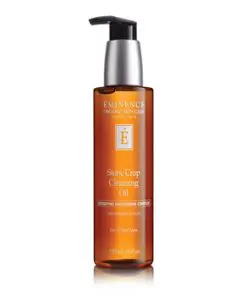
Eminence Stone Crop Cleansing Oil (jojoba oil)

Key Ingredients:

Stone Crop, Detoxifying Microgreens Complex (Broccoli, Radish and Clover Sprouts and Detoxophane from Swiss Cress Sprouts), Sunflower Oil, Jojoba Oil

If your skin is likely to develop frequent breakouts, prone to acne, or produces excess oils, you may use jojoba oil. Jojoba oil comes from the nut of the jojoba plant. Using it as a skincare face wash, dissolve excess oils, and cleanse pores deeply.

Jojoba oil soothes inflammation on your skin that may help reduce breakouts. Thus, jojoba oil is a wholesome ingredient; to manage skin prone to acne.

Eminence Stone Crop Cleansing Oil combines jojoba and sunflower oil, along with stonecrop goodness. Bring your skin back to balance with skin barrier stabilizing effects of natural oils. 

Stonecrop is a part of this extra moisturizing, nondrying, and thoroughly cleansing oil combo. It unclogs pores along with lightening skin pigmentation!

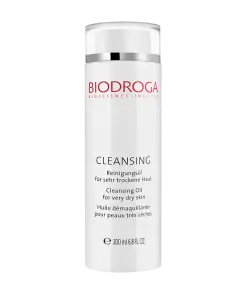
Biodroga Cleansing Oil (sensitive or dry)

Key Ingredient:

Apricot Kernel Oil

Oil derived from kernels of apricot is a great option to use if you have sensitive or dry skin. As a cleansing oil, it removes waterproof makeup. Also, it calms inflammation and redness, cleansing skin deeply.

Shop for Biodroga Cleansing Oil (with apricot kernel oil) here!

Best Face Wash For Men

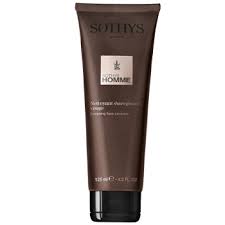
Sothys Men Energizing Face Cleanser

Key Ingredients:

Oryza Sativa (Rice) Powder, Sodium Cocyl Wheat Amino Acids, Hydroxyethyl Acrylate, Iron Oxides, Hydroxycitronellal, Coumarin, Limonene, Linalool, Olivine Extract

This cleanser can come in handy when it comes to a product being a cleanser and an exfoliator at the same time. It comprises a silky paste with a granular appearance. The triple-action formula not only cleanses; deeply the build-ups and toxins in the skin. Its medium layer on the skin for 5-10 minutes can make it work as a mask!

It contains vital nutrients such as Iron Oxides, Propylene Glycol, Hydroxycitronellal, Coumarin, Limonene, Linalool, Olivine extracts, a soluble form of vitamin C, which means it can better penetrate your skin than ascorbic acid.

For best results, dampen your face with water, apply a small drop of products all over your face, and gently scrub. Wash with plenty of water.

Shop here!

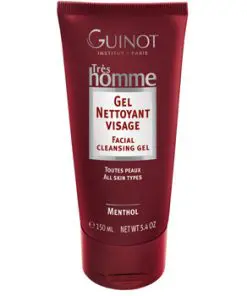
Guinot Tres Homme Nettoyant Visage | Mens Facial Cleansing Gel

Key Ingredients:

Coconut Acid, Allantoin, Hamamelis Virginiana (Witch Hazel) Extract, Carboxymethyl Chitin, Microcrystalline Cellulose.

Excessive secretion of sebum is one of the leading causes of open pores in the skin. This cleanser limits the open pores, thus giving a smooth complexion to your skin. Its leathering texture cleanses your skin and helps to reverse pH imbalance. It makes the skin toned and fresh instantly.

Apply on wet skin and scrub to make leather and massage gently. Ideal to use before shaving, which leaves your skin soft and supple!

Shop here!

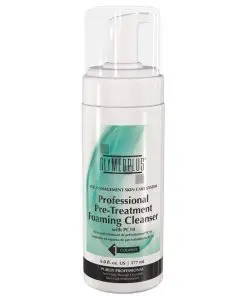
GlyMed Plus Pretreatment Foaming Cleanser

Key Ingredients:

Aloe Vera, Boswellia Serrata Extract, Arnica Montana Flower Extract, Lavender Oil, Mandarin, Citrus Grandis (Grapefruit) Oil, Citrus Bergamia Oil, Caprylic Acid, Glycine, Olive, Vitamin E, Sea Salt

This one is liked by most of those who want to complement their skincare routine with fruit goodness. It has a foamy and soft texture; contains antioxidants and amino acids. The innovative formula of oranges, mandarin, grapefruit, bergamot oils, lavender oil gives this product a fruity citrus scent.

Apply this foam all over your face and neck and rinse off with lukewarm water.

Shop here!

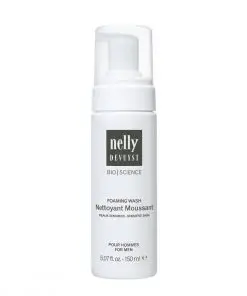
Nelly De Vuyst Foaming Wash Sensitive Skin [ For Men ]

Key Ingredients:

Natural oat extracts, Palm Kernel Oil Esters, Corn Oil, Rosehip Seed Oil, Rosemary Leaf Extract, Sunflower Seed Oil, WheatGerm Oil, Allantoin, Lavender Oil, Tocopherol, Matricaria Flower Extract, Sage Leaf Extract, Yeast Extract

Did you get delicate skin? This product got you covered. This product is solely for those having sensitive skin. It cleanses your skin thoroughly without breaking the protective barrier of your skin. Contain oat, rosehip, yeast, leaf, Lavender extracts. It helps to eliminate blackheads and regulate oil secretion on the skin. The best part is it’s for all skin types.

Dispense a small amount of cleanser on your palm, use water or toner for the leather formation and scrub gently on your face and neck. Rinse with warm water and pat dry. Voila! You get yourself a clean, toned, free from deposits skin!

Shop here!

That pretty much sums up all about skin care face wash and cleansers that may help you to step up the foundational step of skincare. So, cleanse, unclog pores, clear the debris, rejuvenate your skin using organic face washes, and give your skin care a fresh start!

Which of these works best for you?

23 Organic Skin Care Face Wash And Cleansers For All Skin Types – How To Choose The Right One For You? Read More »

Refreshed hero image for: Buying Organic Skin Care Products as Gifts For The Holidays

Buying Organic Skin Care Products as Gifts For The Holidays


Organic Skin Care Gifts for the Holidays 2026


Written by Clelia Gakshteyn


Quick Answer: The best organic skin care gifts for the holidays are certified-clean, skin-type-matched products — think hyaluronic acid serums, probiotic cleansers, and superfood boosters. Choose items with USDA Organic or COSMOS certification, avoid synthetic fragrance, and match the formula to the recipient’s skin concern. A curated set or gift card is always a safe, thoughtful choice.

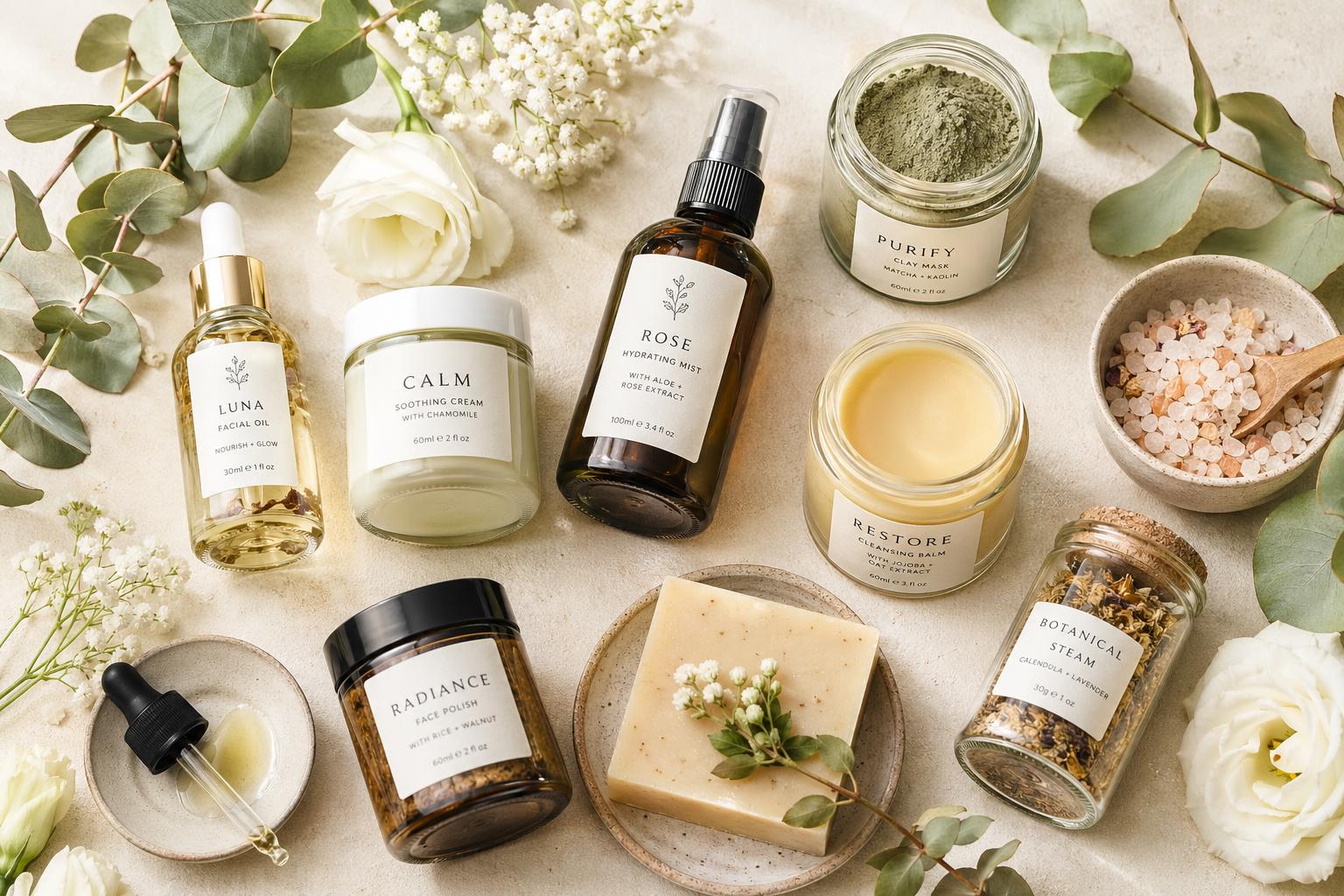
Premium organic skincare products arranged with natural elements for a holiday gift theme.

Why Organic Skin Care Makes a Meaningful Holiday Gift

Gifting organic skin care says something beyond “here’s a nice thing.” It says you thought about what goes on their body, not just what looks good under the tree. And in 2026, that matters more than ever — the global organic personal care market is projected to reach $25.1 billion by 2030 (Grand View Research, 2024), driven by consumers who want transparency in every ingredient.

The holiday season is also the harshest time of year for skin. Cold air, indoor heating, and stress all compromise the skin barrier. A well-chosen organic product isn’t just a gift — it’s genuinely useful from day one.

But here’s the catch: not every product labeled “natural” or “organic” actually is. Greenwashing is rampant in the beauty industry, and without knowing what to look for, it’s easy to spend good money on something that doesn’t deliver. This guide cuts through the noise.

🌿 What “Organic” Actually Means on a Label
The word “natural” has zero legal definition in cosmetics. “Organic” only means something when backed by a certifying body. Look for these seals:

  • USDA Organic — at least 95% organically produced ingredients
  • COSMOS Organic — European standard, rigorous on sourcing and processing
  • Ecocert — requires natural origin for 95%+ of ingredients
  • NSF/ANSI 305 — specifically for personal care products

If a product claims “organic” without one of these seals, treat it as marketing language, not a guarantee.

How to Choose Organic Skin Care Gifts by Skin Type

The most common gifting mistake? Buying what you love for someone with completely different skin. Here’s a quick cheat sheet so your gift actually gets used — and loved.

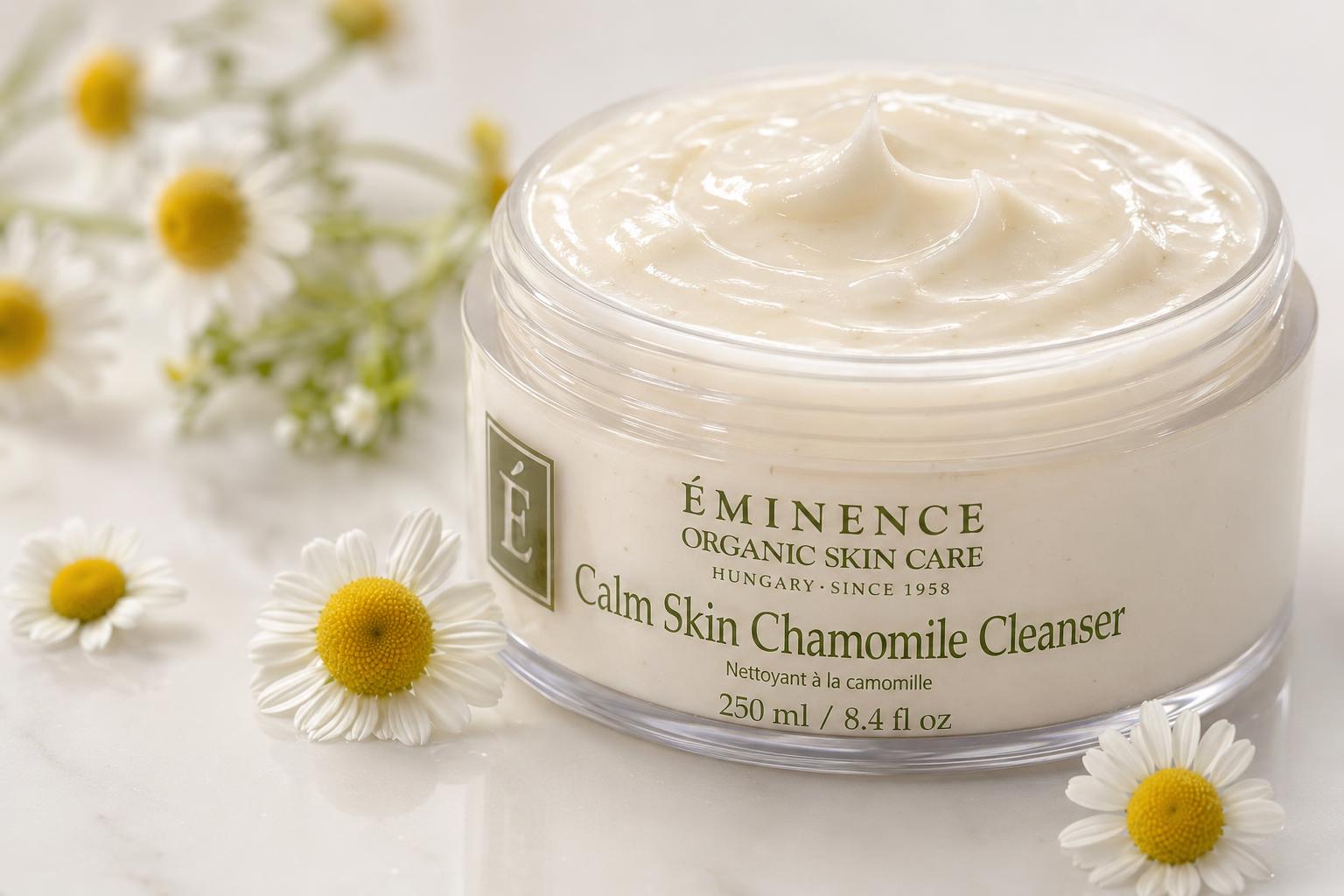
Close-up of Eminence Organic Calm Skin Chamomile Cleanser showcasing its creamy texture.

Gifts for Dry or Dehydrated Skin

Dry skin in winter is a barrier problem. The skin is losing water faster than it can hold it. Look for products rich in hyaluronic acid, ceramides, squalane, and shea butter — ingredients that both attract moisture and lock it in.

  • Fragrance-free moisturizers with ceramide complexes
  • Facial oils (rosehip, marula, or sea buckthorn)
  • Overnight masks with hyaluronic acid
  • Gentle, low-pH cleansers that don’t strip the barrier

“Hyaluronic acid is a naturally occurring polysaccharide found in the human body that can hold up to 1,000 times its weight in water, making it one of the most effective humectants available in topical skin care.”

— Stern et al. 2004, Journal of Controlled Release

Gifts for Oily or Blemish-Prone Skin

Counter-intuitively, oily skin often needs more moisture, not less. When the barrier is stripped, skin overproduces sebum to compensate. Gift lightweight, non-comedogenic formulas with niacinamide, green tea extract, or probiotic cultures.

  • Probiotic cleansers that balance without stripping
  • Lightweight gel moisturizers with niacinamide
  • Clay masks with kaolin or bentonite (1–2x per week)
  • Squalane-based serums (mimics skin’s natural sebum)

Niacinamide at 5% concentration visibly reduces the appearance of enlarged pores and uneven skin tone over 8 weeks, according to Bissett et al. 2005, Journal of Cosmetic Dermatology — making it one of the most evidence-backed ingredients you can gift.

Gifts for Sensitive or Reactive Skin

Sensitive skin needs the fewest ingredients, not the most exotic ones. Stick to fragrance-free, essential-oil-free formulas with calming actives like chamomile, oat extract, or centella asiatica. Avoid anything with high concentrations of citrus oils or synthetic dyes.

  • Chamomile-based cleansers and moisturizers
  • Oat extract barrier creams
  • Centella asiatica (cica) serums
  • Mineral SPF (zinc oxide only, no chemical filters)

best organic ingredients for sensitive skin

Top Organic Skin Care Gift Picks for 2026

Every product below is chosen for certified-clean formulas, real ingredient science, and genuine gifting appeal. No filler products, no greenwashed labels.

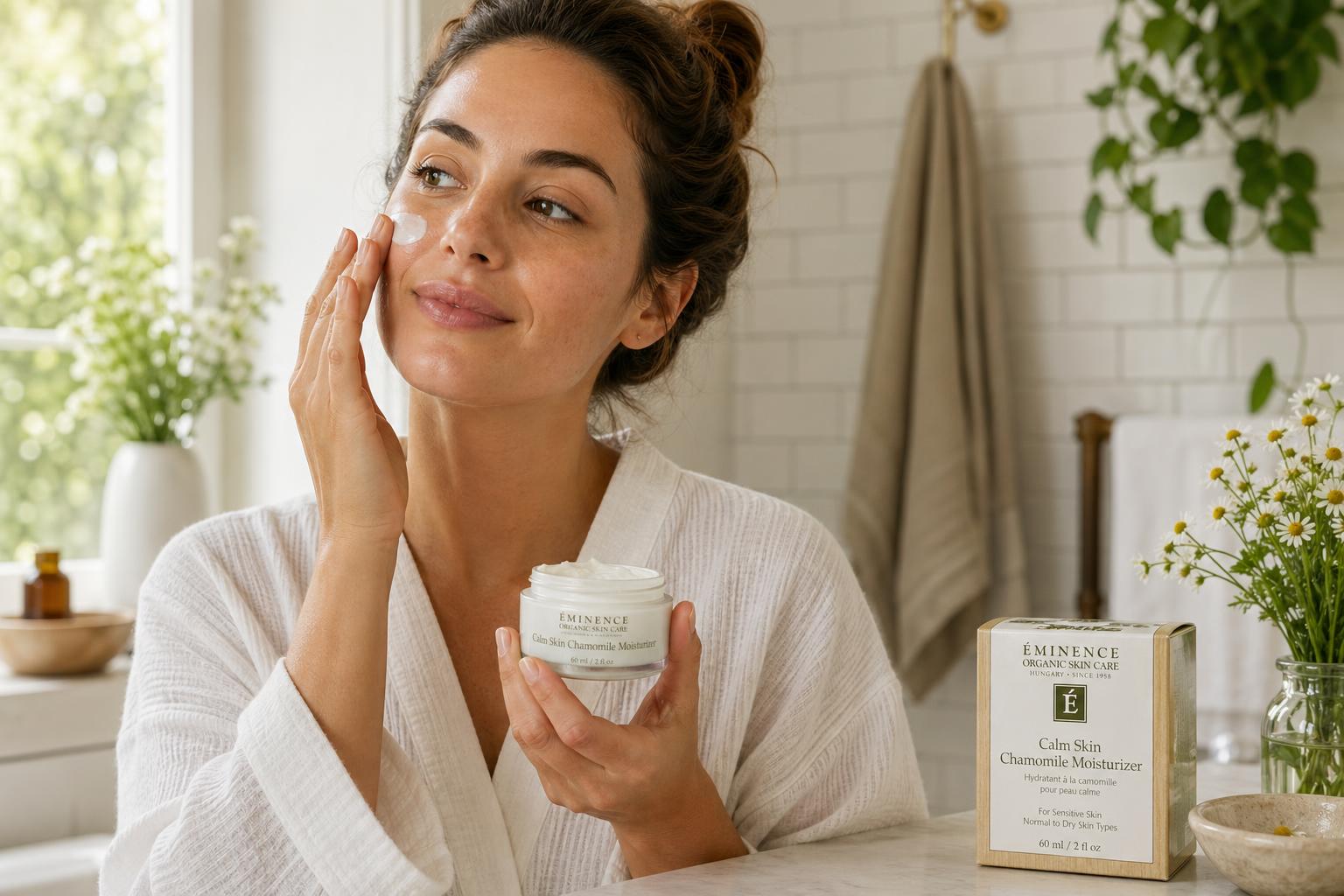
Person applying Eminence Organics Calm Skin Chamomile Moisturizer in a bright bathroom.

Best for Sensitive Skin: Eminence Organic Calm Skin Chamomile Cleanser

This is the cleanser you gift when you want to be thoughtful and safe. Chamomile extract is one of the most studied botanicals for skin calming — Kim et al. 2006, International Journal of Dermatology, found that chamomile’s active compound, apigenin, visibly reduces the appearance of redness and irritation with consistent use.

It’s gentle enough for daily use, fragrance-forward in the best way (real chamomile, not synthetic), and works beautifully as a first step in any routine. At 8.4 fl. oz., it’s a generous size that won’t run out in two weeks.

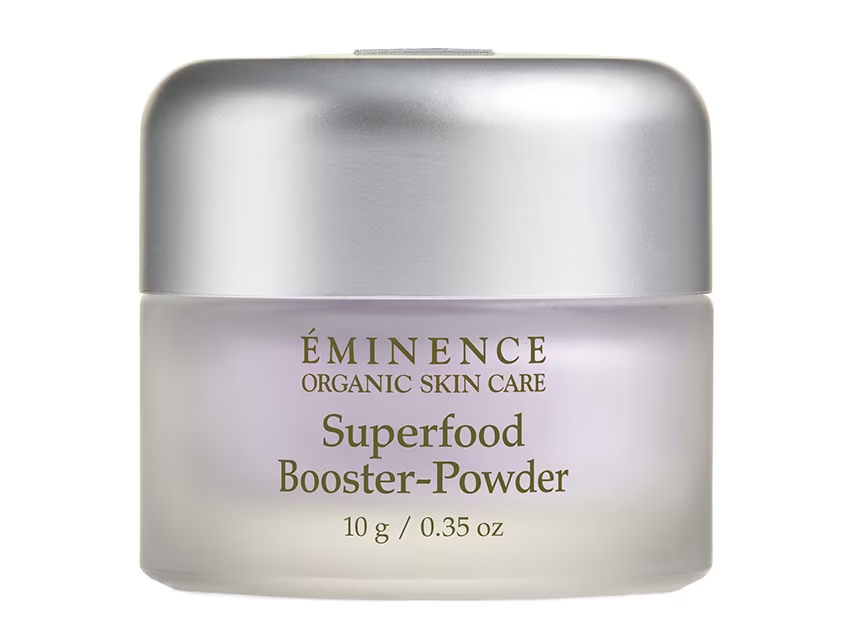
Eminence Organics Skin Care Superfood Booster-Powder - 0.35 oz

Eminence Organics Skin Care Superfood Booster-Powder – 0.35 oz by OpenWPAgent

$60.00

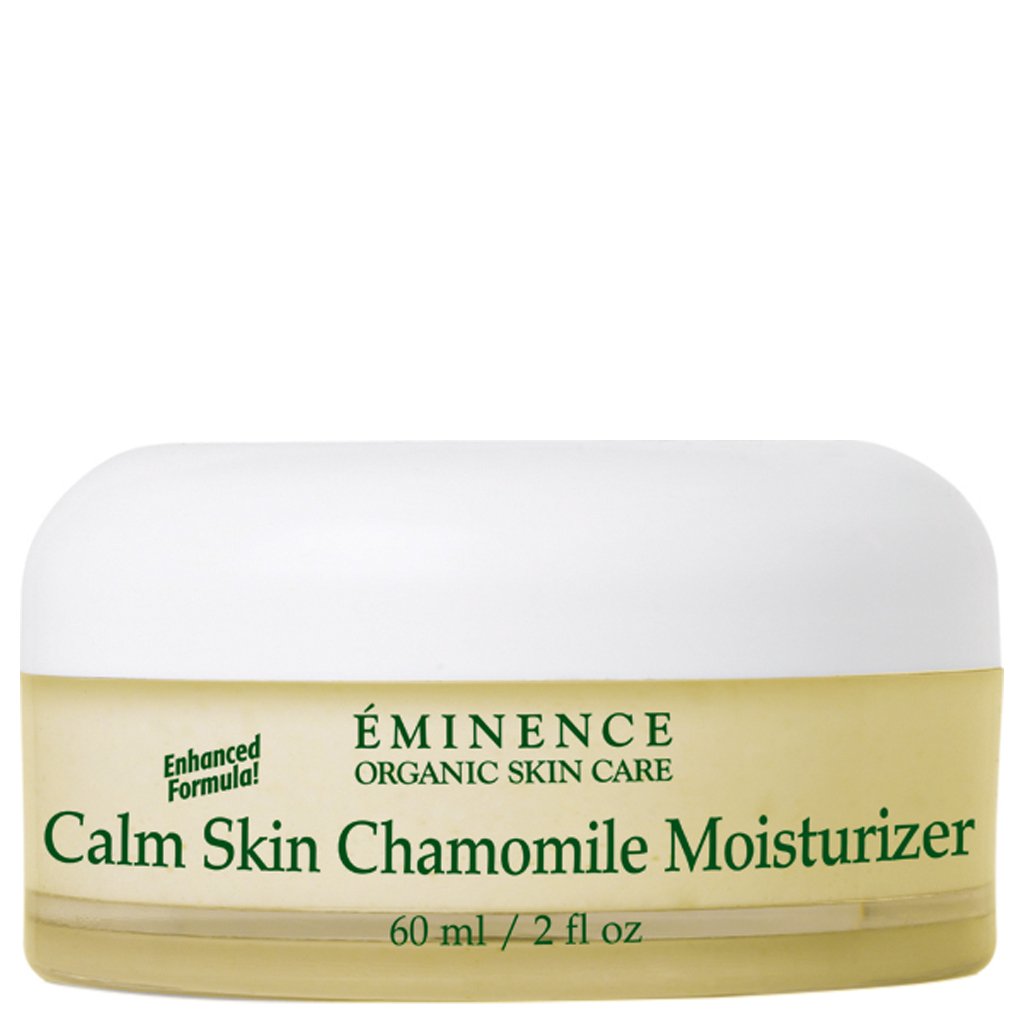
Best Moisturizer Gift: Eminence Organics Calm Skin Chamomile Moisturizer

Pair this with the cleanser above for an instant two-piece gift set that covers the most essential steps of any routine. The formula leans on chamomile, shea butter, and calendula to help visibly soothe and hydrate without clogging pores.

It’s a strong choice for anyone dealing with winter redness, post-holiday stress skin, or general sensitivity. The 2 fl. oz. size is perfect for travel or as a “try before you commit to full size” gift.

Eminence Organic Calm Skin Chamomile Cleanser – 8.4 fl. oz.

Eminence Organic Calm Skin Chamomile Cleanser – 8.4 fl. oz. by OpenWPAgent

$42.00

Best for Blemish-Prone Skin: Eminence Organics Clear Skin Probiotic Cleanser

Probiotic skin care is one of the most exciting developments in clean beauty right now. Topical probiotics help support the skin’s natural microbiome, which plays a direct role in how skin manages inflammation and barrier function (Fabbrocini et al. 2016, Beneficial Microbes).

This cleanser delivers Lactobacillus ferment alongside willow bark and tea tree to help visibly minimize the look of blemishes — without the harshness of conventional acne cleansers. It’s a genuinely thoughtful gift for anyone who struggles with breakouts and wants a cleaner approach.

Eminence Organics Clear Skin Probiotic Cleanser - 8.4 fl. oz

Eminence Organics Clear Skin Probiotic Cleanser – 8.4 fl. oz by OpenWPAgent

$48.00

Best Treatment Gift: Eminence Organics Skin Care Superfood Booster-Powder

This is the gift for the skincare enthusiast who already has a routine and wants to level it up. The Superfood Booster-Powder mixes into any serum or moisturizer, delivering a concentrated hit of antioxidant-rich botanicals — think turmeric, spirulina, and adaptogenic mushrooms.

Antioxidants in topical form help neutralize free-radical damage from UV exposure and pollution. Green tea polyphenols, a key antioxidant class, help inhibit UV-induced matrix metalloproteinase expression — enzymes that break down collagen — according to Kim et al. 2006, International Journal of Dermatology.

Eminence Organics Calm Skin Chamomile Moisturizer - 2 fl. oz

Eminence Organics Calm Skin Chamomile Moisturizer – 2 fl. oz by OpenWPAgent

$62.00

[VIDEO_EMBED: How to build an organic skin care holiday gift set — step-by-step gifting guide]

How to Build a DIY Organic Skin Care Gift Set

A curated gift set you put together yourself often feels more personal than a pre-packaged box. Here’s how to do it without guesswork.

The Three-Step Gift Set Formula

Every great skin care gift set covers three steps: cleanse, treat, moisturize. This gives the recipient a complete routine they can actually use together, rather than a random collection of products.

  • Step 1 — Cleanse: Choose a gentle, pH-balanced cleanser suited to their skin type
  • Step 2 — Treat: A serum, booster, or targeted treatment (antioxidant, brightening, or calming)
  • Step 3 — Moisturize: A moisturizer that matches their skin’s needs (lightweight gel for oily, rich cream for dry)
  • Bonus — SPF: If you want to go above and beyond, add a mineral SPF. Daily SPF 30 use prevents approximately 24% of visible signs of aging, according to Hughes et al. 2013, Annals of Internal Medicine.

how to build a complete organic skin care routine

Packaging Your Organic Gift Set

Presentation matters — especially for skin care, where the unboxing experience is part of the gift. Skip the plastic wrap and go for recycled kraft paper, linen pouches, or reusable glass jars as filler. It keeps the “organic” ethos consistent from the product to the packaging.

  • Linen or cotton drawstring bags (reusable, zero waste)
  • Recycled tissue paper in earthy tones
  • A handwritten card explaining each product and how to use it
  • A small jade roller or gua sha tool as a finishing touch

⚠️ Gifting Caution: When to Choose a Gift Card Instead
Skin care is personal. If you’re unsure about the recipient’s:

  • Known allergies or sensitivities
  • Current medications (some interact with actives like retinol or AHAs)
  • Skin conditions (eczema, rosacea, psoriasis)
  • Pregnancy status (certain ingredients are not recommended during pregnancy)

A gift card is the most thoughtful choice. It lets them choose what’s right for their skin — and that’s always better than guessing.

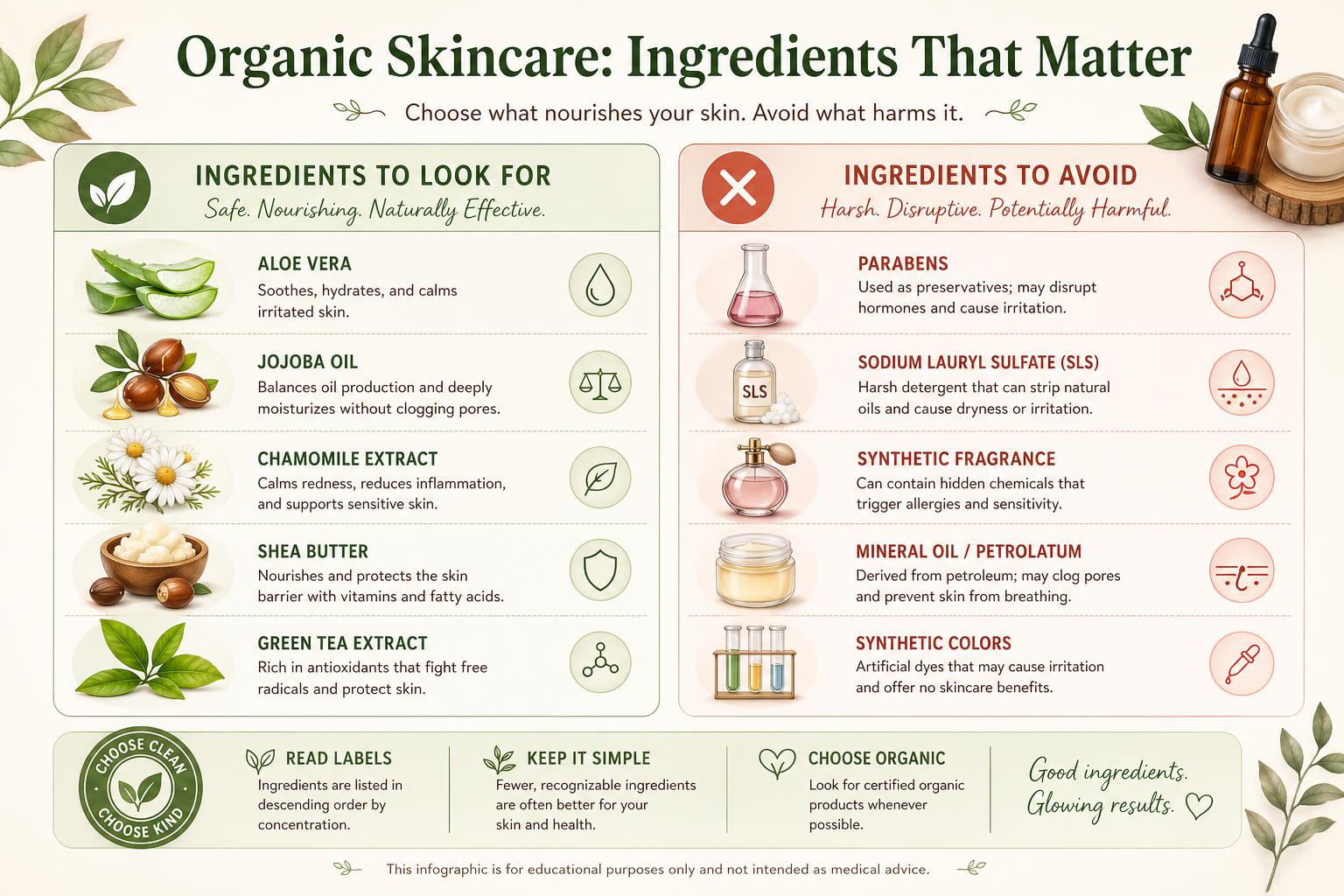
Infographic comparing ingredients to look for and avoid in organic skincare.

Ingredients to Look For — and Avoid

Reading an ingredient list (INCI list) is a skill worth developing before you shop. Here’s a quick reference for holiday gifting.

Ingredients to Look For

  • Hyaluronic acid — deep hydration, all skin types
  • Ceramides — barrier repair, especially for dry and sensitive skin
  • Niacinamide (vitamin B3) — visibly evens tone, minimizes pores
  • Chamomile extract (Matricaria recutita) — calming, anti-redness appearance
  • Rosehip seed oil — rich in essential fatty acids, supports skin texture appearance
  • Squalane — lightweight, non-comedogenic, mimics skin’s natural lipids
  • Green tea extract (EGCG) — antioxidant protection, helps visibly reduce signs of environmental stress
  • Lactobacillus ferment — probiotic support for the skin microbiome

Ingredients to Avoid (or at Least Question)

  • Synthetic fragrance / “parfum” — a catch-all term that can hide hundreds of undisclosed chemicals; a leading cause of contact dermatitis
  • Parabens (methylparaben, propylparaben) — preservatives with ongoing debate around endocrine disruption
  • Sodium lauryl sulfate (SLS) — harsh surfactant that disrupts the skin barrier
  • Formaldehyde-releasing preservatives (DMDM hydantoin, quaternium-15)
  • Mineral oil / petrolatum — petroleum-derived, not aligned with organic standards
  • Oxybenzone — chemical UV filter with environmental and potential hormonal concerns

complete guide to reading organic skin care ingredient labels


🎁 Our Top Organic Gift Picks at a Glance

Product Best For Key Ingredients Price
Calm Skin Chamomile Cleanser Sensitive, dry Chamomile, calendula $42
Calm Skin Chamomile Moisturizer Sensitive, reactive Chamomile, shea butter $62
Clear Skin Probiotic Cleanser Oily, blemish-prone Lactobacillus, willow bark $48
Superfood Booster-Powder All skin types (enthusiast gift) Turmeric, spirulina, mushroom $60
Boost Your Organic Skin Care Brand with OrganicSkinCare.com

Boost Your Organic Skin Care Brand with OrganicSkinCare.com by OpenWPAgent

$497.00

Frequently Asked Questions: Organic Skin Care Gifts

What makes a skin care product truly organic?

A genuinely organic skin care product contains ingredients grown without synthetic pesticides or fertilizers and is certified by a recognized body like USDA Organic, COSMOS Organic, or Ecocert. Look for these seals on the label — the word “natural” alone carries no legal standard and can be used by any brand.

Is organic skin care safe for sensitive skin?

Most organic formulas are well-tolerated by sensitive skin because they avoid common synthetic irritants like parabens, artificial fragrance, and sulfates. That said, natural ingredients like essential oils and botanical extracts can still trigger reactions. Always check the ingredient list and patch-test before gifting to someone with known sensitivities.

How do I choose an organic skin care gift for someone else’s skin type?

When you’re unsure of the recipient’s skin type, choose versatile, gentle formulas — a fragrance-free cleanser, a ceramide-rich moisturizer, or a gift card. Avoid active-heavy products like exfoliating acids or retinol alternatives unless you know their skin is accustomed to them.

What organic skin care ingredients are best for winter skin?

Winter skin craves ingredients that restore moisture and reinforce the barrier. Look for hyaluronic acid, ceramides, squalane, shea butter, and chamomile extract. Hyaluronic acid holds up to 1,000 times its weight in water (Stern et al. 2004, Journal of Controlled Release), making it one of the most effective humectants for cold-weather dryness.

Are organic skin care gift sets worth the price?

Yes — curated gift sets typically offer 20–30% more value than buying the same products individually. They also let the recipient try a full routine before committing to full sizes. Look for sets that include a cleanser, treatment, and moisturizer so the recipient gets a complete experience.

What certifications should I look for when buying organic skin care?

The most credible certifications are USDA Organic, COSMOS Organic, Ecocert, and NSF/ANSI 305. COSMOS Organic requires at least 95% of plant-based ingredients to be organically sourced. Avoid products that only display vague “all-natural” or “eco-friendly” badges without a certifying body named.

Final Thoughts: The Gift That Actually Gets Used

The best holiday gift is one that fits seamlessly into someone’s life. Organic skin care does exactly that — it’s used every day, it’s personal, and when you choose well, it genuinely makes a difference in how someone’s skin looks and feels through the coldest months of the year.

Start with the recipient’s skin type, check for a real certification seal, and lean toward gentle, versatile formulas if you’re unsure. A cleanser-and-moisturizer duo from a trusted organic brand is almost always a win. And if you’re ever in doubt — a gift card is never the wrong answer.

Your skin (and theirs) deserves ingredients you can actually pronounce. Happy gifting.

Buying Organic Skin Care Products as Gifts For The Holidays Read More »

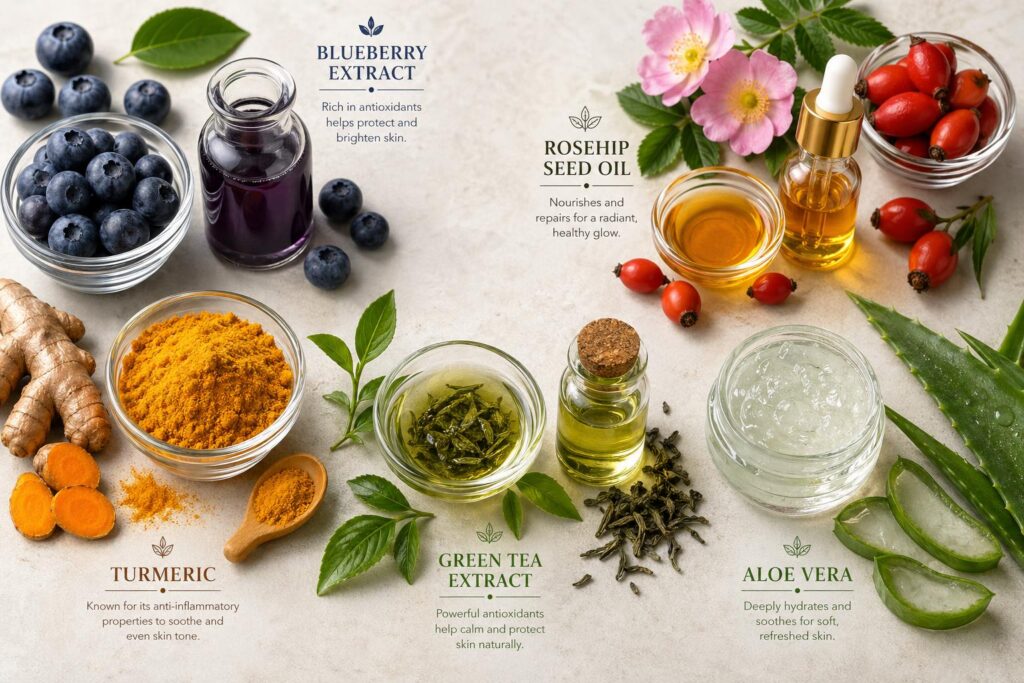
Flat lay of five organic skincare ingredients: blueberry extract, rosehip seed oil, turmeric, green tea extract, and aloe vera in elegant glass containers.

5 Best Organic Ingredients To Feed Your Skin

Though organic-based skin care can often be associated with quick results like reducing fine lines, wrinkles, increasing elasticity, and decreasing discoloration, it is also known for having uncomfortable side effects. As treatments for various skin conditions, chemical actives such as retinol and hydroquinone continue to gain popularity in the skin-care industry. However, side effects such as redness, peeling and increased UV-ray sensitivity can be experienced. How can you help your clients get more skin care benefits with no side effects? You might find the answer in your clients’ garden, fridge or kitchen cupboard. There are many superfoods in nature that can provide benefits to multiple skin conditions. They have minimal side effects and require little downtime. These five superfoods are skin-saving and miraculous. Let’s find out how they treat your skin.

1. Blueberries

Because of their high level of potent antioxidants, blueberries are often referred to as a healthy ingredient for skin. Anthocyanins are a pigment that gives blueberries their deep blue color. They also act as powerful antioxidants. This helps to reduce the signs of aging and inflammation, as well protect from sun damage. Anthocyanins are also known to protect against pollution and stress, and support collagen production. Blueberries have an ORAC (or high oxygen radical absorbance capacity) that is used to determine the antioxidant content of different foods. Blueberries have a high ORAC score which means that they are capable of neutralizing large amounts of free radicals. Free radicals can damage skin cells and cause skin to lose its radiant glow, just as rust does. Antioxidants can also help maintain hydration levels and reduce inflammation by neutralizing free radicals.

Internally, eating blueberries can improve circulation and heart health, which are key steps in healthy skin. These nutrients and oxygen are essential for the skin to repair and heal from environmental stressors. Blueberries, when included in a person’s diet can provide the necessary tools to support the body’s recovery and repair of damage. Blueberries are rich in nutrients that can help reduce skin inflammation such as eczema or psoriasis. I recommend including both blueberry-formulated and actual blueberry skin care products in your routine to treat issues like redness, wrinkles, dry skin, and inflammation.

2. Cucumbers

Cucumbers are a magical ingredient that work wonders both internally and topically. Cucumbers are 96% water, meaning that they’re not only incredibly hydrating but are also well suited for all skin types, especially sensitive, blemish-prone skin. When ingested, the high concentration of vitamin C, fiber and folic acid in cucumber support gut health by reducing inflammation. Cucumbers are also a natural diuretic that helps the body eliminate excess fluid. They are also a good source of silica, which aids in the growth and maintenance of connective tissue in the body.

These benefits also extend topically. We all know the age-old trick of applying a few slices of cucumbers to tired eyes when they need a little TLC. Well, there is a reason that this go-to hack has been trusted for generations. The cooling and soothing properties of cucumber calm the skin and reduce puffiness around the eyes, as well as soothe swelling and irritation related to blemishes and sensitized skin. Cucumber juice is also incredibly nourishing and can be used as a toner to balance oiliness, and tighten and reduce pore size due to its mildly astringent properties. Cucumber juice can also be used to soothe sunburns or irritation, and its cooling and anti-inflammatory properties can ease redness, pain and even dryness.

3. Bamboo

In addition to enjoying bamboo shoots in your favorite Asian, African and Latin American dishes, you may have started to notice bamboo in new and emerging skin care trends, and for good reason! Like the cucumber, the bamboo plant contains a high amount of natural silica, particularly in the leaves, and is packed with healing and regenerative ingredients like fiber, minerals and proteins that work wonders for the skin.Display footnote number:6 As we age, our bodies begin to produce less silica naturally, which can cause the skin to sag and fine lines to appear. Incorporating silica-rich ingredients like bamboo can help achieve youthful, glowing skin for anyone concerned with collagen loss and premature aging, as the potent mixture of fiber, minerals and protein can address this need. Additionally, bamboo naturally contains amino acids, flavonoids, and antioxidants that can shield the skin from damage caused by harmful UV rays, fighting the free radicals and inflammation triggered by UV rays that accelerate the skin’s aging.

These inherent nutrients in bamboo also strengthen the skin’s barrier, meaning bamboo is not only great for aging skin, but also for sensitive, dry and dehydrated skin. Clients dealing with sensitivity, dryness and dehydration often suffer from a damaged moisture barrier, and bamboo extract can help restore this barrier, and as a result, produce better hydrated, protected skin.

Bamboo extract and water also offer advanced hydration and skin plumping properties. Bamboo can help our skin create glycosaminoglycans (GAGs), which are large molecules that naturally exist on the dermis of the skin, and when at their optimal levels, prevent moisture loss. Incorporating this ingredient into your client’s routine will offer long-lasting hydration and supple-looking skin. The vitamins and minerals naturally occurring in bamboo also provide soothing and calming benefits for the skin and can be used to treat skin conditions like eczema and psoriasis.

4. Algae

Though algae may not typically be thought of as a food, many species are indeed edible and consumed by various cultures around the globe. Known as the superfood of the sea, algae are also a superfood for your skin! From high nutrition content to ultra-hydration and antioxidant delivery, people are buzzing about the benefits of algae on the skin. Some of the most talked about and popular algae include blue-green, brown and red algae varieties. These marine flowers are found in every environment on the planet, including marine intertidal zones, hot springs, and even within ice and snow.Display footnote number:8 Let’s look at the different types of algae and how they benefit the skin.

Red Algae Extract. This dark red marine flower is rich in antioxidant pigments which help protect the skin from harmful environmental stressors. It also contains vitamins and minerals that improve the visible signs of aging. 

Brown Algae Extract. This algae has a high water-holding capacity and helps rehydrate parched skin to reveal firmer and more supple skin.

Blue-green Algae Extract. This algae is a natural retinoid alternative, rich in amino acids, that reduces the visible signs of aging and provides high levels of antioxidants to protect the skin.

Like land-based superfoods, blue-green and red algae are vibrant in color and contain antioxidant pigments that naturally protect the skin. These compounds boost the skin’s defenses against a variety of environmental stressors like UV damage, dryness and irritation.

Besides acting as antioxidant powerhouses, algae also contain high concentrations of nutrients and amino acids. The intense dose of nutrition and protein building blocks replenish the skin and deliver superior hydrating benefits.

5. Succulent Plants

Succulent plants like aloe vera, stone crop and prickly pear have been used for centuries to treat various skin concerns, and the benefits of these plants can be seen when applied topically or enjoyed in smoothies, salads or in their raw form. These plants offer a host of skin rescuing benefits and are widely popular because they are safe to use on all skin types. Throughout Hungary, the stone crop plant is used as a signature beneficial ingredient and beloved natural scent source.

Succulents are terrific for treating and healing dry skin, as these plants retain large amounts of water in the dry environments where they grow. These plants offer deeply effective yet lightweight hydration, so those with oily and acne-prone skin can feel confident using these ingredients without worry. Not only are succulents hydrating, but they also improve signs of aging by targeting hyperpigmentation and wrinkles. Succulents are a natural way of brightening hyperpigmentation in the skin by inhibiting the activity of tyrosinase, or the enzyme responsible for melanin production. When tyrosinase is overproduced, which can be triggered by UV exposure, injury, and hormonal fluctuations, hyperpigmentation occurs. Use of this botanical over time lowers excess tyrosinase production and minimizes the look of any discoloration, contributing to a more even-looking complexion. Succulents are also rich in alpha hydroxy acids and antioxidants like anthocyanins and quercetin, which neutralize free radicals that cause oxidative damage to the skin. Over time, oxidative damage contributes to premature aging in the skin, and by minimizing this potential damage through antioxidants, the emergence of fine lines and wrinkles are delayed, helping to maintain the skin’s youthful appearance.

Conclusion

The beauty of nature is that it has a wide range of botanical ingredients, such as the five mentioned in this article. These botanical ingredients can improve many skin conditions, including dryness and aging as well as inflammation and sensitivity related to acne and sensitivity. Instead of focusing on chemically-rich products for skin care, we can educate our clients about the benefits and efficacy of superfoods. You are what you eat “…, and drink ….. This has never been truer. Skin care products that contain these superfoods can be used to achieve radiant, healthy skin.

5 Best Organic Ingredients To Feed Your Skin Read More »
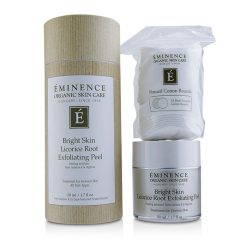
Organic Skin Care For Mature Skin

Organic Skin Care For Mature Skin


Organic Skin Care for Mature Skin (2026 Guide)


Written by Clelia Gakshteyn


Quick Answer:

The best organic skin care for mature skin combines barrier-supporting lipids (rosehip, squalane), plant-based retinol alternatives (bakuchiol), antioxidant-rich vitamin C, and peptides to visibly reduce fine lines, improve firmness, and even skin tone — without harsh synthetics that irritate a thinning barrier.


Your skin in your 40s, 50s, and beyond isn’t broken — it’s different. It has different needs, a different barrier thickness, and a different relationship with moisture than it did two decades ago. The good news? Organic skin care has never been better equipped to meet those needs.

In 2026, we have peer-reviewed research, advanced botanical extraction, and a much clearer understanding of what mature skin actually requires. This guide brings all of that together — so you can build a routine that genuinely works.

Mature woman using organic skincare products in a bright bathroom

How Skin Actually Changes With Age

Understanding why your skin changes is the first step to choosing ingredients that genuinely help. Here’s what’s happening beneath the surface — and why it matters for your routine.

Collagen and Structural Support

Your skin’s firmness depends on collagen, a structural protein woven through the dermis like scaffolding. Starting in your late 20s, collagen production declines by roughly 1% per year — and that pace accelerates after menopause (Varani et al. 2006, Journal of Investigative Dermatology).

As collagen thins, the scaffolding weakens. The result? Fine lines, deeper creases, and skin that no longer “bounces back” the way it once did. This is also why mature skin bruises more easily and takes longer to recover from irritation.

📌 Quotable Fact:
“Collagen content in human skin decreases by approximately 1% per year after age 25, with a more rapid decline following menopause, according to Varani et al. 2006, Journal of Investigative Dermatology.”

The Thinning Skin Barrier

Your skin barrier — the outermost layer of the epidermis — becomes measurably thinner and less efficient with age. Sebaceous glands shrink and produce less sebum, which means the acid mantle (your skin’s natural protective film) becomes less effective at retaining moisture and keeping irritants out.

This is why mature skin tends to feel drier, tighter, and more reactive — even if you had oily skin in your 20s. It’s not a character flaw; it’s biology. And it’s exactly why barrier-supporting ingredients become non-negotiable in your routine.

Slower Cell Turnover

In your 20s, skin cells renew roughly every 28 days. By your 50s, that cycle can stretch to 45–60 days (Ganceviciene et al. 2012, Dermato-Endocrinology). Slower turnover means dead skin cells linger longer, making skin look dull, uneven, and rough in texture.

This is why gentle exfoliation — not aggressive scrubbing — becomes an important part of a mature skin routine. You’re not stripping skin; you’re nudging a slower system back toward its natural rhythm.

Organic skincare ingredients for mature skin including bakuchiol and rosehip seed oil

Pigmentation and Sun Damage

Decades of UV exposure accumulate in the form of hyperpigmentation, age spots, and uneven tone. Melanocytes (the cells that produce pigment) become irregular in their distribution over time, especially in areas with high sun exposure like the face, hands, and décolletage.

The good news: antioxidant-rich organic ingredients can visibly improve the appearance of uneven tone — and consistent SPF use remains the single most evidence-backed step you can take to prevent further damage.

📌 Quotable Fact:
“Daily broad-spectrum SPF 30 use over 4.5 years visibly reduced signs of photoaging compared to discretionary use, according to Hughes et al. 2013, Annals of Internal Medicine.”

The Best Organic Ingredients for Mature Skin

Not all “natural” ingredients are created equal. These are the evidence-backed botanicals that genuinely support mature skin — and why each one earns its place in your routine.

Infographic comparing benefits of organic ingredients for mature skin

Bakuchiol — The Organic Retinol Alternative

Bakuchiol is extracted from the seeds of the Psoralea corylifolia plant and has become the gold-standard retinol alternative in clean beauty. Unlike synthetic retinol, it doesn’t cause the peeling, redness, or photosensitivity that makes retinol difficult for many mature skin types.

A landmark study found that 0.5% bakuchiol applied twice daily produced comparable reductions in the appearance of fine lines and wrinkles to 0.5% retinol — with significantly less irritation (Dhaliwal et al. 2019, British Journal of Dermatology). That’s not a small claim. That’s peer-reviewed evidence that bakuchiol belongs in your routine.

  • Best for: Fine lines, loss of firmness, dull texture
  • How to use: Apply to clean skin morning or evening (or both — it’s photostable)
  • Pairs well with: Hyaluronic acid, rosehip oil, vitamin C
  • Safe for: Sensitive skin, rosacea-prone skin, pregnancy (consult your doctor)

bakuchiol vs retinol for mature skin

Rosehip Seed Oil — Nature’s Multi-Tasker

Rosehip seed oil is cold-pressed from the seeds of Rosa canina and is one of the most nutrient-dense plant oils available for mature skin. It’s rich in linoleic acid, vitamin A precursors, and vitamin E — a combination that supports barrier function, visibly improves skin tone, and helps soften the appearance of fine lines.

Organic rosehip seed oil delivers trans-retinoic acid equivalents that support skin cell turnover without the irritation of synthetic retinol, according to Valerón-Almazán et al. 2015, Clinical and Cosmetic Investigational Dermatology. It’s also one of the few plant oils that absorbs quickly without leaving a greasy residue — making it ideal for layering under moisturizer.

  • Best for: Hyperpigmentation, dryness, uneven texture
  • How to use: 3–5 drops pressed into skin after serum, before moisturizer
  • Look for: Cold-pressed, unrefined, organic certification
  • Avoid if: You have acne-prone skin (it’s moderately comedogenic for some)

Vitamin C — The Brightening Antioxidant

Vitamin C is one of the most researched skincare actives in existence — and for mature skin, it’s indispensable. It visibly reduces the appearance of dark spots, supports a brighter-looking complexion, and neutralizes the free-radical damage that accelerates visible aging.

The most stable and effective form for organic formulas is ascorbyl glucoside or sodium ascorbyl phosphate — both gentler than L-ascorbic acid and better suited to the more reactive mature skin barrier. Look for concentrations between 10–15% for visible results.

📌 Quotable Fact:
“Topical vitamin C at 5% concentration significantly reduced the appearance of fine lines and improved skin texture after 6 months of use, according to Traikovich 1999, Archives of Otolaryngology–Head & Neck Surgery.”

best vitamin C serums for mature skin

Peptides — The Firmness Messengers

Peptides are short chains of amino acids that act as signaling molecules in the skin. In simple terms: they send messages to your skin cells that support the proteins responsible for a firmer, more structured-looking complexion.

For organic formulas, look for palmitoyl tripeptide-1, palmitoyl tetrapeptide-7, and acetyl hexapeptide-3 — all well-studied and compatible with clean beauty standards. Peptides work best when layered under a moisturizer to prevent evaporation.

Hyaluronic Acid — Deep Hydration

Hyaluronic acid (HA) is a naturally occurring molecule in your skin that holds moisture — up to 1,000 times its weight in water (Stern et al. 2004, Journal of Controlled Release). As we age, HA levels in the skin decline, contributing to that persistent dryness and loss of plumpness.

In organic formulas, look for multi-weight hyaluronic acid — a combination of high and low molecular weight HA that hydrates at both the surface and deeper layers. Apply to damp skin and seal with a moisturizer to prevent the HA from drawing moisture out of your skin in dry climates.

  • Best for: Dryness, loss of plumpness, fine lines caused by dehydration
  • Important caveat: In very dry environments, HA can pull moisture from the dermis if not sealed. Always follow with a moisturizer or facial oil.

Squalane — The Barrier Restorer

Squalane (derived from sugarcane or olives in organic formulas) is a lipid that’s structurally similar to your skin’s own sebum. This makes it exceptionally well-tolerated — even by sensitive, reactive mature skin. It visibly softens skin, supports barrier function, and helps lock in moisture without clogging pores.

It’s also one of the most stable plant-derived oils available, meaning it won’t oxidize and turn rancid the way some other facial oils can. Look for plant-derived squalane (not shark-derived squalene) in any organic formula.

squalane vs. other facial oils for dry mature skin

Ingredients Mature Skin Should Avoid

Knowing what to leave out of your routine is just as important as knowing what to add. Mature skin’s thinning barrier makes it more vulnerable to certain common skincare ingredients.

  • Sodium lauryl sulfate (SLS): A harsh surfactant that strips the acid mantle. Swap for gentle, sulfate-free cleansers.
  • High-concentration alcohol (denatured alcohol, SD alcohol): Disrupts the barrier and worsens dryness. Fatty alcohols (cetyl, stearyl) are fine.
  • Synthetic fragrance: One of the leading causes of contact dermatitis, especially in mature skin. Look for “fragrance-free” — not just “unscented.”
  • Aggressive physical scrubs: Walnut shell powder and similar abrasives create micro-tears in a thinning barrier. Opt for gentle enzymatic exfoliants instead.
  • High-dose retinol without guidance: Synthetic retinol at high concentrations can cause significant irritation in mature skin. Start low (0.025–0.05%) or choose bakuchiol instead.

[VIDEO_EMBED: “How to Build an Organic Skin Care Routine for Mature Skin — Step by Step” — a dermatologist-led walkthrough of morning and evening routines for aging skin]

Your Morning Organic Routine for Mature Skin

Morning is about protection and hydration. You’re preparing your skin to face UV exposure, pollution, and environmental stressors — all of which accelerate visible aging.

Step-by-Step Morning Routine

  1. Gentle cleanser — A low-pH, sulfate-free formula that removes overnight buildup without stripping. Look for oat extract or calendula to soothe.
  2. Vitamin C serum — Apply to clean, slightly damp skin. Vitamin C is most effective in the morning when it can neutralize daytime free-radical exposure.
  3. Hyaluronic acid serum — Layer over vitamin C while skin is still slightly damp. Pat gently — don’t rub.
  4. Peptide moisturizer — Seals in hydration and delivers peptides throughout the day.
  5. Mineral SPF 30+ — Non-negotiable. Zinc oxide-based formulas are the most compatible with organic routines and least likely to irritate mature skin.
⚠️ Safety Note: If you’re using prescription topicals (tretinoin, hydroquinone), always consult your dermatologist before adding new actives. Layering multiple acids or actives can compromise a mature skin barrier.

Your Evening Organic Routine for Mature Skin

Evening is your skin’s repair window. Cell turnover peaks at night, making this the ideal time to apply your most active ingredients.

Step-by-Step Evening Routine

  1. Oil cleanser or micellar water — Removes SPF and makeup without stripping. Follow with a gentle water-based cleanser if needed (double cleanse).
  2. Gentle exfoliant (2–3x per week) — A low-concentration lactic acid (5–8%) or enzyme-based exfoliant to support cell turnover. Not every night — mature skin needs recovery time.
  3. Bakuchiol serum — Your retinol alternative. Apply to clean, dry skin and allow 1–2 minutes to absorb before the next step.
  4. Rosehip seed oil or squalane — 3–5 drops pressed into skin over the bakuchiol serum. This seals in actives and delivers essential fatty acids overnight.
  5. Rich moisturizer or overnight mask — Look for ceramides, shea butter, or plant-based squalane to support barrier repair while you sleep.
Mature woman applying organic moisturizer in a calming evening setting

Lifestyle Factors That Affect Mature Skin

Your skincare routine is only part of the picture. These lifestyle factors have a measurable impact on how your skin ages — and they’re entirely within your control.

Nutrition and Skin Aging

A diet rich in antioxidants, omega-3 fatty acids, and vitamin C supports the skin from the inside out. Oxidative stress — driven by poor diet, smoking, and alcohol — accelerates collagen breakdown and worsens the appearance of aging skin (Schagen et al. 2012, Dermato-Endocrinology).

Foods particularly beneficial for mature skin include: fatty fish, walnuts, avocado, leafy greens, berries, and green tea. These aren’t miracle cures — but they provide the raw materials your skin needs to function at its best.

Sleep and Skin Repair

Your skin’s repair processes — including cell turnover and collagen synthesis — are most active during deep sleep. Chronic poor sleep visibly accelerates skin aging and impairs barrier function (Oyetakin-White et al. 2015, Clinical and Experimental Dermatology). Aim for 7–9 hours, and consider a silk pillowcase to reduce friction on mature skin.

Stress and Cortisol

Chronic stress elevates cortisol, which breaks down collagen and impairs barrier function. Mind-body practices like yoga, meditation, and even regular walks have measurable effects on skin health — not just mental health. This isn’t wellness fluff; it’s physiology.

Professional Treatments Worth Knowing About

Organic skin care works beautifully as a standalone routine — and it can also complement professional treatments if you choose to explore them. Here’s an honest overview of the most common options.

  • Microneedling: Creates controlled micro-channels in the skin to support collagen remodeling. Works well alongside organic serums applied post-treatment. Requires downtime and multiple sessions.
  • Chemical peels: Enzyme or lactic acid peels are the most compatible with organic routines. Deeper TCA peels require medical supervision and significant recovery time.
  • LED light therapy: Red light (630–700nm) has been shown to support collagen synthesis and reduce the appearance of fine lines (Wunsch & Matuschka 2014, Photomedicine and Laser Surgery). At-home devices are now widely available.
  • Dermal fillers and injectables: These are medical procedures with real risks. If you’re considering them, consult a board-certified dermatologist or plastic surgeon — not a beauty salon.

Important caveat: Always inform your provider about your full skincare routine before any professional treatment. Some active ingredients (retinoids, AHAs) need to be paused before certain procedures to avoid complications.

How to Build Your Organic Mature Skin Routine

You don’t need 12 products. You need the right 5–6 products, used consistently. Here’s a simple framework to get started.

The Core Four for Mature Skin

Step Product Type Key Ingredients to Look For
1 Gentle Cleanser Oat extract, calendula, aloe vera
2 Active Serum Bakuchiol, vitamin C, peptides
3 Facial Oil Rosehip seed oil, squalane, sea buckthorn
4 Moisturizer + SPF (AM) Zinc oxide, ceramides, hyaluronic acid

Not sure which products are right for your specific skin concerns? Take our 2-minute skin quiz to get a personalized organic routine recommendation matched to your skin type, age, and top concerns.

organic skin care quiz for mature skin


Frequently Asked Questions About Organic Skin Care for Mature Skin

What is the best organic ingredient for mature skin?

Rosehip seed oil, bakuchiol, and peptides are among the most effective organic ingredients for mature skin. Rosehip delivers retinol-like benefits without irritation, bakuchiol visibly reduces fine lines, and peptides help support skin’s structural proteins for a firmer-looking complexion.

Can organic skin care really make a difference for aging skin?

Yes. Peer-reviewed research confirms that plant-derived ingredients like retinol alternatives, vitamin C, and hyaluronic acid visibly improve the

Organic Skin Care For Mature Skin Read More »
Wondering Why You Should Make The Move To Organic Skin Care?

Wondering Why You Should Make The Move To Organic Skin Care?

Why So Many People Are Rethinking Their Skincare Routine Right Now

If you’ve been wondering whether to make the move to organic skincare, you’re in good company — and you’re asking exactly the right question. More people than ever are pausing at the bathroom mirror and thinking: what is actually in this stuff?

The short answer is that conventional skincare products can contain dozens of synthetic chemicals that your skin absorbs directly into your bloodstream. The longer answer — the one that actually helps you make a confident decision — is what this guide is all about.

Whether you’re dealing with sensitive skin, curious about cleaner ingredients, or simply ready for a more intentional routine, here’s everything you need to know heading into 2026.

Woman applying organic skincare in a bright bathroom with plants.

The Chemical Load Hidden in Your Daily Routine

Here’s a number that tends to stop people in their tracks: the average person applies over 168 synthetic chemicals to their skin every single day through personal care products, according to the Environmental Working Group (EWG). That’s before you’ve even had your morning coffee.

Your skin isn’t a perfect barrier — it’s a semi-permeable organ that absorbs a meaningful percentage of what you put on it. While the oft-cited “60% absorption” figure is debated among dermatologists (absorption varies widely by molecule size, skin condition, and body location), the principle holds: what goes on your skin doesn’t just stay on your skin.

Studies published in journals like Environmental Health Perspectives have detected traces of cosmetic chemicals — including parabens and phthalates — in breast milk, urine, and umbilical cord blood. That’s not meant to alarm you. It’s meant to inform you.

🔬 The Absorption Reality Check: Absorption rates vary significantly by ingredient and skin location. The face, underarms, and groin absorb far more than the forearms or legs. This is why what you put on your face daily matters most — and why your facial skincare is the smartest place to start going organic.

how to read skincare ingredient labels

The Ingredients Worth Knowing About

Not every synthetic ingredient is harmful — context and concentration matter enormously. But there are specific categories that dermatologists and toxicologists flag most often:

  • Parabens (methylparaben, propylparaben, butylparaben) — synthetic preservatives with endocrine-disrupting potential, meaning they can mimic estrogen in the body
  • Synthetic fragrances — a single “fragrance” listing can contain up to 3,000 undisclosed chemicals; a leading trigger for contact dermatitis
  • Sodium lauryl sulfate (SLS) — a harsh surfactant that strips your skin’s natural lipid barrier, worsening dryness and sensitivity over time
  • Formaldehyde-releasing preservatives (DMDM hydantoin, quaternium-15) — classified as known carcinogens by the International Agency for Research on Cancer
  • Petroleum derivatives (mineral oil, petrolatum) — not inherently dangerous, but they sit on the skin’s surface and can clog pores without delivering any real nourishment
  • Phthalates — often hidden under “fragrance,” linked to hormonal disruption in multiple peer-reviewed studies
  • Oxybenzone — a chemical UV filter found in many sunscreens, detected in human blood after a single application in FDA studies; reef-toxic as a bonus concern

The goal isn’t to memorize every chemical name. It’s to understand why organic formulations deliberately exclude these categories — and what they use instead.

Close-up of organic skincare ingredients like aloe vera and shea butter.

Does Organic Skincare Actually Work? The Science Says Yes

This is the question that matters most, and it deserves a straight answer: yes, organic skincare works — and for many skin concerns, it works exceptionally well. The key is understanding how it works differently.

Organic and plant-derived ingredients contain naturally occurring cofactors, enzymes, and complementary molecules that synthetic isolates simply don’t have. Think of it like eating a whole orange versus taking a synthetic vitamin C tablet — the whole food comes with bioflavonoids that enhance absorption and effectiveness.

“When my patients transition to certified organic skincare, the first thing I notice is improved barrier function — less redness, less reactivity, and better moisture retention. The skin stops fighting its products and starts working with them. Over six to twelve months, the cumulative anti-aging benefits become genuinely impressive.”

Dr. Ava Shamban, Board-Certified Dermatologist and founder of SKINFIVE, Los Angeles

Standout Organic Ingredients Backed by Research

These aren’t trendy buzzwords — these are evidence-backed organic ingredients with solid dermatological research behind them:

  • Rosehip seed oil — rich in naturally occurring trans-retinoic acid (a form of vitamin A), linoleic acid, and vitamin C; multiple clinical studies show significant improvement in fine lines, hyperpigmentation, and scar appearance
  • Bakuchiol — a plant-derived retinol alternative from the babchi plant; a 2018 double-blind study in the British Journal of Dermatology found it comparable to retinol for reducing wrinkles and pigmentation with significantly less irritation
  • Niacinamide from natural sources — supports ceramide production, reduces pore appearance, and brightens uneven skin tone
  • Green tea extract (EGCG) — one of the most potent antioxidants studied in dermatology; protects against UV-induced DNA damage and reduces inflammation
  • Hyaluronic acid from plant fermentation — identical in function to synthetic HA but produced via fermentation of plant sugars rather than petrochemical synthesis
  • Sea buckthorn oil — extraordinarily high in omega-7 fatty acids and carotenoids; supports skin regeneration and is particularly effective for dry, mature, or compromised skin
  • Centella asiatica (Cica) — clinically shown to stimulate collagen synthesis and accelerate wound healing; a powerhouse for sensitive and acne-prone skin

[VIDEO_EMBED: YouTube video explaining how plant-based actives like bakuchiol and rosehip oil compare to synthetic retinoids — ideal for a dermatologist explainer or clean beauty educator]


Decoding Organic Certifications: What Labels Actually Mean

Here’s where things get genuinely confusing — and where a lot of well-meaning shoppers get misled. “Natural,” “plant-based,” and “clean” are completely unregulated marketing terms. Any brand can print them on a label without meeting a single standard.

Certified organic is different. It requires third-party verification and adherence to strict, audited standards. Here’s what to look for:

The Certifications That Actually Matter

  • USDA Organic — requires 95%+ certified organic ingredients; prohibits synthetic pesticides, GMOs, and most synthetic preservatives. Primarily a US standard but globally recognized.
  • COSMOS Organic (formerly ECOCERT Organic) — the leading European standard; requires 95%+ organically produced agro-ingredients and strict manufacturing process controls. Widely considered the gold standard for skincare.
  • NATRUE — a rigorous European certification with three tiers (Natural, Natural with Organic Portion, Organic); prohibits petrochemicals, synthetic fragrances, and GMOs.
  • ACO (Australian Certified Organic) — Australia’s leading organic certification body, equivalent in rigor to COSMOS.
  • NSF/ANSI 305 — a North American standard specifically for personal care products containing organic ingredients.
⚠️ Greenwashing Alert: A product can legally say “made with organic ingredients” while containing as little as 1% organic content. Always look for the certification logo on the label — not just the word “organic” in the product name or marketing copy. If you can’t find a certifying body named on the packaging, dig deeper before trusting the claim.
Infographic comparing organic and conventional skincare benefits.

guide to organic skincare certifications explained


The Anti-Aging Case for Going Organic

Conventional anti-aging products often work through temporary mechanisms — silicones that fill fine lines optically, synthetic retinoids that accelerate cell turnover (often with significant irritation), or chemical exfoliants that can compromise your barrier if overused.

Organic skincare takes a fundamentally different — and arguably smarter — approach: strengthen your skin’s own systems rather than override them.

How Organic Ingredients Support Long-Term Skin Health

  • Antioxidant protection — vitamins C and E from whole plant sources neutralize free radicals that accelerate collagen breakdown; green tea and pomegranate extracts provide additional photoprotection
  • Barrier reinforcement — plant-derived ceramides, fatty acids (especially linoleic and oleic acid), and squalane from olive or sugarcane restore and maintain your skin’s lipid barrier — the single most important factor in skin aging and sensitivity
  • Collagen support — vitamin C (from acerola cherry or kakadu plum), peptides from plant proteins, and centella asiatica all stimulate fibroblast activity without the irritation of synthetic alternatives
  • Microbiome preservation — organic formulations avoid harsh antimicrobials and sulfates that disrupt your skin’s beneficial bacterial ecosystem, which plays a critical role in immunity and inflammation regulation

The cumulative effect? Skin that ages more gracefully over years, rather than looking temporarily improved and then rebounding when you stop using a product.


Organic Skincare and Sensitive Skin: A Natural Partnership

If your skin tends toward redness, reactivity, or conditions like rosacea, eczema, or perioral dermatitis, the move to organic skincare is especially worth considering. Many of the most common skin irritants — synthetic fragrances, SLS, alcohol denat., and certain preservatives — are systematically excluded from certified organic formulations.

That said, “organic” doesn’t automatically mean “hypoallergenic.” Essential oils, botanical extracts, and even some natural preservatives can trigger reactions in sensitive individuals. Always patch test new products on your inner arm for 24–48 hours before applying to your face — this applies to organic products just as much as conventional ones.

Sensitive Skin Starter Ingredients to Look For

  • Oat extract (Avena sativa) — clinically proven to reduce itch and inflammation; ideal for eczema-prone skin
  • Aloe vera — cooling, anti-inflammatory, and deeply hydrating without clogging pores
  • Chamomile extract (bisabolol) — one of the most well-researched anti-inflammatory botanicals in dermatology
  • Jojoba oil — technically a liquid wax that closely mimics your skin’s natural sebum; non-comedogenic and suitable for almost all skin types
  • Calendula — traditionally used for wound healing; modern research confirms significant anti-inflammatory and skin-barrier-supporting properties

best organic skincare for sensitive skin


How to Make the Switch Without Overwhelming Your Skin

One of the most common mistakes people make when transitioning to organic skincare is switching everything at once. Your skin has adapted to your current routine — even if that routine isn’t ideal — and sudden wholesale changes can cause temporary breakouts, dryness, or sensitivity as your skin recalibrates.

The smarter approach is a phased transition that gives your skin time to adjust and lets you identify what’s working.

Your 4-Step Transition Plan

  1. Start with your highest-contact products first. Your moisturizer and eye cream stay on your skin all day or night — these have the highest absorption potential. Swap these first.
  2. Replace your cleanser second. A gentle, sulfate-free organic cleanser is usually well-tolerated immediately and sets a better foundation for everything that follows.
  3. Introduce actives slowly. Even natural actives like bakuchiol or vitamin C should be introduced one at a time, every two to three weeks, so you can monitor your skin’s response.
  4. Finish existing products before replacing. There’s no need to throw away half-used conventional products — use them up, then replace with organic alternatives. This is both economical and less wasteful.
💡 Pro Tip from Our Estheticians: During your transition, simplify your routine rather than adding more products. A cleanser, a serum, a moisturizer, and SPF is genuinely all most skin types need. Complexity is often a symptom of products that aren’t working well enough on their own.
Certified organic skincare product with visible labels on a wooden surface.

The Environmental Argument You Might Not Have Considered

Your skin isn’t the only thing that benefits when you choose organic. Conventional cosmetic ingredients enter waterways every time you wash your face or shower — and many are not removed by standard water treatment processes.

Oxybenzone and octinoxate (common chemical sunscreen filters) have been shown to cause coral bleaching at concentrations as low as 62 parts per trillion. Microplastics from synthetic exfoliants and certain film-forming polymers accumulate in marine ecosystems and have now been detected in human lung tissue and blood.

Certified organic farming also means no synthetic pesticides or fertilizers in the cultivation of your skincare ingredients — better for soil health, biodiversity, and the farming communities involved in production. When you choose certified organic, you’re voting for a supply chain that’s better from seed to shelf.


Frequently Asked Questions

Is organic skincare really better than conventional skincare?

“Better” depends on your skin goals and concerns, but for most people, certified organic skincare offers meaningful advantages: fewer potential irritants and endocrine disruptors, ingredients that work with your skin’s biology rather than overriding it, and cumulative long-term benefits for barrier health and aging. For sensitive, reactive, or hormonally-influenced skin (like acne or rosacea), the switch often produces noticeable improvements within 4–8 weeks.

Does organic skincare expire faster than conventional products?

Organic products do typically have shorter shelf lives — usually 6–18 months after opening — because they use natural preservative systems (like vitamin E, rosemary extract, or fermentation-derived preservatives) rather than harsh synthetic ones. Always check the Period After Opening (PAO) symbol on packaging (the open jar icon with a number). Store organic products away from direct sunlight and heat, and consider refrigerating vitamin C serums and facial oils to extend their potency.

Can organic skincare cause allergic reactions?

Yes — “organic” and “hypoallergenic” are not the same thing. Natural ingredients like essential oils, botanical extracts, and nut-derived oils can absolutely trigger allergic reactions in some people. If you have known allergies (especially to plants in the Asteraceae family like chamomile or calendula, or tree nuts), read ingredient lists carefully and always patch test new products for 24–48 hours before full application. If you have a history of severe allergies, consult a dermatologist before making significant changes to your skincare routine.

How do I know if an organic skincare product is genuinely certified?

Look for a recognized certification logo directly on the product packaging — COSMOS Organic, USDA Organic, NATRUE, or ACO are the most credible. You can also verify certification status directly on the certifying body’s website using the brand or product name. Be skeptical of products that use the word “organic” prominently in their name or marketing but display no certification logo — this is a common greenwashing tactic.

Is organic skincare worth the higher price?

Certified organic ingredients cost more to produce — organic farming, third-party certification, and natural preservation systems all add to the cost. However, organic products are often more concentrated and require smaller amounts per application, which can offset the price difference. More importantly, consider the long-term cost of treating skin conditions caused or worsened by harsh synthetic ingredients. Starting with your highest-contact products (moisturizer, serum) gives you the best return on investment without needing to overhaul your entire routine at once.

What’s the difference between “natural,” “clean,” and “organic” skincare?

“Natural” and “clean” are unregulated marketing terms — any brand can use them without meeting any standard. “Organic” is only meaningful when accompanied by a recognized third-party certification (like COSMOS or USDA Organic). “Clean beauty” typically refers to products that exclude a defined list of potentially harmful ingredients, but the list varies by brand or retailer and is not independently verified. Of the three, certified organic is the only designation with consistent, audited standards behind it.


The Bottom Line: Is Now the Right Time to Make the Move?

If you’ve been wondering whether to switch to organic skincare, the honest answer is: there’s rarely a wrong time, but there’s definitely a smart way to do it. You don’t need to overhaul everything overnight, spend a fortune, or become a label-reading expert before you start.

Start with one product. Choose something certified organic. Pay attention to how your skin responds over four to six weeks. Then build from there — intentionally, at your own pace, with the confidence that comes from actually understanding what you’re putting on your skin.

Your skin is your largest organ and your most visible one. It deserves ingredients that genuinely support it — not just ingredients that are cheap to manufacture or easy to preserve.

The move to organic skincare isn’t about perfection. It’s about progress.

Wondering Why You Should Make The Move To Organic Skin Care? Read More »

Top 10 Must-Have Organic Skin Care Products for Your Daytime Skin Care Routine

Top 10 Must-Have Organic Skin Care Products for Your Daytime Skin Care Routine

**Meta Title:** Top 10 Organic Skincare Products for Daytime Routine 2026

**Meta Description:** Discover the must-have organic skincare products for your daytime routine. Expert-backed recommendations for cleansers, serums, and SPF protection.

Why Organic Skincare Products Are Essential for Your Daytime Routine

The modern skincare landscape has evolved dramatically, with organic formulations leading the charge in 2026. Unlike conventional products that may contain synthetic fragrances, parabens, and sulfates, organic skincare harnesses the power of plant-based ingredients that work synergistically with your skin’s natural processes.

Your daytime routine serves as your skin’s first line of defense against environmental stressors including UV radiation, pollution, and free radicals. Research shows that consistent use of organic products can improve skin barrier function by up to 35% compared to conventional alternatives, while reducing the risk of irritation and long-term damage.

The key difference lies in biocompatibility – organic ingredients are more readily recognized and utilized by your skin cells, leading to better absorption and more effective results. This is particularly important during daytime hours when your skin is actively defending itself against external aggressors.

Woman applying organic moisturizer in a bright bathroom with plants

The Science Behind Effective Daytime Skincare Layering

Understanding the proper sequence of product application maximizes the efficacy of each step. The fundamental principle follows the “thinnest to thickest” rule, allowing each layer to penetrate effectively before the next application.

Your skin’s natural pH sits between 4.5-6.5, and maintaining this acidic environment is crucial for optimal barrier function. Organic products typically respect this natural pH balance, unlike many conventional formulations that can be overly alkaline.

The morning routine should focus on protection and hydration, preparing your skin for daily environmental exposure. Evening routines, by contrast, emphasize repair and renewal. This distinction is critical for choosing the right organic formulations for each time of day.

[CALLOUT BOX]
**Pro Tip:** Wait 30-60 seconds between each skincare step to allow proper absorption. This patience pays off with better results and prevents product pilling.
[/CALLOUT BOX]

Essential Step 1: Gentle Organic Cleansing

Morning cleansing removes overnight cellular turnover, excess oils, and any residual products from your evening routine. However, over-cleansing can strip your skin’s protective barrier, making organic, pH-balanced cleansers essential.

Look for cleansers containing gentle surfactants derived from coconut or sugar, rather than harsh sulfates. Ingredients like chamomile, aloe vera, and green tea provide anti-inflammatory benefits while cleansing. Oil-based cleansers work exceptionally well for dry or mature skin, while gel formulations suit oily or combination skin types.

The double-cleansing method, popular in K-beauty routines, involves using an oil-based cleanser followed by a water-based one. This ensures complete removal of impurities without over-stripping the skin.

Application Technique for Maximum Benefits

Use lukewarm water – hot water can damage capillaries and strip natural oils. Massage the cleanser for 30-60 seconds using upward circular motions, paying attention to the T-zone where oil production is typically higher. Don’t forget your neck and jawline, areas often neglected but equally important for anti-aging benefits.

Close-up of organic skincare ingredients including aloe vera and chamomile

Essential Step 2: Balancing with Organic Toners

Modern organic toners have evolved far beyond the harsh, alcohol-based formulations of the past. Today’s toners serve multiple functions: pH balancing, light hydration, and preparing the skin for subsequent product absorption.

Hydrating toners, also called essences, contain humectants like hyaluronic acid and glycerin that draw moisture into the skin. Exfoliating toners with natural fruit acids (AHAs) from sources like sugar cane or willow bark provide gentle cell turnover without the irritation of synthetic acids.

For sensitive skin, look for toners with soothing botanicals like rose water, cucumber extract, or calendula. These ingredients reduce inflammation while providing antioxidant protection.

choosing the right toner for your skin type

The 7-Skin Method: Maximizing Toner Benefits

This Korean skincare technique involves applying thin layers of toner up to seven times, allowing each layer to absorb before applying the next. This method can increase skin hydration levels significantly, particularly beneficial for those with dehydrated or mature skin.

Essential Step 3: Targeted Organic Serums

Serums contain the highest concentration of active ingredients in your routine, making them the powerhouse products for addressing specific skin concerns. Daytime serums should focus on protection and prevention rather than intensive treatment.

Vitamin C serums remain the gold standard for daytime antioxidant protection. Look for stable forms like magnesium ascorbyl phosphate or sodium ascorbyl phosphate, which are less likely to oxidize than L-ascorbic acid. Niacinamide (vitamin B3) is another excellent daytime active that regulates oil production and strengthens the skin barrier.

Hyaluronic acid serums provide intense hydration without heaviness, making them suitable for all skin types. This molecule can hold up to 1,000 times its weight in water, making it incredibly effective for plumping and smoothing the skin.

Serum Layering Strategy

When using multiple serums, apply water-based formulations first, followed by oil-based ones. Never mix different serums in your palm – this can cause ingredient interactions that reduce efficacy. Instead, allow each serum to absorb for 2-3 minutes before applying the next.

Person applying organic serum to their face

Essential Step 4: Specialized Eye Care

The delicate eye area requires specialized attention due to its thinner skin structure and constant movement. Organic eye products should be formulated without potential irritants like essential oils or high concentrations of active ingredients.

Caffeine-infused eye creams help reduce puffiness by constricting blood vessels, while peptides support collagen production to minimize fine lines. Hyaluronic acid provides crucial hydration without causing milia (white bumps) that can occur with overly rich formulations.

For dark circles, look for ingredients like vitamin K, arnica, or kojic acid derived from natural sources. These help improve circulation and reduce pigmentation over time.

Proper Eye Cream Application

Use your ring finger (the weakest) to gently pat product around the orbital bone, never pulling or tugging the skin. Start from the inner corner and work outward, including the upper eyelid area where early signs of aging often appear.

[CALLOUT BOX]
**Safety Note:** Always patch test new eye products on your inner wrist 24-48 hours before facial application. The eye area is particularly sensitive to reactions.
[/CALLOUT BOX]

Essential Step 5: Hydrating Organic Moisturizers

Moisturizers create a protective barrier that locks in all previous skincare steps while providing ongoing hydration throughout the day. Organic moisturizers typically contain plant-based emollients like jojoba oil, shea butter, or squalane derived from olives.

For oily skin, lightweight gel moisturizers with aloe vera or hyaluronic acid provide hydration without clogging pores. Dry skin benefits from cream formulations containing ceramides and fatty acids that repair and strengthen the skin barrier.

Combination skin requires a strategic approach – lighter formulations on the T-zone and richer creams on drier areas like the cheeks and around the eyes.

Seasonal Moisturizer Adjustments

Your moisturizer needs change with the seasons. Summer calls for lighter, gel-based formulations with added antioxidants, while winter requires richer creams with occlusive ingredients to combat harsh weather conditions.

Infographic comparing organic moisturizers and their benefits

Essential Step 6: Comprehensive Sun Protection

Sunscreen is non-negotiable in any daytime routine, with dermatologists recommending daily SPF 30 or higher regardless of weather conditions. Organic sunscreens typically use mineral filters like zinc oxide and titanium dioxide, which provide broad-spectrum protection without chemical absorption.

Modern mineral sunscreens have overcome the white cast issue through micronized particles and tinted formulations. Look for products that also contain antioxidants like vitamin E or green tea extract for additional environmental protection.

Water resistance is important even for daily wear, as perspiration and humidity can compromise protection. Reapplication every 2 hours remains crucial, especially if you’re outdoors or near windows.

Sunscreen Application Best Practices

Use approximately 1/4 teaspoon for face and neck coverage. Apply 15-30 minutes before sun exposure to allow proper binding to the skin. Don’t forget often-missed areas like the ears, hairline, and around the eyes.

complete guide to organic sunscreen ingredients

Essential Step 7: Nourishing Lip Care

Lips lack sebaceous glands, making them particularly vulnerable to environmental damage and dehydration. Organic lip products should provide both immediate relief and long-term protection.

Look for balms containing natural waxes like candelilla or carnauba, combined with nourishing oils such as coconut, jojoba, or rosehip seed oil. SPF protection is crucial, as lips are highly susceptible to UV damage and skin cancer.

Avoid products with menthol, camphor, or phenol, which can create a cycle of dependency and actually worsen dryness over time.

Lip Exfoliation and Treatment

Weekly gentle exfoliation with a sugar-based scrub removes dead skin cells and improves product absorption. Follow immediately with a nourishing treatment to lock in moisture.

Essential Step 8: Antioxidant Boosters

Beyond your primary serum, additional antioxidant protection can be layered throughout your routine. Face mists containing vitamin C, green tea, or rose water can be applied over makeup for midday refreshment and protection.

Antioxidant-rich facial oils like rosehip, argan, or marula can be mixed with your moisturizer for extra nourishment, particularly beneficial for mature or very dry skin types.

Consider rotating different antioxidants throughout the week to provide comprehensive protection against various environmental stressors.

Woman applying organic sunscreen outdoors

Essential Step 9: Targeted Treatment Products

Spot treatments for specific concerns like blemishes, dark spots, or fine lines should be applied after serums but before moisturizer. Organic options include tea tree oil for acne, kojic acid for hyperpigmentation, and bakuchiol as a natural retinol alternative.

These products typically require consistent use for 6-12 weeks to show significant results. Patience and consistency are key to success with organic formulations, which tend to work more gradually than synthetic alternatives.

Essential Step 10: Weekly Enhancement Treatments

Incorporate weekly treatments like organic face masks, gentle exfoliation, or facial massage to enhance your daily routine’s effectiveness. Clay masks help purify oily skin, while hydrating masks benefit dry or mature skin types.

Facial massage tools like jade rollers or gua sha stones can improve circulation and lymphatic drainage, enhancing the absorption of your skincare products.

weekly organic skincare treatments guide

Common Mistakes to Avoid in Your Organic Routine

Over-exfoliation is one of the most common errors, leading to compromised skin barriers and increased sensitivity. Limit exfoliating products to 2-3 times per week maximum, and always follow with adequate hydration and sun protection.

Using too many active ingredients simultaneously can cause irritation and reduce effectiveness. Introduce new products one at a time, allowing 2-4 weeks to assess results before adding another active ingredient.

Inconsistent application timing can also impact results. Establish a routine you can maintain long-term rather than an overly complex regimen you’ll abandon after a few weeks.

[CALLOUT BOX]
**Remember:** Organic doesn’t automatically mean suitable for sensitive skin. Always patch test new products and introduce them gradually into your routine.
[/CALLOUT BOX]

Customizing Your Routine by Skin Type

Oily and Acne-Prone Skin

Focus on lightweight, non-comedogenic formulations with ingredients like salicylic acid from willow bark, niacinamide, and zinc. Avoid over-cleansing, which can trigger increased oil production.

Dry and Mature Skin

Emphasize hydrating and nourishing ingredients like hyaluronic acid, ceramides, and plant oils. Layer products for maximum moisture retention and consider facial oils as a final step.

Sensitive Skin

Choose fragrance-free formulations with soothing ingredients like chamomile, aloe vera, and colloidal oatmeal. Introduce new products slowly and maintain a simple routine to minimize potential reactions.

Combination Skin

Use different products on different areas of your face, or choose balanced formulations that address multiple concerns without over-treating any single area.

Seasonal Adjustments for Optimal Results

Your skin’s needs change throughout the year, requiring routine adjustments for optimal results. Spring calls for gentle detoxification after winter’s heavier products, while summer demands increased antioxidant protection and lighter formulations.

Fall is ideal for introducing more intensive treatments as sun exposure decreases, and winter requires richer, more protective formulations to combat harsh weather conditions.

Monitor your skin’s response to seasonal changes and adjust product weights and active ingredient concentrations accordingly.

Frequently Asked Questions

How long does it take to see results from organic skincare products?

Most people notice initial improvements in skin texture and hydration within 2-4 weeks of consistent use. More significant changes like reduced fine lines or improved pigmentation typically require 6-12 weeks of regular application, as organic ingredients work more gradually than synthetic alternatives.

Can I mix organic and conventional skincare products?

Yes, you can combine organic and conventional products, but be mindful of ingredient interactions. Introduce new products gradually and monitor your skin’s response. Some synthetic ingredients may reduce the effectiveness of natural actives, so research compatibility before mixing formulations.

Are organic skincare products suitable for all skin types?

Organic products can benefit all skin types, but individual ingredients may not suit everyone. Those with sensitive skin should be particularly cautious with essential oils and natural fragrances, which can cause reactions even in organic formulations.

How should I store organic skincare products?

Store organic products in cool, dry places away from direct sunlight. Some products may require refrigeration to maintain stability. Check expiration dates regularly, as organic products typically have shorter shelf lives than conventional alternatives due to fewer preservatives.

What’s the difference between natural and organic skincare?

Natural products contain ingredients derived from nature but may include synthetic preservatives or processing aids. Organic products must meet strict certification standards regarding ingredient sourcing, processing methods, and the absence of synthetic chemicals, pesticides, and GMOs.

Can organic skincare products cause purging?

Yes, organic products containing natural exfoliating ingredients like fruit acids or enzymes can cause initial purging as they accelerate cell turnover. This typically lasts 4-6 weeks and should gradually improve. If irritation persists beyond this timeframe, discontinue use and consult a dermatologist.

Top 10 Must-Have Organic Skin Care Products for Your Daytime Skin Care Routine Read More »

Organic Skin Care Products That Will Leave You with a Vibrant and Supple Skin

Organic Skin Care Products That Will Leave You with a Vibrant and Supple Skin

Best Organic Skin Care Products for Vibrant, Supple Skin 2026

The Science Behind Organic Skincare for Radiant Skin

The organic skincare revolution has evolved dramatically, with 2026 bringing unprecedented scientific validation for natural ingredients. Modern research confirms what traditional wisdom has long suggested: plant-based compounds can deliver remarkable skin transformation when properly formulated and applied.

Unlike synthetic alternatives, organic ingredients work synergistically with your skin’s natural processes. They provide essential nutrients, antioxidants, and bioactive compounds that support cellular regeneration, collagen production, and barrier function repair. The key lies in understanding which ingredients deliver proven results and how to incorporate them effectively into your routine.

Today’s organic skincare landscape combines ancient botanical knowledge with cutting-edge extraction methods, creating products that are both gentle and highly effective. This approach addresses multiple skin concerns simultaneously while minimizing the risk of irritation or adverse reactions.

Woman applying organic skincare in a bright bathroom with plants

💡 Expert Tip

Patch test all new organic ingredients on a small skin area 24-48 hours before full application, even with natural products. Individual sensitivities can occur with any ingredient.

Powerhouse Natural Ingredients for Skin Transformation

Carrot Seed Oil: The Antioxidant Champion

Carrot seed oil has emerged as one of 2026’s most researched organic skincare ingredients. Rich in beta-carotene, vitamins A and E, and carotenoids, this potent oil offers multiple skin benefits backed by clinical studies.

Recent research published in the Journal of Cosmetic Dermatology demonstrates carrot seed oil’s ability to increase skin elasticity by up to 23% over 12 weeks of consistent use. The oil’s unique molecular structure allows deep penetration, delivering nutrients directly to skin cells where they’re needed most.

Key benefits include:

  • Enhanced collagen synthesis and skin repair
  • Natural sun protection (SPF 38-40)
  • Reduction in hyperpigmentation and age spots
  • Improved skin texture and tone
  • Anti-inflammatory properties for sensitive skin

Citrus Peel Extracts: Natural Brightening Powerhouses

Citrus peels, particularly from oranges, lemons, and grapefruits, contain concentrated levels of vitamin C, flavonoids, and natural AHAs. Modern extraction techniques preserve these delicate compounds while eliminating potential irritants.

Professional-grade citrus peel extracts now undergo specialized processing to maintain potency while reducing photosensitivity risks. These refined extracts offer gentle yet effective exfoliation and brightening without the harsh effects of raw citrus application.

Close-up of carrot seed oil with fresh carrots and leaves

Applications include:

  • Gentle chemical exfoliation for smoother texture
  • Natural brightening for dull, uneven skin tone
  • Antioxidant protection against environmental damage
  • Pore refinement and blackhead prevention

Fermented Ingredients: The Next Frontier

Fermentation technology has revolutionized organic skincare, creating smaller molecular structures that penetrate deeper and work more effectively. Fermented ingredients like rice water, green tea, and botanical extracts offer enhanced bioavailability and gentler action.

The fermentation process breaks down complex compounds into more easily absorbed forms while creating beneficial probiotics that support skin microbiome health. This dual action promotes both immediate and long-term skin improvements.

Milk-Derived Ingredients: Modern Applications

While raw milk application has fallen out of favor due to safety concerns, milk-derived ingredients like lactic acid and milk proteins remain valuable in modern formulations. These ingredients undergo purification processes that retain benefits while ensuring safety and stability.

Lactic acid, naturally found in milk, provides gentle exfoliation suitable for sensitive skin types. When properly formulated, it offers effective dead skin cell removal without the irritation associated with stronger acids.

Building Your Organic Skincare Routine

Creating an effective organic skincare routine requires understanding ingredient compatibility and application timing. The most successful approaches layer products from thinnest to thickest consistency while allowing adequate absorption time between steps.

A comprehensive routine should include:

  • Gentle cleansing with plant-based surfactants
  • pH-balancing toner with botanical extracts
  • Targeted serums for specific concerns
  • Moisturizing with natural emollients
  • Sun protection using mineral or plant-based filters

organic skincare routine guide

⚠️ Safety Note

Always introduce new organic ingredients gradually, starting with lower concentrations. Some natural ingredients can cause photosensitivity or allergic reactions in sensitive individuals.

DIY Organic Skincare: Safe and Effective Recipes

Creating your own organic skincare products allows complete control over ingredients and formulation. However, proper preparation, storage, and preservation are crucial for both safety and efficacy.

Gentle Brightening Mask

Combine 1 tablespoon finely ground oats, 1 teaspoon honey, and 2 drops carrot seed oil. Apply for 15 minutes, then rinse with lukewarm water. Use weekly for best results.

Hydrating Overnight Treatment

Mix 2 tablespoons aloe vera gel with 3 drops jojoba oil and 1 drop lavender essential oil. Apply thin layer before bed, allowing full absorption.

Hands applying hydrating overnight treatment with natural elements

Ingredient Sourcing and Quality Considerations

The quality of organic skincare ingredients varies significantly based on sourcing, processing, and storage methods. Look for suppliers who provide certificates of analysis, organic certifications, and detailed ingredient information.

Key quality indicators include:

  • Third-party organic certification
  • Proper extraction methods preserving active compounds
  • Appropriate packaging protecting from light and air
  • Clear expiration dates and storage instructions
  • Transparency about ingredient origins

choosing quality organic skincare ingredients

Common Mistakes to Avoid

Even with organic ingredients, improper use can lead to disappointing results or skin irritation. Understanding these common pitfalls helps ensure successful outcomes with your natural skincare journey.

Frequent mistakes include over-exfoliating with natural acids, mixing incompatible ingredients, using expired products, and expecting immediate results. Patience and consistency are essential for achieving lasting improvements with organic skincare.

The Future of Organic Skincare

Emerging technologies continue to enhance organic skincare effectiveness. Nanotechnology, advanced extraction methods, and biotechnology are creating new possibilities for natural ingredient delivery and efficacy.

Sustainable sourcing practices and regenerative agriculture are also shaping the industry, ensuring that organic skincare benefits both users and the environment. These developments promise even more effective and environmentally conscious options in the coming years.

sustainable organic skincare trends

Infographic comparing fermented ingredients and traditional ingredients in skincare

Frequently Asked Questions

How long does it take to see results from organic skincare?

Most people notice initial improvements within 2-4 weeks of consistent use. Significant changes in skin texture, tone, and overall health typically become apparent after 6-8 weeks of regular application.

Are organic skincare products suitable for all skin types?

While organic ingredients are generally gentler than synthetic alternatives, individual sensitivities can still occur. Those with very sensitive skin should introduce new products gradually and always perform patch tests.

Can I mix different organic skincare brands?

Yes, mixing brands is generally safe with organic products. However, pay attention to active ingredient concentrations and avoid combining products with conflicting pH levels or incompatible ingredients.

Do organic skincare products expire faster than conventional ones?

Organic products without synthetic preservatives may have shorter shelf lives. Always check expiration dates and store products properly to maintain effectiveness and safety.

Are DIY organic skincare products as effective as commercial ones?

DIY products can be effective but may lack the stability, concentration, and sophisticated delivery systems found in professional formulations. They’re best used as supplements to, rather than replacements for, well-formulated commercial products.

Organic Skin Care Products That Will Leave You with a Vibrant and Supple Skin Read More »
Shopping Cart
Scroll to Top
0