Written by Clelia Gakshteyn
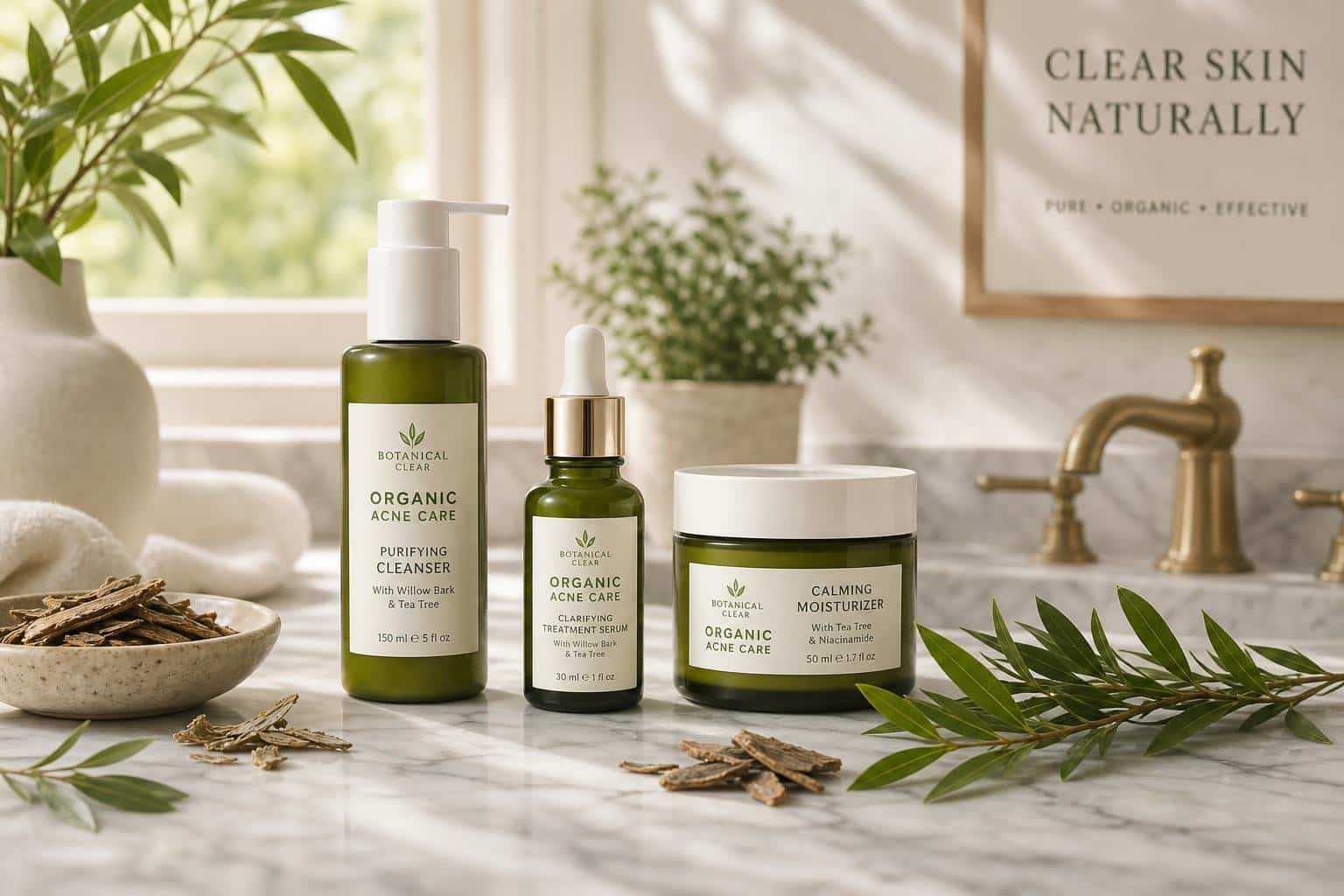
Organic skin care can visibly reduce acne by targeting clogged pores, excess sebum, and surface bacteria — without harsh synthetic chemicals that disrupt your skin barrier. The most effective organic ingredients for acne-prone skin include willow bark extract, tea tree oil, niacinamide, and probiotic cultures. A consistent, gentle routine — cleanse, treat, moisturize, protect — is the foundation of clearer-looking skin.
What Actually Causes Acne? (The Short Version)
Acne is caused by excess sebum and dead skin cells forming a plug in pores, leading to bacterial growth and inflammation. It affects up to 85% of individuals aged 12 to 24.
Acne starts deep inside your pores. When excess sebum (your skin’s natural oil) mixes with dead skin cells, it forms a plug — called a comedone. That plugged pore becomes the perfect environment for Cutibacterium acnes (formerly Propionibacterium acnes) bacteria to multiply.
Your immune system responds to that bacterial overgrowth with inflammation. The result? Redness, swelling, and the breakouts you know all too well. Acne affects up to 85% of people between ages 12 and 24, but adult acne — especially in women — is increasingly common (Tan & Bhate, 2015, British Journal of Dermatology).
Understanding this process matters because it tells you exactly what your skincare routine needs to do: control oil, clear dead cells, and keep bacteria in check — all without wrecking your skin barrier in the process.
Types of Acne: Know What You’re Dealing With
Not all breakouts are the same. Identifying your acne type helps you choose the right organic ingredients.
- Blackheads (open comedones) — Pores clogged with oxidized sebum. Appear dark on the surface.
- Whiteheads (closed comedones) — Pores sealed with a thin layer of skin. Appear as small white bumps.
- Papules — Small, raised red bumps caused by inflammation. No visible pus.
- Pustules — Like papules, but with a white or yellow center filled with pus.
- Nodules and cysts — Deep, painful lesions. These are severe and often need professional treatment. If you have cystic acne, please consult a dermatologist alongside any skincare routine.
Why Choose Organic Skin Care for Acne-Prone Skin?
Organic skin care is preferred for acne-prone skin because it avoids harsh chemicals like benzoyl peroxide, which can cause dryness and trigger more breakouts. Organic products work in harmony with the skin’s biology.
Conventional acne treatments often rely on benzoyl peroxide, synthetic retinoids, or harsh sulfate cleansers. These can be effective — but they frequently cause dryness, peeling, and barrier disruption that triggers more oil production and more breakouts. It’s a frustrating cycle.
Organic formulas take a gentler approach. They work with your skin’s biology rather than against it. Many plant-derived ingredients have genuine peer-reviewed evidence behind them — they’re not just “natural” for the sake of it.
There’s also the ingredient transparency factor. Certified organic products are formulated without synthetic fragrances, parabens, or pore-clogging silicones — all of which can aggravate sensitive, breakout-prone skin.
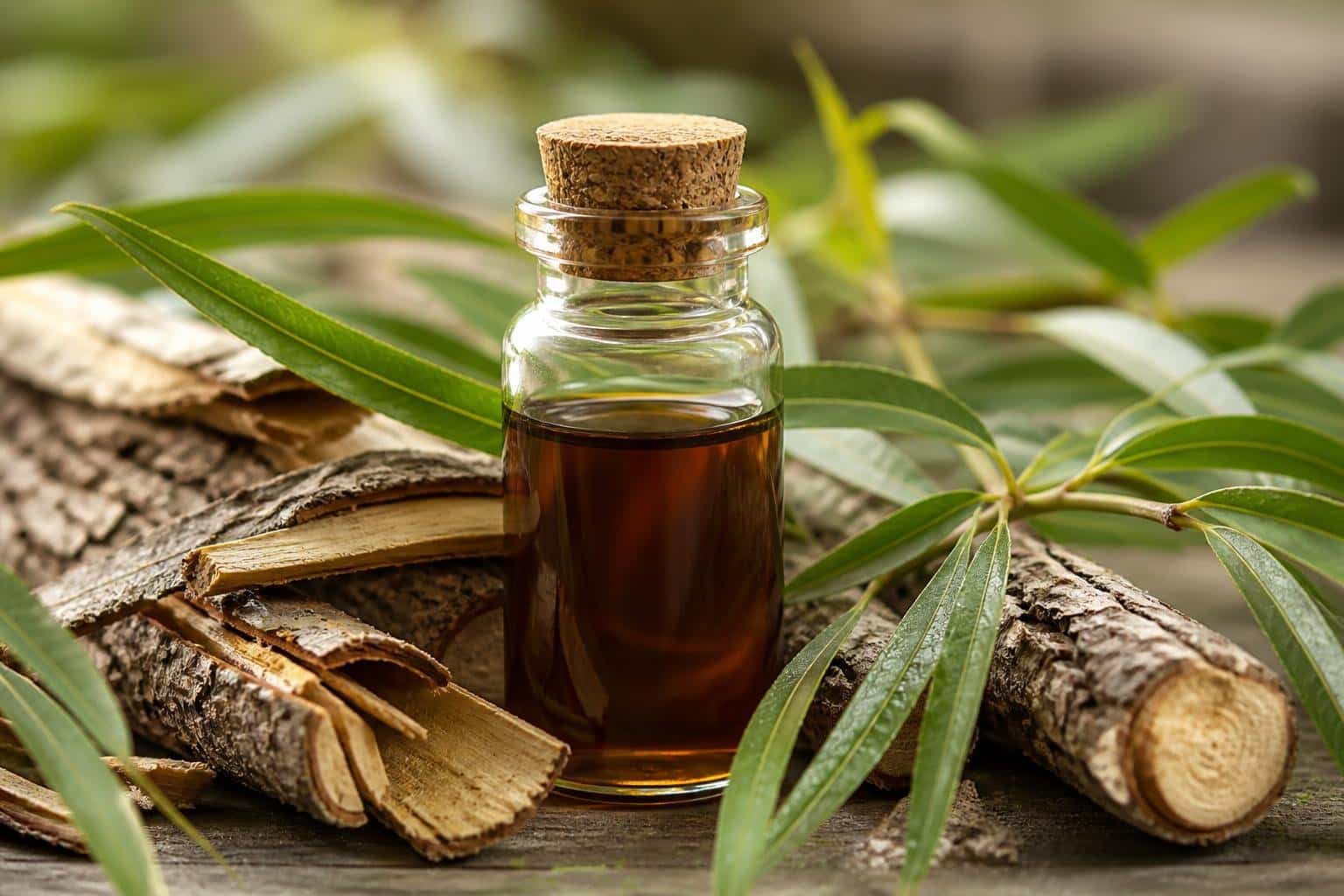
The Best Organic Ingredients for Acne-Prone Skin
Willow Bark Extract is a key organic ingredient for acne-prone skin, as it contains salicin that converts to salicylic acid, effectively exfoliating pores without the harshness of synthetic alternatives.
Here’s what the science actually supports. These are the ingredients worth looking for on your labels.
Willow Bark Extract — Nature’s Salicylic Acid
Willow bark contains salicin, which converts to salicylic acid on the skin. It helps exfoliate inside the pore, loosening the dead skin and sebum that cause congestion. It’s gentler than synthetic salicylic acid, making it a good fit for sensitive acne-prone skin.
Tea Tree Oil — The Antimicrobial Workhorse
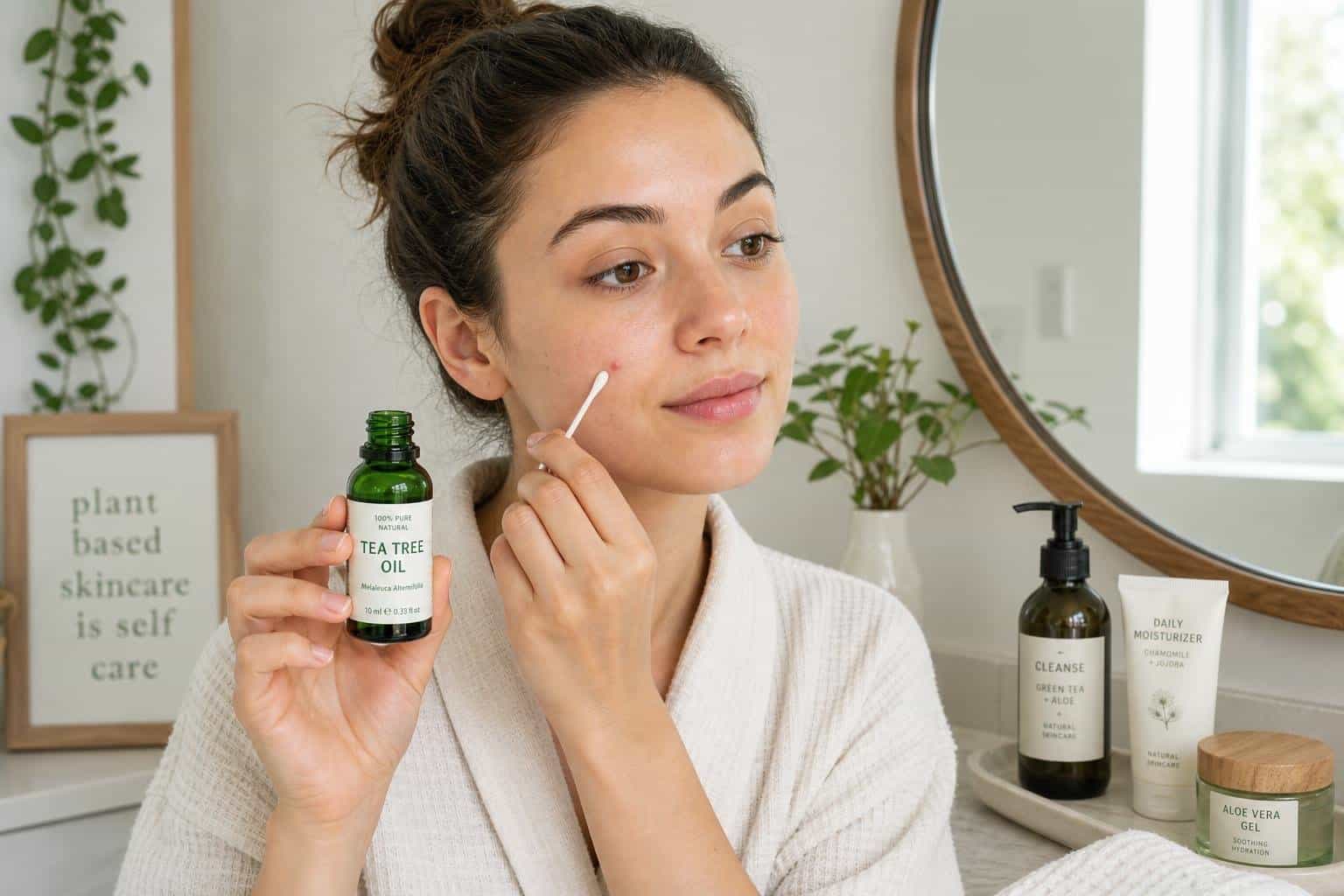
Tea tree oil (Melaleuca alternifolia) is one of the most studied plant-based ingredients for acne. Its antimicrobial properties help minimize the look of blemishes by targeting surface bacteria. It works more slowly than benzoyl peroxide but with significantly less dryness and irritation.
A landmark study found that 5% tea tree oil gel was comparable to 5% benzoyl peroxide in reducing acne lesions, with fewer side effects (Bassett et al. 1990, Medical Journal of Australia). Always dilute tea tree oil before applying it directly to skin — undiluted essential oils can cause irritation.
Niacinamide (Vitamin B3) — The Multi-Tasker
Niacinamide is a water-soluble vitamin that does several things acne-prone skin needs at once. It helps visibly reduce the appearance of pores, regulate sebum production, and fade post-acne dark spots.
Probiotic Cultures — Your Skin’s Microbiome Support
Probiotic-infused formulas are one of the most exciting developments in organic acne care. Research shows that an imbalanced skin microbiome contributes to acne severity. Topical probiotics help restore that balance, visibly calming redness and reducing breakout frequency.
Kober & Bowe (2015, International Journal of Women’s Dermatology) found that topical and oral probiotics show promise in helping reduce the appearance of acne lesions by supporting a healthier skin microbiome environment.
Other Organic Ingredients Worth Knowing
- Zinc oxide — Helps visibly calm redness and supports a healthy-looking complexion. Also provides broad-spectrum SPF protection.
- Green tea extract (EGCG) — Green tea polyphenols help minimize the look of inflammation and sebum-related congestion (Kim et al. 2006, International Journal of Dermatology).
- Rosehip seed oil — Non-comedogenic and rich in linoleic acid, which is often deficient in acne-prone skin. Helps visibly fade post-acne marks.
- Aloe vera — Soothes the look of irritated skin and provides lightweight hydration without clogging pores.
- Chamomile extract — Helps visibly calm reactive, sensitive skin that’s prone to redness alongside breakouts.
Organic Ingredients to Avoid If You’re Acne-Prone
Avoid highly comedogenic natural ingredients like coconut oil and cocoa butter, which can clog pores and worsen acne. Instead, opt for low-comedogenic alternatives like jojoba oil and aloe vera gel.
Not every “natural” ingredient is acne-friendly. Some plant-based oils are highly comedogenic — meaning they can clog pores and trigger breakouts. Watch out for these on ingredient labels:
| Avoid (High Comedogenic Rating) | Use Instead (Low Comedogenic Rating) |
|---|---|
| Coconut oil | Jojoba oil |
| Cocoa butter | Rosehip seed oil |
| Wheat germ oil | Squalane |
| Flaxseed oil | Hemp seed oil |
| Shea butter (in heavy concentrations) | Aloe vera gel |
Also avoid products with synthetic fragrances, even in “natural” formulas. Fragrance is one of the most common causes of contact dermatitis and can worsen skin sensitivity in acne-prone skin.
Your Step-by-Step Organic Acne Skin Care Routine
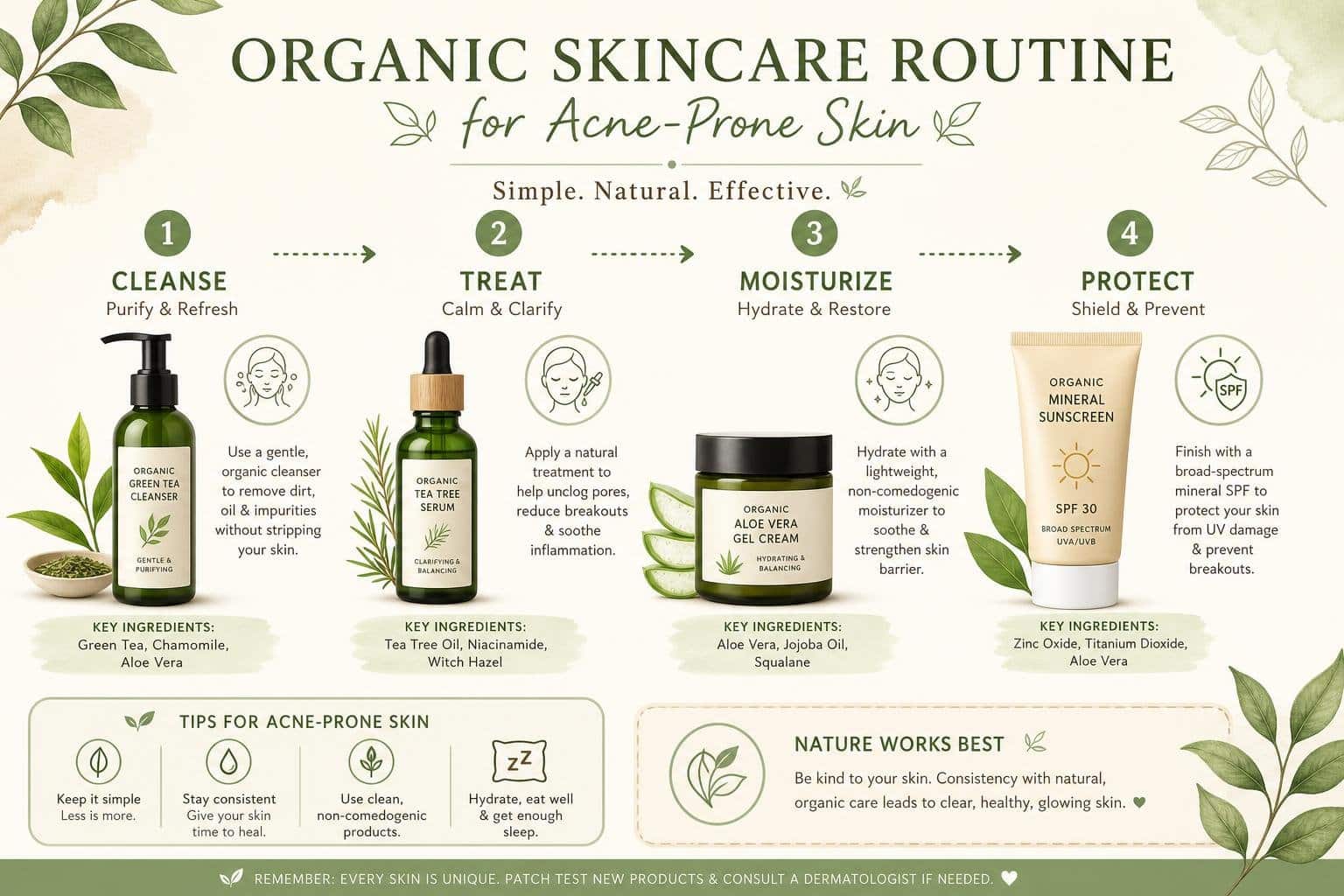
A consistent organic skincare routine is crucial for acne-prone skin. Start with a low-pH, sulfate-free cleanser to effectively remove excess oil and impurities without damaging the skin barrier.
A consistent routine is more important than any single product. Here’s a simple, effective framework built around organic ingredients.
Step 1: Cleanse (Morning & Evening)
Your cleanser sets the tone for everything that follows. You want something that removes excess oil and impurities without stripping your skin barrier. Look for a low-pH, sulfate-free formula.
For acne-prone skin that’s also sensitive or reactive, the Eminence Organic Calm Skin Chamomile Cleanser – 8.4 fl. oz. uses sunflower and calendula oils to gently remove impurities while visibly reducing irritation — a great option when your skin is feeling reactive alongside breakouts.
If your primary concern is pore congestion and active breakouts, a probiotic-based cleanser is worth trying. The Eminence Organics Clear Skin Probiotic Cleanser – 8.4 fl. oz helps purify pores and support your skin’s microbiome balance — without the over-drying effect of harsh acne cleansers.
Step 2: Treat (Evening, or AM + PM for active breakouts)
This is where your targeted organic ingredients go to work. Apply your treatment product to clean, slightly damp skin for better absorption.
- For active blemishes: A diluted tea tree oil spot treatment or a willow bark serum helps visibly reduce the look of individual breakouts.
- For post-acne dark spots: A niacinamide serum or a vitamin C booster helps visibly even out skin tone over time. If you want to supercharge your moisturizer with brightening botanicals, the Eminence Organics Skin Care Superfood Booster-Powder – 0.35 oz blends botanical Vitamin C, K, and B3 to help visibly reduce the appearance of dark spots left behind by breakouts.
- For overall congestion: A gentle exfoliating toner with willow bark or lactic acid 2–3 times per week helps keep pores clear without over-stripping.
Step 3: Moisturize (Morning & Evening)
This step is non-negotiable — even if your skin feels oily. Skipping moisturizer signals your skin to produce more sebum, which worsens congestion. Choose a lightweight, non-comedogenic formula.
Look for these skin-friendly ingredients in your moisturizer:
- Squalane — Mimics your skin’s natural sebum, helping to balance oil production
- Hyaluronic acid — Provides hydration without adding oil
- Aloe vera — Soothes the look of redness and irritation
- Niacinamide — Helps visibly minimize pores and regulate sebum
Step 4: SPF (Every Morning, No Exceptions)
Sun exposure worsens post-acne hyperpigmentation — those dark marks left behind after a breakout heals. Daily SPF is one of the most effective things you can do to prevent them from deepening.
Daily SPF 30 use prevents approximately 24% of visible signs of aging, according to Hughes et al. (2013, Annals of Internal Medicine). For acne-prone skin, choose a mineral SPF with zinc oxide — it’s non-comedogenic and provides broad-spectrum protection without synthetic chemical filters that can irritate sensitive skin.
best organic SPF for acne-prone skinLifestyle Factors That Affect Acne-Prone Skin
Lifestyle factors, particularly diet, significantly affect acne. High-glycemic foods can increase insulin levels and sebum production, so reducing these foods may help lower acne lesions.
Your skincare routine matters — but it doesn’t exist in a vacuum. These lifestyle factors have real, research-backed effects on acne.
Diet and Acne
The connection between diet and acne is stronger than once thought. High-glycemic foods (white bread, sugary drinks, processed snacks) spike insulin levels, which in turn increases sebum production.
Dairy is another common trigger for some people, though the research is mixed. If you notice breakouts correlating with dairy consumption, it’s worth an elimination trial. Keeping a simple food-and-skin diary for 4 weeks can reveal patterns you’d otherwise miss.
Stress and Acne
Stress triggers the release of cortisol, which stimulates your sebaceous glands to produce more oil. This is why breakouts often appear before big events — your skin is literally responding to your stress hormones.
Stress management isn’t just good for your mental health — it’s good for your skin. Even 10 minutes of daily mindfulness or light exercise can help visibly reduce stress-related breakouts over time.
Your Pillowcase and Phone Screen
These are two of the most overlooked acne triggers. Your pillowcase accumulates oil, dead skin cells, and bacteria every night. Change your pillowcase every 2–3 days if you’re prone to breakouts. Your phone screen is similarly bacteria-laden — clean it daily and avoid pressing it directly against your cheek.
how to build a clean beauty routine for sensitive skinTailoring Your Organic Routine to Your Skin Type
Tailor your organic skincare routine to your specific skin type. For oily skin, use willow bark and niacinamide; for dry skin, opt for squalane and aloe vera; and for combination skin, consider niacinamide and jojoba oil.
Acne-prone skin isn’t one-size-fits-all. Your skin type changes which products and ingredients will work best for you.
| Skin Type | Key Concerns | Best Organic Ingredients |
|---|---|---|
| Oily + Acne-Prone | Excess sebum, enlarged pores, blackheads | Willow bark, niacinamide, green tea, clay |
| Dry + Acne-Prone | Tight, flaky skin with occasional breakouts | Squalane, aloe vera, hyaluronic acid, lactic acid |
| Combination + Acne-Prone | Oily T-zone, dry cheeks, mixed breakouts | Niacinamide, jojoba oil, probiotic cultures |
| Sensitive + Acne-Prone | Redness, reactive skin, hormonal breakouts | Chamomile, centella asiatica, zinc, aloe vera |
What to Expect: A Realistic Timeline
Expect a gradual improvement with organic skincare: initial purging in weeks 1-2, smoother texture by weeks 3-4, and visible reduction in blemishes by weeks 5-8, especially with niacinamide or vitamin C.
Organic skincare works — but it works on a biological timeline, not an overnight one. Here’s what a realistic progression looks like:
- Weeks 1–2: Your skin may purge slightly as exfoliating ingredients bring congestion to the surface. This is normal and temporary.
- Weeks 3–4: Skin texture begins to visibly smooth. New breakouts may start to appear less frequently.
- Weeks 5–8: Visible reduction in active blemishes. Post-acne marks begin to fade with consistent niacinamide or vitamin C use.
- Weeks 8–12: Skin tone appears more even. Pores look visibly smaller with consistent willow bark or niacinamide use.
Build Your Organic Acne Routine
To build your organic acne routine, consider products like Eminence Organics Clear Skin Probiotic Cleanser and Calm Skin Chamomile Cleanser, which are designed to support acne-prone skin.
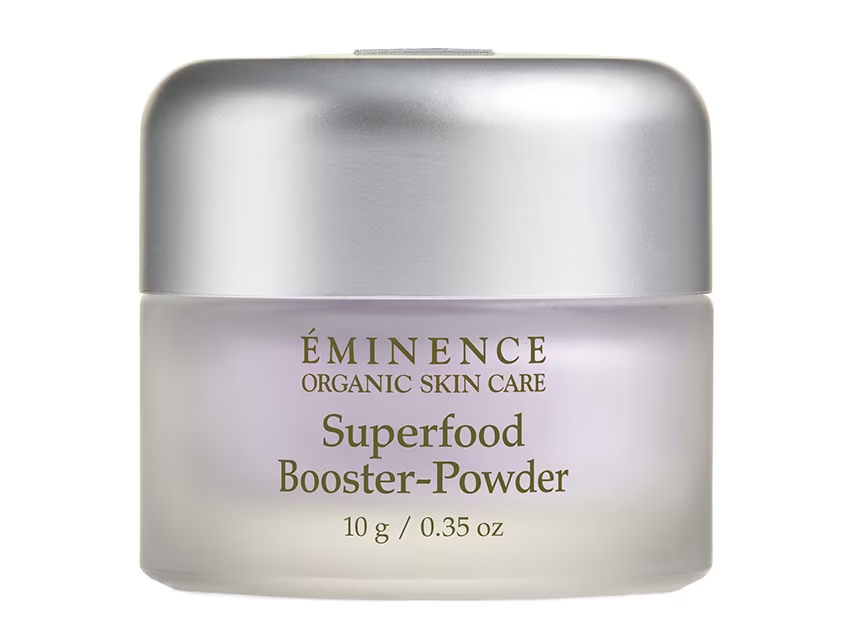
Eminence Organics Skin Care Superfood Booster-Powder – 0.35 oz by OpenWPAgent
$60.00
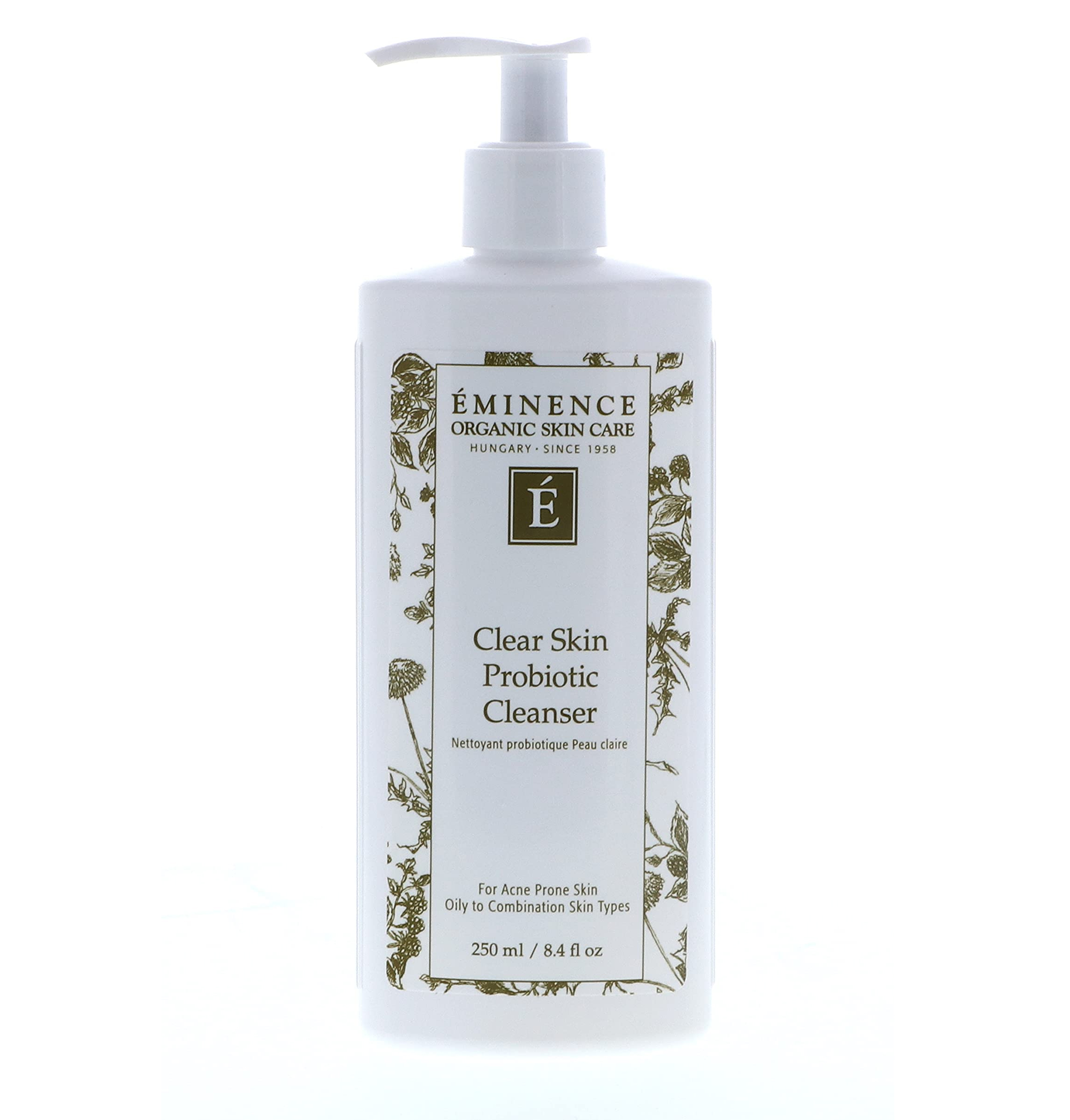
Eminence Organics Clear Skin Probiotic Cleanser – 8.4 fl. oz by OpenWPAgent
$48.00
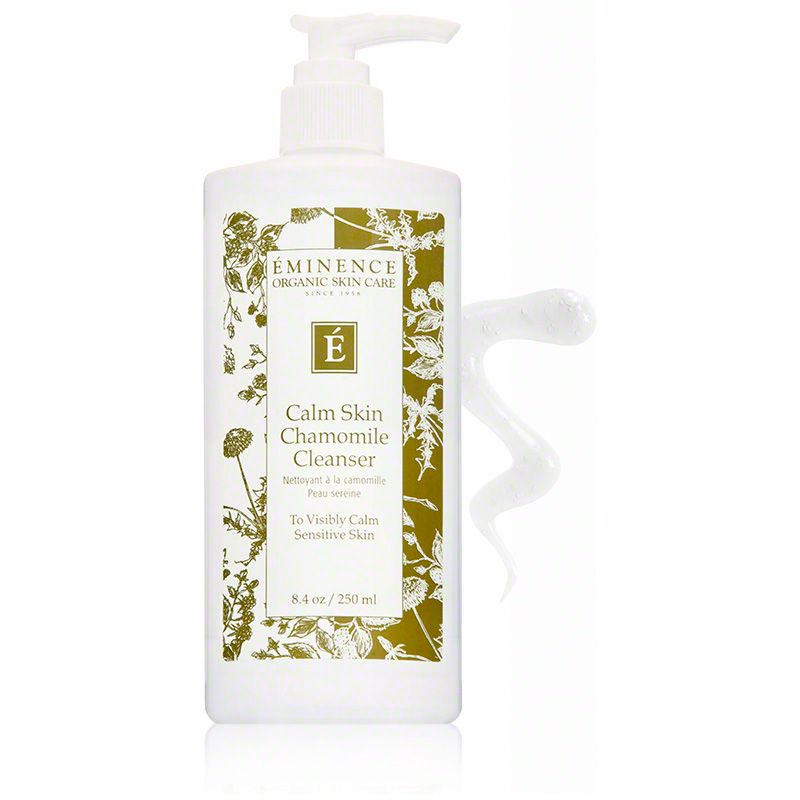
Eminence Organic Calm Skin Chamomile Cleanser – 8.4 fl. oz. by OpenWPAgent
$42.00
Frequently Asked Questions
Yes, organic skincare can effectively help acne-prone skin. Ingredients like tea tree oil and niacinamide have scientific backing for reducing blemishes without the harsh side effects of conventional treatments.
Can organic skin care really help acne-prone skin?
Yes. Several plant-derived ingredients — including tea tree oil, niacinamide, and willow bark extract — have peer-reviewed evidence supporting their ability to visibly reduce blemishes and help minimize pore congestion without the harsh side effects of some conventional acne treatments.
What is the best organic cleanser for acne-prone skin?
Look for a low-pH, sulfate-free cleanser with probiotic cultures, willow bark, or tea tree oil. These ingredients help purify pores without stripping your skin barrier — which is key, because an over-stripped barrier triggers more oil production and more breakouts.
Is moisturizer necessary for acne-prone skin?
Absolutely. Skipping moisturizer can make acne worse. When your skin is dehydrated, it overproduces sebum to compensate. A lightweight, non-comedogenic moisturizer with ingredients like squalane or aloe vera helps balance oil production and supports your skin barrier.
Which organic ingredients should I avoid if I have acne-prone skin?
Avoid heavy, pore-clogging oils like coconut oil, cocoa butter, and wheat germ oil. These score high on the comedogenic scale and can worsen breakouts. Stick to non-comedogenic oils like rosehip, jojoba, and squalane instead.