“`html
The Science Behind Organic Skincare for Radiant Skin
The organic skincare revolution has evolved dramatically, with 2026 bringing unprecedented scientific validation for natural ingredients. Modern research confirms what traditional wisdom has long suggested: plant-based compounds can deliver remarkable skin transformation when properly formulated and applied.
Unlike synthetic alternatives, organic ingredients work synergistically with your skin’s natural processes. They provide essential nutrients, antioxidants, and bioactive compounds that support cellular regeneration, collagen production, and barrier function repair. The key lies in understanding which ingredients deliver proven results and how to incorporate them effectively into your routine.
Today’s organic skincare landscape combines ancient botanical knowledge with cutting-edge extraction methods, creating products that are both gentle and highly effective. This approach addresses multiple skin concerns simultaneously while minimizing the risk of irritation or adverse reactions.

💡 Expert Tip
Patch test all new organic ingredients on a small skin area 24-48 hours before full application, even with natural products. Individual sensitivities can occur with any ingredient.
Powerhouse Natural Ingredients for Skin Transformation
Carrot Seed Oil: The Antioxidant Champion
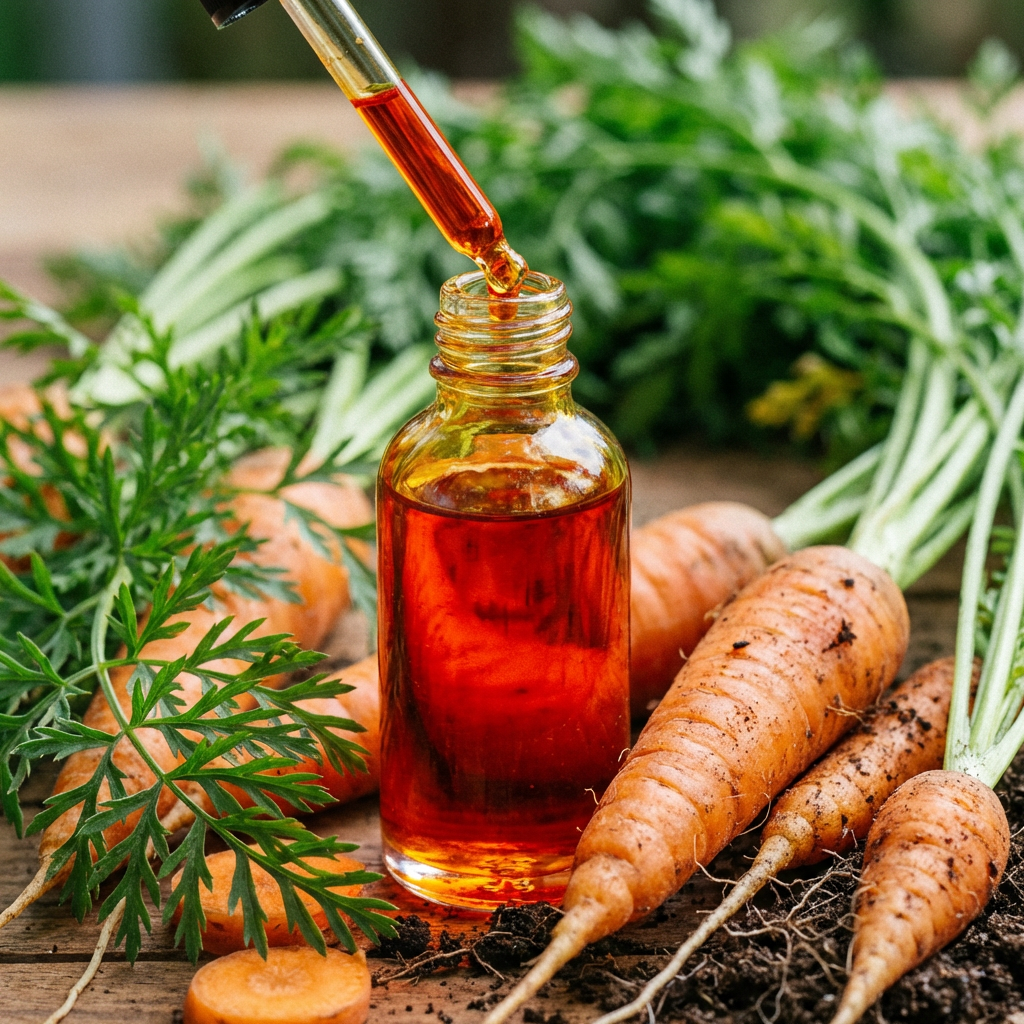
Carrot seed oil has emerged as one of 2026’s most researched organic skincare ingredients. Rich in beta-carotene, vitamins A and E, and carotenoids, this potent oil offers multiple skin benefits backed by clinical studies.
Recent research published in the Journal of Cosmetic Dermatology demonstrates carrot seed oil’s ability to increase skin elasticity by up to 23% over 12 weeks of consistent use. The oil’s unique molecular structure allows deep penetration, delivering nutrients directly to skin cells where they’re needed most.
Key benefits include:
- Enhanced collagen synthesis and skin repair
- Natural sun protection (SPF 38-40)
- Reduction in hyperpigmentation and age spots
- Improved skin texture and tone
- Anti-inflammatory properties for sensitive skin
“Carrot seed oil represents a perfect example of how traditional ingredients can be validated through modern science. Its comprehensive nutrient profile makes it invaluable for addressing multiple skin concerns simultaneously.” – Dr. Sarah Chen, Dermatological Research Institute
Citrus Peel Extracts: Natural Brightening Powerhouses
Citrus peels, particularly from oranges, lemons, and grapefruits, contain concentrated levels of vitamin C, flavonoids, and natural AHAs. Modern extraction techniques preserve these delicate compounds while eliminating potential irritants.
Professional-grade citrus peel extracts now undergo specialized processing to maintain potency while reducing photosensitivity risks. These refined extracts offer gentle yet effective exfoliation and brightening without the harsh effects of raw citrus application.
Applications include:
- Gentle chemical exfoliation for smoother texture
- Natural brightening for dull, uneven skin tone
- Antioxidant protection against environmental damage
- Pore refinement and blackhead prevention
Fermented Ingredients: The Next Frontier
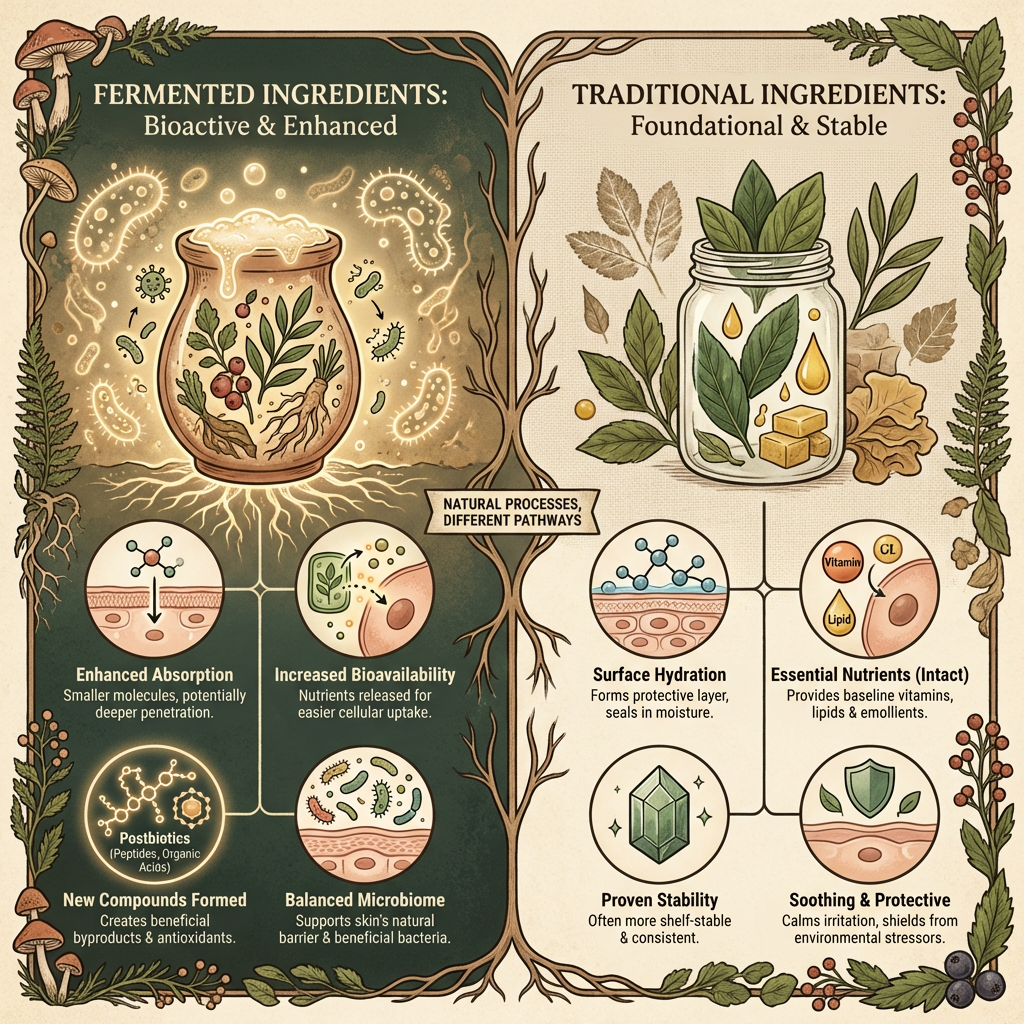
Fermentation technology has revolutionized organic skincare, creating smaller molecular structures that penetrate deeper and work more effectively. Fermented ingredients like rice water, green tea, and botanical extracts offer enhanced bioavailability and gentler action.
The fermentation process breaks down complex compounds into more easily absorbed forms while creating beneficial probiotics that support skin microbiome health. This dual action promotes both immediate and long-term skin improvements.
Milk-Derived Ingredients: Modern Applications
While raw milk application has fallen out of favor due to safety concerns, milk-derived ingredients like lactic acid and milk proteins remain valuable in modern formulations. These ingredients undergo purification processes that retain benefits while ensuring safety and stability.
Lactic acid, naturally found in milk, provides gentle exfoliation suitable for sensitive skin types. When properly formulated, it offers effective dead skin cell removal without the irritation associated with stronger acids.
Building Your Organic Skincare Routine
Creating an effective organic skincare routine requires understanding ingredient compatibility and application timing. The most successful approaches layer products from thinnest to thickest consistency while allowing adequate absorption time between steps.
A comprehensive routine should include:
- Gentle cleansing with plant-based surfactants
- pH-balancing toner with botanical extracts
- Targeted serums for specific concerns
- Moisturizing with natural emollients
- Sun protection using mineral or plant-based filters
organic skincare routine guide
⚠️ Safety Note
Always introduce new organic ingredients gradually, starting with lower concentrations. Some natural ingredients can cause photosensitivity or allergic reactions in sensitive individuals.
DIY Organic Skincare: Safe and Effective Recipes
Creating your own organic skincare products allows complete control over ingredients and formulation. However, proper preparation, storage, and preservation are crucial for both safety and efficacy.
Gentle Brightening Mask
Combine 1 tablespoon finely ground oats, 1 teaspoon honey, and 2 drops carrot seed oil. Apply for 15 minutes, then rinse with lukewarm water. Use weekly for best results.
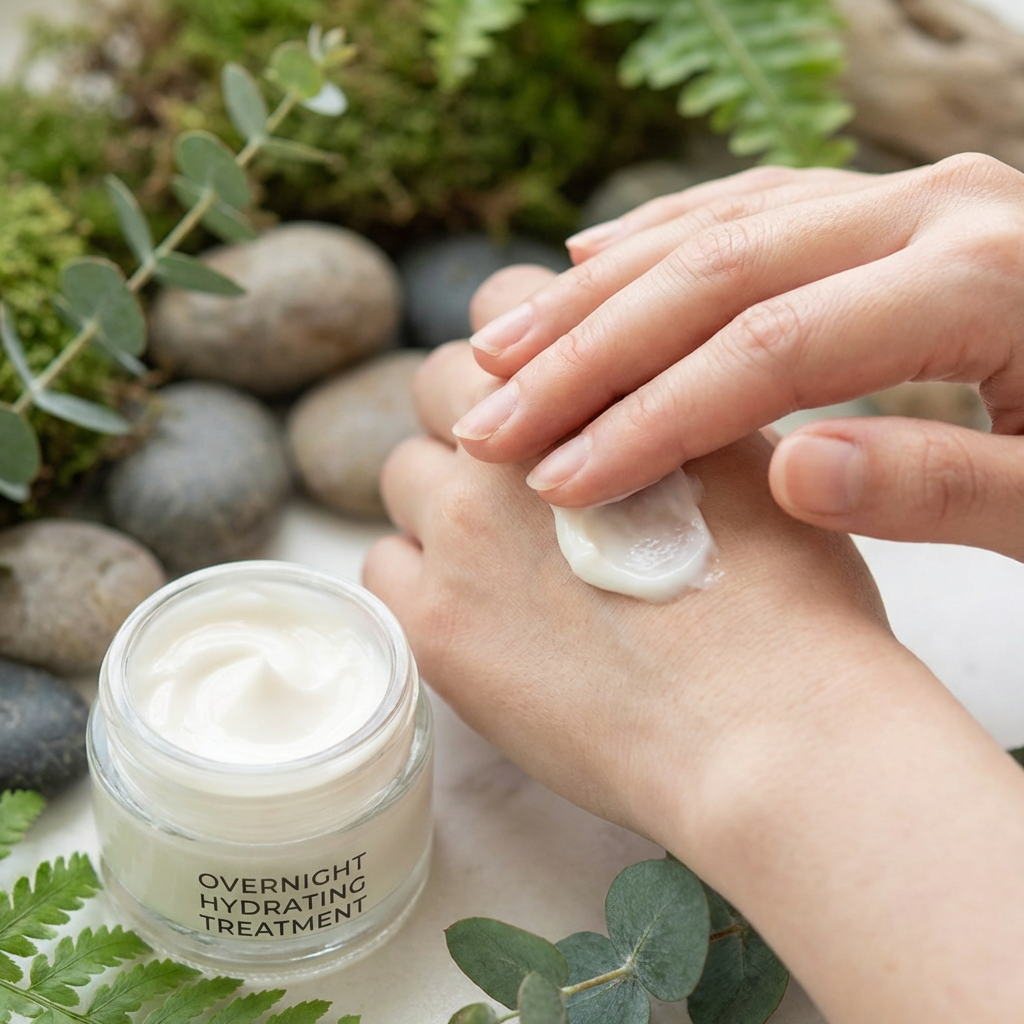
Hydrating Overnight Treatment
Mix 2 tablespoons aloe vera gel with 3 drops jojoba oil and 1 drop lavender essential oil. Apply thin layer before bed, allowing full absorption.
Ingredient Sourcing and Quality Considerations
The quality of organic skincare ingredients varies significantly based on sourcing, processing, and storage methods. Look for suppliers who provide certificates of analysis, organic certifications, and detailed ingredient information.
Key quality indicators include:
- Third-party organic certification
- Proper extraction methods preserving active compounds
- Appropriate packaging protecting from light and air
- Clear expiration dates and storage instructions
- Transparency about ingredient origins
choosing quality organic skincare ingredients
Common Mistakes to Avoid
Even with organic ingredients, improper use can lead to disappointing results or skin irritation. Understanding these common pitfalls helps ensure successful outcomes with your natural skincare journey.
Frequent mistakes include over-exfoliating with natural acids, mixing incompatible ingredients, using expired products, and expecting immediate results. Patience and consistency are essential for achieving lasting improvements with organic skincare.
The Future of Organic Skincare
Emerging technologies continue to enhance organic skincare effectiveness. Nanotechnology, advanced extraction methods, and biotechnology are creating new possibilities for natural ingredient delivery and efficacy.
Sustainable sourcing practices and regenerative agriculture are also shaping the industry, ensuring that organic skincare benefits both users and the environment. These developments promise even more effective and environmentally conscious options in the coming years.
sustainable organic skincare trends
“The integration of traditional botanical knowledge with modern scientific methods is creating unprecedented opportunities for effective, safe, and sustainable skincare solutions.” – Dr. Maria Rodriguez, Green Chemistry Institute
Frequently Asked Questions
How long does it take to see results from organic skincare?
Most people notice initial improvements within 2-4 weeks of consistent use. Significant changes in skin texture, tone, and overall health typically become apparent after 6-8 weeks of regular application.
Are organic skincare products suitable for all skin types?
While organic ingredients are generally gentler than synthetic alternatives, individual sensitivities can still occur. Those with very sensitive skin should introduce new products gradually and always perform patch tests.
Can I mix different organic skincare brands?
Yes, mixing brands is generally safe with organic products. However, pay attention to active ingredient concentrations and avoid combining products with conflicting pH levels or incompatible ingredients.
Do organic skincare products expire faster than conventional ones?
Organic products without synthetic preservatives may have shorter shelf lives. Always check expiration dates and store products properly to maintain effectiveness and safety.
Are DIY organic skincare products as effective as commercial ones?
DIY products can be effective but may lack the stability, concentration, and sophisticated delivery systems found in professional formulations. They’re best used as supplements to, rather than replacements for, well-formulated commercial products.
“`