trends

Refreshed hero image for: The Top Trends And Tips In Spring Skin Care For 2022 With Organics

The Top Trends And Tips In Spring Skin Care For 2022 With Organics

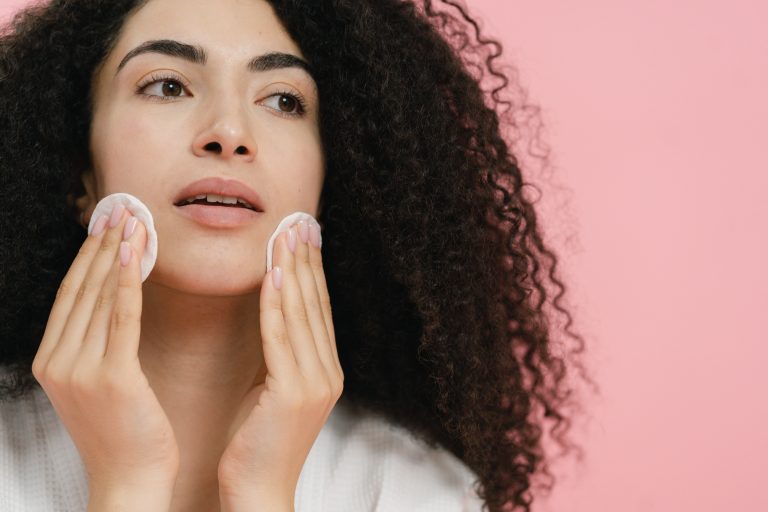
Ready to update skin care as greener spring blooms up? Let us transit from moisture-laden skin care tips for winter to softer spring skin care glam; together!

Get along and explore how to step up with these spring skin care tips and trends in beauty for spring 2022.

Spring 2022 Beauty Trends

Bloom Spring Glow With Organics

Spring skin care will incline towards products that soothe and calm skin after harsh winters. Organic and plant-based products such as fruit and leaf extracts will be; one of the top spring 2022 beauty trends. Also, the use of products, such as serums and dedicated eye creams that reduce wrinkles and puffiness under the eyes will be; on the rise.
Soften It Up

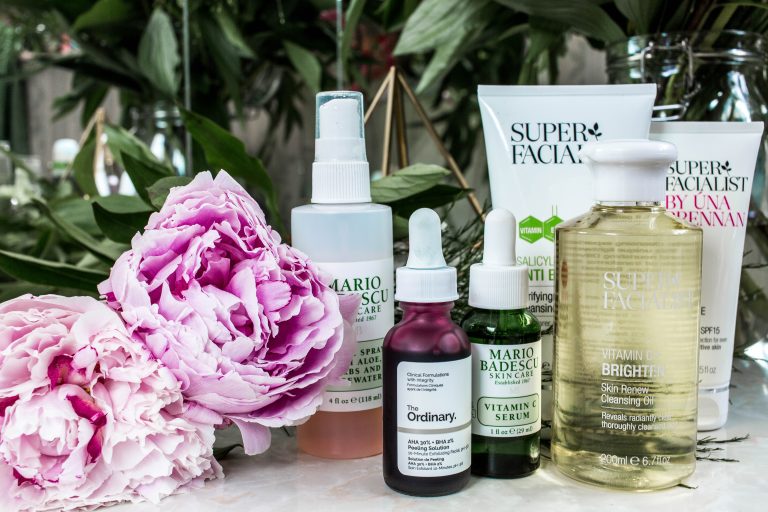
Comprehensive skin care will be another spring 2022 beauty trend rather than a multi-step regimen. Understand that less is enough. Know your products, their ingredients, and how they help your skin.

The same is true for spring 2022 beauty trends in the makeover. The use of lighter, softer shades such as peachy and pinky hues will work best for makeup!

Dewy spring makeup trends will be on the rise. For a dewy glow, use highlighters; and matte bronze to your cheeks instead of red or pink blushes.

spring skin care tips

Skin Care As A Whole

Spring 2022 beauty trends will also focus on other areas of your skin. That includes lips, hands, neck, and scalp care along with the face. Thus, global trend evolves around taking good care of your skin as a whole. The concern most addressed will be how to reverse aging skin. 

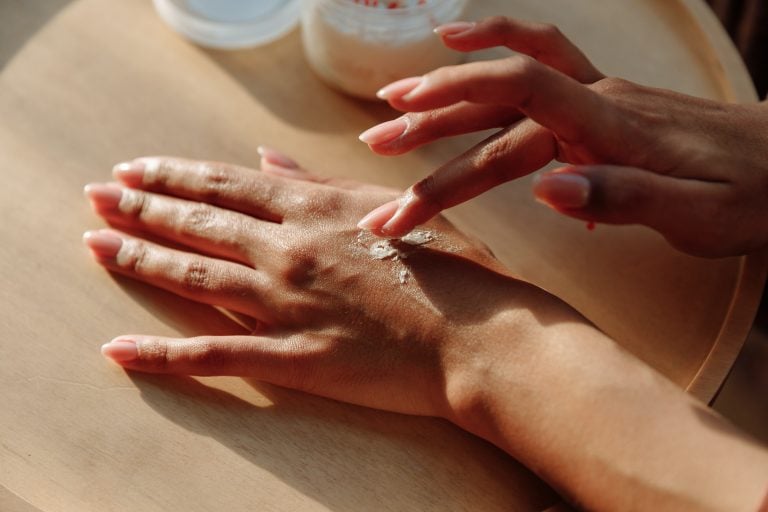
Do not forget to use SPF on your hands, neck, and lips to protect your skin as a whole. Thus, lip balms with sun protection formulas are an absolute must to try!
spring skin care

Calming Spring Skin Care!

The use of ingredients that cool and calm skin; and do not irritate it; will be a hit this year. Some of them include:

  • Aloe Extracts
  • Niacinamide
  • Seabuckthorn Oil
  • Chamomile
  • Ceramides

Face Mask Mania

Multipurpose face masks, specifically sheet masks, are still not out of the race. They will continue to glow and hydrate us to get the best of our skin this spring.

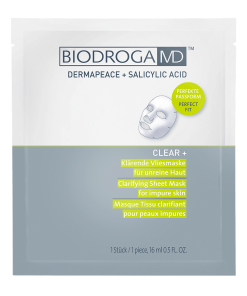
Try Biodroga MD Clear Sheet Mask with salicylic acid and zinc gluconate. A cellulose sheet mask that hydrates and help your skin get rid of impurities in just 15 minutes! Works best for skin prone to acne.
Save The Earth

One of the top beauty trends for spring, rather; the whole year is environmental sustainability. The skin care brand lines will ensure that every product is cruelty-free and safe for the environment. Therefore, the effort is to market naturally derived products best suited for the environment and skin health.

spring skin care tips

Spring Skin Care Tips 101

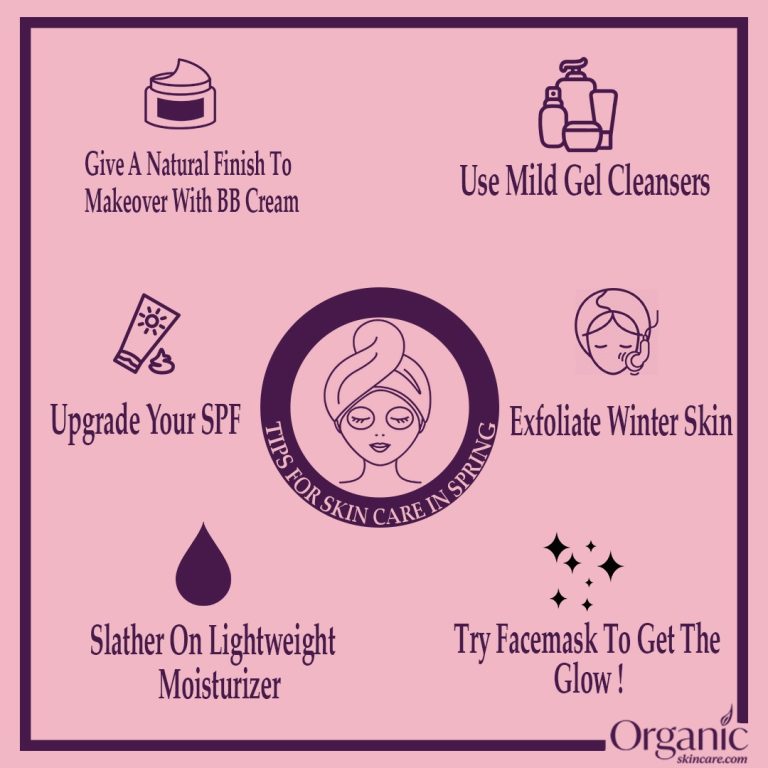
1-Use milder gel cleansers!

Springtime is the transition between harsh dry cold winters to scorching summers. Thus, your skin needs some spring skin care during this time to adapt to this transformation. At this point of the season, it’s probably wise to go for milder gel cleansers. They do not completely dry out your skin and offer enough moisture to your skin for it to be healthy.

Moreover, this spring skin care is probably the best time to switch to mild cleansers without harsh chemicals; that contain organic ingredients. These organics are kind and gentle on your skin and cleanse thoroughly. They do wonders for sensitive skin specifically!

Spring Skin Care Cleansers

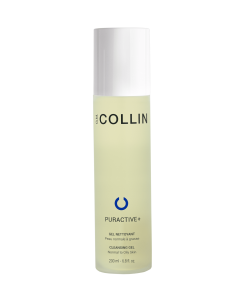
GM Collin Gel Nettoyant Doux – Oxygen Puractive Mild Cleansing Gel is alcohol-free; does not dry out your skin. It is a genius infusion of lemon peel oil, rosemary leaf oil, grapefruit peel oil, aloe vera, and other botanical extracts that enrich your spring skincare with a fresh, radiant look and deep cleanse.

Another option for milder cleansing is the use of micellar water. Micellar water consists of:

  • Pure Water
  • Moisturizing Glycerin
  • Mild Surfactants (used as cleansers)

You do not need water to wash it away. It is convenient and easy to carry. 
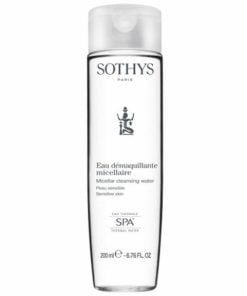
Try Sothys Micellar Cleansing Water! With natural mineral spring water from a protected source, moisture benefits of glycerin, and gentle, mild surfactants, it leaves your skin clean. 

These mild surfactants molecules join and form spherical micelles that help drag dirt off your skin. They work for all skin types. 

study from 2008 shows the following benefits of glycerine on your skin:

  • Improves skin hydration
  • Leaves the integrity of the skin barrier intact
  • Protects against skin irritants
  • Hastens wound healing

These effects of micellar water make it a great hit during spring skin care.
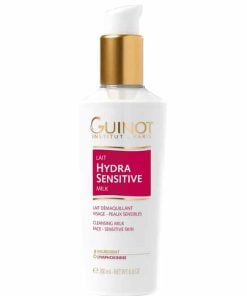
Also, try Guinot Hydra Sensitive Gentle Cleanser infused with vitamins. It emulsifies and removes excess oil without irritating skin. A formula without allergens ideal for sensitive skin!

In a nutshell, spring cleaning is all about letting your skin adapt to this seasonal change and cleansing it gently. Later on, as we advance into blazing summers, you may switch to deeper acting cleaners that work for all skin types.
2-Exfoliate winter skin (as well as your lips)

The next tip for spring skin care is exfoliation. Winter leaves you with dry and dull-looking skin that you need to shed off. Exfoliation clears the dead skin cells that make your skin look dull. The best time to go for it is during the spring skin care routine. Get off with the dead flakes and revitalize your skin with a fresh look. 

Well, there are two ways by which you can do so. The first is using mechanical (or physical) exfoliators. And second is chemical exfoliators. 

With the use of physical exfoliators, you remove dead skin mechanical friction. Physical exfoliators may sound a bit harsh on certain skin types. Thus, you may go for chemical exfoliators. 

In this case, the ingredient used; itself does the work of exfoliation for you. Examples of such exfoliators include face acids, such as alpha and beta hydroxy acids (AHA and BHA).

Thus, as you exfoliate:

  • Newer skin cells appear at the surface
  • Skin tone and texture even out
  • Moisturizers absorb better
  • Circulation to your skin improves
  • The appearance of ingrown hairs reduces
spring skin care tips

Spring Skin Care Essentials; Exfoliators

Eminence Citrus Exfoliating Wash is a two in one formula. It washes away dirt and exfoliates dead skin as it is choke full of Shea butter extracts, meadowfoam seed oil, and citric acid goodness. 
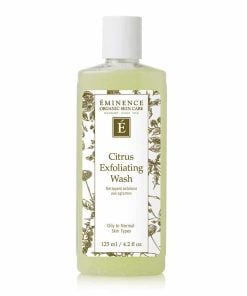
Citric acid is an alpha hydroxy organic acid. That has dual effects on the skin. At higher concentrations, they act as peeling agents. That removes dead cells and allows newer ones to take over. 

As ultraviolet rays strike skin cells, they cause cell death, DNA damage, and inflammation. AHA prevents these effects by creating a physical barrier at lower concentrations.

Always wear full SPF coverage when using exfoliators. As they remove dead skin, your newer cells become more prone to the effects of UV rays.

Another ingredient that acts as an exfoliator is sulfur. Sulfur is a known keratolytic. That is, it breaks down dead keratin. Thus revives your skin at a cellular level. It allows your skin to increase its firmness, smoothens, and brighten up. Also, sulfur is antimicrobial. 

Ilike Sulphuric Exfoliator exfoliates, regenerates the skin. Also, it moisturizes. Thanks to the goodness of honey, it combines! Moreover, it helps to clear suntan skin and improve rosacea.
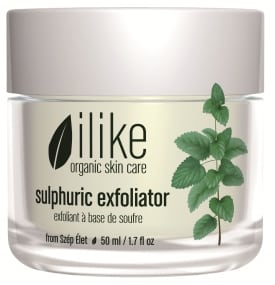
How to exfoliate your lips?

Another spring skin care tip is to exfoliate your lips. They are the part where you see the drying effects of winter the most. The flaky dry lip area needs exfoliators to get rid of dead cells. Next, you need to hydrate them with lip balm. 

The ingredients to look for while choosing lip exfoliators are:

  • Glycolic Acid 
  • Citric Acid
  • Lemon Oil
  • Peppermint Oil
spring skin care tips; exfoliate your lips

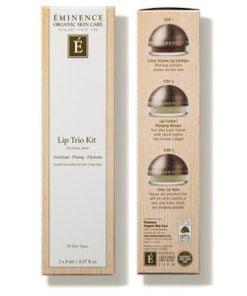
Eminence Organics Lip Trio Kit is the best for a complete lip care solution. The kit includes:

  • Lip Exfoliator
  • Plumping Masque
  • Lip Balm

 With a genius infusion of exfoliators such as glycolic, salicylic, citric acid, lemon, peppermint oil, and plant extracts, it helps you to bid farewell to the chapped dead skin-loaded lip area.

The plumping masque with essential oils, vitamins, and yeast extracts makes lips look more supple, soft, and silky smooth.

Finally, lip balm with shea butter milky moisture locks in the effects of exfoliator and masque. Thus overall makes it a whole lot better altogether! 
3-Wear Lightweight Moisturizers

Slather on moisturizer. But this time, wear lighter ones for warmer weather. That is especially true if you have oily skin. Spring skin care is not about aggressive moisturization. Opt for a moisturizer that says it wouldn’t clog pores. 

Switch to moisturizers that are hydrating yet lighter. Some include hyaluronic acid, glycerin, hazelnut oil, jojoba oil.

Hyaluronic acid is incredible for hydrating your skin. It makes your skin look plumper.

Glycerin moisturizes skin by working as a humectant. That means it absorbs moisture from a nearby source and hydrates skin cells. It is light in weight and does not get your skin to have excess oil or feel heavy.

You may want to dilute glycerine before using it. Combine jojoba oil with hydration-boosting rose water, and that’s it!

Another among spring skin care essentials is jojoba oil. Study shows that jojoba oil can keep your skin moisturized for up to 24 hours. Moreover, it enhances the skin barrier too.

Furthermore, all organic moisturizers are choke-full of moisture goodness without being heavy on your skin. There are tons of organic options if you want to use lightweight moisturizers that are super cool at hydrating as per spring season skin care.
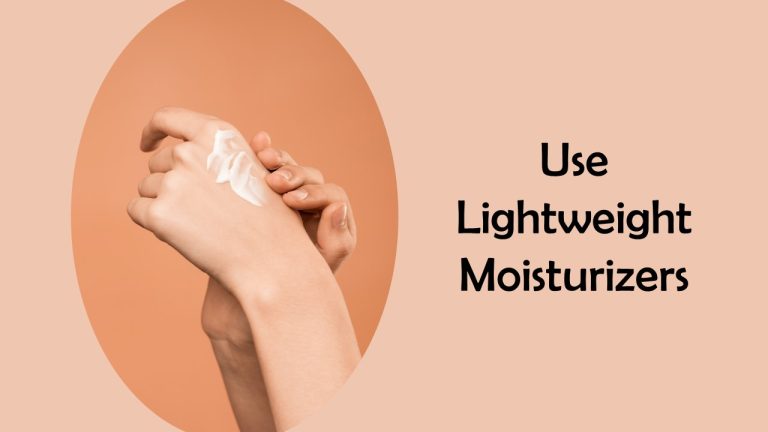
spring skin care tips; use lightweight moisturizers

Spring Skin Care Moisturizers

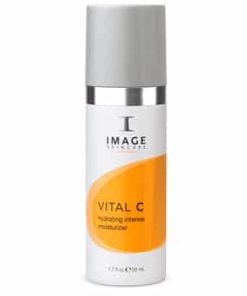
Vitamins are a rich source to replenish your skin. That is incredibly true for vitamin C! Image Skin Care Vital C Hydrating Intense Moisturizer combines vitamin C, hyaluronic acid, and shea butter. It does not overload your skin with excessive oils and, at the same time, nurtures your skin with intensive moisture too.
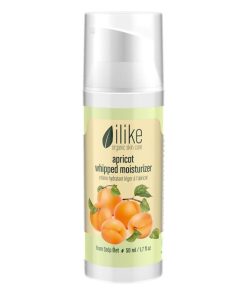
Ilike Apricot Whipped Moisturizer is an apricot blend with vitamins and other plant extracts. Its smooth and silky formula moisturizes well. Also, the bonus antioxidant effects of apricot and vitamins (A, B, C, D, and E) energize your skin!
Ilike Brightening Moisturizer for Face, Hand, and Body has an incredible blend of:

  • Stonecrop
  • Lemongrass Oil
  • Malic Acid
  • Omega 3 and 6 fatty acids 

Stonecrop is a rich flavonoid that calms inflammation and soothes your skin. The same is true for malic acid. Furthermore, stonecrop has some skin brightening effects too.

Lemongrass oil has effects against microbes, primarily fungi.

Studies suggest that omega 3 and 6 fatty acids improve skin conditions like dermatitis, acne, and psoriasis.  

These organics-rich products may be the best for you to give a try during this spring skin care. 

4-Upgrade Your SPF (Yes! even during these cloudy days)

You may wonder you don’t need it at the moment. And that sun only damages when it is scorching outside. However, UVA and UVB can damage your skin even when it is not too sunny. Thus, wear your SPF even during spring skin care.

spring skin care tips; use sunscreen outdoors

5-Give A Natural Finish With BB Cream

Get a perfect finish for your makeover with BB coverage that evens your skin tone with a charming spring glow. A BB cream may hydrate, smoothen and protect your skin with its sun protection formula. This spring, revive a clean, light, and natural look to your makeup that you will love!

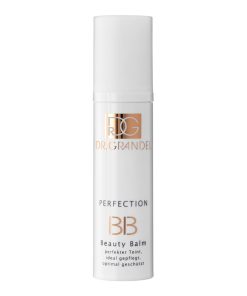
Dr. Grandel Perfection BB All-in-one BB Cream is a multipurpose product. It optimizes your complexion, soothes redness, conceals blemishes and fine lines, and hydrates your skin for a flawless makeover. Moreover, you get some bonus sun protection with an SPF of 20.
6-Try Face Masks to get the glow

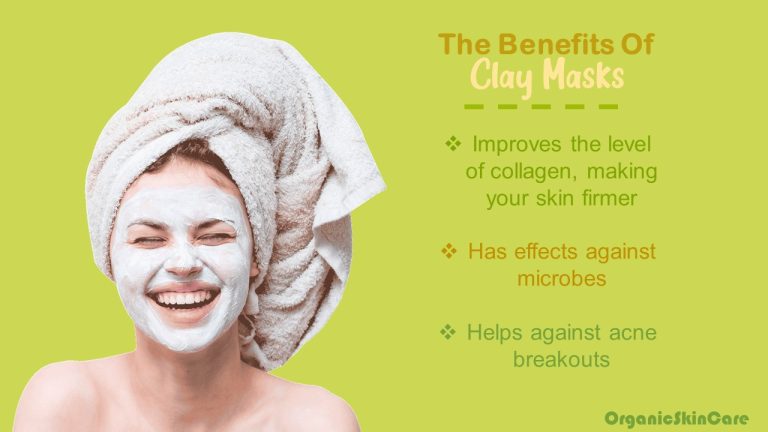
Spring skin care may be the best time to get glam and glow back to your skin. Thus, use face masks that help your skin brighten up once again. One of the spring skin care essentials is a clay mask. Clay masks have numerous effects on your skin.

A study suggests that the use of clay on your skin for fourteen days improves the level of collagen. Thereby, it improves skin elasticity and firmness.

Another study claims the well-known effects of clay against microbes.
spring skin care tips; use clay masks

Sothys Purifying Two-Clay Mask rebalances and smoothens your skin. With both green and white clay, along with salicylic acid, this face mask tightens pores, exfoliates, and intensely purifies your skin. Also, it minimizes sebum production, ideal for oily to combination skin.
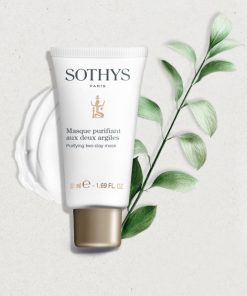
A study from 2012 shows that a combo of clay masks with jojoba oil may help skin with acne vulgaris.

Try Purifying Mask From Emerge Labs! It combines essential oils such as jojoba and avocado oil with kaolin and green clay. That draws away impurities to the point of perfect cleansed skin without breakouts.

The Outlook

Spring skin care is all about preparing your skin for warmer weather. Do not forget to exfoliate your skin post-winter. Let newer cells get to the top of the skin surface and rejuvenate!

The Top Trends And Tips In Spring Skin Care For 2022 With Organics Read More »
Refreshed hero image for: New Exciting Skin Care Trends to Look Out For in 2025

New Exciting Skin Care Trends to Look Out For in 2025

Organic and natural skincare is booming, driven by consumers seeking “clean” ingredients and effective, plant-based alternatives to synthetic chemicals. The global organic skincare market reached around $9.8 billion in 2021 and is projected to grow ~8.9% annually through 2030​

. Social media has also created skintellectuals – beauty enthusiasts highly informed about ingredients – which pressures brands to stay on top of the latest ingredient trends​

. Below we explore emerging organic skincare ingredients gaining popularity, why they’re trending, their benefits, and how they’re used. We’ll also see how brands leverage these trends in marketing and SEO to connect with ingredient-savvy consumers.

Plant-Based Retinol Alternatives (Bakuchiol & More)

Why it’s trending: Consumers love retinol’s anti-aging results but not its irritation. This has fueled interest in gentler, natural “bio-retinols.” Bakuchiol (from the Babchi plant) is the best-known botanical retinol alternative and has surged in popularity (337K Google searches per month, +13% YoY as of early 2025)​

. Search interest in “bio-retinol” overall jumped ~288% in recent years​

, reflecting the demand for plant-derived retinol mimics.

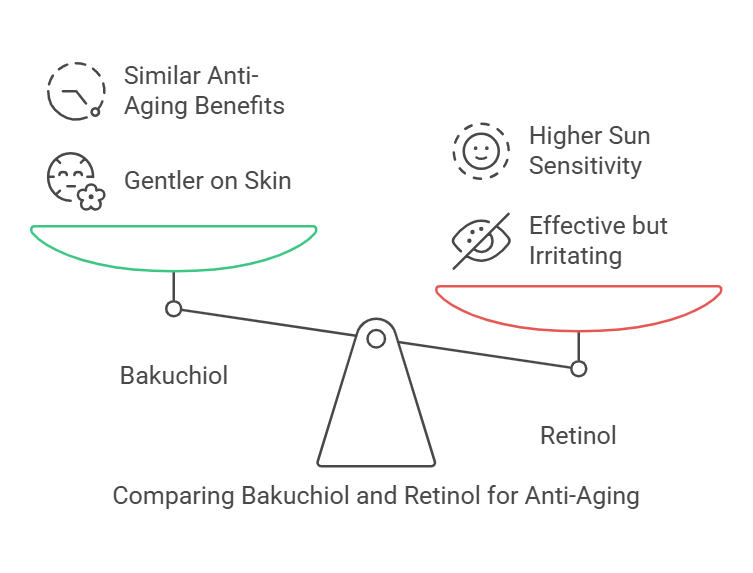
Benefits and usage: Bakuchiol has a different chemistry than retinol but works similarly on skin – it stimulates cell turnover, boosts collagen, and reduces wrinkles, fine lines and hyperpigmentation without the harsh side effects​

. A clinical study found 0.5% bakuchiol cream produced comparable improvement in photoaging to 0.5% retinol, but with significantly less skin scaling and stinging​

. This makes bakuchiol appealing for sensitive skin or day use when retinol (which can cause sun sensitivity) isn’t ideal. Brands are formulating serums and oils with bakuchiol as a natural retinol alternative for anti-aging routines. Other plant-based retinol-like actives (e.g. moth bean extract or ramen ber (rambutan) extract) are also emerging, riding the same trend of “retinol results without retinol.”

New Exciting Skin Care Trends to Look Out For in 2025

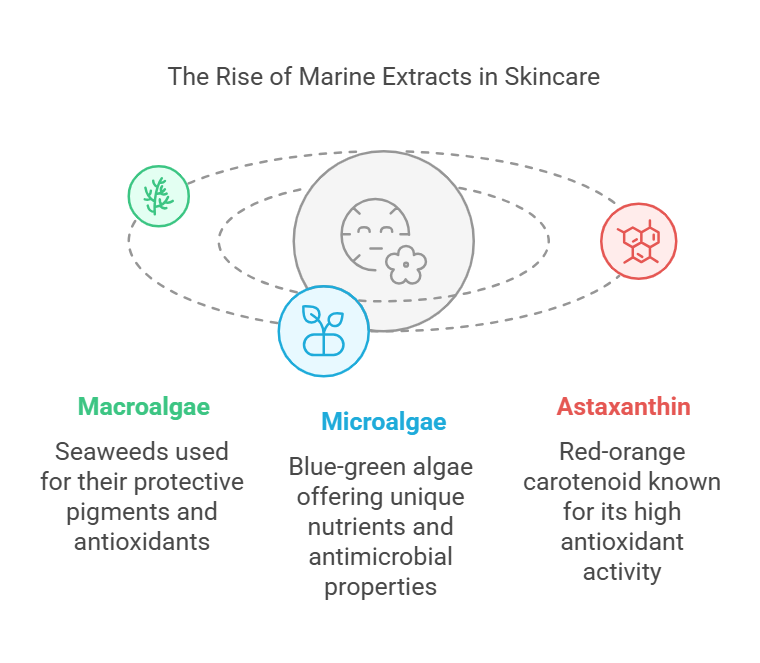
Marine Extracts: Algae and Astaxanthin

Why they’re trending: Ocean-sourced ingredients are rising stars thanks to the “blue beauty” movement emphasizing sustainable marine resources​

. Both macroalgae (seaweeds) and microalgae are being incorporated into skincare for their rich bioactives and eco-friendly appeal. Algae extracts align with consumer interest in wellness and the environment, offering a natural treasure trove of vitamins, antioxidants, and minerals for the skin.

Benefits and usage: Seaweed (macroalgae like brown kelp, red algae, etc.) is packed with protective pigments and antioxidants that help these plants survive harsh conditions – those same compounds can shield our skin from oxidative stress and inflammation, helping prevent early signs of aging​

. Algae extracts are used in moisturizers, serums, and masks to impart anti-aging and soothing benefits. Microalgae such as spirulina (blue-green algae) provide nutrients and a unique blue antioxidant pigment (phycocyanin) with antimicrobial properties. Spirulina extract can regulate sebum, reduce hyperpigmentation, and support the skin barrier and hydration​

, making it great for acne-prone or dehydrated skin. Another marine superstar is astaxanthin, a red-orange carotenoid derived from microalgae. With antioxidant activity higher than vitamin C, astaxanthin helps slow skin aging and fights hyperpigmentation, wrinkles, and collagen breakdown​

. It’s showing up in facial oils, creams, and even supplements, often marketed as a “potent natural anti-aging active.” Only a tiny amount is needed (it imparts a pink tint), and brands highlight astaxanthin’s origin (like sustainably farmed algae) and its science-backed potency in neutralizing free radicals.

Marine Extracts: Algae and Astaxanthin

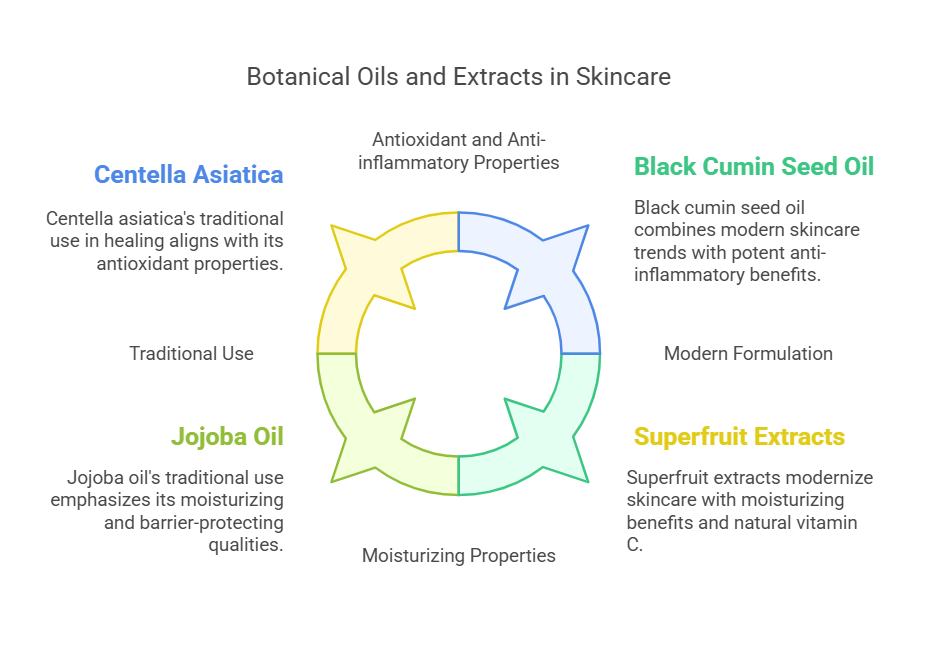
Nutrient-Rich Botanical Oils and Extracts

Plant-derived oils and extracts remain a cornerstone of organic skincare, but a few heritage ingredients are seeing renewed interest due to unique benefits:

  • Black Cumin Seed Oil (Nigella sativa): An ancient remedy (used in Middle Eastern and Ayurvedic traditions) now popping up in modern skincare. Recently, it’s been “in the spotlight” in both indie and mainstream beauty products​

    . Black seed oil is rich in essential fatty acids and contains potent compounds like thymoquinone. It has proven antioxidant, anti-inflammatory, and antibacterial properties, making it especially beneficial for acne-prone or irritated skin​

    . It also helps nourish with its lipids, restoring elasticity and preventing premature aging from free radical damage​

    . Brands are formulating this oil into facial oils, serums, and even moisturizers for oily/problematic skin, often touting its holistic healing reputation (e.g. “clearing ancient remedy”) in marketing.

  • Jojoba Oil: A more familiar natural oil, jojoba is experiencing a resurgence as consumers refocus on minimalist, barrier-friendly ingredients. Jojoba’s waxy composition closely mimics skin’s own sebum, making it an excellent lightweight moisturizer and barrier protector. Searches for “jojoba oil skincare” have doubled recently​

    , indicating renewed popularity. Many clean beauty brands highlight jojoba in face oils, cleansers, and creams for its ability to balance oil production and deliver vitamins E and B.

  • Superfruit Extracts (Vitamin C sources): Vitamin C has long been a star for brightening and collagen support, and it remains the most sought-after skincare ingredient (outranking even retinol in Google searches)​

    . Now, brands are turning to exotic fruits like Kakadu plum, acerola cherry, and camu camu – all extremely high in natural vitamin C – to infuse products with organic brightening power. For example, Kakadu plum (an Australian fruit) boasts up to 100× more vitamin C than oranges and is being used in serums and masks as a gentle, stable vitamin C source​

    . These botanical extracts allow brands to label products as “100% natural vitamin C” and appeal to those wary of synthetic ascorbic acid. The benefit is the same: improved radiance, fading of dark spots, and antioxidant protection for the skin.

  • Centella Asiatica (Cica): Centella (nicknamed cica) is a medicinal herb that exploded in Asian skincare a few years ago and has since gone global as a go-to soothing ingredient. Interest remains high – “cica” garners about 1.4 million searches per month (up 16% YoY) as of Jan 2025

    – reflecting its popularity for calming sensitive or compromised skin. Rich in triterpenoid compounds, centella helps accelerate wound healing, stimulate collagen, and reduce inflammation. It’s commonly found in “cica creams,” serums, and even cleansers aimed at repairing the skin barrier, calming redness, and treating acne or eczema. Brands often market centella products with claims like “skin recovery” or “redness relief,” leveraging its dermatological backing and K-beauty origin story.

Nutrient-Rich Botanical Oils and Extracts

Mushrooms and Fermented Actives for the Microbiome

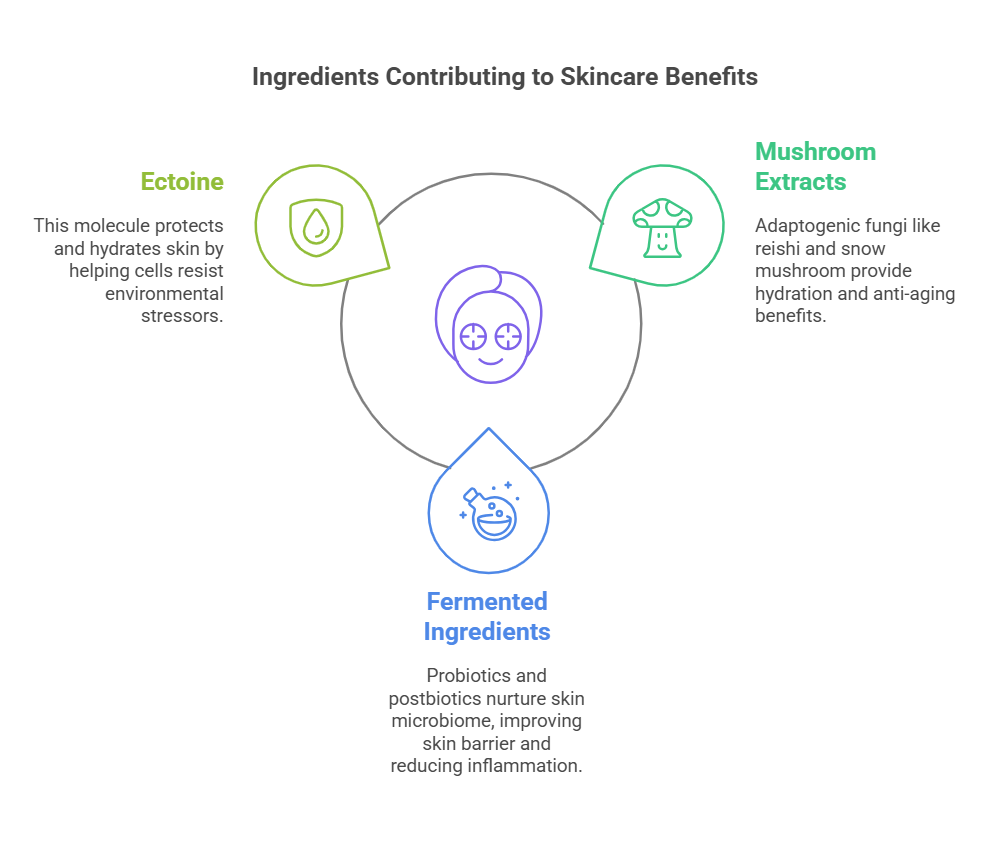
Mushroom Extracts: Adaptogenic fungi have made their way from supplements into topical skincare. For a few years now, ingredients like reishi, chaga, and snow mushroom have been taking the beauty industry by storm for their “magical” benefits​

. Mushrooms are packed with polysaccharides and antioxidants that calm inflammation and combat aging. Notably, the snow mushroom (Tremella fuciformis) is often compared to hyaluronic acid – its polysaccharides can hold immense moisture, providing excellent hydration and plumping effects​

. Other mushroom extracts (shiitake, reishi) offer antioxidant and brightening actions. These extracts are used in serums, moisturizers, and masks to boost moisture retention, improve fine lines and even out skin tone​

. Brands position them as exotic, “Eastern medicine” inspired actives that support healthy aging and resilience. For example, products will highlight keywords like “adaptogenic”, “fungi power”, or “mushroom infusion” in marketing.

Fermented and Probiotic Ingredients: As the skin microbiome trend grows, probiotics and postbiotics have become key ingredients in organic skincare. 2024 has seen a shift toward biome-friendly products that nurture the skin’s good bacteria and barrier​

. Ingredients like Lactobacillus ferments, bifida ferment lysate (a by-product of fermented Bifidobacterium), and other probiotic extracts are being added to creams and serums. They aim to calm inflammation, strengthen the moisture barrier, and even help with conditions like acne or eczema by restoring microbial balance​

. Scientific reviews show topical probiotics can indeed reduce trans-epidermal water loss and improve dry skin by bolstering the skin barrier​

. Brands often label these as “probiotic moisturizers” or “fermented essence” and market them as high-tech natural care – combining ancient fermentation techniques with modern skin science. For instance, a probiotic serum might be advertised to “boost the skin’s defenses” or “balance your microbiome for healthy, glowing skin.”

A standout from fermentation science is Ectoine, a molecule produced by extremophile microbes. It’s a lesser-known ingredient set to trend as a powerful skincare additive​

. Ectoine is an amino acid derivative that these microbes use to survive extreme salt, heat, or cold, and in skincare it serves as a superb protection and hydration agent. It moisturizes, calms irritation, reduces inflammation, and fortifies the skin barrier (by decreasing water loss and smoothing skin tone)​

. Because of its ability to help skin cells resist environmental stressors, ectoine is being used in “anti-pollution” or “urban defense” creams, sunscreens, and hydrating serums. Brands highlight that it’s a natural extremophile extract to intrigue consumers with the story of an ingredient born in Earth’s most hostile environments now shielding your skin.

Mushrooms and Fermented Actives for the Microbiome

Barrier-Boosting Vitamins and Lipids

Maintaining a healthy skin barrier is a major focus in current skincare, so it’s no surprise that ingredients which support the barrier are trending.

  • Niacinamide (Vitamin B3): Niacinamide has essentially become a staple in both natural and conventional skincare, valued for its versatility. It’s included here because even in organic lines it’s often used (it’s a vitamin technically obtainable from natural sources, though usually lab-made). Its benefits are incredibly broad: niacinamide regulates sebum (helping control oil and breakouts), reduces inflammation and redness, fades hyperpigmentation and spots, refines pore size, smooths fine lines, and strengthens the skin barrier by boosting ceramide production​

    . This multi-tasking profile has made niacinamide a darling of dermatologists and influencers alike. In fact, Vogue dubbed niacinamide the “It” skincare ingredient, and searches for niacinamide (e.g. “niacinamide moisturiser”) have skyrocketed ~4,900% in the last 5 years​

    . We can expect its popularity to stick around, as TikTok creators constantly rave about niacinamide serums and its high efficacy with minimal irritation. In organic products, niacinamide commonly appears in serums, toners, and moisturizers – even some natural brands that avoid synthetic actives make an exception for this vitamin because it’s so effective and generally gentle.

  • Ceramides: Ceramides are lipids naturally found in our skin barrier, but they can be derived from plant sources or fermented yeast for use in skincare. They’re familiar but still on-trend as consumers increasingly prioritize barrier health​

    . Ceramides reinforce the skin’s moisture barrier – they literally “seal” the skin to prevent water loss and external irritants. Adding ceramides to creams or lotions has been shown to increase skin hydration and reduce dryness by preventing transepidermal water loss​

    . They also help repair a damaged barrier (useful for eczema-prone or over-exfoliated skin). Interest in ceramide-infused products grew ~38% last year, with about 32K searches per month as of early 2024​

    , and they’re mentioned frequently on social media in the context of barrier repair. Brands leverage this by marketing “ceramide creams” or “barrier repair moisturizers” that promise to heal and hydrate. Even in the natural sector, we see products boasting plant-derived ceramides or ceramide complexes, often combined with oils and butters to intensify the barrier support.

  • Natural Hydrators (Hyaluronic Alternatives): Alongside ceramides, ingredients that draw moisture to the skin are trending. Traditional hyaluronic acid is well-known, but “organic” brands often opt for bio-based or alternative hydrators. We already touched on snow mushroom (a HA analog). Another example is polyglutamic acid (PGA), a hydrating polymer from fermented soybeans that’s emerging as a mega-hydrator (able to hold 4× more water than HA). While not yet a household name, PGA and algae-derived polysaccharides are starting to appear in natural hydration serums. Aloe vera (a classic) is also experiencing steady popularity as a base for hydrating products due to the post-Covid focus on soothing, minimal ingredient formulations. These hydrators are marketed for providing dewy, plump skin and often highlighted in “hydration booster” product descriptions.

Other Notable Trending Ingredients

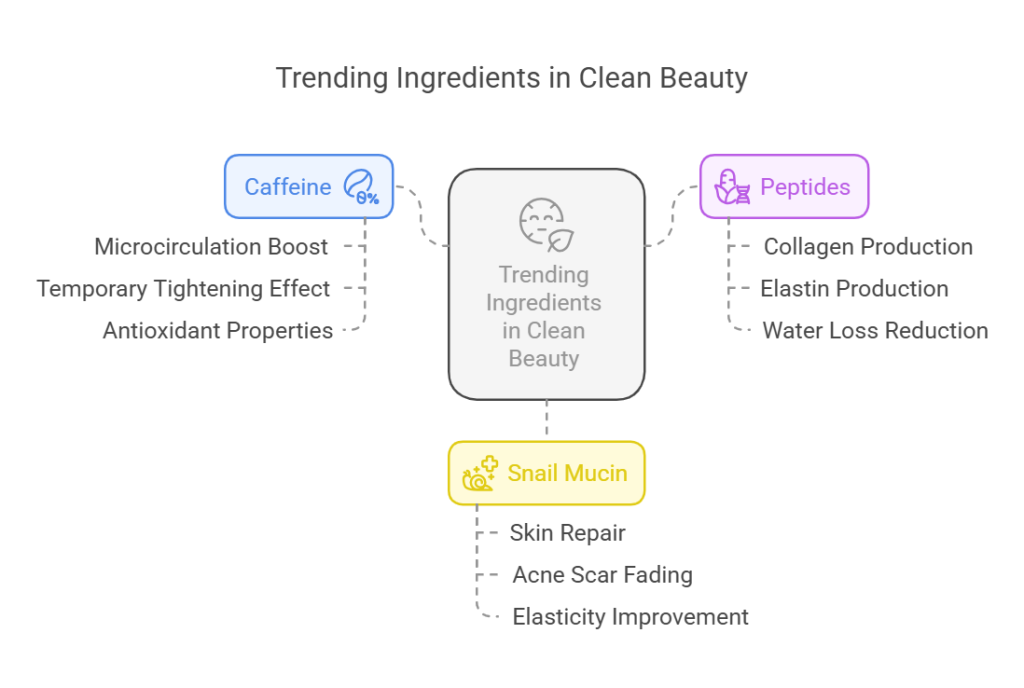
  • Caffeine (from Green Tea & Coffee): Caffeine isn’t new, but it’s seeing expanded use in clean beauty for its natural origin and proven effects. Brands are adding coffee-derived caffeine or green tea extracts (rich in caffeine and polyphenols) to products like eye creams, serums, and even scalp tonics. Why? Caffeine boosts microcirculation and gives a temporary tightening effect, which can help reduce the look of puffy eyes and cellulite, and even stimulate hair follicles​

    . It also has antioxidant and anti-inflammatory properties that protect against UV damage and soothe redness​

    . Consumer interest backs this up – Google searches for “caffeine eye cream” jumped ~270% over the last five years​

    as people sought solutions for dark circles and tired eyes. In marketing, you’ll see claims like “visibly de-puffs under-eyes” or “firms and energizes skin” with caffeine as a star ingredient. For example, one popular clean brand’s eye cream uses pink marine algae + caffeine and boasts that 97% of users saw fewer fine lines in 1 week​

    , combining an algae antioxidant with caffeine’s quick firming action.

  • Peptides: Peptide-based actives are hot in the anti-aging category, and now even natural-focused brands are embracing them (sometimes sourcing from plant peptides or lab-synthesizing identical compounds). These short amino-acid chains can signal skin to produce collagen or elastin, or simply form a protective film that reduces water loss and fine lines​

    . In 2023, “peptide skincare” interest spiked – one analysis noted searches for it nearly tripled in a quarter (up 177%)​

    . In particular, copper peptide (GHK-Cu), famous for its skin-regenerating ability, has gone viral on social media – the #CopperPeptide tag on TikTok amassed over 31 million views by early 2024​

    , and beauty editors have nicknamed peptides “Botox in a bottle”​

    . This shows how a once-clinical ingredient has entered pop culture. Natural brands are formulating “peptide serums” to ride this wave, often combining them with botanicals. Marketing typically highlights clinical-like results (firmer, smoother skin), with brands using both scientific jargon for credibility and buzzworthy phrases from social media to attract consumers.

  • Snail Mucin (Secretion Filtrate): Though not vegan or plant-based, snail mucin is often included in discussions of “organic” or natural-inspired skincare trends because it’s an animal-derived natural ingredient. It has become a viral sensation thanks to K-beauty and TikTok. Videos of the gooey snail slime being applied for glassy skin intrigued millions – for instance, COSRX’s Snail 96 Mucin Essence went insanely viral after influencers demonstrated its effects, leading the hashtag #COSRXSnailMucin to garner over 32 million views on TikTok

    . The buzz is backed by benefits: snail mucin is a hydrating cocktail of glycoproteins, hyaluronic acid, and antioxidants that can help repair skin, fade acne scars, and improve elasticity. While not every organic brand will use snail mucin (especially if they are strictly vegan or cruelty-free), its trend highlights how a unique natural ingredient can create massive consumer demand via social media. Some Western brands have now launched snail-infused products or at least reference its slime-like texture in marketing for novelty. The typical messaging around snail mucin emphasizes repair (stimulating collagen, healing blemishes) and hydration, often calling it a “skin rejuvenator” or “K-beauty secret” to piggyback on the hype.

Other Notable Trending Ingredients

New Exciting Skin Care Trends to Look Out For in 2025 Read More »

Shopping Cart
Scroll to Top
0