
Organic Skin Care Routine

Teen Skin Care Products

Potentially Dangerous Ingredients to Keep Away from Teen Clients

Startlingly, over half of all cosmetic products used may be contributing to the rise of skin conditions among adolescents1. As an industry professional, the proliferation of harmful chemicals in cosmetics, specifically those directed at a younger demographic, is particularly troubling. Teens are embracing products laced with dangerous skin care product ingredients to keep away from teens, often due to the influence of savvy social media campaigns targeting their insecurities and desire for instant beauty gratification. With toxic substances in skincare products ranging from endocrine disruptors to skin irritants, educating our teen clients on the risks is imperative.

It’s disconcerting to note that many adolescents might unknowingly damage their skin’s integrity and health, particularly when over 100 popular makeup items harbor PFAS, a group of chemicals with a notorious reputation for accumulating in the body2. There is a pressing need to debunk the allure of trending ingredients online, often masked as the secret to everlasting youth. In reality, these components could lead to a myriad of issues, from irritation and dryness to more profound health implications such as fertility concerns, highlighted by the negative impact of phthalates on male fertility2.

Key Takeaways

  • Over 50% of adolescent skin conditions are related to cosmetic products containing allergens and irritants1.
  • More than a hundred heavily marketed beauty products carry toxic PFAS, illustrating the alarming presence of dangerous ingredients in the teen skincare market2.
  • Educating teens about the true effects of common skincare additives helps prevent long-term health damage, such as the potential fertility risks associated with phthalates2.
  • Advocacy for safe teen skincare must include informing about the potential carcinogenic risks of frequent ingredients found in makeup products2.
  • Open communication with teens about skincare routines can support better choices, steering them away from potential skin irritants and toward more beneficial alternatives3.

Introduction: The Risky Skincare Trend Among Teens

As we examine the evolving landscape of teen skincare, my concern has grown over the recognized pattern of youngsters, influenced by popular media, gravitating toward products with potentially hazardous additives. In pursuing beauty, many adolescents are unwittingly applying skincare ingredients to avoid for teenagers, placing their health at substantial risk. A study revealed that 595 cosmetics manufacturers reported using 88 chemicals linked to cancer, birth defects, or reproductive harm in over 73,000 products since 20094. This finding underscores the prevalence of dangerous skincare additives in products that may find their way into the hands of teens.

The Impact of Social Media on Teen Skincare Choices

With the push of a button, teens can access an array of beauty influencers presenting the latest skincare miracles. Yet these virtual podiums often fail to filter out risky substances in teen skincare products. The cosmopolitan allure of social media can override caution, leading to unchecked usage of cosmetics that may contain allergens, irritants, and endocrine disruptors.
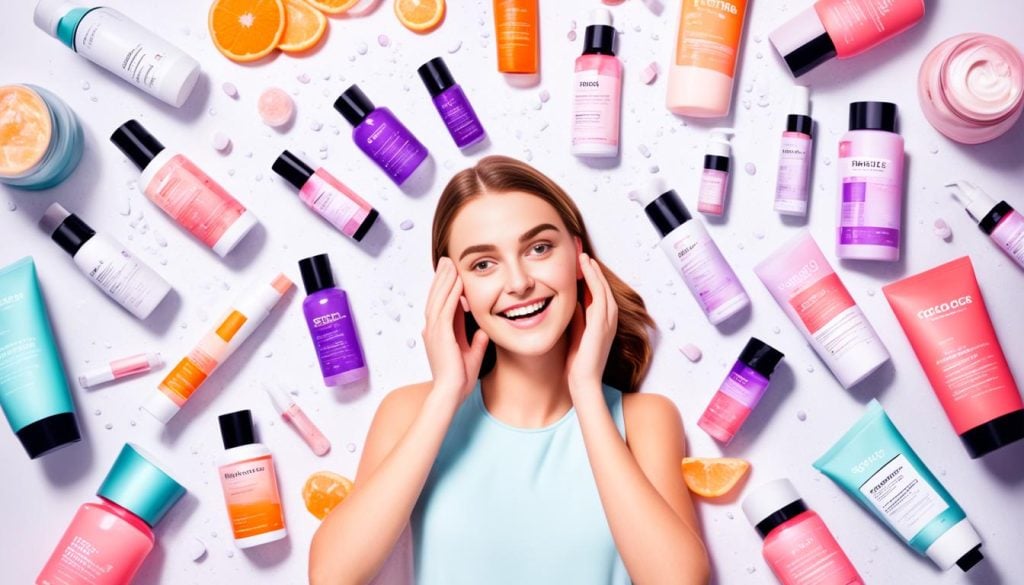
Teen skincare choices influenced by social media

The cosmetic market’s dilation, evidenced by the doubling of imports into the U.S. over the past decade, notably post-Fiscal Year 20114, means a wider array of products lands on our shelves and feeds into this social media trend. Combine this with the allure of Internet marketing, which now claims 8.4% of cosmetic sales4, and it becomes clear why teens might be drawn to products that aren’t curated for their sensitive skin.

Estheticians as Advocates for Safe Teen Skincare

As an esthetician and industry insider, I implore my fellow professionals to become advocates for safe skincare. More than ever, it is vital that we guide our younger clients away from products laced with dubious chemicals. It’s a startling fact that over 10,000 chemicals are used in cosmetic formulations, yet only 11 have been banned or restricted by the FDA4. This is where our role as educated guardians is crucial. We must lead by example and advise on genuine, skin-appropriate products to ensure the well-being of emerging generations.

Guiding the youth requires knowledge, tact, and persistence. By educating them about harmful ingredients and the beauty of natural skincare, we can help mitigate the risks posed by the myriad of unsafe products that saturate our industry. Insights from the Environmental Working Group, which operates the Skin Deep Cosmetics Safety Database, are invaluable tools to discern which products should be recommended to our younger clientele5.

Retinoids and Retinol: Why They’re Harmful to Teen Skin

Certain skincare ingredients have surged as beauty and personal care trends evolve, especially among younger audiences. Notably, retinoids and retinol have earned a spotlight for their age-defying effects in adult skincare routines. Still, they land among the harmful skincare chemicals to avoid regarding teens’ delicate skin.

The Adverse Effects of Retinol on Adolescent Skin

Alarmingly, reports indicate that children as young as 10 are embarking on complex beauty regimens, enticed by the promises of anti-aging benefits that retinol offers 67. However, incorporating such potent ingredients prematurely may lead to distressing skin conditions such as eczema, rashes, acne, and increased sun sensitivity, particularly during the initial weeks of use 6. The emerging practice of mixing different skincare products, dubbed the “skincare smoothie,” can be even more hazardous as it often results in pH alterations and subsequent skin irritation 6.
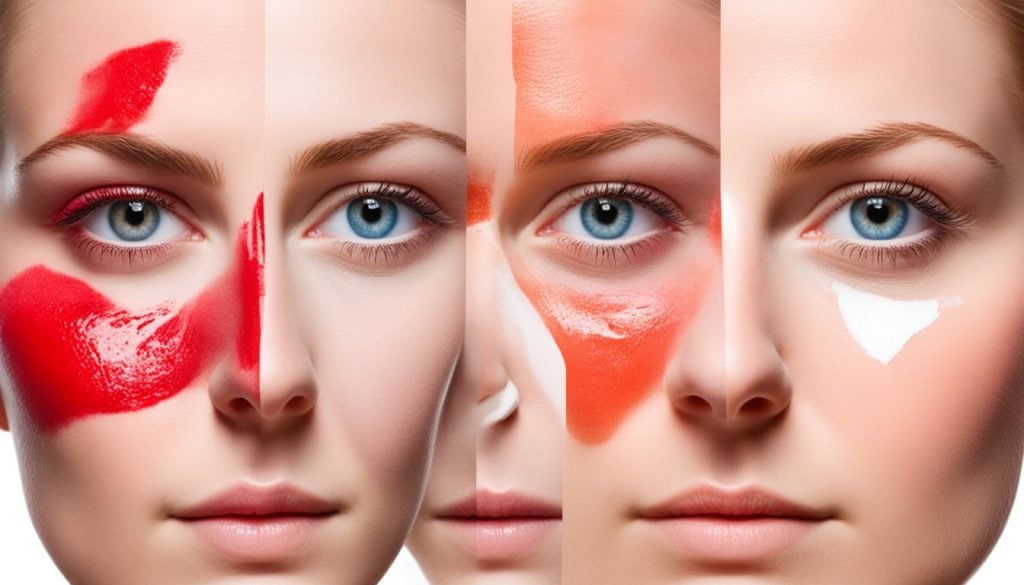
Harmful Effects of Retinol on Teen Skin

Professional Insights on Retinoids and Younger Clients

Dermatologists and skin experts consistently recommend against using adult-oriented products like retinol on young, developing skin. Not only is retinol unnecessary for those under twenty—since collagen production typically doesn’t decline until after this age7—but the misuse of such products, particularly without robust sun protection, can amplify UV damage 6. The trend of intricate, multi-step skincare routines fueled by social media platforms, such as TikTok, overwhelmingly influences youths, steering them towards a hazardous cocktail of skincare ingredients 7. This has propelled the importance of straightforward, gentle skincare practices more than ever, steering clear from aggressive anti-aging additives 7.

Equipped with growing awareness, we can advocate for healthier beauty standards that prioritize safety over trends. Comprehensive education on skincare can help change the narrative, emphasizing that sophisticated personal care procedures are unnecessary and even damaging for young skin. With this knowledge, we can better guide the younger generation to adopt gentle cleansers, light moisturizers, and sunscreens while continuously stressing the harmfulness of risky substances in teen skincare products.

Ingredient Risks to Teen Skin Expert Recommendations
Retinol Inflammation, Sun Sensitivity, Over-exfoliation Basic skincare routine, consulting a dermatologist for personalized advice
Exfoliating Acids Eczema, Rashes, Altered pH and Irritation Gentle cleansing, avoiding “skincare smoothies”
Fragrance Contact Allergies, Increased Risk of Breakouts Use fragrance-free products, prioritize sun protection

In conclusion, while the allure of retinoids and other strong skincare ingredients is undeniable, we must protect teens from these potentially harmful chemicals. A shift towards basic, stress-free routines will contribute to our young clients’ long-term skin health, ensuring they grow into their natural beauty safely and confidently.

The Hidden Dangers of Added Fragrances in Teen Skincare

As someone who delves into the nuance of personal care, I’m alarmed by the undisclosed hazardous elements in personal care products, particularly the added fragrances in teen skincare. These seemingly innocent scents may harbor an insidious array of industrial chemicals; indeed, it’s disconcerting that most individuals use an average of 12 beauty products daily8. This high usage exposes us, particularly the young and vulnerable, to a multitude of potential toxins.

Research indicates the cosmetics industry, with its lax regulation, is free to employ nearly any type of industrial chemical in its formulations8. This practice leads to a worrisome prevalence of ingredients in fragrances linked to health concerns as serious as cancer and birth defects8. PFOA contamination, PAH contamination, 1,4-dioxane, and formaldehyde-releasing preservatives are among the toxic chemicals identified in everyday skincare items such as moisturizers, sunscreens, and even the fragrances themselves8.

Studies reveal a troubling frequency of dermatoses associated with cosmetics, signaling a link between cosmetic use and skin issues, emphasizing the need for greater awareness of the dangers related to fragrances1. Acknowledging the cumulative exposure to these compounds, particularly fragrances, and understanding their potential risks become imperative1.

Findings concerning hormone-disrupting chemicals found in personal care products further exacerbate the implications. Paraben esters, for example, are shown to possess endocrine toxicity risks1. Triclosan, a common bactericide in these products, has been located in human milk, revealing its pervasive presence5. Moreover, the estrogenic activity of certain musk fragrances has been identified, posing additional hormonal concerns5.

Given these pressing concerns, my mantra advocates a pivot towards fragrance-free skincare products, especially for our teens. By doing so, we reduce the exposure to the slew of undisclosed and unregulated hazardous elements in personal care products. It’s more than just a choice—it’s a protective measure.

Hazardous Chemical Common Presence In Potential Risks
Parabens Skincare products Endocrine toxicity
Triclosan Cleansers, Sanitizers Hormone disruption
Phthalates Fragrances, Plastics Reproductive system changes
Musk Fragrances Perfumes, Lotions Estrogenic activity

Entwined with this is the essential role of education. It is crucial to empower teenagers, parents, and estheticians to recognize and opt for products with natural botanical extracts for scent instead of potentially damaging synthesized fragrances.

Indeed, this education on the concealed perils of fragrances and other hazardous elements in personal care products can be a vital tool in fortifying the health and well-being of our adolescents now and for their future.

Unsafe Skincare Ingredients for Adolescents You Should Avoid

As a beauty industry professional, I’m acutely aware of the potential pitfalls that adolescents may encounter when navigating the skincare aisle. Seeing young individuals armed with misinformation about what constitutes a healthy skincare regimen is distressing. Instead of getting swayed by the latest fads, sound skincare advice must be rooted in safety and suitability, particularly when considering the vulnerability of youthful skin.

Young skin is consistently bombarded with retinol, salicylic acid, and peptides— ingredients that excel in addressing mature skin concerns but wreak havoc on the more delicate skin of adolescents, potentially resulting in unwanted irritation or long-term harm6. It’s crucial that we, as protectors of their developing skin, educate on unsafe skincare ingredients for adolescents and cultivate a discerning eye for identifying high-risk ingredients.

Recognizing Irritating Chemicals in Cosmetic Formulas

Alarmingly, influential but unqualified voices often peddle potent anti-aging products to teens. A browse through social platforms and you’re likely to see influencers, some as young as nine, peddling skincare products without a true grasp of the potential repercussions9. Such endorsements are dangerous because teenagers absorb around 64% of what’s applied to their skin, exposing them to hazardous ingredients if not properly informed10.

Identifying High-Risk Ingredients in Over-the-Counter Products

Statistics are grim regarding the European Union’s ban on over 1,300 chemicals in cosmetics for safety reasons, starkly contrasting to the mere 11 banned in the United States10. Fluorine, found in high levels in many cosmetic products, along with parabens like methylparaben and propylparaben, are often hidden enemies. They mimic estrogen and potentially trigger hormonal imbalances in adolescents10. Moreover, carcinogenic preservatives such as formaldehyde can be found in everyday items like nail polish and foaming cleansers that teens might use regularly10.

In the course of nurturing a young person’s approach to personal care, it’s our responsibility to guide them towards products boasting healthy ingredients like jojoba, almond, and glycerin and always to scrutinize product labels for suspect chemicals. It is just as essential to encourage consultation with dermatologists rather than relying on trendy advice from the internet, especially for those with specific skin concerns like acne9. The endorsement of a simple yet effective skincare routine, adequate hydration, and maintaining a balanced diet far outweigh the purported benefits of popular but potentially risky skincare products for tweens6.

Understanding the Perils of Chemical Exfoliants for Teens

As I delve into teen skincare, I’m acutely aware of the widespread use of chemical exfoliants and the importance of recognizing dangerous skin care product ingredients. From my research, I’ve observed that products specifically designed for children, offering the gentleness of hypoallergenic formulations, are a far cry from the harsher chemicals found in products targeting adults11. It’s no secret that adolescents boast a natural richness of collagen, nullifying the need for the collagen-rich products so popular among adults11.

Yet, the lure of achieving flawless skin leads many teens to potent ingredients like retinol and vitamin C serums—products they should sidestep. These strong chemicals, including alpha hydroxy acids and beta hydroxy acids found in exfoliating products, can harm young skin, increasing vulnerability to redness, peeling, and irritation11. Acne vulgaris, a common adversary during teen years, is often combated with chemical peels and topical therapies. Still, the ideal concentration and acid type necessary for treating acne-prone skin haven’t been universally agreed upon12.

Reflecting on acne treatments, it’s clear that medium-depth and superficial peels have found their place, yet the scientific community recognizes the pressing need for more controlled trials to understand their efficacy12 wholly. Superficial chemical peels, which leverage weaker acids like α-hydroxy acids and β-hydroxy acids, have gained notoriety for their capacity to exfoliate without harsh repercussions. Still, they also highlight the fine line between beneficial use and potential skin damage12. Trained professionals and informed guidance become indispensable to ensure teens don’t succumb to the allure of immediate results at the expense of their skin’s long-term health.

My advice to young individuals is to focus on skin health with simpler, safer choices like ceramide-based moisturizers and hyaluronic acid serums, steering clear of the alluring yet possibly deleterious effects of chemical exfoliants11.

In closing, I cannot stress enough the importance of choosing skin care products wisely, avoiding those containing saliently strong, dangerous ingredients. Adopting a skincare routine that prioritizes cleansers, moisturizers, and sunscreen is beneficial not only for maintaining healthy skin but also for circumventing undue skin conditions and allergies that could emerge from using unsuitable products11.

Here’s a comparative look at chemical exfoliants and recommended alternatives:

Chemical Exfoliant Active Ingredient Risks Safer Alternative
Glycolic Acid Peel Alpha Hydroxy Acid (AHA) Can lead to over-exfoliation in young skin Gentle exfoliating wash
Retinoic Acid Product Vitamin A derivative Potential skin barrier damage Hyaluronic acid serum
Salicylic Acid Scrub Beta Hydroxy Acid (BHA) Irritation and dryness Ceramide-based moisturizer

In conclusion, let us champion a balanced skincare approach that respects the unique needs of adolescent skin, reducing the risk of harm from aggressive chemical exfoliants and promoting a future of radiant, healthy complexions.

Dangerous Skin Care Product Ingredients to Keep Away from Teens

As we unpack the vast world of skincare, it’s vital to exercise caution, especially when it concerns young, impressionable consumers. My first piece of advice is always to be diligent in evaluating toxic substances found in teen-targeted products. This necessity stems partly from social media trends like TikTok, where the hashtag #teenageskincare has amassed over 26.4 million views13. While digital platforms can be a hub of valuable information, they can also lead to the unsafe adoption of products, such as those issued a warning by Drunk Elephant due to ingredients not recommended for children and tweens13.

Evaluating Toxic Substances in Popular Teen Skincare

I have often observed the detrimental effects these substances can have on juvenile skin, a sentiment echoed by Dr. Blair Murphy Rose, who tends to patients with skincare issues in NYC caused by inappropriate product use13. It’s not just about navigating safe alternatives but also about imparting the know-how that children should circumvent harsh products with high chemical acids or retinol unless advised by a doctor13. It’s startling when dermatologists raise alarms about ingredients like retinol and salicylic acid; these are suitable for mature skin but can ravage the skin of tweens and teens, inciting eczema, rashes, and acne6.

Moreover, mixing skincare ingredients without knowledge can alter pH levels, leading to irritation. This highlights the significance of sticking to a rudimentary skincare routine for the younger demographic6. This basic routine should include a gentle facial cleanser, sunscreen of SPF 30 or higher for the day, and a simple facial moisturizer for the night.

Navigating Safe Alternatives for Young Consumers

While the allure of trends like “Sephora kids” is strong, with children flocking to these retailers, we must guide them towards products tested and created specifically for their tender skin, such as sunscreens and cleansers11. It’s heartening to know that some products are developed with the young user in mind, proving that safe and effective skincare for this age bracket does exist11. Therefore, through patient education and advocacy, on emphasizing reliable skincare ingredients, it’s possible to channel the focus from harsh chemicals to nurturing components. For example, hyaluronic acid serums and plant-based lip balms can be excellent recommendations for kids that ensure skin health without exposing them to unnecessary risks11.

The pathway to healthy adolescent skin isn’t paved with potent anti-aging formulas or aggressive exfoliants; it’s built on practicality and simplicity. Encouraging a healthy lifestyle with sufficient sleep, hydration, and a balanced diet is equally as crucial as the skincare products. Professionals like Dr. Linda Xing reiterate the importance of focusing on sun protection and instilling healthy skin habits early on11.

Age Group Common Skin Concerns Safe Skincare Solutions
Children & Tweens Sensitivity, mild acne Gentle cleansers, light moisturizers
Teens Acne, oiliness, hormonal changes Non-comedogenic products, SPF protection
Youth (All) Preventive care, sun damage Sunscreen, safe exfoliating methods

Ultimately, this information leads to one fact: the real triumph is in driving the approach away from navigating safe alternatives after the fact, to evaluating toxic substances beforehand. Inculcating mindful habits and preferences from the onset is the key to safeguarding the dermal health of our younger generation, steering them clear of hazardous ingredients and towards a radiant future.

Harmful Chemicals in Cosmetics: A Teen Safety Guide

As a dedicated advocate for teen health and well-being, my years researching and writing about skincare have shed light on the pressing issue of risky substances in teen skincare products. I am responsible for using this platform to guide adolescents towards unsafe skincare ingredients they must avoid to safeguard their delicate, developing bodies. The journey of adolescence is already navigated through the ever-changing currents of hormonal flux; adding toxic skincare elements into the mix further complicates this precious time of growth and self-discovery.

The statistical evidence confirming these risks is undeniable: Studies like those conducted by Berglind et al. (2010), De Donno et al. (2009), and Park and Zheng (2012) reveal how certain preservatives, fragrances, and even heavy metals like inorganic and elemental mercury found in cosmetics can lead to skin conditions, skin sensitivity, and pose long-term health risks1. Imagine, products with benzophenone and its derivatives, as well as parabens, have been linked to cancer and endocrine disruption, according to research highlighted by Patisaul and Adewale (2009) and Pastor-Nieto et al. (2017)1. These are not mere hypotheticals; these are realities staring at us from the labels of the very products our teens are using.

My extensive review of the latest research, including the critical work by Yazar et al. (2010), points to a market saturated with personal care products that contain unsafe ingredients, which adolescents may apply repeatedly without understanding the potential for harm1. This is backed by alarming reports of increased interest among teenagers in anti-aging skincare, as noted by observations that young individuals, some as tender in age as 10, are purchasing products laced with ingredients like retinol and exfoliating acids6. The implications are profound, with noted experts recommending basic skincare routines that eschew these aggressive ingredients in favor of gentle, age-appropriate options and emphasizing the importance of sun protection6.

With my guidance, I implore my readers, especially the young and impressionable, to prioritize their health by becoming label detectives. It is critical to scrutinize products for chemicals such as phthalates, known endocrine disruptors, and carcinogens. Adolescents need to be particularly wary of products containing talc, which may unwittingly expose them to asbestos14. And let’s not dismiss heavy metals, like lead, another harmful contender lurking in the shadows of inadequately regulated products14.

Unsafe Ingredient Potential Health Risks Safer Alternative Suggestions
Phthalates Endocrine disruption, Cancer Seek out phthalate-free labels
Parabens Endocrine disruption Choose products with natural preservatives
Formaldehyde-releasing preservatives Irritation, Allergic reactions Opt for preservative-free or naturally preserved products
Retinol (at high doses) Skin sensitivity, Thinning skin barrier Use retinol-free products and hydrating ingredients like hyaluronic acid
1,4-Dioxane (contaminant) Cancer Choose certified organic or toxin-screened products
Talc (which may contain asbestos) Cancer Opt for talc-free powders and makeup

In conclusion, I extend an earnest plea to my readers: Let us equip our youth with the knowledge and discernment to choose wisely from an array of skincare options. By advising them to prefer products with transparent labeling and established safety records, we are not just protecting their skin; we are nurturing their future, ensuring a safer passage through the years when they blossom into adulthood. Remember, we have the tools and evidence—let us put them to vigilant use. The well-being of our teens depends on it.

The Impact of Social Media Misinformation on Skincare Trends

As we delve into the complexities of skincare trends among teens, the infiltration of social media misinformation has sparked concern among parents and skin health professionals. Eager to achieve the highly coveted “glass skin,” teenagers are increasingly being pulled into skincare routines driven by social media influence, often unaware of the presence of hazardous elements in personal care products they are encouraged to use15. Discerning qualified advice is becoming essential in this digital landscape, flooded with skincare misinformation that may lead to adverse effects like contact dermatitis or a misguided chase for “glass skin” that can further harm their delicate skin1516.

Discerning Qualified Advice from Online Trends

Unveiling the truth amidst a sea of viral videos requires vigilance. The #skincareroutine and #preventativebotox hashtags on platforms like TikTok are watched billions of times, but not all advice they propagate is fitting for the developing skin of adolescents16. Teens and their guardians must engage in discussions about skincare goals that are influenced by social media, encouraging a mindful approach to products and routines that genuinely benefit young skin15. Minimalist skincare routines emphasizing cleansing, applying sunscreen with SPF 30 or greater, and using facial moisturizer are strongly recommended for middle-school-aged children15.

When Skincare Videos Lead to Risky Choices

The use of active ingredients such as salicylic acid, retinols, and peptides can be tempting for their promised results, yet these can also lead to skin irritation or conditions like retinoid dermatitis among tweens and teens15. Exposure to such skincare misinformation not only risks the health of youthful skin but can also pressure families financially; products like Murad Retinol Youth Renewal Night Cream and Spoiled Child’s K-27 Anti-Aging Vitamin C Boosting Serum reach upwards of $58, representing a significant investment16. Peer into the makeup bags of teens using makeup, and the call for non-comedogenic and oil-free products coupled with makeup removal before bedtime becomes loud and clear, preventing the onset of skin issues15.

In confronting the waves of skincare misinformation, alternatives like the skin fasting trend introduced by Mirai Clinical Surface are anchored by Japanese studies advocating the benefits of skin fasting in detoxifying skin17. However, this trend is not without misleading interpretations spread online, such as the idea of fasting from all skincare for an entire week or using water-only cleansing17. Such blanket applications can be particularly risky for individuals with atopic skin, or who have recently undergone face treatments17. It underlines the necessity of educating teens on these trends, highlighting the pros and cons of cultivating informed and personalized skincare decisions.

In aligning data with the narrative of skincare trends, I find it crucial to assert the importance of educating on the potential risks of trending skincare fads and promoting informed, minimalistic skincare routines, especially for a young audience. The emphasis remains on safeguarding the integrity of teen skin health, while also easing the financial burden of products that may compromise their wellbeing151716.

Mitigating Harmful Effects of Trendy Skincare Additives

As a skincare advocate, I recognize the allure of cutting-edge products dominating social media feeds, but I also understand the urgency of mitigating the harmful effects of certain trendy skincare additives. Knowledge is the first step in such mitigation efforts. The Endocrine Society has confirmed the presence of around 85,000 synthetic chemicals, with more than a thousand possible endocrine disruptors lurking in everyday products18. Notably, phthalates serve as plasticizers in numerous items, but these compounds can unsettle the delicate hormonal harmony within young bodies1819.

Teens, often influenced by digital beauty trends, might find themselves exposed to products containing phthalates and PFAS, which could compromise their immune system18 and disrupt metabolic processes, raising the risk for disorders like diabetes18. Moreover, items like lavender-oil-infused lotions, possibly linked to hormonal irregularities18, and makeup brimming with asbestos-contaminated talc19, heighten the concern.

Alarmingly, the FDA’s findings in 2019 highlighted cosmetics with asbestos, a deadly carcinogen, prompting consumer caution19. Furthermore, lead and mercury in cosmetic products paint a dire picture for adolescent health, given their known toxic effects1920. The lack of extensive regulation, with legislation unchanged since 1938, compounds the problem, necessitating a proactive approach from both teens and parents when selecting makeup19.

Ingredient Found In Health Concerns
Phthalates Nail polishes, hair sprays Hormone disruption, possible link to breast cancer19
PFAS Foundations, concealers Fetal harm, hormone imbalance19
Lavender Oil Skin lotions, aromatherapy products Premature breast development18
Lead Kohl eyeliners, galena-based products Blood absorption, toxicity to organs1920
Mercury Skin lighteners Neurological and kidney damage19

To steer clear of these risks, I urge the adoption of gentle alternatives rich in natural ingredients. Seeking out transparent brands and scientifically supported treatments can safeguard the vigor of adolescent skin. For me, it’s not merely a cosmetic matter; it’s about ensuring healthy development free from the influence of harmful agents masquerading as beauty shortcuts.

Risky Substances in Teen Skincare Products: A Concern for Parents

As a beacon of guidance in a sea of aggressive marketing tactics, it falls upon me and all responsible caregivers to shield our budding youths from skincare products laced with risky substances. It’s distressing to learn that nearly 70% of children aged 12 years and under have encountered Children’s Makeup and Body Products (CMBPs) in their lifetime21. These products are not mere accessories; they bear hidden risks, with hazardous materials like lead, cadmium, and chromium found in children’s face paints, posing serious health risks21. The scenario intensifies for Hispanic/Latinx communities where children use these products with greater frequency and for relatively brief durations, amplifying potential exposure to deleterious components21.

While the urge to indulge in playful imitation is natural, almost half of the youthful demographic utilizes these CMBPs with playfulness in mind, a scenario pronounced even more within Hispanic/Latinx households21. Unfortunately, what is intended as play can turn perilous. Contact with endocrine disruptors such as phthalates and parabens, commonplace in both adult cosmetics and children’s products, is alarmingly widespread21.

Protecting Teens from Aggressive Marketing Tactics

The commercial charm offensive is fully displayed in the teen skincare market with seductive scents and vibrant hues. Yet, these marketing ploys briskly mask the reality of allergic reactions like contact dermatitis—one of the many adverse health outcomes associated with the careless use of cosmetics21. Behavioral inclinations, such as hand-to-mouth activities in children, further exacerbate this risk, inadvertently heightening their vulnerability to the dangerous elements found in these deceptive products21.

Cultivating a Healthy Skincare Routine for Adolescents

In my efforts to combat these troubling trends, I’ve become a fervent advocate for fostering a healthy skincare routine among adolescents. It is essential that we, as guardians of their vulnerable years, actively promote an understanding of product labels and formulations. This knowledge is a critical defense against the lure of cosmetics teeming with potential toxins that await unchecked due to a stark void—mandated safety approvals21.

To actualize a holistic approach to teen skincare, I incorporate a balanced dialogue about the products conducive to their well-being. Our collective aim must include awakening to the merits of natural ingredients and steering sharply away from the artificial allure of synthetic fragrances and dubious compounds that permeate the current skincare shelves. With a conscientious spirit and discerning eye, we can encourage our youth to embrace routines that offer cosmetic fulfillment and ensure longevity in health and happiness—a lesson empowered by research and underscored by authentic care for their future21.

Hazardous Elements in Personal Care Products, Uncovered

As I delve into the realm of personal care, the discovery of hazardous elements in personal care products mainly targeting the younger demographic, has instigated a call for an urgent re-evaluation of ingredient safety. With advancing safer skincare knowledge, it is imperative to spotlight the hidden dangers these substances pose.

The Worrisome Ingredients List in Teen Products

Recent findings have unearthed unsettling information regarding the presence of mercury in skincare items. These products, often masked as benign creams or cosmetics, may in fact harbor illegal levels of mercury, leading to significant health risks.22 The FDA and health officials have flagged an alarming number of these products over the years, deploying an import alert to block shipments of mercury-laden skin products entering the United States.22

Advancing Knowledge for Safer Skincare Choices

Understanding that hazardous elements in personal care products can have severe repercussions, especially on vulnerable groups such as pregnant women and children, is vital. Mercury exposure can lead to symptoms like irritability and memory problems, making informing and protecting consumers critically important.22 Swift action has been taken against sellers and distributors of mercury-containing products, emphasized through enforcement actions including seizures and possible criminal prosecution.22 By advancing safer skincare knowledge, we can champion the transition to vetted, reliable products that prioritize health over harmful chemical inclusion.

Element Concerns Safer Alternatives
Mercury Neurotoxicity, skin discoloration, scarring Products with clear ingredient labels and without mercury
Oxybenzone Allergic reactions, hormone disruption Mineral-based sunscreens (zinc oxide, titanium dioxide)
Formaldehyde releasers Carcirogenicity, skin irritation Preservative-free or with natural preservatives

It’s time to critically analyze personal care items, especially those sourced abroad that may bypass stringent regulations and carry concealed dangers.22 Consumers often unknowingly bring these items into the U.S., unaware of their potentially unlawful new drug classification under the law or the toxic ingredients they contain.22 Stepping forward as a vigilant participant in this industry, I make it my mission to not only spread the word but to ensure the well-being of young, impressionable consumers eager to make safe, informed skincare choices.

What to Recommend Instead

In my professional journey, I’ve witnessed the allure of the beauty counter too often, with teenagers being drawn to cosmetic products that promise everlasting youth and beauty. Dermatologists are sounding the alarm, noting a worrying trend among children, some as young as 10, pressuring their parents for high-end anti-aging skincare, fueled by social media influencers 2. The lavish routines popularized on platforms like TikTok, featuring pricey items from stores like Sephora and Ulta, are unnecessary and potentially harmful for their tender skin23. With this backdrop, I must present safe skincare alternatives that honor the integrity of adolescent skin.

Teenagers should be directed towards non-toxic skincare products instead of costly products laced with aggressive anti-aging ingredients and artificial fragrances. These products, free from parabens and chemical exfoliants, use natural preservatives and harness the healing power of botanicals. Studies have linked skincare products’ chemical constituents, such as formaldehyde-releasers and paraben esters, to allergic reactions and endocrine toxicity1. In response, I advocate for brands that take a transparent approach to their formulations, offering cleaner ingredient profiles for the betterment of young skin.

It’s not just the content of these products that calls for scrutiny but also their societal impact. Encounters with older customers have revealed their dismay over young girls purchasing items beyond their needs, fostering a premature preoccupation with anti-aging and a rapid introduction to adulthood due to social media and influencer pressures23. To combat this, I champion skincare products that safeguard the skin and encourage a healthy self-image, free from the toxic beauty standards perpetuated online.

As we chart a course through an industry teeming with potential hazards, careful consideration must be given to the safe skincare alternatives we recommend to the next generation. It’s about instilling values prioritizing health over hype and substance over status. The most accurate form of beauty is, after all, one that embraces a natural, vibrant self without yielding to the whispers of a market driven by profit. Our commitment to guiding teens towards non-toxic skincare products reflects a deeper intention to nurture their skin, confidence, and well-being.

Conclusion: Fostering Safer Skincare Practices for Teens

As a committed skincare professional, I recognize my role in fostering safer skincare practices, especially for younger clientele. Incorporating ecological consciousness, I seek to amplify the narrative for protecting adolescent skin health, a mission founded upon indisputable research outcomes. Reports reveal alarming elements like triclosan in the biological systems of Swedish nursing mothers and their environment, with a similar presence in the aquatic ecosystem5. Musings on estrogenic activities of synthetic musk and stark statistics about parabens in breast tumors challenge us to rethink routine exposures5. It’s no surprise that fostering safer skincare habits is beneficial and essential for teens navigating the complexities of growing up amidst many cosmetic choices.

In catering to adolescent concerns such as acne, I’m mindful of the delicate balance required. Statistically, topical treatments and prescription medications foster progress in managing severe acne, yet must be approached with caution due to their potent constituents24. The confluence of data, revealing both the obstacles and pathways to youthful skin integrity, informs my advocacy for non-toxic, gentle formulations tailored to the unique development stages of adolescent physiology. I’m driven to champion products that respect the delicate hormonal milieu of my clients, steering clear of those with phthalates and other disruptors linked to developmental and reproductive anomalies5.

My approach is rooted in education and empowerment—arming teens and their guardians with the knowledge to differentiate between marketing flair and scientifically sound skincare. This initiative aims to cultivate surface-level beauty and deep-seated confidence that their choices contribute to a legacy of health and ecological stewardship. By doing so, we are protecting adolescent skin health and establishing lifelong principles of well-being and self-care.

FAQ

What are some dangerous skin care product ingredients to keep away from teens?

Teenagers should avoid products with retinoids, retinol, harsh chemical exfoliants, added fragrances, parabens, phthalates, and `formaldehyde-releasing preservatives, as these ingredients can be harsh on their developing skin and health.

How does social media impact teen skincare choices?

Social media often promotes skincare products geared towards mature skin, involving influencers who may mistakenly encourage the use of inappropriate products for teenagers, such as those that contain retinol, fragrances, and chemical exfoliants, potentially leading to misuse by teens.

Why are estheticians important for ensuring safe teen skincare?

Estheticians are licensed skincare professionals who can provide educated guidance, helping to counter misinformation and direct teens and their families towards safe, age-appropriate skincare practices that won’t harm their skin.

Why are retinoids and retinol harmful to teen skin?

Retinoids and retinol can cause significant irritation, inflammation, and over-exfoliation in young skin, which is already sensitive and hormonal. These ingredients also necessitate strict sun protection, which teenagers often overlook.

What are the hidden dangers of added fragrances in teen skincare?

Added fragrances contain undisclosed chemicals that can be potential irritants, leading to increased skin sensitivities, reactions, and potentially dermatitis, especially in teens with sensitive skin.

How to recognize irritating chemicals in cosmetic formulas?

Look out for ingredients such as PEGs, methyl and propyl parabens, and triclosan, which can disrupt endocrine functions and cause other adverse health outcomes when included in over-the-counter personal care products.

What should parents and teens know about chemical exfoliants?

Strong chemical exfoliants like glycolic acid and retinoic acid can overly strip and damage adolescent skin. Teens should use gentler alternatives like smooth scrubs or milder exfoliating acids.

How can you evaluate toxic substances in popular teen skincare?

Carefully read product labels and avoid items containing endocrine-disrupting chemicals (EDCs), such as perfumes, makeup, and sunscreens. Instead, search for natural and non-toxic skincare options.

How can teens navigate safe alternatives for young consumers?

Teens and parents should seek out products with clear labeling, opting for skincare items with simple, natural ingredients, free from synthetic fragrances, parabens, and phthalates. Natural alternatives like tea tree oil or glycerin should be considered.

What are the risks of misleading skincare trends from social media?

Social media trends can lead teens to use skincare ingredients unsuitable for their skin type, which may result in damage from misinformed use. It’s important to discern reputable advice from non-professional online trends.

How can teens mitigate the harmful effects of trendy skincare additives?

Teens should educate themselves on the potential risks of trendy skincare ingredients and opt for gentler, science-backed treatments. They should also seek guidance from licensed professionals when selecting skincare products.

What should parents consider when choosing skincare products for their teens?

Parents should teach teens to avoid aggressive marketing tactics by teaching them to read labels, understand product formulations, and foster a healthy skincare routine with natural and safe ingredients.

What are the hazardous elements in personal care products?

Hazardous elements such as oxybenzone in sunscreens, artificial fragrances, and formaldehyde-releasing preservatives are of concern. Awareness and understanding of these ingredients can help in making safer skincare choices.

What non-toxic skincare products can be recommended for teens?

Skincare products without fragrances, chemical exfoliants, and parabens are recommended. Seek out brands that use natural preservatives and botanicals and that are transparent about their ingredient profiles.

How can we foster safer skincare practices for teens?

Educate teens on the importance of avoiding harmful skincare chemicals and encourage a clean, safe, and customized skincare routine that fits their specific skin concerns and promotes overall skin health.

Source Links

  1. https://www.ncbi.nlm.nih.gov/pmc/articles/PMC6477564/
  2. https://www.healthline.com/health/beauty-skin-care/ingredients-to-avoid-for-stress-free-skin-care
  3. https://www.cnn.com/2024/01/12/style/tweens-skin-care-wellness/index.html
  4. https://www.ewg.org/the-toxic-twelve-chemicals-and-contaminants-in-cosmetics
  5. https://www.ewg.org/research/teen-girls-body-burden-hormone-altering-cosmetics-chemicals
  6. https://www.newsweek.com/skincare-anti-aging-damaging-skin-tweens-1865737
  7. https://www.usatoday.com/story/life/health-wellness/2024/01/26/sephora-kids-are-obsessed-with-retinol-dermatologists-are-concerned/72353463007/
  8. https://www.safecosmetics.org/toxic-ingredients/
  9. https://www.cbsnews.com/boston/news/children-skin-care-tiktok-instagram-dermatologist/
  10. https://www.healthline.com/health/toxic-makeup
  11. https://www.ctvnews.ca/lifestyle/sephora-kids-skin-care-trend-draws-warnings-from-dermatologists-1.6740753
  12. https://www.ncbi.nlm.nih.gov/pmc/articles/PMC10608815/
  13. https://nypost.com/2024/01/19/lifestyle/teens-obsessed-with-skincare-may-be-damaging-skin-experts/
  14. https://www.safecosmetics.org/chemicals/
  15. https://www.uclahealth.org/news/kids-skincare-dermatologists-advice
  16. https://www.cnn.com/2024/01/18/opinions/sephora-kids-skin-care-teen-craze-thomas/index.html
  17. https://www.skininc.com/business/trends/news/21885565/cause-for-concern-the-skin-fasting-trend
  18. https://www.niehs.nih.gov/health/topics/agents/endocrine
  19. https://www.medicalnewstoday.com/articles/327318
  20. https://www.mdpi.com/2079-9284/10/3/71
  21. https://www.ncbi.nlm.nih.gov/pmc/articles/PMC9915933/
  22. https://www.fda.gov/consumers/consumer-updates/mercury-poisoning-linked-skin-products
  23. https://www.theguardian.com/society/2024/jan/11/uk-parents-urged-not-to-buy-children-anti-ageing-skin-products
  24. https://organicseries.co.uk/acne-treatment-for-teens-16-best-ideas/

Potentially Dangerous Ingredients to Keep Away from Teen Clients Read More »
Organic Skin Care Tips for Winter Protection

Organic Skin Care Tips for Winter Protection

As the crispness of winter air descends, it brings with it unique challenges that can pose a risk to our skin’s natural balance and well-being. Organic skin care tips for winter become essential, as the cold weather demands a shift in our daily skincare regimen. The adoption of natural skincare for winter practices is not just a trendy choice, but a necessary approach to safeguard the skin from the harsh elements. Turning to organic methods not only nurtures the skin but also aligns with a mindful, eco-conscious lifestyle. This introduction will explore the transformative benefits of embracing an organic skin care routine during the winter months to maintain a healthy, glowing complexion despite the frosty temperatures outside.

Key Takeaways

  • The necessity of adapting your skincare routine to combat winter’s harsh effects on the skin.
  • Understanding the significance of organic and natural skincare for winter protection.
  • Embracing organic skin care tips for winter to maintain skin’s radiance and moisture.
  • Benefits of using organic products to nourish and shield skin from cold weather conditions.
  • Incorporating eco-friendly practices into your winter skincare regimen for a sustainable lifestyle.
  • Recognizing the advantages of an organic approach in preserving the skin’s natural barrier.

Understanding Your Skin’s Needs During Winter

The arrival of winter brings a serene snow-blanketed landscape and the joy of the holiday season. Yet, these colder months can be less kind to our skin. Your skin demands extra care and attention as temperatures drop and winds gain strength. It’s not enough to maintain the same skincare habits that serve you in milder climates; a special winter skin care routine is vital to combat the dry air and indoor heat that typically accompany the season. Recognizing and remedying the signs of winter skin stress is the first step towards keeping your skin healthy and vibrant.

The Impact of Cold Weather on Your Skin

Winter’s chill can have a profound effect on the overall health of your skin. A marked drop in humidity both outside and indoors due to heating systems leads to a depletion of the natural moisture in the skin’s surface. This can manifest as dryness, a feeling of tightness, and in more severe cases, flaking and even cracking of the skin. A robust and protective organic skincare routine becomes essential to counter these harsh conditions, replenishing moisture and maintaining the skin’s delicate balance.

Identifying Signs of Winter Skin Stress

  • Flaking or peeling skin
  • Redness or inflammation
  • Intensified sensitivity
  • Chapped lips or skin, particularly around the nose and mouth
  • A dull or ashen skin tone, lacking its usual luster

These symptoms are clear indicators that your skin is in need of a tailored natural winter skin care strategy. Prompt action at the first sign of winter skin stress is critical to prevent further damage and discomfort.

The Importance of Organic Products for Sensitive Skin

The cold months can be a real trial for those with sensitive skin. The lack of harsh chemicals in organic skincare products makes them especially suitable as they are less likely to trigger irritation or allergic reactions. Ingredients derived from natural sources provide gentle yet effective hydration and fortification against the damaging winter air. Incorporating an organic skincare routine not only soothes sensitive skin in the winter but also supports skin health in the long term.

Understanding your skin’s specific needs this winter is fundamental to curating an effective regime. A dedicated approach to utilizing organic and natural care solutions can help maintain your skin’s grace and glow throughout the coldest season.

Essential Organic Ingredients for Winter Skincare

When the temperature drops and the air dries out, your skin begs for extra nurturing. Elevating your organic skincare routine by including key ingredients can make all the difference in maintaining a hydrated, protected, and soothing winter skin care routine for dry skin. Let’s delve into the natural elements that should be the cornerstone of your skincare arsenal during these frosty months.

Natural Oils and Butters for Deep Moisturization

Highly nutritive oils and butters are nature’s answer to intense skin hydration. Look for products containing shea butter, known for its rich fatty acid content that restores skin flexibility and moisture, and cocoa butter, which forms a protective barrier to hold in hydration. Here’s a lineup of oils and butters you’ll want in your routine:

IngredientBenefitsBest For
Shea ButterDeeply moisturizes, soothes inflammationVery dry or flaky skin
Cocoa ButterPrevents skin drying, minimizes scarsElasticity and tone improvement
Jojoba OilBalances oil production, closely mimics skin’s own sebumCombination skin types
Argan OilRich in Vitamin E, antioxidants, and essential fatty acidsMature or sun-damaged skin
Avocado OilHight in Vitamins A, D, and E, encourages collagen productionDry, aging skin
Almond OilLightweight and easily absorbed, contains oleic acidSensitive skin types
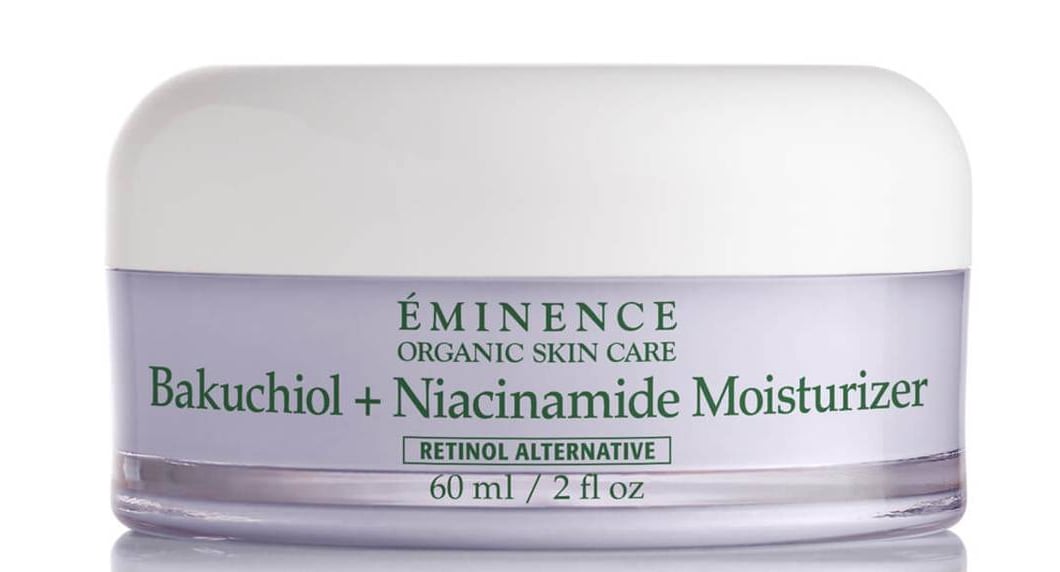
Eminence Organics Bakuchiol + Niacinamide Moisturizer
Our Score

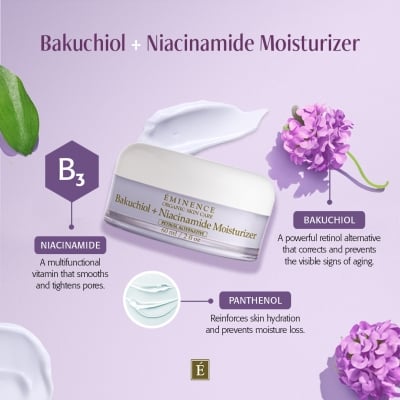
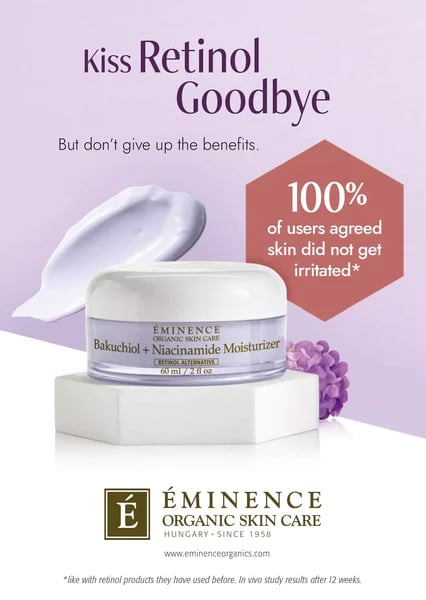
This moisturizer combines anti-aging niacinamide and bakuchiol. These ingredients smooth the look of fine lines, visibly tighten pores and deliver retinol-like results without the irritation. As a moisturizer, this formula also hydrates dry skin and replenishes your skin barrier.

Results:

  • Smooths the look of fine lines and wrinkles with no visible irritation
  • Replenishes the skin barrier and locks in hydration
  • Reduces the appearance of large pores
  • Skin appears visibly tightened

How to use: Apply a layer of moisturizer over the entire face and neck area. Leave on. For a lighter application, emulsify a small amount of moisturizer in your hand with a few drops of water. For extra hydration, apply a thicker layer on dry areas.

Plant-Based Antioxidants for Skin Protection

Environmental stressors don’t take a winter break. Infuse your winter skincare tips with antioxidants found in botanical ingredients to protect and rejuvenate. Vitamins C and E are two powerhouses that fight oxidative stress and can be found in plant-based serums and creams:

  • Vitamin C: Brightens the complexion and stimulates collagen synthesis.
  • Vitamin E: Nourishes and heals the skin, reducing UV damage.

Together, these antioxidants can be found in organic skincare products, bolstering your skin’s defenses against the chill.

Herbal Extracts That Soothe and Repair

Herbs are more than just kitchen essentials—they’re therapeutic skin allies. With their calming and reparative properties, certain herbal extracts are optimal for treating winter-stressed skin:

  • Calendula: Reduces redness and promotes skin healing and repair.
  • Chamomile: Soothes sensitive and irritated skin due to its anti-inflammatory properties.
  • Lavender: Calms both skin and senses, assisting in the relief of eczema and dryness.

Incorporating these herbs into your organic skincare routine can ease the impact of harsh winter conditions, keeping your skin feeling soft, calm, and resilient.

Natural Winter Skin Care Regimen

As winter arrives, the need for a natural winter skin care regimen becomes paramount to maintaining healthy, supple skin. The harsh elements of the season necessitate a shift towards organic products that provide the best defense. Crafting a daily routine that starts with the morning and culminates with your night-time ritual ensures your skin receives the full spectrum of protection and care that it desperately needs in colder months. Here, we outline each step and the roles of organic products in your winter skincare routine.

Morning Ritual: Begin your day with gentle cleansing to refresh the skin without stripping natural oils critical in winter. Opt for a hydrating cleanser with ingredients like aloe vera or honey that help retain moisture. Follow up with a toner that includes witch hazel or rose water to balance pH levels and prep the skin. Integrate a robust moisturizing cream rich in hyaluronic acid to lock in hydration. Daytime protection isn’t complete without applying a layer of sunscreen, even on overcast days—choose mineral-based options for a natural defense against UV rays.

Morning ProductPurposeKey Ingredients
CleanserRefresh skin, maintain moistureAloe Vera, Honey
TonerBalance pH levelsWitch Hazel, Rose Water
MoisturizerLock in hydrationHyaluronic Acid
SunscreenUV protectionZinc Oxide, Titanium Dioxide

Evening Care: Night-time is an opportunity for rest and repair. Remove impurities accumulated throughout the day with an oil-based cleanser—a crucial winter skincare tip. Follow this with an exfoliant twice a week to slough off dead skin cells; choose a milder form like oatmeal or jojoba beads that are less abrasive. Night creams should be denser in texture and enriched with nourishing ingredients such as shea butter and squalane which provide intense moisture while you sleep. Essences or facial oils containing antioxidants like Vitamin E or C can also be added for extra skin restoration overnight.

Evening ProductPurposeKey Ingredients
CleanserRemove daily impuritiesNatural Oils (Coconut, Olive)
ExfoliantRemove dead skin cellsOatmeal, Jojoba Beads
Night CreamIntense hydrationShea Butter, Squalane
Facial OilSkin restorationVitamin E, Argan Oil

When building your winter skincare regimen, be mindful of the Sequential Layering Technique. Start with the lightest product and end with the heaviest. This method ensures that each product can be absorbed properly without hindering the performance of the next, maximizing the benefits of your winter skincare tips.

Lastly, don’t overlook the need for regular hydration. Drinking plenty of water is just as important as the products you apply. With a steadfast commitment to these organic skin care tips and natural products, your skin can thrive throughout winter’s toughest days.

DIY Organic Masks for Winter Hydration

When the winds of winter grow colder and the air drier, your skin craves deeper hydration and nourishment. This season, embrace the art of creating DIY organic masks to quench your skin’s thirst from the comfort of your own home. These homemade remedies represent the heart of organic skin care tips for winter, allowing you to customize your skincare routine with natural, wholesome ingredients.

Recipes for Nourishing Homemade Masks

Unlock the secrets of hydration with these simple yet potent mask recipes designed to restore moisture and vitality to weather-worn skin:

  1. Avocado and Honey Mask: Combine one ripe avocado with a tablespoon of raw honey. Mash and mix into a smooth paste for a mask rich in fats and humectants.
  2. Oatmeal and Yogurt Soothing Mask: Mix together 2 tablespoons of ground oatmeal, 1 tablespoon of natural yogurt, and a few drops of chamomile oil. This combination provides gentle exfoliation and calms irritated skin.
  3. Banana and Almond Oil Hydrating Mask: Blend one mashed banana with a teaspoon of sweet almond oil for a mask full of vitamins and hydration.

Each of these masks utilize readily available kitchen staples touted in natural skincare for winter, emphasizing the ease of integrating sustainable practices into your beauty regimen.

How to Integrate DIY Treatments into Your Routine

Adapting your skincare to include these DIY organic masks doesn’t require a complete overhaul of your existing routine. Aim to apply your chosen mask at least once a week, following these steps:

  • Cleanse your face gently with your regular organic cleanser to prepare the skin.
  • Apply your homemade mask evenly, avoiding the delicate area around the eyes.
  • Leave the mask on for 10-15 minutes, allowing the organic goodness to penetrate your skin.
  • Rinse with warm water, and follow up with your regular moisturizer to seal in the benefits.

Making these DIY treatments a regular part of your organic skin care tips for winter will not only promote a healthier complexion but also reinforce the natural barrier of your skin against harsh winter elements.

Organic Skin Care Tips for Winter

When the wintry weather sets in, a careful revaluation of your skincare regimen is due. The shift to organic winter skin care is beneficial and crucial to nurturing and protecting your skin. This section will focus on the delicate balance of cleansing without over-drying and the art of layering skincare to safeguard your skin’s health during the colder months. These strategies center on maintaining the essential oils that fortify your skin’s barrier while utilizing organic products designed for maximum benefit and protection.

Cleansing Without Stripping Natural Oils

Effective cleansing is a foundational step in any skin care routine, particularly in winter. However, it’s critical to choose a cleanser that can remove impurities without stripping your skin of its natural oils, which are pivotal for maintaining moisture during the dry winter months. Look for organic cleansers with nourishing ingredients such as jojoba oil, coconut milk, or chamomile extract. These components provide a gentle cleanse, effectively supporting your skin’s intrinsic moisture balance.

Cleanser TypeBenefitsKey Ingredients
Milk CleansersHydrate while cleansing, ideal for dry and sensitive skinCoconut Milk, Almond Oil
Oil-based CleansersDissolve impurities without disrupting the skin’s lipid layerJojoba Oil, Argan Oil
Foaming Cleansers (SLS-free)Light cleansing action suitable for combination skinYucca Extract, Witch Hazel
Cream CleansersProvide extra moisture, leave skin soft and suppleShea Butter, Chamomile Extract
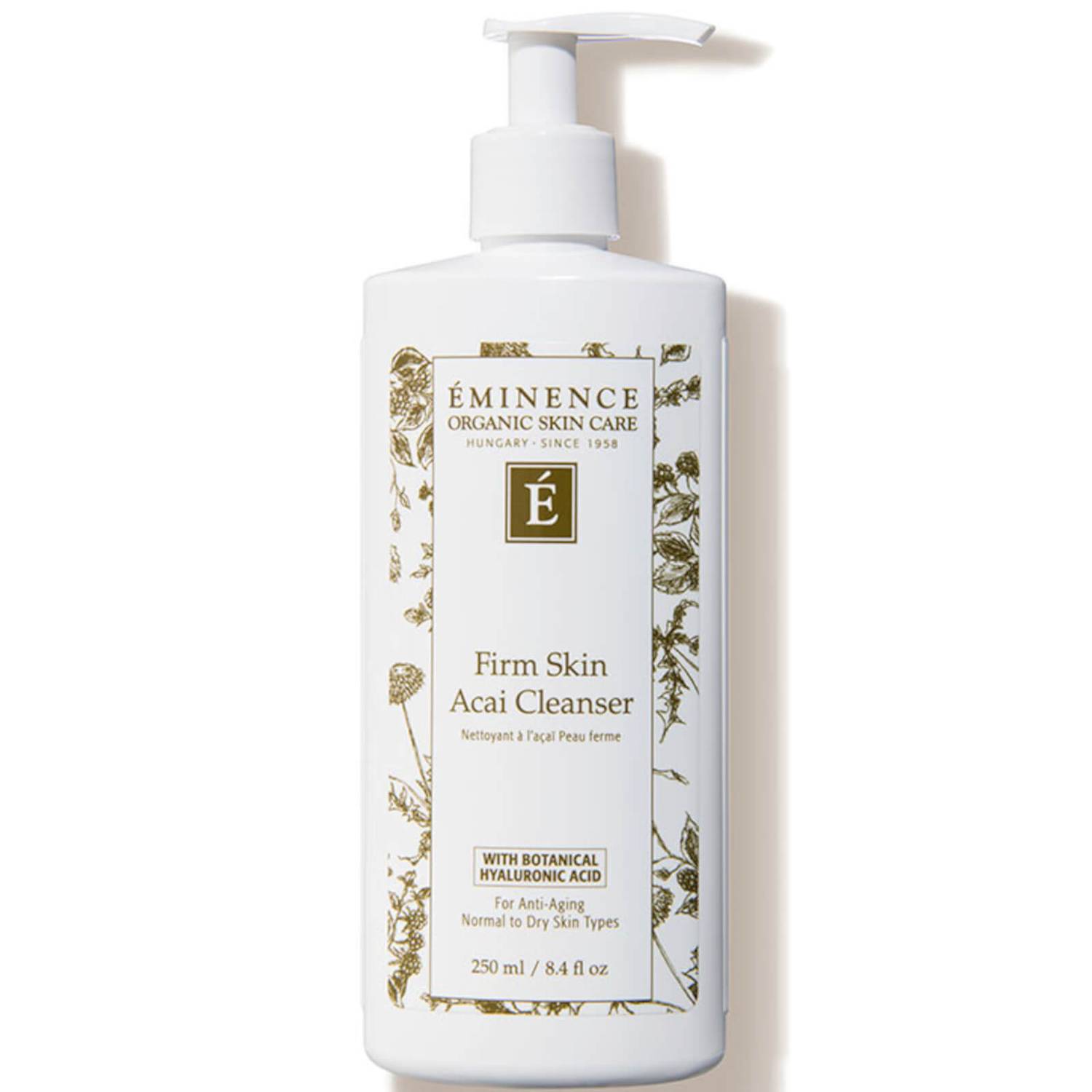
Eminence Organics Firm Skin Acai Cleanser
9.4/10Our Score

This powerful antioxidant-rich acai berry organic cleanser gives you a smooth and radiant complexion. It removes impurities and erases fine lines with naturally derived hyaluronic acid and seabuckthorn oil, making it a potent product to combat the signs of aging.

  • Paraben-free, pthalate-free, cruelty-free, organic and vegan formula
  • Blueberry and raspberry juice provide antioxidant protection
  • Alpha lipoic acid reduces wrinkles and fine lines
  • Botanical Hyaluronic Acid – Binds moisture to the surface of the skin

Layering Products for Maximum Benefit

Layering your organic skincare appropriately is essential to harness their full potential, particularly with winter skin care tips. After cleansing, begin with a light, hydrating toner that can help balance the skin’s pH and provide a base layer of moisture. Follow with a serum rich in active ingredients tailored to your skin’s needs and seal in the benefits with a cream or oil that prevents moisture loss. Layering in this way can help fortify the skin against the harsh winter elements while using products packed with organic goodness.

  1. Toner: Rosewater, Aloe Vera
  2. Serum: Vitamin C, Hyaluronic Acid
  3. Moisturizer: Shea Butter, Squalane
  4. Facial Oil: Pomegranate Seed Oil, Evening Primrose Oil

By following these organic skin care tips for winter, you emphasize conserving your skin’s natural integrity while embracing the healing power of organic ingredients. An organic routine transforms your daily skincare practice into a ritual that not only cares for your skin but also is in harmony with the environment.

Moisturizing Strategies for Different Skin Types

When the chill of winter sets in, it can leave skin feeling dry and lifeless. Winter weather doesn’t discriminate among skin types; it can have adverse effects on oily, dry, combination, and sensitive skin alike, making a tailored organic skincare routine all the more critical. An effective winter skin care routine adapts to each skin’s unique needs, using the right organic moisturizers and application techniques to ensure healthy, hydrated skin all season long. Below are curated strategies for choosing and applying organic moisturizers based on skin type, with the goal of weathering the winter without compromising your skin’s natural radiance.

Skin TypeRecommended Organic MoisturizersApplication Tips
Oily SkinLight-weight, water-based lotions with ingredients like aloe vera or green teaApply in thin layers, focusing on areas that are less oily
Dry SkinRich creams and balms with hyaluronic acid, shea butter, and plant oilsGenerously apply while skin is damp to lock in moisture
Combination SkinGel-cream hybrids with lavender or chamomile for balanceTarget application according to the dry and oily areas, avoiding heavy application on the T-zone
Sensitive SkinProducts with minimal ingredients, featuring calming agents like calendula or oatmealPat gently into skin, without rubbing, to avoid irritation

Moisturizing is crucial for preserving skin health through winter, yet over-moisturizing or using the wrong product for your skin type can lead to issues such as breakouts or increased sensitivity. In your winter skincare tips, consider not only the type of moisturizer but also its composition and purity. Organic formulations, free from synthetic additives and fragrances, can offer superior compatibility and efficacy while aligning with environmentally conscious values. Pay attention to your skin’s responses to different products and adjust your winter skin care routine accordingly for the best results.

  • For oily skin, remember that hydration is still important. Seek out non-comedogenic formulas to provide moisture without clogging pores.
  • Dry skin will benefit from thicker, oil-based creams that provide a barrier against the cold, dry air.
  • Individuals with combination skin should apply moisturizers with moderation, carefully noting the different needs of their skin’s varying areas.
  • Sensitive skin demands hypoallergenic and calming ingredients that moisturize without inciting irritation.

Within these carefully devised strategies, one constant remains: the need to listen to your skin. No matter the type, every individual’s requirements may undergo changes as the winter season progresses, necessitating occasional adjustments to your chosen organic skincare routine. By paying close attention to how your skin reacts to the colder environment and moisture levels, you can adapt your approach to remain nurturing and protective throughout winter’s challenges.

Winter Skin Care Tips for the Body

Transitioning from facial to full-body care, winter skincare isn’t complete without considering the impact of cold weather on every inch of your skin. With meticulous attention to detail, essential organic skin care tips for winter must expand to encompass practices that preserve and protect the body’s skin, which is just as susceptible to the ravaging effects of winter as the complexion.

Organic Body Washes and Scrubs

When the mercury plunges, it’s time to swap out your regular body cleansers for those that offer a more nurturing wash. Organic body washes crafted with natural oils and botanicals can provide a soothing clean that doesn’t deplete the skin’s moisture. Key ingredients like oat extract, almond oil, and glycerin keep the skin supple and help fend off the dryness exacerbated by cold air and wind. Similarly, organic body scrubs can softly eliminate dead skin cells without stripping moisture, utilizing fine natural exfoliants such as sea salt and sugar mixed with moisturizing oils to leave your skin refreshed and revitalized even in the harshest of winters.

ProductMain IngredientsBenefits
Organic Body WashOat Extract, Aloe Vera, Coconut OilMoisturizes while cleansing, soothes irritation
Organic Body ScrubSea Salt, Sugar, Jojoba OilGently exfoliates, promotes circulation, hydrates skin

Natural Moisturizers for All-Over Care

Your winter skin care routine must include a conscientious approach to moisturizing from head to toe. After bathing with gentle products, locking in moisture is key. Natural body lotions and butters containing shea butter, cocoa butter, or rich plant oils like argan or avocado oil can be particularly nourishing, offering an organic solution to the dryness and tightness that often accompany winter weather. Such natural moisturizers not only hydrate but also fortify the skin’s barrier against the chilly elements, ensuring comprehensive care and comfort.

Moisturizer TypeKey IngredientsBenefits
Organic Body LotionLavender Oil, Shea ButterDeep hydration, relaxation, skin softening
Organic Body ButterCocoa Butter, Vitamin EIntense moisturization, skin repair, antioxidant protection
Organic Body OilArgan Oil, Sunflower OilLasting moisture, absorption, skin cell nourishment

Implementing these winter skin care tips into your daily routine ensures you’re not just focusing on your face but also providing the rest of your body with the organic, nourishing care it deserves. This holistic approach to winter skincare paves the way for sustained skin health and comfort throughout the season.

Protecting Your Skin from Indoor Heating

As the winter season intensifies, our focus often turns to the effects of biting cold and howling winds on our dermal health. Yet the warm embrace of indoor heating, while comforting, can stealthily contribute to dry, irritated skin—a silent adversary in the wholesome realm of a winter skin care routine. This warmth, a contrast to the bracing air outside, draws moisture away from the skin, making an organic skincare routine an indispensable ally in your fight against the dehydrating indoor heat.

To counteract the effects of indoor heating and foster a resolute barrier preserving your skin’s moisture and health, consider these proactive winter skin care tips:

  • Implement a humidifier in your living or work space to reintroduce moisture into the air, providing respite for your skin.
  • Hydrate consistently throughout the day, for internal hydration is as crucial as topical. Drinking ample water should be a pillar of your winter skin care routine.
  • Invest in organic hydrating sprays or thermal waters, delivering quick, refreshing bursts of hydration to your skin when it feels parched.

Regarding your organic skincare routine, specific adjustments can render your regimen a formidable shield against indoor climate control:

Skincare StepActionRecommended Organic Products
CleansingUse lukewarm water and avoid harsh soap-based cleansers.Gentle milk or cream-based cleansers with ingredients like honey or glycerin.
ToningBalance skin’s pH with an alcohol-free toner.Organic toners infused with calming botanicals such as cucumber or aloe vera.
MoisturizingApply heavier creams or serums to lock in moisture.Rich emollients containing hyaluronic acid or squalane, and protective oils like argan or avocado oil.
Overnight CareUse an overnight mask or sleeping cream to repair skin.Nourishing masks with shea butter or almond oil, designed to rejuvenate skin as you sleep.

Incorporating these elements into your winter skin care tips promises a nurturing line of defense against the unassuming threat of indoor heating. Your home, intended as a haven from the bitter cold, need not become a detriment to your skin. With the right tools—humidity, hydration, and a steadfast organic skincare routine—your skin’s health will flourish throughout the winter’s trials, resilient against both the elements outside and the artificial warmth within.

Winter Skin Care Routine for Dry Skin

Dry skin requires special attention during winter to prevent tightness, chapping, and scaling. By adopting an organic winter skin care routine and integrating targeted winter skincare tips, individuals with dry skin can expect to alleviate discomfort and enhance their skin’s natural defenses against the seasonal cold.

Extra Care for Dry and Chapped Areas

Some body areas are particularly prone to dryness and require additional organic care. Products such as thick shea butter balms, hyaluronic acid serums, and oils rich in omega fatty acids nourish these trouble spots.

  • Elbows and knees often become rough and dry; apply a generous layer of organic balm nightly.
  • Hands suffer constant exposure; use an organic hand cream after each wash and before bed.
  • Lips can crack painfully; maintain their softness with natural oil-infused lip balms throughout the day.

Maintaining Hydration Throughout the Day

Maintaining hydration from dawn till dusk is key in a winter skin care routine for dry skin. Integrating moisture-rich products at every routine step will bolster hydration levels and strengthen the skin barrier.

Skincare StepHydration StrategyOrganic Product Examples
Morning CleanseGentle, non-stripping cleansing methods.Organic cream cleansers with nourishing oils.
Daytime MoisturizerApply a protective, emollient moisturizer.Plant-based creams with organic avocado or jojoba oil.
Night RoutineOvernight treatments for deep hydration.Rich night creams with organic almond or olive oil.
Throughout the DayRegular application of hydrating mists or sprays.Herbal facial sprays with aloe vera or rosewater.

Incorporate these essential organic skin care tips for winter into your routine to ensure continuous protection and replenishment for your dry skin. By taking special care of the most vulnerable areas and reinforcing hydration at every opportunity, you can maintain a resilient and healthy complexion regardless of winter’s challenges.

Adapting Your Organic Skincare Routine for Harsh Weather

As winter unleashes its fiercest cold snaps and whipping winds, the resilience of your skin is put to the test. Staying ahead of the game with adept organic skin care tips for winter can make all the difference between a complexion that weathers the storm and one that succumbs to it. The following pointers are designed to recalibrate your winter skincare practices, keeping your outermost layer fortified against the most severe temperatures and dry indoor heating that are synonymous with the season.

Assess and Adjust Product Richness

  • Lightweight moisturizers might suffice in mild chilly weather, but as temperatures plunge, consider transitioning to creams with a denser, more occlusive consistency to create a protective moisture barrier.
  • The inclusion of nutrient-dense facial oils, such as rosehip or sea buckthorn, adds an extra layer of defense, deeply nourishing the skin at a cellular level.

Modulate Frequency and Quantity

  • Listen to your skin’s signals and increase the frequency of application if tightness or dry patches emerge, particularly after extended exposure to harsh weather.
  • An organic lip balm should become a constant companion, applied liberally and often, to prevent chapping in the cold air.
  • Where once a light smear sufficed, now a generous dollop of hand cream is essential following every hand wash or sanitizer use.

Consider Environmental Triggers

  • On days where the wind chill is biting, aim to minimize exposure by covering up with gloves, scarves, and hats made of natural, non-irritating fibers like silk or cotton.
  • On less intense days, let your skin breathe when secure from the elements, allowing it to regulate naturally without the constant barrier of products.

Switch Up Your Cleansing Tactics

  • When experiencing frigid weather consistently, limit exfoliation to once weekly to avoid compromising your skin’s barrier integrity. Soft, enzyme-based exfoliants can be kinder yet effective.
  • Make sure to utilize a creamy, hydrating cleanser that dissolves impurities without stripping moisture. Products incorporating hyaluronic acid or glycerin can be immensely beneficial.
Weather ConditionSkin ResponseAdaptation in Routine
Light ColdMild tightnessIncrease moisturizer frequency
Extreme ColdDry patches, irritationSwitch to a heavier cream, layer oils
Indoor HeatingDehydration, dullnessRegularly mist face, use a humidifier
Windy DaysChapped skin, rednessApply a protective barrier, reduce exfoliation

Every drop in temperature is a call to action—a need to enrich and adapt your organic winter skin care arsenal. Whether refining product application or embracing heartier formulations, tailoring your skincare regimen to combat winter’s volatility is a move your skin will thank you for, yielding a radiant, robust barrier throughout the season’s trials.

Conclusion

The comprehensive journey through organic winter skin care illustrated in this article underscores the imperative of customizing our skincare routines to meet the season’s chilly challenges. Embracing natural skincare for winter is about supplementing our skin with hydration and nutrients and fortifying the skin’s barrier against the frosty elements. From employing deeply hydrating natural oils to concocting DIY organic masks, we’ve explored how prioritizing organic ingredients can substantially benefit our skin’s health and resilience.

Furthermore, we’ve delved into specialized care like the winter skin care routine for dry skin, emphasizing that regardless of your skin type, there are organic solutions capable of maintaining and even enhancing your skin’s vitality during winter. The all-encompassing approach to organic winter skincare goes beyond the face, encouraging readers to nourish their entire body with rich, organic elements that are friendly to both skin and the environment.

As the frost settles in, let this be a gentle reminder of the profound difference a tailored winter skincare regimen can make. May the insights shared here inspire you to embrace organic care holistically—your skin’s steadfast companion through the cold. Let the benefits of natural, organic ingredients light your way to a season of comfort, protection, and radiance that extends beyond the winter months.

FAQ

Why is organic skin care important during winter?

Organic skin care is important during winter because it uses natural and chemical-free products that are gentle on the skin. The harsh winter conditions can strip the skin of its natural oils, leading to dryness and irritation. Organic products can offer deep moisturization and protection without the harsh additives found in some conventional skincare items.

What are the signs of winter skin stress?

Signs of winter skin stress include increased dryness, a feeling of tightness, redness, cracking, flaking, and even eczema or psoriasis flare-ups. These symptoms indicate that the skin’s barrier function may be compromised due to the cold and dry weather.

How can natural oils and butters benefit my winter skin care routine?

Natural oils and butters, such as shea butter and coconut oil, provide deep and lasting moisture for the skin. They are rich in essential fatty acids and vitamins that help to strengthen the skin’s barrier, improve elasticity, and protect against the harsh winter elements.

What are some plant-based antioxidants good for winter skincare?

Plant-based antioxidants like Vitamin C, Vitamin E, green tea extract, and resveratrol help protect the skin from environmental damage, such as pollution and extreme temperatures. They also aid in repairing the skin and reducing the appearance of winter-induced dullness and inflammation.

Can you provide a simple DIY organic mask recipe for hydration?

Yes, one simple DIY organic mask for hydration involves mixing one tablespoon of honey with two tablespoons of yogurt and a half of a mashed banana. Apply the mixture to your face for 15-20 minutes before rinsing off with warm water. These ingredients are all-natural moisturizers that can soothe and hydrate dry, winter skin.

What is the best way to cleanse my skin in winter without stripping natural oils?

The best way to cleanse your skin in winter without stripping natural oils is to use a gentle, hydrating cleanser that does not contain alcohol or other drying ingredients. Look for cleansers with natural emollients and humectants, such as glycerin or hyaluronic acid, that help maintain the skin’s natural moisture balance.

Should I change my moisturizing strategy in winter based on my skin type?

Yes, you should tailor your moisturizing strategy to your particular skin type in winter. Dry skin may require heavier creams with oils and butters, while oily skin may benefit from lighter lotions with hydrating ingredients. Sensitive skin types should look for hypoallergenic and fragrance-free options to reduce the risk of irritation.

What kind of body wash should I use during winter?

During winter, opt for a body wash that is creamy, moisturizing, and formulated with organic and nourishing ingredients such as aloe vera, oatmeal, or essential oils. Avoid harsh soaps and shower gels with sulfates that can strip the skin of its natural oils.

How can I protect my skin from the effects of indoor heating?

To protect your skin from the drying effects of indoor heating, use a humidifier to add moisture to the air. Increase your water intake and consider using a thicker moisturizer or adding a hyaluronic acid serum to your routine. Also remember to cover up and protect exposed skin when moving from warm interiors to cold exteriors.

What extra care should I give to dry and chapped areas during winter?

For dry and chapped areas, apply a targeted treatment such as an ointment or balm that has a high concentration of emollients and occlusive agents like petroleum jelly, lanolin, or beeswax. These create a protective layer that locks in moisture and aids in healing. Be sure to apply these treatments to slightly damp skin for the best results.

How should I adapt my organic skincare routine for harsh winter weather?

Adapting your organic skincare routine for harsh winter weather might involve adding richer, more emollient products to prevent trans-epidermal water loss, using gentle, non-foaming cleansers, increasing the frequency of hydrating masks, and ensuring that you always apply sunscreen, even on overcast days, as UV rays can be just as damaging during the winter.

Organic Skin Care Tips for Winter Protection Read More »

The Hidden Dangers of Summer: What Your Dermatologist Isn't Telling You

Summer’s Hidden Dangers: What Dermatologists Don’t Tell You!

The Hidden Dangers of Summer: What Your Dermatologist Isn’t Telling You! is a topic many overlook.

Despite the common focus on summer skin care, few are aware of its potential risks.

The Hidden Dangers of Summer: What Your Dermatologist Isn’t Telling You!

Many are clueless about how these hidden dangers can affect their skin health. But this knowledge gap separates those who maintain healthy skin throughout the year from those who suffer from avoidable damage during the sunny season.

Navigating through these unseen hazards isn’t easy, folks.

Consider, for instance, an individual who recently shared that they suffered severe sunburn after using a new medication without knowing it increased photosensitivity.

This person now fears stepping out in the sun again and worries about potential long-term effects

Table of Contents:

The Hidden Dangers of Summer for Your Skin

Summer’s arrival brings longer days and warmer temperatures, exposing your skin to potential damage. The sun’s ultraviolet rays can lead to long-term harm if not properly managed.

Photosensitivity: A Silent Threat

A lesser-known summer danger is photosensitivity, a condition that heightens the vulnerability of exposed skin to UV radiation. This susceptibility remains even on cloudy days when you might think you’re safe from harmful rays.

Certain medications like antibiotics or acne treatments may trigger this reaction. Photodermatitis—a similar skin reaction—occurs when substances such as certain perfumes or essential oils interact with sunlight upon contact with your skin, leading to an eczema-like response. Cleveland Clinic provides more information about these reactions.

Melasma Unveiled

Beyond causing face sunburns during hotter days, increased exposure to the sun can exacerbate melasma – small patchy brownish facial discolorations common in summers. The American Academy of Dermatology Association (AAD) attributes melasma primarily to estrogen and progesterone hormones, especially among pregnant women or those taking birth control pills who experience heightened sensitivity under sunlight.

This makes wearing high SPF sunscreen daily crucial during summer months, irrespective of whether it’s sunny outside or super cloudy. As per The Skin Cancer Foundation, everyone should use broad-spectrum (protecting against both UVA & UVB rays), water-resistant sunscreen with at least 30 SPF every day they plan on spending time outdoors, regardless of weather conditions.

The Impact of Summer on Acne Breakouts

As the summer months usher in warmer days, a common concern for many is the worsening of acne. This escalation can be attributed to an amalgamation of factors such as increased sweat production, oil secretion, and sunscreen application.

Choosing the Right Sunscreen for Acne-Prone Skin

Finding a suitable sunscreen becomes crucial during these sun-filled months. Unfortunately, some sunscreens may not be suitable for those with acne-prone skin.

A heavy or oily sunscreen could further block your pores, leading to more breakouts. Selecting products that won’t obstruct your pores and potentially cause further breakouts is critical. The American Academy of Dermatology Association suggests using ‘oil-free’ or ‘non-comedogenic’ labeled products that are less likely to exacerbate acne conditions.

In addition to being non-comedogenic, it’s also important to opt for high SPF values, especially if you’re spending prolonged periods outdoors under direct sunlight. The Skin Cancer Foundation advocates daily use of broad-spectrum (UVA/UVB) sunscreen with an SPF 30 or higher irrespective of weather conditions because harmful UV rays penetrate through clouds causing cellular level damage resulting in premature aging and potential development into skin cancer over time despite appearing cloudy outside.

Making Blemishes Worse: Avoid Inappropriate Acne Products

If you’re already dealing with breakout issues, then the type and amount of product applied to the face matter significantly, according to the Cleveland Clinic.

Oftentimes, individuals make the mistake of applying excessive amounts, hoping to speed up the healing process. However, the contrary happens when irritation increases, making blemishes worse instead. Thus, moderation is key here, along with correct usage instructions, following each product’s guidelines closely for optimal results without aggravating the existing condition any further than necessary, thereby maintaining overall health.


Key Takeaway: 


Summer’s heat can escalate acne due to increased sweat, oil, and sunscreen use. It’s crucial to choose non-comedogenic sunscreens for acne-prone skin and apply them properly. Overuse of acne products may worsen blemishes instead of healing them.

The Importance of Wearing Facial Sunscreen Daily

When it comes to your skincare routine, the daily application of facial sunscreen is paramount. The Skin Cancer Foundation and board-certified dermatologists globally endorse this practice as a preventive measure against severe sunburns and premature aging induced by unprotected UV exposure.

Diving into UVA Rays and Their Impact

Sunlight comprises mainly two types of harmful rays: UVA and UVB. Both can damage the skin, but UVA rays pose unique threats due to their ability to penetrate deep into our dermis – the thickest layer in our skin structure.

This penetration triggers long-term effects such as photoaging, which includes wrinkles, age spots, loss of elasticity in the skin, among others. Additionally, repeated exposure escalates the risk for certain potentially fatal cancers like melanoma, making broad-spectrum sunscreen that protects from both types of radiation an essential tool to combat these dangers effectively.

Sunscreen’s Role In Warding Off Skin Damage And Aging

According to Cleveland Clinic studies, a high-quality sunscreen serves as a protective barrier between your delicate facial epidermis and harsh solar radiation, absorbing or reflecting most ultraviolet light before it infiltrates deeper layers and causes harm, including DNA mutations leading toward cancerous growths.

Beyond preventing serious health issues like cancer, wearing face SPF also helps maintain a youthful appearance longer, slowing down signs associated with aging, such as fine lines and sagging. Thus, it becomes an integral component not just for protection but also for your beauty regimen.

Incorporating Sunscreen Into Your Everyday Routine

No matter the season or weather forecast, always apply a generous amount every morning following cleansing and moisturizing steps. Reapply throughout the day, especially if you spend extended periods outdoors during peak hours (10 am – 4 pm).

You might consider investing in cosmetics or makeup products already infused with benefits to ease the application process and ensure continuous protection at all times without having to worry about an extra step of applying separately each time. This summer, take proactive measures to protect yourself from potential harms caused by excessive sun exposure while keeping your glowing complexion intact by incorporating the


Key Takeaway: 


Don’t skimp on the sunscreen. It’s your best defense against harmful UVA and UVB rays that can cause premature aging and even skin cancer. Make it a daily habit, regardless of the season or weather, to maintain healthy, youthful-looking skin.

Recognizing Phototoxic Reactions

The summer months can be a hidden menace to your skin due to phototoxic reactions. These are not just regular sunburns but severe, often painful responses that occur when certain substances on your skin interact with sunlight.

Berloque Dermatitis: The Hidden Dangers of Perfume in the Sun

A typical example is baroque dermatitis, which occurs from an interaction between specific ingredients in perfumes and UV rays. This results in symptoms similar to a harsh sunburn and may leave long-lasting pigmentation changes.

This reaction occurs at the cellular level, where these compounds cause inflammation and hyperpigmentation upon exposure to UV radiation during those hotter days.

Margarita Sunburn: A Surprising Culprit

Limes might seem harmless enough while you’re enjoying them as part of your favorite summertime beverages like margaritas or lemonades; however, they, too, pose risks for triggering phototoxic reactions.

“A substance known as furocoumarins present within limes increases sensitivity towards UVA rays leading up to second-degree burns under intense sunshine.”

Safeguarding Your Skin Against Phototoxic Reactions

To safeguard against such unpleasant experiences this season, we must adopt preventive measures before stepping out into moderate sunlight, especially if wearing fragrances containing potential triggers like bergamot oil or handling citrus fruits outdoors. Ensuring hands are thoroughly washed after preparing drinks using lime juice will help prevent inadvertent splashes causing Margarita Sunburns. Furthermore, integrating new organic skincare products specifically designed for summer use could provide additional protection against the harmful effects of increased exposure, thus enhancing the overall effectiveness of our daily skincare routine throughout warmer months.

How Summer Affects Foot Health

The summer season often involves outdoor activities, which can increase exposure to your feet. Going barefoot during these times can potentially introduce risks such as puncture wounds and infections.

This particularly concerns individuals with diabetes or foot neuropathy who have decreased foot sensation and may not immediately detect an injury.

Safe Foot Practices During Summer

To maintain good foot health during the summer months, avoiding walking barefoot whenever possible is essential. Wearing shoes provides a protective layer between your feet and any harmful objects you could step on.

If circumstances require going shoeless, be sure to thoroughly inspect your feet afterward for signs of injuries like cuts or insect bites. According to Mayo Clinic guidelines, minor injuries should be promptly cleaned with warm water and soap before applying antibiotic ointment, followed by bandages.

In addition, those at higher risk due to conditions such as nerve damage from diabetes should consider wearing firm-soled shoes even when others are going barefoot – advice recommended by the American Diabetes Association that offers more protection against potential punctures than typical flip-flops or sandals do.

Pedicures: Safety Over Style

Safety concerns also extend to popular summertime practices like pedicures; unsanitary tools can spread fungal infections, while cuticle cutting increases susceptibility to bacterial infection.

To ensure safe pedicure procedures, follow the American Academy of Dermatology (AAD) recommendations. They suggest bringing personal nail care kits, including clippers and files, to avoid shared salon equipment and significantly reduce the chances of cross-infection.

Summer’s Hidden Dangers: What Dermatologists Don’t Tell You.

Discover the hidden dangers of summer your dermatologist isn’t telling you. Unveil secrets about sun damage, acne breakouts, and essential skincare tips.

Building an Effective Summer Skincare Routine

With its increased sun exposure and hotter days, the summer season presents unique challenges for maintaining healthy skin. To nourish your skin with the right organic ingredients, establishing an effective skincare routine for summer is essential.

Discovering the Latest Organic Ingredients For Your Skin

Hyaluronic acid, a widely used organic skincare ingredient, helps to keep skin hydrated by drawing water from deep within into the upper layers. This naturally occurring substance draws water into the upper layers of your skin from deep within. The result is optimal hydration levels even on hot days when you might lose more water through sweat.

Beyond this super hydrator, green tea extract is another noteworthy ingredient for summer due to its potent antioxidant properties. Green tea helps protect against environmental damage caused by free radicals while calming inflammation and reducing redness – common issues during warmer months due to heightened UV radiation.

Adapting Your Skincare Routine for Summers

Apart from incorporating beneficial ingredients like hyaluronic acid and green tea extract into your regimen, there are other steps specifically designed for effective summer care you should consider taking in order to avoid long-term skin damage or premature aging caused by unprotected UV exposure.

An essential part involves wearing facial sunscreen daily as recommended by board-certified dermatologists such as those at Cleveland Clinic. Using high SPF sunscreen shields exposed areas from harmful UVA rays, which contribute towards potential severe health implications, including melanoma – one of the deadliest forms, according to the Skin Cancer Foundation.

  • Sunscreen Reapplication: Remember reapplying every two hours or immediately after swimming/excessive sweating ensures continued coverage against damaging solar radiation.
 

Key Takeaway: 


Don’t let summer’s heat beat your skin. Amp up your skincare routine with organic ingredients like hyaluronic acid and green tea extract, stay hydrated, and don’t skimp on sunscreen. Remember to reapply every two hours or after a swim to keep harmful UV rays at bay.

FAQs about The Hidden Dangers of Summer: What Your Dermatologist Isn’t Telling You.

What are the potential dangers of summer?

The sun’s harmful UV rays, photosensitivity due to certain medications and cosmetics, increased acne breakouts from sweat and oil buildup, melasma, phototoxic reactions, and foot health issues are among the hidden dangers of summer.

What does summer do to your skin?

Summer can lead to increased sun damage causing premature aging. It also triggers conditions like melasma and photosensitivity. The heat can cause excessive sweating, leading to clogged pores and exacerbating acne breakouts.

Why is my skin so dry and itchy in the summer?

Your skin might be dehydrated due to high temperatures or overexposure to air conditioning. Also, chlorinated water from swimming pools can strip away natural oils, leaving your skin dry and itchy.

Why does my skin get bumpy in the summer?

Bumps on your skin during summer could result from heat rash caused by blocked sweat ducts. They may also occur due to allergic reactions or insect bites common during this season.

Conclusion

Summer brings joy and warmth but also carries hidden dangers for your skin. The sun’s rays aren’t as innocent as they seem.

Your dermatologist might not have told you about the risk of photosensitivity or how certain medications can increase your vulnerability to UV radiation.

Did you know that summer heat could worsen melasma? Or could a mix of sweat, oil, and sunscreen trigger acne breakouts?

The importance of wearing facial sunscreen daily cannot be overstated. It’s a simple step with profound benefits.

Navigating UV index measures is crucial too. It helps adjust your sun protection strategy according to the day’s radiation levels.

Beware of phototoxic reactions when perfume meets sunlight on your skin – another surprise from summer!

And let’s not forget foot health! Walking barefoot in summer has its risks; puncture wounds are more common than you think.

Now here comes the silver lining.

Building an effective skincare routine specifically tailored for summer can protect against these hazards.

Our Organic Skin Care Store understands these challenges and provides solutions through our range of organic products crafted with ingredients beneficial for your skin during summers.

So why wait?

Summer’s Hidden Dangers: What Dermatologists Don’t Tell You! Read More »

Shopping Cart
Scroll to Top
0