Organic Skin Care For Dry Skin

Refreshed hero image for: Lavish and Organic – 7 Ingredients to Heal a Dry Skin!

Lavish and Organic – 7 Ingredients to Heal a Dry Skin!

Dull, dry, and dehydrated-looking skin can be a challenge to treat. Many products (such as acne care treatments) can cause dry skin. No matter whatever is the cause, dry skin also causes your skin to irritate and itch. Excess scratch to the skin can make it hyper pigment too, especially; if you are a person with a skin of color. Moreover, dry skin can make your skin show signs of aging even earlier.

What Can I Use Naturally For Dry Skin?

Here we list down ‘The Top 7 Organic Ingredients For Dry Skin’:

  • Coconut
  • Cupuacu butter
  • Cocoa butter 
  • Avocado oil
  • Organic apricot kernel oil 
  • Goji berry
  • Cranberry seed oil

So, before we get into further details on how to use organic ingredients for dry skin, let us first look at what causes dry skin in the first place!

What Are The Root Causes Of Dry Skin?

Dry skin lacks oil and water. When dry skin is subject to severe environmental stress, it further escalates to itchy and flaky skin. The root causes of dry skin usually are:

  • Sun damage
  • Harsh weather
  • Using artificial products

Damage By Sun Rays

The sun’s rays can dry up the skin very readily, even causing it to age prematurely. It can damage up to the extent that the skin becomes flaky, losing moisture and elasticity. Therefore, choosing the right sunscreen for your face and body is necessary to ensure that your skin has the best treatment.

Harsh Weather

Harsh weather affects dry skin. The winter season can be very challenging for dry skin. It brings intense dryness absorbing more moisture and oils out of your skin, making it even worse. So, the winter weather has harmful effects relating to dry skin. But by making simple changes to your skin care routine this winter, you can end your misery! 

Use Of Artificial Products

Artificial Products play an important role in further worsening your skin. These products destroy the outer epidermis (stratum corneum) of your skin. That makes your skin suffer in the long run. 

That is because many cosmetic products alter the pH of your skin! Therefore, stop using artificial products in your skin care as they destroy the skin’s natural barrier. 

The main motive here at organic skin care is to establish a go-to place to get pure and luxurious organic products. The objective was to provide skincare brands plant-derived so that your skin is close to nature. That will be helpful in the long run. The skin can only be healthy with the absorption of pure natural and organic ingredients.

Here are some other factors that can cause your face to get dry:

  • you have a dry skin type genetically
  • lack of humidity
  • scrubbing your skin more often
  • ditching on your moisturizers
  • using skin care products that dry-out 
  • use of hard water on your face (as it can prevent your moisturizer from absorbing)
  • use of soap for your face (instead of skin barrier-friendly cleansers)
  • your skin is showing signs of aging or premature aging
  • use of things like retinol without hydrating your face well
  • overbathing or taking hot showers for long hours
  • some medical problems

Your skincare products need organic ingredients that treat dry skin. Therefore, we have made a list of ingredients available to you that you must look for in your products.
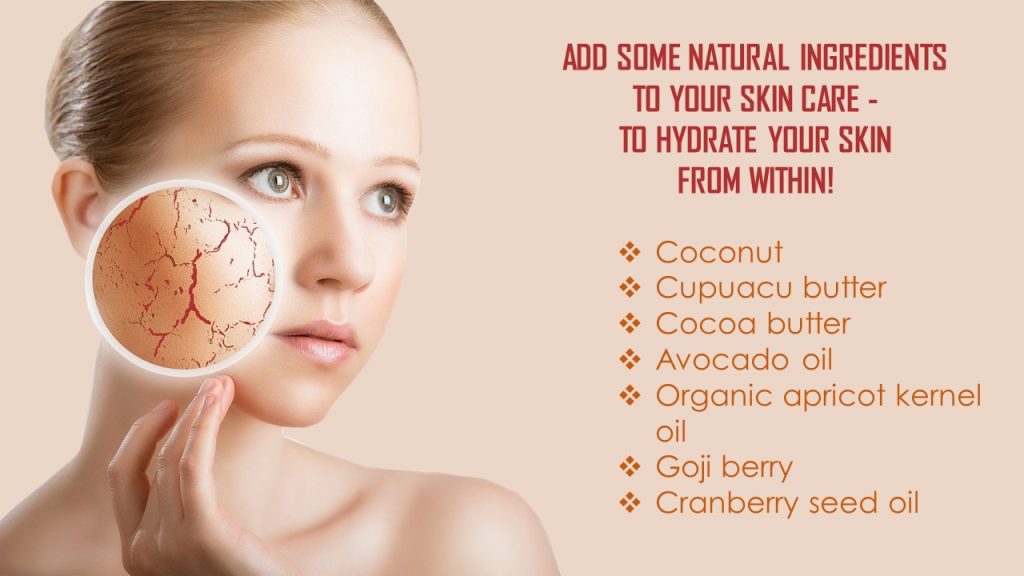
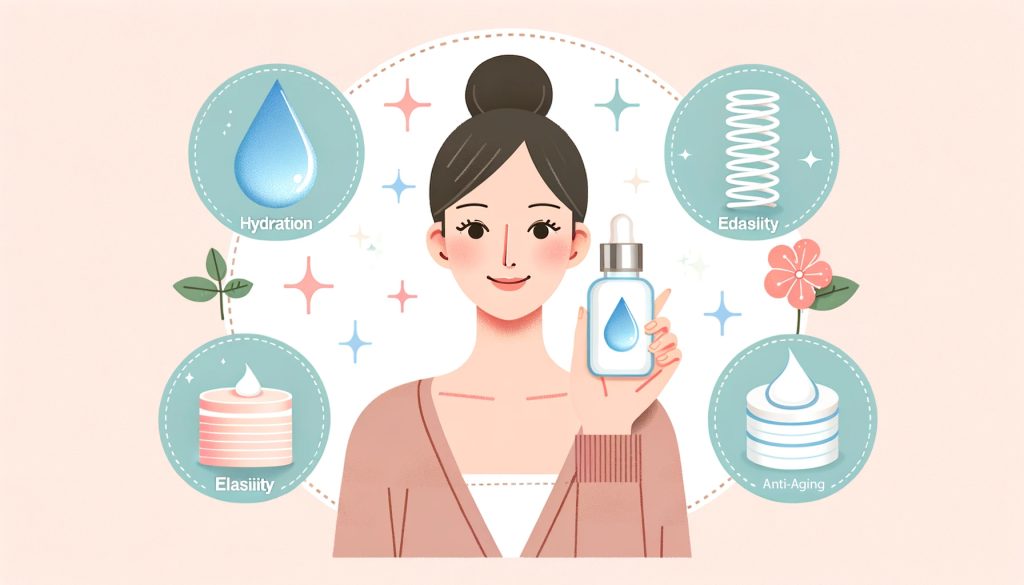
organic ingredients for dry skin-infographic

Natural And Organic Ingredients For Dry Skin

Coconut Oil

Coconut is an emollient moisturizer, a potent antioxidant that keeps your skin hydrated and enhances your skin. It moisturizes and treats skin infections (anti-microbial). You may have used it in your kitchen or even as an oil for your scalp. So, there is no wonder that you can use coconut oil for hydration.

Moreover, coconut oil can penetrate deep into the layers of the skin, which helps to hydrate your skin thoroughly.

Coconut oil, derived from coconuts, contains proven anti-inflammatory properties, which are very effective against skin burns and rashes.

Cupuacu Butter

It is a super-emollient that:

  • restores the elasticity of the skin
  • contains antioxidant
  • provides hydration
  • has water-loving properties, which act as a super moisturizer

Cupuacu butter is a type of vegetable fat that comes from the seeds of the cupuacu fruit, native to South America. It is rich in essential fatty acids, antioxidants, and phytosterols.

The highlighted property of this butter is that it can retain its moisture in the skin for up to several hours, which makes it a good choice among organic ingredients for dry skin. 

Moreover, cupuacu butter is natural sun protection formula. Thus, it saves your skin lipids from UV damage. Also, it protects your skin barrier. That delays aging. And your skin retains moisture even more. Everything put together makes it a holy grail organic ingredient for dry skin. 

How to use cupuacu butter?

Here are a few ways to use cupuacu butter for dry skin:

As a moisturizer: Apply a small amount of cupuacu butter directly to the skin, massaging it in gently until it is absorbed.

In a face cream: Mix cupuacu butter with other moisturizing ingredients, such as shea butter or aloe vera gel, to create a nourishing face cream.

In a DIY lotion or body butter: Mix cupuacu butter with other moisturizing ingredients, such as coconut oil or jojoba oil, to create a custom lotion or body butter.

Cocoa Butter 

Cocoa butter has an added advantage because of its high content of high fatty, which acts as a protective layer around your skin, preventing loss of any moisture content.

Cocoa butter helps to keep your skin nourished and enhances elasticity. Also, it hydrates the skin and fades scars. It also improves your skin’s elasticity! Moreover, studies prove the skin-calming effects of cocoa butter.

Think of it as a natural emollient that can help hydrate and soothe the skin, leaving it feeling soft and smooth. When used in lotions, creams, and other skincare products, it forms a protective barrier on the skin, helping to lock in moisture and reduce the risk of dryness. 

How to use cocoa butter for skin?

Cocoa butter can be used in many ways, depending on your specific needs and preferences. Some common ways to use cocoa butter include:

As a moisturizer: Cocoa butter can be applied directly to the skin to hydrate and soothe dry or irritated skin. You can use melted cocoa butter for this purpose. 

As a makeover remover: Use melted cocoa butter as a makeup remover and ditch the makeup wipes!

In cosmetics: Cocoa butter is a popular ingredient in cosmetic products, such as;

  • lotions
  • creams
  • lip balms 

When using cocoa butter, it is best to start with a small amount and to apply it gently, as overuse can cause clogging of pores.

It is wise to choose high-quality, pure cocoa butter, as some commercial products may contain additives or other ingredients that can irritate the skin.

Avocado oil

Avocado oil is a rich, nourishing oil used in skincare products for its moisturizing effects. Avocado oil is high in nutrients and antioxidants, which help to keep your skin supple and hydrated. It contains omega-9 fatty acids and plant sterols. These fatty acids act as emollients to nourish and moisturize your skin. Also, it is rich in vitamins A, D, and E, which are all for healthier skin. 

When used topically, avocado oil can penetrate deep into the skin to hydrate and nourish it from within, making it a popular choice for dry skin. 

It is also said to help soothe and calm irritated skin and may even have anti-inflammatory properties, making it beneficial for those with conditions like eczema and psoriasis. However, as with all skincare products, do a patch test first and consult a dermatologist if necessary.

How to use avocado oil?

You can use avocado oil to help hydrate and nourish dry skin in any way:

As a moisturizer: Apply a few drops of avocado oil directly to the skin, massaging it in gently until it is absorbed. That can be done after a bath or shower, when the skin is still damp, to give you maximum hydration.

In the bath: Add a few drops of avocado oil to a warm bath to help hydrate and nourish the skin while you soak.

In a face mask: Mix avocado oil with other moisturizing ingredients, such as honey or oatmeal, to create a nourishing face mask. Apply to the skin and leave on for 15-20 minutes before rinsing off.

As organic face oil: 

  1. Take about 3/4th of organic avocado oil.
  2. Add 1/4th of nourishing oil, such as tea tree oil, argan oil, or castor oil.
  3. Add a few drops of rosehip oil, chamomile oil, or any other essential oil to this mixture.
  4. Shake this mixture well. And here is how you get an organic face oil for face and body hydration. Apply twice a day.

In a DIY lotion or cream: Mix avocado oil with other moisturizing ingredients, such as coconut oil or shea butter, to create a custom lotion or cream.

And as always, watch out for additives or other ingredients that can be irritating to the skin!

Organic Apricot Kernel Oil

Apricot kernel oil resembles skin sebum making it easier to absorb into your skin. That helps to improve your skin tone. Also, it is rich in antioxidants, vitamin E, and fatty acids. Think of it as a nourishing oil moisturizer that gets deep into your skin and hydrates it immensely.

Organic apricot kernel oil is easily absorbable oil derived from the kernels of apricots. It is commonly used in skincare products, particularly for dry or sensitive skin, as it is rich in essential fatty acids and vitamins A and E.

When used topically, apricot kernel oil is said to help hydrate and nourish the skin, leaving it feeling soft and smooth. It is also said to have anti-inflammatory properties and to help soothe irritated skin. 

How To Use Organic Apricot Kernel Oil?

Apricot kernel oil can be used on the skin by following these steps:

  1. Cleanse your skin and pat it dry.
  2. Apply a small amount of apricot kernel oil to your fingers.
  3. Gently massage the oil into your skin, focusing on dry or irritated areas.
  4. Leave the oil for at least 20 minutes or overnight for maximum hydration.
  5. Rinse your skin with warm water and pat dry.

Use apricot kernel oil at night before bed. That allows it to absorb well into your skin.

Also, you can use apricot kernel oil in combination with other skincare products, such as moisturizers and serums, for added benefits.

Goji Berries

It is a perfect non-irritating remedy for your skin dehydration. Goji berries are fruits rich in antioxidants and nutrients like vitamin C and beta-carotene. All of which are important for overall skin health. Moreover, goji berries have some building blocks of proteins that help to maintain skin moisture and hydration.

Moreover, goji berries are a part of anti-aging skin care products too. That is because of their potential to help protect the skin from environmental stressors that can cause premature aging.

How to use goji berries?

Here are a few ways to use goji berries for dry skin:

As a face mask:

  1. Soak goji berries in warm water for 10-15 minutes. 
  2. Next, blend them into a paste. 
  3. Add them to moisturizing ingredients, such as honey or yogurt, to create a nourishing face mask. 
  4. Apply to the skin and leave on for 15-20 minutes before rinsing off.

In a tea or toner: Brew goji berries into a tea or toner and use it as a gentle cleansing and moisturizing rinse for the skin.

In a supplement: Take goji berry supplements, such as capsules or powders, to support skin health from the inside out.

Cranberry seed oil

Cranberry seed oil is a plant-based oil extracted from the seeds of cranberries. It is rich in essential fatty acids, antioxidants, and vitamin E, making it popular among organic ingredients for dry skin.

When used topically, cranberry seed oil is said to help hydrate and nourish the skin, leaving it soft and smooth. It is also said to have anti-inflammatory properties and to help protect the skin from environmental stressors.

How to use cranberry seed oil?

Here are a few ways to use cranberry seed oil for dry skin:

As a moisturizer: Apply a few drops of cranberry seed oil directly to the skin. And massage it gently until it is absorbed. That can be done after a bath or shower when the skin is still damp.

In a face oil: Mix cranberry seed oil with other moisturizing oils, such as argan or jojoba oil, to create a nourishing face oil. Apply to the skin and massage in gently.

In a DIY lotion or cream: Mix cranberry seed oil with moisturizing ingredients, such as shea butter or aloe vera gel, to create a custom lotion or cream.

Which Essential Oil Is Best For Extremely Dry Skin?

Essential oils are super-concentrated plant extracts for which studies suggest certain skin benefits. However, essential oils may cause skin irritation, rash, allergies, or adverse effects. So, you must pick up the correct essential oils and speak to your dermatologists before adding them to your skin care regimen.

Dilute essential oils to less than 5% concentration to prevent irritation! 

Now let us tell you about essential oils that can provide some relief for extremely dry-out skin: 

Sandalwood Oil

Sandalwood oil is extracted from the heartwood of the sandalwood tree and is native to India, Indonesia, and Australia. This versatile oil has many benefits for the skin, from reducing inflammation to promoting a youthful complexion. 

Here are the effects of sandalwood oil on the skin:

  • Moisturizes the skin: Sandalwood oil is a natural moisturizer that hydrates dry and sensitive skin. Also, sandalwood oil is non-greasy and non-comedogenic, making it an excellent choice for oily or acne-prone skin.
  • Calm irritation and inflammation: Inflammation is a natural response to injury or infection, but it can also contribute to skin conditions such as acne, psoriasis, and eczema. Sandalwood oil has anti-inflammatory effects that calm irritated skin and reduce redness and swelling.
  • Helpful against microbes: Sandalwood oil has antibacterial properties, which help acne and blemishes.
  • Promotes a Youthful Complexion: That is due to its ability to stimulate cell growth and regeneration. Also, it is anti-inflammatory and has moisturizing properties. When used regularly, sandalwood oil can help youthful and radiant skin.
  • Prevents Some Skin Cancers: Some studies suggest the anticancer effects of sandalwood essential oil.

How To Use Sandalwood Oil For The Skin?

Here are some of the most effective methods:

Use as a Facial Oil: 

  1. Add a few drops to your regular moisturizer or face oil. 
  2. Massage the mixture into your skin. 
  3. Focus on areas that are prone to inflammation or dryness.

This method is perfect for dry or mature skin for deeper hydration and nourishment.

Add to Your Bath: For a relaxing and rejuvenating experience, try adding a few drops of sandalwood oil to your bath. The warm water will help to release the oil’s soothing and moisturizing properties, leaving your skin soft and hydrated. 

Use as a Spot Treatment:

For those with acne or blemishes, use sandalwood oil as a spot treatment. Apply a small amount of oil directly to the affected area (using a cotton swab or your fingers). The oil’s antibacterial properties will reduce inflammation and prevent new breakouts.

Incorporate into Your Skincare Routine

Moreover, you can incorporate sandalwood into your regular skincare routine by using products that contain oil as an ingredient. Look for products such as:

  • toners
  • facial oils
  • serums 

Lavender Essential Oil

Lavender essential oil is a versatile and popular oil known for its calming and relaxing aroma. And it can improve skin health and overall appearance.

Lavender essential oil is also known for its moisturizing effects on the skin. It helps to hydrate and nourish the skin, keeping it soft and supple. That can be especially beneficial for those with dry or mature skin, as it can help to reduce the appearance of fine lines and wrinkles.

Other ways lavender essential oil can help your skin are: 

How to Use Lavender Essential Oil?

Using lavender essential oil for the skin is easy and convenient. Here are a few tips for incorporating it into your skincare routine:

  1. Add a few drops to your moisturizer or facial oil.
  2. Mix with carrier oil, almond, or jojoba oil, and use it as a face serum.
  3. Use as a spot treatment for breakouts or acne.
  4. Add to your bath water for a relaxing and skin-nourishing soak.

Chamomile Essential Oil

Chamomile essential oil comes from the flowers of its plant and is a member of the daisy family. This essential oil has a sweet, soothing aroma and is a light, pale yellow color.

  • Moisturizes Skin: Chamomile essential oil is a natural moisturizer that can help to hydrate the skin and prevent dryness. It can be used as a standalone moisturizer or added to other skincare products for an extra hydration boost!
  • Soothes Inflammation and Redness
  • Reduces the Appearance of Fine Lines and Wrinkles
  • Calms Skin Conditions
  • Treats skin conditions such as eczema, psoriasis, and dermatitis

How to Use Chamomile Essential Oil for Skin

There are several ways to incorporate chamomile essential oil into your skincare routine, including:

  • Add a few drops to your facial moisturizer.
  • Use as a standalone moisturizer: Apply a few drops to your skin and massage it gently.
  • Add to a bath for a relaxing and soothing soak.
  • Use as an aromatherapy diffuser to promote feelings of peace and tranquility.

Always talk to your dermatologist before you start with essential oils. And do not forget to do a patch test before using essential oils.

What Ingredients Should I avoid For Dry Skin?

Here is a list of ingredients to avoid if your skin type is dry:

  • soaps (as they are alkaline, they strip the natural skin barrier)
  • concentrated retinol
  • fragrances
  • alcohol-containing skin care products that dry out too quickly
  • salicylic acid
  • glycolic acid

Lavish and Organic – 7 Ingredients to Heal a Dry Skin! Read More »
Refreshed hero image for: Top 7 Organic Moisturizers To Heal A Dry And Mature Skin

Top 7 Organic Moisturizers To Heal A Dry And Mature Skin

The choice of moisturizers for mature skin is quite different than what younger skin needs. That is because as we age:

  • our skin has a lesser moisture content
  • the fat content of the skin reduces
  • levels of collagen and elastin fall

Here is a quick list of the best organic moisturizers for mature skin, especially if your skin is dry!

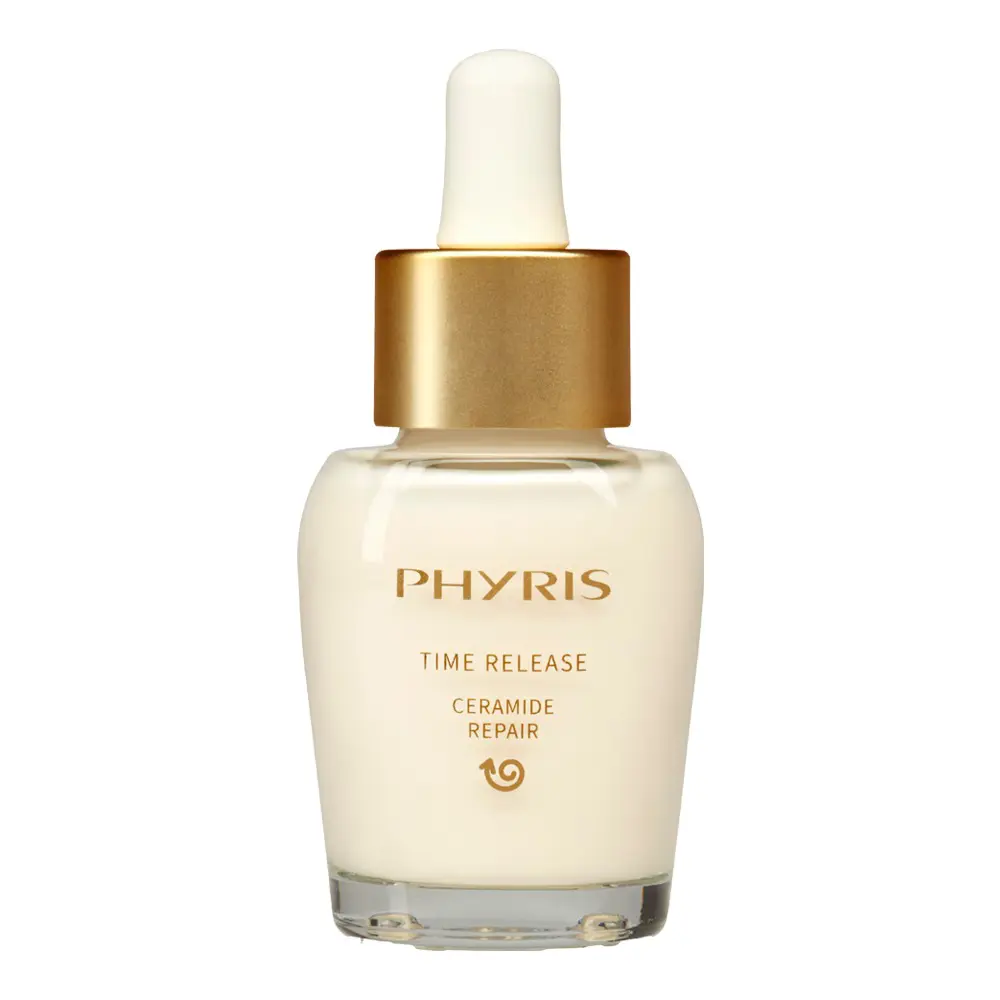
  1. Phyris Ceramide Repair – Restore Your Skin Barrier
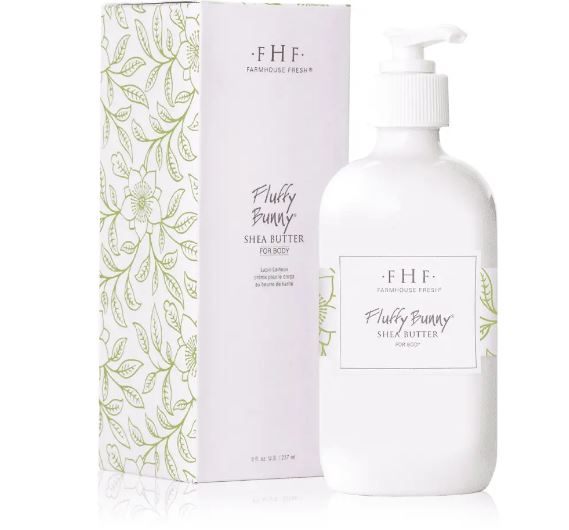
  2. FarmHouse Fresh Fluffy Bunny Shea Butter Cream – Dry? Aging? Stressed-Out Skin? We Got You!
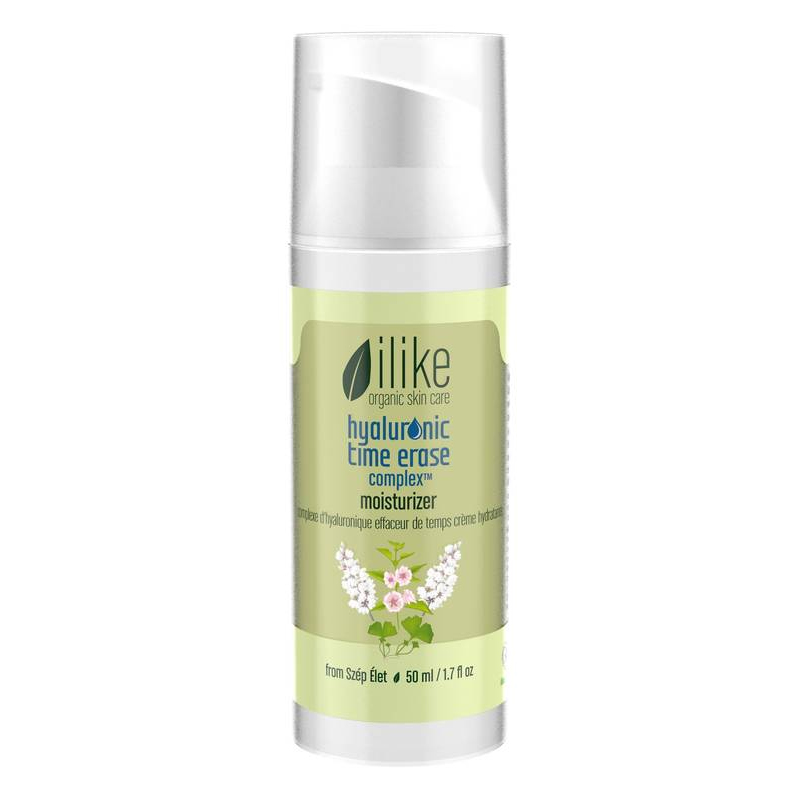
  3. Ilike Hyaluronic Time Erase Complex Moisturizer – Fill In Your Wrinkles Like A Botox!
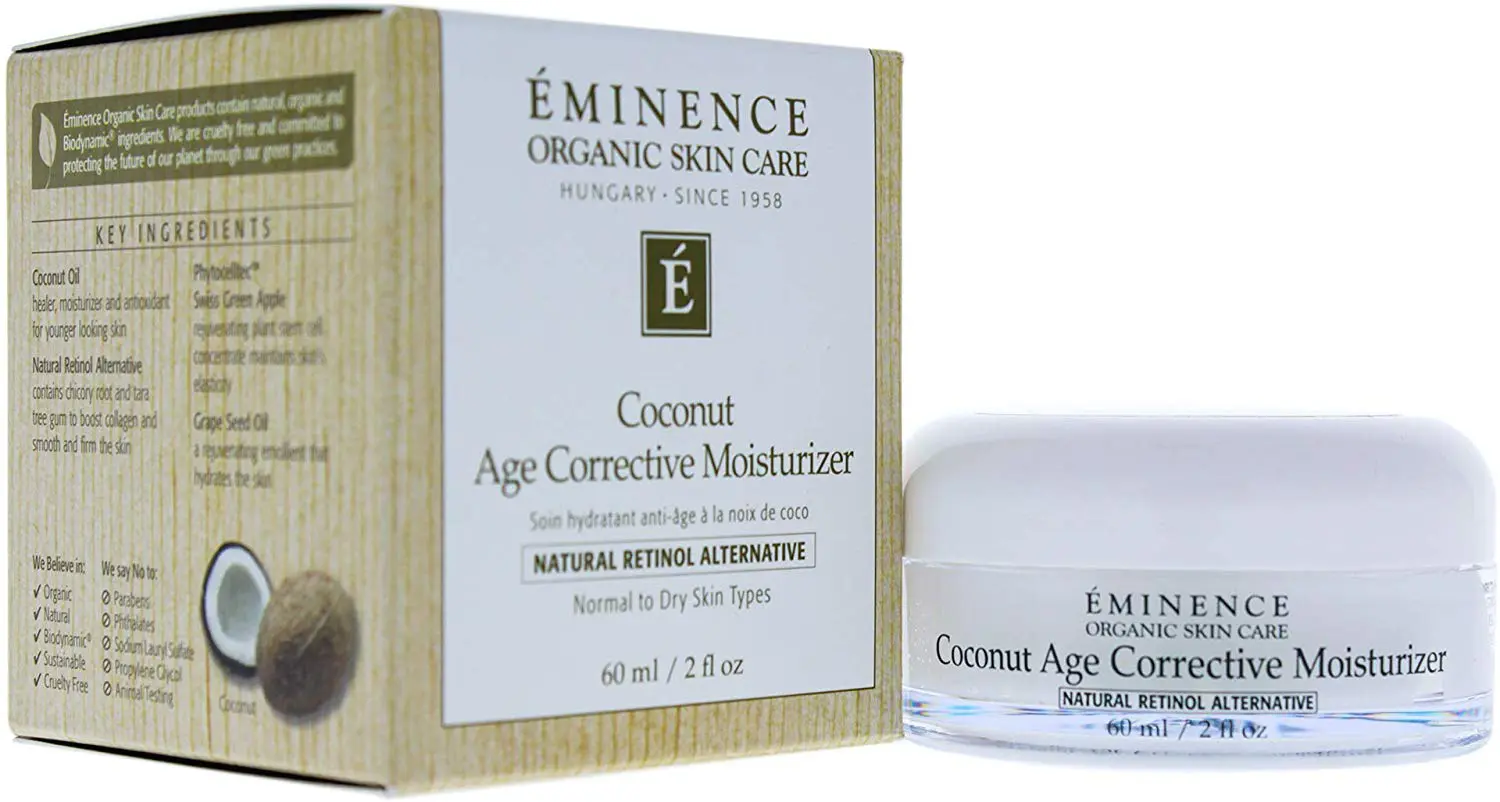
  4. Eminence Coconut Age Corrective Moisturizer – Tame Dry Skin With Natural Retinol With Calming Coconut 
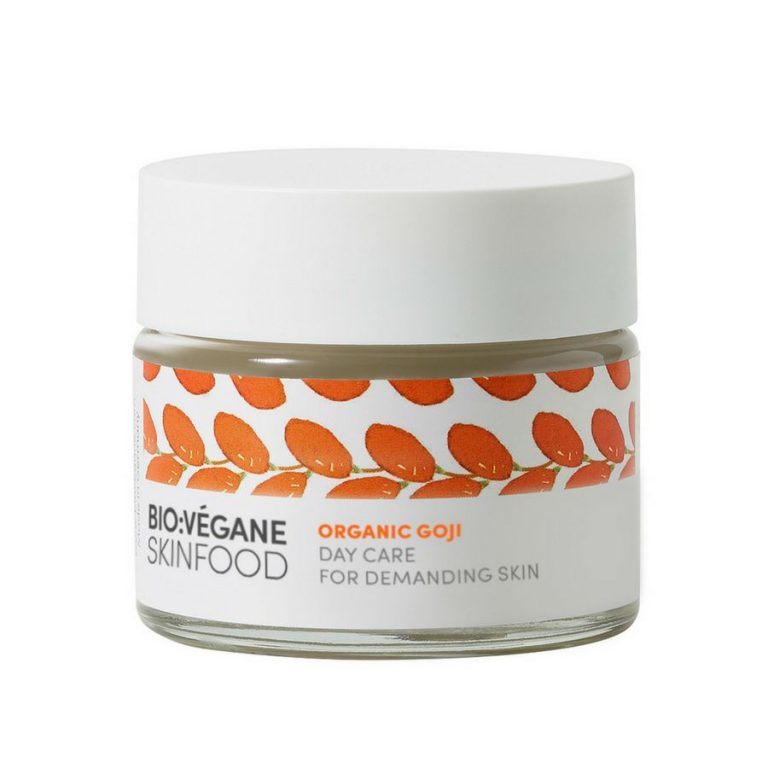
  5. BioVegane Organic Goji Day Care Cream – Age Rewind Organic mix   
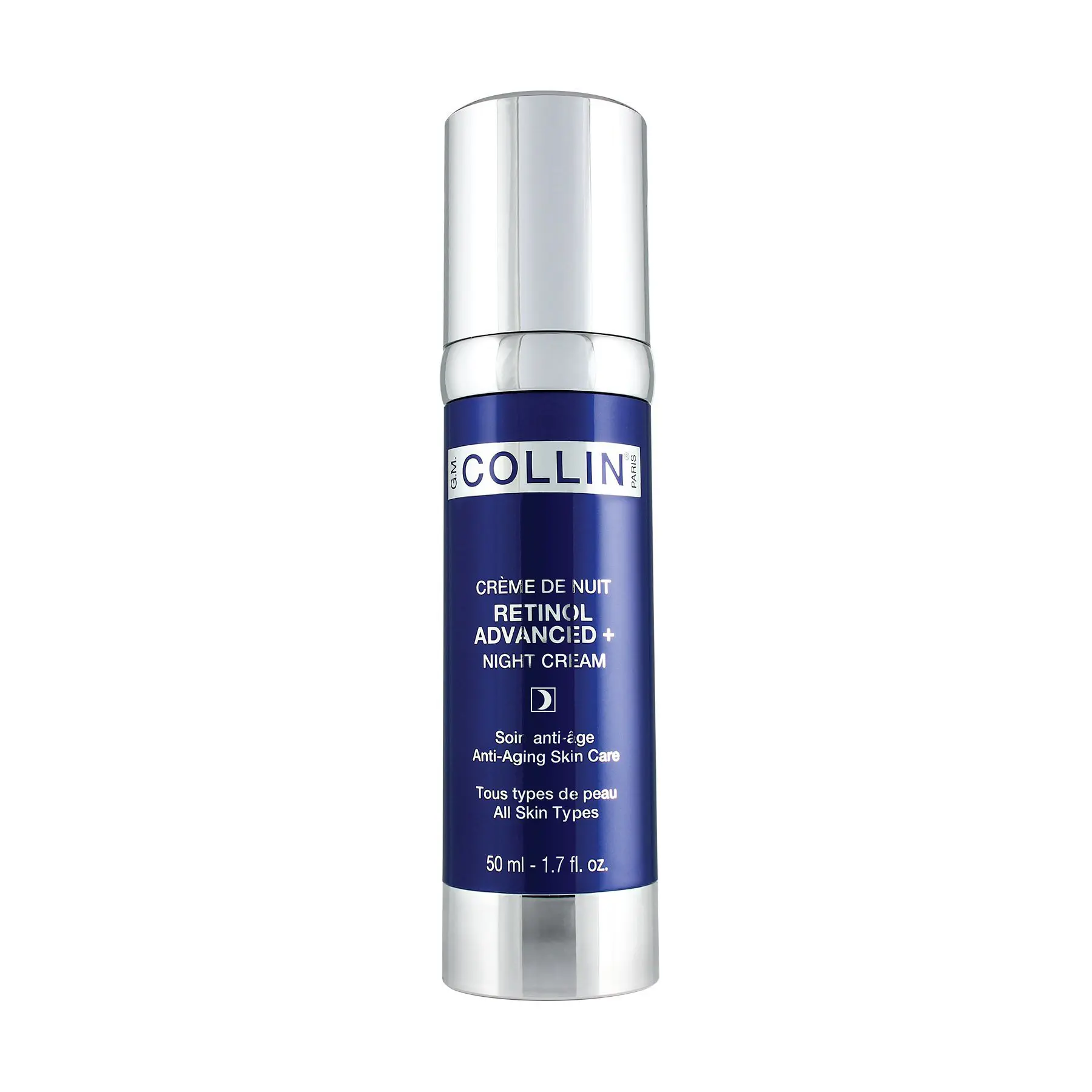
  6. GM Collin Acne Complex – For renewed, rejuvenated, newer skin
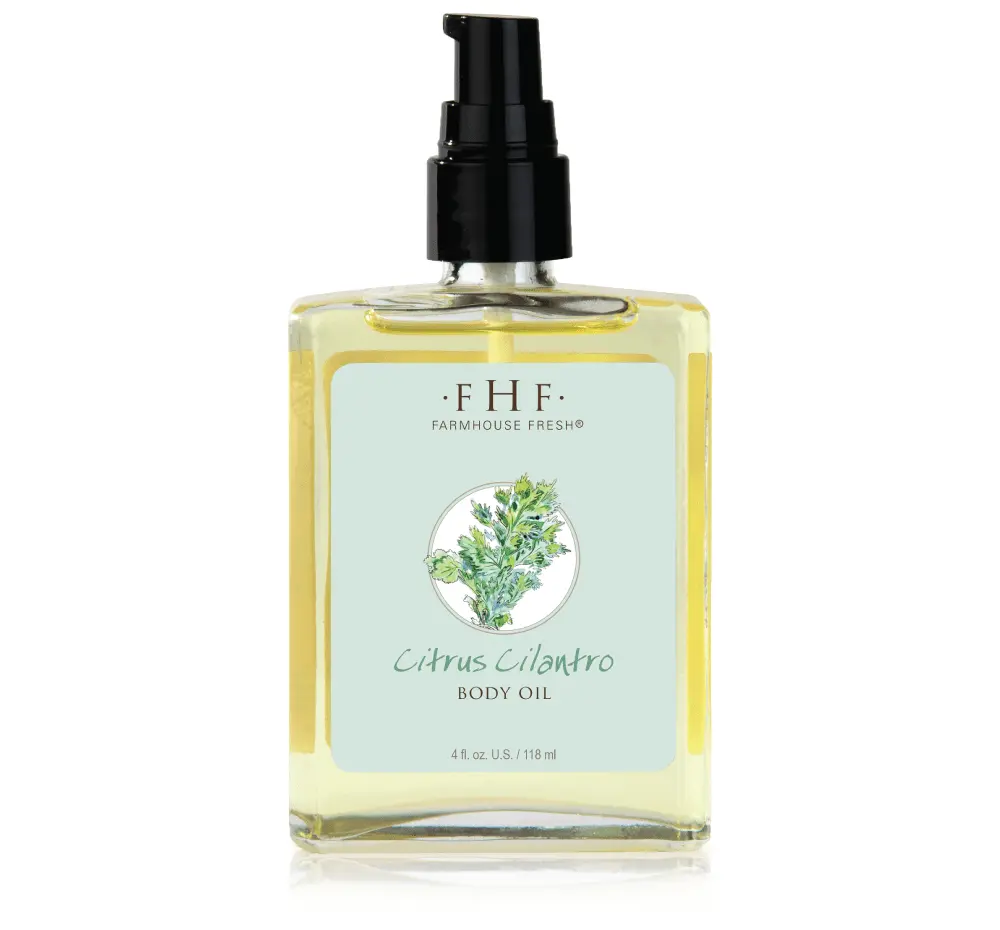
  7. FarmHouse Fresh Citrus Cilantro Body Oil – Moisturizing oils to leave your skin silky and soft!

How To Select The Best Organic Face Moisturizer For Aging Skin

The very first step before you select the best natural moisturizer for mature skin is to:

STEP – 1: Know your skin type

Step – 2: Choose the correct ingredient for your skin type

STEP – 3: Look for a product with the ingredient

STEP – 4: Make sure its safe for your skin (non-comedogenic, non-greasy) and environment

So, now let’s take a look at ingredients to look for natural moisturizers for aging skin. 

The Best Organic Moisturizers For Dry And Aging Skin 

So, is your skin mature and, at the same time, dry or flaky too? Managing dry skin is a struggle! But how does mature, dry skin differ from a younger one? 

A dry skin type lacks moisture or hydration. But dry and mature skin lacks lipids or oils, even more than moisture. Thus, it is safe to say that dry and mature skin needs emollients and moisturizers that act as occlusives to prevent drying out!

So that takes us to a question. Are various moisturizers different in their ability to hydrate our skin? And the answer is YES!

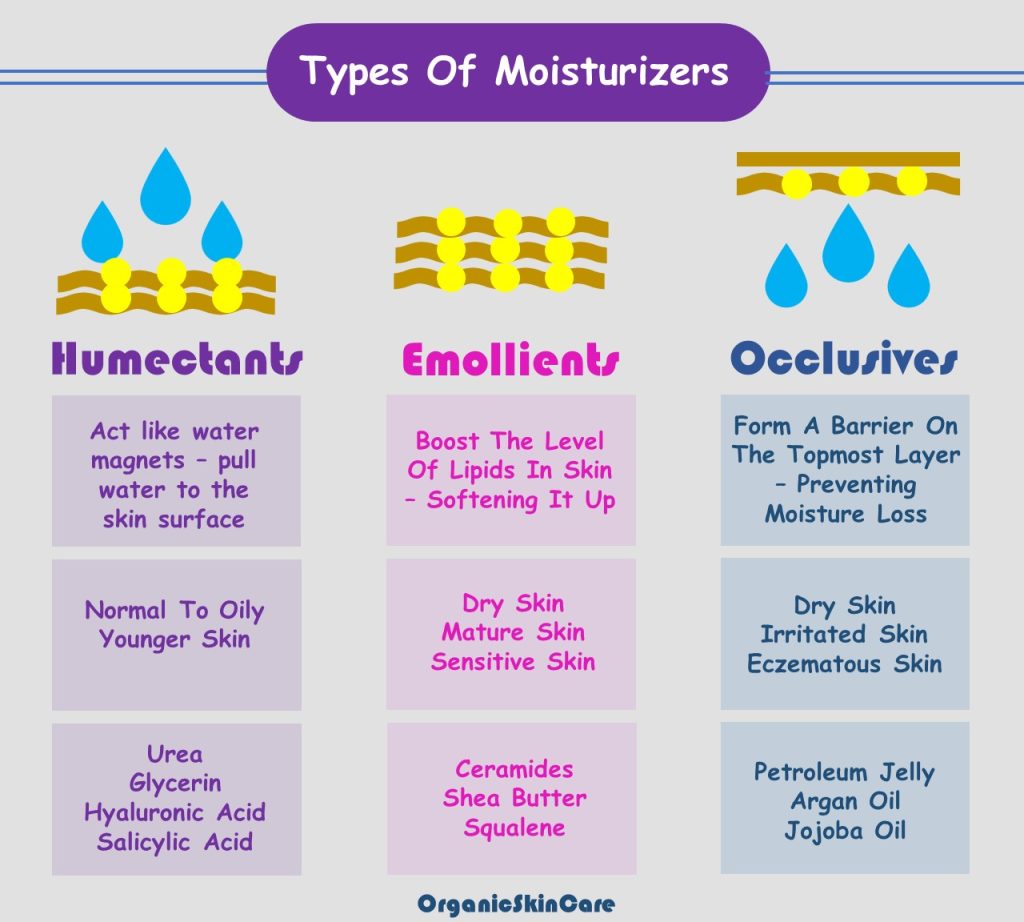
Types Of Skin Moisturizers

So, there are three types of moisturizers

  • Humectants
  • Emollients
  • Occlusives

Humectants – Water Magnets 

Humectants are moisturizers that draw water to the topmost layer of your skin, usually from the environment or sometimes the deeper layer of the skin, that is, the dermis (this only happens if you live in an arid climate, by the way)!

A few examples of humectants are: 

  • Hyaluronic acids
  • Glycerin 
  • Salicylic Acids
  • Urea
  • Honey

Emollients (mature skin needs more of these)

Emollients improve the moisture content of your skin by boosting the levels of lipids or fats in your skin. 

  • fatty acids and fatty alcohols
  • ceramides
  • shea butter
  • squalene
  • cocoa butter
  • occlusive agents

Fatty emollients include jojoba oil, sunflower oil, castor oil, and octyl stearate.

So dry and mature skin type needs more;

  1. lecithin
  2. wax esters
  3. vegetable waxes

Occlusives – Moisture Barrier

So, occlusive agents are moisturizers that prevent moisture loss through the skin. They help the skin to seal the moisture right there! A few of the occlusives are:

  • petroleum jelly (the most common and readily available occlusives)
  • beeswax
  • silicones
  • mineral oil
  • argan oil 
  • jojoba oil

Occlusives are heavier than emollients. So, use occlusives if you have a dry skin type.

best organic moisturizers for mature skin- types of moisturizers

Ingredients To Choose The Best Organic Moisturizers

Ceramides

The outermost layer of skin that makes our skin barrier – is the stratum corneum. And ceramides are the lipids that hold the skin cells forming this barrier together! So, what ceramides do is that it makes your skin lock up water, preventing water loss. 

But as we age, the fatty content of our skin reduces. That leads to dry and dull-looking skin that makes the appearance of fine lines and wrinkles even more prominent. And that is where you will need ceramides in your skin care!

One more thing when it comes to ceramides is the packaging. It is good to have ceramide products in packaging like airtight bottles or tubes because exposure to light or air can reduce their effectiveness over time. So, avoid packaging such as jars where there is more exposure of the product to light or air!

 CeramidesQuick Facts

What they are

Lipids that makeup about 50% of the epidermis

What they do

Give the outermost layer of skin its barrier properties, replenish your skin with the fatty content that it has lost with age

When to start

Early to mid-twenties, morning and night

Suitable Skin Type

  • Sensitive
  • Dry skin 

Phyris Ceramide Repair 

  • Regenerating and Hydrating Serum With Ceramides
  • Includes Ceramides, Vitamin B complex, and Soy Extracts
  • Strengthens your skin barrier
  • Instantly supplements stressed skin with suppleness
  • Pipette bottle packaging is a plus!
Phyris Ceramide Repair

Shea Butter

Shea butter is plant oil from nuts you usually get on shea trees found in Africa. It has a nice thick and creamy texture to it. Shea butter works as an emollient. Thus, it leaves your skin super hydrated and makes it look smoother and plumper. It absorbs well and feels non-greasy.

Shea butter also has anti-inflammatory effects. Thus, if your skin is sensitive or eczema prone, you can use shea butter. It can heal your skin and can calm down redness and blotchiness. Thanks to its anti-inflammatory and skin-healing effects!

Moreover, shea butter is one of the best organic moisturizers for mature skin since it can boost collagen formation in the skin and reduce wrinkles too.

Shea ButterQuick Facts

What they are

Moisturizers – Emollients

What they do

Maintain a healthy barrier, soothe inflammation, heal and upgrade collagen – making your skin look younger

When to Use

Nighttime

Preferred Skin Type

Dry, aging skin (avoid if your skin is way too oily or breakouts prone)

FarmHouse Fresh Fluffy Bunny Shea Butter Cream

  • A smooth and fluffiest texture butter whip 
  • With the goodness of shea butter, cocoa butter, jojoba seed oil, and aloe
  • Calms driest of the dry skin
  • Soothes sunburns 
  • Improve wrinkles, fine lines, and skin texture

Hyaluronic Acid

So, the next one, among the best organic moisturizers for mature, dry skin, is a humectant. Hyaluronic acid is a humectant that draws water to the skin cells. That is, it sucks up moisture and hydrates your skin.

So, if you want something that defies your age by keeping your skin supple, dewy, and hydrated, then you should use hyaluronic acid moisturizers! They come as gel, creams, serums, or even dermal fillers. 

A study on hyaluronic acid showed that:

Within six weeks of hyaluronic acid face serum use (twice daily with sunscreen), participants had plumper, smoother, and moisturized skin. Moreover, there was a visible cutback on signs of aging too.

Hyaluronic AcidQuick Facts

What they are

Moisturizers – Humectants

What they do

Make your skin look younger by drawing water to it, improving texture and wrinkles.

When to Use

Twenty onwards, Day and night (twice daily)

Preferred Skin Type

For all skin types

Ilike Hyaluronic Time Erase Complex Moisturizer

  • Phenomenal improvement in signs of aging
  • herbal formulae with hyaluronic acid, vitamin E, yucca (reconstruct skin damage from UV), horsetail (anti-oxidant)
  • revives your skin moisture barrier by adding water to it
  • Works best for premature aging
ilike Hyaluronic Time Erase Complex Moisturizer

Organic Coconut Oil

Coconut oil is an emollient moisturizer that is a rich source of fatty acids that help seal or trap water inside your skin. It can help heal dry, chapped cracks in your skin. Also, it reduces inflammation and redness. It can calm sensitive or itchy skin. Even coconut oil can be helpful with dermatitis or eczema! Coconut oil improves skin elasticity by regenerating collagen. 

Did you know that coconut oil even works as an anti-oxidant? So, it is also a free radical scavenger. Moreover, it strengthens the skin barrier. So, everything put together makes it a superhero ingredient for the best organic moisturizers for mature skin.

Organic Coconut OilQuick Facts

What they are

Moisturizers – Emollient

What they do

Replenish your skin’s fatty lipids (keeps it soft and plump)

When to Use

Day and night over damp skin (avoid over the face if not your skin type; chest and hairy skin)

Preferred Skin Type

Dry, sensitive, mature skin types (avoid if your skin is prone to acne or very oily)

Eminence Coconut Age Corrective Moisturizer

  • Features coconut oil and water, swiss green apple stem cells, and a natural retinol alternative complex
  • Hydrating and age-defying 
  • Coconut prevents moisture loss
  • Retinol is the holy grail to reverse the signs of aging
  • Apple stem cells regenerate newer skin cells (activates skin stem cells), repair damaged cells, and protect against UV
Eminence Coconut Age Corrective Moisturizer

Squalene

Another lipid! Squalene is a part of lipids and makes up about 13% of lipids present in your skin. Our skin is the largest organ (exposed to UV rays constantly). The sun’s rays work as oxidants, and over time, it causes damage to skin lipids. That also compromises our skin barrier and its ability to retain moisture. 

Thus, by using your skin’s natural lipids in your skin care routine (ceramides or squalene), you replenish it with lost and impaired lipids. That allows your skin barrier to repair, your skin’s hydration to improve, and the signs of aging to fade with time.

Squalene is unique. It quickly and thoroughly absorbs into the skin, humidifies it very well, and makes it flexible and supple without leaving an oily residue! That’s all you will need from a natural moisturizer!

Also, squalene is free radical scavanger. That is, protect your skin from all stressors – sunlight or pollutants. Thus, it protects your skin from senescence or aging and skin damage. Say hello to flawless and smoother skin without texture! Squalene lessens the incidence of skin cancer too.

SqualeneQuick Facts

What they are

Moisturizers – Emollient (also a part of our sebum)                  

What they do

  • Replenish your skin’s fatty lipids (make 13% of skin’s lipids)
  • Anti-oxidant (say no to photodamage and aging)
  • Skin hydrant
  • Reduces irritation                           
  • Anti-cancer effects

When to Use

  • After 20 years of age 
  • Daytime (before sunscreen) and night, daily 
  • Over damp skin

Preferred Skin Type

  • All skin types 
  • Lightweight oil, Non-comedogenic, Non-greasy, thus you can use it with oily skin (if other oils are too heavy for your skin)

BioVegane Organic Goji Day Care Cream

  • Organic blend that works best for damaged skin 
  • One of the best organic moisturizers for mature skin types (100% vegan)
  • Loaded with organic Goji Berries, Scots Pine, Black Currant Leaves, Squalene, Shea Butter
  • Goji berries are native to Asia, and they love it for its age-reversing effects
  • Scots pine and blackcurrant leaves work as anti-oxidants. Also, they boost collagen, elastin, and hyaluronic acid.
  • Shea butter – adds silky smooth moisture to the skin
  • Vegetable Squalene adds moisture without being heavy, greasy, or oily
  • All put together – to make this moisturizer a great formula that heals and moisturizes mature skin decently!
BioVegane Organic Goji Day Care Cream

Salicylic Acid

What? Salicylic acid? Yes, you heard it right! You may have heard about this superhero ingredient only to treat acne, blackheads, or whiteheads. But the fact is that this holy grail for acne works for various skin concerns at different strengths!

Salicylic Acid Strengths

Uses

0.5%

Skin-soothing effect

1-2%

Acne, Blackheads

Up to 50%

Chemical peeling

Can you use salicylic acid as a moisturizer?

Yeah! Salicylic acid can also work as a moisturizer. The reason is that salicylic acid works like a humectant. Thus, it attracts water to the skin’s surface, hydrating it. Also, since salicylic acid is an exfoliant (dissolves the dead skin cells), it promotes skin cell renewal allowing collagen formation to speed up.

Another way to look at it is that as dead cells shed, this brings younger and healthier cells to the top. That way, you ditch dull-looking saggy face. Moreover, if your skin is super dry and you need to use a moisturizer additionally, it will penetrate your skin more effectively (after you use salicylic acid).

Salicylic acid is an astringent that tightens your pores and overall skin likewise.

With that said, it is safe to conclude that salicylic acid is a good choice for: 

  • acne
  • melasma
  • post acne scars
  • freckles
  • sun damaged skin
  • textured skin
  • fine wrinkling
Salicylic AcidQuick Facts

What they are

Moisturizer – Humectant; Exfoliant

What they do

  • Attract water to the topmost skin layer
  • Remove dead skin cells
  • Speed up collagen and new skin cells

When to Use

  • Teens
  • Twice daily (depending on the strength)

Preferred Skin Type

  • Oily or acne-prone skin type
  • Textured skin

GM Collin Acne Complex

  • It comes with 1% salicylic acid and essential oils
  • Gentle formula to refine skin without drying 
  • Refresh acne-prone skin without losing moisture
  • Purify, calm, and soothes skin by detoxifying pores
  • It leaves a softer, subtle matte touch to your skin
GM Collin Acne Complex pH

Jojoba Oil

Hydrolyzed jojoba oil act like an occlusive moisturizer. Thus, it holds water to your skin and prevents moisture loss through the skin cells without clogging up pores. So, does occlusive jojoba oil makes one of the best organic moisturizers for mature skin? Let’s find out!

Some resources suggest that jojoba oil works like a humectant too. Whatever the mechanism, the result is that jojoba oil is immensely moisturizing. Also, jojoba oil is a natural source of vitamin E. Hence, jojoba oil fights against oxidants and repairs your skin from the harmful effects of the environment. Studies suggest that anti-oxidants produce collagen, which smoothens sagging, and wrinkling.

Jojoba oil mimics the body’s natural sebum. Thus, as you apply it, this reduces the natural sebum production from skin cells. And that moisturizes your skin thoroughly without being excessively oily or clogging pores.

Jojoba OilQuick Facts

What they are

Moisturizer – Humectant/Occlusive

What they do

  • Attract water, prevent moisture loss
  • Fight against oxidants
  • Boost collagen 
  • Tame dry, irritated skin

When to Use

  • Any age
  • Twice daily 

Preferred Skin Type

  • Sensitive skin
  • Dry Skin 
  • Mature skin

FarmHouse Fresh Citrus Cilantro Body Oil 

  • A perfect refreshing mix that you can use as the best natural face and body moisturizer for mature skin
  • Vitamin-rich formula with jojoba oil, vitamin E, cilantro oil, and olive fruit oil is a powerhouse of anti-oxidants and intense moisturization.
  • They also counter signs of aging.
  • Moreover, soybean oil, shea butter, and cocoa butter provide additional dewy hydration.
FarmHouse Fresh Citrus Cilantro Body Oil

So, here you go! If you are looking for the best organic age-defying moisturizers to add to your skin care, make sure you add emollients. They soften up mature dull, and dry-looking skin by adding skin lipids. Organic moisturizers that include ingredients like ceramides, squalene, and organic coconut oil will rebuild your anti-aging skin care routine; as they tame dry, cracked, wrinkled mature skin – for sure!

Top 7 Organic Moisturizers To Heal A Dry And Mature Skin Read More »

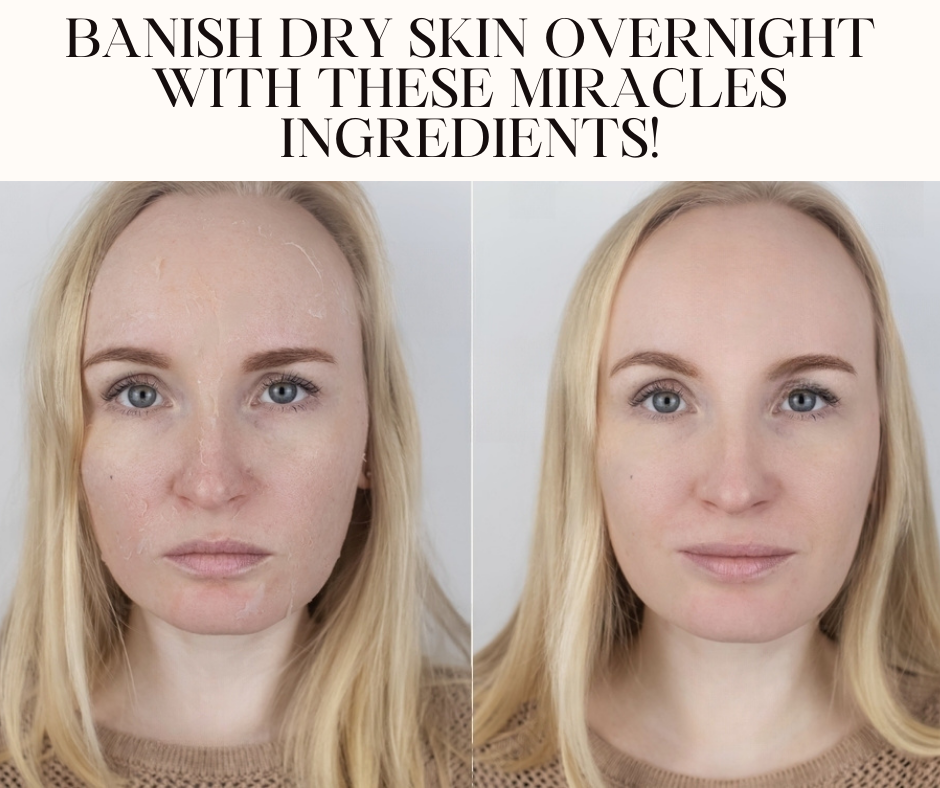
Banish Dry Skin Overnight with These Miracles Ingredients!

Banish Dry Skin Overnight with These Miracles Ingredients!

As someone always on the hunt for how to fix dry skin overnight, it’s become my mission to discover the best overnight moisturizer for dry skin. Through countless trials and research, I’ve found that certain ingredients are non-negotiable for quick dry skin fixes, providing revitalizing results while we dream. Imagine nurturing your skin with a blend of nature’s finest clays and extracts, designed to absorb excess oil and simultaneously bestow a cascade of nutrients. It’s this harmonious blend of kaolin, bentonite clays, and wintergreen-derived salicylic acid that sets the stage for an effective dry skin treatment at home.

Finding the perfect balance between removing impurities and infusing the skin with essential vitamins is a delicate dance. This combination is crafted to honor that balance, ensuring not just a temporary remedy but a thoughtful, nourishing treatment that works diligently overnight. Leaving us to wake up to not only a refreshed mind but also a refreshed complexion.

Key Takeaways

  • Identify the ideal overnight dry skin remedies to achieve hydrated skin by morning.
  • Learn what ingredients to look for in the best overnight moisturizer for dry skin.
  • Discover simple and effective quick dry skin fixes that leverage natural clays and acids.
  • Understand how a nightly routine incorporating salicylic acid can exfoliate and clarify.
  • Find out why nutrient-rich plant extracts are essential in any home-based dry skin treatment.
  • Appreciate the importance of clean, sustainable products in caring for your skin overnight.
Ultimate Hydration and Repair
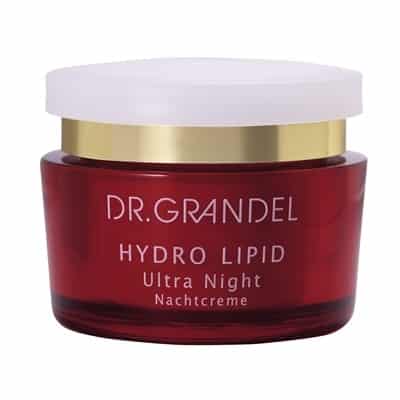
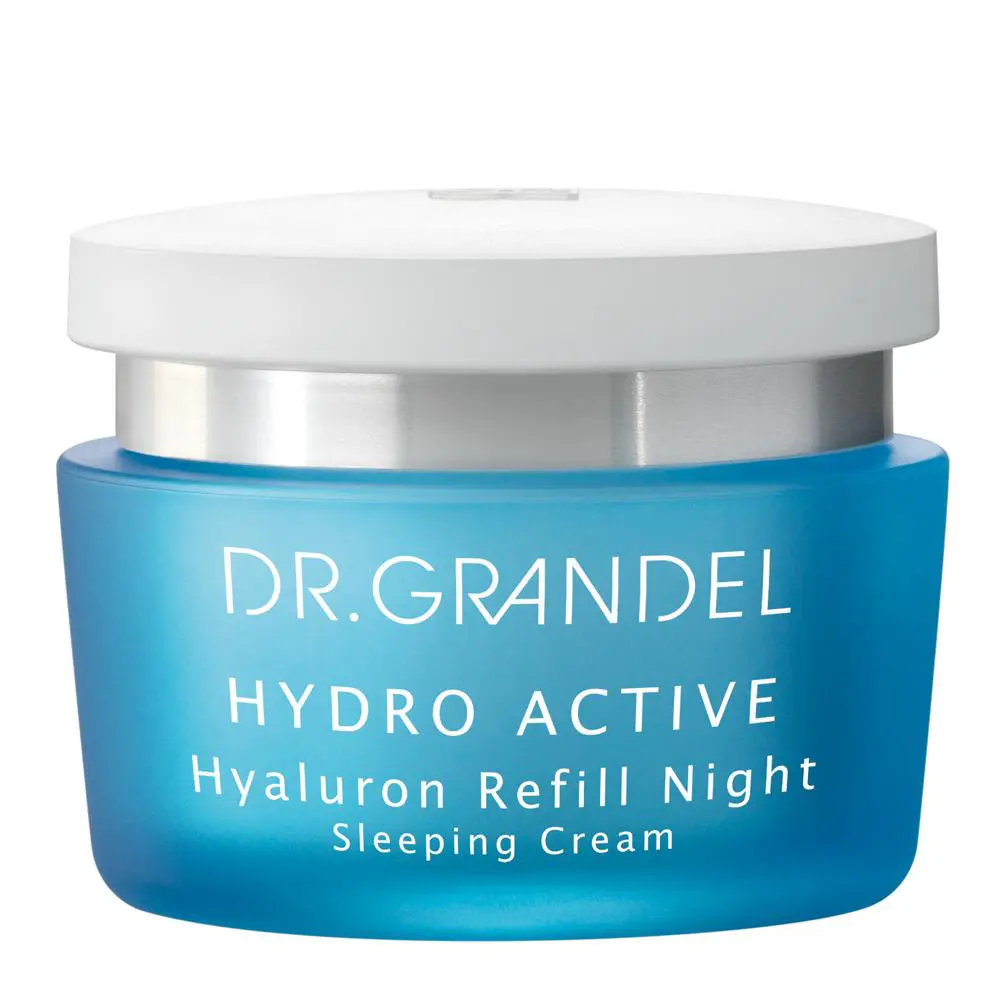
Dr. Grandel Hydro Lipid Ultra Night
9.4/10Our Score

This special night cream is rich in plant-source active ingredients for the specific needs of demanding skin. Dr. Grandel Hydro Lipid Ultra Night supports regeneration at night. It reduces tightness and roughness with lasting effect. It helps to reduce wrinkle depth and pampers the skin overnight to a younger looking complexion.

Understanding Dry Skin and Its Causes

As someone who’s navigated the challenge of dry skin, I’ve learned that understanding the root causes is just as crucial as finding dry skin remedies for fast results. Suffering from tight, flaky skin isn’t just uncomfortable—it can be downright disheartening. But fear not, for every problem has a solution, or in this case—several. I’ve discovered that genetics and certain environmental factors can strip our skin of its natural moisture, leading to that unwelcome dryness. Yet, by identifying our unique skin undertones—be they pink/cool, neutral, or yellow/warm—we can tailor our skincare routine to include overnight dry skin solutions that cater to our individual needs.

Relief often starts with the basics: switching to skin care that’s kind enough to nurture our complexion back to health. This means opting for sustainable, clean products free from common irritants like gluten, fragrance, soy, and GMOs. It’s not just a fad; it’s a way to align our skincare regimen with the delicacy our skin requires. And when you’re seeking dry skin tips for quick relief, the purity of the products you’re using should never be compromised.

  • Genetic predisposition to dry skin
  • Environmental factors such as harsh weather and indoor heating
  • Importance of knowing one’s skin undertones
  • Choice of gentle, clean, and sustainable skincare products
UndertoneCharacteristicsSuitable Skin Care Approach
Pink/CoolSkin burns easily; better in silver jewelryFocus on soothing and anti-inflammatory ingredients
NeutralA mix of pink and yellow undertones; burns and tansBalance between hydration and protection
Yellow/WarmSkin tans easily; better in gold jewelryEmphasis on deep hydration and sun protection

I’ve distilled these findings from my continuous journey, always looking for the next great overnight miracle to add to my routine. Ensuring my skincare selection is intentional and effective makes those evenings of care an investment in my skin’s future. By recognizing that my skin needs more than just a quick fix—but a regime that maintains and protects its delicate balance—I’ve added another layer of understanding to my nightly skincare ritual.

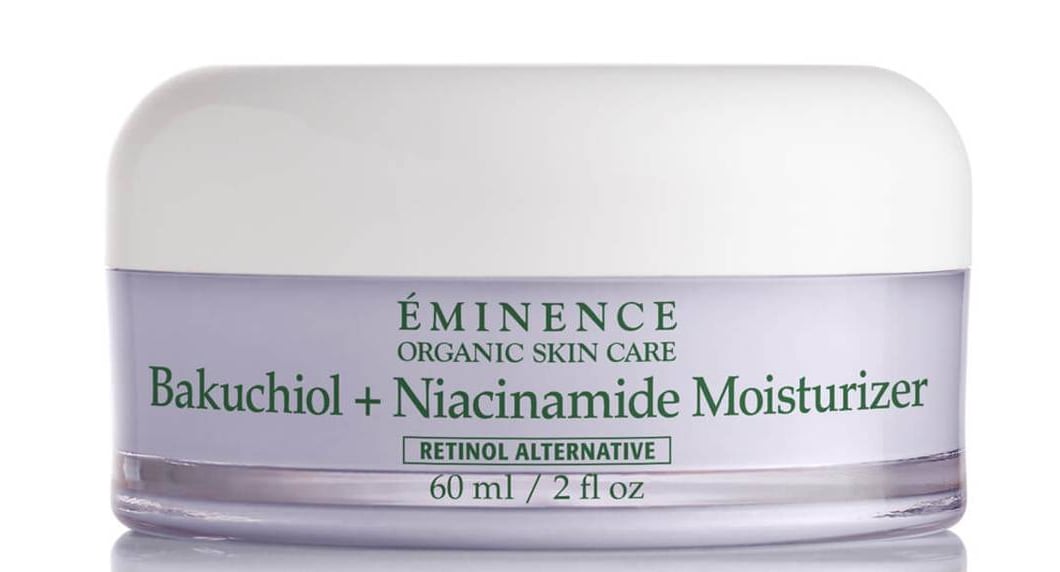
Eminence Organics Bakuchiol + Niacinamide Moisturizer
Our Score

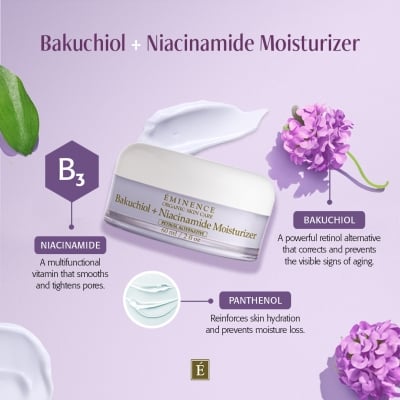
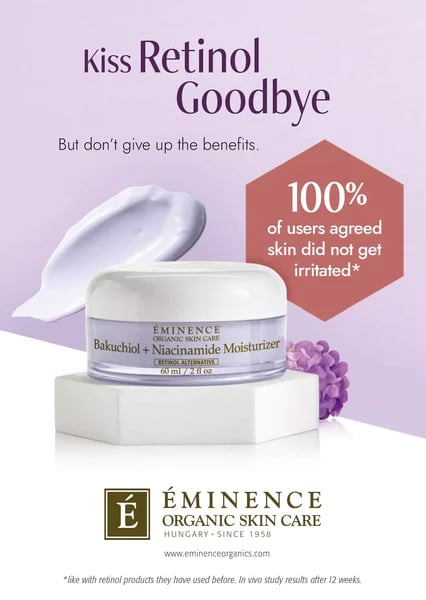
This moisturizer combines anti-aging niacinamide and bakuchiol. These ingredients smooth the look of fine lines, visibly tighten pores and deliver retinol-like results without the irritation. As a moisturizer, this formula also hydrates dry skin and replenishes your skin barrier.

Results:

  • Smooths the look of fine lines and wrinkles with no visible irritation
  • Replenishes the skin barrier and locks in hydration
  • Reduces the appearance of large pores
  • Skin appears visibly tightened

How to use: Apply a layer of moisturizer over the entire face and neck area. Leave on. For a lighter application, emulsify a small amount of moisturizer in your hand with a few drops of water. For extra hydration, apply a thicker layer on dry areas.

How to Fix Dry Skin Overnight

As I delve into the mysteries of achieving supple, hydrated skin by sunrise, I’ve uncovered a simple yet potent approach: apply a targeted skincare treatment post-cleansing right before bedtime. This ritual seems deceivingly straightforward, but its effectiveness lies within meticulously crafted purifying and nourishing formulas. Imagine a refined concoction that precisely addresses imperfections, banishes impurities and fortifies the skin with a cocktail of essential vitamins—all while the rest of the world slumbers. This is the secret on how to fix dry skin overnight.

My diligent quest for quick dry skin fixes has led me to prioritize products that adhere to the strict Credo Clean Standardâ„¢. It’s not just about what the products can do; it’s also about what they’re made without. I seek out treatments that are free of gluten, fragrance, soy, and GMOs because my overnight skin repair should never come at the cost of exposure to potentially harmful additives. After all, achieving overnight dry skin relief is as much about quality ingredients as it is about excluded ones.

The virtue of this overnight endeavor is not merely in quick fixes but in sustained skin health. It serves as an uninterrupted healing period where the skin is allowed to breathe and recover, drawing from the benefits of high-quality, allergy-tested ingredients. And with every nightly application, I’m reminded that the most profound transformations in skin hydration and texture happen with consistency and care.

  • Guide to choosing clean, sustainable, dermatologist-approved skincare.
  • Importance of post-cleanse overnight treatment application.
  • Nurturing the skin with essential nutrients during its natural repair cycle.

Remember, the best skincare is a commitment—a promise to treat the skin with the respect and the quality it deserves, even when searching for expedient solutions. During the nocturnal hours, our skin embarks on its natural recovery process, making overnight treatments a crucial ally in the journey toward a healthier, radiant complexion. Here lies the essence of my nightly ritual and the foundation of my approach on how to fix dry skin overnight and achieve quick dry skin fixes.

The Role of Ceramides in Moisture Retention

As we explore the world of skincare, specifically aiming to find the best overnight moisturizer for dry skin, we encounter a myriad of ingredients, each promising to be the elixir for our skin woes. Amidst these, ceramides stand out as unsung heroes, potent allies in our quest for hydration and comfort.

What Are Ceramides?

Ceramides form the building blocks of our skin’s barrier, a lipid layer that shields our delicate skin from environmental assailants while locking in crucial moisture. These waxy lipid molecules are essential for maintaining the skin’s structural integrity and optimal hydration levels. Comparable to the mortar in a brick wall, ceramides bind skin cells together, ensuring our skin remains resilient and smooth.

Age-Reverse Night Formula
9.4/10Our Score

Developed to retexturize skin and fight the effects of aging, this velvety-textured night cream is formulated with an innovative retinol time-release system.

  • Eliminates dead skin cells and reveals refreshed looking
    skin.
  • Visibly reduces the appearance of fine lines and wrinkles.
  • Evens skin tone and makes skin radiant.
  • Improves skin texture.

KEY INGREDIENTS

  • Retinol time release system: Visibly improves the signs of aging
  • Glycine soya extract: Hydrates
  • Peptide Q10™ (Pentapeptide-34 trifluoroacetate): Antioxidant
  • Niacinamide: Improves skin’s moisture barrier
  • Matrixyl 3000® (palmitoyl tripeptide-1, palmitoyl tetrapeptide-7): Minimizes the appearance of wrinkles
  • Biosaccharide gum-1: Moisturizes, Soothes

Benefits of Ceramides for Dry Skin

Integrating ceramides into our nightly skincare routine, especially for those of us suffering from parched skin, is akin to providing our skin with the components it needs to self-repair and fortify its natural protective barrier. When seeking overnight dry skin remedies, reaching for products packed with ceramides is a wise strategy, as they effectively restore and retain the skin’s moisture throughout the night, leading to a rejuvenated complexion at dawn. By replenishing these vital lipids, we offer our skin a chance to regenerate more robustly, yielding a supple and smoothed texture that not only feels delightful but embodies the pinnacle of skin health.

  • Ceramides replenish skin’s natural lipids
  • Enhance moisture retention for lasting hydration
  • Improve skin barrier function to protect against external elements
  • Contribute to a smoother skin texture
  • Promote skin health and remediate dryness effectively

Whenever my skin craves deep nocturnal nourishment, I turn to a ceramide-rich best overnight moisturizer for dry skin. Such a moisturizer works in silence as I sleep, diligently restoring the skin’s pliability and equipping me to face the day with confidence and radiance.

Unlocking the Power of Hyaluronic Acid

Throughout my skincare journey, I’ve encountered a myriad of promised solutions to banish dryness, but none quite like hyaluronic acid. Time and again, it’s proven itself as a master at moisture retention. My nightly routine now faithfully includes this indispensable ingredient, and it has redefined my experience with overnight dry skin remedies.

Hyaluronic acid works wonders due to its unique ability to hold up to 1000 times its weight in water, delivering unparalleled hydration. It’s like a sponge for moisture, drawing it in from the environment and locking it into my skin. Using skincare enriched with this powerful humectant ensures that I wake up to a visage that feels deeply quenched and looks luminously healthy.

  • Provides intense, lasting hydration and plumpness to the skin
  • Supports the skin’s natural barrier, protecting against moisture loss
  • Ideal for all skin types, catering to various hydration needs

When I integrate hyaluronic acid into my evening regimen, I’m confident that it’s working synergistically with my skin’s own renewal processes. It seizes the opportunity when my skin is most receptive to healing: during the quiet hours of the night. The ability of hyaluronic acid to draw in moisture and keep it there has made it a staple in my arsenal of overnight dry skin remedies, offering a simple yet effective approach to combating dryness.

From serums to masks, hyaluronic acid can be found in a plethora of forms, each designed to deliver targeted hydration. My personal favor lies with serums permeated with this hydrating hero; I’ve found that their lightweight consistency and concentrated formulas make them an effortless, yet potent step in my nighttime skincare routine.

As an avid advocate for well-hydrated skin, I can attest that regular use can result in a visible and tactile transformation that reflects a well-hydrated and resilient complexion. Through consistent application, I delight in waking up to refreshed and replenished skin—a testament to the potent power of hyaluronic acid.

Lactic Acid: A Gentle Exfoliant for Smoother Skin

My journey into effective dry skin treatment at home has made me consider the importance of ingredients that work while I sleep. Among them, lactic acid has established itself as a cornerstone in my regimens for its gentle yet powerful exfoliating properties. As the clock ticks through the night, this wondrous AHA works meticulously, ensuring I wake up with rejuvenated skin, smoother to the touch and visibly refined.

How Lactic Acid Works

Lactic acid, a naturally occurring alpha hydroxy acid, is renowned for its ability to gently slough off dead skin cells from the epidermis. Its molecular structure allows it to dissolve the binds that hold lackluster cells to the skin’s surface. This deceptively delicate process reveals the fresh, vibrant layers beneath, which is paramount for anyone needing a soft touch in their at-home exfoliation effort.

Lactic Acid in Nighttime Skincare Regimens

Integrating lactic acid into a nighttime routine spells the difference between waking up with dull skin or a radiant glow. Because of its mild nature, it’s exceptional for even sensitive skin types, working overnight to refine and enhance skin texture. By fostering the natural regeneration process that occurs as we sleep, lactic acid is a definitive ally in achieving optimal skin rejuvenation.

  • Effective yet gentle exfoliant for smooth, soft skin
  • Enhances the natural overnight skin renewal cycle
  • Reduces the appearance of enlarged pores and fine lines

In my experience, the disciplined inclusion of lactic acid into my evening regimen has been a game-changer, making it an indispensable part of my dry skin treatment at home. Its efficacy lies not just in its immediate impact but also in its sustained contribution to the health and resilience of my skin.

Glycerin: The Humectant Hero for Lasting Hydration

In my relentless search for overnight dry skin solutions, I’ve discovered the remarkable benefits of glycerin—a powerful humectant that’s a staple in my skincare arsenal. Securing deep, lasting hydration while the world sleeps, glycerin pulls moisture from the air and deposits it into the skin, bolstering the skin’s natural barrier and enhancing resilience against dryness. This colorless, odorless, and non-toxic syrup-like liquid is not just a mere ingredient; it is my nightly skin savior, providing a protective veil that keeps my skin supple and refreshed until the first light of dawn.

When I think of effective overnight remediators for thirsty skin, glycerin invariably rises to the foreground. Its inherent properties bestow upon my skin a dewy look and a hydrated feel that are nonpareil. The clever absorption of moisture from my environment meanders its way into my skin, incessantly supplying the essential hydration needed throughout the night.

Benefits of Glycerin for SkinNotes on Application
Deep MoisturizationApply as part of your nightly routine to clean, damp skin.
Fortifies Skin’s BarrierGentle for all skin types; blend with other products for an enriched effect.
Promotes Supple, Dewy ComplexionUse in products that remain on the skin overnight for optimal results.
Draws in Environmental MoistureBest used in a controlled environment with some humidity.
Safe for Sensitive SkinTested and beloved by dermatologists for its mildness.

My nighttime routine is an intimate ritual of self-care, and integrating glycerin-based products has cultivated a seemingly effervescent hydration that endures the driest of nights. For anyone in pursuit of an overnight dry skin solution, I highly recommend exploring the transformative potential of glycerin. As you immerse yourself in rest, this humectant hero works tenaciously, securing not just a fleeting remedy but a profound and lasting hydration. Trust in glycerin’s restorative properties, and you may just wake up to your softest, most vibrant skin yet.

Squalane’s Non-Greasy Path to Supple Skin

In my unwavering commitment to uncovering dry skin remedies for fast results, I’ve met a remarkable, multitasking ally: squalane. This wonder emollient has gently claimed its rightful place in my nighttime skincare regime. Known for its non-greasy, skin-identical properties, squalane has not only promised but delivered on its vow to provide my skin with supple, luxurious moisture you have to feel to believe.

The Science Behind Squalane

What makes squalane truly exceptional, in my book, is its molecular compatibility with the skin’s own lipids. Derived earnestly from olives, squalane boasts a unique antioxidant profile, safeguarding the skin from free radicals as we nestle into night. It’s a hydrocarbon that works in tandem with the skin’s natural sebum, offering lightweight hydration without the heaviness or residue one might expect from such potent moisture.

After discovering that our skin’s natural squalene production declines with age, the need for supplemental squalane became evident in my routine. The moment I embraced squalane, it reciprocated with quantifiable results, making it an indispensable constituent of my skincare. This replenishing attribute allows my skin to maintain optimal hydration levels, pushing squalane to the forefront of my dry skin combat strategy.

How to Incorporate Squalane Into Your Overnight Routine

Adapting squalane into my overnight regimen was as straightforward as it was transformative. Simply, I apply a generous amount of squalane post-thorough evening cleanse, massaging it gently onto my face in upward motions. It vanishes into my skin almost on contact, leaving behind an inexplicably smooth texture, ready to be cocooned by the night’s embrace.

Yet, the real magic of squalane, the essence of its reputation as an efficient dry skin remedy, unfolds as I slumber. It diligently aids in skin repair, bolstering the regeneration process discreetly and effectively. No greasy residue on my pillowcase, just the promise of a refreshed, radiant complexion as I greet the morning light.

Benefits of Incorporating Squalane Into Your Evening Skincare
Styled as Lightweight HydrationSqualane penetrates the skin effortlessly, ensuring a moisture surge without the weight.
Antioxidant-Rich HealingAntioxidants in squalane shield the skin overnight from harmful oxidative stress.
Mimicry of Natural SebumBy emulating the skin’s sebum, squalane moisturizes without disrupting the skin’s balance.
Non-Comedogenic PrecisionWith its non-greasy formula, squalane hydrates without clogging pores.
Universally AdaptableBeing remarkably stable, squalane is suitable for all skin types, including sensitive and acne-prone skin.

As someone who prides themselves on nailing down the most beneficent dry skin remedies for fast results, I take sincere comfort in knowing that squalane’s efficacy isn’t ephemeral. Its perpetual moisture provision is akin to an investment—in morning after morning, of touchable, resilient skin. For individuals yearning for a holistic path to hydration, squalane is more than a temporary fix; it’s a skincare staple, renewing and restoring with each nocturnal passage.

Discovering Niacinamide’s Versatility for Skin Repair

My skin care regime has evolved significantly over the years, and one ingredient that has earned a permanent spot in my arsenal is niacinamide. Known for its versatility, it has become a cornerstone in my pursuit of dry skin tips for quick relief. By effectively addressing a spectrum of skin concerns, niacinamide has proven indispensable in my nightly skincare routine.

As someone who seeks to not only alleviate dryness but also improve my skin’s overall health, I found niacinamide to be a true multitasker. From minimizing the appearance of enlarged pores and regulating sebum production to reducing redness and enhancing elasticity, niacinamide is a formidable force against skin imperfections.

  • Minimizes the look of large pores
  • Regulates oil production to help combat shine
  • Alleviates skin redness and irritation
  • Improves skin’s elasticity for a firmer feel
ConcernRole of Niacinamide
Oily SkinHelps normalize sebum production, reducing oiliness
Enlarged PoresContributes to a visibly refined and smoother skin texture
Skin IrritationCalms redness with its anti-inflammatory properties
Signs of AgingPromotes improved elasticity and reduced fine lines

In my quest for effective overnight dry skin remedies, I’ve found niacinamide to be particularly beneficial after the day’s end. Integrating it into my evening routine promotes overnight repair, and with consistent use, I’ve witnessed impressive, transformative effects by the time my alarm chimes in the morning.

My experience underscores the significance of niacinamide as a potent ingredient for nighttime skin therapy. It seamlessly aligns with the skin’s natural reparative cycle to amplify results, ensuring you can achieve significant dry skin relief, overnight. Through its multitasking nature, niacinamide essentially contributes to a comprehensive approach to skincare, working while you rest to deliver a more radiant, healthy-looking complexion.

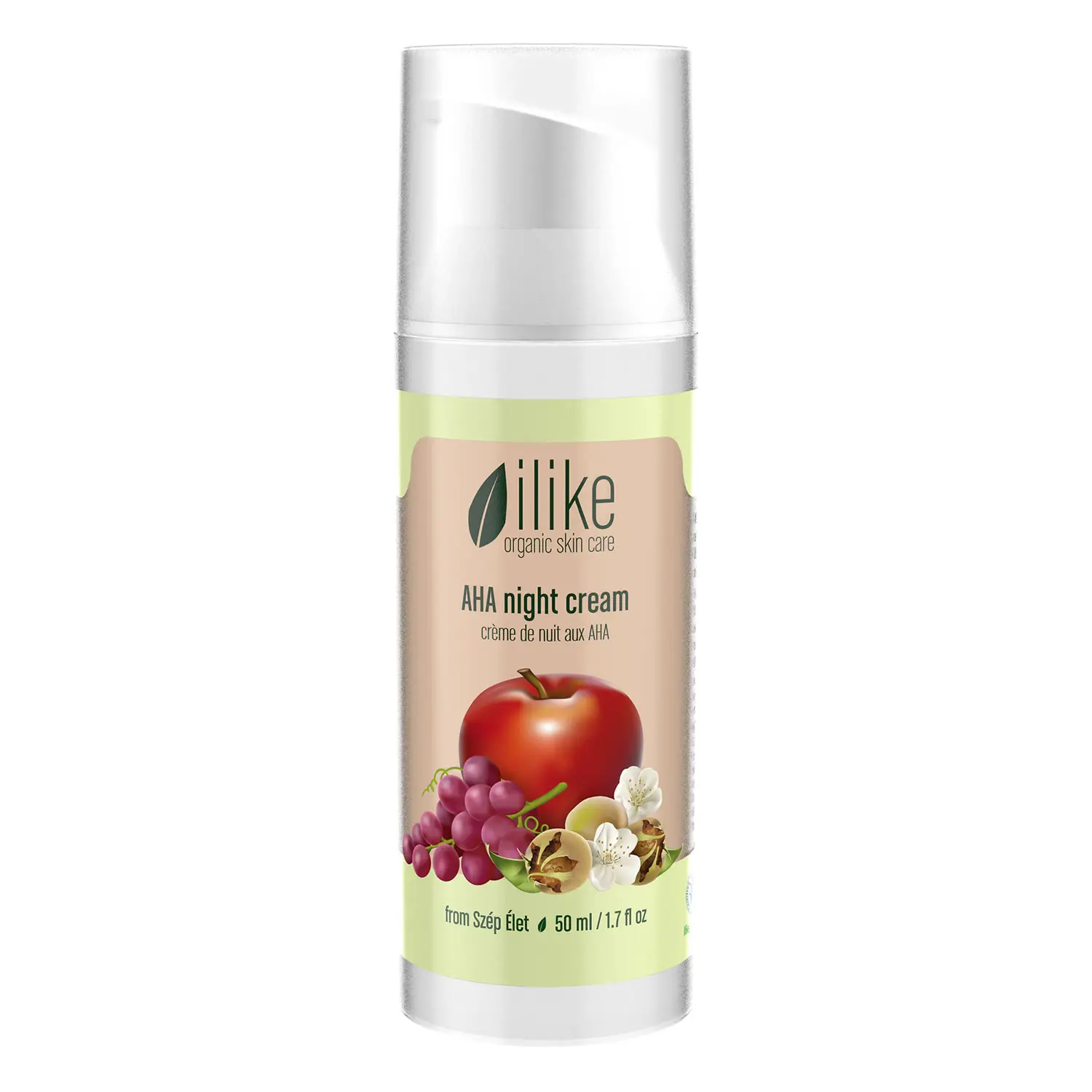
Rejuvenating Skin Complex
9.5/10Our Score

Wake up with radiant skin with our anti-aging AHA Night Cream!

Medlar fruit nourishes with herbal oils, and its natural glycolic acid slowly dissolves dead skin cells and helps smoothing fine lines and wrinkles. Apple and Grape, a powerful antioxidant and vitamin-rich duo, are beneficial for collagen synthesis that is essential for firm skin.

Benefits

  • reduces the appearance of wrinkles
  • very gently exfoliates (daily use is recommended)
  • skin feels and looks replenished and hydrated

How to Use

Use in a thin layer possibly enriched with one of our serums or oil concentrates to achieve an even more radiant complexion. Use it as a final step of your skin care regimen in the evening. Avoid use before direct sunlight exposure.

Marula Oil: An Overnight Dry Skin Solution

Embarking on a quest to eradicate dry skin, I’ve encountered a remarkable elixir—marula oil. This luxurious oil has surged in popularity, not just as a mere component of skin care rituals but as a frontline warrior in the battle against overnight dry skin maladies. Its origin traces back to the marula fruit kernels, indigenous to southern Africa, where it has been used for centuries due to its potent therapeutic properties.

Origins and Properties of Marula Oil

Marula oil’s composition is rich in antioxidants and essential fatty acids, elements critical for skin health. These naturally occurring compounds are formidable in combating oxidative stress caused by environmental aggressors that we encounter daily. Rich in nutrients such as vitamin E and C, marula oil is more than just hydrating; it’s a skin savior capable of restoring a youthful glow to parched skin. My ongoing exploration reveals that its innate hydrating capacity stands unparalleled, making it an essential overnight remedy for anyone’s skin moisturization regimen.

Application Tips for Maximum Effectiveness

For those in pursuit of revitalized and supple skin come morning, I have uncovered the key: incorporating a few drops of marula oil into your nightly skin care routine. This approach maximizes marula oil’s efficacy, allowing it to work harmoniously with the skin’s intrinsic nocturnal recovery cycle.

  • Gently massage a few drops onto clean, slightly damp skin to aid absorption.
  • Focus on areas particularly prone to dryness to boost hydration.
  • Combine marula oil with your existing overnight creams for an enriched effect.
  • Consider layering marula oil over serums to seal in the benefits.

As I integrate marula oil into my protocol for addressing overnight dry skin remedies, its versatility astounds me. Whether standing solo or mingling with other treatments, marula oil unfailingly delivers a powerful moisturizing punch. Its natural affinity for skin restoration has earned it undeniable reverence in my list of effective, quick dry skin fixes.

Panthenol (Provitamin B5): From Healing to Hydration

In my continuous pursuit to uncover effective skincare marvels, panthenol, also known as provitamin B5, has emerged as a pivotal element in my skin’s nightly revival. This powerful ingredient has successfully carved a niche as the best overnight moisturizer for dry skin, not merely drenching my skin with hydration, but also providing a healing touch that comprehensively revitalizes my complexion.

Panthenol in Skincare: More Than Just Moisture

My explorations in panthenol’s skincare benefits have taught me that its prowess extends beyond just surface-level moisturization. As a staple in my evening routine, provitamin B5 acts to support cell regeneration, improving my skin’s natural resilience and barrier function. This translates to a rejuvenated appearance with every sunrise, making it clear why dermatologists and skincare aficionados alike herald panthenol as an indispensable hydrating agent.

Why Provitamin B5 and How It Works While You Sleep

The science of beauty sleep becomes tangible when I nourish my skin with panthenol-infused products. Its ability to penetrate deep into the skin and work in sync with the body’s own repair mechanisms is why I consistently reach for it to enhance my skin’s health. This vitamin precursor works diligently under the veil of night to heal and hydrate, so I am reminded of its efficacy each morning when I greet the day with a soft, plump, and well-hydrated complexion. The ongoing use of products enriched with provitamin B5 underscores their standing as the best overnight moisturizer for dry skin, ensuring that my search for perfection in skincare is always progressive and fruitful.

FAQ

What are the best overnight remedies to fix dry skin?

For effective overnight treatment of dry skin, look for products with ingredients that provide intense moisturization and skin barrier repair, such as ceramides, hyaluronic acid, and marula oil. Applying the best overnight moisturizer for dry skin enriched with these ingredients can lead to significant improvement by morning.

Why is my skin so dry, and how can I achieve fast relief?

Dry skin can stem from various factors, including genetics and environmental elements. Quick relief can be achieved through overnight dry skin solutions containing ingredients like glycerin, panthenol, and squalane, which hydrate and repair the skin while you sleep.

Can ceramides really help with overnight dry skin fixes, and if so, how?

Yes, ceramides can greatly assist in repairing dry skin overnight by replenishing the skin’s natural lipids. This reinforces the skin’s protective barrier and helps lock in moisture, leading to hydrated and healthier skin by morning.

How does hyaluronic acid benefit dry skin, especially overnight?

Hyaluronic acid is a potent humectant that holds up to 1000 times its weight in water, providing unparalleled hydration. When used in overnight treatments, it continuously attracts moisture to the skin, offering long-lasting hydration and a plumper appearance by the time you wake up.

What role does lactic acid play in nighttime skincare routines?

Lactic acid is a gentle exfoliant that works overnight to remove dead skin cells, promoting cell turnover without irritation. This reveals smoother skin and helps other moisturizing ingredients penetrate more deeply for optimal results.

How can glycerin help combat dry skin overnight?

Glycerin is a humectant that draws water into the skin. Using it in your nighttime routine can provide intensive hydration that nurtures the skin’s natural barrier, offering relief from dryness by the morning.

Why is squalane recommended for dry skin and how should it be used at night?

Squalane is recommended because it is a lightweight emollient that closely resembles the skin’s own sebum, providing hydration without clogging pores. As part of your overnight routine, apply it after cleansing to help with skin repair and hydration throughout the night.

Can niacinamide really repair my dry skin while I sleep?

Definitely, niacinamide has restorative properties that work to improve the skin’s elasticity and barrier function overnight. Consistent use in your bedtime regimen can lead to less dryness and a more balanced complexion by morning.

How does marula oil function as an overnight dry skin remedy?

Marula oil is rich in antioxidants and essential fatty acids, which hydrate and protect the skin. Applying it before bed allows these nutrients to work synergistically overnight, reducing dryness and leaving the skin feeling soft and rejuvenated in the morning.

What makes panthenol (provitamin B5) an effective overnight dry skin treatment?

Panthenol supports skin repair and maintains hydration by reinforcing the skin barrier. Incorporating it into your overnight skincare routine can greatly enhance the skin’s healing process, providing noticeable hydration and renewal by sunrise.

Source Links

Banish Dry Skin Overnight with These Miracles Ingredients! Read More »

Organic Skin Care Tips for Winter Protection

Organic Skin Care Tips for Winter Protection

As the crispness of winter air descends, it brings with it unique challenges that can pose a risk to our skin’s natural balance and well-being. Organic skin care tips for winter become essential, as the cold weather demands a shift in our daily skincare regimen. The adoption of natural skincare for winter practices is not just a trendy choice, but a necessary approach to safeguard the skin from the harsh elements. Turning to organic methods not only nurtures the skin but also aligns with a mindful, eco-conscious lifestyle. This introduction will explore the transformative benefits of embracing an organic skin care routine during the winter months to maintain a healthy, glowing complexion despite the frosty temperatures outside.

Key Takeaways

  • The necessity of adapting your skincare routine to combat winter’s harsh effects on the skin.
  • Understanding the significance of organic and natural skincare for winter protection.
  • Embracing organic skin care tips for winter to maintain skin’s radiance and moisture.
  • Benefits of using organic products to nourish and shield skin from cold weather conditions.
  • Incorporating eco-friendly practices into your winter skincare regimen for a sustainable lifestyle.
  • Recognizing the advantages of an organic approach in preserving the skin’s natural barrier.

Understanding Your Skin’s Needs During Winter

The arrival of winter brings a serene snow-blanketed landscape and the joy of the holiday season. Yet, these colder months can be less kind to our skin. Your skin demands extra care and attention as temperatures drop and winds gain strength. It’s not enough to maintain the same skincare habits that serve you in milder climates; a special winter skin care routine is vital to combat the dry air and indoor heat that typically accompany the season. Recognizing and remedying the signs of winter skin stress is the first step towards keeping your skin healthy and vibrant.

The Impact of Cold Weather on Your Skin

Winter’s chill can have a profound effect on the overall health of your skin. A marked drop in humidity both outside and indoors due to heating systems leads to a depletion of the natural moisture in the skin’s surface. This can manifest as dryness, a feeling of tightness, and in more severe cases, flaking and even cracking of the skin. A robust and protective organic skincare routine becomes essential to counter these harsh conditions, replenishing moisture and maintaining the skin’s delicate balance.

Identifying Signs of Winter Skin Stress

  • Flaking or peeling skin
  • Redness or inflammation
  • Intensified sensitivity
  • Chapped lips or skin, particularly around the nose and mouth
  • A dull or ashen skin tone, lacking its usual luster

These symptoms are clear indicators that your skin is in need of a tailored natural winter skin care strategy. Prompt action at the first sign of winter skin stress is critical to prevent further damage and discomfort.

The Importance of Organic Products for Sensitive Skin

The cold months can be a real trial for those with sensitive skin. The lack of harsh chemicals in organic skincare products makes them especially suitable as they are less likely to trigger irritation or allergic reactions. Ingredients derived from natural sources provide gentle yet effective hydration and fortification against the damaging winter air. Incorporating an organic skincare routine not only soothes sensitive skin in the winter but also supports skin health in the long term.

Understanding your skin’s specific needs this winter is fundamental to curating an effective regime. A dedicated approach to utilizing organic and natural care solutions can help maintain your skin’s grace and glow throughout the coldest season.

Essential Organic Ingredients for Winter Skincare

When the temperature drops and the air dries out, your skin begs for extra nurturing. Elevating your organic skincare routine by including key ingredients can make all the difference in maintaining a hydrated, protected, and soothing winter skin care routine for dry skin. Let’s delve into the natural elements that should be the cornerstone of your skincare arsenal during these frosty months.

Natural Oils and Butters for Deep Moisturization

Highly nutritive oils and butters are nature’s answer to intense skin hydration. Look for products containing shea butter, known for its rich fatty acid content that restores skin flexibility and moisture, and cocoa butter, which forms a protective barrier to hold in hydration. Here’s a lineup of oils and butters you’ll want in your routine:

IngredientBenefitsBest For
Shea ButterDeeply moisturizes, soothes inflammationVery dry or flaky skin
Cocoa ButterPrevents skin drying, minimizes scarsElasticity and tone improvement
Jojoba OilBalances oil production, closely mimics skin’s own sebumCombination skin types
Argan OilRich in Vitamin E, antioxidants, and essential fatty acidsMature or sun-damaged skin
Avocado OilHight in Vitamins A, D, and E, encourages collagen productionDry, aging skin
Almond OilLightweight and easily absorbed, contains oleic acidSensitive skin types
Eminence Organics Bakuchiol + Niacinamide Moisturizer
Our Score

This moisturizer combines anti-aging niacinamide and bakuchiol. These ingredients smooth the look of fine lines, visibly tighten pores and deliver retinol-like results without the irritation. As a moisturizer, this formula also hydrates dry skin and replenishes your skin barrier.

Results:

  • Smooths the look of fine lines and wrinkles with no visible irritation
  • Replenishes the skin barrier and locks in hydration
  • Reduces the appearance of large pores
  • Skin appears visibly tightened

How to use: Apply a layer of moisturizer over the entire face and neck area. Leave on. For a lighter application, emulsify a small amount of moisturizer in your hand with a few drops of water. For extra hydration, apply a thicker layer on dry areas.

Plant-Based Antioxidants for Skin Protection

Environmental stressors don’t take a winter break. Infuse your winter skincare tips with antioxidants found in botanical ingredients to protect and rejuvenate. Vitamins C and E are two powerhouses that fight oxidative stress and can be found in plant-based serums and creams:

  • Vitamin C: Brightens the complexion and stimulates collagen synthesis.
  • Vitamin E: Nourishes and heals the skin, reducing UV damage.

Together, these antioxidants can be found in organic skincare products, bolstering your skin’s defenses against the chill.

Herbal Extracts That Soothe and Repair

Herbs are more than just kitchen essentials—they’re therapeutic skin allies. With their calming and reparative properties, certain herbal extracts are optimal for treating winter-stressed skin:

  • Calendula: Reduces redness and promotes skin healing and repair.
  • Chamomile: Soothes sensitive and irritated skin due to its anti-inflammatory properties.
  • Lavender: Calms both skin and senses, assisting in the relief of eczema and dryness.

Incorporating these herbs into your organic skincare routine can ease the impact of harsh winter conditions, keeping your skin feeling soft, calm, and resilient.

Natural Winter Skin Care Regimen

As winter arrives, the need for a natural winter skin care regimen becomes paramount to maintaining healthy, supple skin. The harsh elements of the season necessitate a shift towards organic products that provide the best defense. Crafting a daily routine that starts with the morning and culminates with your night-time ritual ensures your skin receives the full spectrum of protection and care that it desperately needs in colder months. Here, we outline each step and the roles of organic products in your winter skincare routine.

Morning Ritual: Begin your day with gentle cleansing to refresh the skin without stripping natural oils critical in winter. Opt for a hydrating cleanser with ingredients like aloe vera or honey that help retain moisture. Follow up with a toner that includes witch hazel or rose water to balance pH levels and prep the skin. Integrate a robust moisturizing cream rich in hyaluronic acid to lock in hydration. Daytime protection isn’t complete without applying a layer of sunscreen, even on overcast days—choose mineral-based options for a natural defense against UV rays.

Morning ProductPurposeKey Ingredients
CleanserRefresh skin, maintain moistureAloe Vera, Honey
TonerBalance pH levelsWitch Hazel, Rose Water
MoisturizerLock in hydrationHyaluronic Acid
SunscreenUV protectionZinc Oxide, Titanium Dioxide

Evening Care: Night-time is an opportunity for rest and repair. Remove impurities accumulated throughout the day with an oil-based cleanser—a crucial winter skincare tip. Follow this with an exfoliant twice a week to slough off dead skin cells; choose a milder form like oatmeal or jojoba beads that are less abrasive. Night creams should be denser in texture and enriched with nourishing ingredients such as shea butter and squalane which provide intense moisture while you sleep. Essences or facial oils containing antioxidants like Vitamin E or C can also be added for extra skin restoration overnight.

Evening ProductPurposeKey Ingredients
CleanserRemove daily impuritiesNatural Oils (Coconut, Olive)
ExfoliantRemove dead skin cellsOatmeal, Jojoba Beads
Night CreamIntense hydrationShea Butter, Squalane
Facial OilSkin restorationVitamin E, Argan Oil

When building your winter skincare regimen, be mindful of the Sequential Layering Technique. Start with the lightest product and end with the heaviest. This method ensures that each product can be absorbed properly without hindering the performance of the next, maximizing the benefits of your winter skincare tips.

Lastly, don’t overlook the need for regular hydration. Drinking plenty of water is just as important as the products you apply. With a steadfast commitment to these organic skin care tips and natural products, your skin can thrive throughout winter’s toughest days.

DIY Organic Masks for Winter Hydration

When the winds of winter grow colder and the air drier, your skin craves deeper hydration and nourishment. This season, embrace the art of creating DIY organic masks to quench your skin’s thirst from the comfort of your own home. These homemade remedies represent the heart of organic skin care tips for winter, allowing you to customize your skincare routine with natural, wholesome ingredients.

Recipes for Nourishing Homemade Masks

Unlock the secrets of hydration with these simple yet potent mask recipes designed to restore moisture and vitality to weather-worn skin:

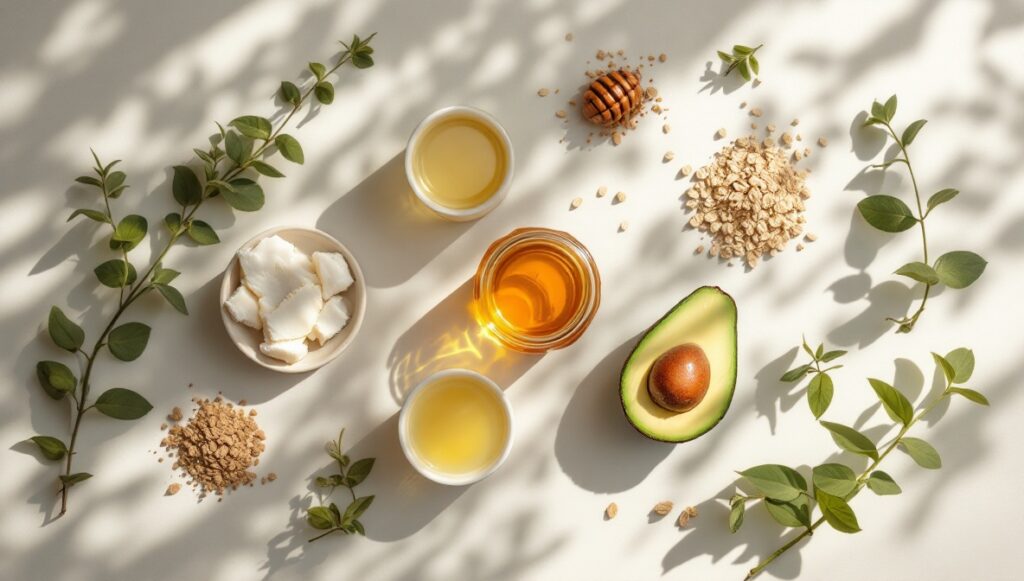
  1. Avocado and Honey Mask: Combine one ripe avocado with a tablespoon of raw honey. Mash and mix into a smooth paste for a mask rich in fats and humectants.
  2. Oatmeal and Yogurt Soothing Mask: Mix together 2 tablespoons of ground oatmeal, 1 tablespoon of natural yogurt, and a few drops of chamomile oil. This combination provides gentle exfoliation and calms irritated skin.
  3. Banana and Almond Oil Hydrating Mask: Blend one mashed banana with a teaspoon of sweet almond oil for a mask full of vitamins and hydration.

Each of these masks utilize readily available kitchen staples touted in natural skincare for winter, emphasizing the ease of integrating sustainable practices into your beauty regimen.

How to Integrate DIY Treatments into Your Routine

Adapting your skincare to include these DIY organic masks doesn’t require a complete overhaul of your existing routine. Aim to apply your chosen mask at least once a week, following these steps:

  • Cleanse your face gently with your regular organic cleanser to prepare the skin.
  • Apply your homemade mask evenly, avoiding the delicate area around the eyes.
  • Leave the mask on for 10-15 minutes, allowing the organic goodness to penetrate your skin.
  • Rinse with warm water, and follow up with your regular moisturizer to seal in the benefits.

Making these DIY treatments a regular part of your organic skin care tips for winter will not only promote a healthier complexion but also reinforce the natural barrier of your skin against harsh winter elements.

Organic Skin Care Tips for Winter

When the wintry weather sets in, a careful revaluation of your skincare regimen is due. The shift to organic winter skin care is beneficial and crucial to nurturing and protecting your skin. This section will focus on the delicate balance of cleansing without over-drying and the art of layering skincare to safeguard your skin’s health during the colder months. These strategies center on maintaining the essential oils that fortify your skin’s barrier while utilizing organic products designed for maximum benefit and protection.

Cleansing Without Stripping Natural Oils

Effective cleansing is a foundational step in any skin care routine, particularly in winter. However, it’s critical to choose a cleanser that can remove impurities without stripping your skin of its natural oils, which are pivotal for maintaining moisture during the dry winter months. Look for organic cleansers with nourishing ingredients such as jojoba oil, coconut milk, or chamomile extract. These components provide a gentle cleanse, effectively supporting your skin’s intrinsic moisture balance.

Cleanser TypeBenefitsKey Ingredients
Milk CleansersHydrate while cleansing, ideal for dry and sensitive skinCoconut Milk, Almond Oil
Oil-based CleansersDissolve impurities without disrupting the skin’s lipid layerJojoba Oil, Argan Oil
Foaming Cleansers (SLS-free)Light cleansing action suitable for combination skinYucca Extract, Witch Hazel
Cream CleansersProvide extra moisture, leave skin soft and suppleShea Butter, Chamomile Extract
Eminence Organics Firm Skin Acai Cleanser
9.4/10Our Score

This powerful antioxidant-rich acai berry organic cleanser gives you a smooth and radiant complexion. It removes impurities and erases fine lines with naturally derived hyaluronic acid and seabuckthorn oil, making it a potent product to combat the signs of aging.

  • Paraben-free, pthalate-free, cruelty-free, organic and vegan formula
  • Blueberry and raspberry juice provide antioxidant protection
  • Alpha lipoic acid reduces wrinkles and fine lines
  • Botanical Hyaluronic Acid – Binds moisture to the surface of the skin

Layering Products for Maximum Benefit

Layering your organic skincare appropriately is essential to harness their full potential, particularly with winter skin care tips. After cleansing, begin with a light, hydrating toner that can help balance the skin’s pH and provide a base layer of moisture. Follow with a serum rich in active ingredients tailored to your skin’s needs and seal in the benefits with a cream or oil that prevents moisture loss. Layering in this way can help fortify the skin against the harsh winter elements while using products packed with organic goodness.

  1. Toner: Rosewater, Aloe Vera
  2. Serum: Vitamin C, Hyaluronic Acid
  3. Moisturizer: Shea Butter, Squalane
  4. Facial Oil: Pomegranate Seed Oil, Evening Primrose Oil

By following these organic skin care tips for winter, you emphasize conserving your skin’s natural integrity while embracing the healing power of organic ingredients. An organic routine transforms your daily skincare practice into a ritual that not only cares for your skin but also is in harmony with the environment.

Moisturizing Strategies for Different Skin Types

When the chill of winter sets in, it can leave skin feeling dry and lifeless. Winter weather doesn’t discriminate among skin types; it can have adverse effects on oily, dry, combination, and sensitive skin alike, making a tailored organic skincare routine all the more critical. An effective winter skin care routine adapts to each skin’s unique needs, using the right organic moisturizers and application techniques to ensure healthy, hydrated skin all season long. Below are curated strategies for choosing and applying organic moisturizers based on skin type, with the goal of weathering the winter without compromising your skin’s natural radiance.

Skin TypeRecommended Organic MoisturizersApplication Tips
Oily SkinLight-weight, water-based lotions with ingredients like aloe vera or green teaApply in thin layers, focusing on areas that are less oily
Dry SkinRich creams and balms with hyaluronic acid, shea butter, and plant oilsGenerously apply while skin is damp to lock in moisture
Combination SkinGel-cream hybrids with lavender or chamomile for balanceTarget application according to the dry and oily areas, avoiding heavy application on the T-zone
Sensitive SkinProducts with minimal ingredients, featuring calming agents like calendula or oatmealPat gently into skin, without rubbing, to avoid irritation

Moisturizing is crucial for preserving skin health through winter, yet over-moisturizing or using the wrong product for your skin type can lead to issues such as breakouts or increased sensitivity. In your winter skincare tips, consider not only the type of moisturizer but also its composition and purity. Organic formulations, free from synthetic additives and fragrances, can offer superior compatibility and efficacy while aligning with environmentally conscious values. Pay attention to your skin’s responses to different products and adjust your winter skin care routine accordingly for the best results.

  • For oily skin, remember that hydration is still important. Seek out non-comedogenic formulas to provide moisture without clogging pores.
  • Dry skin will benefit from thicker, oil-based creams that provide a barrier against the cold, dry air.
  • Individuals with combination skin should apply moisturizers with moderation, carefully noting the different needs of their skin’s varying areas.
  • Sensitive skin demands hypoallergenic and calming ingredients that moisturize without inciting irritation.

Within these carefully devised strategies, one constant remains: the need to listen to your skin. No matter the type, every individual’s requirements may undergo changes as the winter season progresses, necessitating occasional adjustments to your chosen organic skincare routine. By paying close attention to how your skin reacts to the colder environment and moisture levels, you can adapt your approach to remain nurturing and protective throughout winter’s challenges.

Winter Skin Care Tips for the Body

Transitioning from facial to full-body care, winter skincare isn’t complete without considering the impact of cold weather on every inch of your skin. With meticulous attention to detail, essential organic skin care tips for winter must expand to encompass practices that preserve and protect the body’s skin, which is just as susceptible to the ravaging effects of winter as the complexion.

Organic Body Washes and Scrubs

When the mercury plunges, it’s time to swap out your regular body cleansers for those that offer a more nurturing wash. Organic body washes crafted with natural oils and botanicals can provide a soothing clean that doesn’t deplete the skin’s moisture. Key ingredients like oat extract, almond oil, and glycerin keep the skin supple and help fend off the dryness exacerbated by cold air and wind. Similarly, organic body scrubs can softly eliminate dead skin cells without stripping moisture, utilizing fine natural exfoliants such as sea salt and sugar mixed with moisturizing oils to leave your skin refreshed and revitalized even in the harshest of winters.

ProductMain IngredientsBenefits
Organic Body WashOat Extract, Aloe Vera, Coconut OilMoisturizes while cleansing, soothes irritation
Organic Body ScrubSea Salt, Sugar, Jojoba OilGently exfoliates, promotes circulation, hydrates skin

Natural Moisturizers for All-Over Care

Your winter skin care routine must include a conscientious approach to moisturizing from head to toe. After bathing with gentle products, locking in moisture is key. Natural body lotions and butters containing shea butter, cocoa butter, or rich plant oils like argan or avocado oil can be particularly nourishing, offering an organic solution to the dryness and tightness that often accompany winter weather. Such natural moisturizers not only hydrate but also fortify the skin’s barrier against the chilly elements, ensuring comprehensive care and comfort.

Moisturizer TypeKey IngredientsBenefits
Organic Body LotionLavender Oil, Shea ButterDeep hydration, relaxation, skin softening
Organic Body ButterCocoa Butter, Vitamin EIntense moisturization, skin repair, antioxidant protection
Organic Body OilArgan Oil, Sunflower OilLasting moisture, absorption, skin cell nourishment

Implementing these winter skin care tips into your daily routine ensures you’re not just focusing on your face but also providing the rest of your body with the organic, nourishing care it deserves. This holistic approach to winter skincare paves the way for sustained skin health and comfort throughout the season.

Protecting Your Skin from Indoor Heating

As the winter season intensifies, our focus often turns to the effects of biting cold and howling winds on our dermal health. Yet the warm embrace of indoor heating, while comforting, can stealthily contribute to dry, irritated skin—a silent adversary in the wholesome realm of a winter skin care routine. This warmth, a contrast to the bracing air outside, draws moisture away from the skin, making an organic skincare routine an indispensable ally in your fight against the dehydrating indoor heat.

To counteract the effects of indoor heating and foster a resolute barrier preserving your skin’s moisture and health, consider these proactive winter skin care tips:

  • Implement a humidifier in your living or work space to reintroduce moisture into the air, providing respite for your skin.
  • Hydrate consistently throughout the day, for internal hydration is as crucial as topical. Drinking ample water should be a pillar of your winter skin care routine.
  • Invest in organic hydrating sprays or thermal waters, delivering quick, refreshing bursts of hydration to your skin when it feels parched.

Regarding your organic skincare routine, specific adjustments can render your regimen a formidable shield against indoor climate control:

Skincare StepActionRecommended Organic Products
CleansingUse lukewarm water and avoid harsh soap-based cleansers.Gentle milk or cream-based cleansers with ingredients like honey or glycerin.
ToningBalance skin’s pH with an alcohol-free toner.Organic toners infused with calming botanicals such as cucumber or aloe vera.
MoisturizingApply heavier creams or serums to lock in moisture.Rich emollients containing hyaluronic acid or squalane, and protective oils like argan or avocado oil.
Overnight CareUse an overnight mask or sleeping cream to repair skin.Nourishing masks with shea butter or almond oil, designed to rejuvenate skin as you sleep.

Incorporating these elements into your winter skin care tips promises a nurturing line of defense against the unassuming threat of indoor heating. Your home, intended as a haven from the bitter cold, need not become a detriment to your skin. With the right tools—humidity, hydration, and a steadfast organic skincare routine—your skin’s health will flourish throughout the winter’s trials, resilient against both the elements outside and the artificial warmth within.

Winter Skin Care Routine for Dry Skin

Dry skin requires special attention during winter to prevent tightness, chapping, and scaling. By adopting an organic winter skin care routine and integrating targeted winter skincare tips, individuals with dry skin can expect to alleviate discomfort and enhance their skin’s natural defenses against the seasonal cold.

Extra Care for Dry and Chapped Areas

Some body areas are particularly prone to dryness and require additional organic care. Products such as thick shea butter balms, hyaluronic acid serums, and oils rich in omega fatty acids nourish these trouble spots.

  • Elbows and knees often become rough and dry; apply a generous layer of organic balm nightly.
  • Hands suffer constant exposure; use an organic hand cream after each wash and before bed.
  • Lips can crack painfully; maintain their softness with natural oil-infused lip balms throughout the day.

Maintaining Hydration Throughout the Day

Maintaining hydration from dawn till dusk is key in a winter skin care routine for dry skin. Integrating moisture-rich products at every routine step will bolster hydration levels and strengthen the skin barrier.

Skincare StepHydration StrategyOrganic Product Examples
Morning CleanseGentle, non-stripping cleansing methods.Organic cream cleansers with nourishing oils.
Daytime MoisturizerApply a protective, emollient moisturizer.Plant-based creams with organic avocado or jojoba oil.
Night RoutineOvernight treatments for deep hydration.Rich night creams with organic almond or olive oil.
Throughout the DayRegular application of hydrating mists or sprays.Herbal facial sprays with aloe vera or rosewater.

Incorporate these essential organic skin care tips for winter into your routine to ensure continuous protection and replenishment for your dry skin. By taking special care of the most vulnerable areas and reinforcing hydration at every opportunity, you can maintain a resilient and healthy complexion regardless of winter’s challenges.

Adapting Your Organic Skincare Routine for Harsh Weather

As winter unleashes its fiercest cold snaps and whipping winds, the resilience of your skin is put to the test. Staying ahead of the game with adept organic skin care tips for winter can make all the difference between a complexion that weathers the storm and one that succumbs to it. The following pointers are designed to recalibrate your winter skincare practices, keeping your outermost layer fortified against the most severe temperatures and dry indoor heating that are synonymous with the season.

Assess and Adjust Product Richness

  • Lightweight moisturizers might suffice in mild chilly weather, but as temperatures plunge, consider transitioning to creams with a denser, more occlusive consistency to create a protective moisture barrier.
  • The inclusion of nutrient-dense facial oils, such as rosehip or sea buckthorn, adds an extra layer of defense, deeply nourishing the skin at a cellular level.

Modulate Frequency and Quantity

  • Listen to your skin’s signals and increase the frequency of application if tightness or dry patches emerge, particularly after extended exposure to harsh weather.
  • An organic lip balm should become a constant companion, applied liberally and often, to prevent chapping in the cold air.
  • Where once a light smear sufficed, now a generous dollop of hand cream is essential following every hand wash or sanitizer use.

Consider Environmental Triggers

  • On days where the wind chill is biting, aim to minimize exposure by covering up with gloves, scarves, and hats made of natural, non-irritating fibers like silk or cotton.
  • On less intense days, let your skin breathe when secure from the elements, allowing it to regulate naturally without the constant barrier of products.

Switch Up Your Cleansing Tactics

  • When experiencing frigid weather consistently, limit exfoliation to once weekly to avoid compromising your skin’s barrier integrity. Soft, enzyme-based exfoliants can be kinder yet effective.
  • Make sure to utilize a creamy, hydrating cleanser that dissolves impurities without stripping moisture. Products incorporating hyaluronic acid or glycerin can be immensely beneficial.
Weather ConditionSkin ResponseAdaptation in Routine
Light ColdMild tightnessIncrease moisturizer frequency
Extreme ColdDry patches, irritationSwitch to a heavier cream, layer oils
Indoor HeatingDehydration, dullnessRegularly mist face, use a humidifier
Windy DaysChapped skin, rednessApply a protective barrier, reduce exfoliation

Every drop in temperature is a call to action—a need to enrich and adapt your organic winter skin care arsenal. Whether refining product application or embracing heartier formulations, tailoring your skincare regimen to combat winter’s volatility is a move your skin will thank you for, yielding a radiant, robust barrier throughout the season’s trials.

Conclusion

The comprehensive journey through organic winter skin care illustrated in this article underscores the imperative of customizing our skincare routines to meet the season’s chilly challenges. Embracing natural skincare for winter is about supplementing our skin with hydration and nutrients and fortifying the skin’s barrier against the frosty elements. From employing deeply hydrating natural oils to concocting DIY organic masks, we’ve explored how prioritizing organic ingredients can substantially benefit our skin’s health and resilience.

Furthermore, we’ve delved into specialized care like the winter skin care routine for dry skin, emphasizing that regardless of your skin type, there are organic solutions capable of maintaining and even enhancing your skin’s vitality during winter. The all-encompassing approach to organic winter skincare goes beyond the face, encouraging readers to nourish their entire body with rich, organic elements that are friendly to both skin and the environment.

As the frost settles in, let this be a gentle reminder of the profound difference a tailored winter skincare regimen can make. May the insights shared here inspire you to embrace organic care holistically—your skin’s steadfast companion through the cold. Let the benefits of natural, organic ingredients light your way to a season of comfort, protection, and radiance that extends beyond the winter months.

FAQ

Why is organic skin care important during winter?

Organic skin care is important during winter because it uses natural and chemical-free products that are gentle on the skin. The harsh winter conditions can strip the skin of its natural oils, leading to dryness and irritation. Organic products can offer deep moisturization and protection without the harsh additives found in some conventional skincare items.

What are the signs of winter skin stress?

Signs of winter skin stress include increased dryness, a feeling of tightness, redness, cracking, flaking, and even eczema or psoriasis flare-ups. These symptoms indicate that the skin’s barrier function may be compromised due to the cold and dry weather.

How can natural oils and butters benefit my winter skin care routine?

Natural oils and butters, such as shea butter and coconut oil, provide deep and lasting moisture for the skin. They are rich in essential fatty acids and vitamins that help to strengthen the skin’s barrier, improve elasticity, and protect against the harsh winter elements.

What are some plant-based antioxidants good for winter skincare?

Plant-based antioxidants like Vitamin C, Vitamin E, green tea extract, and resveratrol help protect the skin from environmental damage, such as pollution and extreme temperatures. They also aid in repairing the skin and reducing the appearance of winter-induced dullness and inflammation.

Can you provide a simple DIY organic mask recipe for hydration?

Yes, one simple DIY organic mask for hydration involves mixing one tablespoon of honey with two tablespoons of yogurt and a half of a mashed banana. Apply the mixture to your face for 15-20 minutes before rinsing off with warm water. These ingredients are all-natural moisturizers that can soothe and hydrate dry, winter skin.

What is the best way to cleanse my skin in winter without stripping natural oils?

The best way to cleanse your skin in winter without stripping natural oils is to use a gentle, hydrating cleanser that does not contain alcohol or other drying ingredients. Look for cleansers with natural emollients and humectants, such as glycerin or hyaluronic acid, that help maintain the skin’s natural moisture balance.

Should I change my moisturizing strategy in winter based on my skin type?

Yes, you should tailor your moisturizing strategy to your particular skin type in winter. Dry skin may require heavier creams with oils and butters, while oily skin may benefit from lighter lotions with hydrating ingredients. Sensitive skin types should look for hypoallergenic and fragrance-free options to reduce the risk of irritation.

What kind of body wash should I use during winter?

During winter, opt for a body wash that is creamy, moisturizing, and formulated with organic and nourishing ingredients such as aloe vera, oatmeal, or essential oils. Avoid harsh soaps and shower gels with sulfates that can strip the skin of its natural oils.

How can I protect my skin from the effects of indoor heating?

To protect your skin from the drying effects of indoor heating, use a humidifier to add moisture to the air. Increase your water intake and consider using a thicker moisturizer or adding a hyaluronic acid serum to your routine. Also remember to cover up and protect exposed skin when moving from warm interiors to cold exteriors.

What extra care should I give to dry and chapped areas during winter?

For dry and chapped areas, apply a targeted treatment such as an ointment or balm that has a high concentration of emollients and occlusive agents like petroleum jelly, lanolin, or beeswax. These create a protective layer that locks in moisture and aids in healing. Be sure to apply these treatments to slightly damp skin for the best results.

How should I adapt my organic skincare routine for harsh winter weather?

Adapting your organic skincare routine for harsh winter weather might involve adding richer, more emollient products to prevent trans-epidermal water loss, using gentle, non-foaming cleansers, increasing the frequency of hydrating masks, and ensuring that you always apply sunscreen, even on overcast days, as UV rays can be just as damaging during the winter.

Organic Skin Care Tips for Winter Protection Read More »

Benefits of Hyaluronic Acid

Hyaluronic Acid Benefits For Dry Skin and Mature Skin

Benefits of Hyaluronic Acid

Hyaluronic Acid Benefits For Dry Skin and Mature Skin

Hyaluronic acid is a powerful ingredient in many skin care products, and for a good reason. It can provide incredible hydrating benefits to dry skin and reduce the appearance of fine lines and wrinkles. Suppose you’re looking for an effective way to boost your skin’s elasticity and hydration levels. In that case, exploring the various hyaluronic acid benefits for dry skin could be just what you need. From cleansers to serums containing HA, learn how this beneficial ingredient works within your routine, plus tips on maximizing its effects while avoiding potential side effects. Discover how easy it is to incorporate Hyaluronic Acid into any skincare regimen today.

Table of Contents:


What is Hyaluronic Acid?

Hyaluronic acid (HA) is a naturally occurring substance found in the human body. It is a glycosaminoglycan, which means it’s composed of repeating disaccharide units that are linked together to form long chains. HA has many functions in the body, including providing lubrication and cushioning for joints and tissues, helping to maintain skin hydration and elasticity, aiding wound healing, and transporting nutrients throughout the body. What are the Benefits of Hyaluronic Acid? HA has many benefits when used topically on the skin as part of a skincare routine. It helps to retain moisture by forming an invisible film on the surface of your skin that locks in hydration while also preventing water loss from evaporation. This can help reduce dryness and improve overall texture and tone. Additionally, HA can help reduce wrinkles by plumping up skin cells with its hydrating properties; this makes fine lines appear less noticeable over time with regular use. Finally, due to its antioxidant properties, HA can protect against environmental damage caused by free radicals such as UV rays or pollution particles. Hyaluronic acid is a powerful ingredient that can help restore moisture to dry skin, reduce the appearance of wrinkles, and protect against environmental damage. This article will explore how hyaluronic acid can specifically benefit dry skin.
Key Takeaway: Hyaluronic acid (HA) provides many benefits for skin, including hydration, reduced wrinkles and protection from environmental damage. Benefits include: locking in moisture, plumping up cells to reduce fine lines and providing antioxidant protection.

How Can Hyaluronic Acid Help Dry Skin?

It helps to lock in moisture, reducing the appearance of fine lines and wrinkles while protecting from environmental damage.

Moisturizing Properties of Hyaluronic Acid:

Hyaluronic acid is an incredibly effective moisturizer that can help keep skin hydrated and healthy-looking. It works by drawing water into the cells, which helps to plump up the skin and reduce signs of aging, such as wrinkles or sagging. Additionally, hyaluronic acid forms a protective barrier on the skin’s surface that locks in moisture and prevents dehydration. This makes it ideal for dry or sensitive skin who need extra hydration throughout the day.

Anti-Aging Benefits of Hyaluronic Acid:

In addition to its moisturizing properties, hyaluronic acid has anti-aging benefits as well. As we age, our bodies produce less natural hyaluronic acid, which leads to decreased elasticity in our skin resulting in wrinkles or sagging around areas like the eyes or mouth area. By using products containing this ingredient, you can help restore your body’s natural levels which will improve your overall complexion over time.

Protective Properties of Hyaluronic Acid:

Finally , hyaluronic acid provides a layer of protection against environmental stressors such as UV rays, pollution, smoke etc. This protective layer shields your delicate facial tissue from these damaging elements so you don’t have to worry about premature aging caused by sun exposure or other external factors. Overall, incorporating products containing hyaluronic acid into your daily skincare routine can provide numerous benefits, including improved hydration, reduced signs of aging, and added protection against environmental damage. By using these products, you can help restore your body’s natural levels of hyaluronic acid, which will improve your overall complexion over time while also providing a layer of protection from external stressors such as UV rays, pollution, and smoke. Hyaluronic acid is an incredibly beneficial ingredient for dry skin, as it helps to lock in moisture, protect the skin from environmental damage and provide anti-aging benefits. It can be found in a variety of products such as creams, lotions, serums and masks – all of which are great options for those looking to improve their dry skin.
Key Takeaway: Hyaluronic acid is an effective moisturizer that helps keep skin hydrated, reduces wrinkles and sagging, and provides protection from environmental damage. Benefits include: improved hydration, anti-aging effects, and added protection.

What Types of Products Contain Hyaluronic Acid?

It can also be used as an ingredient in skincare products to help improve the appearance of dry, aging skin. There are several types of products containing HA that can be used to maximize its benefits for dry skin.

Creams and Lotions with Hyaluronic Acid:

Creams and lotions containing HA are typically applied after cleansing and toning but before applying makeup or sunscreen. These creams and lotions often contain other moisturizing ingredients such as shea butter or aloe vera to help lock in moisture while providing additional nourishment for the skin. They can be used daily or nightly depending on individual needs.

Facial Serums with Hyaluronic Acid:

Facial serums are lightweight formulas designed to penetrate deep into the layers of the skin for maximum hydration benefits. Serums usually contain higher concentrations of hyaluronic acid than creams or lotions, making them ideal for those looking to target specific areas such as wrinkles around the eyes or mouth area. When using a serum, it’s important to apply it directly onto clean, damp skin so that it absorbs quickly without leaving behind any residue on your face.

Facial Masks with Hyaluronic Acid:

Facial masks infused with hyaluronic acid provide intense hydration while helping reduce inflammation caused by environmental stressors like pollution or sun exposure. The mask should be left on for 10-15 minutes before rinsing off completely with lukewarm water; this will ensure all traces of the product have been removed from your face before continuing your regular skincare routine. For best results, use a facial mask once weekly when needed most—typically when you feel like your complexion needs some extra TLC. By incorporating these different types of products containing hyaluronic acid into one’s skincare routine, individuals may notice improved texture and tone along with increased levels of hydration throughout their complexion over time, resulting in healthier-looking skin overall. Hyaluronic acid is a powerful ingredient that can help to moisturize and nourish dry skin. There are many different types of products that contain hyaluronic acid, such as creams, lotions, serums, and masks. Now let’s look at how you can incorporate these products into your daily skin care routine.
Key Takeaway: Hyaluronic acid is a natural ingredient that helps keep skin hydrated and healthy. Incorporating HA-infused creams, lotions, serums and masks into your skincare routine can help improve texture and tone while increasing hydration levels for healthier looking skin.

Best Hyaluronic Acid Serums From Organic Skin Care

Top Rated
3Ha Hyaluronic Acid Intensive Hydrating Serum
9.7

HYALURONIC ACID BOOSTER: Contains Hyaluronic Acid, boosts healing and anti-aging properties

Best Seller
Strawberry Rhubarb Hyaluronic Serum
9.5

Replenish your thirsty skin with Eminence Strawberry Rhubarb Hyaluronic Serum, a hydrating, healing and exfoliating formula. Strawberry gently exfoliates dead skin and helps reduce pore size while rhubarb works as an astringent and provides vitamin C to improve skin tone.

Editors Choice
Hyaluronic Acid Hydrating Facial Serum with Vitamin C
9.8
  • Easy, lightweight hydration. Hyaluronic acid locks in moisture to plump, soothe, and support elasticity — for silky, smooth skin.
  • Improves the feel of the skin’s texture by decreasing the appearance of dry skin.
  • Diminishes the look of fine lines and wrinkles.

How to Incorporate Hyaluronic Acid into Your Skin Care Routine?

Incorporating products containing hyaluronic acid into your daily skin care routine can help you get the most out of this amazing ingredient. Here are some steps to follow when using products with hyaluronic acid: Steps for Using a Facial Serum with Hyaluronic Acid: Start by cleansing your face, then apply the serum all over your face and neck in an upward motion. Allow it to absorb completely before applying any other product. Use twice daily for best results. Steps for Using a Cream or Lotion with Hyaluronic Acid: After cleansing, apply the cream or lotion evenly on your face and neck in an upward motion until absorbed fully. For extra hydration, use twice daily – once in the morning and again at night before bedtime. Begin by washing your face thoroughly, then apply the mask evenly across your entire face avoiding contact with eyes and lips area if possible. Leave it on for 10-15 minutes before rinsing off gently with lukewarm water followed by patting dry using a soft towel or cloth. Use once every week as part of regular skincare routine to maximize benefits from HA masks Using products containing Hyaluronic Acid is a great way to provide your skin with moisture and protection. Following the steps outlined above, you can easily incorporate HA into your skincare routine. To maximize the benefits of using these products, follow the tips in the next section.

Tips for Maximizing the Benefits of Using Products Containing Hyaluronic Acid

When it comes to maximizing the benefits of using products containing hyaluronic acid (HA), there are a few tips that can help. Applying, choosing, and storing these products correctly will ensure you get the most out of your HA-infused skincare routine.

Tips for Applying Products Containing HA:

When applying any product with HA in it, make sure to use gentle strokes when rubbing it into your skin. This will ensure that all of the ingredients penetrate deeply into your skin without causing irritation or damage. Additionally, avoid scrubbing too hard as this could strip away some of the beneficial properties of the product itself. When selecting an HA-infused product, look for one that is specifically formulated for your skin type and concerns. For example, if you have dry skin, then opt for a moisturizing cream or lotion with hyaluronic acid in it; if you’re looking to reduce wrinkles, then choose a serum or mask with anti-aging properties such as retinol or vitamin C; and if you want something more protective then select an SPF-containing sunscreen with added antioxidants like green tea extract or pomegranate seed oil.

Tips for Storing Products Containing HA:

To maximize their effectiveness over time, store all products containing hyaluronic acid at room temperature away from direct sunlight and heat sources such as radiators or air conditioners. Additionally, keep them sealed tightly so they don’t become contaminated by bacteria which can cause breakouts on sensitive skin types. Finally, be sure to replace any expired products immediately as prolonged exposure to oxygen can degrade their active ingredients, making them less effective than when first purchased. Following these simple tips when incorporating Hyaluronic Acid into your skincare routine can maximize its potential benefits while avoiding any unwanted side effects. By following the tips outlined above, you can maximize the benefits of using products containing hyaluronic acid and ensure that your skin gets the nourishment it needs. It’s important to be aware of potential side effects and precautions when using HA in skincare products as well.
Key Takeaway: Hyaluronic Acid can be a great addition to any skincare routine, but it’s important to use it correctly. To maximize its benefits: apply gently, choose products specifically for your skin typeconcerns, store at room temperature and replace expired products immediately.

Our Score

Easy, lightweight hydration. Hyaluronic acid locks in moisture to plump, soothe, and support elasticity — for silky, smooth skin.

Potential Side Effects and Precautions When Using Products Containing HA

Common Side Effects Associated With HA Use:

Hyaluronic acid is generally considered safe for use in skincare products, but there are some potential side effects that may occur. These include skin irritation, redness, and itching. In rare cases, it can also cause an allergic reaction or contact dermatitis. It’s important to test a small area of your skin before using any product containing hyaluronic acid to ensure you don’t have an adverse reaction. To minimize the risk of any side effects when using products containing hyaluronic acid, it is important to follow the instructions on the label carefully and avoid applying too much product at once. Additionally, if you are using a facial serum with hyaluronic acid, make sure to apply sunscreen afterwards as this will help protect your skin from UV damage which can be caused by exposure to sunlight after applying certain skincare ingredients such as hyaluronic acid. Finally, if you experience any discomfort or irritation while using these products stop immediately and consult a doctor or dermatologist for advice. It is important to be aware of the potential side effects and precautions when using products containing HA in order to ensure safe use. Moving on, let’s take a look at the summary and conclusion on this topic.

Summary and Conclusion

It’s an incredibly powerful ingredient that can help improve the overall health of your skin, as well as its appearance. HA helps keep your skin hydrated by binding up to 1000 times its weight in water, making it one of the most effective moisturizers available today. The benefits of using HA-based skincare products are numerous: they help reduce wrinkles and fine lines, plump up sagging skin, minimize dark circles under eyes, even out complexion and texture irregularities, protect against environmental damage such as UV rays and pollution particles, boost collagen production for firmer looking skin over time, and provide intense hydration without clogging pores or causing breakouts. Additionally, HA-based products are safe for all types of skins including sensitive ones since it does not contain any harsh chemicals or irritants. In conclusion, hyaluronic acid is an excellent choice when it comes to choosing skincare products due to its natural ability to deeply hydrate while also protecting from environmental stressors like UV rays and pollution particles. It can be used on all types of skins with no risk of irritation or adverse reactions, making it perfect for those with sensitive complexions who want to reap the many benefits this amazing ingredient has to offer.

Best Hyaluronic Acid Moisturizers From Organic Skin Care

Top Rated
Hyaluron Sensation Cream
9.7

The special timed-release hyaluronic acid contained in phyris hyaluron sensation cream instantly provides maximum moisture and maintains this effect for several hours, leaving the skin feeling fresh and plumped.

Best Seller
Hyaluronic Time Erase Complex Moisturizer
9.5

Complex Moisturizer reduces the signs of aging by hydrating your complexion and reconstructing your natural moisture barrier. 

Editors Choice
Hyaluron Refill Night Cream
9.1

You want a modern skin care for the night? The Hyaluron Refill Night cream have a silky texture, which is perfectly tailored to nighttime regeneration processes, filling up the skin’s natural moisture reserves overnight. 

FAQs in Relation to Hyaluronic Acid Benefits for Dry Skin

What are the benefits of hyaluronic acid for dry skin?

It can hold up to 1000 times its weight in water, making it an ideal ingredient for dry skin. Hyaluronic acid also helps to reduce the appearance of wrinkles by plumping up the skin and increasing elasticity. Additionally, it has antioxidant properties that help protect against environmental damage from free radicals. Finally, hyaluronic acid can help even out skin tone by reducing redness and inflammation caused by dryness. All in all, hyaluronic acid is an excellent ingredient for dry skin as it helps to keep the skin hydrated and protected.

How does hyaluronic acid help to reduce wrinkles and fine lines?

It can help reduce wrinkles and fine lines by binding to water molecules, thus creating a protective barrier on the skin’s surface, and preventing moisture loss. This increased hydration level helps to fill out wrinkles and give skin a more youthful appearance. Additionally, hyaluronic acid has been shown to stimulate collagen production, which further reduces the appearance of wrinkles and fine lines over time.

Is hyaluronic acid safe to use on sensitive skin types?

Yes, hyaluronic acid is safe to use on sensitive skin types. It is a naturally occurring substance that helps keep skin hydrated and plump. Hyaluronic acid can help reduce redness and irritation caused by dryness, making it an ideal ingredient for those with sensitive skin. Additionally, its ability to attract and retain moisture makes it an effective moisturizer that won’t clog pores or cause breakouts. If you choose products specifically formulated for sensitive skin, hyaluronic acid can be used safely without fear of irritating your delicate complexion.

How often should I apply a product containing hyaluronic acid to my face?

It should be applied once or twice daily, depending on your skin type and the product you are using. For best results, apply it after cleansing in the morning and evening before applying other products such as serums or creams. If you have dry skin, consider adding an additional layer of hyaluronic acid-containing product at night for extra hydration. Always follow the instructions on the product packaging for best results.

Are there any side effects associated with using products containing hyaluronic acid?

However, some people may experience mild side effects such as redness, itching, and burning sensations when first using a product containing hyaluronic acid. These symptoms should subside after a few days of continued use. It is important to note that everyone’s skin reacts differently to different ingredients so it is always best to do a patch test before applying any new product on your face or body. Additionally, if you have sensitive skin or allergies it is recommended that you consult with your dermatologist before using any new skincare products containing hyaluronic acid.

Conclusion

In conclusion, hyaluronic acid is a powerful ingredient that can help to reduce the signs of dry skin and aging. It helps to boost skin elasticity, reduce fine lines and wrinkles, and hydrate the skin. Hyaluronic acid can be found in many different types of products such as serums, creams, masks, and moisturizers. When incorporating HA into your skincare routine it’s important to remember that more isn’t always better; use just enough product for your skin type so you don’t over-dry or over-hydrate it. Lastly, make sure to read labels carefully when selecting products containing hyaluronic acid benefits for dry skin as some may contain potential allergens or irritants. If you’re looking for natural, organic solutions to combat dry skin, look no further! Our Organic Skin Care Store offers the latest ingredients and routines that are sure to give your skin a much needed boost of hydration. Hyaluronic acid is one of our top recommended products due its ability to draw in moisture from the air while locking it into the cells. With regular use of hyaluronic acid-based products, you can expect smoother and softer skin with improved elasticity over time. Stop by today and discover how we can help restore your youthful glow!

Hyaluronic Acid Benefits For Dry Skin and Mature Skin Read More »

Shopping Cart
Scroll to Top
0