
Organic Facial Oils

Refreshed hero image for: Discover the Best Organic Facial Oils for Anti-Aging and Mature Skin

Discover the Best Organic Facial Oils for Anti-Aging and Mature Skin

As we age, our skin changes and requires additional attention to retain its youthful look. One of the best ways to do this is by using top organic facial oils for anti-aging and mature skin. Organic facial oils formulated with potent ingredients can nurture your skin while diminishing wrinkles, fine lines, and other indications of aging. But how can one decide which product to opt for? In this blog post we’ll discuss the benefits of organic facial oils for anti-aging and mature skin, types available on the market today as well as tips on choosing a product suitable for your specific needs. We’ll also look at common ingredients found in these top organic facial oils for anti-aging & mature skin plus side effects associated with their use so you know what to expect when incorporating them into your skincare routine.

Table of Contents:

Benefits of Organic Facial Oils for Anti-Aging and Mature Skin

Organic facial oils can provide a number of benefits for those with mature and aging skin. These botanically-derived oils are loaded with essential lipids, free radical scavengers, vitamins and other advantageous components that can nurture the skin while diminishing the look of wrinkles and fine lines.

Hydration and Nourishment:

Organic facial oils are rich in hydrating properties that help to keep the skin moisturized throughout the day. They also contain essential fatty acids such as omega-3s which help to nourish the skin from within. This helps to reduce dryness and flakiness while providing much needed nutrients for healthier looking skin.

Improved Skin Texture:

The use of organic facial oils can also improve your overall complexion by evening out your tone and texture. By helping to reduce inflammation, these natural products can minimize redness or discoloration caused by sun damage or age spots over time. Additionally, they may even be able to reduce scarring from acne breakouts or other blemishes on your face as well as promote cell turnover for smoother looking skin.

Organic facial oils are a potent anti-aging and mature skin care solution, providing profound hydration, nutrition, refined texture and reduced wrinkles. By using the right type of organic facial oil for your skin type, you can enjoy these benefits while taking steps towards a healthier complexion.

 
Key Takeaway: Organic facial oils can be advantageous for mature and aging skin, enhancing hydration, nourishment, texture, and complexion.

Types of Organic Facial Oils for Anti-Aging and Mature Skin

Types of Organic Facial Oils for Anti-Aging and Mature Skin

  1. Rosehip Oil – Rich in antioxidants and vitamins A and C, it helps to reduce the appearance of fine lines and wrinkles and improve skin texture.

  2. Argan Oil – Packed with fatty acids and vitamin E, it nourishes and moisturizes the skin, improves elasticity, and reduces the appearance of fine lines.

  3. Jojoba Oil – Known for its moisturizing and anti-inflammatory properties, it can help to reduce the appearance of wrinkles and fine lines and improve skin elasticity.

  4. Marula Oil – Rich in antioxidants and fatty acids, it helps to hydrate and moisturize the skin and reduce the appearance of fine lines and wrinkles.

  5. Sea Buckthorn Oil – Contains high levels of antioxidants and vitamins C and E, it can help to improve skin tone and texture and reduce the appearance of fine lines and wrinkles.

  6. Prickly Pear Seed Oil – Contains high levels of vitamin E and essential fatty acids, it helps to hydrate and nourish the skin and improve its elasticity.

  7. Evening Primrose Oil – Contains high levels of gamma-linolenic acid, which can help to reduce inflammation and improve skin texture and elasticity.

  8. Pomegranate Seed Oil – Contains high levels of antioxidants and vitamins C and E, it can help to reduce the appearance of fine lines and wrinkles and improve skin texture.

  9. Tamanu Oil – Known for its healing properties, it can help to reduce the appearance of fine lines and wrinkles and improve skin elasticity.

  10. Carrot Seed Oil – Contains high levels of vitamin A and beta-carotene, it can help to improve skin texture and reduce the appearance of fine lines and wrinkles.

It’s important to note that while facial oils can be very beneficial for mature skin, it’s always a good idea to patch test first and introduce new products gradually to avoid any adverse reactions.

Top Organic Facial Oils for Anti-Aging and Mature Skin

How to Choose the Right Organic Facial Oil for Your Skin Type

When deciding on the best organic facial oil for your skin type, there are some essential points to think about. For those with dry skin types, look for oils that contain essential fatty acids and antioxidants such as jojoba oil or argan oil. These ingredients help nourish and hydrate the skin while protecting against environmental damage. Oily skin types should opt for lighter oils like rosehip oil which helps balance sebum production without clogging pores. Combination skin types can benefit from using a combination of both heavier and lighter oils depending on their individual needs.

For dry skin types, it’s important to select an oil that will provide ample hydration without leaving behind any greasy residue. Jojoba oil is an excellent choice for dry skin types, due to its omega-9 fatty acids which can help retain moisture while shielding the complexion from oxidative damage and external stressors. Argan Oil is another great choice due to its high content of vitamin E which helps reduce inflammation while improving overall texture and tone of the complexion over time.

Oily skins tend to be more prone to breakouts so selecting an appropriate facial oil is essential in keeping blemishes at bay. Rosehip Oil is lightweight yet deeply hydrating making it perfect for oily complexions as it won’t clog pores or cause further irritation when applied topically. This particular ingredient also contains Vitamin A which has been known to improve cell turnover rate resulting in fewer breakouts over time with regular use.

Combination skins require special attention when selecting a facial oil since they may need different levels of hydration depending on where you apply them on your face (i.e., forehead vs cheeks). In this case, opting for two separate products might be beneficial – one light weight option like rosehip seed or almond kernel followed by something richer like avocado or coconut can work wonders if used correctly together. Lastly, always remember that everyone’s individual needs vary so what works well for someone else may not necessarily be ideal for you – do some research beforehand and find out what ingredients are best suited towards your unique skincare routine.

When selecting an organic facial oil for your skin type, consider the components and their advantages as well as the texture of the item carefully. Now that you’re equipped with the knowledge of how to select an organic facial oil for your skin type, let’s explore ways to make use of it in order to combat aging and mature skin.

 
Key Takeaway: The key takeaway is that the right facial oil should be chosen based on your skin type, with dry skin types requiring oils high in fatty acids and antioxidants, oily skin types needing lighter oils like rosehip oil, and combination skins benefitting from a mix of both heavier and lighter oils.


How to Use Organic Facial Oils for Anti-Aging and Mature Skin Effectively?

Using organic facial oils for anti-aging and mature skin can be a great way to keep your skin looking youthful and radiant. Organic facial oils are packed with essential fatty acids, antioxidants, vitamins A, C, E & K that help nourish the skin while reducing the appearance of fine lines and wrinkles. It is critical to pick an appropriate oil for your skin type in order to take full advantage of its advantages.

Cleanse Your Face First:

Before applying any facial oil it is important to make sure you cleanse your face first. This will help remove dirt, makeup or other impurities from your pores so that they can absorb all of the beneficial ingredients found in organic facial oils more effectively. Use a gentle cleanser that won’t strip away natural oils from your face such as one made with aloe vera or coconut oil.

Apply The Right Amount Of Oil:

Applying too much oil on your face can cause breakouts due to clogged pores so it’s important not to overdo it when using organic facial oils for anti-aging purposes. Start by dispensing 2-3 drops onto the palm of your hand then use both hands together like a sandwich around the area you want to apply it on before gently patting into place until fully absorbed into the skin.

Once the necessary quantity of product has been applied, it is beneficial to knead it in a rising motion, beginning at the neck and progressing up towards the brow. This helps stimulate circulation while encouraging lymphatic drainage which can reduce puffiness and promote collagen production for a firmer looking complexion. Additionally, massaging also increases absorption rate of active ingredients found within these products making them even more effective.

It is essential to take into consideration that everyone’s skin may respond differently, so if any allergic reactions or breakouts arise after using the products, discontinue use immediately and consult a dermatologist.

Using the right combination of organic facial oils for anti-aging and mature skin can help reduce wrinkles, hydrate, nourish and protect your skin. With proper application, you can maximize the effectiveness of these natural ingredients to promote healthy aging.

 
Key Takeaway: Organic facial oils can be a great way to reduce signs of aging, but it is essential to use the proper quantity and massage in an upward direction for optimum outcomes.

Common Ingredients Found in Organic Facial Oils for Anti-Aging and Mature Skin

These natural ingredients provide essential fatty acids, antioxidants, vitamins A, C, E & K that can help improve overall skin health.

Essential Fatty Acids:

Essential fatty acids are lipids that play an important role in maintaining healthy skin. They can aid in sustaining moisture, elasticity and decreasing inflammation, thus alleviating redness and irritation. Examples of fatty acid-packed oils include jojoba, argan, rosehip and avocado.

Antioxidants:

Antioxidants are compounds found naturally in plants that have powerful protective properties against free radicals which cause damage to our cells leading to premature aging. A few antioxidant-packed oils for anti-aging skin care can include pomegranate seed, sea buckthorn berry and raspberry seed.

Organic facial oils formulated for mature skin may contain a blend of fatty acids, antioxidants and vitamins A, C, E & K to help diminish the look of wrinkles and fine lines. Yet, caution should be exercised when utilizing such products, as possible adverse effects may arise.

Side Effects of Using Organic Facial Oils for Anti-Aging and Mature Skin

Breakouts:

Organic facial oils are known to cause breakouts due to their high concentrations of fatty acids. Clogging of pores caused by fatty acids in these oils can lead to acne and other skin blemishes. It is important to use a light oil such as jojoba or rosehip seed oil when using organic facial oils on your face. Prior to using any product, it is essential to make sure your face has been adequately cleansed in order to remove dirt and impurities.

Allergic Reactions:

Allergies are another common side effect of using organic facial oils on mature skin. If you have sensitive skin or allergies, it is best to test out a small amount of the product on an inconspicuous area before applying it all over your face. This will help you determine if there is any reaction that could lead to further irritation or inflammation later down the line.

Clogged pores are a frequent outcome of utilizing organic facial oils for anti-aging purposes; coconut oil, avocado oil and other thicker formulas may cause blockages in the skin’s follicles which can lead to breakouts, blackheads or whiteheads. Oils like coconut oil and avocado oil tend to be too thick for many people’s faces, resulting in blocked pores which can lead to breakouts and other unwanted reactions such as blackheads or whiteheads forming on the surface of your skin over time. To avoid this issue altogether, opt for lighter formulas such as grapeseed oil instead which won’t clog up your pores so easily yet still provide ample hydration benefits without leaving behind an oily residue afterwards.

Before employing organic facial oils to combat aging and mature skin, it is essential to evaluate the potential repercussions that may occur. By following the tips on storing these oils properly, you can help ensure that they will remain effective and safe.

 
Key Takeaway: Organic facial oils may be advantageous in terms of anti-aging, yet it is essential to select the appropriate one and practice precautionary measures such as testing a limited amount on your skin before using so as to prevent any potential risks like breakouts or allergic reactions.

7 .Tips on Storing Organic Facial Oils for Anti-Aging and Mature Skin

They provide nourishment, hydration, and improved texture while reducing the appearance of fine lines and wrinkles. It is vital to store facial oils correctly in order for them to remain effective.

Heat and light can cause oxidation which will decrease the potency of organic facial oils over time. Hence, to preserve their potency, it is prudent to keep them in an environment away from direct sunlight or other sources of heat like radiators and vents. It is also a good idea to store them in dark glass bottles since plastic containers can allow light through which could lead to oxidation as well.

Air exposure can also cause organic facial oils to become less effective so it’s important that they be stored with minimal contact with air if possible. This means avoiding leaving the lid off for extended periods of time or transferring oil from one container into another frequently as this will increase air exposure leading to decreased potency over time. To minimize contact with air try using a pump bottle instead of pouring directly out of the bottle when applying your oil each day and make sure you always close the lid tightly after use.

It’s also important not to leave your organic facial oil open too long before using it as this increases its chance for oxidation due to prolonged contact with oxygen molecules in the air around us all day every day. The best way to ensure maximum freshness is by only opening what you need at that moment rather than keeping a large amount open for days on end – this way you won’t have any leftovers going bad before you get around to using them up.

By following these simple tips on storing your organic facial oils correctly, you can help maintain their effectiveness over time. This will ensure that they continue providing nourishment, hydration, improved texture and reduced appearance of fine lines and wrinkles for years to come.

 
Key Takeaway: Storing organic facial oils correctly is essential to maximize their effectiveness over time; avoid exposure to heat, light and air by using dark glass bottles with tight lids and only opening what you need at that moment.

FAQs in Relation to Top Organic Facial Oils for Anti-Aging and Mature Skin

Which facial oil is best for anti aging?

The best facial oil for anti-aging is one that contains natural, organic ingredients like rosehip seed oil, argan oil, and jojoba oil. These oils, abounding with antioxidants and fatty acids, may assist in diminishing the sight of wrinkles and fine lines while supplying nourishment to your skin. Additionally, look for oils with vitamin E as it helps protect against environmental damage caused by free radicals. Finally, seek out products that contain other beneficial ingredients such as green tea extract or hyaluronic acid to further boost your anti-aging routine. With these tips in mind you can find an effective facial oil to keep your skin looking youthful.

What oil is good for mature skin?

Oils that are especially beneficial for mature skin include jojoba oil, rosehip seed oil, argan oil, and avocado oil. Jojoba oil, with its high content of antioxidants and fatty acids, can be beneficial in minimizing the look of wrinkles and fine lines on mature skin. Rosehip seed oil provides hydration and anti-aging benefits, with its abundance of antioxidants and fatty acids helping to minimize the visibility of wrinkles. Argan oil is packed with vitamin E which helps to nourish and protect the skin from environmental damage. Lastly, avocado oil is a great source of essential fatty acids that help keep the skin soft and supple while reducing signs of aging. All these oils can be used alone or blended together for maximum benefit.

What oil boosts collagen on face?

One of the best oils for boosting collagen on the face is rosehip oil. This natural, cold-pressed oil contains a high concentration of essential fatty acids and antioxidants that help to reduce wrinkles and improve skin elasticity. Rosehip oil can also safeguard skin from the harm that free radicals may cause, which could result in early signs of aging. Rosehip oil is a light and quickly absorbed solution for those seeking to up their collagen levels in a natural way.

Which is the best natural face oil?

The best natural face oil is one that contains a blend of organic, cold-pressed plant oils. These include jojoba oil, rosehip seed oil, argan oil, and avocado oil. Each of these oils offers distinct qualities that can safeguard and nourish the skin from external harm while providing intense hydration. Moreover, opt for products that feature additional essential oils like lavender or chamomile to take their advantages to the next level. Combining the correct components of natural elements can result in a potent facial oil that will make your skin feel supple and appear luminous.

Conclusion

With a variety of organic ingredients, these oils can help nourish and protect your skin while also providing anti-aging benefits. When selecting the appropriate oil for you, it is important to take into account your skin type and search out particular ingredients that will meet your distinct needs. Additionally, be sure to use the oil correctly by applying it twice daily after cleansing and toning your face. Store the oil in a cool, shaded spot so that its advantageous components remain unaltered. By following these tips on using top organic facial oils for anti-aging and mature skin, you’ll be able to enjoy healthier looking skin in no time.

Are you looking for the best organic facial oils to combat signs of aging and mature skin? With so many options out there, it can be difficult to know which ones are truly beneficial. At Organic Skin Care Store, we offer a wide range of natural and organic ingredients that have been proven effective in treating wrinkles, fine lines and other common issues associated with aging skin. Our products are formulated using only the highest quality ingredients to ensure maximum effectiveness while still being gentle on your delicate complexion. Visit us today and find the perfect solution for your anti-aging needs!


Discover the Best Organic Facial Oils for Anti-Aging and Mature Skin Read More »

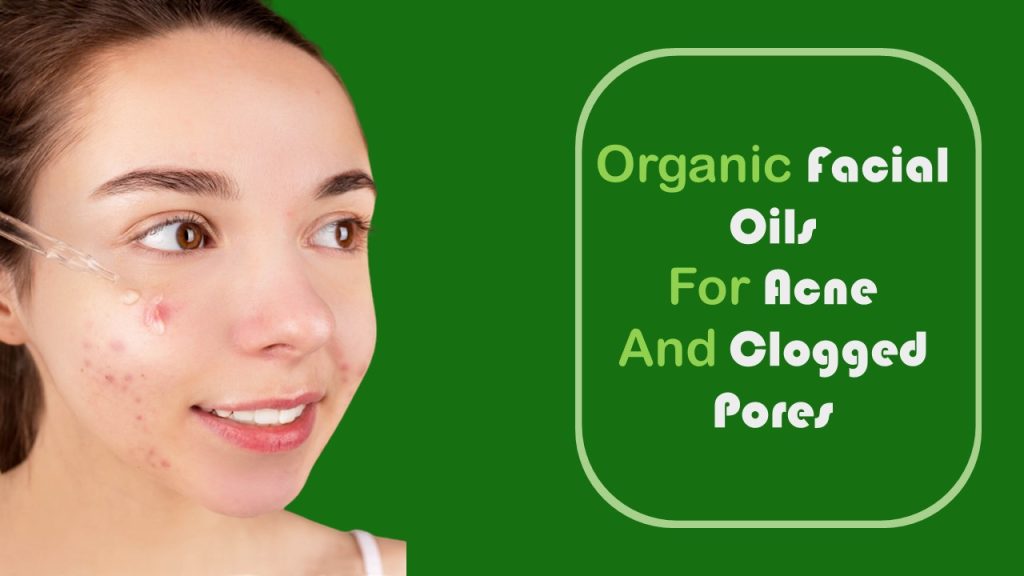
Organic Facial Oils For Acne And Clogged Pores

We all use serums, moisturizers, and cleansers to improve the health and appearance of our skin. But many people still need to understand the uses and advantages of facial oils. Either the people are unaware of its benefits or just simply don’t know how to use it. Here we are going to answer some common problems and queries people face while using facial oils in relation to acne, clogged pores, and breakouts. So, the most common question that we came across is:

Can facial oils cause acne or clog pores?

The answer to that question is yes. Facial oils can cause acne or clog pores. While facial oils can provide hydration and nourishment to the skin, certain oils have a high comedogenic rating, which means they tend to clog pores and cause breakouts.

Thus, you must choose from non-comedogenic oils and use them in small amounts, especially if you have oily or acne-prone skin. Also, it’s also essential to properly cleanse your skin to prevent any buildup of oils or dirt that can contribute to clogged pores and breakouts. If you’re unsure about which oils to use for your skin type, it’s best to consult with a dermatologist or skincare professional. 

And that makes you wonder, what comedogenicity exactly is.

What is Comedogenicity?

Comedogenicity measures a substance’s likelihood of causing clogged pores. Oils with high comedogenic ratings result from oil and debris within the pores, which further leads to acne. 

If the oils present in your skin are not cleansed properly, they combine with dirt and dead skin cells, leading to clogged pores. They can even become worse, causing breakouts.

So, the first thing to look for in a facial oil is that it should be non-comedogenic. These types of facial oils will least likely cause any clogged pores or acne. These types of facial oils are ideal for those with oily or acne-prone skin, as they provide hydration and nourishment to the skin without exacerbating their skin. 

Here is a list of all non-comedogenic facial oils that are purely organic and extracted from plants:

  1. Jojoba oil
  2. Rosehip oil
  3. Grapeseed oil
  4. Safflower oil
  5. Hemp seed oil
  6. Sunflower oil
  7. Marula oil
  8. Evening primrose oil
  9. Tamanu oil
  10. Pomegranate seed oil
  11. Camellia seed oil
  12. Black cumin seed oil
  13. Baobab oil
  14. Sea buckthorn oil
  15. Chia seed oil

But this topic of discussion is related to clogged pores and acne so we will be sorting out those facial oils which are best for clogged pores and acne. Firstly we will be classifying which types of facial oil cause clogged pores. 

What oils cause clogged pores?

The types of face oils that might cause clogged pores are:

  1. Coconut oil
  2. Cocoa butter
  3. Wheat germ oil
  4. Almond oil
  5. Soybean oil
  6. Linseed oil
  7. Palm oil
  8. Cottonseed oil
  9. Corn oil
  10. Safflower oil

It’s worth mentioning that everyone’s skin is different, and what may cause clogged pores for one person may not necessarily cause them for another. It’s important to pay attention to your own skin’s reactions to different products and ingredients to determine what works best for you.

Also, you can squint through the list of oils you can apply on your face that wouldn’t clog your pores.

What oil can I use on my face that won’t clog my pores?

Several non-comedogenic oils can be used on the face without clogging pores. Some examples of non-comedogenic oils include:

  1. Argan oil
  2. Jojoba oil
  3. Grapeseed oil
  4. Rosehip oil
  5. Hemp seed oil
  6. Sunflower oil
  7. Sweet almond oil
  8. Apricot kernel oil
  9. Evening primrose oil
  10. Avocado oil

These oils are less likely to cause clogged pores and breakouts, but it’s still important to patch-test a small area of your skin before applying them all over your face. Also, be mindful of the quality of the oil you choose, as some oils may be mixed with other ingredients that could potentially clog pores.

Another very frequent question that most of you are concerned about is:

Do face oils “clear” clogged pores?

The answer to this is that face oils alone may not necessarily clear clogged pores. However, using the right type of face oil can help to balance the skin’s natural oil production and provide hydration, which can help to prevent clogged pores in the first place. 

Non-comedogenic oils, such as argan oil, jojoba oil, and grapeseed oil, can be beneficial ingredients for the skin and may help to improve its overall  health and appearance.

It’s also important to note that incorporating other skincare products and practices into your routine, such as using a gentle cleanser and exfoliating regularly, can help to clear clogged pores and prevent breakouts.

A QUICK TIP

If you have persistent issues with clogged pores or acne, it’s a good idea to consult with a dermatologist for personalized advice and treatment recommendations.
Can facial oils cause acne or clog pores?

How can I use face oil without breaking out?

Here is how you can apply a facial oil effectively to your skin:

  1.  Make sure to select an oil that is appropriate for your skin type and doesn’t contain any additional ingredients that could potentially irritate.
  2. Apply to clean skin: Always apply face oil to freshly cleansed skin. This will help to ensure that the oil is properly absorbed and won’t mix with dirt, oil, or makeup on your skin.
  3. Use a small amount: It’s important not to use too much face oil, as this can increase the likelihood of clogged pores. Start with just a few drops and gradually increase the amount as needed.
  4. Don’t apply too frequently: You don’t need to apply face oil every day or multiple times a day. For most people, using face oil 2-3 times a week is sufficient.
  5. Give it time to absorb: Allow the oil to fully absorb into the skin before applying any other products, such as moisturizer or sunscreen.
  6. Patch test: Before using a new face oil, do a patch test on a small area of your skin to make sure you don’t have an allergic reaction or sensitivity to the oil.

Does rosehip oil clog pores?

Rosehip oil is considered to be non-comedogenic, meaning it is less likely to clog pores compared to other oils that have a higher comedogenic rating. Rosehip oil is rich in vitamins A and C, antioxidants, and essential fatty acids, which makes it a popular ingredient in skincare products.

While rosehip oil is generally safe for most skin types, it’s important to note that everyone’s skin is different and may react differently to certain ingredients.

If you have particularly sensitive or acne-prone skin, it’s always a good idea to patch-test new products and introduce them slowly into your skincare routine to see how your skin reacts.

It’s also worth noting that while rosehip oil may not clog pores, other ingredients in a skincare product may contribute to clogged pores and breakouts. 

A QUICK TIP

It’s important to choose products that are formulated for your skin type and to avoid any ingredients that you know may cause irritation or breakouts.

Now that we have covered a lot of queries regarding clogged pores and breakouts, it’s time that we should discuss some common queries and concerns regarding acne. 

What oils should you avoid for acne?

If you have acne-prone skin, it’s important to choose facial oils that won’t clog pores or exacerbate breakouts. Here are some oils that are generally best avoided if you have acne:

  1. Coconut oil – This oil is highly comedogenic, meaning it’s likely to clog pores and cause breakouts for some people.
  2. Wheat germ oil – While it’s a rich source of vitamins and antioxidants, wheat germ oil is also highly comedogenic and can cause breakouts.
  3. Almond oil – While almond oil is generally safe for most skin types, it can be problematic for acne-prone skin due to its high levels of oleic acid, which can clog pores.
  4. Olive oil – Like almond oil, olive oil is high in oleic acid and can be comedogenic for some people.
  5. Soybean oil – This oil is also high in oleic acid and may cause breakouts for some individuals.

Do oils make acne worse?

It depends on the type of oil and how it’s used. Some oils can be beneficial for acne-prone skin, while others may exacerbate breakouts. Here are some things to keep in mind when using oils for acne:

  1. Comedogenic rating: Oils that have a high comedogenic rating may clog pores and make acne worse. It’s important to choose oils with a low or non-comedogenic rating, such as jojoba oil, argan oil, or rosehip oil.
  2. Skin type: Everyone’s skin is different, and some people may be more prone to breakouts than others. It’s important to choose oils that are formulated for your skin type and needs.
  3. Method of application: Using oils in excess or not properly removing them from the skin can contribute to clogged pores and breakouts. It’s important to use oils in moderation and to properly cleanse the skin to avoid buildup.
  4. Other ingredients: Oils used in combination with other acne-fighting ingredients, such as salicylic acid or benzoyl peroxide, can be effective for treating acne. However, some oils may not work well with certain ingredients and could exacerbate breakouts.

In summary, oils can either help or worsen acne depending on the type of oil, skin type, method of application, and other ingredients.

Conclusion

So, these were some common misconceptions and queries answered in this post. The important tips that you must be aware of while using facial oils are:

  • Use at night: It’s best to use facial oils at night as they can take longer to absorb into the skin, which can interfere with the application of makeup during the day.
  • Don’t mix with other products: Avoid mixing facial oils with other skincare products, as this can reduce their effectiveness.
  • Be mindful of your skin type: Different facial oils are better suited for different skin types. Make sure to choose an oil that’s appropriate for your skin type, whether it’s oily, dry, or a combination.
  • Store properly: Facial oils should be stored in a cool, dry place and away from direct sunlight to prevent them from going rancid.

We hope this post was helpful in finding out all you need to know about facial oils as far as your acne, clogged pores, and breakouts are concerned. Give us your feedback in the comments!

Organic Facial Oils For Acne And Clogged Pores Read More »

Shopping Cart
Scroll to Top
0