skin

Refreshed hero image for: Organic Skin Care For Acne Prone Skin Guide

Organic Skin Care For Acne Prone Skin Guide

Organic Skin Care for Acne-Prone Skin: 2026 Guide

Written by Clelia Gakshteyn

Organic skin care can visibly reduce acne by targeting clogged pores, excess sebum, and surface bacteria — without harsh synthetic chemicals that disrupt your skin barrier. The most effective organic ingredients for acne-prone skin include willow bark extract, tea tree oil, niacinamide, and probiotic cultures. A consistent, gentle routine — cleanse, treat, moisturize, protect — is the foundation of clearer-looking skin.

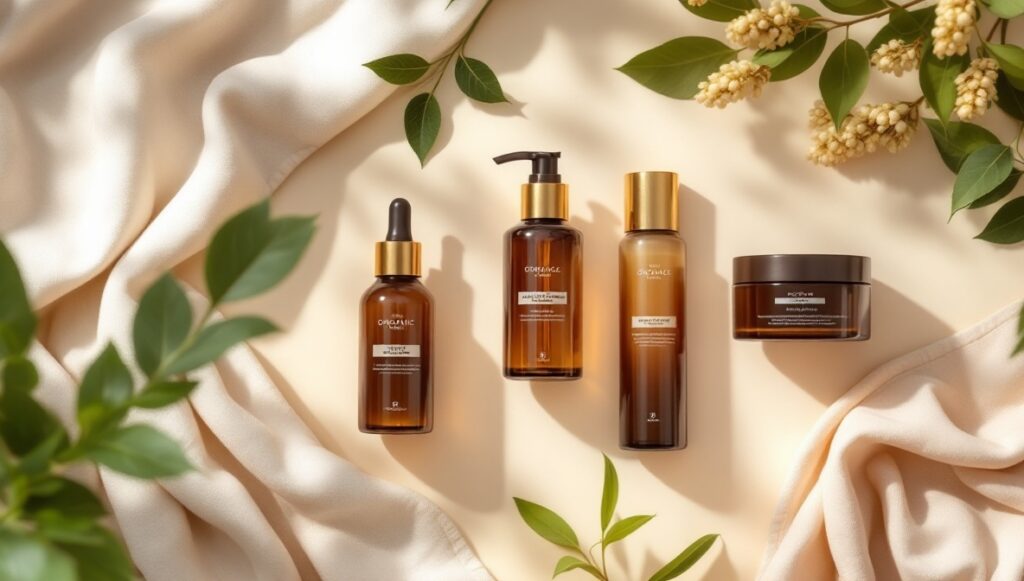
Premium organic skincare products for acne-prone skin on a marble countertop with natural elements.

What Actually Causes Acne? (The Short Version)

Acne is caused by excess sebum and dead skin cells forming a plug in pores, leading to bacterial growth and inflammation. It affects up to 85% of individuals aged 12 to 24.

Acne starts deep inside your pores. When excess sebum (your skin’s natural oil) mixes with dead skin cells, it forms a plug — called a comedone. That plugged pore becomes the perfect environment for Cutibacterium acnes (formerly Propionibacterium acnes) bacteria to multiply.

Your immune system responds to that bacterial overgrowth with inflammation. The result? Redness, swelling, and the breakouts you know all too well. Acne affects up to 85% of people between ages 12 and 24, but adult acne — especially in women — is increasingly common (Tan & Bhate, 2015, British Journal of Dermatology).

Understanding this process matters because it tells you exactly what your skincare routine needs to do: control oil, clear dead cells, and keep bacteria in check — all without wrecking your skin barrier in the process.

Types of Acne: Know What You’re Dealing With

Not all breakouts are the same. Identifying your acne type helps you choose the right organic ingredients.

  • Blackheads (open comedones) — Pores clogged with oxidized sebum. Appear dark on the surface.
  • Whiteheads (closed comedones) — Pores sealed with a thin layer of skin. Appear as small white bumps.
  • Papules — Small, raised red bumps caused by inflammation. No visible pus.
  • Pustules — Like papules, but with a white or yellow center filled with pus.
  • Nodules and cysts — Deep, painful lesions. These are severe and often need professional treatment. If you have cystic acne, please consult a dermatologist alongside any skincare routine.
⚠️ A note on severe acne: Organic skincare works best for mild to moderate acne (blackheads, whiteheads, papules, and pustules). If you have nodular or cystic acne, please see a board-certified dermatologist. Organic routines can complement — but should not replace — professional medical treatment for severe cases.

Why Choose Organic Skin Care for Acne-Prone Skin?

Organic skin care is preferred for acne-prone skin because it avoids harsh chemicals like benzoyl peroxide, which can cause dryness and trigger more breakouts. Organic products work in harmony with the skin’s biology.

Conventional acne treatments often rely on benzoyl peroxide, synthetic retinoids, or harsh sulfate cleansers. These can be effective — but they frequently cause dryness, peeling, and barrier disruption that triggers more oil production and more breakouts. It’s a frustrating cycle.

Organic formulas take a gentler approach. They work with your skin’s biology rather than against it. Many plant-derived ingredients have genuine peer-reviewed evidence behind them — they’re not just “natural” for the sake of it.

There’s also the ingredient transparency factor. Certified organic products are formulated without synthetic fragrances, parabens, or pore-clogging silicones — all of which can aggravate sensitive, breakout-prone skin.

Close-up of willow bark extract, an organic ingredient for acne-prone skin.

The Best Organic Ingredients for Acne-Prone Skin

Willow Bark Extract is a key organic ingredient for acne-prone skin, as it contains salicin that converts to salicylic acid, effectively exfoliating pores without the harshness of synthetic alternatives.

Here’s what the science actually supports. These are the ingredients worth looking for on your labels.

Willow Bark Extract — Nature’s Salicylic Acid

Willow bark contains salicin, which converts to salicylic acid on the skin. It helps exfoliate inside the pore, loosening the dead skin and sebum that cause congestion. It’s gentler than synthetic salicylic acid, making it a good fit for sensitive acne-prone skin.

Quotable Fact: Salicylic acid (the active derived from willow bark) reduces non-inflammatory and inflammatory acne lesions by visibly clearing pore congestion, with effects observed within 4 weeks of consistent use, according to Seidler & Kimball (2010, Journal of Clinical and Aesthetic Dermatology).

Tea Tree Oil — The Antimicrobial Workhorse

Tea tree oil (Melaleuca alternifolia) is one of the most studied plant-based ingredients for acne. Its antimicrobial properties help minimize the look of blemishes by targeting surface bacteria. It works more slowly than benzoyl peroxide but with significantly less dryness and irritation.

A landmark study found that 5% tea tree oil gel was comparable to 5% benzoyl peroxide in reducing acne lesions, with fewer side effects (Bassett et al. 1990, Medical Journal of Australia). Always dilute tea tree oil before applying it directly to skin — undiluted essential oils can cause irritation.

Niacinamide (Vitamin B3) — The Multi-Tasker

Niacinamide is a water-soluble vitamin that does several things acne-prone skin needs at once. It helps visibly reduce the appearance of pores, regulate sebum production, and fade post-acne dark spots.

Quotable Fact: Niacinamide at 5% concentration visibly reduces hyperpigmentation by up to 35% over 8 weeks, according to Bissett et al. (2005, Journal of Cosmetic Dermatology).

Probiotic Cultures — Your Skin’s Microbiome Support

Probiotic-infused formulas are one of the most exciting developments in organic acne care. Research shows that an imbalanced skin microbiome contributes to acne severity. Topical probiotics help restore that balance, visibly calming redness and reducing breakout frequency.

Kober & Bowe (2015, International Journal of Women’s Dermatology) found that topical and oral probiotics show promise in helping reduce the appearance of acne lesions by supporting a healthier skin microbiome environment.

Other Organic Ingredients Worth Knowing

  • Zinc oxide — Helps visibly calm redness and supports a healthy-looking complexion. Also provides broad-spectrum SPF protection.
  • Green tea extract (EGCG) — Green tea polyphenols help minimize the look of inflammation and sebum-related congestion (Kim et al. 2006, International Journal of Dermatology).
  • Rosehip seed oil — Non-comedogenic and rich in linoleic acid, which is often deficient in acne-prone skin. Helps visibly fade post-acne marks.
  • Aloe vera — Soothes the look of irritated skin and provides lightweight hydration without clogging pores.
  • Chamomile extract — Helps visibly calm reactive, sensitive skin that’s prone to redness alongside breakouts.
Person applying tea tree oil for acne treatment in a bright bathroom setting.

Organic Ingredients to Avoid If You’re Acne-Prone

Avoid highly comedogenic natural ingredients like coconut oil and cocoa butter, which can clog pores and worsen acne. Instead, opt for low-comedogenic alternatives like jojoba oil and aloe vera gel.

Not every “natural” ingredient is acne-friendly. Some plant-based oils are highly comedogenic — meaning they can clog pores and trigger breakouts. Watch out for these on ingredient labels:

Avoid (High Comedogenic Rating) Use Instead (Low Comedogenic Rating)
Coconut oil Jojoba oil
Cocoa butter Rosehip seed oil
Wheat germ oil Squalane
Flaxseed oil Hemp seed oil
Shea butter (in heavy concentrations) Aloe vera gel

Also avoid products with synthetic fragrances, even in “natural” formulas. Fragrance is one of the most common causes of contact dermatitis and can worsen skin sensitivity in acne-prone skin.

Your Step-by-Step Organic Acne Skin Care Routine

A consistent organic skincare routine is crucial for acne-prone skin. Start with a low-pH, sulfate-free cleanser to effectively remove excess oil and impurities without damaging the skin barrier.

A consistent routine is more important than any single product. Here’s a simple, effective framework built around organic ingredients.

Step 1: Cleanse (Morning & Evening)

Your cleanser sets the tone for everything that follows. You want something that removes excess oil and impurities without stripping your skin barrier. Look for a low-pH, sulfate-free formula.

For acne-prone skin that’s also sensitive or reactive, the Eminence Organic Calm Skin Chamomile Cleanser – 8.4 fl. oz. uses sunflower and calendula oils to gently remove impurities while visibly reducing irritation — a great option when your skin is feeling reactive alongside breakouts.

If your primary concern is pore congestion and active breakouts, a probiotic-based cleanser is worth trying. The Eminence Organics Clear Skin Probiotic Cleanser – 8.4 fl. oz helps purify pores and support your skin’s microbiome balance — without the over-drying effect of harsh acne cleansers.

💡 Pro tip: Wash your face for a full 60 seconds. Most people rinse off cleanser in under 20 seconds — not long enough for active ingredients to do their job. Set a timer once and you’ll be surprised.

Step 2: Treat (Evening, or AM + PM for active breakouts)

This is where your targeted organic ingredients go to work. Apply your treatment product to clean, slightly damp skin for better absorption.

  • For active blemishes: A diluted tea tree oil spot treatment or a willow bark serum helps visibly reduce the look of individual breakouts.
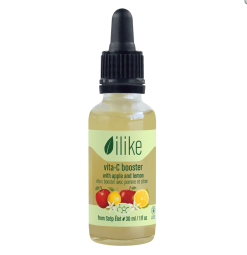
  • For post-acne dark spots: A niacinamide serum or a vitamin C booster helps visibly even out skin tone over time. If you want to supercharge your moisturizer with brightening botanicals, the Eminence Organics Skin Care Superfood Booster-Powder – 0.35 oz blends botanical Vitamin C, K, and B3 to help visibly reduce the appearance of dark spots left behind by breakouts.
  • For overall congestion: A gentle exfoliating toner with willow bark or lactic acid 2–3 times per week helps keep pores clear without over-stripping.
[VIDEO_EMBED: How to build an organic skincare routine for acne-prone skin — step-by-step tutorial]

Step 3: Moisturize (Morning & Evening)

This step is non-negotiable — even if your skin feels oily. Skipping moisturizer signals your skin to produce more sebum, which worsens congestion. Choose a lightweight, non-comedogenic formula.

Look for these skin-friendly ingredients in your moisturizer:

  • Squalane — Mimics your skin’s natural sebum, helping to balance oil production
  • Hyaluronic acid — Provides hydration without adding oil
  • Aloe vera — Soothes the look of redness and irritation
  • Niacinamide — Helps visibly minimize pores and regulate sebum

Step 4: SPF (Every Morning, No Exceptions)

Sun exposure worsens post-acne hyperpigmentation — those dark marks left behind after a breakout heals. Daily SPF is one of the most effective things you can do to prevent them from deepening.

Daily SPF 30 use prevents approximately 24% of visible signs of aging, according to Hughes et al. (2013, Annals of Internal Medicine). For acne-prone skin, choose a mineral SPF with zinc oxide — it’s non-comedogenic and provides broad-spectrum protection without synthetic chemical filters that can irritate sensitive skin.

best organic SPF for acne-prone skin

Lifestyle Factors That Affect Acne-Prone Skin

Lifestyle factors, particularly diet, significantly affect acne. High-glycemic foods can increase insulin levels and sebum production, so reducing these foods may help lower acne lesions.

Your skincare routine matters — but it doesn’t exist in a vacuum. These lifestyle factors have real, research-backed effects on acne.

Diet and Acne

The connection between diet and acne is stronger than once thought. High-glycemic foods (white bread, sugary drinks, processed snacks) spike insulin levels, which in turn increases sebum production.

Quotable Fact: Dietary modifications — including reducing high-glycemic foods and dairy — may help visibly reduce acne lesion counts alongside a consistent skincare routine, according to Kucharska et al. (2016, Postepy Dermatologii i Alergologii).

Dairy is another common trigger for some people, though the research is mixed. If you notice breakouts correlating with dairy consumption, it’s worth an elimination trial. Keeping a simple food-and-skin diary for 4 weeks can reveal patterns you’d otherwise miss.

Stress and Acne

Stress triggers the release of cortisol, which stimulates your sebaceous glands to produce more oil. This is why breakouts often appear before big events — your skin is literally responding to your stress hormones.

Stress management isn’t just good for your mental health — it’s good for your skin. Even 10 minutes of daily mindfulness or light exercise can help visibly reduce stress-related breakouts over time.

Your Pillowcase and Phone Screen

These are two of the most overlooked acne triggers. Your pillowcase accumulates oil, dead skin cells, and bacteria every night. Change your pillowcase every 2–3 days if you’re prone to breakouts. Your phone screen is similarly bacteria-laden — clean it daily and avoid pressing it directly against your cheek.

how to build a clean beauty routine for sensitive skin

Tailoring Your Organic Routine to Your Skin Type

Tailor your organic skincare routine to your specific skin type. For oily skin, use willow bark and niacinamide; for dry skin, opt for squalane and aloe vera; and for combination skin, consider niacinamide and jojoba oil.

Acne-prone skin isn’t one-size-fits-all. Your skin type changes which products and ingredients will work best for you.

Skin Type Key Concerns Best Organic Ingredients
Oily + Acne-Prone Excess sebum, enlarged pores, blackheads Willow bark, niacinamide, green tea, clay
Dry + Acne-Prone Tight, flaky skin with occasional breakouts Squalane, aloe vera, hyaluronic acid, lactic acid
Combination + Acne-Prone Oily T-zone, dry cheeks, mixed breakouts Niacinamide, jojoba oil, probiotic cultures
Sensitive + Acne-Prone Redness, reactive skin, hormonal breakouts Chamomile, centella asiatica, zinc, aloe vera
Infographic of the step-by-step organic skincare routine for acne-prone skin.

What to Expect: A Realistic Timeline

Expect a gradual improvement with organic skincare: initial purging in weeks 1-2, smoother texture by weeks 3-4, and visible reduction in blemishes by weeks 5-8, especially with niacinamide or vitamin C.

Organic skincare works — but it works on a biological timeline, not an overnight one. Here’s what a realistic progression looks like:

  • Weeks 1–2: Your skin may purge slightly as exfoliating ingredients bring congestion to the surface. This is normal and temporary.
  • Weeks 3–4: Skin texture begins to visibly smooth. New breakouts may start to appear less frequently.
  • Weeks 5–8: Visible reduction in active blemishes. Post-acne marks begin to fade with consistent niacinamide or vitamin C use.
  • Weeks 8–12: Skin tone appears more even. Pores look visibly smaller with consistent willow bark or niacinamide use.
💡 Patience is the most underrated skincare ingredient. Give any new organic routine at least 6–8 weeks before deciding if it’s working. Changing products too frequently prevents you from ever knowing what’s actually helping.
organic ingredients for post-acne hyperpigmentation

Build Your Organic Acne Routine

To build your organic acne routine, consider products like Eminence Organics Clear Skin Probiotic Cleanser and Calm Skin Chamomile Cleanser, which are designed to support acne-prone skin.

Eminence Organics Skin Care Superfood Booster-Powder - 0.35 oz

Eminence Organics Skin Care Superfood Booster-Powder – 0.35 oz by OpenWPAgent

$60.00

Eminence Organics Clear Skin Probiotic Cleanser - 8.4 fl. oz

Eminence Organics Clear Skin Probiotic Cleanser – 8.4 fl. oz by OpenWPAgent

$48.00

Eminence Organic Calm Skin Chamomile Cleanser – 8.4 fl. oz.

Eminence Organic Calm Skin Chamomile Cleanser – 8.4 fl. oz. by OpenWPAgent

$42.00

Frequently Asked Questions

Yes, organic skincare can effectively help acne-prone skin. Ingredients like tea tree oil and niacinamide have scientific backing for reducing blemishes without the harsh side effects of conventional treatments.

Can organic skin care really help acne-prone skin?

Yes. Several plant-derived ingredients — including tea tree oil, niacinamide, and willow bark extract — have peer-reviewed evidence supporting their ability to visibly reduce blemishes and help minimize pore congestion without the harsh side effects of some conventional acne treatments.

What is the best organic cleanser for acne-prone skin?

Look for a low-pH, sulfate-free cleanser with probiotic cultures, willow bark, or tea tree oil. These ingredients help purify pores without stripping your skin barrier — which is key, because an over-stripped barrier triggers more oil production and more breakouts.

Is moisturizer necessary for acne-prone skin?

Absolutely. Skipping moisturizer can make acne worse. When your skin is dehydrated, it overproduces sebum to compensate. A lightweight, non-comedogenic moisturizer with ingredients like squalane or aloe vera helps balance oil production and supports your skin barrier.

Which organic ingredients should I avoid if I have acne-prone skin?

Avoid heavy, pore-clogging oils like coconut oil, cocoa butter, and wheat germ oil. These score high on the comedogenic scale and can worsen breakouts. Stick to non-comedogenic oils like rosehip, jojoba, and squalane instead.

How long does it take for an organic acne routine to work?

Most people see a visible improvement in skin texture and blemish frequency within 4–8 weeks of consistent use. Because organic formulas tend to work more

Organic Skin Care For Acne Prone Skin Guide Read More »

Refreshed hero image for: A Science-Backed Organic Anti-Aging Skin Care That Dermatologists Swear By

A Science-Backed Organic Anti-Aging Skin Care That Dermatologists Swear By
Worried about age spots, sagging face with wrinkles, fragile, dry, and dull-looking skin? Your skin is the largest organ of your body and needs special care. Unfortunately, skincare is the most overlooked aspect of health. For more youthful and plump skin, you need a sound age-defying skin care. 

Get along as we craft for you the best organic anti-aging skin care – all science backed!

What happens to the skin as you age

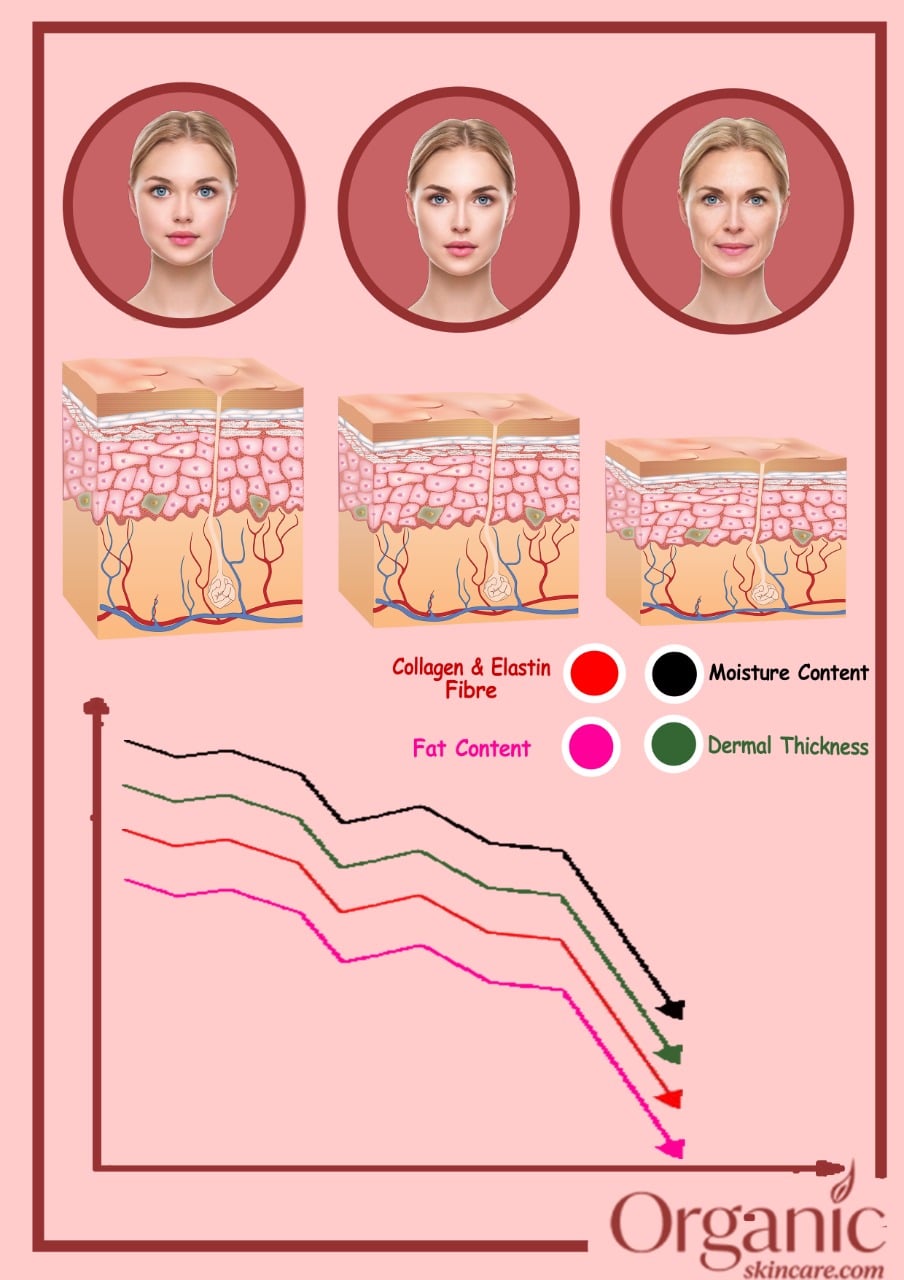
Skin thickness, total fat, and moisture content of your skin reduce; as you age. The collagen and elastin turnover decreases too. That, in turn, causes the skin to lose its elasticity. Therefore, your skin may look dry, less plump, and sags.

As we age, our skin undergoes a number of changes. The most visible sign of aging is often the appearance of fine lines and wrinkles. While it’s natural to experience some level of skin aging, there are steps we can take to help keep our skin looking healthy and youthful. One important step is using organic skin care products. Read on to learn more about the benefits of organic skin care for aging skin.

Some Quick Links:

  1. Best Anti-Aging Products 
  2. Anti-Aging Facial Oils 
  3. Watch a Video
what happens as we age; the best organic anti aging skin care

How to prevent aging skin in the 30s

At this stage, your skin only needs prevention. So, you do not need specific anti-aging treatments. The skin care you do now will reward you in the future.

Always use sunscreen outdoors. Use sunscreen with an SPF of at least 30.

Ingredients to prevent aging skin in your 30s

Following are the ingredients recommended to prevent aging skin:

Glycolic Acid

Glycolic acid peels are chemical exfoliators. They are alpha-hydroxy acid and come from sugar cane.
Studies show glycolic acid to improve collagen synthesis, contributing to skin elasticity. Owing to its small molecular size, it penetrates deeper into your skin to give maximum benefits.

Use glycolic acid as an exfoliator twice weekly or as tolerated. Also, avoid glycolic acid if your skin is very dry or sensitive. However, you can use it with oily, combination, or normal skin.

Shop for Products With Glycolic Acid here!

Niacinamide or B3

Topical niacinamide improves skin texture, redness and fades age spots. Thus, use topical niacinamide for the best organic anti-aging skin care. 

You can use it in the form of a serum. Apply a few drops after cleansing and toning your skin. Also, use it before moisturizers so that they absorb well.

Shop for Niacinamide Serum here!

how to tighten under-eye skin

Vitamin C

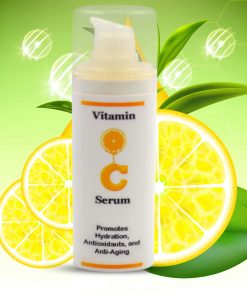
Vitamin C can be used as a serum too. Vitamin C protects your skin against oxidants. Also, it reduces associated skin pigmentation.

Shop for Vitamin C serum here!

Vitamin C Serum; the best organic anti-aging skin care

How to prevent aging skin in the 40s

At this stage, the collagen level of your skin starts to decline. Moreover, cellular turnover may begin to reduce as well. Therefore, it is wise to opt for the best organic anti-aging skin care.

Use anti-oxidants to combat free-radicals induced damage.

Ingredients to prevent aging skin in your 40s

Salicylic Acid

Salicylic acid is a beta hydroxy acid. It is well known for its exfoliating properties. That explains its use in acne skin care regimens. But, clinical studies suggest the role of salicylic acid as an anti-aging ingredient as well. The use of 1% Salicylic acid:

  • Removes dead skin cells
  • Stimulates collagen and fibrillin layout
  • Reduces wrinkles depth

But, some people develop irritation with the use of salicylic acid. However, SA, when diluted with sodium hydroxide, yields similar results. That too without irritating skin in most of the people.

How To Use Salicylic acid?

You can use SA with the best organic anti-aging skin care products. These may include; serums or even cleansers.

Since salicylic acid is keratolytic. That is, it dissolves dead skin cells. Thus, it may cause your skin to be more sensitive to the effects of sunlight. So it is wise to use sunscreen with an SPF of at least 30 alongside. 

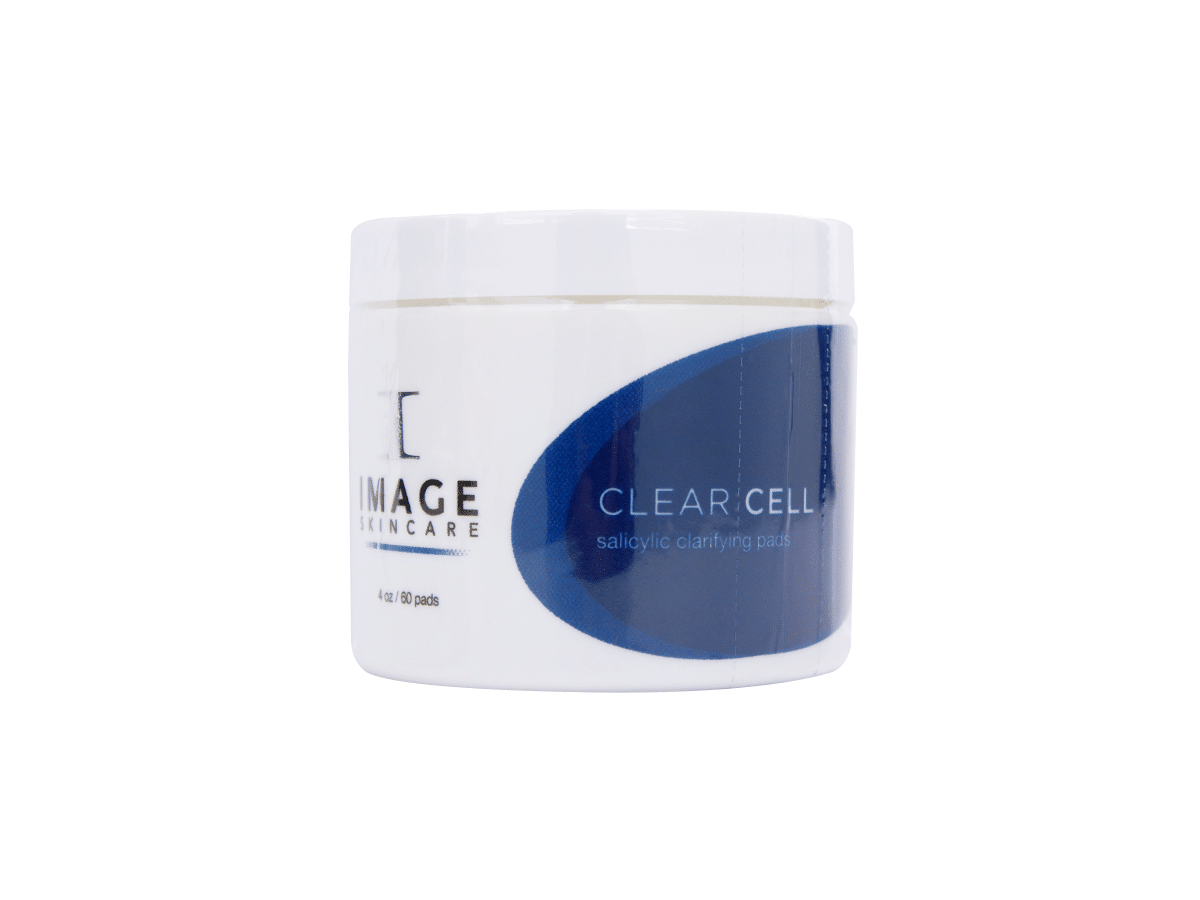
You can try Salicylic Acid Clarifying Pads as cleansers. They are the easiest ones to use on the planet.

the best organic anti-aging skin care; salicylic acid pads

Retinoids and Retinol

Are Retinoids And Retinol Same?

Retinoid and retinol are both derived from vitamin A. But, what is the difference between retinoids and retinol? Both of them are almost the same. However, they do differ in their potency. 

Retinols are a milder form of retinoids. On the other hand, retinoids are prescription medications. 

Both of them have a variety of implications in skin care. They accelerate cell growth. Also, the turnover of collagen and elastin enhances. 

Retinoids and retinol also treat sunlight-induced damage to your skin. Prolonged sunlight exposure damages skin in the following ways:

  • Initial skin thickening
  • Skin thinning due to chronic damage
  • Further exposure causes pigmentation and a loss of skin elasticity. 

So if you are looking for anti-aging skin care, retinol may seem promising. 

How to use it?

Use it at night; once you have cleansed your face. Next, moisturize your face. Do not forget your sunscreen in the daytime. 

You can use the best organic anti-aging skin care retinol creams available OTC. 

Potent Anti-Oxidant Serums For Aging Skin

The use of antioxidant serums will counter oxidative stress.

Shop for an organic antioxidant serum for aging skin here!

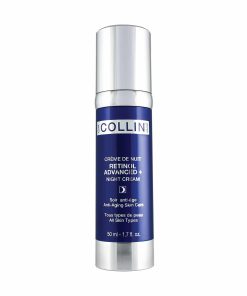
GM Collin Retinol Advanced Night Cream

Best Facial Oils for Aging Skin

Seabuckthorn Oil holds a special place in traditional medicine. 

Seabuckthorn oil prevents UVB-induced photoaging. It promotes collagen layout and reduces inflammatory markers, such as interleukins. That is how it prevents and treats skin aging.

Coconut oil has a wide variety of proven benefits. These include:

  • Locks skin moisture to soothe skin
  • Anticancer agent
  • Effective against Microbes
  • Potent anti-inflammatory ingredient
  • Mild analgesic properties

Rosehip oil “Rosehip oil has been shown to have high levels of vitamin A, lycopene, and beta-carotene, making it a good option for antiaging concerns,” says Dr. Shirazi. It can reduce the appearance of scars, fight inflammation and hyperpigmentation, and increase skin elasticity—all of which start to become more prevalent as we get older.

Argan oil nourishes skin with essential fatty acids like omega 3, 6, and 9, which strengthen the tissues in your skin and help to combat fine lines and wrinkles.

Olive oil is thought to be hydrating, as it contains squalene which helps to keep the skin moisturized and smooth,” says Dr. Garshick. “Olive oil can also help with antiaging as it serves as an antioxidant to help fight free-radical damage.” That said, he notes that as with all oils, it’s best used in moderation if you don’t want to run the risk of clogging your pores.

Avocdo oil According to researchavocado oil is “an excellent source of enrichment for dry, damaged, or chapped skin.” The same study found that the oleic acid in avocado oil helps to increase collagen synthesis, which helps your body grow new, healthy skin cells and leads to a stronger skin barrier and fewer fine lines and wrinkles. The ingredient has also got its fair share of healthy fats, which help to strengthen your skin’s lipid layer.

Almond oil According to researchavocado oil is “an excellent source of enrichment for dry, damaged, or chapped skin.” The same study found that the oleic acid in avocado oil helps to increase collagen synthesis, which helps your body grow new, healthy skin cells and leads to a stronger skin barrier and fewer fine lines and wrinkles. The ingredient has also got its fair share of healthy fats, which help to strengthen your skin’s lipid layer.

Rose oil maintains skin hydration. It also helps to regenerate skin cells and improve cell membrane functions. 

Lavender oil improves blood flow to your skin. That leads to enhanced skin elasticity.

Sandalwood oil suppresses inflammation in the skin cells. Besides, it restores moisture. That explains the role of sandalwood oil as one of the best organic anti-aging skin care ingredients.

Clary Sage oil prevents proteins and DNA from free radicals. Free radicals augment signs of aging. 

Other face oils to use for the best organic anti-aging skin care include:

Anti-aging eye cream

The skin surrounding the eyes is thinner than the rest of the face. Thus this delicate part is most prone to wrinkles. Studies prove that anti-aging eye cream reduces wrinkle depth. They can restore overall smoothness. So, it is imperative to add an eye cream to your aging skin care routine. 

For effective eye cream, look for the ingredients such as;

Niacinamide, peptides, carnosine, and anti-oxidants

Always use SPF 30 in the daytime alongside.

Read here to know about top tips for younger-looking eyes!

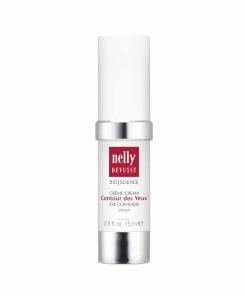
Nelly De Vuyst Eye Contour is an incredible product for anti-aging eye care. The key ingredients include Salmon DNA and allantoin.

A study suggests that salmon DNA promotes hyaluronic acid formation in the skin. That results in reduced moisture loss from the skin; and improves skin elasticity remarkably. 

Allantoin is a chemical found in humans and animals, also extracted from a shrub called comfrey. A study suggests that allantoin improves skin irritation. Thus, if your skin is irritated with skin care treatment and products, allantoin may help. Allantoin improves skin texture by promoting collagen layout. It reduces the appearance of wrinkles and fine lines. 

the best organic anti-aging skin care

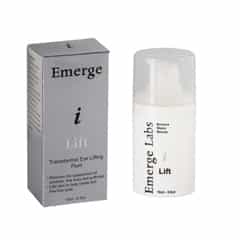
You can also use Ilift Eye-Wrinkle Serum for fighting wrinkles around the eyes. It is a unique blend of organic extracts, bio-peptides, and hyaluronic acid. Thus, the combo is incredible for wrinkles, fine lines and gives a perfect moisturizing lift. All in one solution for your anti-aging eye care need in one place.

iLift Eye Wrinkle Serum

Furthermore, can continue with the ingredients mentioned under how to prevent; aging skin in the 20s. Remember what you feed your skin at this stage will pay you in the long run.

How to prevent aging skin in the 40s

Skin further sags, and wrinkles predominate. Moreover, the skin may be dry and dull-looking. At this stage, use the best organic anti-aging skin care, along with skin tightening devices.

Microdermabrasion

Microdermabrasion is a non-invasive cosmetic procedure. It involves the process of exfoliation that removes the outermost layer of skin. That is how it makes the skin more even in tone and texture. Also, it reduces the appearance of fine lines and wrinkles.

Facial massage

Facial massage is a technique that involves stimulating pressure points on your face and neck. You can do facial massages on your own or via a practitioner. The idea is to rejuvenate healthier skin by relaxing the muscles of your face. Also, massage improves blood flow to your skin, promoting happier skin.

Radiofrequency

Radiofrequency is a non-invasive procedure that targets the deeper layer of your skin. It involves heating your dermis with energy waves. With this method, the idea is to stimulate collagen production in your skin.

That is how you can reclaim a more youthful skin in your 40 and 50.

Continue with the use of ingredients mentioned above. Along with them, the use of hyaluronic acid is promising at this point.

A Few Words About Hyaluronic Acid

A younger skin retains moisture. That is a prime factor to differentiate it from older skin. Thus, the younger the skin is, the more pliable it is. Stress, radiations, injury, aging all contribute to moisture loss. Thus, nature has blessed our skin with hyaluronic acid.

Hyaluronic acid has a unique property of moisture retention. However, aging can cause lower levels of hyaluronic acid too. Thus it is wise to add hyaluronic acid to your skin care regimen. It can improve dry skin, making it firmer, and reduce the appearance of fine lines.

Read here to explore all the effects of hyaluronic acid on your skin.

Shop for hyaluronic acid serum here!

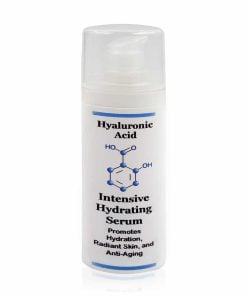
Hyaluronic Acid Intensive Hydrating Facial Serum

How to prevent aging skin in the 50s and beyond

The skin at this point may become visibly loosened and stretched. Also, blood vessels become prominent, as do wrinkles. Age spots and pigmentation are visible too.

Now, this is the time to limit the use of anti-aging skin care products. Otherwise, they may further irritate your skin.

Anti-aging essentials to use at this point include;

  • Eye care cream
  • Serum
  • Face oils

Simple Anti-Aging Skin Care Routine

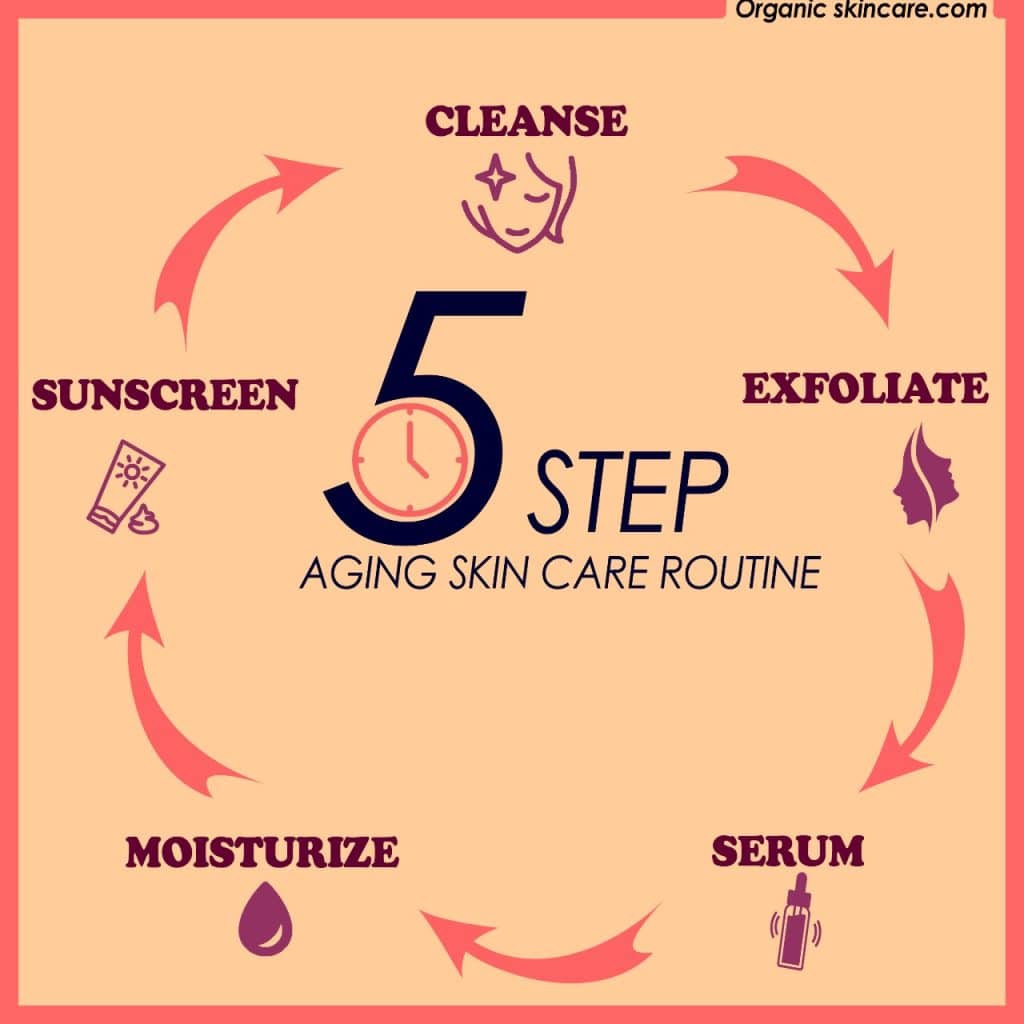
To make the most of the best organic anti-aging skin care, you should follow the correct order of your skin care routine. That allows better penetration of products. Also, some products work better when applied after another.  

5 step anti aging skin care routine; the best organic anti-aging skin care

Step 1: CLEANSING

The first step of simple anti-aging skin care is to cleanse. Use low pH skin cleansers to protect your skin microflora from damage. That is how you can clear away all the dirt and grime and protect your skin’s natural barrier too.

Shop for Best Anti-Aging Facial Cleansers

Step 2: EXFOLIATE

Skin cells renew like other body cells. That is why you need to exfoliate at least twice weekly to get rid of dead skin cells. As a result, newer skin cells will take their place, making your skin look more plump and youthful.

A class of exfoliators called chemical exfoliators; works by inducing inflammatory changes. That, in turn, augments collagen turnover. Well! Isn’t it the holy grail you need for more plump skin?

Chemical exfoliators include alpha-hydroxy acids such as lactic acid and glycolic acid.

Shop for Best Anti-Aging Radiance Exfoliating Products

Step 3: SERUM

Vitamin C serums are potent anti-oxidants that work by promoting collagen layout in your skin. Furthermore, they reduce oxidative stress.

Shop for Best Anti-Aging Serums

Step 4: MOISTURIZATION

As mentioned earlier, aging leaves your skin drier and lustreless. That is, the total water content of the skin declines remarkably. Hence, you need the best organic anti-aging skin care moisturization. That will help you keep your skin hydrated; by preventing water evaporation from your skin.

Shop for Best Anti-Aging Moisturing Creams Products

Step 5: SUNSCREEN

UV rays contribute to aging skin by collagen breakdown. Also, UV damage causes skin thinning. Therefore, the use of quality anti-aging sunscreen is unavoidable. It is a primary step even when it comes to; preventing aging skin in the 20s or treating aged skin later.

You are never too late to start the use of an effective sunscreen. Studies show how a broad-spectrum sunscreen; can reverse aging skin over time.

Shop for Sunscreen Lotion here!

Tips For Aging Skin; What Dermatologists Recommend!

  • Be early to start a sound anti-aging skin care regimen. You may commence anti-aging skin care in your 20s. That way, you can prevent aging skin before it’s too late. 
  • Know what you eat. Add a lot of anti-oxidants to your diet. 
  • Maintain hydration. As you age, your skin loses its ability to retain moisture. 
  • Do not overdo exfoliation.
  • Always look for ingredients that help aging skin and choose anti-aging skin care products.
  • Cleanse before you go to bed. 
  • Use pillowcases that are either satin or silk instead of cotton to prevent sleep lines. Alternatively, you can use special pillows that do not cause sleep lines.
  • Quality sleep heals at the cellular level, your body in general, and your skin in particular. Therefore, you need at least eight hours of sleep; to prevent premature aging of your skin.

Home Remedies For Wrinkles

One way to make the most of organic anti-aging skin care is to try home remedies. All of the following home remedies for wrinkles and aging skin are research-backed and practical to use.

Aloe Vera

Aloe verais a simple organic skin care ingredient; that has numerous effects on the skin. Apply aloe vera gel directly over your skin especially, over under-eye wrinkles. Gently massage for a few minutes, and rinse away with water. 

A surprising study suggests aloe vera extracts to increase the synthesis of collagen and hyaluronic acid by two folds.

Another study proves anti-oxidant, anti-inflammatory, and skin regenerating properties of aloe vera. 

Egg Whites

Egg white reduces skin wrinkles by augmenting collagen synthesis. Take some egg white in a bowl, and give it a mix. Apply over your wrinkles, specifically the under-eye area. Next, wash it with cold water after it completely dies out.

A protective egg membrane is present between eggshell and egg white. This membrane is rich in proteins and bioactive peptides. The study also claims it to be even more promising.

Yogurt Face Scrub

Yogurt and other probiotics restore a lower skin pH. That allows the natural skin barrier to stabilize and the skin microbiome to flourish. Hence, include this simple ingredient for the best organic anti-aging skin care.

Take one-fourth cup of yogurt, and combine it with two tablespoons of gram flour. You can adjust the consistency by adjusting the amount of gram flour. Apply the scrub and let it dry. Rinse away with lukewarm water and pat dry.

Also, you can add some honey to it if you want.

Vitamin C, E, and Raspberry extracts

The aging face is dry, dull, and uneven in tone. Multiple factors such as radiation and oxidants contribute to this process. Therefore, to counter this stress, you need potent anti-oxidants.
Use vitamin C and E as anti-oxidants with effects against pigmented skin as a bonus.

Raspberry extracts have proven benefits to hydrate and revitalize your skin. Hence they specifically fight against wrinkles. That is what makes an aged face smooth and more radiant.

You can make a DIY raspberry face mask. Blend a handful of fresh raspberries in a blender. Add a tablespoon of honey and oatmeal to it and combine. Your raspberry fruit mask is ready to do its magic. Apply over cleansed face and neck for ten minutes and wash it.

Turmeric essential oil

Turmeric is well known to suppress inflammation. It counters oxidative stress and fights against microbes. Furthermore, a study shows that turmeric oil reduces ultraviolet radiation-induced signs of aging.

Turmeric essential oil is a whole medicine for your skin in itself. You can add a few drops of turmeric oil to your face mask and use it. Alternatively, you can use the best organic anti-aging skin care turmeric facial cleansers to serve the purpose.

Physiological changes of aging skin are bound to happen. What you can do is play your part. You cannot completely halt the process. However, with sensible skin care, you can slow the process. Choose ingredients and products that are proven to reduce the signs of aging. Your future self will love you for that. Never skip a broad-spectrum sunscreen. You will enjoy healthier and happier skin for years to come.

A Science-Backed Organic Anti-Aging Skin Care That Dermatologists Swear By Read More »

Refreshed hero image for: 23 Organic Skin Care Face Wash And Cleansers For All Skin Types – How To Choose The Right One For You?

23 Organic Skin Care Face Wash And Cleansers For All Skin Types – How To Choose The Right One For You?

Cleansing is the core of every skincare routine. If you are a skincare minimalist or follow a multistep skin regimen order, face washes and cleansers give you a fresh start! Every step you follow next then yields maximum results. Therefore, it is crucial to opt for the best skin care face wash that works for your skin type.

Come along as we take a deeper dive to know all about skin care face wash and cleansers, according to dermatologists!

Why does a cleanser matter?

The foundational step to a sound skin care regimen is a cleanser. Cleansers help you get rid of dirt and grime from your pores thoroughly and remove any product residue. Thus as you layer your skin, the ingredients are well absorbed, and their effectivity is locked in.

Cleansers work for all skin types. If your skin is dry, cleansers may rip your skin from natural oils. However, hydrating cleansers with ingredients such as hyaluronic acid; retain moisture straight into the epidermis. Oil-based cleansers remove excess oil and sebum. That prevents pores congestion and acne breakouts.

How to work your skin type?

Bare face method

First of all, wash your face with a mild cleanser and gently pat dry. Next, notice your skin for any shine after 30 minutes. Look especially for areas such as the forehead, cheeks, and nose. Reassess after another 30 minutes. If your skin feels grossly dry, you may have dry skin. If it is oily throughout, your skin type may be oily. Likewise, if your skin is oily at the nose and forehead and dries otherwise, you may have combination skin.

Blotting paper method

Alternatively, you may use blotting paper to work your skin type. Pat skin with a blotting paper and look it up in the light. If a lot of oil shows up, you have oily skin, most likely. If oil is revealed only from your T zone, you have combination skin.

Best Face Wash For Oily Skin

GM Collin Puractive Cleansing Foam

Key ingredients:

Salicylic Acid, Niacinamide

Oily skin is due to excessive sebum secretion. Therefore, with oily skin, you need a thorough cleanse.

A cleanser dedicated to oily skin removes excess sebum by 80%. 

Moreover, it purifies your skin deeply, resulting in toned pure; skin. It shrinks open pores by 80% of the skin resulting in a significant decrease in dirt accumulation. 

Key ingredients include salicylic acid, which removes dead skin cells, preventing clogged pores and excessive oil production.

Niacinamideimproves tone, texture and inflammation.

Every morning, dispense a small amount of product on your damp palm and rub to emulsify. After applying this product gently, rinse off with lukewarm water.

Shop here!

Dr. Grandel Purigel

Key ingredients:

Laureth-8 Sulfate, Hydroxyethylcellulose, Magnesium Laureth Sulfate, Magnesium Laureth-8 Sulfate, Sodium Oleth Sulfate, Magnesium Oleth Sulfate, Buteth-3, Sodium Benzotriazolyl Butylphenol Sulfonate

Laureth-8 Sulfate, Hydroxyethylcellulose, Magnesium Laureth Sulfate, Magnesium Laureth-8 Sulfate, Sodium Oleth Sulfate, Magnesium Oleth Sulfate, Buteth-3, Sodium Benzotriazolyl Butylphenol Sulfonate

Apply with slightly moistened hands to face, neck and décolleté in the morning and evening, massage in and wash off again with luke-warm water or a warm, damp wash mitt.

Rinse with lukewarm water, dry, and follow with OligPur Purifying Toning Gel. We Recommend using it every morning and evening.

Shop here!

Biodroga Cleansing Fluid (for impure and oily skin)

Key Ingredients:

Zinc gluconate, Allantoin, Chlorhexidine digluconate

Usage of this will give a thorough cleansing effect. Its antimicrobial formula purifies skin from dirt and microbes without harming the natural protecting skin cover. This product is effective for blemishes-prone skin. As skin pH is slightly acidic, the acid mantle covers the skin and provides protection. Cleansing with this product strengthens the acid mantle of the skin. So that leaves the skin clean and fresh, and radiant.

Shop Here!

Best Face Wash For Glowing Skin

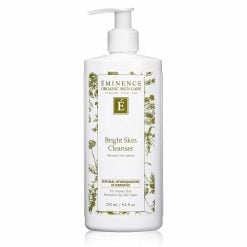
Eminence Bright Skin Cleanser

Key Ingredients:

Bear berries, Gigawhite, Stonecrop

Bearberries is a general term for three different species of shrubs. They contain hydroquinone which is an ingredient known to fade pigmentation patches.

A study suggests that bearberry has some skin bleaching properties. That will allow its use for melanoderma. Therefore, bearberry extracts are a part of skincare cleansers and other products to counter skin pigmentation.

Gigawhite is a blend of seven plant extracts that help skin against pigmentation, including age spots and acne scars.

Eminence Bright Skin Cleanser is a holy-grail organic product to reduce skin pigmentation. Bearberries (natural hydroquinone), Giga white, and stonecrop extracts make this skin care face wash promising for skin brightening.

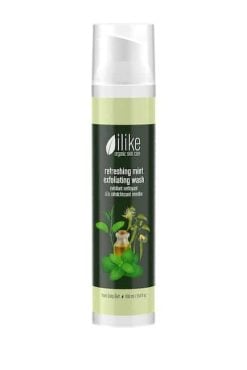
ilike Lemon Cleansing Milk

Key Ingredients:

Lemon Oil, Lemon Balm Oil, Corn Germ Oil, Citric Acid, Phenol Carbonic Acids, Pectins, Vitamins B, C and E

Marine Algae Extracts and some substances derived from them improve skin health. A study from 2008 reveals the following effects of algae extracts on skin:

  • Eliminates impurities.
  • Hydrates.
  • Softens skin.
  • Prepared with fruit, vegetable and herb pulps to preserve the full concentration and potency of ingredients.
  • Can also be used to remove eye make-up.
  • Certified organic ingredients (BDIH, EcoCert partner Biokontroll and EU decree certifictates).

Studies suggest that yeast extracts act on melanocytes. These melanocytes are a group of cells that specialize in producing melanin. Melanin is a pigment responsible for skin protection against ultraviolet light, and importantly, skin darkening. Thus, yeast extracts are now a part of skin care face wash and other products to lighten skin pigmentation.

Furthermore, the application of yeast on skin wounds accelerates healing. 

Free radicals alter the collagen layout of your skin. Thus, they make the signs of aging skin more eminent. Vitamin E works by scavenging free radicals to help you reclaim your youth. You can find some concentration of vitamin E in over-the-counter anti-aging products.

Shop here!

BioVegane Organic Green Tea Cleansing Foam

Key Ingredients:

Organic Green Tea Extracts, Organic Licorice Root, Organic Ginkgo Leaf Extract, Olive Oil

Green tea extracts are rich in flavonoids. These include catechins as well. It reacts with harmful substances on your skin or free radicals, neutralizing them. That improves the moisture content and elasticity of your skin. 

The free radicals scavenging property of green tea extracts makes it a great option if you have sensitive skin.

BioVegane Organic Green Tea Cleansing Foam is a hit if you have sensitive skin. The organic extracts fight free radicals, neutralizing them completely. That leaves your skin thoroughly cleansed.

Read here about 7 Tested Benefits Of Green Tea On Skin!

Eminence Organic Calm Skin Chamomile Cleanser

Key Ingredients:

Chamomile Tea, Calendula Oil, Sunflower Oil, Shea Butter, Arnica Flower Extract, Grape Leaf Extract, Rosemary, Biocomplex 

Since ancient times, chamomile was an anti-bacterial and wound healer. Studies suggest that camomile tea extracts can provide your skin with ease against inflammation. It readily counters the redness and signs of inflammation, making it a perfect choice for sensitive skin.

You can find similar potent qualities of combating inflammation with calendula extracts. It reduces allergy markers, soothing your skin. Also, calendula is proven to have effects against oxidative stress.

Studies claim that sunflower oil maintains skin barrier integrity. It calms the skin suppressing redness. At the same time, it maintains hydration of your skin too.

The effects of shea butter studied in various studies showed that:

  • It moisturizes your skin thoroughly.
  • Shea butter counters inflammation significantly.
  • Also, it lowers the signs of aging.

Arnica flower extract has similar anti-inflammatory effects.

If you have skin prone to rosacea, eczema, or frequent breakouts, this product is for you. Eminence Organic Calm Skin Chamomile Cleanser combines all potent ingredients for sensitive skin in one place.

Best Face Wash For Acne

Image Clear Cell Salicylic Gel Cleanser

Key Ingredients:

Salicylic Acid, Peptide and Botanical Complex, Glycerin

Salicylic acid is a beta hydroxy acid that acts as a comedolytic. Therefore, it is highly effective for skin with acne. Salicylic acid works best for non-inflammatory types of acne. They include blackheads and whiteheads. Gel preparations of products with salicylic acid may contain 0.5 to 5% of this acid to get rid of acne. You may use salicylic acid with this concentration once daily.

Salicylic acid can exfoliate the outermost skin layer known as the stratum corneum. So you get clearer pores, free from sebum congestion. Thus, you can use it as a chemical peel in higher concentrations. That is, salicylic acid in higher concentrations is an exfoliant.

Oily skin is more prone to develop congestion of pores because of increased sebum production. Thus, salicylic acid will work great for your skin type if you have oily skin!

skin care face wash

Eminence Organic Clear Skin Probiotic Cleanser

Key Ingredients:

Vitamins A, C, E, Coenzyme Q10, Tea Tree oil, astringent willow bark, Lactic acid, Cucumber juice

Willow bark extract has salicin which is a precursor to salicylic acid. It yields similar effects as that of salicylic acid. However, salicylic acid may sometimes produce redness and itching if your skin is too sensitive. But with salicin, any of these effects are rare, even at greater concentrations. Thus, we may conclude that:

  • Salicin or willow bark extract does not irritate.
  • It cleanses thoroughly, exfoliates gently, and helps your skin against breakouts.
  • Also, it reduces visible signs of aging.

A study compared the results of tea tree oil VS benzoyl peroxide in the management of acne. The effects of tea tree oil were equivalent to benzoyl peroxide in treating acne. The benefits seen with tree oil were a bit slower than benzoyl peroxide. However, the side effects were less using tea tree oil.

Newer skincare trends now direct to use products that are microbe friendly. That is because the changes in the skin microbiome may cause infections and acne breakouts.

Your skin houses thousands of microbial species that make up your microbiome. The stability of these microbes causes skin barrier stabilization. Probiotics mimic these microbes restoring skin physiology.

Eminence Organics Acne Advanced Cleansing Foam combines formulas to counter acne. The goodness of salicylic acid eliminates excess oil and gently cleanses pores to get rid of congestion!

Shop for Eminence Organic Clear Skin Probiotic Cleanser, here!

Best Face Wash For Aging Skin

Eminence Organics Mangosteen Daily Resurfacing Cleanser

Key Ingredients:

Mangosteen, Lactic Acid Complex, Red Clover Extracts

Mangosteen is a fruit that looks like a garlic head enveloped in a leather-like covering. However, the taste is an incredible blend of peach, lychee, strawberry, and pineapple. Mangosteen is better known as the powerhouse of antioxidants. It has plant chemicals called xanthones that derive this property. 

Likewise, mangosteen peel extracts show potent anti-aging properties. As you age, there are several changes that your skin undergoes. Therefore, you need a complete skin care regimen for a more youthful look. To care for aging skin requires knowing these changes better. Thus, here is the set of physiological alterations that your skin shows:

  • Skin cells start to lose their integrity. 
  • The regeneration of newer skin cells does not pace with the loss of dead cells.
  • Marked reduction in the cells that lay down collagen occurs, due to which the skin is now less hydrated and plump.
  • The vascularity of skin cells decreases. Thus, the flushing away of the toxins minimizes too.
  • Barrier function impairs.

Mangosteen and its extracts are scientifically proven to halt these skin changes. It acts against enzymes that break down hyaluronic acid and collagen. Thus, it improves skin moisture content, texture, and appearance of fine lines. 

So, the powerhouse of antioxidants and potent anti-aging attributes make mangosteen a holy-grail ingredient for you to add to your skin care routines, such as skin care face wash and cleansers!

Lactic acid is an alpha hydroxy acid. You may catch it as a part of some chemical peels and serums. The way lactic acid works is that it acts as a gentle exfoliator. That is removing the dead skin cells allowing newer ones to replace them. That allows your skin to get a more radiant look. 

A surprising effect of lactic acid is that it maintains skin barrier integrity. That is stratum Corneum. People with sensitive skin may complain of inflammation of their skin; as they use exfoliators. However, lactic acid is a relatively milder option for exfoliation since it is gentle. Thus, you may use it in the long run!

Moreover, lactic acid increases skin thickness, making it more smooth and firm. That improves skin texture and tone too.

Pro tip: 

Always pair sun protection formula with exfoliators such as lactic acid. That is because exfoliators may make your skin more susceptible to the effects of ultraviolet radiation.

Red clover is a bright pink flowering plant that is rich in isoflavones. The extracts of red clover flowers have a variety of roles in traditional medicine. Most importantly, they have a role in post-menopausal females, improving hot flashes, mood, sleep patterns, and even skin and hair health.

A study trial on 109 Post Menopausal females showed immense improvement in skin texture and overall skin status. Similar findings were noted on hair health too.

Eminence Organics Mangosteen Daily Resurfacing Cleanser is a holy-grail product that combines the dynamic skincare face wash properties in one place. It combines mangosteen lactic acid and red clover flower extract that soothes your skin to the point of clean, cleansed, and calm skin!

skin care face wash

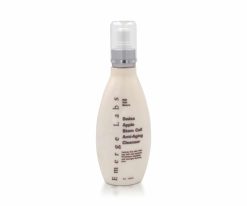
Swiss Apple Stem Cell Anti-Aging Facial Cream Cleanser

Key Ingredient:

Glycerin, Lactic Acid, Camellia Sinensis (Green Tea) Leaf Extract, Camellia Sinensis (White Tea) Matrixyl 3000

With a slightly acidic pH of 5.58, an anti-aging radiance hydrating cleanser does magic by stabilizing the microbiome. One of the features of aging skin is disruption of the skin barrier. With the use of acidic cleaners, the stability of the microbiome and skin barrier improves.

Anti-Aging Radiance Hydrating Cleanser maintains an acidic pH and combines antioxidants as well. With green tea extracts and lactic acid, a potent combo of antioxidants yields skincare face wash which helps against aging skin.

Works for all skin types. Since Swiss Apple Stem Cell Anti-Aging Facial Cream Cleanser is free from irritants such as parabens, sulfates, or phthalates, you can use it with sensitive skin too.

anti-aging skin care face wash

Eminence Monoi Age Corrective Exfoliating Cleanser

Key Ingredients:

Finely grounded olive seeds, botanical enzymes, alpha hydroxyl acids, Monoi coconut oil, vitamin E 

Olive seeds and olive oil are all-rounder ingredients for skincare. A rich infusion of antioxidants! They calm and soothe your skin. With the free radicals scavenging properties, they reduce signs of aging. Also, olives seed extracts are great to step-up your exfoliation routine. They remove the dead skin cells to allow newer ones to show up. All the effects combine to yield an age-defying rinse.

The monoi extract derives from flower extracts infused with coconut oil. Eminence Monoi Age Corrective Exfoliating Cleanser combines finely grounded olive seeds; monoi extract with other essential botanicals. All of which cleanse deeply, shrink pore size, and improve the signs of aging. As a result, you reclaim a more youthful look to your skin with this rinse!

Face Wash For Dry Skin

Eminence lemon cleanser

Key Ingredients:

Lemon Grass Tea, Corn Germ Oil, Bioflavonoids, Calendula Oil, Glycerin, Biocomplex, Lemon Oil, Balm Mint Oil

Eminence lemon cleanser is a unique blend of antioxidants with lemon and herb oils. Lemon oil has strong effects to protect skin against damage caused by pollutants and oxidants. Additionally, it restores moisture to dry skin, giving it the soft ever feel!

Furthermore, Coenzyme Q10, vitamin A, and alpha-lipoic acid add a cherry to the top. This rich combo of organics cleanses the skin, making it more supple. Also, they fight free radicals and prevent your skin from breakouts.

AnneMarie Borlind Ceramide Vital Fluid

Key Ingredients:

Ceramide, Yeast Protein, Vitamin C and E

If you have dry skin, it may feel ever drier after cleansing. Therefore, it is crucial to use skincare face wash and cleansers with ingredients that do not rip you off moisture.

Ceramides are a class of lipids that are naturally present in your skin. With drier skin, you may have reduced levels of ceramides. You may have heard about them doing wonders for your skin, especially if your skin is dry. Well, that is true! Ceramides hold moisture to your skin. That is because ceramides maintain a healthy skin barrier. So, this prevents water evaporation from the surface of your skin. Also, a healthy skin barrier means protection against breakouts and other environmental skin stressors!

AnneMarie Borlind Ceramide Vital Fluid is a natural skincare face wash with ceramides. Furthermore, it adds yeast extracts, vitamin C, and E goodness all combined to give you a hydrating wash without making your skin dry. So, revitalize a fresh start with a rinse that won’t make you dry!

Eminence Coconut Milk Cleanser

Key Ingredients:

Coconut Milk, Corn Germ Oil, Marigold/Calendula Oil, Glycerine, Biocomplex, Rosemary Extract, Salicylic Acid

Coconut milk is a superhero ingredient if you have dry skin. It is one of the best cleansing options you may have on your list. The way coconut milk works is that it cleanses thoroughly (even your makeup). Along with that, it restores the essential oils to your skin. So, get rid of all the debris and dirt without leaving your skin dry.

Coconut oil is rich in healthy oil too. So, it adds moisture to your skin as well. Furthermore, it is rich in antioxidants that soothe and calm drily cracked and chapped skin.

Thus, Eminence Virgin Coconut milk Cleanser is a must-have if your skin needs a moisturized cleanse.

Cleansing oils

The use of oils to cleanse skin may sound unfamiliar. The main idea of skin cleansing is to get rid of excess oils. As you use a cleansing oil, it dissolves excess sebum and oil more readily. It may help to remove:

  • Makeup products on the face or even lashes, especially you need them if they are waterproof
  • Dead skin cells and pollutants
  • Excess oil, sebum, and impurities

Eminence Stone Crop Cleansing Oil (jojoba oil)

Key Ingredients:

Stone Crop, Detoxifying Microgreens Complex (Broccoli, Radish and Clover Sprouts and Detoxophane from Swiss Cress Sprouts), Sunflower Oil, Jojoba Oil

If your skin is likely to develop frequent breakouts, prone to acne, or produces excess oils, you may use jojoba oil. Jojoba oil comes from the nut of the jojoba plant. Using it as a skincare face wash, dissolve excess oils, and cleanse pores deeply.

Jojoba oil soothes inflammation on your skin that may help reduce breakouts. Thus, jojoba oil is a wholesome ingredient; to manage skin prone to acne.

Eminence Stone Crop Cleansing Oil combines jojoba and sunflower oil, along with stonecrop goodness. Bring your skin back to balance with skin barrier stabilizing effects of natural oils. 

Stonecrop is a part of this extra moisturizing, nondrying, and thoroughly cleansing oil combo. It unclogs pores along with lightening skin pigmentation!

Biodroga Cleansing Oil (sensitive or dry)

Key Ingredient:

Apricot Kernel Oil

Oil derived from kernels of apricot is a great option to use if you have sensitive or dry skin. As a cleansing oil, it removes waterproof makeup. Also, it calms inflammation and redness, cleansing skin deeply.

Shop for Biodroga Cleansing Oil (with apricot kernel oil) here!

Best Face Wash For Men

Sothys Men Energizing Face Cleanser

Key Ingredients:

Oryza Sativa (Rice) Powder, Sodium Cocyl Wheat Amino Acids, Hydroxyethyl Acrylate, Iron Oxides, Hydroxycitronellal, Coumarin, Limonene, Linalool, Olivine Extract

This cleanser can come in handy when it comes to a product being a cleanser and an exfoliator at the same time. It comprises a silky paste with a granular appearance. The triple-action formula not only cleanses; deeply the build-ups and toxins in the skin. Its medium layer on the skin for 5-10 minutes can make it work as a mask!

It contains vital nutrients such as Iron Oxides, Propylene Glycol, Hydroxycitronellal, Coumarin, Limonene, Linalool, Olivine extracts, a soluble form of vitamin C, which means it can better penetrate your skin than ascorbic acid.

For best results, dampen your face with water, apply a small drop of products all over your face, and gently scrub. Wash with plenty of water.

Shop here!

Guinot Tres Homme Nettoyant Visage | Mens Facial Cleansing Gel

Key Ingredients:

Coconut Acid, Allantoin, Hamamelis Virginiana (Witch Hazel) Extract, Carboxymethyl Chitin, Microcrystalline Cellulose.

Excessive secretion of sebum is one of the leading causes of open pores in the skin. This cleanser limits the open pores, thus giving a smooth complexion to your skin. Its leathering texture cleanses your skin and helps to reverse pH imbalance. It makes the skin toned and fresh instantly.

Apply on wet skin and scrub to make leather and massage gently. Ideal to use before shaving, which leaves your skin soft and supple!

Shop here!

GlyMed Plus Pretreatment Foaming Cleanser

Key Ingredients:

Aloe Vera, Boswellia Serrata Extract, Arnica Montana Flower Extract, Lavender Oil, Mandarin, Citrus Grandis (Grapefruit) Oil, Citrus Bergamia Oil, Caprylic Acid, Glycine, Olive, Vitamin E, Sea Salt

This one is liked by most of those who want to complement their skincare routine with fruit goodness. It has a foamy and soft texture; contains antioxidants and amino acids. The innovative formula of oranges, mandarin, grapefruit, bergamot oils, lavender oil gives this product a fruity citrus scent.

Apply this foam all over your face and neck and rinse off with lukewarm water.

Shop here!

Nelly De Vuyst Foaming Wash Sensitive Skin [ For Men ]

Key Ingredients:

Natural oat extracts, Palm Kernel Oil Esters, Corn Oil, Rosehip Seed Oil, Rosemary Leaf Extract, Sunflower Seed Oil, WheatGerm Oil, Allantoin, Lavender Oil, Tocopherol, Matricaria Flower Extract, Sage Leaf Extract, Yeast Extract

Did you get delicate skin? This product got you covered. This product is solely for those having sensitive skin. It cleanses your skin thoroughly without breaking the protective barrier of your skin. Contain oat, rosehip, yeast, leaf, Lavender extracts. It helps to eliminate blackheads and regulate oil secretion on the skin. The best part is it’s for all skin types.

Dispense a small amount of cleanser on your palm, use water or toner for the leather formation and scrub gently on your face and neck. Rinse with warm water and pat dry. Voila! You get yourself a clean, toned, free from deposits skin!

Shop here!

That pretty much sums up all about skin care face wash and cleansers that may help you to step up the foundational step of skincare. So, cleanse, unclog pores, clear the debris, rejuvenate your skin using organic face washes, and give your skin care a fresh start!

Which of these works best for you?

23 Organic Skin Care Face Wash And Cleansers For All Skin Types – How To Choose The Right One For You? Read More »

Refreshed hero image for: What are the possible effects of green tea on skin health?

What are the possible effects of green tea on skin health?

7 TESTED GREEN TEA BENEFITS ON SKIN TO STEP UP YOUR SKINCARE

The accidental discovery of green tea occurred when a Chinese emperor ‘Shennong’ drank water in which a dead leaf had fallen while it was boiling. This tea is now known as green tea. No one knew until extensive studies and researches showed green tea benefits on skin.

Dandruff, dull skin, freckles, and wrinkles are problems most people face. Here is where the goodness of green tea comes into action. Green tea is nature’s present that provides the ultimate solution for most of your skin needs.

Plants extracts have flavonoids (compounds that have phenolic structures). Green tea contains a group of polyphenol compounds which are micronutrients. They work magic when it comes to skin health. Below are some notable green tea benefits on skin that will make you say wow!

Combat oxidative and inflammatory stress on skin

Many hazardous components present in the environment can be of great concern. Apart from dirt building up on the skin, certain chemicals combine with it; to cause itchiness and inflammation. As a result, your skin has to combat oxidative stress. Green tea has both anti-inflammatory and antioxidant properties that can be very effective for human skin. Green tea possesses polyphenols that own anti-inflammatory properties for this cause. The EGCG (epigallocatechin gallate) is the main constituent of green tea and reduces free radicals-induced stress on the skin.

Grab exclusively organic green tea face serum, combat free radicals and, get maximum green tea benefits on skin.

BioVegane Organic Green Tea Face Serum

Green tea can make your skin glow!

Apart from environmental exposure, other hazards to the human skin include anxiety, stress, and lack of quality sleep. These factors can affect the texture of the skin. Applying green tea can help to bring nourishment and glow to your skin appearance. Green tea’s benefits on the skin are limited when used for drinking purposes only. Skin products contain certain extracts that can be applied to the skin and become a part of your daily skincare routine.

Check out our organic green tea glow fluid, enhances radiance, moisturizing, and protecting it from drying out are unarguably the best green tea benefits on skin.

BioVegane Organic Green Tea Glow Fluid

Green tea can prevent skin cancer

UV (ultraviolet) radiations are carcinogenic to human skin. These UV carcinogens can cause Melanoma and Non- Melanoma skin cancer. Melanocytes are pigments making cells of the skin, thus named melanoma skin cancer. Researches have shown green tea to be preventive against skin cancer. ECGC is the most eminent photo-protective component of green tea. That is effective against UV-induced carcinogenesis. Thus, make green tea a part of your routine skincare.

Green tea benefits on skin aging

Green tea contains essential vitamins, integral for human health. That is especially true when it comes to your skin. There are vitamins present in it that aim to achieve a younger tone of the skin. Such vitamins include vitamins B2 and E. Therefore, green tea can help repair the mucus membrane and promotes collagen formation. Collagen is the main constituent of a structural protein in the skin. It is present in many cosmetic surgical treatments. Green tea can slow down premature aging, which is very common in teenagers nowadays.

Green tea benefits on scalp

Dandruff is the most common issue people face when the weather is dry. Many people have a common thought that the real cause of dandruff is hair. But according to the latest researches, it is the head scalp(skin); that is to blame. Green tea has anti-bacterial and anti-fungal properties; it can also deal with ticks, itchiness, irritation caused by a dry or oily scalp. Besides, it can also lead to the regeneration of the cells and help in the stimulation of hair follicles.

Green tea benefits on face wrinkles, redness, and flakiness

As mentioned earlier, green tea possesses antioxidant and anti-inflammatory properties. As a result, it is effective against wrinkles, fine-lines that can cause the skin to look dull and flaky. Green tea detoxifies those elements to give a fresh and nourished look on the face. Green tea can let you get rid of itchiness and irritation. Many skincare products inculcate green tea extracts that can regenerate skin cells.

Green tea benefits for puffy eyes

Many people experience swollen or puffy eyes after they wake up. Green tea contains caffeine that narrows blood vessels surrounding the sensitive tissues. Thus green tea can reduce under-eye puffiness. It gives you a fresh kick after a hectic routine or disturbed sleeping schedule.

Check out our organic green tea eye care to make the most of the benefits of Green tea on skin, specifically sensitive under-eye area.

BioVegane Organic Green Tea Eye Care

The Bottom Line

The prime benefits of green tea on skin make it an integral part of your skincare routine. You can not only consume them but can apply them in the form of face masks, serums, and face wash. That will help in regeneration to form younger and healthier skin once again!

Claim your green tea starter pack now!

Organic Ingredients For Acne-Prone Skin

What are the possible effects of green tea on skin health? Read More »

Refreshed hero image for: Order of Skin Care

Order of Skin Care

Order of Skincare-How to Layer Your Skin Step By Step

Searching for the correct order of skincare might be the most daunting experience for you on the web. The internet flooded with thousands of skincare routines and products make it more cumbersome to stick with one, resulting in a double-minded state for the reader. Here I will bring in the spotlight a step-by-step science-backed order of skincare that; not only you can trust; but also answer your mind obsessed with all the whys! 

Order of skincare, why does it matter?

Even if you follow the simplest of all skincare regimens, the proper order of skincare needs to be followed; for it to work. That is because some products might work better when applied after another. Therefore, the correct order of skincare allows better penetration of products.

Following are the skin layering techniques that allow maximal absorption of every single product you apply. Fasten your seatbelts as we are about to dive into an incredible journey where your dream skin will be our goal.

STEP 1: OIL-BASED CLEANSING

Cleansers can be water-based or oil-based. They are a foundational step in the order of the skincare routine.

Why does oil cleansing matter

As the name suggests, oil-based cleansers; are enriched with ingredients that emulsify dirt, excess oil and remove makeup. A quality oil-based cleanser includes surfactants and is not purely oil-based. Oil-based cleansers are pretty much for a person who wears makeup daily and has been; exposed to environmental gird.

How to use oil-based cleansers

Take 1-2 pumps of cleanser on a dry face. You will feel it as if oil is getting separated. Avoid applying on a wet face, or else; it might disperse like how oil and water do when they come into contact. Wash with warm water that will clear all the dispersed oil.

When to apply oil-based cleansers

You can use oil-based cleansers both morning and night. However, if you apply it at night, it will be more effective to remove your makeup products too.

STEP 2: WATER-BASED CLEANSING

Why do you need a water-based cleanser

Water-based cleansers are foaming cleansers that essentially contain surfactants. They are beneficial if you want a deeper cleanse. Likewise, you can use it if your oil-based cleanser needs to get rinsed too.

How to use a water-based cleanser

Water-based cleansers are activated; by water. Thus, apply them to a wet face. You can cleanse twice a day depending on your need for cleansing and the skin type.

When to apply a water-based cleanser

You can use a water-based cleanser both in your morning and night skincare routine. Alternatively, you can use oil-based cleansers at night and water-based foaming cleansers in the morning. Do not overdo water-based cleansing as it may reduce total skin moisture. 

When can you skip on a water-based cleanser?

You might not need a water-based cleanser if your oil-based cleanser also contains enough surfactants and, you do not need a second cleansing.

PRO-TIP

If you want to take this one step further, use a water-based cleanser enriched with tea tree oil if you have acne-prone skin.

The choice of men and women skin cleansers may vary!

Men and Women have different skincare needs that are pre-defined at a biological level. Studies show the differences in skin texture, thickness, tone, and hydration status. Make sure you grab the right products and apply them in the right order of skincare.

Follow your skin treatment goals!

Once you are, done with the cleansers, the step you should follow next depends on the treatment your skin needs. If you need to clear away the debris, try using a physical exfoliator. If hydration is all that your skin needs, use toner. If you struggle with hyperpigmentation and skin aging signs, go for a face mask or a serum.

Read on to know the significance of each step. Once done, you will be able to decide on your own; what is the best order of skincare to follow.

  • If your next step is a physical exfoliator or a toner, let your skin be wet.
  • If a face mask, chemical exfoliator, serum, or moisturizer, is needed next, let your skin be dry.

STEP 3: EXFOLIATION

Why does an exfoliator matter

Exfoliate if your pores are enlarged or congested or if they need to be, unclogged. That is because clogged pores cause blackheads, spots, and breakouts. On the other hand, decongested pores allow you to absorb every particle of the product you apply next.
Nevertheless, exfoliation removes the dead skin cells and debris, as well.

How to exfoliate

According to the American College of Dermatology, gently apply a small amount of product to your face using circular motions for about 30 seconds. Then rinse off thoroughly with lukewarm water.

When to exfoliate

Exfoliate twice weekly. Moreover, it is better to exfoliate at night to get rid of the daytime gird.

PRO-TIP

If you are a face mask fan, use exfoliating face masks for 15 minutes and skip this step. Do not exceed the duration mentioned on the product; to prevent moisture imbalance of your skin.
Here is your all-in-one solution for exfoliation!

order of skincare-exfoliation

STEP 4: FACE MASKS

When it comes to face masks, there is a wide variety to make choices. From oily, dry to combination skin, you can utilize whatever suits you well to get the desired results.

All types of face masks and why they matter

Clay mask

Clay masks absorb excess oil and help manage dry skin; hence prevent acne, pimples, blackhead, and whiteheads.

Gel mask

Gel masks provide a cooling and fresh feel. They are the ultimate partner to reduce under-eye puffiness and relieve stress. 

Cream-mask

The anti-aging properties of cream masks can reverse signs of mature skin for a more youthful look. (Avoid usage if you have oily skin)

Sheet mask

A sheet mask is an all-in-one solution for all skin types. In other words, they are available to include a variety of skin types.

Fruit masks

If you are organic products fan and obsessed with a natural substitute, then treat yourself with a nature substitute, then treat yourself with a nature extract fruit mask, pleasing scent, and instant results at the same time.

How to apply a face mask

Use face masks that promise hydration and glow in the morning. Anti-aging face masks are best to use at night to augment skin cells repair.

order of skincare-face masks

STEP 5: TONER

Why does a toner matter

A common consequence of cleansing, exfoliating, and face masks are dry skin. That is the point at which toner plays its part. Toner helps in maintaining hydration and optimizing the pH of the skin. Studies prove that a pH of 5.5 needs to be maintained for its microbiome to flourish.
Skin Toner is useful for wiping out residues left by cleaners too. They tighten pores, beneficial for skin tightening; hence used as anti-aging. As a whole, make the skin look more balanced and natural.

How to apply a toner

Spray toner over your face. Use cotton, or gently pat with your fingertips.

When to apply a toner

Apply both morning and night for great results.

order of skincare-toners

STEP 6: SERUMS

Congrats! If you have been following along, you are on the right track to a perfect order of skincare. Once you are; done with the basics, it is time to add a cherry to the top of your skincare routine.

How are serums different from Toners and Cleansers and, why are they important?

Serums are; concentrated beauty products that contain a higher dose of some active ingredients. Since skin has seven layers, serum can well penetrate deeper into various layers of skin. They augment skin glow and minimize the effects of aging. Overall, the texture and tone of the skin are balanced. Moreover, they have less viscosity and do not feel heavy.

How to choose the best serums for your treatment?

The choice of serum relies on the treatment type your skin requires. Following is a list of which one might work better for you;

  • For acne-prone skin, use the salicylic acid serum.
  • To combat free radicals, UV damage, and hyperpigmentation use, vitamin C and E Serum.

How to use serums

Add 3-4 drops on your face and neck and gently tap. Do not rub aggressively and let it absorb into the skin on its own.

When to apply a serum

  • Use antioxidant, skin lightening serum in the morning.
  • The anti-aging serums work best when applied at night. That is because your skin cells regenerate during nighttime.
  • You can use hydrating serum both morning and night.
order of skincare-serums

STEP 7: MOISTURIZERS

Why does moisturizing matter

Moisturizers lock the effectiveness of a serum. However, people with oily skin types tend to avoid moisturizing. But, I would suggest you not skip one. That is because moisturizers protect you from getting blemishes, wrinkle lines in the future.

How to use a moisturizer

Hence, for oily skin, you can opt for gel moisturizers. These moisturizers enrich your skin without leaving excess oil.
For dry skin, use cream moisturizers to get a perfect balance.
Gently rub in the hands and pat on the skin, especially for oily skin.

When to apply a moisturizer

You can moisturize twice a day, both as a part of the morning and night skincare routine.

PRO-TIP

In the daytime, use moisturizers that are lighter so that they can readily be absorbed. Furthermore, the contents like Hyaluronic acids, ceramides add more benefits to your moisturizers.

skin condition rosacea rash and moisturization

STEP 8: SUNSCREEN

Why does sunscreen matter

The last step is to nurture your skin with sunscreen; that shields your skin; without turning it much dry or oily. Sunscreen provides prevention against Hyper-pigmentation, aging, and skin cancer.

How to use sunscreen

Note that sunscreen should be; applied at the end of the skincare routine once the moisturizer is fully absorbed. If your sunscreen gives a white, crusty appearance, consider combining it with a moisturizer and then use it.

When to apply sunscreen

Always apply 30 mins before outdoor so that it absorbs well and sweat does not clear it off. If you are sweating before, gently wipe with a tissue.
Ideally, you should not apply any product on top of sunscreen. In this way, ensure you get the maximum shield.

PRO-TIP

To prevent UV-induced hyperpigmentation of lips, always apply lip balms with an SPF of at least 15. Apply one hour before going into the sun and repeat hourly application.

sunscreen for rosacea rash

The Bottom line

In a nutshell, your morning skincare routine should promise protection from environmental harms such as UV rays and pollutants. Thus cleansing, moisturizing, and sunscreen are the primary foundation of minimal morning skincare. Whereas; a night-care routine will help in the regeneration of your skin after a rough day. Skin cells repair when you are asleep. Therefore, it’s best to use all the beauty-loaded ingredients at night, and; you do not have to use sunscreen.


You can use exfoliators and face masks as a weekly add-on to your skincare routine. That is how you follow the order of skincare the right way and layer your skin that finally works!

Order of Skin Care Read More »

Refreshed hero image for: 10 Proven Tips For Glowing Skin That You Can Start Today

10 Proven Tips For Glowing Skin That You Can Start Today

10 Proven Tips For Glowing Skin That You Can Start Today!

Sick of getting your head around figuring out what will work best to glow your skin? Smooth, flawless, and glowing skin is your dream come true but has been a hard nut to crack! You have been bending over backward to stick to a long list of skincare products and tips for glowing skin. Still, all your efforts go in vain. If this is you for ages, hold on, I have great news for you! Here I will enlist all the organic products and top ten tips for glowing skin; that will take your skincare routine to the next level!

Well, this process is pretty straightforward. You have to abide by a few do’s and don’ts of skincare, and that’s it;

Your Ultimate Tips For Glowing Skin

Here are my top tips for glowing skin that you can start using right from today:

Swear by your sunscreen; Prime among the tips for glowing skin!

Sunscreen usage is the most effective among the tips for glowing skin. The American Academy of Dermatology; recommends the following attributes of sunscreen.

  • Active against both UVA and UVB radiations, that is: Broad Spectrum
  • Sun protection formula of at least 30
  • Resistant to water

Researches show the use of an effective sunscreen to reverse the effects of sunlight-induced damage over time.

Sunscreen is not only prime among the tips for glowing skin; rather, it also heralds the signs of aging to become eminent. Above all, UV radiation is a prime factor in causing skin cancer. Thus an effective sunscreen is a preventive measure against skin cancer.

Slough off the dead cells

Skin cells wear out like any other body cell. Therefore, exfoliate twice weekly to get rid of your dead skin and let the newer healthy cells take their place. With the use of physical exfoliators, you can get this job done. Think of physical exfoliators as particles or granules that clear away the debris.

An example of physical exfoliation is the use of activated charcoal.

It revitalizes; without being harsh on your skin; and acts as a natural way to glow your skin. You can use organic activated charcoal masks that suit your skin type.

Do not overdo exfoliation as it can sometimes lead to skin dryness. Exfoliation twice weekly is enough.

Massage to improve the flow

Facial massage improves blood circulation and aids lymphatic drainage. That, in turn, replenishes skin and prevents oxidants-induced damage, preventing frequent breakouts. It uplifts the sagging face by maintaining facial muscles tone. Moreover, it allows better penetration of products such as moisturizers or serum.
Begin by cleansing your face and hands. Use your go-to moisturizer, essential oil, or serum. Give gentle massage on the sides of the neck, around the eyes, between the forehead, and below the ears.

tips for glowing skin

Treat your skin with topical green tea!

Another effective way among the top tips for glowing skin is to combat sunlight-induced damage. Topical green tea extracts protect your skin against sunburns. Likewise, some components of green tee herbs reduce the pigment-producing activity of skin cells. That further contributes to a radiant and glowing face.

Hydrate to flush out the toxins

Revitalize your skin at the cellular level by keeping it stay hydrated. Water consumption flushes away body toxins, which maintains a healthy and natural human physiology.

Stick to skin glowing tips with 3 Ps

Every skincare routine demands consistency. Therefore, if you want to see great results, always remember 3Ps:

Products

Use Quality skincare products.

Patience

Try to trust the process. Whatever is your skincare routine, stick to it. Good things take time. After all, the results would be worth the wait!

Positivity

When you are positive, you feel healthy. It is now well established that the more you stress, the earlier you age. That is because it augments the release of stress hormones, which in turn accelerates collagen breakdown. When you develop an optimistic attitude, you feel healthy, and that radiates as a glow.

The Absolute Don’ts of Skin Care

Avoid the following to get the maximum benefits out of skincare tips!

Do not sleep with your makeup products on

Do not let makeup products stay on overnight. Otherwise, they are going to clog your pores. Make the environment breathable for your skin too. You can grab the most organic makeup removers here!
Your skin pH is below 5, which is acidic. That allows the maintenance of the skin microbiome and prevents breakouts. Thus, use cleansers that optimize pH and are not too alkaline.
Pro Tip:

  • Use a toner to balance skin pH if you happen to use an alkaline cleanser!

Skin cleansing is a primary step so never try to skip this part. Deep cleanse to suck the debris out of the pore. You can choose your favorite skin cleansers and get rid of facial gird and grime.

Avoid Bad Carbohydrates

You are what you eat. Thus, know what to put on your plate! Dietary habits have an established direct correlation with skin health and glow. Therefore, avoid carbohydrates that are: 

  • Rich in calories
  • Undergo tremendous processing
  • Lack essential nutrients.

From now on, plan to heal your skin at a cellular level. Inculcate antioxidants to combat free-radicals induced damage. Consume a diet rich in vitamins, minerals, and omega-3 Fatty acids. 

Never underrate the effectiveness of quality sleep!

A one-third of an average human’s life has been; attributed to sleep. The sleep process releases melatonin. It is a hormone that has potent antioxidant properties and shields skin cells from UV-induced damage. As a result, quality sleep renews your body.


Studies suggest that poor quality sleep can deprive the skin of its integrity. Furthermore, there is a loss of protective barrier function and collagen turnover, which speeds up the aging process.

It is not only sleep hours that are crucial; it is the quality of sleep that matters likewise. Thus, if you experience any sleep disorder that compromises sleep quality, always talk with your doctor.

tips for glowing skin

Try not to pop a pimple!

Your skin contains hair follicles. When these follicles get clogged by dirt, debris, or oil, it causes acne. It makes a perfect ground for bacteria to grow. When you attempt to squeeze acne out, you will be pushing some of it even deep.
When you pop it out, the worst outcome is scaring. To add insult to injury, scarring results in post-acne hyperpigmentation. Therefore, it is advisable not to pop a pimple. If it is deep or causes pain, always talk to your dermatologist.

The Pearls

To cut to the chase, if you embrace a healthy lifestyle in your daily chores, it will step up your skincare game; for good. As a matter of fact, you do not need to be an absolute health nut for it. With a few modifications in your diet and skincare routine, you can give your skin glow a sure shot boost! 

 What is your go-to skincare advice? Ping us up in the comments below!

Happy Glowing 🙂

10 Proven Tips For Glowing Skin That You Can Start Today Read More »

Flat lay of enzyme-based skincare products with fresh fruits and natural elements

Benefits Of Enzymes in Skin Care

Enzymes are a powerful tool when it comes to skin care. Not only can they improve the overall health of your skin, but also reduce signs of aging and rejuvenate dull complexions. But how exactly do enzymes work in skincare? And what types should you be using for best results? In this blog post, we’ll explore the benefits of enzymes in skin care, explain different types used in products and help you choose which ones are right for your individual needs. From anti-aging properties to improving fine lines and wrinkles – learn why incorporating enzyme-based products into your routine is essential.

Table of Contents:


What are Enzymes?

Enzymes are proteins that act as catalysts in chemical reactions. They are essential for life and play a key role in many biological processes, including digestion, metabolism, and cell repair. In skin care products, enzymes can be used to exfoliate the skin by breaking down dead cells on the surface of the skin.

A. Definition of Enzymes:

Enzymes are proteins that act as catalysts in chemical reactions. They speed up or slow down biochemical processes within living organisms such as plants and animals. Enzymes also have an essential role in maintaining healthy skin by helping to break down old cells so new ones can form more quickly and efficiently.

There are several types of enzymes used in skincare products today, including papain and bromelain from pineapple extract; protease from egg whites; lipase from milk; alpha hydroxy acids (AHAs) derived from citrus fruits like oranges, lemons, and limes; beta hydroxy acids (BHAs) derived from willow bark extract; lactobacillus ferment which is a probiotic enzyme found naturally on human skin; manuka honey enzymes extracted from New Zealand’s Manuka bush flowers; and phytessence wakame which is an algae-derived enzyme rich with minerals such as calcium, magnesium, iron, and zinc that helps protect against free radical damage caused by environmental stressors such as UV radiation exposure and pollution particles floating around us daily. C. Benefits of Using Enzymes in Skin Care: The benefits of using enzymes in skin care include the improved appearance of fine lines & wrinkles due to the breakdown & removal of dead cells on the surface layer allowing for new cell growth to occur more quickly & efficiently. It also increases hydration levels within the dermis layers while helping retain moisture better over time, thus making your complexion look softer & smoother than before. Additionally, it reduces inflammation or redness associated with conditions like acne or rosacea while improving overall texture too.

The use of enzymes provides numerous benefits to the skin, including the improved appearance of fine lines and wrinkles due to increased hydration levels leading to a smoother-looking complexion overall. It also helps reduce inflammation and redness associated with acne flare-ups while providing antioxidant protection against free radicals responsible for premature aging signs like dark spots and discoloration too. Additionally, they help remove excess oil buildup without stripping away natural oils needed for healthy barrier function, thus keeping your face balanced throughout the day/night cycles no matter what type it may be – dry, oily or combination, etcetera.

Enzymes are a powerful tool in skin care, providing numerous benefits to the skin. By understanding how they work and what types of enzymes are used in skin care products, we can maximize their effectiveness and reap the rewards of healthier, more youthful-looking skin. Now let’s take a look at how enzymes actually work on the skin.

Key Takeaway: Enzymes provide numerous skin benefits, including improved appearance of fine lines & wrinkles, increased hydration levels, reduced inflammation and redness associated with acne flare ups, and antioxidant protection against free radicals.

How Do Enzymes Work?

They speed up the process of chemical reactions and help to break down complex molecules into simpler ones. Enzymes play an important role in skin care, helping to reduce inflammation, improve hydration, and even out skin tone.

A. Overview of the Process:

The enzyme reaction is a two-step process involving a substrate (the molecule being acted upon) and an enzyme (the catalyst). First, the substrate binds with the active site on the enzyme’s surface; then, it undergoes a chemical reaction that results in either breaking down or forming new molecules. This process can be used to exfoliate dead skin cells from the surface of your face or body, allowing for smoother and brighter-looking skin.

Enzyme-based products can provide numerous benefits for your skin, such as the improved appearance of fine lines and wrinkles, increased hydration and moisture retention, reduced inflammation and redness, removal of excess oil without drying out your complexion too much, gentle exfoliation without causing irritation or damage to delicate facial tissues like manual scrubs do often times,and brightening effects due to its ability to penetrate deep into pores where dirt accumulates over time.

There are several types of enzymes commonly used in skincare products, including papain (from papaya), bromelain (from pineapple), protease (breaks down proteins), lipase (breaks down fats) , alpha hydroxy acids(AHAs) , and beta hydroxy acids(BHAs). Each type has different effects on the skin depending on what they target specifically. For example, AHAs work by gently removing dead cells from our outermost layer while BHAs go deeper into our pores, unclogging them from sebum build-up resulting in fewer acne breakouts. Proteases help keep collagen production going strong, while Lipases protect against environmental stressors like UV rays making sure our complexion stays healthy all year round.

Enzymes are powerful ingredients that can be used to treat a variety of skin concerns. Understanding how they work and the different available types allows you to determine which enzyme is best suited for your skin care routine. Next, we’ll look at the various enzymes used in skin care products and their effects on the skin.

Key Takeaway: Enzymes can provide numerous skin care benefits such as improved appearance of fine lines and wrinkles, increased hydration and moisture retention, reduced inflammation and redness, gentle exfoliation without irritation or damage to facial tissues, brightening effects due to its ability to penetrate deep into pores. Types of enzymes commonly used in skincare products include papain (from papaya), bromelain (from pineapple), protease (breaks down proteins), lipase (breaks down fats) , alpha hydroxy acids(AHAs) , and beta hydroxy acids(BHAs).

What Are The Different Types Of Enzymes Used In Skin Care?

They are used in skin care products to help improve the appearance of fine lines and wrinkles, increase hydration and moisture retention, reduce inflammation and redness, and more.

Papain and Bromelain are two enzymes derived from plants that have been used for centuries in traditional medicine. Papain is extracted from papaya fruit while bromelain is derived from pineapple stems. Both enzymes work by breaking down proteins into smaller molecules which can then be absorbed into the skin. This helps to gently exfoliate dead skin cells, unclog pores, reduce inflammation, brighten dull complexions, even out discoloration caused by sun damage or acne scars, and provide antioxidant protection against environmental stressors like pollution or UV radiation.

Protease and lipase are two other types of enzymes commonly found in skincare products. Proteases break down proteins into amino acids which can then be absorbed through the skin’s surface layers for nourishment; they also help to remove excess oil on the surface of the skin without stripping away its natural protective barrier. Lipases work similarly but instead target fats such as sebum (the body’s natural oils) which can clog pores if left unchecked; this helps keep pores clear while still allowing them to retain their necessary moisture levels so your complexion looks healthy rather than dry or oily.

Alpha hydroxy acids (AHAs) and beta hydroxy acids (BHAs) are both derivatives of naturally occurring plant-based compounds called carboxylic acids; AHAs include lactic acid while BHAs include salicylic acid among others. These ingredients work together with enzymes to exfoliate dead cells on the surface layer of your skin, revealing brighter, healthier looking new cells underneath. This process also encourages collagen production resulting in a firmer, more youthful complexion over time.

Enzymes are an important part of any skin care routine as they help to gently exfoliate and nourish the skin. By understanding your own individual needs, you can choose the right products that contain the right types of enzymes for your unique skin type.

Key Takeaway: Enzymes, AHAs and BHAs are natural ingredients that can help to exfoliate skin, reduce inflammation, even out discoloration and encourage collagen production for a firmer complexion.

How Can You Choose The Right Products For Your Skin Type?

When it comes to choosing the right products for your skin type, understanding what you need is key. Knowing your skin type and its needs can help you determine which ingredients will benefit your specific needs. There are five main types of skin: normal, oily, dry, combination and sensitive. Normal skin is balanced in terms of oil production and hydration levels; oily skin produces excess sebum; dry skin lacks moisture; combination has both areas of dryness and oiliness; and sensitive reacts easily to environmental factors or certain ingredients.

Once you’ve identified your particular type of skin, you can begin researching which ingredients may be beneficial for that specific type. For example, if you have oily or acne-prone skin then look for products containing salicylic acid as this helps reduce inflammation while unclogging pores from dirt and bacteria build up. If you have dry or mature skin then opt for hydrating ingredients such as hyaluronic acid which helps draw water into the cells giving a plump appearance to the surface layer of the epidermis.

By understanding your skin type, identifying ingredients that will benefit your specific needs and consulting with a professional dermatologist or esthetician, you can choose the right products for your skin type. Next, let’s look at what are the benefits of using enzymes in skin care.

Key Takeaway: When choosing skin care products, it’s important to know your skin type and what ingredients may benefit it. For oily or acne-prone skin, look for salicylic acid; for dry or mature skin, opt for hydrating ingredients such as hyaluronic acid.

What Are The Benefits Of Using Enzymes In Skin Care?

They are naturally occurring substances found in plants, animals and humans, and they can be used to treat a variety of skin conditions. Enzymes have the ability to break down complex molecules into simpler ones, which makes them ideal for use in skincare products.

Using enzymes in skincare can provide many benefits such as improved appearance of fine lines and wrinkles, increased hydration and moisture retention, reduced inflammation and redness.

A. Improved Appearance Of Fine Lines And Wrinkles:

Enzymes work by breaking down dead skin cells on the surface of the skin which helps reduce the appearance of fine lines and wrinkles over time. The enzymes also help stimulate collagen production which helps improve elasticity resulting in firmer looking skin with fewer signs of aging.

B. Increased Hydration And Moisture Retention:

Using enzyme-based products can help keep your skin hydrated by locking moisture into your pores while helping to prevent dryness or flaking due to environmental factors like wind or cold temperatures. This helps keep your complexion looking healthy and glowing all day long.

Enzyme-based products are known for their anti-inflammatory properties, making them great for treating irritated or inflamed skin caused by acne breakouts or sunburns. These ingredients help soothe redness while calming any irritation, making it an excellent choice for those with sensitive skin types who need extra care when it comes to their complexion.

Enzymes are a powerful and natural way to help improve the appearance of your skin. By incorporating enzyme-based products into your skincare routine, you can experience improved hydration, reduced inflammation, and smoother looking skin. Let’s take a look at how to incorporate these beneficial enzymes into your daily routine.

How To Incorporate Enzyme-Based Products Into Your Skincare Routine?

Enzyme-based products are becoming increasingly popular in skin care routines due to their ability to effectively exfoliate, hydrate and nourish the skin. Enzymes are proteins that help break down dead skin cells, dirt and oil from the surface of your skin. By incorporating enzyme-based products into your skincare routine, you can improve the overall health and appearance of your complexion.

Cleansing with an enzyme-based cleanser is a great way to start off any skincare routine. These cleansers contain ingredients such as papain or bromelain which work by breaking down impurities on the surface of your skin while still being gentle enough for sensitive complexions. They also help remove excess oils without stripping away natural moisture levels leaving behind a soft and supple feel after each use.

Exfoliating with an enzyme-based exfoliator is another great way to keep your complexion looking its best. These exfoliators contain ingredients like protease or lipase which work by gently removing dead skin cells from the surface of your face while still being gentle enough for all types of complexions including those with sensitive skins. Additionally, they can also help reduce inflammation and redness caused by acne or other blemishes making them ideal for those who suffer from these conditions regularly.

Enzyme-based products can be a great addition to your skincare routine. Incorporating them into your regular routine will help you reap the benefits of enzymes for healthier, glowing skin. Now let’s explore some common questions about using these products in your skincare regimen.

Key Takeaway: Enzyme-based skin care products are beneficial for all types of complexions as they help to exfoliate, hydrate and nourish the skin. They can be used in a cleansing routine or an exfoliating one and can reduce inflammation, redness and blemishes.

7 . Common Questions About Using Enzymes In Skincare

They can be found naturally occurring in many fruits, vegetables, and other organic materials. Enzymes have been used for centuries in skin care products due to their ability to help break down dead skin cells and reveal brighter, smoother skin beneath.

Is It Safe To Use On Sensitive Skin? Yes. In fact, enzymes are often recommended for those with sensitive or reactive skin types because they work gently on the surface of the skin without causing irritation or inflammation. However, it is always best to patch-test any new product before applying it all over your face just to make sure you don’t experience any adverse reactions.

Are There Any Side Effects? Generally speaking, enzyme-based skincare products do not cause side effects when used properly according to directions; however, if you experience redness or itching after using an enzyme-based product, discontinue use immediately and consult a dermatologist if necessary.

Ultimately it is important to listen to your own body, so adjust usage accordingly based on how your skin responds.

FAQs in Relation to Benefits of Enzymes in Skin Care

Are enzymes good for your face?

Yes, enzymes can be beneficial for your face. Enzymes are proteins that act as catalysts in chemical reactions and can help to break down dead skin cells, unclog pores, and remove excess oils from the skin. They also help to reduce inflammation and improve overall complexion. Furthermore, they can help stimulate collagen production which helps keep skin looking youthful and healthy. By using enzyme-based products regularly, you can enjoy a brighter complexion with fewer blemishes.

How often should you use enzymes on your face?

Enzymes can be a great addition to your skin care routine, but it is important to use them correctly. Generally speaking, you should only use enzymes on your face once or twice a week. Start by cleansing the area and then applying an enzyme mask or serum for 10-15 minutes before rinsing off with warm water. It is important not to overuse enzymes as they can cause irritation if used too often. Additionally, make sure that you are using the right type of enzyme product for your skin type in order to get the best results.

Is enzyme good for acne?

Yes, enzymes can be beneficial for acne. Enzymes are naturally occurring proteins that help break down and remove dead skin cells, excess oil, and other debris from the pores. This helps reduce inflammation and unclog pores which can lead to fewer breakouts. Additionally, enzymes also have antibacterial properties which can help prevent future outbreaks of acne. By using enzyme-based products as part of your regular skincare routine you may see a reduction in existing blemishes as well as prevention of new ones.

What enzymes are good for healthy skin?

Enzymes are important for healthy skin as they help to break down proteins, fats and carbohydrates in the skin cells. Papain and bromelain are two of the most common enzymes used in skincare products. Papain is derived from papaya fruit and helps to gently exfoliate dead skin cells while also helping to reduce inflammation. Bromelain is derived from pineapple and helps to reduce redness, swelling, irritation, dryness and acne-causing bacteria on the skin’s surface. Other beneficial enzymes include lipase which helps break down fat molecules; protease which breaks down protein molecules; amylase which breaks down starch molecules; cellulose which aids in hydration; lactase which can help with discoloration; and glucanase which can help with cell regeneration.

Conclusion

Enzymes have a wide range of benefits when it comes to skin care. They can help improve your skin’s overall health and appearance, reduce fine lines and wrinkles, and even provide anti-aging effects. When choosing enzyme-based products for your skincare routine, make sure you select ones that are tailored to your specific skin type in order to maximize their potential benefits. By incorporating enzymes into your daily skincare regimen, you can enjoy healthier looking skin with fewer signs of aging. The many benefits of enzymes in skin care make them an excellent choice for anyone looking to maintain healthy and youthful-looking skin.

Are you looking for natural and effective skin care solutions? Organic Skin Care Products can help provide your skin with the nutrients it needs to stay healthy, while enzymes offer additional benefits. Enzymes are proteins that act as catalysts in chemical reactions; they speed up biochemical processes like collagen production, which helps keep skin soft and supple. Try out our organic products today to see how these powerful ingredients work together to make your complexion look brighter and more radiant!

Benefits Of Enzymes in Skin Care Read More »

Refreshed hero image for: Buying Organic Skin Care Products as Gifts For The Holidays

Buying Organic Skin Care Products as Gifts For The Holidays


Organic Skin Care Gifts for the Holidays 2026


Written by Clelia Gakshteyn


Quick Answer: The best organic skin care gifts for the holidays are certified-clean, skin-type-matched products — think hyaluronic acid serums, probiotic cleansers, and superfood boosters. Choose items with USDA Organic or COSMOS certification, avoid synthetic fragrance, and match the formula to the recipient’s skin concern. A curated set or gift card is always a safe, thoughtful choice.

Premium organic skincare products arranged with natural elements for a holiday gift theme.

Why Organic Skin Care Makes a Meaningful Holiday Gift

Gifting organic skin care says something beyond “here’s a nice thing.” It says you thought about what goes on their body, not just what looks good under the tree. And in 2026, that matters more than ever — the global organic personal care market is projected to reach $25.1 billion by 2030 (Grand View Research, 2024), driven by consumers who want transparency in every ingredient.

The holiday season is also the harshest time of year for skin. Cold air, indoor heating, and stress all compromise the skin barrier. A well-chosen organic product isn’t just a gift — it’s genuinely useful from day one.

But here’s the catch: not every product labeled “natural” or “organic” actually is. Greenwashing is rampant in the beauty industry, and without knowing what to look for, it’s easy to spend good money on something that doesn’t deliver. This guide cuts through the noise.

🌿 What “Organic” Actually Means on a Label
The word “natural” has zero legal definition in cosmetics. “Organic” only means something when backed by a certifying body. Look for these seals:

  • USDA Organic — at least 95% organically produced ingredients
  • COSMOS Organic — European standard, rigorous on sourcing and processing
  • Ecocert — requires natural origin for 95%+ of ingredients
  • NSF/ANSI 305 — specifically for personal care products

If a product claims “organic” without one of these seals, treat it as marketing language, not a guarantee.

How to Choose Organic Skin Care Gifts by Skin Type

The most common gifting mistake? Buying what you love for someone with completely different skin. Here’s a quick cheat sheet so your gift actually gets used — and loved.

Close-up of Eminence Organic Calm Skin Chamomile Cleanser showcasing its creamy texture.

Gifts for Dry or Dehydrated Skin

Dry skin in winter is a barrier problem. The skin is losing water faster than it can hold it. Look for products rich in hyaluronic acid, ceramides, squalane, and shea butter — ingredients that both attract moisture and lock it in.

  • Fragrance-free moisturizers with ceramide complexes
  • Facial oils (rosehip, marula, or sea buckthorn)
  • Overnight masks with hyaluronic acid
  • Gentle, low-pH cleansers that don’t strip the barrier

“Hyaluronic acid is a naturally occurring polysaccharide found in the human body that can hold up to 1,000 times its weight in water, making it one of the most effective humectants available in topical skin care.”

— Stern et al. 2004, Journal of Controlled Release

Gifts for Oily or Blemish-Prone Skin

Counter-intuitively, oily skin often needs more moisture, not less. When the barrier is stripped, skin overproduces sebum to compensate. Gift lightweight, non-comedogenic formulas with niacinamide, green tea extract, or probiotic cultures.

  • Probiotic cleansers that balance without stripping
  • Lightweight gel moisturizers with niacinamide
  • Clay masks with kaolin or bentonite (1–2x per week)
  • Squalane-based serums (mimics skin’s natural sebum)

Niacinamide at 5% concentration visibly reduces the appearance of enlarged pores and uneven skin tone over 8 weeks, according to Bissett et al. 2005, Journal of Cosmetic Dermatology — making it one of the most evidence-backed ingredients you can gift.

Gifts for Sensitive or Reactive Skin

Sensitive skin needs the fewest ingredients, not the most exotic ones. Stick to fragrance-free, essential-oil-free formulas with calming actives like chamomile, oat extract, or centella asiatica. Avoid anything with high concentrations of citrus oils or synthetic dyes.

  • Chamomile-based cleansers and moisturizers
  • Oat extract barrier creams
  • Centella asiatica (cica) serums
  • Mineral SPF (zinc oxide only, no chemical filters)

best organic ingredients for sensitive skin

Top Organic Skin Care Gift Picks for 2026

Every product below is chosen for certified-clean formulas, real ingredient science, and genuine gifting appeal. No filler products, no greenwashed labels.

Person applying Eminence Organics Calm Skin Chamomile Moisturizer in a bright bathroom.

Best for Sensitive Skin: Eminence Organic Calm Skin Chamomile Cleanser

This is the cleanser you gift when you want to be thoughtful and safe. Chamomile extract is one of the most studied botanicals for skin calming — Kim et al. 2006, International Journal of Dermatology, found that chamomile’s active compound, apigenin, visibly reduces the appearance of redness and irritation with consistent use.

It’s gentle enough for daily use, fragrance-forward in the best way (real chamomile, not synthetic), and works beautifully as a first step in any routine. At 8.4 fl. oz., it’s a generous size that won’t run out in two weeks.

Eminence Organics Skin Care Superfood Booster-Powder - 0.35 oz

Eminence Organics Skin Care Superfood Booster-Powder – 0.35 oz by OpenWPAgent

$60.00

Best Moisturizer Gift: Eminence Organics Calm Skin Chamomile Moisturizer

Pair this with the cleanser above for an instant two-piece gift set that covers the most essential steps of any routine. The formula leans on chamomile, shea butter, and calendula to help visibly soothe and hydrate without clogging pores.

It’s a strong choice for anyone dealing with winter redness, post-holiday stress skin, or general sensitivity. The 2 fl. oz. size is perfect for travel or as a “try before you commit to full size” gift.

Eminence Organic Calm Skin Chamomile Cleanser – 8.4 fl. oz.

Eminence Organic Calm Skin Chamomile Cleanser – 8.4 fl. oz. by OpenWPAgent

$42.00

Best for Blemish-Prone Skin: Eminence Organics Clear Skin Probiotic Cleanser

Probiotic skin care is one of the most exciting developments in clean beauty right now. Topical probiotics help support the skin’s natural microbiome, which plays a direct role in how skin manages inflammation and barrier function (Fabbrocini et al. 2016, Beneficial Microbes).

This cleanser delivers Lactobacillus ferment alongside willow bark and tea tree to help visibly minimize the look of blemishes — without the harshness of conventional acne cleansers. It’s a genuinely thoughtful gift for anyone who struggles with breakouts and wants a cleaner approach.

Eminence Organics Clear Skin Probiotic Cleanser - 8.4 fl. oz

Eminence Organics Clear Skin Probiotic Cleanser – 8.4 fl. oz by OpenWPAgent

$48.00

Best Treatment Gift: Eminence Organics Skin Care Superfood Booster-Powder

This is the gift for the skincare enthusiast who already has a routine and wants to level it up. The Superfood Booster-Powder mixes into any serum or moisturizer, delivering a concentrated hit of antioxidant-rich botanicals — think turmeric, spirulina, and adaptogenic mushrooms.

Antioxidants in topical form help neutralize free-radical damage from UV exposure and pollution. Green tea polyphenols, a key antioxidant class, help inhibit UV-induced matrix metalloproteinase expression — enzymes that break down collagen — according to Kim et al. 2006, International Journal of Dermatology.

Eminence Organics Calm Skin Chamomile Moisturizer - 2 fl. oz

Eminence Organics Calm Skin Chamomile Moisturizer – 2 fl. oz by OpenWPAgent

$62.00

[VIDEO_EMBED: How to build an organic skin care holiday gift set — step-by-step gifting guide]

How to Build a DIY Organic Skin Care Gift Set

A curated gift set you put together yourself often feels more personal than a pre-packaged box. Here’s how to do it without guesswork.

The Three-Step Gift Set Formula

Every great skin care gift set covers three steps: cleanse, treat, moisturize. This gives the recipient a complete routine they can actually use together, rather than a random collection of products.

  • Step 1 — Cleanse: Choose a gentle, pH-balanced cleanser suited to their skin type
  • Step 2 — Treat: A serum, booster, or targeted treatment (antioxidant, brightening, or calming)
  • Step 3 — Moisturize: A moisturizer that matches their skin’s needs (lightweight gel for oily, rich cream for dry)
  • Bonus — SPF: If you want to go above and beyond, add a mineral SPF. Daily SPF 30 use prevents approximately 24% of visible signs of aging, according to Hughes et al. 2013, Annals of Internal Medicine.

how to build a complete organic skin care routine

Packaging Your Organic Gift Set

Presentation matters — especially for skin care, where the unboxing experience is part of the gift. Skip the plastic wrap and go for recycled kraft paper, linen pouches, or reusable glass jars as filler. It keeps the “organic” ethos consistent from the product to the packaging.

  • Linen or cotton drawstring bags (reusable, zero waste)
  • Recycled tissue paper in earthy tones
  • A handwritten card explaining each product and how to use it
  • A small jade roller or gua sha tool as a finishing touch

⚠️ Gifting Caution: When to Choose a Gift Card Instead
Skin care is personal. If you’re unsure about the recipient’s:

  • Known allergies or sensitivities
  • Current medications (some interact with actives like retinol or AHAs)
  • Skin conditions (eczema, rosacea, psoriasis)
  • Pregnancy status (certain ingredients are not recommended during pregnancy)

A gift card is the most thoughtful choice. It lets them choose what’s right for their skin — and that’s always better than guessing.

Infographic comparing ingredients to look for and avoid in organic skincare.

Ingredients to Look For — and Avoid

Reading an ingredient list (INCI list) is a skill worth developing before you shop. Here’s a quick reference for holiday gifting.

Ingredients to Look For

  • Hyaluronic acid — deep hydration, all skin types
  • Ceramides — barrier repair, especially for dry and sensitive skin
  • Niacinamide (vitamin B3) — visibly evens tone, minimizes pores
  • Chamomile extract (Matricaria recutita) — calming, anti-redness appearance
  • Rosehip seed oil — rich in essential fatty acids, supports skin texture appearance
  • Squalane — lightweight, non-comedogenic, mimics skin’s natural lipids
  • Green tea extract (EGCG) — antioxidant protection, helps visibly reduce signs of environmental stress
  • Lactobacillus ferment — probiotic support for the skin microbiome

Ingredients to Avoid (or at Least Question)

  • Synthetic fragrance / “parfum” — a catch-all term that can hide hundreds of undisclosed chemicals; a leading cause of contact dermatitis
  • Parabens (methylparaben, propylparaben) — preservatives with ongoing debate around endocrine disruption
  • Sodium lauryl sulfate (SLS) — harsh surfactant that disrupts the skin barrier
  • Formaldehyde-releasing preservatives (DMDM hydantoin, quaternium-15)
  • Mineral oil / petrolatum — petroleum-derived, not aligned with organic standards
  • Oxybenzone — chemical UV filter with environmental and potential hormonal concerns

complete guide to reading organic skin care ingredient labels


🎁 Our Top Organic Gift Picks at a Glance

Product Best For Key Ingredients Price
Calm Skin Chamomile Cleanser Sensitive, dry Chamomile, calendula $42
Calm Skin Chamomile Moisturizer Sensitive, reactive Chamomile, shea butter $62
Clear Skin Probiotic Cleanser Oily, blemish-prone Lactobacillus, willow bark $48
Superfood Booster-Powder All skin types (enthusiast gift) Turmeric, spirulina, mushroom $60
Boost Your Organic Skin Care Brand with OrganicSkinCare.com

Boost Your Organic Skin Care Brand with OrganicSkinCare.com by OpenWPAgent

$497.00

Frequently Asked Questions: Organic Skin Care Gifts

What makes a skin care product truly organic?

A genuinely organic skin care product contains ingredients grown without synthetic pesticides or fertilizers and is certified by a recognized body like USDA Organic, COSMOS Organic, or Ecocert. Look for these seals on the label — the word “natural” alone carries no legal standard and can be used by any brand.

Is organic skin care safe for sensitive skin?

Most organic formulas are well-tolerated by sensitive skin because they avoid common synthetic irritants like parabens, artificial fragrance, and sulfates. That said, natural ingredients like essential oils and botanical extracts can still trigger reactions. Always check the ingredient list and patch-test before gifting to someone with known sensitivities.

How do I choose an organic skin care gift for someone else’s skin type?

When you’re unsure of the recipient’s skin type, choose versatile, gentle formulas — a fragrance-free cleanser, a ceramide-rich moisturizer, or a gift card. Avoid active-heavy products like exfoliating acids or retinol alternatives unless you know their skin is accustomed to them.

What organic skin care ingredients are best for winter skin?

Winter skin craves ingredients that restore moisture and reinforce the barrier. Look for hyaluronic acid, ceramides, squalane, shea butter, and chamomile extract. Hyaluronic acid holds up to 1,000 times its weight in water (Stern et al. 2004, Journal of Controlled Release), making it one of the most effective humectants for cold-weather dryness.

Are organic skin care gift sets worth the price?

Yes — curated gift sets typically offer 20–30% more value than buying the same products individually. They also let the recipient try a full routine before committing to full sizes. Look for sets that include a cleanser, treatment, and moisturizer so the recipient gets a complete experience.

What certifications should I look for when buying organic skin care?

The most credible certifications are USDA Organic, COSMOS Organic, Ecocert, and NSF/ANSI 305. COSMOS Organic requires at least 95% of plant-based ingredients to be organically sourced. Avoid products that only display vague “all-natural” or “eco-friendly” badges without a certifying body named.

Final Thoughts: The Gift That Actually Gets Used

The best holiday gift is one that fits seamlessly into someone’s life. Organic skin care does exactly that — it’s used every day, it’s personal, and when you choose well, it genuinely makes a difference in how someone’s skin looks and feels through the coldest months of the year.

Start with the recipient’s skin type, check for a real certification seal, and lean toward gentle, versatile formulas if you’re unsure. A cleanser-and-moisturizer duo from a trusted organic brand is almost always a win. And if you’re ever in doubt — a gift card is never the wrong answer.

Your skin (and theirs) deserves ingredients you can actually pronounce. Happy gifting.

Buying Organic Skin Care Products as Gifts For The Holidays Read More »

Organic Skin Care For Mature Skin

Organic Skin Care For Mature Skin


Organic Skin Care for Mature Skin (2026 Guide)


Written by Clelia Gakshteyn


Quick Answer:

The best organic skin care for mature skin combines barrier-supporting lipids (rosehip, squalane), plant-based retinol alternatives (bakuchiol), antioxidant-rich vitamin C, and peptides to visibly reduce fine lines, improve firmness, and even skin tone — without harsh synthetics that irritate a thinning barrier.


Your skin in your 40s, 50s, and beyond isn’t broken — it’s different. It has different needs, a different barrier thickness, and a different relationship with moisture than it did two decades ago. The good news? Organic skin care has never been better equipped to meet those needs.

In 2026, we have peer-reviewed research, advanced botanical extraction, and a much clearer understanding of what mature skin actually requires. This guide brings all of that together — so you can build a routine that genuinely works.

Mature woman using organic skincare products in a bright bathroom

How Skin Actually Changes With Age

Understanding why your skin changes is the first step to choosing ingredients that genuinely help. Here’s what’s happening beneath the surface — and why it matters for your routine.

Collagen and Structural Support

Your skin’s firmness depends on collagen, a structural protein woven through the dermis like scaffolding. Starting in your late 20s, collagen production declines by roughly 1% per year — and that pace accelerates after menopause (Varani et al. 2006, Journal of Investigative Dermatology).

As collagen thins, the scaffolding weakens. The result? Fine lines, deeper creases, and skin that no longer “bounces back” the way it once did. This is also why mature skin bruises more easily and takes longer to recover from irritation.

📌 Quotable Fact:
“Collagen content in human skin decreases by approximately 1% per year after age 25, with a more rapid decline following menopause, according to Varani et al. 2006, Journal of Investigative Dermatology.”

The Thinning Skin Barrier

Your skin barrier — the outermost layer of the epidermis — becomes measurably thinner and less efficient with age. Sebaceous glands shrink and produce less sebum, which means the acid mantle (your skin’s natural protective film) becomes less effective at retaining moisture and keeping irritants out.

This is why mature skin tends to feel drier, tighter, and more reactive — even if you had oily skin in your 20s. It’s not a character flaw; it’s biology. And it’s exactly why barrier-supporting ingredients become non-negotiable in your routine.

Slower Cell Turnover

In your 20s, skin cells renew roughly every 28 days. By your 50s, that cycle can stretch to 45–60 days (Ganceviciene et al. 2012, Dermato-Endocrinology). Slower turnover means dead skin cells linger longer, making skin look dull, uneven, and rough in texture.

This is why gentle exfoliation — not aggressive scrubbing — becomes an important part of a mature skin routine. You’re not stripping skin; you’re nudging a slower system back toward its natural rhythm.

Organic skincare ingredients for mature skin including bakuchiol and rosehip seed oil

Pigmentation and Sun Damage

Decades of UV exposure accumulate in the form of hyperpigmentation, age spots, and uneven tone. Melanocytes (the cells that produce pigment) become irregular in their distribution over time, especially in areas with high sun exposure like the face, hands, and décolletage.

The good news: antioxidant-rich organic ingredients can visibly improve the appearance of uneven tone — and consistent SPF use remains the single most evidence-backed step you can take to prevent further damage.

📌 Quotable Fact:
“Daily broad-spectrum SPF 30 use over 4.5 years visibly reduced signs of photoaging compared to discretionary use, according to Hughes et al. 2013, Annals of Internal Medicine.”

The Best Organic Ingredients for Mature Skin

Not all “natural” ingredients are created equal. These are the evidence-backed botanicals that genuinely support mature skin — and why each one earns its place in your routine.

Infographic comparing benefits of organic ingredients for mature skin

Bakuchiol — The Organic Retinol Alternative

Bakuchiol is extracted from the seeds of the Psoralea corylifolia plant and has become the gold-standard retinol alternative in clean beauty. Unlike synthetic retinol, it doesn’t cause the peeling, redness, or photosensitivity that makes retinol difficult for many mature skin types.

A landmark study found that 0.5% bakuchiol applied twice daily produced comparable reductions in the appearance of fine lines and wrinkles to 0.5% retinol — with significantly less irritation (Dhaliwal et al. 2019, British Journal of Dermatology). That’s not a small claim. That’s peer-reviewed evidence that bakuchiol belongs in your routine.

  • Best for: Fine lines, loss of firmness, dull texture
  • How to use: Apply to clean skin morning or evening (or both — it’s photostable)
  • Pairs well with: Hyaluronic acid, rosehip oil, vitamin C
  • Safe for: Sensitive skin, rosacea-prone skin, pregnancy (consult your doctor)

bakuchiol vs retinol for mature skin

Rosehip Seed Oil — Nature’s Multi-Tasker

Rosehip seed oil is cold-pressed from the seeds of Rosa canina and is one of the most nutrient-dense plant oils available for mature skin. It’s rich in linoleic acid, vitamin A precursors, and vitamin E — a combination that supports barrier function, visibly improves skin tone, and helps soften the appearance of fine lines.

Organic rosehip seed oil delivers trans-retinoic acid equivalents that support skin cell turnover without the irritation of synthetic retinol, according to Valerón-Almazán et al. 2015, Clinical and Cosmetic Investigational Dermatology. It’s also one of the few plant oils that absorbs quickly without leaving a greasy residue — making it ideal for layering under moisturizer.

  • Best for: Hyperpigmentation, dryness, uneven texture
  • How to use: 3–5 drops pressed into skin after serum, before moisturizer
  • Look for: Cold-pressed, unrefined, organic certification
  • Avoid if: You have acne-prone skin (it’s moderately comedogenic for some)

Vitamin C — The Brightening Antioxidant

Vitamin C is one of the most researched skincare actives in existence — and for mature skin, it’s indispensable. It visibly reduces the appearance of dark spots, supports a brighter-looking complexion, and neutralizes the free-radical damage that accelerates visible aging.

The most stable and effective form for organic formulas is ascorbyl glucoside or sodium ascorbyl phosphate — both gentler than L-ascorbic acid and better suited to the more reactive mature skin barrier. Look for concentrations between 10–15% for visible results.

📌 Quotable Fact:
“Topical vitamin C at 5% concentration significantly reduced the appearance of fine lines and improved skin texture after 6 months of use, according to Traikovich 1999, Archives of Otolaryngology–Head & Neck Surgery.”

best vitamin C serums for mature skin

Peptides — The Firmness Messengers

Peptides are short chains of amino acids that act as signaling molecules in the skin. In simple terms: they send messages to your skin cells that support the proteins responsible for a firmer, more structured-looking complexion.

For organic formulas, look for palmitoyl tripeptide-1, palmitoyl tetrapeptide-7, and acetyl hexapeptide-3 — all well-studied and compatible with clean beauty standards. Peptides work best when layered under a moisturizer to prevent evaporation.

Hyaluronic Acid — Deep Hydration

Hyaluronic acid (HA) is a naturally occurring molecule in your skin that holds moisture — up to 1,000 times its weight in water (Stern et al. 2004, Journal of Controlled Release). As we age, HA levels in the skin decline, contributing to that persistent dryness and loss of plumpness.

In organic formulas, look for multi-weight hyaluronic acid — a combination of high and low molecular weight HA that hydrates at both the surface and deeper layers. Apply to damp skin and seal with a moisturizer to prevent the HA from drawing moisture out of your skin in dry climates.

  • Best for: Dryness, loss of plumpness, fine lines caused by dehydration
  • Important caveat: In very dry environments, HA can pull moisture from the dermis if not sealed. Always follow with a moisturizer or facial oil.

Squalane — The Barrier Restorer

Squalane (derived from sugarcane or olives in organic formulas) is a lipid that’s structurally similar to your skin’s own sebum. This makes it exceptionally well-tolerated — even by sensitive, reactive mature skin. It visibly softens skin, supports barrier function, and helps lock in moisture without clogging pores.

It’s also one of the most stable plant-derived oils available, meaning it won’t oxidize and turn rancid the way some other facial oils can. Look for plant-derived squalane (not shark-derived squalene) in any organic formula.

squalane vs. other facial oils for dry mature skin

Ingredients Mature Skin Should Avoid

Knowing what to leave out of your routine is just as important as knowing what to add. Mature skin’s thinning barrier makes it more vulnerable to certain common skincare ingredients.

  • Sodium lauryl sulfate (SLS): A harsh surfactant that strips the acid mantle. Swap for gentle, sulfate-free cleansers.
  • High-concentration alcohol (denatured alcohol, SD alcohol): Disrupts the barrier and worsens dryness. Fatty alcohols (cetyl, stearyl) are fine.
  • Synthetic fragrance: One of the leading causes of contact dermatitis, especially in mature skin. Look for “fragrance-free” — not just “unscented.”
  • Aggressive physical scrubs: Walnut shell powder and similar abrasives create micro-tears in a thinning barrier. Opt for gentle enzymatic exfoliants instead.
  • High-dose retinol without guidance: Synthetic retinol at high concentrations can cause significant irritation in mature skin. Start low (0.025–0.05%) or choose bakuchiol instead.

[VIDEO_EMBED: “How to Build an Organic Skin Care Routine for Mature Skin — Step by Step” — a dermatologist-led walkthrough of morning and evening routines for aging skin]

Your Morning Organic Routine for Mature Skin

Morning is about protection and hydration. You’re preparing your skin to face UV exposure, pollution, and environmental stressors — all of which accelerate visible aging.

Step-by-Step Morning Routine

  1. Gentle cleanser — A low-pH, sulfate-free formula that removes overnight buildup without stripping. Look for oat extract or calendula to soothe.
  2. Vitamin C serum — Apply to clean, slightly damp skin. Vitamin C is most effective in the morning when it can neutralize daytime free-radical exposure.
  3. Hyaluronic acid serum — Layer over vitamin C while skin is still slightly damp. Pat gently — don’t rub.
  4. Peptide moisturizer — Seals in hydration and delivers peptides throughout the day.
  5. Mineral SPF 30+ — Non-negotiable. Zinc oxide-based formulas are the most compatible with organic routines and least likely to irritate mature skin.
⚠️ Safety Note: If you’re using prescription topicals (tretinoin, hydroquinone), always consult your dermatologist before adding new actives. Layering multiple acids or actives can compromise a mature skin barrier.

Your Evening Organic Routine for Mature Skin

Evening is your skin’s repair window. Cell turnover peaks at night, making this the ideal time to apply your most active ingredients.

Step-by-Step Evening Routine

  1. Oil cleanser or micellar water — Removes SPF and makeup without stripping. Follow with a gentle water-based cleanser if needed (double cleanse).
  2. Gentle exfoliant (2–3x per week) — A low-concentration lactic acid (5–8%) or enzyme-based exfoliant to support cell turnover. Not every night — mature skin needs recovery time.
  3. Bakuchiol serum — Your retinol alternative. Apply to clean, dry skin and allow 1–2 minutes to absorb before the next step.
  4. Rosehip seed oil or squalane — 3–5 drops pressed into skin over the bakuchiol serum. This seals in actives and delivers essential fatty acids overnight.
  5. Rich moisturizer or overnight mask — Look for ceramides, shea butter, or plant-based squalane to support barrier repair while you sleep.
Mature woman applying organic moisturizer in a calming evening setting

Lifestyle Factors That Affect Mature Skin

Your skincare routine is only part of the picture. These lifestyle factors have a measurable impact on how your skin ages — and they’re entirely within your control.

Nutrition and Skin Aging

A diet rich in antioxidants, omega-3 fatty acids, and vitamin C supports the skin from the inside out. Oxidative stress — driven by poor diet, smoking, and alcohol — accelerates collagen breakdown and worsens the appearance of aging skin (Schagen et al. 2012, Dermato-Endocrinology).

Foods particularly beneficial for mature skin include: fatty fish, walnuts, avocado, leafy greens, berries, and green tea. These aren’t miracle cures — but they provide the raw materials your skin needs to function at its best.

Sleep and Skin Repair

Your skin’s repair processes — including cell turnover and collagen synthesis — are most active during deep sleep. Chronic poor sleep visibly accelerates skin aging and impairs barrier function (Oyetakin-White et al. 2015, Clinical and Experimental Dermatology). Aim for 7–9 hours, and consider a silk pillowcase to reduce friction on mature skin.

Stress and Cortisol

Chronic stress elevates cortisol, which breaks down collagen and impairs barrier function. Mind-body practices like yoga, meditation, and even regular walks have measurable effects on skin health — not just mental health. This isn’t wellness fluff; it’s physiology.

Professional Treatments Worth Knowing About

Organic skin care works beautifully as a standalone routine — and it can also complement professional treatments if you choose to explore them. Here’s an honest overview of the most common options.

  • Microneedling: Creates controlled micro-channels in the skin to support collagen remodeling. Works well alongside organic serums applied post-treatment. Requires downtime and multiple sessions.
  • Chemical peels: Enzyme or lactic acid peels are the most compatible with organic routines. Deeper TCA peels require medical supervision and significant recovery time.
  • LED light therapy: Red light (630–700nm) has been shown to support collagen synthesis and reduce the appearance of fine lines (Wunsch & Matuschka 2014, Photomedicine and Laser Surgery). At-home devices are now widely available.
  • Dermal fillers and injectables: These are medical procedures with real risks. If you’re considering them, consult a board-certified dermatologist or plastic surgeon — not a beauty salon.

Important caveat: Always inform your provider about your full skincare routine before any professional treatment. Some active ingredients (retinoids, AHAs) need to be paused before certain procedures to avoid complications.

How to Build Your Organic Mature Skin Routine

You don’t need 12 products. You need the right 5–6 products, used consistently. Here’s a simple framework to get started.

The Core Four for Mature Skin

Step Product Type Key Ingredients to Look For
1 Gentle Cleanser Oat extract, calendula, aloe vera
2 Active Serum Bakuchiol, vitamin C, peptides
3 Facial Oil Rosehip seed oil, squalane, sea buckthorn
4 Moisturizer + SPF (AM) Zinc oxide, ceramides, hyaluronic acid

Not sure which products are right for your specific skin concerns? Take our 2-minute skin quiz to get a personalized organic routine recommendation matched to your skin type, age, and top concerns.

organic skin care quiz for mature skin


Frequently Asked Questions About Organic Skin Care for Mature Skin

What is the best organic ingredient for mature skin?

Rosehip seed oil, bakuchiol, and peptides are among the most effective organic ingredients for mature skin. Rosehip delivers retinol-like benefits without irritation, bakuchiol visibly reduces fine lines, and peptides help support skin’s structural proteins for a firmer-looking complexion.

Can organic skin care really make a difference for aging skin?

Yes. Peer-reviewed research confirms that plant-derived ingredients like retinol alternatives, vitamin C, and hyaluronic acid visibly improve the

Organic Skin Care For Mature Skin Read More »

Refreshed hero image for: New Exciting Skin Care Trends to Look Out For in 2025

New Exciting Skin Care Trends to Look Out For in 2025

Organic and natural skincare is booming, driven by consumers seeking “clean” ingredients and effective, plant-based alternatives to synthetic chemicals. The global organic skincare market reached around $9.8 billion in 2021 and is projected to grow ~8.9% annually through 2030​

. Social media has also created skintellectuals – beauty enthusiasts highly informed about ingredients – which pressures brands to stay on top of the latest ingredient trends​

. Below we explore emerging organic skincare ingredients gaining popularity, why they’re trending, their benefits, and how they’re used. We’ll also see how brands leverage these trends in marketing and SEO to connect with ingredient-savvy consumers.

Plant-Based Retinol Alternatives (Bakuchiol & More)

Why it’s trending: Consumers love retinol’s anti-aging results but not its irritation. This has fueled interest in gentler, natural “bio-retinols.” Bakuchiol (from the Babchi plant) is the best-known botanical retinol alternative and has surged in popularity (337K Google searches per month, +13% YoY as of early 2025)​

. Search interest in “bio-retinol” overall jumped ~288% in recent years​

, reflecting the demand for plant-derived retinol mimics.

Benefits and usage: Bakuchiol has a different chemistry than retinol but works similarly on skin – it stimulates cell turnover, boosts collagen, and reduces wrinkles, fine lines and hyperpigmentation without the harsh side effects​

. A clinical study found 0.5% bakuchiol cream produced comparable improvement in photoaging to 0.5% retinol, but with significantly less skin scaling and stinging​

. This makes bakuchiol appealing for sensitive skin or day use when retinol (which can cause sun sensitivity) isn’t ideal. Brands are formulating serums and oils with bakuchiol as a natural retinol alternative for anti-aging routines. Other plant-based retinol-like actives (e.g. moth bean extract or ramen ber (rambutan) extract) are also emerging, riding the same trend of “retinol results without retinol.”

New Exciting Skin Care Trends to Look Out For in 2025

Marine Extracts: Algae and Astaxanthin

Why they’re trending: Ocean-sourced ingredients are rising stars thanks to the “blue beauty” movement emphasizing sustainable marine resources​

. Both macroalgae (seaweeds) and microalgae are being incorporated into skincare for their rich bioactives and eco-friendly appeal. Algae extracts align with consumer interest in wellness and the environment, offering a natural treasure trove of vitamins, antioxidants, and minerals for the skin.

Benefits and usage: Seaweed (macroalgae like brown kelp, red algae, etc.) is packed with protective pigments and antioxidants that help these plants survive harsh conditions – those same compounds can shield our skin from oxidative stress and inflammation, helping prevent early signs of aging​

. Algae extracts are used in moisturizers, serums, and masks to impart anti-aging and soothing benefits. Microalgae such as spirulina (blue-green algae) provide nutrients and a unique blue antioxidant pigment (phycocyanin) with antimicrobial properties. Spirulina extract can regulate sebum, reduce hyperpigmentation, and support the skin barrier and hydration​

, making it great for acne-prone or dehydrated skin. Another marine superstar is astaxanthin, a red-orange carotenoid derived from microalgae. With antioxidant activity higher than vitamin C, astaxanthin helps slow skin aging and fights hyperpigmentation, wrinkles, and collagen breakdown​

. It’s showing up in facial oils, creams, and even supplements, often marketed as a “potent natural anti-aging active.” Only a tiny amount is needed (it imparts a pink tint), and brands highlight astaxanthin’s origin (like sustainably farmed algae) and its science-backed potency in neutralizing free radicals.

Marine Extracts: Algae and Astaxanthin

Nutrient-Rich Botanical Oils and Extracts

Plant-derived oils and extracts remain a cornerstone of organic skincare, but a few heritage ingredients are seeing renewed interest due to unique benefits:

  • Black Cumin Seed Oil (Nigella sativa): An ancient remedy (used in Middle Eastern and Ayurvedic traditions) now popping up in modern skincare. Recently, it’s been “in the spotlight” in both indie and mainstream beauty products​

    . Black seed oil is rich in essential fatty acids and contains potent compounds like thymoquinone. It has proven antioxidant, anti-inflammatory, and antibacterial properties, making it especially beneficial for acne-prone or irritated skin​

    . It also helps nourish with its lipids, restoring elasticity and preventing premature aging from free radical damage​

    . Brands are formulating this oil into facial oils, serums, and even moisturizers for oily/problematic skin, often touting its holistic healing reputation (e.g. “clearing ancient remedy”) in marketing.

  • Jojoba Oil: A more familiar natural oil, jojoba is experiencing a resurgence as consumers refocus on minimalist, barrier-friendly ingredients. Jojoba’s waxy composition closely mimics skin’s own sebum, making it an excellent lightweight moisturizer and barrier protector. Searches for “jojoba oil skincare” have doubled recently​

    , indicating renewed popularity. Many clean beauty brands highlight jojoba in face oils, cleansers, and creams for its ability to balance oil production and deliver vitamins E and B.

  • Superfruit Extracts (Vitamin C sources): Vitamin C has long been a star for brightening and collagen support, and it remains the most sought-after skincare ingredient (outranking even retinol in Google searches)​

    . Now, brands are turning to exotic fruits like Kakadu plum, acerola cherry, and camu camu – all extremely high in natural vitamin C – to infuse products with organic brightening power. For example, Kakadu plum (an Australian fruit) boasts up to 100× more vitamin C than oranges and is being used in serums and masks as a gentle, stable vitamin C source​

    . These botanical extracts allow brands to label products as “100% natural vitamin C” and appeal to those wary of synthetic ascorbic acid. The benefit is the same: improved radiance, fading of dark spots, and antioxidant protection for the skin.

  • Centella Asiatica (Cica): Centella (nicknamed cica) is a medicinal herb that exploded in Asian skincare a few years ago and has since gone global as a go-to soothing ingredient. Interest remains high – “cica” garners about 1.4 million searches per month (up 16% YoY) as of Jan 2025

    – reflecting its popularity for calming sensitive or compromised skin. Rich in triterpenoid compounds, centella helps accelerate wound healing, stimulate collagen, and reduce inflammation. It’s commonly found in “cica creams,” serums, and even cleansers aimed at repairing the skin barrier, calming redness, and treating acne or eczema. Brands often market centella products with claims like “skin recovery” or “redness relief,” leveraging its dermatological backing and K-beauty origin story.

Nutrient-Rich Botanical Oils and Extracts

Mushrooms and Fermented Actives for the Microbiome

Mushroom Extracts: Adaptogenic fungi have made their way from supplements into topical skincare. For a few years now, ingredients like reishi, chaga, and snow mushroom have been taking the beauty industry by storm for their “magical” benefits​

. Mushrooms are packed with polysaccharides and antioxidants that calm inflammation and combat aging. Notably, the snow mushroom (Tremella fuciformis) is often compared to hyaluronic acid – its polysaccharides can hold immense moisture, providing excellent hydration and plumping effects​

. Other mushroom extracts (shiitake, reishi) offer antioxidant and brightening actions. These extracts are used in serums, moisturizers, and masks to boost moisture retention, improve fine lines and even out skin tone​

. Brands position them as exotic, “Eastern medicine” inspired actives that support healthy aging and resilience. For example, products will highlight keywords like “adaptogenic”, “fungi power”, or “mushroom infusion” in marketing.

Fermented and Probiotic Ingredients: As the skin microbiome trend grows, probiotics and postbiotics have become key ingredients in organic skincare. 2024 has seen a shift toward biome-friendly products that nurture the skin’s good bacteria and barrier​

. Ingredients like Lactobacillus ferments, bifida ferment lysate (a by-product of fermented Bifidobacterium), and other probiotic extracts are being added to creams and serums. They aim to calm inflammation, strengthen the moisture barrier, and even help with conditions like acne or eczema by restoring microbial balance​

. Scientific reviews show topical probiotics can indeed reduce trans-epidermal water loss and improve dry skin by bolstering the skin barrier​

. Brands often label these as “probiotic moisturizers” or “fermented essence” and market them as high-tech natural care – combining ancient fermentation techniques with modern skin science. For instance, a probiotic serum might be advertised to “boost the skin’s defenses” or “balance your microbiome for healthy, glowing skin.”

A standout from fermentation science is Ectoine, a molecule produced by extremophile microbes. It’s a lesser-known ingredient set to trend as a powerful skincare additive​

. Ectoine is an amino acid derivative that these microbes use to survive extreme salt, heat, or cold, and in skincare it serves as a superb protection and hydration agent. It moisturizes, calms irritation, reduces inflammation, and fortifies the skin barrier (by decreasing water loss and smoothing skin tone)​

. Because of its ability to help skin cells resist environmental stressors, ectoine is being used in “anti-pollution” or “urban defense” creams, sunscreens, and hydrating serums. Brands highlight that it’s a natural extremophile extract to intrigue consumers with the story of an ingredient born in Earth’s most hostile environments now shielding your skin.

Mushrooms and Fermented Actives for the Microbiome

Barrier-Boosting Vitamins and Lipids

Maintaining a healthy skin barrier is a major focus in current skincare, so it’s no surprise that ingredients which support the barrier are trending.

  • Niacinamide (Vitamin B3): Niacinamide has essentially become a staple in both natural and conventional skincare, valued for its versatility. It’s included here because even in organic lines it’s often used (it’s a vitamin technically obtainable from natural sources, though usually lab-made). Its benefits are incredibly broad: niacinamide regulates sebum (helping control oil and breakouts), reduces inflammation and redness, fades hyperpigmentation and spots, refines pore size, smooths fine lines, and strengthens the skin barrier by boosting ceramide production​

    . This multi-tasking profile has made niacinamide a darling of dermatologists and influencers alike. In fact, Vogue dubbed niacinamide the “It” skincare ingredient, and searches for niacinamide (e.g. “niacinamide moisturiser”) have skyrocketed ~4,900% in the last 5 years​

    . We can expect its popularity to stick around, as TikTok creators constantly rave about niacinamide serums and its high efficacy with minimal irritation. In organic products, niacinamide commonly appears in serums, toners, and moisturizers – even some natural brands that avoid synthetic actives make an exception for this vitamin because it’s so effective and generally gentle.

  • Ceramides: Ceramides are lipids naturally found in our skin barrier, but they can be derived from plant sources or fermented yeast for use in skincare. They’re familiar but still on-trend as consumers increasingly prioritize barrier health​

    . Ceramides reinforce the skin’s moisture barrier – they literally “seal” the skin to prevent water loss and external irritants. Adding ceramides to creams or lotions has been shown to increase skin hydration and reduce dryness by preventing transepidermal water loss​

    . They also help repair a damaged barrier (useful for eczema-prone or over-exfoliated skin). Interest in ceramide-infused products grew ~38% last year, with about 32K searches per month as of early 2024​

    , and they’re mentioned frequently on social media in the context of barrier repair. Brands leverage this by marketing “ceramide creams” or “barrier repair moisturizers” that promise to heal and hydrate. Even in the natural sector, we see products boasting plant-derived ceramides or ceramide complexes, often combined with oils and butters to intensify the barrier support.

  • Natural Hydrators (Hyaluronic Alternatives): Alongside ceramides, ingredients that draw moisture to the skin are trending. Traditional hyaluronic acid is well-known, but “organic” brands often opt for bio-based or alternative hydrators. We already touched on snow mushroom (a HA analog). Another example is polyglutamic acid (PGA), a hydrating polymer from fermented soybeans that’s emerging as a mega-hydrator (able to hold 4× more water than HA). While not yet a household name, PGA and algae-derived polysaccharides are starting to appear in natural hydration serums. Aloe vera (a classic) is also experiencing steady popularity as a base for hydrating products due to the post-Covid focus on soothing, minimal ingredient formulations. These hydrators are marketed for providing dewy, plump skin and often highlighted in “hydration booster” product descriptions.

Other Notable Trending Ingredients

  • Caffeine (from Green Tea & Coffee): Caffeine isn’t new, but it’s seeing expanded use in clean beauty for its natural origin and proven effects. Brands are adding coffee-derived caffeine or green tea extracts (rich in caffeine and polyphenols) to products like eye creams, serums, and even scalp tonics. Why? Caffeine boosts microcirculation and gives a temporary tightening effect, which can help reduce the look of puffy eyes and cellulite, and even stimulate hair follicles​

    . It also has antioxidant and anti-inflammatory properties that protect against UV damage and soothe redness​

    . Consumer interest backs this up – Google searches for “caffeine eye cream” jumped ~270% over the last five years​

    as people sought solutions for dark circles and tired eyes. In marketing, you’ll see claims like “visibly de-puffs under-eyes” or “firms and energizes skin” with caffeine as a star ingredient. For example, one popular clean brand’s eye cream uses pink marine algae + caffeine and boasts that 97% of users saw fewer fine lines in 1 week​

    , combining an algae antioxidant with caffeine’s quick firming action.

  • Peptides: Peptide-based actives are hot in the anti-aging category, and now even natural-focused brands are embracing them (sometimes sourcing from plant peptides or lab-synthesizing identical compounds). These short amino-acid chains can signal skin to produce collagen or elastin, or simply form a protective film that reduces water loss and fine lines​

    . In 2023, “peptide skincare” interest spiked – one analysis noted searches for it nearly tripled in a quarter (up 177%)​

    . In particular, copper peptide (GHK-Cu), famous for its skin-regenerating ability, has gone viral on social media – the #CopperPeptide tag on TikTok amassed over 31 million views by early 2024​

    , and beauty editors have nicknamed peptides “Botox in a bottle”​

    . This shows how a once-clinical ingredient has entered pop culture. Natural brands are formulating “peptide serums” to ride this wave, often combining them with botanicals. Marketing typically highlights clinical-like results (firmer, smoother skin), with brands using both scientific jargon for credibility and buzzworthy phrases from social media to attract consumers.

  • Snail Mucin (Secretion Filtrate): Though not vegan or plant-based, snail mucin is often included in discussions of “organic” or natural-inspired skincare trends because it’s an animal-derived natural ingredient. It has become a viral sensation thanks to K-beauty and TikTok. Videos of the gooey snail slime being applied for glassy skin intrigued millions – for instance, COSRX’s Snail 96 Mucin Essence went insanely viral after influencers demonstrated its effects, leading the hashtag #COSRXSnailMucin to garner over 32 million views on TikTok

    . The buzz is backed by benefits: snail mucin is a hydrating cocktail of glycoproteins, hyaluronic acid, and antioxidants that can help repair skin, fade acne scars, and improve elasticity. While not every organic brand will use snail mucin (especially if they are strictly vegan or cruelty-free), its trend highlights how a unique natural ingredient can create massive consumer demand via social media. Some Western brands have now launched snail-infused products or at least reference its slime-like texture in marketing for novelty. The typical messaging around snail mucin emphasizes repair (stimulating collagen, healing blemishes) and hydration, often calling it a “skin rejuvenator” or “K-beauty secret” to piggyback on the hype.

Other Notable Trending Ingredients

New Exciting Skin Care Trends to Look Out For in 2025 Read More »

Refreshed hero image for: Unlocking the Benefits of Niacinamide for Skin Health

Unlocking the Benefits of Niacinamide for Skin Health

Unlock the secret to radiant, healthy skin with niacinamide, a powerful and versatile skincare ingredient that can transform your skin from dull and lifeless to vibrant and glowing. Known for its numerous benefits, niacinamide is a game-changer in the world of beauty and skincare, addressing concerns such as acne, hyperpigmentation, and signs of aging. In this blog post, we will delve into the origins, properties, and scientific basis behind niacinamide’s skin benefits, as well as provide guidance on incorporating it into your skincare routine for optimal results.

Key Takeaways

  • Niacinamide is a powerful skincare ingredient offering numerous benefits such as enhancing skin texture, reducing the appearance of pores, and combating issues like acne.

  • Niacinamide supports coenzyme formation which helps to increase collagen production and improve skin elasticity for improved complexion.

  • It is important to be aware of potential side effects when using niacinamide by opting for purified grades or patch testing before introducing it into your routine.

Niacinamide: A Skin Care Powerhouse

Benefits of Niacinamide

Niacinamide has earned its spot in the skincare hall of fame as a powerhouse ingredient, offering a wide range of benefits suitable for various skin types and concerns. Some of the benefits of niacinamide include:

  • Enhancing skin texture and health

  • Reducing the appearance of pores

  • Minimizing fine lines and wrinkles

  • Balancing oil production

  • Brightening the skin

  • Calming redness and inflammation

With its versatility and effectiveness, niacinamide is a valuable addition to any skin care routine.

As a form of vitamin B3, topical niacinamide works to:

  • Strengthening skin’s moisture barrier

  • Retain skin-smoothing moisture

  • Brighten skin tone

  • Combat issues such as acne, hyperpigmentation, and premature skin aging

But what exactly is niacinamide, and how does it work its magic on our skin?

Origin and properties of niacinamide

Niacinamide, a form of vitamin B3, is a water-soluble vitamin with dermatological benefits. Derived from natural substances, niacinamide can be sourced from the nicotinic acid present in cereals and brewer’s yeast. Its water-soluble nature makes it an ideal candidate for skincare formulations, allowing it to be easily absorbed into the skin without leaving a greasy residue.

As a versatile ingredient, niacinamide offers numerous benefits for the skin when applied topically. It can help:

  • Regulate sebum production

  • Soothe inflammation

  • Enhance the hydrating properties of moisturizers, allowing the skin’s surface to better resist moisture loss and dehydration.

Moreover, oral niacinamide supplements are also available for those seeking a more systemic approach to support skin health.

Niacinamide vs. nicotinic acid

While both niacinamide and nicotinic acid are forms of vitamin B3, they differ in their medical applications and properties. Niacinamide, derived from niacin, is more closely related to NAD (nicotinamide adenine dinucleotide), enhancing bioavailability. This makes it the preferred choice for skincare, offering gentler properties that can address a wide array of skin concerns without irritating.

On the other hand, nicotinic acid, also known as niacin, is primarily used to treat high cholesterol. Despite the similarities in their molecular structures, niacinamide and nicotinic acid are not interchangeable, and their differing properties make niacinamide the ideal choice for skincare applications.

The Science Behind Niacinamide’s Skin Benefits

The secret of niacinamide’s skin benefits lies in its role in coenzyme formation, which supports skin cell function and collagen production. This, in turn, leads to improved skin elasticity, contributing to a more youthful and radiant appearance.

As a versatile ingredient, niacinamide can address various skin concerns, including acne, hyperpigmentation, and signs of aging. But how does niacinamide work on a molecular level to transform our skin?

Coenzyme formation and skin cell function

Niacinamide is a precursor to coenzyme nicotinamide adenine dinucleotide (NAD), which plays a crucial role in maintaining healthy skin. The formation of coenzyme Q10 (CoQ10) is essential for skin health, as it serves as an antioxidant, shielding the skin from oxidative damage and promoting anti-aging effects. Additionally, CoQ10 plays a role in energy metabolism, aiding the bioenergetic functions of skin cells.

Sustaining appropriate levels of CoQ10 is essential for healthy skin function. Niacinamide supports the formation of these crucial coenzymes, thereby maintaining the skin’s supportive elements and overall health, which contributes to a radiant complexion.

Collagen production and skin elasticity

Collagen is a protein found in the skin that contributes to its firmness and elasticity, helping to maintain a youthful appearance. Niacinamide has been demonstrated to stimulate collagen production, promoting a firm and youthful appearance. Additionally, it has been shown to reduce the breakdown of existing collagen, thereby helping to maintain skin elasticity. Hyaluronic acid, another popular skincare ingredient, also plays a role in maintaining skin hydration and elasticity.

Niacinamide helps to reduce the visibility of wrinkles and sagging skin by preserving skin elasticity and inhibiting the degradation of existing collagen. To maximize the benefits of niacinamide, it is recommended to incorporate it into a daily skin care routine, either through topical application of a serum or cream containing a high concentration of niacinamide, or through the intake of a niacinamide supplement.

Addressing Common Skin Concerns with Niacinamide

Eminence Organics Bakuchiol + Niacinamide Moisturizer
Our Score

This moisturizer combines anti-aging niacinamide and bakuchiol. These ingredients smooth the look of fine lines, visibly tighten pores and deliver retinol-like results without the irritation. As a moisturizer, this formula also hydrates dry skin and replenishes your skin barrier.

Results:

  • Smooths the look of fine lines and wrinkles with no visible irritation
  • Replenishes the skin barrier and locks in hydration
  • Reduces the appearance of large pores
  • Skin appears visibly tightened

How to use: Apply a layer of moisturizer over the entire face and neck area. Leave on. For a lighter application, emulsify a small amount of moisturizer in your hand with a few drops of water. For extra hydration, apply a thicker layer on dry areas.

With the knowledge of niacinamide’s role in coenzyme formation, collagen production, and skin cell function, we can now explore how this powerful ingredient addresses specific skin concerns. Niacinamide’s versatility makes it an effective solution for a variety of issues, including acne, hyperpigmentation, and the appearance of aging.

Targeting these common concerns, niacinamide aids in achieving a clear, radiant complexion.

Acne and blemish control

Niacinamide’s ability to regulate sebum production and reduce inflammation makes it an effective way to treat acne. Here are some benefits of using niacinamide for acne:

  • Minimizes the appearance of blemishes

  • Prevents future breakouts by controlling oil production

  • Soothes inflammation

  • Assists in the management of acne-prone skin due to its antibacterial properties

In addition to its acne-fighting properties, niacinamide may also aid in minimizing the appearance of pores by helping to maintain your skin’s smoothness and clarity. Niacinamide can play a significant role in achieving a clear, blemish-free complexion by visibly tighten pores and improving the skin’s overall texture.

Hyperpigmentation and uneven skin tone

Niacinamide’s ability to reduce hyperpigmentation and improve skin tone uniformity is another key aspect of its skincare benefits, including brightening skin tone. Niacinamide can effectively reduce the visibility of dark spots and even out the overall skin tone by restraining melanin production through the reduction of tyrosinase activity.

The use of niacinamide in addressing hyperpigmentation is not only effective but also safe, as it does not have the same potential side effects as some other skin-lightening agents. Incorporating niacinamide into your skincare routine can assist in achieving a more even and radiant complexion, free of hyperpigmentation and dark spots.

Fine lines, wrinkles, and premature aging

Niacinamide’s impact on collagen production and skin barrier function plays a significant role in reducing the appearance of fine lines, wrinkles, and premature aging. By boosting collagen production, niacinamide works to strengthen the skin’s supportive elements, leading to a reduction in fine lines and wrinkles, as well as improved skin elasticity.

Incorporating niacinamide into your skincare routine offers several benefits:

  • Addresses existing signs of aging

  • Helps in preventing future signs from forming

  • Reinforces the skin’s barrier

  • Stimulates collagen production

  • Fights against premature aging

  • Promotes youthful, radiant skin

Integrating Niacinamide into Your Skincare Routine

Incorporating niacinamide into your skincare routine is simple, offering a seamless addition to your existing regimen. With a multitude of product options and compatibility with other active ingredients, you can easily integrate niacinamide into your daily skincare routine and start reaping the benefits it has to offer.

What strategies should one adopt to choose the right product and combine it with other active ingredients for the best results?

Choosing the right product

The selection of an appropriate niacinamide product is key to achieving optimal results and ensuring compatibility with your specific skin needs. When considering a niacinamide product, take into account factors such as:

  • Concentration
  • Combination of ingredients
  • Quality
  • Compatibility with other products

Products designed to be left on the skin, such as serums or moisturizers, are recommended for addressing skin care concerns and achieving optimal outcomes.

For those with sensitive skin, it is advisable to start with a lower concentration of niacinamide and gradually increase the amount used. This approach allows your skin to adapt to the new ingredient, minimizing the risk of irritation or adverse reactions.

Combining niacinamide with other active ingredients

Niacinamide is compatible with most skincare ingredients, making it easy to combine with your existing skincare routine. For maximized benefits of niacinamide, consider applying it alongside other active ingredients in both morning and evening routines, which ensures optimal absorption and effectiveness.

One important note is to space apart niacinamide and vitamin C when incorporating them into your routine, as this can help prevent potential interactions between these two powerful ingredients. With the right combination of niacinamide and other active ingredients, you can unlock the full potential of this skincare powerhouse and achieve the glowing, healthy skin you’ve always desired.

Potential Side Effects and Precautions

acne, pores, skin

Although niacinamide is generally well-tolerated, some individuals may experience flushing or allergic reactions. Therefore, performing a patch test and selecting a suitable product for your skin type is important.

Being mindful of potential side effects and taking necessary precautions guarantees that niacinamide is a safe and effective addition to your skincare routine.

Identifying and managing flushing

Flushing, characterized by temporary redness and warmth in the skin due to increased blood flow, can occur in some individuals when using niacinamide. This reaction is generally associated with high levels of free niacin in the product, which can cause vasodilation and flushing.

Avoiding this side effect can be achieved by opting for purified grades of niacinamide, which contain lower levels of free niacin and are less likely to cause flushing.

Allergic reactions and patch testing

Although allergic reactions to niacinamide are rare, they can occur in certain individuals, manifesting as redness, itching, and swelling of the skin. Performing patch testing before incorporating niacinamide into your skincare routine is crucial to ensure skin compatibility and detect any potential allergic reactions.

By applying a small amount of the product to a limited area of skin and monitoring for any adverse reactions, you can determine whether niacinamide is suitable for your skin type and avoid any potential issues. This simple precautionary measure can help you safely enjoy the many benefits that niacinamide has to offer.

Summary

Niacinamide is a true skincare powerhouse, offering a wide range of benefits for various skin types and concerns. From its role in coenzyme formation and collagen production to its effectiveness in addressing acne, hyperpigmentation, and signs of aging, niacinamide is a versatile and powerful ingredient that can transform your skin. By incorporating niacinamide into your daily skincare routine, selecting the right product, and combining it with other active ingredients, you can unlock the full potential of this remarkable ingredient and achieve the radiant, healthy skin you’ve always desired.

Embark on your journey toward beautiful, glowing skin with niacinamide, and experience the transformative power of this skincare marvel for yourself. Your skin will thank you.

Frequently Asked Questions

What does niacinamide do for the skin?

Niacinamide, also known as vitamin B3 and nicotinamide, is a multipurpose skin care ingredient that helps build keratin, a protein that maintains skin health. It can also visibly minimize enlarged pores, tighten lax or stretched out pores, improve uneven skin tone, soften fine lines and wrinkles. Diminish dullness, and strengthen weakened skin surfaces.

Is it OK to use niacinamide everyday?

It is safe to use niacinamide in topical products every day, both morning and night. You can even take it in food or supplement form in doses up to 900-1500 mg daily. Niacinamide can help visibly improve discoloration create a brighter complexion and clearer-looking skin.

Is niacinamide or hyaluronic acid better?

Niacinamide and hyaluronic acid both offer beneficial effects for skin, but niacinamide may be better suited to those with oily or acne-prone skin, while hyaluronic acid is beneficial for dry skin. You can try them individually or together, depending on your individual needs.

Who should not take niacinamide?

People with liver, kidney, or stomach ulcers, diabetes, or gallbladder disease should not take niacinamide without consulting their doctor. Additionally, it is advised to discontinue the use of niacin or niacinamide at least two weeks prior to any surgery.

What is niacinamide?

Niacinamide is a form of vitamin B3 that provides numerous skincare benefits, including fighting acne, hyperpigmentation, and signs of aging.

Unlocking the Benefits of Niacinamide for Skin Health Read More »

Refreshed hero image for: Allergic Reactions: Main Cause in Skin Care Products

Allergic Reactions: Main Cause in Skin Care Products

If you have delicate skin, then it can be tough to locate skincare and beauty items that won’t trigger hypersensitive reactions. Allergic contact dermatitis is a common condition that occurs when the immune system reacts to an allergen in a product applied to the skin. In this blog post, we will explore what causes allergic contact dermatitis and how it differs from other types of allergies. In this blog post, we will also examine common allergens found in skincare and cosmetic products that may cause allergic contact dermatitis, as well as provide tips for identifying and avoiding them.

Furthermore, we will dive into the symptoms of allergic contact dermatitis so that you can recognize if your skin is having an adverse reaction to a particular product. We’ll also provide information on testing for allergies and treatment options available if you do experience an allergic reaction.

Finally, we’ll wrap up with some general advice on selecting skincare and cosmetic products for those with sensitive skin or who are prone to allergies. By following these guidelines, you can help reduce your risk of experiencing an allergic reaction while still enjoying all the benefits of taking care of your skin.

Table of Contents:

Common Chemicals That Trigger Allergic Reactions

Many skincare products contain chemicals that can provoke an allergic response from the body’s immune system. Allergic contact dermatitis is a type of skin inflammation caused by the body’s immune system reacting to certain substances, such as those found in cosmetics and other personal care items. Synthetic scents, which can originate from either petroleum-based ingredients or natural components, are frequently a source of allergic contact dermatitis. Fragrances from both natural and petroleum-based sources can cause allergic reactions in some people. Parabens are another common allergen found in many cosmetic products, including moisturizers and makeup. Vitamin E is also known to trigger allergies in some people due to its antioxidant properties. Petroleum jelly, SLS, glycerin, PEGs, eucalyptus oil and PPD present in hair dye can lead to allergic reactions when put on the skin. Sunscreens containing oxybenzone and nail cosmetics with formaldehyde are other allergens which should be avoided if you suffer from sensitive skin or have a history of allergies related to skincare products.

To make informed decisions about our skin care products, it is important for those with sensitivities or existing allergies to understand how these chemicals interact with the body. When an allergen comes into contact with our skin cells it causes them to release inflammatory molecules called cytokines which trigger an immune response leading to redness, swelling and itching – otherwise known as contact dermatitis. Patch testing is often recommended by doctors for individuals who suffer from chronic rashes or suspect they may have an allergy since it helps identify specific allergens causing irritation on their skin more accurately than relying solely on observation alone .

Fortunately, there are safer alternatives available when choosing skincare products made from organic ingredients instead of synthetic ones, which tend to be harsher on sensitive skins like ours. Organic ingredients offer numerous benefits over synthetics, such as being less likely to irritants while providing essential vitamins and minerals needed for a healthy looking complexion without any harsh side effects commonly associated with chemical-based formulations. With proper research into product labels, you can find safe solutions tailored specifically towards your individual needs.

Being conscious of the frequent elements that can spark allergic responses is crucial to guarantee the secure utilization of skincare items and evade them. The next heading will explore the science behind contact dermatitis, a condition caused by an allergic reaction to the skin.

Key Takeaway: Skin ailment due to sensitivity, for example allergic contact dermatitis, is a frequent occurrence triggered by synthetic scents, preservatives and other elements in skin care items. Patch testing can help identify specific irritants while organic ingredients are a safer alternative for those with sensitive skins. To ensure optimal results, it pays to do your homework before investing in any product or treatment regime.

The Science Behind Contact Dermatitis

Allergic contact dermatitis is a skin reaction caused by an immune response to certain chemicals in skincare products. It occurs when the body comes into contact with irritants that displace natural fat-like molecules called lipids, which are essential for maintaining healthy skin barrier function. When these lipids are disrupted, it can trigger an allergic reaction as the body’s immune system perceives them as foreign substances and releases histamine and other inflammatory mediators to fight off what it believes is a threat. The area of skin in question may exhibit signs such as inflammation, itching, and soreness.

Synthetic scents, parabens as preservatives, vitamin E for its antioxidant properties, and petroleum jelly as an excipient are often the sources of allergic responses to cosmetics. Surfactants like SLS, found in shampoos, and humectants such as glycerin, used in moisturizers, can be irritating if not formulated properly for delicate skin types. Similarly emulsifiers such as polyethylene glycol 4000/6000 have been known to cause adverse reactions among those with sensitive complexions. Natural ingredients such as eucalyptus oil found in many organic skincare products can be allergenic too if used incorrectly or without proper patch testing first before use on face or body areas . Hair dyes containing p-Phenylenediamine (PPD) , sunscreens containing oxybenzone , nail cosmetics containing formaldehyde resin may lead to sensitization over time due to prolonged exposure leading to allergic contact dermatitis .

The only way one can identify their allergies is through patch testing where small amounts of allergens are applied onto a person’s back under occlusion and monitored over 48 hours period for any signs of sensitivity which would include rashes or itching at test sites . Patch tests help individuals determine whether they’re likely to experience any side effects from using specific ingredients within beauty products before actually applying them directly onto their face or body parts .

In order to prevent contact dermatitis, it is essential to comprehend the science behind allergic reactions and utilize patch testing for identifying allergenic components in skin care products. Patch testing can help identify which ingredients are causing an allergy, so that we can be better informed when selecting skin care products.

Key Takeaway: A common cause of skin reactions, allergic contact dermatitis is often triggered by exposure to certain chemicals found in skincare products; patch testing can help identify these allergens and reduce the risk of adverse effects. Patch testing can help identify potential allergens and prevent adverse effects from using beauty products.

Patch Testing for Identifying Allergies

Patch testing is a method employed by dermatologists to detect potential allergens that can induce contact dermatitis, or an allergic reaction on the skin, via applying small amounts of different chemicals and substances onto patches which are then affixed to the skin for 48 hours. It involves applying small amounts of different chemicals and substances onto patches which are then applied to the skin for 48 hours. If the patient displays any signs of inflammation, itching or discomfort after the 48 hour period, it can be inferred that they have developed an allergy to one of the ingredients in the patch test.

Patch testing can help patients determine which skincare products and cosmetic items may be causing their allergic reactions. For those with delicate complexions, patch testing can be especially beneficial in pinpointing which elements of skincare and cosmetics may be causing allergic reactions. By identifying which ingredients are triggering their allergies, they can avoid future exposure and prevent further damage to their skin.

The immune system is integral to the development of contact dermatitis and other allergic reactions, releasing histamine in response to certain triggers which can cause inflammation, itchiness and swelling. When exposed to certain chemicals or substances, our body’s natural defense mechanism kicks into gear and releases histamine – a chemical responsible for inflammation and other symptoms associated with allergies such as redness, itchiness and swelling. Patch testing allows us to determine our individual reactions to different allergens, enabling more informed choices about skincare.

Patch testing should not only involve looking out for synthetic fragrances, preservatives (parabens), antioxidants (vitamin E) excipients (petroleum jelly), surfactants (sodium lauryl sulfate), humectants (glycerin), emulsifiers(polyethylene glycol 4000/6000) hair dyes(PPD) sunscreens(oxybenzone ) nail cosmetics(formaldehyde); but also include natural ingredients such as eucalyptus oil. Natural alternatives are generally gentler on sensitive skin, free of parabens, sulphates and phthalates while still providing nourishment and protection from external stressors. Additionally, organic ingredients are more adept at nourishing your complexion while simultaneously providing protection from environmental aggressors.

In conclusion, patch tests are essential tools for anyone looking to manage their own individual sensitivities towards skincare products. With the help of a knowledgeable specialist, you can discover alternatives that fit your particular requirements without giving up on great outcomes.

Patch testing may be a viable technique for ascertaining allergies, yet it cannot ensure that an item will not cause harm to all users. To further understand how chemicals interact with our skin cells and the potential risks associated with using certain products, more research needs to be done.

Key Takeaway: By performing patch tests, individuals can identify potential allergens causing contact dermatitis and determine which skincare products may be most suitable for their skin. Natural ingredients such as eucalyptus oil are gentler on sensitive skin than synthetic alternatives, so patch tests should take these into account in order to find the safest product fit.

How Chemicals Interact with Our Skin Cells

Immune system involvement is necessary to comprehend the interplay between chemicals and our skin cells. The T-cells of the immune system recognize foreign substances through chemical reactions with larger proteins called antigens. However, small compounds present in skincare products often lack the necessary chemical groups needed for this reaction to occur. This means that when these small molecules come into contact with our skin, they can cause an allergic reaction known as contact dermatitis.

Common allergens in cosmetics may include synthetic fragrances, preservatives, antioxidants, excipients, surfactants and humectants which can provoke allergic reactions due to their ability to penetrate the skin. These ingredients can all trigger an allergic response due to their molecular structure and ability to penetrate deep into the skin’s layers. Emulsifiers like polyethylene glycol 4000/6000 can also cause allergic reactions, while natural ingredients such as eucalyptus oil may likewise trigger a response if used in large amounts or containing other allergenic substances including pollen and dust mites. Hair dyes containing PPD have also been known to cause allergies, along with sunscreens containing oxybenzone and nail cosmetics containing formaldehyde.

Doctors and dermatologists often suggest patch testing to determine which allergens are the source of a particular skin reaction. During this process, tiny amounts of various allergens are placed onto patches which are then applied directly onto the affected area for 48 hours before being removed and evaluated for any signs of inflammation or irritation caused by each individual allergen tested during this period of time.

To gain a better understanding of the cellular effects of these chemicals, we must analyze how their molecules attach to cell membranes and affect permeability levels. This allows them to bypass protective barriers and increases permeability levels, resulting in direct interference between normal cellular activities which disrupts homeostasis until equilibrium is restored either naturally or artificially depending on usage frequency. By delving deeper into this process, we can safeguard ourselves from future exposure and limit further damage to our delicate skin tissue structures over time.

Skin cells can experience a range of reactions to chemicals, from slight discomfort to extreme allergic responses. It is essential to be mindful of the dangers that synthetic components can pose and consider more secure options, such as organic skincare items made with natural ingredients for maximum effectiveness.

Key Takeaway: Allergic reactions to skincare products are caused by small molecules that lack the necessary chemical groups needed for a reaction with our T-cells, such as synthetic fragrances, preservatives and emulsifiers. Patch testing is suggested as a way to determine which allergens could be causing skin reactions. Understanding how these chemicals interact with cell membranes can help protect us from further damage over time.

Safer Alternatives for Skincare Products

These include synthetic fragrances, parabens as preservatives, vitamin E as antioxidants, petroleum jelly as excipients, sodium lauryl sulfate as surfactants, glycerin for humectancy and polyethylene glycol 4000/6000 for emulsification. Additionally, PPD in hair dyes; oxybenzone in sunscreens and formaldehyde in nail cosmetics can all trigger allergic reactions. To avoid such issues and stay safe from these irritants, one should opt for organic skincare products with natural ingredients that offer better benefits than the traditional synthetic ones.

When an allergen comes into contact with the skin, it can trigger an immune response from the body that results in histamine production and subsequent inflammation, leading to itching and redness. When this happens, the body produces histamine which causes inflammation resulting in itching and redness on the affected area. Patch testing is one way to identify allergies before using any product on your skin. It helps determine which chemicals interact with our skin cells and cause an adverse reaction.

Key Takeaway: Common skin reactions, such as contact dermatitis caused by certain ingredients found in cosmetics, can be identified through patch testing. Patch testing can help identify which chemicals may cause an allergic reaction before applying them to the skin; opting for organic skincare products with natural ingredients provides better benefits than traditional synthetic ones.

FAQs in Relation to Main Cause of Allergic Reactions in Skin Care Products

What are the Biggest Toxic Offenders in Skin Care Today?

1. Preservatives 

Preservatives are necessary in certain formulas, and while there are many green-friendly preservatives, watch out for these:

  • Phenoxyethanol
  • Formaldehyde
  • Parabens
  • Imidazolidinyl urea
  • Quaternium-15
  • DMDM hydantoin
  • Methylchloroisothiazolinone

2. Synthetic Fragrances 

Synthetic fragrances can be extremely aggravating. Save your favorite fragrance products for home use, not for blending in with a double exfoliation treatment and high energy output modalities such as you see with the Medispa, a seven-in-one facial aesthetic device. We recommend avoiding synthetic fragrances of any kind when using high-powered energy modalities. This is especially important in today’s world with the increase of skin rashes due to the low immunity that many people now experience.1

What is the most common cause of skin allergies?

Contact with various irritants or allergens, such as chemicals in soaps and detergents, fragrances, dyes, metals like nickel or cobalt used in jewelry and clothing accessories, and cosmetics, including makeup and sunscreen products, are commonly responsible for skin allergies. Other causes include exposure to environmental factors like plant pollen or mold spores in the air. People can also be allergic to medications applied topically on the skin.

What are common ingredients that cause allergies in skincare?

Common ingredients that can cause allergies in skincare products include fragrances, preservatives such as parabens and formaldehyde releasers, dyes or colorants, lanolin and its derivatives, propylene glycol, alcohols (such as ethanol), sulfates (like sodium lauryl sulfate), essential oils like lavender oil or tea tree oil. Skin sensitivity can manifest as rashes, itching or swelling when exposed to certain allergens commonly found in skincare products. If you have delicate skin, it is wise to inspect the ingredients list of any new product before using it.

What are the 4 causes of an allergic reaction?

1. Direct contact with an allergen such as a chemical or plant oil can cause Irritant Contact Dermatitis, resulting in red and itchy skin. The skin becomes red and itchy after coming into contact with the allergen.

2. Allergic Contact Dermatitis:

This type of reaction occurs when the body has developed an allergy to something that touches the skin, like latex or certain metals in jewelry. It causes inflammation, itching, and burning sensations in the affected area of the skin.

3. Atopic Dermatitis (Eczema):

Eczema is a chronic condition where patches of dry and scaly skin appear on various parts of your body due to an allergic response from environmental triggers such as dust mites or pet dander.

4. Urticaria (Hives):

Hives are raised bumps that can occur anywhere on your body due to allergies triggered by food, medication, insect stings/bites or other allergens like pollen and animal dander.

Conclusion

The root of hypersensitivity reactions to skin care items is often found in the existence of certain regular allergens. Common allergens found in skin care products include preservatives, synthetic fragrances, and other chemicals used for formulation. To avoid an allergic reaction, it is important to identify potential allergens before using any skin care product and take extra precautions when trying out new products. If you experience an allergic reaction, seek medical attention right away for proper treatment and advice on preventing future reactions.

Discover the latest organic ingredients and skin care routines to reduce your risk of allergic reactions. Ensure you are using products free from harsh chemicals and preservatives for optimal health and safety.

Allergic Reactions: Main Cause in Skin Care Products Read More »

Shopping Cart
Scroll to Top
0