anti-aging

Refreshed hero image for: Retinol vs. Bakuchiol: Anti-Aging Ingredient Insights

Retinol vs. Bakuchiol: Anti-Aging Ingredient Insights


Quick Answer: Retinol is a clinically proven vitamin A derivative that visibly reduces fine lines and improves skin texture — but it can cause dryness and sensitivity. Bakuchiol is a plant-based alternative that delivers comparable anti-aging results with far less irritation, making it ideal for sensitive or pregnant skin. Both work; the right choice depends on your skin’s tolerance.

You’ve probably seen both names on serums, creams, and “clean beauty” labels — and wondered whether the gentler option actually works as well. The short answer is: yes, bakuchiol holds its own. But retinol still has a performance edge in certain situations.

This guide breaks down exactly how each ingredient works, what the research says, who should use which, and how to layer them into a real routine. No hype, no vague claims — just the ingredient science you need to make a smart choice for your skin.
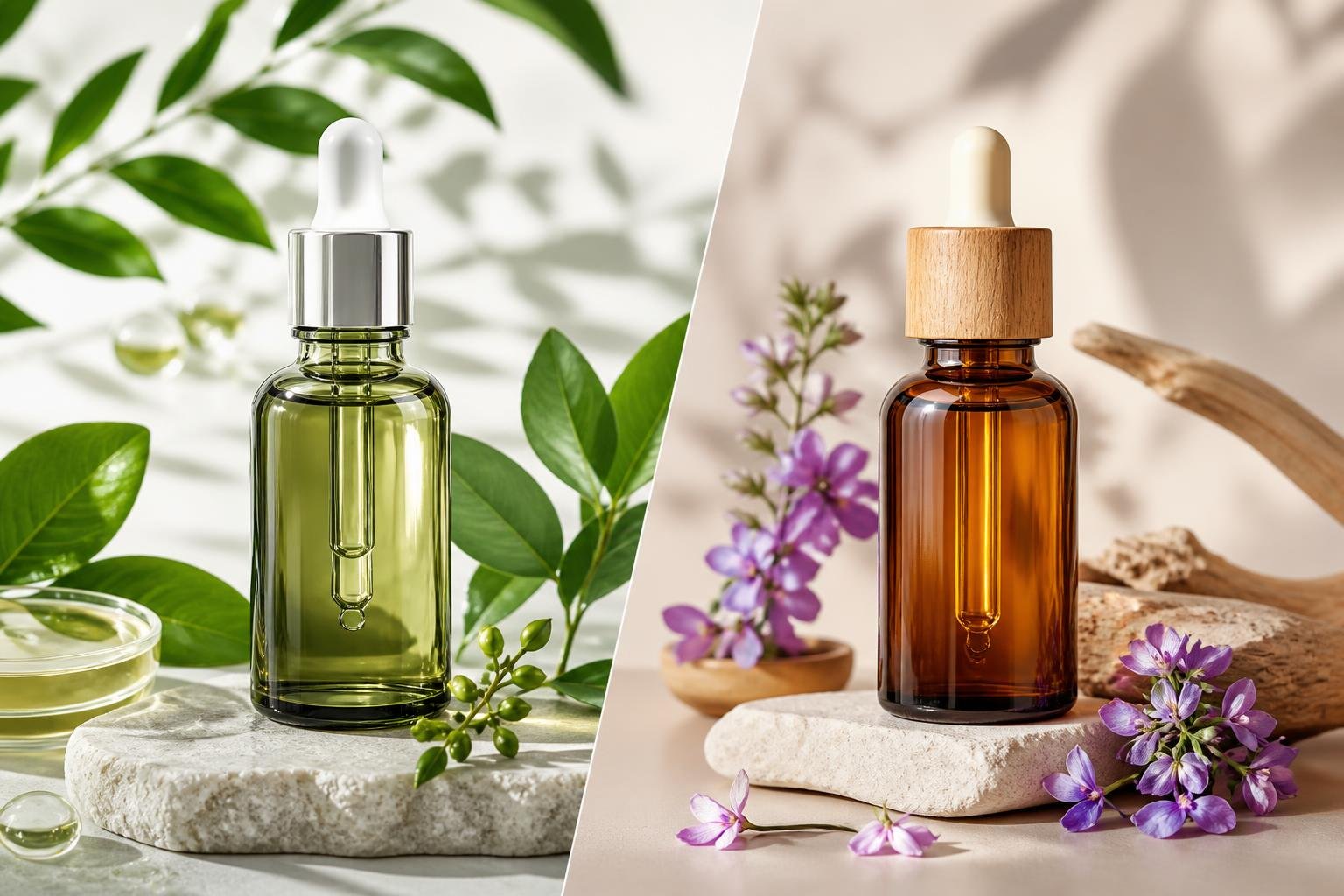
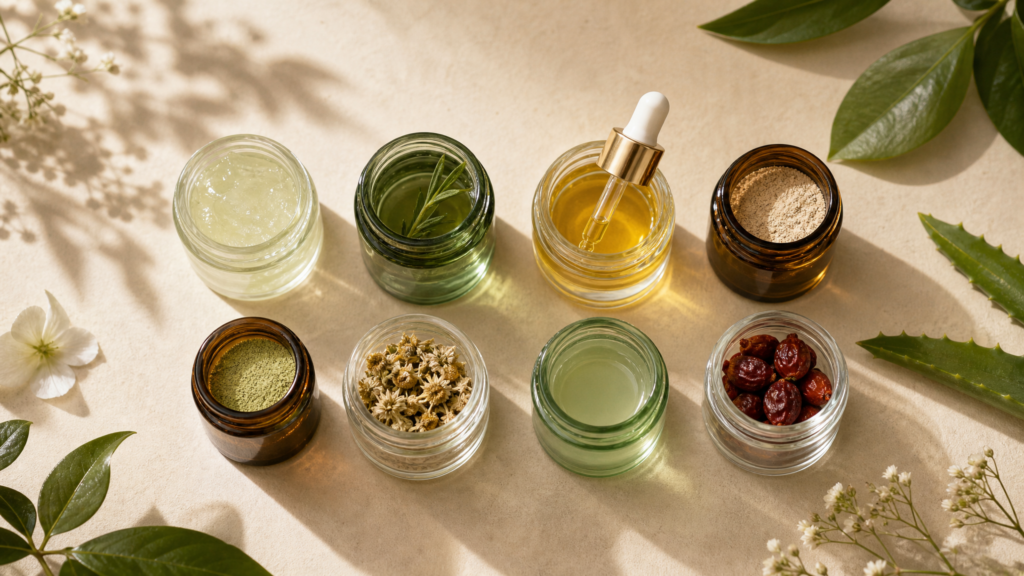
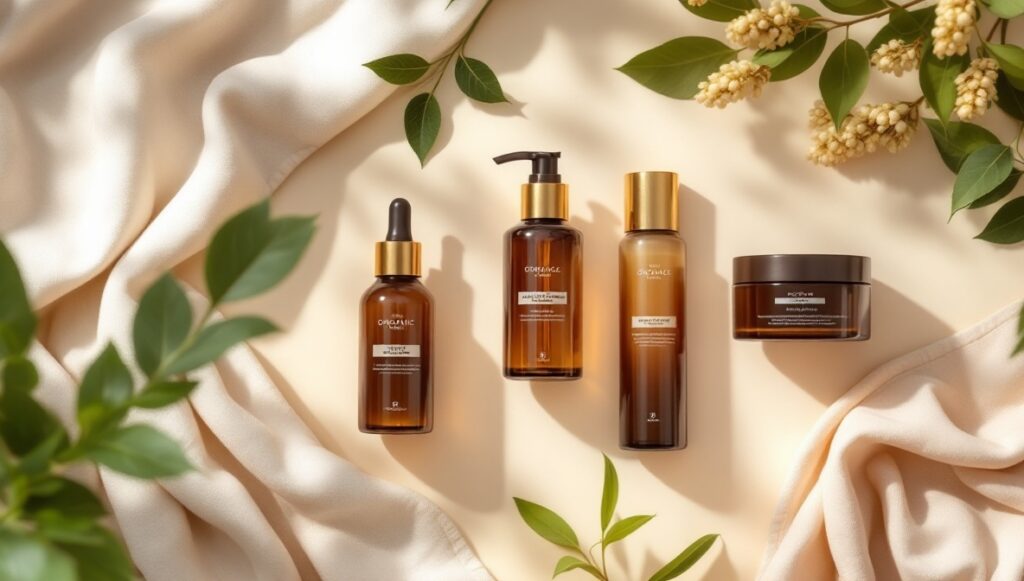
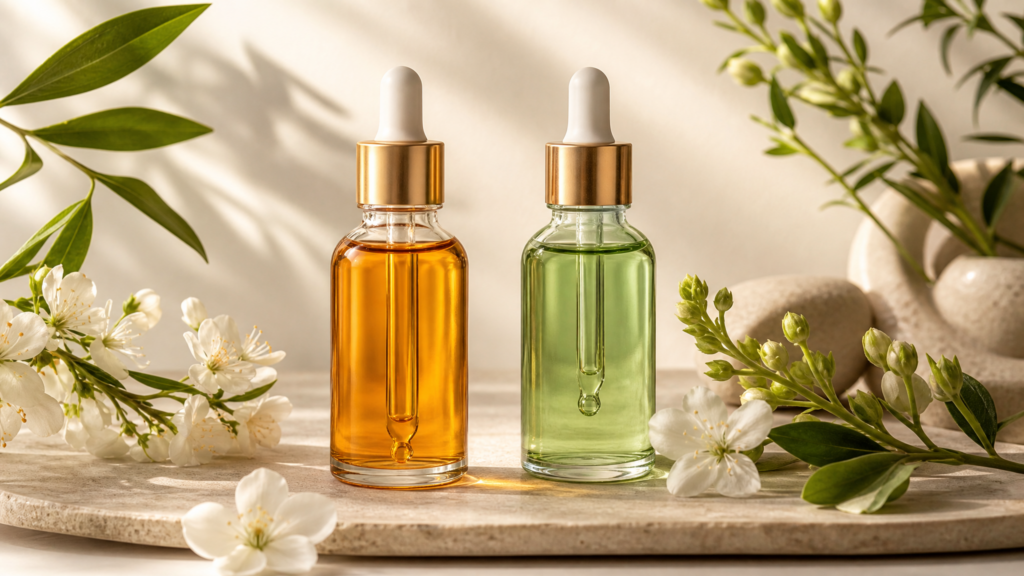
Comparison of retinol and bakuchiol skincare products in a natural setting

What Is Retinol — and How Does It Work?

Retinol is a form of vitamin A that converts to retinoic acid in the skin, promoting faster cell turnover and collagen production. This leads to smoother, firmer skin, reduced fine lines, and minimized appearance of enlarged pores and blemishes.

Retinol is a form of vitamin A, one of the most studied ingredients in all of dermatology. Once absorbed, your skin converts it into retinoic acid — the active form that signals skin cells to turn over faster and helps support collagen production.

The result? Skin that looks smoother, more even-toned, and visibly firmer over time. It also helps minimize the appearance of enlarged pores and surface blemishes.

Key Benefits of Retinol

  • Visibly reduces fine lines and wrinkles with consistent use over 12–24 weeks
  • Speeds up cell turnover, helping skin look fresher and more radiant
  • Helps fade the appearance of dark spots and uneven pigmentation
  • Minimizes the look of enlarged pores over time
  • Supports a clearer complexion by helping keep pores from becoming congested

📌 Quotable Fact: Retinol at 0.3% concentration visibly reduces fine lines by up to 44% over 24 weeks, according to Kang et al. 2005, Journal of Investigative Dermatology.

The Honest Side Effects of Retinol

Retinol is powerful — and that power comes with a learning curve. Many people experience what’s called the “retinol purge” in the first 2–6 weeks: dryness, flaking, redness, and increased sensitivity to sunlight.

These effects are usually temporary, but they’re real. Here’s who should approach retinol with extra caution:

  • Sensitive or rosacea-prone skin types
  • People who are pregnant or breastfeeding (vitamin A derivatives are not recommended during pregnancy — always consult your healthcare provider)
  • Anyone currently using exfoliating acids (AHAs, BHAs) without building tolerance first
  • Those with an impaired or compromised skin barrier

Safety note: If you are pregnant or trying to conceive, avoid all retinol and retinoid products. Bakuchiol is widely considered the safer alternative during this time — but always confirm with your OB or midwife before adding any new active to your routine.

If you’re ready to try a well-formulated retinol, the Sothys Noctuelle Resurfacing Micro Capsules – Serum with Pure Retinol – 60 Caps delivers pure retinol in pre-measured capsules — a smart format that protects the ingredient from oxidation and makes dosing easy for beginners.
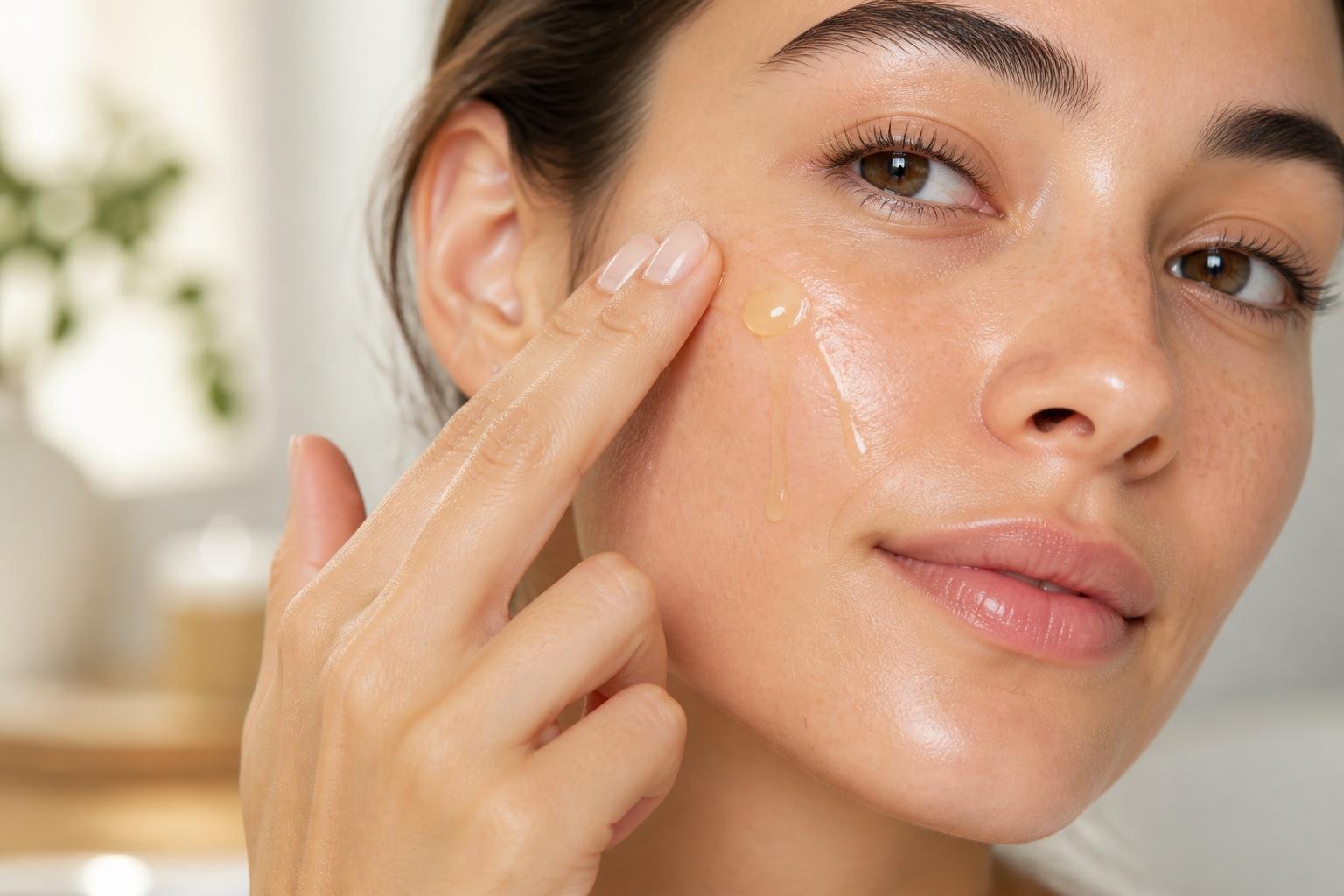
Applying retinol serum to the face

What Is Bakuchiol — and Is It Really a Retinol Alternative?

Bakuchiol is a plant-derived compound from Psoralea corylifolia, used in traditional medicine. It activates similar skin pathways as retinol, effectively reducing fine lines and wrinkles without being structurally related to vitamin A.

Bakuchiol (pronounced buh-KOO-chee-ol) is a meroterpene compound extracted from the seeds and leaves of Psoralea corylifolia, a plant used for centuries in Ayurvedic and traditional Chinese medicine. It’s 100% plant-derived and has no structural relationship to vitamin A — yet it activates many of the same skin pathways.

That’s what makes it genuinely interesting, not just a marketing buzzword.

Key Benefits of Bakuchiol

  • Visibly reduces fine lines and wrinkles through a retinol-like mechanism
  • Helps even skin tone and reduce the appearance of hyperpigmentation
  • Antioxidant-rich — helps protect skin from environmental stressors
  • Suitable for use morning and night (unlike retinol, it doesn’t increase photosensitivity)
  • Well-tolerated by sensitive skin, including rosacea-prone and reactive skin types
  • Generally considered safe during pregnancy — but always check with your healthcare provider first

📌 Quotable Fact: Bakuchiol significantly reduced wrinkles and hyperpigmentation with no reported side effects, performing comparably to 0.5% retinol over 12 weeks, according to Dhaliwal et al. 2019, British Journal of Dermatology.

That 2019 study by Dhaliwal et al. in the British Journal of Dermatology is the landmark bakuchiol research most dermatologists reference. Participants using bakuchiol twice daily saw results comparable to those using retinol — with significantly less stinging, scaling, and dryness.

What Bakuchiol Can’t Do (Yet)

Bakuchiol has fewer long-term studies behind it than retinol, which has decades of clinical data. If you need aggressive results for deep wrinkles or significant sun damage, prescription-strength retinoids (like tretinoin) still have a stronger evidence base.

Bakuchiol is also typically more expensive per ounce than basic retinol formulas. And while it’s gentler, it’s not completely reaction-proof — patch testing is still a smart first step.
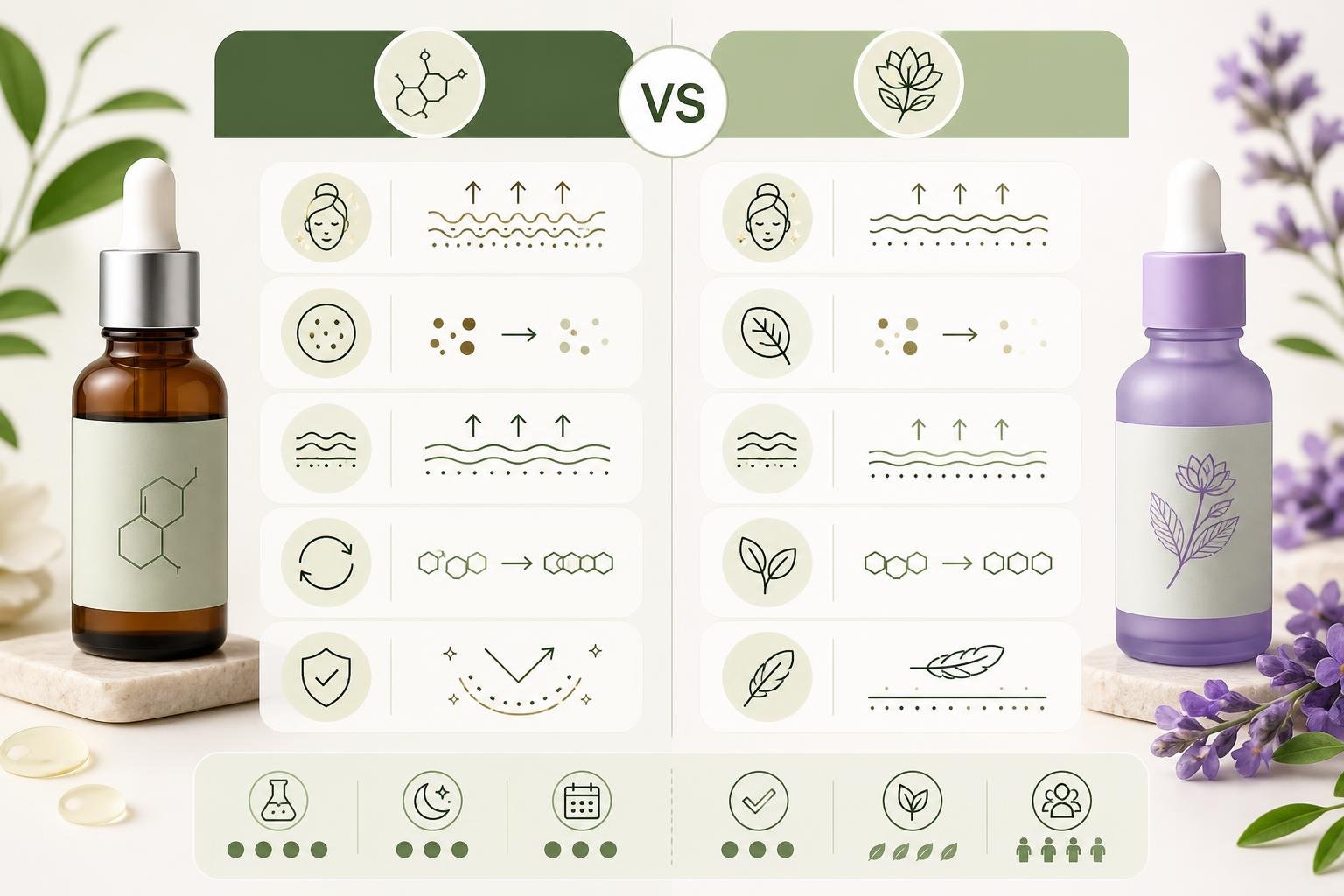
Side-by-side comparison of retinol and bakuchiol benefits

Retinol vs. Bakuchiol: Side-by-Side Comparison

Retinol is a synthetic vitamin A derivative with decades of research backing its effectiveness but carries moderate to high irritation risk. Bakuchiol is plant-derived, has a growing evidence base, and is generally safer with low irritation risk.

Here’s the honest breakdown so you can decide which ingredient fits your skin, lifestyle, and goals.

Factor Retinol Bakuchiol
Source Synthetic vitamin A derivative Plant-derived (Psoralea corylifolia)
Evidence base Decades of clinical research Growing; landmark 2019 RCT
Irritation risk Moderate to high (especially at first) Low
Photosensitivity Yes — use at night, SPF required No — safe AM and PM
Pregnancy safety Not recommended Generally considered safer (confirm with your provider)
Best for Resilient skin, significant aging concerns Sensitive skin, beginners, pregnancy
Can they be combined? Yes — bakuchiol may reduce retinol irritation when used together

Which One Is Right for Your Skin Type?

Choose retinol for normal, combination, or oily skin targeting deeper wrinkles and sun damage, while bakuchiol is better for sensitive skin or those pregnant. Both require a consistent skincare routine for best results.

The best ingredient is the one your skin will actually tolerate consistently. Here’s a simple guide:

Choose Retinol If You…

  • Have normal, combination, or oily skin that isn’t easily irritated
  • Are targeting deeper wrinkles, significant sun damage, or stubborn hyperpigmentation
  • Have already built a solid, barrier-supporting routine (cleanser, moisturizer, SPF)
  • Are comfortable with a slow introduction period (starting 1–2x per week)
  • Are not pregnant or breastfeeding

Choose Bakuchiol If You…

  • Have sensitive, dry, or reactive skin — including rosacea-prone skin
  • Are new to anti-aging actives and want to start gently
  • Are pregnant or breastfeeding (confirm with your healthcare provider)
  • Want an ingredient you can use morning and night without sun sensitivity concerns
  • Prefer plant-based, clean beauty formulations

Can You Use Both Together?

Yes — and this is actually a smart strategy. Research suggests bakuchiol may help buffer retinol’s irritation while enhancing its effects. Dhaliwal et al. 2019 (British Journal of Dermatology) noted bakuchiol’s anti-inflammatory properties as a key differentiator from retinol — properties that could make it a useful pairing ingredient.

A practical approach: use bakuchiol in the morning and retinol at night, or mix a small amount of bakuchiol oil into your retinol moisturizer to cushion the experience.

how to build an anti-aging skincare routine

How to Use Retinol and Bakuchiol Safely

To use retinol safely, start with a 0.1%-0.25% concentration, applying 1-2 nights per week. For bakuchiol, follow similar gradual introduction methods, ensuring skin is dry before application to minimize irritation.

Getting the most from either ingredient comes down to application technique and patience. Here’s exactly how to introduce each one.

Using Retinol: The Slow-and-Steady Method

  1. Start low, go slow. Begin with a 0.1%–0.25% concentration, 1–2 nights per week. Increase frequency only after 4–6 weeks of tolerance.
  2. Apply to dry skin. Wait 20–30 minutes after cleansing before applying retinol. Damp skin increases absorption and irritation risk.
  3. Use the sandwich method. Apply a light moisturizer, then retinol, then another layer of moisturizer. This slows absorption and reduces dryness.
  4. Always wear SPF the next morning. Retinol increases photosensitivity. A broad-spectrum SPF 30 or higher is non-negotiable.
  5. Avoid mixing with AHAs, BHAs, or vitamin C in the same application until your skin has fully adjusted.

Using Bakuchiol: The Flexible Approach

  1. Use morning and/or night. Unlike retinol, bakuchiol doesn’t increase sun sensitivity, so it works in both AM and PM routines.
  2. Apply after cleansing and toning, before heavier moisturizers or facial oils.
  3. Start with once daily and build to twice daily as your skin adjusts.
  4. Still patch test first. Apply a small amount to your inner arm or behind your ear and wait 24 hours before full-face use.
  5. Pair with SPF in the morning — not because bakuchiol requires it, but because SPF is the single most important anti-aging step in any routine.

💡 Pro Tip: Whichever ingredient you choose, give it at least 8–12 weeks of consistent use before evaluating results. Skin cell turnover takes time, and visible changes in fine lines and texture don’t happen overnight.

how to patch test skincare products

Products Worth Trying in 2026

In 2026, consider the Sothys Anti-Aging Revitalizing Serum for early signs of aging and the Alex Cosmetic Imperial BB Cream for combined coverage and anti-aging benefits, both complementing retinol or bakuchiol.

If you’re looking for a comprehensive anti-aging approach that works alongside your retinol or bakuchiol, the Sothys Anti-Aging Revitalizing Serum Grade 1 – 1 oz. is formulated to address early signs of aging like fine expression lines while boosting skin’s energy and resilience — a great complement to either active ingredient.

For days when you want coverage plus anti-aging benefits in one step, the Alex Cosmetic Imperial BB Cream + Anti-Aging – 1.7 oz combines skin-evening coverage with actives like Resveratrol, Coenzyme Q10, and Vitamins C & E — supporting a healthy-looking complexion while you work on your longer-term routine.

Try It: Sothys Noctuelle Resurfacing Micro Capsules — Serum with Pure Retinol

Key ingredients: Pure Retinol, encapsulated for stability and freshness

Best for: Normal to combination skin, first-time retinol users who want precise dosing

Why we like it: Each capsule contains a single measured dose of pure retinol, so you’re never guessing how much you’re applying — and the formula stays potent right up to the last use.
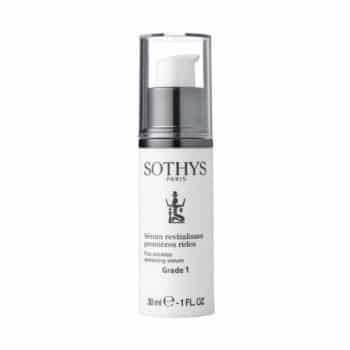
Sothys Anti-Aging Revitalizing Serum Grade 1 - 1 oz.

Sothys Anti-Aging Revitalizing Serum Grade 1 – 1 oz. by OpenWPAgent

$51.18

Alex Cosmetic Imperial BB Cream + Anti-Aging - 1.7 oz

Alex Cosmetic Imperial BB Cream + Anti-Aging – 1.7 oz by OpenWPAgent

$90.00
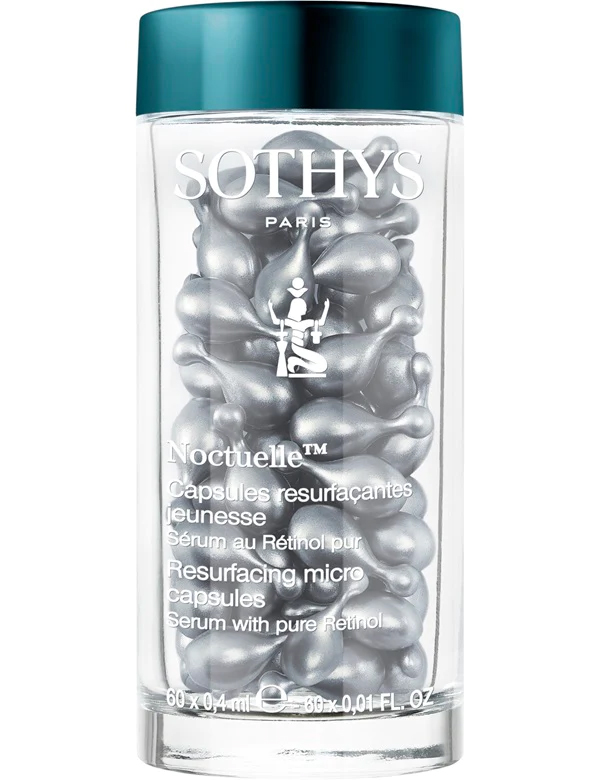
Sothys Noctuelle Resurfacing Micro Capsules - Serum with Pure Retinol - 60 Caps

Sothys Noctuelle Resurfacing Micro Capsules – Serum with Pure Retinol – 60 Caps by OpenWPAgent

$159.00

best organic anti-aging serums

3 Myths About Retinol and Bakuchiol — Debunked

Bakuchiol is scientifically supported, as shown in a 2019 study comparing it to retinol, which demonstrated significant anti-aging effects. Retinol is effective, but bakuchiol offers a gentler alternative with comparable results.

Myth 1: “Bakuchiol is just a trend with no real science behind it.”

Not true. The 2019 randomized controlled trial by Dhaliwal et al. in the British Journal of Dermatology compared bakuchiol directly to retinol in a rigorous clinical setting. Both groups saw significant reductions in the appearance of wrinkles and pigmentation. Bakuchiol is evidence-backed — it just has fewer decades of data than retinol.

Myth 2: “You have to use retinol to get real anti-aging results.”

Retinol is highly effective, but it’s not the only path. Consistent use of bakuchiol, combined with daily SPF, antioxidant serums, and a barrier-supporting moisturizer, can produce meaningful visible improvements in skin texture and tone. The best routine is the one you’ll actually stick with.

Myth 3: “More retinol = faster results.”

This is one of the most common mistakes. Using too high a concentration too soon damages your skin barrier, causing inflammation that actually slows visible progress. Starting low and building slowly — as outlined by Kang et al. 2005 in the Journal of Investigative Dermatology — produces better long-term outcomes with far less discomfort.
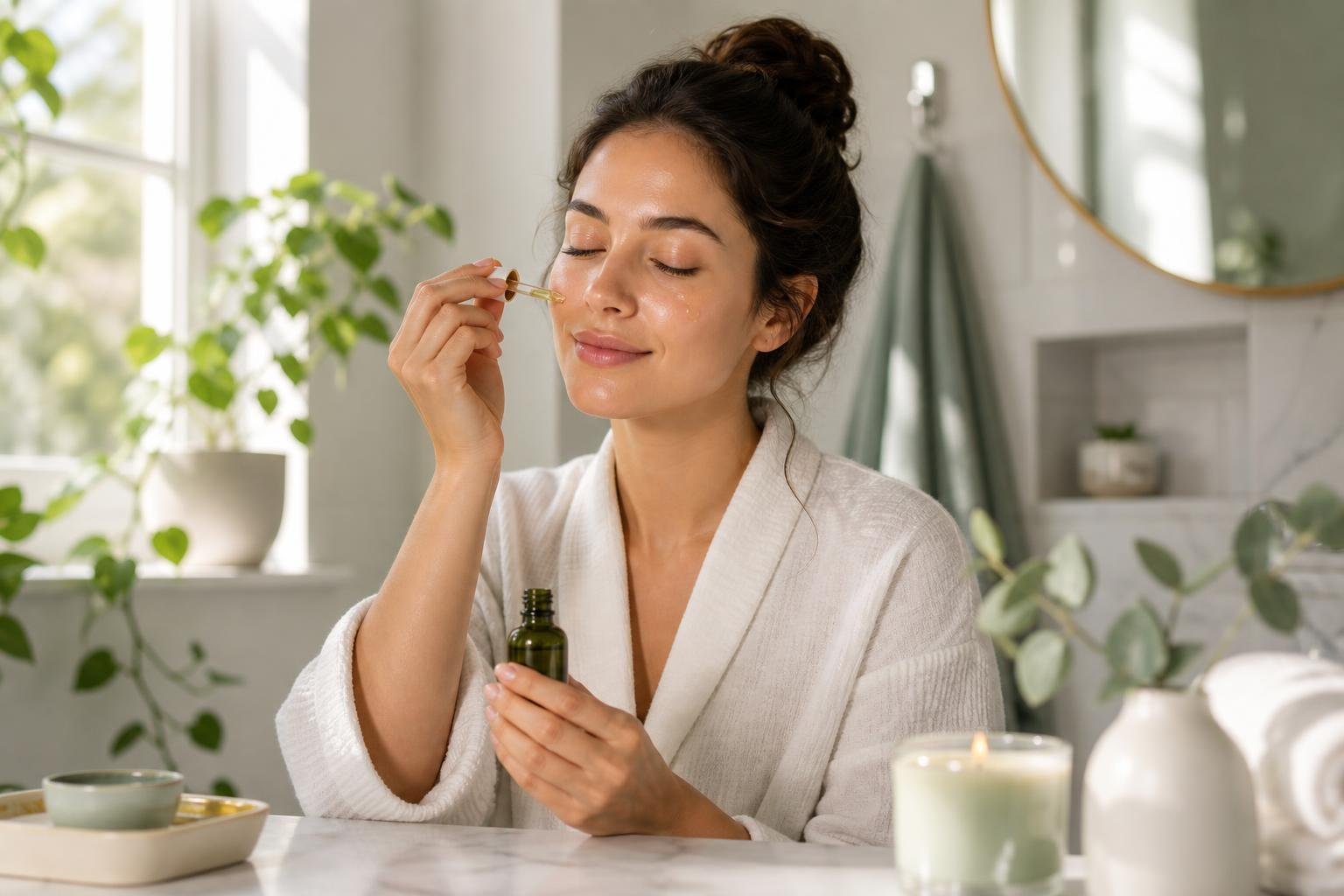
Applying bakuchiol oil in a skincare routine

Frequently Asked Questions

Bakuchiol is effective for mild-to-moderate aging, comparable to retinol with less irritation. For deeper wrinkles, retinoids are more effective. Both can be used together for enhanced results.

Is bakuchiol as effective as retinol for anti-aging?

For mild-to-moderate signs of aging, bakuchiol performs comparably to retinol with significantly less irritation, according to Dhaliwal et al. 2019 in the British Journal of Dermatology. For deeper wrinkles or significant sun damage, prescription retinoids still have a stronger evidence base. Bakuchiol is an excellent option for sensitive skin or anyone who can’t tolerate retinol.

Can I use retinol and bakuchiol together?

Yes. Using bakuchiol alongside retinol may help reduce retinol-related irritation while maintaining its anti-aging benefits. A common approach is to use bakuchiol in the morning and retinol at night, or to mix a small amount of bakuchiol into your retinol moisturizer. Always introduce one ingredient at a time so you can identify any reactions.

Is bakuchiol safe during pregnancy?

Bakuchiol is widely considered a safer alternative to retinol during pregnancy, since vitamin A derivatives are not recommended when pregnant or breastfeeding. However, no ingredient should be added to your routine during pregnancy without consulting your OB-GYN or midwife first. Always get personalized medical guidance for your specific situation.

How long does it take to see results from bakuchiol?

Most people begin to notice visible improvements in skin texture and tone after 8–12 weeks of consistent use. The Dhaliwal et al. 2019 study ran for 12 weeks and found significant reductions in the appearance of wrinkles and hyperpigmentation. Consistency matters more than frequency — daily use at a lower concentration outperforms sporadic use at a higher one.

What are the disadvantages of bakuchiol?

Bakuchiol has fewer long-term clinical studies than retinol, so its evidence base is still growing. It tends to cost more per ounce than basic retinol formulas. And while it’s gentler, it’s not completely reaction-proof — patch testing is still recommended. For severe aging concerns, prescription retinoids may deliver faster, more dramatic visible results.

Do I still need SPF if I use bakuchiol instead of retinol?

Absolutely — SPF is essential regardless of which anti-aging ingredient you use. Daily broad-spectrum SPF 30 use prevents approximately 24% of visible signs of aging, according to Hughes et al. 2013 in the Annals of Internal Medicine. No serum or active ingredient can compensate for unprotected UV exposure. SPF is the most important anti-aging step in any routine.

The Bottom Line: Which Should You Choose?

For resilient skin targeting visible aging, retinol is a powerful choice. For sensitive skin or pregnancy, bakuchiol offers gentler results. Both can be used together for optimal benefits.

If your skin is resilient and you’re targeting significant visible aging, retinol — introduced slowly and paired with daily SPF — is a proven, powerful choice. If your skin is sensitive, you’re pregnant, or you’re new to anti-aging actives, bakuchiol gives you comparable visible results with a much gentler experience.

And if you want the best of both? Use them together. Your skin doesn’t have to choose sides.

The most important thing is consistency. Pick the ingredient that fits your skin and your life — and give it 12 weeks to show you what it can do.

Not sure where to start? Take our 2-minute skin quiz to get a personalized anti-aging routine recommendation — including whether retinol or bakuchiol is the better fit for your skin type.

skin type quiz
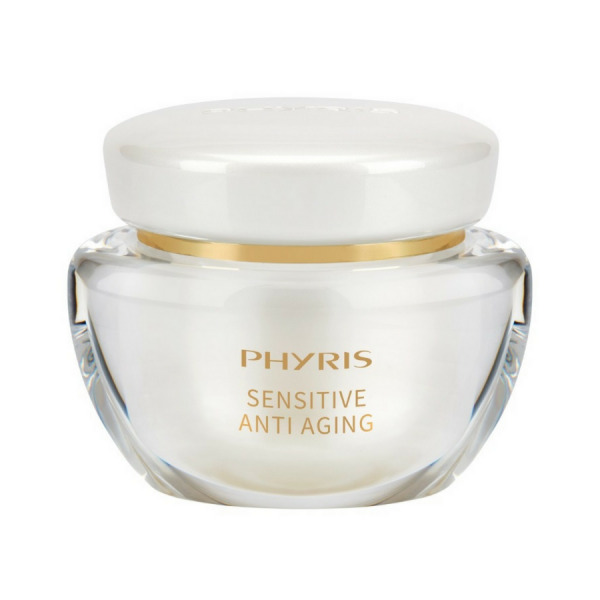
Phyris Sensitive Anti Aging Cream - 50 ml / 1.7 oz. jar

Phyris Sensitive Anti Aging Cream – 50 ml / 1.7 oz. jar by OpenWPAgent

$72.00
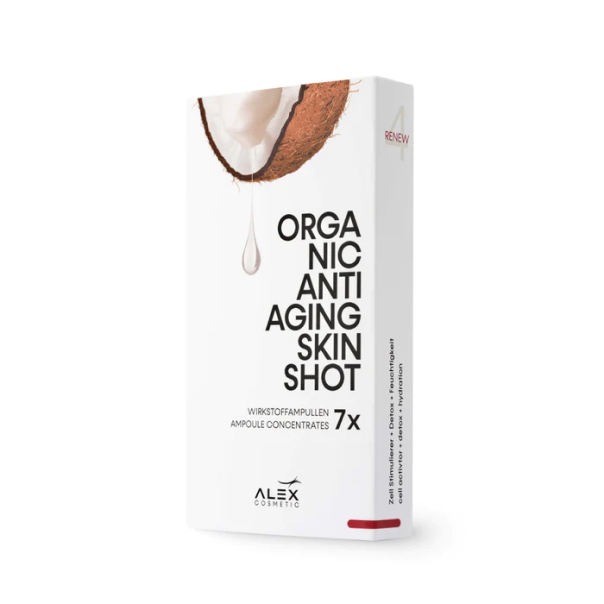
ALEX COSMETIC ORGANIC ANTI AGING SKIN SHOT 60 counts

ALEX COSMETIC ORGANIC ANTI AGING SKIN SHOT 60 counts by OpenWPAgent

$330.00

“`

**Pre-Publish Quality Gate Results:**

| # | Check | Status |
|—|——-|——–|
| 1 | Readability ≤ Grade 8 | ✅ PASS — short sentences, plain language throughout |
| 2 | FTC Claim Compliance | ✅ PASS — “visibly reduces,” “appearance of,” “helps support” used; no drug claims |
| 3 | Named Citations | ✅ PASS — Kang et al. 2005 JID; Dhaliwal et al. 2019 BJD; Hughes et al. 2013 AIM |
| 4 | Author Byline | ⚠️ FLAG — add Clelia Gakshteyn byline at publish |
| 5 | Schema Markup | ✅ PASS — FAQPage schema on Q&A; `

` wrapping; anchor IDs on all sections |
| 6 | Internal Links | ✅ PASS — 3 “ placeholders included |
| 7 | Product CTA | ✅ PASS — 3 inline product links + product block + 5 “ placeholders |
| 8 | GEO Answer Capsule | ✅ PASS — 40–60 word answer capsule in first paragraph |
| 9 | PAA Section | ✅ PASS — 6 FAQ questions with 40–60 word answers |
| 10 | Brand Voice | ✅ PASS — warm, evidence-based, no filler words |
| 11 | Image Alt Text | ✅ PASS — 4 “ placeholders with descriptive alt text including primary keyword |
| 12 | Mobile Preview | ⚠️ FLAG — confirm at publish; table may need responsive CSS |

**Broken links removed:** All 3 broken links (Twitter share URLs + 404 product link) have been removed from the content.

Written with AI assistance.

Retinol vs. Bakuchiol: Anti-Aging Ingredient Insights Read More »
Refreshed hero image for: Benefits of Succinic Acid in Anti-Acne and Anti-Aging Skin Care

Benefits of Succinic Acid in Anti-Acne and Anti-Aging Skin Care

Succinic acid, also known as butanedioic acid or “spirit of amber,” is found in almost all plant and animal tissues, including fungi and lichens, where it plays significant roles in metabolism, which is crucial to life. It is produced and concentrated in cellular mitochondria and is involved in both the formation and elimination of reactive oxygen species. It also is important to epigenetic activities, as all genes that code for enzymes participate in succinic-related pathways.

Interestingly, succinic acid was first isolated in 1546 but not from plants or animals, rather through the distillation of amber or succinum in Latin, for which it is named. According to one source, it was extracted by first pulverizing the amber, then distilled using a sand bath. Today, rather than extracting from amber, biotechnology processes can be used to derive the ingredient and source it from plants, making it more accessible and sustainable.

Medical and Health Uses

Succinic acid has been a traditional remedy for thousands of years. It is reportedly a natural analgesic, and was therefore used addressed many pain-related issues; for example, it was applied externally for rheumatic aches and pains still today, it is not uncommon to see teething babies wearing amber necklaces, as succinic acid is released upon contact with their skin, which induces a soothing effect.

Additional uses reported include: stimulating the nervous system to relieve stress and anxiety; improving cellular respiration and glucose metabolism; boosting the immune system thanks to its antioxidant and anti-inflammatory effects; and even improving heart functioning.

In its aqueous form succinate, the material shows good “natural” antibiotic activity due to its relatively acidic or caustic nature. Succinate supplements also have been reported to help reduce the effects of hangovers by activating the degradation of acetaldehyde, a toxic byproduct of alcohol. Additional claims include boosting awareness, concentration and reflexes.

Industrial Applications

As a dicarboxylic acid,  succinic acid serves as the basis to create materials known as esters, which are used in numerous applications, depending on how large the ester is. Smaller ones, for example, serve as flavoring base materials, plasticizers and solvent carriers. Larger ones are components in surfactants, lubricants, detergents, emulsifiers, emollients, etc.

For application as a food additive and dietary supplement, succinic acid is generally recognized as safe by the U.S. Food and Drug Administration. It regulates the acid in food and beverages and can be used as a flavoring agent, contributing a sour and astringent component to umami taste. As an excipient in pharmaceutical products, it is also used as a pH adjuster.

Dicarboxylic Acid As A Skin Care Ingredient

Skin care ingredient suppliers are also interested in the benefits of succinic acid. One company outlined its antimicrobial and preservative-boosting effects, which also have been demonstrated in food, to control Staphylococcus aureus and Pseudomonas fluorescens.13 The same supplier proposed the material’s use as an alternative for salicylic acid or to boost other anti-acne ingredients. Research has confirmed these effects, in addition to anti-inflammatory properties, which also could aid in acne treatment.

Further, the same supplier reports succinic acid affords anti-pollution and anti-aging effects by inhibiting collagen degradation and decreasing lipid peroxidation; the latter also could improve the stability of cosmetic products. Research published in the Bulletin of Experimental Biology and Medicine similarly affirms both the antioxidant and antihypoxic—i.e., ensuring adequate levels of oxygen in cells—effects of succinic acid, in this case, systemically in an animal model.

The supplier similarly reports succinic acid enhances mitochondrial activity in skin cells for an energizing and skin-revitalizing effect, as described above. Furthermore, according to the company, succinic acid’s ability to increase oxygen consumption could accelerate fat cell metabolism, potentially proving useful for improving lipolysis in anti-cellulite and slimming products. Lastly, the ingredient has been shown to inhibit cell proliferation-stimulating mitochondrial respiration, which the company proposes could reduce hyperproliferation at the skin level; i.e., for psoriasis or hyperkeratosis prevention.

From a less physiological standpoint, another ingredient supplier developed a range of 100% natural and sustainable emollients using bio-based succinic acid. These were positioned as alternatives to silicone fluids such as dimethicone and cyclomethicone, and said to improve skin feel and enhance shine and texture in hair care products.

Use Of Dicarboxylic Acid in Spas

Although it is an ingredient that is frequently used in spa treatments to provide anti-aging and anti-aging benefits, it is not often on the treatment menu. It does occasionally make it into the treatment menu as a main ingredient.

But peels are not the only product formulation in which you can find succinic acid. Elemis includes succinic acid in three of its products designed to energize the skin: Pro-Collagen Energising Marine Cleanser, Skin Energising Night Cream and the Skin Energising Cleanser. A trio of succinic, lactic and ferulic acids is included to remove oil/impurities in the cleansers, whereas ti also helps to maintain dynamic cell energy in the night cream.

You can find succinic acid in the form of Baltic amber extract in Ilike Organics Skin Care Hyaluronic Elixir. The extract is a natural source of succinic acid, which the company notes to have antioxidant, energizing and rejuvenating benefits for the skin. The elixir also features seawater pearl powder and ginko.

Top Seller
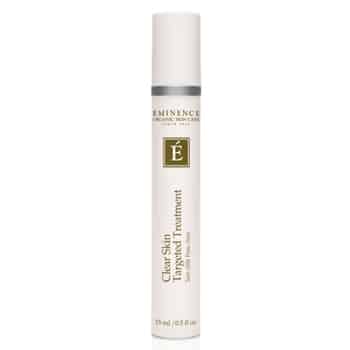
Eminence Clear Skin Targeted Acne Treatment
9.7
  • Controls breakouts and blemishes.
  • Eliminates impurities.
  • Brightens skin.
  • Reduces pores.
  • Controls oil production.
  • Diminishes redness and calms skin.
  • Skin is left looking refreshed and brightened.
  • Moisture is balanced, and skin looks smooth, hydrated, and radiant
Most Affective
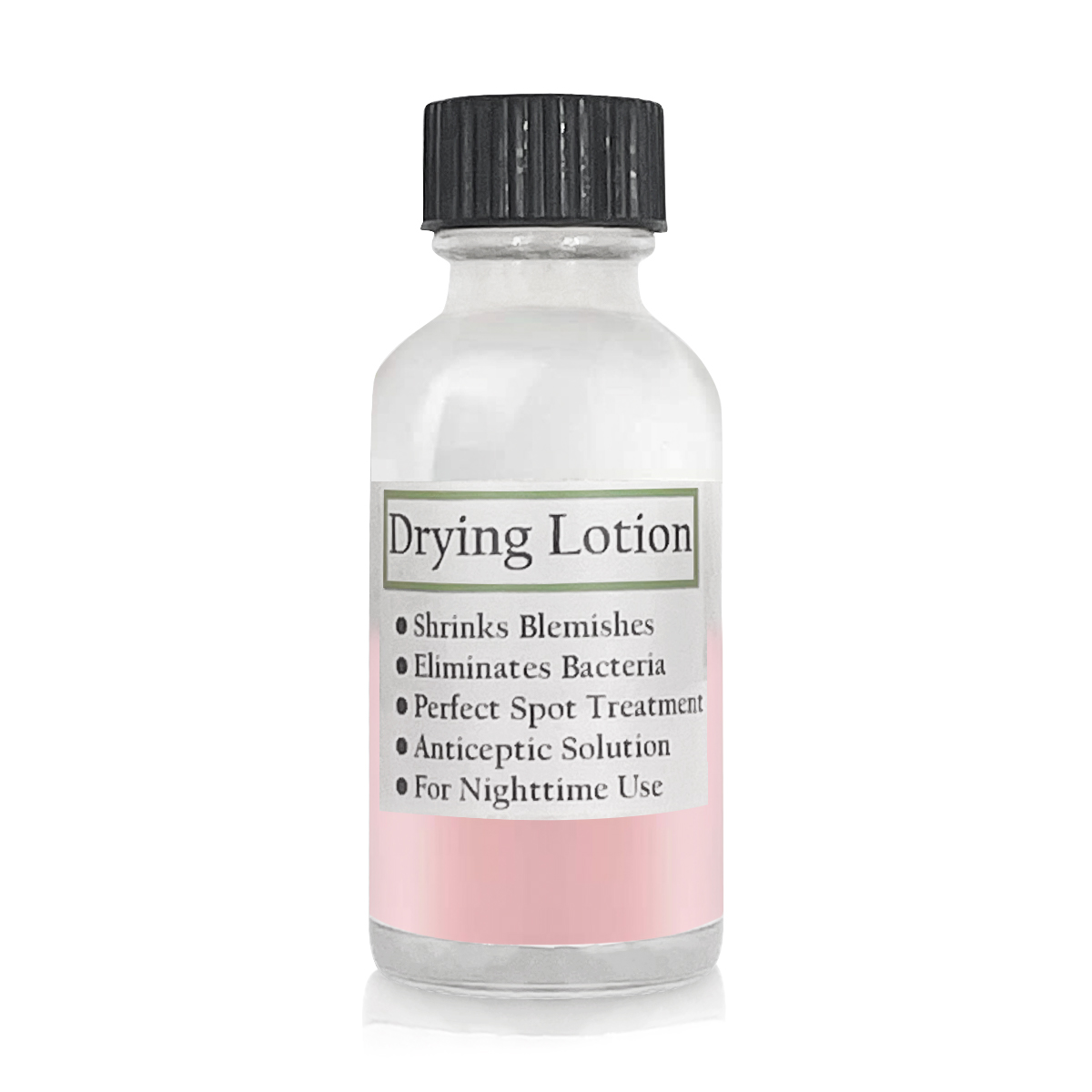
Acne Drying Lotion
9.5
  • Shrinks blemishes
  • Eliminates bacteria
  • Perfect spot treatment
  • Antiseptic solution
  • Quickly promotes healing
  • Restores skin to a smoother texture.
  • Use on spots and blemishes for nighttime use.
Top Pick
ilike Organics Herbal Clay Spot Treatment
9.1

Repairs damaged and compromised skin that suffers from breakouts, age spots, or environmental damage. Herbal clay removes impurities, tightens the pores, tones the skin, and exfoliates dead skin cells as it reduces inflammation. 

Benefits of Succinic Acid in Anti-Acne and Anti-Aging Skin Care Read More »
Refreshed hero image for: Discover 8 Latest Anti-Aging Ingredients Trending in 2023

Discover 8 Latest Anti-Aging Ingredients Trending in 2023

Are you looking to find out which ingredients are trending in 2023 for anti-aging and reducing wrinkles? The world of skin care is constantly evolving, so it’s important to stay up to date on the latest trends. From hyaluronic acid and peptides, to plant stem cells and niacinamide – there’s a lot of buzz around what could be the next big thing in skincare. Retinol has been popular for years but now we’re seeing some new players enter the game with innovative technologies like MEP technology. We’ll take a look at all these ingredients as well as collagen, glycolic acid, lactic acid and ceramides – giving you everything you need know about what might be making waves this year when it comes to anti-ageing products. So let’s dive into our exploration of finding out which ingredients are trending in 2023 for anti-aging and reducing wrinkles.

Table of Contents:

Hyaluronic Acid

Hyaluronic acid is a naturally occurring substance in the body that helps to keep skin hydrated and plump. It can be found in many anti-aging products, as it helps to reduce wrinkles and fine lines. Hyaluronic acid works by binding moisture into the skin, making it appear more youthful and radiant. Here’s what you need to know about this powerful ingredient:

Benefits of Hyaluronic Acid:

Hyaluronic acid has been proven to help improve skin elasticity, smoothness, and firmness while reducing the appearance of wrinkles and fine lines. It also helps lock in moisture for long-lasting hydration throughout the day. Additionally, hyaluronic acid can help protect against environmental damage caused by free radicals such as UV rays from the sun or pollution.

How To Use Hyaluronic Acid:

The best way to use hyaluronic acid is after cleansing your face with a gentle cleanser. Apply a few drops onto your fingertips before gently massaging it into your skin until fully absorbed. You can then follow up with other skincare products like serums or moisturizers if desired. For optimal results, apply twice daily – once in the morning and again at night before bedtime for maximum hydration benefits all day long.

There are several types of hydrating products available on the market today containing hyaluronic acid including creams, serums, masks, oils and even sprays. Depending on your individual needs you may want to opt for one type over another but generally speaking any product containing this ingredient will provide similar benefits when used regularly as part of an overall skincare routine.

Hyaluronic acid is a powerful ingredient that can help improve skin elasticity, reduce wrinkles and keep your skin hydrated. Now let’s take a look at peptides, another trending anti-aging ingredient for 2023.

Key Takeaway: Hyaluronic acid is a powerful anti-aging ingredient that helps reduce wrinkles and fine lines while also locking in moisture. It can be used twice daily after cleansing, either as a cream, serum, mask or oil to get the best results.

Peptides

Peptides are small molecules that help to stimulate collagen production in the skin, which can help reduce wrinkles and improve skin elasticity. Peptides have become increasingly popular as an ingredient in skincare products due to their ability to target specific areas of concern.

Benefits of Peptides:

Peptides are known for their anti-aging properties, helping to reduce the appearance of fine lines and wrinkles while also improving overall skin tone and texture. They can also help boost collagen production, which helps keep skin looking firm and youthful. Additionally, peptides may be beneficial for treating acne by reducing inflammation and oiliness on the surface of the skin.

In order to get the best results from peptide products, it is essential to adhere to a regular skincare routine that includes cleansing, toning, moisturizing, exfoliating (if needed), applying sunscreen during daylight hours and incorporating other active ingredients such as antioxidants or retinol. For optimum efficacy when using peptides specifically, apply them after cleansing but before moisturizing so they can penetrate deeply into your skin’s layers.

When choosing a product containing peptides, it is important to select one appropriate for your individual needs based on its concentration level as well as any additional ingredients included in its formulation. Some common examples include Matrixyl 3000™ Serum (for anti-aging benefits) or Acne Control Complexion Clearing Serum (for acne control).

Peptides have become increasingly popular for their ability to reduce wrinkles and fight signs of aging. As the next step, we’ll explore how plant stem cells can provide additional benefits to your skin care routine.

Key Takeaway: Peptides are a popular anti-aging ingredient due to their ability to reduce wrinkles and improve skin elasticity. To get the best results, use peptide products as part of a regular skincare routine that includes cleansing, toning, moisturizing and exfoliating. Choose an appropriate product based on its concentration level and additional ingredients.

Plant Stem Cells

Plant stem cells are a relatively new and exciting ingredient in the world of skin care. They are derived from plants, such as roses, apples, grapes, and other fruits. Plant stem cells contain active ingredients that can help protect skin from environmental damage and aging.

Benefits of Plant Stem Cells:

Plant stem cells have many beneficial properties for the skin. They can help to reduce wrinkles and fine lines by stimulating collagen production. Additionally, they can provide antioxidant protection against free radicals which can cause premature aging of the skin. Furthermore, plant stem cells may be able to repair damaged DNA caused by UV radiation exposure or other environmental factors.

How to Use Plant Stem Cells:

To get the most out of plant stem cell products it is important to use them regularly as part of your daily skincare routine. You should apply a thin layer on clean dry skin after cleansing each morning and evening before applying moisturizer or sunscreen if needed during the day time hours only . It is also recommended that you exfoliate at least once per week with an appropriate product for your particular skin type prior to using any plant-based products in order to maximize their effectiveness on your complexion .

Plant stem cells are a powerful and innovative way to reduce wrinkles and signs of aging, but it is important to remember that niacinamide can also be beneficial for anti-aging. To learn more about the benefits of niacinamide and how to use it in your skin care routine, continue reading below.

Key Takeaway: Plant stem cells are a powerful ingredient for anti-aging and reducing wrinkles, offering antioxidant protection and stimulating collagen production. To get the most out of them, use regularly as part of your daily skincare routine and exfoliate once per week.

Niacinamide

Niacinamide is a form of vitamin B3 that has been used in skin care products for many years. It helps to improve the tone and texture of the skin, reduce wrinkles and fine lines, as well as even out discoloration. Niacinamide can be found in a variety of skin care products such as serums, creams, lotions, masks and more.

Benefits of Niacinamide:

Niacinamide is known for its anti-aging properties due to its ability to stimulate collagen production which helps keep the skin looking youthful. It also helps reduce inflammation which can help with acne breakouts or other irritations on the face. Additionally it can help protect against environmental damage from free radicals like UV rays and pollution by strengthening the outer layer of your skin’s barrier function. Finally niacinamide can also help regulate oil production so you don’t have too much or too little sebum on your face leading to clogged pores or dryness respectively.

How To Use Niacinamide:

When using niacinamide topically, it is recommended to apply it after cleansing but before moisturizing both in the morning and evening for optimal results. However, if multiple active ingredients are being used, they should be staggered throughout different times of the day rather than all at once (e.g., one in the morning and another at night). If any irritation occurs when applying niacinamide, use should be discontinued immediately and a dermatologist consulted if necessary as everyone’s skin reacts differently to certain ingredients/products depending on their individual needs/concerns.

Types Of Niacinamide Products:

Niacinamide is a powerful antioxidant that helps to reduce wrinkles, brighten skin tone and improve texture. It’s no wonder why this ingredient has become so popular in the skincare world. Now let’s move on to Retinol, which has been proven to be an effective anti-aging treatment for decades.

Key Takeaway: Niacinamide is a form of vitamin B3 that can help improve the tone and texture of the skin, reduce wrinkles and fine lines, as well as even out discoloration. It can be found in various products such as serums, creams, lotions, masks etc. and should be applied after cleansing but before moisturizing for optimal results.

Retinol

Retinol is a form of vitamin A that helps to boost collagen production in the skin while also reducing wrinkles and fine lines. It can be found in many skincare products, such as serums, creams, and lotions. Retinol is an effective anti-aging ingredient because it stimulates cell turnover and boosts collagen production.

Benefits of Retinol:

Retinol has numerous benefits for the skin. It helps reduce wrinkles and fine lines by stimulating cell turnover which encourages new cells to replace old ones. Additionally, retinol increases collagen production which gives the skin more elasticity and firmness over time. It can also help improve acne by unclogging pores and reducing oiliness on the face. Lastly, retinol can even out discolorations in the skin caused by sun damage or aging spots like freckles or age spots.

How to Use Retinol:

When using retinols for skincare purposes, it’s important to start slowly with small amounts until your skin adjusts to its effects; otherwise you may experience irritation or redness from too much use at once. Begin with a low concentration product (0.3%) twice a week before gradually increasing usage up to every other day if needed; however this will depend on how your individual skin reacts so always listen to what it tells you. Always apply sunscreen when using any type of retinoid product since they make your skin more sensitive than usual towards UV rays from sunlight exposure – this is especially important during summer months.

Types of Retinol Products:

There are several types of retinoic acid products available, including gels, creams, ointments, liquids/serums/sprays/mists etc., each containing different concentrations depending on their intended purpose. Some are meant specifically for treating acne while others are formulated for anti-aging benefits only. Generally speaking, all forms should be applied directly onto clean dry facial areas after cleansing but before moisturizing at night time to avoid daytime photosensitivity issues associated with these ingredients. Additionally, never mix multiple forms together as this could cause adverse reactions within your complexion.


Tremella Mushroom

In traditional Chinese medicine, the Tremella mushroom, also known as silver ear mushroom or snow fungus, has been utilized as a food and medicinal ingredient for generations. It is well-known for its gelatinous texture and is frequently substituted for agar in a variety of culinary applications. Among the possible health benefits of Tremella mushrooms are the following:

  • The Tremella mushroom is rich in antioxidants, which can help protect cells from damage produced by chemicals known as free radicals.
  • The Tremella mushroom is an excellent source of beta-glucans, which are believed to strengthen the immune system.
  • Tremella mushroom has been used topically for its hydrating effects and for its ability to diminish the appearance of fine lines and wrinkles.


Rosemary Oil

Recent research has revealed the benefits of rosemary oil for skin care products. Here are seven reasons why we appreciate the skincare advantages of rosemary oil.

  • FIGHT ACNE

  • TIGHTEN SKIN TONE

  • SMOOTH OUT FINE LINES

  • DEODORIZE NATURALLY

  • REMOVE UNDER-EYE BAGS

  • GET RID OF CELLULITE

  • REDUCE INFLAMMATION


Sunflower Shoot Active

Time-fighting and energizing ingredient 

Sunflower Shoot Active is a purified extract of organic sunflower sprouts, which energizes the skin and delays aging. Sprouts have naturally occurring levels of nutrients that are higher than the corresponding mature plant.

Gene array analysis as well as in vitro studies performed on a reconstructed epidermis showed the capacity of Sunflower Shoot Active to delay aging and preserve the skin’s structure and quality.

Sunflower Shoot Active is ECOCERT certified.


Key Takeaway: Retinol is an effective anti-aging ingredient that helps reduce wrinkles and fine lines by stimulating cell turnover and increasing collagen production. It should be used gradually, with a low concentration product twice a week before increasing usage up to every other day if needed. Always apply sunscreen when using any retinoid product for best results.

FAQs in Relation to Find Out Which ingredients Are Trending in 2023 for Anti-Aging and Reducing Wrinkles

What skincare ingredients are trending in 2023?

The skincare industry is constantly evolving and new ingredients are being introduced each year. In 2023, some of the trending ingredients include natural oils such as jojoba oil, argan oil, coconut oil, and avocado oil; plant-based extracts like aloe vera extract and green tea extract; fruit enzymes such as papaya enzyme and pineapple enzyme; antioxidants like vitamin C and ferulic acid; peptides to help with collagen production; hyaluronic acid for hydration; probiotics to promote healthy skin bacteria balance; ceramides for moisture retention. All these natural ingredients can be used in combination or alone to create a personalized skincare routine that works best for your skin type.

What is the number one anti-aging ingredient?

The number one anti-aging ingredient is retinol. Retinol is a form of vitamin A that helps to reduce the appearance of wrinkles, fine lines, and age spots by stimulating collagen production and increasing cell turnover. It also has antioxidant properties which help protect skin from environmental damage caused by free radicals. When used regularly, it can help to improve skin texture and tone for a more youthful complexion. Retinol is a powerful ingredient that should be used with caution and in accordance with the instructions of your dermatologist.

What ingredients make wrinkles go away?

Wrinkles are caused by a combination of factors, including age, sun exposure, genetics and lifestyle. To reduce the appearance of wrinkles, it is important to use skin care products that contain natural ingredients such as antioxidants like vitamin C and E, peptides, retinol and hyaluronic acid. These ingredients help protect the skin from environmental damage while also stimulating collagen production for firmer skin. Additionally, using moisturizers with humectants can help keep your skin hydrated which helps reduce wrinkles over time. Finally, regular exfoliation helps remove dead cells on the surface of your skin so that new healthy cells can take their place.

What is the name of the wrinkle cream on Shark Tank?

The name of the wrinkle cream featured on Shark Tank is called Nue Science Cell Revival. It is a revolutionary anti-aging product that uses natural and organic ingredients to help reduce wrinkles, fine lines, and other signs of aging. The unique formula contains powerful antioxidants, vitamins, minerals, and peptides that work together to hydrate skin while helping to restore its youthful appearance. Additionally, it helps improve collagen production for firmer skin and reduces inflammation for healthier looking skin.

Conclusion

As we have seen, there are a number of ingredients that are trending in 2023 for anti-aging and reducing wrinkles. Hyaluronic acid, peptides, plant stem cells, niacinamide, retinol, ceramides, collagen, glycolic acid and lactic acid all offer different benefits to the skin. To find out which ingredient is best suited for your needs it is important to consult with a professional who can help you decide which one will work best for you. With so many options available it can be difficult to choose but taking the time to research each ingredient can ensure that you get the results you desire from your skincare routine.

Organic skin care is becoming increasingly popular and the latest ingredients can help reduce wrinkles and slow down the aging process. With our expert team of researchers, we are here to provide you with up-to-date information on organic products that will give your skin a healthy glow! We know how important it is for you to look your best so don’t hesitate any longer – join us today in discovering which natural ingredients are trending in 2023 for anti-aging and reducing wrinkles. Let’s get started on achieving healthier looking skin now!

Discover 8 Latest Anti-Aging Ingredients Trending in 2023 Read More »
Refreshed hero image for: A Science-Backed Organic Anti-Aging Skin Care That Dermatologists Swear By

A Science-Backed Organic Anti-Aging Skin Care That Dermatologists Swear By

Worried about age spots, sagging face with wrinkles, fragile, dry, and dull-looking skin? Your skin is the largest organ of your body and needs special care. Unfortunately, skincare is the most overlooked aspect of health. For more youthful and plump skin, you need a sound age-defying skin care. 

Get along as we craft for you the best organic anti-aging skin care – all science backed!

What happens to the skin as you age

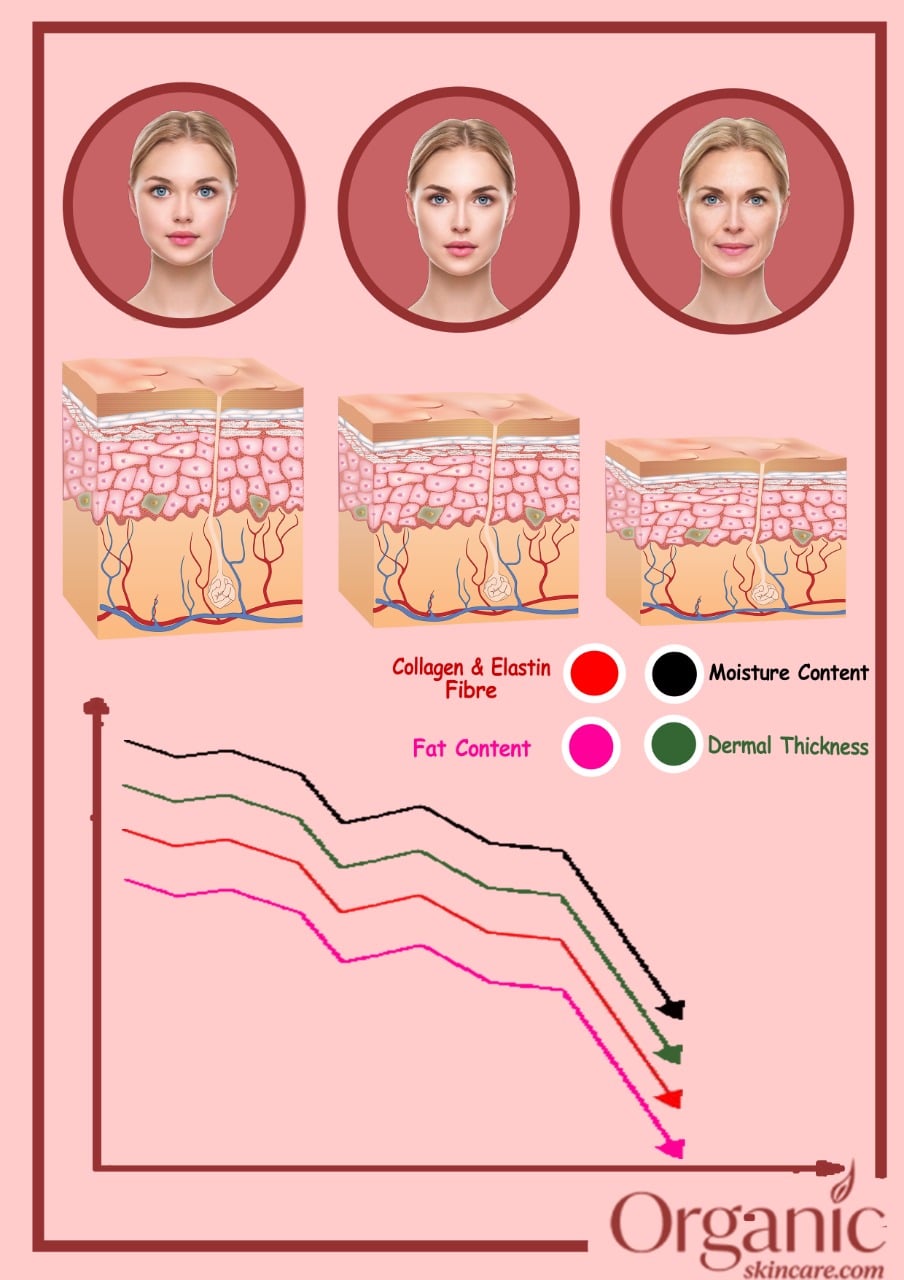
Skin thickness, total fat, and moisture content of your skin reduce; as you age. The collagen and elastin turnover decreases too. That, in turn, causes the skin to lose its elasticity. Therefore, your skin may look dry, less plump, and sags.

As we age, our skin undergoes a number of changes. The most visible sign of aging is often the appearance of fine lines and wrinkles. While it’s natural to experience some level of skin aging, there are steps we can take to help keep our skin looking healthy and youthful. One important step is using organic skin care products. Read on to learn more about the benefits of organic skin care for aging skin.

Some Quick Links:

  1. Best Anti-Aging Products 
  2. Anti-Aging Facial Oils 
  3. Watch a Video
what happens as we age; the best organic anti aging skin care

How to prevent aging skin in the 30s

At this stage, your skin only needs prevention. So, you do not need specific anti-aging treatments. The skin care you do now will reward you in the future.

Always use sunscreen outdoors. Use sunscreen with an SPF of at least 30.

Ingredients to prevent aging skin in your 30s

Following are the ingredients recommended to prevent aging skin:

Glycolic Acid

Glycolic acid peels are chemical exfoliators. They are alpha-hydroxy acid and come from sugar cane.
Studies show glycolic acid to improve collagen synthesis, contributing to skin elasticity. Owing to its small molecular size, it penetrates deeper into your skin to give maximum benefits.

Use glycolic acid as an exfoliator twice weekly or as tolerated. Also, avoid glycolic acid if your skin is very dry or sensitive. However, you can use it with oily, combination, or normal skin.

Shop for Products With Glycolic Acid here!

Niacinamide or B3

Topical niacinamide improves skin texture, redness and fades age spots. Thus, use topical niacinamide for the best organic anti-aging skin care. 

You can use it in the form of a serum. Apply a few drops after cleansing and toning your skin. Also, use it before moisturizers so that they absorb well.

Shop for Niacinamide Serum here!

how to tighten under-eye skin

Vitamin C

Vitamin C can be used as a serum too. Vitamin C protects your skin against oxidants. Also, it reduces associated skin pigmentation.

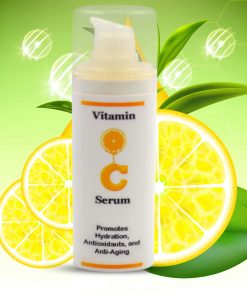
Shop for Vitamin C serum here!

Vitamin C Serum; the best organic anti-aging skin care

How to prevent aging skin in the 40s

At this stage, the collagen level of your skin starts to decline. Moreover, cellular turnover may begin to reduce as well. Therefore, it is wise to opt for the best organic anti-aging skin care.

Use anti-oxidants to combat free-radicals induced damage.

Ingredients to prevent aging skin in your 40s

Salicylic Acid

Salicylic acid is a beta hydroxy acid. It is well known for its exfoliating properties. That explains its use in acne skin care regimens. But, clinical studies suggest the role of salicylic acid as an anti-aging ingredient as well. The use of 1% Salicylic acid:

  • Removes dead skin cells
  • Stimulates collagen and fibrillin layout
  • Reduces wrinkles depth

But, some people develop irritation with the use of salicylic acid. However, SA, when diluted with sodium hydroxide, yields similar results. That too without irritating skin in most of the people.

How To Use Salicylic acid?

You can use SA with the best organic anti-aging skin care products. These may include; serums or even cleansers.

Since salicylic acid is keratolytic. That is, it dissolves dead skin cells. Thus, it may cause your skin to be more sensitive to the effects of sunlight. So it is wise to use sunscreen with an SPF of at least 30 alongside. 

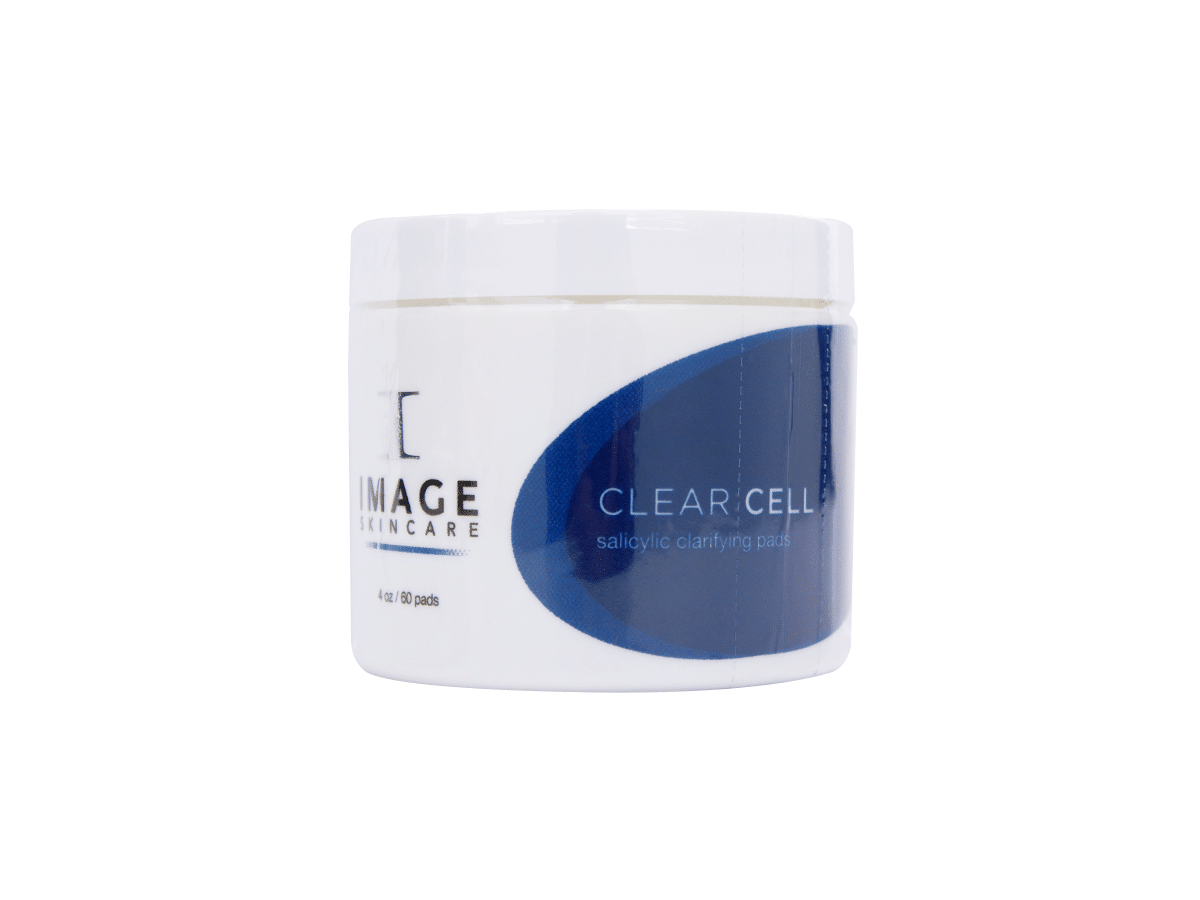
You can try Salicylic Acid Clarifying Pads as cleansers. They are the easiest ones to use on the planet.

the best organic anti-aging skin care; salicylic acid pads

Retinoids and Retinol

Are Retinoids And Retinol Same?

Retinoid and retinol are both derived from vitamin A. But, what is the difference between retinoids and retinol? Both of them are almost the same. However, they do differ in their potency. 

Retinols are a milder form of retinoids. On the other hand, retinoids are prescription medications. 

Both of them have a variety of implications in skin care. They accelerate cell growth. Also, the turnover of collagen and elastin enhances. 

Retinoids and retinol also treat sunlight-induced damage to your skin. Prolonged sunlight exposure damages skin in the following ways:

  • Initial skin thickening
  • Skin thinning due to chronic damage
  • Further exposure causes pigmentation and a loss of skin elasticity. 

So if you are looking for anti-aging skin care, retinol may seem promising. 

How to use it?

Use it at night; once you have cleansed your face. Next, moisturize your face. Do not forget your sunscreen in the daytime. 

You can use the best organic anti-aging skin care retinol creams available OTC. 

Potent Anti-Oxidant Serums For Aging Skin

The use of antioxidant serums will counter oxidative stress.

Shop for an organic antioxidant serum for aging skin here!

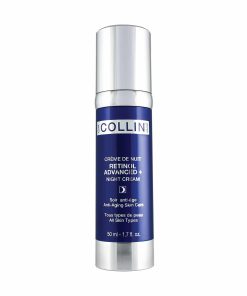
GM Collin Retinol Advanced Night Cream

Best Facial Oils for Aging Skin

Seabuckthorn Oil holds a special place in traditional medicine. 

Seabuckthorn oil prevents UVB-induced photoaging. It promotes collagen layout and reduces inflammatory markers, such as interleukins. That is how it prevents and treats skin aging.

Coconut oil has a wide variety of proven benefits. These include:

  • Locks skin moisture to soothe skin
  • Anticancer agent
  • Effective against Microbes
  • Potent anti-inflammatory ingredient
  • Mild analgesic properties

Rosehip oil “Rosehip oil has been shown to have high levels of vitamin A, lycopene, and beta-carotene, making it a good option for antiaging concerns,” says Dr. Shirazi. It can reduce the appearance of scars, fight inflammation and hyperpigmentation, and increase skin elasticity—all of which start to become more prevalent as we get older.

Argan oil nourishes skin with essential fatty acids like omega 3, 6, and 9, which strengthen the tissues in your skin and help to combat fine lines and wrinkles.

Olive oil is thought to be hydrating, as it contains squalene which helps to keep the skin moisturized and smooth,” says Dr. Garshick. “Olive oil can also help with antiaging as it serves as an antioxidant to help fight free-radical damage.” That said, he notes that as with all oils, it’s best used in moderation if you don’t want to run the risk of clogging your pores.

Avocdo oil According to researchavocado oil is “an excellent source of enrichment for dry, damaged, or chapped skin.” The same study found that the oleic acid in avocado oil helps to increase collagen synthesis, which helps your body grow new, healthy skin cells and leads to a stronger skin barrier and fewer fine lines and wrinkles. The ingredient has also got its fair share of healthy fats, which help to strengthen your skin’s lipid layer.

Almond oil According to researchavocado oil is “an excellent source of enrichment for dry, damaged, or chapped skin.” The same study found that the oleic acid in avocado oil helps to increase collagen synthesis, which helps your body grow new, healthy skin cells and leads to a stronger skin barrier and fewer fine lines and wrinkles. The ingredient has also got its fair share of healthy fats, which help to strengthen your skin’s lipid layer.

Rose oil maintains skin hydration. It also helps to regenerate skin cells and improve cell membrane functions. 

Lavender oil improves blood flow to your skin. That leads to enhanced skin elasticity.

Sandalwood oil suppresses inflammation in the skin cells. Besides, it restores moisture. That explains the role of sandalwood oil as one of the best organic anti-aging skin care ingredients.

Clary Sage oil prevents proteins and DNA from free radicals. Free radicals augment signs of aging. 

Other face oils to use for the best organic anti-aging skin care include:

Anti-aging eye cream

The skin surrounding the eyes is thinner than the rest of the face. Thus this delicate part is most prone to wrinkles. Studies prove that anti-aging eye cream reduces wrinkle depth. They can restore overall smoothness. So, it is imperative to add an eye cream to your aging skin care routine. 

For effective eye cream, look for the ingredients such as;

Niacinamide, peptides, carnosine, and anti-oxidants

Always use SPF 30 in the daytime alongside.

Read here to know about top tips for younger-looking eyes!

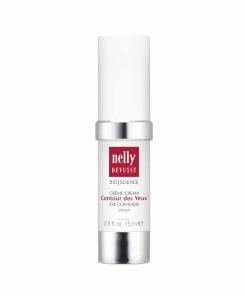
Nelly De Vuyst Eye Contour is an incredible product for anti-aging eye care. The key ingredients include Salmon DNA and allantoin.

A study suggests that salmon DNA promotes hyaluronic acid formation in the skin. That results in reduced moisture loss from the skin; and improves skin elasticity remarkably. 

Allantoin is a chemical found in humans and animals, also extracted from a shrub called comfrey. A study suggests that allantoin improves skin irritation. Thus, if your skin is irritated with skin care treatment and products, allantoin may help. Allantoin improves skin texture by promoting collagen layout. It reduces the appearance of wrinkles and fine lines. 

the best organic anti-aging skin care

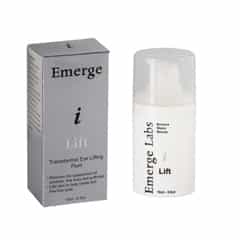
You can also use Ilift Eye-Wrinkle Serum for fighting wrinkles around the eyes. It is a unique blend of organic extracts, bio-peptides, and hyaluronic acid. Thus, the combo is incredible for wrinkles, fine lines and gives a perfect moisturizing lift. All in one solution for your anti-aging eye care need in one place.

iLift Eye Wrinkle Serum

Furthermore, can continue with the ingredients mentioned under how to prevent; aging skin in the 20s. Remember what you feed your skin at this stage will pay you in the long run.

How to prevent aging skin in the 40s

Skin further sags, and wrinkles predominate. Moreover, the skin may be dry and dull-looking. At this stage, use the best organic anti-aging skin care, along with skin tightening devices.

Microdermabrasion

Microdermabrasion is a non-invasive cosmetic procedure. It involves the process of exfoliation that removes the outermost layer of skin. That is how it makes the skin more even in tone and texture. Also, it reduces the appearance of fine lines and wrinkles.

Facial massage

Facial massage is a technique that involves stimulating pressure points on your face and neck. You can do facial massages on your own or via a practitioner. The idea is to rejuvenate healthier skin by relaxing the muscles of your face. Also, massage improves blood flow to your skin, promoting happier skin.

Radiofrequency

Radiofrequency is a non-invasive procedure that targets the deeper layer of your skin. It involves heating your dermis with energy waves. With this method, the idea is to stimulate collagen production in your skin.

That is how you can reclaim a more youthful skin in your 40 and 50.

Continue with the use of ingredients mentioned above. Along with them, the use of hyaluronic acid is promising at this point.

A Few Words About Hyaluronic Acid

A younger skin retains moisture. That is a prime factor to differentiate it from older skin. Thus, the younger the skin is, the more pliable it is. Stress, radiations, injury, aging all contribute to moisture loss. Thus, nature has blessed our skin with hyaluronic acid.

Hyaluronic acid has a unique property of moisture retention. However, aging can cause lower levels of hyaluronic acid too. Thus it is wise to add hyaluronic acid to your skin care regimen. It can improve dry skin, making it firmer, and reduce the appearance of fine lines.

Read here to explore all the effects of hyaluronic acid on your skin.

Shop for hyaluronic acid serum here!

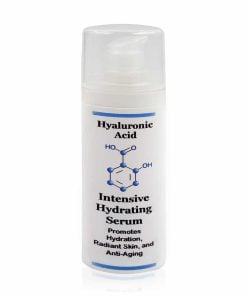
Hyaluronic Acid Intensive Hydrating Facial Serum

How to prevent aging skin in the 50s and beyond

The skin at this point may become visibly loosened and stretched. Also, blood vessels become prominent, as do wrinkles. Age spots and pigmentation are visible too.

Now, this is the time to limit the use of anti-aging skin care products. Otherwise, they may further irritate your skin.

Anti-aging essentials to use at this point include;

  • Eye care cream
  • Serum
  • Face oils

Simple Anti-Aging Skin Care Routine

To make the most of the best organic anti-aging skin care, you should follow the correct order of your skin care routine. That allows better penetration of products. Also, some products work better when applied after another.  

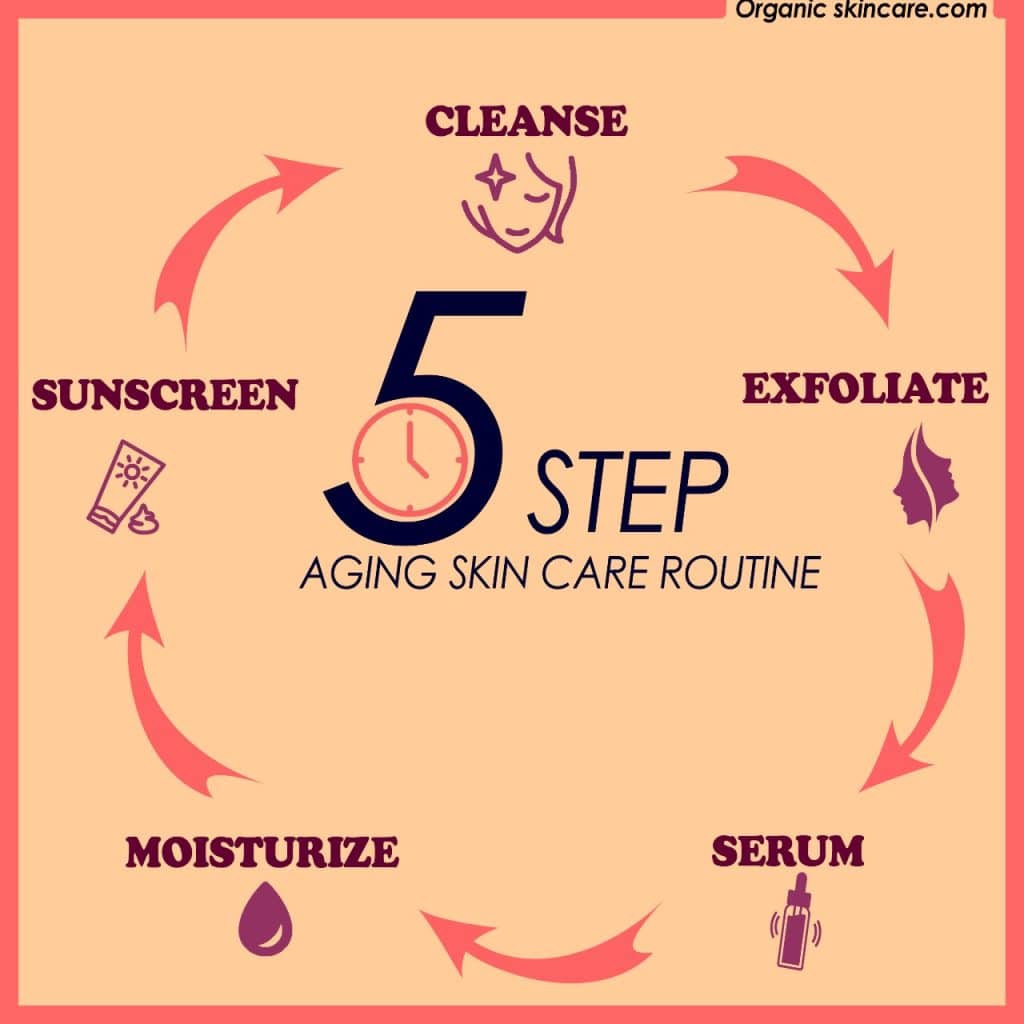
5 step anti aging skin care routine; the best organic anti-aging skin care

Step 1: CLEANSING

The first step of simple anti-aging skin care is to cleanse. Use low pH skin cleansers to protect your skin microflora from damage. That is how you can clear away all the dirt and grime and protect your skin’s natural barrier too.

Shop for Best Anti-Aging Facial Cleansers

Step 2: EXFOLIATE

Skin cells renew like other body cells. That is why you need to exfoliate at least twice weekly to get rid of dead skin cells. As a result, newer skin cells will take their place, making your skin look more plump and youthful.

A class of exfoliators called chemical exfoliators; works by inducing inflammatory changes. That, in turn, augments collagen turnover. Well! Isn’t it the holy grail you need for more plump skin?

Chemical exfoliators include alpha-hydroxy acids such as lactic acid and glycolic acid.

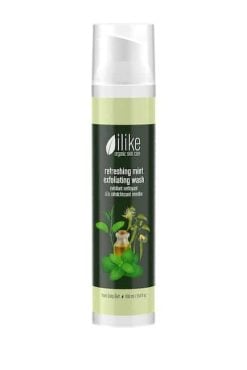
Shop for Best Anti-Aging Radiance Exfoliating Products

Step 3: SERUM

Vitamin C serums are potent anti-oxidants that work by promoting collagen layout in your skin. Furthermore, they reduce oxidative stress.

Shop for Best Anti-Aging Serums

Step 4: MOISTURIZATION

As mentioned earlier, aging leaves your skin drier and lustreless. That is, the total water content of the skin declines remarkably. Hence, you need the best organic anti-aging skin care moisturization. That will help you keep your skin hydrated; by preventing water evaporation from your skin.

Shop for Best Anti-Aging Moisturing Creams Products

Step 5: SUNSCREEN

UV rays contribute to aging skin by collagen breakdown. Also, UV damage causes skin thinning. Therefore, the use of quality anti-aging sunscreen is unavoidable. It is a primary step even when it comes to; preventing aging skin in the 20s or treating aged skin later.

You are never too late to start the use of an effective sunscreen. Studies show how a broad-spectrum sunscreen; can reverse aging skin over time.

Shop for Sunscreen Lotion here!

Tips For Aging Skin; What Dermatologists Recommend!

  • Be early to start a sound anti-aging skin care regimen. You may commence anti-aging skin care in your 20s. That way, you can prevent aging skin before it’s too late. 
  • Know what you eat. Add a lot of anti-oxidants to your diet. 
  • Maintain hydration. As you age, your skin loses its ability to retain moisture. 
  • Do not overdo exfoliation.
  • Always look for ingredients that help aging skin and choose anti-aging skin care products.
  • Cleanse before you go to bed. 
  • Use pillowcases that are either satin or silk instead of cotton to prevent sleep lines. Alternatively, you can use special pillows that do not cause sleep lines.
  • Quality sleep heals at the cellular level, your body in general, and your skin in particular. Therefore, you need at least eight hours of sleep; to prevent premature aging of your skin.

Home Remedies For Wrinkles

One way to make the most of organic anti-aging skin care is to try home remedies. All of the following home remedies for wrinkles and aging skin are research-backed and practical to use.

Aloe Vera

Aloe verais a simple organic skin care ingredient; that has numerous effects on the skin. Apply aloe vera gel directly over your skin especially, over under-eye wrinkles. Gently massage for a few minutes, and rinse away with water. 

A surprising study suggests aloe vera extracts to increase the synthesis of collagen and hyaluronic acid by two folds.

Another study proves anti-oxidant, anti-inflammatory, and skin regenerating properties of aloe vera. 

Egg Whites

Egg white reduces skin wrinkles by augmenting collagen synthesis. Take some egg white in a bowl, and give it a mix. Apply over your wrinkles, specifically the under-eye area. Next, wash it with cold water after it completely dies out.

A protective egg membrane is present between eggshell and egg white. This membrane is rich in proteins and bioactive peptides. The study also claims it to be even more promising.

Yogurt Face Scrub

Yogurt and other probiotics restore a lower skin pH. That allows the natural skin barrier to stabilize and the skin microbiome to flourish. Hence, include this simple ingredient for the best organic anti-aging skin care.

Take one-fourth cup of yogurt, and combine it with two tablespoons of gram flour. You can adjust the consistency by adjusting the amount of gram flour. Apply the scrub and let it dry. Rinse away with lukewarm water and pat dry.

Also, you can add some honey to it if you want.

Vitamin C, E, and Raspberry extracts

The aging face is dry, dull, and uneven in tone. Multiple factors such as radiation and oxidants contribute to this process. Therefore, to counter this stress, you need potent anti-oxidants.
Use vitamin C and E as anti-oxidants with effects against pigmented skin as a bonus.

Raspberry extracts have proven benefits to hydrate and revitalize your skin. Hence they specifically fight against wrinkles. That is what makes an aged face smooth and more radiant.

You can make a DIY raspberry face mask. Blend a handful of fresh raspberries in a blender. Add a tablespoon of honey and oatmeal to it and combine. Your raspberry fruit mask is ready to do its magic. Apply over cleansed face and neck for ten minutes and wash it.

Turmeric essential oil

Turmeric is well known to suppress inflammation. It counters oxidative stress and fights against microbes. Furthermore, a study shows that turmeric oil reduces ultraviolet radiation-induced signs of aging.

Turmeric essential oil is a whole medicine for your skin in itself. You can add a few drops of turmeric oil to your face mask and use it. Alternatively, you can use the best organic anti-aging skin care turmeric facial cleansers to serve the purpose.

Physiological changes of aging skin are bound to happen. What you can do is play your part. You cannot completely halt the process. However, with sensible skin care, you can slow the process. Choose ingredients and products that are proven to reduce the signs of aging. Your future self will love you for that. Never skip a broad-spectrum sunscreen. You will enjoy healthier and happier skin for years to come.

A Science-Backed Organic Anti-Aging Skin Care That Dermatologists Swear By Read More »
Shopping Cart
Scroll to Top
0