benefits

Refreshed hero image for: 5 Skin Care Benefits of Roses

5 Skin Care Benefits of Roses

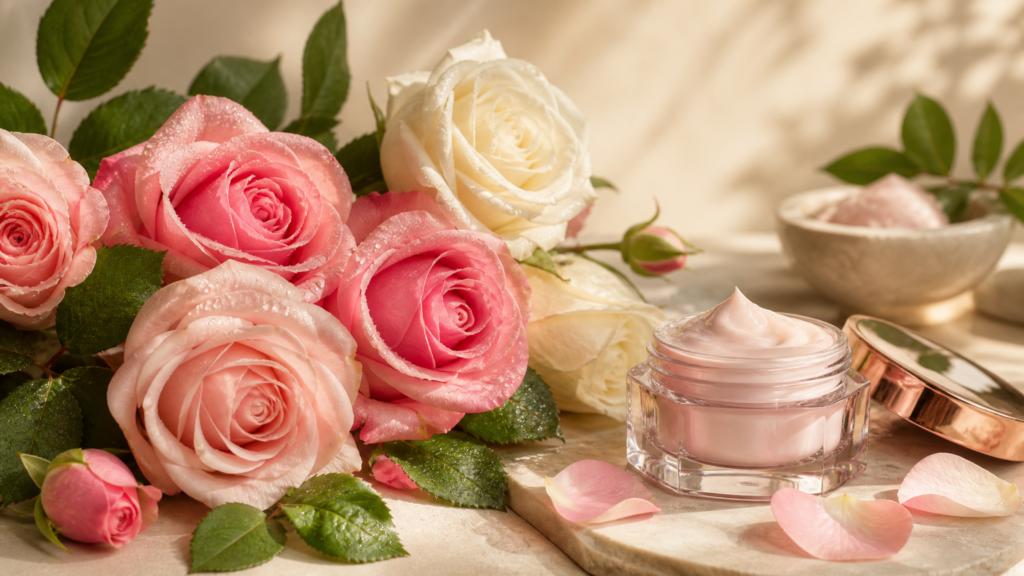
Get up and take a deep breath. Literally. Because roses can have many benefits for the skin, we recommend that you put roses on your face rather than roses in a vase. Rose water, which is a mixture of rose oil, rose petals, rose hip oil, and rose essential oil, can have soothing and anti-inflammatory effects on the skin. This ingredient can be used in a variety of ways, including as a moisturizer, toner or moisturizer.

Benefit 1: Antioxidant

This is one major benefit roses and rosewater can provide for the skin. Antioxidants are great for skin. The antioxidants found in roses are no different. These antioxidants can strengthen the skin cells and help to regenerate them 1Also, they can neutralize free radicals which can give the skin anti-aging benefits.

Benefit 2: Healing and Skin Hydration

Roses are good for all skin types. However, they are especially good for dry skin because of their moisturizing properties. 2 Roses in essential oils can be used to moisturize the skin. They also protect the skin from moisture loss and keep the moisture barrier strong. 3 Roses can provide hydration for even those with dry skin.

Benefit 3: Anti-Aging and Wrinkle Eraser

Rose water and rose oil are rich in antioxidants. They also contain vitamin A and C which can be helpful for aging skin. These vitamins not only smoothen wrinkles but also reduce the appearance of age spots and increase collagen production. 2 Rose essential oil and rose water both come from rose petals. However, rose hip oil comes from small, naturally occurring rosehip seeds.

Benefit 4: Anti-Redness, Soothes the Skin

This ingredient is known for its anti-inflammatory properties, which can reduce redness and irritation. Its moisturizing properties can also soothe irritation and redness. 2 Rose hip oil is great for anti-aging. The combination of antioxidants, fatty acids and rose hip oil makes it ideal for soothing skin inflammation, such as eczema.

Best With Rose Ingredients

Benefit 5: Oil Reducer

Rose water is a moisturizing agent that balances out the skin’s moisture. 1 Because it is so deeply hydrating, the skin has more water than oils. There are also astringent qualities in roses, which help remove dirt and oil from the skin and help maintain its natural pH.

5 Skin Care Benefits of Roses Read More »

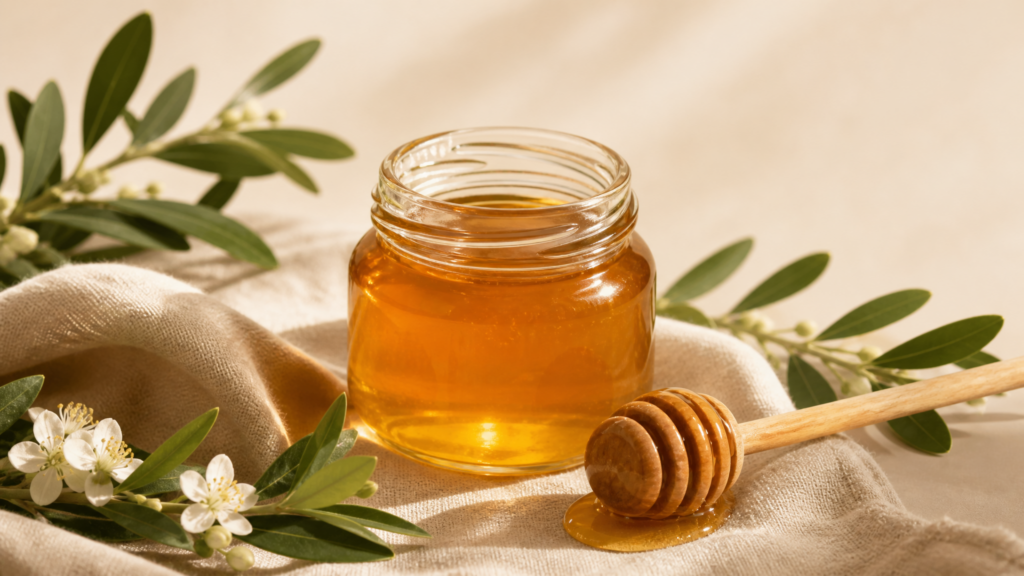
Refreshed hero image for: What are the benefits of honey on face?

What are the benefits of honey on face?

6 AMAZING BENEFITS OF HONEY ON THE FACE YOU MUST KNOW:

For many centuries, honey has been efficient for healing wounds. Little after, people know that it has a countless number of other benefits that are associated with your health. It is composed of plant matter and bacteria. It has antimicrobial and antioxidant properties that can impact the skin and body. It has several implications that include moisturizing or hydrating skin, healing scars or psoriasis, and sometimes being used as a pedicure.
Before applying it to the skin or body, there are certain types that you need to know before using it so you are well aware of the products you are using and how they might benefit your skin or body in a certain way.

Types of Honey:

Honey as a raw form:

Directly from honeycomb (cloud-like emulsion).

Pasteurized form:

Honey that is heated to kill unwanted bacteria. Some ingredients are present to enhance the taste.

Pure-pasteurized form:

Killing bacteria is the only purpose. Honey remains in its natural form, while no additional ingredients are present.

Fun fact:

Honey exists in more than 300 types in this world that depend on the type of plant on which bees feed while making it.
Here are some of the benefits you must know to make it a part of your daily routine.

1) Honey on the face:

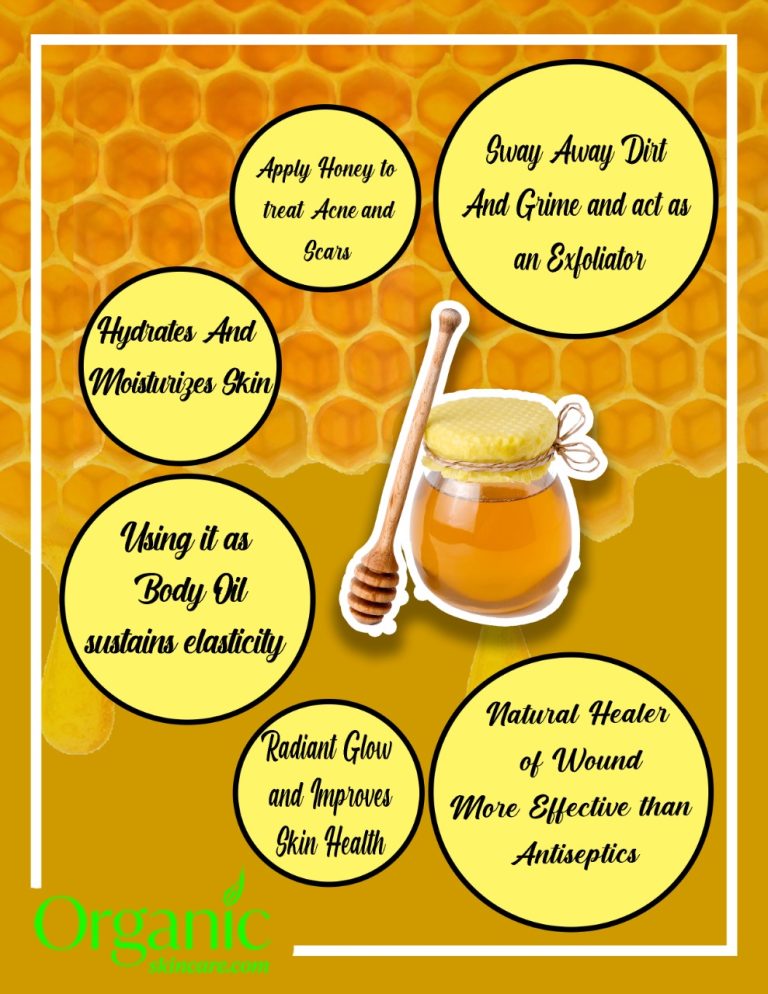
There are several benefits of using honey on the face. Applying honey on the face eradicates scars and acne, which is its most important implication. Dirt gathers around the skin pores that can cause acne and pimples. Honey contains oil-controlling natural properties that provide natural healing and repair.
Another benefit of using it is that it contains anti-bacterial properties that can be excellent for cleansing and hydrating the skin. It is because of the anti-bacterial effect that reduces inflammation on the skin to a great extent. Honey can draw water from damaged tissues due to the osmotic effect that reduces swelling and redness.

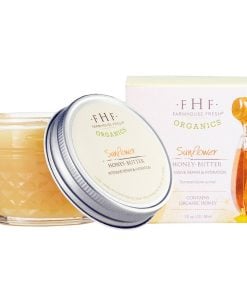
Don’t forget to check out our Honey Butter extensive hydration for the maximum repair of your skin and a soft silky feel.

Sunflower-Honey-Butter-1

2) Honey as body oil:

Honey can be very beneficial for soothing the skin when used as oil. Enriched with vitamins, it provides silkiness to your body. It replenishes the dry skin from inside. Honey has a non-greasy texture that helps to sustain the elasticity of the body.

 When mixed with the extract of magnolia flowers, it makes a perfect match for softening the skin. Dried itchy skin or have red patches on your body? These can be the most likely symptoms that you have eczema. Applying honey directly to your body makes it faster in boosting your immune system to protect it from getting infections or wounds that occur to your sensitive skin.

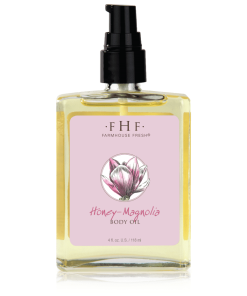
Grab our exclusive honey magnolia oil for smooth skin and a gorgeous scent.

FarmHouse Fresh Honey-Magnolia Body Oil

Tip:

The best way to use it is to apply in the form of oil where it contains some pure organic form of honey with some magnolia flowers for scent and then pours it into your bathtub. Then gently rub your sensitive skin in that mixture for a while. It can relive and nourish your skin from inside.

3) Honey-A natural humectant:

The contents present in honey are vitamin B, iron, copper, calcium, and zinc. These all benefit skin or face in many ways. Honey is considered a natural humectant. That means that it absorbs moisture from surroundings to make the skin look fresh, hydrated, and mushy. It also contains moisturizing properties that give skin a radiant glow and improve skin health.

 Honey owns natural innate properties that make it easier for skin to absorb any moisturizing elements without having any oily feel that might make you uncomfortable. The contents naturally soothe you.

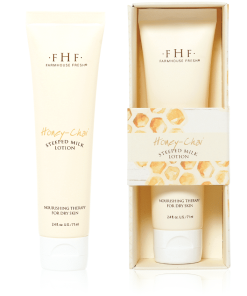
Don’t forget to try our Fresh Honey-Chai Steeped Milk Hand Lotion that can moisturize your skin than ever before.

honey-chai-steeped-milk-hand-lotion-126

4) Honey as a natural ointment:

In case of a wound or partial thickness burn, honey is more effective than an antiseptic. It can heal 4 or 5 days less than the time taken by conventional dressing. For the past centuries, it was known as a natural healer for wounds. Unpasteurized honey or manuka honey acts as a catalyst for the skin healing process.

In a study by the national library of medicine, its antimicrobial and anti-inflammatory properties can be very effective for skin wound infection. It produces results in healing and is also cost-effective than other ointments employed for the same wound infections.

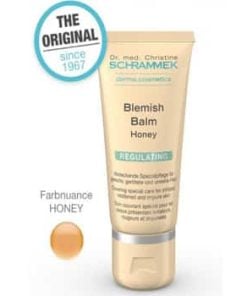
Check out our Blemish Balm Honey specifically for irritated, large-pored, and impure skin.

SCHRAMMEK BLEMISH BALM honey

5) Honey as an exfoliator:

To get lightening and glowing skin, use honey as an exfoliator. It helps in removing the dead cells layers of the face skin, giving new fresh skin cells. The problem is the accumulation of these dead cells on the skin surface, especially the face. Honey crystallizes with time to take shape in the form of small granules that exfoliates the skin.

In addition to this, it sways away dirt and grimes, debris that makes the skin look nice and clean. After exfoliation, it can also be a face mask that helps better utilize the contents present in the face mask. That further enhances the benefits of using honey on the face, both as an exfoliator and facemask. 

Using honey on the face can revive back your skin cells.

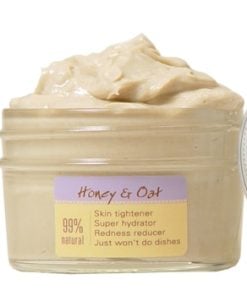
Try out our facemask with Honey and Oat that can be a super hydrator and redness reducer.

FarmHouse Fresh Pajama Paste - Yogurt Oat & Honey Face Mask

6) Honey as a pedicure:

Honey has a good amount of contribution when used as a pedicure. It helps in getting rid of rough and dry spots that seem to appear on toes and heels. Honey helps to maintain the moisture of the skin. Apart from that, it is best for cuticle treatment. Cracked skin is the hub of the accumulation of bacteria that can cause infections.

During the dry or winter season, cracked skin may worsen to cause cuticles which causes infections around nail beds. Honey is very effective in both treatments. It hydrates and moisturizes skin from within the skin. Thanks to anti-bacterial properties that provide a shield against infections around nail beds. It helps skin to reach its maximum vitamins requirement to retain its original nourished tone and texture.

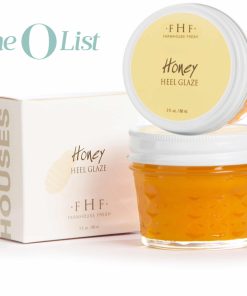
Grab our Fresh Honey Heel Glaze to banish dry and rough spots on tired toes and heels. 

FarmHouse Fresh Honey Heel Glaze 2

There are a lot of benefits of using honey on the face and body. Isn’t it amazing how a simple ingredient composed of plant matter and bacteria possess antimicrobial and antioxidant properties yet has several implications that include moisturizing or hydrating skin, healing scars or psoriasis, and sometimes being used for pedicure also? So why not add organic honey products as a part of your daily skincare routine?

What are the benefits of honey on face? Read More »

Refreshed hero image for: Benefits of BHT in Skin Care: Anti-Aging, Acne & Sunscreen

Benefits of BHT in Skin Care: Anti-Aging, Acne & Sunscreen

BHT is a popular ingredient in many skincare products, but what are its benefits? BHT stands for Butylated Hydroxytoluene and has been used as an antioxidant preservative in food, cosmetics, and pharmaceuticals. While research suggests that there may be some positive effects from using this ingredient in skin care products, its safety profile needs to be considered before use. In this blog post, we’ll explore bht in skin care and its benefits – including anti-aging skincare with BHT, acne skincare with BHT and best sunscreens with BHT. So if you’re looking to discover new organic ingredients or learn more about adding them into your routine then read on.

Table of Contents:

What is BHT in Skin Care?

BHT, or butylated hydroxytoluene, is a synthetic antioxidant used in skin care products to help protect against oxidation and free radical damage. It is commonly found in moisturizers, sunscreens, cleansers, and other cosmetic products. BHT has been approved by the FDA for use as an additive in cosmetics since 1964.

Definition of BHT:

BHT is a synthetic phenolic compound with antioxidant properties that helps protect against oxidation and free radical damage caused by environmental stressors such as UV radiation from the sun. It can also be used to extend the shelf life of certain skin care products by preventing them from spoiling due to exposure to air or light.

Uses of BHT in Skin Care Products:

In addition to its antioxidant properties, BHT can also be used as an emollient ingredient which helps keep skin soft and hydrated while providing some protection against irritation caused by harsh chemicals or allergens present in many skincare formulations. Additionally, it can act as a preservative agent helping prevent bacterial growth within creams and lotions over time without affecting their performance or safety profile when applied topically on the skin. The main benefit of using BHT-containing skincare products is its ability to provide protection against oxidative damage caused by environmental stressors like UV radiation from the sun, which can lead to premature aging signs such as wrinkles and age spots if left unchecked over time. Additionally, it may help reduce inflammation associated with acne breakouts while providing some antibacterial action helping prevent further infection at the same time too. BHT is a powerful antioxidant used in skin care products to help protect the skin from environmental damage and aging. It has many potential benefits, but it’s important to consider safety guidelines when using BHT on the skin. Next, we’ll look at whether or not BHT is safe for skincare use.
Key Takeaway: BHT is a synthetic antioxidant used in skin care products to protect against oxidation and free radical damage caused by environmental stressors such as UV radiation from the sun. It can also help reduce inflammation associated with acne breakouts, provide hydration, act as an emollient, and extend shelf life of certain skincare products.

Is BHT Safe for Skincare?

It helps to preserve the product’s shelf life and protect it from oxidation. While BHT has been deemed safe for use in food and pharmaceuticals, there are some potential side effects associated with its use on the skin.

Potential Side Effects of Using BHT on the Skin:

Some studies have suggested that BHT may be an irritant when applied topically to the skin. It can cause redness, itching, burning sensations and even rashes in some people who are sensitive to it. In addition, prolonged exposure to high concentrations of BHT may lead to contact dermatitis (skin inflammation). Safety Considerations When Using BHT in Skincare Products: If you choose to use skincare products containing BHT, make sure you read all labels carefully before purchasing them. Avoid using any product if you experience any irritation after applying it onto your skin. Additionally, always do a patch test first by applying a small amount of product onto your arm or leg before using it on your face or other areas of your body. BHT is generally considered safe for use in skincare products, however it is important to be aware of potential side effects and safety considerations when using BHT. Now let’s explore how BHT can help with anti-aging skincare.
Key Takeaway: BHT can be used in skincare products, but it may cause irritation or contact dermatitis if used for a prolonged period of time. It is important to read labels carefully and do a patch test before using any product containing BHT on the skin.

Anti-Aging Skincare with BHT

It has antioxidant properties that help protect the skin from environmental damage and free radicals. BHT also helps to reduce inflammation and irritation caused by sun exposure, making it an ideal ingredient for anti-aging skincare products. When looking for anti-aging skincare with BHT, look for products that contain other antioxidants such as vitamin C and E as well as natural oils like jojoba oil or almond oil. These ingredients will work together to nourish the skin while protecting it from further damage. Look for creams and serums specifically designed to target wrinkles, fine lines, dark spots, and other signs of aging. It’s important to use sunscreen when using any type of anti-aging product containing BHT since this ingredient can make your skin more sensitive to UV rays. Choose a broad spectrum sunscreen with SPF 30 or higher that contains zinc oxide or titanium dioxide as its active ingredients. Apply it generously before going outdoors and reapply every two hours if you are exposed to direct sunlight for extended periods of time. Incorporating an exfoliating scrub into your routine once a week can also help maximize the benefits of using anti-aging skincare with BHT by removing dead cells on the surface of your skin which can clog pores and lead to breakouts over time. Use gentle circular motions when applying an exfoliant so as not to irritate your skin further while still achieving maximum results from your skincare regimen. Using anti-aging skincare products containing BHT can help reduce the signs of aging and improve skin texture. By switching to an acne skincare routine with BHT, you can also get rid of stubborn blemishes and have clearer skin.
Key Takeaway: BHT is an antioxidant-rich preservative used in anti-aging skincare products. To maximize its benefits, use a broad spectrum sunscreen with SPF 30 or higher and incorporate exfoliation into your weekly routine.

Top Rated
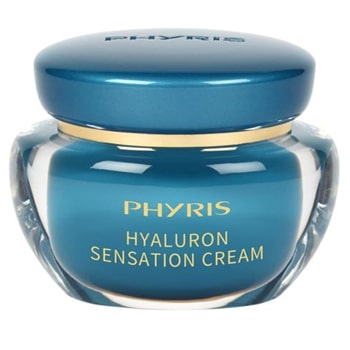
Hyaluron Sensation Cream
9.7

The special timed-release hyaluronic acid contained in phyris hyaluron sensation cream instantly provides maximum moisture and maintains this effect for several hours, leaving the skin feeling fresh and plumped.

Best Seller
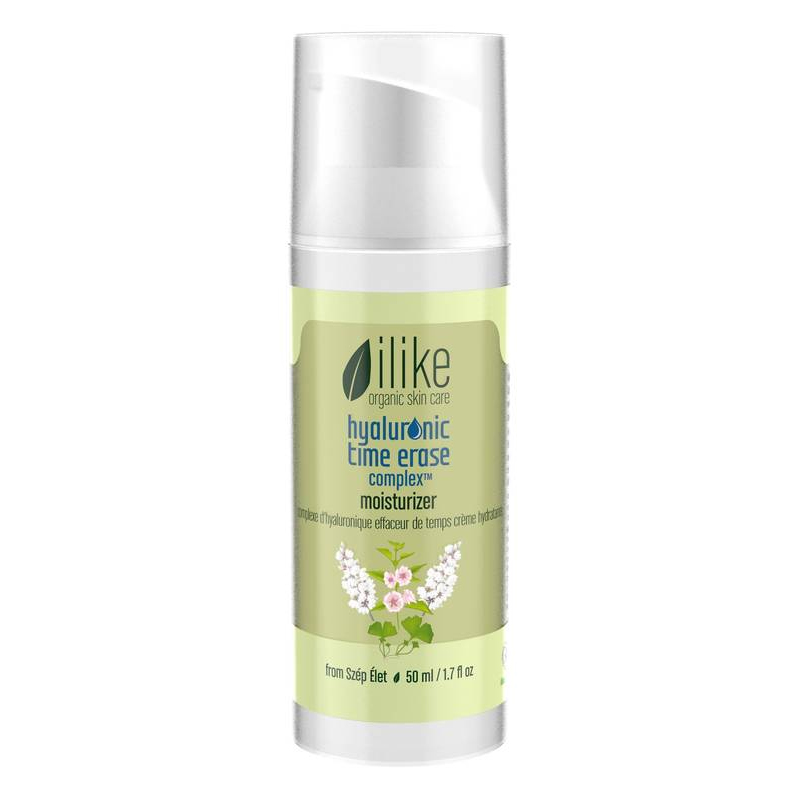
Hyaluronic Time Erase Complex Moisturizer
9.5

Complex Moisturizer reduces the signs of aging by hydrating your complexion and reconstructing your natural moisture barrier. 

Editors Choice
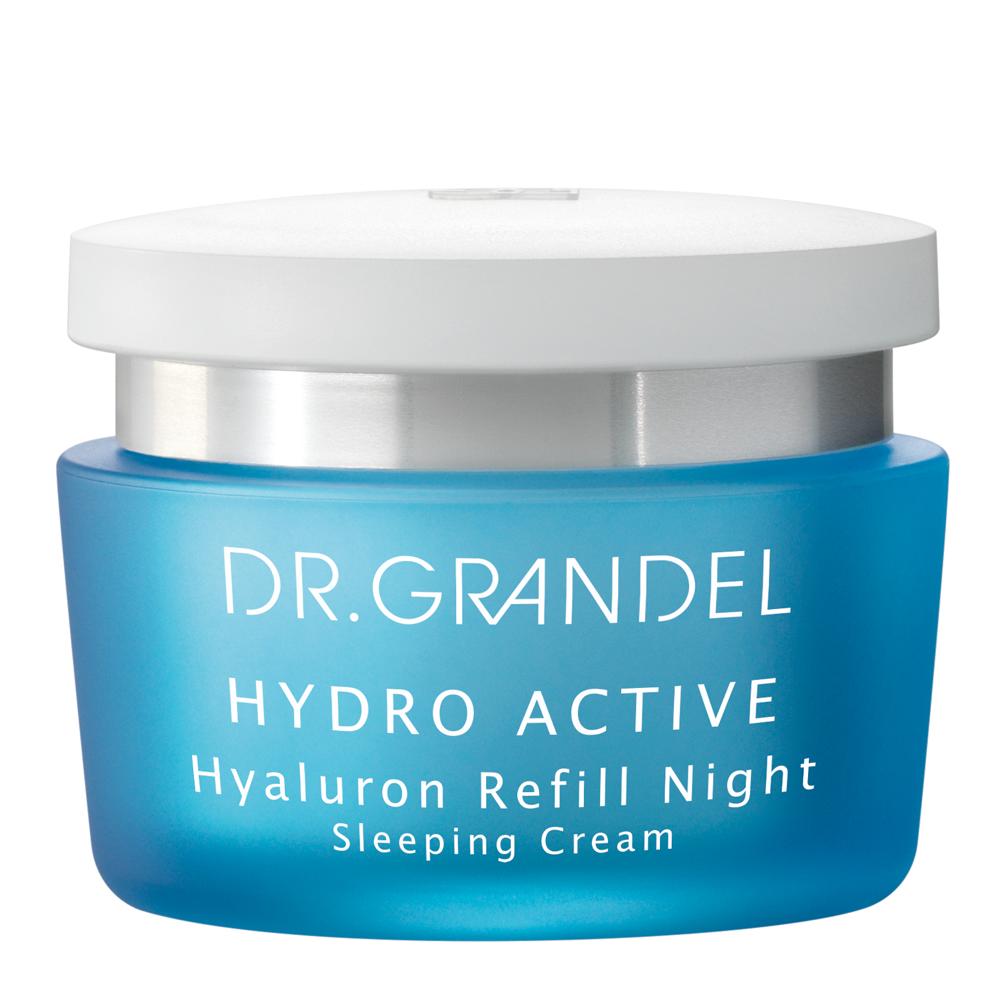
Hyaluron Refill Night Cream
9.1

You want a modern skin care for the night? The Hyaluron Refill Night cream have a silky texture, which is perfectly tailored to nighttime regeneration processes, filling up the skin’s natural moisture reserves overnight. 

Acne Skincare with BHT

It helps to extend the shelf life of these products and can also provide additional benefits for acne-prone skin. BHT works by reducing inflammation and fighting bacteria that can cause breakouts. Additionally, it has antioxidant properties that help protect the skin from environmental damage, such as UV radiation and free radicals. How Does BHT Help with Acne? BHT helps reduce inflammation associated with acne while also helping to fight bacteria that causes breakouts. It is an effective anti-inflammatory agent due to its ability to inhibit enzymes involved in inflammatory processes such as prostaglandin synthesis. In addition, it has been shown to have antibacterial activity against Propionibacterium acnes (P. acnes), one of the main bacterial species responsible for causing acne lesions on the skin surface. Furthermore, its antioxidant properties help protect against oxidative stress caused by environmental factors like pollution and UV radiation which can worsen existing acne symptoms or lead to new ones forming on the face or body. There are numerous skincare products containing BHT, such as cleansers, moisturizers, serums and spot treatments specifically designed for treating acne-prone skin types. Popular brands include CeraVe’s Foaming Facial Cleanser with Hyaluronic Acid & Niacinamide; Neutrogena’s Rapid Clear Stubborn Acne Spot Gel; Dermalogica’s MediBac Clearing Skin Wash; La Roche Posay Effaclar Duo+ SPF 30 Moisturizer; Paula’s Choice CLEAR Regular Strength Anti-Redness Exfoliating Solution 2% Salicylic Acid ;and PCA Skin Purifying Mask With Kaolin Clay & Bentonite Clay. When using any product containing BHT, be sure not to overuse them as this could potentially irritate your skin further leading to more breakouts rather than lessening them. Start off slowly by introducing one product at a time into your routine until you find what works best for you without causing any adverse reactions like redness or dryness. Additionally, always remember sunscreen when using any type of skincare product since sun exposure can aggravate existing blemishes and increase your risk of developing new ones. BHT is a powerful ingredient in acne skincare that can help reduce inflammation and breakouts. Now let’s explore how sunscreen containing BHT can protect your skin from the sun’s damaging rays.
Key Takeaway: BHT is a preservative found in many skin care products that can help reduce inflammation, fight bacteria and protect the skin from environmental damage. It’s important to use BHT-containing products sparingly and always remember sunscreen when using any type of skincare product.

Top Seller
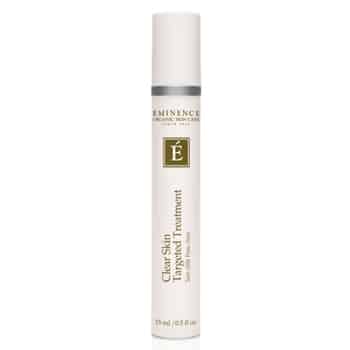
Eminence Clear Skin Targeted Acne Treatment
9.7
  • Controls breakouts and blemishes.
  • Eliminates impurities.
  • Brightens skin.
  • Reduces pores.
  • Controls oil production.
  • Diminishes redness and calms skin.
  • Skin is left looking refreshed and brightened.
  • Moisture is balanced, and skin looks smooth, hydrated, and radiant
Most Affective
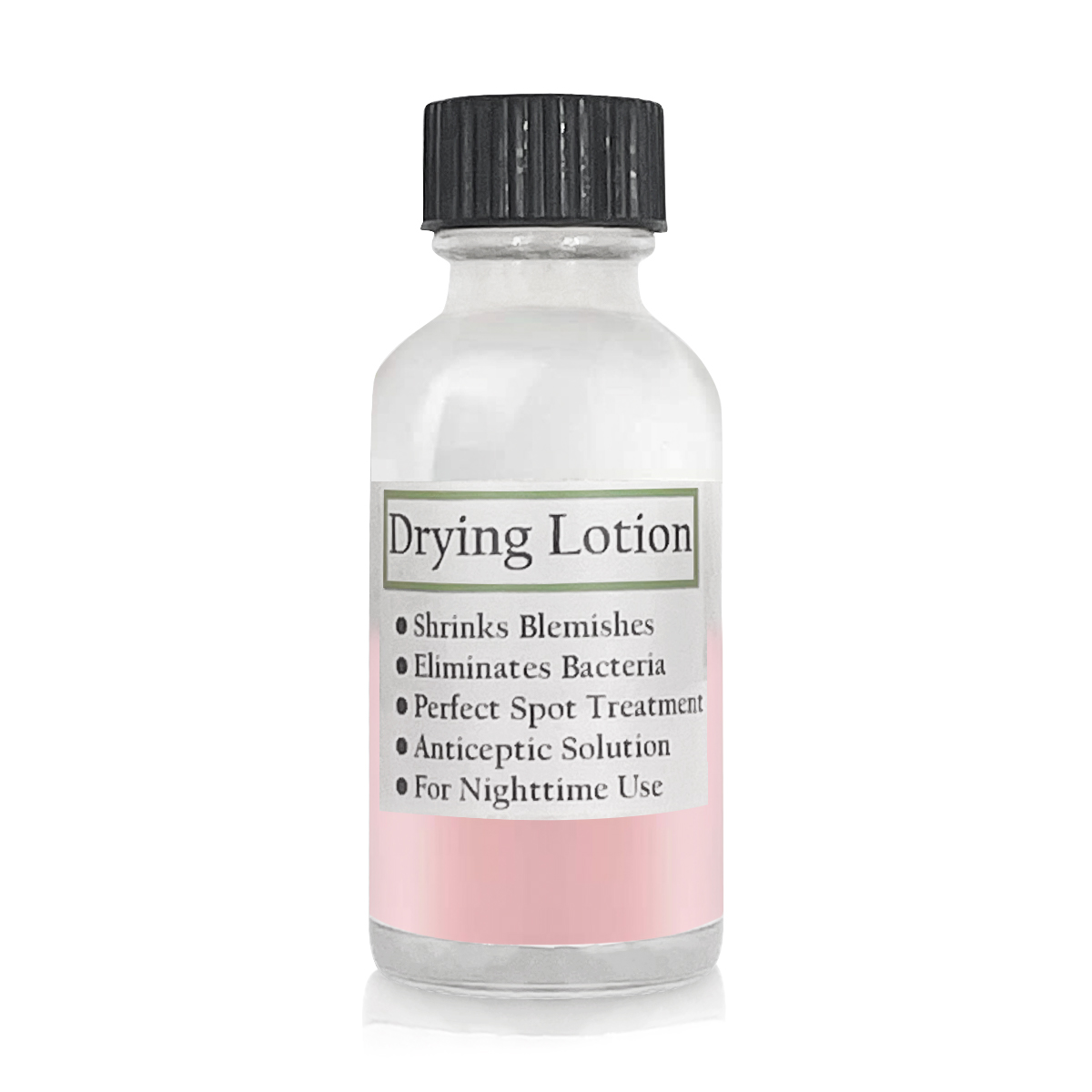
Acne Drying Lotion
9.5
  • Shrinks blemishes
  • Eliminates bacteria
  • Perfect spot treatment
  • Antiseptic solution
  • Quickly promotes healing
  • Restores skin to a smoother texture.
  • Use on spots and blemishes for nighttime use.
Top Pick
ilike Organics Herbal Clay Spot Treatment
9.1

Repairs damaged and compromised skin that suffers from breakouts, age spots, or environmental damage. Herbal clay removes impurities, tightens the pores, tones the skin, and exfoliates dead skin cells as it reduces inflammation. 

Best Sunscreens with BHT

Sunscreen is essential to any skin care routine, and BHT can be a great addition to your sunscreen. BHT (butylated hydroxytoluene) is an antioxidant that helps protect the skin from environmental damage such as UV radiation and free radicals. It also has anti-inflammatory properties which help reduce redness and irritation associated with sunburns. When used in combination with other ingredients like zinc oxide or titanium dioxide, it provides additional protection against UVA/UVB rays. When choosing a sunscreen containing BHT, look for products labeled “broad spectrum” or “UVA/UVB protection” on the label. This indicates that the product offers both UVA and UVB protection, which is important for protecting your skin from long-term damage caused by exposure to sunlight. Additionally, check the SPF rating of the product; higher SPFs offer more protection against UV rays but may not necessarily contain more BHT than lower SPFs do. It’s also important to choose a sunscreen specifically formulated for facial use if you plan on using it on your face since these are usually gentler than body sunscreens and won’t clog pores or cause breakouts. Look for products that are noncomedogenic (meaning they won’t block pores), oil-free, fragrance-free, hypoallergenic (for those with sensitive skin), water resistant (so you don’t have to reapply after swimming or sweating), and dermatologist tested so you know it’s safe for your skin type. When applying sunscreen containing BHT, make sure to apply generously over all exposed areas 15 minutes before going outside and reapply every two hours while outdoors, even if it is cloudy. Don’t forget about hard-to-reach places such as behind the ears or the back of the neck, as well as areas where clothing does not cover completely such as hands and feet when wearing sandals or flip flops during summer months. Lastly, remember to wear protective clothing such as hats and sunglasses when out in direct sunlight too.
Key Takeaway: BHT is an antioxidant that helps protect the skin from environmental damage and inflammation. When choosing a sunscreen containing BHT, look for broad spectrum or UVAUVB protection, noncomedogenic oil-free products with high SPF ratings, and water resistant formulas suitable for facial use. Apply generously 15 minutes before going outside and reapply every two hours while outdoors.

FAQs in Relation to What is Bht in Skin Care and Its Benefits

Is BHT good for skin?

No, BHT (butylated hydroxytoluene) is not good for skin. It is a synthetic antioxidant used as a preservative in many cosmetics and personal care products. Studies have shown that it can irritate the skin and cause allergic reactions such as contact dermatitis or hives. In addition, research suggests that BHT has potential endocrine-disrupting effects when applied topically to the skin. Therefore, it is best avoided in any skincare routine.

How harmful is BHT in cosmetics?

BHT (butylated hydroxytoluene) is a preservative used in cosmetics, food, and other products. It has been linked to potential health risks such as endocrine disruption, organ system toxicity, and cancer. Studies have also shown that BHT can be absorbed through the skin when applied topically. While there is still much debate about the safety of BHT in cosmetics, it is generally accepted that its use should be avoided due to its potential for harm. Therefore it is recommended to look for cosmetic products without this ingredient or seek out natural alternatives instead.

Should I avoid BHT?

Yes, you should avoid BHT (butylated hydroxytoluene). It is a synthetic preservative used in many skin care products and has been linked to potential health risks. Studies have shown that it can cause irritation and allergic reactions when applied topically. Additionally, some research suggests that long-term exposure to BHT may be associated with cancer risk. For these reasons, it is best to choose organic skin care products without this ingredient for your safety and peace of mind.

What is the purpose of BHT?

BHT (Butylated Hydroxytoluene) is a synthetic antioxidant used in skin care products to protect them from oxidation and extend their shelf life. It is also used as a preservative, preventing the growth of bacteria, fungi, and other microorganisms that can cause spoilage or contamination. BHT has been approved by the FDA for use in cosmetics and personal care products at concentrations up to 0.02%. In addition to its antioxidant properties, it may also help reduce inflammation and irritation caused by environmental factors such as UV radiation or pollutants.

Conclusion

In conclusion, BHT is a powerful antioxidant that can be used in skin care products to help protect the skin from environmental damage and improve its overall health. It has been found to be beneficial for anti-aging skincare, acne skincare, and sunscreens. However, it is important to remember that not all BHT products are created equal and you should always read labels carefully before using any product containing this ingredient. Additionally, it’s best to consult with your dermatologist or healthcare provider if you have any questions about whether or not BHT is safe for your specific skincare needs. With the right knowledge of what BHT in skin care can do for you and proper use of the product, you can reap the benefits of this powerful antioxidant while keeping your skin healthy and protected. Are you looking for organic skin care solutions that are safe, natural and effective? Look no further! Our OrganicSkinCare.com offers the latest in organic ingredients with proven benefits to your skin. Discover the power of BHT – a naturally occurring antioxidant used in many skin care products – which helps protect against environmental stressors while moisturizing and nourishing your complexion. Experience all the positive effects of this powerful ingredient today by shopping our selection of certified organic skincare products now!

Benefits of BHT in Skin Care: Anti-Aging, Acne & Sunscreen Read More »

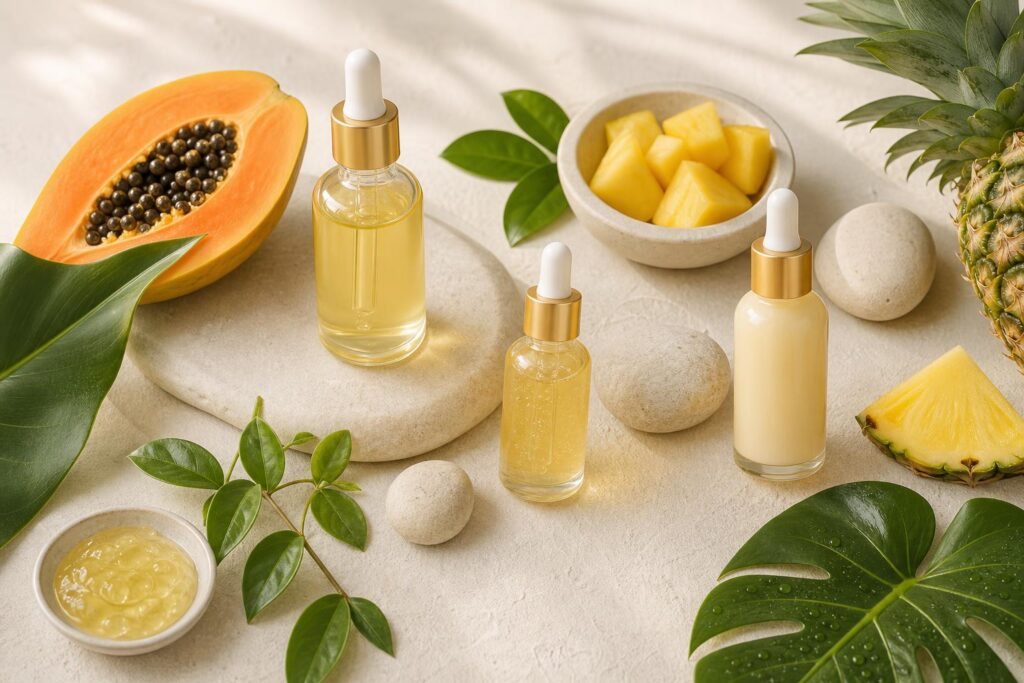
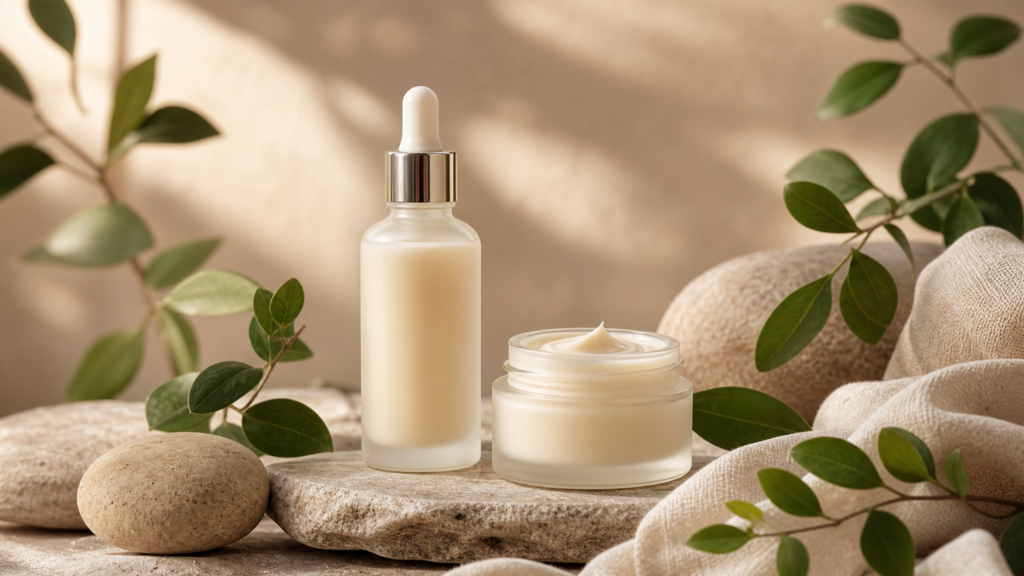
Flat lay of enzyme-based skincare products with fresh fruits and natural elements

Benefits Of Enzymes in Skin Care

Enzymes are a powerful tool when it comes to skin care. Not only can they improve the overall health of your skin, but also reduce signs of aging and rejuvenate dull complexions. But how exactly do enzymes work in skincare? And what types should you be using for best results? In this blog post, we’ll explore the benefits of enzymes in skin care, explain different types used in products and help you choose which ones are right for your individual needs. From anti-aging properties to improving fine lines and wrinkles – learn why incorporating enzyme-based products into your routine is essential.

Table of Contents:


What are Enzymes?

Enzymes are proteins that act as catalysts in chemical reactions. They are essential for life and play a key role in many biological processes, including digestion, metabolism, and cell repair. In skin care products, enzymes can be used to exfoliate the skin by breaking down dead cells on the surface of the skin.

A. Definition of Enzymes:

Enzymes are proteins that act as catalysts in chemical reactions. They speed up or slow down biochemical processes within living organisms such as plants and animals. Enzymes also have an essential role in maintaining healthy skin by helping to break down old cells so new ones can form more quickly and efficiently.

There are several types of enzymes used in skincare products today, including papain and bromelain from pineapple extract; protease from egg whites; lipase from milk; alpha hydroxy acids (AHAs) derived from citrus fruits like oranges, lemons, and limes; beta hydroxy acids (BHAs) derived from willow bark extract; lactobacillus ferment which is a probiotic enzyme found naturally on human skin; manuka honey enzymes extracted from New Zealand’s Manuka bush flowers; and phytessence wakame which is an algae-derived enzyme rich with minerals such as calcium, magnesium, iron, and zinc that helps protect against free radical damage caused by environmental stressors such as UV radiation exposure and pollution particles floating around us daily. C. Benefits of Using Enzymes in Skin Care: The benefits of using enzymes in skin care include the improved appearance of fine lines & wrinkles due to the breakdown & removal of dead cells on the surface layer allowing for new cell growth to occur more quickly & efficiently. It also increases hydration levels within the dermis layers while helping retain moisture better over time, thus making your complexion look softer & smoother than before. Additionally, it reduces inflammation or redness associated with conditions like acne or rosacea while improving overall texture too.

The use of enzymes provides numerous benefits to the skin, including the improved appearance of fine lines and wrinkles due to increased hydration levels leading to a smoother-looking complexion overall. It also helps reduce inflammation and redness associated with acne flare-ups while providing antioxidant protection against free radicals responsible for premature aging signs like dark spots and discoloration too. Additionally, they help remove excess oil buildup without stripping away natural oils needed for healthy barrier function, thus keeping your face balanced throughout the day/night cycles no matter what type it may be – dry, oily or combination, etcetera.

Enzymes are a powerful tool in skin care, providing numerous benefits to the skin. By understanding how they work and what types of enzymes are used in skin care products, we can maximize their effectiveness and reap the rewards of healthier, more youthful-looking skin. Now let’s take a look at how enzymes actually work on the skin.

Key Takeaway: Enzymes provide numerous skin benefits, including improved appearance of fine lines & wrinkles, increased hydration levels, reduced inflammation and redness associated with acne flare ups, and antioxidant protection against free radicals.

How Do Enzymes Work?

They speed up the process of chemical reactions and help to break down complex molecules into simpler ones. Enzymes play an important role in skin care, helping to reduce inflammation, improve hydration, and even out skin tone.

A. Overview of the Process:

The enzyme reaction is a two-step process involving a substrate (the molecule being acted upon) and an enzyme (the catalyst). First, the substrate binds with the active site on the enzyme’s surface; then, it undergoes a chemical reaction that results in either breaking down or forming new molecules. This process can be used to exfoliate dead skin cells from the surface of your face or body, allowing for smoother and brighter-looking skin.

Enzyme-based products can provide numerous benefits for your skin, such as the improved appearance of fine lines and wrinkles, increased hydration and moisture retention, reduced inflammation and redness, removal of excess oil without drying out your complexion too much, gentle exfoliation without causing irritation or damage to delicate facial tissues like manual scrubs do often times,and brightening effects due to its ability to penetrate deep into pores where dirt accumulates over time.

There are several types of enzymes commonly used in skincare products, including papain (from papaya), bromelain (from pineapple), protease (breaks down proteins), lipase (breaks down fats) , alpha hydroxy acids(AHAs) , and beta hydroxy acids(BHAs). Each type has different effects on the skin depending on what they target specifically. For example, AHAs work by gently removing dead cells from our outermost layer while BHAs go deeper into our pores, unclogging them from sebum build-up resulting in fewer acne breakouts. Proteases help keep collagen production going strong, while Lipases protect against environmental stressors like UV rays making sure our complexion stays healthy all year round.

Enzymes are powerful ingredients that can be used to treat a variety of skin concerns. Understanding how they work and the different available types allows you to determine which enzyme is best suited for your skin care routine. Next, we’ll look at the various enzymes used in skin care products and their effects on the skin.

Key Takeaway: Enzymes can provide numerous skin care benefits such as improved appearance of fine lines and wrinkles, increased hydration and moisture retention, reduced inflammation and redness, gentle exfoliation without irritation or damage to facial tissues, brightening effects due to its ability to penetrate deep into pores. Types of enzymes commonly used in skincare products include papain (from papaya), bromelain (from pineapple), protease (breaks down proteins), lipase (breaks down fats) , alpha hydroxy acids(AHAs) , and beta hydroxy acids(BHAs).

What Are The Different Types Of Enzymes Used In Skin Care?

They are used in skin care products to help improve the appearance of fine lines and wrinkles, increase hydration and moisture retention, reduce inflammation and redness, and more.

Papain and Bromelain are two enzymes derived from plants that have been used for centuries in traditional medicine. Papain is extracted from papaya fruit while bromelain is derived from pineapple stems. Both enzymes work by breaking down proteins into smaller molecules which can then be absorbed into the skin. This helps to gently exfoliate dead skin cells, unclog pores, reduce inflammation, brighten dull complexions, even out discoloration caused by sun damage or acne scars, and provide antioxidant protection against environmental stressors like pollution or UV radiation.

Protease and lipase are two other types of enzymes commonly found in skincare products. Proteases break down proteins into amino acids which can then be absorbed through the skin’s surface layers for nourishment; they also help to remove excess oil on the surface of the skin without stripping away its natural protective barrier. Lipases work similarly but instead target fats such as sebum (the body’s natural oils) which can clog pores if left unchecked; this helps keep pores clear while still allowing them to retain their necessary moisture levels so your complexion looks healthy rather than dry or oily.

Alpha hydroxy acids (AHAs) and beta hydroxy acids (BHAs) are both derivatives of naturally occurring plant-based compounds called carboxylic acids; AHAs include lactic acid while BHAs include salicylic acid among others. These ingredients work together with enzymes to exfoliate dead cells on the surface layer of your skin, revealing brighter, healthier looking new cells underneath. This process also encourages collagen production resulting in a firmer, more youthful complexion over time.

Enzymes are an important part of any skin care routine as they help to gently exfoliate and nourish the skin. By understanding your own individual needs, you can choose the right products that contain the right types of enzymes for your unique skin type.

Key Takeaway: Enzymes, AHAs and BHAs are natural ingredients that can help to exfoliate skin, reduce inflammation, even out discoloration and encourage collagen production for a firmer complexion.

How Can You Choose The Right Products For Your Skin Type?

When it comes to choosing the right products for your skin type, understanding what you need is key. Knowing your skin type and its needs can help you determine which ingredients will benefit your specific needs. There are five main types of skin: normal, oily, dry, combination and sensitive. Normal skin is balanced in terms of oil production and hydration levels; oily skin produces excess sebum; dry skin lacks moisture; combination has both areas of dryness and oiliness; and sensitive reacts easily to environmental factors or certain ingredients.

Once you’ve identified your particular type of skin, you can begin researching which ingredients may be beneficial for that specific type. For example, if you have oily or acne-prone skin then look for products containing salicylic acid as this helps reduce inflammation while unclogging pores from dirt and bacteria build up. If you have dry or mature skin then opt for hydrating ingredients such as hyaluronic acid which helps draw water into the cells giving a plump appearance to the surface layer of the epidermis.

By understanding your skin type, identifying ingredients that will benefit your specific needs and consulting with a professional dermatologist or esthetician, you can choose the right products for your skin type. Next, let’s look at what are the benefits of using enzymes in skin care.

Key Takeaway: When choosing skin care products, it’s important to know your skin type and what ingredients may benefit it. For oily or acne-prone skin, look for salicylic acid; for dry or mature skin, opt for hydrating ingredients such as hyaluronic acid.

What Are The Benefits Of Using Enzymes In Skin Care?

They are naturally occurring substances found in plants, animals and humans, and they can be used to treat a variety of skin conditions. Enzymes have the ability to break down complex molecules into simpler ones, which makes them ideal for use in skincare products.

Using enzymes in skincare can provide many benefits such as improved appearance of fine lines and wrinkles, increased hydration and moisture retention, reduced inflammation and redness.

A. Improved Appearance Of Fine Lines And Wrinkles:

Enzymes work by breaking down dead skin cells on the surface of the skin which helps reduce the appearance of fine lines and wrinkles over time. The enzymes also help stimulate collagen production which helps improve elasticity resulting in firmer looking skin with fewer signs of aging.

B. Increased Hydration And Moisture Retention:

Using enzyme-based products can help keep your skin hydrated by locking moisture into your pores while helping to prevent dryness or flaking due to environmental factors like wind or cold temperatures. This helps keep your complexion looking healthy and glowing all day long.

Enzyme-based products are known for their anti-inflammatory properties, making them great for treating irritated or inflamed skin caused by acne breakouts or sunburns. These ingredients help soothe redness while calming any irritation, making it an excellent choice for those with sensitive skin types who need extra care when it comes to their complexion.

Enzymes are a powerful and natural way to help improve the appearance of your skin. By incorporating enzyme-based products into your skincare routine, you can experience improved hydration, reduced inflammation, and smoother looking skin. Let’s take a look at how to incorporate these beneficial enzymes into your daily routine.

How To Incorporate Enzyme-Based Products Into Your Skincare Routine?

Enzyme-based products are becoming increasingly popular in skin care routines due to their ability to effectively exfoliate, hydrate and nourish the skin. Enzymes are proteins that help break down dead skin cells, dirt and oil from the surface of your skin. By incorporating enzyme-based products into your skincare routine, you can improve the overall health and appearance of your complexion.

Cleansing with an enzyme-based cleanser is a great way to start off any skincare routine. These cleansers contain ingredients such as papain or bromelain which work by breaking down impurities on the surface of your skin while still being gentle enough for sensitive complexions. They also help remove excess oils without stripping away natural moisture levels leaving behind a soft and supple feel after each use.

Exfoliating with an enzyme-based exfoliator is another great way to keep your complexion looking its best. These exfoliators contain ingredients like protease or lipase which work by gently removing dead skin cells from the surface of your face while still being gentle enough for all types of complexions including those with sensitive skins. Additionally, they can also help reduce inflammation and redness caused by acne or other blemishes making them ideal for those who suffer from these conditions regularly.

Enzyme-based products can be a great addition to your skincare routine. Incorporating them into your regular routine will help you reap the benefits of enzymes for healthier, glowing skin. Now let’s explore some common questions about using these products in your skincare regimen.

Key Takeaway: Enzyme-based skin care products are beneficial for all types of complexions as they help to exfoliate, hydrate and nourish the skin. They can be used in a cleansing routine or an exfoliating one and can reduce inflammation, redness and blemishes.

7 . Common Questions About Using Enzymes In Skincare

They can be found naturally occurring in many fruits, vegetables, and other organic materials. Enzymes have been used for centuries in skin care products due to their ability to help break down dead skin cells and reveal brighter, smoother skin beneath.

Is It Safe To Use On Sensitive Skin? Yes. In fact, enzymes are often recommended for those with sensitive or reactive skin types because they work gently on the surface of the skin without causing irritation or inflammation. However, it is always best to patch-test any new product before applying it all over your face just to make sure you don’t experience any adverse reactions.

Are There Any Side Effects? Generally speaking, enzyme-based skincare products do not cause side effects when used properly according to directions; however, if you experience redness or itching after using an enzyme-based product, discontinue use immediately and consult a dermatologist if necessary.

Ultimately it is important to listen to your own body, so adjust usage accordingly based on how your skin responds.

FAQs in Relation to Benefits of Enzymes in Skin Care

Are enzymes good for your face?

Yes, enzymes can be beneficial for your face. Enzymes are proteins that act as catalysts in chemical reactions and can help to break down dead skin cells, unclog pores, and remove excess oils from the skin. They also help to reduce inflammation and improve overall complexion. Furthermore, they can help stimulate collagen production which helps keep skin looking youthful and healthy. By using enzyme-based products regularly, you can enjoy a brighter complexion with fewer blemishes.

How often should you use enzymes on your face?

Enzymes can be a great addition to your skin care routine, but it is important to use them correctly. Generally speaking, you should only use enzymes on your face once or twice a week. Start by cleansing the area and then applying an enzyme mask or serum for 10-15 minutes before rinsing off with warm water. It is important not to overuse enzymes as they can cause irritation if used too often. Additionally, make sure that you are using the right type of enzyme product for your skin type in order to get the best results.

Is enzyme good for acne?

Yes, enzymes can be beneficial for acne. Enzymes are naturally occurring proteins that help break down and remove dead skin cells, excess oil, and other debris from the pores. This helps reduce inflammation and unclog pores which can lead to fewer breakouts. Additionally, enzymes also have antibacterial properties which can help prevent future outbreaks of acne. By using enzyme-based products as part of your regular skincare routine you may see a reduction in existing blemishes as well as prevention of new ones.

What enzymes are good for healthy skin?

Enzymes are important for healthy skin as they help to break down proteins, fats and carbohydrates in the skin cells. Papain and bromelain are two of the most common enzymes used in skincare products. Papain is derived from papaya fruit and helps to gently exfoliate dead skin cells while also helping to reduce inflammation. Bromelain is derived from pineapple and helps to reduce redness, swelling, irritation, dryness and acne-causing bacteria on the skin’s surface. Other beneficial enzymes include lipase which helps break down fat molecules; protease which breaks down protein molecules; amylase which breaks down starch molecules; cellulose which aids in hydration; lactase which can help with discoloration; and glucanase which can help with cell regeneration.

Conclusion

Enzymes have a wide range of benefits when it comes to skin care. They can help improve your skin’s overall health and appearance, reduce fine lines and wrinkles, and even provide anti-aging effects. When choosing enzyme-based products for your skincare routine, make sure you select ones that are tailored to your specific skin type in order to maximize their potential benefits. By incorporating enzymes into your daily skincare regimen, you can enjoy healthier looking skin with fewer signs of aging. The many benefits of enzymes in skin care make them an excellent choice for anyone looking to maintain healthy and youthful-looking skin.

Are you looking for natural and effective skin care solutions? Organic Skin Care Products can help provide your skin with the nutrients it needs to stay healthy, while enzymes offer additional benefits. Enzymes are proteins that act as catalysts in chemical reactions; they speed up biochemical processes like collagen production, which helps keep skin soft and supple. Try out our organic products today to see how these powerful ingredients work together to make your complexion look brighter and more radiant!

Benefits Of Enzymes in Skin Care Read More »

Refreshed hero image for: Unlocking the Benefits of Niacinamide for Skin Health

Unlocking the Benefits of Niacinamide for Skin Health

Unlock the secret to radiant, healthy skin with niacinamide, a powerful and versatile skincare ingredient that can transform your skin from dull and lifeless to vibrant and glowing. Known for its numerous benefits, niacinamide is a game-changer in the world of beauty and skincare, addressing concerns such as acne, hyperpigmentation, and signs of aging. In this blog post, we will delve into the origins, properties, and scientific basis behind niacinamide’s skin benefits, as well as provide guidance on incorporating it into your skincare routine for optimal results.

Key Takeaways

  • Niacinamide is a powerful skincare ingredient offering numerous benefits such as enhancing skin texture, reducing the appearance of pores, and combating issues like acne.

  • Niacinamide supports coenzyme formation which helps to increase collagen production and improve skin elasticity for improved complexion.

  • It is important to be aware of potential side effects when using niacinamide by opting for purified grades or patch testing before introducing it into your routine.

Niacinamide: A Skin Care Powerhouse

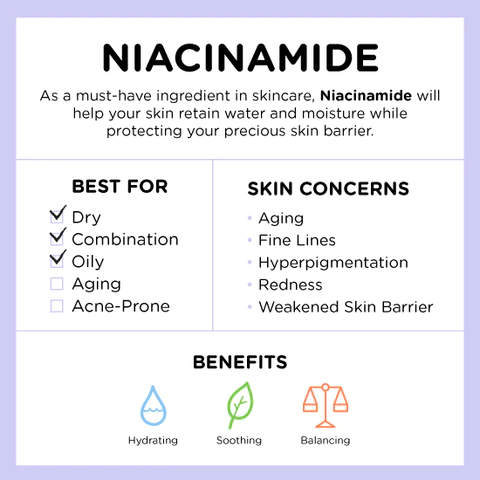
Benefits of Niacinamide

Niacinamide has earned its spot in the skincare hall of fame as a powerhouse ingredient, offering a wide range of benefits suitable for various skin types and concerns. Some of the benefits of niacinamide include:

  • Enhancing skin texture and health

  • Reducing the appearance of pores

  • Minimizing fine lines and wrinkles

  • Balancing oil production

  • Brightening the skin

  • Calming redness and inflammation

With its versatility and effectiveness, niacinamide is a valuable addition to any skin care routine.

As a form of vitamin B3, topical niacinamide works to:

  • Strengthening skin’s moisture barrier

  • Retain skin-smoothing moisture

  • Brighten skin tone

  • Combat issues such as acne, hyperpigmentation, and premature skin aging

But what exactly is niacinamide, and how does it work its magic on our skin?

Origin and properties of niacinamide

Niacinamide, a form of vitamin B3, is a water-soluble vitamin with dermatological benefits. Derived from natural substances, niacinamide can be sourced from the nicotinic acid present in cereals and brewer’s yeast. Its water-soluble nature makes it an ideal candidate for skincare formulations, allowing it to be easily absorbed into the skin without leaving a greasy residue.

As a versatile ingredient, niacinamide offers numerous benefits for the skin when applied topically. It can help:

  • Regulate sebum production

  • Soothe inflammation

  • Enhance the hydrating properties of moisturizers, allowing the skin’s surface to better resist moisture loss and dehydration.

Moreover, oral niacinamide supplements are also available for those seeking a more systemic approach to support skin health.

Niacinamide vs. nicotinic acid

While both niacinamide and nicotinic acid are forms of vitamin B3, they differ in their medical applications and properties. Niacinamide, derived from niacin, is more closely related to NAD (nicotinamide adenine dinucleotide), enhancing bioavailability. This makes it the preferred choice for skincare, offering gentler properties that can address a wide array of skin concerns without irritating.

On the other hand, nicotinic acid, also known as niacin, is primarily used to treat high cholesterol. Despite the similarities in their molecular structures, niacinamide and nicotinic acid are not interchangeable, and their differing properties make niacinamide the ideal choice for skincare applications.

The Science Behind Niacinamide’s Skin Benefits

The secret of niacinamide’s skin benefits lies in its role in coenzyme formation, which supports skin cell function and collagen production. This, in turn, leads to improved skin elasticity, contributing to a more youthful and radiant appearance.

As a versatile ingredient, niacinamide can address various skin concerns, including acne, hyperpigmentation, and signs of aging. But how does niacinamide work on a molecular level to transform our skin?

Coenzyme formation and skin cell function

Niacinamide is a precursor to coenzyme nicotinamide adenine dinucleotide (NAD), which plays a crucial role in maintaining healthy skin. The formation of coenzyme Q10 (CoQ10) is essential for skin health, as it serves as an antioxidant, shielding the skin from oxidative damage and promoting anti-aging effects. Additionally, CoQ10 plays a role in energy metabolism, aiding the bioenergetic functions of skin cells.

Sustaining appropriate levels of CoQ10 is essential for healthy skin function. Niacinamide supports the formation of these crucial coenzymes, thereby maintaining the skin’s supportive elements and overall health, which contributes to a radiant complexion.

Collagen production and skin elasticity

Collagen is a protein found in the skin that contributes to its firmness and elasticity, helping to maintain a youthful appearance. Niacinamide has been demonstrated to stimulate collagen production, promoting a firm and youthful appearance. Additionally, it has been shown to reduce the breakdown of existing collagen, thereby helping to maintain skin elasticity. Hyaluronic acid, another popular skincare ingredient, also plays a role in maintaining skin hydration and elasticity.

Niacinamide helps to reduce the visibility of wrinkles and sagging skin by preserving skin elasticity and inhibiting the degradation of existing collagen. To maximize the benefits of niacinamide, it is recommended to incorporate it into a daily skin care routine, either through topical application of a serum or cream containing a high concentration of niacinamide, or through the intake of a niacinamide supplement.

Addressing Common Skin Concerns with Niacinamide

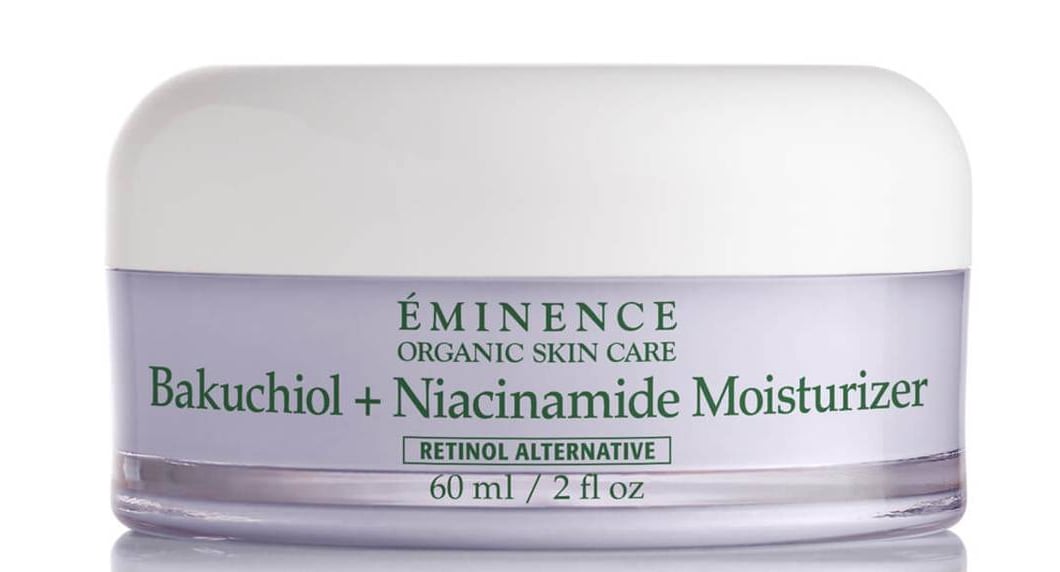
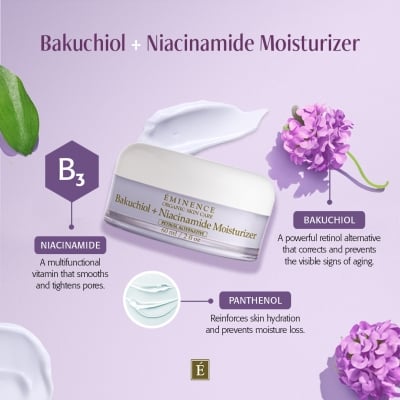
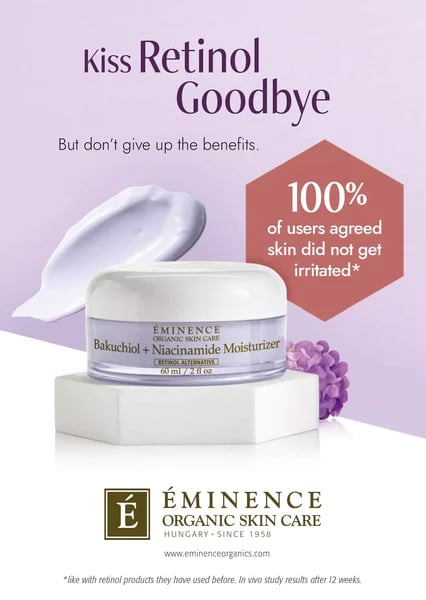
Eminence Organics Bakuchiol + Niacinamide Moisturizer
Our Score

This moisturizer combines anti-aging niacinamide and bakuchiol. These ingredients smooth the look of fine lines, visibly tighten pores and deliver retinol-like results without the irritation. As a moisturizer, this formula also hydrates dry skin and replenishes your skin barrier.

Results:

  • Smooths the look of fine lines and wrinkles with no visible irritation
  • Replenishes the skin barrier and locks in hydration
  • Reduces the appearance of large pores
  • Skin appears visibly tightened

How to use: Apply a layer of moisturizer over the entire face and neck area. Leave on. For a lighter application, emulsify a small amount of moisturizer in your hand with a few drops of water. For extra hydration, apply a thicker layer on dry areas.

With the knowledge of niacinamide’s role in coenzyme formation, collagen production, and skin cell function, we can now explore how this powerful ingredient addresses specific skin concerns. Niacinamide’s versatility makes it an effective solution for a variety of issues, including acne, hyperpigmentation, and the appearance of aging.

Targeting these common concerns, niacinamide aids in achieving a clear, radiant complexion.

Acne and blemish control

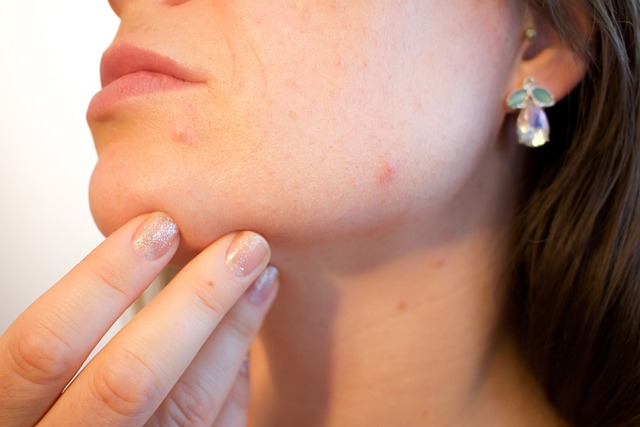
Niacinamide’s ability to regulate sebum production and reduce inflammation makes it an effective way to treat acne. Here are some benefits of using niacinamide for acne:

  • Minimizes the appearance of blemishes

  • Prevents future breakouts by controlling oil production

  • Soothes inflammation

  • Assists in the management of acne-prone skin due to its antibacterial properties

In addition to its acne-fighting properties, niacinamide may also aid in minimizing the appearance of pores by helping to maintain your skin’s smoothness and clarity. Niacinamide can play a significant role in achieving a clear, blemish-free complexion by visibly tighten pores and improving the skin’s overall texture.

Hyperpigmentation and uneven skin tone

Niacinamide’s ability to reduce hyperpigmentation and improve skin tone uniformity is another key aspect of its skincare benefits, including brightening skin tone. Niacinamide can effectively reduce the visibility of dark spots and even out the overall skin tone by restraining melanin production through the reduction of tyrosinase activity.

The use of niacinamide in addressing hyperpigmentation is not only effective but also safe, as it does not have the same potential side effects as some other skin-lightening agents. Incorporating niacinamide into your skincare routine can assist in achieving a more even and radiant complexion, free of hyperpigmentation and dark spots.

Fine lines, wrinkles, and premature aging

Niacinamide’s impact on collagen production and skin barrier function plays a significant role in reducing the appearance of fine lines, wrinkles, and premature aging. By boosting collagen production, niacinamide works to strengthen the skin’s supportive elements, leading to a reduction in fine lines and wrinkles, as well as improved skin elasticity.

Incorporating niacinamide into your skincare routine offers several benefits:

  • Addresses existing signs of aging

  • Helps in preventing future signs from forming

  • Reinforces the skin’s barrier

  • Stimulates collagen production

  • Fights against premature aging

  • Promotes youthful, radiant skin

Integrating Niacinamide into Your Skincare Routine

Incorporating niacinamide into your skincare routine is simple, offering a seamless addition to your existing regimen. With a multitude of product options and compatibility with other active ingredients, you can easily integrate niacinamide into your daily skincare routine and start reaping the benefits it has to offer.

What strategies should one adopt to choose the right product and combine it with other active ingredients for the best results?

Choosing the right product

The selection of an appropriate niacinamide product is key to achieving optimal results and ensuring compatibility with your specific skin needs. When considering a niacinamide product, take into account factors such as:

  • Concentration
  • Combination of ingredients
  • Quality
  • Compatibility with other products

Products designed to be left on the skin, such as serums or moisturizers, are recommended for addressing skin care concerns and achieving optimal outcomes.

For those with sensitive skin, it is advisable to start with a lower concentration of niacinamide and gradually increase the amount used. This approach allows your skin to adapt to the new ingredient, minimizing the risk of irritation or adverse reactions.

Combining niacinamide with other active ingredients

Niacinamide is compatible with most skincare ingredients, making it easy to combine with your existing skincare routine. For maximized benefits of niacinamide, consider applying it alongside other active ingredients in both morning and evening routines, which ensures optimal absorption and effectiveness.

One important note is to space apart niacinamide and vitamin C when incorporating them into your routine, as this can help prevent potential interactions between these two powerful ingredients. With the right combination of niacinamide and other active ingredients, you can unlock the full potential of this skincare powerhouse and achieve the glowing, healthy skin you’ve always desired.

Potential Side Effects and Precautions

acne, pores, skin

Although niacinamide is generally well-tolerated, some individuals may experience flushing or allergic reactions. Therefore, performing a patch test and selecting a suitable product for your skin type is important.

Being mindful of potential side effects and taking necessary precautions guarantees that niacinamide is a safe and effective addition to your skincare routine.

Identifying and managing flushing

Flushing, characterized by temporary redness and warmth in the skin due to increased blood flow, can occur in some individuals when using niacinamide. This reaction is generally associated with high levels of free niacin in the product, which can cause vasodilation and flushing.

Avoiding this side effect can be achieved by opting for purified grades of niacinamide, which contain lower levels of free niacin and are less likely to cause flushing.

Allergic reactions and patch testing

Although allergic reactions to niacinamide are rare, they can occur in certain individuals, manifesting as redness, itching, and swelling of the skin. Performing patch testing before incorporating niacinamide into your skincare routine is crucial to ensure skin compatibility and detect any potential allergic reactions.

By applying a small amount of the product to a limited area of skin and monitoring for any adverse reactions, you can determine whether niacinamide is suitable for your skin type and avoid any potential issues. This simple precautionary measure can help you safely enjoy the many benefits that niacinamide has to offer.

Summary

Niacinamide is a true skincare powerhouse, offering a wide range of benefits for various skin types and concerns. From its role in coenzyme formation and collagen production to its effectiveness in addressing acne, hyperpigmentation, and signs of aging, niacinamide is a versatile and powerful ingredient that can transform your skin. By incorporating niacinamide into your daily skincare routine, selecting the right product, and combining it with other active ingredients, you can unlock the full potential of this remarkable ingredient and achieve the radiant, healthy skin you’ve always desired.

Embark on your journey toward beautiful, glowing skin with niacinamide, and experience the transformative power of this skincare marvel for yourself. Your skin will thank you.

Frequently Asked Questions

What does niacinamide do for the skin?

Niacinamide, also known as vitamin B3 and nicotinamide, is a multipurpose skin care ingredient that helps build keratin, a protein that maintains skin health. It can also visibly minimize enlarged pores, tighten lax or stretched out pores, improve uneven skin tone, soften fine lines and wrinkles. Diminish dullness, and strengthen weakened skin surfaces.

Is it OK to use niacinamide everyday?

It is safe to use niacinamide in topical products every day, both morning and night. You can even take it in food or supplement form in doses up to 900-1500 mg daily. Niacinamide can help visibly improve discoloration create a brighter complexion and clearer-looking skin.

Is niacinamide or hyaluronic acid better?

Niacinamide and hyaluronic acid both offer beneficial effects for skin, but niacinamide may be better suited to those with oily or acne-prone skin, while hyaluronic acid is beneficial for dry skin. You can try them individually or together, depending on your individual needs.

Who should not take niacinamide?

People with liver, kidney, or stomach ulcers, diabetes, or gallbladder disease should not take niacinamide without consulting their doctor. Additionally, it is advised to discontinue the use of niacin or niacinamide at least two weeks prior to any surgery.

What is niacinamide?

Niacinamide is a form of vitamin B3 that provides numerous skincare benefits, including fighting acne, hyperpigmentation, and signs of aging.

Unlocking the Benefits of Niacinamide for Skin Health Read More »

Shopping Cart
Scroll to Top
0