Organic Skin Care For Hyperpigmentation

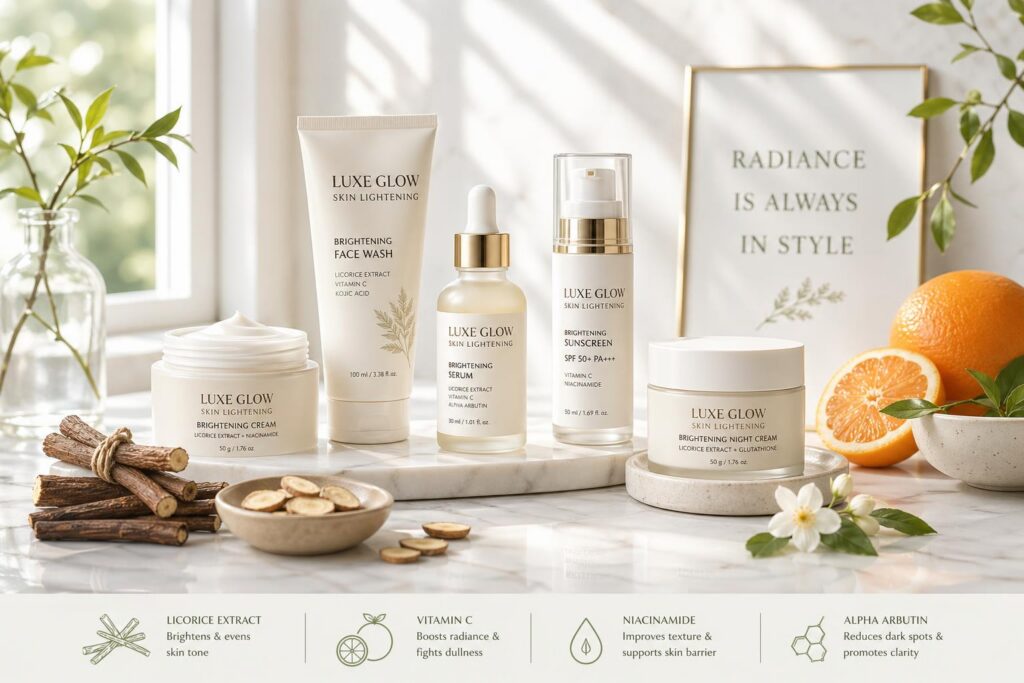
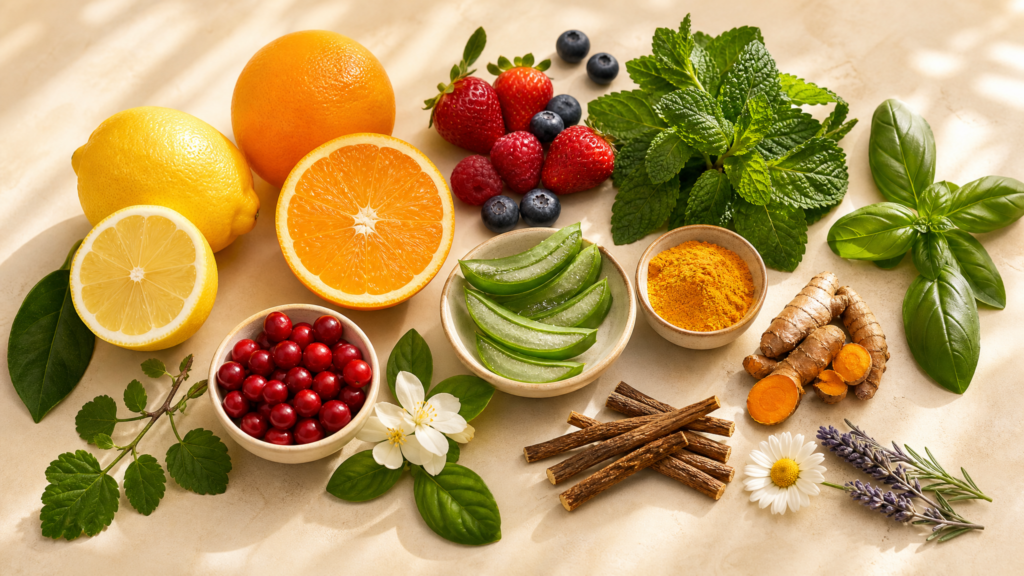
Elegant skincare products for hyperpigmentation on a marble countertop with fresh ingredients.

Skin Lightening Agents for Hyperpigmentation Skin

As an esthetician, hyperpigmentation will be the most common and troublesome skin condition you’ll treat. Without corrective skin care treatment and lightening agents, hyperpigmentation can be difficult to treat. It may take months or even years for the condition to improve. To effectively treat hyperpigmentation of skin of color, it is important to include lightening products or agents into your treatment plan. These lightening agents can be found in professional and prescription skin care products. These agents are applied to the skin once or twice daily to lighten it over time. Lightening agents and treatments for skin of color can be used individually or as part of a combination therapy method to get rapid results.

How Do Lightening Agents Work?

Lightening agents can slow down melanin production either in one way or in many different ways. Melanin synthesis refers to the conversion of tyrosine from DOPA and dopaquinone using an enzyme called Tyrosinase. Below are some details about the actions of lightening agents.

Mimic tyrosine. Lightening ingredients act as a mimic of tyrosine, essentially keeping tyrosinase too busy to produce as much melanin as before. This is the case for hydroquinone, mequinol, azelaic acid, arbutin and licorice extract.

Prevent tyrosinase. Lightening ingredients can also block off the important copper ions in tyrosinase, preventing the enzyme from working, as is the case of kojic acid. N-acetylglucosamine slows down the production of tyrosinase enzyme, meanwhile vitamin C (ascorbic acid) undoes the reaction of tyrosinase.

Slow melanonosomes. In the case of arbutin and its derivatives, the maturation of melanosomes (pigment producing organelles) is slowed.

Preventing transport. Ingredients like soy, niacinamide and retinoids prevent melanin pigment from traveling from the melanocytes where it’s made to the keratinocyte skin cells.

Dispersing pigment. Licorice root extract helps to disperse pigment.

Cell turnover. Alpha and beta hydroxy acids, chemical peels and retinoids increase skin turnover, meaning there are more skin cells being produced, and less pigment to go around.

Hydroquinone

This lightening agent, which is most often used to treat hyperpigmentation among clients of color, is the most well-known and studied. It is not available in all countries. However, it can be purchased in both prescription and non-prescription strengths. Hydroquinone, the only approved product by the U.S. Food and Drug Administration for the treatment of hyperpigmentation, has been extensively tested and proven effective. It reduces the activity of tyrosinase which is an enzyme that produces new melanin. This makes it more effective than other lightening agents.

Hydroquinone mimics tyrosine and keeps tyrosinase busy enough to make as much melanin. OTC and 2% hydroquinone concentrations are safe for all skin types. Although higher levels can still be effective, they are more likely to cause adverse reactions in people with darker skin. Most prescription-strength hydroquinone formulations contain 3-4%, but concentrations as high as 10% may be available through compounding pharmacies. It is commonly combined with other actives, such as tretinoin or retinol, vitamin A, vitamin C, or glycolic acid, when prescribed by a doctor.

Side effects may include itching, dry skin, itching, allergic reactions, mild contact dermatitis, and skin dryness. It can cause hypopigmentation in severe cases and post-inflammatory hyperpigmentation.

Hydroquinone can now be purchased only through prescriptions. This makes it difficult for estheticians not to use it in their treatments without consulting a doctor. There are other options.

Mequinol

This is a prescription alternative to hydroquinone. It’s also known as methoxyphenol, hydroquinone monomethyl ether and p-hydroxyanisole. It is similar to hydroquinone in that it mimics tyrosine and decreases tyrosinase’s ability to make melanin pigment. Mequinol usually comes at a concentration of 2%, sometimes in combination with 0.01% tretinoin and vitamin C to enhance penetration. It has been found to be as effective as hydroquinone and less irritating, but can sometimes temporarily cause post-inflammatory hyperpigmentation.

Arbutin

Arbutin has been called a “naturally hydroquinone”, as its structure is very similar to hydroquinone. It can be found in bearberry leaf extracts, as well as in blueberry and cranberry leaf extracts. Arbutin gradually becomes hydroquinone. This acts as a tyrosine imitator to slow down melanin production. It can also affect the maturation and production of melanin-producing organelles, called melanosomes. It slowly converts to hydroquinone by skin enzymes, resulting in a slow-release effect. It is combined with retinoid, alphahydroxy acid, and antioxidants to be the most effective hydroquinone-free dark-spot remover. Arbutin is most commonly used at 5% strength. However, there are higher concentrations.

Retinoids

Retinoids are some of the most popular and effective treatments for reducing sun damage and dark spots. Derivatives of vitamin A, examples include tretinoin, adapalene, tazarotene and isotretinoin, as well as retinol, available OTC. Clinical studies have shown that retinoids (including retinoic acid, retinol and retinyl palmitate) help reduce uneven pigmentation while strengthening elastin fibers and supporting structural collagen. This helps prevent breakouts and signs of aging, while acting as a penetration enhancer for other treatments. Retinoids can work in multiple ways to reduce pigmentation, including increasing skin turnover, interfering with transfer of melanin to the skin, reducing the amount of tyrosinase produced in the skin and dispersing melanin.

Azelaic Acid

Azelaic acid is a prescription-only acne treatment in many countries. It is slightly milder than hydroquinone, but in combination with retinoids has been as effective as 4% hydroquinone, with less side effects. It interferes with tyrosinase activity as a tyrosine mimic and suppresses and kills abnormal melanocytes. It can be used in 15-20%, sometimes combined with glycolic acid. Azelaic acid is known for the lack of side effects with its use – the main side effects are mild stinging and redness.

Kojic Acid

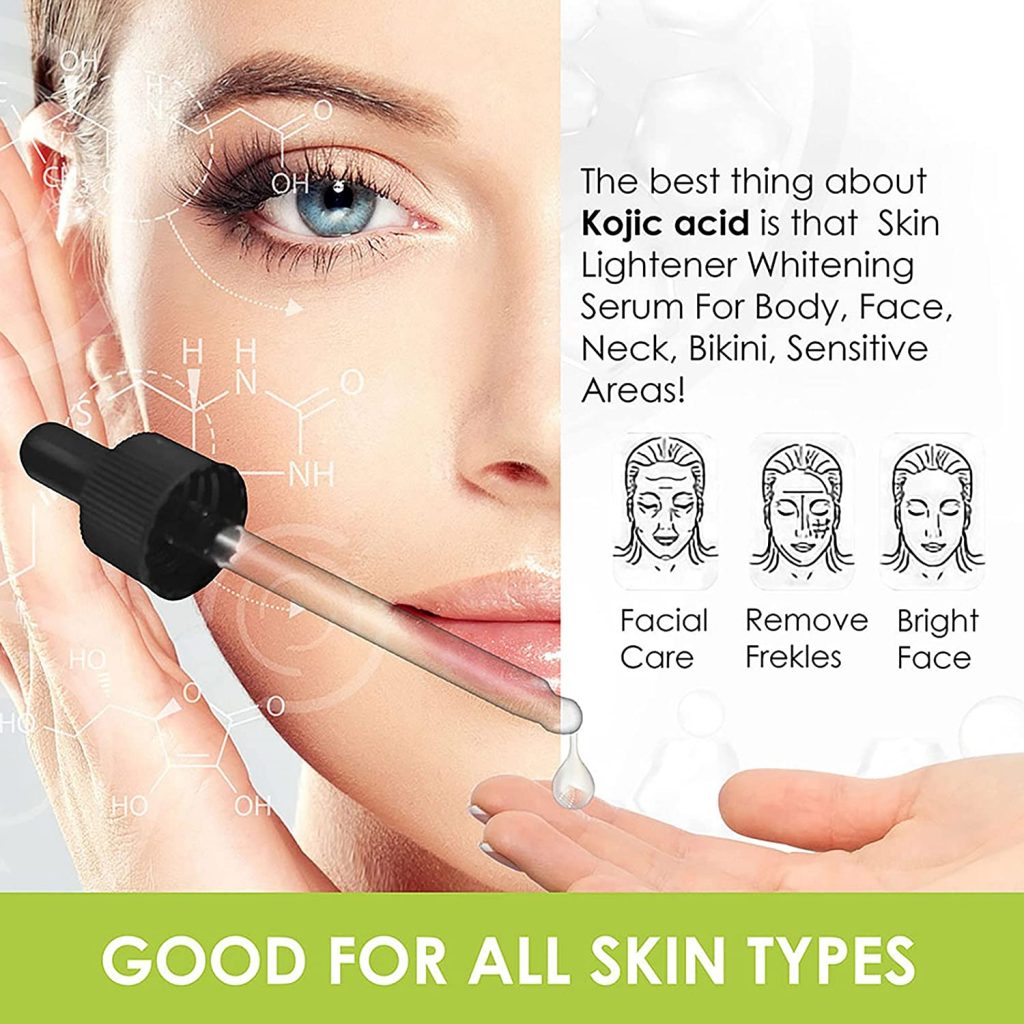
Kojic acid is produced by bacteria in the fermentation of rice in the manufacture of sake (Japanese wine). A derivative of kojic acid, kojyl-APPA has also been investigated for its whitening effect and improved skin penetration. Kojic acid binds to copper in tyrosinase, preventing it from performing its role in the production of melanin. It is usually found at 1-4% concentrations, often in combination with hydroquinone, retinoids and glycolic acid.

Licorice Extract

Licorice root has long been used for its natural “skin lightening” effects. It contains high amounts of compounds, including glycyrrhizin, glabridin and liquiritin that also helps block tyrosinase enzymes, which contribute to skin hyperpigment changes. It can also help reduce collagen loss and improve the skin’s ability to absorb other ingredients.

Vitamin C

Vitamin C, also known as ascorbic acid, is an ingredient in many skin care products, due to its potent antioxidant activity. However, it is very unstable and is usually combined with other ingredients. Ascorbic acid turns dopaquinone back into L-DOPA, undoing the reaction that tyrosinase does. Ascorbic acid is typically found in 5-10% concentrations, and has an excellent safety profile with much less irritating potential than many other lightening agents.

Soy Proteins

Soy proteins are extracted from soybeans. The most studied lightening agent in soy is soybean trypsin inhibitor. Soybean trypsin inhibitor interferes with the transfer of pigment from the melanin-producing cells to the skin. It is not as effective as hydroquinone, but the lightening action of soy is reversible, and the side effects are minimal.

N-acetylglucosamine

N-acetylglucosamine is a sugar found throughout nature and in the body, and it is a precursor of hyaluronic acid. It slows down the production of tyrosinase enzymes, essential in the synthesis of melanin. Concentrations of 2% N-acetylglucosamine have been found to improve pigmentation in clinical studies and are frequently used in conjunction with niacinamide. There has been mild to moderate skin irritation in some cases.

Niacinamide

Niacinamide, also known as vitamin B3, is found in many plants. It is an antioxidant and is very stable. Niacinamide inhibits transfer of pigment to the skin. The typical concentration of 2-5% has been found to be effective in reducing hyperpigmentation in several studies. However, niacinamide is usually combined with other agents. Some skin irritation can occur.

Conclusion

Consider side effects when choosing the right type of lightening agent to use for your clients. Combining the two, or perhaps only using prescription-based lightening agents for a short time, can produce faster results without irritation or complications. When performing facial modalities or implementing treatment protocols, make sure you recommend a home care program with clear instructions on how to use lightening agent on a daily basis for clients of color.

Skin Lightening Agents for Hyperpigmentation Skin Read More »

10 Ingredients To Treat Hyperpigmentation

10 Ingredients To Treat Hyperpigmentation

Any kind of skin irritation can lead to dysregulation in pigment production, causing dark spots. This can be from healing acne, or irritating skincare products. It’s referred to as post-inflammatory hyperpigmentation, and it can take a very long time to fade naturally. However, there are several treatments that you can use to speed up the process—so let’s discuss the top ten ingredients you should be looking for in your skincare products.

1. Vitamin C

Vitamin C is an antioxidant, so it inhibits free radical formation that can lead to oxidative damage and subsequent upregulation in pigment production. It also can inhibit tyrosinase, which is an enzyme that leads to hyperpigmentation.

However, Vitamin C products, specifically ones in the form of L-ascorbic acid, are very unstable. We have the most data on L-ascorbic acid, so we know that it degrades very easily, and when this happens, it can be incredibly irritating to the skin. Not only that, but L-ascorbic acid is a water-loving, charged molecule. This makes it very difficult to get it into the skin, and it oxidizes very easily when exposed to air and light. As a result, manufacturers have a few challenges to overcome in order to create a product that is actually going to work—but because Vitamin C is not an actual drug that we are prescribed, there’s really not much onus on the manufacturer to prove these things.

SkinCeuticals’ CE Ferulic serum is an excellent product. They have done a few things with the Vitamin C that have been shown to help stabilize it, allowing it to effectively penetrate the skin. They’ve added ferulic acid and Vitamin E, both of which have been shown to enhance the penetration and stability of L-ascorbic acid.

The best way to use Vitamin C products is in the morning. Apply them to your skin, allow them to absorb and dry, and then put on sunscreen over the top. It’s better to use them in the morning than at night because their antioxidant properties will be more helpful in scavenging the free radicals that you’re exposed to during the day.

2. Hydroquinone

Hydroquinone has been the gold standard for treating hyperpigmentation for more than 50 years. Like Vitamin C, it works by inhibiting tyrosinase. Now, the downside of hydroquinone is that is irritating, and with long term use it can cause rebound worsening of the hyperpigmentation, so you have to be really careful with it.

Hydroquinone can be bought over the counter at two percent strength, or it’s available by prescription. The prescription stuff typically is more effective, but potentially more irritating. It is best to pursue hydroquinone under the supervision of a dermatologist to get the best results. That’s not to say that the OTC products are off the table, but they can be very irritating and you’re likely to have better results with professional supervision.

A good hydroquinone product that’s very affordable is Ambi Fade Cream, which is two percent hydroquinone. You want to apply it in the evening or in the morning, or you can apply it twice a day if you tolerate it without any irritation. You shouldn’t apply it to a widespread area, but instead only to the areas of hyperpigmentation. Put the hydroquinone in the center of the area of hyperpigmentation and then feather it out to the periphery of the affected area. You shouldn’t use it for longer than 5-6 months without taking a break, because if you do that, it can affect the neighboring melanocytes that were otherwise normal and lead to rebound hyperpigmentation.

Hydroquinone is obviously not perfect, and there can be lots of little issues that are very nuanced from person to person. It’s also not available over the counter everywhere, so it may not even be available to you depending on where you are in the world.

3. Kojic acid

Kojic acid is derived from mushrooms and was discovered in Sake fermentation. It acts as a copper key factor, which inhibits the enzyme tyrosinase. In a sense, it starves tyrosinase, preventing it from having any impact. It can cause irritating in some people, but it is generally very well tolerated.

It can take several months to start seeing improvement, but as long as you’re tolerating it, you can definitely appreciate some improvement in that hyperpigmentation.

The La Roche-Posay Melody Pigment Control serum has both Kojic acid and glycolic acid, which will help fluff off some dead skin cells and improve the penetration of the Kojic acid. You don’t have to be precise in your application, but you can apply it specifically to areas of hyperpigmentation if you would like to make the product last longer.

The PCA Skin Pigment gel is also a good product with kojic acid. PCA makes two versions, one with hydroquinone and one without. The one without is less irritating, but it’s down to personal preference and how your skin tolerates it. Try it once a day to see how your skin tolerates it, and as long as it’s working for you, you can apply it twice a day for maximum benefit.

Top Rated
Bright Skin Moisturizer SPF 40
9.7

Bright Skin Moisturizer Broad Spectrum SPF 40 Sunscreen hydrates, and protects the skin during sun exposure to prevent premature aging while helping even out the skin tone.

Best Seller
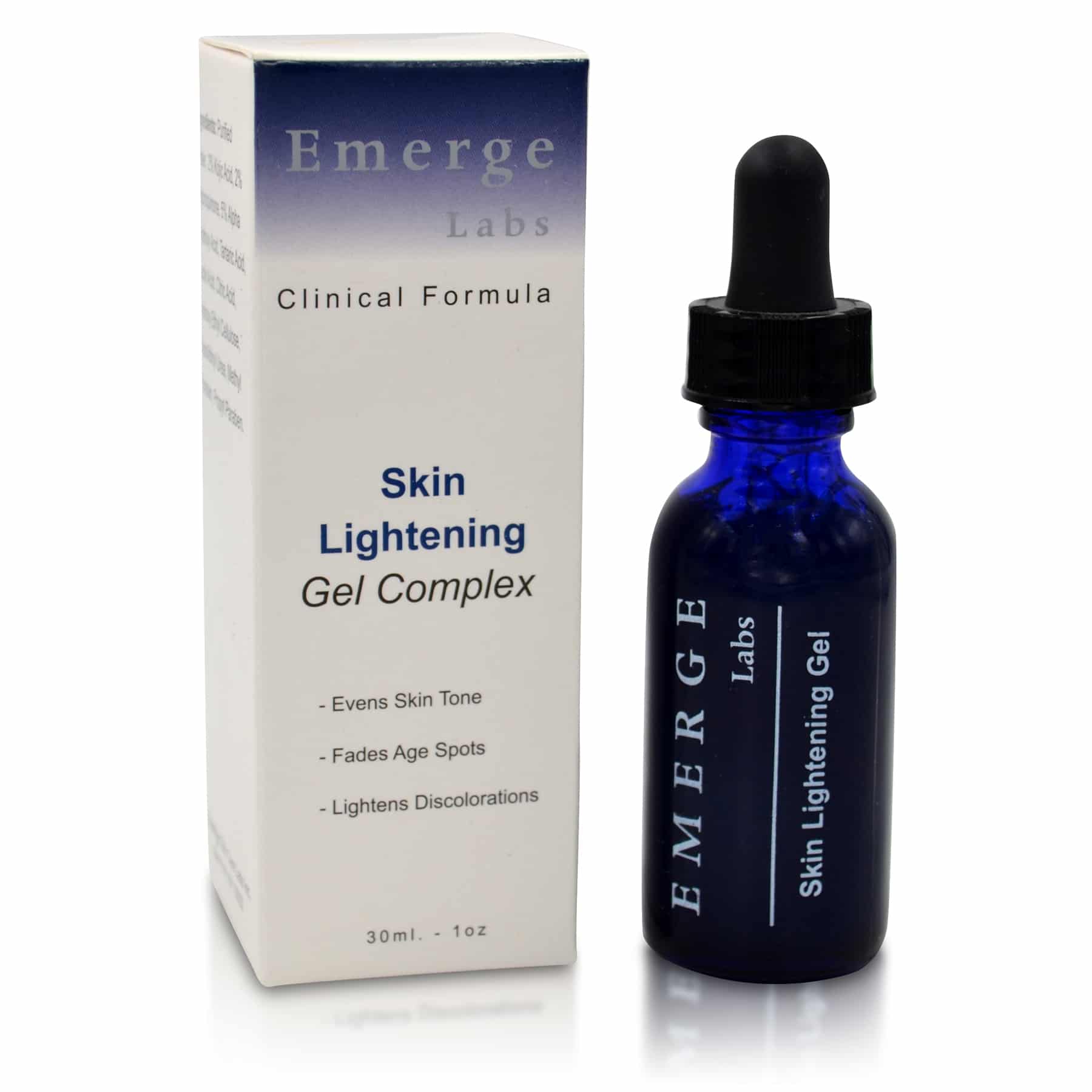
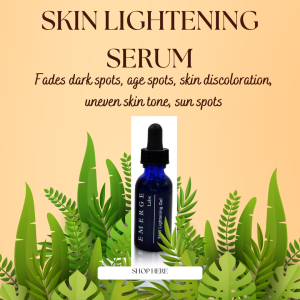
Skin Lightening Serum
9.5

Visibly brightens and evens skin tone. Fades dark spots, age spots, skin discoloration, uneven skin tone, sun spots, freckles, and acne scars. Can be used on the face, hands, chest, knees, elbows, and other sensitive skin areas.

Editors Choice
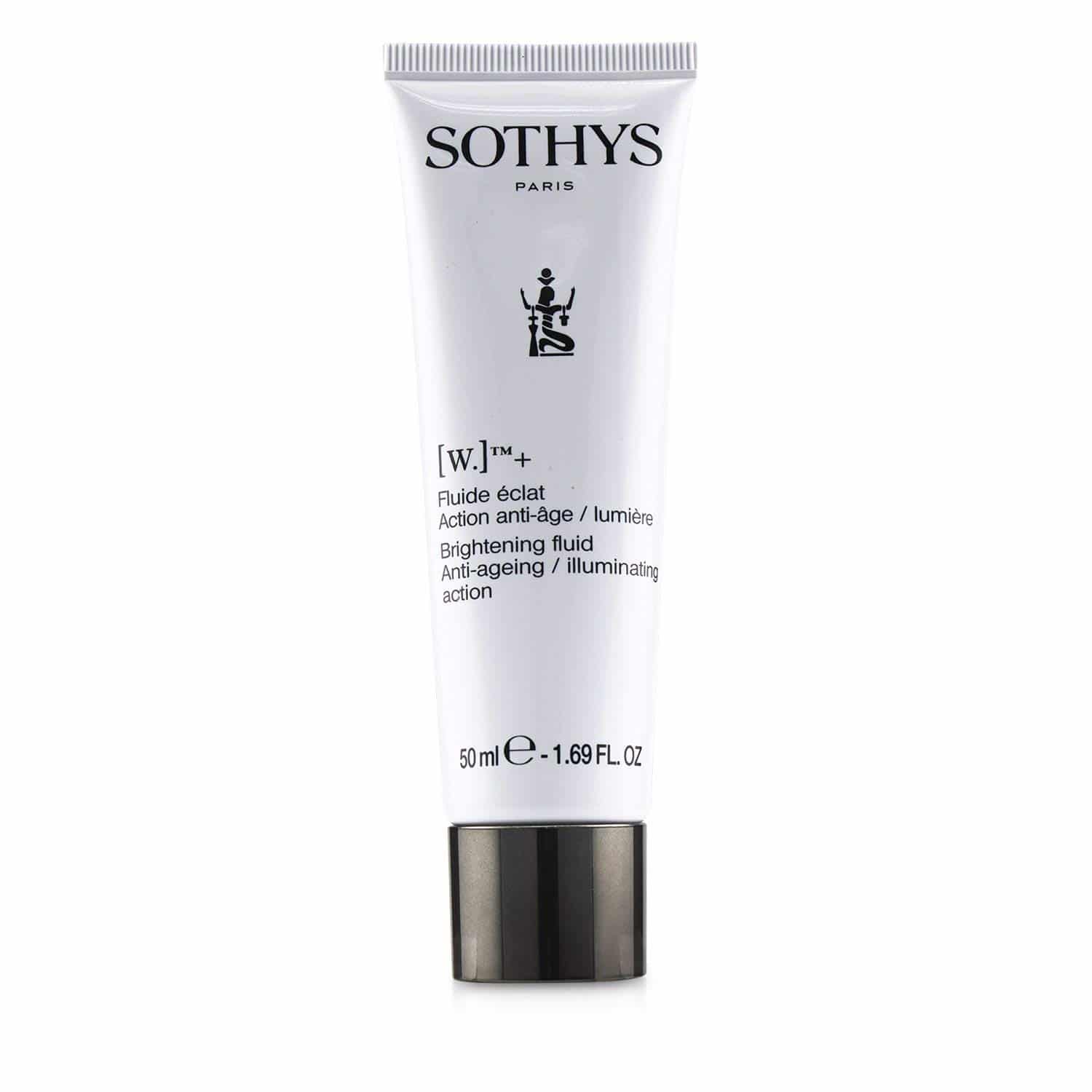
Brightening Fluid
9.1

Brightening Fluid helps boost clarity and protects the skin from free-radical damage. W. Complex, which features vitamin C and azeloglycine, stimulates collagen production and reduces the acceleration of melanin pigments to minimize dark spots.

4. Soy

Soy is very well tolerated—unless, of course, you have a soy allergy. It prevents the pigment from entering the top layers of the skin, thus inhibiting how pigment moves around and evening out skin tone. It’s also anti-inflammatory, has anti-wrinkling and skin-firming effects, and can scavenge free radicals. It’s also been shown to improve thinning skin, a natural part of aging. You can apply it morning and evening for the best results.

The SANA brand from Japan is excellent, and all their products include soy. Their facial lotion in particular is very effective; just put it on in the morning, let it absorb, and put your sunscreen over the top.

5. Azelaic Acid

Azelaic acid is great for people who have sensitive skin and/or acne, in addition to hyperpigmentation. It inhibits free radicals and tyrosinase, thus improving hyperpigmentation, and benefits your skin in other ways. It can help break up closed comedones, or whiteheads, and it’s anti-inflammatory and antibacterial. Its antibacterial properties mean that it works as an effective treatment for rosacea in addition to hyperpigmentation. It’s also easy to tolerate, meaning that almost anyone can benefit from using azelaic acid without worrying about potential irritation.

Though most research into azelaic acid has been into prescription-strength treatments, it is possible to buy over the counter at lower strengths. Paula’s Choice 10% Azelaic Acid Booster, or their ordinary azelaic acid are both very good and come highly recommended.

You should apply azelaic acid at nighttime to see how you tolerate it, as it can sting and be drying—however, it is generally very easy to tolerate. If it works for you, then you can bump it up to applying twice daily.

6. Vitamin A

Topical vitamin A is an umbrella category that includes prescription retinoic acid, retinoic acid derivatives, adapalene, tazarotene, and cosmeceutical retinols. All of these not only inhibit tyrosinase, but they also aid skin cell turnover, which helps clear hyperpigmentation and smooth out the surface of the skin, allowing for a more luminous glow. It also has antiaging and antiacne properties and is often combined with hydroquinone to treat hyperpigmentation as the two complements each other so well. However, this is not always the best choice for those with sensitive skin or rosacea as it can irritate and aggravate these conditions.

Many forms of Vitamin A aren’t stable in light, so it’s best to apply these products at night to a clean and moisturized dry face. This is the best way to avoid irritation and prevent the products from degrading due to light exposure.

It is worth noting that some other ingredients cannot be combined with retinol, including salicylic acid. You must always do your research, and ensure that if you’re using products with ingredients that could interact badly that you use them at different times of the day.

7. Salicylic Acid

Salicylic acid is anti-inflammatory and helps speed up skin cell turnover, thus smoothing out the skin and removing superficial hyperpigmentation. It can also brighten the skin and help give some control over acne. Its skin brightening and smoothing properties mean that it’s great from an antiaging perspective, too. It’s recommended that salicylic acid products are used in the morning underneath sunscreen. However, it can aggravate sensitive skin and rosacea, so should be used with caution.

8. Licorice Root

Licorice root can inhibit how pigment is dispersed throughout the skin, thus having a brightening effect and evening out the complexion. Licorice root is also very good for reducing redness and irritation, as it’s anti-inflammatory.

The ProCure Rosacare moisturizer is a particularly good product, as not only does it have licorice root as its main product, but it also has a green tint to it that will color correct redness. It works best when applied underneath moisturizer, first thing in the morning, before sunscreen. It’s not an ingredient you have to introduce slowly as it’s generally very well tolerated, but you can if you want to.

9. Niacinamide

Niacinamide has a multitude of uses and benefits, but it’s particularly useful for treating hyperpigmentation. It interferes with the melanocytes, which make the pigment, and the skin cells, of keratinocytes. This prevents hyperpigmentation from getting worse. It’s also anti-inflammatory, reduces oiliness, and has been shown to help in treating acne.

You don’t need a particularly strong concentration or dedicated product; 2% moisturizer has been shown to noticeably improve the appearance of hyperpigmentation and melasma. Almost all CeraVe products contain niacinamide, and their products are amazing for treating skin issues. Their resurfacing retinol serum is particularly good, as it includes retinol and licorice root as well as niacinamide. It aids skin cell turnover, controls acne, reduces inflammation, and tackles hyperpigmentation.

10. Sunscreen

The best ingredients for hyperpigmentation are actually the active ingredients in sunscreen. Sunscreen alone can massively improve hyperpigmentation. It’s also critical for ensuring that any other products work, as exposure to ultraviolet radiation from the sun drives hyperpigmentation. UVA and blue light wavelengths have been proven to contribute to hyperpigmentation, specifically early-onset and long-lasting hyperpigmentation. This is true even for sunlight coming through a window, so you must wear proper sunscreen even if you’re inside all day.

Chemical sunscreens that include filters such as avobenzone and oxybenzone provide very strong protection against UVA. However, they can be irritating, which means they’re not always the best choice for trying to combat hyperpigmentation. Physical sunscreens which include zinc and/or titanium dioxide, or tinted mineral sunscreens that include iron oxides will provide protection against UVA instead and will be much less irritating.

However, you must remember that relying on sunscreen is not enough! You also need to be aware of how long you spend outdoors and wear sun-protective clothing such as broad hats and long-sleeved shirts to make sure your skin is properly protected.

Final Thoughts

There are a lot of ways you can fight against hyperpigmentation. Ultimately, what products and ingredients you choose to use will depend entirely on your preferences and your skin’s needs. Always do your research, and introduce new products into your routine slowly and carefully until you know that you can tolerate them.

10 Ingredients To Treat Hyperpigmentation Read More »

skin care routine for hyperpigmentation

A 6-Step Effortless Skin Care Routine For Hyperpigmentation – With Organics!

According to research, hyperpigmentation is among the most common skin conditions varying among up to 33 percent of the population.

Hyperpigmentation is a harmless skin condition that badly affects how our skin looks! However, you can get rid of it with a simple skin care routine for hyperpigmentation – which is research-proven!

Shopping for beauty products without proper knowledge will end you with no treatment and even make you lose your money! Every product will make you think this is what you need, leading to a double-minded situation! Hold on, that article will not only answer your “whys?”; but also satisfy your “hows?” and proper routine to follow backed with scientific reasons!

What Causes Hyperpigmentation?

Melanin pigment is responsible for skin coloration. Increased melanin production of irritated skin cells can lead to dark, patchy skin, known as hyperpigmentation. This include skin condition such as:

  1. Melasma- butterfly-shaped dark patches 
  2. Age spots -oval-shaped dark spots 
  3. Acne scars
  4. Freckles- flat, circular spots, tanned light brown

It is often triggered by:

  • Hormonal imbalance
  • Sun exposure
  • Age
  • Inflammation or environmental stress

Before we look into skin care routine for hyperpigmentation, let us first discuss some active ingredients for pigmented skin.

Hydroquinone

Hydroquinone is a tyrosinase inhibitor. And tyrosinase is an enzyme that forms melanin. Melanin is what gives our skin its color, which causes skin pigmentation.

Hydroquinone is a great bleaching agent which decreases the number of melanocytes present. That lightens the skin tone. 

Although hydroquinone is safe to use according to many pieces of research, it can irritate your skin rarely if used prolonged daily!

Tip! Do not rely on hydroquinone-based products for more than five months at once.

A downside of hydroquinone is that it can sometimes cause rebound hyperpigmentation. That is, your pigmentation might return once you stop using it! Therefore, many dermatologists are not a big fan of hydroquinone unless you use it for specific skin concerns under supervision.

Luckily, we have natural alternatives to hydroquinone that works well too. But they are without the adverse effects of hydroquinone.

You can even consider vitamin A, vitamin C, and niacinamide instead!

Alpha Arbutin

Alpha arbutin is a depigmenting agent derivative of hydroquinone. It also inhibits melanin formation. However, during product use, hydroquinone may be generated.

Retinoids

It is a class of chemical compounds famous for treating fine lines and wrinkles as they boost collagen production. Besides this, it can treat hyperpigmentation. It limits melanin production by inhibiting the enzyme “tyrosinase”! 

Vitamin C

powerful antioxidant that also heals hyperpigmentation by targeting melanin production! Moreover, it also prevents pigmentation in the future by minimizing UV exposure and environmental stress by neutralizing free radicles.

Niacinamide

Niacinamide is also a great lightning agent. Study proves that it can inhibit melanosome transfer from melanocytes to keratinocytes beneath the skin. 

Studies suggest that niacinamide can reduce pigmentation within four weeks of its use! Seems promising, right?

Kojic Acid

Kojic acid is a natural substance that comes from fungi. It inhibits tyrosinase (reduces melanin). Moreover, koji acid:

  • soothes inflammation
  • fights against oxidants
  • antimicrobial
  • UV protector
  • lightens pigmentation

Soy Complex

You might have used soy complex previously to reduce signs of aging, as it plumps up your skin and improves skin texture. Alongside this, it even fights hyperpigmentation. Study proves it is an able ingredient to treat uneven skin tone!

It works by inhibiting melanin production by decreasing the number of melanocytes by phagocytosis.

Dermatologists are confident that it is even safe for people with sensitive skin. It reduces redness, protects from UV rays, and even eliminates dark spots giving a radiant and bright look!

Until now, you know some key ingredients you should consider to cure your hyperpigmentation. Now, let’s discuss a complete routine you can follow!

WHY DOES ORDER MATTER?

Have you heard, “A little knowledge is a dangerous knowledge”? That is the best way to explain this case!

Applying products without considering the factor “what goes first” can result in no result, and in worst scenarios, can even cause skin damage by the reaction.

Correct order of skin care will not only give the best possible results but will even offer better penetration in your skin!

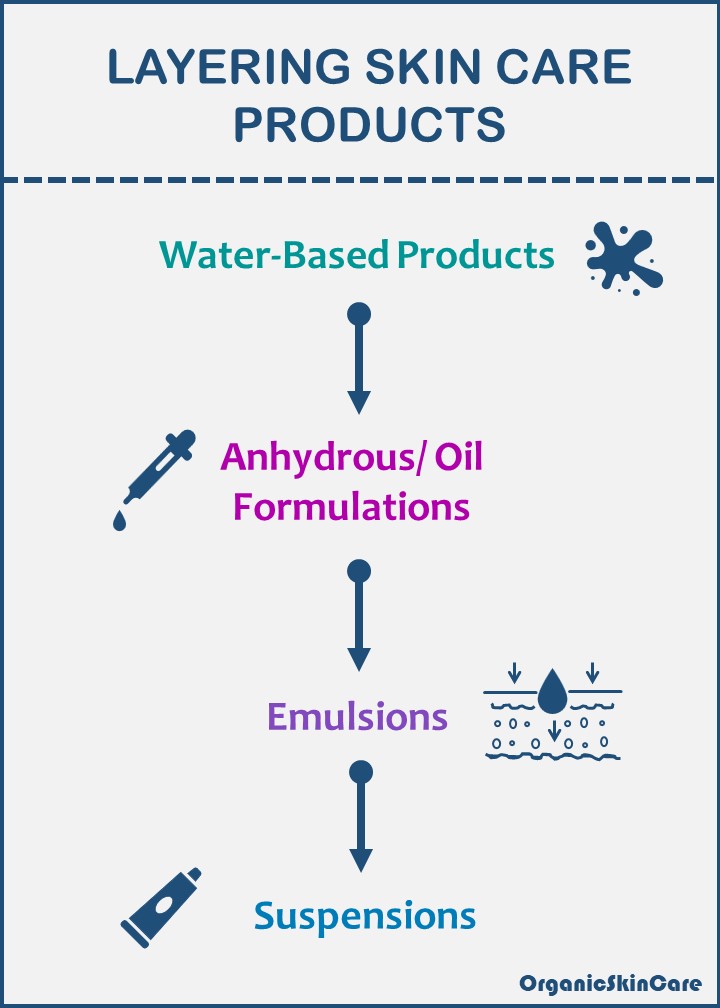
General tip! Try applying products from thinnest (water-based) to thickest (oil-based).

Get yourself ready skin free from hyperpigmentation is just around the corner!

Layering For Hyperpigmentation

Do you want to use more than one ingredient for hyperpigmentation? And are you stuck with the order of layering them up? We have got you covered! 

So, if you want to start with the order of layering, first understand that there are mainly five categories of bases:

  • Water
  • Anhydrous
  • Suspensions
  • Oils
  • Emulsions

So, each of them layers differently! To know which product to layer, first, you should know which base it is (as they layer differently).

To layer these bases correctly, you should start with water-based products. Next, use anhydrous or oil formulations, followed by emulsions. And in the end, use suspensions. 

INfographic- layering skin care ingredients- skin care routine for hyperpigmentation

STEP 1: CLEANSING

This step is like a foundation for every skincare routine! Cleansing your skin will remove dirt and grim, remove excess sebum, and kill microbes. That will lead to better penetration of the product you are applying in the further steps.

Oil-Based Cleanser Or Water-Based Cleanser?

Well, it depends on you! Use an oil-based cleanser to remove makeup and emulsify dirt. They usually work well to remove sebum, makeover, skin care actives, or sunscreens. Water-based gives you a deeper clean (removes sweat and dirt from your face). The thing that matters is how to use them effectively!

If your skin is normal to dry, the cleansers you can use include 

  • squalene
  • coconut milk
  • ceramides

If your skin is oily, look for

  • salicylic acid 
  • niacinamide

Look for a complete guide on organic face washes and cleansers here!

For oil-based cleansers, dispense 1-2 pumps on a dry face and massage gently all over your face. Wash with warm water.

Tip! Avoid applying on a wet face due to the opposite polarities of water and oil.

For water-based cleansers, apply a generous amount of cleanser on a wet face and massage to form enough foam. Rinse it off thoroughly.

We offer a great variety of both types of cleanser, with organic options to add to your skincare routine!

After you have clean skin, let’s start by applying the first layer of serum!

STEP 2:EXFOLIATION

WHY EXFOLIATE?

The sole purpose of exfoliation is to remove dead cells from your skin and to bring in new cells on the topmost surface. It also deep cleanses your clogged pores and removes dirt, cleanser might have missed!

Eminence Bright Skin Licorice Root Exfoliating Peel

This exfoliator is eminent for hyperpigmented skin. It comes with cotton pads and a great formula comprised of mandelic acid and glycolic acid. The best part is it contains a natural alternative to hydroquinone. Hydroquinone can cause redness and rebound hyperpigmentation when a person stops its use.

Key benefits include:

  • Evens out uneven skin
  • Brightens the skin tone
  • Diminishes dark spots
  • Give a radial glow

Apply a thin layer on your face with the brush, and press gently with a cotton pad. This step is not mandatory to perform daily. Twice to thrice time a week will be enough to get the job done.

STEP 3: SERUM

Specifically for hyperpigmentation, you should consider serum with vitamin C or niacinamide. Fortunately, organic skincare offers some great products which you can surely give a shot!

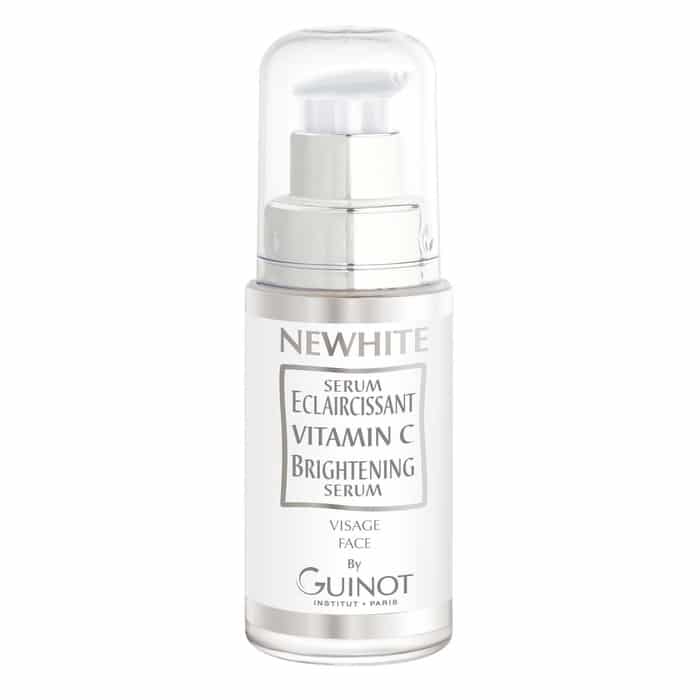
Guinot NEW WHITE Vitamin C Brightening Serum

Guinot’s NEW WHITE Vitamin C Brightening Serum contains all that you need!

It has a good dose of vitamin C, which will neutralize free radicles and decrease melanin production. It wipes out dark spots and makes your complexion fairer. 

This power duo of melanoxyl and pure vitamin C will give you a radiant look and is suitable for all skin types.

skin care routine for hyperpigmentation-Guinot NEWHITE Vitamin C Brightening Serum

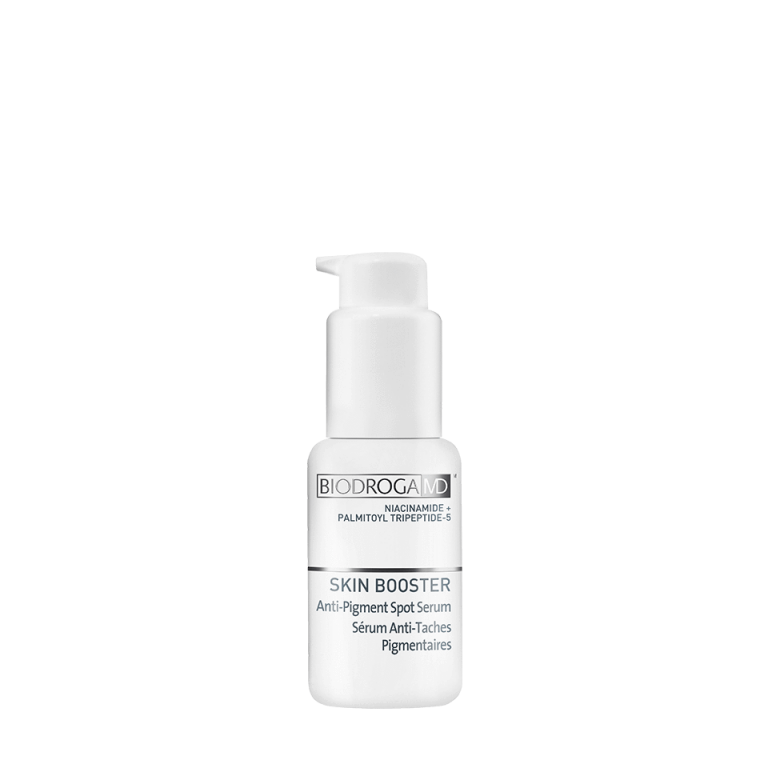
Biodroga MD Skin Booster Anti-Pigment Spot Serum

Biodroga MD Skin Booster Anti-Pigment Spot Serum includes ingredients such as:

  • Niacinamide
  • Alpha-arbutin
  • Glycolic Acid

They will give a lightening effect to your pigmented skin and gradually fade away dark spots, and even resist hyperpigmentation in the future.

Daily dab an optimum amount of serum all over your face, and soon you will see a noticeable change.

skin care routine for hyperpigmentation- serum

STEP 4: FACE MASK

Adding face masks to your skin care routine will give your skin a therapeutic and relaxing touch! Just relax in the meantime and let the goodness penetrate your skin.

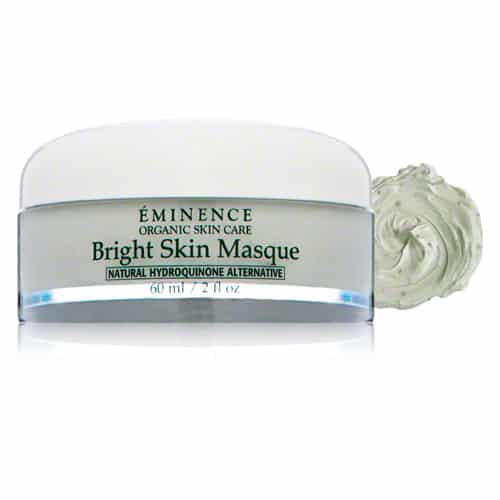
Eminence Bright Skin Masque

For hyperpigmentation, this mask will surely stand out

Applying it 2-3 times a week will be enough to glow your skin and evens out hyperpigmented areas. It contains natural alternatives to hydroquinone making it suitable for all skin types. 

Apply on the dry face and leave it for at least 10-15 min before washing it off. You can leave it overnight too!

Tip! Instead of rubbing the mask while removing, place a washcloth soaked in warm water on your face. That will loosen it up, making it easy and gentle for you to remove!

The upcoming steps are more of a precaution than a treatment! That means these steps will not only cure your hyperpigmentation but also save you from it in the future.

skin care routine for hyperpigmentation- Eminence Bright Skin Masque - 2 fl. oz

STEP 5: MOISTURIZE

As mentioned previously, one of the leading causes of hyperpigmentation is inflammation. Rubbing dry skin can cause scrapes, bruises, and even cuts at their worst. Upon healing, they leave a dark spot, a sign of hyperpigmentation. To avoid this, moisturize your skin to hydrate and keep it supple. 

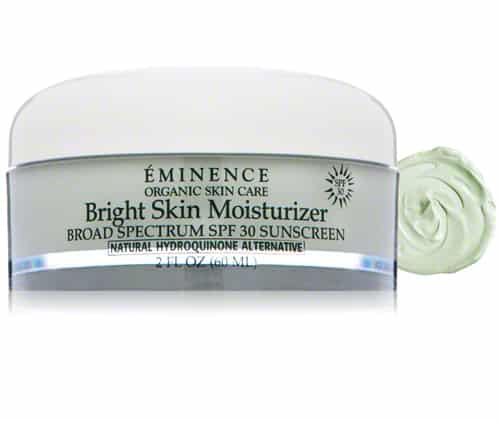
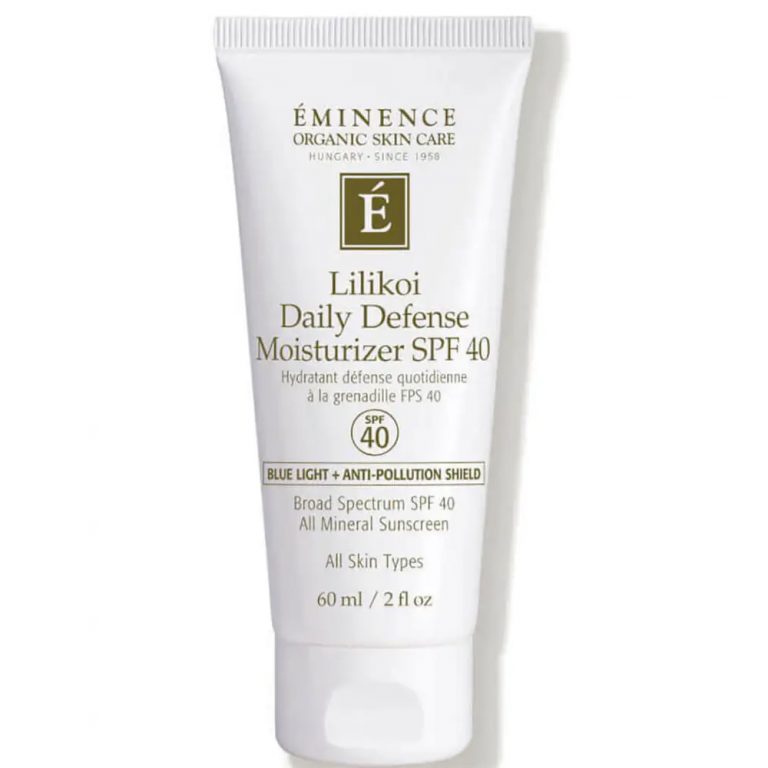
Keeping hyperpigmentation in our point of vision, Eminence Bright Skin Moisturizer SPF 40″ definitely deserves your try!

Eminence Bright Skin Moisturizer SPF 40

This chemicals-free product moisturizes your skin well and keeps it glowing and radiant. It also contains hydroquinone alternatives which will help to reduce dark spots. Apart from just hydrating, it also fortifies one from UVA and UVB rays. Moreover, it vanishes age spots and can treat premature aging and hyperpigmentation altogether.

eminence organics lilikoi daily defense moisturizer spf 40

STEP 6: SUNSCREEN

Although, we have a comprehensive post dedicated to sunscreens that cover all you need to know about them. For instance, when skin free from hyperpigmentation is your goal, sunscreens resist them getting worse. 

If you have melasma, age spots, and dark spots, sunscreen protects you from sunrays when you are out. Study proves that exposure to UV rays intensify melasma and postinflammatory hyperpigmentation.

Here are our top-pick sunscreens for you!

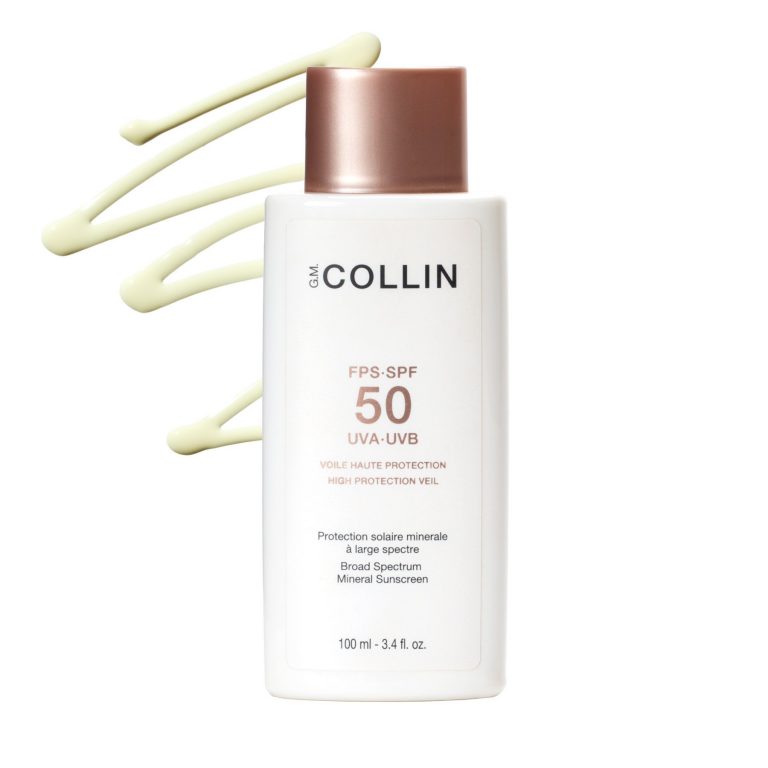
GM Collin High Protection Veil SPF 50

This high-protection veil is

  • 100% mineral sunscreen (Titanium dioxide)
  • Broad spectrum (protects against both UVA and UVB)
  • SPF 50
GM Collin High Protection Veil SPF 50

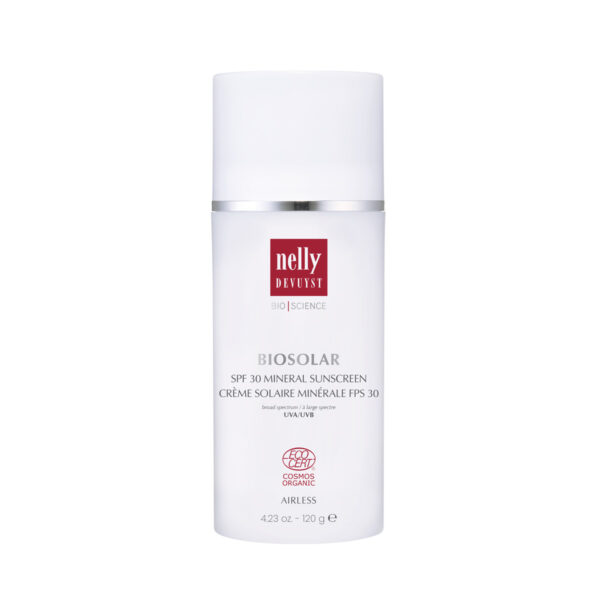
Nelly De Vuyst SPF 30 Mineral Sunscreen

This mineral sunscreen is another broad-spectrum formula that protects you from UVA and UVB. Additionally, this sunscreen is for you if your skin is sensitive, as it reduces the chance of skin burns – thanks to its aloe extracts!

skin care routine for hyperpigmentation- sunscreens

The Bottom Line

So, here is a simple step by step guide to skin care routine for hyperpigmentation, in a nutshell:

  • Cleanse (twice daily)
  • Exfoliate (two to three times per week)
  • Serum (use skin care actives at night- use natural alternates to hydroquinone, alpha arbutin, vitamin C, niacinamide, retinoids, kojic acid)
  • Face masks (weekly)
  • Sunscreen (morning skin care)
  • Seal it with a moisturizer (for both morning and night skin care routine)

That concludes our guide to treating hyperpigmentation. You can fade pigmentation marks with a few changes to your skin care routine. Use skin care actives that lighten them up! Also, it is preferable to use skin care actives at night. And do not forget to double cleanse in the morning.

A 6-Step Effortless Skin Care Routine For Hyperpigmentation – With Organics! Read More »

Refreshed hero image for: 11 Natural Organic Skin Brightening Ingredients For Glowing Skin

11 Natural Organic Skin Brightening Ingredients For Glowing Skin

Skin care professionals and their clients are increasingly drawn to natural brightening ingredients due to the rising demand for sustainable, natural, and organic products as well as treatments for hyperpigmentation. Hyperpigmentation is a common issue that can be caused by various factors, such as sun exposure, hormones, or even genetics.

Most individuals who are looking for products to lighten their skin often turn to more aggressive and chemically-laden treatments that promise fast results. While these products can be effective, they also come with many potential risks and side effects. For those with sensitive skin, the ingredients in these harsher treatments may cause sensitivities, redness, and inflammation.


1. Kojic Acid

Kojic acid is a naturally-occurring substance produced as a by-product of the fermentation process during the production of Asian food and drink items such as soy sauce, rice wine, and other fungi. This potent skin-lightening agent works by gently exfoliating the top layers of skin cells to help reveal brighter, smoother skin.

Kojic acid is an effective ingredient for skin lightening, brightening and glowing. It works by preventing the production of melanin, the pigment responsible for giving skin its color. By blocking tyrosine’s formation, it stops melanin from forming and lightens any dark spots on the skin. In addition to this, its antioxidants.


1. Azelaic Acid

Azelaic acid is a natural skin lightening agent derived from three grains: wheat, rye and barley. This powerful acid has various beneficial properties, such as antibacterial, anti-inflammatory and melanin inhibiting effects that make it a great choice for reducing the appearance of skin blemishes and dark spots.

2.Bearberry Extract

Bearberry extract, derived from a plant of the same name, is a natural ingredient with remarkable skin-lightening properties. It contains antioxidants and a compound known as arbutin, which is responsible for its whitening abilities. Arbutin is similar to hydroquinone – the active ingredient in much over-the-counter skin lightening.

3. Citrus Extract

Citrus extracts are derived from citrus fruits such as grapefruit, lemon, lime, pomelo and orange, and it is a source of vitamin P (bioflavonoids) and vitamin C (ascorbic acid). Vitamin C, the hero element, helps to neutralize free radicals, which can cause premature aging of the skin. It is a potent agent that helps to minimize skin damage, build collagen and elastin, reduce melanin production, as well as promote skin peeling and skin growth. Citric acid helps with the skin-lightening mechanism by reducing the cohesion of the cells on the epidermal surface, helping to stimulate cell turnover and renewal.

4. Daisy Flower

Daisy flower extract contains tartaric and malic acids, making it a valuable ingredient with its lightening and exfoliating properties. Daisy flower extract contains a naturally occurring substance called L-arbutin that naturally lightens skin by modulating various pathways of melanin synthesis, including melanocyte and tyrosinase activity. Daisy flower extract also assists in firming the skin, has antiseptic properties, and is effective in fighting wrinkles.

Top Rated
Bright Skin Moisturizer SPF 40
9.7

Bright Skin Moisturizer Broad Spectrum SPF 40 Sunscreen hydrates, and protects the skin during sun exposure to prevent premature aging while helping even out the skin tone.

Best Seller
Skin Lightening Serum
9.5

Visibly brightens and evens skin tone. Fades dark spots, age spots, skin discoloration, uneven skin tone, sun spots, freckles, and acne scars. Can be used on the face, hands, chest, knees, elbows, and other sensitive skin areas.

Editors Choice
Brightening Fluid
9.1

Brightening Fluid helps boost clarity and protects the skin from free-radical damage. W. Complex, which features vitamin C and azeloglycine, stimulates collagen production and reduces the acceleration of melanin pigments to minimize dark spots.

5. Licorice Extract

Licorice extract is a potent natural skin lightener often used for the treatment of sun damage, age spots, melasma and other skin problems. Licorice extract also helps control excess oil and calms down puffiness and itching. Glabridin is the compound found in licorice root that lightens dark spots by inhibiting tyrosinase and stopping melanin production. Licorice root also produces liquidity, which enhances lightening by dispersing melanin. Licorice extract also prevents new dark spots from forming and has anti-inflammatory properties.

6. Mulberry Extract

Mulberry extract contain retinoids, ascorbic acid, alpha-tocopherol and riboflavin, all of which are highly beneficial for brightening the skin. Mulberry extract is known for its natural skin brightening properties, and the ability to help fade away dark spots and pigmentation caused by aging and exposure to the sun. It lifts hyperpigmentation by blocking tyrosinase production and decreasing melanin. It also contains powerful antioxidants that can neutralize the harmful effects of environmental pollutants to minimize skin damage.

7. Niacinamide

Niacinamide, also known as vitamin B3, is one of the most effective skin care ingredients at visibly reducing dark spots and hyperpigmentation. Niacinamide is an effective skin lightening compound that works by inhibiting melanosome transfer from melanocytes to keratinocytes. Niacinamide can also reduce the appearance of fine lines and wrinkles, reduce pore size, minimize acne, decrease oil production and even skin tone. The ingredient often works best when combined with other skin lightening treatments and antioxidants. In addition to its skin lightening benefits, niacinamide also boosts the skin’s ceramide levels and is deeply hydrating.

8. Resveratrol

Resveratrol is a naturally occurring antioxidant found in the skin of grapes, giant knotweed, peanuts, all berries, and even dark chocolate. Resveratrol can act as a skin-lightening agent that inhibits tyrosinase activity. It also fights photo-aging by inhibiting the synthesis of melanin, making the skin less pigmented. It also possesses anti-inflammatory and wound-healing properties, is antibacterial, and can help reduce the severity of acne. Resveratrol has also been shown to prevent sun damage from UVA and UVB radiation, helping prevent premature aging and maintain the skin’s youthful appearance.

9. Saffron

Saffron is full of antioxidants, including vitamin C, and it has anti-inflammatory and antibacterial properties. Saffron shows excellent tyrosinase inhibition activity for brightening the skin. Saffron also has the abilities to calm inflammation, increase cell turnover and can help wounds heal faster. As an antioxidant, it can protect against UV damage and pollutants that produce free radicals. Saffron helps skin recover from environmental stressors, is rich in minerals and contains two types of powerful carotenoids: crocin and crocetin. These carotenoids are believed to be effective in damage repair and ensuring overall cellular health. They help the skin recover from daily environmental oxidative damage and sun damage, and they help heal everything from photo damage to loss of skin suppleness.

10. Willow Bark

Willow bark extract is derived from the white willow tree and contains flavonoids, polyphenol and tannin compounds in high concentrations. Willow bark contains a compound called salicin that is known to be a potent skin lightening agent. This compound works by inhibiting the production of melanin. By reducing melanin, willow bark can effectively lighten the skin and remove unwanted pigmentation. The polyphenols and flavonoids have powerful antioxidant properties that build up the skin’s barrier against free radicals, external pollutants and environmental damage.

11. Turmeric

Turmeric is a miracle skin-care ingredient that provides numerous benefits for glowing, healthy skin. It’s packed with curcumin, a powerful antioxidant that can help to counteract free radical damage. It can inhibit excess melanin production, therefore lifting hyperpigmentation and preventing the skin from further darkening. Turmeric also can help with lessening acne and psoriasis, reducing inflammation, calming skin rashes, balancing the skin, reducing sun damage, and making the skin more supple.

11 Natural Organic Skin Brightening Ingredients For Glowing Skin Read More »
Shopping Cart
Scroll to Top
0