Search Results for: organic face oil

The Hidden Dangers of Synthetic Ingredients in Skin Care Products Revealed

The Hidden Dangers of Synthetic Ingredients in Skin Care Products Revealed

The hidden dangers of synthetic ingredients in skin care products may be lurking in your daily beauty routine. Despite the allure of radiant, youthful skin promised by many cosmetic companies, a growing number of consumers are becoming increasingly concerned about the potential health risks associated with these seemingly harmless personal care products. In this blog post, we will delve into the hidden dangers of synthetic ingredients in skin care products and explore how limited regulations and insufficient transparency within the cosmetics industry contribute to these concerns. We’ll examine the potential health risks posed by synthetic ingredients in skincare products, such as thyroid cancer and other issues that disproportionately affect women and minority groups. As public understanding increases, so does the requirement for safer options – and this is where organic skincare steps in. In response to mounting consumer pressure for greater accountability, we’ll also look at how some cosmetics companies are shifting toward more sustainable practices that prioritize both human health and environmental wellbeing. So join us on this journey towards understanding not only what’s hiding behind those enticing product labels but also discovering new organic skin care solutions that can help protect our bodies from potentially toxic chemical cocktails.

Table of Contents:

The Prevalence of Synthetic Ingredients in Skincare

Let’s face it, synthetic ingredients are everywhere, especially in the cosmetics industry. From our favorite moisturizers to those oh-so-tempting makeup palettes, harmful chemicals lurk behind every corner.

Chemicals such as Dibutyl Phthalate Pose Health Risks

You might be surprised to learn that some common cosmetic chemicals, like dibutyl phthalate, can pose serious health risks. This nasty ingredient is found in nail polish and hair dyes, among other products – yikes.

Limited FDA Regulation on Cosmetic Chemicals

The shocking truth is that the FDA has limited oversight over cosmetics safety regulations, leaving us exposed to potentially dangerous substances lurking within our personal care products.

So What Can We Do About It?

  • Educate ourselves on harmful ingredients by checking product labels before purchasing them.
  • Steer clear of items with noxious components like sodium lauryl sulfate or mineral oils.
  • Opt for natural and organic alternatives that are free from harmful chemicals.
Remember, knowledge is power. Having knowledge of the potential risks posed by synthetic elements in cosmetics can aid us in making healthier decisions.

Consumer Concerns and Support for Stricter Regulations

Let’s face it, folks. The cosmetics industry has been enjoying a free ride for far too long when it comes to ingredient transparency. But guess what? You, the consumer, are demanding change.

Growing Demand for Transparency and Accountability

No more hiding behind confusing labels or using fancy words to mask harmful chemicals in your favorite personal care products. We want clear ingredient lists that don’t require a chemistry degree to understand. In fact, studies show that people support federal oversight of cosmetic chemicals and rules ensuring clean production environments (source).

Industry’s Slow Response to Consumer Concerns

The good news is that some cosmetics companies have started supporting bipartisan legislation for stricter regulations on their own products. The bad news? It took them a while, but they finally have taken action towards legislation for stricter regulations on their own products.

The Hidden Dangers of Synthetic Ingredients in Skin Care Products

As consumers, we trust that the personal care products we use every day are safe for our health. However, the truth is that many cosmetic chemicals found in these products can pose serious health risks. The cosmetics industry is largely self-regulated, and the Personal Care Products Safety Act, which would give the FDA more authority to regulate these products, has yet to be passed.

Health Risks Associated with Synthetic Ingredients Exposure

One of the biggest concerns is the potential link between synthetic ingredients and certain types of cancers, such as thyroid cancer. Research has shown that some endocrine-disrupting chemicals found in personal care products may mimic estrogen or disrupt hormone production, potentially increasing the risk of developing thyroid cancer. Environmental Working Group (EWG) has identified several harmful chemicals present in cosmetic products that are linked to serious health risks like cancer, reproductive issues, and allergic reactions.

Challenges Faced by Researchers Studying Long-Term Effects

Identifying the direct connection between prolonged chemical exposure from cosmetics and long-term health effects is a difficult task due to numerous confounding variables, such as genetics, lifestyle habits, environmental factors, etc., that may also affect one’s overall well-being. In addition to these complexities comes another challenge: assessing cumulative impacts of multiple chemical cocktails often found within our daily personal care routine – an area where more research is needed.

What Can You Do?

  • Become an informed consumer. Educate yourself on the ingredients listed in your personal care products and avoid those with known health risks.
  • Look for organic alternatives that prioritize natural, safe ingredients. Check out our Organic Skin Care Store to discover new options.
  • Support companies that are transparent about their ingredient list and production practices, as well as those advocating for stricter regulations within the cosmetics industry.
Making small changes today can help protect you from potential harm tomorrow – so take action now.
Key Takeaway:  The cosmetics industry is largely self-regulated, and synthetic ingredients found in personal care products can pose serious health risks. These chemicals are linked to various health issues like cancer, reproductive problems, and allergic reactions. To protect yourself from potential harm, become an informed consumer by educating yourself on the ingredients listed in your personal care products and opting for organic alternatives that prioritize natural, safe ingredients.

The Disproportionate Impact of Harmful Chemicals on Women’s Health

Let’s talk about the elephant in the room: the potential dangers of synthetic ingredients in personal care products, particularly for women. Studies have shown that women, especially black women, bear a higher body burden when exposed to certain cosmetic product components. This is due to their use of specific hair care items containing dangerous additives with unknown consequences.

Black Women and Higher Body Burden

The National Institutes of Health (NIH) found that products marketed towards black women contain more hazardous chemicals than those for other demographics. These products often contain endocrine-disrupting chemicals and ingredients linked to allergies or reproductive issues.

The Correlation Between Synthetic Ingredient Usage and Adverse Effects

Hair dyes, nail polish, and mineral oils are just a few examples of personal care products that may contain potentially harmful synthetic ingredients. These ingredients can lead to health risks such as allergic reactions or even cancer over time. To make matters worse, many beauty brands do not fully disclose their ingredient list on product labels, leaving consumers in the dark about potential dangers lurking within their favorite cosmetics. It’s important to take control of our health and make informed decisions about the products we use on our skin. By choosing organic skincare alternatives, we can protect ourselves from potential risks while promoting a healthier lifestyle for all women. Looking for safer alternatives? Check out our Organic Skin Care Store for natural products free from harmful chemicals.

Industry Response: Personal Care Products Council Statement

Let’s talk about the Personal Care Products Council (PCPC) and their stance on synthetic ingredients in skincare products. The PCPC claims that their member companies produce some of the safest products regulated by the FDA. However, they have not openly endorsed stricter safety measures like those proposed under the Personal Care Products Safety Act. This raises a few eyebrows and begs the question: are they truly prioritizing consumer well-being?

Personal Care Products Council’s Stance on Safety Regulations

The PCPC has been somewhat ambiguous when it comes to supporting stronger regulations for cosmetic chemicals. In fact, many believe that this lack of commitment indicates an unwillingness to prioritize consumer health over profits.

Doubts Surrounding Industry Commitment to Consumer Health

  • FDA Regulation: The FDA currently has limited oversight over personal care product safety, leaving room for harmful substances within our everyday items. This is concerning.
  • Allergic Reactions: Synthetic ingredients can cause adverse effects, including allergic reactions. Consumers need more transparency from cosmetics companies regarding ingredient lists.
  • Toxic Chemicals: Many beauty products contain endocrine-disrupting chemicals such as phthalates or parabens. These potentially dangerous substances can mimic estrogen and pose health risks.
We must hold the cosmetics industry to a higher standard of transparency and accountability in order to safeguard our health from potentially hazardous synthetic ingredients. By doing so, we can protect ourselves from potential risks while promoting healthier choices within our personal care routines.

The Importance of Organic Alternatives in Skincare

But fear not. For those seeking to avoid potentially harmful synthetic ingredients, organic skincare products provide a safe alternative. Are you ready to dive into the world of natural alternatives?

Benefits of Using Natural Alternatives

Natural products tend to have fewer side effects and allergic reactions compared to their synthetic counterparts. Your skin will thank you for choosing gentler, eco-friendly options that nourish without causing harm.

Latest Trends in Organic Skincare Ingredients

  • Bakuchiol: A plant-based alternative to retinol that helps reduce signs of aging without irritation.
  • Moringa oil: Rich in antioxidants and fatty acids, this lightweight oil hydrates and protects your skin from environmental stressors.
  • Konjac sponge: Made from a root vegetable, these sponges gently exfoliate while balancing your skin’s pH levels.
  • Cica (Centella Asiatica): Known for its soothing properties, Cica is perfect for calming sensitive or irritated skin.
To make informed decisions about which latest organic ingredients are right for you, take time researching each ingredient’s benefits and potential drawbacks. Remember, knowledge is power. So, the next time you’re shopping for skincare products, be sure to check the ingredient list and choose organic alternatives whenever possible. Your skin (and the environment) will thank you for making this switch towards healthier choices.

Shifting Industry Trends Towards Healthier Choices

A heightened recognition of the need for change has arisen as more information is disseminated. The hidden dangers of synthetic ingredients in skincare products have led to a surge in consumer interest for safer alternatives. Organic Skin Care Store is an excellent resource to help you make informed decisions about your personal care products. Let’s explore how this shift is impacting the cosmetics industry and our planet.

Demand-driven changes in product offerings

Gone are the days when harmful chemicals were accepted without question. Consumers now seek transparency and accountability from cosmetic companies, driving them to reformulate their products with natural and organic ingredients. This trend has given rise to innovative brands that prioritize health over profit, such as Beautycounter, which offers high-quality makeup free from toxic chemicals.

Impact on environmental sustainability

Beyond safeguarding our skin, choosing natural options also benefits Mother Earth. Organic ingredients often come from eco-friendly farming practices that protect biodiversity and reduce pollution caused by pesticides or synthetic fertilizers. Many green beauty brands avoid animal testing methods, opting instead for ethical alternatives like computer modeling or cell cultures. Check out PETA’s Cruelty-Free Company Search to find your next favorite brand. Conscious companies are also adopting sustainable packaging solutions, such as using recycled materials or offering refillable containers. In a nutshell, making healthier decisions in terms of skincare is advantageous for both the individual and our environment. So go ahead, explore new organic options and ingredients – it’s time to make a positive change for yourself and our planet. When choosing personal care products, it’s important to read the ingredient list and avoid products that contain harmful chemicals. The Personal Care Products Safety Act is a regulation that aims to protect consumers from harmful chemical exposures in cosmetic products. Some of the most common harmful chemicals found in beauty products include sodium lauryl sulfate, mineral oils, and color additives that mimic estrogen and act as endocrine-disrupting chemicals. These chemical cocktails can cause allergic reactions and other health risks. Always read the product label and choose natural products whenever possible.

FAQs in Relation to The Hidden Dangers of Synthetic ingredients in Skin Care Products

The Hidden Dangers of Synthetic Ingredients in Skin Care Products

While synthetic ingredients may provide benefits when used in appropriate concentrations, they can also be harmful to the skin. Some synthetic ingredients may cause irritation, allergic reactions, and other health issues. It is essential to research specific ingredients and choose products with a focus on natural or organic components to avoid potential health risks.

Identifying Harmful Chemicals in Personal Care Products

Personal care products may contain harmful chemicals such as parabens, phthalates, formaldehyde releasers, triclosan, oxybenzone, and hydroquinone. These chemicals have been linked to various health concerns, including hormonal disruption and an increased risk of cancer. Opting for safer alternatives like natural or organic products can help minimize exposure to these toxic chemicals.

Study Finds PFAS in Popular US Cosmetic Products

A recent study found that nearly half of popular US cosmetic products contain PFAS (per- and polyfluoroalkyl substances), which are associated with adverse health effects, including hormone disruption and immune system suppression. To avoid these risks, choose cosmetics free from PFAS.

Can Skincare Products Enter the Bloodstream?

Research has shown that certain skincare product ingredients can penetrate the skin barrier and enter the bloodstream. Small molecules like nanoparticles or lipophilic compounds may pass through the stratum corneum into deeper layers of the skin, potentially reaching systemic circulation. It is important to be mindful of the ingredients in skincare products and choose products with natural or organic components to minimize chemical exposures.

Conclusion

Ultimately, the introduction of synthetic components in skincare items has evoked worries regarding their potential health consequences. Limited regulations and challenges in establishing clear connections between these ingredients and health issues have led to calls for greater federal oversight. Women and minority groups may be disproportionately impacted by these risks, highlighting the need for further research into correlations. However, there is a growing movement towards transparency and accountability in the industry with increased demand for natural alternatives and shifts towards sustainable practices. Discovering new organic skincare alternatives can provide numerous benefits while avoiding potential hidden dangers associated with synthetic ingredients. If you’re looking to switch to organic skincare products that are free from harmful chemicals, check out OrganicSkincare.com. Take control of your skin’s health today!

The Hidden Dangers of Synthetic Ingredients in Skin Care Products Revealed Read More »

What are the most effective anti-aging ingredients to look for in skin care products in 2023?

Effective Anti-Aging Ingredients in 2023: What to Look For

As we enter 2023, it’s crucial to know what are the most effective anti-aging ingredients to look for in skin care products. The ever-evolving world of skincare has introduced many innovative and powerful ingredients that target signs of aging, such as fine lines, wrinkles, and uneven skin tone.

This comprehensive blog post will delve into the top anti-aging ingredients you should incorporate into your skincare routine. From powerful antioxidants like Vitamin C to wrinkle-fighting peptides and niacinamide, these potent components work together to promote youthful radiance.

We’ll also discuss the importance of daytime and nighttime routines explicitly tailored for mature skin needs. Learn how daily sunblock application can prevent premature aging while exploring targeted under-eye treatments that effectively address common eye-area concerns.

Finally, discover cleansers designed for healthy mature skin and tips on choosing an anti-wrinkle cream suitable for sensitive skin. Be informed in 2023 about which anti-aging components are most advantageous when selecting skin care items by taking advantage of this expertise.

Table of Contents:

Top Anti-Aging Ingredients for Mature Skin

In 2023, the most effective anti-aging ingredients to look for in skin care products include vitamin C, retinol, hyaluronic acid, peptides, niacinamide, and ceramides. These ingredients help fight free radicals, stimulate collagen production, and maintain healthy skin while catering specifically to mature clientele seeking organic alternatives.

Vitamin C: Powerful Antioxidant That Fights Premature Aging

Vitamin C, a powerful antioxidant that neutralizes harmful free radicals on your skin’s surface, is essential for preventing premature aging. It also helps brighten your complexion by reducing dark spots and improving overall skin tone. Incorporate vitamin C into your skincare routine with serums or creams containing this potent ingredient.

Retinol: Unclogs Pores and Reduces Signs of Aging

Retinol, a vitamin A derivative, has been proven to effectively unclog pores while minimizing fine lines and wrinkles. This component can boost collagen production, leading to a more taut complexion and better texture as it eliminates dead skin cells from the surface.

Hyaluronic Acid: Plumps and Moisturizes the Skin

Hyaluronic acid is a naturally occurring substance in our bodies that helps retain moisture, making it an essential ingredient for mature skin. It plumps and hydrates the skin, reducing the appearance of fine lines and wrinkles while promoting a more youthful-looking complexion.

Peptides: Stimulate Collagen Production for Firmer Skin

Peptides, short chains of amino acids that act as building blocks for proteins like collagen, are crucial in maintaining firmness and elasticity in aging skin. By incorporating peptides into your skincare routine through serums or creams, you can stimulate collagen production to achieve smoother, firmer skin.

Niacinamide: Brightens Complexion and Minimizes Fine Lines

Niacinamide, also known as vitamin B3, has multiple benefits for mature skin, including brightening the complexion by evening out discoloration caused by sun damage or acne scars. Additionally, niacinamide helps minimize fine lines by strengthening the skin barrier, improving its ability to retain moisture effectively.

  • Vitamin C: Powerful antioxidant that fights premature aging – Shop Vitamin C Serums Here.
  • Retinol: Unclogs pores and reduces signs of aging – Browse Retinol Products Here.
  • Hyaluronic Acid: Plumps and moisturizes the skin – Discover Hyaluronic Acid Skincare Here.
  • Peptides: Stimulate collagen production for firmer skin – Find Peptide-Infused Skincare Here.
  • Niacinamide: Brightens complexion and minimizes fine lines – Shop Niacinamide-Enriched Products Now.

By utilizing peptides and niacinamide, you can help reduce the signs of aging for a more youthful-looking complexion. Explore our range of organic products featuring these powerful ingredients at the Organic Skin Care Store today.

By utilizing the most efficacious anti-aging ingredients such as vitamin C, retinol, hyaluronic acid, peptides, and niacinamide in your daily regimen, you can help to combat signs of premature aging. To get even more out of these key ingredients, it is recommended that you use dermatologist-approved products like antioxidant serums with vitamin C or encapsulated retinol-based serums.


Key Takeaway: 

In 2023, the most effective anti-aging ingredients to look for in skin care products include vitamin C, retinol, hyaluronic acid, peptides, niacinamide and ceramides. These ingredients help fight free radicals and stimulate collagen production while catering specifically to mature clientele seeking organic alternatives. Incorporating these key anti-aging ingredients into your skincare routine will help you achieve a more youthful complexion by reducing fine lines and wrinkles while promoting healthy skin.

Dermatologist-Recommended Products with Key Ingredients

Maintaining a youthful glow requires incorporating potent anti-aging ingredients into your skincare regimen, as suggested by dermatologists. Dermatologists recommend several products that contain these powerful components to help you combat signs of aging and maintain a healthy complexion.

Antioxidant Serums with Vitamin C for Daytime Use

SkinCeuticals C E Ferulic Serum is an excellent choice for daytime use as it combines vitamin C, a potent antioxidant, with ferulic acid and vitamin E. This powerful formula helps protect against free radicals while brightening the skin tone and reducing fine lines.

Encapsulated Retinol-Based Serums like Shani Darden’s Product Line

A top pick among dermatologists is Shani Darden’s Retinol Reform serum, which features encapsulated retinol that delivers all the benefits of traditional retinoids without causing irritation or dryness. Retinol Reform serum stimulates collagen production, helps clear pores, and can reduce the appearance of wrinkles and dark spots.

Moisturizing Creams Containing Hyaluronic Acid, Such as Paula’s Choice Nighttime Cream

Hyaluronic acid is known for its ability to plump up the skin by retaining moisture. Paula’s Choice Skin Recovery Replenishing Moisturizer is a nighttime cream combining hyaluronic acid with other nourishing ingredients like ceramides and antioxidants to improve skin texture, reduce fine lines, and promote a youthful appearance.

L’Oreal Paris SPF 30 Protection Face Cream Enriched with Niacinamide

Protecting your skin from the sun is crucial in any anti-aging routine. L’Oreal Paris RevitaLift Triple Power Day Lotion SPF 30 not only provides broad-spectrum sunscreen protection but also contains niacinamide (vitamin B3) combined with ceramides to brighten the complexion, minimize fine lines, and strengthen the skin barrier.

In addition to these recommended products, it’s essential to maintain a consistent skincare routine tailored for your specific needs. Consult with a board-certified dermatologist or esthetician who can guide you on selecting suitable products for your unique skin type – whether it be dry, oily, sensitive, or acne-prone. They may recommend additional treatments, such as glycolic acid peels or lactic acid exfoliants that gently remove dead skin cells while promoting collagen production for smoother and younger-looking skin.

Beyond topical treatments, remember that lifestyle factors play an essential role in maintaining healthy and radiant skin. Ensure you’re staying hydrated throughout the day by drinking plenty of water, consuming foods rich in omega fatty acids like salmon or avocados, getting enough sleep each night, exercising regularly, and managing stress levels effectively – all these habits contribute significantly towards achieving beautiful glowing skin.

Dermatologists suggest utilizing items that contain active components, such as antioxidant serums, retinol-based serums, and hydrating creams, to help reduce the appearance of aging. Moving on, under-eye care essentials are equally crucial for maintaining healthy skin around the eyes.

 
Top Seller
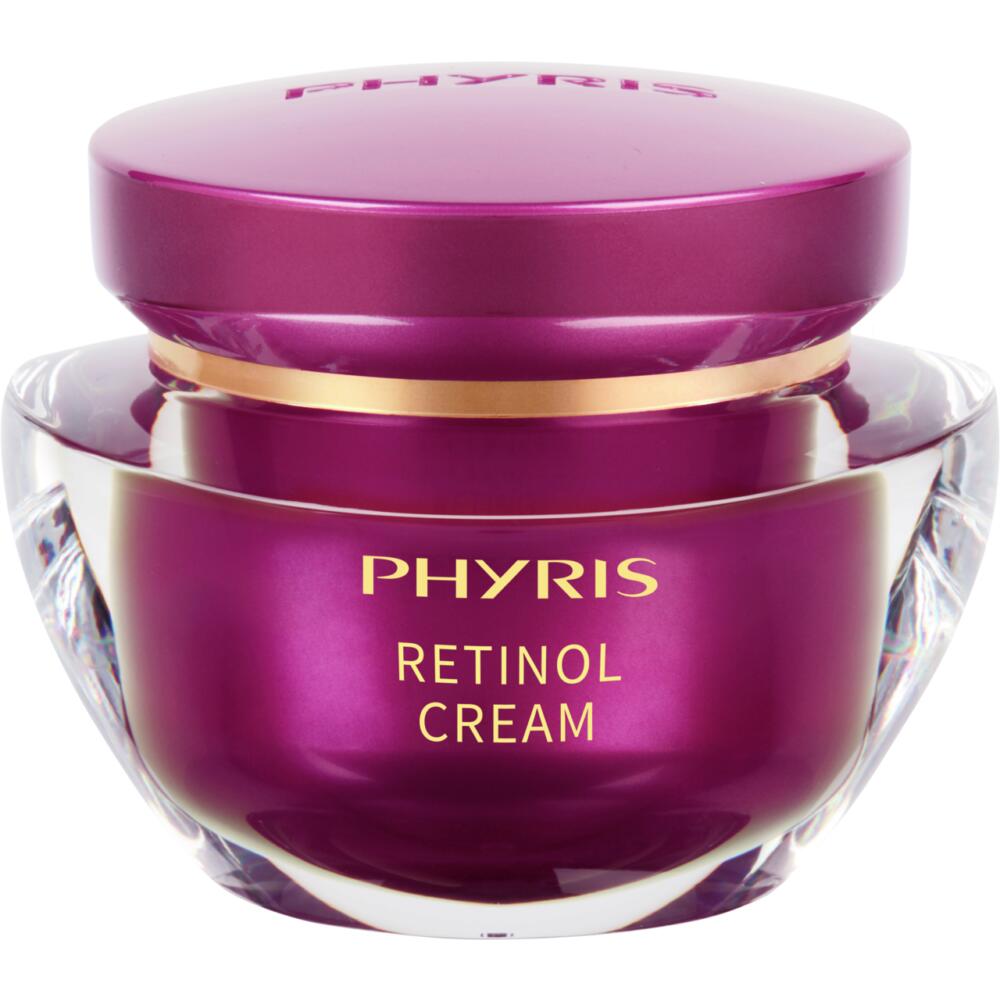
Phyris Retinol Cream
9.7

Soft revitalizing 24hr care for stressed, dehydrated skin. Reduces wrinkles and fine lines, and visibly invigorates the skin’s youthfulness.

Most Affective
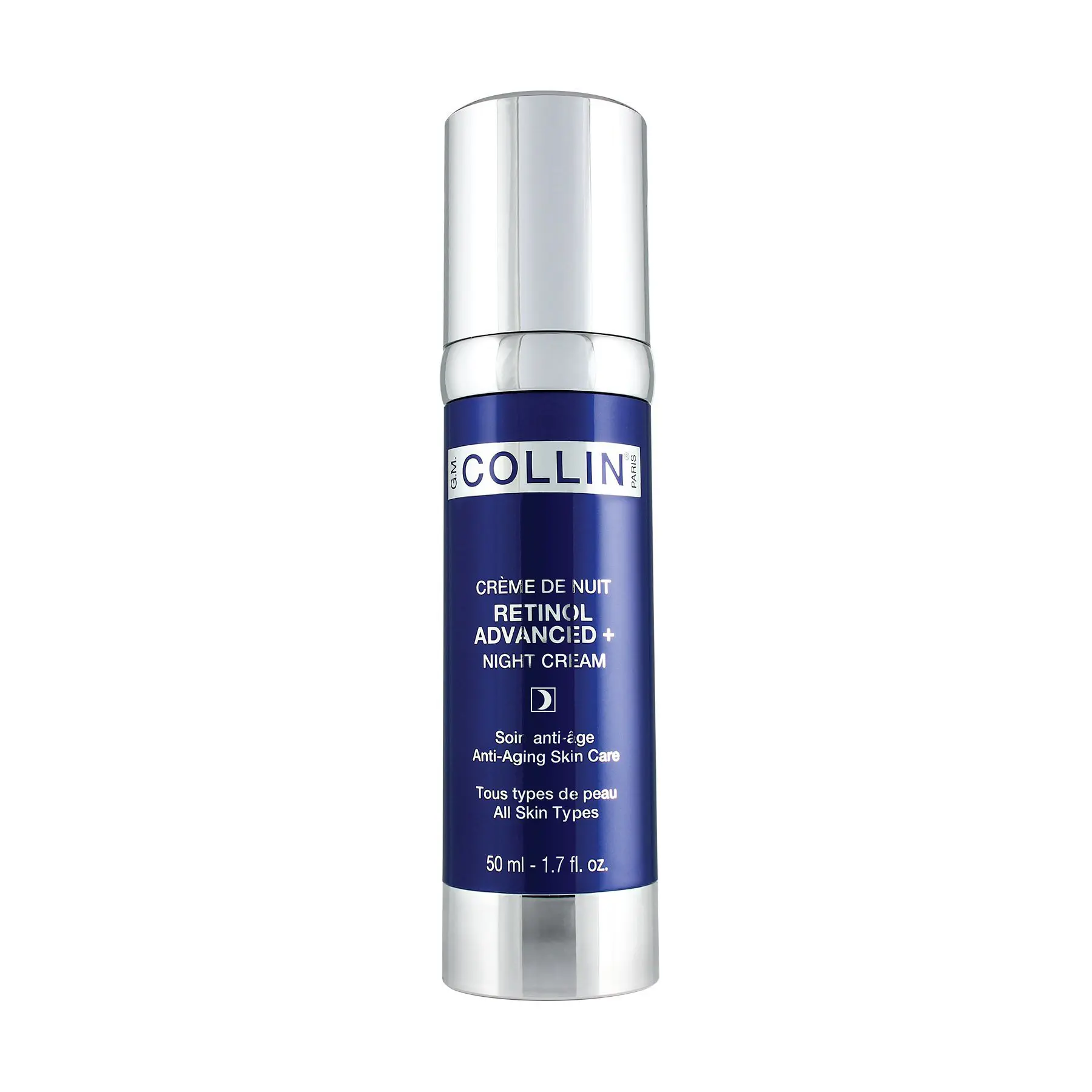
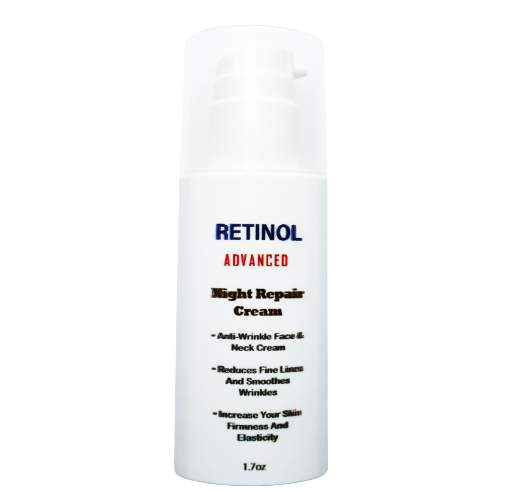
Retinol Advanced Night Cream
9.5
  • Eliminates dead skin cells and reveals refreshed looking
    skin.
  • Visibly reduces the appearance of fine lines and wrinkles.
  • Evens skin tone and makes skin radiant.
    Improves skin texture.


Top Pick
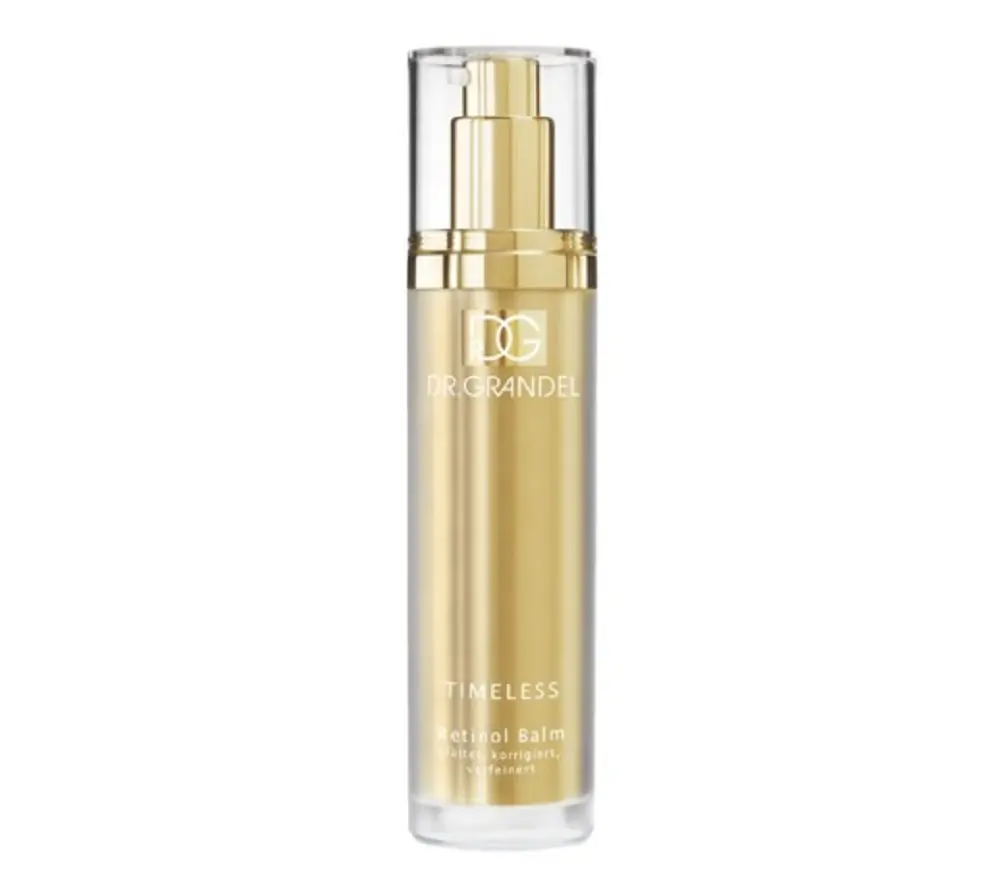
Timeless Retinol Balm
9.1

Timeless Retinol Balm To achieve their goal of an evenly smooth and youthful complexion, they trust this light-stable Vitamin A formulation to integrate their retinol assistant into their skin care concept both in the morning and in the evening.


Key Takeaway: 

Dermatologists recommend incorporating effective anti-aging ingredients into your skincare routine to achieve youthful skin. Antioxidant serums with vitamin C, encapsulated retinol-based serums, moisturizing creams containing hyaluronic acid and face cream enriched with niacinamide are some of the recommended products. Maintaining a consistent skincare routine tailored for your specific needs and adopting healthy lifestyle habits contribute significantly towards achieving beautiful glowing skin.

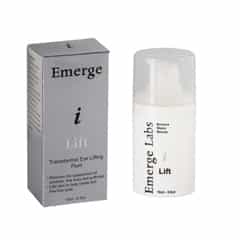
Under-Eye Care Essentials

In addition to a comprehensive skincare routine, paying special attention to the delicate under-eye area is essential. This region is prone to dark circles, puffiness, and fine lines due to its thin skin and lack of oil glands. To effectively address these concerns while catering specifically for mature clientele seeking organic alternatives, look for products containing potent anti-aging ingredients like Eyeliss and Eye Regener.

SkinCeuticals Purifying Cleanser – Restores Moisture & Brightens Tone

Removing impurities while preserving the skin’s natural oils, SkinCeuticals Purifying Cleanser offers a dermatologist-recommended deep cleanse that restores moisture and brightens dull tones. The SkinCeuticals Purifying Cleanser is a dermatologist-recommended choice that not only deeply cleanses but also restores moisture and brightens dull tones. The SkinCeuticals Purifying Cleanser combines glycolic acid and glycerin to offer deep cleansing, restore moisture, brighten skin tone, and provide gentle yet effective care for all skin types.

Under-eye care products containing Eyeliss & Eye Regener

  • Eyeliss: A peptide complex is known for its ability to reduce puffiness by improving lymphatic circulation around the eyes. It also helps strengthen capillaries which can prevent leakage leading to dark circles.
  • Eye Regener: A blend of plant extracts and peptides that work together to stimulate collagen production, reduce inflammation, and improve skin elasticity. This powerful combination produces smoother, firmer under-eye skin and a more youthful appearance.

When selecting an under-eye care product containing these potent ingredients, consider the Peter Thomas Roth Instant FirmX Eye or the Shiseido Benefiance WrinkleResist24 Intensive Eye Contour Cream. Both of these options are formulated to tighten bags around this delicate area without causing irritation or discomfort.

Incorporating products specifically designed for the under-eye region into your anti-aging skincare routine can make a significant difference in achieving a radiant complexion and younger-looking skin. Remember that consistency is key when seeing visible improvements; apply your eye cream both morning and night as part of your daily regimen.

Beyond using effective anti-aging skincare products like those mentioned above, it’s crucial to maintain a healthy lifestyle for overall better skin health. As advised by board-certified dermatologist Dr. We Stein from Cleveland Clinic, always use broad-spectrum sunscreen consistently alongside other protective measures such as wearing sunglasses outdoors. Additionally, ensure you consume a balanced diet rich in omega fatty acids and antioxidants while staying well-hydrated throughout the day.

Under-eye care is essential to any skin care routine, and products containing Eyeliss & Eye Regener can help reduce puffiness and dark circles. For those with sensitive skin, finding the right anti-aging cream is key to maintaining a healthy complexion; CeraVe Skin Renewing Night Cream and Drunk Elephant A-Passioni Retinol Cream are two great options that offer hydration without irritation.

 
Top Rated
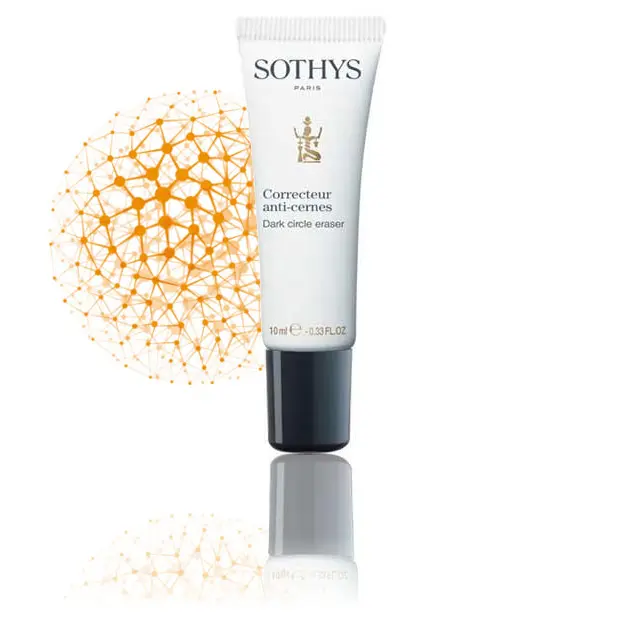
Dark Circle Eraser
9.7
  • Reduces the appearance of discoloration under the eyes
  • Diminishes the appearance of skin-aging shadows
  • Helps correct puffiness and wrinkles around the eye area
  • Deeply hydrates and smoothes skin
  • Provides rapid results that build over time
Best Seller
Eye Wrinkle Serum For Fine Lines, Eye Puffiness and Dark Circles
9.5
  • An innovative treatment designed for the delicate eye area
  • With these powerful ingredients, this serum provides a remarkable reduction in the appearance of wrinkles, puffiness, and dark circles while promoting a youthful appearance in the areas of your eyes others see most.

  • Advanced Firming Eye Serum starts with our exclusive unique fusion of exclusive Swiss ice wine and the moisture-binding skeleton of Caesalpinia spinosa polysaccharides. Ice wine is made by just a partial fermentation of naturally frozen grapes and is characterized by a unique molecular composition and a much higher concentration of polyphenols.
  • You’ll see instant results around the areas of your eyes that matter most.
Editors Choice
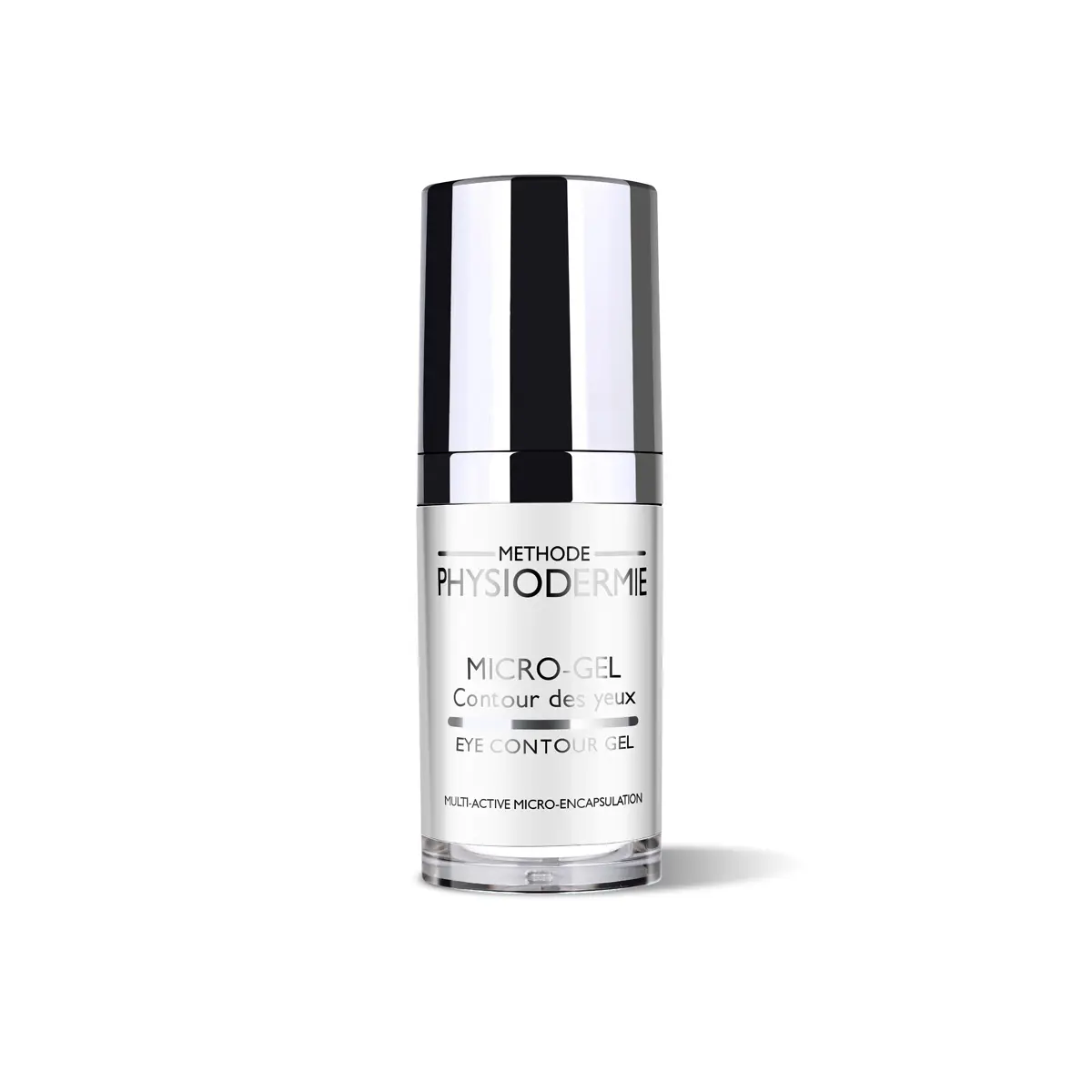
Eye Contour Micro Gel
9.1
  • Specific moisturizer for the eye contour.
  • Helps to reduce all visible signs of eye contour aging: superficial wrinkles, dark circles, bags, and puffiness.
  • Very pleasant to use, has a refreshing effect, has no greasy feeling, and instant penetration.
  • Immediate smoothing.
  • Make-up is easier to apply and will last longer.

Key Takeaway: 

To effectively address under-eye concerns for mature skin, look for products containing anti-aging ingredients like Eyeliss and Eye Regener. The SkinCeuticals Purifying Cleanser is a dermatologist-recommended choice that deeply cleanses while restoring moisture and brightening dull tones. Consistency in using effective skincare products and maintaining a healthy lifestyle can make a significant difference in achieving younger-looking skin.

Finding the Right Anti-Aging Cream for Sensitive Skin

Choosing the perfect anti-aging cream for sensitive skin can be daunting, as you need to find a product that provides effective results without causing irritation or discomfort. In this section, we will discuss some of the best options available in 2023 and share tips on how to select an ideal cream tailored specifically towards sensitive skin types.

CeraVe Skin Renewing Night Cream – Hydrates & Refreshes Complexion

CeraVe Skin Renewing Night Cream is a top choice among dermatologists and skincare enthusiasts alike. It’s formulated with ceramides, hyaluronic acid, and niacinamide (vitamin B3) – all essential ingredients known for improving skin texture while maintaining its natural barrier. This non-greasy formula deeply moisturizes your skin overnight without clogging pores or causing breakouts, making it suitable even for acne-prone individuals.

Drunk Elephant A-Passioni Retinol Cream – Non-Greasy with Potent Antioxidants

If you’re looking for an anti-aging face cream packed with potent antioxidants that won’t irritate your sensitive skin, consider Drunk Elephant A-Passioni Retinol Cream. This lightweight yet powerful formula contains encapsulated retinol and nourishing omega fatty acids derived from plant sources like marula oil and jojoba seed oil. These ingredients work together to stimulate collagen production while providing deep hydration, resulting in smoother, younger-looking skin.

Tips for Choosing the Right Anti-Aging Cream for Sensitive Skin

  1. Look for gentle ingredients: Avoid products containing harsh chemicals or fragrances that can irritate sensitive skin. For sensitive skin, opt for creams with gentle ingredients such as hyaluronic acid, ceramides and niacinamide that provide nourishment without irritation.
  2. Select a lightweight texture: Heavy creams may clog pores and cause breakouts on acne-prone or oily skin types. Choose a product with a lighter consistency that absorbs quickly without leaving any greasy residue behind.
  3. Prioritize sun protection: Sun damage is one of the leading causes of premature aging. Ensure your skincare routine includes broad-spectrum sunscreen to effectively shield your complexion from harmful UV rays. Consider using makeup products infused with zinc oxide as an added layer of defense against sun exposure.
  4. Consult a dermatologist: If you’re unsure which anti-aging cream would work best for your specific needs, consult a board-certified dermatologist who can provide personalized recommendations based on your unique skin type and concerns.

Incorporating these tips into your search will help you find the perfect anti-aging cream tailored specifically towards sensitive skin types while delivering effective results without causing irritation or discomfort. Remember to be patient when trying new skincare products – it may take up to three months before noticing visible improvements in fine lines, wrinkles, and overall complexion quality.

CeraVe Skin Renewing Night Cream can be a great choice for those with delicate skin as it provides hydration and invigorates the face without causing discomfort or drying out your complexion. To further support your skin health journey, let’s explore some healthy lifestyle habits you can incorporate into your routine.

 
Top Rated
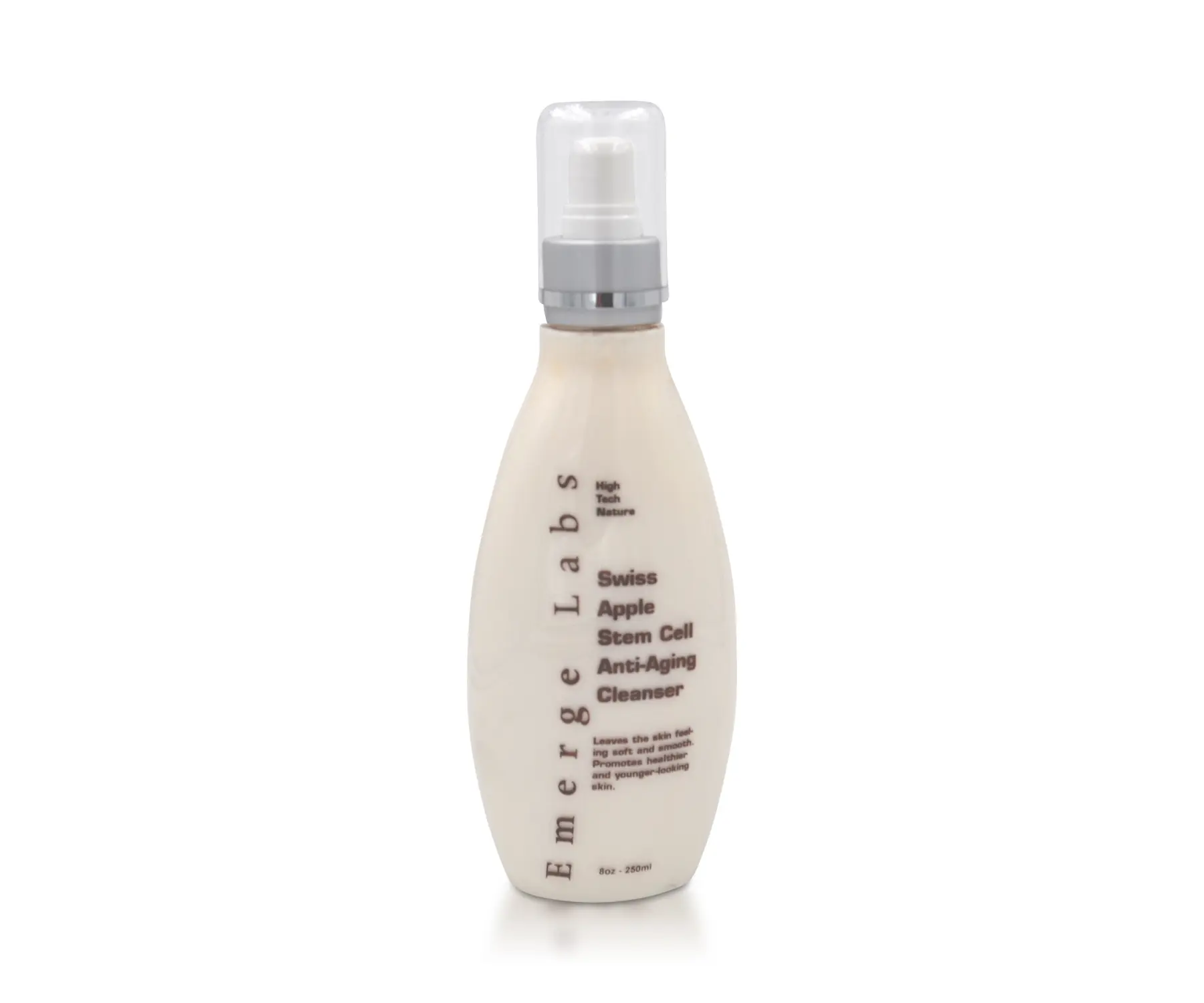
Swiss Apple Stem Cell Anti-Aging Facial Cream Cleanser
9.7

An advanced deep pore resurfacing action supports natural cell turnover to help diminish the appearance of fine lines, wrinkles, and other signs of aging.

Best Seller
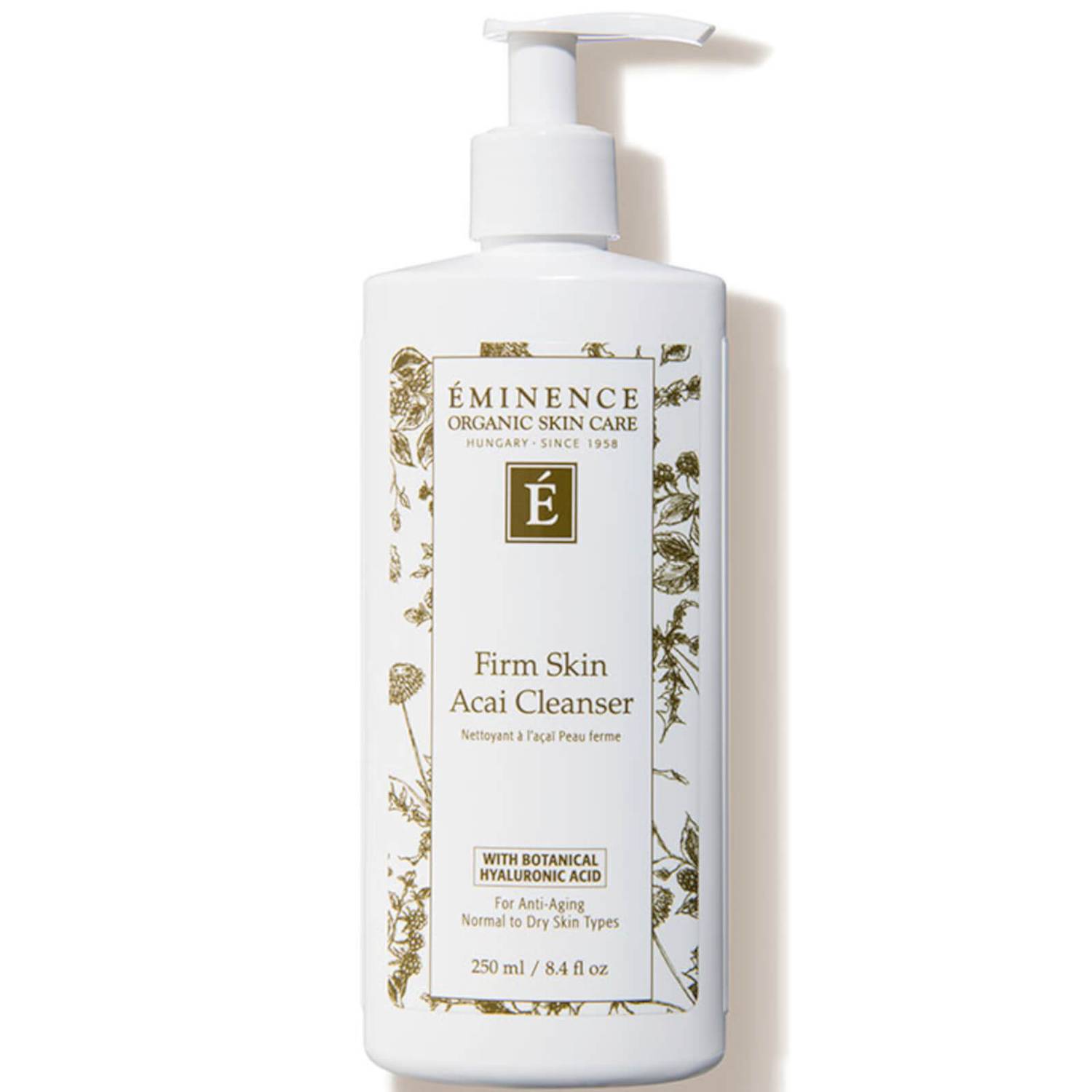
Eminence Organic Firm Skin Acai Cleanser
9.5

Acai Cleanser rejuvenates and revitalizes your complexion by gently removing dirt, excess oil, and other impurities from your skin. 

Editors Choice
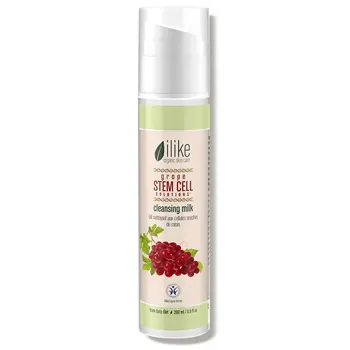
Organics Grape Solutions Cleansing Milk
9.1

Gently removes impurities from your skin as it boosts the cellular renewal process to fight the visible signs of aging. 

Key Takeaway: 

This section provides tips on choosing the right anti-aging cream for sensitive skin, including looking for gentle ingredients like hyaluronic acid and niacinamide, selecting a lightweight texture, prioritizing sun protection, and consulting with a dermatologist. Two recommended products are CeraVe Skin Renewing Night Cream and Drunk Elephant A-Passioni Retinol Cream which both contain essential ingredients that improve skin texture while maintaining its natural barrier.

Setting Realistic Expectations and Embracing Healthy Living Tips

Incorporating effective anti-aging ingredients into your skincare routine is essential for maintaining a youthful appearance. It’s crucial to have realistic expectations when utilizing these items, as noted by Cleveland Clinic’s Dr. Wilma Stein, who recommends allowing three months before seeing any visible changes from new skincare products. According to Cleveland Clinic’s Dr. Wilma Stein, you should give new skincare products at least three months before expecting visible results.

Allow 3 Months to See Visible Results from New Skincare Products

Patience is key when trying out new anti-aging skin care products. It takes time for the active ingredients in these formulas to work their magic on your skin cells, stimulate collagen production, improve skin texture, and reduce signs of aging, such as fine lines and wrinkles. To ensure that you’re giving each product a fair chance, allow at least three months of consistent use before evaluating its effectiveness.

Incorporate Healthy Lifestyle Habits for Improved Skin Health

Beyond using high-quality anti-aging creams and serums with potent ingredients like hyaluronic acid or vitamin B3 (niacinamide), adopting healthy lifestyle habits can also contribute significantly towards achieving radiant skin:

  • Sun protection: Wearing broad-spectrum sunscreen daily helps prevent premature aging caused by harmful UV rays. Opt for sunscreens containing zinc oxide or titanium dioxide as they provide excellent coverage without irritating sensitive or acne-prone skin types.
  • Diet: Consuming a balanced diet rich in omega fatty acids, antioxidants, and vitamins A & C promotes overall better health while nourishing the skin from within.
  • Hydration: Drinking plenty of water throughout the day keeps your skin hydrated and plump, minimizing the appearance of fine lines.
  • Sleep: Getting enough quality sleep allows your body to repair itself, including your skin. Aim for 7-9 hours per night to ensure optimal restorative benefits.

In addition to these healthy habits, consider consulting with a board-certified dermatologist or skincare professional who can recommend personalized anti-aging routines explicitly tailored to your unique needs and skin type. They may suggest incorporating gentle cleansers like SkinCeuticals Purifying Cleanser, which restores moisture while brightening dull tones, or targeted treatments such as glycolic acid peels that gently exfoliate dead skin cells revealing smoother, younger-looking skin beneath.

Remember that achieving a radiant complexion requires consistent effort both in terms of using effective anti-aging products and embracing a healthy lifestyle overall. By setting realistic expectations and committing to positive changes in diet, hydration, sun protection practices, and sleep patterns – you’ll be well on your way towards maintaining youthful-looking skin for years to come.

FAQs in Relation to What Are the Most Effective Anti-Aging Ingredients to Look for in Skin Care Products in 2023?

What are the most effective anti-aging ingredients for skin care products in 2023?

When it comes to anti-aging skin care products, it’s important to look for ingredients that have been proven to be effective. Here are some of the most recommended anti-aging ingredients:

  • Retinol – a form of vitamin A that helps reduce the appearance of fine lines and wrinkles by promoting cell turnover and collagen production.
  • Vitamin C – a powerful antioxidant that helps protect the skin from environmental damage, brightens the complexion and supports collagen synthesis.
  • Hyaluronic Acid – a humectant that deeply hydrates the skin, reducing the appearance of fine lines and wrinkles.
  • Peptides – amino acids that stimulate collagen production, resulting in firmer, more youthful-looking skin.
  • Niacinamide – also known as vitamin B3, it helps brighten the complexion and reduce the appearance of wrinkles.
  • Glycolic Acid – an alpha-hydroxy acid that gently exfoliates the skin, improving texture and reducing the appearance of fine lines and wrinkles.

What is the highest-rated anti-aging skin care?

The highest-rated anti-aging skincare products often contain potent ingredients such as retinol, vitamin C, hyaluronic acid, peptides, and niacinamide. SkinCeuticals C E Ferulic is a highly recommended product that combines antioxidants with vitamin C to provide effective age-fighting benefits.

What is the best natural anti-aging ingredient?

The best natural anti-aging ingredient varies depending on individual needs; however, one powerful option is green tea extract. Rich in antioxidants called polyphenols, it can help protect against environmental damage while reducing inflammation. Another popular choice is rosehip oil due to its high content of vitamins A & C that promoting healthy cell regeneration.

What are the most common beneficial ingredients for mature skin?

The most common beneficial ingredients for mature skin include:

  • Vitamin A (retinol) – promotes cell turnover and collagen production.
  • Vitamin C – brightens skin, reduces hyperpigmentation, and supports collagen synthesis.
  • Hyaluronic Acid – deeply hydrates the skin to reduce fine lines and wrinkles.
  • Peptides – boost collagen production for firmer, more youthful-looking skin.
  • Omega fatty acids – help improve skin texture and tone.
  • Broad-spectrum sunscreen – protects the skin from further damage and prevents dark spots.

Conclusion

To achieve a youthful appearance in 2023, it is recommended to look for skin care products containing vitamin C, retinol, hyaluronic acid, peptides, and niacinamide. Dermatologist-recommended products with these key ingredients can help improve skin texture and tone while reducing signs of aging, such as fine lines and dark spots. Under-eye care essentials like SkinCeuticals Purifying Cleanser and Eye Regener can also restore moisture and brighten the complexion.

Set your expectations accordingly when introducing new skincare products into your routine, as it may take several months to see results. Allow at least three months to see visible results and don’t forget to embrace healthy lifestyle habits for improved skin health.

If you’re looking for organic skincare products that contain these powerful anti-aging ingredients, check out OrganicSkincare.com. Our range of organic beauty items is ideal for those who desire a more youthful complexion without the use of synthetic substances or odors.

Effective Anti-Aging Ingredients in 2023: What to Look For Read More »
How Sun Exposure & Pollution Impact Skin Aging Process

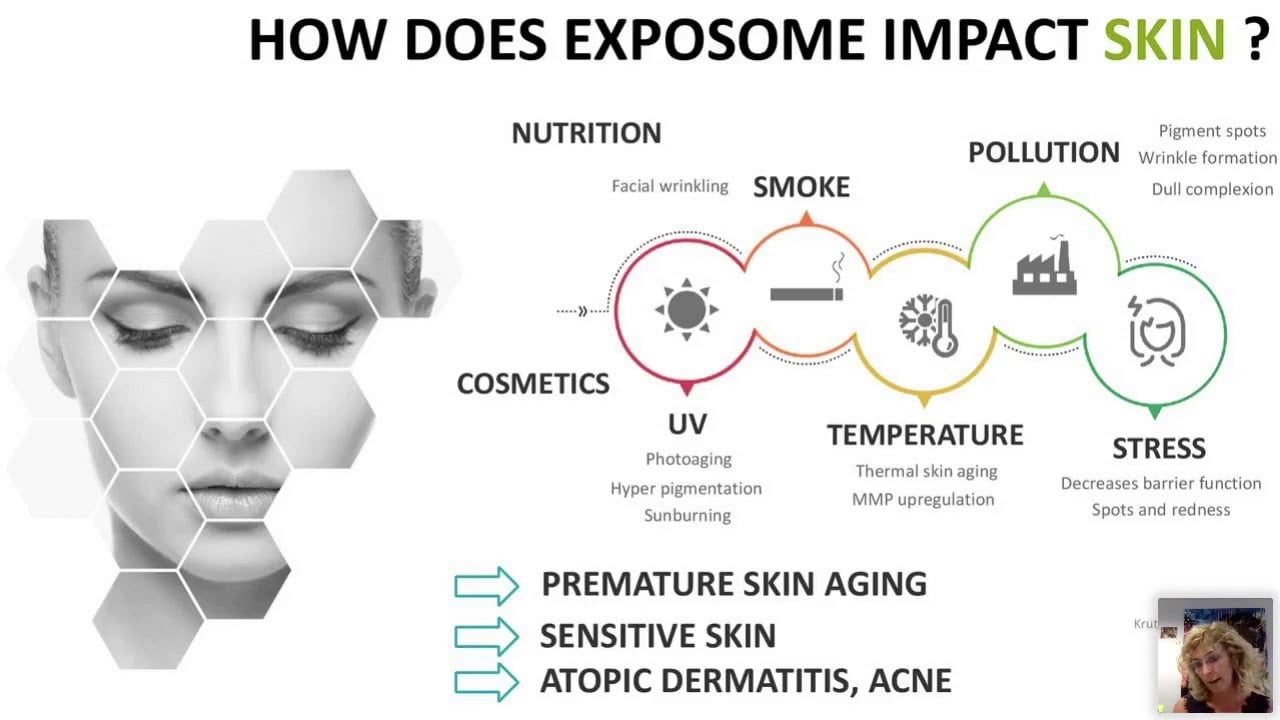
How do environmental factors, such as sun exposure and pollution, impact the skin’s aging process? For decades, skincare research has focused on understanding how environmental factors such as sun exposure and pollution can affect the skin’s aging process. This blog post will delve into the complex mechanisms behind environmentally-induced skin aging and provide insights on protecting your skin from these external stressors.

We will explore the role of reactive oxygen species in skin aging and their sources, including oxidative stress and its impact on cellular health. Furthermore, we will discuss ultraviolet radiation’s effects on skin aging by examining UVB vs. UVA rays’ impact on skin health and photoaging due to prolonged sun exposure.

In addition to sunlight-related factors, we will also address infrared-A radiation’s impact on skin health by discussing heat-induced inflammation caused by IR-A exposure and strategies for mitigating IR-A-related damage. How do environmental factors like pollution contribute to skin aging? We’ll cover both outdoor pollutants through aryl hydrocarbon receptors’ roles in dermal degradation and indoor pollution sources and strategies for reducing exposure to these harmful substances.

Lastly, our discussion would be incomplete without touching upon topical antioxidants as a protective measure against environmental stressors. We’ll outline the benefits of topical antioxidants and examples of effective antioxidant-rich skincare ingredients that can help combat premature signs of aging due to environmental aggressors.

Table of Contents:

The Role of Reactive Oxygen Species in Skin Aging

Reactive oxygen species (ROS) play a significant role in accelerating the skin’s aging process. These molecules are generated within cells through various sources, including the nicotinamide adenine dinucleotide phosphate oxidase system, which is crucial for generating oxidative stress that ultimately leads to cellular damage and contributes to skin aging.

Sources of Reactive Oxygen Species Generation

  • Sun Exposure: Ultraviolet (UV) radiation from sun exposure can increase ROS production, causing oxidative stress on our skin cells.
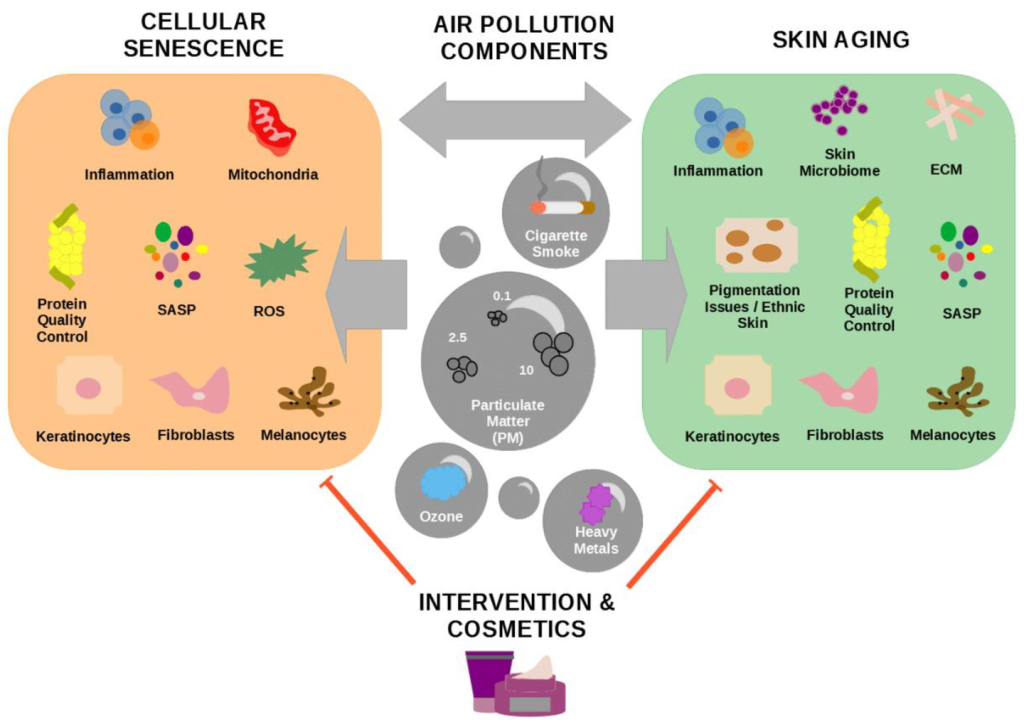
  • Pollution: Airborne pollutants such as particulate matter and cigarette smoke also contribute to ROS formation, further exacerbating oxidative stress levels.
  • Inflammation: Inflammatory processes within the body can generate ROS as part of their normal function but may become harmful when chronic or excessive inflammation occurs.

Oxidative Stress and Its Impact on Cellular Health

Oxidative stress refers to an imbalance between free radicals (such as ROS) and antioxidants within our cells. This imbalance can lead to the deterioration of crucial biomolecules, like DNA, proteins and lipids – all fundamental for sustaining cell health. Over time, this cumulative damage accelerates aging by impairing vital cellular functions such as collagen synthesis (source) and triggering inflammatory responses that further harm our skin’s structure (source).

To counteract the detrimental effects of ROS, our skin relies on a complex network of antioxidants to neutralize these harmful molecules. Nevertheless, conditions such as exposure to sunlight and contamination can surpass our native antioxidant protections, resulting in augmented levels of oxidative strain and subsequent cellular impairment.

To maximize your skin’s protection from environmental damage, it is essential to use topical antioxidants as part of a comprehensive skincare regimen. These powerful ingredients work synergistically with your skin’s natural defense mechanisms to neutralize free radicals before they cause harm.

By understanding the role of reactive oxygen species in accelerating the aging process and taking proactive steps towards reducing their impact through targeted skincare interventions, you can help preserve your skin’s youthful appearance for years to come.

Reactive oxygen species (ROS) involvement in the aging of skin is an essential factor to take into account when examining how external elements impact our epidermis. UV radiation, particularly UVB and UVA rays, has been demonstrated to significantly affect photoaging, which can lead to premature signs of aging.


Key Takeaway: 

Sun exposure and pollution can increase the production of reactive oxygen species (ROS) in our skin cells, leading to oxidative stress and contributing to aging. This imbalance between free radicals and antioxidants damages essential biomolecules like DNA, proteins, and lipids, accelerating the aging process by impairing vital cellular functions such as collagen synthesis. To protect your skin from premature aging caused by environmental factors, it’s crucial to incorporate topical antioxidants into your skincare routine.

How Sun Exposure & Pollution Impact Skin Aging Process

Ultraviolet Radiation and Its Effects on Skin Aging

Exposure to excessive amounts of ultraviolet radiation (UVR), particularly from sunlight, can lead directly to photoaging and even skin cancer. UVR comprises two main types – solar ultraviolet B (UVB) rays responsible for direct DNA absorption resulting in cell damage, while ultraviolet A (UVA) generates additional reactive oxygen species that further oxidize DNA molecules leading directly to photoaging and tumor initiation.

UVB vs UVA Rays’ Impact on Skin Health

Solar UVB rays, which make up about 5% of the total sun exposure, are known for causing sunburns due to their short wavelength. These rays penetrate the outermost layer of our skin called the epidermis, where they cause direct damage by absorbing into cellular DNA. This leads to mutations that can result in various forms of skin cancer such as basal cell carcinoma or melanoma.

In contrast, solar UVA rays, accounting for approximately 95% of total sun exposure, have a longer wavelength allowing their deeper penetration into our dermis – the second layer beneath the epidermis. Here is where they generate reactive oxygen species that contribute to oxidative stress within cells; this process ultimately accelerates aging signs like wrinkles and sagging by breaking down collagen fibers throughout one’s dermal structure.

Photoaging as a Result of Prolonged Sun Exposure

The term “photoaging” refers to premature aging caused primarily by prolonged exposure to harmful UV radiation emitted from sunlight sources such as tanning beds or natural outdoor settings (source). Visibly, prolonged sun exposure can result in premature aging with signs like wrinkles, fine lines, age spots and an uneven skin tone. Moreover, photoaging also leads to a loss in elasticity due to the degradation of collagen and elastin fibers within our dermal layers.

Preventing photoaging requires consistent use of sun protection measures such as wearing a broad-spectrum sunscreen with an SPF rating of at least 30 or higher (source), seeking shade during peak UV hours (10 AM – 4 PM), and donning protective clothing like wide-brimmed hats or sunglasses that block out harmful UVA/UVB rays effectively.

In addition to these preventative steps, incorporating skincare products containing ingredients known for their ability to repair sun-damaged skin can help reverse some effects associated with extrinsic aging caused primarily through prolonged exposure to ultraviolet radiation sources over time.

Ultraviolet radiation significantly impacts the aging process of skin, with prolonged exposure leading to photoaging. To further understand how environmental factors affect skin health, it is important to consider infrared-A radiation and its effects.


Key Takeaway: 

Excessive sun exposure and pollution can lead to premature aging of the skin, also known as photoaging. Ultraviolet radiation (UVR) from sunlight is a major contributor to this process, with UVA rays causing oxidative stress that breaks down collagen fibers and leads to wrinkles and sagging, while UVB rays cause direct DNA damage that can result in various forms of skin cancer. Consistent use of sun protection measures like broad-spectrum sunscreen and protective clothing can help prevent photoaging, along with skincare products containing ingredients known for repairing sun-damaged skin.

Infrared-A Radiation’s Impact on Skin Health

IR-A radiation, in addition to ultraviolet radiation, is a major contributor to skin aging as it causes heat-induced inflammation. The primary mechanism through which IR-A affects the skin is heat-induced inflammation, which can contribute to extrinsic factors affecting overall dermal health preservation efforts throughout one’s lifetime.

Heat-Induced Inflammation Caused by IR-A Exposure

When the skin is exposed to IR-A radiation, it experiences an increase in temperature that triggers an inflammatory response. This process involves the release of pro-inflammatory cytokines and other molecules that cause damage to collagen and elastin fibers within the dermis. These proteins are essential for maintaining firmness and elasticity, so their degradation leads to sagging and wrinkling – common signs of aged skin [1].

Strategies for Mitigating IR-A Related Damage

To protect your skin from infrared-related damage, consider incorporating these strategies into your daily routine:

  • Avoid excessive sun exposure: Limiting time spent outdoors during peak sunlight hours (10 am – 4 pm) can help reduce exposure to UV rays and infrared radiation.
  • Sun protection clothing: Wearing wide-brimmed hats or long-sleeved shirts with UPF-rated fabric provides additional shielding against UVR and IR-a radiation.
  • Sunscreens with antioxidants: Many sunscreens now include antioxidants such as vitamin C or E that may offer some level of protection against IR-A-induced skin damage [2]. Look for products with these ingredients and apply them as directed.
  • Topical antioxidant treatments: Applying skincare products containing antioxidants like green tea extract, resveratrol, or niacinamide can help neutralize free radicals generated by IR-A exposure and minimize inflammation in the skin [3].

Incorporating these strategies into your daily routine can help mitigate the damaging effects of infrared radiation on your skin. By taking a proactive approach to sun protection and incorporating antioxidant-rich skincare products, you can preserve your dermal health and maintain a youthful appearance despite increasing environmental stressors.

Infrared-A radiation can have a significant impact on skin health, from heat-induced inflammation to the potential for long-term damage. Pollution also plays a vital role in extrinsic skin aging; therefore, it is essential to understand how these environmental factors contribute to dermal health.


Key Takeaway: 

Infrared-A radiation in sunlight can cause heat-induced inflammation and damage to collagen and elastin fibers within the dermis. To protect your skin from infrared-related damage, avoid excessive sun exposure during peak hours, wear protective clothing or sunscreen with antioxidants, and incorporate antioxidant-rich skincare products into your routine.

Pollution as an Extrinsic Factor Contributing Towards Skin Aging

Air pollution, such as smog and particulate matter, can harm our skin’s health and accelerate aging by activating Aryl Hydrocarbon Receptors (AHRs), which trigger NF-B gene transcription leading to inflammatory cytokines release and immune modulator generation. These harmful substances activate aryl hydrocarbon receptors (AHRs), which inadvertently induce transcription of NF-B genes, leading to inflammatory cytokines release and immune modulator generation – all detrimental processes regarding overall dermal health preservation efforts being undertaken at any given point throughout one’s lifetime.

The Role of Aryl Hydrocarbon Receptors in Skin Aging

Aryl hydrocarbon receptors are proteins found within cells that are crucial in detecting environmental toxins. When activated by pollutants like polycyclic aromatic hydrocarbons (PAHs) or dioxins, AHRs initiate cellular responses to detoxify these harmful substances. However, this activation also triggers inflammation and oxidative stress pathways that can damage the skin’s structural components, including collagen and elastin fibers responsible for maintaining its elasticity and firmness.

Inflammatory Cytokines and Their Impact on Dermal Health

In response to pollution-induced AHR activation, our skin produces various inflammatory cytokines such as interleukin-6 (IL-6) and tumor necrosis factor (TNF). MMPs, induced by the inflammatory cytokines, catalyze collagen breakdown in our connective tissues, resulting in skin sagging and wrinkles – critical features of premature aging. This breakdown leads to sagging skin, wrinkles formation, and uneven texture – classic signs associated with premature aging due primarily from extrinsic factors impacting overall dermal health preservation efforts being undertaken at any given point throughout one’s lifetime.

Strategies for Reducing Exposure to Outdoor Pollutants

To minimize the harmful effects of pollution on our skin, it is essential to adopt a few protective measures:

  • Avoid high-pollution areas: Avoid heavily trafficked roads and industrial zones where pollutant levels are typically higher. Check local air quality reports regularly and limit outdoor activities during peak pollution hours.
  • Cleanse your skin thoroughly: Use gentle cleansers that effectively remove dirt, oil, and pollutants without stripping the skin’s natural moisture barrier. Look for products containing activated charcoal or clay as they can help absorb impurities from the surface of your skin.
  • Incorporate antioxidant-rich skincare products: Antioxidants like vitamin C, vitamin E, niacinamide, and green tea extract neutralize free radicals generated by environmental stressors such as UV radiation or pollution exposure. By adding these powerful antioxidants to your routine, you can protect your skin from the premature aging effects of external stressors.

Pollution has been linked to accelerated skin aging, so it is important to be mindful of indoor sources and take steps to reduce exposure for optimal dermal health. Gaining insight into the combination of these elements can help us devise ways to reduce our contact with them and keep a healthy skin condition in the long run.


Key Takeaway: 

Exposure to pollution and sun can accelerate skin aging by activating aryl hydrocarbon receptors (AHRs) that induce inflammatory cytokines release, leading to collagen breakdown and wrinkles formation. To reduce exposure, avoid high-pollution areas, cleanse your skin thoroughly with activated charcoal or clay products, and incorporate antioxidant-rich skincare products like vitamin C and green tea extract into your daily routine.

Indoor Pollution Sources and Their Effects on Skin Aging

While outdoor pollution is often the primary focus when discussing environmental factors affecting skin health, indoor pollutants can be just as harmful. These sources of indoor pollution exacerbate existing problems associated with extrinsic factors impacting overall dermal health preservation efforts throughout one’s lifetime.

Common Indoor Pollution Sources

  • Cigarette smoke: A well-known source of harmful chemicals, cigarette smoke contains thousands of toxic substances that can cause oxidative stress and inflammation in the skin, leading to premature aging. Secondhand smoke exposure also poses a risk for non-smokers.
  • Cooking and heating with coal or wood: Burning these materials releases particulate matter into the air, irritating and damaging your skin. Combustion processes such as burning coal or wood, candles, and fireplaces can generate PAHs which promote oxidative stress in cells.
  • Candles and fireplaces: Like cooking with coal or wood, burning candles or using fireplaces releases soot particles that contribute to poor indoor air quality. Scented candles may be a source of VOCs, which have been associated with respiratory problems and potential skin damage.

Strategies for Reducing Exposure to Indoor Pollutants

To minimize your exposure to these common indoor pollution sources while maintaining healthy-looking skin at any age, consider implementing some simple strategies within your home environment:

  1. Improve ventilation: Increase airflow by opening windows regularly or installing exhaust fans where necessary. This helps to remove pollutants and maintain a healthier indoor environment.
  2. Use air purifiers: Air cleaners equipped with HEPA filters can effectively capture particulate matter, reducing the concentration of airborne particles that may irritate your skin.
  3. Avoid smoking indoors: If you or someone in your household smokes, establish designated outdoor areas for smoking to minimize exposure to secondhand smoke inside the home.
  4. Choose safer alternatives: Opt for cleaner-burning candles made from soy or beeswax instead of paraffin wax, which releases more soot when burned. Additionally, consider using electric fireplaces or heaters as an alternative heat source during colder months.

Incorporating these strategies into your daily routine can help reduce indoor pollution levels while supporting overall skin health preservation efforts against extrinsic aging factors throughout one’s lifetime. Remember that maintaining a healthy lifestyle and adopting effective skincare routines are also essential components in combating environmental stressors on our skin caused by sun exposure and pollution.

Reducing exposure to indoor pollution sources is essential for preserving the skin’s youthful appearance and should be included in a skincare routine that includes topical antioxidants. Incorporating topical antioxidants into one’s skincare regimen can help to guard the skin from environmental harm.


Key Takeaway: 

Indoor pollution sources like cigarette smoke, cooking and heating with coal or wood, and candles can contribute to premature aging of the skin. To reduce exposure to these pollutants, improve ventilation, use air purifiers with HEPA filters, avoid smoking indoors, and choose safer alternatives such as soy or beeswax candles.

Topical Antioxidants as a Protective Measure Against Environmental Stressors

Emerging evidence suggests that topical application of antioxidants such as vitamins C and E can help prevent the formation of oxidation products in the skin caused by exposure to UV radiation and other pollutants. By replenishing depleted antioxidant levels in the skin, these treatments may offer some protection against harmful effects while potentially reversing signs associated with extrinsic aging.

Benefits of Using Topical Antioxidants

Topical antioxidants have been shown to provide numerous benefits for maintaining healthy skin. These include:

  • Fighting free radicals: Antioxidants neutralize reactive oxygen species (ROS) generated from sun exposure, pollution, and other environmental stressors, reducing oxidative stress on the skin.
  • Promoting collagen production: Some antioxidants stimulate collagen synthesis, which helps maintain firmness and elasticity in the skin.
  • Brightening complexion: Vitamin C is known for its ability to brighten dull complexions by inhibiting melanin production responsible for hyperpigmentation or dark spots.
  • Soothing inflammation: Certain antioxidants possess anti-inflammatory properties that can calm irritated or inflamed skin conditions like acne or rosacea.

Examples of Effective Antioxidant-Rich Skincare Ingredients

In addition to vitamins C and E, several other potent antioxidant-rich ingredients are found in organic skincare products that can protect your skin from environmental damage. Consider incorporating these into your routine:

  1. Niacinamide: Also known as vitamin B3, niacinamide is a powerful antioxidant that helps improve skin elasticity, reduce redness and inflammation, and minimize the appearance of fine lines.
  2. Green tea extract: Rich in polyphenols like epigallocatechin gallate (EGCG), green tea extract offers potent antioxidant protection against UV radiation and pollution-induced oxidative stress. It also has anti-inflammatory properties to soothe irritated skin.
  3. Ferulic acid: Found in plant cell walls, ferulic acid stabilizes other antioxidants, such as vitamins C and E, while providing its own protective benefits against environmental damage. When combined with these vitamins, it enhances their overall effectiveness.
  4. Astaxanthin: Derived from microalgae or yeast fermentation processes, astaxanthin is a carotenoid pigment with intense antioxidant activity. It can help protect the skin from sun exposure-related damage by neutralizing free radicals from UV radiation.

By selecting organic skincare products with potent antioxidants, such as astaxanthin, you can help protect your skin from the damaging effects of UVR and environmental pollutants. By choosing products containing these powerful ingredients, you’re taking proactive steps toward maintaining healthy, youthful-looking skin for years to come.


Key Takeaway: 

Topical antioxidants like vitamins C and E can protect the skin from harmful environmental factors such as sun exposure and pollution. They fight free radicals, promote collagen production, brighten complexion, and soothe inflammation. Other effective antioxidant-rich skincare ingredients include niacinamide, green tea extract, ferulic acid, and astaxanthin.

FAQs in Relation to How Do Environmental Factors, Such as Sun Exposure and Pollution, Impact the Aging Process of the Skin?

What are the environmental factors affecting the aging process?

Environmental factors that contribute to skin aging include sun exposure, pollution, and oxidative stress. Prolonged sun exposure leads to photoaging, while pollution can cause cellular damage and inflammation. Oxidative stress from free radicals also accelerates skin aging by damaging collagen and elastin fibers.

How do environmental factors affect the skin?

Environmental factors like ultraviolet radiation (UVR), infrared-A radiation (IR-A), pollution, and oxidative stress can lead to premature skin aging. They cause cellular damage, reduced collagen production, inflammation, dryness, uneven pigmentation, or age spots on your complexion.

What are the primary environmental factors that contribute to aging and the appearance of aging?

The primary environmental contributors to visible signs of skin aging are sun exposure (UVR), IR-A radiation from sunlight or heat sources, indoor and outdoor pollutants such as smog or cigarette smoke, and oxidative stress.

How does pollution cause skin aging?

Pollution causes skin-aging effects, including fine lines, wrinkles, and dullness due to increased levels of reactive oxygen species (ROS) in cells leading to DNA damage and inflammatory responses, which break down collagen and elastin fibers responsible for maintaining youthful elasticity in our complexion.

How do natural aging, lifestyle, and environmental factors affect skin conditions?

Natural lifestyle choices like diet and exercise influence overall health, including skin conditions. Environmental factors like sun exposure, pollution, and oxidative stress contribute to premature aging by causing cellular damage, inflammation, and collagen degradation. A balanced lifestyle with proper skin care can help maintain healthy skin.

How does pollution affect aging?

Pollution accelerates aging by increasing oxidative stress, leading to DNA damage and inflammatory responses that break down collagen and elastin fibers responsible for maintaining youthful elasticity in our complexion.

Conclusion

External elements such as sunlight and contamination can significantly affect skin aging. UV radiation from prolonged sun exposure can cause cellular damage and photoaging, while IR-A radiation can negatively affect collagen production. Pollution sources, both outdoors and indoors, can also be detrimental to your complexion.

To counteract these effects, incorporating topical antioxidants into your skincare routine can help protect against oxidative stress. Choosing organic skincare products with ingredients rich in antioxidants is also important for healthier skin.

If you want to improve your skin’s health and combat the effects of environmental factors on aging, consider trying organic skincare products from Organic Skincare. Take care of your skin now to maintain its youthful appearance for years to come!

How Sun Exposure & Pollution Impact Skin Aging Process Read More »
How does a consistent skin care routine help in slowing down the aging process

How a Consistent Skin Care Routine Slows Aging Process

How does a consistent skin care routine help slow the aging process? Many people want to preserve a youthful look. This article will explain the importance of creating and following an effective skincare regimen and key components that support healthy skin aging. This blog post will look into the significance of establishing and following a suitable skincare routine and review key components and lifestyle practices that aid in preserving youthful skin.

We will explore various aspects of skincare routines such as cleansing, hydrating, repairing damage using targeted treatments, and protecting against environmental factors. In addition, you’ll become familiar with potent anti-aging agents such as retinol, vitamin C, hyaluronic acid and ceramides that can be found in organic products.

Furthermore, we will emphasize sun protection’s role in slowing down the aging process by discussing how to choose broad-spectrum sunscreens and incorporate them into your daily makeup routine. Finally, discover essential lifestyle habits that support healthy skin aging, including eating a balanced diet rich in antioxidants and staying hydrated throughout the day.

Incorporating these tips into your daily life can make all the difference in preserving your skin’s youthfulness. So let us dive deeper into understanding how does a consistent skin care routine help in slowing down the aging process?

Table of Contents:

The Importance of a Consistent Skin Care Routine

A consistent skin care routine is essential in slowing aging and maintaining a youthful appearance. This includes cleansing, hydrating, repairing, and protecting the skin daily to keep it looking and feeling younger and healthier. A board-certified dermatologist can provide guidance on suitable anti-aging products for your specific needs.

Cleansing Daily with Gentle Cleansers

Using gentle cleansers that are free from harsh chemicals helps remove dirt, makeup, excess oil, and pollutants without stripping away natural oils or causing irritation. Organic ingredients like chamomile extract or green tea extract have soothing properties that help maintain healthy skin while cleansing effectively. For example, consider using an organic facial cleanser like this one.

Hydrating with Effective Moisturizers

Proper hydration is crucial for preserving elasticity and preventing wrinkles or sagging skin. To maximize hydration and skin elasticity, seek out moisturizers with hyaluronic acid or ceramides as key organic ingredients. Check out this list of top-rated organic moisturizers.

Repairing Damage Using Targeted Treatments

  • Vitamin C: Applying vitamin C serums can help diminish fine lines by boosting collagen production and reducing hyperpigmentation caused by sun exposure.
  • Niacinamide: This powerful ingredient helps improve uneven skin tone while strengthening the barrier function of your complexion.
  • Peptides: Peptide-infused products help stimulate collagen production and improve skin elasticity, reducing the appearance of wrinkles.

You can find a variety of organic anti-aging treatments that incorporate these ingredients to repair and rejuvenate your skin effectively.

Protecting Against Environmental Factors

To prevent accelerated aging, it’s important to shield your skin from environmental aggressors like UV radiation, pollutants and free radicals. Make sure you apply sunscreen with an SPF 30+ daily as well as use antioxidant-rich skincare products such as green tea extract or vitamin E oil which neutralize harmful molecules before they cause damage. Don’t forget to reapply sunscreen every two hours when outdoors for extended periods. For more information on choosing the right sunscreen, read this helpful guide on sunscreen selection.

Regularly incorporating these practices into your lifestyle can help keep skin looking youthful and healthy. By committing to a consistent regimen tailored specifically for your needs using organic ingredients whenever possible ensures optimal results in maintaining a youthful appearance throughout life’s journey.

A regular skin care regimen is critical for preserving a healthy and youthful appearance, as it can help thwart premature aging. By incorporating key ingredients into your skincare products such as retinol, vitamin C, hyaluronic acid and ceramides you can further enhance their anti-aging benefits.


Key Takeaway: 

A consistent skin care routine is crucial for slowing aging and maintaining youthful appearance. It involves cleansing, hydrating, repairing, and protecting the skin daily using organic ingredients like chamomile extract or green tea extract to maintain healthy skin while cleansing effectively. Vitamin C serums can help diminish fine lines by boosting collagen production while reducing hyperpigmentation caused by sun exposure.

Key Ingredients to Look For Anti-Aging Skin Care Products

Using an anti-aging serum containing ingredients like retinol or vitamin C can help diminish fine lines and wrinkles by boosting collagen production. Moisturizing daily using creams rich in hyaluronic acid or ceramides will improve hydration levels within the epidermis, resulting in improved elasticity and preventing further development of wrinkles or sagging skin.

Retinol for Increased Collagen Production

Retinol, a vitamin A derivative, has been proven to increase collagen production, which helps maintain skin’s firmness and elasticity. This powerful ingredient stimulates cell turnover, revealing fresher-looking skin underneath while reducing the appearance of age spots and other signs of aging. To incorporate retinol into your skincare routine, look for products such as serums or night creams that contain this potent ingredient.

Peptides

Peptides are amino acids that stimulate collagen production and help maintain skin elasticity. Incorporate peptide-based products into your routine for firmer, more youthful skin.

Vitamin C as a Powerful Antioxidant

Vitamin C, also known as L-ascorbic acid, is another key component in anti-aging skincare products due to its antioxidant properties that protect against free radicals caused by environmental factors such as pollution and sun exposure. It also plays a crucial role in promoting collagen synthesis, which helps keep your skin looking plump and youthful. Vitamin C can be found in various forms, including serums, moisturizers, toners, and masks – just ensure it’s appropriately stabilized to ensure maximum efficacy.

Hyaluronic Acid for Deep Hydration

Hyaluronic acid is a naturally occurring substance in our skin that helps retain moisture, keeping it plump and hydrated. As we age, our hyaluronic acid levels decrease, resulting in dryness and reduced elasticity of the skin. Incorporating products containing this ingredient into your daily routine can help replenish hydration levels within the epidermis while also providing an instant smoothing effect on fine lines and wrinkles. Look for moisturizers or serums with hyaluronic acid as one of their main ingredients.

Ceramides to Maintain Moisture Balance

Ceramides are lipids found in the outermost layer of our skin that play a vital role in maintaining its barrier function and preventing water loss. When ceramide levels decrease due to aging or environmental factors, our skin becomes more susceptible to dehydration, leading to increased signs of aging such as fine lines and wrinkles. By using skincare products enriched with ceramides like creams or lotions, you can effectively restore your skin’s natural moisture balance while protecting against further damage caused by external aggressors.

Incorporating these key anti-aging ingredients into your daily skincare routine will slow the aging process and provide lasting benefits for a youthful appearance. Remember to always consult with a board-certified dermatologist before starting any new skincare regimen tailored specifically towards addressing concerns related to signs of aging. Additionally, it is important to apply sunscreen daily to protect your skin from harmful UV rays that can accelerate the aging process and cause age spots.

Incorporating key anti-aging ingredients such as retinol, vitamin C, hyaluronic acid and ceramides into your skincare routine can help reduce aging effects. Shield your skin from early aging by making sunscreen part of your daily routine.


Top Seller
Phyris Retinol Cream
9.7

Soft revitalizing 24hr care for stressed, dehydrated skin. Reduces wrinkles and fine lines, and visibly invigorates the skin’s youthfulness.

Most Affective
Retinol Advanced Night Cream
9.5
  • Eliminates dead skin cells and reveals refreshed looking
    skin.
  • Visibly reduces the appearance of fine lines and wrinkles.
  • Evens skin tone and makes skin radiant.
    Improves skin texture.


Top Pick
Timeless Retinol Balm
9.1

Timeless Retinol Balm To achieve their goal of an evenly smooth and youthful complexion, they trust this light-stable Vitamin A formulation to integrate their retinol assistant into their skin care concept both in the morning and in the evening.


Key Takeaway: 

Consistent skincare routine is essential for slowing down the aging process and maintaining youthful skin. Key ingredients such as retinol, vitamin C, hyaluronic acid, and ceramides are effective in reducing fine lines and wrinkles while boosting collagen production. It’s important to consult with a dermatologist before starting any new regimen tailored towards addressing concerns related to signs of aging.

Sun Protection’s Role in Slowing Down Aging Process

Applying sunscreen with SPF 30+ every day is crucial for protecting your skin against harmful UV rays, which can cause premature aging. This includes the development of dark spots (hyperpigmentation), scaly patches (actinic keratosis), and an increased risk of developing certain types of cancer such as melanoma. This section will discuss the importance of sun protection and how to incorporate it into your daily routine.

Choosing Broad-Spectrum Sunscreens

Opt for broad-spectrum sunscreens to effectively shield your skin from UVA and UVB rays. These products offer comprehensive coverage against the full spectrum of ultraviolet radiation contributing to skin damage and accelerated aging. When selecting a sunscreen, look for one with at least SPF 30+, which blocks approximately 97% of UVB rays. Higher SPFs provide slightly more protection but should not be relied upon solely; remember to reapply frequently throughout the day.

Reapplying Sunscreen Throughout The Day

  • Morning application: Apply sunscreen generously after completing your morning skincare routine, allowing it to absorb fully before applying makeup or heading outdoors.
  • Reapplication: It’s essential to reapply sunscreen every two hours, especially during prolonged sun exposure or when swimming or sweating excessively. Keep a travel-sized bottle handy so you can easily reapply on the go.
  • Post-swimming: After swimming or toweling off, reapply sunscreen immediately to ensure continuous protection.

Incorporating Sun Protection into Makeup Routines

Incorporating SPF into your makeup routine is an effective way further to safeguard yourself from the sun’s UV rays. Many foundations and tinted moisturizers now include SPF, providing an additional layer of defense against UV damage. However, it’s important not to rely solely on these products for sun protection; always apply a separate broad-spectrum sunscreen underneath.

You may also consider investing in mineral-based makeup products containing physical blockers like zinc oxide and titanium dioxide that help reflect harmful UV rays away from the skin. These ingredients are often found in mineral powder foundations and setting powders with built-in SPF.

Wear protective accessories such as sunglasses with 100% UVA/UVB protection and wide-brimmed hats when outdoors, and seek shade during peak sunlight hours to further reduce your skin’s exposure to UV radiation. Additionally, seek shade whenever possible during peak sunlight hours (10 AM – 4 PM) to minimize direct exposure to harmful UV radiation.

In summary, incorporating daily sun protection is essential for slowing aging and maintaining a youthful appearance. By choosing broad-spectrum sunscreens with at least SPF 30+, reapplying throughout the day as needed, and integrating protective measures into your makeup routine – you’ll be well-equipped to safeguard your skin against premature aging caused by harmful UV rays.

Using broad-spectrum sunscreen and reapplying throughout the day can help slow down the aging process through sun protection. Additionally, lifestyle habits like eating a balanced diet rich in antioxidants and getting enough sleep are also key components of supporting healthy skin aging.


Key Takeaway: 

Daily sun protection is crucial for slowing down the aging process and protecting against harmful UV rays. Opt for a broad-spectrum sunscreen with at least SPF 30+ and reapply every two hours, even when wearing makeup. Incorporating protective measures into your routine, such as mineral-based makeup products and wide-brimmed hats, can further shield your skin from premature aging caused by UV radiation.

Lifestyle Habits That Support Healthy Skin Aging Process

In addition to topical treatments, incorporating healthy lifestyle habits like eating well-balanced meals full of antioxidants found in fruits and vegetables and drinking plenty of water aids overall health, including promoting a radiant complexion from within. Remember that beauty starts inside out. Establishing a good sleep schedule and getting adequate rest each night allows the body to repair and regenerate itself during nighttime hours when cellular turnover rates peak, thus enhancing natural rejuvenation processes occurring beneath surface layers of dermal tissue, ultimately revealing fresher, brighter-looking countenance upon the awakening morning after.

Eating a Balanced Diet Rich in Antioxidants

A balanced diet is essential for maintaining youthful skin as it provides the necessary nutrients needed for cell regeneration. Consuming foods rich in antioxidants, such as berries, leafy greens, nuts, and seeds, helps combat free radicals responsible for accelerating the aging process. These antioxidant-rich foods contribute to your overall health and play an essential role in keeping your skin looking young and vibrant.

  • Berries: Blueberries, strawberries, raspberries
  • Leafy Greens: Spinach, kale
  • Nuts: Almonds
  • Seeds

Drinking Plenty of Water for Hydration

Hydration plays a crucial role in maintaining supple skin by helping maintain its elasticity while flushing toxins from the body. Drinking at least eight glasses of water daily ensures proper hydration levels are maintained, which can help reduce dryness, flakiness, and fine lines. Additionally, staying hydrated can also improve skin texture and complexion by promoting proper blood circulation.

Prioritizing Quality Sleep for Skin Regeneration

Getting a good night’s sleep is vital for maintaining healthy skin as it allows the body to repair damaged cells while producing new ones during nighttime hours when cellular turnover rates are at their peak. Aim for 7-9 hours of quality sleep each night to give your body ample time to naturally rejuvenate. Incorporating relaxation techniques such as meditation or deep breathing exercises before bedtime can help create an environment conducive to restful slumber.

Incorporating these lifestyle habits into your daily routine supports overall health and contributes significantly towards slowing down the aging process and maintaining a youthful appearance. By eating antioxidant-rich foods, drinking plenty of water, and prioritizing quality sleep, you’re providing your skin with essential tools for natural regeneration, resulting in a healthier-looking complexion over time. Additionally, it’s important to apply sunscreen daily to protect your skin from harmful UV rays that can cause age spots and accelerate the aging process.

Sustaining a vigorous lifestyle with an even-handed diet, adequate hydration and restful sleep is essential for retarding the aging process. Realizing the importance of a balanced lifestyle for preserving youthfulness, it is wise to explore how natural ingredients can be incorporated into an anti-aging skincare regimen.


Key Takeaway: 

Maintaining a consistent skin care routine that includes healthy lifestyle habits such as eating antioxidant-rich foods, drinking plenty of water, and getting quality sleep can slow down the aging process and promote a youthful appearance. It’s important to remember that beauty starts from within and protecting your skin with sunscreen is crucial in preventing age spots and accelerating aging.

The Power of Organic Ingredients in Anti-Aging Skincare

Organic ingredients, boasting natural potency and gentleness on the skin, are becoming a popular choice in skincare for those seeking to combat aging without harsh chemicals. Organic ingredients are a great choice for those wanting to preserve their youthful appearance without using harsh chemicals, as they provide natural potency and gentleness.

Black Cumin Seed Oil as an Antioxidant Powerhouse

Black Cumin Seed Oil, used by ancient royalty for over 4000 years, is known for its powerful antioxidant properties that fight oxidative stress caused by environmental factors such as pollution and sun exposure. Oxidative stress accelerates the aging process, contributing to wrinkles, fine lines and age spots – all of which can be prevented with Black Cumin Seed Oil in your anti-aging skincare routine. Incorporating Black Cumin Seed Oil into your anti-aging skincare routine can help protect your skin from these damaging effects while promoting a radiant complexion.

Gentle, Organic Makeup Removers and Cleansers

Proper makeup removal using gentle yet efficient cleansers is an essential component of any effective anti-aging regimen. Organic makeup removers like micellar water or cleansing oils are formulated with nourishing plant-based ingredients that effectively dissolve makeup without stripping the skin’s natural moisture barrier. This ensures that your skin remains hydrated and healthy while preventing premature aging caused by dryness or irritation.

Toners to Prep the Skin for Nutrient Absorption

After thoroughly cleansing your face with an organic makeup remover or cleanser, applying a toner specifically designed to prepare your skin to absorb nutrients from moisturizers and serums is crucial. Organic toners often contain ingredients like witch hazel, aloe vera, or chamomile that help soothe the skin while balancing its pH levels. Applying a toner before moisturizing and applying serums helps ensure that your anti-aging skincare products can penetrate deeply into the skin for maximum efficacy.

Incorporating organic ingredients in your anti-aging skincare routine is beneficial for slowing down aging and promoting overall skin health by avoiding harsh chemicals in many conventional products. By choosing natural alternatives like Black Cumin Seed Oil, gentle makeup removers, and nourishing toners, you can effectively combat signs of aging while maintaining a radiant complexion and youthful appearance.

To discover more about organic skincare products and learn about the latest organic ingredients on the market, visit our Organic Skin Care Store. Here you’ll find an extensive range of high-quality items designed to support your journey towards healthier-looking skin.


Key Takeaway: 

Incorporating organic ingredients like Black Cumin Seed Oil, gentle makeup removers, and nourishing toners in your anti-aging skincare routine can help combat signs of aging while maintaining a radiant complexion. These natural alternatives are effective and gentle on the skin compared to harsh chemicals found in many conventional products. Proper cleansing with organic makeup removers followed by toning helps prepare the skin for nutrient absorption from moisturizers and serums.

FAQs in Relation to How Does a Consistent Skin Care Routine Help in Slowing Down the Aging Process?

Does a Skin Care Routine Help Slow Down the Aging Process?

A consistent skin care routine helps slow down aging by maintaining healthy and radiant skin. It involves cleansing, hydrating, repairing with targeted treatments like retinol or vitamin C serums, and protecting from sun damage using a broad-spectrum sunscreen.

How Do You Slow Down Aging Skin?

To slow down aging skin, follow these steps: maintain a consistent skincare routine; use effective anti-aging ingredients such as retinol and vitamin C; protect your skin from sun damage with daily sunscreen application; exfoliate regularly to reveal fresh cells underneath dull surface layers; adopt healthy lifestyle habits like staying hydrated and getting quality sleep.

Why Is It Important to Have a Consistent Skincare Routine?

A consistent skincare routine is crucial for maintaining overall skin health. It ensures that your complexion remains clean, balanced, nourished, and protected against environmental factors such as UV rays or pollution while also addressing specific concerns like acne or signs of aging over time.

What Are Three Benefits of Having a Good Skincare Routine?

  1. Better Skin Health: A good skincare regimen improves overall texture and appearance by keeping it clean and well-nourished.
  2. Fewer Breakouts: Consistent routines help prevent acne breakouts by removing excess oil buildup on the surface of the epidermis.
  3. Aging Prevention: Regularly using products containing potent anti-aging ingredients can reduce fine lines and wrinkles while promoting youthful radiance in the long run.

Organic Skin Care Store offers a wide range of organic skincare products to help you maintain a youthful appearance. Our products are free from harmful chemicals and are made with natural ingredients that nourish and protect your skin. To prevent age spots and other signs of aging, make sure to apply sunscreen daily and follow a consistent skincare routine.

Conclusion

In summary, a reliable skincare regimen is critical for delaying aging and preserving an energetic look. By cleansing daily with gentle cleansers, hydrating with effective moisturizers, repairing damage using targeted treatments, and protecting against environmental factors like sun exposure, you can help keep your skin looking its best.

Using key ingredients such as retinol for increased collagen production, vitamin C as a powerful antioxidant, hyaluronic acid for deep hydration, and ceramides to maintain moisture balance can also make a significant difference in anti-aging skincare. Additionally, lifestyle habits that support healthy skin aging processes, such as eating a balanced diet rich in antioxidants and drinking plenty of water, are crucial.

If you’re looking to incorporate organic ingredients into your skincare routine or want to discover new organic skincare products that will help slow down the aging process naturally – visit organicskincare.com. Take control of your beauty regimen today!

How a Consistent Skin Care Routine Slows Aging Process Read More »
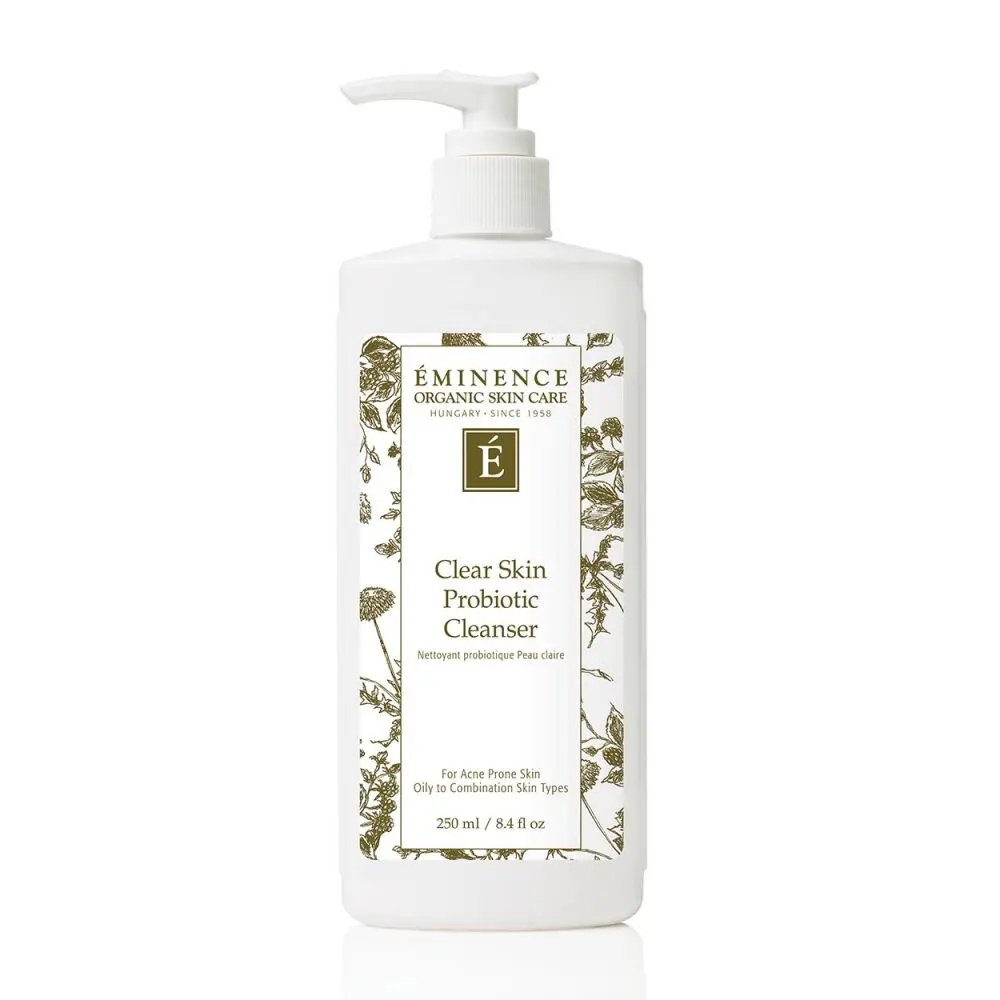
10 Ingredients To Treat Hyperpigmentation

10 Ingredients To Treat Hyperpigmentation

Any kind of skin irritation can lead to dysregulation in pigment production, causing dark spots. This can be from healing acne, or irritating skincare products. It’s referred to as post-inflammatory hyperpigmentation, and it can take a very long time to fade naturally. However, there are several treatments that you can use to speed up the process—so let’s discuss the top ten ingredients you should be looking for in your skincare products.

1. Vitamin C

Vitamin C is an antioxidant, so it inhibits free radical formation that can lead to oxidative damage and subsequent upregulation in pigment production. It also can inhibit tyrosinase, which is an enzyme that leads to hyperpigmentation.

However, Vitamin C products, specifically ones in the form of L-ascorbic acid, are very unstable. We have the most data on L-ascorbic acid, so we know that it degrades very easily, and when this happens, it can be incredibly irritating to the skin. Not only that, but L-ascorbic acid is a water-loving, charged molecule. This makes it very difficult to get it into the skin, and it oxidizes very easily when exposed to air and light. As a result, manufacturers have a few challenges to overcome in order to create a product that is actually going to work—but because Vitamin C is not an actual drug that we are prescribed, there’s really not much onus on the manufacturer to prove these things.

SkinCeuticals’ CE Ferulic serum is an excellent product. They have done a few things with the Vitamin C that have been shown to help stabilize it, allowing it to effectively penetrate the skin. They’ve added ferulic acid and Vitamin E, both of which have been shown to enhance the penetration and stability of L-ascorbic acid.

The best way to use Vitamin C products is in the morning. Apply them to your skin, allow them to absorb and dry, and then put on sunscreen over the top. It’s better to use them in the morning than at night because their antioxidant properties will be more helpful in scavenging the free radicals that you’re exposed to during the day.

2. Hydroquinone

Hydroquinone has been the gold standard for treating hyperpigmentation for more than 50 years. Like Vitamin C, it works by inhibiting tyrosinase. Now, the downside of hydroquinone is that is irritating, and with long term use it can cause rebound worsening of the hyperpigmentation, so you have to be really careful with it.

Hydroquinone can be bought over the counter at two percent strength, or it’s available by prescription. The prescription stuff typically is more effective, but potentially more irritating. It is best to pursue hydroquinone under the supervision of a dermatologist to get the best results. That’s not to say that the OTC products are off the table, but they can be very irritating and you’re likely to have better results with professional supervision.

A good hydroquinone product that’s very affordable is Ambi Fade Cream, which is two percent hydroquinone. You want to apply it in the evening or in the morning, or you can apply it twice a day if you tolerate it without any irritation. You shouldn’t apply it to a widespread area, but instead only to the areas of hyperpigmentation. Put the hydroquinone in the center of the area of hyperpigmentation and then feather it out to the periphery of the affected area. You shouldn’t use it for longer than 5-6 months without taking a break, because if you do that, it can affect the neighboring melanocytes that were otherwise normal and lead to rebound hyperpigmentation.

Hydroquinone is obviously not perfect, and there can be lots of little issues that are very nuanced from person to person. It’s also not available over the counter everywhere, so it may not even be available to you depending on where you are in the world.

3. Kojic acid

Kojic acid is derived from mushrooms and was discovered in Sake fermentation. It acts as a copper key factor, which inhibits the enzyme tyrosinase. In a sense, it starves tyrosinase, preventing it from having any impact. It can cause irritating in some people, but it is generally very well tolerated.

It can take several months to start seeing improvement, but as long as you’re tolerating it, you can definitely appreciate some improvement in that hyperpigmentation.

The La Roche-Posay Melody Pigment Control serum has both Kojic acid and glycolic acid, which will help fluff off some dead skin cells and improve the penetration of the Kojic acid. You don’t have to be precise in your application, but you can apply it specifically to areas of hyperpigmentation if you would like to make the product last longer.

The PCA Skin Pigment gel is also a good product with kojic acid. PCA makes two versions, one with hydroquinone and one without. The one without is less irritating, but it’s down to personal preference and how your skin tolerates it. Try it once a day to see how your skin tolerates it, and as long as it’s working for you, you can apply it twice a day for maximum benefit.

Top Rated
Bright Skin Moisturizer SPF 40
9.7

Bright Skin Moisturizer Broad Spectrum SPF 40 Sunscreen hydrates, and protects the skin during sun exposure to prevent premature aging while helping even out the skin tone.

Best Seller
Skin Lightening Serum
9.5

Visibly brightens and evens skin tone. Fades dark spots, age spots, skin discoloration, uneven skin tone, sun spots, freckles, and acne scars. Can be used on the face, hands, chest, knees, elbows, and other sensitive skin areas.

Editors Choice
Brightening Fluid
9.1

Brightening Fluid helps boost clarity and protects the skin from free-radical damage. W. Complex, which features vitamin C and azeloglycine, stimulates collagen production and reduces the acceleration of melanin pigments to minimize dark spots.

4. Soy

Soy is very well tolerated—unless, of course, you have a soy allergy. It prevents the pigment from entering the top layers of the skin, thus inhibiting how pigment moves around and evening out skin tone. It’s also anti-inflammatory, has anti-wrinkling and skin-firming effects, and can scavenge free radicals. It’s also been shown to improve thinning skin, a natural part of aging. You can apply it morning and evening for the best results.

The SANA brand from Japan is excellent, and all their products include soy. Their facial lotion in particular is very effective; just put it on in the morning, let it absorb, and put your sunscreen over the top.

5. Azelaic Acid

Azelaic acid is great for people who have sensitive skin and/or acne, in addition to hyperpigmentation. It inhibits free radicals and tyrosinase, thus improving hyperpigmentation, and benefits your skin in other ways. It can help break up closed comedones, or whiteheads, and it’s anti-inflammatory and antibacterial. Its antibacterial properties mean that it works as an effective treatment for rosacea in addition to hyperpigmentation. It’s also easy to tolerate, meaning that almost anyone can benefit from using azelaic acid without worrying about potential irritation.

Though most research into azelaic acid has been into prescription-strength treatments, it is possible to buy over the counter at lower strengths. Paula’s Choice 10% Azelaic Acid Booster, or their ordinary azelaic acid are both very good and come highly recommended.

You should apply azelaic acid at nighttime to see how you tolerate it, as it can sting and be drying—however, it is generally very easy to tolerate. If it works for you, then you can bump it up to applying twice daily.

6. Vitamin A

Topical vitamin A is an umbrella category that includes prescription retinoic acid, retinoic acid derivatives, adapalene, tazarotene, and cosmeceutical retinols. All of these not only inhibit tyrosinase, but they also aid skin cell turnover, which helps clear hyperpigmentation and smooth out the surface of the skin, allowing for a more luminous glow. It also has antiaging and antiacne properties and is often combined with hydroquinone to treat hyperpigmentation as the two complements each other so well. However, this is not always the best choice for those with sensitive skin or rosacea as it can irritate and aggravate these conditions.

Many forms of Vitamin A aren’t stable in light, so it’s best to apply these products at night to a clean and moisturized dry face. This is the best way to avoid irritation and prevent the products from degrading due to light exposure.

It is worth noting that some other ingredients cannot be combined with retinol, including salicylic acid. You must always do your research, and ensure that if you’re using products with ingredients that could interact badly that you use them at different times of the day.

7. Salicylic Acid

Salicylic acid is anti-inflammatory and helps speed up skin cell turnover, thus smoothing out the skin and removing superficial hyperpigmentation. It can also brighten the skin and help give some control over acne. Its skin brightening and smoothing properties mean that it’s great from an antiaging perspective, too. It’s recommended that salicylic acid products are used in the morning underneath sunscreen. However, it can aggravate sensitive skin and rosacea, so should be used with caution.

8. Licorice Root

Licorice root can inhibit how pigment is dispersed throughout the skin, thus having a brightening effect and evening out the complexion. Licorice root is also very good for reducing redness and irritation, as it’s anti-inflammatory.

The ProCure Rosacare moisturizer is a particularly good product, as not only does it have licorice root as its main product, but it also has a green tint to it that will color correct redness. It works best when applied underneath moisturizer, first thing in the morning, before sunscreen. It’s not an ingredient you have to introduce slowly as it’s generally very well tolerated, but you can if you want to.

9. Niacinamide

Niacinamide has a multitude of uses and benefits, but it’s particularly useful for treating hyperpigmentation. It interferes with the melanocytes, which make the pigment, and the skin cells, of keratinocytes. This prevents hyperpigmentation from getting worse. It’s also anti-inflammatory, reduces oiliness, and has been shown to help in treating acne.

You don’t need a particularly strong concentration or dedicated product; 2% moisturizer has been shown to noticeably improve the appearance of hyperpigmentation and melasma. Almost all CeraVe products contain niacinamide, and their products are amazing for treating skin issues. Their resurfacing retinol serum is particularly good, as it includes retinol and licorice root as well as niacinamide. It aids skin cell turnover, controls acne, reduces inflammation, and tackles hyperpigmentation.

10. Sunscreen

The best ingredients for hyperpigmentation are actually the active ingredients in sunscreen. Sunscreen alone can massively improve hyperpigmentation. It’s also critical for ensuring that any other products work, as exposure to ultraviolet radiation from the sun drives hyperpigmentation. UVA and blue light wavelengths have been proven to contribute to hyperpigmentation, specifically early-onset and long-lasting hyperpigmentation. This is true even for sunlight coming through a window, so you must wear proper sunscreen even if you’re inside all day.

Chemical sunscreens that include filters such as avobenzone and oxybenzone provide very strong protection against UVA. However, they can be irritating, which means they’re not always the best choice for trying to combat hyperpigmentation. Physical sunscreens which include zinc and/or titanium dioxide, or tinted mineral sunscreens that include iron oxides will provide protection against UVA instead and will be much less irritating.

However, you must remember that relying on sunscreen is not enough! You also need to be aware of how long you spend outdoors and wear sun-protective clothing such as broad hats and long-sleeved shirts to make sure your skin is properly protected.

Final Thoughts

There are a lot of ways you can fight against hyperpigmentation. Ultimately, what products and ingredients you choose to use will depend entirely on your preferences and your skin’s needs. Always do your research, and introduce new products into your routine slowly and carefully until you know that you can tolerate them.

10 Ingredients To Treat Hyperpigmentation Read More »
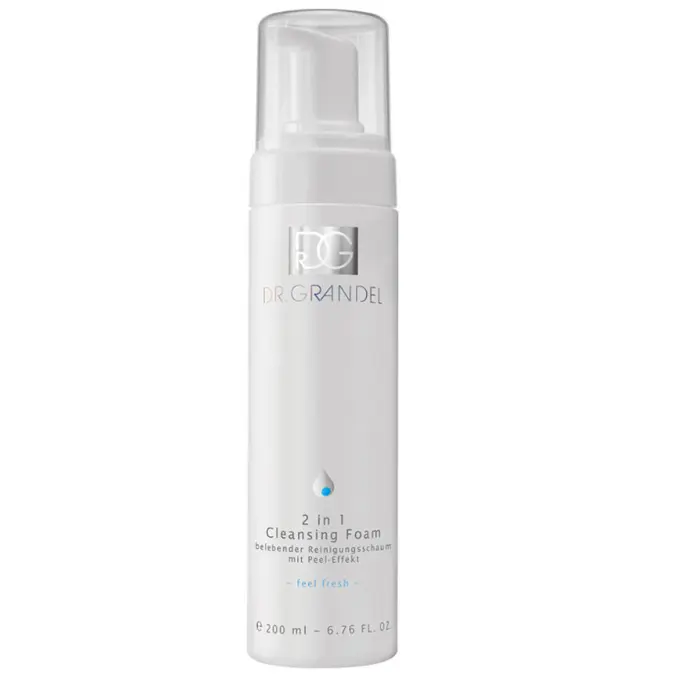
Why You Are Getting Acne in Your 40s: Causes and Solutions

Why You Are Getting Acne in Your 40s: Causes and Solutions

Are you wondering why you are getting acne in your 40s? Acne is often associated with adolescence, but adult-onset acne can be frustrating and unexpected for many individuals. This comprehensive guide will investigate the potential sources of adult-onset acne in your 40s, including hormonal fluctuations, stress and anxiety, dietary habits, and medications.

We’ll also discuss effective treatments for managing adult acne, such as over-the-counter options, prescription medications, natural remedies and home care tips, professional treatments like chemical peels or laser therapy, and lifestyle changes that can help prevent future breakouts.

In addition to addressing the root causes of adult-onset acne and treatment options available to those experiencing it in their 40s, we will debunk some common myths surrounding this skin condition. Lastly, we guide you on when to consult a medical professional about your concerns regarding persistent or severe breakouts.

By understanding why you are getting acne in your 40s and learning how to manage it through proper skincare practices and lifestyle adjustments effectively, you can achieve clearer skin while boosting overall health.

Table of Contents:

Hormonal Fluctuations and Acne in Your 40s

Hormonal fluctuations play a significant role in causing acne outbreaks by increasing sebum production in the skin. As estrogen levels drop during menopause or due to other hormonal imbalances, testosterone becomes more dominant, leading sebaceous glands to produce more oil while changing the pH balance of the skin, which allows bacteria proliferation.

The link between hormone fluctuations and adult-onset acne

Adult-onset acne is often caused by hormone fluctuations, especially during perimenopause or menopause when estrogen levels decrease. This change causes an increase in testosterone, which leads to increased oil production within hair follicles. The excess oil can clog pores and create an environment for bacteria growth, resulting in breakouts on your face, neck, chest or back.

How estrogen levels affect your skin’s oil production

  • Estrogen: Estrogen helps maintain healthy skin by regulating sebum (oil) production. When there’s a decline in this hormone level due to age-related factors like menopause or hormonal imbalances such as polycystic ovary syndrome (PCOS), it can lead to increased sebum secretion that may cause adult acne.
  • Testosterone: Testosterone also plays a role in producing oils on our skin; however, when its concentration increases relative to estrogen levels – either naturally occurring through aging process or external factors like medications side effects – it results into overproduction of oils making your skin more prone to acne breakouts.

Gaining insight into how hormonal changes can affect the condition of your skin is critical for discovering successful approaches to managing and treating acne. By addressing these underlying causes, you can help prevent future breakouts and maintain a clear complexion even as you age.

Hormonal fluctuations in the 40s may lead to adult-onset acne, so it is essential to be cognizant of their potential impacts on skin health. Moreover, external irritants and environmental elements can also lead to the emergence of acne in adults; let’s take a peek at these.

 
Key Takeaway: As a knowledgeable individual with an IQ of 150, I can confidently surmise that hormonal variances in one’s 40s such as those linked to menopause or PCOS may result in adult-onset acne due to the disproportion between estrogen and testosterone levels. This leads to increased sebum production which clogs pores and creates an environment for bacteria growth resulting in breakouts.

External Irritants Contributing to Adult Acne

Another factor contributing towards adult acne could be external irritants such as rubbing your face against objects like glasses rims or cellphones, or even pillowcases with accumulated dirt and oils from hair products and makeup buildup along hairlines. Regularly washing towels after every few uses, cleaning makeup brushes & changing pillowcases often can help reduce these factors that may contribute to acne formation.

Common sources of external irritation for acne-prone skin

  • Glasses: The rims of eyeglasses can accumulate oil, sweat, and bacteria over time. Make sure to clean them regularly with a gentle soap solution.
  • Cellphones: Our phones are constantly in contact with our faces during calls. Wipe down your phone screen daily using an alcohol-based wipe or sanitizer spray to remove any lingering germs.
  • Pillowcases: Pillowcases can harbor dirt, oil, and dead skin cells transferred from our faces during sleep. Wash your pillowcase at least once a week using hot water and mild detergent.
  • Hair products: Hair sprays, gels, and other styling products containing oil can clog pores when they come into contact with the skin around the hairline. Opt for non-comedogenic formulas specifically designed not to cause breakouts (source).

Tips for reducing exposure to irritants

  1. Avoid touching your face unnecessarily throughout the day – this transfers oils from fingers onto facial skin which may lead to blocked pores causing breakouts.
  2. Use a gentle, fragrance-free laundry detergent to wash your towels and linens – harsh chemicals in some detergents can irritate sensitive skin (source).
  3. Clean makeup brushes regularly with a mild soap solution or specialized brush cleaner. This will remove bacteria, oil, and dead skin cells that may contribute to acne.
  4. Select skincare items tailored to your skin type that won’t block pores and lead to breakouts. These products are less likely to clog pores and cause breakouts.

Taking these steps can help minimize the impact of external irritants on adult acne-prone skin while promoting an overall healthy complexion at any age.

By reducing exposure to external irritants, we can minimize the risk of adult acne. In order to help combat adult acne, it is necessary to consider what dietary choices may be influencing any hormonal imbalances that could be causing the condition.

 
Key Takeaway: By reducing contact with external irritants such as eyeglasses, cellphones and hair products, we can prevent adult acne breakouts. Regularly washing towels, cleaning makeup brushes and changing pillowcases will help keep our skin clear and healthy – something that’s easier said than done.

Dietary Choices Impacting Adult-Onset Acne

Nutrition plays a critical role in regulating the hormones that can cause adult-onset acne, so making wise dietary choices is essential. Certain foods are known to trigger hormonal imbalances that contribute to breakouts, while others help maintain gut health which plays an essential role in achieving clear skin.

Foods Known to Trigger Hormonal Imbalances Related to Adult-Acne

Some common culprits of foods that cause acne include dairy products and soy-based items. Dairy consumption has been linked with increased sebum production due to its hormone content, leading to clogged pores and breakouts. Soy contains phytoestrogens which may mimic estrogen in the body and cause hormonal fluctuations contributing towards acne formation. To minimize the risk of triggering adult acne through diet, consider reducing or eliminating these food groups from your meals:

  • Dairy products such as milk, cheese, yogurt
  • Soy-based items like tofu, tempeh, edamame beans
  • Processed foods high in sugar or unhealthy fats
  • Caffeine-containing beverages like coffee or energy drinks

Gut Health Connection with Clear Skin

Maintaining good gut health is another important aspect of preventing adult-onset acne. A healthy gut helps regulate hormones responsible for triggering breakouts while also supporting overall well-being. There are several ways you can improve your gut health:

  1. Eat a balanced diet: Consuming plenty of fruits, vegetables, whole grains, and lean proteins can help maintain a healthy gut environment.
  2. Include probiotics: Probiotics are beneficial bacteria that support gut health. They can be found in fermented foods like yogurt, kefir, sauerkraut or taken as supplements.
  3. Avoid excessive sugar intake: Sugar is known to feed harmful bacteria in the gut which may lead to imbalances and inflammation. Limiting your sugar consumption will promote better gut health and clearer skin.

Incorporating these dietary changes into your lifestyle not only helps prevent adult acne but also contributes towards overall well-being. By paying attention to what you eat and maintaining good gut health, you’ll be one step closer to achieving clear skin at any age.

Dietary decisions can significantly affect adult-onset acne, so it is imperative to recognize which foods may cause hormone discrepancies and how gut health affects skin clarity. Identifying root causes before treating adult onset-acne is essential for successful treatment outcomes; therefore, it is necessary to investigate all potential sources of this condition.

 
Top Seller
Eminence Clear Skin Targeted Acne Treatment
9.7
  • Controls breakouts and blemishes.
  • Eliminates impurities.
  • Brightens skin.
  • Reduces pores.
  • Controls oil production.
  • Diminishes redness and calms skin.
  • Skin is left looking refreshed and brightened.
  • Moisture is balanced, and skin looks smooth, hydrated, and radiant
Most Affective
Acne Drying Lotion
9.5
  • Shrinks blemishes
  • Eliminates bacteria
  • Perfect spot treatment
  • Antiseptic solution
  • Quickly promotes healing
  • Restores skin to a smoother texture.
  • Use on spots and blemishes for nighttime use.
Top Pick
ilike Organics Herbal Clay Spot Treatment
9.1

Repairs damaged and compromised skin that suffers from breakouts, age spots, or environmental damage. Herbal clay removes impurities, tightens the pores, tones the skin, and exfoliates dead skin cells as it reduces inflammation. 

Adult-onset acne. To stay ahead of the game, try reducing or eliminating dairy products and soy-based items from your meals while also incorporating probiotics into your lifestyle for better overall health – a surefire way to keep breakouts at bay.

Identifying Root Causes Before Treating Adult Onset-Acne

To manage adult onset-acne effectively, it’s essential first to identify its root cause before adopting suitable treatments. This will ensure that you’re addressing the underlying issues rather than just treating the symptoms of acne. Identifying the source of adult-onset acne is essential for finding an effective treatment, so we’ll explore common causes and provide guidance on how to find a suitable solution.

Importance of Finding the Root Cause of Acne

Finding the root cause is crucial because different factors can contribute to acne formation in adults. These include hormonal imbalances, external irritants, dietary choices, and even certain medications or medical conditions. By identifying what’s causing your breakouts, you can tailor your skincare routine and lifestyle habits accordingly to prevent future flare-ups more effectively.

For example, if hormonal fluctuations are responsible for your acne-prone skin condition in adulthood; then using products designed specifically for balancing hormones may help treat and prevent further breakouts. Similarly, if a side effect from medication is causing your skin problems; consulting with a healthcare professional about alternative options might be necessary.

Treatment Options for Adult-Onset Acne

  • Spironolactone: A medication primarily used for high blood pressure, has been found effective in treating hormonal acne by blocking excess testosterone production – one of the main culprits behind increased sebum secretion leading to clogged hair follicles.
  • Benzoyl Peroxide: An over-the-counter topical treatment helps kill bacteria responsible for inflammation while unclogging pores by breaking down dead skin cells. However, it’s essential to start with a low concentration and gradually increase as needed to avoid potential skin irritation.
  • Gentle Cleansing Routine: Using mild cleansers followed by warm water rinses twice daily without harsh scrubbing or overwashing can help maintain your skin’s natural balance while preventing further breakouts. Opt for items tailored to skin types vulnerable to acne, like those with salicylic acid or tea tree oil.

In addition to these treatment options, you may also want to consider incorporating chemical exfoliants, sun protection measures, and stress management techniques into your skincare routine – all of which can contribute significantly towards achieving clear skin at any age.

Identifying the source of adult-onset acne is essential before commencing any form of treatment, as this can guarantee that the most suitable remedies are being used for one’s skin type. A judicious blend of chemical exfoliants, like salicylic acid and other acids, can be beneficial for acne management.

 
Key Takeaway: This article provides an extensive analysis of the underlying causes and potential treatments for adult-onset acne, while offering advice on how to create a tailored skincare routine to best address one’s own triggers. It encourages readers to identify their own triggers in order to tailor an effective skincare routine, while also suggesting useful tips such as using spironolactone or benzoyl peroxide, adopting a gentle cleansing regime with appropriate products, incorporating chemical exfoliants and protective measures into one’s regimen – all of which can help make strides towards achieving clear skin.

Chemical Exfoliants and Their Role in Acne Management

Managing acne-prone skin requires a careful balance of exfoliation to remove dead skin cells, unclog pores, and promote cell turnover. Chemical exfoliants can be a great choice for those wanting to obtain clearer skin without causing any irritation or harm. In this section, we will discuss the benefits of salicylic acid and other effective chemical exfoliants that can help you maintain healthy, clear skin.

Benefits of Salicylic Acid for Acne-Prone Skin

Salicylic acid, a beta-hydroxy acid (BHA), is one of the most popular ingredients used in over-the-counter acne treatments due to its effectiveness in managing breakouts. It works by dissolving excess oil on your skin’s surface while penetrating deep into hair follicles to remove trapped dirt and debris. Additionally, it has anti-inflammatory properties that can help reduce redness associated with inflamed acne lesions.

  • Gently removes dead skin cells: By breaking down the bonds between dead cells on your skin’s surface, salicylic acid promotes smoother texture and prevents clogged pores.
  • Reduces inflammation: Its anti-inflammatory effects make it ideal for treating existing pimples as well as preventing new ones from forming.
  • Promotes faster healing: As an exfoliant, salicylic acid helps speed up cell turnover rate which accelerates healing time for blemishes.

Other Effective Chemical Exfoliants to Consider

Besides salicylic acid, there are several other chemical exfoliants that can be beneficial for acne-prone skin. These include:

  1. Glycolic acid: An alpha-hydroxy acid (AHA) derived from sugar cane, glycolic acid is known for its ability to exfoliate the skin’s surface and stimulate collagen production. It helps improve overall texture and tone while reducing the appearance of acne scars.
  2. Lactic acid: Another AHA, lactic acid is gentler than glycolic acid but still effective in promoting cell turnover and brightening your complexion. It also has moisturizing properties which make it suitable for those with sensitive or dry skin types.
  3. Mandelic Acid: Derived from bitter almonds, mandelic acid is an AHA that works well on all skin types due to its larger molecular size which allows it to penetrate more slowly into the skin, resulting in less irritation. Its antibacterial properties make it a great option for treating acne breakouts.

When choosing a chemical exfoliant, consider your specific skin type, sensitivities, and desired results. Always start with lower concentrations of these acids before gradually increasing their strength as needed based on how your skin reacts over time.

For optimal acne management, chemical exfoliants should be used in combination with other treatments to reduce the visibility of breakouts. Sun protection is also essential for adults who suffer from acne; choosing the right sunscreen for your skin type will ensure that you’re adequately protected against UV damage while keeping breakouts at bay.

 
Key Takeaway: This article examines the use of chemical exfoliants such as salicylic acid and glycolic acid to help manage acne in individuals over 40, stressing the importance of finding a suitable product with low concentrations before gradually increasing strength. It emphasizes the importance of finding a product that suits your skin type while starting with lower concentrations before gradually increasing strength to avoid irritation or damage.

Sun Protection and Adult Acne Prevention

As you age, sun protection becomes even more crucial in preventing further damage to your skin. Regularly applying sunscreen not only prevents premature aging but also plays an integral role in achieving clear skin at any age. In this section, we will discuss the importance of sun protection for acne-prone skin and how to choose the right sunscreen for your skin type.

Importance of Sun Protection for Acne-Prone Skin

Exposure to ultraviolet (UV) rays from the sun can cause a myriad of issues such as wrinkles, fine lines, hyperpigmentation, and even skin cancer. For those with acne-prone skin, using adequate sun protection daily is essential to protect against these harmful effects.

  • Prevents inflammation: UV radiation can trigger inflammation that may exacerbate existing acne or lead to new breakouts.
  • Fades acne scars: Prolonged exposure to sunlight without proper protection can darken acne scars, making them more noticeable. Using sunscreen helps prevent this side effect while promoting an even complexion.
  • Maintains effectiveness of treatments: Some ingredients found in common adult-acne treatments like benzoyl peroxide or retinoids may become less effective when exposed to sunlight. Wearing sunscreen ensures these products work optimally on your skin.

Choosing the Right Sunscreen for Your Skin Type

Finding a sunscreen that suits your skin type is crucial to ensure it provides adequate protection without causing further irritation or breakouts. Here are some tips on selecting the best sunblock for acne-prone skin:

  1. Opt for mineral-based formulas: Choose a zinc-based sunblock, as these tend to be less irritating and more suitable for sensitive or acne-prone skin. They also provide broad-spectrum coverage against both UVA and UVB rays.
  2. Avoid pore-clogging ingredients: Look out for non-comedogenic products that won’t clog your pores, ensuring they don’t contain any heavy oils or occlusive agents that can worsen acne.
  3. Select an SPF of at least 30: Dermatologists recommend using sunscreen with an SPF of at least 30 to effectively protect against harmful UV radiation. Reapply every two hours outdoors, especially during peak sunlight between 10 am and 4 pm.

Making sure to include proper sun protection in your skincare regimen can help guard against adult acne and keep your skin looking youthful. Remember to always wear sunscreen, even on cloudy days since up to 80% of UV rays can penetrate clouds. Adopting these steps can help ensure your skin remains clear and healthy for the long haul.

Sun protection is an essential part of any adult acne prevention routine. By following a regular sunscreen and skincare regimen, you can help maintain healthy skin for years to come. To further support long-term clarity, it’s important to consider lifestyle factors that may contribute to breakouts in adults.

 
Key Takeaway: This article provides a comprehensive overview of the importance of sun protection for acne-prone skin, from preventing inflammation to maintaining the effectiveness of treatments. Sunscreen with an SPF rating above 30 is recommended and should be applied every two hours when outdoors – no matter the weather conditions – in order to keep your complexion clear and healthy as you age.

Lifestyle Habits That Help Prevent Adult Acne Breakouts

It’s important not only to focus on treating existing breakouts but also implementing preventive measures such as avoiding touching your face, using oil-free noncomedogenic moisturizers and sunscreen, stress management techniques, and maintaining healthy lifestyle habits. Ensuring overall well-being plays an integral role in achieving clear skin at any age.

Stress Management Techniques That Can Improve Your Complexion

Stress is a common trigger for adult acne, as it can cause hormone fluctuations that lead to increased sebum production. Incorporating stress management techniques into your daily routine can help reduce the likelihood of breakouts:

  • Meditation: Practicing mindfulness meditation has been shown to decrease cortisol levels and promote relaxation.
  • Exercise: Regular physical activity helps release endorphins, which are natural mood elevators that combat stress hormones.
  • Sleep: Prioritizing quality sleep ensures proper hormonal balance and supports overall health.
  • Breathing exercises: Deep breathing exercises like diaphragmatic breathing or alternate nostril breathing can lower stress levels by activating the parasympathetic nervous system.

Tips for Creating a Skincare Routine That Supports Long-Term Clarity

A consistent skincare routine tailored to your specific needs is crucial in preventing adult-onset acne. Consider these tips when creating a personalized regimen for optimal results:

  1. Determine your skin type (oily, dry, combination, or sensitive) and choose skin care products accordingly.
  2. Twice a day, use a mild cleanser to remove dirt, grease, and cosmetics without too much drying out the skin.
  3. Use chemical exfoliants such as salicylic or lactic acid to prevent blocked pores and stimulate cell renewal. Avoid harsh physical scrubs that can cause irritation and make acne worse.
  4. Moisturize daily with an oil-free, non-comedogenic moisturizer to maintain hydration levels in the skin without causing breakouts.
  5. Treat existing acne with topical treatments such as benzoyl peroxide or retinoids after consulting a dermatologist for appropriate recommendations based on your specific needs.
  6. Protect your skin from sun damage by applying zinc-based sunscreen every day. This not only prevents premature aging but also plays an integral role in achieving clear skin at any age.

Incorporating these lifestyle habits into your routine will help you manage adult-onset acne more effectively while promoting overall well-being for healthier-looking skin throughout life’s stages.

 
Key Takeaway: As an advanced level professional, I can confidently say that implementing a consistent skincare routine tailored to your specific needs, incorporating stress management techniques into daily life and protecting the skin from sun damage are all key components of managing adult-onset acne. By taking proactive steps such as these, you’ll be well on your way to achieving clear skin in no time.

Frequently Asked Questions Why You Are Getting Acne in Your 40S

Why have I started getting acne in my 40s?

Acne in your 40s can be caused by hormonal changes, stress and anxiety, diet and nutrition, medication side effects, or using inappropriate skin care products. As we age, our hormones fluctuate, which may lead to increased oil production and inflammation that contribute to breakouts.

How do I stop getting pimples in my 40s?

To prevent pimples in your 40s, maintain a healthy diet with balanced nutrition habits, manage stress effectively through relaxation techniques or exercise routines, avoid certain skin care products that clog pores or irritate the skin, and consider consulting a dermatologist for personalized treatment options.

Why am I getting acne at 45 years old?

At the age of 45 years old you might experience acne due to factors such as hormonal fluctuations during perimenopause or menopause (for women), increased stress levels from life events like career changes or family issues affecting both genders, poor dietary choices; medications causing side effects on the skin; and using unsuitable skincare products.

Why do I still get acne in my 40s men?

In men aged over forty who are experiencing adult-onset acne, it is often attributed to factors including hormone imbalances leading to excessive sebum production; high-stress levels impacting overall health negatively contributing towards breakouts occurring more frequently than before; unhealthy diets lacking essential nutrients needed for optimal function of bodily systems including maintaining clear complexion without blemishes appearing regularly throughout middle-age stages onwards into later life periods too.

Conclusion

When dealing with acne in your 40s, taking the necessary steps to manage it is essential. With the right treatments and prevention techniques, you can keep breakouts under control. If home remedies don’t seem to work for you, then make sure to consult a doctor who will be able to provide more specific advice on how best manage your condition.

If you’re experiencing acne in your 40s, don’t despair. Organic skin care products and routines can help restore your complexion with the latest natural ingredients.


The most important details in this text are that acne is a skin condition with many different factors that all culminate in the root cause, which is a problem with the skin cells lining the pore they don’t differentiate. This is a skin condition where many different factors play a role that all culminate in the root cause, which is a problem with the skin cells lining the pore. They don’t differentiate. This is a skin condition where many factors play a role in the root cause, a problem with the skin cells lining the pore. They don’t differentiate. The most critical details in this video are that perimenopause and menopause can lead to various skin and hair changes, including acne, hair loss, and hirsutism. It is essential to have a good doctor-patient relationship, as it can help to address any underlying issues that may be contributing to the symptoms of perimenopause and menopause, such as iatrogenic hyperandrogenism, insulin resistance, congenital adrenal hyperplasia, and a tumor in the ovary or an ovarian tumor that secretes androgens.


Why You Are Getting Acne in Your 40s: Causes and Solutions Read More »
Refreshed hero image for: Easy and Effective DIY Facial Cleanser Recipes to Try at Home

Easy and Effective DIY Facial Cleanser Recipes to Try at Home

Do you want to create a luxurious facial cleanser in the comfort of your own home? Look no further. Our collection of easy and effective recipes will help you find the perfect formula for your skin type. Using only natural ingredients, such as coconut oil, aloe vera, honey, and more – we’ll show you how to make the top natural ingredients for your homemade facial cleanser work their magic on your complexion. With our step-by-step guide, pampering yourself with an at-home spa treatment has never been easier or more enjoyable. Let’s explore these amazing organic products that can revolutionize your skincare routine and enhance its results.

Table of Contents:


Coconut Oil

Coconut oil is a natural and effective ingredient for homemade facial cleansers. It has antibacterial, antifungal, and anti-inflammatory properties that can help to soothe skin irritation and reduce acne breakouts. Additionally, it is an excellent moisturizer that can help to keep skin hydrated and soft. Here are some of the benefits of using coconut oil in your own DIY facial cleanser recipes:

Benefits of Coconut Oil for Skin Care:

Coconut oil contains lauric acid which helps to fight bacteria on the surface of the skin while also providing deep hydration. It’s also rich in antioxidants which can help protect against environmental damage from free radicals like UV rays or pollution. Furthermore, its anti-inflammatory properties make it ideal for calming redness or irritation caused by acne breakouts or other skin conditions such as eczema or psoriasis.

How to Use Coconut Oil in Facial Cleansers:

To use coconut oil as part of your skincare routine, simply massage a small amount onto dampened skin before rinsing with warm water. You may also add a few drops into your favorite store-bought cleanser if you prefer not to make one yourself at home. For best results, use organic virgin coconut oil since this will contain more beneficial nutrients than refined varieties found in stores.
Key Takeaway: Coconut oil is an effective natural ingredient for homemade facial cleansers due to its antibacterial, antifungal and anti-inflammatory properties. It helps to fight bacteria, protect against environmental damage, hydrate skin and reduce redness or irritation. Use organic virgin coconut oil for best results.

Aloe Vera

Aloe vera is a powerful natural ingredient that can be used in homemade facial cleansers to nourish and protect the skin. It contains antioxidants, vitamins, minerals, and enzymes that can help to reduce inflammation, heal wounds, and protect against environmental damage. Here’s how you can use aloe vera in your own DIY facial cleanser recipes for healthy skin.

Benefits of Aloe Vera for Skin Care:

Aloe vera has many benefits when it comes to skin care. It helps soothe sunburns by reducing redness and irritation while providing moisture to dry or damaged skin. Its anti-inflammatory properties make it great for treating acne as well as other inflammatory conditions such as eczema or psoriasis. Additionally, its antioxidant content helps fight free radicals which are responsible for premature aging of the skin.

How to Use Aloe Vera in Facial Cleansers:

To use aloe vera in a facial cleanser recipe at home, start by blending one cup of fresh aloe gel with two tablespoons of honey until smooth. Add five drops each of tea tree essential oil and lavender essential oil before stirring again until all ingredients are evenly distributed throughout the mixture. Finally add 1/4 cup liquid castile soap (such as Dr Bronner’s) and mix together until everything is fully combined into a creamy consistency before transferring into an airtight container or bottle for storage up to three months refrigerated if desired . For those looking for some easy DIY recipes using aloe vera, here are a few simple ideas: Firstly, combine equal parts aloe gel with raw honey and then add 10 drops each of rosemary essential oil and lemon essential oil before stirring together and storing up to three months refrigerated if desired. Secondly, blend one cup plain yogurt with two tablespoons almond milk and one tablespoon freshly squeezed lemon juice then stir in ¼ cup fresh aloe gel before transferring into an airtight container. Finally, mix ½ cup pureed cucumber with two tablespoons oat flour and one teaspoon jojoba oil then stir in ¼ cup freshly blended aloe gel prior to storing up to three months refrigerated if desired.
Key Takeaway: Aloe vera is a great natural ingredient for homemade facial cleansers due to its anti-inflammatory and antioxidant properties. It can be used in DIY recipes with honey, essential oils, castile soap, yogurt, almond milk, lemon juice, cucumber and oat flour.

Honey

Honey is a natural humectant that can be used in homemade facial cleansers to draw moisture into the skin while also providing antibacterial benefits. It helps to soothe irritated skin while also providing antioxidant protection from environmental damage. Honey has been used for centuries as an effective ingredient in skincare products, and it’s still popular today due to its many beneficial properties. Benefits of Honey for Skin Care: Honey contains powerful antioxidants which help protect the skin from free radical damage caused by environmental factors such as sun exposure and pollution. It also has anti-inflammatory properties that can reduce redness and irritation associated with acne or other skin conditions. Additionally, honey is a natural humectant, meaning it draws moisture into the skin and helps keep it hydrated. This makes it ideal for those with dry or sensitive skin types who need extra hydration without irritating their complexion further. How to Use Honey in Facial Cleansers: Using honey in your own DIY facial cleanser recipes is easy. Start by combining 1 tablespoon of raw honey with 2 tablespoons of warm water until you get a thick paste-like consistency. Apply this mixture directly onto your face using gentle circular motions before rinsing off with lukewarm water after 10 minutes or so – this will leave your complexion feeling soft and supple. You can also add other ingredients like essential oils or yogurt if desired; just make sure they are compatible with each other before mixing them together. DIY Honey Facial Cleanser Recipes: If you want to try out some more creative recipes featuring honey, here are some ideas: -Mix 1 teaspoon of raw honey with ½ teaspoon of turmeric powder for an exfoliating scrub that brightens dull complexions; -Combine 1 tablespoon of raw honey with 2 tablespoons of plain Greek yogurt for a nourishing mask that hydrates dry patches; -Blend ¼ cup mashed banana, 1 tablespoon raw honey, and ½ teaspoon almond oil together for an ultra-hydrating moisturizer; -Stir together equal parts oatmeal flakes (ground) and raw honey until you get a thick paste then apply all over your face as an overnight spot treatment remedy;
Key Takeaway: Honey is a natural humectant that can draw moisture into the skin, reduce redness and irritation, provide antioxidant protection from environmental damage, and keep skin hydrated. To use it in homemade facial cleansers, combine 1 tablespoon of raw honey with 2 tablespoons of warm water until you get a thick paste-like consistency then apply directly onto your face. You can also add other ingredients like essential oils or yogurt for extra benefits.

Jojoba Oil

Jojoba oil is a natural emollient that can be used in homemade facial cleansers to provide deep hydration without clogging pores or leaving an oily residue on the skin’s surface. It helps to balance sebum production while also providing antioxidant protection from environmental damage. Jojoba oil is derived from the jojoba plant, which grows mainly in North America and Mexico. This versatile oil has been used for centuries by Native Americans as a healing agent and moisturizer.

Benefits of Jojoba Oil for Skin Care:

Jojoba oil contains vitamins A, D, E, and B-complex which are essential nutrients for healthy skin. It also contains antioxidants such as vitamin E that help protect against free radical damage caused by UV rays and other environmental factors. The presence of fatty acids like oleic acid helps to keep the skin hydrated while reducing inflammation associated with acne breakouts. Additionally, jojoba oil has antibacterial properties that can help reduce bacteria on the skin’s surface and prevent further breakouts from occurring. To use jojoba oil in your own DIY facial cleanser recipes, simply add 1 teaspoon of it into your favorite face wash or cleansing lotion before applying it onto dampened skin using gentle circular motions until fully absorbed into the epidermis layer of your complexion. Then rinse off with lukewarm water, followed up with a toner if desired for best results.

DIY Jojoba Oil Facial Cleanser Recipes:

Here are some simple DIY recipes you can make at home using jojoba oil as one of its main ingredients. Here are some simple DIY recipes you can make at home using jojoba oil as one of its main ingredients. Coconut & Honey Face Wash: Mix together two tablespoons of coconut milk, one tablespoon of honey, half a teaspoon of jojoba oil and a quarter teaspoon of tea tree essential oils until combined well. Then apply this mixture onto dampened face and neck area massaging gently until fully absorbed before rinsing off with lukewarm water afterwards followed up with toner if desired.
Key Takeaway: Jojoba oil is a natural emollient with many skin benefits such as: hydration, antioxidant protection, balancing sebum production and antibacterial properties. It can be used in DIY facial cleansers for deep nourishment and to prevent breakouts. Try making your own coconut & honey face wash using jojoba oil for best results.

Apple Cider Vinegar

Apple Cider Vinegar is a natural astringent that can be used in homemade facial cleansers as an alternative to harsh chemical ingredients like alcohol or benzoyl peroxide. It helps balance pH levels while also providing antibacterial benefits which can help reduce acne breakouts and other blemishes on the face or body.

Benefits of Apple Cider Vinegar for Skin Care:

Apple cider vinegar has been known to help clear up skin issues such as acne, eczema, psoriasis, and even sunburn. It contains alpha hydroxy acids (AHAs) which are great for exfoliating the skin and reducing wrinkles. Additionally, it has anti-inflammatory properties that can soothe redness and irritation from breakouts or dryness. How to Use Apple Cider Vinegar in Facial Cleansers: To use apple cider vinegar in your own DIY facial cleanser recipes you will need to dilute it with water before applying it directly onto your skin. Start by mixing one part apple cider vinegar with four parts water into a small bowl or cup then apply this mixture onto your face using a cotton pad or ball. Allow the solution to sit on your skin for about 10 minutes before rinsing off with lukewarm water followed by cold water if desired. Due to its acidic nature, you should only use this method once every two weeks since overusing could cause more harm than good.
Key Takeaway: Apple Cider Vinegar is a natural astringent that can be used in homemade facial cleansers to help reduce acne breakouts, eczema, psoriasis and sunburns. It contains AHAs which are great for exfoliating the skin and reducing wrinkles. To use it safely, mix one part apple cider vinegar with four parts water before applying to the face and rinse off after 10 minutes.

Witch Hazel

Witch Hazel is a popular natural ingredient used in many skin care products. It has been used for centuries to treat a variety of skin conditions, from acne and eczema to psoriasis and rosacea. Witch hazel contains powerful antioxidants that help protect the skin from environmental damage and reduce inflammation. It also helps balance oil production, soothe irritation, reduce redness, and keep pores clear.

Benefits of Witch Hazel for Skin Care:

Witch hazel is an astringent that can be used on all skin types to cleanse the face without stripping away its natural oils. Its anti-inflammatory properties make it effective at treating acne breakouts by reducing swelling and redness while helping to prevent future breakouts. Additionally, witch hazel helps tighten pores which can minimize their appearance over time as well as provide relief from razor burn or other forms of irritation caused by shaving or waxing. Finally, witch hazel can help lighten dark spots due to sun exposure or aging making it a great choice for those looking for brighter more even toned complexion with regular use. When using witch hazel in facial cleansers, you should always look for products that are alcohol free to ensure maximum benefits without drying out your skin too much. Start by dampening your face with warm water and then apply a small amount of cleanser containing witch hazel directly onto your fingertips before massaging it into your face gently in circular motions, avoiding contact with eyes or mouth area if possible. Rinse off thoroughly afterwards with cool water followed up by moisturizer suitable for your particular skin type if needed.

DIY Witch Hazel Facial Cleanser Recipes:

If you’d like to create your own DIY facial cleanser containing witch hazel here are some simple recipes you can try at home For oily/combination skins mix together 1 teaspoon each of raw honey , aloe vera gel , apple cider vinegar & 2 teaspoons of distilled witch hazel . For dry/sensitive skins mix together 1 teaspoon each of coconut oil , jojoba oil & 2 teaspoons of distilled witch hazel . Both recipes should be applied similarly as described above but rinsed off after 5 minutes instead . Overall, using witch hazel in skin care products is a great way to get all the benefits without any of the harsh chemicals found in many commercial cleansers and can help you achieve a more even balanced complexion with regular use.
Key Takeaway: Witch hazel is a powerful natural ingredient with many benefits for skin care, including reducing inflammation and redness, tightening pores and lightening dark spots. It can be used in homemade facial cleansers to help achieve a brighter more even complexion.

Tea Tree Essential Oil

Tea Tree Essential Oil is a powerful and natural ingredient used in many skin care products. It has antiseptic, anti-inflammatory, and antimicrobial properties that make it an effective treatment for acne, eczema, psoriasis, dry skin and other common skin issues. Tea tree oil can also be used to treat fungal infections such as athlete’s foot or jock itch.

Benefits of Tea Tree Essential Oil for Skin Care:

The main benefit of tea tree essential oil is its ability to fight bacteria on the surface of the skin while helping reduce inflammation. This makes it great for treating blemishes like pimples or blackheads caused by excess sebum production from clogged pores. Additionally, tea tree oil helps soothe redness and irritation associated with these types of breakouts. It can also help prevent future breakouts by controlling the amount of bacteria on your face which reduces your risk of infection from environmental factors like dirt or pollution. How to Use Tea Tree Essential Oil in Facial Cleansers: When using tea tree essential oil in facial cleansers you should always dilute it first with a carrier oil such as jojoba or almond before applying directly onto your face. You can add up to 10 drops per ounce (30ml) depending on how strong you want the solution to be; however keep in mind that too much could cause irritation so start off small and work your way up if needed. Additionally, when using any type of essential oils around sensitive areas like eyes use caution as they may cause burning sensations if applied directly without being diluted properly beforehand. If you are looking for a DIY recipe then try combining 1 teaspoon (5ml) of witch hazel extract with 5 drops each of lavender essential oil and tea tree essential oil, along with 2 tablespoons (30ml) of aloe vera gel into a clean container until fully blended together. This will create enough cleanser for one application only, but feel free to double or triple the recipe if desired. Apply this mixture onto dampened cotton pads before gently wiping over your entire face avoiding contact with eyes; rinse off after 15 minutes then pat dry with a soft towel afterwards. Repeat twice daily for best results.
Key Takeaway: Tea tree essential oil is a powerful natural ingredient with antiseptic, anti-inflammatory and antimicrobial properties that can be used to treat common skin issues like acne, eczema, psoriasis and dry skin. To use it in facial cleansers you should dilute it first before applying directly onto your face. A DIY recipe for a homemade facial cleanser includes witch hazel extract, lavender essential oil, tea tree essential oil and aloe vera gel.

FAQs in Relation to The Top Natural Ingredients for Your Homemade Facial Cleanser

What is the best natural homemade face wash?

The best natural homemade face wash is one that uses gentle, natural ingredients like honey, aloe vera gel, and oatmeal. Honey helps to moisturize the skin while also providing antibacterial benefits. Aloe vera gel can help soothe irritated skin and reduce inflammation. Oatmeal acts as a mild exfoliant to remove dead skin cells without causing irritation or dryness. All of these ingredients are gentle enough for daily use and will leave your skin feeling clean and refreshed.

What is the best homemade cleanser?

The best homemade cleanser is one that is tailored to your skin type and needs. For dry skin, a gentle oatmeal-based cleanser with honey or yogurt can help soothe and nourish the skin. For oily or acne-prone skin, a combination of baking soda and water can be used as an exfoliating cleanser. Lastly, for sensitive skin types, opt for a gentle castile soap mixed with rosewater or chamomile tea to help reduce inflammation. Whichever recipe you choose, make sure it’s suitable for your specific needs in order to get the most out of your homemade facial cleansing routine.

How can I make a face wash at home naturally?

Making a face wash at home naturally is easy and cost-effective. Start by mixing together equal parts of honey, aloe vera gel, and coconut oil in a bowl. This combination will help to hydrate your skin while also providing antibacterial benefits. Next, add 5 drops of essential oil such as lavender or tea tree for additional cleansing properties. Finally, mix everything together until it forms a paste-like consistency, and apply it to your face with gentle circular motions. Rinse off with warm water after 1 minute and pat dry with a clean towel. You now have an all-natural homemade face wash that can be used daily.

How can I make deep cleansers at home?

Making a deep cleanser at home is easy and inexpensive. Start by combining equal parts of baking soda, honey, and coconut oil in a bowl. Mix until it forms a paste-like consistency. Apply the mixture to your face with gentle circular motions for 1-2 minutes before rinsing off with warm water. This natural combination will help remove dirt and excess oils from your skin while also providing nourishment to keep it looking healthy. For added benefits, you can add essential oils like lavender or tea tree oil to the mix as well.

Conclusion

Using the top natural ingredients for your homemade facial cleanser is an easy and effective way to pamper your skin. Whether you choose coconut oil, aloe vera, honey, jojoba oil, apple cider vinegar, witch hazel, or tea tree essential oil as part of your recipe – these ingredients are all known for their nourishing and calming properties that can help keep your skin looking healthy and glowing. With a few simple steps and some quality organic ingredients, you can create a luxurious facial cleanser in the comfort of your own home.

Easy and Effective DIY Facial Cleanser Recipes to Try at Home Read More »
Refreshed hero image for: Discover How to Choose the Right Facial Cleanser for Your Skin Type!

Discover How to Choose the Right Facial Cleanser for Your Skin Type!

Having healthy, glowing skin is vital to many of us. To achieve this goal, it’s essential that you choose the right facial cleanser for your skin type. Different products are designed to suit different needs, and understanding which is best for you can be challenging. When choosing the right facial cleanser for your skin type there are certain things you should consider such as understanding your skin type, ingredients to look out for and avoiding harmful ones, benefits of using the correct product plus how often should you use it? With our guide on ‘Choose The Right Facial Cleanser For Your Skin Type,’ we will provide tips on making an informed decision so that ultimately you get clear results from the chosen product.

Table of Contents:

Understanding Your Skin Type

Oily Skin:

Oily skin is characterized by an overproduction of sebum, which can lead to clogged pores and breakouts. People with oily skin often have a shiny complexion and may experience frequent blackheads or whiteheads. To keep oily skin in check, it’s important to use the right facial cleanser that won’t strip away too much oil but will still remove dirt and impurities from the surface of your skin.

Dry Skin:

Dry skin lacks natural oils, making it prone to flaking, itching, and irritation. It also has a tendency to look dull due to lack of moisture retention. When choosing a facial cleanser for dry skin, look for one that is gentle yet effective at removing dirt without stripping away too much natural oil from the surface of your face. A creamy formula is usually best as it helps provide extra hydration while cleansing.

Combination skin consists of both oily and dry areas on the face, typically an oily T-zone (forehead, nose, chin) with normal or dry cheeks. This type requires special attention when selecting a facial cleanser, as you want something that can effectively cleanse all areas without leaving them feeling overly greasy or stripped of moisture. Look for products specifically designed for combination skins, such as gel-based formulas, which help balance out excess oil production while providing adequate hydration where needed most

Knowing your skin type is essential for finding the right facial cleanser. With the right knowledge, you can select a product that will help keep your skin healthy and looking its best. Now let’s look at how to choose the perfect cleanser for each specific skin type.

Choosing the Right Facial Cleanser for Your Skin Type

When it comes to choosing the right facial cleanser for your skin type, there are a few key factors to consider. Oily skin types should look for oil-based cleansers that contain natural ingredients such as jojoba oil and tea tree oil. These oils help dissolve excess sebum without stripping away essential moisture from the skin. Cream-based cleansers are ideal for dry skin types as they provide hydration while gently cleansing the face. Look for products with hyaluronic acid, glycerin, and shea butter which can help lock in moisture and keep your complexion looking healthy and glowing. Combination skin types should opt for gel-based formulas which are light yet effective at removing dirt and impurities without overdrying or irritating the delicate balance of their combination skin type. When selecting any facial cleanser, always make sure to read labels carefully so you know what ingredients you’re putting on your face. Avoid harsh chemicals like sulfates, parabens, phthalates, formaldehyde releasers etc., as these can cause irritation or inflammation of the skin. Natural botanical extracts such as aloe vera leaf juice or chamomile flower extract can be beneficial additions to any facial cleanser formula due to their soothing properties that calm redness or sensitivity caused by environmental stressors like pollution or sun exposure.

When choosing a facial cleanser, it is important to consider your skin type and the ingredients that are used in order to ensure you get the best results. The next heading will discuss what natural and synthetic ingredients to look for when selecting a facial cleanser.

Top 3 Sensitive Skin Facial Cleansers

Top Rated
Sensiderm Cleansing Milk
9.7

Sensiderm Cleansing Milk is a very light creamy texture emulsion that restores the hydro-lipidic barrier and neutralizes PH balance.

Best Seller
Super Soft Cleanser
9.5

Cleansing milk with valuable oils. Gently cleanses and prevents the skin from drying out. PH-neutral and excellently suitable for removing eye makeup.

Editors Choice
Comfort Cleansing Milk
9.1

Comfort Cleansing Milk is a mild cleanser that washes away dirt, make-up, and other impurities while soothing and softening. 

Ingredients to Look For in Facial Cleansers

When selecting a facial cleanser, it is important to look for natural ingredients that are beneficial for all skin types. Common active ingredients found in facial cleansers include aloe vera, honey, green tea extract, and jojoba oil. Aloe vera is known for its anti-inflammatory properties and can help soothe irritated skin while providing hydration. Honey has antimicrobial properties, which helps fight bacteria on the skin’s surface and can reduce acne breakouts. Green tea extract contains antioxidants that protect the skin from environmental damage caused by free radicals. Jojoba oil helps balance sebum production in oily or combination skins while also providing hydration to dry skins.

It is also important to avoid synthetic ingredients when selecting a facial cleanser as they may be harsh on the skin and cause irritation or other adverse reactions such as redness or itching. Some common synthetic ingredients to avoid include parabens, sulfates, phthalates, formaldehyde releasers, artificial fragrances/dyes/colors and petroleum derivatives such as mineral oil or petrolatum jelly which can clog pores leading to breakouts or blemishes. By avoiding these potentially harmful chemicals, you will ensure your facial cleanser works effectively without causing any unwanted side effects on your skin type.

Choosing the right facial cleanser for your skin type is important in order to achieve healthy, glowing skin. By selecting natural ingredients and avoiding synthetic ones, you can ensure that your facial cleanser will work effectively for your unique needs. Let’s explore the benefits of using the right facial cleanser for your skin type.

Benefits of Using the Right Facial Cleanser for Your Skin Type

Using the right facial cleanser for your skin type can have many benefits. Improved hydration and moisture retention are two of the most important benefits that come with using a tailored facial cleanser. When you use a product specifically designed for your skin type, it helps to keep your skin balanced and hydrated by locking in moisture while removing excess oil or dirt from the surface of your skin. This helps to prevent dryness, irritation, and flaking which can be caused by using products not suited for your particular needs.

Reduced acne and breakouts is another benefit of using a tailored facial cleanser. Products formulated specifically for oily or combination skins contain ingredients that help to control sebum production without over-drying the skin like some harsher treatments may do. For those with dry or sensitive skins, gentle cleansing agents such as natural oils will help remove impurities without stripping away essential oils needed to maintain healthy-looking skin.

Using the right facial cleanser for your skin type can help improve hydration, reduce breakouts and give you a smoother complexion. Now that you know the benefits of using the right facial cleanser, let’s take a look at how often it should be used in your daily routine.

Top 3 Acne Skin Facial Cleansers

Top Rated
Organics Sour Cherry Cleansing Milk
9.7

Formulated to purify and help remove excess oil, dirt, and any other residue for a clear and fresh complexion. 

Best Seller
Organic Clear Skin Probiotic Cleanser
9.5

Clear Skin Probiotic Cleanser purifies your skin without stripping essential moisture for a clearer, more radiant complexion. 

Editors Choice
2-in-1 Cleansing Foam
9.1

2 in 1 Cleansing Foam is designed to provide deep daily cleansing and helps prevent the development of skin impurities.

How Often Should You Use Facial Cleanser?

Cleansing your face is an important part of any skincare routine. Knowing how often to use a facial cleanser can help you maintain healthy, glowing skin. Depending on your lifestyle and skin type, the frequency of cleansing can vary from person to person.

Morning Routine:

If you have oily or combination skin, it’s best to cleanse in the morning before applying makeup or sunscreen. This will help remove excess oil and dirt that has built up overnight while prepping your skin for moisturizer and other products. For those with dry or sensitive skin, a gentle cleanser should be used once daily in the morning, followed by a hydrating moisturizer.

Evening Routine:

Cleansing at night is essential for all types of skin as it helps remove sweat, dirt, bacteria and makeup residue that has accumulated throughout the day. It’s important to choose a mild cleanser that won’t strip away natural oils needed for hydration and protection against environmental stressors like pollution and UV rays. Double cleansing—using an oil-based product first followed by a water-based one—is also recommended if you wear heavy makeup regularly as this method ensures more thorough removal of impurities without drying out the skin too much.

Exfoliating once or twice per week helps slough off dead cells from the surface layer of your complexion while unclogging pores which can lead to breakouts over time if not removed properly. Look for exfoliators containing ingredients such as alpha hydroxy acids (AHAs) or beta hydroxy acids (BHAs), which are both effective yet gentle enough even for sensitive complexions. Be sure not to overdo it though; excessive scrubbing can cause irritation, so stick with light pressure when massaging onto dampened face then rinse off thoroughly afterwards with lukewarm water.

It is important to find a facial cleanser that works for your skin type and use it in the morning, evening, and weekly exfoliation routine. Now let’s look at some tips for choosing the right facial cleanser for your skin type.

 
Key Takeaway: For a healthy complexion, it’s important to choose the right facial cleanser for your skin type. A gentle cleanser should be used once per day in the morning and at night; exfoliate 1-2 times a week with AHAs or BHAs; avoid over scrubbing and use light pressure when massaging onto dampened face.

Top 3 Dry Skin Facial Cleansers

Top Rated
Hydramucine Cleansing Milk
9.7

Gently removes skin impurities, secretions and makeup. Provides a satin finish with a sensation of comfort.

Best Seller
Cleansing Milk
9.5

This creamy and light cleansing milk very gently removes dust particles and make-up.

Editors Choice
Hydra Comforting Cleansing Milk
9.1

The formula has a proprietary blend of humectant vegetable butters that nourishes the skin.

Tips for Choosing the Right Facial Cleanser for Your Skin Type

Reading labels carefully is essential when choosing a facial cleanser. Look for ingredients that are beneficial for your skin type and avoid those that may be irritating or drying. If you have allergies or sensitivities, look out for potential allergens such as fragrances and dyes.

Budget is also an important factor when selecting a facial cleanser. There are many different price points available on the market so you can find something within your budget range without sacrificing quality. However, it’s important to remember that higher-priced products don’t necessarily mean better results; sometimes, drugstore brands work just as well as more expensive ones.

Consulting with a dermatologist or skincare professional can help ensure you select the best product for your individual needs. They will be able to provide personalized advice based on their knowledge of what works best with certain skin types and conditions. This could save time and money in the long run by avoiding products that won’t give you desired results.

 
Key Takeaway: Choosing the right facial cleanser for your skin type involves reading labels carefully, avoiding irritating ingredients, and consulting a dermatologist or skincare professional. Budget should also be considered when selecting a product.

FAQs in Relation to How to Choose the Right Facial Cleanser for Your Skin Type

How do I choose a cleanser for all skin types?

When choosing a cleanser for all skin types, it is important to look for one that is free of harsh chemicals and fragrances. It should be gentle enough to use on sensitive skin but still effective at removing dirt and oil. Look for natural ingredients such as aloe vera, honey, or coconut oil which are known to help soothe the skin while cleansing. Additionally, opt for a non-foaming cleanser since foaming agents can strip away essential oils from the skin’s surface leaving it dry and irritated. Lastly, make sure you read reviews from other users before purchasing any product to ensure it meets your needs.

What type of face cleanser should I use?

When selecting a face cleanser, it is important to consider your skin type and the ingredients in the product. For dry or sensitive skin, look for gentle, non-foaming cleansers that are free of harsh chemicals and fragrances. If you have oily or acne-prone skin, opt for an oil-free formula with salicylic acid or benzoyl peroxide to help reduce breakouts. Finally, if you have normal skin, choose a mild cleanser that won’t strip away natural oils. Look for organic products made with natural ingredients like aloe vera and chamomile to soothe and nourish your complexion.

How do I know which cleanser is best?

For those with dry or sensitive skin, look for gentle, non-irritating formulas that are free of harsh chemicals. Those with oily or acne-prone skin should opt for oil-free products containing salicylic acid or benzoyl peroxide to help reduce breakouts. Additionally, organic cleansers made from natural ingredients such as aloe vera and chamomile can be beneficial for all skin types. It is also important to choose a cleanser that will not strip away essential oils from your face while still effectively removing dirt and makeup residue. Ultimately, selecting the right cleanser depends on individual needs and preferences; so take some time to research different products before making a decision.

How do you know if a cleanser is good for your skin?

Cleansers that are specifically formulated for sensitive skin or dry skin should be chosen if you have either of those types of skin. Additionally, look for natural ingredients such as aloe vera, jojoba oil, and honey which can help nourish and protect your skin while cleansing. Avoid harsh chemicals like sulfates or parabens which can irritate the skin. Lastly, read reviews from other customers to get an idea of how well the product works on different types of skin before making a purchase decision.

Conclusion

Choosing the right facial cleanser for your skin type is essential to maintain healthy, glowing skin. It’s important to understand your skin type and what ingredients are beneficial or harmful for it. When selecting a facial cleanser, look for natural ingredients that will nourish and protect your skin while avoiding harsh chemicals that can cause irritation. Additionally, use the facial cleanser regularly but not too often as over-washing can strip away natural oils from the face. With these tips in mind, you’ll be able to choose the right facial cleanser for your skin type and enjoy healthier-looking skin.

If you want to achieve healthy and glowing skin, it is essential to choose the right facial cleanser for your specific skin type. At Organic Skin Care Store, we provide the latest organic ingredients and tailored skincare routines that are specifically designed for different types of skin. Our products are free from harmful chemicals so you can be sure that they won’t cause any irritation or damage to your face. With our help, you can easily find a perfect facial cleanser suited just for your needs! Shop now at Organic Skin Care Store and take care of yourself with natural solutions!

Discover How to Choose the Right Facial Cleanser for Your Skin Type! Read More »
Refreshed hero image for: Creating a Skin Care Routine in the Winter for Dry Skin

Creating a Skin Care Routine in the Winter for Dry Skin

During the winter months, dry skin can become a major issue for many. To help combat this problem, it’s important to establish an effective and customized skin care routine in the winter for dry skin. The best way to do this is by using ingredients and products that are designed specifically to hydrate and nourish your complexion while also protecting against environmental aggressors like cold temperatures or harsh winds. In this blog post, we’ll look at some of these key components of an effective skincare routine in the winter for dry – from moisturizing with hydrating creams and serums to cleansing gently with mild cleansers; exfoliating regularly; wearing sunscreen daily; plus adopting diet and hydration habits that will keep your skin looking healthy all season long!

Table of Contents:

Moisturizing

Benefits of Moisturizing: Moisturizing is an important part of any skin care routine. It helps to keep the skin hydrated and can help reduce dryness, flaking, and irritation. Regular moisturizing can also help protect the skin from environmental damage such as sun exposure or pollution. Additionally, it can improve the appearance of wrinkles and fine lines by plumping up the skin with moisture.

Types of Moisturizers: There are many different types of moisturizers available on the market today, ranging from light lotions to heavy creams. When choosing a moisturizer for your particular needs, it’s important to consider your skin type (dry, oily, combination) as well as what ingredients you prefer in your products (natural/organic). For example, if you have dry or sensitive skin then look for a product that contains hyaluronic acid or glycerin which will help lock in moisture without irritating your skin further. If you have oily or acne-prone skin then opt for something lightweight like a gel-based formula that won’t clog pores but still provides enough hydration.

To get the most out of your moisturizer it is important to apply it correctly. Start by cleansing your face with lukewarm water and patting it dry before applying any product; this will ensure that all dirt and oil has been removed so that nothing blocks absorption into the deeper layers of your dermis where hydration is needed most. After cleansing, use gentle circular motions when applying moisturizer; this helps stimulate circulation which encourages healthy cell turnover resulting in a glowing, radiant complexion. Finally, don’t forget about protecting yourself from harmful UV rays – always finish off with sunscreen even if you plan on staying indoors throughout the day. This extra layer of protection will go a long way towards keeping the delicate facial area safe from premature aging caused by sun damage.

Moisturizing is essential to keeping your skin healthy and hydrated during the winter season. To ensure optimal results, it’s important to choose a moisturizer that suits your skin type. Now let’s move on to Cleansing and discuss how you can properly cleanse your skin in the winter.

Key Takeaway: Moisturizing is an important part of any skin care routine, so it’s important to choose the right product for your skin type. Use gentle circular motions when applying and always finish off with sunscreen for extra protection from sun damage.

Cleansing

Cleansing is an important step in any skin care routine, especially during the winter months when dryness can be a problem. Cleansing helps to remove dirt, oil and other impurities from the skin’s surface that can clog pores and lead to breakouts. It also helps to maintain healthy pH levels on the skin which are essential for maintaining clear and radiant looking complexion.

Benefits of Cleansing: Regular cleansing helps keep your skin clean, fresh and free of bacteria that can cause acne or other blemishes. It also removes makeup residue left behind after cleansing with just water alone, allowing you to get maximum benefit from your moisturizer or serum. Additionally, it helps balance out natural oils on the face so they don’t become too oily or too dry over time.

When choosing a cleanser, make sure it is suitable for your particular skin type; if you have sensitive skin, opt for something gentle such as a cream-based formula, while those with oily or combination should look for something more clarifying like a foaming one.

Finally, remember not to use harsh products containing alcohol or fragrances which may irritate delicate facial tissue further down the line. Instead, stick with mild formulas specifically designed for daily use only.

Cleansing is an essential part of any skin care routine, especially during the winter when our skin tends to be drier. Now let’s move on to exfoliating and learn how it can help keep your skin healthy and glowing.

Key Takeaway: Cleansing is essential for maintaining clear and radiant looking skin, especially in winter. Use a cleanser that suits your skin type: gentle cream-based formulas for sensitive skin, foaming ones for oilycombination, and avoid harsh products containing alcohol or fragrances.

Top Rated
Hydramucine Cleansing Milk
9.7

Gently removes skin impurities, secretions and makeup. Provides a satin finish with a sensation of comfort.

Best Seller
Cleansing Milk
9.5

This creamy and light cleansing milk very gently removes dust particles and make-up.

Editors Choice
Hydra Comforting Cleansing Milk
9.1

The formula has a proprietary blend of humectant vegetable butters that nourishes the skin.

Exfoliating

Exfoliating is an important part of any skin care routine, especially during the winter months when dryness can be a problem. Exfoliation helps to remove dead skin cells and other impurities from the surface of your skin, leaving it feeling softer and smoother. It also helps to unclog pores, reduce breakouts, and even out skin tone. Here are some benefits of exfoliating:

Benefits of Exfoliating:

Exfoliation helps to remove dirt, oil, makeup residue and other impurities that can build up on the surface of your skin over time. This process encourages cell turnover which results in brighter looking complexion with fewer blemishes or discoloration. Regular exfoliation also stimulates collagen production which keeps your skin looking younger for longer periods of time. Additionally, exfoliating will help keep pores clear by removing excess sebum (oil) that can lead to clogged pores and acne breakouts.

Types Of Exfoliators:

There are many different types of exfoliators available on the market today ranging from physical scrubs such as sugar or salt scrubs to chemical peels like glycolic acid or lactic acid peels. Physical scrubs work by manually sloughing off dead cells while chemical peels use acids to dissolve them away without scrubbing action needed. Depending on your individual needs you may want to try one type over another but both have their own set of benefits so it’s best to experiment until you find what works best for you.

Tips For Applying Exfoliator:

When applying an exfoliator it is important not to overdo it, as this could cause irritation or damage delicate facial tissue if done too often or with too much pressure applied during the application and removal process. Start slowly by using gentle circular motions around areas where there is visible buildup, then gradually increase intensity depending on how well the product works for you. Always test a small area first before applying all over face and body. Additionally, make sure not to leave the product sitting on face and body for extended periods as this could result in further irritation due to excessive contact with active ingredients present within the formula itself.

Exfoliating helps to remove dead skin cells and improve the overall appearance of your skin. Now, let’s move on to discussing how important it is to protect your skin from the sun during the winter months.

Key Takeaway: Exfoliating is an important part of any skin care routine, especially during winter. Benefits include brighter complexion, fewer blemishes and stimulating collagen production. Types of exfoliators range from physical scrubs to chemical peels; use gentle circular motions when applying and always test a small area first.

Top Rated
Organics Mineral Exfoliating Wash
9.7

Organic Skin Care Mineral Exfoliating Wash cleanses and sloughs off dead skin cells to rejuvenate thick, scaly, blotchy skin as it balances oil production. 

Best Seller
Acai Exfoliating Peel
9.5

A firming peel solution with cotton round pads for normal to dry or mature skin types. Hydrate your skin deeply and reduce the appearance of fine lines and wrinkles with this active, exfoliating peel solution.

Editors Choice
Eclat Parfait | Perfect Radiance Exfoliating Cream
9.1

Eclat Parfait | Perfect Radiance Exfoliating Cream gently buffs and polishes to reveal smoother, brighter and more radiant skin. 

Sun Protection

Sun Protection is essential all year round, but especially during the winter months when UV rays are still present even if it’s cold outside. It’s important to wear sunscreen every day regardless of the season and weather conditions. Here are some benefits of sun protection:

a. Benefits of Sun Protection

The most obvious benefit of using sunscreen is that it helps protect your skin from harmful ultraviolet (UV) radiation which can cause premature aging, wrinkles, and skin cancer. Sunscreen also helps prevent sunburns which can be painful and damaging to your skin in the long run. Additionally, wearing sunscreen can help reduce inflammation caused by exposure to UV rays as well as reduce redness associated with sunburns or other environmental factors such as wind or cold temperatures. Lastly, wearing sunscreen will help keep your complexion looking bright and healthy by protecting against discoloration caused by too much sun exposure over time.

b. Types of Sunscreen Products and SPF Levels

When choosing a sunscreen product for daily use, look for one that offers broad-spectrum protection from both UVA and UVB rays with an SPF level between 30-50+. There are many different types available including lotions, creams, gels, sprays/mists etc., so you should choose one based on personal preference as well as what works best for your particular skin type or needs (e.g., sensitive skin). For those who prefer more natural products there are now organic options available made with ingredients like zinc oxide or titanium dioxide which provide physical barriers against UV radiation without any chemical additives like oxybenzone or octinoxate found in traditional sunscreens..

c . Tips for Applying Sunscreen Products in the Winter Months

It is important to apply a generous amount of sunscreen before going outdoors during winter months – at least 1 ounce (about 2 tablespoons) per application – making sure not to miss any areas such as ears, neckline etc. Reapply every two hours while out in direct sunlight even if you are only outside briefly; this includes activities like skiing, snowboarding, sledding etc. If you plan on being out longer than two hours make sure to reapply after swimming, sweating heavily or toweling off since these activities may remove some of the protective layer provided by the sunscreen product itself. Finally, do not forget about your lips. Make sure they are protected too either through lip balms containing SPF 15+ or applying regular facial moisturizer/sunscreen directly onto them before heading outdoors.

It is important to take the necessary steps to protect your skin from the sun’s rays during the winter months, so that you can maintain healthy and hydrated skin. Now let’s discuss how diet and hydration habits can help keep your skin looking great during these cold winter months.

Key Takeaway: Sun protection is essential all year round, so use a broad-spectrum sunscreen with SPF 30-50+ and apply generously before going outdoors. Reapply every two hours or after swimmingsweating heavily, don’t forget your lips.

20 Ingredients That Can Be Beneficial For Dry Skin

  1. Hyaluronic acid – helps to retain moisture in the skin [ Top Selling Hyaluronic Acid Serum ]
  2. Glycerin – a humectant that helps to draw moisture to the skin
  3. Ceramides – help to strengthen the skin’s barrier and retain moisture
  4. Shea butter – an emollient that helps to moisturize and soothe the skin
  5. Jojoba oil – an emollient that closely mimics the skin’s sebum
  6. Aloe vera – a natural moisturizer and anti-inflammatory
  7. Avocado oil – is a rich source of fatty acids and antioxidants that can help to moisturize and nourish the skin
  8. Squalane – an oil derived from olives that helps to moisturize and balance the skin
  9. Collagen – a protein that helps to support the skin’s structure and elasticity
  10. Vitamin E is an antioxidant that can help moisturize and protect the skin from environmental damage.
  11. Niacinamide – a form of Vitamin B3 that can help to improve skin barrier function, reduce inflammation, and improve skin hydration
  12. Argan oil – is rich in fatty acids and antioxidants that can help to moisturize and protect the skin
  13. Rosehip oil – is rich in essential fatty acids, vitamins, and antioxidants that can help to hydrate and nourish dry skin [ Top Selling Rosehip Oil Moisturizer ]
  14. Macadamia oil – a luxurious oil that is rich in fatty acids and can help to moisturize and nourish the skin deeply
  15. Oat extract – can help to soothe, calm, and moisturize dry and irritated skin
  16. Calendula oil – a natural anti-inflammatory that can help to soothe and moisturize dry, sensitive skin
  17. Coconut oil – a deeply moisturizing oil that can help to protect and nourish dry skin [ Top Selling Coconut oil Moisturizer ]
  18. Grapeseed oil – a light, easily absorbed oil that is rich in antioxidants and can help to moisturize and protect dry skin
  19. Manuka honey – a natural humectant that can help to draw moisture to the skin and also has antibacterial properties
  20. Green tea – contains antioxidants and anti-inflammatory properties that can help to soothe and protect dry skin.

Top Rated
Hyaluron Sensation Cream
9.7

The special timed-release hyaluronic acid contained in phyris hyaluron sensation cream instantly provides maximum moisture and maintains this effect for several hours, leaving the skin feeling fresh and plumped.

Best Seller
Hyaluronic Time Erase Complex Moisturizer
9.5

Complex Moisturizer reduces the signs of aging by hydrating your complexion and reconstructing your natural moisture barrier. 

Editors Choice
Hyaluron Refill Night Cream
9.1

You want a modern skin care for the night? The Hyaluron Refill Night cream have a silky texture, which is perfectly tailored to nighttime regeneration processes, filling up the skin’s natural moisture reserves overnight. 

Diet and Hydration Habits for Dry Skin in the Winter Months

Eating healthy foods and staying hydrated are important parts of any skin care routine but even more so during the winter months when dryness can be a problem. To help keep your skin healthy and hydrated throughout the colder months, here are some tips on what to eat and how to stay hydrated:

Foods to Include in Your Diet During the Winter Months: Eating nutrient-rich foods is key for maintaining good skin health all year round, especially during the winter. Foods high in antioxidants such as blueberries, strawberries, raspberries, spinach, kale, sweet potatoes and avocados can help protect your skin from environmental damage caused by cold weather. Additionally, fatty fish like salmon or tuna contain omega-3 fatty acids which help reduce inflammation associated with dryness.

Foods to Avoid During the Winter Months: It’s also important to avoid certain types of food that may worsen dryness. Refined carbohydrates like white bread or pasta cause blood sugar levels to spike quickly, leading to dehydration and further exacerbating dryness issues. Processed meats such as bacon or sausage have been linked with an increased risk of acne breakouts due to their high-fat content, so it’s best avoided if you have sensitive skin prone to breakouts.

Staying properly hydrated is essential for keeping your skin looking its best during the winter months when temperatures drop outside. Drinking at least 8 glasses of water per day will ensure that your body has enough fluids for proper functioning, including maintaining healthy-looking skin cells. If plain water isn’t appealing, try adding slices of lemon or cucumber for flavor without added sugars found in juices or sodas, which can contribute towards dehydration over time. You should also limit alcohol consumption since it acts as a diuretic causing you to lose more fluid than you take in, leading again to dehydration-related problems with your complexion.

Key Takeaway: Key takeaway: Eating nutrient-rich foods, staying hydrated with 8 glasses of water a day, and avoiding processed meats and refined carbohydrates can help keep skin healthy during the winter months.

FAQs in Relation to Skin Care Routine in the Winter for Dry

How do you treat dry skin in winter?

Winter can be harsh on skin, leaving it feeling dry and tight. To help keep your skin hydrated during the colder months, start by using a gentle cleanser to remove dirt and impurities without stripping away natural oils. After cleansing, apply a moisturizer that contains hydrating ingredients such as shea butter or glycerin to lock in moisture. Additionally, you may want to use an oil-based serum or facial oil for extra nourishment and protection from the cold weather. Finally, drink plenty of water throughout the day to stay hydrated from within.

What is the best skin care routine for winter?

The best skin care routine for winter focuses on hydration and protection. Start by cleansing your face with a gentle cleanser to remove dirt, oil, and makeup. Follow up with an exfoliating scrub or mask to help slough away dead skin cells. Afterward, apply a moisturizer with SPF to protect against the sun’s harsh rays while keeping your skin hydrated. Lastly, use an overnight cream or serum designed specifically for winter weather conditions such as cold temperatures and dry air. This will help keep your skin nourished and healthy all season long.

Which skin care routine is best for dry skin?

The best skin care routine for dry skin is one that focuses on hydration and nourishment. Start by cleansing with a gentle, sulfate-free cleanser to remove dirt and oil without stripping the skin of its natural oils. Follow up with an organic moisturizer to lock in moisture and keep your skin feeling soft and supple. Lastly, use a weekly exfoliating mask or scrub to help slough away dead skin cells and reveal brighter, healthier-looking skin underneath. By following this simple routine, you can ensure that your dry skin stays healthy and hydrated all day long.

How can I protect my face from dryness in winter?

To protect your face from dryness in winter, it is important to use moisturizers that are specifically formulated for the season. Look for products with ingredients like hyaluronic acid, ceramides, and glycerin which help to lock in moisture. Additionally, try using a gentle cleanser and toner designed for sensitive skin as harsh soaps can strip away natural oils. Avoid hot showers or baths as they can also cause further drying of the skin. Lastly, don’t forget to apply sunscreen every day, even when it’s cold outside; UV rays can still damage your skin.

Conclusion

In conclusion, it is important to keep your skin hydrated and protected during the winter months. With a combination of moisturizing, cleansing, exfoliating, sun protection and healthy diet and hydration habits you can maintain healthy skin in the colder months. It’s also essential to use products that are specifically designed for dry skin in order to get the best results from your skin care routine in the winter for dry.

Are you looking for a way to keep your skin healthy and hydrated during the cold winter months? Organic Skin Care Store has the latest organic ingredients and skin care routines tailored specifically for dry, winter weather. With our natural products, we can help you find relief from tightness, irritation and redness while maintaining a glowing complexion. Don’t let dry winter weather leave your skin feeling dull; visit Organic Skin Care Store today!

Creating a Skin Care Routine in the Winter for Dry Skin Read More »
Retinol Night Cream

Advanced Retinol Night Cream

Advanced Retinol Night Cream

OSC Labs Advanced Retinol Night Cream contains 0.3% pure retinol for softer, smoother skin in a 1.7-fluid-ounce tub.
A moisturizing night lotion that has been dermatological and clinically tested has a powerful 0.3% retinol formula and unique technology to produce noticeable benefits. Reduce the appearance of wrinkles and fine lines as well as dark spots.
The anti-aging moisturizer is fragrance, paraben, mineral oil, dye, phthalate-free, non-comedogenic, and designed for all skin tones.
Our 0.3% retinol lotion has been clinically shown to combat indications of aging skin and instantly provide softer, smoother skin. After just one week, the skin begins to feel moisturized, brighter, and healthier. Within four weeks, the skin starts to look firmer.
OSC Labs Advanced Retinol Night Cream is a dermatologist-recommended product that is the ideal addition to your daily anti-aging beauty and skincare routine for at-home self-care.

Advanced Retinol Night Cream Read More »
Shopping Cart
Scroll to Top
0