
Search Results for: organic face oil

Teen Skin Care Products

Potentially Dangerous Ingredients to Keep Away from Teen Clients

Startlingly, over half of all cosmetic products used may be contributing to the rise of skin conditions among adolescents1. As an industry professional, the proliferation of harmful chemicals in cosmetics, specifically those directed at a younger demographic, is particularly troubling. Teens are embracing products laced with dangerous skin care product ingredients to keep away from teens, often due to the influence of savvy social media campaigns targeting their insecurities and desire for instant beauty gratification. With toxic substances in skincare products ranging from endocrine disruptors to skin irritants, educating our teen clients on the risks is imperative.

It’s disconcerting to note that many adolescents might unknowingly damage their skin’s integrity and health, particularly when over 100 popular makeup items harbor PFAS, a group of chemicals with a notorious reputation for accumulating in the body2. There is a pressing need to debunk the allure of trending ingredients online, often masked as the secret to everlasting youth. In reality, these components could lead to a myriad of issues, from irritation and dryness to more profound health implications such as fertility concerns, highlighted by the negative impact of phthalates on male fertility2.

Key Takeaways

  • Over 50% of adolescent skin conditions are related to cosmetic products containing allergens and irritants1.
  • More than a hundred heavily marketed beauty products carry toxic PFAS, illustrating the alarming presence of dangerous ingredients in the teen skincare market2.
  • Educating teens about the true effects of common skincare additives helps prevent long-term health damage, such as the potential fertility risks associated with phthalates2.
  • Advocacy for safe teen skincare must include informing about the potential carcinogenic risks of frequent ingredients found in makeup products2.
  • Open communication with teens about skincare routines can support better choices, steering them away from potential skin irritants and toward more beneficial alternatives3.

Introduction: The Risky Skincare Trend Among Teens

As we examine the evolving landscape of teen skincare, my concern has grown over the recognized pattern of youngsters, influenced by popular media, gravitating toward products with potentially hazardous additives. In pursuing beauty, many adolescents are unwittingly applying skincare ingredients to avoid for teenagers, placing their health at substantial risk. A study revealed that 595 cosmetics manufacturers reported using 88 chemicals linked to cancer, birth defects, or reproductive harm in over 73,000 products since 20094. This finding underscores the prevalence of dangerous skincare additives in products that may find their way into the hands of teens.

The Impact of Social Media on Teen Skincare Choices

With the push of a button, teens can access an array of beauty influencers presenting the latest skincare miracles. Yet these virtual podiums often fail to filter out risky substances in teen skincare products. The cosmopolitan allure of social media can override caution, leading to unchecked usage of cosmetics that may contain allergens, irritants, and endocrine disruptors.
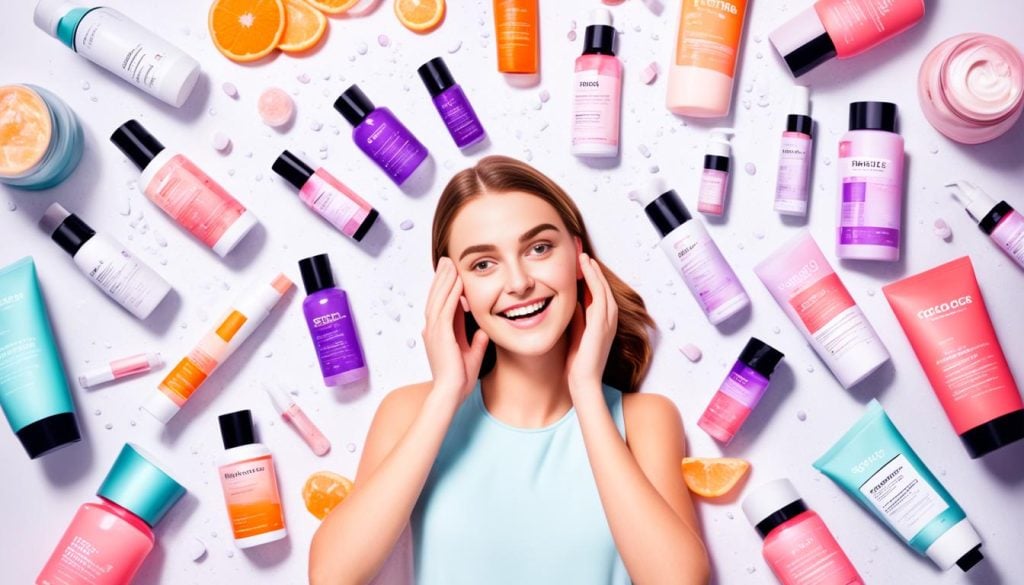
Teen skincare choices influenced by social media

The cosmetic market’s dilation, evidenced by the doubling of imports into the U.S. over the past decade, notably post-Fiscal Year 20114, means a wider array of products lands on our shelves and feeds into this social media trend. Combine this with the allure of Internet marketing, which now claims 8.4% of cosmetic sales4, and it becomes clear why teens might be drawn to products that aren’t curated for their sensitive skin.

Estheticians as Advocates for Safe Teen Skincare

As an esthetician and industry insider, I implore my fellow professionals to become advocates for safe skincare. More than ever, it is vital that we guide our younger clients away from products laced with dubious chemicals. It’s a startling fact that over 10,000 chemicals are used in cosmetic formulations, yet only 11 have been banned or restricted by the FDA4. This is where our role as educated guardians is crucial. We must lead by example and advise on genuine, skin-appropriate products to ensure the well-being of emerging generations.

Guiding the youth requires knowledge, tact, and persistence. By educating them about harmful ingredients and the beauty of natural skincare, we can help mitigate the risks posed by the myriad of unsafe products that saturate our industry. Insights from the Environmental Working Group, which operates the Skin Deep Cosmetics Safety Database, are invaluable tools to discern which products should be recommended to our younger clientele5.

Retinoids and Retinol: Why They’re Harmful to Teen Skin

Certain skincare ingredients have surged as beauty and personal care trends evolve, especially among younger audiences. Notably, retinoids and retinol have earned a spotlight for their age-defying effects in adult skincare routines. Still, they land among the harmful skincare chemicals to avoid regarding teens’ delicate skin.

The Adverse Effects of Retinol on Adolescent Skin

Alarmingly, reports indicate that children as young as 10 are embarking on complex beauty regimens, enticed by the promises of anti-aging benefits that retinol offers 67. However, incorporating such potent ingredients prematurely may lead to distressing skin conditions such as eczema, rashes, acne, and increased sun sensitivity, particularly during the initial weeks of use 6. The emerging practice of mixing different skincare products, dubbed the “skincare smoothie,” can be even more hazardous as it often results in pH alterations and subsequent skin irritation 6.
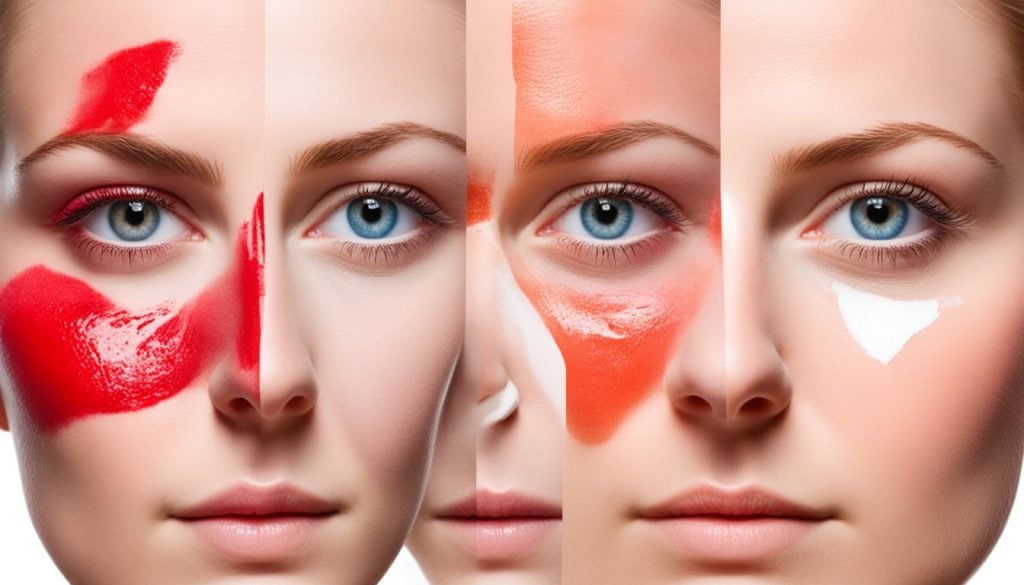
Harmful Effects of Retinol on Teen Skin

Professional Insights on Retinoids and Younger Clients

Dermatologists and skin experts consistently recommend against using adult-oriented products like retinol on young, developing skin. Not only is retinol unnecessary for those under twenty—since collagen production typically doesn’t decline until after this age7—but the misuse of such products, particularly without robust sun protection, can amplify UV damage 6. The trend of intricate, multi-step skincare routines fueled by social media platforms, such as TikTok, overwhelmingly influences youths, steering them towards a hazardous cocktail of skincare ingredients 7. This has propelled the importance of straightforward, gentle skincare practices more than ever, steering clear from aggressive anti-aging additives 7.

Equipped with growing awareness, we can advocate for healthier beauty standards that prioritize safety over trends. Comprehensive education on skincare can help change the narrative, emphasizing that sophisticated personal care procedures are unnecessary and even damaging for young skin. With this knowledge, we can better guide the younger generation to adopt gentle cleansers, light moisturizers, and sunscreens while continuously stressing the harmfulness of risky substances in teen skincare products.

Ingredient Risks to Teen Skin Expert Recommendations
Retinol Inflammation, Sun Sensitivity, Over-exfoliation Basic skincare routine, consulting a dermatologist for personalized advice
Exfoliating Acids Eczema, Rashes, Altered pH and Irritation Gentle cleansing, avoiding “skincare smoothies”
Fragrance Contact Allergies, Increased Risk of Breakouts Use fragrance-free products, prioritize sun protection

In conclusion, while the allure of retinoids and other strong skincare ingredients is undeniable, we must protect teens from these potentially harmful chemicals. A shift towards basic, stress-free routines will contribute to our young clients’ long-term skin health, ensuring they grow into their natural beauty safely and confidently.

The Hidden Dangers of Added Fragrances in Teen Skincare

As someone who delves into the nuance of personal care, I’m alarmed by the undisclosed hazardous elements in personal care products, particularly the added fragrances in teen skincare. These seemingly innocent scents may harbor an insidious array of industrial chemicals; indeed, it’s disconcerting that most individuals use an average of 12 beauty products daily8. This high usage exposes us, particularly the young and vulnerable, to a multitude of potential toxins.

Research indicates the cosmetics industry, with its lax regulation, is free to employ nearly any type of industrial chemical in its formulations8. This practice leads to a worrisome prevalence of ingredients in fragrances linked to health concerns as serious as cancer and birth defects8. PFOA contamination, PAH contamination, 1,4-dioxane, and formaldehyde-releasing preservatives are among the toxic chemicals identified in everyday skincare items such as moisturizers, sunscreens, and even the fragrances themselves8.

Studies reveal a troubling frequency of dermatoses associated with cosmetics, signaling a link between cosmetic use and skin issues, emphasizing the need for greater awareness of the dangers related to fragrances1. Acknowledging the cumulative exposure to these compounds, particularly fragrances, and understanding their potential risks become imperative1.

Findings concerning hormone-disrupting chemicals found in personal care products further exacerbate the implications. Paraben esters, for example, are shown to possess endocrine toxicity risks1. Triclosan, a common bactericide in these products, has been located in human milk, revealing its pervasive presence5. Moreover, the estrogenic activity of certain musk fragrances has been identified, posing additional hormonal concerns5.

Given these pressing concerns, my mantra advocates a pivot towards fragrance-free skincare products, especially for our teens. By doing so, we reduce the exposure to the slew of undisclosed and unregulated hazardous elements in personal care products. It’s more than just a choice—it’s a protective measure.

Hazardous Chemical Common Presence In Potential Risks
Parabens Skincare products Endocrine toxicity
Triclosan Cleansers, Sanitizers Hormone disruption
Phthalates Fragrances, Plastics Reproductive system changes
Musk Fragrances Perfumes, Lotions Estrogenic activity

Entwined with this is the essential role of education. It is crucial to empower teenagers, parents, and estheticians to recognize and opt for products with natural botanical extracts for scent instead of potentially damaging synthesized fragrances.

Indeed, this education on the concealed perils of fragrances and other hazardous elements in personal care products can be a vital tool in fortifying the health and well-being of our adolescents now and for their future.

Unsafe Skincare Ingredients for Adolescents You Should Avoid

As a beauty industry professional, I’m acutely aware of the potential pitfalls that adolescents may encounter when navigating the skincare aisle. Seeing young individuals armed with misinformation about what constitutes a healthy skincare regimen is distressing. Instead of getting swayed by the latest fads, sound skincare advice must be rooted in safety and suitability, particularly when considering the vulnerability of youthful skin.

Young skin is consistently bombarded with retinol, salicylic acid, and peptides— ingredients that excel in addressing mature skin concerns but wreak havoc on the more delicate skin of adolescents, potentially resulting in unwanted irritation or long-term harm6. It’s crucial that we, as protectors of their developing skin, educate on unsafe skincare ingredients for adolescents and cultivate a discerning eye for identifying high-risk ingredients.

Recognizing Irritating Chemicals in Cosmetic Formulas

Alarmingly, influential but unqualified voices often peddle potent anti-aging products to teens. A browse through social platforms and you’re likely to see influencers, some as young as nine, peddling skincare products without a true grasp of the potential repercussions9. Such endorsements are dangerous because teenagers absorb around 64% of what’s applied to their skin, exposing them to hazardous ingredients if not properly informed10.

Identifying High-Risk Ingredients in Over-the-Counter Products

Statistics are grim regarding the European Union’s ban on over 1,300 chemicals in cosmetics for safety reasons, starkly contrasting to the mere 11 banned in the United States10. Fluorine, found in high levels in many cosmetic products, along with parabens like methylparaben and propylparaben, are often hidden enemies. They mimic estrogen and potentially trigger hormonal imbalances in adolescents10. Moreover, carcinogenic preservatives such as formaldehyde can be found in everyday items like nail polish and foaming cleansers that teens might use regularly10.

In the course of nurturing a young person’s approach to personal care, it’s our responsibility to guide them towards products boasting healthy ingredients like jojoba, almond, and glycerin and always to scrutinize product labels for suspect chemicals. It is just as essential to encourage consultation with dermatologists rather than relying on trendy advice from the internet, especially for those with specific skin concerns like acne9. The endorsement of a simple yet effective skincare routine, adequate hydration, and maintaining a balanced diet far outweigh the purported benefits of popular but potentially risky skincare products for tweens6.

Understanding the Perils of Chemical Exfoliants for Teens

As I delve into teen skincare, I’m acutely aware of the widespread use of chemical exfoliants and the importance of recognizing dangerous skin care product ingredients. From my research, I’ve observed that products specifically designed for children, offering the gentleness of hypoallergenic formulations, are a far cry from the harsher chemicals found in products targeting adults11. It’s no secret that adolescents boast a natural richness of collagen, nullifying the need for the collagen-rich products so popular among adults11.

Yet, the lure of achieving flawless skin leads many teens to potent ingredients like retinol and vitamin C serums—products they should sidestep. These strong chemicals, including alpha hydroxy acids and beta hydroxy acids found in exfoliating products, can harm young skin, increasing vulnerability to redness, peeling, and irritation11. Acne vulgaris, a common adversary during teen years, is often combated with chemical peels and topical therapies. Still, the ideal concentration and acid type necessary for treating acne-prone skin haven’t been universally agreed upon12.

Reflecting on acne treatments, it’s clear that medium-depth and superficial peels have found their place, yet the scientific community recognizes the pressing need for more controlled trials to understand their efficacy12 wholly. Superficial chemical peels, which leverage weaker acids like α-hydroxy acids and β-hydroxy acids, have gained notoriety for their capacity to exfoliate without harsh repercussions. Still, they also highlight the fine line between beneficial use and potential skin damage12. Trained professionals and informed guidance become indispensable to ensure teens don’t succumb to the allure of immediate results at the expense of their skin’s long-term health.

My advice to young individuals is to focus on skin health with simpler, safer choices like ceramide-based moisturizers and hyaluronic acid serums, steering clear of the alluring yet possibly deleterious effects of chemical exfoliants11.

In closing, I cannot stress enough the importance of choosing skin care products wisely, avoiding those containing saliently strong, dangerous ingredients. Adopting a skincare routine that prioritizes cleansers, moisturizers, and sunscreen is beneficial not only for maintaining healthy skin but also for circumventing undue skin conditions and allergies that could emerge from using unsuitable products11.

Here’s a comparative look at chemical exfoliants and recommended alternatives:

Chemical Exfoliant Active Ingredient Risks Safer Alternative
Glycolic Acid Peel Alpha Hydroxy Acid (AHA) Can lead to over-exfoliation in young skin Gentle exfoliating wash
Retinoic Acid Product Vitamin A derivative Potential skin barrier damage Hyaluronic acid serum
Salicylic Acid Scrub Beta Hydroxy Acid (BHA) Irritation and dryness Ceramide-based moisturizer

In conclusion, let us champion a balanced skincare approach that respects the unique needs of adolescent skin, reducing the risk of harm from aggressive chemical exfoliants and promoting a future of radiant, healthy complexions.

Dangerous Skin Care Product Ingredients to Keep Away from Teens

As we unpack the vast world of skincare, it’s vital to exercise caution, especially when it concerns young, impressionable consumers. My first piece of advice is always to be diligent in evaluating toxic substances found in teen-targeted products. This necessity stems partly from social media trends like TikTok, where the hashtag #teenageskincare has amassed over 26.4 million views13. While digital platforms can be a hub of valuable information, they can also lead to the unsafe adoption of products, such as those issued a warning by Drunk Elephant due to ingredients not recommended for children and tweens13.

Evaluating Toxic Substances in Popular Teen Skincare

I have often observed the detrimental effects these substances can have on juvenile skin, a sentiment echoed by Dr. Blair Murphy Rose, who tends to patients with skincare issues in NYC caused by inappropriate product use13. It’s not just about navigating safe alternatives but also about imparting the know-how that children should circumvent harsh products with high chemical acids or retinol unless advised by a doctor13. It’s startling when dermatologists raise alarms about ingredients like retinol and salicylic acid; these are suitable for mature skin but can ravage the skin of tweens and teens, inciting eczema, rashes, and acne6.

Moreover, mixing skincare ingredients without knowledge can alter pH levels, leading to irritation. This highlights the significance of sticking to a rudimentary skincare routine for the younger demographic6. This basic routine should include a gentle facial cleanser, sunscreen of SPF 30 or higher for the day, and a simple facial moisturizer for the night.

Navigating Safe Alternatives for Young Consumers

While the allure of trends like “Sephora kids” is strong, with children flocking to these retailers, we must guide them towards products tested and created specifically for their tender skin, such as sunscreens and cleansers11. It’s heartening to know that some products are developed with the young user in mind, proving that safe and effective skincare for this age bracket does exist11. Therefore, through patient education and advocacy, on emphasizing reliable skincare ingredients, it’s possible to channel the focus from harsh chemicals to nurturing components. For example, hyaluronic acid serums and plant-based lip balms can be excellent recommendations for kids that ensure skin health without exposing them to unnecessary risks11.

The pathway to healthy adolescent skin isn’t paved with potent anti-aging formulas or aggressive exfoliants; it’s built on practicality and simplicity. Encouraging a healthy lifestyle with sufficient sleep, hydration, and a balanced diet is equally as crucial as the skincare products. Professionals like Dr. Linda Xing reiterate the importance of focusing on sun protection and instilling healthy skin habits early on11.

Age Group Common Skin Concerns Safe Skincare Solutions
Children & Tweens Sensitivity, mild acne Gentle cleansers, light moisturizers
Teens Acne, oiliness, hormonal changes Non-comedogenic products, SPF protection
Youth (All) Preventive care, sun damage Sunscreen, safe exfoliating methods

Ultimately, this information leads to one fact: the real triumph is in driving the approach away from navigating safe alternatives after the fact, to evaluating toxic substances beforehand. Inculcating mindful habits and preferences from the onset is the key to safeguarding the dermal health of our younger generation, steering them clear of hazardous ingredients and towards a radiant future.

Harmful Chemicals in Cosmetics: A Teen Safety Guide

As a dedicated advocate for teen health and well-being, my years researching and writing about skincare have shed light on the pressing issue of risky substances in teen skincare products. I am responsible for using this platform to guide adolescents towards unsafe skincare ingredients they must avoid to safeguard their delicate, developing bodies. The journey of adolescence is already navigated through the ever-changing currents of hormonal flux; adding toxic skincare elements into the mix further complicates this precious time of growth and self-discovery.

The statistical evidence confirming these risks is undeniable: Studies like those conducted by Berglind et al. (2010), De Donno et al. (2009), and Park and Zheng (2012) reveal how certain preservatives, fragrances, and even heavy metals like inorganic and elemental mercury found in cosmetics can lead to skin conditions, skin sensitivity, and pose long-term health risks1. Imagine, products with benzophenone and its derivatives, as well as parabens, have been linked to cancer and endocrine disruption, according to research highlighted by Patisaul and Adewale (2009) and Pastor-Nieto et al. (2017)1. These are not mere hypotheticals; these are realities staring at us from the labels of the very products our teens are using.

My extensive review of the latest research, including the critical work by Yazar et al. (2010), points to a market saturated with personal care products that contain unsafe ingredients, which adolescents may apply repeatedly without understanding the potential for harm1. This is backed by alarming reports of increased interest among teenagers in anti-aging skincare, as noted by observations that young individuals, some as tender in age as 10, are purchasing products laced with ingredients like retinol and exfoliating acids6. The implications are profound, with noted experts recommending basic skincare routines that eschew these aggressive ingredients in favor of gentle, age-appropriate options and emphasizing the importance of sun protection6.

With my guidance, I implore my readers, especially the young and impressionable, to prioritize their health by becoming label detectives. It is critical to scrutinize products for chemicals such as phthalates, known endocrine disruptors, and carcinogens. Adolescents need to be particularly wary of products containing talc, which may unwittingly expose them to asbestos14. And let’s not dismiss heavy metals, like lead, another harmful contender lurking in the shadows of inadequately regulated products14.

Unsafe Ingredient Potential Health Risks Safer Alternative Suggestions
Phthalates Endocrine disruption, Cancer Seek out phthalate-free labels
Parabens Endocrine disruption Choose products with natural preservatives
Formaldehyde-releasing preservatives Irritation, Allergic reactions Opt for preservative-free or naturally preserved products
Retinol (at high doses) Skin sensitivity, Thinning skin barrier Use retinol-free products and hydrating ingredients like hyaluronic acid
1,4-Dioxane (contaminant) Cancer Choose certified organic or toxin-screened products
Talc (which may contain asbestos) Cancer Opt for talc-free powders and makeup

In conclusion, I extend an earnest plea to my readers: Let us equip our youth with the knowledge and discernment to choose wisely from an array of skincare options. By advising them to prefer products with transparent labeling and established safety records, we are not just protecting their skin; we are nurturing their future, ensuring a safer passage through the years when they blossom into adulthood. Remember, we have the tools and evidence—let us put them to vigilant use. The well-being of our teens depends on it.

The Impact of Social Media Misinformation on Skincare Trends

As we delve into the complexities of skincare trends among teens, the infiltration of social media misinformation has sparked concern among parents and skin health professionals. Eager to achieve the highly coveted “glass skin,” teenagers are increasingly being pulled into skincare routines driven by social media influence, often unaware of the presence of hazardous elements in personal care products they are encouraged to use15. Discerning qualified advice is becoming essential in this digital landscape, flooded with skincare misinformation that may lead to adverse effects like contact dermatitis or a misguided chase for “glass skin” that can further harm their delicate skin1516.

Discerning Qualified Advice from Online Trends

Unveiling the truth amidst a sea of viral videos requires vigilance. The #skincareroutine and #preventativebotox hashtags on platforms like TikTok are watched billions of times, but not all advice they propagate is fitting for the developing skin of adolescents16. Teens and their guardians must engage in discussions about skincare goals that are influenced by social media, encouraging a mindful approach to products and routines that genuinely benefit young skin15. Minimalist skincare routines emphasizing cleansing, applying sunscreen with SPF 30 or greater, and using facial moisturizer are strongly recommended for middle-school-aged children15.

When Skincare Videos Lead to Risky Choices

The use of active ingredients such as salicylic acid, retinols, and peptides can be tempting for their promised results, yet these can also lead to skin irritation or conditions like retinoid dermatitis among tweens and teens15. Exposure to such skincare misinformation not only risks the health of youthful skin but can also pressure families financially; products like Murad Retinol Youth Renewal Night Cream and Spoiled Child’s K-27 Anti-Aging Vitamin C Boosting Serum reach upwards of $58, representing a significant investment16. Peer into the makeup bags of teens using makeup, and the call for non-comedogenic and oil-free products coupled with makeup removal before bedtime becomes loud and clear, preventing the onset of skin issues15.

In confronting the waves of skincare misinformation, alternatives like the skin fasting trend introduced by Mirai Clinical Surface are anchored by Japanese studies advocating the benefits of skin fasting in detoxifying skin17. However, this trend is not without misleading interpretations spread online, such as the idea of fasting from all skincare for an entire week or using water-only cleansing17. Such blanket applications can be particularly risky for individuals with atopic skin, or who have recently undergone face treatments17. It underlines the necessity of educating teens on these trends, highlighting the pros and cons of cultivating informed and personalized skincare decisions.

In aligning data with the narrative of skincare trends, I find it crucial to assert the importance of educating on the potential risks of trending skincare fads and promoting informed, minimalistic skincare routines, especially for a young audience. The emphasis remains on safeguarding the integrity of teen skin health, while also easing the financial burden of products that may compromise their wellbeing151716.

Mitigating Harmful Effects of Trendy Skincare Additives

As a skincare advocate, I recognize the allure of cutting-edge products dominating social media feeds, but I also understand the urgency of mitigating the harmful effects of certain trendy skincare additives. Knowledge is the first step in such mitigation efforts. The Endocrine Society has confirmed the presence of around 85,000 synthetic chemicals, with more than a thousand possible endocrine disruptors lurking in everyday products18. Notably, phthalates serve as plasticizers in numerous items, but these compounds can unsettle the delicate hormonal harmony within young bodies1819.

Teens, often influenced by digital beauty trends, might find themselves exposed to products containing phthalates and PFAS, which could compromise their immune system18 and disrupt metabolic processes, raising the risk for disorders like diabetes18. Moreover, items like lavender-oil-infused lotions, possibly linked to hormonal irregularities18, and makeup brimming with asbestos-contaminated talc19, heighten the concern.

Alarmingly, the FDA’s findings in 2019 highlighted cosmetics with asbestos, a deadly carcinogen, prompting consumer caution19. Furthermore, lead and mercury in cosmetic products paint a dire picture for adolescent health, given their known toxic effects1920. The lack of extensive regulation, with legislation unchanged since 1938, compounds the problem, necessitating a proactive approach from both teens and parents when selecting makeup19.

Ingredient Found In Health Concerns
Phthalates Nail polishes, hair sprays Hormone disruption, possible link to breast cancer19
PFAS Foundations, concealers Fetal harm, hormone imbalance19
Lavender Oil Skin lotions, aromatherapy products Premature breast development18
Lead Kohl eyeliners, galena-based products Blood absorption, toxicity to organs1920
Mercury Skin lighteners Neurological and kidney damage19

To steer clear of these risks, I urge the adoption of gentle alternatives rich in natural ingredients. Seeking out transparent brands and scientifically supported treatments can safeguard the vigor of adolescent skin. For me, it’s not merely a cosmetic matter; it’s about ensuring healthy development free from the influence of harmful agents masquerading as beauty shortcuts.

Risky Substances in Teen Skincare Products: A Concern for Parents

As a beacon of guidance in a sea of aggressive marketing tactics, it falls upon me and all responsible caregivers to shield our budding youths from skincare products laced with risky substances. It’s distressing to learn that nearly 70% of children aged 12 years and under have encountered Children’s Makeup and Body Products (CMBPs) in their lifetime21. These products are not mere accessories; they bear hidden risks, with hazardous materials like lead, cadmium, and chromium found in children’s face paints, posing serious health risks21. The scenario intensifies for Hispanic/Latinx communities where children use these products with greater frequency and for relatively brief durations, amplifying potential exposure to deleterious components21.

While the urge to indulge in playful imitation is natural, almost half of the youthful demographic utilizes these CMBPs with playfulness in mind, a scenario pronounced even more within Hispanic/Latinx households21. Unfortunately, what is intended as play can turn perilous. Contact with endocrine disruptors such as phthalates and parabens, commonplace in both adult cosmetics and children’s products, is alarmingly widespread21.

Protecting Teens from Aggressive Marketing Tactics

The commercial charm offensive is fully displayed in the teen skincare market with seductive scents and vibrant hues. Yet, these marketing ploys briskly mask the reality of allergic reactions like contact dermatitis—one of the many adverse health outcomes associated with the careless use of cosmetics21. Behavioral inclinations, such as hand-to-mouth activities in children, further exacerbate this risk, inadvertently heightening their vulnerability to the dangerous elements found in these deceptive products21.

Cultivating a Healthy Skincare Routine for Adolescents

In my efforts to combat these troubling trends, I’ve become a fervent advocate for fostering a healthy skincare routine among adolescents. It is essential that we, as guardians of their vulnerable years, actively promote an understanding of product labels and formulations. This knowledge is a critical defense against the lure of cosmetics teeming with potential toxins that await unchecked due to a stark void—mandated safety approvals21.

To actualize a holistic approach to teen skincare, I incorporate a balanced dialogue about the products conducive to their well-being. Our collective aim must include awakening to the merits of natural ingredients and steering sharply away from the artificial allure of synthetic fragrances and dubious compounds that permeate the current skincare shelves. With a conscientious spirit and discerning eye, we can encourage our youth to embrace routines that offer cosmetic fulfillment and ensure longevity in health and happiness—a lesson empowered by research and underscored by authentic care for their future21.

Hazardous Elements in Personal Care Products, Uncovered

As I delve into the realm of personal care, the discovery of hazardous elements in personal care products mainly targeting the younger demographic, has instigated a call for an urgent re-evaluation of ingredient safety. With advancing safer skincare knowledge, it is imperative to spotlight the hidden dangers these substances pose.

The Worrisome Ingredients List in Teen Products

Recent findings have unearthed unsettling information regarding the presence of mercury in skincare items. These products, often masked as benign creams or cosmetics, may in fact harbor illegal levels of mercury, leading to significant health risks.22 The FDA and health officials have flagged an alarming number of these products over the years, deploying an import alert to block shipments of mercury-laden skin products entering the United States.22

Advancing Knowledge for Safer Skincare Choices

Understanding that hazardous elements in personal care products can have severe repercussions, especially on vulnerable groups such as pregnant women and children, is vital. Mercury exposure can lead to symptoms like irritability and memory problems, making informing and protecting consumers critically important.22 Swift action has been taken against sellers and distributors of mercury-containing products, emphasized through enforcement actions including seizures and possible criminal prosecution.22 By advancing safer skincare knowledge, we can champion the transition to vetted, reliable products that prioritize health over harmful chemical inclusion.

Element Concerns Safer Alternatives
Mercury Neurotoxicity, skin discoloration, scarring Products with clear ingredient labels and without mercury
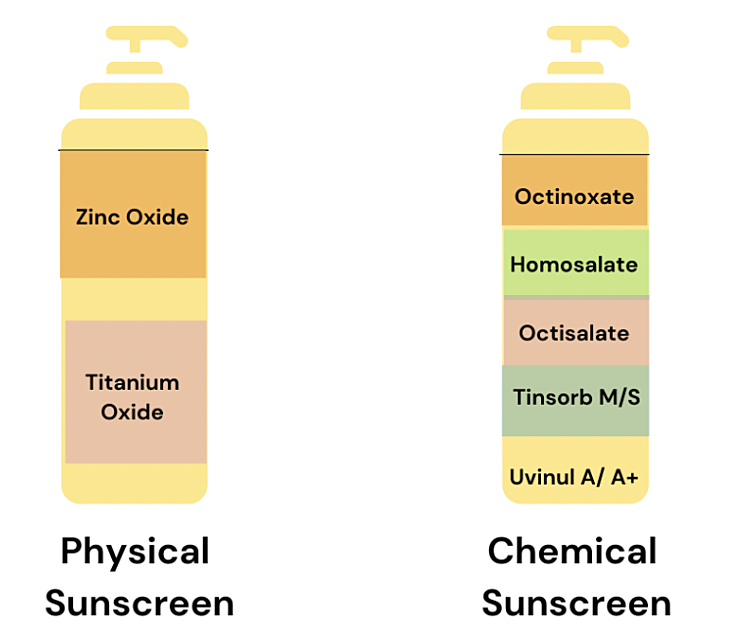
Oxybenzone Allergic reactions, hormone disruption Mineral-based sunscreens (zinc oxide, titanium dioxide)
Formaldehyde releasers Carcirogenicity, skin irritation Preservative-free or with natural preservatives

It’s time to critically analyze personal care items, especially those sourced abroad that may bypass stringent regulations and carry concealed dangers.22 Consumers often unknowingly bring these items into the U.S., unaware of their potentially unlawful new drug classification under the law or the toxic ingredients they contain.22 Stepping forward as a vigilant participant in this industry, I make it my mission to not only spread the word but to ensure the well-being of young, impressionable consumers eager to make safe, informed skincare choices.

What to Recommend Instead

In my professional journey, I’ve witnessed the allure of the beauty counter too often, with teenagers being drawn to cosmetic products that promise everlasting youth and beauty. Dermatologists are sounding the alarm, noting a worrying trend among children, some as young as 10, pressuring their parents for high-end anti-aging skincare, fueled by social media influencers 2. The lavish routines popularized on platforms like TikTok, featuring pricey items from stores like Sephora and Ulta, are unnecessary and potentially harmful for their tender skin23. With this backdrop, I must present safe skincare alternatives that honor the integrity of adolescent skin.

Teenagers should be directed towards non-toxic skincare products instead of costly products laced with aggressive anti-aging ingredients and artificial fragrances. These products, free from parabens and chemical exfoliants, use natural preservatives and harness the healing power of botanicals. Studies have linked skincare products’ chemical constituents, such as formaldehyde-releasers and paraben esters, to allergic reactions and endocrine toxicity1. In response, I advocate for brands that take a transparent approach to their formulations, offering cleaner ingredient profiles for the betterment of young skin.

It’s not just the content of these products that calls for scrutiny but also their societal impact. Encounters with older customers have revealed their dismay over young girls purchasing items beyond their needs, fostering a premature preoccupation with anti-aging and a rapid introduction to adulthood due to social media and influencer pressures23. To combat this, I champion skincare products that safeguard the skin and encourage a healthy self-image, free from the toxic beauty standards perpetuated online.

As we chart a course through an industry teeming with potential hazards, careful consideration must be given to the safe skincare alternatives we recommend to the next generation. It’s about instilling values prioritizing health over hype and substance over status. The most accurate form of beauty is, after all, one that embraces a natural, vibrant self without yielding to the whispers of a market driven by profit. Our commitment to guiding teens towards non-toxic skincare products reflects a deeper intention to nurture their skin, confidence, and well-being.

Conclusion: Fostering Safer Skincare Practices for Teens

As a committed skincare professional, I recognize my role in fostering safer skincare practices, especially for younger clientele. Incorporating ecological consciousness, I seek to amplify the narrative for protecting adolescent skin health, a mission founded upon indisputable research outcomes. Reports reveal alarming elements like triclosan in the biological systems of Swedish nursing mothers and their environment, with a similar presence in the aquatic ecosystem5. Musings on estrogenic activities of synthetic musk and stark statistics about parabens in breast tumors challenge us to rethink routine exposures5. It’s no surprise that fostering safer skincare habits is beneficial and essential for teens navigating the complexities of growing up amidst many cosmetic choices.

In catering to adolescent concerns such as acne, I’m mindful of the delicate balance required. Statistically, topical treatments and prescription medications foster progress in managing severe acne, yet must be approached with caution due to their potent constituents24. The confluence of data, revealing both the obstacles and pathways to youthful skin integrity, informs my advocacy for non-toxic, gentle formulations tailored to the unique development stages of adolescent physiology. I’m driven to champion products that respect the delicate hormonal milieu of my clients, steering clear of those with phthalates and other disruptors linked to developmental and reproductive anomalies5.

My approach is rooted in education and empowerment—arming teens and their guardians with the knowledge to differentiate between marketing flair and scientifically sound skincare. This initiative aims to cultivate surface-level beauty and deep-seated confidence that their choices contribute to a legacy of health and ecological stewardship. By doing so, we are protecting adolescent skin health and establishing lifelong principles of well-being and self-care.

FAQ

What are some dangerous skin care product ingredients to keep away from teens?

Teenagers should avoid products with retinoids, retinol, harsh chemical exfoliants, added fragrances, parabens, phthalates, and `formaldehyde-releasing preservatives, as these ingredients can be harsh on their developing skin and health.

How does social media impact teen skincare choices?

Social media often promotes skincare products geared towards mature skin, involving influencers who may mistakenly encourage the use of inappropriate products for teenagers, such as those that contain retinol, fragrances, and chemical exfoliants, potentially leading to misuse by teens.

Why are estheticians important for ensuring safe teen skincare?

Estheticians are licensed skincare professionals who can provide educated guidance, helping to counter misinformation and direct teens and their families towards safe, age-appropriate skincare practices that won’t harm their skin.

Why are retinoids and retinol harmful to teen skin?

Retinoids and retinol can cause significant irritation, inflammation, and over-exfoliation in young skin, which is already sensitive and hormonal. These ingredients also necessitate strict sun protection, which teenagers often overlook.

What are the hidden dangers of added fragrances in teen skincare?

Added fragrances contain undisclosed chemicals that can be potential irritants, leading to increased skin sensitivities, reactions, and potentially dermatitis, especially in teens with sensitive skin.

How to recognize irritating chemicals in cosmetic formulas?

Look out for ingredients such as PEGs, methyl and propyl parabens, and triclosan, which can disrupt endocrine functions and cause other adverse health outcomes when included in over-the-counter personal care products.

What should parents and teens know about chemical exfoliants?

Strong chemical exfoliants like glycolic acid and retinoic acid can overly strip and damage adolescent skin. Teens should use gentler alternatives like smooth scrubs or milder exfoliating acids.

How can you evaluate toxic substances in popular teen skincare?

Carefully read product labels and avoid items containing endocrine-disrupting chemicals (EDCs), such as perfumes, makeup, and sunscreens. Instead, search for natural and non-toxic skincare options.

How can teens navigate safe alternatives for young consumers?

Teens and parents should seek out products with clear labeling, opting for skincare items with simple, natural ingredients, free from synthetic fragrances, parabens, and phthalates. Natural alternatives like tea tree oil or glycerin should be considered.

What are the risks of misleading skincare trends from social media?

Social media trends can lead teens to use skincare ingredients unsuitable for their skin type, which may result in damage from misinformed use. It’s important to discern reputable advice from non-professional online trends.

How can teens mitigate the harmful effects of trendy skincare additives?

Teens should educate themselves on the potential risks of trendy skincare ingredients and opt for gentler, science-backed treatments. They should also seek guidance from licensed professionals when selecting skincare products.

What should parents consider when choosing skincare products for their teens?

Parents should teach teens to avoid aggressive marketing tactics by teaching them to read labels, understand product formulations, and foster a healthy skincare routine with natural and safe ingredients.

What are the hazardous elements in personal care products?

Hazardous elements such as oxybenzone in sunscreens, artificial fragrances, and formaldehyde-releasing preservatives are of concern. Awareness and understanding of these ingredients can help in making safer skincare choices.

What non-toxic skincare products can be recommended for teens?

Skincare products without fragrances, chemical exfoliants, and parabens are recommended. Seek out brands that use natural preservatives and botanicals and that are transparent about their ingredient profiles.

How can we foster safer skincare practices for teens?

Educate teens on the importance of avoiding harmful skincare chemicals and encourage a clean, safe, and customized skincare routine that fits their specific skin concerns and promotes overall skin health.

Source Links

  1. https://www.ncbi.nlm.nih.gov/pmc/articles/PMC6477564/
  2. https://www.healthline.com/health/beauty-skin-care/ingredients-to-avoid-for-stress-free-skin-care
  3. https://www.cnn.com/2024/01/12/style/tweens-skin-care-wellness/index.html
  4. https://www.ewg.org/the-toxic-twelve-chemicals-and-contaminants-in-cosmetics
  5. https://www.ewg.org/research/teen-girls-body-burden-hormone-altering-cosmetics-chemicals
  6. https://www.newsweek.com/skincare-anti-aging-damaging-skin-tweens-1865737
  7. https://www.usatoday.com/story/life/health-wellness/2024/01/26/sephora-kids-are-obsessed-with-retinol-dermatologists-are-concerned/72353463007/
  8. https://www.safecosmetics.org/toxic-ingredients/
  9. https://www.cbsnews.com/boston/news/children-skin-care-tiktok-instagram-dermatologist/
  10. https://www.healthline.com/health/toxic-makeup
  11. https://www.ctvnews.ca/lifestyle/sephora-kids-skin-care-trend-draws-warnings-from-dermatologists-1.6740753
  12. https://www.ncbi.nlm.nih.gov/pmc/articles/PMC10608815/
  13. https://nypost.com/2024/01/19/lifestyle/teens-obsessed-with-skincare-may-be-damaging-skin-experts/
  14. https://www.safecosmetics.org/chemicals/
  15. https://www.uclahealth.org/news/kids-skincare-dermatologists-advice
  16. https://www.cnn.com/2024/01/18/opinions/sephora-kids-skin-care-teen-craze-thomas/index.html
  17. https://www.skininc.com/business/trends/news/21885565/cause-for-concern-the-skin-fasting-trend
  18. https://www.niehs.nih.gov/health/topics/agents/endocrine
  19. https://www.medicalnewstoday.com/articles/327318
  20. https://www.mdpi.com/2079-9284/10/3/71
  21. https://www.ncbi.nlm.nih.gov/pmc/articles/PMC9915933/
  22. https://www.fda.gov/consumers/consumer-updates/mercury-poisoning-linked-skin-products
  23. https://www.theguardian.com/society/2024/jan/11/uk-parents-urged-not-to-buy-children-anti-ageing-skin-products
  24. https://organicseries.co.uk/acne-treatment-for-teens-16-best-ideas/

Potentially Dangerous Ingredients to Keep Away from Teen Clients Read More »
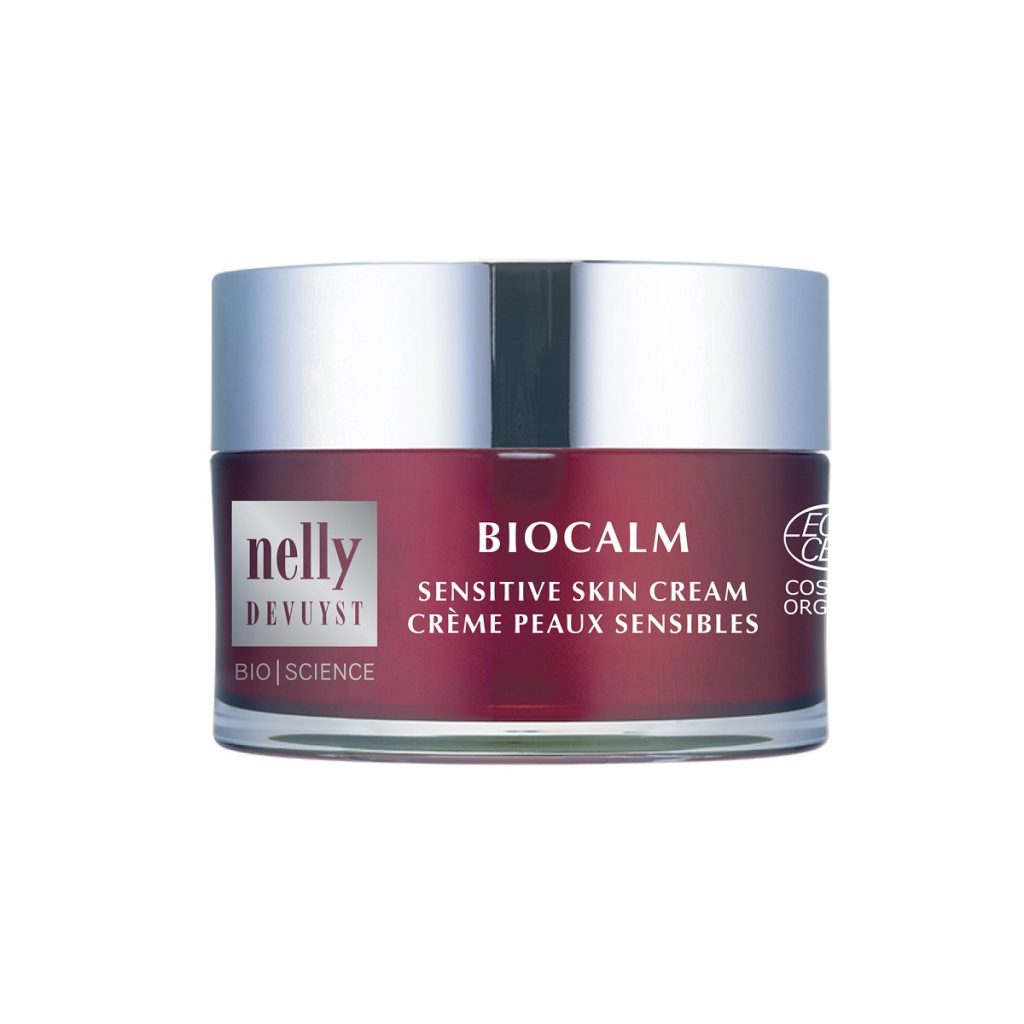
Nelly Devuyst BioCalm Sensitive Skin Cream

Nelly De Vuyst BioCalm Sensitive Skin Cream – 50g / 1.76 oz

Nelly Devuyst BioCalm Sensitive Skin Cream

It is formulated for sensitive skin prone to redness, irritation, and/or presenting symptoms of irritation.

Highly protective organic* moisturizer is especially recommended for sensitive, intolerant, dry, and/or eczema-prone skin. This gentle formula contains calming arnica and anti-inflammatory embryonic caper extracts which help regulate skin hyper-reactivity to relieve signs of discomfort and reduce visible redness instantly. This nourishing cream is enriched with biomimetic essential fatty acids that help restore the skin’s protective barrier and replenish the skin’s hydration. The skin is left silky-smooth, comfortable, and protected. Prebiotics and antioxidants help strengthen the skin’s natural defenses and improve its tolerance to daily aggressors.

Directions: For daily use in the morning and/or evening. Apply to cleansed face, neck, and neckline. For external use only. Avoid contact with eyes.

Main Ingredients:

  • Caper bud extract
  • Arnica flower extract
  • St. John’s wort extract
  • Evening primrose seed oil
  • Prebiotics
  • Horse chestnut seed extract
  • Lotus Extract
  • Jojoba Esters
  • Apricot Fruit Extract

Nelly De Vuyst BioCalm Sensitive Skin Cream – 50g / 1.76 oz Read More »
What Is the Role of Vitamins in Skin Care?

What Is the Role of Vitamins in Skin Care?

It’s no secret that vitamins are pivotal in maintaining our overall health, but their influence extends far beyond internal wellness into the realm of skincare. As someone deeply invested in nurturing skin health, I’ve been captivated by how the inclusion of antioxidant vitamins in skincare can dramatically alter the health and appearance of our skin. These micronutrients are essential, not only for their ability to promote skin cell regeneration but also for their protective properties, shielding our skin from the relentless assault of environmental aggressors.

When I incorporate vitamins into my skincare regimen, I’m tapping into nature’s own toolkit for skin rejuvenation and defense. It’s remarkable how these organic compounds, small yet mighty, are integral to a strategy aimed at maintaining a youthful and vibrant complexion. Whether it’s through a diligently curated diet or meticulously formulated skincare products, the impact of these vitamins on skin health is both profound and undeniable.

Key Takeaways

  • **Vitamins in skincare** act as a bulwark against environmental damage, promoting resilience and longevity of skin cells.
  • Specific **antioxidant vitamins** like Vitamin A, C, and E are pivotal for their **skin protection** qualities and anti-aging effects.
  • Vitamins significantly enhance the skin cell regeneration process, leading to healthier-looking skin.
  • Regularly including vitamins in skincare routines supports **skin health**, offering a shield against potential oxidative stress.
  • Vitamins in skincare are not just about repair; they’re about proactive **skin protection**, ensuring skin stays healthier and more vibrant for longer.
  • Addressing both **skin cell regeneration** and protection, vitamins in skincare are central to a holistic approach to skin wellness.

The Transformational Power of Vitamins in Skincare

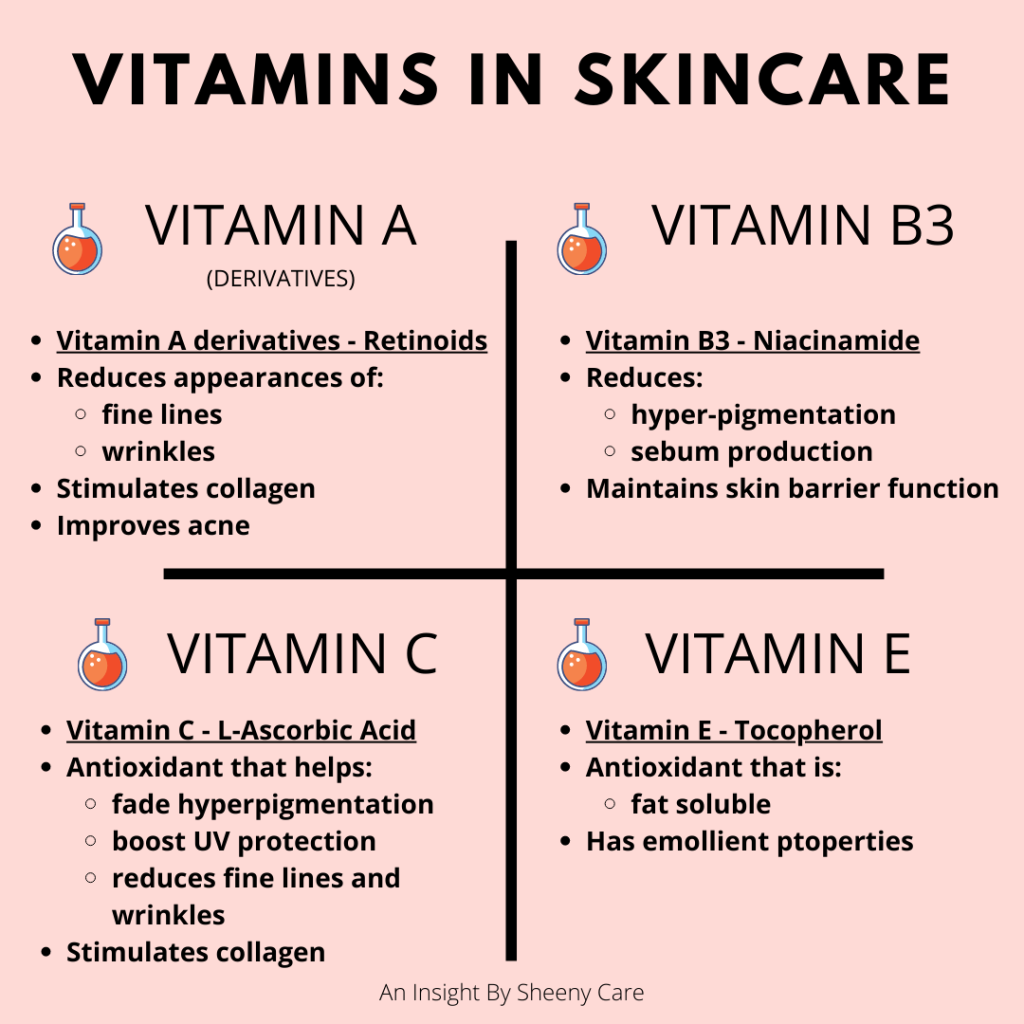
My exploration into the world of skin care has unearthed a remarkable truth: the presence of vitamins in skincare is not merely beneficial; it’s transformative. These potent compounds, particularly retinoids and vitamin D analogs, bestow an array of therapeutic benefits while also providing immense cosmetic advantages. They play a dual role, acting as regenerative forces revitalizing skin from within and as stalwart protectors against environmental insults.

Fusing vitamins into our skincare routine catapults us into a new vista of skin nourishment, where nature’s best-kept secrets are bottled into therapeutic molecules actively shaping our skin’s health and appearance. I’ve watched as skincare formulations harnessing these powerful allies redefine what it means to nourish and protect the epidermis. Below, I present a detailed breakdown of the superhero vitamins that are key players in my regime:

VitaminRole in SkincareTop Benefits
Retinoids (Vitamin A derivatives)Cellular differentiation and turnoverReduced signs of aging, improved acne treatment
Vitamin D AnalogsRegulation of skin’s immune systemTherapeutic applications for chronic skin conditions
Vitamin CAntioxidant protectionBrightening effects, collagen synthesis
Vitamin EUV defense and hydrationMoisturization, photoprotection

The fascinating world of skincare science has unveiled to me that with regular use, retinoids can orchestrate the kind of skin renewal once thought to be solely the domain of mythical fountains of youth. Their partnership with vitamin D analogs in prescribed formulations further enhances their capacity to target and alleviate severe skin conditions, offering rays of hope where respite was once scarce.

In my unwavering quest for optimal skin health, these vitamins have surfaced as cornerstones in the edifice of my daily skincare regimen. They have ripened into keystones, their strategic applications proving indispensable in my battle to preserve skin vitality and radiance. The synergy between our biological needs and these select vitamins unfolds in a dynamic interplay that positions them as essential actors in skin health and beauty.

What is the role of vitamins in skincare

Understanding Vitamins A and C: The Antioxidant Protectors

As I delve into the intricate dance of skincare science, it is impossible to overlook the critical roles played by vitamins A and C. These antioxidants serve as knights in shining armor for our skin, zealously guarding against oxidative stress while catalyzing rejuvenation and repair. Let’s navigate through the finer details of how these vitamins uphold their protective mantle and restore skin vitality.

Role of Vitamin A in Skin Cell Regeneration and Acne Control

My fascination with vitamin A (retinol) springs from its profound impact on skin cell regeneration. Retinol is not just another skincare buzzword; it’s a potent agent sparking cellular renewal, effectively combating signs of aging and acne. The narrative of my skin’s transformation is markedly shaped by retinol’s intervention, reducing wrinkles and fine lines while bringing a harmonious balance to oil production—a significant win for acne control. The retinoids, both naturally occurring and synthetic, have established themselves as indispensable tools in managing dermatologic diseases.

Benefits of Vitamin C for Collagen Production and Photodamage Repair

Amidst the elixirs that I’ve woven into my skincare fabric is vitamin C (ascorbic acid), a master weaver of collagen, underpinning the structural integrity of my skin. The cornucopia of benefits brought forth by this vitamin is dazzling indeed—it fosters collagen production, vital for skin firmness and elasticity. As an intrepid warrior against photodamage, vitamin C works tirelessly to mend the ravages of sun exposure, while skillfully fading hyperpigmentation. Indeed, the luminescence of a brightened complexion can be credited to the diligent reparative work of ascorbic acid, which confers my skin an even and radiant tone with its potent antioxidant properties.

  • Vitamin A, particularly retinol, accelerates skin cell regeneration, diminishing the fear of scarring left by acne, steering skin toward an impeccable clarity.
  • The narrative of skin health cannot be penned without acknowledging retinol’s role in orchestrating the complex symphony of acne control.
  • Navigating further through the terrain of my skin’s allies, vitamin C is the guardian of youth, bolstering collagen production and championing the cause of elasticity and vigor.
  • My skin’s dalliance with the sun need not end in tragedy, for vitamin C’s adeptness at photodamage repair is nothing short of miraculous, weaving a shield against time’s relentless march.

Vitamin D and Skin: Synthesis and Therapeutic Applications

My journey through the world of dermatology and nutrition has repeatedly illuminated the profound significance of vitamin D in skin health. As I delved into understanding this connection, I learned that the synthesis of vitamin D3 (cholecalciferol) begins in the very fabric of our skin, spurred into action by UV light. This process is pivotal as it marks the genesis of a photochemical reaction where 7-dehydrocholesterol is transformed into vitamin D3, the precursor to the biologically active form known as 1,25-dihydroxy vitamin D3.

The transformative influence of vitamin D on skin extends beyond synthesis. Particularly intriguing is its therapeutic application in managing psoriasis, a chronic inflammatory skin condition. The active form of vitamin D3 plays a critical role in modulating the skin’s immune response, which is invaluable for individuals grappling with this challenging condition. Through my research and practice, I’ve witnessed how topical formulations containing vitamin D analogs can significantly ameliorate the symptoms of psoriasis, showcasing the vitamin’s potent anti-inflammatory properties.

  • The synthesis of vitamin D is a testament to the skin’s remarkable capabilities, converting precursors into vital nutrients under the influence of sunlight.
  • Understanding the role of UV light in this process has revolutionized our approach to safe sun exposure and vitamin D intake.
  • The presence of 1,25-dihydroxy vitamin D3 reaffirms the intricate biochemistry of our skin, a synergy between biology and the environment.
  • Engaging with the complexities of psoriasis has deepened my appreciation for vitamin D’s therapeutic potential, offering solace to those affected.

It’s indisputable that vitamin D’s journey from synthesis to therapeutic use exemplifies the dynamic interplay between our skin and overall health. My exploration in this field continues to underscore the value of harnessing the power of vitamins, not merely for nutritive support, but as pivotal agents of skin therapy and care.

The Vital Function of Vitamin E in Skin Hydration and UV Defense

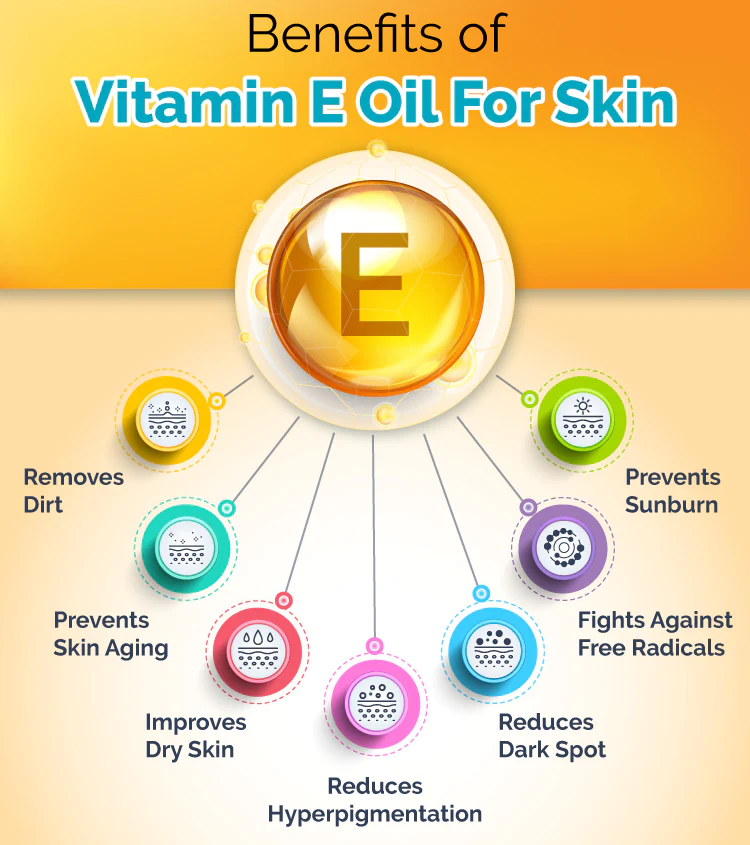
As an advocate for comprehensive skincare, I’ve consistently emphasized the formidable role vitamin E, also known as tocopherol, plays in maintaining skin health. It’s a key ingredient that nourishes and protects, ensuring our skin retains its natural moisture and resilience against environmental stressors.

Why Vitamin E is Essential for Maintaining Skin Barrier Function

The fortification of the skin barrier is integral to keeping hydration locked in and irritants at bay. Vitamin E’s powerful antioxidant properties support this by replenishing lipid barriers and sealing in moisture. This is vital for preventing transepidermal water loss, a common issue that leads to dryness and irritation.

How Vitamin E Works as a Natural Sunscreen

While we often turn to sunscreens for UV protection, the role of vitamin E in deflecting UV rays is both noteworthy and natural. As an antioxidant, it can neutralize lipid-peroxyl radicals, agents responsible for breaking down cells and causing skin damage under UV radiation exposure. By doing so, it serves as a secondary form of UV defense, complementing the protection offered by conventional sunscreens.

In my personal experience, taking advantage of tocopherols and tocotrienols—both forms of vitamin E—has significantly elevated my skin’s defense mechanisms, providing a robust shield against UV-induced damage and aiding in skin damage repair after exposure.

Uncovering how these nutrients, integral to our bodies, also impart remarkable benefits to our skin’s health is encouraging. Vitamin E’s role as an antioxidant promoting skin barrier function and UV defense exemplifies the harmonious link between dietary nourishment and topical skincare solutions.

Vitamins B Group: Diverse Roles in Skin Health Management

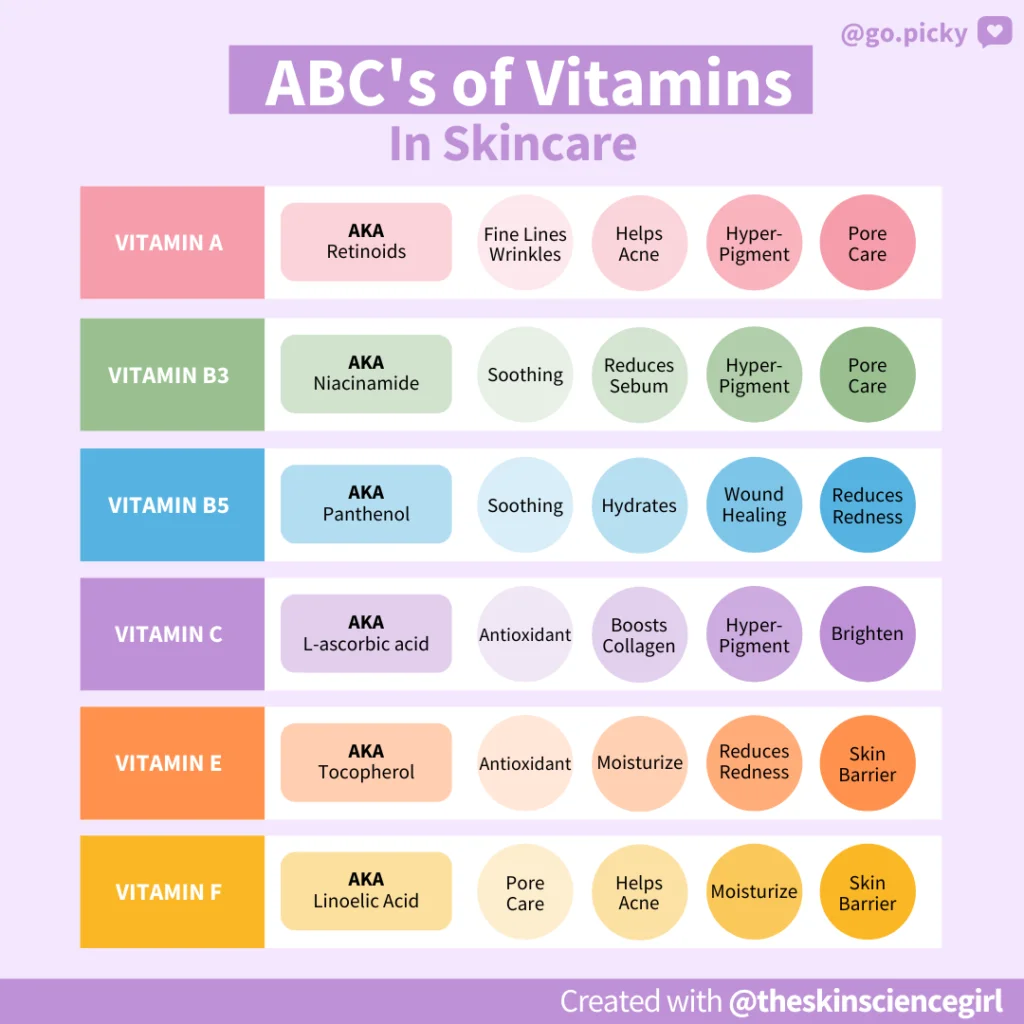
As I delve deeper into the intricacies of skin health, I am frequently struck by the powerful and multifaceted roles played by the B vitamin group, especially when it comes to managing and enhancing skin health. These nutrients are not just co-factors in metabolic processes but play starring roles in skin repair, protection, and moisture balance. Below, let’s explore the distinct yet complementary roles of vitamin B3, B5, and H, each making its unique contribution to the skin’s well-being.

Exploring the Multitasking Abilities of Niacinamide (Vitamin B3)

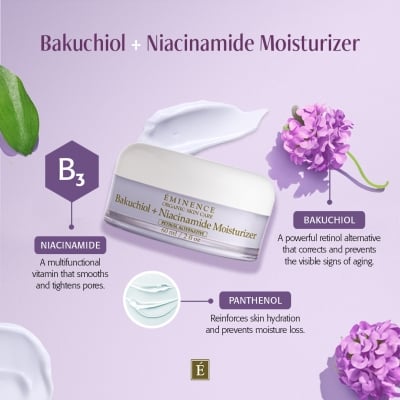
My exploration into the skincare world has led me to uncover the remarkable versatility of vitamin B3 (niacinamide), a powerhouse in managing skin tone and integrity. This remarkable nutrient emerges as a winner for evening out skin tone, diminishing redness, and increasing moisture retention. Its ability to reinforce the skin barrier is one of the reasons why I find its inclusion in skincare formulations so compelling. Through its multitasking abilities, niacinamide helps to keep the skin supple and well-hydrated, while its calming properties reduce the appearance of redness and blemishes.

But niacinamide isn’t just a skin soother; studies have also shown its potential efficacy in skin cancer reduction. This is particularly significant to me, as it underscores the importance of not just caring for skin’s present aesthetic appearance but also investing in its long-term health.

The Significance of Biotin (Vitamin H) and Panthenol (Provitamin B5) in Skincare

Moving from skin tone to texture and repair, I have come to appreciate the roles of vitamin H (biotin) and provitamin B5 (panthenol) in skincare. Biotin has traditionally been recognized for its importance in maintaining healthy hair and nails, but its contribution to skin health is equally deserving of attention. My focus on this nutrient has revealed that it too supports key factors in hydration and skin elasticity, sustaining the body’s need for adequate moisture control.

Similarly, panthenol, or provitamin B5, is an ingredient I look for in skincare products for its hydrating and skin repair attributes. It’s reassuring to know that when applied topically, provitamin B5 works diligently just beneath the surface, improving skin softness and elasticity, and acting as a soothing agent during the skin’s repair processes. Armed with these B vitamins, my skin feels resilient against daily stresses and adeptly soothed, fulfilling my quest for long-lasting skin health.

VitaminKey BenefitsRole in Skin Health
Niacinamide (Vitamin B3)Even skin tone, reduced redness, moisture retentionStrengthens skin barrier and may contribute to skin cancer reduction
Biotin (Vitamin H)Supports skin hydration and elasticityContributes to overall skin health, working alongside other B vitamins
Panthenol (Provitamin B5)Moisturizing, skin softening, improves elasticityFacilitates the skin’s repair processes, enhancing moisture control

In conclusion, with their diverse roles in skin health management, the B group of vitamins underscore an important principle in my skincare philosophy: that a multi-pronged approach reaps the highest benefits. It is through the collaborative effects of niacinamide, biotin, and panthenol that I have seen potent improvements in skin vitality and appearance. These vitamins have become indispensable characters in my narrative of skin health, each supporting the other in the grand scheme of a radiant complexion.

Role of Vitamin K and F: Healing and Essential Fatty Acids

In my personal health journey and extensive research, I’ve discovered that an often-overlooked duo is critical in maintaining my skin’s health: vitamin K and vitamin F (essential fatty acids). Vitamin K, renowned for its skin healing capabilities, has a profound anti-inflammatory property that not only aids in the repair of my skin but also significantly contributes to bruising reduction. Meanwhile, vitamin F, which consists of essential fatty acids, assume a pivotal role in fortifying skin integrity and soothing inflammation.

Incorporating these vitamins in my skincare routine has been nothing short of transformative. To convey their impact, I present a comprehensive table illustrating the benefits and sources of vitamin K and F, underscoring their essential contribution to a full-circle skincare regimen.

VitaminBenefitsDietary Sources
Vitamin K
  • Accelerates the skin healing process
  • Possesses anti-inflammatory properties
  • Essential for reducing bruising and swelling
  • Leafy greens like spinach and kale
  • Brussels sprouts
  • Broccoli
Vitamin F
  • Maintains skin barrier integrity
  • Soothes inflammation and irritation
  • Supports healthy skin growth and function
  • Flaxseeds and flaxseed oil
  • Fish oil and fatty fish like salmon
  • Walnuts and walnut oil

My commitment to a nutrient-rich diet means I never overlook the powerhouses that are vitamin K and F. Whether achieving a more robust skin healing process or enhancing my skin’s ability to combat inflammation, the inclusion of these vitamins, through both dietary intake and tailored skincare products, has been instrumental in preserving my skin’s vitality.

Thanks to vitamin K’s potent anti-inflammatory properties and vitamin F’s integrity-supporting nature, my quest for flawless skin seems less like a distant dream and more like an achievable reality. I feel reassured in knowing that these essential nutrients work harmoniously to nurture my skin from within, bringing about visible and palpable improvements to its health and appearance.

Oral Supplements Vs. Topical Application: The Skincare Debate

In pursuing optimal skin health, I’ve been confronted with a critical decision: choosing between oral supplements and topical application. Each method offers unique benefits, and understanding when and how to deploy them can significantly impact our skin’s condition and appearance. Let’s dive into the nuances of this debate, exploring both routes to ascertain their roles in a comprehensive skincare strategy.

When to Opt for Supplements and How They Support Skin Health

There’s a compelling case for supporting skin health with oral supplements, particularly when addressing systemic issues such as vitamin D deficiency. Oral supplements serve as a beacon, replenishing the body’s reserves of essential nutrients that might not be adequately sourced through diet alone. My regimen includes a variety of skincare supplements, boosting my overall health and complementing the vitamins I receive from a well-rounded diet. They offer systemic support from within, safeguarding against deficiencies on the skin’s surface.

Topical Solutions: The Direct Impact of Vitamins on the Skin

Transitioning from the systemic approach, I’ve also embraced the topical application of key vitamins. These preparations ensure a direct skin impact, delivering the nourishing effects of powerhouse ingredients such as retinol – the hero behind many retinol skin products. Such topical applications play a critical role in my skincare routine, offering targeted skin nourishment that bolsters the skin’s barrier and addresses specific concerns like uneven pigmentation or signs of aging. Coupled with the skin-shielding prowess of antioxidant vitamins, topicals provide an unmistakable frontline defense for maintaining the vigorous condition of my skin.

Integrating Vitamins in Daily Skincare: Routine Tips and Tricks

As I refine my daily skincare, I lean heavily on the power of vitamins, understanding that they are non-negotiable for a radiant complexion. Through my personal experience and extensive research, I’ve pinpointed the most effective strategies for incorporating vitamin-enriched products into every phase of my skin routine. Here is a closer look at how I intertwine these vital nutrients into my regimen to maximize their dermatological benefits.

Starting with the foundational step of cleansing, I ensure my face wash is fortified with vitamins that offer antioxidant support, rejuvenating the skin right from the first touch. The presence of vitamin A derivatives, or retinoids, amplifies the efficacy of my skin care regimen, accelerating the turnover of skin cells to reveal a fresh, youthful canvas.

  • In the morning, I incorporate a vitamin C serum to arm my skin against environmental pollutants and UV rays, capitalizing on its brightening and collagen-boosting properties.
  • My evening protocol involves a serum or cream laced with retinoids, which works overnight to refine texture and diminish fine lines.
  • For moisture, I select creams rich in vitamin E and vitamin A, to nourish and repair while sealing in hydration — a critical move toward maintaining a plump and resilient skin barrier.
  • In the relentless battle against UV damage, I never step outside without a broad-spectrum sunscreen. Whenever possible, I choose formulas that are enhanced with antioxidants like vitamin E, to provide an additional layer of protection.

Understanding that a holistic approach is pivotal, I complement my topical applications with a diet rich in fresh fruits and vegetables, mother nature’s vitamin capsules. I ensure each meal is an opportunity to feed my skin from within, treating it to a bounty of vitamins, minerals, and antioxidants. I rely on select supplements to fill any potential nutritional gaps, always in consultation with a healthcare professional.

Skincare StepVitamins to Look ForMode of ApplicationBenefits
CleanserVitamin A, CTopicalAntioxidant support, prep skin for cell turnover
Serum (AM)Vitamin CTopicalBrightening, collagen production, UV defense
Serum (PM)RetinoidsTopicalRefine texture, anti-aging
MoisturizerVitamin A, Vitamin ETopicalHydration, repair, antioxidant
SunscreenVitamin ETopicalUV protection, added antioxidant benefit
DietVitamins A, B, C, D, E, KOralSystemic health, skin nourishment from within
SupplementsConsult a healthcare professionalOralTargeted nutritional support

To me, vitamins are akin to a symphony for the skin — each one playing its unique part in creating the harmony that is a glowing, healthy complexion. Through perseverance and careful product selection, I’ve seen these nutrients’ transformative impact on my daily skincare journey. And the result? A testament to the vitality imparted by a well-rounded, vitamin-enriched skin care regimen.

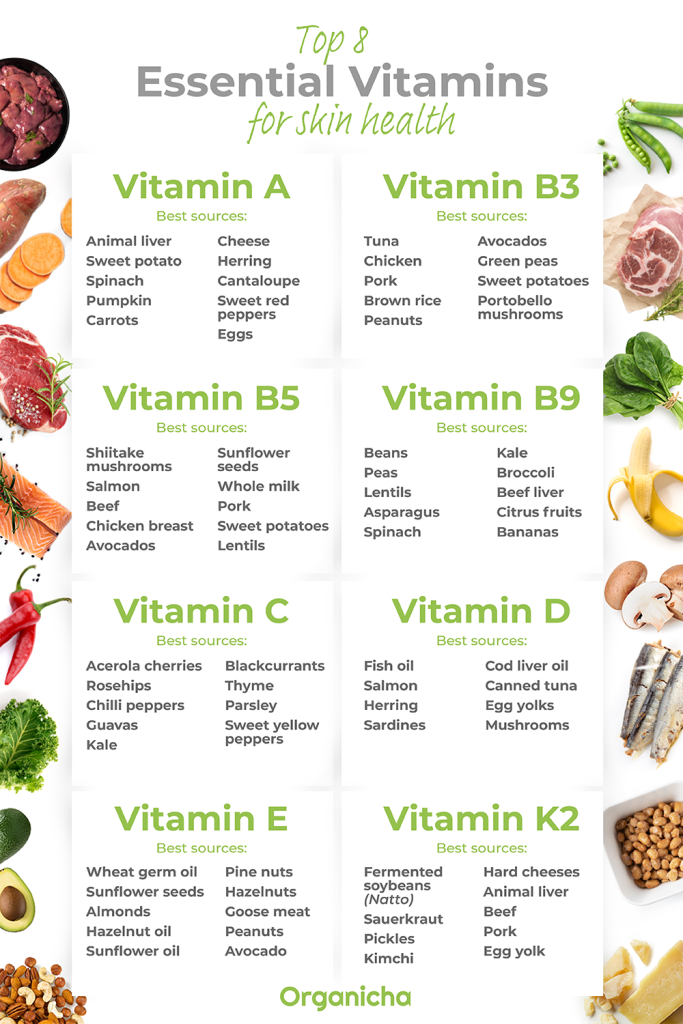
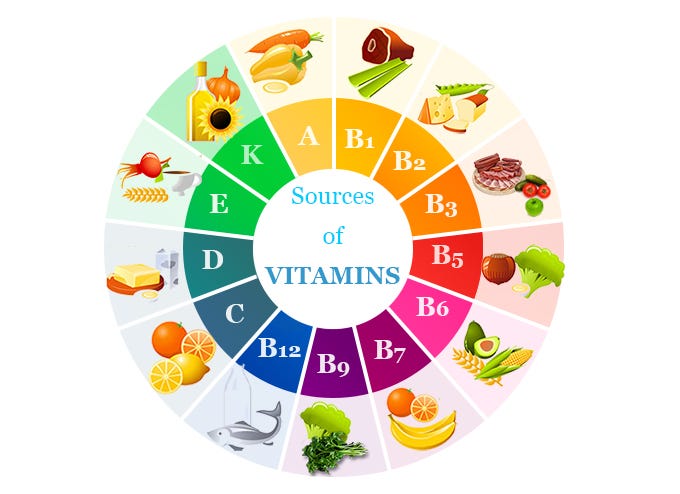
Foods That Boost Skincare Vitamin Levels

In my quest for radiantly healthy skin, I’ve come to understand the pivotal role the right diet plays. Consuming the best sources of vitamins through fruits, vegetables, and animal-derived foods is just as important as choosing the right skincare products. It’s fascinating to decode how nature’s bounty can directly influence the health and appearance of our skin.

Fruit and Vegetable Sources Rich in Skin-loving Vitamins

When I scout for natural skincare enhancers, my first stop is always the colorful array of fruits and vegetables. Jam-packed with vitamins, these are my go-to fruit sources and vegetable sources for an internal glow that mirrors on the outside.

  • From strawberries to blueberries, Berries are rich in Vitamin C and antioxidants.
  • Citrus fruits, like oranges and grapefruits, offer Vitamin C, which is vital for collagen production.
  • Leafy greens, including spinach and kale, are loaded with Vitamin A and Vitamin K.
  • Vegetables like broccoli, bell peppers, and tomatoes provide Vitamins A and C and contain antioxidants that help ward off skin damage.

Animal-Derived Foods that Provide Skin Essential Nutrients

Beyond plant-based foods, animal-derived products hold a treasure trove of vitamin-rich foods that directly support skin repair and health. Here’s what I make sure to include in my diet:

  • Fatty fish such as salmon and mackerel are high in protein and potent sources of omega-3 fatty acids and Vitamin D.
  • Fish oils, especially cod liver oil, are excellent Vitamin D and omega-3 supplements.
  • Whole eggs, including the yolk, provide a good balance of Vitamins A, D, and E, plus essential fatty acids.
  • Fortified foods, such as certain dairy products and cereals, ensure I get enough Vitamin D even when it’s challenging to receive enough sunlight exposure.

Incorporating a variety of these vitamin-rich foods into my diet is key. Berries provide the antioxidants my skin craves, while leafy greens are a non-negotiable staple for their Vitamin A and K. Fatty fish and fish oils become especially crucial for their omega fatty acids and Vitamin D — essential players in maintaining healthy skin structure and function. Meanwhile, whole eggs and fortified foods are convenient and highly effective in supplying those animal-derived nutrients my body needs to support a glowing complexion from within.

VitaminBenefits for SkinTop Food Sources
Vitamin ASupports skin cell turnover and healthy agingCarrots, Sweet Potatoes, Kale
Vitamin CAntioxidant that aids in collagen synthesisOranges, Kiwis, Strawberries
Vitamin DEssential for skin defense and repairFatty Fish, Fortified Milks, Egg Yolks
Vitamin EProtects against oxidative stressNuts, Seeds, Spinach
Vitamin KFacilitates skin healing and reduces bruisingGreen Leafy Vegetables, Broccoli, Brussels Sprouts

My skin thanks me daily for the thoughtful selection of foods rich in the vitamins crucial for its health. I have seen the tangible benefits of feeding my skin from the inside out. And it’s not just about the foods; it’s the nutritional synergy they provide when I consume a balanced diet that makes all the difference on my journey to stellar skin health.

The Science Behind the Role of Vitamins in Skincare

Immersing myself into the arena of nutritional science and its connection with skin care science, I’ve become an ardent student of how certain vitamins influence skin health. This intertwining of clinical nutrition and dermatology spotlights vitamins not simply as supplements, but as foundational components for therapeutic and aesthetic skin betterment.

These findings stem from a collective understanding within the nutrition and skincare community. The role of antioxidant vitamins is well-established, acting as sentinels against oxidative stress. Their therapeutic prowess extends to aiding in the differentiation and function of epithelial tissue—a critical aspect of skin repair and regeneration.

Their diverse functions support the substantiality of vitamins in the skincare regime:

  • Vitamin A: Champion of cell turnover and combatant against the signs of aging.
  • Vitamin C: A proponent of collagen synthesis and a bulwark against photodamage.
  • Vitamin D: Integral for immune regulation within the skin and promoter of localized nutrient synthesis.
  • Vitamin E: Guardian against UV radiation and a hydrating agent that seals in skin moisture.

The efficaciousness of these vitamins is not merely a tale of individual heroism; rather, it’s their synergistic ballet within skincare formulations that enhances our cutaneous envelope. Let me elucidate further with a tabulated insight into the impacts of these vitamins on skin health:

VitaminFunction in SkincareKey Cellular Actions
Vitamin A (Retinoids)Stimulates epithelial differentiationRegulates gene expression and promotes cell turnover
Vitamin C (Ascorbic Acid)Antioxidant support and collagen synthesisProtects against oxidative stress and underpins structural protein creation
Vitamin D (Calciferol)Modulates immune system and local synthesisStimulates antimicrobial peptides production in skin cells
Vitamin E (Tocopherol)Photoprotection and anti-inflammatoryNeutralizes lipid peroxidation and reinforces skin barrier

As I embrace skincare not just as an art but also an extension of nutritional science, it becomes palpable that our understanding of vitamins transcends general health. My interaction with clinical nutrition reveals a truth that resonates on a cellular level — vitamins in skincare aren’t just supplementary, they’re a necessity.

Vitamin Deficiencies and Skin Disorders: Identifying the Link

As I delve into the interplay between nutrition and skincare, it becomes increasingly clear that a line can often be drawn connecting vitamin deficiencies and various skin disorders. The manifestation of certain visible skin changes may be telling signs of these deficiencies, flagging a potential need for nutrient supplementation.

How Visible Skin Changes Can Indicate Vitamin Insufficiencies

It’s fascinating to observe the dermatological signs that surface on our skins; they are often a beacon revealing an underlying imbalance within. For instance, the onset of hyperpigmentation or eczema can be reflective of insufficient vitamin D levels, signaling our bodies longing for more of this essential nutrient. Similarly, a decrease in skin wound healing capabilities or the emergence of scaly patches could be symptomatic of a broader spectrum of vitamin deficiencies.

Resolving Dermatological Issues Through Vitamin Supplementation

The transformative power of appropriately calibrated vitamin supplementation in addressing and remedying dermatological issues is something I’ve come to deeply appreciate. It is not simply about masking the symptoms of vitamin deficiency but rather heartening the skin’s innate capacity for regeneration and healing. Through my ongoing study and firsthand experience, I’ve witnessed the direct correlations between nutrient supplementation and the alleviation of disease symptoms.

VitaminCommon Deficiency SignsBenefits of Supplementation
Vitamin ADry, flaky skin; acnePromotes skin cell renewal and repair
Vitamin B ComplexCracks at corners of the mouth; rashesEnhances skin barrier; improves moisture retention
Vitamin CEasy bruising; slow wound healingBoosts collagen production; potent antioxidant
Vitamin DEczema; psoriasis flare-upsSupports skin immune system; aids in cell growth
Vitamin EHyperpigmentation; premature agingProtects against UV damage; moisturizes skin

My dedication to unraveling the signs and correcting the imbalances due to vitamin deficiencies has not only been an academic exercise but has also borne fruit in my own skincare practices and overall well-being. Whether through focused dietary efforts or supplementation strategies under expert guidance, the key to remedying vitamin-linked skin conditions resides in recognizing and acting upon the signs presented by our largest organ – the skin.

Conclusion

Embarking on this journey through the synergistic landscape of vitamins and skincare, I’ve anchored my understanding in their pivotal role in sustaining a vibrant and supple complexion. The blend of topical applications, ingested supplements, and a nutrient-rich diet has proven to be an unbeatable trifecta in achieving optimal skin health. Such a holistic approach ensures that my skin is not only being treated on a superficial level but is also nourished from within, fortifying its resilience against daily exposure to stressors and pollutants.

My experience and research have elucidated that the benefits of vitamins go far beyond any dietary supplement aisle; they encapsulate a broader narrative of skin health maintenance. Integrating vitamin-enriched skincare into my routine has, without a doubt, led to a more radiant, youthful dermal canvas—one that is better equipped to handle the environmental onslaught of modern life. We talk about skincare ‘regimens’ and ‘routines’ for good reason; it is through these repeated daily practices, consistently fortified with these essential nutrients, that the tenets of good skin health are upheld and visible results are attained.

In reflection, my skincare conclusion is clear and resolute: vitamins are not an optional addition but rather a necessity, fundamental for the vitality and longevity of the skin. Embracing this doctrine has not only revolutionized my personal skincare routine but has also reinforced the timeless adage that a nutrient-rich diet stands as the cornerstone of not just good health, but also the beauty that emanates therefrom. Thus, as I continue my quest towards indefatigable skin vigor, my resolve remains firm—prioritize and cherish the myriad of vitamin benefits for enduring skin health and beauty.

FAQ

What is the role of vitamins in skincare?

Vitamins are critical in maintaining skin health by aiding skin cell regeneration, offering antioxidant protection, and fortifying the skin against environmental damage. They are involved in collagen production, combating free radicals, and hydrating the skin, ultimately contributing to a radiant and youthful complexion.

How do vitamins transform skincare?

Certain vitamins, like retinoids (derivatives of vitamin A) and vitamin D analogs, offer transformational benefits in skincare. They function as therapeutic molecules for treating serious skin conditions while also providing cosmetic advantages like improved texture and appearance. They help in skin regeneration and act as protectors against external stressors.

What roles do vitamins A and C play as antioxidants in skincare?

Vitamin A, particularly retinol, enhances skin cell turnover, effectively treating acne and reducing signs of aging caused by sun damage. Vitamin C, or ascorbic acid, is a potent antioxidant that promotes collagen synthesis, brightens the skin, and repairs damage caused by sunlight. It addresses issues such as hyperpigmentation for an even skin tone.

Can you explain the synthesis and therapeutic applications of vitamin D in skincare?

Vitamin D synthesis in the skin begins with converting a precursor molecule to cholecalciferol (vitamin D3) under UV light. This form then undergoes further conversion to become biologically active and serves as a therapeutic agent, particularly for skin conditions like psoriasis. Adequate levels of vitamin D are essential for skin health and systemic well-being.

Why is Vitamin E essential for skin hydration and UV defense?

Vitamin E is a crucial fat-soluble antioxidant that ensures skin hydration and protects from UV rays. It maintains the skin barrier function, preventing moisture loss and promoting a healthy lipid layer. Acting as a natural sunscreen, it scavenges free radicals, particularly lipid-peroxyl radicals, thus shielding the skin from the damage caused by UV radiation.

What are the diverse roles of the Vitamin B group in skincare?

The B-group vitamins, including niacinamide (B3) and panthenol (B5), are multitaskers in skincare. Niacinamide helps to even out skin tone, reduce inflammation, and enhance moisture retention. Biotin and panthenol notably contribute to skin repair and moisturization, promoting resilience and elasticity of the skin.

How do Vitamin K and F contribute to skincare?

Vitamin K is known for its significant role in the skin’s healing process, particularly its anti-inflammatory properties and ability to reduce bruising. Vitamin F, consisting of essential fatty acids, is vital for maintaining skin integrity, supporting the skin’s lipid barrier, and soothing inflammation.

Oral Supplements Vs. Topical Application: Which is better for skin health?

Both oral supplements and topical applications have their place in skincare. Supplements can provide systemic support and address deficiencies, such as vitamin D, while topical applications directly deliver concentrated, targeted nutrients to the skin. Retinol creams, for instance, directly impact skin whitening, and antioxidant vitamins in topical form protect the skin barrier.

How can I integrate vitamins into my daily skincare routine?

You can integrate vitamins into your skincare routine by using cleansers, serums, and moisturizers enriched with vitamins such as A, C, and E. Don’t forget to include sunscreen to protect from UV rays. A healthy diet complements a holistic skincare regimen and, if necessary, vitamin supplements.

What are some dietary sources of skincare vitamins?

To naturally boost your vitamin levels for skincare, consume fruits like citrus and berries, and vegetables such as broccoli and leafy greens, as they’re rich in vitamins A, C, and E. Fatty fish, eggs, and fortified foods provide vitamin D and omega fatty acids, which are essential for maintaining healthy skin, hair, and nails.

How do vitamins contribute to the science behind skincare?

Vitamins A, C, D, and E play a pivotal role in skincare science by supporting different aspects of skin health. They aid in skin cell differentiation, offer protection from environmental insult, and accelerate repair processes, ensuring that skin remains resilient and heathy.

How can changes in skin appearance indicate vitamin deficiencies?

Visible changes in skin appearance, such as hyperpigmentation, dermatitis, and scaly patches, can often signal underlying vitamin deficiencies. For instance, a lack of vitamin D might manifest as psoriasis. Enhancing vitamin intake through diet or supplementation can improve these conditions and overall skin health.

Can targeted vitamin supplementation resolve dermatological issues?

Yes, targeted vitamin supplementation can resolve symptoms associated with dermatological issues and improve the skin’s wound-healing capabilities. For example, supplements containing vitamins essential for skin repair can have a direct effect on skin health and regeneration.

Source Links

What Is the Role of Vitamins in Skin Care? Read More »
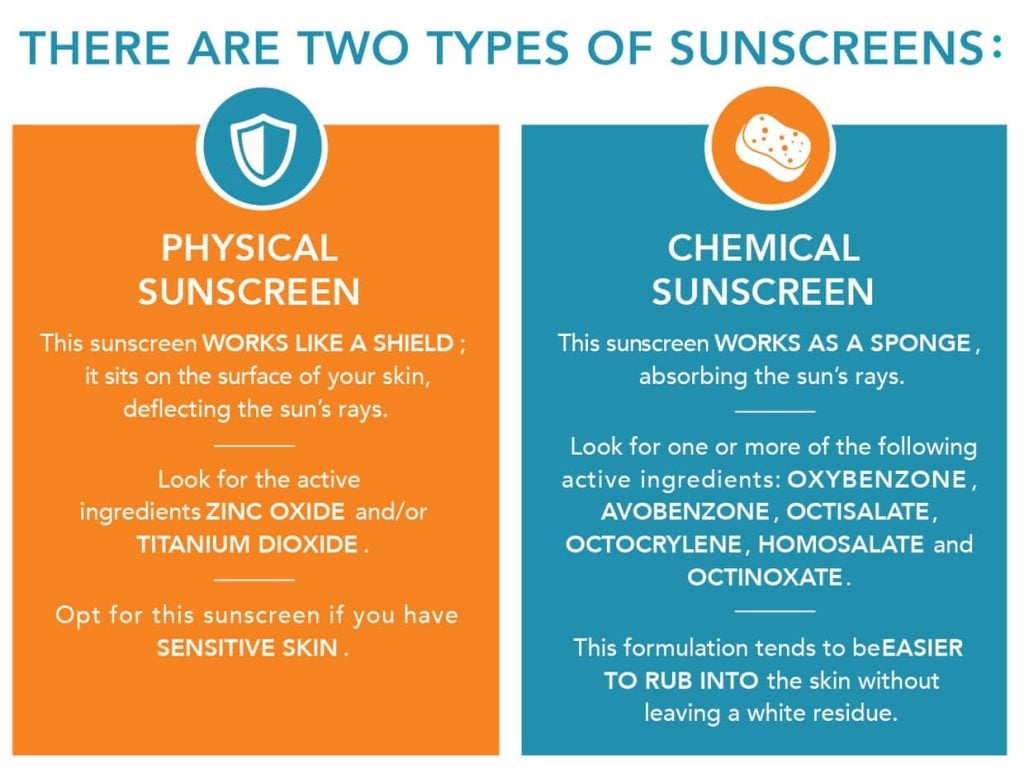
Korean Skin Care That is Exploding in Popularity

Unlock Radiant Skin with Korean Skin Care That is Exploding in Popularity

The allure of glass-like skin has found its epicenter in the heart of Korea, where Korean skin care has transcended borders and become a quintessential benchmark for excellence in the beauty industry. Rooted in traditions that celebrate skin as a pivotal substrate of beauty, Korean beauty rituals have meticulously evolved into a comprehensive approach towards skin health. Embracing the philosophy that a proactive and preventative routine leads to lasting skin vitality, Korean skincare products have been crafted to perfect every aspect of skin care, catering to many needs and skincare desires.

With an impressive arsenal of K-beauty essentials at its behest, this Asian beauty trend combines advanced scientific innovation with time-tested natural ingredients, yielding various products designed to promote a healthy, youthful, and radiant complexion. It’s no wonder that skincare enthusiasts and novices alike are turning towards Korean skincare products — a testament to their potency and the palpable results they deliver.

Key Takeaways

  • Korean skin care emphasizes a comprehensive, step-by-step regimen that caters to every facet of skin health.
  • The global popularity of Korean skincare products stems from their innovative use of natural ingredients, coupled with cutting-edge technology.
  • K-beauty essentials are renowned for their unique formulations that target a wide range of skin concerns with precision and care.
  • Korean beauty trends highlight the importance of preventive care, recognizing that maintaining skin’s natural balance is key to a glowing complexion.
  • The growing fascination with K-beauty routines reflects an international appreciation for Korean culture’s dedication to meticulous skin care practices.
  • Korean skincare products provide an effortless segue into achieving radiant skin, making them a favored choice for both their efficacy and sensory appeal.

The Rise of K-Beauty: Understanding Its Global Impact

The ascendance of Korean beauty products on the global stage is more than a fleeting fad; it’s a revolution that’s redefining beauty standards internationally. Rooted in a deep understanding of dermatological health and cosmetic innovation, K-beauty trends are shaping the way consumers think about skin care. From Seoul’s meticulous skin care regimes to the glowing, dewy skin featured in Korean dramas, the influence of these products and trends has created an insatiable demand worldwide.

One of the critical components of K-beauty is its deference to both tradition and technology. The result is an approach to beauty that’s both holistic and cutting-edge, balancing nature with science in a way that resonates with consumers across diverse cultures. This unique blend has given Korean beauty products their well-deserved acclaim, propelling them to the forefront of the beauty industry.

The global impact of Korean beauty products can be traceable through their widespread accessibility. From dedicated K-beauty stores sprouting in major cities to K-beauty sections in local drugstores and high-end department stores, these products are now accessible to a global clientele eager to engage with their benefits. This reach demonstrates the significant market influence of K-beauty, as it carves a substantial niche in the cosmetic and skin care arenas.

  • The innovative packaging and sophisticated formulations of K-beauty favorites that focus on both aesthetics and functionality.
  • The surge of interest in ingredients (such as snail mucin and ginseng) that were once considered exclusive to the Korean market.
  • The intensive research and development that Korean cosmetic companies invest in to deliver products ahead of global beauty trends.
  • The fusion of traditional practices with contemporary skin care needs that K-beauty represents, bringing the best of both worlds to the consumer.
  • The commitment to gentle yet effective products, often tailored for sensitive skin, which has contributed to a broad consumer base.

“Korean beauty products have not just introduced new concepts in skin care; they’ve initiated a global dialogue about the philosophy of beauty and well-being. It’s about embracing a routine that is as enjoyable as it is effective, a narrative warmly welcomed by international consumers.”

As a testament to their international appeal, K-beauty brands are often the first port of call for consumers seeking innovative solutions to their skin care dilemmas. With the waves they’re making across continents, these trends and products are indisputably significant players in today’s beauty industry.

Korean Skin Care That is Exploding in Popularity

The Fundamentals of a Korean Skincare Routine

Adapting the Korean skincare routine is an investment in your skin’s health. It is much more than a simple regimen; it is a ritual that embodies the essence of Korean cultural appreciation for meticulous care and patience. Layer by layer, this routine unfolds to reveal the secrets to a radiant complexion, leveraging an array of Korean skincare products that work in harmony to cleanse, hydrate, and treat the skin.

Double Cleansing: The Cornerstone of K-Beauty

Double cleansing is the first and non-negotiable step in a Korean beauty routine. Masters of skincare, Koreans believe in a clean canvas as a pivotal foundation for subsequent skincare steps. This skin care routine starts with an oil-based cleanser to dissolve makeup and draw out oil-soluble impurities, followed by a water-based cleanser to address dirt, sweat, and remaining debris. Here’s a methodology that ensures a thorough cleanse:

  1. Apply an oil cleanser to dry skin, massaging gently to break down makeup.
  2. Rinse with warm water and follow up with a foam or gel cleanser.
  3. Gently massage the second cleanser onto the face, then rinse, setting the stage for a truly receptive skin surface.

Hydration and Layering: The Korean Approach to Moisturizing

Following cleansing, hydration takes precedence in the routine. The Korean practice utilizes layering techniques to ensure that the skin remains plump and moist, enabling it to repair and defend itself effectively. The art of layering also involves applying skincare products in a specific order, optimizing absorption and benefit. Typically, the progression is from the lightest consistency to the richest, as detailed below:

StepProduct TypeFunction
1TonerRebalances pH and preps skin
2EssenceHydrates and aids cell turnover
3EmulsionLightweight moisturizer
4Serum/AmpouleConcentrated treatment
5CreamSeals in moisture and nutrients

Essence and Serums: Targeted Treatments for Glowing Skin

At the heart of a Korean skincare routine lies the use of essences and serums—specialized formulations targeted to address specific skin concerns. This step is what sets Korean skincare apart, allowing for a tailored approach focused on individual skin needs. From anti-aging peptides to brightening vitamin C, these powerful concoctions are packed with active ingredients designed to have a transformative impact. The table below highlights the role of essences and serums:

Skin ConcernEssence or Serum IngredientExpected Benefit
PigmentationNiacinamideImproves skin tone
AgingRetinolStimulates collagen production
AcneSalicylic AcidClears pores and reduces inflammation
DrynessHyaluronic AcidEnhances hydration levels
SensitivityCentella AsiaticaSoothes irritation and redness

Korean Skin Care

The ethos of Korean skin care lies in a disciplined, holistic approach that extends far beyond the surface to achieve and sustain healthy, glowing skin. With a focus on preventive care and a regimented routine, these specialized methodologies have set the standard in the beauty world by emphasizing nourishment and protection. Each step in the famed Korean skincare routine plays a pivotal role in maintaining the skin’s natural balance while ensuring that every layer—from the deepest to the surface—is addressed with suitable Korean beauty products.

Embracing a myriad of innovative ingredients, from the depths of the sea to the peaks of its rich landscapes, Korea has harnessed unique elements that contribute to the effectiveness of these products. Synergizing ancient wisdom with leading-edge science, the country has birthed formulas that cater to various skin types and concerns, designed to deliver results that are as impressive as they are consistent.

The admiration for Korean skin care isn’t just about the promise of perfect skin—it’s the entire experience that has enchanted beauty enthusiasts globally. The textures, the scents, and the indulgent rituals all coalesce to form a skin care experience that is both transformative and pleasurable. Here’s an overview of what makes the Korean skincare routine a jewel in the crown of beauty rituals:

  • Double Cleansing: A meticulous two-step method to rid the skin of impurities and prepare it for the subsequent skincare steps.
  • Layered Hydration: Multiple layers of hydration using varying textures from toners to creams to lock in moisture and active ingredients.
  • Essences and Serums: The heart of the routine, used to directly target specific skin concerns with potent, focused ingredients.
  • Protection and Nourishment: Ensuring the skin is shielded from environmental stressors while being fed nourishing ingredients for optimal skin health.

What sets the Korean skincare routine apart is its intrinsic nature of customization. Every individual’s regimen can be handpicked from a diverse range of Korean beauty products, each designed to affiliate with different skin types and personal care needs. Below is a snapshot of the multi-step routine that embodies the essence of this revered beauty practice:

StepActivityBenefits
1Cleansing (Oil-Based and Water-Based)Thoroughly cleanses skin, removes makeup, and clears clogged pores.
2ToningRestores skin’s pH balance and enhances absorption of other products.
3Applying EssenceDeeply hydrates and prepares the skin for treatment products.
4Treatment (Serums, Ampoules)Provides targeted solutions for specific skin issues.
5MoisturizingImproves skin barrier function and prevents moisture loss.
6Sun ProtectionGuards against UV damage and prevent premature aging.
“The artistry of a Korean skincare routine exemplifies centuries-old traditions fused with modern-day science, paving the way for universally coveted beauty products that are as effective as they are luxurious.”

A substantial shift from the traditional Western approach, where minimalism often takes precedence, Korean skincare rejoices in a layered, leisurely process that values precision over speed. In the dynamic realm of skin care, where the search for the elixir of youth and radiance reigns supreme, the Korean beauty products and routines have established a legacy, signifying their enduring impact on our collective quest for eternal beauty. Indeed, to partake in a Korean skincare routine is to practice the art of skin preservation, with a touch of indulgence and a dash of ritualistic self-care.

Korean Skin Care That is Exploding in Popularity

Natural Ingredients in Korean Beauty Products

The enduring appeal of traditional Korean skincare is its commitment to natural ingredients known for nourishing skin. These elements have been the cornerstone of cultural beauty rituals for centuries, and now, they are an integral part of what makes K-beauty formulations so respected globally. This reverence for the natural and the gentle is what sets Korean beauty apart, creating a tapestry of products that blend the historical with the cutting-edge. As we delve into the heart of K-beauty, we uncover the rich tapestry of innovative natural components that contribute to its effectiveness and allure.

How Traditional Korean Ingredients Nourish Skin

Efficacy, rooted in tradition, is what defines Korean beauty. Natural ingredients such as ginseng, green tea, and rice water are not just trendy buzzwords but are entrenched in the fabric of Korean culture for their healing and nourishing skin properties. Ginseng revitalizes, green tea protects against free radicals, and rice water brightens, making each ingredient a cherished treasure in skincare rituals.

Innovative Use of Natural Components in K-Beauty Formulations

It’s not just about the venerable history of these ingredients; it’s also about the innovative strides in incorporating these natural components into modern K-beauty formulations. Through continual research and technological advancements, these traditional ingredients are optimized to address contemporary skin concerns, ensuring that they meet the needs of today’s discerning consumer while staying true to the essence of Korean skincare.

Natural IngredientBenefitsFound in K-Beauty Products
GinsengAnti-aging, revitalizing, boosts skin’s radianceSerums, Creams, Masks
Green TeaAntioxidant, soothing, protects skinCleansers, Toners, Lotions
Rice WaterBrightening, clarifying, enhances skin textureEssences, Emulsions, Face Washes

With such powerful components at play, it is clear that Korean skincare is more than superficial application; it is a synthesized blend of nature and science. Harnessing the full potential of natural ingredients, it provides a nurturing embrace for the skin, echoing the traditions of the past while paving the way for the innovations of the future.

Korean Beauty Products for Different Skin Types

The radiant, dewy finish emblematic of Korean beauty products is not a one-size-fits-all solution; it is the culmination of personalized skincare that considers individual needs and concerns. In the realm of K-beauty, diversity thrives, offering an extensive selection to cater to different skin types. Navigating through the myriad of options can be daunting, but understanding which Korean skincare routine or product matches your skin type ensures not just efficacy but also delights in daily rituals.

Here, we explore how K-beauty stands out in its inclusivity, addressing the needs of every skin concern with targeted innovations:

Skin TypeConcernRecommended K-Beauty ProductsKey Ingredients
DryHydrationHydrating essences, Rich moisturizersHyaluronic Acid, Squalane
OilyOil ControlOil-free gel creams, BHA tonersGreen Tea, Salicylic Acid
CombinationBalanceEmulsions, Water-based serumsTea Tree Oil, Centella Asiatica
NormalMaintenanceEssences, Lightweight lotionsBamboo Sap, Propolis
SensitiveCalmingRecovery creams, Soothing masksAloe Vera, Panthenol
AgingRejuvenationAnti-aging serums, Collagen-infused creamsRetinol, Peptides
Acne-ProneClaritySpot treatments, Pimple patchesCalamine, Salicylic Acid

Discovering the right Korean beauty products for your skin type is a journey toward a bespoke skincare routine that can efficaciously address specific conditions. Be it the infusion of hydrating essences for those battling skin dryness or salicylic acid treatments designed for acne-prone surfaces, the segmentation within the K-beauty universe is comprehensive. Catering to the spectrum of different skin types and their unique needs is the cornerstone of K-beauty’s widespread success and enduring appeal.

  • For oily skin, matte-finish sunscreens and sebum-regulating sheet masks are quintessential, keeping shine at bay.
  • Those with dry skin may find solace in sleeping masks that lock moisture overnight for a supple morning complexion.
  • Combination skin benefits from multi-masking—applying different masks to various facial zones to target distinct issues.
  • The luxurious textures of anti-aging creams offer a sensorial and beneficial experience to those concerned with signs of aging.

Selecting the right Korean skincare routine for your skin doesn’t just result in visual benefits; it also instills a deep sense of self-care that aligns with Korea’s dermatological ethos—a meticulous balance of aesthetic and health.

Korean Skin Care That is Exploding in Popularity

K-Beauty Trends and Innovations

The ever-evolving Korean beauty industry continues to captivate the world with its groundbreaking strides in skincare technology. Enthusiasts and experts alike eagerly anticipate the latest k-beauty trends – each promising to revolutionize the way we approach skin health and aesthetics. In this dynamic landscape, technological advancements and skincare innovations frequently set new standards for product efficacy and user experience.

Recent Breakthroughs in Korean Skincare Technology

Recent developments have unveiled innovations focusing on the precise delivery of active ingredients. This cutting-edge Korean skincare technology ensures that solutions for specific skin concerns are more effective than ever. Formulations are now crafted to penetrate deeper layers of skin, allowing for targeted action and visibly improved outcomes.

Popular K-Beauty Products That Are Making Headlines

Amid the myriad of advancements, certain popular k-beauty products have stood out, gaining acclaim for their impressive results. These include:

  • Sheet masks: Offering a potent dose of essence and ease of use, these have become a staple in the Korean beauty routine.
  • Snail mucin-infused creams: Celebrated for their ultra-hydrating properties and ability to improve skin texture and reduce signs of aging.
  • Acne pimple patches: These discrete yet powerful treatments quickly and effectively target blemishes without drying out the skin.

Each product reflects the Korean beauty industry’s commitment to creating sophisticated, user-focused solutions that align with the demands of diverse skin types while adhering to a philosophy of gentle care and maintenance.

Product TypeMain FunctionActive IngredientsUser Experience
Sheet MasksDeep HydrationHyaluronic Acid, Tea Tree ExtractInstantly refreshing, with long-lasting effects
Snail Mucin CreamsRepair and MoisturizeSnail Secretion Filtrate, Glycolic AcidDewy finish, visible reduction in fine lines
Acne Pimple PatchesTargeted Blemish TreatmentHydrocolloid, Salicylic AcidDiscreet and protective, minimizes scarring

As k-beauty trends and skincare innovations continue to push the boundaries of beauty and wellness, consumers worldwide can look forward to even more astounding and efficacious products in their skincare journeys.

How to Incorporate Korean Beauty into Your Skin Care Routine

Entering the world of Korean beauty can transform your skin care routine into an indulgent and effective regimen. Customizing your routine with K-beauty essentials allows you to harness innovative formulas and achieve the coveted Korean glow. Whether you’re a seasoned skin care enthusiast or new to the game, the gradual integration of K-beauty products can lead to a delightful self-care practice rich in tradition and modern science.

Customizing Your Routine with K-Beauty Essentials

To customize skincare effectively with Korean beauty products, start by identifying your skin type and main concerns. K-beauty offers a plethora of products designed to address everything from dryness and wrinkles to acne and hyperpigmentation. Selecting the right cleansers, toners, essences, and moisturizers is key to creating a skin care routine that nurtures and protects your skin.

Take the time to research ingredients that are beneficial for your specific skin issues. For example, those with dry skin might look for products containing hyaluronic acid, while people battling acne may opt for formulations with tea tree oil or BHA.

Here’s a simple guide to customize skincare with K-beauty essentials:

  • Cleansers: Choose a gentle oil-based cleanser to remove makeup and sunscreen, followed by a water-based cleanser for a thorough clean.
  • Toners: Select a hydrating toner that helps to balance your skin’s pH and prepare it for the next steps.
  • Essences: Incorporate an essence to deeply hydrate and aid in cellular turnover, enhancing the effectiveness of other products.
  • Moisturizers: Opt for a moisturizer that is appropriate for your skin type, providing essential hydration without causing congestion.

By carefully choosing each product, you’ll be able to build a skin care routine that resonates with your personal skin goals and enhances your natural beauty.

Steps to Transition Smoothly to a Korean Skincare Regimen

To ensure a seamless transition to Korean skincare regimen, introduce new products gradually. This approach helps your skin to adjust without becoming overwhelmed, which is crucial when experimenting with new ingredients and formulations. Follow these steps to shift smoothly and enjoy the full benefits of Korean skincare products:

  1. Integrate one new product at a time, starting with a cleanser, and allowing your skin to adapt for a few days.
  2. Add a toner to your routine next, as it is relatively easy for the skin to tolerate and offers immediate hydration benefits.
  3. Once your skin has settled with the toner, incorporate an essence or serum, such as one with nourishing ingredients like snail mucin or propolis.
  4. After your essences and serums are well-tolerated, bring in a moisturizer appropriate for your skin type to seal in all the active ingredients and hydration.
  5. Finally, include a dedicated SPF product in the morning routine to protect your skin from UV damage, a critical step in Korean skincare routines.

Patience is key when curating a K-beauty regimen. With each new product introduced, monitor your skin’s reaction and give it time to reveal the benefits. A thoughtful, measured transition to Korean skincare regimen not only minimizes potential adverse reactions but also sets the foundation for a sustainable and enjoyable skin care journey.

DIY Korean Skincare Solutions and Tips

In the expansive universe of Korean beauty, DIY Korean skincare has carved out its unique niche, offering personalized and natural alternatives to store-bought essentials. One such revered ingredient is flaxseed, a powerhouse of nutrients with remarkable skin care benefits. Known for its skin-tightening effects, flaxseed is an accessible and effective component for those looking to explore the realm of DIY skincare solutions. A topical application of a flaxseed gel mask can provide temporary firmness to the skin, along with a brightness often associated with a healthy complexion.

When attempting this Korean-inspired natural remedy, careful preparation is key. Boiling flaxseeds in water yields a thick, gel-like substance that, when applied to the skin, delivers a concoction rich in healthy fats and vitamin E. However, it is important to note that skin care tips from knowledgeable enthusiasts often suggest soaking the seeds instead of boiling. This method is recommended to preserve the delicate essential fatty acids that could be destroyed by heat. By allowing the seeds to soak, either overnight or for 24 hours, one can extract a gel that retains the full spectrum of benefits flaxseeds have to offer.

Whether choosing to boil or soak, the resultant gel can be smoothly transferred into a clean syringe for stylish and simplified application. After applying it on the face and allowing it to settle for a few minutes, it can then be washed off to reveal a complexion that’s perceptibly tighter and more radiant. While this DIY treatment might not be a permanent fix, it certainly aligns with the spirit of K-beauty, which celebrates both the efficacy and the ritualistic joy of skincare routines. As the beauty world continues to globalize and innovate, these DIY Korean skincare practices offer exciting avenues for personal exploration and skin health empowerment.

Korean Skin Care That is Exploding in Popularity

FAQ

Why has Korean skin care gained such explosive popularity?

Korean skin care has gained massive popularity due to its comprehensive and effective approach to achieving radiant skin. The multi-step regimens, use of natural ingredients, and focus on hydration and nourishment have proven to be successful in producing healthy, glowing complexions. This focus on skin health, coupled with innovative product formulations, has positioned K-beauty as a leading trend in the global beauty market.

What are the impacts of K-beauty trends on the global beauty industry?

K-beauty trends have influenced the global beauty industry by introducing advanced product formulations and refreshing beauty standards. Consumers worldwide have embraced the meticulous skin care routines and innovative ingredients typical of Korean beauty, integrating them into their daily regimens and heightening the demand for K-beauty products.

What is double cleansing, and why is it important in a Korean skincare routine?

Double cleansing is a two-step process that is essential in a Korean skincare routine. It starts with an oil-based cleanser to remove makeup and sunscreen, followed by a water-based cleanser to clean deeper into the pores and remove sweat and dirt. This method ensures a thorough cleanse, promoting a clearer and purer skin complexion.

How does hydration play a role in Korean skincare?

Hydration is a key element of Korean skin care, often achieved through layering techniques. Products are applied from the thinnest to thickest texture, allowing each layer to be fully absorbed, thus maximizing moisture retention and ensuring deep hydration for the skin.

What are essences and serums, and how do they fit into the Korean beauty routine?

Essences and serums are concentrated treatments that address specific skin concerns like aging, pigmentation, or acne. They are a core part of the Korean beauty routine, designed to deliver a high concentration of active ingredients directly to the skin for targeted effects.

What natural ingredients are commonly used in Korean skincare products?

Traditional Korean skincare incorporates a variety of natural ingredients known for their skin benefits. Common ingredients include ginseng, known for its anti-aging properties; green tea, which contains powerful antioxidants; and rice water, which can brighten and soothe the skin. These ingredients have been used for centuries in Korea and are now central to the effectiveness of many K-beauty products.

How do recent breakthroughs in technology affect Korean skincare?

Recent technological breakthroughs in Korean skincare involve enhancing product formulations with unique delivery systems that target skin concerns more effectively. These advancements allow active ingredients to penetrate deeper into the skin and offer solutions that are tailored to various skin types and conditions.

What are some popular K-beauty products that have received global recognition?

Some K-beauty products gaining international acclaim include sheet masks, which offer potent skin benefits in a single use; snail mucin-infused creams, renowned for their repairing and hydrating properties; and acne pimple patches, which protect and heal breakouts quickly.

How can someone customize their skin care routine with K-beauty products?

Customizing a skin care routine with K-beauty products involves understanding one’s skin type and concerns, then selecting products that target those specific needs. Options range from oil-based cleansers to water-based toners and from rich creams to lightweight lotions, allowing for a personalized regimen that fosters optimal skin health.

What are the steps to transition smoothly to a Korean skincare routine?

To smoothly transition to a Korean skincare routine, it’s recommended to gradually introduce new products, one at a time, and observe how the skin reacts to each. Starting with the basics, such as cleanser and moisturizer, and then advancing to include toners, essences, and treatments can help the skin acclimate without overwhelming it.

Can you provide a DIY Korean skincare solution?

Yes, flaxseed gel is a DIY Korean skincare solution that is easy to prepare and provides skin-tightening effects. To create this gel, flaxseeds can be soaked in water, allowing their healing properties to infuse into the liquid, creating a gel-like consistency. This can then be applied to the skin as a face mask, offering anti-inflammatory benefits and temporary skin tightening.

Source Links

Unlock Radiant Skin with Korean Skin Care That is Exploding in Popularity Read More »
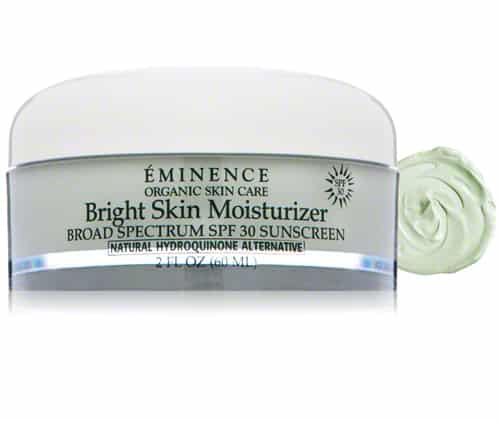
header image; right age to use face serum

What Age Should I Start Using Serum?

Face serums are power-packed products that contain skin care actives to target specific skin concerns. If your skin is not at its best these days, face serums are something you need to try now! But, does that make you wonder, what age should I start using serum?

You should start using face serum at the age of about 20 years, ideally! You may begin to notice some sort of skin damage at about your mid-twenties. So, 20-25 years is the right age to start using face serums.

Follow along to explore all about choosing face serums; according to your age in the best way!

Best Age To Start Using Serum

To get a clear idea of which face serums work well at which age, here is a table to guide you!

Face Serums

Right Age To Use

How To Use

Hyaluronic Acid

20 Onwards

Morning and evening; Everyday

Niacinamide

Teenage (13-19 years) and  beyond

Morning and evening; Everyday

Vitamin C

Late Teens

Daily morning

Vitamin E

Teenage and beyond

1-2 times in a week, before bedtime

Retinol

25 Onwards

Every other day, before bedtime, Wear SPF daily

Salicylic Acid (BHA)

Teenage

Start With 3 times a week, Better at night

AHAs

25 years

2-3 times a week or every other day, day/night

Peptides

25 to 30 years

Twice daily

Coenzyme Q10

25 to 30 years

Twice daily

But that’s not only about the right age to start a face serum; you should know;

  • what to look for in the long list of ingredients
  • how to choose the best face serum 
  • and finally, how to use them!

Best Face Serums For Teens

Is serum good for teenage skin?

Yes! You do need at least some skin care even in your teenage. And serums are one of them. 

Here is a list of serums that are good for teenage skin:

  1. Niacinamide Serum
  2. Vitamin C Serum
  3. Vitamin E Serum
  4. Salicylic Acid Serum
  5. Organic Serums

Is hyaluronic acid good for teenage skin? Hyaluronic acid is not bad for your skin in your teens. But, the thing is that you don’t need to use hyaluronic acid at such a young age. That is because it’s best to use it to prevent aging skin or to treat it once you have it!

best face serums for teens

Niacinamide Serum For Teenage Skin

You can use niacinamide even in your teens; that is 13-year; to 19 years of age. It is one of the most beloved skin care essentials of all time! 

Here is why you should use niacinamide serum in your teenage skin care routine:

  • Niacinamide works for all skin types and ages.
  • Niacinamide improves skin texture.
  • It takes care of your skin barrier.
  • It deeply cleanses your pores.
  • Also, help lighten up dark patches.
  • And may reduce teenage acne.

Here is a niacinamide serum perfect to use in your teens:

A unique blend of niacinamide with alpha arbutin that promises spot reduction! If you are a teen struggling with acne spots or dark patches, this face serum is a perfect add-on to your skin care routine.

Vitamin C Serum For Teenage Skin

Vitamin C is a powerful serum you can use even as a 15-year-old! And here is why:

  • You can start vitamin C in your late teens and continue it for life.
  • It works well for all skin types.
  • It brightens up your skin.
  • It can fade acne scars.
  • It fights against the harmful effects of the sun on your skin.
  • It boosts collagen. 

Vitamin C Serum + Good SPF is enough to protect your skin from sun damage in your teens!

Here is a list of vitamin C serum products that you can use in your teens:

  1. Vitamin C Serum Plus Antioxidant
  2. Dr. Grandel Vitamin Infusion Serum
  3. Guinot Newhite Vitamin C Brightening Serum
  4. Glymed Plus Master Aesthetic Elite Vitamin C Serum


Our Score

Easy, lightweight hydration. Hyaluronic acid locks in moisture to plump, soothe, and support elasticity — for silky, smooth skin.

Vitamin E For Teenage Skin

Is vitamin E good for teenage skin? Vitamin E is good for teenage skin, especially if your skin is dry. Even if you are anywhere from 13 to 19, you can start using vitamin E serums on your skin.

A couple of serums have vitamin E combined with vitamin C, making it a perfect duo for teenage skin. Here is one for you!

It is the ultimate antioxidant serum for teenage skin, enriched with vitamins E and C!

Salicylic Acid Serum For Teenage Skin

A teenager, 13 to 19 years of age, can use a salicylic acid serum. That is the time when some teenage acne starts popping in! And Salicylic acid 2% works well for acne in your teens.

Here is why you can use a salicylic acid serum in your teens:

  • Works for all skin types – Best for oily/acne-prone skin
  • Improves teenage acne
  • Resurfaces textured skin
  • Unclogs pores 
  • Exfoliates gently

Here is a salicylic acid serum that you can use in your teens:

organic skin care ingredients

Organic Serums For Teenage skin

If you’re looking for gentle yet effective face serums in your teens – organic face serums are what experts swear by. A gorgeous blend of organics that:

  • Make your skin flawless – renews it!
  • Are not harsh on your teenage skin
  • Work well for sensitive skin 

Here is an organic serum you can use in your teens:

Best Face Serums For 20s And 30s

Which serum is best for the 20s 

Here is a list of serums best to use in your 20s:

  1. Vitamin C Serum
  2. Vitamin E Serum
  3. Hyaluronic Acid

Right Age To Use Hyaluronic Acid

The right age to use hyaluronic acid serum is 20 and above! Your skin starts to lose some of its elasticity in your 20s. However, the signs of aging appear in your late 20s or early 30s.

You should use hyaluronic acid in your 20s, and here is why:

  • Hyaluronic acid maintains your skin’s moisture.
  • That makes it hydrated. 
  • Also, it improves your skin’s elasticity.
  • Making your skin plumper and younger

Here is a list of hyaluronic acid serums you should start in your 20s:

  1. Schrammek Hyaluron HY+ Performance Serum
  2. Physiodermie Organics Bi-Molecular Hyaluronic Acid
  3. Sothys Hydra 3Ha Hyaluronic Acid Intensive Hydrating Serum 

Which serum is best for mid-twenties or 30s 

Here is a list of serums best to use in your mid-twenties or 30s:

  1. Retinol Serum
  2. Peptide Serum
  3. Coenzyme Q10
  4. AHAs
  5. Vitamin C Serum
  6. Vitamin E Serum
  7. Hyaluronic Acid

Top 3 Hyaluronic Serums

Top Rated
3Ha Hyaluronic Acid Intensive Hydrating Serum
9.7

HYALURONIC ACID BOOSTER: Contains Hyaluronic Acid, boosts healing and anti-aging properties

Best Seller
Strawberry Rhubarb Hyaluronic Serum
9.5

Replenish your thirsty skin with Eminence Strawberry Rhubarb Hyaluronic Serum, a hydrating, healing and exfoliating formula. Strawberry gently exfoliates dead skin and helps reduce pore size while rhubarb works as an astringent and provides vitamin C to improve skin tone.

Editors Choice
Hyaluronic Acid Hydrating Facial Serum with Vitamin C
9.8
  • Easy, lightweight hydration. Hyaluronic acid locks in moisture to plump, soothe, and support elasticity — for silky, smooth skin.
  • Improves the feel of the skin’s texture by decreasing the appearance of dry skin.
  • Diminishes the look of fine lines and wrinkles.

Right Age To Use Retinol Serums

You should use retinol serums at the age of 25 years and onwards! Begin with 0.5% of retinol. And to give you a range, most experts agree that you use 0.25 to 1 percent.

Retinol does make your skin look a lot better, and here is how:

  • Retinol fades pigmentation
  • It gives your skin a smooth texture
  • Fade wrinkles and fine lines
  • Brightens up your skin

Is it okay to use retinol at 18? Although people younger than 25 years of age can also use retinol but should use in milder forms – that are available over the counter. 

Which type of retinol should I use in my 20s? 

Retinyl palmitate is a type of retinol you should use in your 20s; to prevent aging skin. That is because it is milder retinol.

A study with retinyl palmitate showed:

  • Improvement in fine lines
  • Even skin tone
  • Smooth skin texture
  • A firmer skin tone

The study combined retinyl palmitate with a moisturizer rich in antioxidants. As a result, dry patches and scales improved too. 

Here is a list of retinol serums you should start in your 20s or 30s:

  1. Phyris Retinol Anti-Age Serum
  2. GlyMed Plus Retinol Restart Rejuvenation Serum
  3. Sothys Cosmeceutique RX Retinol Dermobooster
  4. Biodroga MD Skin Booster Anti-OX Retinol & Vitamin C Serum

Right Age To Use Peptide Serums

You should start using peptides serum after 25 to 30 years of age! And here is how to use natural peptides serum for skin and why you should do so:

Peptide Serums:

  • treat inflammation
  • treat breakouts
  • efficient skin barrier
  • improved collagen production

Here is a list of peptide serums you should start in your 20s or 30s:

  1. Nelly De Vuyst Lifting Peptides Serum
  2. Eminence Marine Flower Peptide Serum
  3. Eminence Organics Marine Flower Peptide Lip Serum
  4. Ilike Organics Eco-Peptide Therapy Serum with Aloe and Ginkgo

Right Age To Use Coenzyme Q10 Serums

You should start using coenzyme Q10 serums after 25 to 30 years of age! And here is why you should do so:

Coenzyme Q10;

  • Retain skin moisture
  • make skin youthful 
  • stimulates collagen production
  • reduce the impact of environmental stressors on skin

Here is an organic Coenzyme Q10 serum you can use in your late 20s or 30s:

Ilike Organics Q10 Serum

Right Age To Use AHA Serums

You should start using AHA serums in your mid-twenties or at 25 years of age!

AHAs are alpha hydroxy acids, and common AHAs include:

  • Lactic Acid
  • Mandelic Acid
  • Tartaric Acid
  • Glycolic Acid
  • Citric Acid

 Here is what AHA serum does for your skin:

  • treat wrinkles and blemishes
  • improve skin texture
  • make youthful skin
  • heal damages from sun 

Here is a list of AHAs serums you can start in your 20s or 30s:

  1. BioVegane Organic Papaya AHA Night Face Serum
  2. Phyris Skin Results Serum
  3. Grandel Timeless Serum
  4. Biodroga MD Skin Booster Leave-On Anti-Age Acid Serum
  5. Ilike Soothing Herbs Relief Serum


Eminence Organics Bakuchiol + Niacinamide Moisturizer
Our Score

This moisturizer combines anti-aging niacinamide and bakuchiol. These ingredients smooth the look of fine lines, visibly tighten pores and deliver retinol-like results without the irritation. As a moisturizer, this formula also hydrates dry skin and replenishes your skin barrier.

Results:

  • Smooths the look of fine lines and wrinkles with no visible irritation
  • Replenishes the skin barrier and locks in hydration
  • Reduces the appearance of large pores
  • Skin appears visibly tightened

How to use: Apply a layer of moisturizer over the entire face and neck area. Leave on. For a lighter application, emulsify a small amount of moisturizer in your hand with a few drops of water. For extra hydration, apply a thicker layer on dry areas.

The Takeaway

So, that is how you choose the best face serum according to your age. Serums are concentrated skin care actives, so they promise results! Thus, if you are adding face serums to your skin care, choose them as per your age and your skin’s needs, and you will see them do wonders to your skin for sure!

What Age Should I Start Using Serum? Read More »
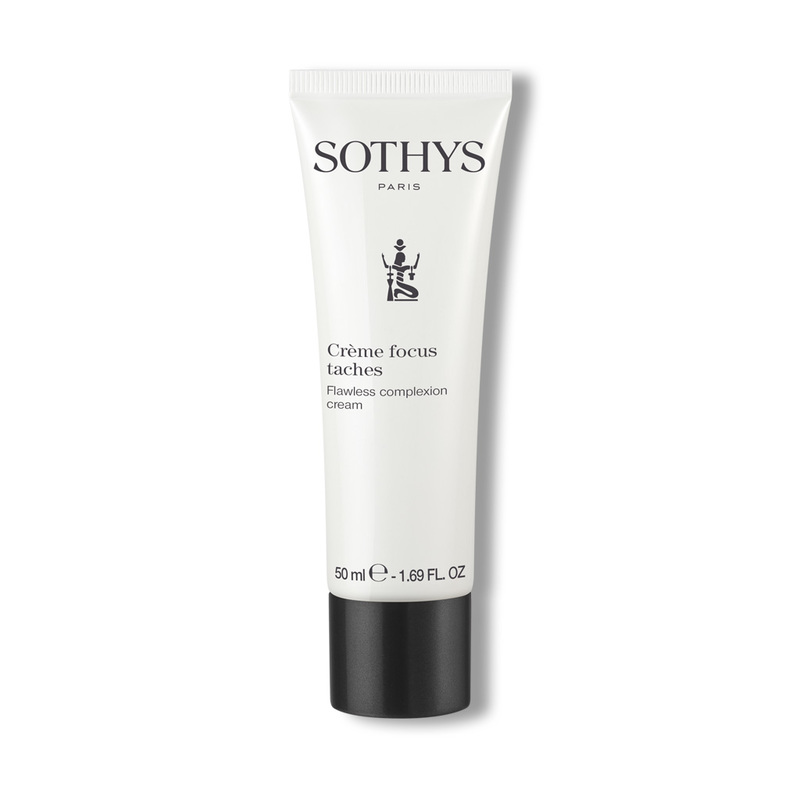
Banish Dry Skin Overnight with These Miracles Ingredients!

Banish Dry Skin Overnight with These Miracles Ingredients!

As someone always on the hunt for how to fix dry skin overnight, it’s become my mission to discover the best overnight moisturizer for dry skin. Through countless trials and research, I’ve found that certain ingredients are non-negotiable for quick dry skin fixes, providing revitalizing results while we dream. Imagine nurturing your skin with a blend of nature’s finest clays and extracts, designed to absorb excess oil and simultaneously bestow a cascade of nutrients. It’s this harmonious blend of kaolin, bentonite clays, and wintergreen-derived salicylic acid that sets the stage for an effective dry skin treatment at home.

Finding the perfect balance between removing impurities and infusing the skin with essential vitamins is a delicate dance. This combination is crafted to honor that balance, ensuring not just a temporary remedy but a thoughtful, nourishing treatment that works diligently overnight. Leaving us to wake up to not only a refreshed mind but also a refreshed complexion.

Key Takeaways

  • Identify the ideal overnight dry skin remedies to achieve hydrated skin by morning.
  • Learn what ingredients to look for in the best overnight moisturizer for dry skin.
  • Discover simple and effective quick dry skin fixes that leverage natural clays and acids.
  • Understand how a nightly routine incorporating salicylic acid can exfoliate and clarify.
  • Find out why nutrient-rich plant extracts are essential in any home-based dry skin treatment.
  • Appreciate the importance of clean, sustainable products in caring for your skin overnight.
Ultimate Hydration and Repair
Dr. Grandel Hydro Lipid Ultra Night
9.4/10Our Score

This special night cream is rich in plant-source active ingredients for the specific needs of demanding skin. Dr. Grandel Hydro Lipid Ultra Night supports regeneration at night. It reduces tightness and roughness with lasting effect. It helps to reduce wrinkle depth and pampers the skin overnight to a younger looking complexion.

Understanding Dry Skin and Its Causes

As someone who’s navigated the challenge of dry skin, I’ve learned that understanding the root causes is just as crucial as finding dry skin remedies for fast results. Suffering from tight, flaky skin isn’t just uncomfortable—it can be downright disheartening. But fear not, for every problem has a solution, or in this case—several. I’ve discovered that genetics and certain environmental factors can strip our skin of its natural moisture, leading to that unwelcome dryness. Yet, by identifying our unique skin undertones—be they pink/cool, neutral, or yellow/warm—we can tailor our skincare routine to include overnight dry skin solutions that cater to our individual needs.

Relief often starts with the basics: switching to skin care that’s kind enough to nurture our complexion back to health. This means opting for sustainable, clean products free from common irritants like gluten, fragrance, soy, and GMOs. It’s not just a fad; it’s a way to align our skincare regimen with the delicacy our skin requires. And when you’re seeking dry skin tips for quick relief, the purity of the products you’re using should never be compromised.

  • Genetic predisposition to dry skin
  • Environmental factors such as harsh weather and indoor heating
  • Importance of knowing one’s skin undertones
  • Choice of gentle, clean, and sustainable skincare products
UndertoneCharacteristicsSuitable Skin Care Approach
Pink/CoolSkin burns easily; better in silver jewelryFocus on soothing and anti-inflammatory ingredients
NeutralA mix of pink and yellow undertones; burns and tansBalance between hydration and protection
Yellow/WarmSkin tans easily; better in gold jewelryEmphasis on deep hydration and sun protection

I’ve distilled these findings from my continuous journey, always looking for the next great overnight miracle to add to my routine. Ensuring my skincare selection is intentional and effective makes those evenings of care an investment in my skin’s future. By recognizing that my skin needs more than just a quick fix—but a regime that maintains and protects its delicate balance—I’ve added another layer of understanding to my nightly skincare ritual.

Eminence Organics Bakuchiol + Niacinamide Moisturizer
Our Score

This moisturizer combines anti-aging niacinamide and bakuchiol. These ingredients smooth the look of fine lines, visibly tighten pores and deliver retinol-like results without the irritation. As a moisturizer, this formula also hydrates dry skin and replenishes your skin barrier.

Results:

  • Smooths the look of fine lines and wrinkles with no visible irritation
  • Replenishes the skin barrier and locks in hydration
  • Reduces the appearance of large pores
  • Skin appears visibly tightened

How to use: Apply a layer of moisturizer over the entire face and neck area. Leave on. For a lighter application, emulsify a small amount of moisturizer in your hand with a few drops of water. For extra hydration, apply a thicker layer on dry areas.

How to Fix Dry Skin Overnight

As I delve into the mysteries of achieving supple, hydrated skin by sunrise, I’ve uncovered a simple yet potent approach: apply a targeted skincare treatment post-cleansing right before bedtime. This ritual seems deceivingly straightforward, but its effectiveness lies within meticulously crafted purifying and nourishing formulas. Imagine a refined concoction that precisely addresses imperfections, banishes impurities and fortifies the skin with a cocktail of essential vitamins—all while the rest of the world slumbers. This is the secret on how to fix dry skin overnight.

My diligent quest for quick dry skin fixes has led me to prioritize products that adhere to the strict Credo Clean Standard™. It’s not just about what the products can do; it’s also about what they’re made without. I seek out treatments that are free of gluten, fragrance, soy, and GMOs because my overnight skin repair should never come at the cost of exposure to potentially harmful additives. After all, achieving overnight dry skin relief is as much about quality ingredients as it is about excluded ones.

The virtue of this overnight endeavor is not merely in quick fixes but in sustained skin health. It serves as an uninterrupted healing period where the skin is allowed to breathe and recover, drawing from the benefits of high-quality, allergy-tested ingredients. And with every nightly application, I’m reminded that the most profound transformations in skin hydration and texture happen with consistency and care.

  • Guide to choosing clean, sustainable, dermatologist-approved skincare.
  • Importance of post-cleanse overnight treatment application.
  • Nurturing the skin with essential nutrients during its natural repair cycle.

Remember, the best skincare is a commitment—a promise to treat the skin with the respect and the quality it deserves, even when searching for expedient solutions. During the nocturnal hours, our skin embarks on its natural recovery process, making overnight treatments a crucial ally in the journey toward a healthier, radiant complexion. Here lies the essence of my nightly ritual and the foundation of my approach on how to fix dry skin overnight and achieve quick dry skin fixes.

The Role of Ceramides in Moisture Retention

As we explore the world of skincare, specifically aiming to find the best overnight moisturizer for dry skin, we encounter a myriad of ingredients, each promising to be the elixir for our skin woes. Amidst these, ceramides stand out as unsung heroes, potent allies in our quest for hydration and comfort.

What Are Ceramides?

Ceramides form the building blocks of our skin’s barrier, a lipid layer that shields our delicate skin from environmental assailants while locking in crucial moisture. These waxy lipid molecules are essential for maintaining the skin’s structural integrity and optimal hydration levels. Comparable to the mortar in a brick wall, ceramides bind skin cells together, ensuring our skin remains resilient and smooth.

Age-Reverse Night Formula
9.4/10Our Score

Developed to retexturize skin and fight the effects of aging, this velvety-textured night cream is formulated with an innovative retinol time-release system.

  • Eliminates dead skin cells and reveals refreshed looking
    skin.
  • Visibly reduces the appearance of fine lines and wrinkles.
  • Evens skin tone and makes skin radiant.
  • Improves skin texture.

KEY INGREDIENTS

  • Retinol time release system: Visibly improves the signs of aging
  • Glycine soya extract: Hydrates
  • Peptide Q10™ (Pentapeptide-34 trifluoroacetate): Antioxidant
  • Niacinamide: Improves skin’s moisture barrier
  • Matrixyl 3000® (palmitoyl tripeptide-1, palmitoyl tetrapeptide-7): Minimizes the appearance of wrinkles
  • Biosaccharide gum-1: Moisturizes, Soothes

Benefits of Ceramides for Dry Skin

Integrating ceramides into our nightly skincare routine, especially for those of us suffering from parched skin, is akin to providing our skin with the components it needs to self-repair and fortify its natural protective barrier. When seeking overnight dry skin remedies, reaching for products packed with ceramides is a wise strategy, as they effectively restore and retain the skin’s moisture throughout the night, leading to a rejuvenated complexion at dawn. By replenishing these vital lipids, we offer our skin a chance to regenerate more robustly, yielding a supple and smoothed texture that not only feels delightful but embodies the pinnacle of skin health.

  • Ceramides replenish skin’s natural lipids
  • Enhance moisture retention for lasting hydration
  • Improve skin barrier function to protect against external elements
  • Contribute to a smoother skin texture
  • Promote skin health and remediate dryness effectively

Whenever my skin craves deep nocturnal nourishment, I turn to a ceramide-rich best overnight moisturizer for dry skin. Such a moisturizer works in silence as I sleep, diligently restoring the skin’s pliability and equipping me to face the day with confidence and radiance.

Unlocking the Power of Hyaluronic Acid

Throughout my skincare journey, I’ve encountered a myriad of promised solutions to banish dryness, but none quite like hyaluronic acid. Time and again, it’s proven itself as a master at moisture retention. My nightly routine now faithfully includes this indispensable ingredient, and it has redefined my experience with overnight dry skin remedies.

Hyaluronic acid works wonders due to its unique ability to hold up to 1000 times its weight in water, delivering unparalleled hydration. It’s like a sponge for moisture, drawing it in from the environment and locking it into my skin. Using skincare enriched with this powerful humectant ensures that I wake up to a visage that feels deeply quenched and looks luminously healthy.

  • Provides intense, lasting hydration and plumpness to the skin
  • Supports the skin’s natural barrier, protecting against moisture loss
  • Ideal for all skin types, catering to various hydration needs

When I integrate hyaluronic acid into my evening regimen, I’m confident that it’s working synergistically with my skin’s own renewal processes. It seizes the opportunity when my skin is most receptive to healing: during the quiet hours of the night. The ability of hyaluronic acid to draw in moisture and keep it there has made it a staple in my arsenal of overnight dry skin remedies, offering a simple yet effective approach to combating dryness.

From serums to masks, hyaluronic acid can be found in a plethora of forms, each designed to deliver targeted hydration. My personal favor lies with serums permeated with this hydrating hero; I’ve found that their lightweight consistency and concentrated formulas make them an effortless, yet potent step in my nighttime skincare routine.

As an avid advocate for well-hydrated skin, I can attest that regular use can result in a visible and tactile transformation that reflects a well-hydrated and resilient complexion. Through consistent application, I delight in waking up to refreshed and replenished skin—a testament to the potent power of hyaluronic acid.

Lactic Acid: A Gentle Exfoliant for Smoother Skin

My journey into effective dry skin treatment at home has made me consider the importance of ingredients that work while I sleep. Among them, lactic acid has established itself as a cornerstone in my regimens for its gentle yet powerful exfoliating properties. As the clock ticks through the night, this wondrous AHA works meticulously, ensuring I wake up with rejuvenated skin, smoother to the touch and visibly refined.

How Lactic Acid Works

Lactic acid, a naturally occurring alpha hydroxy acid, is renowned for its ability to gently slough off dead skin cells from the epidermis. Its molecular structure allows it to dissolve the binds that hold lackluster cells to the skin’s surface. This deceptively delicate process reveals the fresh, vibrant layers beneath, which is paramount for anyone needing a soft touch in their at-home exfoliation effort.

Lactic Acid in Nighttime Skincare Regimens

Integrating lactic acid into a nighttime routine spells the difference between waking up with dull skin or a radiant glow. Because of its mild nature, it’s exceptional for even sensitive skin types, working overnight to refine and enhance skin texture. By fostering the natural regeneration process that occurs as we sleep, lactic acid is a definitive ally in achieving optimal skin rejuvenation.

  • Effective yet gentle exfoliant for smooth, soft skin
  • Enhances the natural overnight skin renewal cycle
  • Reduces the appearance of enlarged pores and fine lines

In my experience, the disciplined inclusion of lactic acid into my evening regimen has been a game-changer, making it an indispensable part of my dry skin treatment at home. Its efficacy lies not just in its immediate impact but also in its sustained contribution to the health and resilience of my skin.

Glycerin: The Humectant Hero for Lasting Hydration

In my relentless search for overnight dry skin solutions, I’ve discovered the remarkable benefits of glycerin—a powerful humectant that’s a staple in my skincare arsenal. Securing deep, lasting hydration while the world sleeps, glycerin pulls moisture from the air and deposits it into the skin, bolstering the skin’s natural barrier and enhancing resilience against dryness. This colorless, odorless, and non-toxic syrup-like liquid is not just a mere ingredient; it is my nightly skin savior, providing a protective veil that keeps my skin supple and refreshed until the first light of dawn.

When I think of effective overnight remediators for thirsty skin, glycerin invariably rises to the foreground. Its inherent properties bestow upon my skin a dewy look and a hydrated feel that are nonpareil. The clever absorption of moisture from my environment meanders its way into my skin, incessantly supplying the essential hydration needed throughout the night.

Benefits of Glycerin for SkinNotes on Application
Deep MoisturizationApply as part of your nightly routine to clean, damp skin.
Fortifies Skin’s BarrierGentle for all skin types; blend with other products for an enriched effect.
Promotes Supple, Dewy ComplexionUse in products that remain on the skin overnight for optimal results.
Draws in Environmental MoistureBest used in a controlled environment with some humidity.
Safe for Sensitive SkinTested and beloved by dermatologists for its mildness.

My nighttime routine is an intimate ritual of self-care, and integrating glycerin-based products has cultivated a seemingly effervescent hydration that endures the driest of nights. For anyone in pursuit of an overnight dry skin solution, I highly recommend exploring the transformative potential of glycerin. As you immerse yourself in rest, this humectant hero works tenaciously, securing not just a fleeting remedy but a profound and lasting hydration. Trust in glycerin’s restorative properties, and you may just wake up to your softest, most vibrant skin yet.

Squalane’s Non-Greasy Path to Supple Skin

In my unwavering commitment to uncovering dry skin remedies for fast results, I’ve met a remarkable, multitasking ally: squalane. This wonder emollient has gently claimed its rightful place in my nighttime skincare regime. Known for its non-greasy, skin-identical properties, squalane has not only promised but delivered on its vow to provide my skin with supple, luxurious moisture you have to feel to believe.

The Science Behind Squalane

What makes squalane truly exceptional, in my book, is its molecular compatibility with the skin’s own lipids. Derived earnestly from olives, squalane boasts a unique antioxidant profile, safeguarding the skin from free radicals as we nestle into night. It’s a hydrocarbon that works in tandem with the skin’s natural sebum, offering lightweight hydration without the heaviness or residue one might expect from such potent moisture.

After discovering that our skin’s natural squalene production declines with age, the need for supplemental squalane became evident in my routine. The moment I embraced squalane, it reciprocated with quantifiable results, making it an indispensable constituent of my skincare. This replenishing attribute allows my skin to maintain optimal hydration levels, pushing squalane to the forefront of my dry skin combat strategy.

How to Incorporate Squalane Into Your Overnight Routine

Adapting squalane into my overnight regimen was as straightforward as it was transformative. Simply, I apply a generous amount of squalane post-thorough evening cleanse, massaging it gently onto my face in upward motions. It vanishes into my skin almost on contact, leaving behind an inexplicably smooth texture, ready to be cocooned by the night’s embrace.

Yet, the real magic of squalane, the essence of its reputation as an efficient dry skin remedy, unfolds as I slumber. It diligently aids in skin repair, bolstering the regeneration process discreetly and effectively. No greasy residue on my pillowcase, just the promise of a refreshed, radiant complexion as I greet the morning light.

Benefits of Incorporating Squalane Into Your Evening Skincare
Styled as Lightweight HydrationSqualane penetrates the skin effortlessly, ensuring a moisture surge without the weight.
Antioxidant-Rich HealingAntioxidants in squalane shield the skin overnight from harmful oxidative stress.
Mimicry of Natural SebumBy emulating the skin’s sebum, squalane moisturizes without disrupting the skin’s balance.
Non-Comedogenic PrecisionWith its non-greasy formula, squalane hydrates without clogging pores.
Universally AdaptableBeing remarkably stable, squalane is suitable for all skin types, including sensitive and acne-prone skin.

As someone who prides themselves on nailing down the most beneficent dry skin remedies for fast results, I take sincere comfort in knowing that squalane’s efficacy isn’t ephemeral. Its perpetual moisture provision is akin to an investment—in morning after morning, of touchable, resilient skin. For individuals yearning for a holistic path to hydration, squalane is more than a temporary fix; it’s a skincare staple, renewing and restoring with each nocturnal passage.

Discovering Niacinamide’s Versatility for Skin Repair

My skin care regime has evolved significantly over the years, and one ingredient that has earned a permanent spot in my arsenal is niacinamide. Known for its versatility, it has become a cornerstone in my pursuit of dry skin tips for quick relief. By effectively addressing a spectrum of skin concerns, niacinamide has proven indispensable in my nightly skincare routine.

As someone who seeks to not only alleviate dryness but also improve my skin’s overall health, I found niacinamide to be a true multitasker. From minimizing the appearance of enlarged pores and regulating sebum production to reducing redness and enhancing elasticity, niacinamide is a formidable force against skin imperfections.

  • Minimizes the look of large pores
  • Regulates oil production to help combat shine
  • Alleviates skin redness and irritation
  • Improves skin’s elasticity for a firmer feel
ConcernRole of Niacinamide
Oily SkinHelps normalize sebum production, reducing oiliness
Enlarged PoresContributes to a visibly refined and smoother skin texture
Skin IrritationCalms redness with its anti-inflammatory properties
Signs of AgingPromotes improved elasticity and reduced fine lines

In my quest for effective overnight dry skin remedies, I’ve found niacinamide to be particularly beneficial after the day’s end. Integrating it into my evening routine promotes overnight repair, and with consistent use, I’ve witnessed impressive, transformative effects by the time my alarm chimes in the morning.

My experience underscores the significance of niacinamide as a potent ingredient for nighttime skin therapy. It seamlessly aligns with the skin’s natural reparative cycle to amplify results, ensuring you can achieve significant dry skin relief, overnight. Through its multitasking nature, niacinamide essentially contributes to a comprehensive approach to skincare, working while you rest to deliver a more radiant, healthy-looking complexion.

Rejuvenating Skin Complex
9.5/10Our Score

Wake up with radiant skin with our anti-aging AHA Night Cream!

Medlar fruit nourishes with herbal oils, and its natural glycolic acid slowly dissolves dead skin cells and helps smoothing fine lines and wrinkles. Apple and Grape, a powerful antioxidant and vitamin-rich duo, are beneficial for collagen synthesis that is essential for firm skin.

Benefits

  • reduces the appearance of wrinkles
  • very gently exfoliates (daily use is recommended)
  • skin feels and looks replenished and hydrated

How to Use

Use in a thin layer possibly enriched with one of our serums or oil concentrates to achieve an even more radiant complexion. Use it as a final step of your skin care regimen in the evening. Avoid use before direct sunlight exposure.

Marula Oil: An Overnight Dry Skin Solution

Embarking on a quest to eradicate dry skin, I’ve encountered a remarkable elixir—marula oil. This luxurious oil has surged in popularity, not just as a mere component of skin care rituals but as a frontline warrior in the battle against overnight dry skin maladies. Its origin traces back to the marula fruit kernels, indigenous to southern Africa, where it has been used for centuries due to its potent therapeutic properties.

Origins and Properties of Marula Oil

Marula oil’s composition is rich in antioxidants and essential fatty acids, elements critical for skin health. These naturally occurring compounds are formidable in combating oxidative stress caused by environmental aggressors that we encounter daily. Rich in nutrients such as vitamin E and C, marula oil is more than just hydrating; it’s a skin savior capable of restoring a youthful glow to parched skin. My ongoing exploration reveals that its innate hydrating capacity stands unparalleled, making it an essential overnight remedy for anyone’s skin moisturization regimen.

Application Tips for Maximum Effectiveness

For those in pursuit of revitalized and supple skin come morning, I have uncovered the key: incorporating a few drops of marula oil into your nightly skin care routine. This approach maximizes marula oil’s efficacy, allowing it to work harmoniously with the skin’s intrinsic nocturnal recovery cycle.

  • Gently massage a few drops onto clean, slightly damp skin to aid absorption.
  • Focus on areas particularly prone to dryness to boost hydration.
  • Combine marula oil with your existing overnight creams for an enriched effect.
  • Consider layering marula oil over serums to seal in the benefits.

As I integrate marula oil into my protocol for addressing overnight dry skin remedies, its versatility astounds me. Whether standing solo or mingling with other treatments, marula oil unfailingly delivers a powerful moisturizing punch. Its natural affinity for skin restoration has earned it undeniable reverence in my list of effective, quick dry skin fixes.

Panthenol (Provitamin B5): From Healing to Hydration

In my continuous pursuit to uncover effective skincare marvels, panthenol, also known as provitamin B5, has emerged as a pivotal element in my skin’s nightly revival. This powerful ingredient has successfully carved a niche as the best overnight moisturizer for dry skin, not merely drenching my skin with hydration, but also providing a healing touch that comprehensively revitalizes my complexion.

Panthenol in Skincare: More Than Just Moisture

My explorations in panthenol’s skincare benefits have taught me that its prowess extends beyond just surface-level moisturization. As a staple in my evening routine, provitamin B5 acts to support cell regeneration, improving my skin’s natural resilience and barrier function. This translates to a rejuvenated appearance with every sunrise, making it clear why dermatologists and skincare aficionados alike herald panthenol as an indispensable hydrating agent.

Why Provitamin B5 and How It Works While You Sleep

The science of beauty sleep becomes tangible when I nourish my skin with panthenol-infused products. Its ability to penetrate deep into the skin and work in sync with the body’s own repair mechanisms is why I consistently reach for it to enhance my skin’s health. This vitamin precursor works diligently under the veil of night to heal and hydrate, so I am reminded of its efficacy each morning when I greet the day with a soft, plump, and well-hydrated complexion. The ongoing use of products enriched with provitamin B5 underscores their standing as the best overnight moisturizer for dry skin, ensuring that my search for perfection in skincare is always progressive and fruitful.

FAQ

What are the best overnight remedies to fix dry skin?

For effective overnight treatment of dry skin, look for products with ingredients that provide intense moisturization and skin barrier repair, such as ceramides, hyaluronic acid, and marula oil. Applying the best overnight moisturizer for dry skin enriched with these ingredients can lead to significant improvement by morning.

Why is my skin so dry, and how can I achieve fast relief?

Dry skin can stem from various factors, including genetics and environmental elements. Quick relief can be achieved through overnight dry skin solutions containing ingredients like glycerin, panthenol, and squalane, which hydrate and repair the skin while you sleep.

Can ceramides really help with overnight dry skin fixes, and if so, how?

Yes, ceramides can greatly assist in repairing dry skin overnight by replenishing the skin’s natural lipids. This reinforces the skin’s protective barrier and helps lock in moisture, leading to hydrated and healthier skin by morning.

How does hyaluronic acid benefit dry skin, especially overnight?

Hyaluronic acid is a potent humectant that holds up to 1000 times its weight in water, providing unparalleled hydration. When used in overnight treatments, it continuously attracts moisture to the skin, offering long-lasting hydration and a plumper appearance by the time you wake up.

What role does lactic acid play in nighttime skincare routines?

Lactic acid is a gentle exfoliant that works overnight to remove dead skin cells, promoting cell turnover without irritation. This reveals smoother skin and helps other moisturizing ingredients penetrate more deeply for optimal results.

How can glycerin help combat dry skin overnight?

Glycerin is a humectant that draws water into the skin. Using it in your nighttime routine can provide intensive hydration that nurtures the skin’s natural barrier, offering relief from dryness by the morning.

Why is squalane recommended for dry skin and how should it be used at night?

Squalane is recommended because it is a lightweight emollient that closely resembles the skin’s own sebum, providing hydration without clogging pores. As part of your overnight routine, apply it after cleansing to help with skin repair and hydration throughout the night.

Can niacinamide really repair my dry skin while I sleep?

Definitely, niacinamide has restorative properties that work to improve the skin’s elasticity and barrier function overnight. Consistent use in your bedtime regimen can lead to less dryness and a more balanced complexion by morning.

How does marula oil function as an overnight dry skin remedy?

Marula oil is rich in antioxidants and essential fatty acids, which hydrate and protect the skin. Applying it before bed allows these nutrients to work synergistically overnight, reducing dryness and leaving the skin feeling soft and rejuvenated in the morning.

What makes panthenol (provitamin B5) an effective overnight dry skin treatment?

Panthenol supports skin repair and maintains hydration by reinforcing the skin barrier. Incorporating it into your overnight skincare routine can greatly enhance the skin’s healing process, providing noticeable hydration and renewal by sunrise.

Source Links

Banish Dry Skin Overnight with These Miracles Ingredients! Read More »
Oil-Free Sunscreens Avoiding Additional Breakouts

What are the Best Sunscreen Ingredients for Acne-Prone Skin?

As we navigate the sea of skincare products, the quest for the best sunscreen ingredients for acne-prone skin becomes especially crucial. For those of us with a tendency towards breakouts, selecting an acne-friendly sunscreen that safeguards our complexion without clogging our pores is a balancing act of utmost importance. With the right knowledge, we can choose a non-comedogenic sunscreen that not only blocks harmful UV rays but also supports our journey to clearer skin.

We’ve all heard the age-old adage ‘prevention is better than cure,’ and when it comes to skincare, this rings notably true. However, many of us are left pondering whether the very products meant to protect us are contributing to our acne woes. It’s a paradoxical situation where the shield could be mistaken for the assailant. Rest assured, advancements in skincare have brought forth solutions that pair sun protection with acne care seamlessly. Key ingredients like Zinc Oxide and Titanium Dioxide lead the charge, offering hope to those of us who no longer wish to choose between sun safety and breakout battles.

Key Takeaways

  • Identifying acne-friendly sunscreen ingredients is essential for maintaining clear skin in the sun.
  • Zinc Oxide and Titanium Dioxide are star players in the realm of non-comedogenic sunscreen options.
  • Understanding the differences between various sunscreen ingredients, including Octinoxate, Octisalate, and Avobenzone, can guide us to make informed decisions.
  • Certain ingredients such as Iron Oxides and Silica can provide added benefits like protecting against visible light and controlling oiliness, respectively.
  • Selecting the best sunscreen ingredients for acne-prone skin can prevent exacerbation of acne and promote healthier skin.

Understanding Acne-Prone Skin and Sunscreen Needs

For those of us with acne-prone skin, the sun can be both a friend and a foe. Exposure to sunlight can temporarily dry out acne blemishes, but without the right protection, it can also lead to heightened sensitivity, an increase in breakouts, and the potential for acne scars to become more pronounced. Recognizing these challenges is the crucial first step in selecting a sunscreen that supports, rather than undermines, our skin health.

The Challenges of Acne-Prone Skin and Sun Exposure

Acne-prone skin is particularly sensitive to various external factors including UV radiation. Sunlight poses a dual threat by not only intensifying existing acne scars but also increasing the risk of new ones. Furthermore, some sunscreens contain oils and fragrances that can worsen acne, a predicament that emphasizes the necessity for a sensitive skin sunscreen explicitly formulated to be gentle and non-irritating.

Why the Right Sunscreen Ingredients Matter for Acne-Prone Skin

Protecting acne-prone skin from harmful UV rays without causing additional irritation requires a specific kind of sunscreen. Ingredients such as Zinc Oxide and Titanium Dioxide are preferred, as they are less likely to exacerbate acne. An SPF for acne-prone skin should not only shield the skin from the sun but also from ingredients that can clog pores and trigger breakouts, thus the significance of oil-free sunscreen cannot be overstated. As we continue navigating the myriad options, our focus on these properties guides us towards making informed and effective sunscreen choices tailored to the unique demands of sensitive, acne-affected skin.

Best Sunscreen Ingredients for Acne-Prone Skin

When it comes to protecting acne-prone skin from the sun’s harsh effects, we place our trust in dermatologist-recommended sunscreen ingredients. These ingredients are specifically chosen for their ability to provide effective sun protection without exacerbating skin concerns. Not all sunscreen components are created equal, especially for those of us with sensitive skin that’s prone to breakouts. Below, we list and delve into the benefits of ingredients like zinc oxide sunscreen and titanium dioxide sunscreen, renowned for their compatibility with acne-prone skin types.

Among these commendable ingredients, Zinc Oxide stands out for its excellent skin-soothing properties. It’s a mineral-based compound that provides broad-spectrum UV protection by reflecting harmful rays away from the skin. Not only does it protect our skin from sun damage, but it also minimizes irritation that could lead to breakouts. In our continued search for sunscreens that cater to our needs, we consistently find Zinc Oxide at the top of dermatologist recommendations.

Similarly, Titanium Dioxide is another mineral filter favored for its gentle touch on sensitive skin. It shields the skin from UVB and short UVA rays, which are responsible for burning and aging, respectively. Like Zinc Oxide, it is also a physical blocker, which means it can provide protection without the risk of irritating the skin or clogging the pores, which is crucial for maintaining clear skin.

  • Octinoxate and Octisalate are chemical absorbers that can offer effective protection but may not be suitable for all acne-prone skin types due to their potential for irritation.
  • Avobenzone is another popular chemical sunscreen ingredient known for its range of protection against UVA rays, yet its stability and compatibility with acne-prone skin are sometimes questioned.
  • We also take into account Iron Oxides, which have the potential to protect against visible light, especially blue light from electronic devices that may contribute to skin damage.
  • Lastly, Silica is often included in sunscreen formulas for its ability to control excess oil on the skin’s surface, making it a favorable addition for individuals with oily, acne-prone skin.

By incorporating these key sunscreen ingredients into our protective routine, we can enjoy the sunshine without sacrificing our skin’s clarity and health. The added peace of mind that comes from knowing that these recommendations are aligned with dermatologists’ expertise makes choosing the right sunscreen a simpler and safer task for us all.

Best Sunscreen Ingredients for Acne

Zinc Oxide: A Top Choice for Sensitive and Acne-Prone Skin

In our quest for sun-safe skincare, we recognize the exemplary role of zinc oxide sunscreen for individuals with sensitive or acne-prone skin. Celebrated for its non-irritating properties, zinc oxide is the cornerstone of non-comedogenic sunscreen formulas that strive to protect without provoking skin concerns. Let’s dive into how this ingredient not only shields us from the sun’s rays but also helps keep our skin clear and calm.

Benefits of Zinc Oxide for Blocking Harmful Rays

When it comes to defending against the harsh impact of UVA and UVB radiation, zinc oxide excels with its broad-spectrum capabilities. As a mineral-based filter, it forms a physical barrier on the skin, reflecting sunlight away from the surface. This trait makes it a superb choice for an acne-friendly sunscreen that minimizes the potential for sun-induced damage and irritation.

How Zinc Oxide Helps in Reducing Acne Inflammation

Zinc oxide goes beyond mere sun protection; it’s also a gentle warrior against acne inflammation. Its anti-inflammatory properties help to reduce redness and soothe irritated skin. For those of us prone to acne flare-ups, incorporating a zinc oxide-based product into our sun care routine can result in fewer breakouts and diminished severity when they do occur.

Embracing the benefits of zinc oxide doesn’t just provide peace of mind under the sun, it supports the overall well-being of our skin. As we remain vigilant about safeguarding our skin’s health, we turn to this reliable ingredient to keep our complexions clear and content, regardless of the UV index.

Titanium Dioxide: Gentle Protection for Acne-Affected Skin

Within the pantheon of skincare ingredients, titanium dioxide sunscreen stands as a sentinel for those with delicate, acne-prone skin. Recognized for its gentle properties, titanium dioxide is an integral component in formulations geared towards alleviating the concerns of those who grapple with acne flare-ups. As we delve into the realm of sensitive skin sunscreen, the inclusion of titanium dioxide is not merely coincidental but a conscious decision influenced by its benign nature and effective UV protection.

Often found in non-comedogenic sunscreen options, this mineral-based ingredient works by sitting atop the skin, forming a barrier against the sun’s rays rather than being absorbed. This makes it a compatible ally for acne-prone skin, as it decreases the likelihood of irritation or pore-clogging – the archenemies of clear skin.

But why is titanium dioxide held in such high regard? Its ability to protect against UVB and short-wave UVA rays – without entering the deeper layers of the skin – renders it a heavyweight champion in the defense of vulnerable complexions. Let us encapsulate its benefits:

  • Offers a broad spectrum of protection against UV radiation
  • Lowers the risk of skin irritation due to its non-chemical nature
  • Minimizes the probability of pore blockages, supporting the maintenance of clear skin
  • Provides a suitable option for individuals with sensitive skin types

The table below vividly illustrates a comparison of mineral-based ingredients, spotlighting the characteristics that make titanium dioxide an exceptional choice for those seeking gentle and reliable sunscreen options:

IngredientSun ProtectionAcne SafetySkin Sensitivity
Titanium DioxideUVB, short UVAHigh (non-comedogenic)Favorable for sensitive skin
Zinc OxideBroad spectrum (UVA/UVB)High (non-comedogenic)Good for sensitive skin
OctinoxateUVBModerate (potential irritant)Varies (can be irritating)
OctisalateUVBModerate (potential irritant)Moderate
AvobenzoneUVAModerate (stability concerns)Moderate (can be irritating)

As illustrated, our ongoing pursuit for the most suitable sun protection formulas urgently directs us to embrace non-comedogenic and sensitive skin sunscreen variants. Titanium dioxide emerges as a guardian, offering a bastion of safety for those navigating the complexities of acne management while yearning for the soothing embrace of the sun.

Chemical vs. Physical Sunscreens: What’s Best for Acne-Prone Skin?

As we sift through the myriad options for sun protection, those of us with acne-prone skin are often caught in a dilemma of choosing between chemical sunscreen and physical sunscreen. To determine the best sunscreen for acne-prone skin, it’s essential to understand the distinct differences and effects of these two sunscreen types on sensitive skin conditions.

Understanding the Difference Between Chemical and Physical Filters

Chemical sunscreens are formulated with organic compounds like avobenzone, octinoxate, and octisalate, which absorb UV radiation and convert it into heat, dissipating it away from the skin. In contrast, physical sunscreens contain active mineral ingredients, mainly zinc oxide and titanium dioxide, that act as physical blockers by sitting on the skin’s surface to reflect and scatter UV rays.

Pros and Cons for Acne-Prone Skin Types

Finding the best sunscreen for acne-prone skin involves weighing the advantages and disadvantages of these filters. Chemical sunscreens are often favored for their lightweight, easy-to-apply properties, making them suitable for daily wear. However, the heat generated by the absorption process can exacerbate acne inflammation, and the deeper penetration of these ingredients can potentially irritate sensitive skin.

Physical sunscreens are generally recommended for acne-prone skin due to their gentle nature. They are less likely to clog pores—a major benefit for those of us fighting the relentless battle against breakouts. That said, some may find these formulations thicker and potentially more challenging to blend, possibly leaving a white cast on the skin.

TypeKey IngredientsProsCons
Chemical SunscreenAvobenzone, Octinoxate, OctisalateLightweight, easy applicationCan irritate and increase skin temperature
Physical SunscreenZinc Oxide, Titanium DioxideLess irritating, doesn’t clog poresThicker texture, may leave a white residue

In conclusion, while both types of sunscreens provide essential protection against damaging UV rays, physical sunscreens tend to be the preferred choice for individuals with acne-prone skin, offering protection without contributing to further skin irritation.

Non-Comedogenic Sunscreens: Keeping Pores Clear

When we delve into the world of sun protection, one term that stands out for those of us with acne-prone skin is non-comedogenic sunscreen. These formulations are crucial in maintaining a clear complexion while protecting against the damaging effects of UV rays. It is essential for us to understand what factors contribute to a sunscreen being non-comedogenic and why these products are the beacon for acne-prone skin.

The philosophy behind non-comedogenic sunscreens is that they are designed to provide sun protection without clogging pores. This is particularly important because clogged pores can escalate into acne outbreaks. Therefore, our selection of sunscreen should pivot towards ingredients that respect and enhance skin health, like the revered Zinc Oxide and Titanium Dioxide.

These mineral-based ingredients serve a dual purpose—they are gentle enough for sensitive skin, and their natural properties reduce the risk of blocked pores, making them some of the best sunscreen ingredients for acne-prone skin. Let’s consider the attributes that make these ingredients a top choice:

  • Zinc Oxide: Reputed for its non-irritating, calming effects on the skin, and its commendable broad-spectrum protection.
  • Titanium Dioxide: Known for its light-reflecting capabilities and its avoidance of deep skin penetration which could lead to irritation.

In contrast, certain ingredients often found in chemical sunscreens, such as Octinoxate, Octisalate, and Avobenzone, might provide effective UV protection, but their potential to irritate the skin and provoke acne can be detrimental.

Moreover, we must recognize the contribution of Iron Oxides in defending against visible light, particularly from screens and digital devices, and Silica, which can help control oiliness on the skin surface—further fortifying our sun care arsenal.

Ultimately, when choosing an oil-free sunscreen, our guiding principle should be simple: opt for products marked as non-comedogenic to ensure skin breathability and prevent the exacerbation of acne. It’s not just a matter of personal preference but one of skin care efficacy. We have diligently compiled a comparison of ingredients typically found in non-comedogenic formulas versus those that might contribute to pore clogging:

IngredientNon-Comedogenic QualitiesPotential for Irritation
Zinc OxideExcellentMinimal
Titanium DioxideExcellentMinimal
Iron OxidesGoodLow
SilicaGoodLow
OctinoxatePoorHigh
OctisalatePoorModerate
AvobenzonePoorModerate to High

As we continue to seek out the sun’s embrace, we must do so with the assurance that our sunscreen choices align with the nurturing principles of acne skin care. Embracing non-comedogenic sunscreen is an empowering step towards keeping our pores unobstructed and our skin flourishing under the sun’s gaze.

Oil-Free Sunscreens: Avoiding Additional Breakouts

In our collective journey towards radiant and healthy skin, we appreciate the significance of using oil-free sunscreen to fortify our skincare regimen. These strategically formulated sunscreens play a pivotal role in protecting our skin from the sun’s harsh rays without contributing to unwanted breakouts or furthering skin congestion. For individuals with acne-prone skin, finding an acne-friendly sunscreen that is also non-comedogenic is not just beneficial—it’s essential for maintaining skin clarity and health.

How Oil-Free Formulas Prevent Further Skin Congestion

The main allure of an oil-free sunscreen lies in its ability to deliver effective UV protection without the presence of heavy oils that could clog pores and lead to acne. By eschewing these oils, such sunscreens minimize the risk of exacerbating existing skin issues and allow the pores to breathe. This careful avoidance of additional skin congestion is why non-comedogenic sunscreen options mark a turning point for those who tread the fine line between sun safety and clear skin.

Recommended Oil-Free Sunscreen Ingredients

We recognize several key ingredients that are typically found within oil-free sunscreen formulations. These ingredients cater to the delicate balance required by skin prone to breakouts while providing the necessary UV protection:

  • Zinc Oxide: Offering broad-spectrum protection without clogging pores, Zinc Oxide is favorable for sensitive skin types.
  • Titanium Dioxide: Known for its mild nature, this ingredient helps to reflect UV rays without the risk of irritating acne-prone skin.
  • Iron Oxides: Often included to shield the skin from visible light, which can also contribute to photoaging and skin concerns.
  • Silica: Notably used for its capacity to control sebum and maintain a matte finish, it’s a welcome addition in sunscreens for oily skin.

Selecting a sunscreen that is free of certain oils does not impede our need for effective sun protection. On the contrary, it assures us that while our skin is being shielded from UV damage, it’s also being cared for in a way that aligns with our requirements for acne prevention. The chart below represents the top choices for ingredients suitable for oil-free sunscreen formulations:

IngredientUV Protection QualityBenefits for Acne-Prone Skin
Zinc OxideBroad SpectrumMinimizes pores clogging, reduces inflammation
Titanium DioxideUVB and Short UVAGentle on skin, lowers irritation risks
Iron OxidesVisible Light ProtectionDefends against blue light and supports skin tone evenness
SilicaNone (Additional Benefit)Controls sebum production, provides a matte finish

Our dedication to providing insights on non-comedogenic and acne-friendly sunscreen emerges from a commitment to empowering our community with knowledge. Armed with these details, we can step into the sunlight assured that our skincare choices are as much about protection as they are about prevention.

Sunscreen Ingredients to Avoid if You Have Acne-Prone Skin

When on the hunt for the best sunscreen for acne-prone skin, it’s not just about what to include, but also what to avoid. It is essential for us to be aware of certain ingredients that may cause more harm than good to our delicate skin condition. These components can act as potential irritants or can be comedogenic, which means they might block pores and exacerbate acne-related issues. Here, we’ll highlight some of the ingredients commonly found in sunscreens that could be problematic for those with acne-prone skin.

Oxybenzone is a chemical filter frequently used for its ability to absorb UV light, but it has come under scrutiny for its potential to cause skin allergies and irritation. This concern is particularly relevant for those of us with sensitive skin, where the risk of adverse reactions is heightened. Therefore, it’s wise to steer clear of sunscreens containing this ingredient.

Acrylates, such as ethylhexyl acrylate, are used to form a film on the skin, potentially trapping bacteria and sweat beneath it. This occlusive action may lead to blocked pores and subsequent breakouts. Those of us seeking non-comedogenic sunscreen will do well to check labels for these types of ingredients and avoid them.

In the realm of fragrances and preservatives, ingredients like parabens and phthalates can also irritate acne-prone skin. Not only can they trigger allergic reactions, but some are linked to hormonal disruptions, exacerbating acne symptoms.

Some sources suggest avoiding certain types of alcohol, particularly denatured alcohol, which can strip the skin of natural oils. This might sound beneficial for oily skin, but it can backfire by prompting the skin to produce more oil as a response, which could worsen acne in the long run.

Let us be mindful of coconut oil and other heavy moisturizing agents in sunscreen. Although they are beneficial for dry skin types, they can be comedogenic for those with acne-prone skin, leading to clogged pores and breakouts.

With our collective knowledge and cautious approach, we can identify sensitive skin sunscreen options that uphold our skin’s integrity and avoid these potentially problematic ingredients. Below is a table that represents these ingredients and their properties that may influence acne-prone skin negatively:

IngredientPotential Issues for Acne-Prone SkinCommon Use in Sunscreen
OxybenzoneCan cause allergies and irritationUV filter
AcrylatesMay trap bacteria and sweat, leading to breakoutsFilm-forming agent
ParabensPotential allergen and hormonal disruptorPreservative
PhthalatesMay cause irritation and hormonal disruptionsFragrance stabilizer
Denatured AlcoholCan dry out skin, leading to increased oil productionSolvent and texture enhancer
Coconut OilComedogenic, can block poresMoisturizing agent

Our mission to uncover the best sunscreen for acne-prone skin must include an awareness of these potentially aggravating ingredients. By doing so, we ensure that our sunscreen is not only protecting us from harmful UV rays but also contributing to the overall health and clarity of our skin.

Bright Skin Moisturizer SPF 40
9.4/10Our Score

Eminence Bright Skin Moisturizer SPF 30 Features & Benefits:

  • Moisturizes and conditions skin.
  • Provides UVA/UVB defense.
  • Reduces hyperpigmentation.
  • Encourages an even, glowing skin tone.
  • Natural Hydroquinone alternative and Gigawhite promote brightening and reduction of the look of age spots.
  • Cruelty free.
  • Free of parabens, sodium lauryl sulfates, synthetic dyes, petrochemicals, animal by-products, phthalates, GMOs and triclosan.

SPF for Acne-Prone Skin: Finding the Right Balance

Securing the right SPF for acne-prone skin goes beyond mere sun protection; it’s an essential step in preserving skin health. Individuals with this skin type often experience a conundrum: how to protect the skin from the sun’s damaging effects while avoiding exacerbation of acne issues. In this journey, we utilize dermatologist-recommended sunscreen and focus on the benefits of ingredients such as zinc oxide.

Why SPF Level Is Important for Protecting Acne-Prone Skin

An effective SPF for acne-prone skin must shield against UV rays without promoting breakouts. High SPF levels are important because they indicate stronger protection against persistent UV exposure, a concern for those whose skin is sensitized by acne treatments or inflammation. The key, however, is finding a formula that doesn’t clog pores or irritate. This becomes crucial when considering your skin’s vulnerability and the quest to maintain its delicate balance. Zinc oxide sunscreen is a standout, providing the protection you need without adverse effects on your sensitive skin.

Tips for Applying and Reapplying Sunscreen Throughout the Day

To keep acne-prone skin safe, the consistency of sunscreen application is as crucial as the product selection itself. Start with a dime-sized amount of your preferred non-comedogenic, zinc oxide-based sunscreen for the face, blending it evenly for comprehensive coverage. A dermatologist-recommended sunscreen is often formulated to address both protection needs and skin sensitivities, ensuring that your skin reaps maximum benefits. Remember to reapply sunscreen every two hours, or more frequently if swimming or sweating, to maintain a steadfast defense against UV radiation.

Don’t underestimate the power of a consistent routine — when your skin is protected and cared for correctly, its natural resilience shines through.

Dermatologist-Recommended Sunscreens for Acne-Prone Skin

As we continue to explore sun protection options, let’s focus on dermatologist-recommended sunscreen products ideal for those with acne-prone skin. Dermatologists often suggest specific brands and formulations that contain the best sunscreen ingredients for acne-prone skin, ensuring both safety and effectiveness. An acne-friendly sunscreen can significantly improve skincare routines for individuals with sensitive complexions, helping to prevent sun-induced damage without contributing to breakouts.

La Roche-Posay Anthelios Clear Skin Dry Touch Sunscreen, for instance, is a favorite among dermatologists. It boasts a formulation rich in avobenzone, octisalate, and octocrylene, known for their broad-spectrum protection. Importantly, this sunscreen is oil-free, eliminating concerns about pore-clogging while managing shine.

EltaMD UV Clear Broad-Spectrum SPF 46 rises to the challenge for those in search of a mix of zinc oxide and niacinamide. This combination provides effective sun protection while also addressing inflammation and hyperpigmentation—issues commonly associated with acne-prone skin.

Seeking a weightless, residue-free option, Cetaphil PRO Oil Absorbing Moisturizer SPF 30 leverages silica and advanced microparticle technology to absorb excess oil, protect against harmful rays, and promote a matte finish crucial for acne-prone skin.

For individuals with a pronounced concern about visible light, naturally occurring iron oxides have been included in sunscreens like Skinceuticals Physical Fusion UV Defense SPF 50, providing a physical shield against a wide spectrum of light, including blue light.

In each recommendation, we emphasize components that have shown promise and support through extensive research and dermatological endorsement. Below is a dynamic table showcasing a curated selection of top sunscreens, each celebrated for their suitability for acne-prone skin:

BrandActive IngredientsBenefits for Acne-Prone Skin
La Roche-Posay AntheliosAvobenzone, Octisalate, OctocryleneOil-free, Dry-Touch, Non-Comedogenic
EltaMD UV ClearZinc Oxide, NiacinamideReduces inflammation and hyperpigmentation
Cetaphil PRO Oil AbsorbingSilica, Homosalate, Octisalate, Avobenzone, OctocryleneControls oil, offers a matte finish, Fragrance-Free
Skinceuticals Physical FusionZinc Oxide, Titanium Dioxide, Iron OxidesPhysical defense against UVA/UVB and visible light, Tinted

When we discern between countless products, it’s clear that each composition seeks to address the nuanced requirements of acne-prone skin. From ensuring that sunscreen ingredients are non-comedogenic to providing benefits that extend beyond UV protection, these dermatologist-recommended sunscreen options serve as a testament to specialized skincare that respects both the need for solar defense and the complexities of acne management.

Conclusion

As we conclude our comprehensive guide, it’s clear that finding the best sunscreen for acne-prone skin requires attention to both the effectiveness of protection and the compatibility with our skin’s specific needs. Through our exploration, we’ve identified several key ingredients that stand out for their ability to shield skin from harmful UV rays while supporting the goal of clear, healthy complexions.

Summarizing the Best Sunscreen Ingredients for Acne-Prone Skin

Both Zinc Oxide and Titanium Dioxide have emerged as dependable favorites in the realm of non-comedogenic sunscreens. These mineral-based agents excel at providing broad-spectrum sun protection that suits our acne-prone skin without causing irritation or aggravating our condition. While chemical ingredients like Octinoxate, Octisalate, and Avobenzone offer significant UV protection, they may be less suitable for sensitive skin types due to potential irritants. Meanwhile, additional ingredients, namely Iron Oxides and Silica, have been noted for their protective prowess against visible light and their ability to manage oiliness on the skin’s surface.

Emphasizing the Importance of Tailoring Sun Protection to Your Skin Type

Recognizing the uniqueness of our skin, it becomes paramount to tailor our sun protection choice to match our individual needs. An acne-friendly sunscreen that is non-comedogenic and oil-free plays a crucial role in preventing additional breakouts and maintaining the health of our skin. We advocate for persistent diligence in sunscreen application, understanding that it is critical to our skin care routine. Overall, our informed decisions lead us to embrace sunscreens that offer the ideal balance of UV protection and acne management.

FAQ

What ingredients should I look for in a sunscreen if I have acne-prone skin?

If you have acne-prone skin, you should look for sunscreens with non-comedogenic, oil-free formulas containing zinc oxide or titanium dioxide. These ingredients provide effective protection and are less likely to irritate or clog pores.

How does the sun affect acne-prone skin?

The sun can exacerbate acne by increasing inflammation and skin cell turnover, leading to more blocked pores. Additionally, sun exposure can darken acne scars and cause premature aging.

Why is choosing the right sunscreen ingredients crucial for managing acne?

The right ingredients can provide necessary UV protection without contributing to acne. They should be non-irritating and free from oils that could worsen acne or clog pores, thus helping to manage and improve skin health.

What are the benefits of using zinc oxide-based sunscreen for acne-prone skin?

Zinc oxide offers broad-spectrum protection against UVA and UVB rays and has anti-inflammatory properties that can help soothe and reduce acne-related redness and irritation. It’s also well-tolerated by sensitive skin types.

How does titanium dioxide protect skin that is prone to acne?

Titanium dioxide provides gentle protection against UV rays while being unlikely to irritate the skin or clog pores. It’s a good option for those with sensitive and acne-prone skin.

Should I choose a chemical or physical sunscreen for my acne-prone skin?

Many with acne-prone skin prefer physical (mineral) sunscreens containing zinc oxide or titanium dioxide because they are less likely to irritate or clog pores. However, some newer chemical sunscreens are formulated to be gentle and non-comedogenic as well.

Why are non-comedogenic sunscreens recommended for acne-prone skin?

Non-comedogenic sunscreens are formulated to not clog pores, which is essential for acne-prone skin. Clogged pores can lead to breakouts, so using a non-comedogenic sunscreen can help reduce the likelihood of new acne forming.

How can oil-free sunscreens benefit those with acne-prone skin?

Oil-free sunscreens are less likely to contribute to oil build-up on the skin, which can clog pores and trigger breakouts. These formulas help prevent further congestion and are ideal for oily, acne-prone skin types.

Are there sunscreen ingredients that should be avoided for acne-prone skin?

Yes, ingredients like oils, PABA, and certain fragrances and preservatives can be irritating or comedogenic. It is advisable to avoid these and opt for formulations specifically designed for sensitive or acne-prone skin.

How do I choose the right SPF for acne-prone skin?

You should look for a sunscreen with an SPF of at least 30, which provides 97% protection against UVB rays. Ensure it’s broad-spectrum and tailored for acne-prone skin. Reapply every two hours or after swimming or sweating for continuous protection.

Can you recommend dermatologist-recommended sunscreens for acne-prone skin?

While we don’t endorse specific brands, dermatologists typically recommend broad-spectrum, non-comedogenic, and oil-free sunscreens. Look for products with a seal of approval from reputable dermatology associations or those formulated for sensitive or acne-prone skin.

What are the Best Sunscreen Ingredients for Acne-Prone Skin? Read More »

Sothys Flawless Complexion Cream

Sothys Flawless Complexion Cream – 1.69oz

Sothys Flawless Complexion Cream

Sothys Advanced Research has combined the best of science and nature to offer a highly efficient solution to illuminate everyone’s skin, regardless of age: the Illuminating beauty routine enriched with organic white nettle extract (Patent pending France no. 2302520)!

As an everyday ally, this light cream with a second-skin effect provides a dual solution for the appearance of pigmentation imperfections and youthfulness.

It is clinically proven that pigmentation imperfections appear reduced month after month, and the skin is lastingly hydrated. Your skin regains its radiance.

EFFICIENCY

After 30 days, skin is 39%** more hydrated, and after 60 days, the complexion is 48% more radiant. **
For 90% of women skin is more luminous from 1 month! ***

TECHNIQUE OF APPLICATION

Apply morning and evening to the entire face, neck, décolleté and hands. Follow with Protective youth fluid SPF50 for optimal protection against photo-ageing.

ACTIVE INGREDIENTS

  • Encapsuled ferulic acid
  • Azelaic acid derivative
  • Organic white nettle extract (Patent pending France no. 2302520)
  • Stabilised Vitamins C

SCENTS

  • Citrus
  • Floral
  • Green

Active ingredients

ENCAPSULED FERULIC ACID

Powerful antioxidant.

AZELAIC ACID DERIVATIVE

Able to reduce melanin production.

ORGANIC WHITE NETTLE EXTRACT (PATENT PENDING FRANCE NO. 2302520)

Derived from Sothys Advanced research. Harvested in Corrèze. Helps reduce the phenomenon of pigmentation spots.

STABILISED VITAMINS C

Illuminating active ingredient. Helps limit the formation of pigmentation spots.

Ingredients

Aqua (Water), Butylene glycol, Myristyl myristate, Tribehenin PEG-20 esters, Hexyl laurate, Vitis vinifera (Grape) seed oil, Cetyl palmitate, Ethylhexyl palmitate, Butyrospermum parkii (Shea) butter, Niacinamide, Simmondsia chinensis (Jojoba) seed oil, Glycerin, Ascorbyl glucoside, Glyceryl stearate citrate, Microcrystalline cellulose, Linoleic acid, Potassium azeloyl diglycinate, Carbomer, Chlorphenesin, Parfum (Fragrance), Ethylhexylglycerin, Tapioca starch, Sodium PCA, Urea, Xanthan gum, Sodium hydroxide, Dipropylene glycol, Hydroxypropyl cyclodextrin, Trehalose, Polydextrose, Sorbic acid, Tocopherol, Hexylene glycol, Polyquaternium-51, Lamium album extract, Helianthus annuus (Sunflower) seed oil, 1,2-Hexanediol, Caprylyl glycol, Triacetin, Ferulic acid, Linolenic acid, Sodium hyaluronate, Hexyl cinnamal, Linalool, Limonene, Geraniol, Citral.

Sothys Flawless Complexion Cream – 1.69oz Read More »
Benefits of Hyaluronic Acid

Hyaluronic Acid Benefits For Dry Skin and Mature Skin

Benefits of Hyaluronic Acid

Hyaluronic Acid Benefits For Dry Skin and Mature Skin

Hyaluronic acid is a powerful ingredient in many skin care products, and for a good reason. It can provide incredible hydrating benefits to dry skin and reduce the appearance of fine lines and wrinkles. Suppose you’re looking for an effective way to boost your skin’s elasticity and hydration levels. In that case, exploring the various hyaluronic acid benefits for dry skin could be just what you need. From cleansers to serums containing HA, learn how this beneficial ingredient works within your routine, plus tips on maximizing its effects while avoiding potential side effects. Discover how easy it is to incorporate Hyaluronic Acid into any skincare regimen today.

Table of Contents:


What is Hyaluronic Acid?

Hyaluronic acid (HA) is a naturally occurring substance found in the human body. It is a glycosaminoglycan, which means it’s composed of repeating disaccharide units that are linked together to form long chains. HA has many functions in the body, including providing lubrication and cushioning for joints and tissues, helping to maintain skin hydration and elasticity, aiding wound healing, and transporting nutrients throughout the body. What are the Benefits of Hyaluronic Acid? HA has many benefits when used topically on the skin as part of a skincare routine. It helps to retain moisture by forming an invisible film on the surface of your skin that locks in hydration while also preventing water loss from evaporation. This can help reduce dryness and improve overall texture and tone. Additionally, HA can help reduce wrinkles by plumping up skin cells with its hydrating properties; this makes fine lines appear less noticeable over time with regular use. Finally, due to its antioxidant properties, HA can protect against environmental damage caused by free radicals such as UV rays or pollution particles. Hyaluronic acid is a powerful ingredient that can help restore moisture to dry skin, reduce the appearance of wrinkles, and protect against environmental damage. This article will explore how hyaluronic acid can specifically benefit dry skin.
Key Takeaway: Hyaluronic acid (HA) provides many benefits for skin, including hydration, reduced wrinkles and protection from environmental damage. Benefits include: locking in moisture, plumping up cells to reduce fine lines and providing antioxidant protection.

How Can Hyaluronic Acid Help Dry Skin?

It helps to lock in moisture, reducing the appearance of fine lines and wrinkles while protecting from environmental damage.

Moisturizing Properties of Hyaluronic Acid:

Hyaluronic acid is an incredibly effective moisturizer that can help keep skin hydrated and healthy-looking. It works by drawing water into the cells, which helps to plump up the skin and reduce signs of aging, such as wrinkles or sagging. Additionally, hyaluronic acid forms a protective barrier on the skin’s surface that locks in moisture and prevents dehydration. This makes it ideal for dry or sensitive skin who need extra hydration throughout the day.

Anti-Aging Benefits of Hyaluronic Acid:

In addition to its moisturizing properties, hyaluronic acid has anti-aging benefits as well. As we age, our bodies produce less natural hyaluronic acid, which leads to decreased elasticity in our skin resulting in wrinkles or sagging around areas like the eyes or mouth area. By using products containing this ingredient, you can help restore your body’s natural levels which will improve your overall complexion over time.

Protective Properties of Hyaluronic Acid:

Finally , hyaluronic acid provides a layer of protection against environmental stressors such as UV rays, pollution, smoke etc. This protective layer shields your delicate facial tissue from these damaging elements so you don’t have to worry about premature aging caused by sun exposure or other external factors. Overall, incorporating products containing hyaluronic acid into your daily skincare routine can provide numerous benefits, including improved hydration, reduced signs of aging, and added protection against environmental damage. By using these products, you can help restore your body’s natural levels of hyaluronic acid, which will improve your overall complexion over time while also providing a layer of protection from external stressors such as UV rays, pollution, and smoke. Hyaluronic acid is an incredibly beneficial ingredient for dry skin, as it helps to lock in moisture, protect the skin from environmental damage and provide anti-aging benefits. It can be found in a variety of products such as creams, lotions, serums and masks – all of which are great options for those looking to improve their dry skin.
Key Takeaway: Hyaluronic acid is an effective moisturizer that helps keep skin hydrated, reduces wrinkles and sagging, and provides protection from environmental damage. Benefits include: improved hydration, anti-aging effects, and added protection.

What Types of Products Contain Hyaluronic Acid?

It can also be used as an ingredient in skincare products to help improve the appearance of dry, aging skin. There are several types of products containing HA that can be used to maximize its benefits for dry skin.

Creams and Lotions with Hyaluronic Acid:

Creams and lotions containing HA are typically applied after cleansing and toning but before applying makeup or sunscreen. These creams and lotions often contain other moisturizing ingredients such as shea butter or aloe vera to help lock in moisture while providing additional nourishment for the skin. They can be used daily or nightly depending on individual needs.

Facial Serums with Hyaluronic Acid:

Facial serums are lightweight formulas designed to penetrate deep into the layers of the skin for maximum hydration benefits. Serums usually contain higher concentrations of hyaluronic acid than creams or lotions, making them ideal for those looking to target specific areas such as wrinkles around the eyes or mouth area. When using a serum, it’s important to apply it directly onto clean, damp skin so that it absorbs quickly without leaving behind any residue on your face.

Facial Masks with Hyaluronic Acid:

Facial masks infused with hyaluronic acid provide intense hydration while helping reduce inflammation caused by environmental stressors like pollution or sun exposure. The mask should be left on for 10-15 minutes before rinsing off completely with lukewarm water; this will ensure all traces of the product have been removed from your face before continuing your regular skincare routine. For best results, use a facial mask once weekly when needed most—typically when you feel like your complexion needs some extra TLC. By incorporating these different types of products containing hyaluronic acid into one’s skincare routine, individuals may notice improved texture and tone along with increased levels of hydration throughout their complexion over time, resulting in healthier-looking skin overall. Hyaluronic acid is a powerful ingredient that can help to moisturize and nourish dry skin. There are many different types of products that contain hyaluronic acid, such as creams, lotions, serums, and masks. Now let’s look at how you can incorporate these products into your daily skin care routine.
Key Takeaway: Hyaluronic acid is a natural ingredient that helps keep skin hydrated and healthy. Incorporating HA-infused creams, lotions, serums and masks into your skincare routine can help improve texture and tone while increasing hydration levels for healthier looking skin.

Best Hyaluronic Acid Serums From Organic Skin Care

Top Rated
3Ha Hyaluronic Acid Intensive Hydrating Serum
9.7

HYALURONIC ACID BOOSTER: Contains Hyaluronic Acid, boosts healing and anti-aging properties

Best Seller
Strawberry Rhubarb Hyaluronic Serum
9.5

Replenish your thirsty skin with Eminence Strawberry Rhubarb Hyaluronic Serum, a hydrating, healing and exfoliating formula. Strawberry gently exfoliates dead skin and helps reduce pore size while rhubarb works as an astringent and provides vitamin C to improve skin tone.

Editors Choice
Hyaluronic Acid Hydrating Facial Serum with Vitamin C
9.8
  • Easy, lightweight hydration. Hyaluronic acid locks in moisture to plump, soothe, and support elasticity — for silky, smooth skin.
  • Improves the feel of the skin’s texture by decreasing the appearance of dry skin.
  • Diminishes the look of fine lines and wrinkles.

How to Incorporate Hyaluronic Acid into Your Skin Care Routine?

Incorporating products containing hyaluronic acid into your daily skin care routine can help you get the most out of this amazing ingredient. Here are some steps to follow when using products with hyaluronic acid: Steps for Using a Facial Serum with Hyaluronic Acid: Start by cleansing your face, then apply the serum all over your face and neck in an upward motion. Allow it to absorb completely before applying any other product. Use twice daily for best results. Steps for Using a Cream or Lotion with Hyaluronic Acid: After cleansing, apply the cream or lotion evenly on your face and neck in an upward motion until absorbed fully. For extra hydration, use twice daily – once in the morning and again at night before bedtime. Begin by washing your face thoroughly, then apply the mask evenly across your entire face avoiding contact with eyes and lips area if possible. Leave it on for 10-15 minutes before rinsing off gently with lukewarm water followed by patting dry using a soft towel or cloth. Use once every week as part of regular skincare routine to maximize benefits from HA masks Using products containing Hyaluronic Acid is a great way to provide your skin with moisture and protection. Following the steps outlined above, you can easily incorporate HA into your skincare routine. To maximize the benefits of using these products, follow the tips in the next section.

Tips for Maximizing the Benefits of Using Products Containing Hyaluronic Acid

When it comes to maximizing the benefits of using products containing hyaluronic acid (HA), there are a few tips that can help. Applying, choosing, and storing these products correctly will ensure you get the most out of your HA-infused skincare routine.

Tips for Applying Products Containing HA:

When applying any product with HA in it, make sure to use gentle strokes when rubbing it into your skin. This will ensure that all of the ingredients penetrate deeply into your skin without causing irritation or damage. Additionally, avoid scrubbing too hard as this could strip away some of the beneficial properties of the product itself. When selecting an HA-infused product, look for one that is specifically formulated for your skin type and concerns. For example, if you have dry skin, then opt for a moisturizing cream or lotion with hyaluronic acid in it; if you’re looking to reduce wrinkles, then choose a serum or mask with anti-aging properties such as retinol or vitamin C; and if you want something more protective then select an SPF-containing sunscreen with added antioxidants like green tea extract or pomegranate seed oil.

Tips for Storing Products Containing HA:

To maximize their effectiveness over time, store all products containing hyaluronic acid at room temperature away from direct sunlight and heat sources such as radiators or air conditioners. Additionally, keep them sealed tightly so they don’t become contaminated by bacteria which can cause breakouts on sensitive skin types. Finally, be sure to replace any expired products immediately as prolonged exposure to oxygen can degrade their active ingredients, making them less effective than when first purchased. Following these simple tips when incorporating Hyaluronic Acid into your skincare routine can maximize its potential benefits while avoiding any unwanted side effects. By following the tips outlined above, you can maximize the benefits of using products containing hyaluronic acid and ensure that your skin gets the nourishment it needs. It’s important to be aware of potential side effects and precautions when using HA in skincare products as well.
Key Takeaway: Hyaluronic Acid can be a great addition to any skincare routine, but it’s important to use it correctly. To maximize its benefits: apply gently, choose products specifically for your skin typeconcerns, store at room temperature and replace expired products immediately.

Our Score

Easy, lightweight hydration. Hyaluronic acid locks in moisture to plump, soothe, and support elasticity — for silky, smooth skin.

Potential Side Effects and Precautions When Using Products Containing HA

Common Side Effects Associated With HA Use:

Hyaluronic acid is generally considered safe for use in skincare products, but there are some potential side effects that may occur. These include skin irritation, redness, and itching. In rare cases, it can also cause an allergic reaction or contact dermatitis. It’s important to test a small area of your skin before using any product containing hyaluronic acid to ensure you don’t have an adverse reaction. To minimize the risk of any side effects when using products containing hyaluronic acid, it is important to follow the instructions on the label carefully and avoid applying too much product at once. Additionally, if you are using a facial serum with hyaluronic acid, make sure to apply sunscreen afterwards as this will help protect your skin from UV damage which can be caused by exposure to sunlight after applying certain skincare ingredients such as hyaluronic acid. Finally, if you experience any discomfort or irritation while using these products stop immediately and consult a doctor or dermatologist for advice. It is important to be aware of the potential side effects and precautions when using products containing HA in order to ensure safe use. Moving on, let’s take a look at the summary and conclusion on this topic.

Summary and Conclusion

It’s an incredibly powerful ingredient that can help improve the overall health of your skin, as well as its appearance. HA helps keep your skin hydrated by binding up to 1000 times its weight in water, making it one of the most effective moisturizers available today. The benefits of using HA-based skincare products are numerous: they help reduce wrinkles and fine lines, plump up sagging skin, minimize dark circles under eyes, even out complexion and texture irregularities, protect against environmental damage such as UV rays and pollution particles, boost collagen production for firmer looking skin over time, and provide intense hydration without clogging pores or causing breakouts. Additionally, HA-based products are safe for all types of skins including sensitive ones since it does not contain any harsh chemicals or irritants. In conclusion, hyaluronic acid is an excellent choice when it comes to choosing skincare products due to its natural ability to deeply hydrate while also protecting from environmental stressors like UV rays and pollution particles. It can be used on all types of skins with no risk of irritation or adverse reactions, making it perfect for those with sensitive complexions who want to reap the many benefits this amazing ingredient has to offer.

Best Hyaluronic Acid Moisturizers From Organic Skin Care

Top Rated
Hyaluron Sensation Cream
9.7

The special timed-release hyaluronic acid contained in phyris hyaluron sensation cream instantly provides maximum moisture and maintains this effect for several hours, leaving the skin feeling fresh and plumped.

Best Seller
Hyaluronic Time Erase Complex Moisturizer
9.5

Complex Moisturizer reduces the signs of aging by hydrating your complexion and reconstructing your natural moisture barrier. 

Editors Choice
Hyaluron Refill Night Cream
9.1

You want a modern skin care for the night? The Hyaluron Refill Night cream have a silky texture, which is perfectly tailored to nighttime regeneration processes, filling up the skin’s natural moisture reserves overnight. 

FAQs in Relation to Hyaluronic Acid Benefits for Dry Skin

What are the benefits of hyaluronic acid for dry skin?

It can hold up to 1000 times its weight in water, making it an ideal ingredient for dry skin. Hyaluronic acid also helps to reduce the appearance of wrinkles by plumping up the skin and increasing elasticity. Additionally, it has antioxidant properties that help protect against environmental damage from free radicals. Finally, hyaluronic acid can help even out skin tone by reducing redness and inflammation caused by dryness. All in all, hyaluronic acid is an excellent ingredient for dry skin as it helps to keep the skin hydrated and protected.

How does hyaluronic acid help to reduce wrinkles and fine lines?

It can help reduce wrinkles and fine lines by binding to water molecules, thus creating a protective barrier on the skin’s surface, and preventing moisture loss. This increased hydration level helps to fill out wrinkles and give skin a more youthful appearance. Additionally, hyaluronic acid has been shown to stimulate collagen production, which further reduces the appearance of wrinkles and fine lines over time.

Is hyaluronic acid safe to use on sensitive skin types?

Yes, hyaluronic acid is safe to use on sensitive skin types. It is a naturally occurring substance that helps keep skin hydrated and plump. Hyaluronic acid can help reduce redness and irritation caused by dryness, making it an ideal ingredient for those with sensitive skin. Additionally, its ability to attract and retain moisture makes it an effective moisturizer that won’t clog pores or cause breakouts. If you choose products specifically formulated for sensitive skin, hyaluronic acid can be used safely without fear of irritating your delicate complexion.

How often should I apply a product containing hyaluronic acid to my face?

It should be applied once or twice daily, depending on your skin type and the product you are using. For best results, apply it after cleansing in the morning and evening before applying other products such as serums or creams. If you have dry skin, consider adding an additional layer of hyaluronic acid-containing product at night for extra hydration. Always follow the instructions on the product packaging for best results.

Are there any side effects associated with using products containing hyaluronic acid?

However, some people may experience mild side effects such as redness, itching, and burning sensations when first using a product containing hyaluronic acid. These symptoms should subside after a few days of continued use. It is important to note that everyone’s skin reacts differently to different ingredients so it is always best to do a patch test before applying any new product on your face or body. Additionally, if you have sensitive skin or allergies it is recommended that you consult with your dermatologist before using any new skincare products containing hyaluronic acid.

Conclusion

In conclusion, hyaluronic acid is a powerful ingredient that can help to reduce the signs of dry skin and aging. It helps to boost skin elasticity, reduce fine lines and wrinkles, and hydrate the skin. Hyaluronic acid can be found in many different types of products such as serums, creams, masks, and moisturizers. When incorporating HA into your skincare routine it’s important to remember that more isn’t always better; use just enough product for your skin type so you don’t over-dry or over-hydrate it. Lastly, make sure to read labels carefully when selecting products containing hyaluronic acid benefits for dry skin as some may contain potential allergens or irritants. If you’re looking for natural, organic solutions to combat dry skin, look no further! Our Organic Skin Care Store offers the latest ingredients and routines that are sure to give your skin a much needed boost of hydration. Hyaluronic acid is one of our top recommended products due its ability to draw in moisture from the air while locking it into the cells. With regular use of hyaluronic acid-based products, you can expect smoother and softer skin with improved elasticity over time. Stop by today and discover how we can help restore your youthful glow!

Hyaluronic Acid Benefits For Dry Skin and Mature Skin Read More »

The Hidden Dangers of Summer: What Your Dermatologist Isn't Telling You

Summer’s Hidden Dangers: What Dermatologists Don’t Tell You!

The Hidden Dangers of Summer: What Your Dermatologist Isn’t Telling You! is a topic many overlook.

Despite the common focus on summer skin care, few are aware of its potential risks.

The Hidden Dangers of Summer: What Your Dermatologist Isn’t Telling You!

Many are clueless about how these hidden dangers can affect their skin health. But this knowledge gap separates those who maintain healthy skin throughout the year from those who suffer from avoidable damage during the sunny season.

Navigating through these unseen hazards isn’t easy, folks.

Consider, for instance, an individual who recently shared that they suffered severe sunburn after using a new medication without knowing it increased photosensitivity.

This person now fears stepping out in the sun again and worries about potential long-term effects

Table of Contents:

The Hidden Dangers of Summer for Your Skin

Summer’s arrival brings longer days and warmer temperatures, exposing your skin to potential damage. The sun’s ultraviolet rays can lead to long-term harm if not properly managed.

Photosensitivity: A Silent Threat

A lesser-known summer danger is photosensitivity, a condition that heightens the vulnerability of exposed skin to UV radiation. This susceptibility remains even on cloudy days when you might think you’re safe from harmful rays.

Certain medications like antibiotics or acne treatments may trigger this reaction. Photodermatitis—a similar skin reaction—occurs when substances such as certain perfumes or essential oils interact with sunlight upon contact with your skin, leading to an eczema-like response. Cleveland Clinic provides more information about these reactions.

Melasma Unveiled

Beyond causing face sunburns during hotter days, increased exposure to the sun can exacerbate melasma – small patchy brownish facial discolorations common in summers. The American Academy of Dermatology Association (AAD) attributes melasma primarily to estrogen and progesterone hormones, especially among pregnant women or those taking birth control pills who experience heightened sensitivity under sunlight.

This makes wearing high SPF sunscreen daily crucial during summer months, irrespective of whether it’s sunny outside or super cloudy. As per The Skin Cancer Foundation, everyone should use broad-spectrum (protecting against both UVA & UVB rays), water-resistant sunscreen with at least 30 SPF every day they plan on spending time outdoors, regardless of weather conditions.

The Impact of Summer on Acne Breakouts

As the summer months usher in warmer days, a common concern for many is the worsening of acne. This escalation can be attributed to an amalgamation of factors such as increased sweat production, oil secretion, and sunscreen application.

Choosing the Right Sunscreen for Acne-Prone Skin

Finding a suitable sunscreen becomes crucial during these sun-filled months. Unfortunately, some sunscreens may not be suitable for those with acne-prone skin.

A heavy or oily sunscreen could further block your pores, leading to more breakouts. Selecting products that won’t obstruct your pores and potentially cause further breakouts is critical. The American Academy of Dermatology Association suggests using ‘oil-free’ or ‘non-comedogenic’ labeled products that are less likely to exacerbate acne conditions.

In addition to being non-comedogenic, it’s also important to opt for high SPF values, especially if you’re spending prolonged periods outdoors under direct sunlight. The Skin Cancer Foundation advocates daily use of broad-spectrum (UVA/UVB) sunscreen with an SPF 30 or higher irrespective of weather conditions because harmful UV rays penetrate through clouds causing cellular level damage resulting in premature aging and potential development into skin cancer over time despite appearing cloudy outside.

Making Blemishes Worse: Avoid Inappropriate Acne Products

If you’re already dealing with breakout issues, then the type and amount of product applied to the face matter significantly, according to the Cleveland Clinic.

Oftentimes, individuals make the mistake of applying excessive amounts, hoping to speed up the healing process. However, the contrary happens when irritation increases, making blemishes worse instead. Thus, moderation is key here, along with correct usage instructions, following each product’s guidelines closely for optimal results without aggravating the existing condition any further than necessary, thereby maintaining overall health.


Key Takeaway: 


Summer’s heat can escalate acne due to increased sweat, oil, and sunscreen use. It’s crucial to choose non-comedogenic sunscreens for acne-prone skin and apply them properly. Overuse of acne products may worsen blemishes instead of healing them.

The Importance of Wearing Facial Sunscreen Daily

When it comes to your skincare routine, the daily application of facial sunscreen is paramount. The Skin Cancer Foundation and board-certified dermatologists globally endorse this practice as a preventive measure against severe sunburns and premature aging induced by unprotected UV exposure.

Diving into UVA Rays and Their Impact

Sunlight comprises mainly two types of harmful rays: UVA and UVB. Both can damage the skin, but UVA rays pose unique threats due to their ability to penetrate deep into our dermis – the thickest layer in our skin structure.

This penetration triggers long-term effects such as photoaging, which includes wrinkles, age spots, loss of elasticity in the skin, among others. Additionally, repeated exposure escalates the risk for certain potentially fatal cancers like melanoma, making broad-spectrum sunscreen that protects from both types of radiation an essential tool to combat these dangers effectively.

Sunscreen’s Role In Warding Off Skin Damage And Aging

According to Cleveland Clinic studies, a high-quality sunscreen serves as a protective barrier between your delicate facial epidermis and harsh solar radiation, absorbing or reflecting most ultraviolet light before it infiltrates deeper layers and causes harm, including DNA mutations leading toward cancerous growths.

Beyond preventing serious health issues like cancer, wearing face SPF also helps maintain a youthful appearance longer, slowing down signs associated with aging, such as fine lines and sagging. Thus, it becomes an integral component not just for protection but also for your beauty regimen.

Incorporating Sunscreen Into Your Everyday Routine

No matter the season or weather forecast, always apply a generous amount every morning following cleansing and moisturizing steps. Reapply throughout the day, especially if you spend extended periods outdoors during peak hours (10 am – 4 pm).

You might consider investing in cosmetics or makeup products already infused with benefits to ease the application process and ensure continuous protection at all times without having to worry about an extra step of applying separately each time. This summer, take proactive measures to protect yourself from potential harms caused by excessive sun exposure while keeping your glowing complexion intact by incorporating the


Key Takeaway: 


Don’t skimp on the sunscreen. It’s your best defense against harmful UVA and UVB rays that can cause premature aging and even skin cancer. Make it a daily habit, regardless of the season or weather, to maintain healthy, youthful-looking skin.

Recognizing Phototoxic Reactions

The summer months can be a hidden menace to your skin due to phototoxic reactions. These are not just regular sunburns but severe, often painful responses that occur when certain substances on your skin interact with sunlight.

Berloque Dermatitis: The Hidden Dangers of Perfume in the Sun

A typical example is baroque dermatitis, which occurs from an interaction between specific ingredients in perfumes and UV rays. This results in symptoms similar to a harsh sunburn and may leave long-lasting pigmentation changes.

This reaction occurs at the cellular level, where these compounds cause inflammation and hyperpigmentation upon exposure to UV radiation during those hotter days.

Margarita Sunburn: A Surprising Culprit

Limes might seem harmless enough while you’re enjoying them as part of your favorite summertime beverages like margaritas or lemonades; however, they, too, pose risks for triggering phototoxic reactions.

“A substance known as furocoumarins present within limes increases sensitivity towards UVA rays leading up to second-degree burns under intense sunshine.”

Safeguarding Your Skin Against Phototoxic Reactions

To safeguard against such unpleasant experiences this season, we must adopt preventive measures before stepping out into moderate sunlight, especially if wearing fragrances containing potential triggers like bergamot oil or handling citrus fruits outdoors. Ensuring hands are thoroughly washed after preparing drinks using lime juice will help prevent inadvertent splashes causing Margarita Sunburns. Furthermore, integrating new organic skincare products specifically designed for summer use could provide additional protection against the harmful effects of increased exposure, thus enhancing the overall effectiveness of our daily skincare routine throughout warmer months.

How Summer Affects Foot Health

The summer season often involves outdoor activities, which can increase exposure to your feet. Going barefoot during these times can potentially introduce risks such as puncture wounds and infections.

This particularly concerns individuals with diabetes or foot neuropathy who have decreased foot sensation and may not immediately detect an injury.

Safe Foot Practices During Summer

To maintain good foot health during the summer months, avoiding walking barefoot whenever possible is essential. Wearing shoes provides a protective layer between your feet and any harmful objects you could step on.

If circumstances require going shoeless, be sure to thoroughly inspect your feet afterward for signs of injuries like cuts or insect bites. According to Mayo Clinic guidelines, minor injuries should be promptly cleaned with warm water and soap before applying antibiotic ointment, followed by bandages.

In addition, those at higher risk due to conditions such as nerve damage from diabetes should consider wearing firm-soled shoes even when others are going barefoot – advice recommended by the American Diabetes Association that offers more protection against potential punctures than typical flip-flops or sandals do.

Pedicures: Safety Over Style

Safety concerns also extend to popular summertime practices like pedicures; unsanitary tools can spread fungal infections, while cuticle cutting increases susceptibility to bacterial infection.

To ensure safe pedicure procedures, follow the American Academy of Dermatology (AAD) recommendations. They suggest bringing personal nail care kits, including clippers and files, to avoid shared salon equipment and significantly reduce the chances of cross-infection.

Summer’s Hidden Dangers: What Dermatologists Don’t Tell You.

Discover the hidden dangers of summer your dermatologist isn’t telling you. Unveil secrets about sun damage, acne breakouts, and essential skincare tips.

Building an Effective Summer Skincare Routine

With its increased sun exposure and hotter days, the summer season presents unique challenges for maintaining healthy skin. To nourish your skin with the right organic ingredients, establishing an effective skincare routine for summer is essential.

Discovering the Latest Organic Ingredients For Your Skin

Hyaluronic acid, a widely used organic skincare ingredient, helps to keep skin hydrated by drawing water from deep within into the upper layers. This naturally occurring substance draws water into the upper layers of your skin from deep within. The result is optimal hydration levels even on hot days when you might lose more water through sweat.

Beyond this super hydrator, green tea extract is another noteworthy ingredient for summer due to its potent antioxidant properties. Green tea helps protect against environmental damage caused by free radicals while calming inflammation and reducing redness – common issues during warmer months due to heightened UV radiation.

Adapting Your Skincare Routine for Summers

Apart from incorporating beneficial ingredients like hyaluronic acid and green tea extract into your regimen, there are other steps specifically designed for effective summer care you should consider taking in order to avoid long-term skin damage or premature aging caused by unprotected UV exposure.

An essential part involves wearing facial sunscreen daily as recommended by board-certified dermatologists such as those at Cleveland Clinic. Using high SPF sunscreen shields exposed areas from harmful UVA rays, which contribute towards potential severe health implications, including melanoma – one of the deadliest forms, according to the Skin Cancer Foundation.

  • Sunscreen Reapplication: Remember reapplying every two hours or immediately after swimming/excessive sweating ensures continued coverage against damaging solar radiation.
 

Key Takeaway: 


Don’t let summer’s heat beat your skin. Amp up your skincare routine with organic ingredients like hyaluronic acid and green tea extract, stay hydrated, and don’t skimp on sunscreen. Remember to reapply every two hours or after a swim to keep harmful UV rays at bay.

FAQs about The Hidden Dangers of Summer: What Your Dermatologist Isn’t Telling You.

What are the potential dangers of summer?

The sun’s harmful UV rays, photosensitivity due to certain medications and cosmetics, increased acne breakouts from sweat and oil buildup, melasma, phototoxic reactions, and foot health issues are among the hidden dangers of summer.

What does summer do to your skin?

Summer can lead to increased sun damage causing premature aging. It also triggers conditions like melasma and photosensitivity. The heat can cause excessive sweating, leading to clogged pores and exacerbating acne breakouts.

Why is my skin so dry and itchy in the summer?

Your skin might be dehydrated due to high temperatures or overexposure to air conditioning. Also, chlorinated water from swimming pools can strip away natural oils, leaving your skin dry and itchy.

Why does my skin get bumpy in the summer?

Bumps on your skin during summer could result from heat rash caused by blocked sweat ducts. They may also occur due to allergic reactions or insect bites common during this season.

Conclusion

Summer brings joy and warmth but also carries hidden dangers for your skin. The sun’s rays aren’t as innocent as they seem.

Your dermatologist might not have told you about the risk of photosensitivity or how certain medications can increase your vulnerability to UV radiation.

Did you know that summer heat could worsen melasma? Or could a mix of sweat, oil, and sunscreen trigger acne breakouts?

The importance of wearing facial sunscreen daily cannot be overstated. It’s a simple step with profound benefits.

Navigating UV index measures is crucial too. It helps adjust your sun protection strategy according to the day’s radiation levels.

Beware of phototoxic reactions when perfume meets sunlight on your skin – another surprise from summer!

And let’s not forget foot health! Walking barefoot in summer has its risks; puncture wounds are more common than you think.

Now here comes the silver lining.

Building an effective skincare routine specifically tailored for summer can protect against these hazards.

Our Organic Skin Care Store understands these challenges and provides solutions through our range of organic products crafted with ingredients beneficial for your skin during summers.

So why wait?

Summer’s Hidden Dangers: What Dermatologists Don’t Tell You! Read More »
Shopping Cart
Scroll to Top
0